Skiing Hakkoda splits across two separate areas: three groomed runs at Hakkoda International Ski Resort for beginners, and two ungroomed snow-monster runs off the Hakkoda Ropeway for intermediates and experts. Compare lift and ropeway fares, the 3:40 PM winter last car, the 80-minute JR Bus ride, and Sukayu Onsen's updated Sennin Buro rates to plan a day trip or mountain stay.
- Region & Focus
- Aomori and Oirase
- Reading Scope
- 18 min read · 9 chapters · 7 Q&As
- Official Verification
- 9 official sources checkedUpdated November 20, 2026
- Key Topics
- ItinerariesSeasonsHot springs
Chapter Route Map (tap any stop)
- Two Separate Areas: Groomed Base Slopes vs. Ropeway Tree-Ice Runs
- Two Separate Ticket Systems: Ski Resort Lift Passes vs. Ropeway Fares
- 2026–27 Timetable: Winter Ropeway Runs 9:00 AM–3:40 PM Uphill
- Starting from Scratch: Kansuizawa Groomers and Compact Rentals
- Getting There: 80-Minute Winter JR Bus and ¥460 Sukayu Shuttle
- Stay on the Mountain or in Aomori City: Evenings at Sukayu Onsen's Sennin Buro
- Other Mountain Lodging and Afternoons for Non-Skiers
- Plan Around Weather Holds Before Heading Up
- Three Ready-to-Use One-Day Itineraries
- Quick Q&A
Before clicking into your bindings at Mt. Hakkoda in Aomori, separate the mountain into its two distinct ski areas. At the base, Hakkoda International Ski Resort is the only spot on the entire mountain with groomed terrain—three runs where every beginner should warm up. Above it, the large Hakkoda Ropeway climbs straight to two summit tree-ice runs, Direct and Forest, which remain completely ungroomed and belong strictly to intermediate and expert powder skiers. Non-skiers still have plenty to do, from summit snow-monster views and snowshoeing to soaking in Sukayu Onsen's legendary Sennin Buro bath. Lock three firm times into your plan first: the winter ropeway starts at 9:00 AM, its last uphill departure leaves at 3:40 PM, and the JR Bus from Aomori Station takes about 80 minutes each way.
Two Separate Areas: Groomed Base Slopes vs. Ropeway Tree-Ice Runs
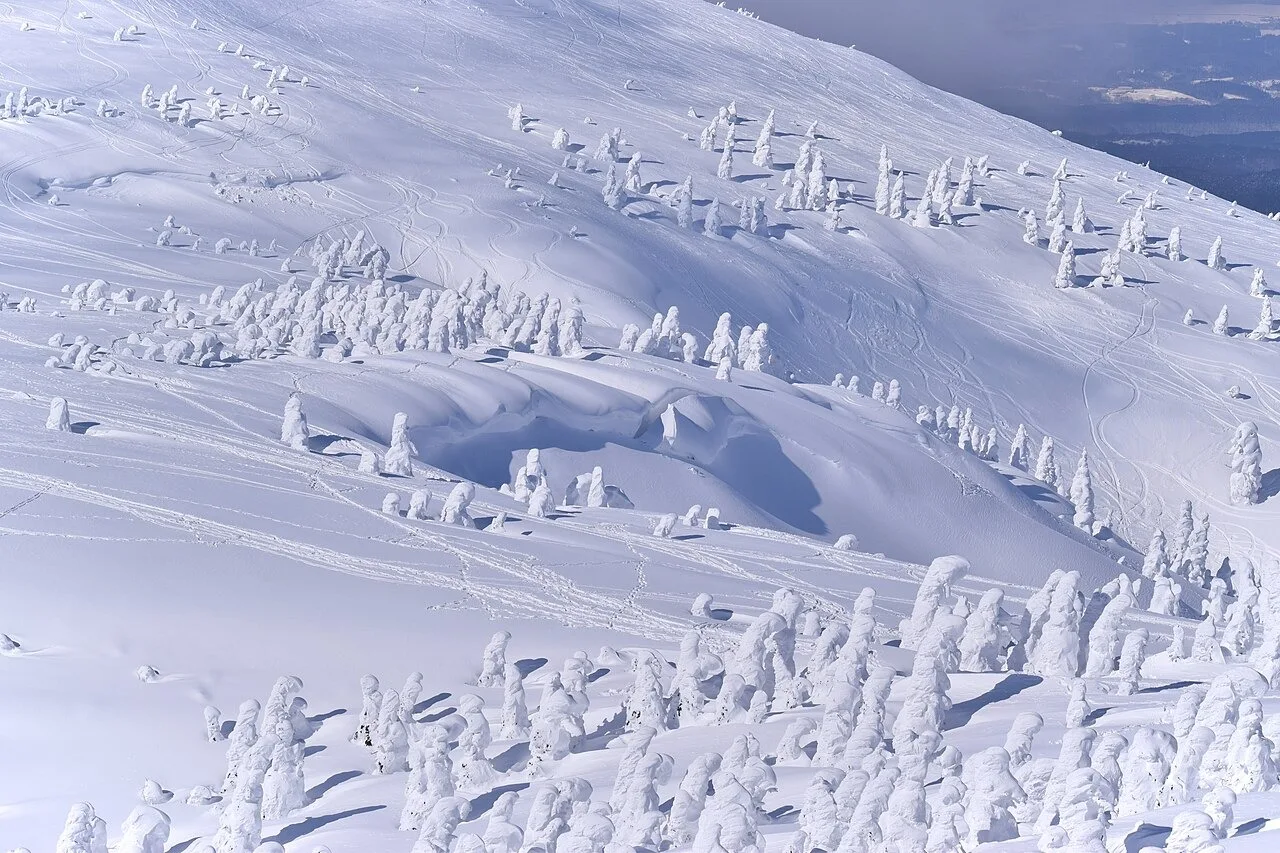
Hakkoda's ski terrain actually consists of two independent operations sharing the same mountain base. Nestled at Kansuizawa right beside the lower ropeway terminal, Hakkoda International Ski Resort is the sole provider of manicured pistes in the range—its official site states plainly that it is the only ski area on Mt. Hakkoda with groomed runs. Its five-month season runs from late November all the way to Golden Week in May, with a dedicated Snow Park opening from April. Next door, the Hakkoda Ropeway hauls riders 10 minutes straight to the summit of Mt. Tamoyachi, unlocking two completely ungroomed courses winding through dense snow-monster fields strictly designated for intermediate and advanced skiers. Tickets are completely separate and non-interchangeable, so many skiers spend the morning warming up their legs on the base groomers before riding the big cabin up for afternoon powder. First snowfall arrives between late October and November, keeping the slopes rideable from December to mid-May—far longer than winter lasts around Tokyo—while the ropeway's aerial stroll over frosted pines remains one of winter Aomori's signature sights.
Checking the pitch numbers makes it easy to gauge where you belong. Among the three groomed runs at Hakkoda International Ski Resort, the gentlest Kansuizawa Course stretches 1,100 meters with a 23-degree maximum gradient, while Furikozaka and Slalom each run 700 meters with maximum pitches of 27 and 30 degrees. Up top, the ropeway's Direct Course averages 11 degrees over 3.5 km and Forest Course averages 8 degrees over 5 km, yet both hit 30-degree maximum pitches without a single pass from a snowcat—Direct hugs the snow-monster corridor, whereas Forest drops down a steep opening kilometer before mellowing into a long tree-lined glide. First-time alpine skiers should spend their whole morning locking in balance on Kansuizawa. Do not head up the ropeway until you can link smooth turns in untracked, knee-deep snow; taking a tumble in deep powder drains your legs fast just trying to stand back up.
Beyond the two managed summit courses, six backcountry mountain-crossing routes branch out toward Sukayu Onsen, Hotel Jogakura, and neighboring valleys—all outside resort boundaries. Officials warn of severe cornice collapse and crevasse hazards, strictly banning solo entry. Under the Mt. Hakkoda Local Rules enforced since the 2018–19 season, anyone rescued after an incident outside managed territory is billed in full for search-and-rescue costs. Even seasonally, the Miyasama, Chuo, and Jogakura routes generally open only around early March, followed by Dozo, Hakkoda Onsen, and Hokibatai in early April. Unless you are with a licensed mountain guide, stay inside the marked runs and never blindly follow someone else's tracks past the ropes.
Compare Hakkoda with Kuju in Kyushu (known for tiered family lessons, free shuttles, and English instruction, opening December 11 for the 2026–27 season) or Mt. Rokko in Kansai (which bundles kids' snow-play zones, Snoil Kids classes, and beginner packages for international visitors), and Hakkoda's character stands out immediately. You will not find toddler snow-play parks or all-inclusive beginner wraps here. Instead, you get dry, high-elevation powder, a five-month season, and a 10-minute aerial ride into a surreal forest of ice-encrusted trees. Confident skiers who already link parallel turns will love it; families wanting easy sledding and snowball fights for young kids will have a much smoother day at Kuju or Mt. Rokko.
Skiing Hakkoda splits across two separate areas: three groomed runs at Hakkoda International Ski Resort for beginners, and two ungroomed snow-monster runs off the Hakkoda Ropeway for intermediates and experts. Compare lift and ropeway fares, the 3:40 PM winter last car, the 80-minute JR Bus ride, and Sukayu Onsen's updated Sennin Buro rates to plan a day trip or mountain stay.
Two Separate Ticket Systems: Ski Resort Lift Passes vs. Ropeway Fares
Skiing the lower groomers requires a Hakkoda International Ski Resort lift pass, while riding the big cabin to see snow monsters or drop into summit powder requires a Hakkoda Ropeway ticket—the two systems never cross over. For the December 2026–May 2027 season, International Ski Resort rates are ¥5,000 for an adult 1-day pass (¥3,500 child), ¥4,000 for a 4-hour pass (¥2,800 child), and the same ¥4,000/¥2,800 rate for an 11-ride pass ideal for riders planning just a handful of laps. Single rides cost ¥500, and a season pass valid through May 6, 2027 runs ¥50,000. Visitors aged 19 to 22 eligible for the Yuki Maji youth promotion get two free rides and half-price ¥2,500 day passes afterward. Tickets are sold inside the Hutte Buna World shop, where card deposits and fare types are handled separately—rent your gear first, then buy your lift ticket.
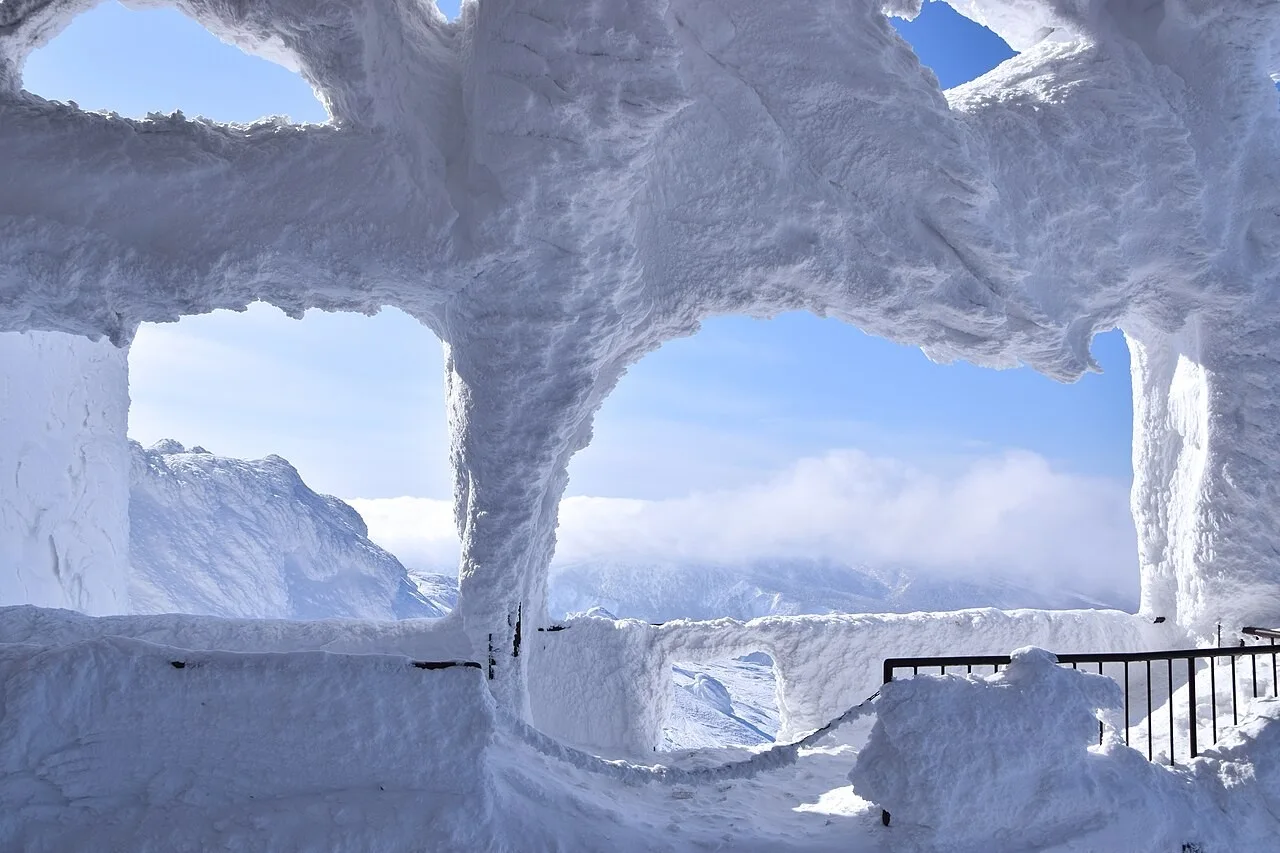
Hakkoda Ropeway fares reflect a price revision effective August 1, 2026: adults (junior high and older) pay ¥1,550 one-way or ¥2,500 round-trip; children pay ¥450 one-way or ¥700 round-trip; preschoolers ride free. Multi-ride passes consist of one-way rides and are strictly non-transferable: ¥7,050 for an adult 6-ride book (¥2,150 child) and ¥12,000 for an 11-ride book. Groups of 20 or more pay ¥1,450 one-way or ¥2,300 round-trip per adult, while disability certificate holders pay ¥600 one-way or ¥950 round-trip (Grade 1 or Class 1 holders may bring one companion at the same rate). Dedicated powder hounds can buy a Ropeway Season Pass for ¥72,500 (valid December 1 through May 5), separate from the ski resort season pass; all season passes require a 2.5 × 3.5 cm ID photo, available on-site for ¥200.
Sightseers riding strictly for the summit views only need a standard round-trip ropeway ticket. Keep in mind that the natural walking paths beyond Summit Park Station are buried and closed in winter, restricting casual strolling to the flattened snow terrace right beside the building. Non-skiers hoping to step deeper among the Aomori fir snow monsters and beech woods for photos should book the guided Hakkoda Snow Hiking tour, which requires zero skiing experience. Skiers should calculate ropeway costs in one-way segments: because both tree-ice runs finish right back at the base terminal, every summit lap burns one single-ride fare, making the 6-ride or 11-ride pass worthwhile as soon as you plan three or more laps. On the lower resort slopes, skiing directly beneath the lift pylons is strictly forbidden—stay on the groomed corridors.
Starting in April, the spring Snow Park introduces its own ticket: riders hiking up on foot without riding lifts buy a Snow Park pass (¥2,000 adult, ¥1,000 child), though 1-day and 4-hour pass holders are already covered. Travelers pairing April Tohoku spring skiing with cherry blossom viewing should check the resort's spring updates before heading up, as summit snow and sliding conditions hold well into April. For a family of two adults and two children doing everything in one day, base-area 1-day passes run ¥17,000 (or ¥13,600 for 4-hour passes) plus ¥6,400 for round-trip ropeway sightseeing—putting total lift and ropeway tickets just over ¥20,000 before rentals and meals.
If you would rather skip winter bus schedules and cutoffs altogether, the official Hakkoda Ropeway website also links directly to packaged snow-monster bus day tours run by operators like Club Tourism. Independent travelers who watch the bus and ropeway timetables closely, however, gain far more control over how long they stay on the snow.
| Ticket Type | Adult | Child | Notes |
|---|---|---|---|
| International Ski Resort 1-Day Pass | ¥5,000 | ¥3,500 | Dec–May season |
| International Ski Resort 4-Hour Pass | ¥4,000 | ¥2,800 | Same price for 11-ride pass |
| International Ski Resort Season Pass | ¥50,000 | — | Valid through May 6, 2027 |
| Ropeway One-Way | ¥1,550 | ¥450 | Effective Aug 1, 2026 |
| Ropeway Round-Trip | ¥2,500 | ¥700 | For snow-monster sightseeing |
| Ropeway 6-Ride Pass | ¥7,050 | ¥2,150 | One-way trips, non-transferable |
| Ropeway Season Pass | ¥72,500 | — | Dec 1 – May 5 |
2026–27 Timetable: Winter Ropeway Runs 9:00 AM–3:40 PM Uphill
The Hakkoda Ropeway schedule sets the tempo for your entire day. During the winter window from mid-November through late February, the first car departs at 9:00 AM and the final uphill car leaves at 3:40 PM; from March through early November, the last car extends to 4:20 PM. Cabins normally run every 15 to 20 minutes for the 10-minute climb, depositing you right at the doorway to the snow monsters and summit powder. The operator warns of "extreme winter" conditions—winds exceeding 25 meters per second, whiteout fog, or heavy snowstorms trigger immediate suspensions. Alongside annual mechanical inspections in early November, Tohoku Electric Power outage maintenance also brings scheduled shutdowns in mid-November this season, so checking the official NEWS page a week out beats relying solely on weather apps.
Counting backward from that 3:40 PM last uphill departure shows how early Hakkoda winds down compared with most Honshu resorts. Because ungroomed snow gets heavy and sticky by mid-afternoon, experienced skiers board the early 9:00 AM to 10:00 AM cabins, knock out two or three strong summit laps, and call it a day around 2:00 PM with a safety margin against sudden wind holds. The Kansuizawa groomers do not depend on the big ropeway, yet once late afternoon hits, your only mountain options are soaking in a hot spring or catching the bus down to Aomori City.
Early and late season feel worlds apart. Late November openings rely entirely on natural snowfall, so open runs and hours shift with early storms—wait for confirmed opening notices before locking in non-refundable mountain lodging. By April, the snow turns to wet spring corn, Snow Park sessions switch to hike-up laps, and closing times adjust accordingly. Right in the middle, from mid-January through late February, deep powder and towering snow monsters peak simultaneously; even though the ropeway season pass starts December 1, December is still base-building season, making mid-January onward the true sweet spot for Hakkoda at full power.
Food stops on the mountain follow the same early rhythm. At the base, Resthouse Hakkoda closes from November 8 until the ski area officially opens. The ropeway base cafeteria serves hot soba and curry, while the summit station sells simple curry rice; groups wanting boxed lunches must call the ski office ahead at 017-728-7135. Once 3:00 PM passes, mountain dining and activities effectively shut down—making an afternoon soak at Sukayu Onsen the natural finale.
Those towering snow monsters do not appear overnight. Supercooled water droplets and snow driven by fierce northwest winds strike Aomori fir trees (Aomori Todomatsu) repeatedly through midwinter, freezing layer upon layer into massive natural ice sculptures. In late November they have barely begun forming, and by March warm air starts melting and toppling them—making mid-January through February the prime window for aerial sightseeing. Whether chasing powder or views, all the action packs into the tight six-and-a-half-hour window between 9:00 AM and 3:30 PM.
Starting from Scratch: Kansuizawa Groomers and Compact Rentals
First-timers and skiers unaccustomed to deep snow should begin on the three groomed runs at Kansuizawa. All three sit right next to the lift base with gradients between 23 and 30 degrees—there is no gentler magic carpet slope and no fenced-off kids' snow-play area. If children cannot yet brake and steer independently, a parent needs to stay right beside them on the run. That stands in stark contrast to snow play and international visitor lessons at Mt. Rokko Snow Park and the tiered ski classes at Kuju Ski Resort; if your main goal is sledding and snowmen with toddlers, Rokko or Kuju will feel far easier.
Base-area rentals inside Hutte Buna World are compact and run on an in-person queue-number system. Expect a wait on busy winter weekends, so arriving early pays off; staff also remind visitors to wear a mask or face covering inside the rental room and keep personal gloves and goggles tucked away when returning equipment. Instruction runs separately through the 1920 Hakkodasan Ski School, whose membership passes go on sale June 15 and cover lessons plus mountain guide tours from opening day through March 31 (charged separately from April onward). Anyone wanting just a single beginner lesson should price out the lesson, rentals, and lift ticket individually—Hakkoda sells no all-in-one starter bundle.
Up at the ropeway summit, there are zero rental shops and zero ski instructors. The official ski page states flatly that rentals and lessons are not offered up top, so gear up completely at the base and carry your skis or board into the cabin. Alongside sunscreen, goggles, and spare gloves, pack an extra insulating mid-layer—wind chill on the exposed ridge feels dramatically colder than at the base. Dropping down one summit run, taking a few spills in the deep snow, and heading back to the Kansuizawa groomers for the afternoon is nothing to feel embarrassed about; it is how plenty of visitors pace their first day here.
Newcomers often underestimate how quickly groomed snow changes between morning and noon at Kansuizawa. Fresh corduroy at 9:00 AM grips cleanly and turns effortlessly on the 23-degree slope, whereas midday softening slows your edges and stretches stopping distances. Rather than forcing your way onto the 27-degree Furikozaka too soon, spend your first afternoon drilling speed control on lower Kansuizawa. If you fall, pull your skis together and shift promptly to the side of the trail—Hakkoda's runs are relatively narrow, and resting across the fall line blocks faster skiers descending from above.
Packing two small bags makes mountain logistics effortless. Take goggles, spare gloves, and an extra layer up the slopes, and leave dry socks, hand warmers, and high-calorie snacks in a daypack at the base lounge. Although both the base and summit stations have heated indoor seating, hot food mostly comes down to soba and curry—grabbing rice balls and snacks at an Aomori City supermarket before boarding the bus is much more satisfying. Extreme cold drains phone batteries rapidly, so keep a power bank tucked inside an inner jacket pocket close to body heat.
Getting There: 80-Minute Winter JR Bus and ¥460 Sukayu Shuttle
For car-free travelers, JR Bus Tohoku is the sole transit backbone up Mt. Hakkoda. In summer, the bus from Aomori Station reaches the ropeway in about 60 minutes; in deep winter, snow closures truncate the route to the Aomori Station–Sukayu Onsen section, stretching the ride to the ropeway station to roughly 80 minutes (¥1,290 one-way), while the hop between Sukayu Onsen and the ropeway takes about 15 minutes (¥460 one-way). Winter departures are sparse—only a handful of buses run each day—so lock in your outbound and return buses on the winter timetable before planning your ski hours. While seasonal bus patterns are covered in our Hakkoda autumn foliage guide, winter headways and last departures are completely different, and Aomori City buses to Hakkoda also switch to winter schedules. Note as well that the mountain highway toward Lake Towada closes completely in winter, cutting off any overland winter link to Oirase Gorge.
Drivers follow National Route 103, the Hakkoda-Towada Gold Line, reaching the base in about 40 minutes (24 km) from downtown Aomori or under an hour from Aomori Airport; the nearest expressway exit is Aomori Chuo IC, roughly 19 km away. Snow tires are mandatory on these high-elevation roads, with tire chains required during heavy storm controls, and drivers should check posted rules at the ropeway parking lot before leaving their car. Parties of two or three wanting to bypass infrequent buses can book flat-rate taxis operating between the ropeway and Aomori Airport, downtown stations, and regional hubs—split three ways, the fixed fare comes close to bus tickets and doubles as a lifesaver if you miss the last bus down.
Official flat-rate taxi tariffs by zone are posted directly on the ropeway website, sparing small groups the hassle of lugging ski bags onto crowded public buses while letting you pick your own departure time. If you do drive, double-check your rental contract for studless snow tires and chains before leaving the lot. Afternoon sun melts snow along the Gold Line only for it to freeze into slick black ice by late afternoon, so budget an extra 20 minutes for a cautious drive back down.
If you land on a morning flight at Aomori Airport hoping to ski the same afternoon, run the math first. Driving takes under an hour, yet adding baggage claim, mountain transit, rental lines, and the 3:40 PM last uphill ropeway car often leaves under two hours on snow. Any slight flight delay turns it into a rush—checking into downtown Aomori for seafood and a full night's sleep sets you up far better for an early start the next morning.
Groups splitting onto different runs should watch one detail for the ride down: once the day's final bus pulls out, only flat-rate taxis or hotel shuttles remain. Pin the exact return bus time and bus stop meeting spot in your group chat before your first run. Keep skis and poles packed neatly inside travel bags before boarding, as winter mountain buses lack spacious underfloor luggage bays and drivers routinely ask passengers to lay or secure gear so aisles stay clear.
Stay on the Mountain or in Aomori City: Evenings at Sukayu Onsen's Sennin Buro
Perched on Hakkoda's western flank at roughly 925 meters elevation, Sukayu Onsen opened in 1684 and became Japan's first designated National Health Hot Spring Resort in 1954. Its centerpiece is Hiba Sennin Buro, a massive 160-tatami all-hinoki cypress mixed-gender bath hall fed by four distinct thermal springs bubbling up beneath the same floor. Day-trippers should note updated hours and rates effective December 1, 2026: day bathing runs 9:00 AM–4:00 PM (last entry 3:30 PM) at ¥1,500 for adults (junior high and up) and ¥500 for elementary schoolers (preschoolers free), including a bath towel and take-home face towel. Through November 30, 2026, the legacy schedule of 7:00 AM–6:00 PM and ¥1,000 adult admission remains in effect. Admission covers Sennin Buro, the separate Tama-no-Yu baths, and two rest lounges—Otaka-taka Salon and Nebuta Lobby.
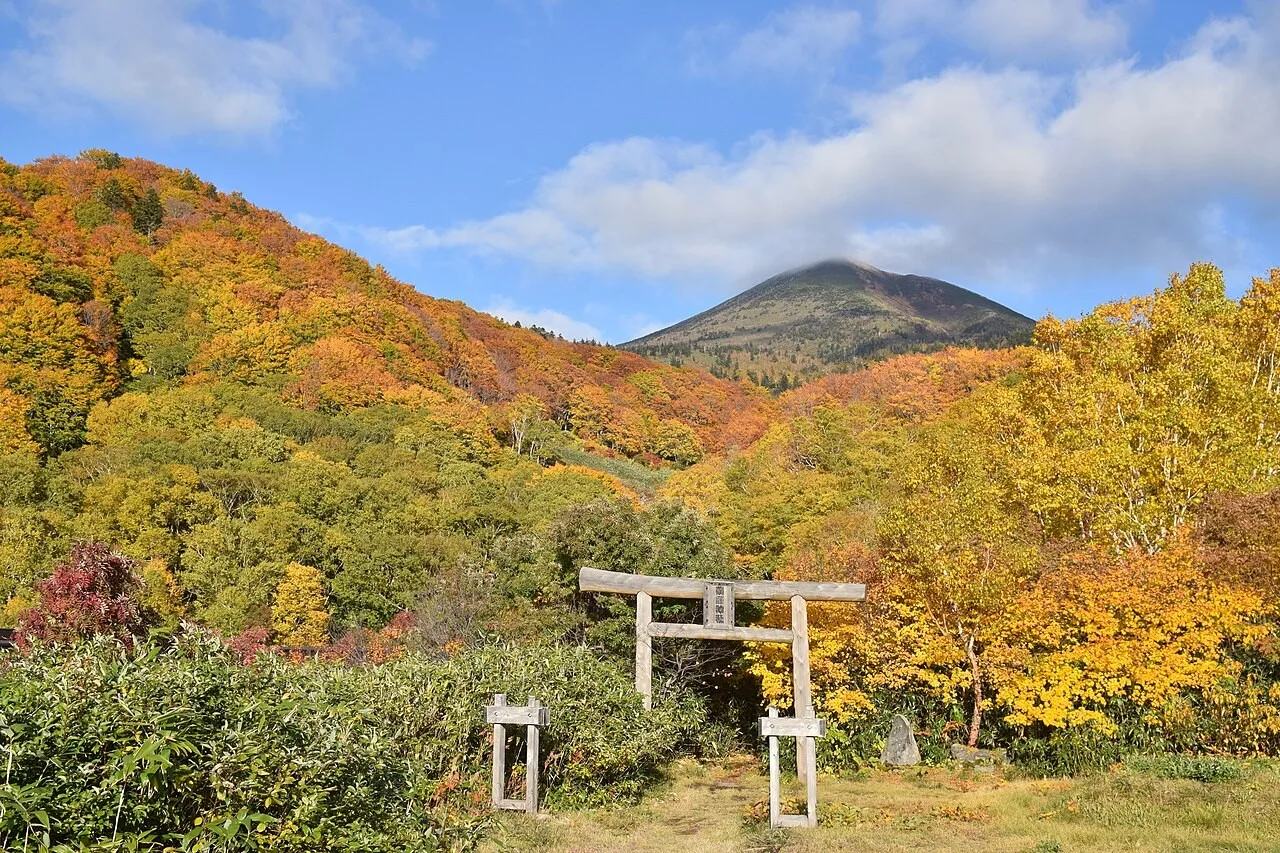
If mixed bathing gives you pause, Sukayu makes it easy to work around: Sennin Buro reserves 8:00 AM–9:00 AM daily as a women-only hour, while Tama-no-Yu offers gender-separated baths all day from 9:00 AM to 5:00 PM. Day-use tickets are sold exclusively via cash-only vending machines (no credit cards). If you plan two or three days on the mountain, a shareable 6-visit ticket book for ¥5,000 quickly pays for itself. Overnight stays can be booked via the Sukayu Onsen website or by phone at 017-738-6400—finishing your last run, catching the 15-minute bus to the inn, soaking in Sennin Buro, eating a hot dinner, and turning in early feels hard to beat.
Choosing between downtown Aomori and Sukayu Onsen comes down to trading 160 minutes of daily round-trip bus travel against city convenience. If skiing Hakkoda is just one day of a broader Aomori itinerary, staying downtown gives you maximum flexibility to spend evenings exploring markets and local food spots around Aomori Station for scallops and ramen. If you are coming purely for deep powder and historic hot springs, staying at Sukayu cuts out the commute and puts you in line for the 9:00 AM first ropeway car—at the cost of weak mobile reception and zero evening shopping streets.
The math on extended lift passes is equally straightforward. A ¥72,500 Ropeway Season Pass only breaks even if you ski more than 10 days. For a typical three-day stay at Sukayu Onsen, an adult 6-ride pass at ¥7,050 hits the sweet spot, while one or two summit laps or pure sightseeing works best with a ¥2,500 round-trip or single tickets. The ropeway also sells a 1-month pass for ¥40,000, aimed at remote workers wintering in Aomori or hardcore powder chasers.
Time your soak carefully around transit and lifts. Although 8:00 AM–9:00 AM is the women-only hour at Sennin Buro, bathing then clashes with catching the 9:00 AM first ropeway car; using Tama-no-Yu instead or saving Sennin Buro for after your final run keeps your morning smooth. Day visitors can relax with tea for half an hour in Otaka-taka Salon or Nebuta Lobby afterward while waiting comfortably for the return bus to Aomori Station.
Evenings at Sukayu are quiet and self-contained, with dinner and breakfast served in-house, so pick up any favorite beers or late-night snacks in downtown Aomori before heading up. Overnight guests wake up to the best routine on the mountain: a dawn soak (with the 8:00 AM women-only window available too), a warm Japanese breakfast, and stepping out at 8:40 AM to catch the 9:00 AM first ropeway in crisp mountain air.
Other Mountain Lodging and Afternoons for Non-Skiers
Beyond famous Sukayu Onsen, Mt. Hakkoda offers a handful of distinctive stays. Tucked inside primeval beech woods, Hotel Jogakura brings Nordic timber-lodge styling and a floor-to-ceiling scenic bath. Hakkoda Hotel delivers grand Western log-resort architecture lit by atmospheric gas lamps at dusk. Berjaya Hakkoda Ski Resort stays open year-round with forest hot springs even outside winter, while Hakkoda Sanso doubles as an outdoor gear shop and guide hub for backcountry skiers. Note that Hakkoda Onsen is currently closed, so cross it off your lodging and day-bath backup lists.
Off the groomed runs, do not underestimate how fast deep snow drains your legs—or the risk of sudden wind holds. The ungroomed 5-km Forest Course demands constant balance adjustments in soft snow, tiring your quads far quicker than an equivalent groomed pitch. Treat a third afternoon lap as a bonus only if your legs feel fresh, rather than forcing one last run just because it is before 3:40 PM. Straying out of bounds can mean hours of post-holing back to safety, which is precisely why local rules enforce strict self-responsibility outside managed areas.
Non-skiers traveling with skiers have plenty to fill an afternoon. A five-minute walk from Sukayu Onsen leads to steaming Jigokunuma Pond—stunning in autumn foliage or snowy silence, though winter visitors need slip-resistant snow boots for icy paths. Within Towada-Hachimantai National Park, Jogakura Bridge delivers dramatic four-season gorge views, while roadside stops like Kayano Chaya and Tashiro Kogen Chaya serve miso oden and char soba, and Matabee-no-Chaya offers a free footbath. Keep in mind that popular Suirennuma Marsh closes in winter under deep snow, so adjust Gold Line driving stops to open sections only.
Visiting Mt. Hakkoda also brings you face to face with a sobering piece of history: the Snow March Disaster Memorial Statue. Standing roughly seven meters tall, the monument honors the 210 soldiers of Japan's 5th Infantry Regiment who perished in a catastrophic January 1902 blizzard—and Corporal Fusanosuke Goto, discovered frozen upright in the snow. In winter, this is not merely a roadside photo stop; every strict solo-entry ban and backcountry rule on the mountain today was written in the aftermath of that tragedy.
Anyone hoping to venture deep into the snow-monster groves or South Hakkoda backcountry should hire certified professionals rather than blindly following stranger tracks. Local operator Hakkoda Mountain Guide Club runs snowshoe treks, guided backcountry skiing across South Hakkoda and Aomori peaks, and summer canoe trips; sightseers looking for a hassle-free outing can book packaged bus-and-ropeway snow-monster tours directly via the ropeway's official website.
Plan Around Weather Holds Before Heading Up
The Hakkoda Ropeway suspends service far more often than most Honshu ski areas. Gusts above 25 meters per second, whiteout fog, and blizzards can shut it down without warning, alongside scheduled mechanical checks in early November, Tohoku Electric Power outage closures in mid-November, and spring snowmelt shutdowns. Rather than staring at long-range weather apps three days out, check the official NEWS page the night before for scheduled maintenance or power-outage notices, then verify live wind conditions before leaving your hotel.
Write a Plan B into your itinerary before you ever board the bus so a lift hold at the base does not strand your day. Car-free visitors based in Aomori City can pivot effortlessly to the Aomori Museum of Art, the station fish market, or a train hop to Hachinohe. Drivers can detour smoothly to Jogakura Bridge and a long afternoon soak in Sukayu's Sennin Buro. Bear in mind that winter road closures forcing Aomori buses onto shortened Sukayu routes also affect buses continuing through Sukayu toward Hachinohe, so avoid scheduling tight cross-prefecture rail or flight transfers the morning after a ski day.
Summit wind chill bites far harder than temperatures down in Aomori City, draining body heat several times faster in sub-zero gusts. Three small preparations keep everyone comfortable: a spare dry mid-layer in case a fall wets your base clothes, a phone power bank kept warm inside your jacket, and a warm-up plan at the base cafeteria or summit cafe for non-skiers. Scheduling regular indoor hot-drink breaks works far better than pushing until everyone is freezing.
During severe blizzards, even mountain JR Buses can drop runs or suspend service, while drivers caught by road closures may wait in line for snowplows—local rental agencies routinely recommend stashing bottled water, a thermos of hot drinks, and emergency blankets in the trunk. Map out both a "clear-sky snow-monster day" and a "storm-closure backup day" the night before so you can switch gears smoothly the moment you open the curtains.
Three Ready-to-Use One-Day Itineraries
Match your day on Mt. Hakkoda to your group's ability using one of these three templates. Beginner Groomer Plan: Catch the 9:00 AM bus up, arrive around 9:50 AM to sort rentals right away, spend the morning drilling turns on Kansuizawa, try Furikozaka in the afternoon if your legs hold up, and return gear before 3:30 PM to catch the bus back to Aomori City for dinner. Intermediate/Advanced Tree-Ice Plan: Board the 9:00 AM first ropeway, alternate laps down the ungroomed Direct and Forest courses with a warm-up coffee break at the summit station, take your final run by 2:30 PM, pack up before 3:00 PM, and finish either in Sukayu Onsen or on the afternoon bus down. Non-Skier Sightseeing Plan: Ride the same 9:00 AM ropeway up for roughly an hour viewing the snow monsters and snowfields, head back down to reach Sukayu Onsen well before the 3:30 PM last entry for Sennin Buro, and ride an evening bus comfortably back into town.
When a multi-generation family mixes experts, beginners, and sightseeing grandparents, make the Ropeway Base Station Ticket Counter your single home base—since the groomers, ropeway terminal, and bus stop all branch out from that exact spot. Build in a one-hour buffer for kids' rental queues on peak days, as gear lines frequently outlast lift lines. If anyone plans to ski only half a day, anchor the whole group's return bus to the earliest finisher; the simpler your winter logistics at Hakkoda, the less sudden weather shifts can derail the day.
Save offline screenshots of your timetable and plan before leaving town so weak mountain signal never leaves you guessing. Unlike Kuju or Mt. Rokko, where a missed morning leaves plenty of city backups nearby, Hakkoda's snow monsters and powder have no substitute—if fierce winds or a missed 3:40 PM last car cut the slopes short, lean into a hot bath, grab dinner, and save your legs for tomorrow's first dry tracks.
A few useful answers
Is Hakkoda suitable for beginners?
Yes, if you stick to the base-area Hakkoda International Ski Resort. It has the mountain's only three groomed runs, starting with the gentle 1,100-meter Kansuizawa Course at a maximum 23-degree pitch. The two summit tree-ice runs off the ropeway are completely ungroomed and strictly for intermediate to advanced skiers. Rentals and lessons are also available only at the base—there are none at the summit.
Which ticket do I need just to ride the ropeway and see the snow monsters?
Sightseers can simply buy a round-trip ticket for the Hakkoda Ropeway. Effective August 1, 2026, fares are ¥2,500 for adults and ¥700 for children (preschoolers ride free). Winter hours run from 9:00 AM with the last uphill car at 3:40 PM. Because the summit walking trails close under deep snow in winter, sightseeing is limited to the cleared area around the station unless you book a guided Hakkoda Snow Hiking tour, which requires no ski skills.
When is the best time to see the Hakkoda snow monsters?
The snow monsters build up gradually as freezing mist and northwest winds coat Aomori fir trees through deep winter, peaking from mid-January through late February—just a 10-minute ropeway ride from the base. The overall ski season runs from late November through Golden Week in May, with the International Ski Resort season pass valid through May 6, 2027.
How do I get to Hakkoda from Aomori Station?
Without a rental car, take the JR Bus Tohoku. In winter, buses operate on a shortened route between Aomori Station and Sukayu Onsen, taking about 80 minutes (¥1,290 one-way) to reach the ropeway station. Departures are infrequent, so check the winter timetable in advance. By car, it is about 40 minutes via National Route 103 with mandatory snow tires. Flat-rate taxis also operate from Aomori City and Aomori Airport as a reliable backup if you miss the last bus.
How much does the Sennin Buro bath at Sukayu Onsen cost?
From December 1, 2026, day-use admission rises to ¥1,500 for adults and ¥500 for elementary school children (preschoolers free), with hours from 9:00 AM to 4:00 PM (last entry 3:30 PM), including a bath towel and take-home face towel. Through November 30, 2026, the prior rate of ¥1,000 for adults (7:00 AM–6:00 PM) remains in effect. Sennin Buro is mixed-gender with a women-only hour from 8:00 AM to 9:00 AM; gender-separated Tama-no-Yu baths are also included. Ticket machines accept cash only.
What skill level do the ropeway tree-ice runs require?
The Direct Course runs 3.5 km (averaging 11 degrees) and the Forest Course runs 5 km (averaging 8 degrees), both hitting a maximum pitch of 30 degrees with zero grooming from top to bottom. You should be comfortable linking confident turns in knee-deep powder before dropping in. The six backcountry mountain-crossing routes lie outside managed resort boundaries; solo entry is prohibited, and search-and-rescue costs are billed in full to the rescued skier.
Should I visit Hakkoda as a day trip from Aomori or stay on the mountain?
If it is your first visit and you also want to explore Aomori City's food scene or nearby sights, staying downtown and riding the morning bus up is the most flexible choice. If your main goal is first-tracks powder and soaking in historic hot springs, staying at Sukayu Onsen cuts out 160 minutes of daily bus transit—putting you on the 9:00 AM first ropeway with Sennin Buro waiting right after your final run.
Official information and references
Sources used in this guide.
- Hakkoda Ropeway | Operating Hours & Fares (August 2026 Fare Revision)
- Hakkoda Ropeway | Access (Winter JR Bus Service & Flat-Rate Taxis)
- Hakkoda Ropeway | Ski Information (Tree-Ice Runs & Backcountry Rules)
- Hakkoda Ropeway | Official Homepage (Winter Hours & Suspension Notices)
- Hakkoda Ski Area | Hakkoda International Ski Resort (Groomed Runs & Lift Passes)
- Hakkoda Ski Area | Season Pass & Ski School Membership Notice
- Sukayu Onsen | Day-Use Bathing Guide (New Rates from December 2026)
- Sukayu Onsen | Official Homepage (Sennin Buro & History)
- JR Bus Tohoku | Aomori-Hakkoda-Towada Gold Line Timetable