Compare New Year's shrine and temple routes for Meiji Jingu, Senso-ji, and Kawasaki Daishi, plus midnight bell schedules at Senso-ji and Zojo-ji, JR overnight trains, prayer bookings, and where to stay.
- Region & Focus
- TokyoWhen to visit
- Reading Scope
- 23 min read · 10 chapters · 7 Q&As
- Official Verification
- 33 official sources checkedUpdated 22 November 2026
- Key Topics
- WinterSeasonsRail travel
Chapter Route Map (tap any stop)
- Choose Your First Stop by the Ritual You Want
- Check Your Final Transfer on New Year's Eve
- Entering Meiji Jingu via Harajuku, Yoyogi, or Sangubashi
- Meiji Jingu Prayer Bookings & Worship Queues
- Senso-ji Bell Ringing at Bentenyama & Main Hall Worship
- Getting to Kawasaki Daishi via Keikyu Kawasaki
- Zojo-ji's Early Bells, Plus Akasaka & Ochanomizu
- Where to Stay: Near Senso-ji, Shibuya, or Kawasaki Station
- Late New Year's Eve Arrivals, Children & Cold Rain
- Budgeting for Transport, Amulets & Meals
- Quick Q&A
For hatsumode in Tokyo on New Year's Day 2027, decide first whether you want to stay out until midnight. If you want to hear the New Year's Eve bell at Senso-ji Temple, keep both your evening plans and your hotel within walking distance of Asakusa. If you prefer walking Meiji Jingu's forested approach, you can arrive at Harajuku on New Year's morning or enter from Yoyogi. Set aside a separate half-day for Kawasaki Daishi, taking the Keikyu Daishi Line to the temple gate for prayers at the Main Hall and a stroll down Nakamise Street. Travellers staying in Shinjuku, Shibuya, or Ueno can rely on JR Yamanote Line overnight trains on 31 December 2026, though any route requiring an underground or private railway transfer after midnight will need to be planned leg by leg.
Choose Your First Stop by the Ritual You Want
Hatsumode is the first shrine or temple visit of the New Year. Listening to the temple bells on the night of 31 December is known as Joya no Kane, whereas hatsumode begins once the calendar turns to 1 January. Heading out after waking up on New Year's morning still counts. If you have a specific ceremony in mind, pick your date and time first; if you simply want a scenic approach and a fortune slip, choose the site closest to your hotel. Meiji Jingu sits between Harajuku and Yoyogi, Senso-ji is on Tokyo's east side, and Kawasaki Daishi is across the border in Kanagawa Prefecture—trying to hit all three in one night adds two long cross-town journeys.
When deciding where to spend midnight, picture which street you will be standing on once the crowds disperse. Meiji Jingu's Harajuku entrance connects directly to JR and the Tokyo Metro, while Yoyogi to the north links to JR lines, giving you clear routes back to hotels along the Yamanote Line. Senso-ji's strength is its straight walk from Kaminarimon Gate through Nakamise Street to the Main Hall, making it easy to keep dinner and accommodation in the same neighbourhood. Kawasaki Daishi involves an extra Keikyu transfer at Keikyu Kawasaki Station onto the Daishi Line both ways, so a daytime visit pairs far more smoothly with the rest of your Tokyo itinerary.
On a two- or three-day Tokyo stay, leaving New Year's morning for hatsumode and having lunch in the same district keeps your schedule flexible. Visit Meiji Jingu if you are based in Shibuya or Shinjuku, or Senso-ji if you are staying in Kuramae or Asakusa. If you are already bound for Yokohama, you can stop off in Kawasaki, leave your luggage at your hotel or near the station, walk the temple approach, and catch your next train afterwards. If you have a Shinkansen or international flight later that day, treat a morning visit as optional and leave ample buffer for train waits, queues, and luggage retrieval.
If you want two distinct New Year's Eve atmospheres without rushing from Asakusa out to Kawasaki, there is a much easier pairing. Start at Shiba Park to watch Zojo-ji Temple's early bell ringing, walk to JR Hamamatsucho Station to catch the Yamanote Line back to your hotel, and save your main shrine or temple visit for the next day. That gives you one clear event each evening and morning, with plenty of time left over for meals.
| Location | Best Way to Plan It | Main Stations |
|---|---|---|
| Meiji Jingu | Walk the forested approach by day, or use JR lines at night | Harajuku, Yoyogi |
| Senso-ji Temple | Midnight bell ringing, or daytime stroll through Nakamise to the Main Hall | Asakusa (Tokyo Metro Ginza Line) |
| Kawasaki Daishi | Daytime visit paired with Nakamise Street or lunch near Kawasaki Station | Kawasaki-Daishi (Keikyu Daishi Line) |
| Zojo-ji Temple | Early New Year's Eve bell ringing, then back to your hotel the same night | Daimon (Toei), JR Hamamatsucho |
Compare New Year's shrine and temple routes for Meiji Jingu, Senso-ji, and Kawasaki Daishi, plus midnight bell schedules at Senso-ji and Zojo-ji, JR overnight trains, prayer bookings, and where to stay.
Check Your Final Transfer on New Year's Eve
On 22 October 2026, JR East announced overnight services across six Greater Tokyo lines running from after the last regular train on 31 December 2026 into New Year's morning 2027. The Yamanote Line outer and inner loops will run roughly from 01:00 to 04:50 at intervals of about 10 to 30 minutes. The Keihin-Tohoku and Negishi Line between Sakuragicho and Omiya will run roughly from 01:00 to 04:00 at intervals of about 10 to 80 minutes. Those windows cover each line as a whole—once you arrive at Harajuku, Ueno, or Kawasaki, check the specific departure in your direction. JR plans to load the exact timings into its digital timetables and the JR East App from 7 December, and will operate on holiday timetables from 30 December to 3 January.
Travellers staying west of Shinjuku must check the Chuo Line Rapid and the Chuo-Sobu Line Local separately. The Local service's overnight window covers Mitaka to Chiba from roughly 00:10 to 04:40, with intervals ranging from about 10 to 125 minutes. The Chuo Line Rapid overnight service runs only between Mitaka and Takao on a small number of fixed departures. If you are staying in Nakano or Koenji, walk out via Meiji Jingu's north side to Yoyogi Station and search by your Local stop name. If your phone shows a long wait, decide early whether to leave the shrine before the peak rush. Guests near Tokyo Station can rely directly on the Yamanote Line rather than following daytime Chuo Rapid transfer habits.
When searching routes, set the date to 1 January and enter your actual departure time along with the station closest to your hotel. Searching only as far as Shinjuku makes it easy to overlook the final leg. If your hotel is within walking distance of JR Shinjuku Station, boarding the Yamanote Line from Harajuku or Yoyogi is straightforward. If you are staying next to a Nishi-Shinjuku underground station, however, you may face a surface walk after exiting JR Shinjuku—a transfer that feels effortless by day on the underground becomes a solo walk in the middle of the night. Save a street-level walking route from the station exit to your hotel entrance in advance, in case underground passages close overnight.
Other rail operators publish their schedules separately: the Tokyo Metro Ginza Line, Toei Asakusa Line, and Keikyu Daishi Line are not part of JR's announcement. If you plan to stay at Senso-ji for the full bell-ringing ceremony, staying within walking distance of your hotel should be your top priority. Returning from Kawasaki Daishi to Tokyo, JR Kawasaki Station falls inside the Keihin-Tohoku overnight zone, yet there is still a connecting leg from the temple to the JR station whose timetables need to line up. If you are keeping taxis as a backup, pick a kerbside pick-up spot outside traffic-restricted zones where stopping is permitted—never drop your pin directly in front of Kaminarimon Gate or Daishi's Daisenmon Gate.
When travelling in a group, agree early on which line, direction, and exit you will meet at after alighting. Anyone using a wheelchair or pushchair needs lift access and may have to let crowds board first, making platform rendezvous points hard to manage. Searching after midnight also makes it easy to mistake the regular first morning train for an overnight service. If your route planner only shows standard holiday timetables, prepare walking routes on both sides of the underground or shift your visit to daylight hours.
Entering Meiji Jingu via Harajuku, Yoyogi, or Sangubashi
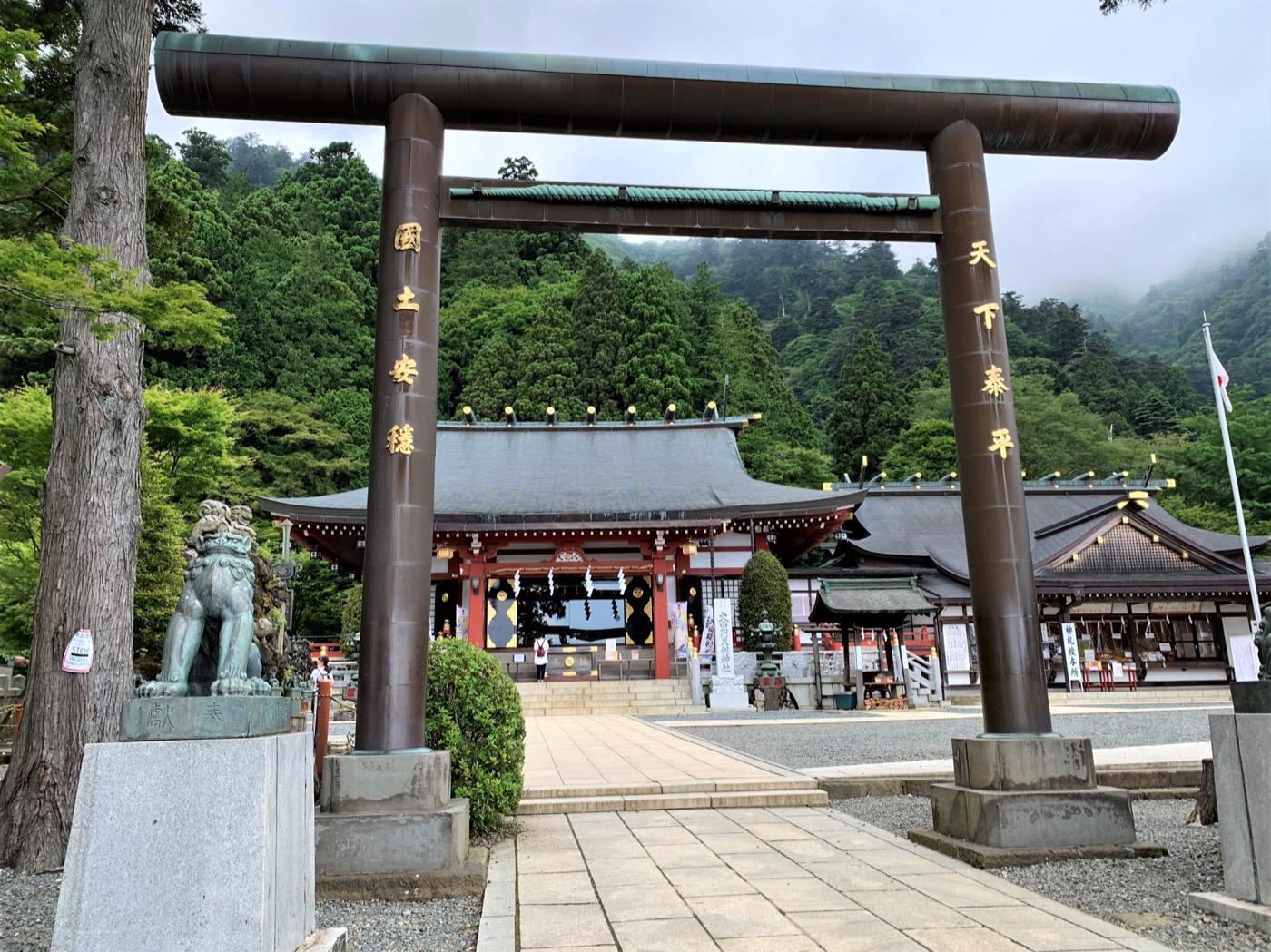
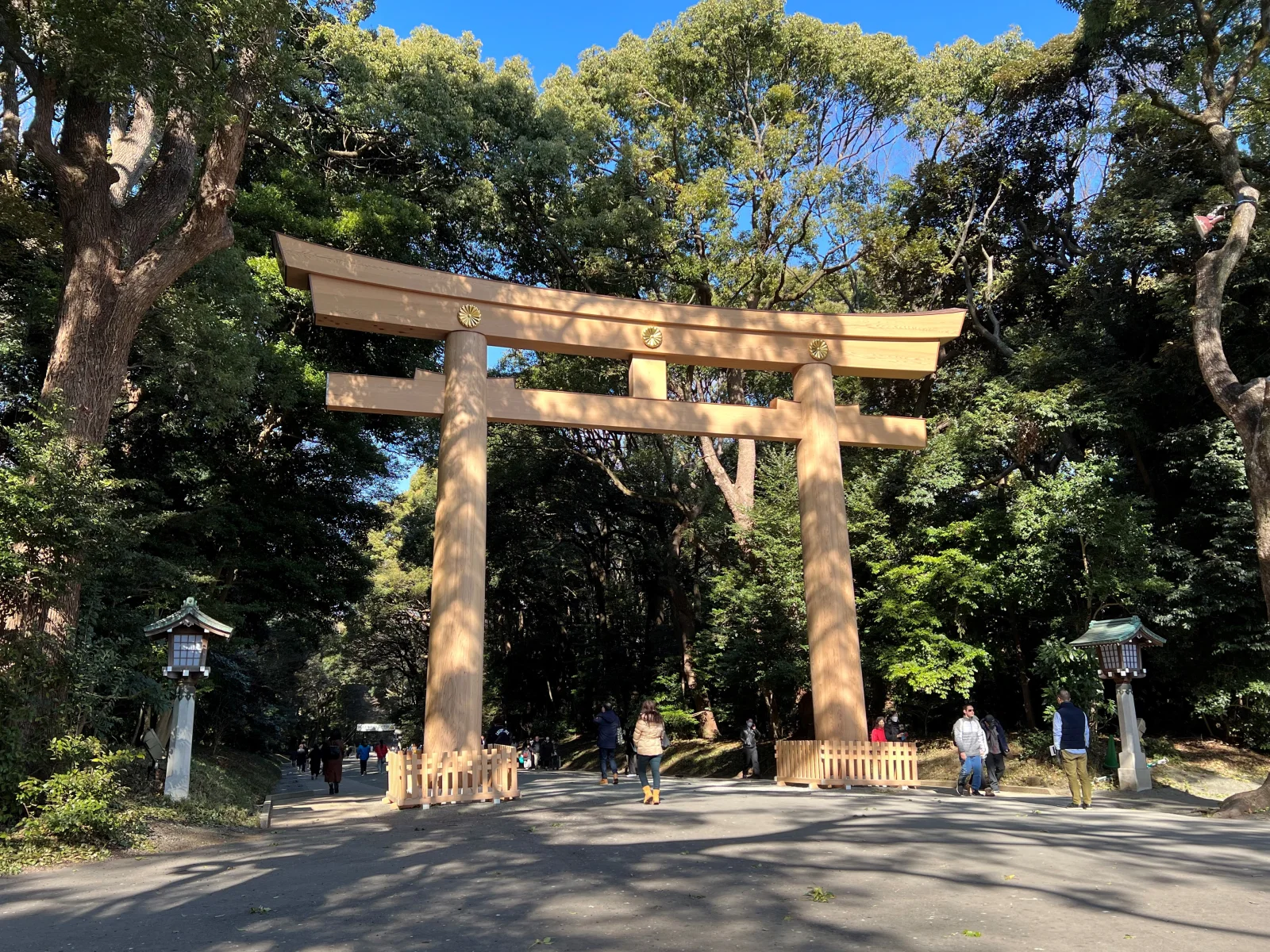
The Harajuku entrance leads into the South Approach. Exit JR Harajuku Station via the Omotesando West Exit, or take Exit 2 from Meiji-jingumae (Harajuku) Station on the Chiyoda or Fukutoshin lines. Both bring you up to street level right beside the first torii gate. From there you walk along a tree-lined gravel path before reaching the junction leading to the main shrine buildings. Meiji Jingu lists an approximate 10-minute walk from any entrance to the main sanctuary, though how long it actually takes depends on where the queue begins. Seeing the torii outside the station does not mean you are close to praying.
Coming from Shinjuku, it is often easier to take the JR or Toei Oedo Line straight to Yoyogi Station and use the Yoyogi entrance. Kitasando Station on the Fukutoshin Line also connects to this side, with Meiji Jingu listing roughly a 5-minute walk from either station. This entrance suits visitors staying in Yoyogi, southern Shinjuku, or anyone taking a JR train back later. If you are along the Odakyu Line, alight at Sangubashi Station and walk about 5 minutes to the West entrance—this skips the detour to Harajuku and works especially well for daytime visits from western Shinjuku.
Meiji Jingu's regular gates open and close with sunrise and sunset: 06:40–16:00 in December and 06:40–16:20 in January. For New Year's Eve through the New Year period, refer to the shrine's dedicated Hatsumode Special gate timetable. While the 2027 schedule for corporate and group prayers has already been released, the general New Year gate hours have not yet been updated. If you simply want to walk the approach and pay your respects, a morning visit in early January is straightforward; if you are aiming for midnight entry, wait for the seasonal guide update and work backwards from the gate schedule.
Most people choose the Harajuku entrance because they want to walk the entire South Approach from the first torii. If your priority on the way back is catching the Yamanote Line, save Yoyogi Station on your map before leaving and follow signs wherever one-way crowd control splits the path. General worship and collecting amulets usually have separate queues; finish praying first, then look for signs reading Juyosho (amulet counters) or Goshuin rather than retracing your steps to consult a general map.
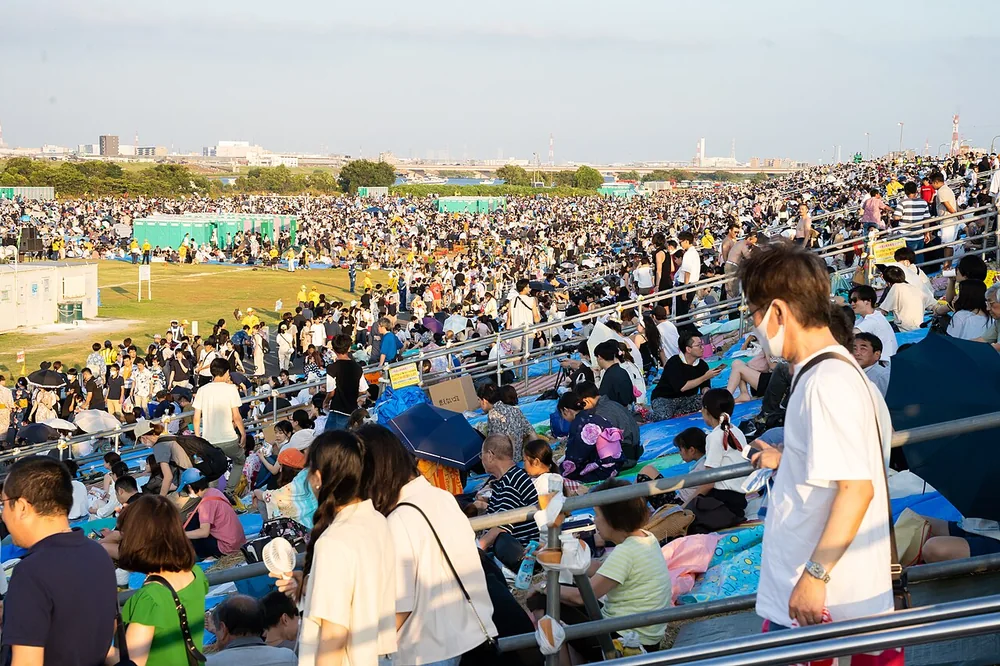
Meiji Jingu's New Year guide identifies the busiest windows as 22:00 on New Year's Eve to 03:00 on New Year's Day, and after 10:00 across the first three days of January. If you want to walk the full approach and have lunch in Harajuku, arriving early in the morning lets you separate the two cleanly. Wheelchair loan services are listed at the shrine entrances—enquire at the gate before heading down the path. Pushing wheels over gravel is tiring in the rain, and changing plans partway down the approach is far harder than deciding your route at the entrance.
Meiji Jingu Prayer Bookings & Worship Queues
To pay your respects at the main Worship Hall, simply follow the Sanpai signs—general worship is free and requires no booking. Once at the front, bow twice, clap twice, and bow once. If a temizuya purification fountain is open along the approach, rinse your hands before entering the sanctuary. If you decide partway through the queue that you want an amulet, finish your prayer first, then step out of the main line to check the counter signs while keeping walkways clear for the crowd.
Advance bookings apply only to companies and organised groups offering New Year prayers in the Kaguraden hall under the Reiwa 9 corporate and group announcement. Reception hours are 01:00–17:00 on 1 January 2027, 09:00–16:30 on 2–7 January, and 09:30–16:00 on 8–31 January. The booking site opens at 10:00 JST on 9 November 2026 and closes at 18:00 JST on 27 November, allocated on a first-come, first-served basis. Groups are capped at 30 people including the representative, with an offering (hatsuho-ryo) starting from ¥30,000; payment by bank transfer is due by 4 December, and attendees must present their confirmation letter and check in 20 minutes before their slot.
Families wanting a private prayer inside the Kaguraden should look up Meiji Jingu's individual prayer page, which is handled separately from corporate bookings. If your group simply wishes to make personal wishes, complete general worship and pick up an Omigokoro fortune slip as a keepsake. Rather than standard good-or-bad-luck labels, these slips feature waka poems composed by Emperor Meiji and Empress Shoken with commentary and an English translation—read them as a thoughtful prompt rather than scanning for fortune rankings.
Senso-ji Bell Ringing at Bentenyama & Main Hall Worship
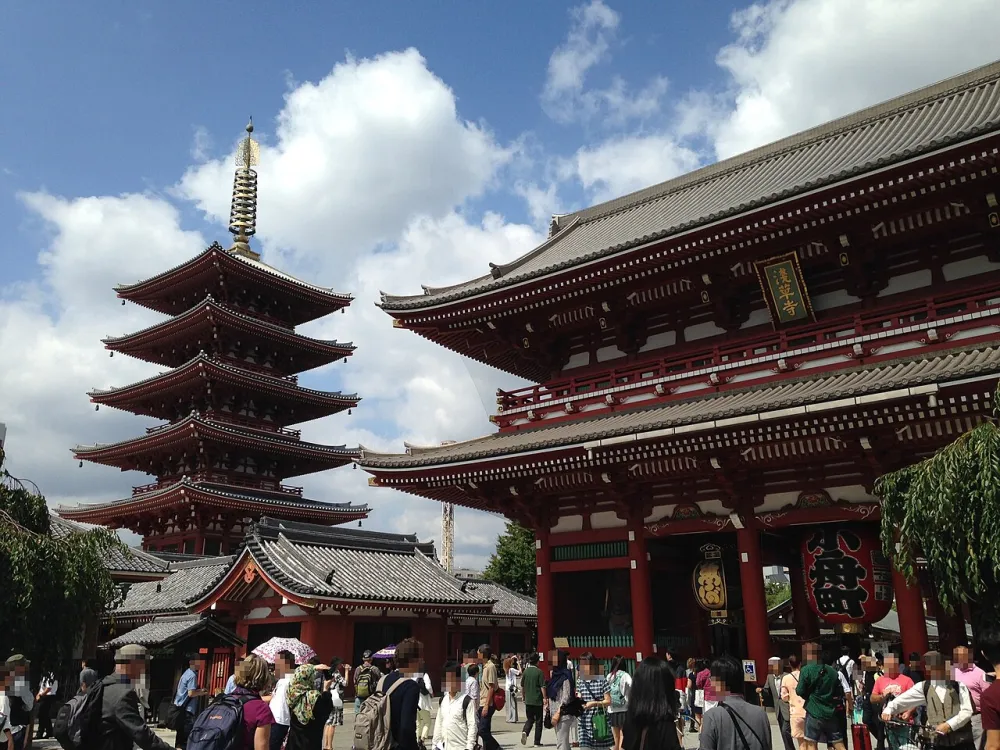
To enter through Kaminarimon Gate, take the Tokyo Metro Ginza Line to Asakusa Station and use Exit 1 (marked Senso-ji / Kaminarimon), which has lift access. The approach runs from Kaminarimon through Nakamise Street and Hozomon Gate to the Main Hall enshrining Sho Kannon. The belfry stands separately at Bentenyama in the south-eastern corner of the precincts, away from the Main Hall worship area. When leaving, follow any barriers or one-way exits in operation. If your group gets separated, agree to regroup in your hotel lobby rather than stopping in front of Kaminarimon. On the Toei Asakusa Line, Exit A4 leads towards Kaminarimon and Senso-ji, while pushchairs and wheelchairs should use the A2b lift towards Komagata Bridge and head north along Edo-dori. If members are arriving on different lines, set a street address outside the station as your meeting point rather than 'an Asakusa Station exit'.
Senso-ji's annual calendar lists Joya no Kane under New Year's Eve. A Buddhist service is held at Bentenyama first, and bell ringing begins at 00:00 on New Year's Day: three uncounted prelude strikes (sute-gane) followed by 108 strikes by members of the Hyakuhachi-kai, lasting around 40 minutes. Visitors listen from designated spots along the open walkways; there is no public queue to strike the bell yourself. If you only want to hear the opening strikes, agree with your companions beforehand when to leave so no one assumes you can walk straight into the Main Hall at the stroke of midnight.
For formal New Year prayers, Senso-ji holds its Special New Year Prayer Service in the Main Hall starting at 00:00 on New Year's Day and continuing through 7 January, scheduled roughly every 30 to 60 minutes until near closing time. Participants write their name and wish on a prayer plaque at reception before entering the inner sanctuary (Naijin), whereas general visitors simply press their palms together in the outer hall (Gaijin). Regular winter Main Hall hours are 06:30–17:00, with New Year closing times and prayer intervals listed separately on the temple's January timetable.
For goshuin temple stamps, head to Yogodo Hall to the left as you face the Main Hall, where you can choose between the principal image Sho Kannon or Daikokuten of the Asakusa Seven Lucky Gods. Regular hours are 08:00–16:30, with special New Year hours. If only one person in your family wants a stamp, have everyone else wait outside the main queue rather than trailing from the Main Hall line into the Yogodo line. For photographs along Nakamise Street or souvenir shopping, coming back during the day is far easier—you can also follow our Senso-ji Temple visiting route for a quieter weekday stroll.
If it rains and you are out with children to see Kaminarimon, wait until after 09:00 and use the Asakusa Culture Tourist Information Center directly opposite the gate as your base. Taito Ward lists its opening hours as 09:00–20:00 year-round, with tourist information and rest areas inside. During passing showers, sort out pushchairs and raincoats indoors before deciding whether to continue to the Main Hall or have an early meal. Save any open-air walk along the Sumida River for the afternoon once the weather clears.
Getting to Kawasaki Daishi via Keikyu Kawasaki
Travelling from Tokyo, change at Shinagawa onto the Keikyu Main Line to Keikyu Kawasaki, then transfer to the Keikyu Daishi Line bound for Kojimashinden and alight at Kawasaki-Daishi Station. The temple lists an 8-minute walk from the station. When setting your map destination, enter 'Kawasaki Daishi Heikenji' or 'Kawasaki Daishi Daisenmon'—searching simply for 'Kawasaki' often routes you to JR Kawasaki Station several stops away. If you arrive by JR Kawasaki Station during the day, an alternative is Rinko Bus route Kawa 23 for Daishi from East Exit Bus Stop 7.
On 31 December 2026, the temple's final Kechigan Daigoma-ku fire ritual of the year takes place in the Main Hall at 15:30, followed in the evening by the Joya Horaku service at the belfry, leading into the New Year's Eve bells and the midnight Goma fire ritual. Regular winter Main Hall hours (06:00–17:30) are explicitly limited on the access page to 1 February–30 December, with January hours published separately. If you want to visit the Main Hall on New Year's Eve without late-night transport stress, build your trip around the afternoon Kechigan service and take regular evening trains back.
The Gantan Negaoki advance booking for the midnight New Year Goma ritual works best if you can visit the temple beforehand. Applications are accepted at the Goma reception desk on the grounds from 21 November to 30 December 2026, with wooden prayer plaques available for collection from 1 to 31 January 2027. If you are praying for family wellbeing and arriving after New Year's Day, joining one of the regular daily Goma sessions is more practical. You can also simply offer a silent prayer at the Main Hall, grab a bite along Nakamise Street outside Daisenmon Gate, and head back to Kawasaki Station.
When visiting with older relatives, walk straight from Daisenmon Gate to the Main Hall first, then add the belfry or Yakushiden Hall if everyone still has energy. On the temple map, goshuin stamps are handled at the Gojishi-no Uketsukesho counter—simply look for that sign on arrival. From 21 November 2026, all Kawasaki Daishi goshuin stamps cost ¥500, standard omamori amulets for ward-off-evil, good fortune, or academic success are ¥500, and traffic safety amulets in a gold-brocade pouch are ¥1,000, making it easy to budget cash beforehand. Market stalls, belfry ceremonies, and amulet counters keep different schedules, so shopping for daruma dolls or browsing Nakamise Street is best done in daylight.
Staying near Kawasaki Station lets you have dinner nearby, leave luggage at your hotel, and catch a JR train directly towards Yokohama or Shinagawa the next morning. If your goal is being inside Kawasaki Daishi at midnight on New Year's Eve, staying near the station still leaves you with the return leg from the temple. On a one-night stay, compare walking times on the hotel map from both Kawasaki-Daishi Station and Keikyu Kawasaki Station to decide which end of the journey you want to keep short.
Zojo-ji's Early Bells, Plus Akasaka & Ochanomizu
For an earlier bell ceremony, Zojo-ji Temple revised its schedule in November 2026: on 31 December, the service begins at 21:30, bell ringing runs from 21:45, and proceedings wrap up around 23:00. The temple is about a 5-minute walk from Daimon Station on the Toei Asakusa or Oedo lines, or an easy walk from JR Hamamatsucho, letting you catch pre-midnight trains back to your hotel. General bell-ringing tickets (kanetsuki-ken) go on sale from 09:00 on 1 December at the temple office on the second floor of the Kaikan building—only worth factoring in if your trip overlaps that release date.
If you are staying around Akasaka or Tameike, Hie Shrine makes an easy daytime stop in January. Take Exit 2 from Akasaka Station (Chiyoda Line) or Exit 7 from Tameike-Sanno Station (Namboku or Ginza lines); both are listed by the shrine as roughly a 3-minute walk. Approaching from the bottom of the hill involves steps and elevation changes, so visitors with walking sticks or pushchairs should look for the approach entrance fitted with escalators. Pairing one visit with a nearby meal saves an entire round trip out to Harajuku.
For hotels in Ochanomizu or Akihabara, Kanda Myojin Shrine sits right along your path. It is roughly a 5-minute walk from JR Ochanomizu Station's Hijiribashi Exit or Tokyo Metro Shin-Ochanomizu Exit B1, and about 7 minutes from Akihabara's Electric Town Exit. Visit during the day, walk down into Akihabara for lunch or shopping, and board your train home straight from there. Both shrines still draw New Year crowds, but their real appeal is cutting out extra transfers and having indoor options close by if queues stall.
If you are staying in Asakusa for several days and want to space out your shrine and temple visits, pay your respects to Kannon at Senso-ji first and walk north to Matsuchiyama Shoden on another morning. Taito Ward lists this sub-temple of Senso-ji as the Bishamonten stop on the Asakusa Seven Lucky Gods trail, hosting its annual Daikon Festival on 7 January. You can stroll along the Sumida River path on a calm day or take inland streets when it is windy. Because Matsuchiyama Shoden sits atop a small hill, check the slopes and return path on a map beforehand if you have a pushchair rather than assuming it is one flat shopping street.
Where to Stay: Near Senso-ji, Shibuya, or Kawasaki Station
When booking a hotel for Asakusa's New Year's Eve bells, verify first that you can walk back from the Main Hall rather than relying only on station names in listings. Richmond Hotel Asakusa (Main Building) sits in Asakusa 2-chome, listed by the operator as a 3-minute walk from Tsukuba Express Asakusa Station Exit A1 and roughly 8 minutes from Ginza Line Asakusa Station Exit 1. Staying on this side is convenient if you want midnight bells without chasing late trains; just allow extra walking time the next morning if you are heading towards the airport on the Toei Asakusa Line rather than basing your timing on the Tsukuba Express distance.
If you are travelling with elderly relatives and luggage, or taking the Tobu Line north the next day, compare Asakusa Tobu Hotel next to Tobu Asakusa Station. Located in Asakusa 1-chome, it is listed as a 30-second walk from Tobu Skytree Line Asakusa Station and sits closer to the Ginza and Toei exit clusters. That means a slightly longer walk back from the Main Hall at night than staying right beside the temple, in exchange for an effortless street haul with heavy suitcases the next morning. If you do not want to switch hotels for a single night of hatsumode, check walking routes from both your existing hotel and the Main Hall rather than trusting straight-line map distances.
For a midnight visit to Meiji Jingu, any hotel within walking distance of JR Shibuya or JR Shinjuku stations works, provided you check which station shortcuts lock overnight. JR-East Hotel Mets Shibuya, for instance, is officially listed as a 4-minute walk from JR Shibuya Station's New South Gate. However, the daytime shortcuts crossing above the tracks via Shibuya Sakura Stage or through Shibuya Stream are closed from 01:00 to 04:00. The hotel publishes a dedicated overnight route: still exit via the New South Gate, descend to the second floor inside Sakura Stage, and take the pedestrian skybridge down to street level. Save that diagram to your phone before heading to Shibuya.
In Kawasaki, prioritise the JR Kawasaki Station side if you are catching a JR train the next day. Hotel Metropolitan Kawasaki lists a 2-minute walk along the elevated walkway from JR Kawasaki's Central West Exit. It makes evening check-ins and onward trips to Yokohama smooth, while Rinko Bus Stop 7 for Kawasaki Daishi sits outside the East Exit and the Daishi Line requires walking over to Keikyu Kawasaki. Families with babies or older relatives should weigh the extra transfer walk from a JR-side hotel against carrying luggage from accommodation right outside the temple.
Track check-in dates by Japan Standard Time (JST). If you head to your hotel after a New Year's Eve dinner, the date is usually still 31 December; if you arrive only after listening to the midnight bells, it may already be 1 January—book for the night of 31 December and notify the front desk of a late arrival. On a two-night stay, test your transport options against the latest hour you expect to return. A short walk beside Senso-ji, an open overnight walkway in Shibuya, or the connecting train out of Kawasaki matters far more to when you get to sleep than the 'minutes from station' line on a booking page.
Late New Year's Eve Arrivals, Children & Cold Rain
If your flight lands at Haneda on the evening of 31 December, prioritise getting into town, checking in, and having dinner. Travellers staying in Shinagawa or Shibuya can wait until New Year's morning to ride the Yamanote Line to Harajuku. In Asakusa, if you still have energy late at night, drop your bags in your room first and stroll towards Kaminarimon unencumbered; if everyone is tired, save Senso-ji's outer Main Hall for New Year's morning and spend the full day exploring Asakusa. Avoid changing hotels after that first night so you save energy for the next day's walking.
With young children or older relatives, build in breakfast, toilets, and warm-up stops before entering any shrine approach. If you plan to enter Meiji Jingu before 10:00, eat breakfast near your hotel first. Should the queue at the torii already look longer than your group can comfortably manage, spend the morning around Harajuku and come back a few days later. Shifting your visit to 4 January onwards takes away the pressure of having to get in on New Year's Day itself, and Asakusa's daytime indoor rest stops are far kinder to cold children than waiting along the riverside on New Year's Eve.
On wet, windy nights, wear a hooded coat and shoes with good grip so your hands stay free to steady children or check exits on your phone. If anyone in your group needs regular medication or snacks, pack water, medicine, and small bites before setting out rather than relying on stalls or restaurants. Whenever you have non-refundable dinner bookings, rail tickets, or transfers, count backwards before you leave to set a hard cut-off time at the shrine or temple. If you need to trim the plan, drop goshuin stamps or cross-district walks first so the core visit stays intact.
When rain sets in around Asakusa, you can hop on the Toei Asakusa Line to Oshiage for indoor dining and shopping at Tokyo Solamachi, right outside Oshiage Station Exits B3 and A2. Keep in mind that if your hotel sits west of Senso-ji, walking back to the Toei line itself means spending time outdoors. During heavy downpours, ducking into the tourist information centre opposite Kaminarimon or returning to your hotel beats pushing a wet pushchair across several blocks. Pick indoor restaurants that suit both adults and children ahead of time, and head straight there at lunchtime so you are not forced to gamble on long worship queues.
Budgeting for Transport, Amulets & Meals
General shrine and temple worship is free; your main costs are transport, amulets, and food. For simple round trips on the Tokyo Metro, standard adult fares for the shortest 1–6 km band are ¥180 by paper ticket (¥360 return) or ¥178 by IC card (¥356 return); the 7–11 km band is ¥210 by paper ticket (¥420 return) or ¥209 by IC card (¥418 return). Trips from Meiji-jingumae to farther districts, or transfers onto JR and Keikyu lines, add up per segment. On a day with only one or two underground rides, tapping an IC card per trip is enough; before buying a multi-operator day pass, check both its coverage and price against the exact rides you plan to take.
A Tokyo Metro 24-Hour Ticket costs ¥700 for adults and ¥350 for children. Four rides at the shortest adult IC fare of ¥178 already total ¥712, making the pass worthwhile if you stick to the Metro. However, if you take JR to Harajuku in the morning and ride the Ginza Line only once in the afternoon, the pass will only cover that single leg. Paper 24-hour tickets start counting from your first tap-in and must be activated before the last train on the day of purchase, whereas IC-loaded passes start counting from the moment of purchase—if you want coverage spanning New Year's Eve into New Year's Day, decide carefully which ride starts the clock.
Before collecting amulets, decide who each one is for. At Kawasaki Daishi, picking up one good-fortune amulet and one goshuin stamp comes to ¥1,000 per person; if you need a goshuincho stamp book, the temple lists ¥1,500 for cloth covers and ¥1,800 for brocade covers, paid separately from the stamp itself. Carry small cash for other shrines and temples according to their posted prices, and keep coins accessible if several people want fortune slips so you are not rummaging through backpacks at the counter. Formal group or family prayers are budgeted separately, with higher fees and set entry times than standard hall worship.
If you fancy amazake sweet rice drink or grilled dango dumplings in January, treat street stalls as a post-visit snack and plan proper meals back near your hotel. Booking accommodation with breakfast included is far simpler than hunting for open cafés outside a temple first thing in the morning. Anyone using Asakusa as an evening base can check our Asakusa accommodation districts guide to line up hotel walking times with dinner reservations—that way, if someone gets too cold and leaves early, you still have a warm place to eat without crossing cordoned streets to find each other.
Leave one extra cushion in your budget. If your hotel is far from your midnight shrine or temple, taxis often require queuing outside traffic-restricted zones. Before splitting a fare, check how many passengers each cab can legally carry and whether there is boot space for a pushchair. Once a group needs two separate taxis, paying slightly more for a hotel within walking distance often works out better value than chasing the cheapest room several stops away.
A few useful answers
Do I have to go at midnight on New Year's Day for hatsumode in Tokyo?
No—visiting after sunrise on New Year's Day or during early January is completely fine. Midnight visits make the most sense if you want to hear Senso-ji's New Year's Eve bells and can walk back to a hotel in Asakusa.
Do I need a booking for general hatsumode worship at Meiji Jingu?
General worship in front of the main hall is free and requires no booking. The 2027 advance booking announcement only applies to corporate and group prayers inside the Kaguraden hall.
Can visitors ring the New Year's Eve bell at Senso-ji themselves?
At Senso-ji, members of the Hyakuhachi-kai ring the 108 strikes while visitors listen. If you want to strike a bell yourself, look at Zojo-ji Temple, which releases general bell-ringing tickets from 1 December 2026.
Will the JR Yamanote Line run overnight on New Year's Eve 2026?
Yes. JR East has announced overnight services on both loops from roughly 01:00 to 04:50 at 10-to-30-minute intervals. If you need an underground or private railway connection afterwards, check that operator's timetable separately.
Is Keikyu Kawasaki Station right outside Kawasaki Daishi?
No. At Keikyu Kawasaki Station, transfer to the Keikyu Daishi Line, alight at Kawasaki-Daishi Station, and walk about 8 minutes.
What time does the 2026 New Year's Eve bell ringing start at Zojo-ji Temple?
The service begins at 21:30 on 31 December, bell ringing starts at 21:45, and proceedings are scheduled to finish around 23:00.
Where do I get a goshuin stamp at Senso-ji Temple?
Look for Yogodo Hall to the left as you face the Main Hall. Regular hours are 08:00–16:30, with special hours during the New Year period.
Official information and references
Sources used in this guide.
- JR East 2026 Winter Extra Trains & New Year's Eve Services
- Meiji Jingu Hatsumode Special & New Year Crowd Routes
- Meiji Jingu Reiwa 9 Corporate & Group New Year Prayers
- Meiji Jingu Gate Opening Hours & Worship Etiquette
- Meiji Jingu Access & Wheelchair Loan Information
- Meiji Jingu Omigokoro Waka Poem Fortune Slips
- Meiji Jingu Kaguraden Individual Prayer Applications
- JR East Harajuku Station Exits
- Tokyo Metro Meiji-jingumae (Harajuku) Station Accessibility
- Senso-ji Temple New Year's Eve Bell Ringing (Joya no Kane)
- Senso-ji Temple Special New Year Prayer Service
- Senso-ji Temple Main Hall & Winter Opening Hours
- Senso-ji Temple Yogodo Hall Goshuin Stamps
- Tokyo Metro Asakusa Station Exits
- Taito Ward Asakusa Culture Tourist Information Center
- Kawasaki Daishi Access & Regular Opening Hours
- Kawasaki Daishi December 2026 Services
- Kawasaki Daishi New Year Midnight Goma Prayer Applications
- Kawasaki Daishi Amulet & Goshuin Fee Revision
- Kawasaki Daishi Grounds Map & Goshuin Counter
- Zojo-ji Temple 2026 New Year's Eve Bell Schedule Change
- Zojo-ji Temple Access
- Hie Shrine Access
- Kanda Myojin Shrine Access
- Tokyo Metro Regular Ticket & IC Card Fares
- Toei Subway Asakusa Station Map
- Taito Ward Matsuchiyama Shoden & Daikon Festival
- Tokyo Solamachi Oshiage Station Exits
- Tokyo Metro 24-Hour & One-Day Tickets
- Richmond Hotel Asakusa (Main Building) Access
- Asakusa Tobu Hotel Access
- JR-East Hotel Mets Shibuya Access & Overnight Route
- Hotel Metropolitan Kawasaki Access