Your 2026–27 guide to Rusutsu Ski Resort in Hokkaido: compare West, East and Isola slopes, 5-hour vs 25-hour passes, airport and Sapporo buses, rentals and hotel access.
- Reading Scope
- 20 min read · 9 chapters · 8 Q&As
- Official Verification
- 24 official sources checkedUpdated 22 November 2026
- Key Topics
- WinterBookingAirport transfers
Chapter Route Map (tap any stop)
- When to book for the 2026–27 ski season
- Choosing between West Mountain, East Mountain and Mt. Isola
- Planning around high winds, heavy snow or night skiing
- 5-hour, 1-day or 25-hour lift passes: how to choose
- Working backwards from your flight at New Chitose Airport
- Sapporo day trips and Niseko shuttle links
- Choosing between the three hotels by first lesson and first lift
- Rentals, children's lessons and snow play on the day
- One-night vs two-night pacing: where to leave breathing room
- Quick Q&A
On a first trip to Rusutsu Ski Resort, staying even a single night lets you separate West Mountain warm-up laps from the longer runs across East Mountain and Mt. Isola. If you are travelling for the day from Sapporo, the 2026–27 winter bus now costs ¥3,000 each way, with the return departing from the main hotel at 17:00. Adult 5-hour lift passes run continuously from the first gate scan, whereas the 25-hour pass can be spread across multiple days within the same season. Before choosing a ticket, subtract time for boot fitting, lunch and bus transfers to see how many hours you will actually spend on the snow.
When to book for the 2026–27 ski season
The resort is scheduled to open on 28 November 2026, with spring lift rates running through 31 March 2027. Regular season runs from 19 December to 14 March; earlier dates fall into two early-season tiers, and spring skiing begins on 15 March. The final winter stay night at the main hotel is 30 March, which is also the last scheduled evening of night skiing. Guests aiming to ski until the end of the season can check in on 30 March and check out on 31 March, treating 31 March as a daytime ski-and-departure day.
For families taking their first ski holiday abroad—where lessons, snow play and unhurried afternoon runs are the priority—regular season is easier to plan than opening week. Early-season dates suit confident skiers who know what they want to practise and do not mind a limited trail count. If you do arrive during opening week, the main Rusutsu Resort Hotel opens for winter stays from 28 November, while The Westin Rusutsu Resort begins winter check-ins on 1 December. Weigh accommodation rates during those early days against whichever rental stations, ski school programmes and shuttle services are operating at the time.
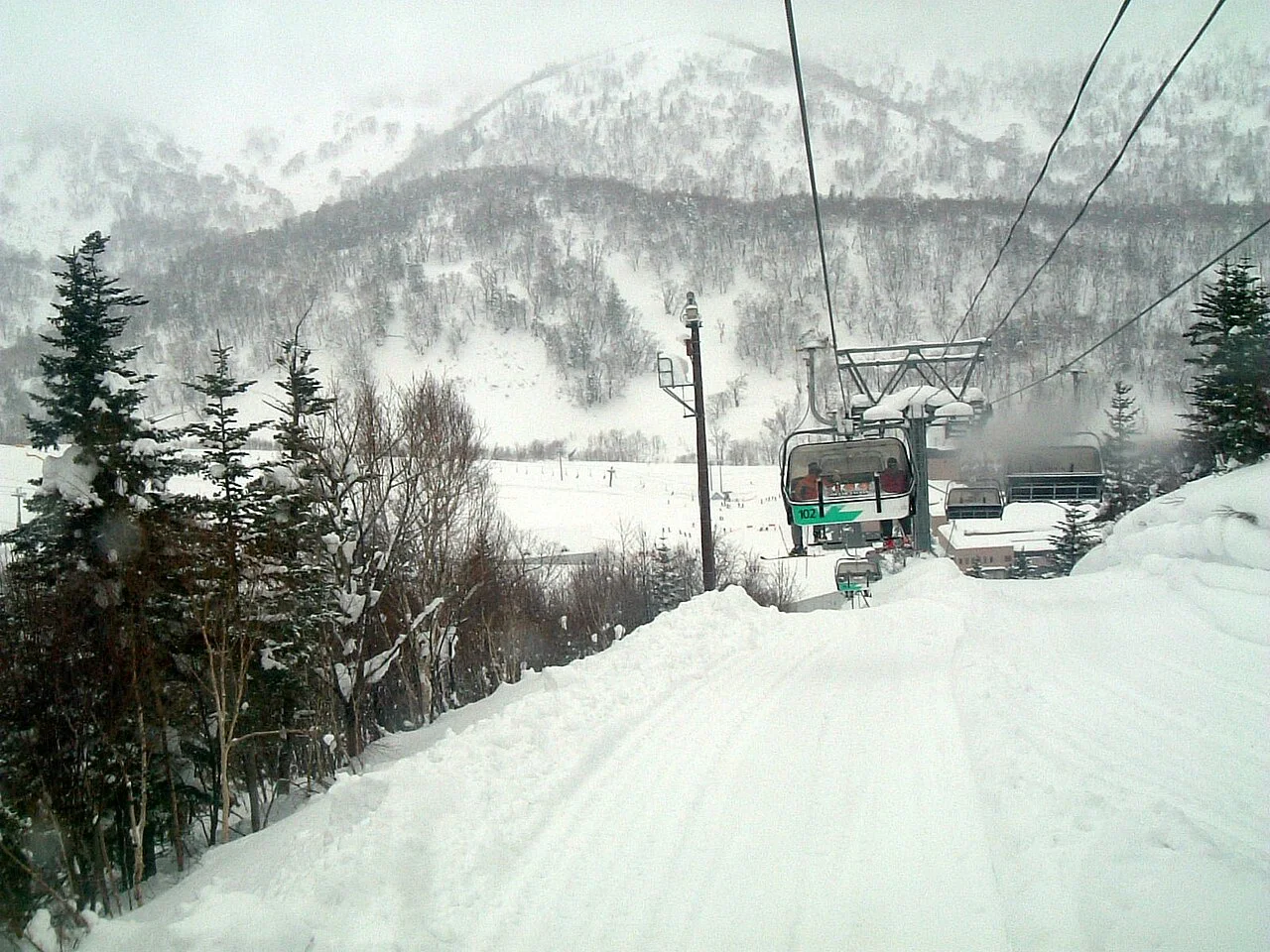
Rusutsu spans three peaks—West Mountain, East Mountain and Mt. Isola—linked by 37 trails, 4 gondolas and 14 chairlifts. Treating the three mountains as distinct ways to ski is more practical than trying to tick off all three in one go. West Mountain works best for quick laps straight from the main hotel. East Mountain offers a dedicated beginner slope alongside long intermediate cruisers. Mt. Isola's long runs require crossing over from East Mountain and reward skiers ready to devote a full morning to steady laps. Check currently open terrain and connecting lifts on the resort lift and trail status page.
Your 2026–27 guide to Rusutsu Ski Resort in Hokkaido: compare West, East and Isola slopes, 5-hour vs 25-hour passes, airport and Sapporo buses, rentals and hotel access.
Choosing between West Mountain, East Mountain and Mt. Isola
Stepping onto the snow from the main hotel for the first time, warm up your braking and speed control outside Highland Lodge at the base of West Mountain. Once confident, ride West No. 1 Quad Lift and bear right onto the Family Course—a wide 650-metre beginner run averaging 10 degrees, set close to the children's snow area. Groups mixing skiers, snowboarders and first-time chairlift riders can each take a few laps here and regroup at the base. Only after you can link turns and stop cleanly around other skiers should you head up for Rainbow Course, a 2,000-metre route averaging 8 degrees that crosses other trails—check uphill traffic before merging at each junction.
If you prefer an even gentler practice slope, head straight to East Mountain. East No. 1 Pair Lift serves Easy Trail, an isolated 750-metre beginner run with a maximum gradient of 8 degrees. Visitors arriving at East Mountain on the Niseko day-trip bus can start practising right away. Skier-boarders comfortable controlling speed on intermediates can take the East Gondola up to East Vivaldi, a 2,300-metre intermediate run that starts steeper before easing out lower down. When riding with beginners, setting a meet-up time at East Center Station is much easier than trying to shepherd everyone down the same trail together.
Over on Mt. Isola, Isola Grand is the resort's longest intermediate trail at 3,500 metres, averaging 12 degrees with a 20-degree maximum pitch. It follows a ridge early on before winding into tree-lined terrain, with spurs of varying difficulty branching off along the way. Stick to the main line on your first descent and save detouring onto side trails for a second run. For repeat laps in one sector, Steamboat B offers a 2,100-metre intermediate run with wide-open sightlines, though its steepest pitch reaches 26 degrees. Beginners who can link turns on West Mountain's Family Course should test an East Mountain intermediate slope first before committing to Mt. Isola.
Cross-mountain connections look short on the trail map, yet the linking runs can feel firmer or trickier than the main pistes. From Highland Lodge beside the main hotel, ride East Gondola No. 1 across and transfer to the East Quad. Stepping off the chair, the intermediate East Tignes drops directly below, while beginner-friendly Fuboru bears right—take Fuboru to reach the Joint connector and Furikozawa down toward Mt. Isola. Across A and Across B also lead towards Isola, but both are ungroomed advanced runs peaking at 33 degrees. Stick to the wider, gentler line by following signs marked 'Joint', and keep in mind that once you finish Furikozawa you still need another chairlift or gondola to reach the rest of Isola's trails.
For snowboarders, Furikozawa averages just 7 degrees over 2,100 metres, so you may have to unstrap one foot and skate through flatter sections; leave generous spacing when leading a mixed-ability group for the first time. Before heading back from Mt. Isola to East Mountain, mark the beginner bypass on Isola D, Furikozawa and Across No. 2 Pair Lift on your map. If you also need to return to the West Mountain main hotel, factor in East Gondola No. 1 spanning Route 230. Note the last lift times for your return chain over lunch at the Isola base rather than guessing backwards from the main hotel's closing hour.
Planning around high winds, heavy snow or night skiing
Each morning, check the lift and trail status page for the lifts you plan to ride first, then verify whether their connecting trails are open. The status board lists each facility as operating, slowed, on hold or suspended. To cross between East and West Mountains, check East Gondola No. 1 alongside the East Mountain lifts; for returning from Mt. Isola to East Mountain, check whichever Across chairlift your route uses. While the uphill lifts are running, jot down the scheduled last-ride time for every lift on your return path so you can adapt quickly if weather closes a link.
On windy or snowy mornings, stick to shorter lifts that remain open. If East Mountain or the inter-mountain links suspend operations, guests staying at the main hotel can save their passes or keep to West Mountain's shorter runs. Guests enrolled in ski school should follow their instructor's lead, as the resort modifies or cancels lessons when severe weather affects lift operations. Always check trail difficulty and daily opening markers on the official map before leaving groomed pistes—East Mountain's Super East is rated expert-only up to 40 degrees, and Isola's Heavenly Canyon is a remote, ungroomed advanced run up to 29 degrees—so sticking to open groomed routes makes timing your descent far more predictable. Resort safety rules require skiers and riders to stay on open, designated trails; entering closed runs or off-piste undesignated zones is strictly prohibited.
Night skiing runs from mid-December 2026 through 30 March 2027, operating 16:00–20:00 with the final chairlift up at 19:45. West Mountain maps mark Rainbow, Bambi, Ever and several other slopes for evening use, though exact openings each night depend on the daily status board. If you arrive in the afternoon and only ski the evening session, an adult regular-season night pass costs ¥4,000 at the ticket counter. When skiing until dusk with children, pick a clear meeting point at a base entrance rather than waiting at trail merges. Anyone catching the 17:00 return bus to Sapporo is better off allowing proper time to return gear, change boots and queue than trying to squeeze in night laps.
Guests staying on-site who want fresh corduroy on Mt. Isola before general opening can book First Track. Sessions run daily from 31 December 2026 to 3 January 2027, then every Sunday from 10 January to 28 February 2027. Bookings close at 12:00 JST the day before, capped at 60 participants per session. Participants meet on the ground floor of the main hotel at 08:15, board the shuttle at 08:30, ride the Isola Gondola from 08:45 and drop in around 09:00 once ski patrol clears the slope. The add-on costs ¥5,000, or ¥3,000 for current K Winter Pass holders, and you still need a valid lift pass to keep skiing after regular opening. Schedule this for a middle morning of your stay rather than an arrival or departure day.
5-hour, 1-day or 25-hour lift passes: how to choose
A standard 5-hour pass runs for five consecutive hours from your first IC gate scan. Tap in at 10:30 and the pass expires at 15:30 that same day, with the clock continuing to run while you stop for lunch. If you plan to ski past 15:00 before changing, sort out ticket pickup, gear fitting and group meet-ups before scanning through your first paid gate. Anyone skiing for more than six hours in total—or taking a long midday break back in the hotel room—will usually find the small price jump to a 1-day pass worthwhile.
The 25-hour pass deducts time in whole 60-minute blocks. Tap through a paid gate at 09:10 and one hour is deducted, giving you unlimited rides during that 60-minute window; once the hour expires, your next gate scan opens a fresh 60-minute block. For instance, if you start your third block of the day at 11:20, break for lunch at 11:45 and scan back in at 13:20, that afternoon scan triggers the fourth hour. Calculating lunch breaks this way is far more accurate than subtracting your first ride from your last. Gates display your remaining hours on screen as you pass, and riding free inter-area connecting lifts without a deduction gate will not start a paid hour.
In regular season, online adult rates are ¥11,600 for 5 hours, ¥13,200 for 1 day and ¥36,000 for 25 hours. Two full days bought as separate online 1-day passes total ¥26,400, compared with ¥26,000 for a consecutive 2-day pass at the ticket window. If you only have one afternoon plus one full day, an online 5-hour pass plus a 1-day pass comes to ¥24,800. Three full days at the online day rate reach ¥39,600, which is the point where the ¥36,000 25-hour pass starts pulling ahead. Factor in any night skiing when estimating your gate hours, and note that 25-hour pass holders can top up 5 extra hours onto the same card for ¥7,300 (adult regular season) or ¥5,800 (spring).
Online 1-day and 5-hour pricing groups ages 13–18 and 65+ into the same tier at ¥9,800 and ¥8,100 respectively. Ages 4–12 pay ¥6,400 for 1 day and ¥4,700 for 5 hours, while children aged 3 and under ride lifts free of charge. If children are taking a half-day lesson alongside skiing adults, decide whether they will keep skiing after class before picking each person's ticket type. Early-season adult day passes are ¥7,900 in tier one and ¥10,500 in tier two, sold exclusively at ticket counters; spring adult day passes are ¥10,500 online or at the window. During shoulder periods when snow cover and open trails vary widely, buying day by day makes it easy to adjust plans.
Advance 25-hour pass sales come in two bonus windows: the 10-bonus-hour offer closed on 31 October, while the 1 November–10 December 2026 window adds 5 bonus hours (30 hours total) at ¥36,000 online or ¥39,000 at the counter for adults. Online advance and regular tickets require signing into the Rusutsu App, where your purchase generates a QR code to redeem for a physical IC card at an automated ticket machine—or you can top up an existing card using its WTP number. Regular-season tickets are scheduled to go on sale from 19 December. Concession passes for children, youths and seniors require proof of age such as a passport at the counter, or an uploaded ID photo showing date of birth when buying online. Automated ticket machines stand in the main hotel's North Wing ground floor and 2nd floor, South Wing 1st floor, Westin 1st floor, The Vale 1st floor and outside the East Mountain ticket office—pick the machine closest to your rental shop or meet-up point so no one has to trek back to the main hotel in ski boots.
Remaining hours on a single-user 25-hour pass carry over across days until the end of the season, then expire; purchased passes cannot be cancelled or refunded. Parents and children skiing together each need their own card, so assuming you can share an adult 25-hour balance across family members—or carry unused hours into next winter—will overvalue the pass. Estimate your usage under two weather scenarios: a lower bound of one full day plus one half-day, and an upper bound of two full days plus night skiing. If extra sessions remain undecided, buy only the day passes you know you will use first.
| Pass type | Adult (19–64) | Youth (13–18) / Senior (65+) | Child (4–12) |
|---|---|---|---|
| 5-hour | ¥11,600 | ¥8,100 | ¥4,700 |
| 1-day | ¥13,200 | ¥9,800 | ¥6,400 |
| 25-hour | ¥36,000 | ¥30,000 | ¥18,000 |
| 5-hour top-up | ¥7,300 | ¥6,000 | ¥3,300 |
Working backwards from your flight at New Chitose Airport
The BigRuns airport shuttle takes roughly 120 minutes to Rusutsu and costs ¥5,000 per seat each way when booked online, or ¥5,500 via other channels. Seats are required for ages 4 and up, while children aged 3 and under ride free on an adult's lap. Online reservations must be paid by credit card by 24:00 JST seven days before travel. Cancellation fees are 40% the day before, 50% on the day prior to departure, and 100% for no-shows or after departure. Treat outbound and return legs separately—availability on the way in does not guarantee a seat on the way back, especially if your group travels with bulky ski or board bags—so book both buses alongside your hotel.
The winter inbound timetable from New Chitose Airport runs from 28 November 2026 to 30 March 2027. Core departures from the Domestic Terminal are 10:15, 12:30, 15:15 and 17:00, joined by seasonal services at 11:15, 13:15 and 14:15 from 19 December. The 10:15 and 11:15 buses skip the International Terminal; all other services pick up at the International Terminal 10 minutes before their Domestic departure (so the 13:15 bus leaves International at 13:05, and the 17:00 final bus leaves International at 16:50). Coaches stop at Rusutsu Resort Hotel & Convention first, followed by The Westin and The Vale. Because the final bus reaches the main hotel at 19:00, Westin at 19:10 and The Vale at 19:20, plan dinner and rest for your arrival evening.
Allow at least 90 minutes between international flight arrival and an International Terminal bus pickup, or 120 minutes if walking with luggage to the Domestic Terminal pickup; domestic flights connecting to a Domestic bus need 45 minutes. The operator sets latest-flight connection cut-offs at 15:20 for international arrivals and 16:15 for domestic arrivals—if cutting it close, factor in oversized baggage claim for ski bags, toilet stops with children and the walk to the desk. If your flight lands too late or the bus is full, check the Resort Liner listed on Rusutsu's official access page, or overnight near the airport for an early morning coach. Check-in closes 20 minutes before departure at both terminals: the BigRuns desk at Domestic sits opposite Arrival Exit 5, while International passengers meet near the 1st-floor information counter under the meeting sign and give their booking name and ID. If a delayed flight causes you to miss your coach, staff will move you to the next service with spare seats—or the following day if none remain—while arranging alternative transport is at your own expense.
Return coaches operate from 29 November 2026 to 31 March 2027. Standard departures from the main hotel are 09:00, 11:30, 13:00 and 16:00, with 10:00, 14:00 and 17:30 added from 20 December. Return coaches pick up at The Vale 20 minutes earlier and The Westin 10 minutes earlier than the main hotel times. Leaving the main hotel at 16:00 reaches Domestic at 18:00 and International at 18:10; the 17:30 extra coach reaches International at 19:40, requiring an international flight at 21:10 or later under the 90-minute minimum connection rule. Allow at least 50 minutes before domestic flights and 90 minutes before international flights, and take an earlier coach if checking ski bags or guarding against winter road delays.
Leave time to change out of ski or snowboard boots before boarding. BigRuns rules prohibit wearing ski boots or hard snowboard boots on board, and luggage hold space is limited to two pieces per person—such as one suitcase plus one bagged set of skis or a snowboard. Hotel pickups require waiting near the main entrance 10 minutes ahead of departure, with the main hotel meeting point by the front entrance concierge desk. If bringing your own gear on check-out day, pack clothing into your suitcase early so only skis and boots remain after your final runs; if renting, link your gear return desk, hotel luggage storage and bus pickup into one smooth route and finish your final laps at the corresponding base.
Sapporo day trips and Niseko shuttle links
The winter Rusutsu Express operates as a paid service from 28 November 2026 to 31 March 2027 at ¥3,000 per seat each way online—free for K Winter Pass holders, though advance booking is still mandatory. Reservations close at 15:00 JST the day before travel; self-service cancellations before departure incur no fee, whereas no-shows or cancellations after departure are charged in full. The coach leaves the Kamori Building 3 area—about a two-minute walk from Sapporo Station South Exit—at 08:00 and arrives at the main hotel at 09:45. Return pickups depart The Vale at 16:40, The Westin at 16:50 and the main hotel at 17:00, reaching Sapporo at 18:45. For a straightforward day trip, pick the main hotel for both drop-off and pickup to avoid an extra cross-mountain transfer.
Kamori Building 3 stands at Kita 4-jo Nishi 4-chome 1, Chuo-ku, Sapporo, just south of Hotel Gracery Sapporo. The winter information desk operates 07:30–08:00 and announces the exact boarding bay that morning. Passengers must be at the stop 10 minutes before departure and log in to show the live mobile ticket QR code—screenshots are not accepted. On the return leg from the main hotel, wait near the front entrance concierge desk; coaches only stop at points with booked pickups or drop-offs. If you want breakfast before departing Sapporo, choose an early-opening café or pick up grab-and-go food the evening before.
For one adult in regular season, a Sapporo return coach costs ¥6,000, bringing the total with an online 5-hour pass to ¥17,600 or ¥19,200 with a 1-day pass before rentals and meals. If you still need boot fitting after stepping off at 09:45, spend the morning on West Mountain and only scan your pass once your kit is sorted. Day-trippers bringing their own gear who want to ski East Mountain should time lunch around crossing back over so they reach the main hotel well before 17:00—missing the bus leaves you arranging your own descent to town. Day trips suit travellers staying several nights in Sapporo with just one day earmarked for skiing; if you plan to chase first lifts every morning, multiply daily bus fares by your ski days and compare against the extra cost of staying on-mountain.
From Niseko Hirafu, the official Rusutsu Powder Day Trip runs round-trip from 3 January to 28 February 2027 at ¥9,900 per person, capped at 40 seats with bookings closing at 15:00 JST the previous day. It departs Hirafu Welcome Center at 08:30, arrives at East Mountain at 09:15, leaves East Mountain at 16:30 and returns to Hirafu at 17:15. If lift closures force the drop-off and pickup over to West Mountain on the day, adjust your ski zone and meet-up spots accordingly. Lift passes are not included, luggage is limited to ski gear plus a change of clothes for the day, and one-way tickets are not sold—anyone moving hotels from Niseko to Rusutsu with full luggage should book separate transport and leave this coach to same-day skiers.
Choosing between the three hotels by first lesson and first lift
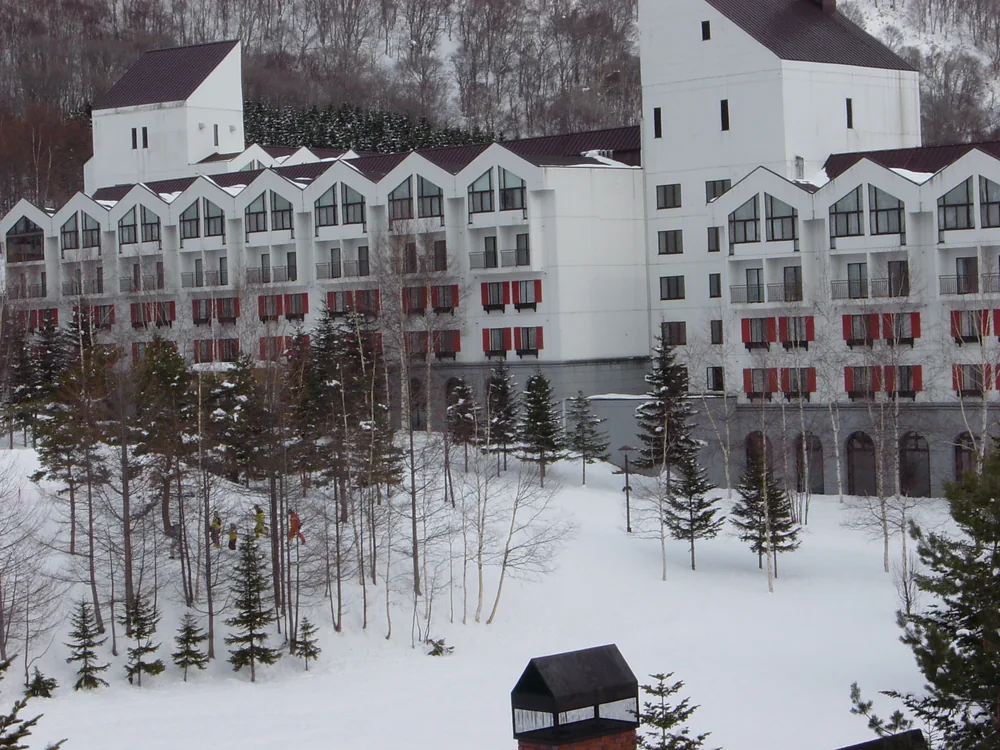
Rusutsu Resort Hotel & Convention's North Wing and South Wing both sit on the West Mountain side. When adults and children attend separate lessons, need an afternoon rest in the room or want an evening soak in the hot springs, staying at the main hotel keeps rentals, ski school check-in and onsen all on the West Mountain side. Standard rentals sit on the North Wing 2nd floor, while lesson check-in points depend on your booking confirmation. If a large group is split across different wings, save time by choosing one obvious indoor spot—such as beside the North Wing rental desk—picking up passes from the kiosk and heading out onto West Mountain together.
The Westin Rusutsu Resort sits across the national highway, linked to the South Wing and West Mountain by a resort monorail that the hotel estimates takes about 5 minutes, plus waiting and walking time before you scan through the lifts. The Westin's 1st floor houses both automated ticket kiosks and a rental desk, and you can check Tower Pair Lift and East Gondola No. 1 status for direct access towards East Mountain. If family lessons meet on the West Mountain side, build the monorail transfer into your breakfast schedule. When comparing nightly room rates across hotels, picture how many pairs of ski boots and boards your party will carry across each morning.
The Vale Rusutsu is a condo-style property beside West Mountain offering ski-in, ski-out winter access and direct connection to Kotobuki no Yu hot spring in the North Wing. Groups or families with toddlers staying several nights can book suites with a kitchen and living room, making it easy to split early diners from skiers chasing extra laps. Decide how many bedrooms you need first, then compare layouts with dining space—self-caterers should buy groceries before arriving at the resort to avoid trekking out in ski boots later. Note that The Vale is the last drop-off on incoming airport and Sapporo buses and the first pickup on return timetables, so anyone sharing a coach with friends at the main hotel must head out at their own hotel's pickup time.
Guests on main-hotel winter packages can collect included lift passes before room check-in: arriving on the 10:15 domestic airport bus puts you at the main hotel around 12:15, leaving the afternoon open for West Mountain if you already have well-fitting gear. When weighing room-only rates against lift-inclusive packages, check exactly which dates, guests and pass types are bundled, and subtract anyone in your party who plans only to soak or play in the snow. If two adults share a room but only one skis two days, pricing both options side by side is usually worthwhile; late-night flight arrivals overnighting at the airport should align the start date of any lift-inclusive stay with the day they actually ride up to the resort.
Rentals, children's lessons and snow play on the day
Submit your rental details in advance before heading to the base to try on boots. The resort's online rental form lets you enter each person's measurements, hire dates and equipment choices beforehand, then emails a reservation number and QR code. Present that number or QR code at the designated counter and pay there before staff fit and issue your kit—the form pre-registers your details rather than reserving specific hardware off-shelf. Groups renting for the first time can store everyone's boot sizes on one note, then keep each skier's receipt and lift pass zipped in their own jacket pocket for quick size swaps or next-day returns.
From 28 November 2026, Salomon Station on the main hotel's North Wing 2nd floor handles standard rentals from 08:15–20:00 (last entry 19:30), while Premium Station on North Wing 1st floor rents high-performance gear from 08:15–18:00 (last entry 17:30). South Wing 1st floor, North Wing 6th floor and Westin 1st floor stations open from early December with last entry at 17:30. If your first lesson starts in the morning, try on gear at whichever open station sits closest to your meeting spot—official children's school guidance advises allowing roughly an hour for rentals on peak days, plus extra monorail time for Westin guests. Swap uncomfortable boots inside the rental station straight away rather than waiting until you reach East Mountain.
Samurai Kids Group Ski Lessons accept toilet-trained children aged 4–7, taught in English with Japanese-speaking staff support at a maximum ratio of six students per instructor. Classes run from 10 December 2026 to 31 March 2027: half-day 10:00–12:30 and full-day 10:00–16:00 including a one-hour lunch break. Regular-period fees (10–13 December and 1 January–28 February) are ¥18,000 half-day and ¥25,000 full-day; year-end peak (14–31 December) rises to ¥20,000 and ¥28,000; spring (1–31 March) drops to ¥16,000 and ¥23,000. Rentals and lift passes cost extra, and parents must complete check-in 10 minutes before class starts. When booking children into different levels or time slots, plan adult runs around each drop-off and pickup window—stick to West Mountain in the morning and decide after pickup whether to cross to East Mountain.
For tubing and sledging without skis, head to Samurai Kids Park on West Mountain. Winter operation runs from early December 2026 to late March 2027, open 09:00–16:00 with last admission at 15:30. A dedicated 1-day pass costs ¥2,600 for both children and accompanying adults, with ages 2 and under free; snow escalators and tubing gear are included, with same-day re-entry allowed during operating hours. The entrance is cashless only, accepting credit cards and other digital payments. Families wanting to test half a day of snow play before committing to lessons the next morning will find staying near West Mountain saves carrying gear or driving.
When heavy snow forces the family indoors, the heated wave pool on the South Wing 1st floor provides an afternoon fallback. Open 14:00–21:00 from 28 November 2026 to 30 March 2027, it is free for eligible main-hotel guests during their stay, though The Vale guests are excluded from free entry. Day visitors can enter from 16:00 for ¥1,800 (adults) or ¥900 (ages 4–12) by paying at the North Front desk on North Wing 2nd floor; pack swimwear and towels in your day bag, as neither is rented or supplied. For an onsen soak, Kotobuki no Yu on North Wing 6th floor generally opens 06:00–09:00 and 14:00–01:00 across winter (afternoon only on opening day, morning only on 31 March), charging ¥1,800 for adults and ¥900 for ages 4–12—free for overnight guests during their stay, and paid before check-in or after check-out.
One-night vs two-night pacing: where to leave breathing room
On a one-night stay with two ski days, save the first afternoon for West Mountain. Arriving at the main hotel around midday leaves time for luggage storage, ticket pickup and boot fitting before choosing between a 5-hour pass or a package ticket based on when you hit the snow. If you catch the 15:15 airport coach and reach the main hotel at 17:15, a night pass lets keen skiers get turns in straight away. On day two, check your bags after breakfast and ski your top-priority lines—then set an alarm for equipment return if flying home that evening, because catching the last return lift late pushes rental drop-off and airport check-in back together.
With two nights, dedicate your full middle day to Mt. Isola. Use the first afternoon to learn the West-to-East lift names and transitions, then check morning lift statuses across East Mountain and Isola before committing to the long circuit. Lunch at Steamboat Cafeteria lets you keep lapping the Isola sector right afterwards; if afternoon winds start slowing or holding lifts, eat early and ride back towards East Mountain while plenty of daylight remains. If you have a morning bus on day three, stick to short West Mountain runs or simply enjoy breakfast before boarding—only day two delivers a full uninterrupted ski day for pass calculations, so never price arrival or departure days as full ski days.
When a group splits between ski lessons and long-mountain laps, agree to meet at a shared base restaurant for lunch or regroup at dinner. If everyone catches the same hotel bus home, keep final dining and gear returns on that same side of the resort so nobody ends up ferrying multiple pairs of skis back across Route 230 at closing time. Still weighing which Hokkaido ski area fits your trip? See our Hokkaido ski resorts comparison, or check our Rusutsu Resort four-seasons guide if combining winter stays with summer amusement park plans.
A few useful answers
When does Rusutsu Ski Resort open for the 2026–27 season?
The resort is scheduled to open on 28 November 2026, with spring lift rates running until 31 March 2027. Regular-season lift pricing applies from 19 December to 14 March, while night skiing is slated from mid-December to 30 March.
What is the difference between Rusutsu's 5-hour and 25-hour lift passes?
A 5-hour pass runs for five consecutive hours from your first gate scan. A 25-hour pass deducts time in 60-minute blocks—only starting the next hour when you scan again after a block ends—and unused hours carry over across days within the same season.
How long is the transfer from New Chitose Airport to Rusutsu?
The BigRuns coach takes roughly 120 minutes to the main hotel and costs ¥5,000 per seat each way online. The last bus leaves the International Terminal at 16:50 and the Domestic Terminal at 17:00; allow at least 90 minutes from an international landing to an International pickup.
Is the shuttle bus from Sapporo to Rusutsu still free?
For the 2026–27 winter season, the Rusutsu Express costs ¥3,000 per seat each way online—free only for K Winter Pass holders, with advance booking still required. It departs Sapporo at 08:00 and leaves Rusutsu's main hotel at 17:00.
Which mountain is best for complete beginners at Rusutsu?
Guests at the main hotel should start on West Mountain's Family Course. Visitors already at East Mountain can ride East No. 1 Pair Lift to Easy Trail, a beginner slope peaking at 8 degrees. Build in extra time for rentals and check-in before a first lesson.
Which Rusutsu hotel works best for families taking ski lessons?
If lessons meet on the West Mountain side, both the main Rusutsu Resort Hotel and The Vale Rusutsu sit right there. The Westin Rusutsu Resort connects to the main hotel via a roughly 5-minute monorail ride, plus waiting and walking time.
Can I use the Niseko shuttle bus to move hotels to Rusutsu?
No—the Rusutsu Powder Day Trip from Hirafu is a round-trip day excursion with no one-way tickets sold, and luggage is limited to ski equipment plus a day's change of clothes. Moving hotels requires separate transport.
What can children do if heavy snow closes the mountain lifts?
Samurai Kids Park on West Mountain operates weather permitting. Otherwise, the indoor wave pool on the South Wing 1st floor makes an easy afternoon fallback, open 14:00–21:00 until 30 March 2027, with day-visitor entry available from 16:00.
Official information and references
Sources used in this guide.
- Rusutsu Resort | Winter Resort Overview
- Rusutsu Resort | Three-Mountain Trail Map
- Rusutsu Resort | English Trail Map and Markings
- Rusutsu Resort | Live Lift and Trail Status
- Rusutsu Resort | Mt. Isola Trails and Transfer Routes
- Rusutsu Resort | Beginner Practice Areas and Lifts
- Rusutsu Resort | Regular, Early, Spring and Night Lift Tickets
- Rusutsu Resort | 25-Hour Pass Advance Sales and Bonus Hours
- Rusutsu Resort | New Chitose Airport BigRuns Winter Timetable
- Kamori Kanko | BigRuns Boarding and Luggage Guidelines
- Rusutsu Resort | Sapporo Rusutsu Express Fares and Timetable
- Kamori Kanko | Sapporo Winter Shuttle Boarding Guidelines
- Rusutsu Resort | Hirafu Round-Trip Day Shuttle
- Rusutsu Resort | Winter Accommodation and Lift Pass Packages
- The Westin Rusutsu Resort | Monorail Access and Hotel Location
- The Westin Rusutsu Resort | 2026–27 Winter Operating Dates
- The Vale Rusutsu | Location and Room Overview
- Rusutsu Resort | Rental Station Hours and Application Guide
- Rusutsu International Ski School | Kids Group Ski Lessons
- Rusutsu Resort | Samurai Kids Park
- Rusutsu Resort | Resort Safety Management and Designated Areas
- Rusutsu Resort | Mt. Isola First Track
- Rusutsu Resort | Indoor Wave Pool
- Rusutsu Resort | Kotobuki no Yu Winter Hours