Your 2026–27 Rusutsu Resort ski guide. Compare West Mt., East Mt., and Mt. Isola trails, 5-hour vs. 25-hour passes, airport and Sapporo buses, rentals, and hotel ski access.
- Reading Scope
- 20 min read · 9 chapters · 8 Q&As
- Official Verification
- 24 official sources checkedUpdated November 22, 2026
- Key Topics
- WinterBookingAirport transfers
Chapter Route Map (tap any stop)
- When to Book the 2026–27 Ski Season
- How to Choose Between West Mt., East Mt., and Mt. Isola
- Planning Around High Winds, Heavy Snow, or Night Skiing
- Choosing Between a 5-Hour, 1-Day, or 25-Hour Lift Pass
- Timing Flights and Buses from New Chitose Airport
- Sapporo Day Trips and Niseko Shuttle Buses
- Choosing Between the Three Hotels Based on Your First Lift or Lesson
- How Gear Rentals, Kids' Lessons, and Snow Play Fit Together
- How to Pace a One-Night vs. Two-Night Stay
- Quick Q&A
On a first trip to Rusutsu Resort, staying just one night lets you split beginner practice on West Mt. from the long cruisers on East Mt. and Mt. Isola. If you are only doing a day trip from Sapporo, the 2026–27 winter bus is now ¥3,000 each way, with the return coach departing the main Resort Hotel at 17:00. An adult 5-hour ticket runs continuously from your first lift gate scan, while a 25-hour pass can be spread across multiple days within the same season. Before choosing a pass, subtract time for gear fitting, lunch, and bus transfers so you know how many hours you will actually spend on the snow.
When to Book the 2026–27 Ski Season
The resort is scheduled to open on November 28, 2026, with spring lift rates running through March 31, 2027. Regular season runs from December 19 through March 14; earlier dates fall into two early-season tiers, and spring skiing starts March 15. The Resort Hotel's final winter overnight stay is March 30, which is also the last night for night skiing. Travelers aiming for late-season turns can check in on March 30 and check out on March 31, treating the 31st as a daytime ski and departure day.
For families taking their first international ski trip—focused on lessons, snow play, and relaxed afternoon laps—regular season is easier to plan around than opening weekend. Early-season dates work best if you already know what drills you want to run and do not mind a limited trail count. If you are arriving in opening week, note that the Resort Hotel accepts winter guests from November 28, while The Westin Rusutsu Resort does not open for winter stays until December 1. Always weigh early-season room rates against which rental shops, ski school programs, and bus routes are operating on those dates.
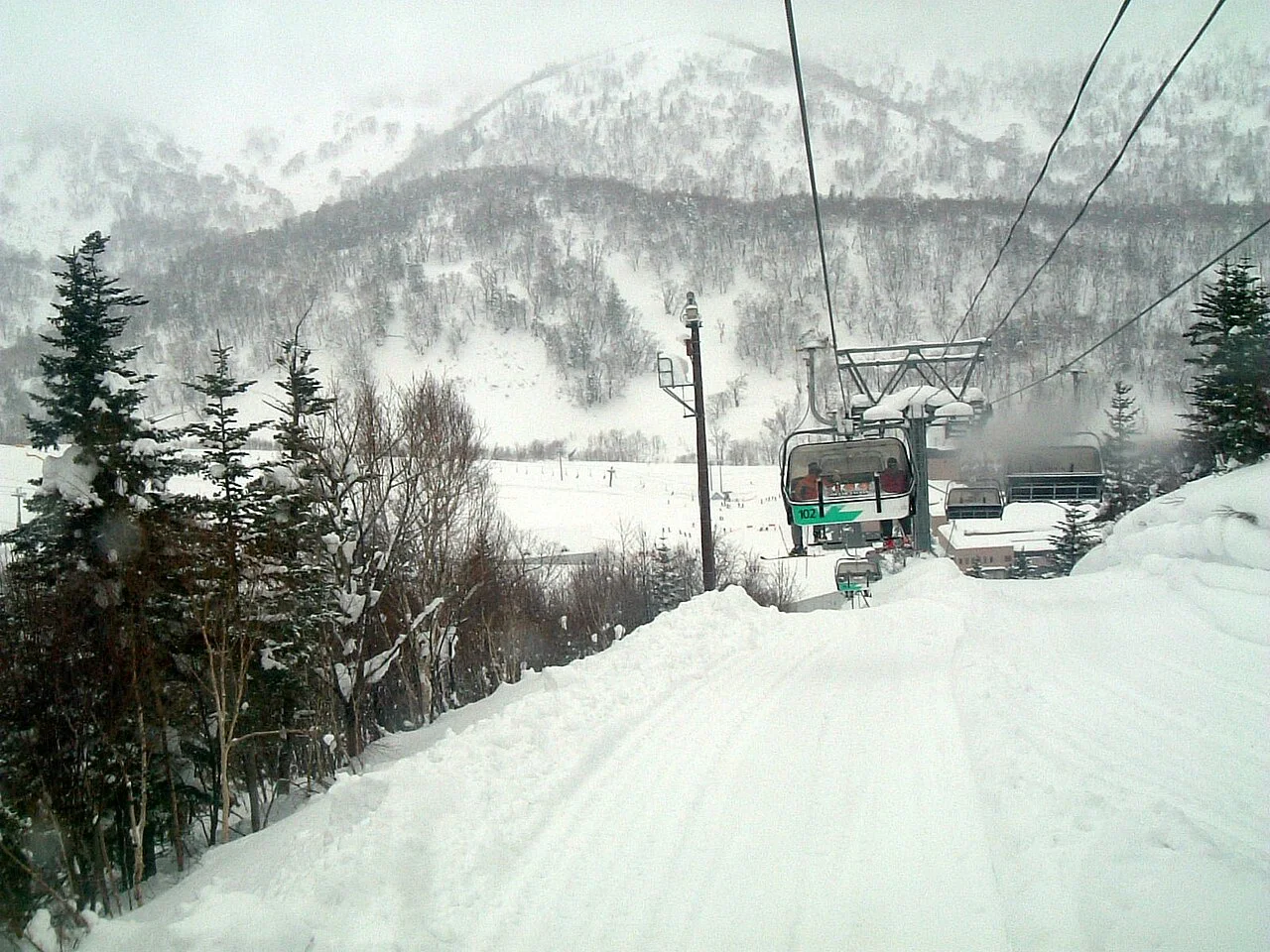
Rusutsu spans three peaks—West Mt., East Mt., and Mt. Isola—connected by 37 trails, 4 gondolas, and 14 chairlifts. Treating the three mountains as three distinct ski zones is more practical than trying to tick off every run on a checklist. West Mt. gives Resort Hotel guests immediate slope access, East Mt. offers an isolated beginner slope and long intermediate runs, and Mt. Isola rewards skiers willing to dedicate a full morning to long cruisers via the East Mt. connection. Check current open zones and connecting lifts on the resort's lift and trail status page.
Your 2026–27 Rusutsu Resort ski guide. Compare West Mt., East Mt., and Mt. Isola trails, 5-hour vs. 25-hour passes, airport and Sapporo buses, rentals, and hotel ski access.
How to Choose Between West Mt., East Mt., and Mt. Isola
Stepping out from the Resort Hotel in ski boots for the first time, start by practicing braking in front of Highland Lodge at the base of West Mt. Once you can control your speed, ride the West No. 1 Quad Lift and bear right onto the Family Course—a wide 650-meter beginner run averaging 10 degrees right next to the kids' snow park. Mixed groups of skiers, snowboarders, and first-time lift riders can each take a few laps here and regroup easily at the base. Once you are linking turns and stopping cleanly around other traffic, move up to the Rainbow Course winding down from the summit; it stretches 2,000 meters at an 8-degree average and crosses other runs, so yield to uphill traffic at every merge.
For an even gentler practice slope, head straight to East Mt. The East No. 1 Pair Lift serves the Easy Trail, a standalone 750-meter beginner run with a maximum pitch of 8 degrees. Day-trippers arriving from Niseko get dropped off on the East Mt. side and can warm up right here. If you are comfortable holding speed on blue runs, ride the East Gondola to East Vivaldi, a 2,300-meter intermediate trail that starts steeper up top before mellowing out on the lower half. When skiing alongside beginners, picking a meetup time at East Center Station is much simpler than herding everyone down the same trail.
On Mt. Isola, the 3,500-meter Isola Grand is the resort's longest intermediate run. Its upper half follows a ridge before dropping into tree-lined terrain, averaging 12 degrees with a 20-degree max pitch and several side branches of varying difficulty. On your first lap, stick to the main line all the way down and save detours for run two. To lap one sector repeatedly, try Steamboat B—a 2,100-meter intermediate trail with wide-open sightlines, though its steepest pitch hits 26 degrees. Beginners who have just started linking turns on West Mt.'s Family Course should test an intermediate run on East Mt. before committing to Isola.
Mountain links look short on the trail map, yet the connector runs are not always flatter than the main trails. From beside Highland Lodge at the Resort Hotel, ride East Gondola No. 1 across and transfer to the East Quad. Stepping off the chair, the intermediate East Tignes drops straight ahead while beginner-friendly Fuboru heads right, letting you connect via the Joint trail and Furikozawa toward Mt. Isola. Across A and Across B also lead toward Isola, but both are ungroomed expert trails pitching up to 33 degrees. Stick to the wider groomed route by following connector signs, and expect to ride another lift or gondola after Furikozawa to reach the rest of Isola's terrain.
For snowboarders, Furikozawa averages just 7 degrees over 2,100 meters, meaning you may have to unstrap one foot and skate through flat sections—leave breathing room when leading a group for the first time. Before heading back from Isola to East Mt., mark the beginner bypass on Isola D, Furikozawa, and the Across No. 2 Pair Lift on your map. If you are staying at the Resort Hotel on West Mt., factor in the East Gondola No. 1 ride back across Route 230 as well. Jot down the final lift times for your return chain over lunch at the Isola base rather than guessing backward from main-base closing hours.
Planning Around High Winds, Heavy Snow, or Night Skiing
Each morning, check the Lift and Trail Status page for the lifts you plan to ride, then verify that the connecting trails are open too. The status board flags each facility as operating, slowed, on standby, or suspended. Moving between East Mt. and West Mt. requires checking East Gondola No. 1 in addition to the East Mt. chairs; returning from Isola depends on whichever Across lift fits your route. While outbound lifts are running, note the scheduled last chair on every leg of your return so you do not have to recalculate the whole traverse if weather forces a mid-day reroute.
On windy or stormy mornings, stick to shorter, sheltered runs that remain open. If East Mt. or the mountain-crossing lifts go on wind hold, Resort Hotel guests can save their energy—and lift hours—for short West Mt. laps. Anyone booked into ski school should follow their instructor's lead, as lessons may be adjusted or canceled when severe weather affects lift operations. Always check official difficulty ratings and daily closure signs before leaving groomed terrain: Super East on East Mt. is an expert-only run reaching 40 degrees, and Heavenly Canyon sits deep on Isola as an ungroomed 29-degree advanced zone, making open groomed runs far easier to time when heading back. Resort rules strictly require staying inside open, designated trails—closed runs and out-of-bounds areas are off-limits.
Night skiing runs from mid-December 2026 through March 30, 2027, from 16:00 to 20:00 with last chairs at 19:45. West Mt. trails such as Rainbow, Bambi, and Ever are marked for night operations, though exact open runs depend on the daily status board. If you arrive in the afternoon and only want evening laps, a regular-season adult night ticket costs ¥4,000 at the ticket window. When skiing into dusk with kids, choose a well-lit base entrance as your fixed meeting spot instead of a mid-mountain trail junction. If you are catching the 17:00 bus back to Sapporo, skip trying to squeeze in night runs and give yourself time to return gear, change boots, and board.
Guests staying on property who want first tracks on Mt. Isola before general opening can book the First Track session. It runs daily from December 31, 2026 to January 3, 2027, then every Sunday from January 10 through February 28, capped at 60 spots with reservations closing at 12:00 JST the day prior. Participants meet on the ground floor of the Resort Hotel at 8:15, board the shuttle at 8:30, ride the Isola Gondola from 8:45, and drop in around 9:00 once ski patrol clears the mountain. The add-on costs ¥5,000 (¥3,000 for K Winter Pass holders), and you will still need a regular lift ticket to keep skiing after opening. Slot this into a mid-stay morning when you do not have checkout logistics to juggle.
Choosing Between a 5-Hour, 1-Day, or 25-Hour Lift Pass
A standard 5-hour ticket runs for five consecutive hours from your first IC gate scan. Tap through at 10:30 and your pass expires at 15:30 that same day—lunch breaks do not pause the clock. If you want to ski past 15:00 before changing out of your boots, buy your pass, fit your gear, and gather your group before scanning through the first paid gate. Anyone planning more than six hours on snow, or a long mid-day hotel break before afternoon laps, gets better value from a 1-day ticket.
The 25-hour pass deducts time in full 60-minute blocks. Scanning a paid gate at 9:10 deducts one hour and unlocks unlimited rides until 10:10; only your next scan after that hour expires triggers a second 60-minute block. For instance, if your third hour starts at 11:20, you break for lunch at 11:45, and you scan back in at 13:20, hour four starts at 13:20—giving you a much cleaner way to budget lunch breaks than subtracting morning start from afternoon finish. Gate screens display your remaining hours, and riding free connector lifts that are not gated does not start a paid hour.
During regular season, online adult rates are ¥11,600 for 5 hours, ¥13,200 for 1 day, and ¥36,000 for 25 hours. Two full ski days cost ¥26,400 with two online 1-day passes, or ¥26,000 for a consecutive 2-day ticket at the window. A half-day afternoon arrival plus one full day comes to ¥24,800 with a 5-hour pass and a 1-day pass. It takes three full days—¥39,600 at online single-day rates—before the ¥36,000 25-hour pass starts beating day tickets, especially if you factor in evening laps. Existing 25-hour pass holders can also top up 5-hour increments onto the same IC card for ¥7,300 in regular season or ¥5,800 in spring.
Online 1-day and 5-hour rates group ages 13–18 and 65+ into the same price tier at ¥9,800 and ¥8,100 respectively. Ages 4–12 pay ¥6,400 for 1 day and ¥4,700 for 5 hours, while children 3 and under ride lifts free. If your kids are taking a half-day lesson alongside adults, decide before buying whether they will keep skiing afterward. Early-season adult 1-day passes are ¥7,900 in Tier 1 and ¥10,500 in Tier 2, sold exclusively at ticket windows; spring adult 1-day passes are ¥10,500 online or at the window. On shoulder-season dates when snow coverage and open lifts fluctuate, buying single-day tickets keeps your itinerary flexible.
Advance sales of the 25-hour pass run in two windows. The +10 bonus-hour promotion ended October 31, while the November 1 to December 10, 2026 window adds 5 bonus hours—giving you 30 hours total for ¥36,000 online or ¥39,000 at the counter. Both advance and regular online purchases require logging into the Rusutsu App, then scanning your QR code at a pickup kiosk for a physical IC card—or reloading an existing card by entering its WTP number. Regular-season online sales are scheduled to open December 19. Child, youth, and senior tickets require age verification via passport or ID with birth date—in person at the window or uploaded online. Automated pickup kiosks stand at the Resort Hotel North Wing ground floor and 2F, South Wing 1F, Westin 1F, The Vale 1F, and outside the East Mt. ticket office; pick the kiosk closest to your rental shop or meetup spot so nobody has to walk across the resort in ski boots.
A 25-hour pass belongs to a single skier; unused hours carry across days through the end of the 2026–27 season and expire afterward, with no cancellations or refunds on purchased tickets. Parents and kids riding together must each scan their own card. Assuming you can share leftover adult hours with family or roll them into next winter inflates the pass's real value. Price out both a conservative weather scenario (say, one full day plus one half-day) and an ambitious one (two full days plus night skiing) before committing—if extra days are still up in the air, buy only the day passes you know you will use.
| Pass Type | Adult (19–64) | Youth 13–18 / Senior 65+ | Child (4–12) |
|---|---|---|---|
| 5-Hour | 11,600 | 8,100 | 4,700 |
| 1-Day | 13,200 | 9,800 | 6,400 |
| 25-Hour | 36,000 | 30,000 | 18,000 |
| Top-Up 5-Hour | 7,300 | 6,000 | 3,300 |
Timing Flights and Buses from New Chitose Airport
The BigRuns airport coach takes roughly 120 minutes to Rusutsu and costs ¥5,000 per seat each way online (¥5,500 via other channels). Paid seats are required from age 4 up; children 3 and under ride free on a lap. Online bookings require credit card payment by 24:00 JST seven days before departure. Cancellations incur a 40% fee the day before, 50% on the day prior to departure, and 100% for no-shows or after departure. Treat outbound and return legs separately—securing a seat into Rusutsu does not guarantee your ride back, so book both directions alongside your hotel if anyone is traveling with oversized ski or board bags.
The winter airport-to-resort schedule runs from November 28, 2026 through March 30, 2027. Domestic Terminal departures at 10:15, 12:30, 15:15, and 17:00 operate daily, with extra coaches at 11:15, 13:15, and 14:15 added from December 19. The 10:15 and 11:15 buses skip the International Terminal; all other runs stop at the International Terminal 10 minutes before their Domestic departure (for example, 13:05 International for the 13:15 bus, and 16:50 International for the 17:00 final bus). Coaches drop off in order at Rusutsu Resort Hotel, The Westin, and The Vale. The last bus reaches the Resort Hotel at 19:00, The Westin at 19:10, and The Vale at 19:20—plan that first evening strictly around dinner and rest.
Allow at least 90 minutes between landing and an International Terminal bus pickup, or 120 minutes if you must transfer with luggage to the Domestic Terminal; domestic flight arrivals connecting at the Domestic Terminal need at least 45 minutes. The operator's latest recommended flight arrivals for same-day connections are 15:20 for international flights and 16:15 for domestic flights. If you are cutting it close to minimum connection times, factor in oversized ski-bag claim, restroom stops with kids, and walking to the desk. If the next bus is sold out or your plane lands too late, check the Resort Liner listed on Rusutsu's access page or overnight near the airport for a morning coach. Meet 20 minutes before departure at either terminal—in front of Arrival Gate 5 in Domestic, or near the 1F Information Counter in International—and give your reservation name and ID. Missed connections due to flight delays are moved to the next available bus with open seats (or the following day if none remain); arranging alternative transport is at your own expense.
The return winter schedule runs November 29 through March 31. Departures from the Resort Hotel at 9:00, 11:30, 13:00, and 16:00 run all winter, with 10:00, 14:00, and 17:30 coaches added from December 20. Every return coach picks up at The Vale 20 minutes earlier and The Westin 10 minutes earlier than the Resort Hotel time. Taking the 16:00 bus from the Resort Hotel puts you at the Domestic Terminal at 18:00 and the International Terminal at 18:10; the 17:30 bus arrives at International at 19:40, requiring an international flight at 21:10 or later under the 90-minute connection rule. For departures from New Chitose, leave at least 50 minutes for domestic flights and 90 minutes for international flights—and take an earlier coach if checking ski bags or anticipating winter road delays.
Give yourself time to change out of ski boots before boarding. BigRuns rules prohibit wearing ski boots or hard snowboard boots on the coach, and undercarriage luggage is limited to two pieces per passenger (such as one suitcase plus one ski or snowboard bag). Wait near your hotel's main entrance 10 minutes ahead of pickup—at the Resort Hotel, meet near the front-entrance service desk. If you brought your own gear, pack regular clothes into your suitcase before checkout so you only have skis and boots to stow after your final run; if renting, map out a straight line between the rental return counter, hotel luggage storage, and your bus stop, and finish your last few laps near that base.
Sapporo Day Trips and Niseko Shuttle Buses
The paid winter Rusutsu Express runs between Sapporo and Rusutsu from November 28, 2026 through March 31, 2027. Seats cost ¥3,000 each way online (free for K Winter Pass holders, though reservations are still required). Bookings close at 15:00 JST the day before travel; self-canceling prior to departure is free, while no-shows and post-departure cancellations are charged in full. Outbound coaches leave at 8:00 from Kamori Building 3, about a two-minute walk from Sapporo Station's South Exit, arriving at the Resort Hotel at 9:45. Return pickups are 16:40 at The Vale, 16:50 at The Westin, and 17:00 at the Resort Hotel, reaching Sapporo at 18:45. For a one-day trip, booking both outbound and return at the Resort Hotel avoids an extra cross-resort transfer.
Kamori Building 3 sits at Kita 4-jo Nishi 4-chome 1, Chuo-ku, Sapporo, just south of Hotel Gracery Sapporo. The winter reception counter operates 7:30–8:00, and the exact boarding spot is posted that morning. You must be at the stop 10 minutes before departure with your live digital QR code logged in on your phone—screenshots are not accepted. Return passengers booked from the Resort Hotel meet near the main-entrance service desk, and buses only stop at stations with active reservations. If you plan to eat breakfast in Sapporo before boarding, pick a spot that opens early or grab food the night before.
For a regular-season adult day trip from Sapporo, round-trip bus fare (¥6,000) plus an online 5-hour pass totals ¥17,600, or ¥19,200 with a 1-day pass before rentals and meals. If you still need to fit rental boots after stepping off the bus at 9:45, stay on West Mt. for the morning and scan into the lifts only once everyone is geared up. Visitors bringing their own equipment who want to ski East Mt. should time lunch around the cross-mountain ride and watch the clock for the return to the Resort Hotel—if you miss the bus, you are responsible for your own way back. This shuttle works best if you are already based in Sapporo and only want one ski day; if you want first chair multiple mornings in a row, multiply the round-trip bus fare by your ski days and compare it against staying overnight at the resort.
From Niseko Hirafu, the official Rusutsu Powder Day Trip runs round-trip from January 3 through February 28, 2027 for ¥9,900, capped at 40 seats with reservations closing at 15:00 JST the day before. The bus departs Hirafu Welcome Center at 8:30, arrives at East Mt. at 9:15, leaves East Mt. at 16:30, and returns to Hirafu at 17:15—though weather or lift holds may shift pickup and drop-off to West Mt., changing where you ski and regroup. Lift tickets are separate, luggage is restricted to ski gear and a day's change of clothes, and one-way rides are not sold. Anyone moving hotels from Niseko to Rusutsu with full luggage needs separate transport so the shuttle stays strictly for day-trippers.
Choosing Between the Three Hotels Based on Your First Lift or Lesson
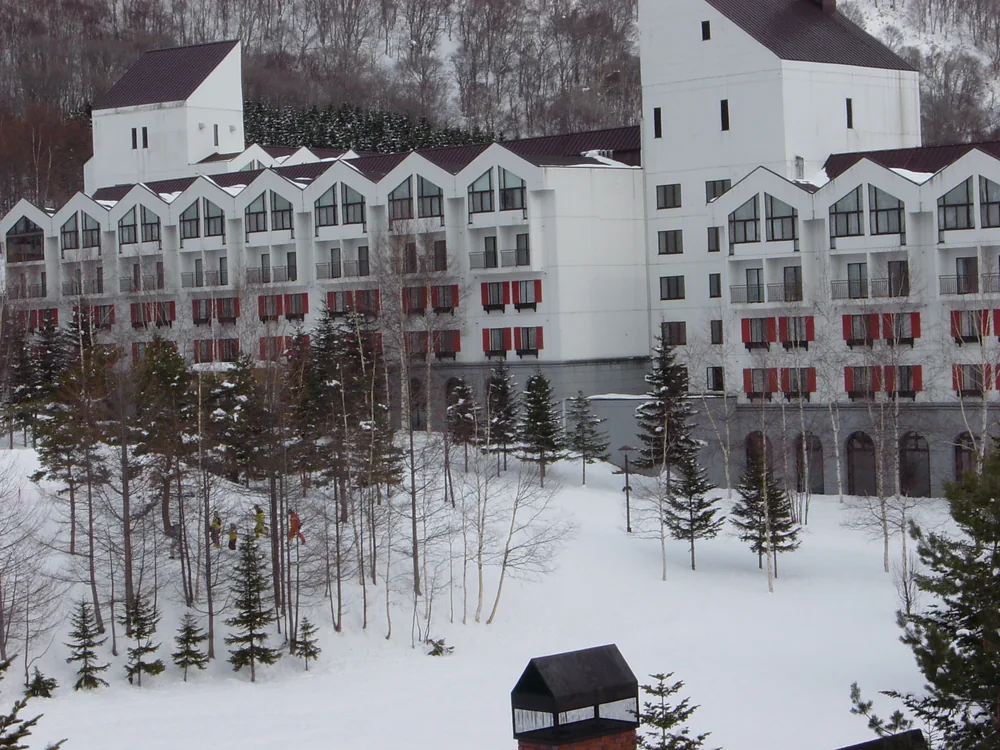
Both the North Wing and South Wing of Rusutsu Resort Hotel & Convention sit directly on the West Mt. side. If adults and kids are splitting up for lessons, returning to the room mid-afternoon, or hitting the hot spring at night, staying here puts rentals, ski school check-in, and the bathhouse on the same side of the road. Standard gear rentals are in the North Wing 2F, while lesson meeting points depend on your specific booking confirmation. If your group has rooms in different wings, pick one clear indoor landmark—such as outside the North Wing rental shop—after grabbing passes at a kiosk so everyone heads onto West Mt. together.
The Westin Rusutsu Resort sits across Route 230, connected to the Resort Hotel's South Wing by a resort monorail that takes about 5 minutes according to the resort, plus waiting and walking time before you reach the snow. The Westin has a ticket kiosk and rental desk on 1F, and guests heading straight toward East Mt. can check daily status for the Tower Pair Lift and East Gondola No. 1 right outside. If kids have morning lessons on the West Mt. side, build that monorail commute into breakfast timing. To weigh any nightly rate difference between hotels, picture how many pairs of boots and sets of skis you will haul across each morning.
The Vale Rusutsu is a condo-style hotel right beside West Mt. with listed winter ski-in/ski-out access and direct passage to the Kotobuki no Yu hot spring in the North Wing. Groups or families with young children staying several nights can book suites with kitchens and living rooms, making it easy to split early diners from skiers chasing extra laps. Decide how many bedrooms you need first, then compare dining layouts—and pick up groceries before heading up the mountain so nobody has to trek out in ski boots for food. Note that The Vale is the final drop-off for inbound airport and Sapporo buses and the very first pickup on the return, so coordinate departure times carefully if riding with friends staying at the Resort Hotel.
Guests on Resort Hotel winter ski-and-stay packages can pick up their included lift passes before official check-in. If you catch the 10:15 domestic-terminal airport bus arriving at 12:15 and already have fitted gear, you can easily spend that first afternoon on West Mt. When comparing lift-inclusive packages against room-only rates, check which dates, guests, and pass types are included, and exclude anyone who only plans to soak in the onsen or supervise snow play. For two travelers where only one skis both days, running the math both ways almost always pays off—and if a late flight forces an airport-area overnight first, align your package check-in with the day you actually ride the bus up.
How Gear Rentals, Kids' Lessons, and Snow Play Fit Together
Fill out your rental details online before heading to the shop for fitting. On the resort's rental request form, enter each person's sizes, dates, and equipment choices; once submitted, you will receive an application number and QR code. Show that code at your designated counter and pay to have staff pull and fit your gear—the form only pre-registers your info rather than reserving specific stock. First-time groups can keep everyone's boot sizes and profile details on one shared list, then tuck each skier's paper receipt and lift pass into their own jacket pocket for quick mid-day adjustments or next-day returns.
Starting November 28, 2026, Salomon Station on North Wing 2F handles standard rentals from 8:15 to 20:00 (last reception 19:30), while Premium Station on North Wing 1F offers high-performance gear from 8:15 to 18:00 (last reception 17:30). Counters at South Wing 1F, North Wing 6F, and Westin 1F open in early December with last reception at 17:30. Before a morning lesson, give yourself extra fitting time at whichever counter is closest to your meeting spot—the resort's kids' ski school notes that rentals can take around an hour on busy days, plus monorail transit if staying at The Westin. If a boot pinches or feels loose, swap sizes right inside the shop rather than riding over to East Mt. and turning back.
Samurai Kids Group Ski Lessons run from December 10, 2026 through March 31, 2027 for potty-trained skiers ages 4–7, taught in English with Japanese-speaking support staff at a maximum 6:1 student-to-instructor ratio. Half-day sessions run 10:00–12:30, and full-day sessions run 10:00–16:00 including a one-hour lunch break. Regular rates (December 10–13 and January 1–February 28) are ¥18,000 half-day and ¥25,000 full-day; peak year-end dates (December 14–31) are ¥20,000 and ¥28,000; spring rates (March 1–31) drop to ¥16,000 and ¥23,000. Gear rentals and lift tickets are separate, and check-in closes 10 minutes before start time. If siblings are booked into different times or levels, plan adult ski laps around drop-off and pickup—stick to West Mt. before lunch and decide afterward whether to cross to East Mt.
For tubing and sledding without skis, head to Samurai Kids Park on West Mt., open early December 2026 through late March 2027 from 9:00 to 16:00 (last entry 15:30). A 1-day pass costs ¥2,600 for both kids and accompanying adults (free for ages 2 and under), includes the magic carpet and snow tubes, and allows same-day re-entry during operating hours. Admission is cashless only, accepting credit cards and electronic payments. Families testing out a half-day of snow play before committing to ski lessons the next morning are best off staying near West Mt. to avoid hauling gear or driving.
When blizzard conditions force the whole family off the lifts, the indoor wave pool on Resort Hotel South Wing 1F makes an easy afternoon backup. Open November 28, 2026 to March 30, 2027 from 14:00 to 21:00, it is free for staying Resort Hotel guests (excluding The Vale guests), while day visitors pay ¥1,800 per adult and ¥900 for ages 4–12 from 16:00 onward at North Front on North Wing 2F. Pack swimsuits and towels in your day bag, as neither is rented or supplied. For hot springs, Kotobuki no Yu on North Wing 6F generally opens 6:00–9:00 and 14:00–1:00 the next morning (afternoon only on opening day; morning only on March 31)—free during a stay for hotel guests, or ¥1,800 for adults and ¥900 for ages 4–12 before check-in, after checkout, or for day visitors.
How to Pace a One-Night vs. Two-Night Stay
On a one-night stay with two ski days, keep your first afternoon on West Mt. Arriving at the Resort Hotel around noon leaves time to drop bags, collect lift passes, and fit rentals before choosing between a 5-hour pass or a package ticket based on when you actually hit the snow. If you take the 15:15 airport coach and arrive at 17:15, grab an adult night-ski ticket if you want turns that evening. On day two, check your luggage after breakfast and ski your top-priority run—just set an alarm for gear return if flying out that afternoon, because chasing the last return gondola pushes both rental drop-off and airport check-in dangerously late.
With two nights, save Mt. Isola for your full middle day. Use the first afternoon to learn the West Mt. and East Mt. transfer stations by name, then check morning wind holds on East Mt. and Isola before committing to the long traverse. Eating lunch at Steamboat Cafeteria lets you keep lapping Isola right afterward, or head back toward East Mt. early with plenty of daylight left if afternoon winds start slowing lifts. On morning three, stick to short West Mt. laps before a midday bus or simply eat breakfast and board. Only count that full middle day when evaluating multi-hour pass value, rather than treating arrival and departure days as full ski days.
When traveling in two groups—one taking lessons while the other chases long cruisers—simply agree to meet at a shared base restaurant for lunch or dinner. If everyone is boarding the same outbound hotel bus stop, keep final meals and rental returns on that side of the resort so nobody ends up carrying multiple sets of skis across the mountain at the last minute. Still comparing Hokkaido ski destinations? Start with our Hokkaido ski resorts guide. To pair winter powder with summer amusement rides and rafting, check our Rusutsu Resort four-seasons guide.
A few useful answers
When is Rusutsu Resort open for the 2026–27 ski season?
The resort is scheduled to open on November 28, 2026, with spring lift pricing running through March 31, 2027. Regular-season rates apply from December 19 through March 14, and night skiing runs from mid-December through March 30.
What is the difference between Rusutsu's 5-hour and 25-hour lift passes?
A 5-hour pass runs for five consecutive hours from your first gate scan. A 25-hour pass deducts time in 60-minute blocks—scanning again after a block expires starts the next hour—and remaining hours stay valid across days within the same season.
How long does the bus take from New Chitose Airport to Rusutsu?
The BigRuns shuttle takes about 120 minutes to the Resort Hotel and costs ¥5,000 per seat each way online. The last departures are 16:50 from the International Terminal and 17:00 from the Domestic Terminal; allow at least 90 minutes after an international arrival to board at the International Terminal.
Is the shuttle bus from Sapporo to Rusutsu still free?
For 2026–27, the winter Rusutsu Express costs ¥3,000 each way per seat (free for K Winter Pass holders, reservations still required). It departs Sapporo at 8:00 and returns from the Resort Hotel at 17:00.
Which mountain should complete beginners ski at Rusutsu?
Guests staying at the Resort Hotel should start on West Mt.'s Family Course. Visitors arriving on the East Mt. side can ride the East No. 1 Pair Lift to the Easy Trail, a beginner run capped at an 8-degree max pitch. Leave extra time for rentals and check-in if booking an introductory lesson.
Which Rusutsu hotel is easiest for families with kids in ski lessons?
If lessons meet on the West Mt. side, both the main Resort Hotel and The Vale sit right on West Mt. The Westin connects to the Resort Hotel via a monorail ride of about 5 minutes, plus waiting and walking time.
Can I use the Niseko ski shuttle to transfer hotels to Rusutsu?
No. The Rusutsu Powder Day Trip from Hirafu is sold strictly as a round-trip day tour with no one-way tickets, and luggage is limited to ski gear and a day's change of clothes. Arrange separate transport if switching hotels.
What can kids do at Rusutsu if bad weather closes the lifts?
Samurai Kids Park on West Mt. operates weather permitting. Otherwise, the indoor wave pool on South Wing 1F of the Resort Hotel runs 14:00–21:00 through March 30, 2027, with day visitors admitted from 16:00 onward.
Official information and references
Sources used in this guide.
- Rusutsu Resort | Winter Resort Overview
- Rusutsu Resort | Three-Mountain Trail Map
- Rusutsu Resort | English Trail & Map Guide
- Rusutsu Resort | Live Lift & Trail Status
- Rusutsu Resort | Mt. Isola Skiing & Transfer Routes
- Rusutsu Resort | Beginner Practice Areas & Lifts
- Rusutsu Resort | Regular, Early, Spring & Night Lift Tickets
- Rusutsu Resort | 25-Hour Pass Advance Sales & Bonus Hours
- Rusutsu Resort | New Chitose Airport BigRuns Winter Timetable
- Kamori Kanko | BigRuns Boarding & Luggage Guidelines
- Rusutsu Resort | Sapporo Rusutsu Express Fares & Schedule
- Kamori Kanko | Sapporo Winter Bus Boarding Guidelines
- Rusutsu Resort | Hirafu Round-Trip Powder Day Trip Bus
- Rusutsu Resort | Winter Stay & Lift Ticket Packages
- The Westin Rusutsu Resort | Monorail & Hotel Location
- The Westin Rusutsu Resort | 2026–27 Winter Operating Dates
- The Vale Rusutsu | Location & Suite Overview
- Rusutsu Resort | Rental Station Hours & Online Registration
- Rusutsu International Ski School | Kids Group Ski Lessons
- Rusutsu Resort | Samurai Kids Park
- Rusutsu Resort | Resort Safety Management & Designated Trails
- Rusutsu Resort | Mt. Isola First Track
- Rusutsu Resort | Indoor Wave Pool
- Rusutsu Resort | Kotobuki no Yu Winter Hours