Plan a butadon lunch and two flagship sweet shops from JR Obihiro Station's North Exit. Compare closure days across three pork bowl spots, Rokkatei's tearoom last orders, and winter hours, buses, and cake offcut sales at Ryugetsu's Otofuke factory.
- Region & Focus
- Eastern Hokkaido
- Reading Scope
- 16 min read · 10 chapters · 4 Q&As
- Official Verification
- 23 official sources checkedUpdated 22 November 2026
- Key Topics
- FoodItinerariesNeighbourhoods
Chapter Route Map (tap any stop)
- A Lunch Map Starting from Obihiro Station's North Exit
- Should Your First Bowl of Butadon Be in the Station or at the Original Shop?
- Driving to Obihiro: Spending a Full Morning Along Nishi 21-jo
- At Rokkatei Obihiro Main Shop, Queue Upstairs First or Shop Downstairs?
- Two Ryugetsu Stops: Walk to Odori or Cross the River to Otofuke
- Getting to Otofuke: Planning by Bus or Hire Car
- Market Breakfasts, Tokachi Wheat, and Evenings at Kita no Yatai
- Working Backwards from Your Departure Time for a Half-Day Plan
- Where to Stay: By the North Exit Restaurants, the South Exit, or Tokachigawa Onsen?
- Packing Portions for the Trip Home and Storing Them on the Road
- Quick Q&A
You can start eating your way through Obihiro right outside JR Obihiro Station's North Exit. For heritage charcoal-grilled butadon, walk north to Nishi 1-jo Minami 11-chome for Pancho. If you only have half a day, Butahage inside the station's ESTA West Wing cuts out the walking altogether and leaves time to sit down at the Rokkatei Obihiro Main Shop afterwards. In town, Ryugetsu's Odori Main Shop is the easy stop for buying Sanporoku baumkuchen, whereas watching the cakes bake and slice behind glass means crossing the Tokachi River to Sweetpia Garden in Otofuke. Because the town centre and the factory call for different transport plans, separating them makes far more sense than rushing to squeeze in a second bowl of pork rice.
A Lunch Map Starting from Obihiro Station's North Exit
JR Obihiro Station's shopping concourse is divided into the ESTA East Wing and ESTA West Wing. Butahage sits inside the West Wing, offering the shortest walk between ticket gates and table. To reach the flagship street blocks, step out of the North Exit, orient yourself by Nishi 1-jo, Nishi 2-jo, and Odori avenues, and follow the Minami (south) chome block numbers. The station forecourt is Nishi 2-jo Minami 12-chome; Pancho is at Nishi 1-jo Minami 11-chome, Rokkatei at Nishi 2-jo Minami 9-chome, and Ryugetsu at Odori Minami 8-chome. Obihiro's grid makes navigation simple: a glance at the chome number tells you how far you have wandered and when to head back.
With roughly three hours between trains, pick one priority first. If charcoal-grilled butadon is your main reason for stopping, leave the station and check the queue outside Pancho straight away, saving Rokkatei's tearoom for after lunch. If visiting both flagship confectioners is the goal, reach Rokkatei before last orders in its 2F tearoom, stroll down to Ryugetsu for gifts, and eat lunch back in the station's West Wing. Groups travelling with a wheelchair or pushchair can use the Rokkatei Obihiro Main Shop as a convenient meeting point, as it has a lift, an accessible toilet, and baby-changing facilities. Small restaurants need pavement space kept clear, so if children get restless, have one adult check the full-party seating rules with staff before anyone wanders off.
Midweek visits work best when sequenced around weekly closures. Pancho normally closes on Mondays as well as the first and third Tuesdays of each month. At the Rokkatei Obihiro Main Shop, the 2F tearoom is closed every Wednesday, though the ground-floor shop stays open. Butahage's station flagship closes on Thursdays, so plan your butadon meal outside the North Exit on that day. Several suburban spots also shut on Thursdays — do not treat Ippin's main shop on Nishi 21-jo as a Thursday backup. If your group has its heart set on a particular tearoom, check opening days before booking train tickets in and out of Obihiro.
| Venue | Location | Hours and closures |
|---|---|---|
| Pancho | Nishi 1-jo Minami 11-chome | 11:00–19:00; closed Mon and 1st & 3rd Tue of the month |
| Butahage | JR Obihiro Station ESTA West Wing | 10:00–15:00, 16:00–19:30; closed Thu |
| Tokachi Butadon Ippin | Nishi 21-jo Minami 3-chome | 11:00–21:00; closed Thu |
| Rokkatei Obihiro Main Shop | Nishi 2-jo Minami 9-chome | 1F shop 10:00–18:00; 2F tearoom last orders 16:00, closed Wed |
| Ryugetsu Odori Main Shop | Odori Minami 8-chome | 8:30–19:00; closed New Year's Day (1 Jan) |
Plan a butadon lunch and two flagship sweet shops from JR Obihiro Station's North Exit. Compare closure days across three pork bowl spots, Rokkatei's tearoom last orders, and winter hours, buses, and cake offcut sales at Ryugetsu's Otofuke factory.
Should Your First Bowl of Butadon Be in the Station or at the Original Shop?
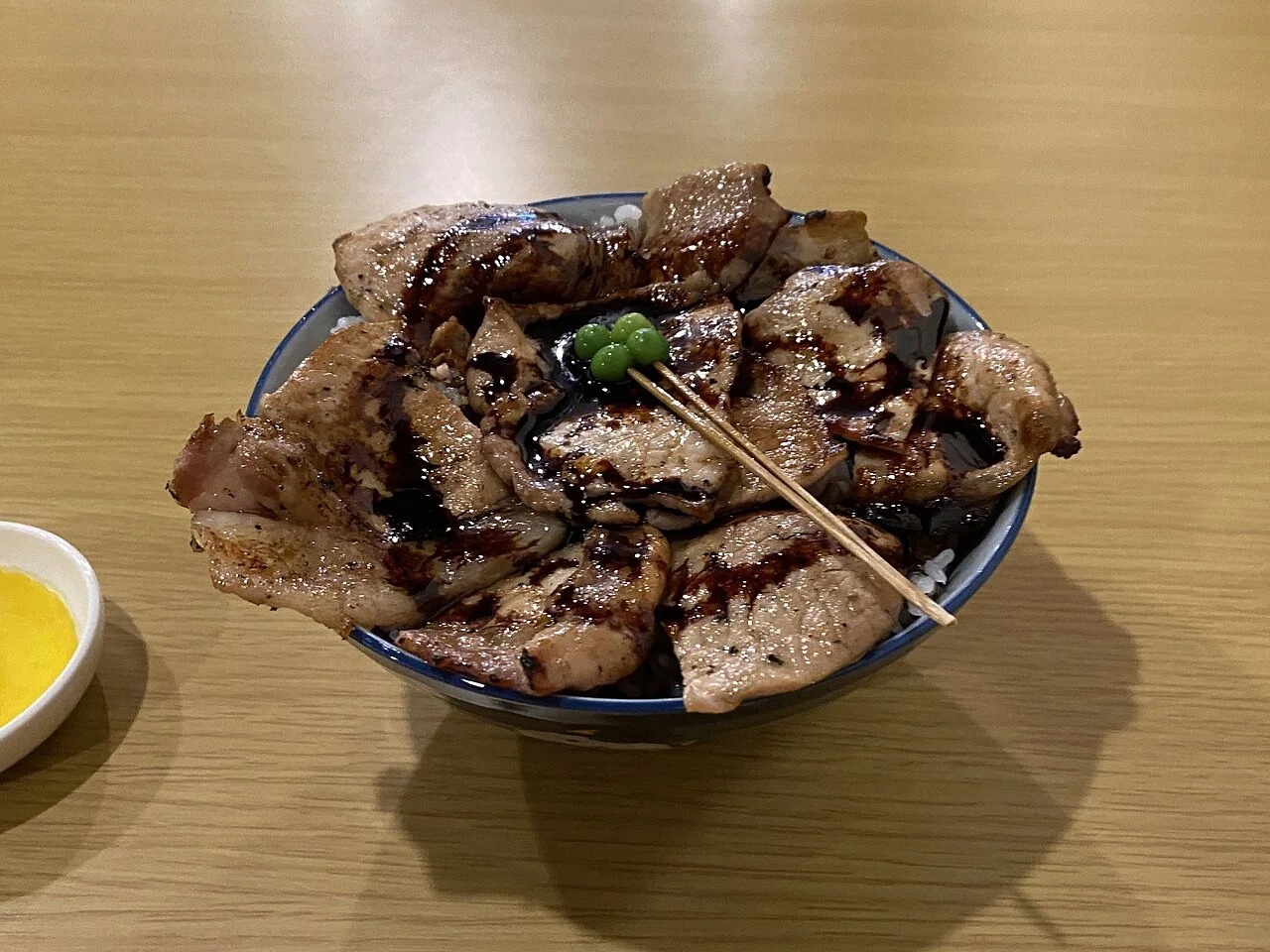
Founded in 1933, Pancho pioneered what the Obihiro Tourism and Convention Bureau records as its signature dish: charcoal-grilled pork coated in savoury-sweet sauce over steamed rice. Culinary archives from Japan's Ministry of Agriculture, Forestry and Fisheries add that the earliest glaze drew inspiration from kabayaki grilled eel, using sugar and soy sauce to lacquer the meat. The pork carries a smoky char on the outside, while the richness of the tare sauce comes through as you hit the rice underneath. When ordering, think in terms of cut and thickness: pork loin highlights the meat's lean bite, whereas belly melts its fat into the sauce and rice. Comparing both cuts during a single meal makes the difference far clearer than eating two full set meals back to back.
Pancho grills pork loin over charcoal and scales its portions upwards from Matsu, through Take and Ume, to Hana. While most Japanese restaurants treat Matsu as the top tier, here Matsu is the standard starting size and Hana is the largest. Located at Nishi 1-jo Minami 11-chome 19 and listed by the tourism bureau as open 11:00–19:00, the shop offers takeaway, takes cash only (no credit cards), and has no dedicated car park. Bring yen notes and coins, and if you are driving, use paid parking near the station or in the town centre and walk over. If you plan to follow lunch with cakes later on, start with Matsu to leave room; save the bigger tiers for when pork is the sole focus.
Butahage's Obihiro Main Shop inside JR Obihiro Station's ESTA West Wing splits service into a daytime slot from 10:00 to 15:00 (last orders typically 14:45) and an evening slot from 16:00 to 19:30 (last orders typically 19:00), though cut-off times may shift when the queue builds. If your train arrives during the 15:00–16:00 afternoon break, walk out to Ryugetsu's Odori Main Shop first and return for the early evening sitting. Departing travellers bound for Kushiro or Sapporo around 15:00 often find the lunch window tighter than expected, as even an in-station restaurant requires queuing, grilling time, and clearing the ticket gates. Arriving one train earlier takes the pressure off both luggage storage and lunch.
If you prefer takeaway, Pancho is listed as offering it on official tourism pages — ask staff on arrival for the current wait time. Back at the station, sort out lockers, toilets, and which ticket gate you need before picking up food, rather than juggling a hot bento box while hunting for storage. Keep sauce-filled containers flat if you are eating on the train, with outer bags and chopsticks tucked together in one hand. Anyone catching a fixed departure should tell staff what time they have to leave before choosing between a freshly grilled takeaway queue and pre-prepared food inside the station.
Driving to Obihiro: Spending a Full Morning Along Nishi 21-jo
Tokachi Butadon Ippin's Obihiro Main Shop stands out at Nishi 21-jo Minami 3-chome — there is no namesake branch by Obihiro Station. Official hours are 11:00–21:00, closed Thursdays. To compare lean texture against rich marbling, order the Buta-zanmai (¥1,250), which pairs both pork loin and belly. A standard bowl costs ¥1,150, and an extra-large tokumori is ¥1,500. Smaller appetites can opt for a half-size bowl at ¥740, or a half-size set meal at ¥1,060 that adds tonjiru pork miso soup, pickles, and a choice of salad or plum-dressed chilled tofu (all listed prices include tax). Takeaway boxes are priced on a separate column — ¥1,200 for a standard bento and ¥790 for a half-size — so specify eat-in or takeaway when ordering. After walking outdoors in winter, a half bowl with hot tonjiru leaves far more room for afternoon tea than sizing up on rice.
Pair Ippin with a stop at neighbouring Rokkatei Garden at Nishi 22-jo Minami 2-chome. The shop opens 9:00–17:30, with tearoom breakfast served 9:00–11:00 (last orders 10:30) and lunch 11:00–16:00 (last orders 15:30). Even if you are staying in the centre, it is easy to drive out here for morning tea before heading to lunch, saving the downtown main shops and station-front butadon for the following day. When entering the destination into a map app, search specifically for "Rokkatei Garden Obihiro" so you do not accidentally route to Campana Rokkatei in Furano or Rokka no Mori in Nakasatsunai.
Also on Nishi 21-jo, Market Diner Fujizen sits up at Kita 1-chome on the 2F floor of the Ichiuroko outer market. Getting from the butadon shop to the market means crossing from the south blocks to the north side of the same avenue, so the smoothest loop starts at the outer market early before heading south to Rokkatei Garden or Ippin. Fujizen serves breakfast 6:30–9:00 (last orders 8:45) and lunch 10:00–13:45 (last orders 13:15); it closes on Sundays, national holidays, and irregular Wednesdays, alongside the wholesale market's own published closure calendar. Visitors staying downtown who want market breakfast need transport lined up early, as a late start from the station often means arriving after the morning session closes. If you buy fresh seafood, drop it back at your accommodation's fridge straight away, or stick to shelf-stable processed goods if you will be out all day.
At Rokkatei Obihiro Main Shop, Queue Upstairs First or Shop Downstairs?
Rokkatei's Obihiro Main Shop occupies an entire multi-storey building at Nishi 2-jo Minami 9-chome 6 — roughly a five-minute walk from JR Obihiro Station according to the Hokkaido Tourism Organization — housing a ground-floor shop and gallery (1F), a tearoom (2F), and Hamanashi Hall (4F). Current listings put the 1F shop at 10:00–18:00 and the 2F tearoom at 11:00–16:30 with last orders at 16:00; the tearoom does not accept bookings and closes on Wednesdays. If you are only picking up boxed gifts, leave the 1F shop until later in your town walk. Anyone coming specifically for coffee and sweets should head upstairs first and pay for shopping downstairs afterwards — the retail counter stays open later, whereas missing the 16:00 tearoom cut-off means finding another café.
The signature red-boxed Marusei Butter Sandwich pairs crisp biscuits with raisins folded into rich white-chocolate buttercream, while the Hokkaido Tourism Organization also highlights the Obihiro Main Shop's Marusei Ice Sandwich — an ice-cream version made to eat on the spot. Both share nearly the same name, so look for the word "Ice" (aisu) when ordering the frozen treat as an afternoon snack and pick up boxed biscuits for gifts. If you still have buses to catch or hotel check-ins ahead, read the storage labels on each box before stocking up, saving short-life or chilled items for the same day or next morning. Heated train carriages in winter — especially sunny window seats — warm up quickly, so keep chilled packs separate from ambient gift boxes.
With lifts and clean toilets on site, the main shop works well as a mid-walk rest stop and a rallying point if your group splits up. After a long sit-down pork lunch, gauge both appetite and train times before queuing again: one person can browse gift boxes while another settles children into seats, handling shopping and resting in parallel. Rokkatei also lists a tearoom at its Nishi 3-jo branch (Nishi 3-jo Minami 1-chome 1-1; shop 9:00–17:30, tearoom 11:00–16:30 with last orders at 16:00). If a Wednesday visit throws off your schedule and you have time to spare, move your sit-down break to Nishi 3-jo; travellers rushing for a train should stick to the main shop's 1F counter, which is much closer to the station.
Two Ryugetsu Stops: Walk to Odori or Cross the River to Otofuke
Ryugetsu's Odori Main Shop sits at Odori Minami 8-chome 15 and opens 8:30–19:00 (closed 1 January), according to the Obihiro Tourism and Convention Bureau. If you arrive on an early train and want to shop before Rokkatei opens, walk straight up Odori to Ryugetsu and loop back down Nishi 2-jo afterwards — the 90-minute gap between their opening times leaves room for breakfast in town before tackling both flagships. Odori Main Shop focuses on boxed souvenirs and regional sweets: rather than hauling full-length baumkuchen loaves, look for Sanporoku no Kowari (mini pre-sliced portions) for easy sharing, or pick up Anbata-san if you like red bean and butter biscuits. Count how many people you are buying for first — individual piece counts matter more than box size — and grab single loose pieces or a small pack for tasting on the spot.
Sanporoku — pronounced san-po-ro-ku — is a baumkuchen cake styled to resemble split white birch firewood. A coat of white and milk chocolate mimics birch bark on the outside, while slicing it reveals concentric baked rings inside; the name refers to the traditional cut dimensions of Hokkaido firewood, explaining its narrow, elongated shape. Across the river in Otofuke, Ryugetsu runs Sweetpia Garden, combining a factory and retail hall. Visitors can look down from the 3F observation corridor onto the 2F production floor, alongside displays of vintage packaging and sugar-craft pieces. Individual entry is free with no booking required (groups of 10 or more can phone ahead for a guided tour). What appears behind the glass depends on the day's production run — sometimes another sweet is being sliced — and along the route children can spot birch-log benches and packaging artwork before choosing flavours downstairs.
For the winter season from 4 November 2026 to 18 April 2027, Ryugetsu lists Sweetpia Garden's shop as open 9:00–17:00, the café 9:00–16:30, and factory viewing 9:00–16:00. On 31 December, the café closes early at 15:00 and the factory walkway shuts at 12:00. On 1 January 2027, the retail shop operates 10:00–17:00 while both the café and factory viewing remain closed. If you are staying in Obihiro on New Year's Day and simply want to buy Ryugetsu sweets, the Otofuke shop stays open while the downtown Odori Main Shop is closed — though if you want a sit-down café break after lunch, save that for another day.
The factory offcut sale begins at opening time on a strict queue basis — no numbered tickets are issued, purchases are limited to one pack per person, and payment is cash only. Daily flavours and quantities vary by batch, and the early-morning queue can fill the entire allocation before the doors open. Treat the offcuts as a lucky bonus: if they sell out, watch the production line instead or pick up regular packs. Anyone taking an early bus out specifically for offcuts should match their return timetable to Sweetpia Garden's opening hours. Because the Odori Main Shop opens 30 minutes earlier, stick to town if all you want is boxed cakes in the morning — or combine sweets with local farm produce at the neighbouring Michi-no-Eki roadside station in one river-crossing half-day.
Getting to Otofuke: Planning by Bus or Hire Car
To reach Sweetpia Garden by public transport, set your map destination to "Ryugetsu Sweetpia Garden". Board the Hokkaido Takushoku Bus bound for Michi-no-Eki Otofuke from Stand 3 at the Obihiro Station Bus Terminal; the airport shuttle bus also accepts short-hop passengers between central Obihiro and the roadside station. Check outbound and return timetables for your exact day of travel and factor in walking time on both ends. Note that even if you spot an "APA Hotel Obihiro-Ekimae" stop near downtown hotels, outbound services towards Otofuke depart from Terminal Stand 3 because the operator separates stops by direction. If you are connecting onto a JR train afterwards, verify weekday versus weekend bus schedules and leave buffer time to walk from the bus bay, retrieve luggage, and reach the platform. When bus gaps look awkward, cover both downtown flagships on foot first and save Otofuke for a hire-car run the next day.
By car, cross the Tokachi River out of central Obihiro towards the Otofuke-Obihiro Interchange, where Sweetpia Garden sits clustered right next to Michi-no-Eki Otofuke Natsuzora no Furusato. On an unhurried day, tour the factory first, eat lunch at the roadside station, and drive back into town. If you have an afternoon flight out of Tokachi-Obihiro Airport, remember that the airport lies south of the city while Otofuke lies to the north — crossing town takes extra time on top of car-hire drop-off. When winter snow is forecast, avoid squeezing factory closing and vehicle return into back-to-back deadlines. Between lunch, coffee, and factory viewing, the 16:00 viewing cut-off is the hardest boundary, so lock that in first and see what time remains for a café stop.
You can even eat Butahage at the roadside station instead — the chain operates a Michi-no-Eki Otofuke branch separately from its station flagship, letting you save the ESTA West Wing shop for a train-travel day. Match the stop to your group before setting out: fussy children get broader food choices at the roadside station food court, while older relatives needing regular seating will appreciate cutting unnecessary shopping detours beyond the factory. If you are carrying chilled desserts back to Obihiro, drop them at your hotel first before walking out to the evening food stalls so you are not lugging a cool bag around all night.
Market Breakfasts, Tokachi Wheat, and Evenings at Kita no Yatai
To break up rich pork bowls and sweets with another Tokachi staple, work in a local bakery. Masuya Bakery runs a convenient branch inside JR Obihiro Station for early departures without heading back into town, alongside its flagship Mugion bakery in Inadacho to the south — around 15 minutes by car from Obihiro Station, or a one-minute walk from the Inadabashi stop on Tokachi Bus. From 4 November 2026 to 28 February 2027, Mugion opens 6:55–17:00, closing only over the year-end and New Year break. Its on-site café makes a far smoother early breakfast before touring southern sights than waiting until 11:00 for a butadon shop to open. Masuya bakes year-round with Tokachi-grown wheat: pick a plain loaf or roll to taste the grain itself, plus one filled bun to pack for the road.
Tokachimura, next to Obihiro Racecourse at Nishi 13-jo Minami 8-chome, lies roughly 1.7 kilometres from Obihiro Station — catch a Tokachi Bus from Stand 12 at the station terminal and alight at Obihiro Keibajo-mae. Its farm-direct market opens 10:00–17:00 (with seasonal year-end hours), while neighbouring eateries keep separate schedules. After an early pork-bowl lunch, browsing local cheeses, dried beans, and farm preserves before stepping into the adjacent horse museum fills an easy half-day. Because the market closes well before evening Ban'ei horse racing wraps up, shop first and head to the track afterwards. Travellers staying several nights in Tokachi can enjoy fresh cheeses in their room rather than trying to cram perishable dairy into next-day luggage.
After dark, walk north from the North Exit to Nishi 1-jo Minami 10-chome for Kita no Yatai, a fixed lane of roughly 20 tiny permanent stalls serving yakitori, tempura, and Western-style small plates, each keeping its own hours and closure days — check the official stall directory before choosing. Because counter seats fill quickly in these compact booths, couples can usually slip into spare spots, whereas groups of six are better off booking a proper restaurant first and dropping by the yatai lane for a second round. In winter, weigh alley wait times against the walk back to your hotel; staying near the North Exit lets you drop off milk and pastries in your room and pull on an extra coat before heading out.
If your Tokachigawa Onsen stay includes dinner, save Kita no Yatai for a night spent in central Obihiro — hit the food stalls on your town night, visit Otofuke or the market the next morning, and transfer out to the hot-spring spa in the afternoon. Drivers wanting to sample Tokachi wine should keep it for a walkable dinner in town or pick up bottles from Ikeda to drink back at their hotel. Staying near the station lets you stroll home after dinner and catch early trains or buses, whereas country ryokan work best when you leave breakfast and dinner to the inn and focus on one standout midday meal in Obihiro.
Working Backwards from Your Departure Time for a Half-Day Plan
With only a lunch window to spare, arrive in the morning and walk out to Ryugetsu's Odori Main Shop for gifts first, then swing back towards the station via Pancho or Butahage. Early eaters can instead eat at Butahage inside the station before walking over to Rokkatei just as its tearoom opens. If your train leaves around 13:00 and you want table service at the tearoom, turn back towards the station around noon — sit down at whichever stop matters more and take the other to go. Obihiro's North Exit blocks are easy walking, but queuing twice at midday and backtracking for lockers eats up energy; decide on arrival whether luggage stays in a station locker or goes straight to your hotel.
Arriving in the afternoon for a downtown overnight stay, head to Rokkatei's 2F tearoom before 16:00, browse downstairs, and save Butahage or Kita no Yatai for later. Once snow builds up on the pavements, stick to main avenues back towards the station and cross only at marked intersections; icy walkways add real minutes when rolling suitcases, so wear gripped boots if switching hotels after dark. During heavy flurries or high winds, skip the Odori detour and keep lunch, bakery snacks, and waiting time inside the station concourse — or take shelter upstairs at Rokkatei until you thaw out enough for the next stop.
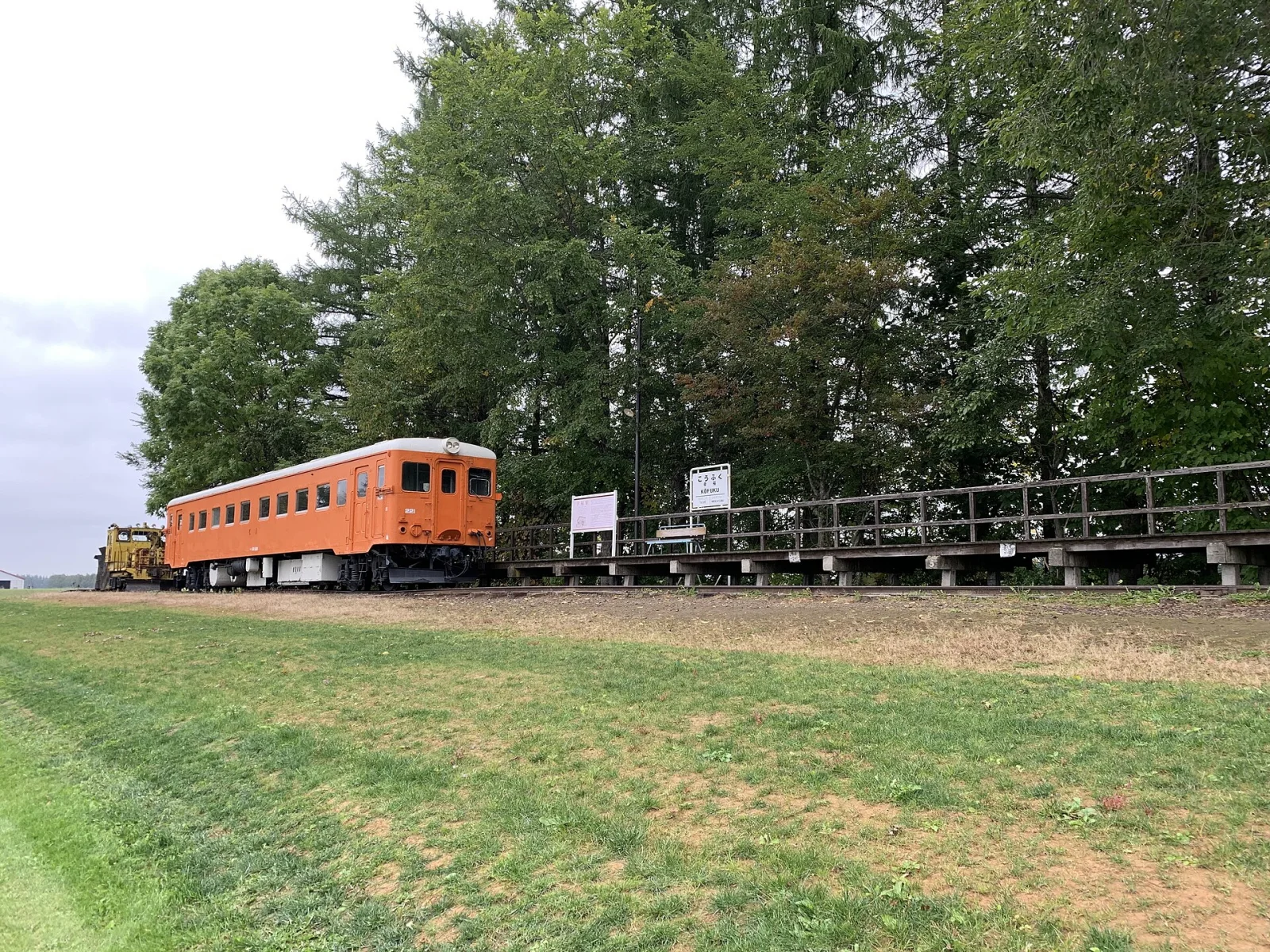
For a full-day eating itinerary, start the morning at Fujizen or Mugion, eat butadon at midday, drop into Rokkatei in the afternoon, and finish at Kita no Yatai. An alternative full day runs north to Otofuke first for the Ryugetsu factory and lunch at the roadside station, then returns across the river for afternoon coffee and a butadon dinner in Obihiro — the main difference is simply adding one river crossing and checking last-entry times on both banks. If you are combining food stops with Obihiro and Tokachi attractions or Kofuku Station, remember that southern sights lie across the entire city from Otofuke, so group days by driving direction so lunch lands naturally along your route.
Families with children, older relatives, and keen food lovers can share the same day effortlessly with a little coordination. Meet for breakfast, pick a lunch spot offering half-portions or takeaway, split briefly for afternoon shopping on the walk to Rokkatei, and regroup at the tearoom before 16:00. Whoever holds the spot in a queue can text updates and share the exact name left with staff so slower walkers can stay indoors out of the cold rather than standing outside a single storefront together.
Where to Stay: By the North Exit Restaurants, the South Exit, or Tokachigawa Onsen?
HOTEL NUPKA sits outside the North Exit at Nishi 2-jo Minami 10-chome, putting both Pancho and Kita no Yatai within easy walking distance. Using it as a base lets you drop shopping bags in your room after visiting the sweet shops before heading back out after dark. If you have an early JR train with heavy luggage the next morning, Hotel Nikko Northland Obihiro stands right beside the South Exit, and you can cross under the tracks via the station concourse to reach North Exit restaurants. Both hotels put butadon shops within walking distance; the trade-off comes down to rolling bags over the last stretch versus how late you plan to stay out. On Sundays or public holidays when the market diner is closed, hotel breakfast lets you eat before setting off — and on a one-night stop, keep dinner close to your hotel and save the out-of-town meal for the next day.
Travellers continuing to Tokachigawa Onsen can board Tokachi Bus Route 45 at the Obihiro Station Bus Terminal from Stand 6 or 7 depending on the departure, noting that some hotel stops require requesting drop-off in advance. Daiichi Hotel, Kangetsuen, Sasai Hotel, and Onsen Minami each have distinct stop names, so jot down your accommodation's exact name to match against the on-board display and avoid an unnecessary walk. Connecting from Michi-no-Eki Otofuke back through central Obihiro means watching both transfer stands and bus headways carefully in the afternoon. If connections look tight before a set ryokan dinner, skip the suburban café, pick up pastries by the station, and catch the earlier bus out to the hot springs.
Even on a brisk morning departure, the station's two wings split breakfast and last-minute gifts neatly. In the West Wing, TranTran Masuya opens 9:00–18:00 for sandwiches and sweet buns right on the way to the platforms. Up on the 2F floor of the East Wing, the Tokachi Bussan Center stocks regional condiments and pantry goods from across Tokachi and handles shipping; the Obihiro local products association notes year-end closures and adjusted December hours, so New Year travellers should shop on arrival day instead. If you are short on time and already have a takeaway pork bowl in hand, go straight up to the East Wing's 2F floor for a bottle of tare sauce, or pick up two rolls in the West Wing to eat on the train. Both wings open directly off the central concourse, so if you take a wrong turn, cut back through the middle rather than dragging bags round the outside.
Packing Portions for the Trip Home and Storing Them on the Road
Budget for butadon by separating the rice bowl from soup and sides. Using Ippin's listed prices as a guide, a standard bowl with miso soup runs ¥1,270, while the full set meal at ¥1,470 upgrades to hearty tonjiru pork miso soup plus pickles and a side dish. If you have already eaten a market breakfast, keeping lunch simple saves both appetite and budget for afternoon sweets or dinner. Families ordering set meals should check whether children will actually eat the pickles and sides rather than assuming adult portions all round — start with single bowls or half-size options where available. Likewise, if your hotel includes breakfast, skipping an early taxi out to the suburban market can easily cover part of lunch.
Split your sweet shopping into immediate treats and boxed gifts. Buy single pieces for tasting on the spot, then work backwards from the day you will hand out gifts — especially if you are changing hotels twice and need fridge space along the way. Red-boxed butter sandwiches and whole baumkuchen loaves look like ordinary shelf-stable cartons, so check the printed storage temperature and best-before dates before packing them away. If an onsen stay comes next, separate chilled items from room-temperature boxes into two bags so you know straight away what needs the hotel fridge. For gifts going home in checked or cabin luggage, note piece counts and ingredients — including alcohol, dairy, egg, or wheat — alongside your receipt. Anyone with food allergies should keep the Japanese allergen terms saved on their phone (such as nyuseibun for dairy, komugi for wheat, and tamago for egg) to show staff when checking ingredient panels. Finally, eat frozen treats inside the shop if you have hours of walking left rather than sorting melting bags at dusk.
If JR Obihiro Station is your final stop, spend spare minutes on station bakery loaves or dry seasonings rather than trying to cram full boxes from both sweet shops into limited bag space, saving room for one small treat you have not tried yet. On a single stop in Obihiro, three moments tend to stick longest: the smoky char rising off a fresh bowl of butadon, a cold ice-cream sandwich in Rokkatei's 2F tearoom, or watching a Sanporoku loaf glide past the viewing window in Otofuke. Pick whichever one matters most as soon as you step off the train, and the rest of the itinerary falls neatly into place around it.
A few useful answers
Where can I eat butadon if I am only changing trains at Obihiro?
Butahage sits right inside JR Obihiro Station's ESTA West Wing; it closes on Thursdays and pauses daily between lunch and dinner from 15:00 to 16:00. For the heritage charcoal-grilled original, walk out of the North Exit to Pancho, which normally opens at 11:00.
Do I need to book the café at the Rokkatei Obihiro Main Shop?
The 2F tearoom does not take bookings and is closed on Wednesdays. It opens 11:00–16:30 with last orders at 16:00, keeping separate hours from the ground-floor (1F) retail shop.
Should I go downtown or to Otofuke to buy Ryugetsu Sanporoku?
For regular boxed cakes, walking to the downtown Odori Main Shop is quickest. Head across the river to Sweetpia Garden in Otofuke if you want to watch the baking line or queue for the cake offcut sale; winter factory viewing typically runs until 16:00 and closes on New Year's Day.
How do I take the bus from Obihiro Station to Ryugetsu Sweetpia Garden?
Go to Stand 3 at the Obihiro Station Bus Terminal and take a Hokkaido Takushoku Bus bound for Michi-no-Eki Otofuke, then walk over to Ryugetsu. Check your return bus timetable alongside factory viewing hours before heading out.
Official information and references
Sources used in this guide.
- Ministry of Agriculture, Forestry and Fisheries (MAFF) - Origins and Preparation of Tokachi Butadon
- Obihiro Tourism and Convention Bureau - Ganso Butadon Pancho
- Butahage - Obihiro Station and Otofuke Branches
- Tokachi Butadon Ippin - Obihiro Main Shop and Current Menu
- Rokkatei - Obihiro Area Shops and Tearooms
- Hokkaido Tourism Organization - Rokkatei Obihiro Main Shop
- Obihiro Tourism and Convention Bureau - Ryugetsu Odori Main Shop
- Ryugetsu - Origin and Craft of Sanporoku
- Ryugetsu - Sweetpia Garden Winter Hours and Offcut Sales
- Ryugetsu - Factory Tour Information
- Ryugetsu - Group Tours and Visitor Guidance
- Hokkaido Takushoku Bus - Michi-no-Eki Otofuke Line
- Obihiro Regional Wholesale Market - Fujizen
- Masuya Bakery - Mugion Winter Operating Hours
- Masuya Bakery - JR Obihiro Station Branch
- Tokachimura - Farm-Direct Market
- National Association of Racing (NAR) - Obihiro Racecourse Access
- Kita no Yatai - Stall Directory and Opening Information
- Tokachigawa Onsen Tourist Association - Bus Route 45
- Tokachi Bus - Route Timetables
- HOTEL NUPKA - North Exit Location and Access
- JR Hotel Group - Hotel Nikko Northland Obihiro Access
- Obihiro Local Products Association - JR Obihiro Station Tokachi Bussan Center