Plan a bowl of butadon and two classic dessert flagships right from JR Obihiro Station's North Exit. Compare closing days across three pork-bowl spots, Rokkatei's cafe last-order times, and winter hours, bus routes, and cake-trim sales at Ryugetsu's Otofuke factory.
- Region & Focus
- Eastern Hokkaido
- Reading Scope
- 16 min read · 10 chapters · 4 Q&As
- Official Verification
- 23 official sources checkedUpdated November 22, 2026
- Key Topics
- FoodItinerariesNeighborhoods
Chapter Route Map (tap any stop)
- A Lunch Map Starting from Obihiro Station's North Exit
- First Bowl of Butadon: Inside the Station or in Line at the Original?
- Driving into Obihiro? Spend a Full Morning on Nishi 21-jo
- Rokkatei Obihiro Main Store: Second-Floor Cafe or First-Floor Shop First?
- Two Ryugetsu Destinations: Walk to Odori or Cross the River to Otofuke
- Getting to Otofuke: Bus and Driving Plans Compared
- Market Breakfasts, Tokachi Wheat, and Kita no Yatai After Dark
- Working Backward from Your Departure Time for a Half-Day Plan
- Where to Stay: Near North Exit Dining, South Exit Platforms, or Tokachigawa Onsen?
- Packing Treats for the Flight Home and Storing Them on the Road
- Quick Q&A
Obihiro's food scene starts right outside JR Obihiro Station's North Exit. For old-school charcoal-grilled butadon, walk north to Nishi 1-jo Minami 11-chome for Pancho. If you only have half a day in town, Butahage inside the station's ESTA West Wing saves you the walk and leaves time to sit down at Rokkatei's Obihiro Main Store. Ryugetsu's Odori Main Store is the easy downtown stop for Sanporoku, whereas watching the Baumkuchen bake and get sliced behind viewing glass means crossing the Tokachi River to Sweetpia Garden in Otofuke. Because those two stops call for different transport plans, splitting the factory from the downtown shops reveals the contrast between Obihiro and wider Tokachi far better than rushing into a second bowl of pork rice.
A Lunch Map Starting from Obihiro Station's North Exit
JR Obihiro Station's shopping complex is split into the ESTA East and West Wings. Butahage sits inside the West Wing, making it the shortest walk between the platforms and a hot meal. To reach the downtown flagship blocks, step out the North Exit and orient yourself using Nishi 1-jo, Nishi 2-jo, and Odori, paired with the south-facing block numbers (Minami chome). The plaza outside the station is Nishi 2-jo Minami 12-chome; Pancho is at Nishi 1-jo Minami 11-chome, Rokkatei at Nishi 2-jo Minami 9-chome, and Ryugetsu at Odori Minami 8-chome. Obihiro's grid makes navigation intuitive—just check the chome numbers to gauge how far you have eaten your way from the tracks and when to turn back.
With a three-hour window, anchor your stop around your top priority. If charcoal-grilled butadon is the main draw, head out of the station to check Pancho's line first and save Rokkatei's cafe for afterward. If your goal is visiting both dessert flagships, arrive at Rokkatei before the second-floor tearoom's last order, stroll over to Ryugetsu for shopping, and eat at the station's West Wing instead. Traveling with a wheelchair or stroller works best if everyone meets at Rokkatei, which has an elevator, accessible restrooms, and diaper-changing tables. Smaller eateries have tight sidewalks for waiting; if kids get restless, have one adult check the full-party seating policy with staff before deciding whether part of the group should wait elsewhere.
On a midweek visit, adjust your order of stops around each shop's closing days. Pancho typically closes on Mondays plus the first and third Tuesdays of each month. Rokkatei Obihiro Main Store closes its second-floor tearoom on Wednesdays, though the ground-floor shop stays open. Butahage's Obihiro station flagship closes on Thursdays, so plan your Thursday pork bowl outside the North Exit. Several suburban spots also shut on Thursdays—do not count on Ippin's main branch on Nishi 21-jo as a Thursday backup. If your group has its heart set on a specific tearoom, lock in the open days before booking your trains into Obihiro.
| Shop | Location | Hours & Closing Days |
|---|---|---|
| Pancho | Nishi 1-jo Minami 11-chome | 11:00–19:00; closed Mon and 1st & 3rd Tue |
| Butahage | Obihiro Station ESTA West Wing | 10:00–15:00, 16:00–19:30; closed Thu |
| Tokachi Butadon Ippin | Nishi 21-jo Minami 3-chome | 11:00–21:00; closed Thu |
| Rokkatei Obihiro Main Store | Nishi 2-jo Minami 9-chome | 1F 10:00–18:00; 2F last order 16:00, closed Wed |
| Ryugetsu Odori Main Store | Odori Minami 8-chome | 8:30–19:00; closed New Year's Day |
Plan a bowl of butadon and two classic dessert flagships right from JR Obihiro Station's North Exit. Compare closing days across three pork-bowl spots, Rokkatei's cafe last-order times, and winter hours, bus routes, and cake-trim sales at Ryugetsu's Otofuke factory.
First Bowl of Butadon: Inside the Station or in Line at the Original?
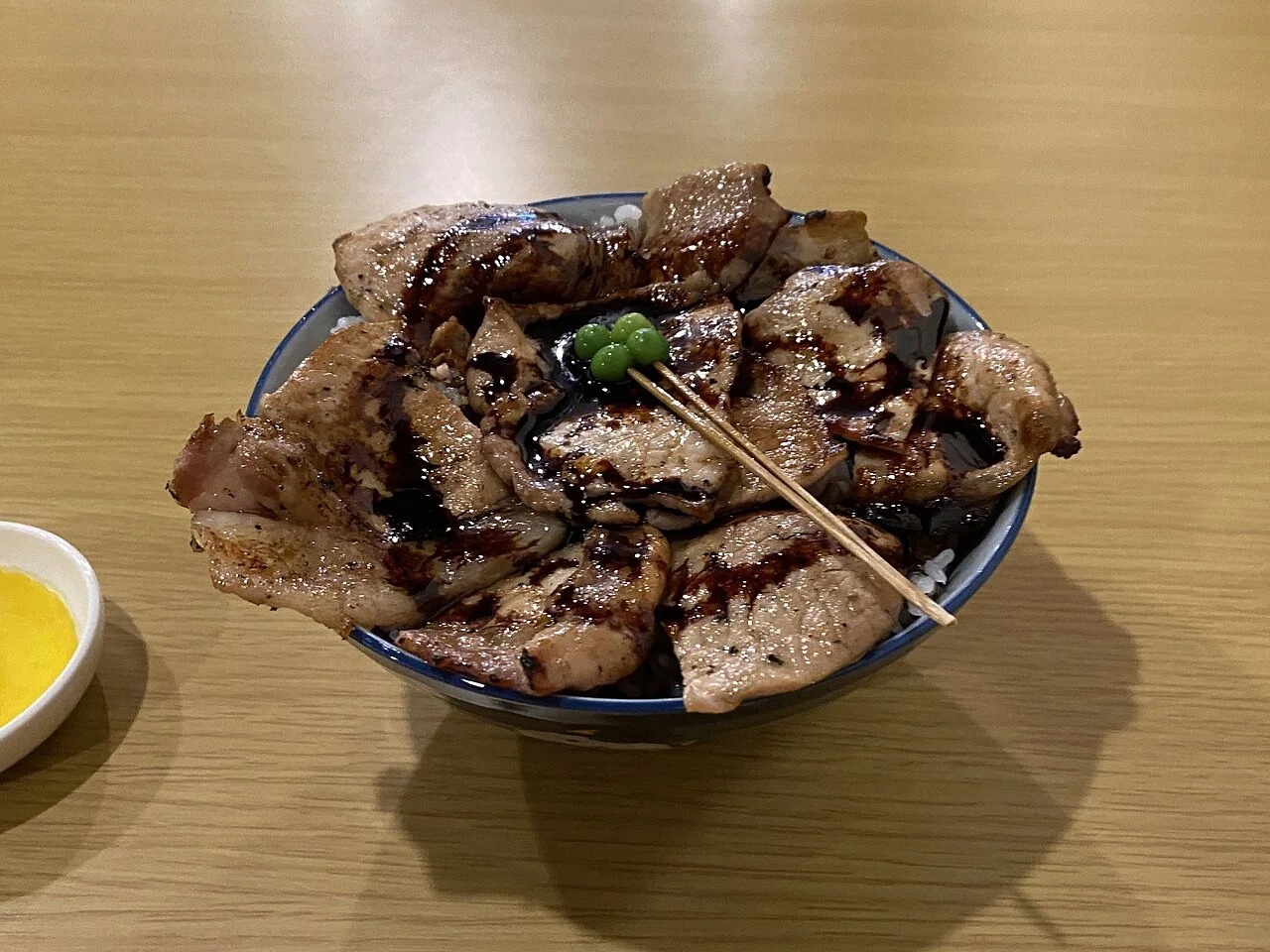
Pancho dates back to 1933. According to the Obihiro Tourism and Convention Association, its founder paired charcoal-grilled pork with a savory glaze over rice, creating what became the restaurant's signature dish. A Tokachi culinary archive compiled by Japan's Ministry of Agriculture, Forestry and Fisheries adds another clue: the early glaze drew inspiration from kabayaki-style grilled eel sauce, coating the pork in sugar and soy sauce. The exterior picks up a smoky char, while the richness of the tare sinks into the rice underneath. When ordering, pay attention to cut and thickness—pork loin highlights the meat's firm chew, whereas pork belly melts its fat and sauce into the grains. Comparing both cuts within a single meal is far easier than eating two full sets back-to-back.
Pancho grills pork loin over charcoal, offering four portion sizes scaling up from matsu, take, and ume to hana. Unlike most Japanese restaurants where matsu (pine) tops the menu, here matsu is the entry size and hana is the largest. The shop sits at Nishi 1-jo Minami 11-chome 19, with Obihiro Tourism Association-listed hours of 11:00–19:00, takeout available, cash only (no credit cards), and no dedicated parking lot. Bring cash, and if driving, use paid parking near the station or downtown and walk over. If you plan to follow lunch with afternoon sweets, starting with matsu leaves comfortable room; only jump to the larger sizes if meat is your sole focus.
Butahage's Obihiro Main Store sits inside JR Obihiro Station's ESTA West Wing. Its posted lunch service runs 10:00–15:00 with last order typically at 14:45, and dinner runs 16:00–19:30 with last order usually at 19:00, though cutoff times may shift when busy. If your train arrives between 15:00 and 16:00, walk to Ryugetsu Odori Main Store first and return for the dinner opening. Travelers heading out toward Kushiro or Sapporo should factor in platform time—if your train leaves around 15:00, the lunch window is tighter than it looks once you add queuing, grilling, and buying tickets. Catching an earlier train into Obihiro makes both luggage and lunch far less rushed than joining the line right before last order.
For takeout, official tourism listings note that Pancho offers to-go orders, so ask about pickup times when you arrive. Handle coin lockers, restrooms, and checking your departure gate inside the station before walking over, which beats juggling hot bento boxes while hunting for storage. If you are saving the meal for the train, keep the sauced container flat and pack the bag and disposable chopsticks together. Travelers on a fixed train schedule should tell the staff their departure deadline upfront before deciding between waiting for freshly grilled takeout or grabbing prepped food inside the station.
Driving into Obihiro? Spend a Full Morning on Nishi 21-jo
Tokachi Butadon Ippin's Obihiro Main Store is located at Nishi 21-jo Minami 3-chome—there is no sister main branch next to Obihiro Station. Listed hours are 11:00–21:00, closed Thursdays. To compare thickness and marbling side by side, order the Butazanmai (¥1,250), which mixes both loin and belly. A standard butadon is ¥1,150 and an extra-large tokumori is ¥1,500. Lighter appetites can order a half-size bowl for ¥740, or a half-size set for ¥1,060 that adds pork miso soup (tonjiru), pickles, and a choice of salad or plum-dressed chilled tofu—all listed prices include tax. Takeout bento prices sit on a separate column (¥1,200 regular, ¥790 half), so specify dine-in or takeout when ordering. After walking in the winter cold, a half-size bowl with hot tonjiru leaves far more room for afternoon tea than upsizing the rice.
Pair Ippin with a west-side stop at Rokkatei Garden at Nishi 22-jo Minami 2-chome. The ground-floor shop opens 9:00–17:30, while the cafe serves breakfast 9:00–11:00 (last order 10:30) and lunch 11:00–16:00 (last order 15:30). Even if you are staying downtown, driving out for late-morning coffee and early lunch keeps both west-side stops together, saving the downtown flagships and station butadon for the next day. Type 'Rokkatei Garden Obihiro' into your map app so you do not accidentally route to Campana Rokkatei in Furano or Rokka no Mori in Nakasatsunai.
Also along Nishi 21-jo, Ichiba Shokudo Fujizen sits at Kita 1-chome on the second floor of the Ichirin wholesale market building. Driving from Ippin means crossing to the north side of the avenue—same Nishi 21-jo street, opposite north/south block numbers. The smoothest order is market breakfast first, then the west-side garden or pork bowls to the south. Fujizen's breakfast hours are 6:30–9:00 (last order 8:45) and lunch runs 10:00–13:45 (last order 13:15); it closes Sundays, national holidays, and irregular Wednesdays alongside the market's own calendar. If you are staying downtown and want a market breakfast, arrange transport early—heading out on a whim from the station often means arriving after breakfast ends and having to wait for the lunch seating. Any fresh seafood bought at the market should go straight back to your hotel fridge; if you are sightseeing all day, stick to shelf-stable processed goods with clear storage labels.
Rokkatei Obihiro Main Store: Second-Floor Cafe or First-Floor Shop First?
Rokkatei's Obihiro Main Store occupies a multi-story building housing the ground-floor retail shop and gallery, the second-floor tearoom, and Hamanashi Hall on the fourth floor. Located at Nishi 2-jo Minami 9-chome 6, it is roughly a five-minute walk from JR Obihiro Station according to the Hokkaido Tourism Organization. Current store listings set ground-floor hours at 10:00–18:00 and second-floor tearoom hours at 11:00–16:30 (last order 16:00), closed Wednesdays with no reservations accepted. If you only want packaged gifts, save the ground floor for the end of your downtown loop. If you came specifically for coffee and plated sweets, prioritize the second-floor seating first and browse downstairs afterward—you can always shop late, whereas missing the 16:00 cafe cutoff means going elsewhere.
The red-boxed Marusei Butter Sand pairs rum-soaked raisins with whipped white chocolate buttercream between biscuits. The Hokkaido Tourism Organization also highlights the Obihiro Main Store's Marusei Ice Sand—an ice cream sandwich version meant to be eaten on the spot. Both share almost the same name in Japanese, with 'Ice' flagging the frozen treat, so grab boxed biscuits for gifting and save the ice sandwich for an afternoon snack. If you still have bus rides ahead or a hotel change the next night, check the storage instructions printed on each box before buying in bulk, reserving short-shelf-life and chilled items for the same or following day. On long train rides in winter, heated cars and sunlit window seats can warm up bags fast, so pack refrigerated items separately from standard cardboard gift boxes.
Clean restrooms and an elevator make the flagship an easy midpoint pit stop and a practical place for split-up companions to regroup. If you already lingered over butadon, gauge both your appetite and train schedule before queuing upstairs—one person can handle gift shopping on the first floor while another settles the kids into seats, wrapping up errands in parallel. Rokkatei also operates a tearoom at its Nishi 3-jo branch (Nishi 3-jo Minami 1-chome 1-1; shop 9:00–17:30, cafe 11:00–16:30, last order 16:00). With flexible Wednesday morning plans, shifting your sit-down break to Nishi 3-jo solves the main store's cafe closure, while travelers rushing back to a train can stick to the main store's ground floor for a much shorter walk.
Two Ryugetsu Destinations: Walk to Odori or Cross the River to Otofuke
Ryugetsu's Odori Main Store sits at Odori Minami 8-chome 15, with Obihiro Tourism Association hours listed as 8:30–19:00 (closed New Year's Day). Because it opens 90 minutes before Rokkatei, early arrivals can walk down Odori to Ryugetsu first, grab breakfast nearby, and loop back to Nishi 2-jo once Rokkatei opens. Odori Main Store focuses on boxed gifts, local specialties, and everyday counter shopping. Instead of hauling a full log of Baumkuchen to hand out, look for the individually wrapped Sanporoku no Kowari mini slices, or check out Anbatasan if you like red bean paste and butter. Count how many people you are buying for before choosing box sizes—individual wrappers matter more than box volume, while single pieces let you taste-test flavors yourself.
Sanporoku—pronounced sanporoku in Japanese—is a Baumkuchen shaped to resemble split white birch firewood. White and milk chocolate form the bark outside, while the cross-section reveals baked tree-ring layers; its name comes from traditional firewood cutting dimensions, which also explains the narrow, log-like shape. Across the river in Otofuke, Ryugetsu's Sweetpia Garden houses both a factory and a large retail hall. Visitors can watch the second-floor production line from a third-floor observation walkway alongside exhibits of vintage packaging and sugarcraft. Individual visits are free with no reservation required, though groups of 10 or more should call ahead for guided tours. You see whatever is in production that day—sometimes another pastry is being sliced behind the glass—and kids can inspect the wood-grain motifs and Sanporoku-shaped benches along the corridor before picking out flavors downstairs.
Ryugetsu lists winter hours for Sweetpia Garden from November 4, 2026 to April 18, 2027 as 9:00–17:00 for the shop, 9:00–16:30 for the cafe, and 9:00–16:00 for the factory viewing corridor. On December 31, the cafe closes early at 15:00 and the factory walkway closes at 12:00. On New Year's Day 2027, the shop opens 10:00–17:00 while both the cafe and factory viewing are closed. That makes Otofuke the only Ryugetsu shop open on January 1 while Odori Main Store is shut—just keep in mind you will need another day if you want a sit-down cafe break at the factory.
Ryugetsu's popular cake-trim bargain bags go on sale at opening time on a strict first-come, first-served basis: no numbered tickets, limit one per person, cash only. Daily quantities and flavors depend on that morning's production, and the pre-opening line sometimes equals the entire day's supply. Treat the trim bags as a bonus rather than a guarantee—if they sell out, tour the observation deck or pick up regular boxes instead. If you are taking an early bus solely for the trims, match your return bus to the complex's opening schedule first. Keep in mind Odori Main Store opens 30 minutes earlier than Sweetpia Garden if you only want standard boxed gifts in the morning, whereas crossing the river makes sense when pairing sweets with regional produce at the adjacent roadside station.
Getting to Otofuke: Bus and Driving Plans Compared
For transit to Sweetpia Garden, set your destination to 'Ryugetsu Sweetpia Garden.' Board the Hokkaido Takushoku Bus bound for Michi-no-eki Otofuke from Bay 3 at the Obihiro Station Bus Terminal; the airport limousine bus also allows short downtown-to-roadside-station rides on this stretch. Check the timetable for your exact travel date and include walking time in your math. Even if you spot an 'APA Hotel Obihiro Ekimae' bus stop near your downtown hotel, outbound buses toward Otofuke require boarding at Terminal Bay 3 because the operator separates directions. If you have an onward JR train afterward, double-check weekday versus weekend departures and leave buffer time to walk back into the station and retrieve luggage. When bus connections feel fragmented, stick to walking between the two downtown flagships and save Otofuke for a rental-car day.
Drivers cross the Tokachi River out of downtown toward the Otofuke-Obihiro Interchange, where Sweetpia Garden sits right next to Michi-no-eki Otofuke Natsuzora no Furusato. Without a tight deadline, tour the factory first, have lunch at the roadside station, and head back downtown. If you have an afternoon flight out of Tokachi-Obihiro Airport, remember the airport lies south of downtown while Otofuke lies north, meaning you have to cross the city in between—budget driving and rental-return time separately. When winter snow is forecast, never schedule the factory's last entry right up against your car return deadline. Between lunch, coffee, and the viewing corridor, the factory's 16:00 cutoff is the hardest boundary, so lock that in first and see how much cafe time remains.
You can also eat the same station-favorite butadon at the roadside station, saving the JR West Wing branch for a train day. Butahage operates a dedicated Michi-no-eki Otofuke branch separate from its Obihiro Station flagship. Build your plan around who you are traveling with: picky kids have wider menu choices at the roadside station food hall, while older travelers who need frequent seats benefit from skipping extra shopping detours outside the factory. If you buy refrigerated sweets in Otofuke, drop them at your downtown hotel before walking out to the yatai food stalls for dinner instead of carrying an insulated bag all evening.
Market Breakfasts, Tokachi Wheat, and Kita no Yatai After Dark
To slot another local specialty between pork bowls and pastry shops, visit Masuya Bakery. Masuya has an express counter inside JR Obihiro Station—handy for morning train departures without detouring downtown—plus its sprawling Mugion flagship in Inada-cho to the south, listed as a 15-minute drive from the station or a one-minute walk from the Inadabashi stop on the Tokachi Bus. From November 4, 2026 through February 28, 2027, Mugion opens 6:55–17:00, closing over the year-end/New Year holidays. With an on-site cafe, Mugion fits travelers heading to southern sights who want an early breakfast before 11:00 butadon openings. Masuya builds its loaves around Tokachi-grown wheat; to taste the flour itself, grab a plain roll alongside one filled pastry before boarding.
At Obihiro Racecourse, Tokachimura sits at Nishi 13-jo Minami 8-chome, roughly 1.7 km from the station. Catch a Tokachi Bus from Terminal Bay 12 and get off at Obihiro Keibajo-mae. Its farm-direct market operates 10:00–17:00 (separate holiday schedules over New Year's), while neighboring eateries keep their own hours. After a morning bowl of butadon, it makes an easy half-day pairing to browse Tokachi cheeses, beans, and farm goods before stepping into the adjacent horse museum. Market hours do not always align with evening draft-horse races, so shop first and stay for the races later if interested. Travelers spending multiple nights in Tokachi can take cheese back to their hotel rather than cramming fresh milk or chilled goods into long-haul luggage the next day.
After dark, walk from the North Exit to Nishi 1-jo Minami 10-chome for Kita no Yatai. The alley packs roughly 20 tiny permanent stalls serving yakitori, tempura, Western-style plates, and more, each with its own days off and hours—check the official stall directory before gathering a group. Unlike open street carts, these are indoor micro-shops where counter seats fill quickly. Pairs can usually slip into open stools on the fly, whereas a group of six wanting to sit together is better off booking a full-sized restaurant first and stopping by the alley for a second round. In winter, weigh outdoor wait times against the walk back to your hotel; staying near the North Exit lets you drop off milk and pastries in your room and bundle up properly before heading back out.
If you are staying at Tokachigawa Onsen on a half-board rate, do not double-book Kita no Yatai on the same evening. Save the yatai alley for a downtown hotel night, visit Otofuke or the morning market early the next day, and transfer out to the hot springs in the afternoon. Drivers who want to try Tokachi wine should save it for a walkable downtown dinner or pick up a bottle from Ikeda to open back at the hotel. Downtown hotels make late-night strolls and early JR or bus connections effortless, while countryside inns work best when breakfast and dinner happen on-site and daytime eating centers on one solid meal in town.
Working Backward from Your Departure Time for a Half-Day Plan
With only a lunch window, an early-morning arrival lets you hit Ryugetsu Odori Main Store for gifts first, then swing back toward the station for Pancho or Butahage. Early risers who like an early lunch can eat at Butahage straight off the train and walk to Rokkatei right as its tearoom opens. If your departure is around 13:00 and you still want a sit-down cafe break, start heading back toward the station by noon—pick one spot for a table (either sweets or pork rice) and take the other to go. Obihiro's North Exit blocks are easy to walk; what drains energy is standing in two midday lines and backtracking for lockers. Decide on arrival whether to stash bags at the station or drop them at your hotel rather than scrambling after lunch.
Arriving in the afternoon for a downtown overnight lets you catch Rokkatei's second floor before 16:00, then head to Butahage or Kita no Yatai later in the evening. Once snow piles up, stick to main avenues back toward the station and cross only at marked intersections. Icy sidewalks slow anyone rolling a suitcase far more than map estimates suggest, so wear traction shoes if switching hotels after dark. During sudden heavy snow or high winds, skip the Odori round-trip and keep dinner, bakery stops, and train waiting inside the station complex. Rokkatei's second-floor tearoom also makes a welcoming refuge from biting winds for early arrivals waiting to warm up before their next stop.
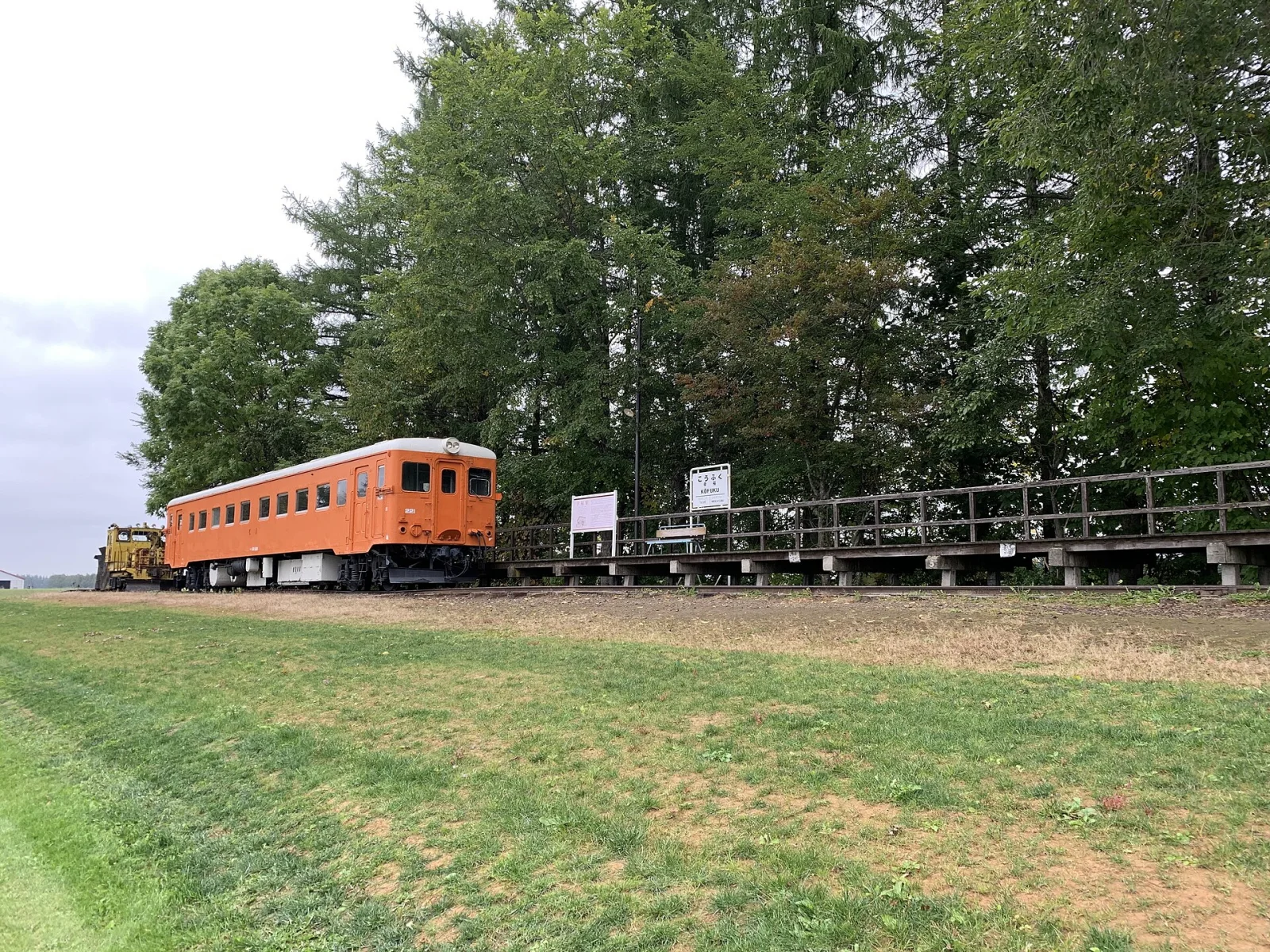
For a full-day food loop, start your morning at Fujizen or Mugion, eat butadon for lunch, visit Rokkatei in the afternoon, and finish at Kita no Yatai. Alternatively, head straight to Otofuke in the morning for the Ryugetsu factory, eat lunch at the roadside station, return downtown for coffee, and wrap up with a late butadon dinner. The key difference is whether you insert a river crossing mid-day—just keep an eye on each side's last-order cutoffs. When combining food stops with Obihiro and Tokachi attractions or Kofuku Station, remember those southern sights sit across town from Otofuke, so group attractions by driving direction over two days to keep lunch along the same route.
Families with kids, older relatives, and ambitious eaters can share the same day seamlessly. Meet for breakfast, pick a lunch spot offering half portions or takeout, split up briefly for afternoon gift shopping along the way to Rokkatei, and regroup at the tearoom before 16:00. Whoever waits outside in line can text queue updates and share the exact name on the waitlist with the group. That division of labor pays off in winter—slower walkers can wait indoors instead of having everyone stand outside one storefront just for a group photo.
Where to Stay: Near North Exit Dining, South Exit Platforms, or Tokachigawa Onsen?
HOTEL NUPKA sits right outside the North Exit at Nishi 2-jo Minami 10-chome, putting both Pancho and Kita no Yatai within an easy walk. Using it as a dinner base means you can drop shopping bags from both dessert flagships in your room before stepping back out after dark. If you need to roll luggage onto an early JR train, Hotel Nikko Northland Obihiro sits immediately beside the South Exit. Guests on the south side still reach North Exit restaurants effortlessly through the station's under-track concourse. Either property lets you walk to butadon; the real choice comes down to whether you want to haul bags through downtown streets on your final leg and how late you plan to stay out. On Sunday or holiday mornings when Fujizen is closed, booking a hotel breakfast gets you fed before heading out—and on a one-night trip, keep dinner near your room and save farther-flung eateries for the next day's meal.
Guests transferring out to Tokachigawa Onsen can catch Tokachi Bus Route 45 from Obihiro Station Bus Terminal. Depending on the departure, buses leave from Bays 6 or 7, and certain hotel stops require advance drop-off notice. Daiichi Hotel, Kangetsuen, Sasai Hotel, and Onsen-minami all have distinct stop names—jot down your hotel's Japanese name and match it against the onboard display to avoid walking farther than needed. If you are returning from Michi-no-eki Otofuke to catch the hot-spring bus, both routes transfer downtown, making afternoon bus bays and headways your main scheduling constraint. If timing looks tight and you have an included inn dinner, skip suburban coffee stops, pick up sweets near the station, and catch an earlier bus out to the onsen.
For early-morning departures, both station wings cover breakfast and last-minute gifts. Tran-Tran Masuya in the West Wing runs 9:00–18:00, making it easy to grab sandwiches or sweet buns right before boarding. Up on the second floor of the East Wing, the Tokachi Bussan Center stocks regional condiments and pantry staples from across Tokachi and handles shipping. The Obihiro Products Association lists year-end/New Year closures along with adjusted December hours, so holiday travelers should finish station shopping on arrival day. When you only have time for one errand—say, picking up a bottle of glaze after finishing your pork bowl—head straight up to East Wing 2F; if you want food for the train, grab two loaves from West Wing first. Both wings connect inside the main concourse, so if you take a wrong turn, walk back to the central hall rather than dragging suitcases around the exterior sidewalks.
Packing Treats for the Flight Home and Storing Them on the Road
Budget your pork-bowl meal by separating the main bowl from soup and sides. Using Ippin's menu as a benchmark, a regular butadon with miso soup costs ¥1,270, while a full set runs ¥1,470—adding hearty pork-and-vegetable tonjiru along with pickles and a side dish. If you ate a market breakfast beforehand, keeping lunch simple leaves budget and appetite for sweets or dinner. Families ordering sets should check whether younger kids will eat the pickles and sides; rather than assuming every child needs a full adult set, pick menus with single-item or half-portion options. Likewise, if your hotel includes breakfast, skipping an extra cab ride to the suburban market frees up part of your lunch budget.
Plan pastry purchases by separating immediate snacks from travel-ready gift boxes. Buy single pieces to sample fresh on the spot, then work backward from the day you plan to hand out boxes—factoring in whether multiple hotel switches will complicate refrigeration. Red-box butter sandwiches and whole Baumkuchen logs look like ordinary dry goods from the outside, so check storage temperatures and best-by dates on each box before packing them away. If an onsen stay is still ahead, split chilled treats and room-temperature boxes into two separate bags so you know right away what goes into the hotel fridge. When bringing boxes home to share, note piece counts and ingredients alongside the receipt in your shopping bag. Anyone with food allergies can ask staff directly or point to Japanese allergen labels on packaging—such as dairy (nyuseibun), wheat (komugi), and egg (tamago)—so clerks can confirm the exact product. And if you have hours of walking left after dessert, eat frozen treats in the store instead of scrambling to repack melting bags after dark.
If Obihiro Station is your final stop, use any spare minutes on station-wing bread or dry condiments—and leave bag space for small treats you have not tried yet instead of overbuying two full cases of flagship standards. For travelers making just one pass through Obihiro, the best memories rarely come from checking every box, but from three simple moments: the smoky aroma as a bowl of butadon lands on the table, a bite of ice-cold butter sandwich upstairs at Rokkatei, or watching a log of Sanporoku glide past the glass in Otofuke. Pick whichever one matters most as soon as you step off the train, and let the rest of the day fall neatly into place around it.
A few useful answers
Where can I eat butadon if I am only changing trains at Obihiro Station?
Butahage sits right inside JR Obihiro Station's ESTA West Wing. Note that it closes on Thursdays and pauses between lunch and dinner from 15:00 to 16:00. For old-school charcoal-grilled pork, walk out the North Exit to Pancho, which typically opens at 11:00.
Does the Rokkatei Obihiro Main Store cafe take reservations?
No—the second-floor tearoom does not accept reservations. It is closed on Wednesdays and operates 11:00–16:30 with last order at 16:00. The ground-floor retail shop keeps separate hours.
Should I go downtown or to Otofuke to buy Ryugetsu Sanporoku?
For standard boxed gifts, walking to the downtown Odori Main Store is easiest. Head out to Sweetpia Garden in Otofuke if you want to watch the factory production line or try for the morning cake-trim bargain bags. In winter, the viewing corridor generally runs until 16:00 and closes on New Year's Day.
How do I take the bus from Obihiro Station to Ryugetsu Sweetpia Garden?
Board the Hokkaido Takushoku Bus bound for Michi-no-eki Otofuke from Bay 3 at the Obihiro Station Bus Terminal, then walk over to Ryugetsu after getting off. Line up your return bus schedule with the factory viewing hours before heading out.
Official information and references
Sources used in this guide.
- Ministry of Agriculture, Forestry and Fisheries | Origins and Recipe of Tokachi Butadon
- Obihiro Tourism and Convention Association | Ganso Butadon Pancho
- Butahage | Obihiro Station and Otofuke Branches
- Tokachi Butadon Ippin | Obihiro Main Store and Current Menu
- Rokkatei | Obihiro Area Shops and Tearooms
- Hokkaido Tourism Organization | Rokkatei Obihiro Main Store
- Obihiro Tourism and Convention Association | Ryugetsu Odori Main Store
- Ryugetsu | Sanporoku Name and Craftsmanship
- Ryugetsu | Sweetpia Garden Winter Hours and Cake-Trim Sales
- Ryugetsu | Factory Tours
- Ryugetsu | Group Reservations and Visitor FAQ
- Hokkaido Takushoku Bus | Michi-no-eki Otofuke Line
- Obihiro Regional Wholesale Market | Fujizen
- Masuya Pan | Mugion Winter Hours
- Masuya Pan | Obihiro Station Shop
- Tokachimura | Farm-Direct Market
- National Association of Racing | Obihiro Racecourse Access
- Kita no Yatai | Stall Directory and Hours
- Tokachigawa Onsen Tourism Association | Bus Route 45
- Tokachi Bus | Route Timetables
- HOTEL NUPKA | North Exit Location
- JR Hotel Group | Hotel Nikko Northland Obihiro Access
- Obihiro Products Association | JR Obihiro Station Tokachi Bussan Center