Build a Naoshima day trip or overnight stay around your Chichu slot. Compare Takamatsu, Uno and Honmura boats, buses and shuttles, Art House tickets, child and cancellation rules, and Benesse House buildings.
- Region & Focus
- Naoshima
- Reading Scope
- 40 min read · 20 chapters · 4 Q&As
- Official Verification
- 30 official sources checkedUpdated 26 October 2026
- Key Topics
- BookingItinerariesWhere to stay
Chapter Route Map (tap any stop)
- Let your Chichu reservation decide where the day starts
- Give Miyanoura, Honmura and the southern museum area separate time
- From Takamatsu: budget separately for the 17:00 ferry and 19:45 high-speed boat
- Via Uno: use the Miyanoura ferry and Honmura passenger boat separately
- Take the town bus to Tsutsuji-so, then change to the site shuttle
- Chichu tickets: handle release dates, free children and cancellation separately
- To change time, cancel and buy again; record each deadline
- Inside Chichu: see the art and use the café in the same visit
- With young children or assistance needs, choose a comfortable combination of museums
- Honmura Art House Project: choose the works before the five-site ticket
- Minamidera and Kinza: allow full slots for darkness and solitary viewing
- ANDO MUSEUM or the new museum: two ways to spend half a day in Honmura
- Staying in the south: combine Lee Ufan, Benesse Museum and Valley
- Keep lunch nearby and reserve dinner with your accommodation
- Where to stay: keep luggage, dinner and tomorrow’s first stop on one side
- Benesse House’s four buildings: Museum, Oval, Park and Beach
- Guest evening access and the 2027 scheme depend on your stay date
- Two day-trip routes: morning or afternoon Chichu, both planned backwards from the boat
- Finish at Miyanoura: red pumpkin, I Love Yu and ferry waiting in order
- Cost a complete day trip before choosing fewer museums or an overnight stay
- Quick Q&A
To visit Chichu Art Museum, walk through Honmura and photograph a pumpkin on Naoshima, schedule your Chichu slot and return boat together first. Miyanoura Port, Honmura village and the southern museum area require rides or walks between them. Different tickets, lunch closures and vessel types also affect your visiting time. For a day trip, choose Chichu plus one area. Add an art stay if you want Benesse House Museum at night and a slower Honmura walk the next day.
Let your Chichu reservation decide where the day starts
With one day, choose between “Chichu plus another southern museum” and “Chichu plus Honmura”. The first keeps travel within the museum area and suits time with art, architecture and the coast. The second adds village walks and the Art House Project, but also another connection between the town bus and site shuttle. If you want both Minamidera and Chichu, secure compatible slots before fitting lunch between them. Do not buy five or six tickets and only then look for boats to connect them.
An afternoon Chichu slot can still anchor a full day. Go to Honmura in the morning for a group of sites on the multi-site ticket, or the new museum. After lunch, travel south, visit Chichu and return to Miyanoura. If you have already seen two Honmura sites, do not chase another area that afternoon. With a very late Chichu slot, travelling via Uno or staying on the island often works better than forcing a connection to the 17:00 Takamatsu ferry. Choose the departure port, reservation and accommodation together. Two days and one night give more space to read and consider individual works. A day is enough to see the island's scenery and one main museum. If still choosing an island, read the comparison of Naoshima and Shodoshima. Once you have chosen Naoshima, connect transport before and after your Chichu slot.
Build a Naoshima day trip or overnight stay around your Chichu slot. Compare Takamatsu, Uno and Honmura boats, buses and shuttles, Art House tickets, child and cancellation rules, and Benesse House buildings.
Give Miyanoura, Honmura and the southern museum area separate time
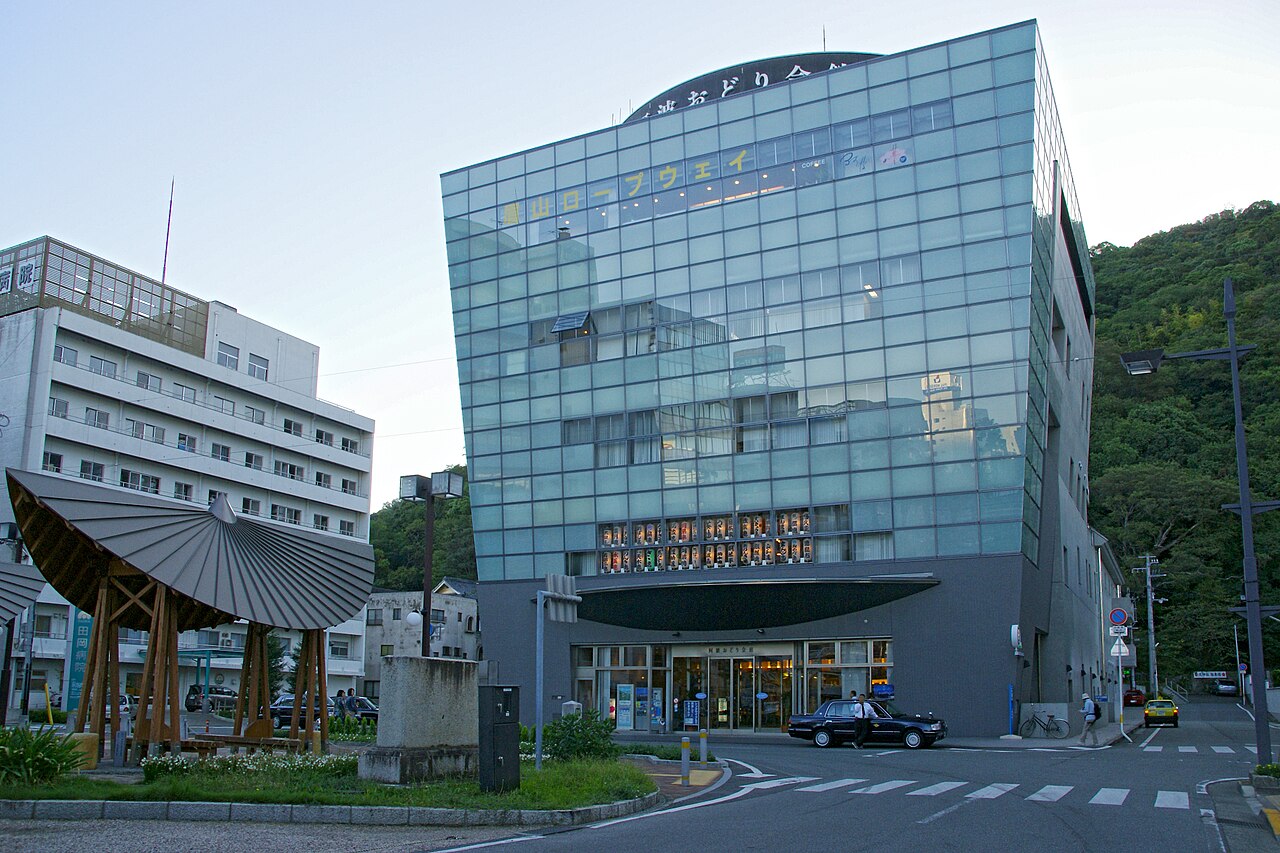
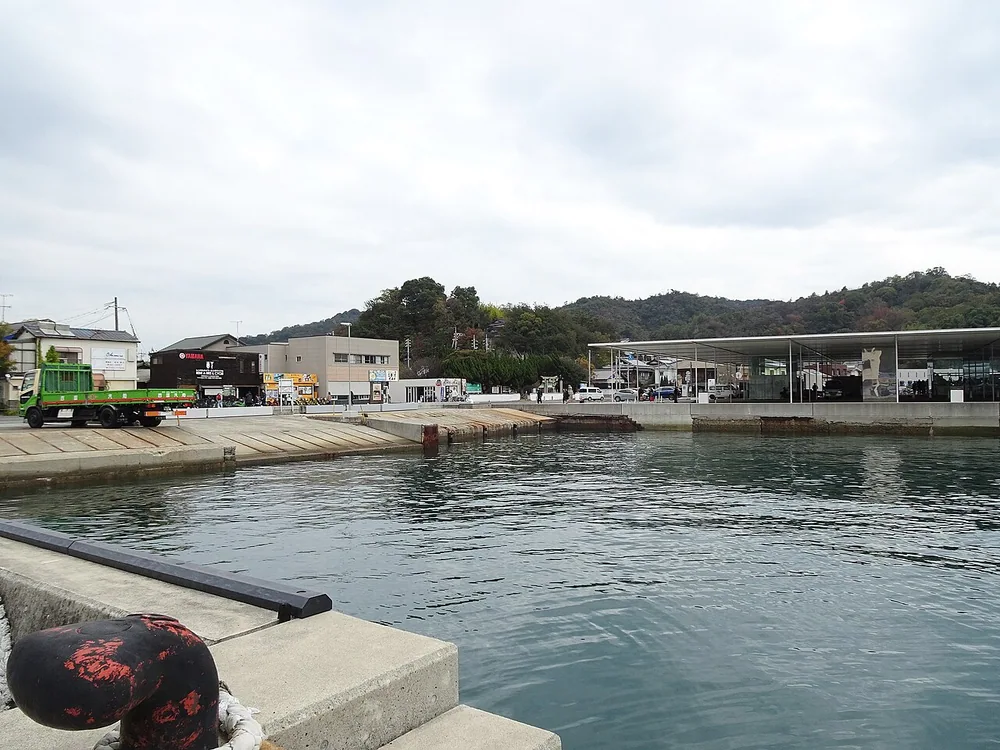
Miyanoura Port is the main ferry gateway for Takamatsu and Uno. Umi no Eki, ferry waiting areas, luggage storage and the red pumpkin are on this side. Use it to organise luggage on arrival, and to collect bags and buy tickets before leaving. With a morning Chichu reservation, go straight to the bus and save harbour photographs for the return. You pass Miyanoura both ways, so there is no need to cover everything immediately.
Honmura Lounge & Archive is a starting point for locating the Art House Project sites and organising tickets. Works occupy old houses, a shrine and lanes throughout the village. One venue is only part of Honmura. Mark Nokyo-mae bus stop, Honmura pier, Minamidera and the new museum separately. The new museum is on a hill. Include the uphill walk rather than treating every Honmura landmark as beside the bus stop.
The south has Chichu, Lee Ufan Museum, Benesse House Museum and outdoor coastal works. At Tsutsuji-so, change from the town bus to the site shuttle or walking. This is the boundary between transport services. Treating the three areas as three blocks of visiting time makes the cost of crossing between them four times in a day clear. Besides the rides, there are stops to find, waits, luggage storage and fresh museum entry. Remove one return journey before adding another museum.
From Takamatsu: budget separately for the 17:00 ferry and 19:45 high-speed boat
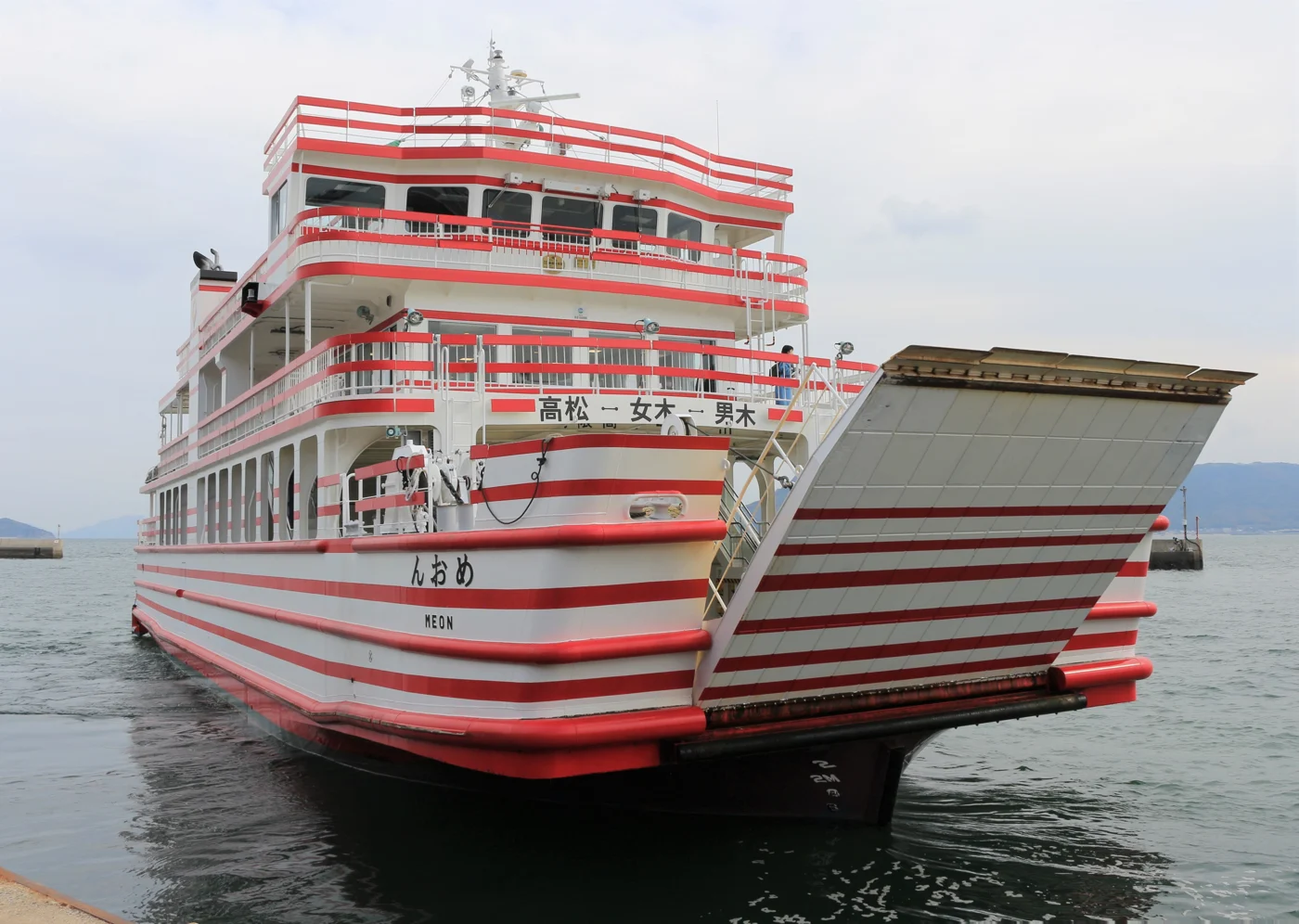
The Shikoku Kisen Takamatsu–Miyanoura route lists an 08:12 ferry arriving at 09:02, and a 10:14 departure arriving at 11:04. The earlier service suits a full day. The later one can suit afternoon Chichu tickets and a morning in Takamatsu. The ferry takes about 50 minutes outbound and 60 minutes back. Single fares are ¥680 for adults and ¥340 for primary-school children. Allow time at the port and for boarding before deciding whether you can walk there from your accommodation that morning.
Current afternoon ferries from Miyanoura to Takamatsu leave at 14:20 and 17:00. A high-speed passenger boat leaves at 19:45, taking about 30 minutes, at ¥1,590 for adults and ¥800 for primary-school children. It carries neither bicycles nor cars. Only single tickets are available, sold for cash at the counter. If you bought a ferry return and change to the high-speed boat, the operator requires a supplement bought at Miyanoura: ¥910 for adults or ¥460 for primary-school children, used with the return ticket. Decide whether you want to leave late before buying a return.
For two adults taking ferries both ways that day, the single fares total ¥2,720. Switching the return to the high-speed boat adds ¥1,820 for two. Leaving later buys more visiting and dinner time, but still requires transport from the site to the port. Shikoku Kisen boards passengers in arrival order and does not accept sailing reservations. A museum booking reserves no boat space. If you have long-distance travel after Takamatsu, choose an earlier sailing to leave room for adjustments.
Via Uno: use the Miyanoura ferry and Honmura passenger boat separately
The Uno–Miyanoura ferry takes about 20 minutes, with single fares of ¥370 for adults and ¥190 for primary-school children. Early options include 08:22 from Uno, arriving at Miyanoura at 08:42, and 09:22, arriving at 09:42. Take JR from Okayama to Uno, then walk to the operator's designated ticket office. Allow walking and ticket-buying time between station and pier. Ferries and small passenger boats use different piers and ticket points, so identify your vessel type after leaving the station.
If your second day centres on Honmura, the Uno–Honmura passenger boat is another option. It takes about 20 minutes and costs ¥370 for adults or ¥190 for primary-school children. It carries passengers only, with no vehicles. The current Honmura-to-Uno timetable includes 13:00, 17:20 and 18:10, with fewer departures than the Miyanoura route. It suits a finish in Honmura with no luggage left at Miyanoura. If a hire car or bicycle must be returned there, go back to the rental location before sailing.
The Honmura route's ticket rules say applicable return tickets can also be used on the Miyanoura route. The return portion is valid for seven days including the issue date. Match the route and vessel to the ticket you hold; Takamatsu and Uno tickets cover different routes. The last current Miyanoura–Uno ferry is at 20:25. Passenger boats also run at 21:15 and late at night, with different late-night fares. For a flight the next day, calculate onward rail travel towards Okayama too. The existence of a later island boat alone is not a reason to delay departure.
Take the town bus to Tsutsuji-so, then change to the site shuttle
The Naoshima Tourism Association’s island transport page describes the town bus from Miyanoura via Honmura, mainly terminating at Tsutsuji-so. Each ride costs ¥100 for adults and ¥50 for children aged 5 through primary school. Pay coins when getting off; there is no change machine on board. For three adult rides, prepare three ¥100 coins. The free site shuttle is separate and does not count as a fourth town-bus fare.
At Tsutsuji-so, use the site shuttle timetable for Chichu and Lee Ufan Museum. Include waiting, Chichu reception, luggage storage and the walk to the entrance. A 10:00 Chichu slot after a 09:42 ferry arrival is tight: from Miyanoura, you still need the town bus and transfer. Choose a later slot or earlier boat to allow ordinary walking time. If you want to walk along the coast looking at works, choose which sections to ride first and save energy for the art that interests you.
The tourism association gives the town bus capacity as 28. On weekend and public-holiday afternoons, services from Tsutsuji-so via Nokyo-mae to Miyanoura are particularly liable to fill. Groups of 10 or more must contact the association in advance. Wheelchair users should also explain the assistance needed. These conditions directly affect planning. Do not make a reservation depend on catching one bus with no margin, and leave the final museum early for the port. The site shuttle generally stops on days when Chichu and Lee Ufan museums are closed. Facilities still open on Mondays need walking or guest transport arranged separately.
Before hiring a bicycle, read the association’s access-area guidance. Between the museum area's East and North Gates, vehicles and bicycles are prohibited except for Benesse House guests. Park bicycles at Chichu's ticket centre or designated places outside the gates, then walk or use the shuttle inside. Chichu is accessible by roads outside the restricted area, but hiring a car does not let you drive to Lee Ufan Museum or the Museum entrance. Park and walk through Honmura's narrow lanes too. Even with an electric-assist bicycle, include hills, rain and return time.
Chichu tickets: handle release dates, free children and cancellation separately
Chichu Art Museum uses tickets for a specified date and entry time. Online admission is ¥2,500 on weekdays and ¥2,700 on weekends and public holidays; counter prices are ¥2,800 and ¥3,000 respectively. A slot sold out online has no tickets left to buy on site. Listed hours are 10:00–17:00, with last entry at 16:00. The usual closure is Monday; on public-holiday Mondays it opens and closes the following day. Choose your date in the official opening calendar before selecting its ticket product, rather than relying on general hours alone. An extended maintenance closure from 12 January to 19 March 2027 has also been announced. If Chichu is your main reason to visit, choose dates outside that period.
The official ticket FAQ says tickets for the month after next go on sale at 10:00 Japan time on the second Friday of each month. Under that rule, January 2027 tickets go on sale on the second Friday of November 2026 at 10:00 JST. Convert Japan time to your local time zone and put both in your calendar reminder. Before buying, prepare the group size, children's ages and feasible ferry connections, so securing a slot does not leave you with a trip the whole family cannot make.
Normal admission is free for ages 15 and under, but each child still needs a reservation. Add the “15 and under, ¥0” ticket when selecting tickets. The ticket count must equal the actual number entering.
The evening Open Sky programme charges even for ages 15 and under, and preschool children cannot attend. Select ordinary daytime admission and the evening programme as separate products. An adult daytime ticket does not allow you to take children straight into an evening session.
To change time, cancel and buy again; record each deadline
Benesse's time-change instructions say dates and times cannot be changed directly after purchase. Cancel within the deadline, then buy new tickets. The cancellation guidance allows unused tickets to be cancelled by the purchaser without a fee within each ticket's deadline. Process multiple tickets individually; deadlines vary by facility and ticket type. After confirmation, record each cancellation deadline beside the entry time, especially for a Chichu and Minamidera combination. To change 11:00 to 14:00, first check that the new slot has places for the entire group, then deal with the original order. Cancellation and a confirmed new ticket are two operations. Match payment, ticket page and email. If one companion drops out, cancel only their ticket and keep everyone else's time and numbers clear. Discovering an impossible connection on the last day can mean missing some free-cancellation windows. Arrange transport before payment to avoid that work.
Late admission depends on the delay, closing time and that day's entry conditions, and entry may be refused. If a morning boat is cancelled or you cannot arrive on time, open your purchased-ticket page first and look at the cancellation button and deadline before considering replacement slots. Do not add harbour sights while the deadline passes. Free cancellation here is a ticket condition. Accommodation, restaurants and vehicle hire follow their own orders.
Inside Chichu: see the art and use the café in the same visit
Most of Chichu's architecture is underground. Works by Monet, Walter De Maria and James Turrell were planned with Tadao Ando's spaces. Give yourself some time without your phone to observe natural light, wall openings and the directions people move through the works. Painting enthusiasts can spend longer in the Monet room; those interested in spatial perception can give more time to Turrell. Allow about one and a half to two hours for viewing, storing belongings and resting.
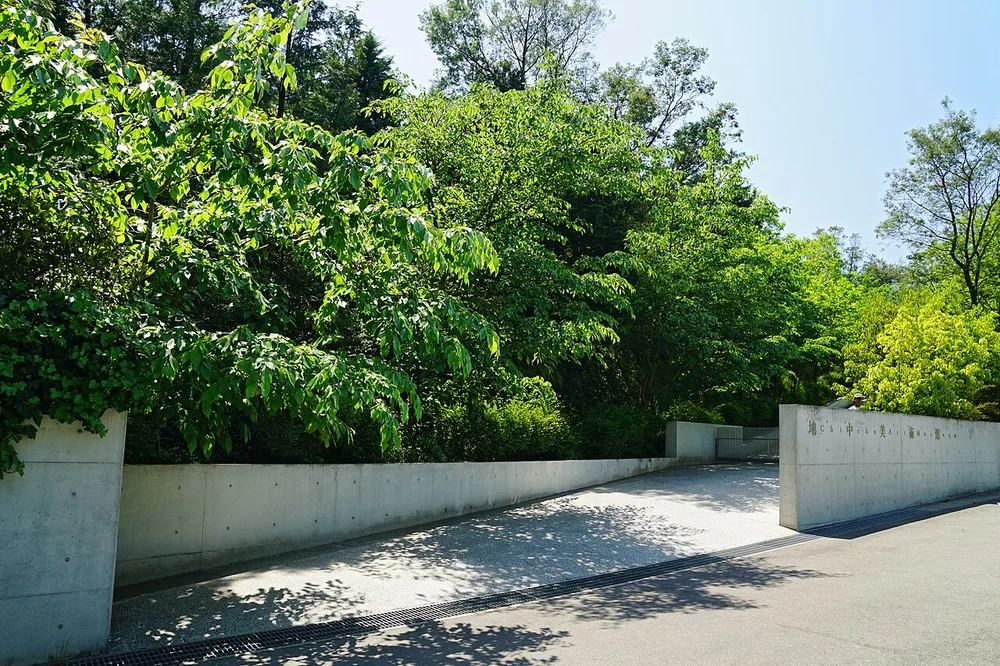
Rain still leaves art to see, and changes in natural light affect the interior. Automatically cancelling every museum because it is overcast or wet would lose an already reserved visit. Strong winds affecting boats, however, require transport action first. Some spaces require shoes to be removed. Wear shoes that are easy to take off and store unneeded belongings to reduce reorganisation between rooms.
Chichu Café is inside the museum. It cannot be visited on its own or before your reserved entry time. Listed hours are 10:30–16:45, with last orders at 16:30. For lunch here, choose a slot that connects viewing and eating. With afternoon entry, eat in Honmura or at your starting base first. Do not arrive in the morning expecting to wait in the café for an afternoon ticket, or squeeze an order into a few minutes before departure.
The second episode of the official conversation filmed in 2018 explores Naoshima through architecture and curating. Running time is about 2 minutes 51 seconds.
With young children or assistance needs, choose a comfortable combination of museums
Personal pushchairs cannot be taken into Chichu. Leave them at the ticket centre or museum reception, where baby carriers can be borrowed. There is no nursing room. There is one changing table in the museum and another at the ticket centre. Feed and change young children before visiting, so a carer can use a carrier inside, then plan a seated meal afterwards. For a child who dislikes long, quiet viewing, Chichu plus a coastal walk suits better than three indoor museums in succession.
The museum lends wheelchairs, but some spaces require shoes to be removed and assistance with access. Tell the museum your own wheelchair's dimensions, whether short transfers are possible and how many carers accompany you. Contact the tourism association separately about the island bus. This establishes the whole journey from pier to artwork rather than merely asking whether the museum admits you. Reaching the door by vehicle and passing through every room are different requirements. Explain specifically what you want to see when reserving.
The Honmura Art House Project uses old buildings with changes of level. Pushchairs also stay outside the art spaces. ANDO MUSEUM has no internal toilet; use the public toilets beside Minamidera. Honmura Lounge & Archive has a changing table.
Choose one or two Honmura venues, then rest. A multi-site ticket need not make a child visit all five. Choosing facilities around care needs usually saves more energy than splitting up to wait outside each venue.
Honmura Art House Project: choose the works before the five-site ticket
The current Art House Project multi-site ticket covers Kadoya, Ishibashi, Haisha, Go'o Shrine and Gokaisho. It costs ¥1,200 online or ¥1,400 at the counter. Single-site tickets cost ¥600 online or ¥700 at the counter. Both categories are free for ages 15 and under. Minamidera and Kinza require separate tickets. For one site, choose a single ticket. Only compare the multi-site ticket and remaining time once you want two or more. Access to five places does not require racing through all five in a day.
Kadoya combines Tatsuo Miyajima's numbers with an old house. Ishibashi shows how Hiroshi Senju's paintings occupy the existing home. In Haisha, Shinro Ohtake turned a former dental surgery and house into an artwork. For quiet observation of materials and space, start with Kadoya and Ishibashi. For forceful imagery and collage, include Haisha. Hiroshi Sugimoto's Go'o Shrine explores the relationship between glass steps and spaces above and below ground. Gokaisho contrasts carved wooden camellias with living plants in the garden.
Kadoya, Ishibashi and Haisha close for lunch from 12:00 to 13:00; Go'o Shrine and Gokaisho close from 13:00 to 14:00. See the first group in the morning and the second after noon, or eat first and return to the first group at 13:00. Use these staggered breaks. Link two nearby places on the map, then switch groups around lunch closures rather than following a printed list in order. Store large bags at Honmura Lounge & Archive if needed, and collect them before leaving Honmura. Do not leave luggage on the opposite side from your departure pier.
Minamidera and Kinza: allow full slots for darkness and solitary viewing
Minamidera combines a James Turrell work with Tadao Ando's architecture. It uses date-and-time reservations, costing ¥600 online or ¥700 at the counter. Children aged 5 and under cannot visit. Viewing requires following on-site instructions and waiting for the senses to adjust. Two adults with a young child should share care or choose another venue. If adults visit separately, they need two usable slots. Calculate onward travel only after the last person finishes.
Kinza is a work by Rei Naito, entered alone for 15 minutes and entirely by reservation. It is closed for maintenance from 13 October 2026 to 1 January 2027; choose other Art House Project sites in Honmura during that period. In normal operation, two companions need individual entry times. It closes Monday to Wednesday except public holidays. From October to February, hours are 10:00–13:00 and 14:30–16:00, with last entry 15 minutes before closing.
With afternoon Chichu tickets, reserve Minamidera in the morning and fit other Honmura sites around it. If only afternoon Minamidera remains, spend the morning in the south, allowing sufficient travel between the areas. If unsure about two works requiring quiet and waiting, choose one and add places you can explore at your own pace. Fixed slots are the hardest parts to move. Make them compatible first, then fit other museums around them.
ANDO MUSEUM or the new museum: two ways to spend half a day in Honmura
ANDO MUSEUM inserts concrete spaces into a timber village house and introduces architectural work through photographs, sketches and models. It suits an interest in architecture and a shorter visit. Admission is ¥600 online or ¥700 on site, free for ages 15 and under. It opens 10:00–13:00 and 14:00–16:30, with last entry at 16:00. Combine it with nearby Minamidera for two kinds of architectural experience on one Honmura walk.
Naoshima New Museum of Art suits those who want contemporary Asian art and more galleries. Admission is ¥1,500 online or ¥1,700 at the counter, free for ages 15 and under. It opens 10:00–16:30, with last entry at 16:00. It is separate from the five-site ticket and needs its own budget and viewing time. With only one morning, choose between “new museum plus a short village walk” and “Minamidera plus two Art House Project sites” rather than stacking both full plans.
A specific closure affects autumn and winter 2026. The new museum closes for an exhibition change from 24 November until the morning of 12 December, reopening at noon on 12 December. Its &CAFE food service remains closed that day. Use the Art House Project and ANDO MUSEUM in Honmura during the closure. Even if entering on the afternoon of 12 December, find lunch elsewhere. Replacing the closed museum with another route avoids climbing the hill only to discover it is unavailable.
Staying in the south: combine Lee Ufan, Benesse Museum and Valley
The stones, iron plates, paintings and open spaces of Lee Ufan Museum suit an unhurried visit after Chichu. Admission is ¥1,200 online or ¥1,400 at the counter, free for ages 15 and under. Hours are 10:00–17:00, with last entry at 16:30. Chichu followed by Lee Ufan keeps the day's attention on light, materials and the viewer's position. If you like comparing works closely, leave time for a meal between these two rather than rushing to Honmura as well.
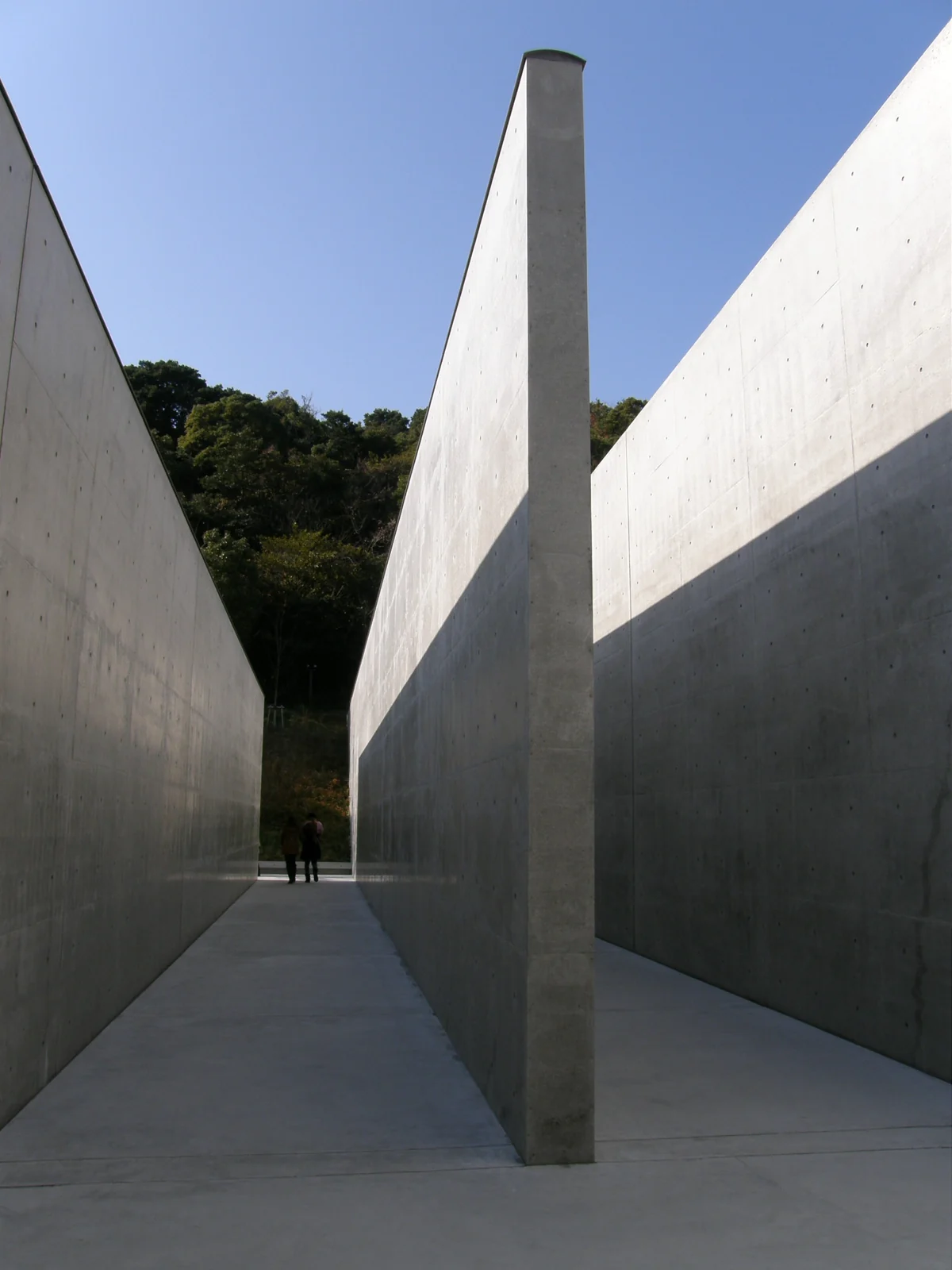
Benesse House Museum combines indoor collections, architectural openings and nearby outdoor works. It is open to ordinary visitors 8:00–21:00, with last entry at 20:00. Admission is ¥1,300 online or ¥1,500 on site, free for ages 15 and under and Benesse House guests. The same ticket includes Valley Gallery, but Valley opens 9:30–16:00, with last entry at 15:30. To see both, visit the earlier-closing Valley first, then the main museum. On a Takamatsu day trip using the 17:00 ferry, choosing either Lee Ufan or Benesse Museum makes an afternoon in the south more relaxed. A night visit to the main museum needs dinner, evening transport out of the site and the 19:45 high-speed boat to work together. An island stay makes that late visit easier. A museum's 21:00 closing and the availability of return transport are separate conditions. Connect them before choosing tickets.
Keep lunch nearby and reserve dinner with your accommodation
Chichu Café suits visitors already inside Chichu. In Honmura, fit lunch into the staggered venue breaks and choose a restaurant open and able to seat your party. With another fixed entry time, favour somewhere in your current area rather than crossing the island for a restaurant photograph. For allergies, vegetarian meals or children's fixed mealtimes, use the tourism association's restaurant listings to contact actual venues about available food and service times. Then decide which museum visit to shorten.
For a full seated lunch in the south, compare Benesse House dining. Issen, below the Museum, serves Japanese lunch. Terrace Restaurant in Park normally serves lunch on Fridays, Saturdays, Sundays and public holidays. They are in different buildings. Include Museum or Park when looking up the location, and allow the walk from the gallery. Restaurant reservations differ from museum tickets. Day visitors should check which meal services they may use.
At Benesse House, arrange dinner when booking your room. Terrace dinner requires a guest reservation. Issen dinner and breakfast are also restricted to guests with reservations, and Issen dinner does not admit children aged 5 and under. Both restaurants charge 50% of the price of the reserved menu for same-day dinner cancellation. That restaurant charge is separate from room terms. Decide where young children can eat before choosing a room. For a relaxed evening meal while staying in Honmura or Miyanoura, confirm a restaurant near your accommodation so that you can return straight to your room afterwards.
Where to stay: keep luggage, dinner and tomorrow’s first stop on one side
Miyanoura suits an early boat the next day and less luggage handling. On day one, leave bags at accommodation that offers storage, then visit Honmura or the south. Return to the harbour area for dinner, collect luggage next morning and board. Honmura suits splitting Minamidera, the Art House Project and the new museum into two visits. Finish the south on day one, return to your accommodation in the evening and eat breakfast slowly before opening time on day two. Check the actual route from the accommodation door to the bus stop or pier; that is more useful than a vague claim of being close to Naoshima. The south suits a trip centred on the coast, Benesse Museum at night and the accommodation itself. Dinner and transport need more advance planning, and departure next day still requires a journey to the port. With two nights, fill only one day with museums and leave another morning for the sea and breakfast. With one night, separate day-one Chichu from day-two Honmura rather than dragging luggage south again after checkout.
To decide whether another night is worthwhile, name two things you care about that a day trip cannot provide: perhaps Museum at night, Honmura at opening the next day, or no need to shorten viewing for the 17:00 ferry. If the sole concern is failing to see every museum in a day, remove a lower-interest venue first. A day trip may suit the budget better. The night's value is the added time and pace. Choose those two uses before paying for a room, and the right area becomes clearer.
Benesse House’s four buildings: Museum, Oval, Park and Beach
Benesse House has four accommodation buildings: Museum, Oval, Park and Beach. For a room within the museum and less distance between art and bed, start with Museum. Oval is higher up, reached by monorail from Museum. It has only six rooms and is restricted to Oval guests. Choose it for the accommodation and views; it is not a public viewpoint accessible with any museum ticket.
The official Museum Twin is 27 m² with two beds and occupancy of one or two. Deluxe Twin is 34 m², can take an extra bed and accommodates one to three. Three adults should choose a room for three and add the extra bed to the booking. Four people can compare the 70 m², four-bed Family Suite. Neither Museum nor Oval accepts children aged 5 and under, so children's ages determine the available buildings first.
With a child aged 5 or under, start with Park Twin or Double: 28 m², for one or two occupants. The official rules allow children aged 5 and under to share existing bedding without counting towards that occupancy. For three proper sleeping places, compare Park Suite's sofa-bed arrangement and enter actual guest numbers and children's ages in the booking. Park offers easier access to restaurants, shops and the shuttle, suiting families who want less travel between buildings.
Beach Suite is 61 m², with two beds and an optional sofa bed, accommodating one to three. Children aged 5 and under may share existing bedding. Beach Suite Double, however, does not accept children aged 5 and under. Specify Suite or Suite Double to distinguish the age conditions. Room and meal prices across all four buildings vary by date and plan. Compare the room, breakfast, dinner and island transport in one budget.
Guest evening access and the 2027 scheme depend on your stay date
Current guest benefits include free admission to Benesse House Museum, Valley Gallery and Hiroshi Sugimoto Gallery: Time Corridors. Guests can visit Museum and Time Corridors until 23:00. A dedicated guest shuttle links Miyanoura, Honmura and major museums. It differs from the free site shuttle used by ordinary visitors after Tsutsuji-so. Obtain the guest timetable after booking and plan arrival, dinner and evening viewing for the same building and date. These hours give an overnight stay a practical difference: see the earlier-closing Valley in the afternoon, then Museum after dinner, leaving daylight for Chichu. The room saves the relevant admissions and adds time. Meals, paid experiences and museums outside the benefit still follow the items booked. For winter 2027, note that Museum, Valley Gallery and Time Corridors all close for regular maintenance from 12 to 18 January.
The new Art Inclusive guest scheme starts on 1 April 2027, expanding included facilities and flexibility over timed reservations. For autumn or winter 2026, use current benefits and buy the required Chichu and other tickets. From April 2027, use the new scheme's eligible list. Minamidera still needs a timed reservation; Kinza and Chichu's evening Open Sky programme, among others, require separate purchases. This date affects comparisons between room prices and admissions. Read it when planning next year's visit rather than applying the future scheme early.
Two day-trip routes: morning or afternoon Chichu, both planned backwards from the boat
For morning Chichu, start with the 08:12 Takamatsu ferry, arriving at Miyanoura at 09:02. Take the town bus to Tsutsuji-so, then the site shuttle. Choose a Chichu slot compatible with each transport stage. After lunch, choose Lee Ufan or Benesse Museum. Return to Miyanoura in the afternoon to collect luggage, see the red pumpkin and wait for the ferry. For a 17:00 departure, work backwards through the port-bound timetable to decide when to leave your last venue. This keeps travel concentrated and museum visits more continuous.
For afternoon Chichu, get off first in Honmura. Spend the morning at Minamidera and one or two Art House Project sites, or the new museum and a short village walk, then eat lunch. At midday, travel to Tsutsuji-so and change to the site shuttle. Give the afternoon to Chichu and return straight to the port according to your sailing time. From Uno, substitute a suitable ferry. If ending in Honmura with all luggage already with you, the Honmura passenger boat can be your departure.
If companions have different interests in art, one can visit Chichu while another stays in Honmura. Before separating, agree on a named meeting point and time, and let everyone hold their own tickets. “See you at the port this afternoon” is too vague: Naoshima has passenger gateways at both Miyanoura and Honmura. If rain worsens, children tire or the bus wait is too long, omit optional venues not yet entered. Keep the reserved museum and return to port. Have dinner in Takamatsu or on the Uno side, and the day still retains its main visit.
Finish at Miyanoura: red pumpkin, I Love Yu and ferry waiting in order
The red pumpkin is at Miyanoura Port; the yellow pumpkin is on the southern coast. Save them separately on your map so you do not seek both in the same direction after arriving. Harbour art suits a short stop around luggage collection. Keep paths and pier access clear. Step back from the water in rough conditions. If outdoor works are temporarily closed, explore near Umi no Eki instead of bypassing barriers for a particular angle. The port serves everyday transport, so let boarding passengers through while photographing.
Naoshima Bath “I Love Yu” is an art facility used for actual bathing. Admission is ¥660 for adults, ¥310 for ages 15 and under, and free under 3. It opens 13:00–21:00, with last reception at 20:30. On weekends and public holidays, bathroom viewing runs from 13:00 to 15:50. Avoid that period if you want a bath, and bring a towel or buy supplies. Before adding a bath ahead of your boat, allow luggage collection, bathing, changing and walking to the ticket office. With insufficient time, see the exterior only.
The official photography rules allow photography in front of Chichu's indoor reception desk but not in its galleries. At Lee Ufan, it is limited to outdoor areas and the area in front of reception. Private photography is allowed at Art House Project sites except Minamidera and Kinza. Indoor video, flash, tripods, selfie sticks and unauthorised drone filming are prohibited. Do not photograph while bathing at I Love Yu.
Cost a complete day trip before choosing fewer museums or an overnight stay
For an adult weekday trip with return Takamatsu ferries, two town-bus rides, an online Chichu ticket and an online Lee Ufan ticket, transport and admission total ¥5,260: ferries ¥1,360, buses ¥200, Chichu ¥2,500 and Lee Ufan ¥1,200. Lunch, shopping and transport within Takamatsu are extra. Chichu adds ¥200 on weekends and public holidays; a high-speed return adds ¥910. This example uses one town-bus ride each way between Miyanoura and Tsutsuji-so. Check the free site shuttle timetable separately.
Chichu plus the Honmura five-site ticket costs ¥3,700 in admissions. Adding Minamidera brings that to ¥4,300, showing the difference before transport. If you only want one Honmura site, a ¥600 single-site ticket saves ¥600 and reduces the pressure to use every admission. Many museums admit ages 15 and under free, but reservations are still needed. Primary-school bus and boat fares are separate. Calculate the family budget item by item for each person's age.
For a two-day, one-night comparison, add room rates for the same dates, people and meals, then deduct relevant museum fees included in the plan. If Museum at night and Honmura the following day are things you actually want, the extra night has a clear purpose. If you only want Chichu and one Honmura venue, returning to your base that day is simpler. Finally, put every ticket, departure pier, luggage store and accommodation meal slot on one sheet, so your companions can also find the next step.
A few useful answers
Can I queue for a ticket if Chichu is sold out online?
When online tickets are sold out, no same-day counter tickets are sold. Choose another date or a slot with room for the whole group. Children aged 15 and under also need reservations despite free admission.
Can I use a ferry return ticket on the late high-speed boat to Takamatsu?
Buy a supplement at Miyanoura: ¥910 for adults or ¥460 for primary-school children, used with the ferry return ticket. The high-speed boat carries neither bicycles nor cars.
Does the Art House Project multi-site ticket include Minamidera?
It covers Kadoya, Ishibashi, Haisha, Go’o Shrine and Gokaisho. Buy a separate timed ticket for Minamidera. Kinza is also separate and closes for maintenance from 13 October 2026 to 1 January 2027.
Does a 2026 Benesse House stay make Chichu free without reservations?
In 2026, use current guest benefits and each museum’s ticket and reservation rules. The Art Inclusive scheme expanding included facilities starts only on 1 April 2027.
Official information and references
Sources used in this guide.
- Naoshima Tourism Association: island transport
- Shikoku Kisen: Takamatsu–Miyanoura
- Shikoku Kisen: Uno–Miyanoura
- Shikoku Kisen: Uno–Honmura
- Chichu Art Museum
- Opening calendar
- Ticket release times
- Cancelling unused tickets
- Changing dates and times
- Children’s reservations
- Late arrivals
- Art House Project
- ANDO MUSEUM
- Naoshima New Museum of Art
- New museum exhibition-change closure
- Lee Ufan Museum
- Benesse House Museum and Valley
- Benesse House accommodation
- Benesse House Museum room types
- Benesse House Oval room types
- Benesse House Park room types
- Benesse House Beach room types
- Benesse House restaurants
- Benesse House guest benefits
- Art Inclusive from April 2027
- I Love Yu
- Photography rules
- Official films
- Naoshima Tourism Association: before visiting and vehicle access areas
- Naoshima Tourism Association: Miyanoura art and red pumpkin