Which exit should you take for food in Kichijoji? Grab minced beef cutlets, curry or a drink in Harmonica Yokocho from the North Exit, or yakitori and chai for Inokashira Park from the South Exit. Includes prices, payment options and wet-weather routes.
- Reading Scope
- 18 min read · 12 chapters · 6 Q&As
- Official Verification
- 34 official sources checkedUpdated 22 November 2026
- Key Topics
- FoodNeighbourhoodsTokyo & Kanto
Chapter Route Map (tap any stop)
- Which Exit to Take for Lunch, the Park and Evening Drinks
- Your First North Exit Snack: How to Buy at Kichijoji Satou
- Kichijoji Curry: Classic Kissaten Rice Curry or Hokkaido Soup Curry
- Lunch in Sunroad, Snacks in Daiya-gai
- Tea for Inokashira Park, and Choosing Your Bakery by Exit
- Before Entering Harmonica Yokocho at Night: Decide Between Dinner or a Quick Drink
- Yakitori by the Park Exit or Craft Beer in the Station East Wing
- Where to Go for Chilled Desserts and When to Buy Ambient Sweets
- Budgeting for One Main Meal and a Couple of Treats
- Reading Menus and Checking Access Before You Go
- Planning a Half-Day Route by Arrival and Departure Time
- Pairing Kichijoji with the Ghibli Museum: Time Lunch Around Your Entry Slot
- Quick Q&A
For your first food stop in Kichijoji, basing lunch around the North Exit saves the most walking. If you fancy curry, choose between Suage in Sunroad or the basement kissaten Kugutsusou in Daiya-gai, then head out the South Exit with a cup of chai for Inokashira Park. Coming specifically for Kichijoji Satou's round minced beef cutlets? Bring Japanese yen in cash—sales start at 10:30. If you plan to slip into Harmonica Yokocho for an evening drink, weigh up dinner and standing-bar seating together. On a half-day visit, one proper meal, one sweet treat and a short stroll are plenty.
Which Exit to Take for Lunch, the Park and Evening Drinks
Step out of Kichijoji Station's North Exit and the covered Sunroad shopping arcade sits straight ahead, with Harmonica Yokocho right outside the station; cut through its alleys and you also connect to the east-west Daiya-gai arcade. All three are steps apart, yet each suits a different plan. Take Sunroad for lunch along a sheltered main thoroughfare. Turn into Daiya-gai from the station front for old-school coffee-house brews or minced beef cutlets. Duck into Harmonica Yokocho when you want to browse standing-bar menus. On your first visit, set the North Exit plaza as your meeting point rather than outside an alley stall where only half the signboard is visible.
The JR Central Ticket Gate leads to the North Exit for the bus terminal and shopping arcades. To head straight for the park, take the South Ticket Gate towards the Park Exit (Koen-guchi) and walk in the direction of the greenery. The Keio Inokashira Line also stops at Kichijoji; once through the Keio gates, pick your exit along the same north-south axis. Inokashira Onshi Park covers considerable ground. If you simply want to reach the water first, pin Nanai Bridge as your walking landmark and decide where to wander once you are beside the pond.
From Shinjuku, take a JR Chuo Line Rapid or Chuo-Sobu Line Local train that stops at Kichijoji, checking the stopping pattern before you board. From Shibuya, the Keio Inokashira Line is the most direct route. When your shopping, takeaways and main lunch are clustered on one side of Kichijoji Station, it is easiest to return to that same station to depart. If your afternoon walk along the pond takes you towards Inokashira-koen Station and you are heading back to Shibuya, simply catch a local train from there. If you are returning to Shinjuku, treat Kichijoji as your departure station and loop back via the Nanai Bridge side of the pond.
Decide your first move before getting off the train. If Kichijoji Satou's minced beef cutlets are top of your list, exit at the North Exit straightaway to check the queue. If you arrive early wanting tea and a park walk, take the South Exit first and come back north for lunch. Travelling with older relatives? Find somewhere to sit down for a proper meal first and save pastries for the return to the station. When saving shops on your map, note the exact branch and floor: several brands operate on both sides of the tracks, and picking the right one saves an extra trip through the station.
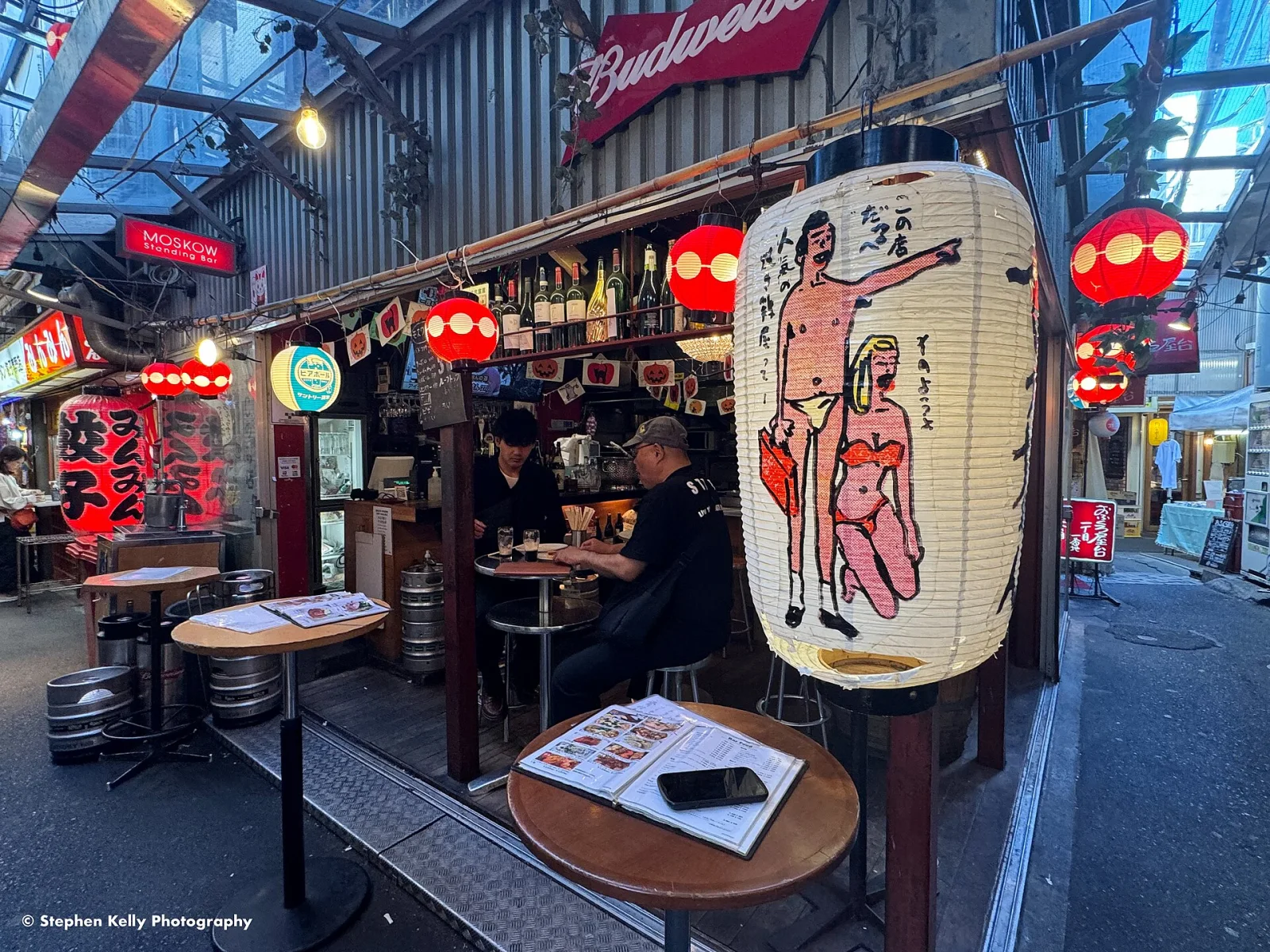
Which exit should you take for food in Kichijoji? Grab minced beef cutlets, curry or a drink in Harmonica Yokocho from the North Exit, or yakitori and chai for Inokashira Park from the South Exit. Includes prices, payment options and wet-weather routes.
Your First North Exit Snack: How to Buy at Kichijoji Satou
Kichijoji Satou sits at 1-1-8 Kichijoji Honcho, listed by the shop as roughly a one-minute walk from the North Exit. Its signature takeaway is the Ganso Maru Menchi Katsu, a spherical cutlet of domestic minced beef and onion fried in lard, alongside the Geki-uma Korokke croquette. At the counter, you can simply point to the Japanese item name and state how many you want. Buying one of each for two people to share leaves far more room for lunch than buying a bag of five for the multi-buy discount.
The shop opens at 10:00, and the minced beef cutlets go on sale from 10:30 until sold out. Takeaway at the Kichijoji branch is cash only, and the shop explicitly states that no items can be reserved by phone or online. Based on published prices on 22 November 2026, a Maru Menchi Katsu costs ¥350 each (or ¥330 each when buying five or more in a single order), and a croquette is ¥230, making ¥580 for one of each. For a light bite that eats like a small meal, they also list a Kichijoji-exclusive Maru Menchi Katsu Burger made with LIBERTÉ bread at ¥650. There is a steakhouse upstairs, so head straight to the ground-floor takeaway counter for fried snacks.
If there is a queue, find where the last person is standing and join the back. Because shops cluster right outside the North Exit, step away from the shopfront and pavement flow before dividing up your food; companions can wait at a pre-agreed spot nearby. Scheduling this queue as soon as you step out of the North Exit makes more sense than doubling back after lunch or before dinner. If you only have a lunch-hour window, eat your main meal first and leave the cutlets for another trip. Dedicated fans can grab one right away, browse the arcade and choose lunch afterwards.
If someone in your group avoids animal-based ingredients, pick up separate items you can each eat and regroup in the park. When adults are queuing for takeaway and children are already hungry, buy an immediate staple right outside the station so the rest of your route stays on track.
Kichijoji Curry: Classic Kissaten Rice Curry or Hokkaido Soup Curry
For a sit-down meal followed by an unhurried coffee, look for COFFEE HALL Kugutsusou in Daiya-gai. Turn from the North Exit into the arcade leading towards Tokyu Department Store; the café sits in the basement (B1F) of the Shimada Building, marked at street level by a staircase leading down. Operating since 1979, this kissaten slow-simmers its curry with sautéed onions and spices. On its official site on 22 November 2026, curry alone is ¥1,600, and the set at ¥2,200 adds a small salad plus coffee or black tea (¥20 extra for iced drinks). It is cash only with walk-in seating, so if you plan to grab tea to take to the park later, ordering just the curry plate works well.
If you prefer soup curry, head to Hokkaido Soup Curry Suage Kichijoji on the second floor (2F) of the Sunroad Plaza Building, entered from the shopping arcade. Posted regular hours are 11:00 to 22:00 (last order 21:30), with irregular closing days. Listed prices on the official website are ¥1,760 for Crispy Sakura-hime Chicken and Eight Vegetables Curry, and ¥1,870 for Kakuni (braised pork belly) and Eight Vegetables Curry. Knowing that kakuni means braised pork belly makes it easy to spot on the Japanese ingredient list when ordering.
At Suage, you choose your main topping, then your broth, spice level and rice portion. To taste the spice blend clearly, start with the original soup, or pay ¥220 extra for shrimp broth. Small and medium rice carry no surcharge, while large rice adds ¥165. The restaurant equates spice level 2 (pirikara) to medium-hot supermarket curry blocks and adds jalapeño from level 7 upwards, so mild-heat eaters can start at level 1. First-timers will notice the soup and rice arrive in separate bowls: scoop a spoonful of rice and dip it into the broth. Reducing your rice size leaves room for takeaway snacks after lunch.
Since both sit off the North Exit, a short stroll through the arcades lets you switch plans easily. If you need shelter from the rain or arrive late in the afternoon, Suage runs continuously from lunch into the evening and lists credit cards and transport IC cards among accepted payments. If you want to linger in the basement kissaten, factor in a short wait for Kugutsusou. True curry enthusiasts could easily visit one for lunch and the other for dinner with a park walk in between. If your companions only want curry once, pair it with a different type of main meal later for variety.
Lunch in Sunroad, Snacks in Daiya-gai
Sunroad is a covered shopping arcade running from the North Exit towards Itsukaichi-kaido Street, measuring roughly 300 metres according to its arcade association. If you are short on time, check the stretch nearest the station before deciding whether to wander deeper under the canopy. Upper-floor venues in side alleys are easy to miss on a map, so browsing the arcade directory by category helps. When navigating with a pushchair or luggage, stick to the main arcade first to spot entrances and counters while keeping your group together, and fold umbrellas before turning into narrow side lanes.
Daiya-gai runs east-west and can be reached by cutting through Harmonica Yokocho into the wider covered arcade. When pairing Kugutsusou and Satou, finish everything on that side before heading back through the station towards the Park Exit. To browse homeware or lifestyle shops between bites, continue towards Tokyu Department Store or head along Nakamichi-dori for bakeries and cafés. If one person in your group likes a longer browse, agree to meet at a major junction with a clear shopfront rather than hunting down side alleys.
On wet days, atre Kichijoji—directly connected to the station—is a practical option. Its official restaurant directory separates the Main Building (Honkan) and East Wing (Higashi-kan), so check which wing a venue belongs to before setting off. B1F of the Main Building offers sit-down choices such as ochazuke, sushi, tempura and hamburg steak, while the 1F food hall stocks takeaway bento and deli items, including omelette rice and prepared dishes from Yoshokuya Sandaime Taimeiken. Deciding whether to sit down on B1F or grab food on 1F are two distinct errands; head straight downstairs if anyone is hungry or needs a chair.
Eating by the station cuts out transfers and navigation. When part of the group wants Harmonica Yokocho and others have specific dietary preferences, check the menus and floor guide at atre first before splitting up—both sides stay close to the station and can reconvene at the same exit. If you are taking the Keio Line back to Shibuya, check the dining floors in Kirarina Keio Kichijoji so a rest stop flows straight into catching your train. If you have a timed booking later, sitting down somewhere with clear seating and visible prices keeps the schedule predictable.
Tea for Inokashira Park, and Choosing Your Bakery by Exit
For a morning park stroll, stop by Chai Break at 1-3-2 Gotenyama before walking down to Inokashira Pond from the station-side entrance. The shop simmers its chai in saucepans: its takeaway menu lists boiled milk tea at ¥650, with masala, cinnamon or ginger chai at ¥700 each (hot or iced), and muffins from ¥540. One plain chai and a muffin come to ¥1,190 upwards. It opens at 9:00 on weekdays and 8:00 on weekends and public holidays, closing at 19:00 (closed Tuesdays, or the following business day if Tuesday is a public holiday). If you only want one refreshment stop, pick it up right before entering the park so you carry it no further than necessary.
For European-style bread and patisserie, head to LIBERTÉ Tokyo Main Shop at 2-14-3 Honcho on the north side. The ground floor sells bread and pastries from 9:00, with a lift-accessible café upstairs on 2F. Per house rules, eating 1F bakery items in the 2F café requires each person to order one item from the café; upstairs lunch starts at 11:00 until sold out. If you plan both fried snacks and bread on the North Exit in one morning, buy your bread first and the minced beef cutlets later, deciding ahead where you will stop to eat. Cream-filled cakes are best eaten in, whereas croissants or ambient pastries travel cleanly to the pond.
Kichijoji Station is roughly a five-minute walk from the park, according to the Tokyo Metropolitan Park Association. Once inside, reaching further stretches of the pond takes a little longer. With drinks in hand, check around Nanai Bridge and take the first free bench overlooking the water; if you prefer to keep walking, pick one shoreline and pause at the next open spot. Nanai Bridge carries heavy foot traffic, so step aside to a wider area beyond the bridgehead when unpacking food or taking photos. The park itself is open 24 hours with free entry, while individual facilities and boat hire keep their own schedules.
The Tokyo Bureau of Construction asks visitors to take all rubbish brought into the park home with them. Leave space in your takeaway bag for empty cups, paper bags and greasy wrappers so you can carry them out comfortably. During spring blossom viewing, reserving picnic spots is restricted to designated areas and hours, and someone must stay in attendance. If part of your group wants a full lap of the pond while others prefer to sit with snacks, set Nanai Bridge as the meeting point. In wind or rain, take tea indoors and wait for a dry spell for a short lakeside walk.
Before Entering Harmonica Yokocho at Night: Decide Between Dinner or a Quick Drink
Musashino City Tourism traces Harmonica Yokocho back to a post-war station market founded in 1945, named after its rows of narrow storefronts resembling the reeds of a harmonica. By day you will pass fishmongers, florists and traditional sweet shops; by night the shutters rise on standing bars and izakaya. The block is woven from several short alleys, so watch the overhead lane signs as well as street numbers. Remembering which covered arcade each lane connects back to is far more reliable than staring at a drifting GPS dot inside the alleys.
Solo travellers or pairs after a casual drink can look for signs reading tachinomi (standing bar) and check at the doorway whether there is space. The Musashino Shopkeepers Association lists Tachinomi Sotomaro and Tachinomi Bakkasu on Showakai-dori, both registered at 1-1-8 Honcho—always match the signboard when map addresses overlap. You can also explore inward from Shinnakamise or Chuo-dori. Inside tight rooms, swing rucksacks to your front, and step clear of the doorway while checking the menu before deciding whether to order.
If Harmonica Yokocho is your dinner destination, pick somewhere with chairs and proper meal dishes. Scan the outside menu for rice, noodles or hot plates, and ask "Futari, suwaremasu ka?" to confirm two seats. If you start with skewers and know you will want carbs later, order a rice or noodle dish at the same place rather than paying the bill only to find the next bar serves drinks and small nibbles alone. Larger groups or families needing high chairs are better off eating their main meal at a station-side restaurant and wandering the atmospheric lanes afterwards.
Ordering alcohol may incur a seating charge (sekiryo) or a small paid table appetiser (otoshi), while posted last-order times appear as rasuto oda (last order). Check the doorway board for each bar's charges and food hours. Moving between venues means paying another cover charge, so sticking to one spot keeps costs down if you want a full meal. If your return journey to the hotel requires a train connection, check the arrival time at your final station ahead of time—it may require leaving earlier than Kichijoji's own last train.
Yakitori by the Park Exit or Craft Beer in the Station East Wing
Walking back from Inokashira Pond towards the station takes you right past Iseya Koen-ten at 1-15-8 Kichijoji Minamicho, roughly four minutes from the Park Exit. Musashino City Tourism recommends this yakitori spot as a post-park lunch option, making it an easy stop for hot skewers before reaching the ticket gates. Save it on your map specifically as Iseya Koen-ten (Park Branch), as the same business also operates its main branch in Gotenyama and another outpost on the North Exit.
The Park Exit branch lets you eat straight after a walk without crossing through the station, while the North Exit branch suits anyone planning to browse the arcades before boarding a train. If friends simply want to sit and chat near the station, CRAFT BEER MARKET on 1F of atre East Wing (atre Higashi-kan) offers another option: craft beers start from ¥600 alongside bistro fare, with 24 completely non-smoking seats. Listed hours are 11:00 to 23:00 (last order 22:30); look for the atre Higashi-kan entrance from street level.
When pairing dinner with drinks, decide early what kind of meal you want so you avoid hunting for staples at a second stop. If you only want skewers and a single drink, order light and add more from the daily board; if you want to leave full, include rice dishes and sides from the start. Sharing a few different craft beers works nicely by ordering small pours each. For anyone avoiding smoke, choosing a venue with explicit non-smoking signage is far surer than judging by an open shopfront.
Where to Go for Chilled Desserts and When to Buy Ambient Sweets
Woodberry's operates a branch on each side of Kichijoji Station. The main shop opposite Marui near the Park Exit focuses on takeaway, with a bench inside. For sit-down fruit parfaits or fruit sandwiches, head to the Marche branch behind Yodobashi on the North Exit. Both blend seasonal fruit to order into house-fermented yoghurt for frozen yoghurt: official prices start from ¥510 for a small cup, with ¥50 extra for select flavours. The Marche branch serves parfaits (from ¥1,970) and fruit sandwiches from October to April. If you just want a cup of frozen yoghurt, simply pick whichever side of the station you are already on.
If you plan to eat once you reach the pond, ambient baked goods travel much more easily than frozen desserts. Eat frozen yoghurt near the shop before walking on rather than carrying a melting cup deep into the park. Travelling onward the next day? Pick sealed biscuits, monaka wafers or bread to bring back to your hotel, checking whether the label specifies shomi-kigen (best-before) or shohi-kigen (use-by) and whether refrigeration is required. For a fresh cream birthday cake, either dine in at the patisserie or time collection just before heading back to your accommodation.
Near Satou, traditional sweet shop Ozasa sells monaka and yokan. Monaka—crisp glutinous-rice wafers filled with sweet bean paste—are far easier to eat on the go or share than a whole block of yokan. The shop announced price adjustments taking effect on 1 December 2026, setting monaka at ¥130 each and yokan at ¥1,220 per block. Queues often form for different items, so check the counter signs on the day before joining a line. If you only pass the North Exit once, wait until just before leaving the station to pick up ambient sweets so you are not carrying them all afternoon.
For seasonal patisserie, check each shop's own announcements on the day you visit. For instance, LIBERTÉ Tokyo Main Shop unveiled its seasonal strawberry Fraisier in November 2026, available as a whole cake by in-store or phone reservation. Stopping for two plated desserts at the end of a walk is very different from collecting a pre-ordered whole cake: the first fits flexibly into an afternoon tea slot, while the second dictates who collects it and where you go next. Leave anything fragile that must be kept flat until the very end of the day, especially if you still have trains to catch.
Budgeting for One Main Meal and a Couple of Treats
Using published menu prices makes it easy to budget for one proper meal and two small bites. Pairing one minced beef cutlet from Satou (¥350) with Suage's Crispy Chicken and Eight Vegetables Soup Curry (¥1,760) and a small Woodberry's frozen yoghurt (from ¥510) comes to a baseline of ¥2,620 upwards. If you would rather linger over coffee after eating, swap lunch for the Kugutsusou curry set at ¥2,200—which includes your drink—and save a single sweet treat for the afternoon.
For a park picnic, a masala chai (¥700) and a muffin (from ¥540) from Chai Break plus a North Exit croquette (¥230) total ¥1,470 upwards. Two people sharing a single pastry can each order their preferred drink and still save room for dinner. In summer, consider eating lunch first and picking up iced drinks on the South Exit afterwards rather than carrying cold cups across the station.
If you need a pre-booked dinner for two, CRAFT BEER MARKET atre Kichijoji lists a "Bon Appetit!" course at ¥5,800 per person (minimum two guests, advance booking required). It runs for two hours with last drink orders at 90 minutes, covering starters, roast pork loin and pasta. If you just want a quick drink before your train, ordering individual beers from ¥600 beats committing to a full set menu.
Estimate how much cash to carry based on your chosen stops. Two people each buying one Satou cutlet and ordering the Kugutsusou curry set spend ¥5,100 combined at published rates—all of it in yen cash. Switching lunch to Suage lets you pay the main meal by credit card or transport IC card as listed on their site, while keeping notes and coins handy for street counters. If your group splits up, make sure everyone carries their own meal money so nobody has to trek down another alley for change.
Reading Menus and Checking Access Before You Go
At smaller shops, counters often distinguish between tennai (eat-in) and mochikaeri (takeaway)—confirm which one you want before stating your quantity. Menu prices may be marked zeikomi (tax included) or zeinuki (tax excluded), and some venues list separate prices for dining in versus takeaway, as LIBERTÉ does on its café page. If you bring ground-floor bakery items upstairs, check the 2F café menu for the required drink or food order rather than translating an entire display board on your phone. When a kanbai (sold out) sign appears on an item, simply pick another pastry still on the shelf.
If you are visiting with young children or a wheelchair, check entrance access before choosing lunch. Kugutsusou is reached via stairs per its access guide, whereas LIBERTÉ notes a lift to its 2F café, and both JR East and Keio publish station maps detailing lifts and step-free routes for Kichijoji. For an effortless sit-down meal, look inside station-linked atre: the 1F Main Building offers baby-changing rooms and coin lockers, with separate facilities in the East Wing. Saving the Main Building and East Wing separately prevents unnecessary detours. With a pushchair off the train, follow station lift signs directly rather than heading for the nearest stairwell to a shop.
Travellers with dietary restrictions or food allergies should show the ingredients they avoid to staff upon entering and double-check broths, sauces and frying oils. The Tokyo Metropolitan Bureau of Public Health provides a multilingual food-allergy communication sheet (including Japanese) that lets you point to specific ingredients and ask about shared cooking utensils. Suage also publishes broth ingredients and allergen details on its website so you can narrow down choices beforehand. For mixed groups—such as meat-eaters alongside someone avoiding animal stocks—choosing a sit-down restaurant with clear ingredient info beats sharing one bag of fried snacks and hunting down a second meal.
Planning a Half-Day Route by Arrival and Departure Time
Arriving from Shibuya in the morning and heading back towards eastern Tokyo in the afternoon? Start at the South Exit for tea or a lakeside stroll before returning to the North Exit for lunch. That way you tick off the outdoor scenery before noon; if the weather turns later, you can duck straight under the Sunroad canopy. Leaving via JR towards Shinjuku or Tokyo is more direct than taking the Keio Line back from Inokashira-koen Station to Shibuya. Any North Exit speciality can fit cleanly into a free slot before lunch.
With only an evening free, decide early whether dinner belongs on the North Exit or by the park. To see the lanterns and market fronts, head out the JR Central Gate to the North Exit, scout a few dinner spots around the perimeter of Harmonica Yokocho, and leave a flexible slot for a standing drink. If you arrive hungry, sit down for a proper meal along Sunroad or inside atre first, then stroll back around the alleys before catching your train. In winter when dusk falls early, take a short lakeside walk as soon as you arrive, return north for dinner, and depart via JR or Keio depending on your hotel.
Heading onward to Shimokitazawa after eating? Walk through the park to Inokashira-koen Station or return to Kichijoji Station for the Keio Inokashira Line. If you only view the pond near the entrance, walking back to Kichijoji is shorter; if you have already reached the far end, catch a local train straight towards Shibuya. Staying until sunset? Check your map for the nearest exit before dark so you follow familiar paths out. Groups of three or four should agree on the departure station before entering the park, avoiding a split where half head back to Kichijoji lockers while others wait at Inokashira-koen.
Spending midday through evening allows a shopping break between lunch and the park. Curry fans can schedule an early North Exit lunch, stroll the park in the afternoon, and skip worrying about a second curry shop's hours at dinner. If you want to bring Kichijoji bread back to your hotel, leave Honcho bakeries for just before departure and carry only what you will eat right away into the park. If you enjoy Harmonica Yokocho's evening atmosphere without drinking, wander through a few lanes at your own pace and step back out to the main street for a proper sit-down dinner.
Pairing Kichijoji with the Ghibli Museum: Time Lunch Around Your Entry Slot
Admission to the Ghibli Museum, Mitaka is by reserved date and timed entry, and the official ticketing page states you must enter within one hour of your designated slot. The museum sits some distance from the north side of the pond. If you hold a midday ticket, take the community bus from Mitaka Station South Exit directly to the museum, then walk back through Inokashira Park to Kichijoji for food afterwards. If queues form along the way, pushing lunch until after your visit is far less stressful than rushing a meal to make your entry window. To pause between the two, grab tea or snacks on the Park Exit side before deciding whether to cross to the North Exit.
With a later afternoon entry slot, you can comfortably eat lunch in Kichijoji first, just avoid packing both sides of the station into one morning. Pick up a portable pastry or takeaway drink to finish before entering, keeping your hands light for the museum, or save sweets for the museum café inside. If your group splits up at midday, set a specific museum gate or station exit as your meeting point with walking time built in so nobody has to double back to a restaurant.
Finishing the museum around dusk leaves plenty of time for dinner by the South Exit along the park or across on the North Exit before returning to your hotel. For another neighbourhood on your next day in the city, explore our Tokyo neighbourhood day plans.
A few useful answers
On a first visit to Kichijoji with room for just one lunch and one snack, what should I pick?
For soup curry, head from the North Exit to Suage in Sunroad, then cross via the South Exit towards Inokashira Park and pick up frozen yoghurt at Woodberry's main shop opposite Marui. If you prefer a sit-down curry with coffee in the same room, choose Kugutsusou in Daiya-gai.
What time do Kichijoji Satou's minced beef cutlets go on sale, and do they take cards?
Sales start at 10:30 at the Kichijoji shop until sold out. The takeaway counter is cash only, and advance bookings are not accepted by phone or online. Ask for the signature Ganso Maru Menchi Katsu.
Is Harmonica Yokocho open during the day?
Yes—during the day you will find traditional sweet shops, fishmongers and small retail stalls. Save the lanes for early evening or dinner if you want to drop into a standing bar for a drink.
How should I plan a Kichijoji food walk in the rain?
Stick to the North Exit and browse the covered Sunroad and Daiya-gai arcades for lunch. If anyone in your group needs seating or you have a pushchair, duck into station-linked atre Kichijoji—eat downstairs on B1F of the Main Building or pick up deli food and pastries on 1F.
Can I catch a train straight to Shibuya after walking through Inokashira Park?
Yes. Walk to the east end of the park and board a Shibuya-bound local train from Keio Inokashira-koen Station. If you need to eat on the North Exit, collect lockers or catch a JR train, walk back to Kichijoji Station.
Roughly how much does a half-day food stop cost?
One Kichijoji Satou minced beef cutlet, a Suage chicken soup curry and a small Woodberry's frozen yoghurt come to ¥2,620 upwards, based on published prices on 22 November 2026.
Official information and references
Sources used in this guide.
- Musashino City Tourism - Harmonica Yokocho Shop Guide and History
- Kichijoji Sunroad Shopping Arcade Association - Arcade Overview and Location
- Musashino Shopkeepers Association - Daiya-gai Shopping Arcade
- Musashino Shopkeepers Association - Nakamichi-dori
- Musashino Shopkeepers Association - Standing Bars and Locations
- Kichijoji Satou - Minced Beef Cutlet Ingredients
- Kichijoji Satou - Takeaway Menu, Sales Hours and Payment Methods
- Kugutsusou - History, Walk-in Policy and Payment Methods
- Kugutsusou - Food Menu and Set Prices
- Kugutsusou - Location and Basement Entrance
- Suage Kichijoji - Soup Curry Prices, Extras and Allergens
- atre Kichijoji - Main Building and East Wing Restaurant Directory
- atre Kichijoji - Taimeiken Deli Counter (Main Building 1F)
- atre Kichijoji - Baby-Changing and Locker Facilities
- Kirarina Keio Kichijoji - Dining Floor Directory
- Chai Break - Tea, Takeaway Menu, Hours and Access
- LIBERTÉ Tokyo Main Shop - Bakery, Café and Lift Access
- LIBERTÉ Tokyo Main Shop - Café Seating and Ordering Rules
- LIBERTÉ Tokyo Main Shop - November 2026 Strawberry Fraisier and Reservations
- Woodberry's - Kichijoji Branches and Frozen Yoghurt Menu
- Ozasa - Price Revisions from December 2026
- Tokyo Metropolitan Park Association - Inokashira Onshi Park Access and Facilities
- Tokyo Bureau of Construction - Park Litter and Blossom-Viewing Rules
- Musashino City Tourism - Nanai Bridge, Inokashira Park and Kichijoji Walking Map
- Musashino City Tourism - Iseya Koen-ten Listing (Guidebook p. 21)
- atre Kichijoji - CRAFT BEER MARKET Venue Details
- CRAFT BEER MARKET - atre Kichijoji Group Dining Plans
- Tokyo Metropolitan Bureau of Public Health - Multilingual Food Allergy Communication Sheet
- JR East - Kichijoji Station Map and Accessibility Facilities
- JR East - Kichijoji Station Routes and Timetables
- Keio Corporation - Kichijoji Station Map and Timetables
- Keio Corporation - Inokashira-koen Station Train Services
- Ghibli Museum, Mitaka - Timed Entry and Ticketing
- Ghibli Museum, Mitaka - Access from Mitaka Station