Which exit should you take for Kichijoji food? Start at the North Exit for menchi katsu, curry, or Harmonica Yokocho, or head out the South Exit for yakitori and chai in Inokashira Park. Includes prices, payment rules, and rainy-day routes.
- Reading Scope
- 18 min read · 12 chapters · 6 Q&As
- Official Verification
- 34 official sources checkedUpdated November 22, 2026
- Key Topics
- FoodNeighborhoodsTokyo & Kanto
Chapter Route Map (tap any stop)
- Which Exit for Lunch, the Park, or a Drink
- Your First Bite at the North Exit: Buying from Kichijoji Satou
- Kichijoji Curry: Basement Kissaten Rice Curry or Hokkaido Soup Curry
- Lunch Along Sunroad, Snacks Along Daiya-gai
- Takeout Chai for Inokashira Park, and Choosing a Bakery by Exit
- Know Whether You Want Dinner or Just a Drink Before Entering Harmonica Yokocho
- Yakitori by the Park Exit, or Craft Beer in the Station East Building
- Where to Find Chilled Sweets, and When to Buy Shelf-Stable Snacks
- Budgeting a Meal and a Couple of Snacks
- Reading Menus and Checking Accessibility Before You Sit Down
- Timing a Half-Day Route Around Arrival and Departure
- Working Backwards from a Ghibli Museum Reservation
- Quick Q&A
On your first food run in Kichijoji, putting lunch on the North Exit side saves the most walking. Pick between Suage on Sunroad and the basement kissaten Kugutsusou on Daiya-gai for curry, then pick up a cup of chai from the South Exit on your way to Inokashira Park. If you are making a special trip for Kichijoji Satou's round menchi katsu, bring Japanese yen in cash—sales begin at 10:30. Planning an evening drink in Harmonica Yokocho? Factor dinner and standing-bar seating into the same loop. With only half a day, one sit-down meal, one snack, and a short stroll are plenty.
Which Exit for Lunch, the Park, or a Drink
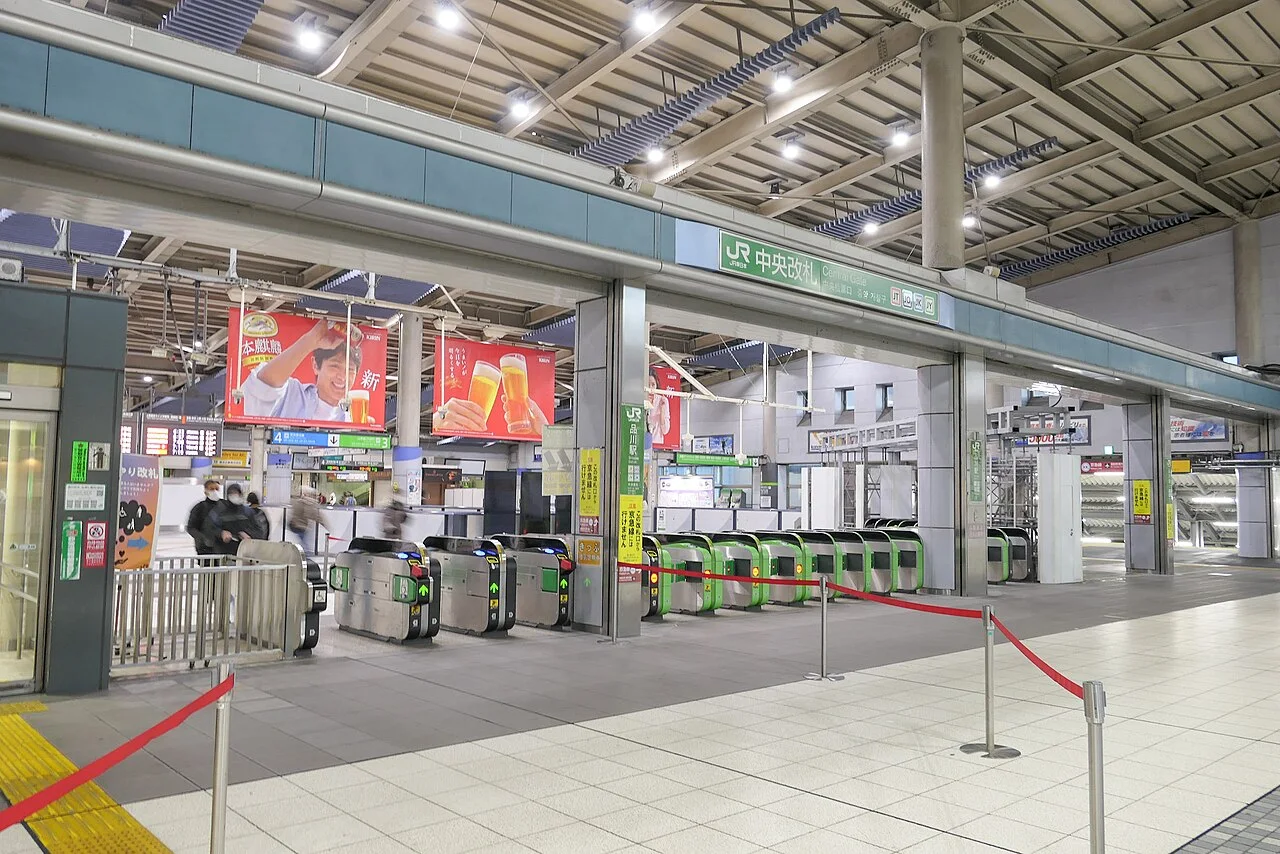
Step out of Kichijoji Station's North Exit and the covered Sunroad Shopping Arcade sits straight ahead, with Harmonica Yokocho right in front of the station and cut-throughs leading into east-west Daiya-gai. All three sit steps apart, but each calls for a different route. Walk Sunroad for lunch under a high-roofed main drag, turn into Daiya-gai for classic kissaten coffee and fried beef cutlets, or duck into Harmonica Yokocho to check standing-bar menus. Make the North Exit plaza your meetup point on a first visit rather than trying to spot friends outside a narrow alley stall with half a sign.
At the JR Central Ticket Gate, the North Exit leads to the bus terminal and shopping arcades. To head straight for the park, use the South Gate toward the Koen (Park) Exit and follow the signs down to the greenery. The Keio Inokashira Line stops at Kichijoji too—exit through the Keio Gate and follow the same north-or-south street grid. Inokashira Onshi Park covers a lot of ground; if you just want to reach the water first, pin Nanai Bridge as your walking landmark and decide which way to loop once you hit the pond.
From Shinjuku, take the JR Chuo Line Rapid or the Chuo-Sobu Line Local—check the train's stop pattern before boarding. From Shibuya, the Keio Inokashira Line gets you here direct. If your shopping, takeout stops, and main lunch are clustered around Kichijoji Station, return there to board your train home. If an afternoon walk carries you to the far end of the pond near Inokashira-koen Station and you are heading back to Shibuya, catch a Local train right from that station instead. Heading back to Shinjuku? Keep Kichijoji as your return hub and loop back past Nanai Bridge.
Decide your first stop before you get off the train. If Satou's menchi katsu is non-negotiable, exit north to check the line right away. Arriving early for tea and a park stroll? Start at the South Exit and circle back north for lunch. Traveling with older relatives? Lock in a sit-down meal first and save sweets for the walk back to the station. Note branch names and floor numbers when saving pins—several shops operate on both sides of the tracks, and picking the right branch saves you an extra station crossing.
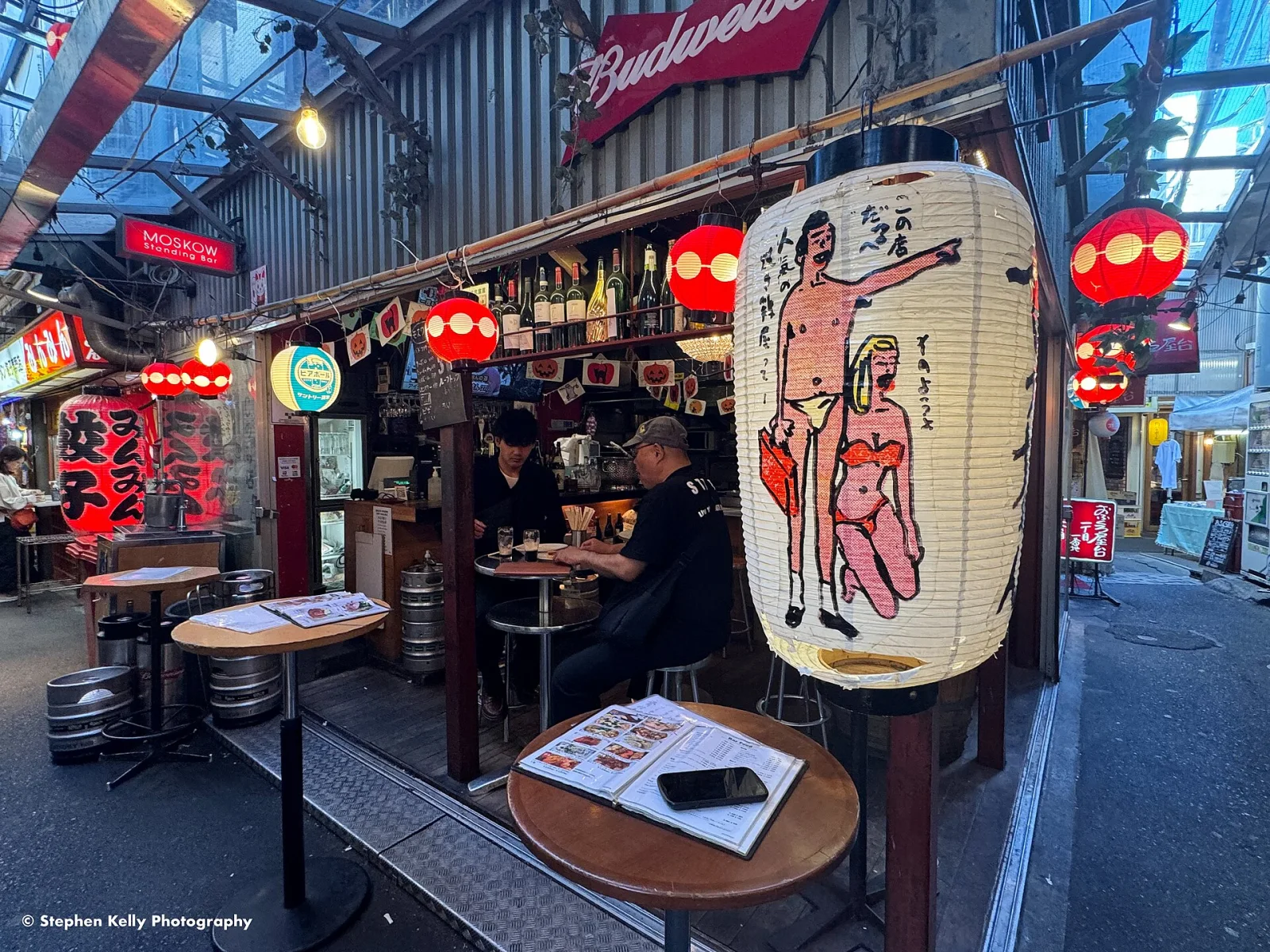
Which exit should you take for Kichijoji food? Start at the North Exit for menchi katsu, curry, or Harmonica Yokocho, or head out the South Exit for yakitori and chai in Inokashira Park. Includes prices, payment rules, and rainy-day routes.
Your First Bite at the North Exit: Buying from Kichijoji Satou
Kichijoji Satou sits at 1-1-8 Kichijoji Honcho, listed by the shop as roughly a one-minute walk from the North Exit. Its takeout signature, Ganzo Maru Menchi Katsu, is a spherical cutlet of domestic ground beef and onion deep-fried in lard, alongside the Geki-uma Korokke potato croquette. At the counter, simply point to the Japanese item name and say how many you want. If there are two of you, buy one of each and split them—it leaves plenty of room for lunch compared to grabbing a five-pack for the bulk discount.
The shop opens at 10:00, and menchi katsu go on sale at 10:30 until sold out. Takeout at the Kichijoji branch is strictly cash-only, and the shop notes that phone and online pre-orders are not accepted for any item. As of November 22, 2026, posted prices are ¥350 for one Maru Menchi Katsu (¥330 each when buying five or more at once) and ¥230 for one croquette, bringing one of each to ¥580 total. For a heartier handheld meal, the menu also lists a Kichijoji-exclusive Maru Menchi Katsu Burger made with bread from LIBERTÉ for ¥650. There is a steakhouse upstairs, so head straight to the ground-floor takeout counter for fried snacks.
When you arrive to a queue, locate the last person in line before stepping in behind them. Because storefronts crowd the North Exit plaza, step away from the shopfront and pedestrian walkway before unwrapping and sharing, or have companions wait at a pre-agreed spot nearby. Lining up fits most naturally when you first exit north from the station rather than doubling back after lunch or right before dinner. If you only have a quick lunch window, eat your main meal first and save the cutlet for another trip; if you came specifically for Satou, grab one first, browse the arcade, and pick lunch afterward.
If anyone in your group avoids animal products, pick up separate items each person can enjoy and meet up in the park instead. And if adults are waiting in the takeout line while kids are already hungry, grab a quick, ready-to-eat bite near the station first so the rest of your route stays on track.
Kichijoji Curry: Basement Kissaten Rice Curry or Hokkaido Soup Curry
For a sit-down meal where you can linger over coffee afterward, head to COFFEE HALL Kugutsusou in Daiya-gai. Turn from the North Exit into the arcade leading toward Tokyu Department Store; the cafe sits in the basement (B1F) of the Shimada Building behind a street-level stairwell entrance. Operating since 1979, this kissaten slow-simmers its curry with sauteed onions and spices. As of November 22, 2026, the official menu lists a la carte curry at ¥1,600 and the set meal at ¥2,200—which includes a small salad plus coffee or black tea (+¥20 for iced drinks). The cafe is cash-only with walk-in seating. If you plan to grab tea to go for the park later, ordering the curry a la carte is plenty.
If soup curry sounds better, look for Hokkaido Soup Curry Suage Kichijoji on the second floor of the Sunroad Plaza Building, entered from the Sunroad arcade. Posted regular hours are 11:00 to 22:00 (last order 21:30), with irregular holidays. Official menu listings put the Crispy Sakurahime Chicken & 8 Vegetables Curry at ¥1,760 and the Kakuni & 8 Vegetables Curry at ¥1,870—kakuni is braised pork belly, handy to know when scanning the Japanese ingredient chart at your table.
At Suage, you choose your main topping, then broth, spice level, and rice size. Order the original broth to taste the spice blend clearly, or add ¥220 for the shrimp broth. Small and medium rice come at no extra charge, while large rice adds ¥165. The shop equates spice level 2 ("pirikara") to medium commercial Japanese curry roux, and adds jalapeno starting at level 7; mild-spice eaters do best starting at level 1. Soup curry arrives with broth and rice in separate bowls—scoop a bite of rice onto your spoon and dip it into the broth. Downsizing your rice leaves welcome room for takeout snacks after lunch.
Both spots sit on the North Exit side, so switching plans takes only a short walk down the arcade. On a rainy afternoon or if you arrive past peak lunch, Suage runs straight through from lunch to dinner and lists credit cards and transit IC cards among its accepted payment methods. If you want the atmospheric basement kissaten vibe at Kugutsusou, budget extra buffer time for the wait. Hardcore curry fans can hit one for lunch and the other for dinner with a park walk in between; if your group wants curry just once, pair it with a completely different style of meal later in the day.
Lunch Along Sunroad, Snacks Along Daiya-gai
Sunroad is the covered shopping arcade stretching north from the station toward Itsukaichi-kaido, listed by the merchants' association at roughly 300 meters long. When you are short on time, check the block closest to the station before deciding whether to walk deeper under the roof. Alley shops are easy to miss on maps when they sit on upper or basement floors, so filtering the arcade's official directory by category helps. With strollers or luggage, stick to the main arcade first so it is easier to check storefronts and keep your group together; fold umbrellas before turning into narrow side lanes to leave room for oncoming foot traffic.
Daiya-gai runs east-west, reachable by cutting straight through Harmonica Yokocho into a wider covered arcade. Pair Kugutsusou and Satou in one sweep on this side before crossing back through the station toward the Park Exit. Want to browse home goods between bites? Continue toward Tokyu Department Store or step out onto Nakamichi-dori for independent cafes and bakeries. If one person in your group plans a longer shopping detour, agree to meet at a well-marked corner shop on the main street rather than hunting down side alleys.
On wet days, atre Kichijoji connects directly to the station and keeps you completely dry. Its official restaurant directory splits listings between the Main Building (Honkan) and East Building (Higashikan), so check which wing a restaurant is in before walking over. On Main Building B1F you will find sit-down options like ochazuke rice bowls, sushi, tempura, and hamburg steaks, while the 1F food hall stocks takeout bento and prepared dishes—such as omurice and deli items at Yoshoku-ya Sandaime Taimeiken. Treat B1F sit-down dining and 1F grab-and-go as two distinct plays; go straight downstairs if anyone is hungry or needs a chair right away.
Eating right at the station cuts out transit and wayfinding time. If half your group wants alley stalls and others have strict dietary preferences, check the menus and floor guide at atre first before splitting up—both sides stay close enough to regroup at the same station exit afterward. Heading back to Shibuya on the Keio Line? Check the restaurant floors inside Kirarina Keio Kichijoji to pair your final rest stop with your train platform. And if you have a timed ticket later in the day, pick a sit-down spot with posted prices rather than wandering storefront to storefront.
Takeout Chai for Inokashira Park, and Choosing a Bakery by Exit
For a morning park stroll, stop by chai break at 1-3-2 Gotenyama before walking in via the nearest park entrance to Inokashira Pond. They simmer milk tea in small pots—the takeout menu lists boiled milk tea at ¥650, masala, cinnamon, or ginger chai at ¥700 (hot or iced), and muffins from ¥540, making a plain chai and muffin combo ¥1,190 and up. Hours run 9:00 to 19:00 on weekdays and 8:00 to 19:00 on weekends and holidays; closed Tuesdays (or the next business day if Tuesday is a national holiday). If you only want one snack stop, pick it up right before entering the park so you do not carry cups far.
For European-style bread or pastries, head to the LIBERTÉ Tokyo Main Store at 2-14-3 Honcho off the North Exit. The ground-floor bakery and patisserie open at 9:00, and an elevator goes up to the second-floor cafe. House rules allow eating 1F items upstairs as long as every guest orders at least one item from the 2F cafe menu; upstairs lunch starts at 11:00 and runs until sold out. Combining North Exit fried snacks and bakery items in the same morning? Pick up bread first and menchi katsu closer to when you plan to eat, and pick a spot in advance. Cream cakes belong at a table, while croissants and shelf-stable pastries travel easily to the pond.
The Tokyo Metropolitan Park Association puts the walk from Kichijoji Station to the park at roughly five minutes, though reaching further corners around the pond takes extra time. With drinks in hand, check the benches near Nanai Bridge and sit down as soon as you spot space—or pick one shoreline and keep walking until the next open bench. Because Nanai Bridge funnels heavy foot traffic, step off onto a wider path before digging out your camera or dividing up food. The park itself is open at all hours with free admission, though individual park facilities keep separate schedules, so plan picnics and boat rentals separately.
The Tokyo Metropolitan Government Bureau of Construction asks visitors to carry all park trash back out with them. Leave space in your takeout bag for empty cups, paper sacks, and greasy wrappers so cleanup stays simple. In spring cherry-blossom season, holding picnic spots under the trees is permitted only in designated zones and hours, and someone from your party must stay on site. If some travelers want to loop the entire pond while others just want to sit with snacks, set Nanai Bridge as your reunion point. If wind or rain picks up, switch to an indoor cafe tea break and save a short lakeside walk for when the weather clears.
Know Whether You Want Dinner or Just a Drink Before Entering Harmonica Yokocho
The Musashino City Tourism Organization traces Harmonica Yokocho back to a post-war station-front market established in 1945—its tight row of narrow storefronts inspired the "harmonica" name. By day you will pass fishmongers, florists, and wagashi shops; by night the lanes shift to standing bars and izakaya. Because the quarter is a grid of short intersecting alleys, note the overhead passageway name as well as street numbers when looking for a bar. Remembering which main covered arcade an alley connects back to is far more reliable than staring at a drifting GPS dot between tight walls.
Solo travelers or pairs looking for a quick drink can look for signs reading "tachinomi" (standing bar) and poke their head in at the doorway to ask if there is room. The Musashino City Federation of Shopping Districts lists Tachinomi Sotomaro and Tachinomi Bakkasu along Showakai-dori—both registered at 1-1-8 Honcho, so match the storefront sign carefully when addresses overlap. You can also scout deeper from Shin-Nakamisedori or Chuo-dori. Inside cramped bars, pull backpacks around to your front, and step clear of the doorway while checking the menu until a spot opens up.
If you want a full dinner in the alleys, skip the standing counters and target places with chairs and substantial food. Scan outside menus for rice, noodles, or hot plates, and ask "Futari, suwaremasu ka?" to check if two seats are available. If you start with skewers and plan to eat dinner too, order a carb dish at the same place rather than settling the bill only to discover the next bar serves nothing but drinks and tiny bar snacks. Larger groups or anyone needing high chairs should eat their main meal at a station-side restaurant first, then walk the alleys together afterward—atmosphere matters, but seats matter more.
Ordering alcohol at izakaya often comes with a seating charge (sekiryo) or a paid starter dish (otoshi), and posted closing notices list "last order" (rasuto oda). Check each doorway menu for cover policies and kitchen hours; bar-hopping adds a fresh seating charge or otoshi at every stop, so sticking to one spot saves money. If your hotel requires two train transfers back across Tokyo, check the arrival time to your final station before sitting down—your last connection may leave earlier than the final train out of Kichijoji.
Yakitori by the Park Exit, or Craft Beer in the Station East Building
Walking back from Inokashira Pond toward the station takes you right past Iseya Koen-ten at 1-15-8 Kichijoji Minamicho, roughly four minutes on foot from the Park Exit. The Musashino City Tourism Organization even recommends this yakitori spot as a post-park lunch stop. Stop here for grilled skewers before crossing back into the station hub, and be sure to save "Iseya Koen-ten" specifically on your map—the group also operates a main flagship in Gotenyama and another branch at the North Exit.
Eating on the Park Exit side saves you from threading through the station after a walk, while the North Exit branch works better if you plan to shop the arcades before catching your train. If your group just wants a comfortable table near the tracks to talk over a drink, CRAFT BEER MARKET on 1F of the atre East Building is an easy alternative. The venue lists craft beers starting at ¥600 alongside French bistro plates, seats 24, and is completely non-smoking; posted hours are 11:00 to 23:00 (last order 22:30). Look for "Atre Higashikan" signage when approaching from the street.
If drinks are on the agenda for dinner, decide early whether you want a full meal so you are not hunting for proper food at a second stop. Just after skewers and a single drink? Start with a small order and add more off the daily menu. Planning to leave full? Put mains and shared sides on your first ticket. Friends wanting to compare different beer styles can each order smaller pours, and anyone sensitive to smoke should prioritize venues with explicit non-smoking signs rather than guessing from open doorways.
Where to Find Chilled Sweets, and When to Buy Shelf-Stable Snacks
Woodberry's runs two shops on opposite sides of Kichijoji. The Main Shop across from Marui near the Park Exit focuses on takeout and offers indoor benches, while the Marche shop behind Yodobashi off the North Exit is the place for sit-down fruit parfaits and fruit sandwiches. Both blend seasonal fruit into house-fermented yogurt to order—official pricing starts at ¥510 for a small frozen yogurt (+¥50 for select flavors). The Marche shop serves parfaits (from ¥1,970) and fruit sandwiches from October through April for dine-in guests. If you just want a cup of frozen yogurt, pick whichever branch sits on your side of the tracks.
For snacks you plan to unwrap down by the pond, room-temperature baked goods or wagashi hold up far better than ice cream. If you buy frozen yogurt, eat most of it near the shop before heading deep into the park. Picking up souvenirs for a longer train ride the next day? Look for individually wrapped cookies, monaka wafer cakes, or bread, and check packages for shomi kigen (best-by date) versus shohi kigen (use-by date) plus any refrigeration warnings. If you want a fresh cream cake for a friend's birthday, eat it at the cafe or schedule pickup right before heading back to your hotel.
Near Satou, traditional confectioner Ozasa is known for monaka and yokan sweet bean jelly. Crisp glutinous-rice monaka shells filled with red bean paste are much easier to sample or split with a companion than a full bar of yokan. Starting December 1, 2026, the shop has announced price adjustments to ¥130 per monaka and ¥1,220 per yokan bar. Separate lines sometimes form for different items, so check counter signs before queuing for monaka. If you only pass through the North Exit once, wait until you are leaving the station area to pick up shelf-stable sweets so you do not haul bags all day.
Check each shop's own calendar for seasonal desserts. For example, LIBERTÉ Tokyo Main Store announced its seasonal Fraisier strawberry cake in November 2026, offering whole-cake reservations in store or by phone. Sitting down to share a slice at the end of a walk is very different from picking up a whole boxed cake—one gives you flexible afternoon timing, while the other requires deciding who carries the box and straight-home transit. Always put fragile, keep-flat purchases last on your schedule, especially if you still have train transfers ahead.
Budgeting a Meal and a Couple of Snacks
Using published shop prices, it is easy to ballpark a half-day food budget. A Satou menchi katsu (¥350), Suage's crispy chicken and vegetable soup curry (¥1,760), and a small Woodberry's frozen yogurt (from ¥510) put a classic combo starting at ¥2,620. Swap lunch for the Kugutsusou curry set (¥2,200) if you want sit-down coffee included, leaving room for one afternoon treat—since the set already comes with a drink, you can simply linger at your table until you finish it.
For a park tea break, a ¥700 masala chai and a muffin from ¥540 paired with a ¥230 North Exit croquette starts at ¥1,470. Two people sharing one dessert can each order their preferred drink and save appetite for dinner. In summer, wait until after lunch to buy chilled drinks on the south side rather than hauling condensation-soaked cups across the station.
Need a bookable dinner for two? CRAFT BEER MARKET atre Kichijoji lists a "Bon Appetit!" course at ¥5,800 per person (minimum two guests, advance reservation required). It covers two hours at the table with drink last order at 90 minutes, including appetizers, roast pork loin, and pasta. If you only want a quick seat before catching a train, ordering single beers from ¥600 makes much more sense than committing to a course.
Plan your cash based on your restaurant picks. If two people each get a Satou menchi katsu and a Kugutsusou curry set, posted prices come to ¥5,100 total—all of it in yen cash. Switching lunch to Suage lets you pay the main meal by credit card or transit IC card, though you will still want bills and coins for cash-only takeout windows. If your group splits up to shop, carry your own cash so nobody has to track someone down across an alley just to break a bill.
Reading Menus and Checking Accessibility Before You Sit Down
At small street counters displaying "ten'nai" (eat-in) and "mochikaeri" (takeout), point or specify whether you are staying or taking food to go before giving your quantity. Menu prices may be marked "zeikomi" (tax included) or "zeinuki" (tax excluded), and some spots list separate eat-in and takeout rates due to Japan's consumption tax difference—LIBERTÉ's cafe menu, for instance, reflects dine-in pricing. Bringing 1F bakery items to their 2F cafe still requires checking the upstairs minimum order rule, which is faster than translating the entire menu on your phone. When a "kanbai" (sold out) tag appears on a tray, simply pick from what remains in the case.
If you are navigating with a stroller or wheelchair, verify the entrance before committing to lunch. Basement-level Kugutsusou is accessed by stairs per the shop's directions, whereas LIBERTÉ notes elevator access to its second-floor cafe, and both JR East and Keio publish Kichijoji Station elevator maps and barrier-free layouts. Atre Kichijoji is an easy backup with accessible seating inside the station complex; Main Building 1F lists nursing rooms and coin lockers, while the East Building maintains its own service counters—saving each building separately avoids backtracking. Inside the station, follow current elevator signs rather than taking the stairwell closest to your target shop.
If anyone has food allergies or strict dietary restrictions, show your server the ingredients to avoid right at the door and ask specifically about dashi broths, sauces, and frying oils. The Tokyo Metropolitan Government publishes point-and-show food allergy communication sheets paired with Japanese, including phrasing to ask about shared cookware and utensils. Suage also posts broth ingredients and allergen details on its store page so you can screen options ahead of time. Mixed groups—where some eat meat and others avoid fish stock—will have an easier time at sit-down restaurants with clear ingredient lists and individual ordering than sharing from one takeout bag.
Timing a Half-Day Route Around Arrival and Departure
Heading out from Shibuya in the morning and returning to eastern Tokyo in the afternoon? Exit south at Kichijoji first for chai or a lakeside walk, then head north for lunch. That locks in the outdoor scenery before midday—if afternoon rain rolls in, you can stay under Sunroad's roof and browse shops before boarding a JR train straight toward Shinjuku or Tokyo Station instead of backtracking to Shibuya via Inokashira-koen. Save a North Exit snack for any spare window before lunch.
With only an evening window, decide right away whether dinner happens on the North Exit side or near the park. Coming for the glowing lanterns and alley storefronts? Take the North Exit from the Central Gate, scout dinner spots along the outer edge of Harmonica Yokocho, and leave a flexible slot for a standing drink. If you arrive hungry, grab a proper sit-down meal on Sunroad or inside atre first, circle back into the alleys afterward, and stay close to the station for your ride home. In winter when sunset comes early, do a quick park loop right upon arrival to catch the water in daylight, head north for dinner, and catch either JR or Keio back to your neighborhood.
Continuing on to Shimokitazawa after dinner? Walk through the park to Inokashira-koen Station or return to Kichijoji Station to board the Keio Inokashira Line. If you only glimpsed the pond near the park entrance, walking back to Kichijoji is shorter; if you have already reached the far end, catch a Shibuya-bound Local from Inokashira-koen. Staying until dusk? Check your map for the nearest illuminated exit before dark sets in. Groups of three or four should agree on the departure station before entering the park—nothing stalls an evening faster than half the group returning to Kichijoji lockers while the rest wait at Inokashira-koen.
If you are staying from midday into evening, slot shopping between lunch and the park. Curry lovers should eat an early North Exit lunch, stroll the park in the afternoon, and skip worrying about dinner curry hours later. Taking bakery bread back to your hotel? Buy from Honcho on your final pass back to the station so you only carry immediate snacks into the park. And if you want the night atmosphere of Harmonica Yokocho without drinking, wander through a couple of lit lanes and then sit down for dinner out on a wider street.
Working Backwards from a Ghibli Museum Reservation
The Ghibli Museum in Mitaka requires date- and time-specific advance tickets, and its ticketing page states visitors must enter within one hour of their designated entry slot. Because the museum sits a stretch past the north shore of Inokashira Pond, travelers with a midday slot can take the community bus from Mitaka Station's South Exit straight to the museum, then walk back through Inokashira Park into Kichijoji for food afterward. If queues look long on the way in, pushing lunch until after your museum visit is much easier than rushing a meal to make your entry window. Want a breather between museum and station? Grab tea near the Park Exit before deciding whether to cross north.
With a late-afternoon museum slot, you have time for lunch in Kichijoji first—just do not pack both sides of the station into one schedule. Grabbing food before entering? Pick a single pastry or cup of tea you can finish before arrival, or save snacks for the museum's own cafe once inside. If your group splits up around midday, set a clear meeting point at a specific museum entrance or station exit with generous walking buffer so nobody has to sprint back to a restaurant looking for stragglers.
Coming out of the museum near dusk and ready for dinner in Kichijoji? Walk through the park for yakitori on the South Exit side or cross to the North Exit hub. For another day's itinerary in a different part of the city, continue to our Tokyo neighborhood day plans.
A few useful answers
If it is my first time in Kichijoji and I only have time for one meal and one snack, what should I pick?
For soup curry, take the North Exit to Suage in Sunroad, then head out the South Exit toward Inokashira Park and grab frozen yogurt at the Woodberry's Main Shop across from Marui. If you prefer a sit-down meal with coffee, choose Kugutsusou along Daiya-gai.
What time does Kichijoji Satou start selling menchi katsu, and do they take cards?
The Kichijoji shop starts selling menchi katsu at 10:30 until sold out. The takeout counter is cash-only, and neither phone nor online pre-orders are accepted. Their signature item is the Ganzo Maru Menchi Katsu.
Is Harmonica Yokocho open during the day?
Yes. During the day you can browse wagashi sweets shops, fishmongers, and other retail stalls. If you want a drink at a standing bar after dinner, save the alleys for the evening.
How should I plan a Kichijoji food route on a rainy day?
Stick to the North Exit and look for lunch under the covered Sunroad and Daiya-gai shopping arcades. If anyone in your group needs a rest or you are pushing a stroller, use atre Kichijoji instead—eat in on B1F or grab bento and desserts on 1F.
Can I take a train straight to Shibuya after walking through Inokashira Park?
Yes. Walk to the east end of the park and board a Shibuya-bound Local train from Keio Inokashira-koen Station. If you still need to eat on the north side, pick up stored luggage, or catch the JR line, walk back to Kichijoji Station.
How much should I budget for a half-day food stop?
One Satou menchi katsu, one Suage chicken soup curry, and one small Woodberry's frozen yogurt start at ¥2,620 combined based on published shop prices as of November 22, 2026.
Official information and references
Sources used in this guide.
- Musashino City Tourism Organization | Harmonica Yokocho History and Shop Map
- Kichijoji Sunroad Shopping Arcade Association | Arcade Layout and Location
- Musashino City Federation of Shopping Districts | Daiya-gai Shopping Arcade
- Musashino City Federation of Shopping Districts | Nakamichi-dori
- Musashino City Federation of Shopping Districts | Standing Bars and Locations
- Kichijoji Satou | Menchi Katsu Ingredients
- Kichijoji Satou | Takeout Menu, Sales Hours, and Payment Methods
- Kugutsusou | Shop History, Reservations, and Payment Methods
- Kugutsusou | Food and Set Menu Prices
- Kugutsusou | Location and Basement Entrance
- Suage Kichijoji | Soup Curry Prices, Toppings, and Allergen Information
- atre Kichijoji | Main and East Building Cafe and Restaurant Directory
- atre Kichijoji | Main Building 1F Taimeiken Deli
- atre Kichijoji | Nursing Rooms and Coin Locker Services
- Kirarina Keio Kichijoji | Restaurant Floor Guide
- chai break | Chai, Takeout Menu, Hours, and Access
- LIBERTÉ Tokyo Main Store | Bakery, Cafe, and Elevator Access
- LIBERTÉ Tokyo Main Store | Dine-in and Ordering Rules
- LIBERTÉ Tokyo Main Store | November 2026 Strawberry Cake and Reservations
- Woodberry's | Both Locations and Frozen Yogurt Menu
- Ozasa | Price Revision Effective December 2026
- Tokyo Metropolitan Park Association | Inokashira Onshi Park Access and Facilities
- Tokyo Metropolitan Government Bureau of Construction | Park Trash and Cherry Blossom Rules
- Musashino City Tourism Organization | Nanai Bridge, Park, and Kichijoji Walking Route
- Musashino City Tourism Organization | Tourism Guide p. 21: Iseya Koen-ten
- atre Kichijoji | CRAFT BEER MARKET Shop Information
- CRAFT BEER MARKET | atre Kichijoji Reservation Party Plans
- Tokyo Metropolitan Government Bureau of Public Health | Multilingual and Japanese Food Allergy Communication Sheet
- JR East | Kichijoji Station Map and Barrier-Free Facilities
- JR East | Kichijoji Station Directions and Timetables
- Keio Corporation | Kichijoji Station Map and Timetables
- Keio Corporation | Inokashira-koen Station Train Stop Types
- Ghibli Museum, Mitaka | Timed Entry Hours and Ticketing
- Ghibli Museum, Mitaka | Mitaka Station Shuttle Bus Access