Take the Midosuji Line from Osaka to Minoh-Kayano and transfer to Hankyu Bus Route 30 direct to Katsuo-ji Temple. Covers cashless fares, entry tickets, Daruma eye-painting, 2026 autumn evening illuminations, and pairing Minoh Falls on the same day.
- Region & Focus
- Osaka
- Reading Scope
- 23 min read · 9 chapters · 6 Q&As
- Official Verification
- 29 official sources checkedUpdated 22 November 2026
- Key Topics
- First tripItinerariesSeasons
Chapter Route Map (tap any stop)
- Getting to Katsuo-ji from Umeda, Namba and Shin-Osaka
- Fares, Entry Tickets and Afternoon Cut-off Times
- Grounds Route from Sanmon Gate and Purification Bridge to the Main Hall
- Kachi-Daruma or Daruma Mikuji: Choosing One to Take Home
- Planning Your Descent for the 2026 Autumn Evening Illuminations
- Driving, Taxis and Autumn Traffic Restrictions
- Pairing Katsuo-ji with Minoh Falls as Two Separate Legs
- Spring Cherry Blossoms, Summer Hydrangeas and Rainy Days
- Choosing a Half-Day Plan and Osaka Base Around Your Return Route
- Quick Q&A
For a first visit to Katsuo-ji Temple in Minoh, Osaka, take a through-train on the Midosuji Line to Minoh-Kayano Station, then transfer at Bus Stop 8 to Hankyu Bus Route 30. Set aside half a day for a daytime visit, allowing 90 minutes to 2 hours to walk beside the pond, see the Daruma offering shelves, and visit the Main Hall. If you are heading up for the 2026 autumn evening illuminations, sort out your return bus before going up the mountain. To combine the trip with Minoh Falls on the same day, keep the Takimichi promenade as a separate leg starting from Hankyu Minoh Station.
Getting to Katsuo-ji from Umeda, Namba and Shin-Osaka
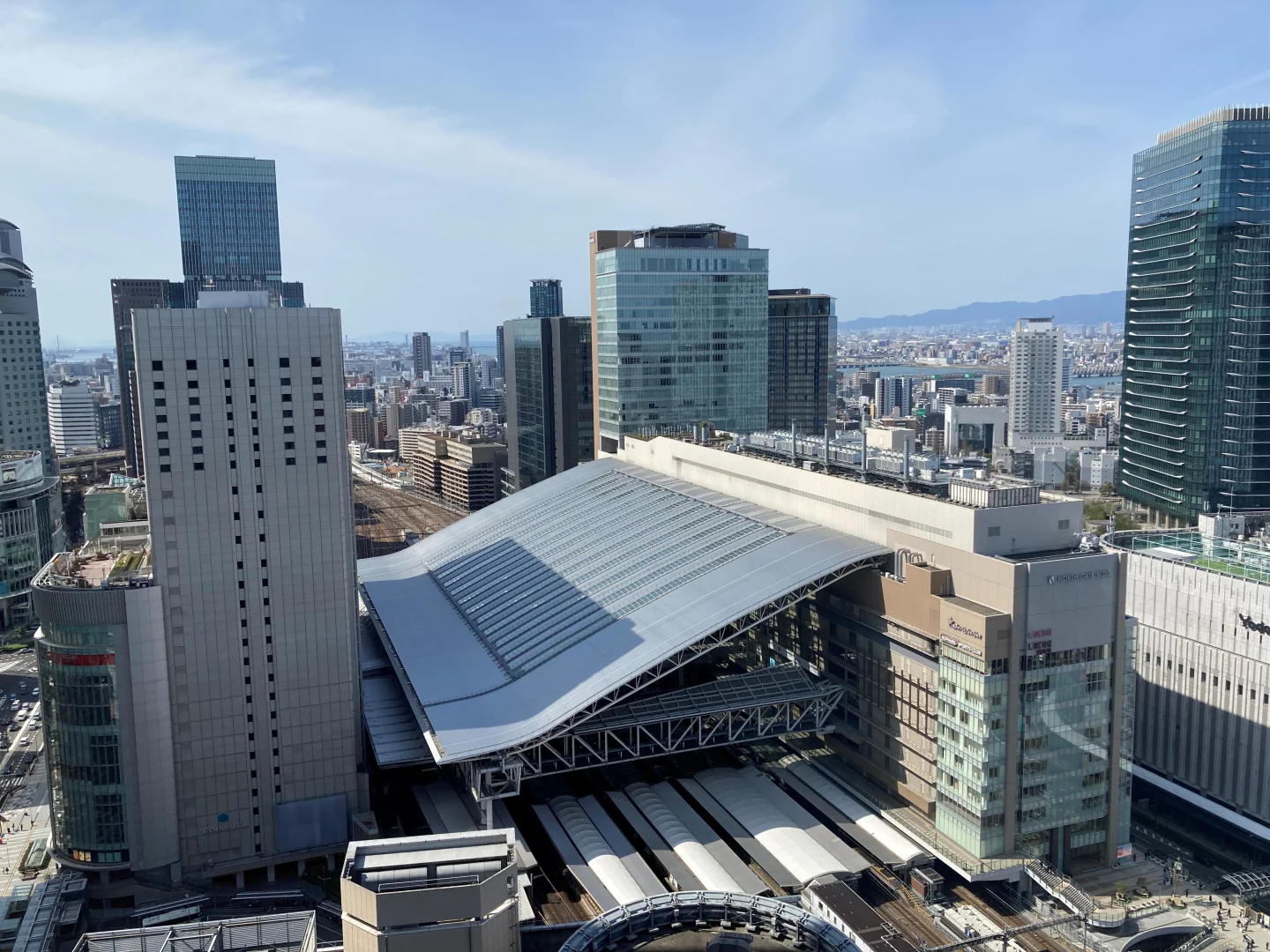
From central Osaka, board a train on the Osaka Metro Midosuji Line showing Minoh-Kayano as its destination. Umeda, Namba and Shin-Osaka all sit on this line, and through-trains bound for Minoh-Kayano continue seamlessly onto the Kita-Osaka Kyuko Railway past Esaka, so simply stay seated on the same train. Because some services terminate at Shin-Osaka or Senri-Chuo, anyone travelling with older relatives can wait for a through-service to avoid changing platforms with bags. Coming from JR Osaka Station, look for the red M logo marking the underground Umeda Station. Walking from Nankai, Kintetsu or hotels around Namba, head straight for the nearest Midosuji Line entrance as well.
At the terminus, follow signs for the bus stops (Basu Noriba) and head down to ground level at the North Traffic Plaza beside the station. Hankyu Bus Route 30 departs from Stop 8, displaying "Direct to Katsuo-ji" (Chokko Katsuo-ji). Buses serving housing estates and other local sights use the same plaza, so if an arriving vehicle only displays "Hankyu Bus", check the destination board on the front before boarding. The North Plaza serves buses, while the South Plaza near the South Ticket Gate houses the taxi rank. Both plazas sit close together on the station map, so specify an exact meeting spot when calling a taxi to avoid hunting for each other.
Hankyu Minoh Station and Kita-Osaka Kyuko Minoh-Kayano Station are two separate stations. For a regular daytime trip to Katsuo-ji, set your navigation to the terminus with "Kayano" in the name. For the Takimichi trail to Minoh Falls, take the Hankyu Minoh Line to Minoh Station instead. Travelling from Osaka-Umeda on Hankyu trains to the waterfall normally means changing onto the Minoh Line at Ishibashi-handaimae Station. Staying around Umeda makes both routes straightforward, so decide each morning which line you are taking. Saving both stations and the temple separately in your phone map lets you call up the right stop immediately on the return leg.
The Hankyu Bus direct timetable from Minoh-Kayano Station lists the first departure at 9:00 and the last at 15:00. Weekday buses run roughly every 30 minutes, rising to around every 20 minutes on weekend and public holiday mornings, with the temple noting that extra services are added when crowds grow. The journey takes about 20 minutes, though that figure covers driving time only. Around midday on autumn weekends, allow extra time for queueing, climbing the mountain road and buying entry tickets at the gate. If anyone in your group needs to buy a dedicated bus ticket or top up a card, agree to gather beside the stop before joining the queue together. Early starters will find it far easier to pick up breakfast and water in Umeda than to split up hunting for shops at the transfer station.
For the return journey, look for the Hankyu Bus stop outside the temple gate and ride back to Minoh-Kayano. According to the Hankyu Bus timetable from Katsuo-ji, the regular last Route 30 bus departs at 17:05 on both weekdays and weekends/holidays. On Saturdays the temple stays open until 18:00, so walk out to the bus stop well ahead of closing time if you are relying on the standard direct bus. Should you have evening bookings back in central Osaka, wrap up your stroll earlier and build in a one-bus buffer for queues and mountain traffic. The shopping complex right outside Minoh-Kayano Station works well as a flexible time-filler, whereas prepaid dinners, theatre performances or Shinkansen departures should never be booked tight against your planned descent.
Take the Midosuji Line from Osaka to Minoh-Kayano and transfer to Hankyu Bus Route 30 direct to Katsuo-ji Temple. Covers cashless fares, entry tickets, Daruma eye-painting, 2026 autumn evening illuminations, and pairing Minoh Falls on the same day.
Fares, Entry Tickets and Afternoon Cut-off Times
Route 30 costs ¥800 one-way for adults and ¥400 for children, and from 1 October 2026 buses will no longer accept cash fares onboard. With an ICOCA, Suica or other transport IC card, tap on at the middle door when boarding and tap off at the front door when alighting. Nationwide IC cards cannot be topped up on this bus route; since an adult return costs ¥1,600, load enough credit for the round trip before exiting the train station. Without an IC card, buy a dedicated bus ticket by credit card from staff at Minoh-Kayano Stop 8; for the return trip, tickets are also sold at the Katsuo-ji souvenir shop. Board directly with a paper ticket and drop it into the farebox as you step off.
Temple admission is paid separately: ¥500 for high school students and adults, ¥400 for junior high and primary school pupils, ¥100 for pre-school children, and free for children under two. For two adults and one primary school pupil taking the regular direct bus both ways plus temple entry, the combined cost comes to ¥5,400 before city rail fares, charms or meals. Note that under Hankyu Bus rules junior high students pay the adult bus fare, even though their temple admission stays at ¥400. If your family uses individual IC cards, prepare each child's card or child ticket in advance rather than sorting them out together at the exit door.
On standard days you can buy tickets at the gate or purchase a Web entry ticket via the temple's access and worship page, letting you join the online-ticket lane on arrival and skip the ticket queue. Decide beforehand which phone holds which ticket. If one phone stores the whole family's e-tickets, queue together through the gate and split up to explore at your own pace once inside. When booking an autumn shuttle package, check carefully whether temple admission is already included; passengers holding bundled tickets can head straight to the entrance.
Katsuo-ji opens from 8:00 to 17:00 on weekdays, Sundays and Japanese public holidays, with last entry at 16:30; on Saturdays it opens from 8:00 to 18:00, with last entry at 17:30. Leaving central Osaka in the afternoon means racing both the final uphill bus and the temple's last admission cut-off. Even if you make it inside just before sales close, you will likely have to walk straight to the Main Hall and back out to catch a downhill bus, saving the Tahoto Pagoda for another trip. Travellers already in northern Osaka can take a daytime taxi up, while others will enjoy a far calmer visit by moving Katsuo-ji to the following morning.
Because the temple opens earlier than the first direct bus arrives, anyone wanting to enter right at opening time will need to drive or take a taxi. The regular bus suits a relaxed morning half-day: allow 90 minutes to 2 hours inside the grounds, budgeting transit and bus queues on top. If you plan to choose a Daruma at the counter, write your goal following temple custom and pass it through incense smoke, 2 hours feels noticeably more comfortable than 90 minutes.
| Category | Hours or Fee |
|---|---|
| Weekdays, Sundays and public holidays | 8:00–17:00 (last entry 16:30) |
| Saturdays | 8:00–18:00 (last entry 17:30) |
| High school students and adults | ¥500 |
| Junior high and primary school pupils | ¥400 |
| Pre-school children | ¥100 (free under age 2) |
Grounds Route from Sanmon Gate and Purification Bridge to the Main Hall
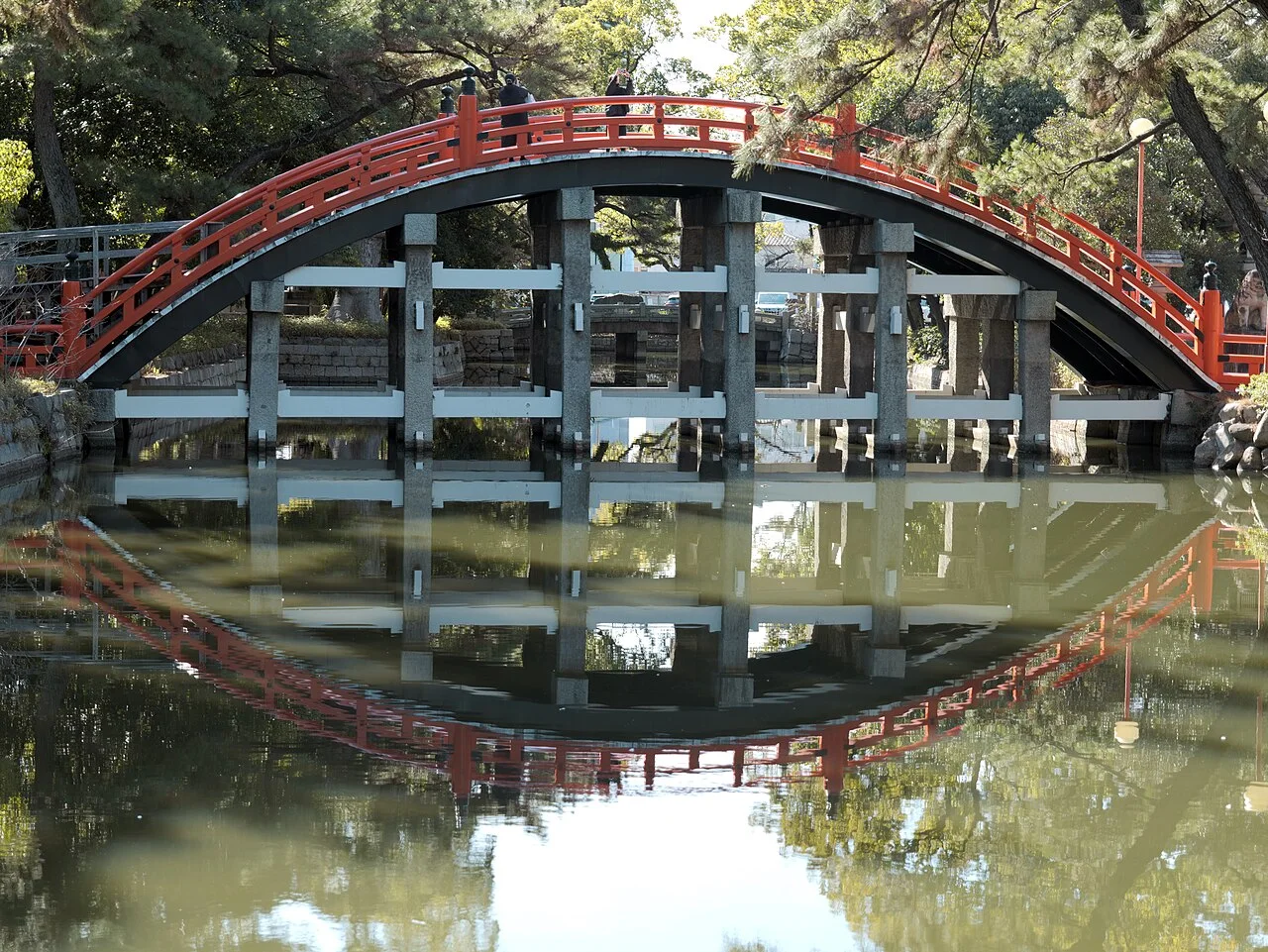
The official temple map posted by the entrance is far more reliable than straight-line distances on a phone screen. Stepping through the Worship Entrance, Sanmon Gate is marked No. 5, leading directly onto Okiyome-bashi, the Purification Bridge spanning the pond. First-time visitors can pause briefly at the gate and at either end of the bridge before following the path towards the Daruma offering shelves and the Main Hall. Staying closer to the water shows off the bridge's reflection in the pond, while climbing on towards Ichigan Fudo-do Hall opens up an upward view of the Tahoto Pagoda. For group photos by Sanmon Gate, stand off to the side where other visitors can pass rather than holding everyone up in the middle of the bridge.
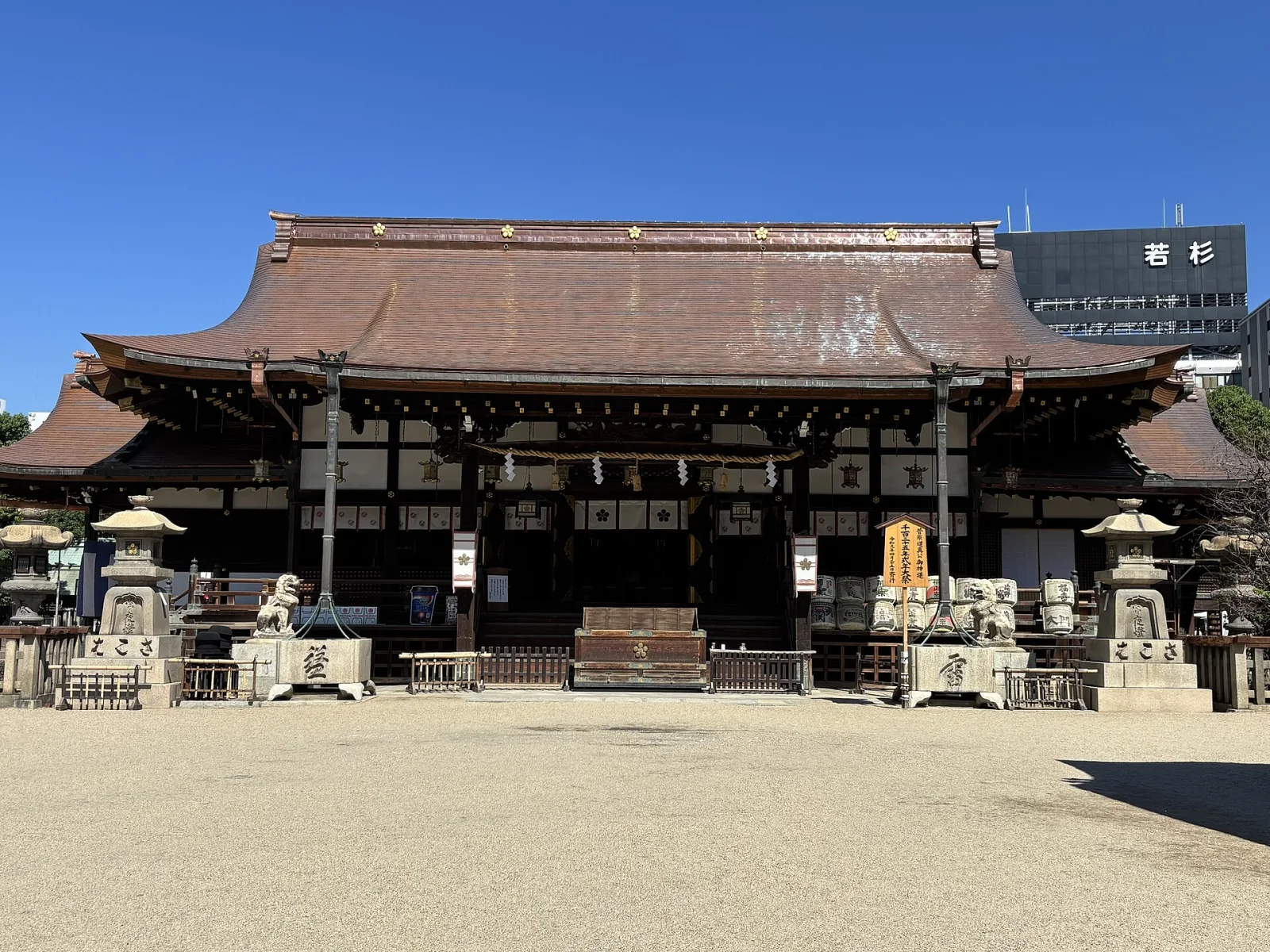
Continue uphill to the Kachi-Daruma offering shelves, stacked row upon row with Daruma dolls of every size. Beside the route sit the temizuya water purification basin and smaller halls below the Main Hall; follow the directional signs and keep walkways clear where people stop to offer incense or pray. The Main Hall is No. 18 on the map, right next to No. 19, the Main Hall Amulet Counter, where you will find Kachi-Daruma dolls, omamori charms, prayer beads and Daruma fortunes. The Nokyosho temple stamp office is located at the General Reception Counter; if you collect goshuin stamps, treat it as a separate stop, as its counter closes earlier than the temple gates on event days.
Around the Main Hall stand Kaizan-do Hall, Mizukake Kannon-do Hall and Daishi-do Hall. On a 90-minute first visit, cross the bridge, admire the pond and offering shelves, pay respects at the Main Hall, and leave enough walking time for the return to the gate. With 2 full hours, you can extend the loop up to Nikaido Hall, the fifth sacred site of Honen Shonin, and the Tahoto Pagoda at No. 24. Walking the extra loop is worthwhile simply to see more of the temple's shrines or to look back across the pond from the far hillside. If a prayer queue stretches outside a hall, loop past another landmark first and come back rather than keeping your whole party standing on narrow stone steps.
Those wishing to join a formal prayer or memorial service need to build registration time into their route. Regular services are booked at the General Reception Counter to the right of the Main Hall, with sign-up closing 10 minutes before the session begins. From April 2026, the monthly Kannon Ennichi service held on the 18th runs from 11:00 to 13:00, so applicants must register at the same counter before 11:00. Put that cut-off at the start of your circuit by heading straight to the Main Hall on arrival, then browsing the pond and Daruma shelves once the service ends. Companions who only want to stroll can arrange to meet beside Counter No. 19 instead of hunting back and forth between adjacent windows.
The temple's name comes from its own recorded history. Originally founded as Miroku-ji, Katsuo-ji traces its renaming to the Heian period, when its sixth abbot, Gyojun, prayed for the recovery of the ailing Emperor Seiwa. Said to be moved by prayers whose spiritual power surpassed even imperial authority, the emperor bestowed the name "Katsu-o-ji" (Temple of the Victorious King), and the temple humbly altered the character for "king" to "tail", giving Katsuo-ji. Today it is also Temple No. 23 on the 33-temple Saigoku Kannon Pilgrimage. Pilgrims should head directly to the Main Hall and stamp office first, while visitors drawn by the Daruma tradition can see straight away how the mountain temple's faith remains woven into daily life.
When visiting with older relatives, agree on an easy-to-spot meeting point at the free rest area or by the pond edge so the group can split into those climbing to the Tahoto Pagoda and those heading down earlier. Stopping frequently for photos often keeps tired companions standing around longer than expected, so judge energy levels by the distance to the next bench rather than by photo spots. With a telephoto lens, you can frame close-ups of Daruma dolls cleanly from the main paths and step aside from the flow of walkers for layered shots.
Kachi-Daruma or Daruma Mikuji: Choosing One to Take Home
The temple calls its goal-setting wishing doll a "Kachi-Daruma" (Winning Daruma). Its eyes are blank when you receive it: following temple guidance, start by clarifying what you intend to strive for, write your overall purpose on the base, and write the concrete goal you hope to achieve within 365 days on the back. Students might write an exam benchmark, while athletes can note a training milestone or race. Talking through a concise personal line before you set off lets everyone spend their time at the counter choosing a size and completing the ritual calmly.
Before painting an eye, the temple instructs visitors to pass the Daruma through incense smoke, entrusting your gratitude for the people and support around you to the rising scent. Facing the doll, paint the eye on your left side first—which is the Daruma's own right eye. The temple suggests signing your name on the eye first as a pledge to give your best effort, then filling it in black. Keeping "my left equals the Daruma's right eye" straight avoids second-guessing when checking instructions on your phone. If younger children want to hold the brush themselves, an adult can steady the base while leaving the wording up to the child.
At home, place your Daruma somewhere clean, steady and slightly above eye level. If you are flying home, check at the counter whether the box fits inside your cabin bag, then pad it properly once back at your hotel. When your goal is fulfilled, fill in the remaining eye—the Daruma's left eye, on your right as you face it. On returning to Katsuo-ji, report your outcome and give thanks at the Main Hall before placing the doll on the offering shelves. Anyone planning a future Kansai trip to return a Daruma can pencil the visit in as a proper half-day stop, coordinated with opening hours and uphill bus times.
The smaller alternative is the 64-Hexagram Daruma Mikuji, a fortune slip inspired by the Book of Changes. Focus on a single question as you draw a slip, and use the text as a prompt for reflection. You are welcome to take the slip home to read properly, and either keep the tiny Daruma figurine or leave it within the grounds as directed. Choose this name if you simply want a fortune slip and a pocket-sized souvenir; choose a Kachi-Daruma if you want to write a goal and paint the eyes. If you plan to do both, visit the Main Hall before calling at the counter so you are not carrying a larger Daruma up every flight of steps.
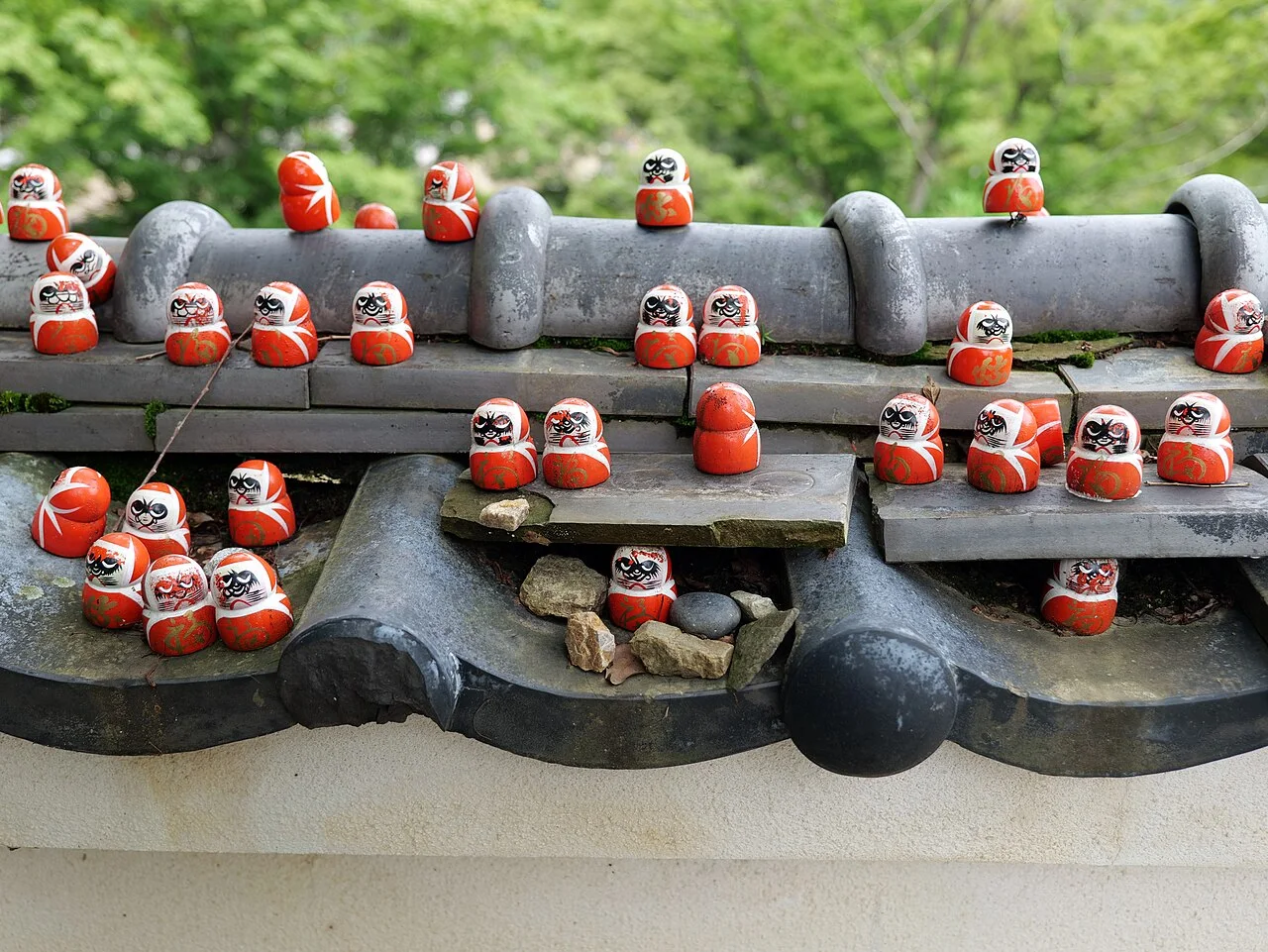
The tiny Daruma dolls tucked onto roof tiles, stones and tree branches around the grounds were left there by previous visitors. Encourage children to spot them with their eyes and take a photo where they sit before picking out their own at the counter. You can start spotting right around Sanmon Gate and the pond without treating the grounds as a checklist to finish. Pointing out a few favourite spots to each other keeps everyone moving smoothly rather than crowding around the incense burner waiting for photos while others queue to enter the Main Hall.
Planning Your Descent for the 2026 Autumn Evening Illuminations
"Kinshu no Yoimairi 2026" (Autumn Foliage Evening Illuminations) runs on Saturdays, Sundays and Japanese public holidays from 1 to 29 November 2026, with lights on from sunset until 20:30 and last admission at 20:00. The full list of illumination dates is 1, 3, 7, 8, 14, 15, 21, 22, 23, 28 and 29 November. Evening admission costs the same as regular daytime entry, while non-holiday Mondays to Fridays follow standard daytime hours. Because the goshuin stamp counter operates from 8:00 to 17:30 on illumination days, drop by before dusk if you want a temple stamp.
When choosing dates, separate peak autumn colour from the illumination schedule. The temple lists mid-November to early December as the typical prime viewing window for foliage, whereas the 2026 light-up event finishes on 29 November—meaning daytime visits in early December still offer strong colour. If you want foliage framed with Daruma dolls, a daytime visit along the Ichigan Fudo-do side towards the Tahoto Pagoda and back to the offering shelves is easiest to pace. At night, look for open spots along the pond bank near Okiyome-bashi to see water reflections, then step back once you have your photos so others can enjoy the view.
The temple's autumn event page also lists the "Autumn Day & Night Bus", a reserved-seat return service running during the foliage season. Before choosing a date, check both the departure station and return slot against the meeting point shown on the booking page. Regular daytime Route 30 buses leave from Minoh-Kayano Stop 8, whereas autumn event packages have their own designated boarding points; if your ticket specifies Hankyu Minoh Station, connect via the Hankyu Minoh Line at Ishibashi-handaimae. Always check Minoh-Kayano event shuttles, regular daytime buses and Hankyu Minoh shuttles separately against your exact ticket.
Coming from the Expo '70 Commemorative Park area on November 2026 event weekends and holidays, ride the Osaka Monorail to Saito-nishi Station and catch the free shuttle behind Bus Terminal Stop 3. According to an Osaka Monorail notice dated 5 November, shuttles towards the temple run hourly from 10:00 to 19:00, taking roughly 12 minutes. Since 19:00 is the final uphill departure from Saito-nishi, check the temple's event page separately for downhill buses if you plan to stay until lights-out. Travellers starting from Umeda will make fewer transfers via Minoh-Kayano, while anyone based near Expo Park can link up neatly via the Saito Line.
An evening slot works well for seeing both daylight colour and illuminated reflections in one trip. Arrive before dusk to tour the Main Hall, browse charms, draw a fortune and see the offering shelves clearly, then return to the pond once night falls for the bridge, pagoda and reflections. If you are only coming for the lights, head up later, but never calculate your uphill bus around the 20:00 last-entry deadline. With a reserved return seat, count backwards from your bus departure to decide when to leave the pond, leaving plenty of margin for the exit path, loos and walk to the bus stop.
Standing beside the pond after dark feels noticeably colder than climbing up in daylight, so pack an outer layer warm enough for standing still. Take small steps across damp leaves and wet stone steps after rain, and prop your phone against lit railings for steady night shots. Families travelling with young children, older relatives who feel the cold, or anyone prone to motion sickness on winding roads can see the foliage and roof-tile Daruma just as clearly by day. For the simplest outing, pair a weekday temple visit with lunch rather than stacking a daytime waterfall walk and an evening mountain trip into a single weekend.
Driving, Taxis and Autumn Traffic Restrictions
Standard car parking costs ¥1,000 for 2 hours, and on Saturdays, Sundays, public holidays and temple-designated dates advance booking is strictly required—vehicles without a reservation cannot park. On regular weekdays you can drive straight up, though cars are not permitted to queue outside the gate if the car park is full. Driving reduces transfers for families already renting a car in northern Osaka, carrying camera gear, or travelling with passengers who benefit from door-to-door drop-off. For popular autumn evening slots, lock in a parking time before setting your temple schedule, and make sure both your Web entry ticket and parking booking appear on your confirmation.
During autumn foliage season from 14 November to 6 December 2026, Minoh City enforces one-way traffic on Saturdays, Sundays and public holidays between 9:00 and 18:00 along Minoh Driveway (Prefectural Route 43), heading northbound uphill only from outside Sanso Kaze no Mori to the three-way junction below the dam—a restriction that applies to bicycles as well. Returning towards Minoh, Kayano and central Osaka uses the designated southbound stretch of Saigahara Forest Road, while a section of Prefectural Route 4 south of Katsuo-ji Bridge also operates under alternating single-lane traffic. Note that vehicles cannot drive into the Takimichi waterfall trail, so starting at the falls requires town parking plus walking; if part of your group stays in town, pick a clear pick-up point outside the one-way zone.
Taxis also run up from Hankyu Minoh Station in roughly 20 minutes under normal conditions, according to temple estimates. If you want to visit Katsuo-ji first and continue to Minoh Falls afterwards, set Hankyu Minoh Station as your downhill taxi destination, take a breather around the station, and walk up Takimichi from there. Groups converging separately on Minoh-Kayano can meet inside the station shopping complex or at the South Plaza taxi rank. Whenever a direct ride is essential on the way down—especially for families wanting tired children straight back to their hotel bed after illuminations—arrange return transport at the same time as your trip up.
The temple provides accessible priority spaces in its car park; on reservation-only days, state your reason when booking and speak to the parking attendants upon arrival. This shortens the distance between car and entrance, though slopes and stone steps remain inside the grounds. Wheelchair and walker users should check the accessibility markings on the grounds map beforehand to decide how far in to go. Families with a pushchair whose toddler can manage short walks will find the pond-side loop easier to pace with rests and early turnarounds, whereas steep upper paths are best skipped on rainy nights.
Pairing Katsuo-ji with Minoh Falls as Two Separate Legs
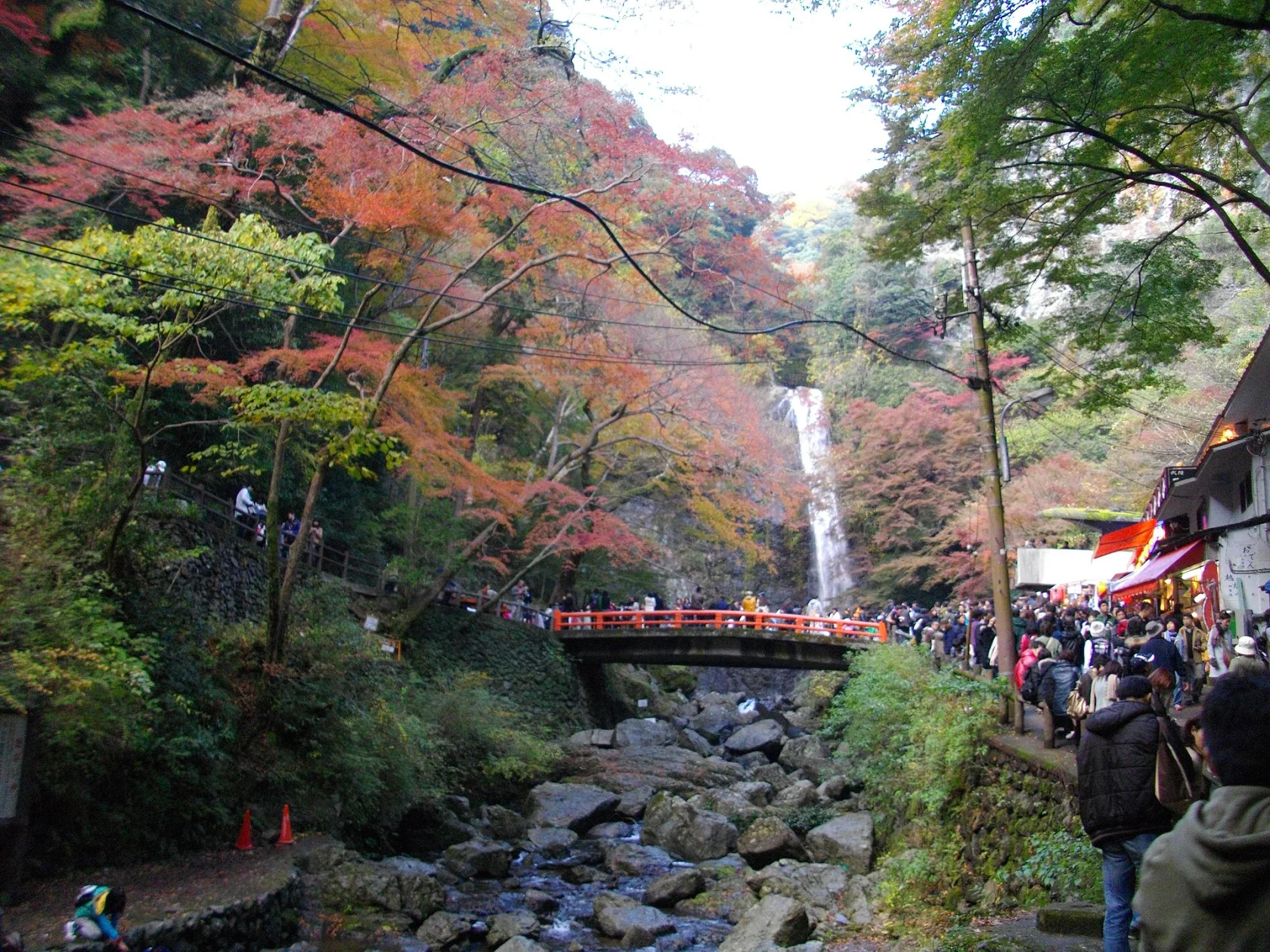
From Hankyu Minoh Station to Minoh Falls along Takimichi is roughly 2.7 km, or about 40 minutes on foot each way. That baseline covers continuous walking only, before adding stops at Ryuan-ji Temple, the Insectarium or stalls frying maple-leaf tempura. To combine the waterfall with Katsuo-ji comfortably in one day, take Route 30 up to the temple in the morning, descend to Minoh-Kayano before noon for lunch, then transfer by city bus or taxi to Hankyu Minoh Station for an independent afternoon walk along Takimichi. From Minoh-Kayano Station Stop 7, take a city bus displaying "Hankyu Minoh Station", checking the destination display as other routes share the stop.
Walking from Hankyu Minoh Station to the Ryuan-ji Temple and Insectarium area takes around 15 minutes. If your morning descent runs behind schedule, you can still enjoy the valley scenery there and stop for a hot drink before heading back to the station. Reaching the waterfall and back takes roughly 80 minutes of walking alone, so allow 2 full hours to leave room for photos and rests. In rain, shorten the walk to the Minoh Park Insectarium, which features a butterfly conservatory and indoor exhibits; it opens from 10:00 to 17:00 (last entry 16:30) and closes on Tuesdays, or the following day when a Tuesday is a public holiday. Giving the museum an unhurried visit is far more pleasant than paying admission only to rush towards the waterfall.
Anyone thinking of hiking between Katsuo-ji and the waterfall should check Minoh City's trail closure map first. From late August 2026 until 26 February 2027, forestry thinning in Minoh National Forest closes Nature Study Trail No. 4 (F14–F7–F15), the connecting spur from F7 to F13 on the Tokai Nature Trail, and the spur from F7 running beside Katsuo-ji's grounds. Takimichi itself is unaffected, so during this closure period the safest and most predictable way to visit both sights is to return by bus or train via the stations. If a navigation app directs you onto a closed spur, backtrack to numbered municipal trail signposts and exit along open paths rather than cutting along mountain roads.
Visiting Minoh Falls first also makes sense when the valley is your main focus: walk up from Hankyu Minoh Station in the morning, then decide over lunch whether you still want to head up to the temple. If the morning stroll runs long and you miss the afternoon Route 30 departures, staying down in town keeps the rest of the day relaxed. Holders of reserved Day & Night shuttle tickets can walk a short lower section of Takimichi first, then return to whichever departure station is printed on their ticket. During the Minoh Autumn Leaves Festival from 14 November to 6 December, selected spots along Takimichi and the waterfall are lit up too, offering a complete autumn evening outing around Hankyu Minoh Station.
If rain arrives in the hills during the afternoon, swap the waterfall for the CupNoodles Museum Osaka Ikeda. From Hankyu Minoh Station, ride the Minoh Line to Ishibashi-handaimae and change to the Hankyu Takarazuka Line for Ikeda, followed by a 5-minute walk. The museum opens from 9:30 to 16:30 (last entry 15:30) and closes on Tuesdays, or the next day if a Japanese public holiday falls on Tuesday. General admission is free, while the My CUPNOODLES Factory costs ¥500 per cup and requires a numbered timed ticket, issued on a first-come basis on the day when slots remain.
If choosing your own soup and toppings is a priority, check available time slots on the museum's booking page in advance and work backwards to plan your temple descent. Note that the museum closes for the year-end and New Year break from 28 December 2026 to 2 January 2027, and for maintenance from 12 to 15 January 2027. On those dates, stay around Minoh-Kayano for lunch or head straight back to indoor attractions in central Osaka. Adding Ikeda works best if you are already heading over to the Hankyu side; if you only have an hour left in the afternoon, transferring out from Kayano spends most of your remaining time on trains.
Spring Cherry Blossoms, Summer Hydrangeas and Rainy Days
Katsuo-ji's seasonal calendar lists Kanhizakura cherry blossoms from late March, weeping cherry trees in April, followed by double-petalled yaezakura, while early-summer hydrangeas typically bloom from early June to mid-July. When your dates overlap with spring blooms, Sanmon Gate, the pond edge and the surrounding hillsides all appear within one circular walk. If you have just one cherry-blossom day in Osaka, factor in the mountain travel time; travellers already planning Osaka Castle Park who want mountain blossoms alongside Daruma dolls are better off giving Katsuo-ji its own morning.
Early-summer rain often comes in passing bursts, letting you walk beside the pond during drier intervals. When the sky turns grey, watch your footing on bridges and stone steps, and stick to a shorter loop between the pond and the Main Hall instead of lingering on steep slopes for photos. Wait for showers to ease before stepping up to the offering shelves for close-up Daruma shots, and use the free rest area beside the exit if you have time before your bus. In heavy rain or thunderstorms where open mountain paths become unsafe, wait inside the shopping complex at Minoh-Kayano Station if you have not boarded yet, or follow the shortest signposted path back to the gate if you are already at the temple.
In winter, treat ordinary weekends and the Japanese New Year period as two completely different schedules. Standard weekends follow normal Route 30 buses and temple opening hours, whereas New Year falls under designated special dates with stricter car-booking rules and combined queues for buses and entry tickets. If your trip spans New Year's Day, decide upfront whether you want the festive Hatsumode atmosphere in larger crowds or a quieter weekday visit a few days before leaving Osaka. Anyone simply hoping to see the Daruma dolls with a free weekday in their itinerary can head up in daylight and spend the evening in warmer city neighbourhoods.
Sturdy grip on your shoes affects comfort here far more than what you wear. Carry water in summer, pack a light waterproof jacket in wet weather so your hands stay free for handrails, and bring layers warm enough for standing still on autumn nights and winter days. Even in midsummer, never try to walk directly between Katsuo-ji and Takimichi after visiting the waterfall—each has its own return walk, so build in an indoor lunch break between them, or head straight back to central Osaka from Kayano after eating to keep the half-day rhythm intact.
Choosing a Half-Day Plan and Osaka Base Around Your Return Route
For first-time stays in Osaka, Katsuo-ji works effortlessly as a day trip from city hotels. If you also hope to visit Minoh Falls or Ikeda, staying near Umeda gives direct access to both the Midosuji Line and Hankyu trains, letting you pick your route on the morning itself based on the weather. Travellers staying in Namba can also ride straight through to Minoh-Kayano on the Midosuji Line without switching hotels. When returning late, travelling with children or carrying a Daruma, a hotel close to a convenient Midosuji Line exit matters more than straight-line distance to Umeda on a map. If you are catching a Shinkansen from Shin-Osaka afterwards, stop back there via the Midosuji Line to collect luggage and subtract transfer buffer time before booking your train—see our Osaka neighbourhood and accommodation guide for area comparisons.
For a daytime Katsuo-ji-only outing, have breakfast at your hotel, catch a morning bus from Kayano, follow the pond, offering shelves and Main Hall circuit, then come back down to Kayano for lunch and a break. This gentle pace suits families needing afternoon naps or travellers wearing everyday walking shoes. If you want dinner back in town before dark, pair the afternoon with stops directly on the Midosuji Line such as Shinsaibashi rather than changing onto extra rail lines from Kayano, which quickly eats up the time you saved in the morning.
Companions wanting slightly different paces can split up temporarily and reunite near the Main Hall: one person can inscribe a Daruma and collect a goshuin stamp while another walks up towards the Tahoto Pagoda for photos, setting a clear time to walk out to the bus together. Buying snacks and water before boarding on the way up cuts down on checking your phone inside the grounds. If autumn leaves brought you here and you still want valley scenery as well, keep the waterfall for a separate half-day using our Minoh Park guide to plan stops along Takimichi.
For families with young children, first-time visitors or groups with older relatives, making Katsuo-ji your sole morning destination saves the most energy. Let children pick out a hidden Daruma to spot, let older relatives choose a comfortable bench, and head straight down from the gate for lunch in Kayano. If a child gets carsick on mountain buses, pause for rest immediately after getting off at Kayano rather than rushing onto another train or bus. For evening illuminations, work around the hour you want back at your hotel and eat dinner either before heading up or once back down in town, letting that decide which station ends your day.
A few useful answers
Which station do I change at to reach Katsuo-ji from Osaka?
Board a through-train on the Osaka Metro Midosuji Line bound for Minoh-Kayano. Outside Minoh-Kayano Station, go to Bus Stop 8 in the North Traffic Plaza and take Hankyu Bus Route 30, which reaches Katsuo-ji in roughly 20 minutes.
Can I pay cash on the Katsuo-ji bus?
No. From 1 October 2026, Route 30 buses do not accept cash fares onboard. One-way fares are ¥800 for adults and ¥400 for children, payable with ICOCA, Suica, or other transport IC cards, or with a dedicated ticket bought in advance.
Do I need to book admission in advance for a regular visit?
For regular daytime visits, you can buy admission tickets at the gate or book an online Web entry ticket in advance. However, private cars require mandatory advance parking reservations on weekends, public holidays, and temple-designated dates.
What are the 2026 Katsuo-ji autumn illumination hours?
On Saturdays, Sundays, and Japanese public holidays from 1 to 29 November 2026, the grounds are lit from sunset until 20:30, with last entry at 20:00. On illumination days, the goshuin temple stamp counter closes at 17:30.
Which eye do you paint first on a Kachi-Daruma?
Paint the Daruma's own right eye first, which is on the left side as you face it. Once your goal is achieved, fill in the other eye and return the Daruma to the Main Hall before placing it on the temple's dedication shelves.
Can I visit Katsuo-ji and Minoh Falls on the same day?
Yes. Visit Katsuo-ji in the morning, then travel down to Hankyu Minoh Station to walk the 2.7 km Takimichi trail to Minoh Falls. Note that Nature Study Trail No. 4 beside Katsuo-ji and several connecting spurs are scheduled to remain closed until 26 February 2027.
Official information and references
Sources used in this guide.
- Katsuo-ji Official Worship, Access and Parking Information
- Hankyu Bus Route 30 Cashless Payment, Fares and Ticket Purchasing
- Hankyu Bus Minoh-Kayano Station Stop 8 Boarding Map
- Hankyu Bus Route 30 Uphill Timetable from Minoh-Kayano Station
- Hankyu Bus Downhill Timetable from Katsuo-ji
- Hankyu Bus Stops 7 and 8 at Minoh-Kayano Station
- Hankyu Bus Adult and Child Fare Age Rules
- Kita-Osaka Kyuko Minoh-Kayano Station Layout Map
- Minoh City Minoh-Kayano Station Traffic Plaza Information
- Katsuo-ji Temple Grounds Map
- Katsuo-ji Kachi-Daruma Origins, Eye-Painting and Dedication Guide
- Katsuo-ji 64-Hexagram Daruma Mikuji Fortune Guide
- Katsuo-ji 2026 Autumn Night Worship Dates and Goshuin Hours Notice
- Minoh Tourism Association Katsuo-ji Autumn Illumination and Night Bus Guide
- Minoh City Autumn Foliage One-Way Traffic Control and Takimichi Walking Information
- Minoh City Hiking Trail Closure Information
- Minoh Tourism Association Minoh Park Insectarium Guide
- Minoh City 2026 Autumn Leaves Festival and Takimichi Illumination Notice
- Katsuo-ji 2026 Kinshu no Yoimairi Illuminations and Day & Night Bus
- Katsuo-ji Monthly 18th Kannon Ennichi Service Schedule Notice
- Katsuo-ji Regular Prayer and Memorial Service Hours
- Katsuo-ji Autumn Foliage Season and Ichigan Fudo-do Viewpoint Information
- Katsuo-ji Spring Cherry Blossoms and Rhododendron Guide
- Katsuo-ji Early Summer Hydrangea Season Guide
- Katsuo-ji New Year Kachi-Daruma Dedication Guide
- CupNoodles Museum Osaka Ikeda Opening Hours and Year-End/Maintenance Closures
- CupNoodles Museum Osaka Ikeda Access Information
- CupNoodles Museum Osaka Ikeda My CUPNOODLES Factory Fees and Numbered Tickets
- Osaka Monorail Inter-Station Notice on Free November 2026 Shuttle from Saito-nishi Station