Reach Iejima in 30 minutes from Motobu. Compare 9:00 and 11:00 day trips, ¥1,390 adult returns, vehicle transport and island car hire, linking Mount Gusuku, Wajee viewpoint, caves and shopping before the ferry home.
- Region & Focus
- Ie Island
- Reading Scope
- 32 min read · 20 chapters · 4 Q&As
- Official Verification
- 12 official sources checkedUpdated 31 October 2026
- Key Topics
- ItinerariesTravel budgetOkinawa
Chapter Route Map (tap any stop)
- Leave Motobu at 9:00 for 6½ hours on the island
- The 11:00 ferry leaves enough time for the port and Mount Gusuku
- Adult return fares from Motobu cost ¥1,390
- Park at Motobu and hire on the island: calculate both costs
- Taking your car aboard: vehicle fares include one driver
- Bringing a bicycle costs ¥1,200 return, plus your passenger fare
- Organise your route at Ie Port; buy local products on the way back
- Mount Gusuku: 172 metres above sea level, with views of fields and the Motobu Peninsula
- Mount Gusuku is also sacred: visit quietly along the open route
- Island car hire: normal-season kei cars start at ¥3,980 for six hours
- A sightseeing taxi for the coast: specify your stops
- Wajee viewpoint: frame sea and cliffs on the north-west coast
- Nyatiya Cave: a place of worship and wartime shelter
- For six people, calculate fares, vehicle size and stop times together
- The full day from 9:30: climb, lunch, then the western coast
- The shorter day from 11:30: lunch, Mount Gusuku and a port walk
- Arrive in the afternoon for an overnight stay, then return the next day
- The published New Year timetable has extra sailings: mark the dates separately
- When sailings change, use the home page’s daily operating status
- Back at Motobu, collect the car and continue your journey
- Quick Q&A
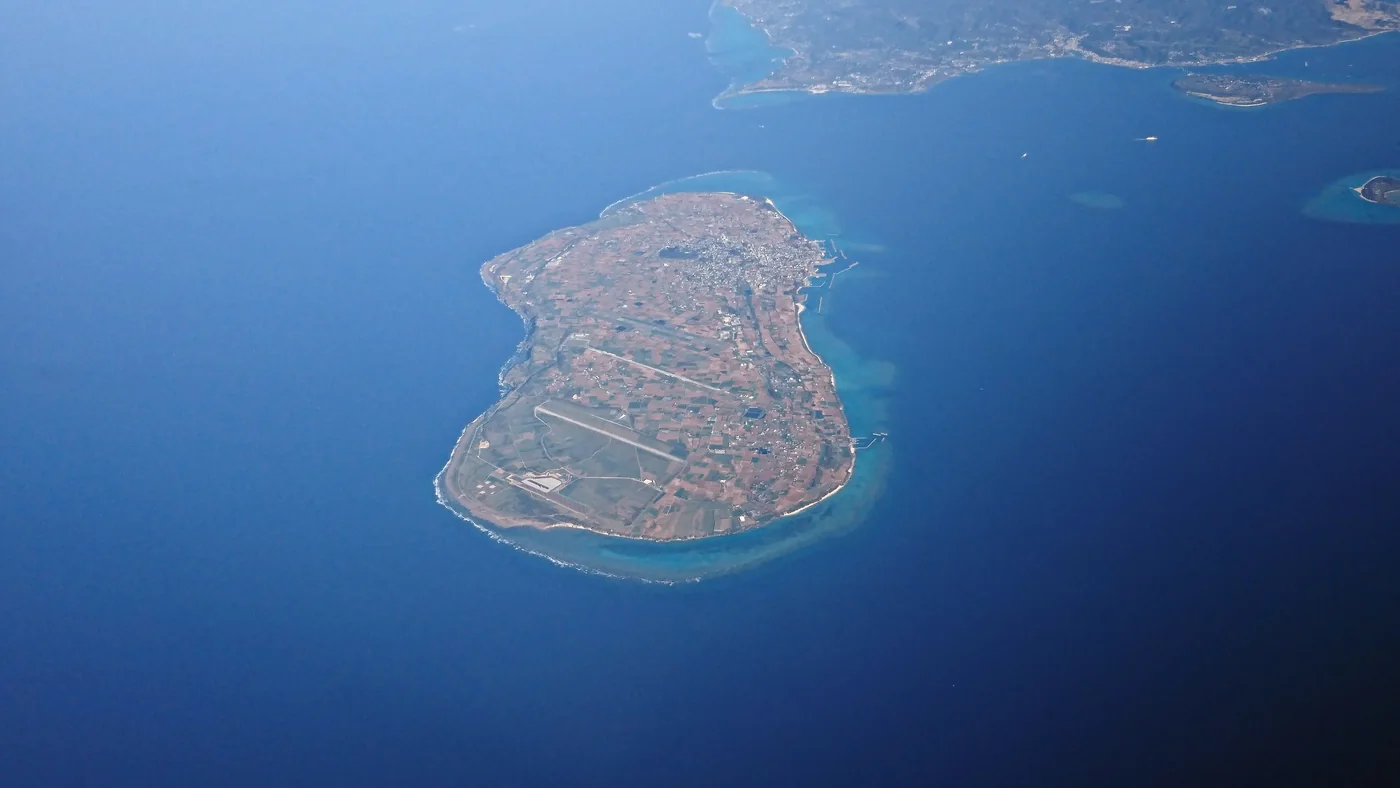
A 30-minute ferry from Motobu Port brings you to Iejima for Mount Gusuku, fields and coast. For a day trip, choose the 9:00 or 11:00 outward sailing first, then mark the 16:00 return. Take your time around the port and mountain, adding Wajee and the western cave according to your island transport. Starting with ferry fares, parking and car hire, this guide builds day routes for different group sizes and energy levels.
Leave Motobu at 9:00 for 6½ hours on the island
Iejima suits a full day away from Okinawa’s main island. The ferry from Motobu takes about 30 minutes. Leave at 9:00, reach Ie Port at 9:30 and return on the 16:00 sailing for 6½ hours ashore. That includes collecting a vehicle, climbing Mount Gusuku, lunch and returning to port. First choose your transport: stay around the port and mountain, or add the western coast with a hire car or sightseeing taxi.
Getting to port in the morning is easier from Motobu or Nago than from Naha. Stay in northern Okinawa the night before, visit Iejima next day and return to the same hotel after Motobu. Leave large bags at your accommodation and take only day supplies. If you also need to check out and move luggage south that day, choose fewer island stops and leave a full stretch for driving or public transport after the ferry.
The day can have a simple focus: recognise Mount Gusuku’s pointed shape from the ferry, climb it after arrival and look back across the sea you crossed. For coastal scenery, add Wajee viewpoint and the western cave. Choose two priorities together and lunch and the return journey become easier to fit. For northern bases and north–south travel, see Okinawa main island itineraries and accommodation areas.
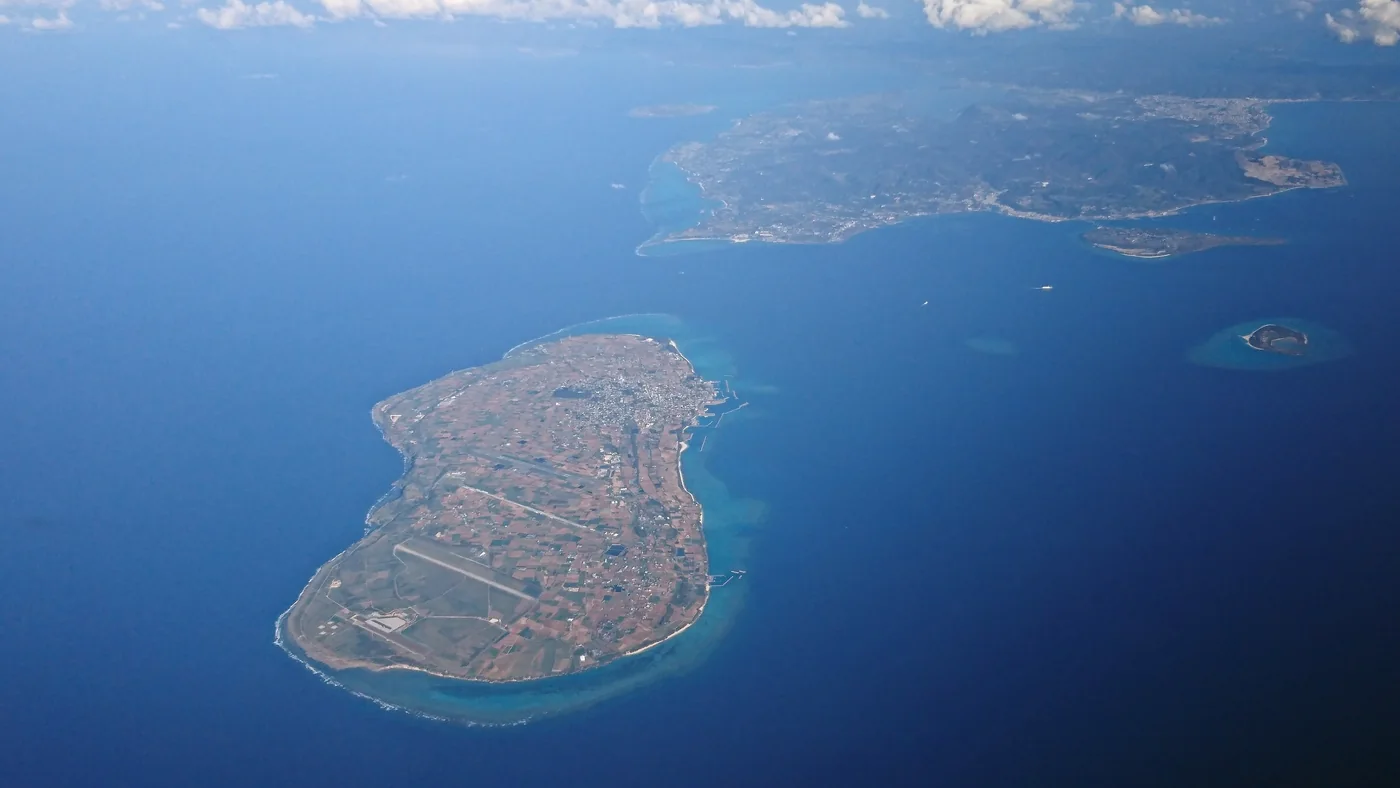
Reach Iejima in 30 minutes from Motobu. Compare 9:00 and 11:00 day trips, ¥1,390 adult returns, vehicle transport and island car hire, linking Mount Gusuku, Wajee viewpoint, caves and shopping before the ferry home.
The 11:00 ferry leaves enough time for the port and Mount Gusuku
The normal timetable leaves Motobu at 9:00, 11:00, 15:00 and 17:00. Returns from Ie Port leave at 8:00, 10:00, 13:00 and 16:00. Read the two port columns separately: for a day trip, select an outward departure from Motobu and a return from Ie. The village ferry timetable shows both side by side; save this page while planning.
Leaving at 11:00 and arriving at 11:30 gives 4½ hours before the 16:00 return. Lunch, Mount Gusuku and local-product shopping at the port make a straightforward plan. Collecting a car and touring the island requires concentrating on a few stops. With children who walk slowly or stop often for photos, keeping the afternoon to mountain and port reduces cross-island travel and gives more space. The 15:00 ferry arrives at 15:30, only half an hour before the normal last return to Motobu. By the time the 17:00 sailing arrives, that day’s return service has ended. Afternoon sailings suit visitors with island accommodation. Write outward and return sailings on separate lines beside hotel dates to see whether the trip needs a day or an overnight stay.
Adult return fares from Motobu cost ¥1,390
For ordinary passengers starting at Motobu, ages 12 and over pay ¥730 one way or ¥1,390 return. Children aged 6 to under 12 pay ¥370 one way or ¥710 return. Two adults and a 10-year-old pay ¥3,490 in return fares. When buying, state that you are starting at Motobu, returning the same day and how many are travelling. Keep return tickets together somewhere easy to reach.
The table also has returns starting from Ie and group fares. Ordinary day visitors from Motobu need the ¥1,390 Motobu-origin return column. Mark it first to combine it with island car hire, parking and lunch in one budget. For one night ashore, include the return date in your transport plan so accommodation and ferry dates stay together.
The village home page lists cash or credit card payment at ticket machines. Edy, WAON and transport electronic money payments ended in September 2023. If you normally use Suica, ICOCA or a phone transit card, use cash or a credit card here. Organise payment and tickets together before reaching the port.
Park at Motobu and hire on the island: calculate both costs
The Ie Village home page lists Motobu Port’s multi-storey parking at ¥100 per 60 minutes, capped at ¥700 per 24 hours. Parking within the port area is generally prohibited. Families driving to Motobu can use the multi-storey car park and board as foot passengers. For two adults and a 10-year-old, ¥3,490 in ferry fares plus the ¥700 parking cap gives ¥4,190 for these two items.
Photograph your parking floor, entrance and space so you can collect the car directly on return. Allow time to take out bags, buy tickets and reach boarding; morning arrival means more than getting the tyres into the car park. One adult can organise children’s day supplies while the other handles the car and tickets, then meet in the waiting area.
If hiring a car for the island day, list that cost separately. The car you drive to Motobu, ferry passenger tickets and the vehicle collected on Iejima are three separate items. Calculate them before comparing with taking your whole car aboard. If one person wants to drive and another to stroll, agree on lunch and the return meeting point at Ie Port for a more flexible day.
Taking your car aboard: vehicle fares include one driver
Vehicle fares depend on length and include one driver’s passenger fare. For a vehicle from 4 metres to under 5 metres, the return costs ¥7,590. Add ¥1,390 for another adult and ¥710 for a 10-year-old: three people and the car total ¥9,690. A vehicle from 3 metres to under 4 metres costs ¥5,990 return. Use the length on the vehicle inspection certificate and bring that document when buying vehicle tickets.
Vehicles need advance booking. The village requires vehicle passengers to buy the vehicle ticket and move to the designated waiting area at least 30 minutes before departure. Return validation at the ticket office is also required 30 minutes beforehand. For the 16:00 return, complete validation by 15:30, so choose a final post-lunch stop from which you can reach port comfortably. Taking the same car is useful for families who keep children’s supplies and coats in it: you can continue your planned route after arrival. Hiring on the island removes part of the vehicle boarding wait, with cost changing by hire duration. Write each option on one line, including collection, return, ferry validation and passenger fares, rather than comparing only an advertised hire price.
Bringing a bicycle costs ¥1,200 return, plus your passenger fare
The village’s two-wheeler fare table lists bicycles at ¥600 one way or ¥1,200 return, excluding the rider’s ticket. An adult bringing a bicycle from Motobu pays ¥2,590 return in total. This can suit someone already cycling in Okinawa with equipment and routes prepared. If deciding only at Motobu, also organise equipment, water and luggage.
Cycling links the port with more distant stops, but the final climb up Mount Gusuku is on foot. Park the bicycle securely at the trail entrance, then take water and a camera. Pack away coats, shopping bags and used wrappers so your hands are not overloaded on the steps. With children, choose a short route around port and mountain, saving the western coast for a car or taxi version.
For island hire, start with the village bicycle hire list. It lists TM.Planning at 310 Kawahira, with standard bicycles at ¥400 an hour or ¥1,000 a day. Compare that with ¥1,200 return transport for your own bicycle. Fit collection and return between ferry times, park securely at the mountain and continue uphill on foot.
Organise your route at Ie Port; buy local products on the way back
After the ferry docks at Ie Port, continue on foot, collect your hire car or meet a sightseeing taxi. The local products centre is in the port terminal building, about a minute’s walk from the port bus stop. Its operator lists 7:00–16:00. Locate the shop and meeting point on arrival, then buy souvenirs before leaving so you carry less on the mountain and coast.
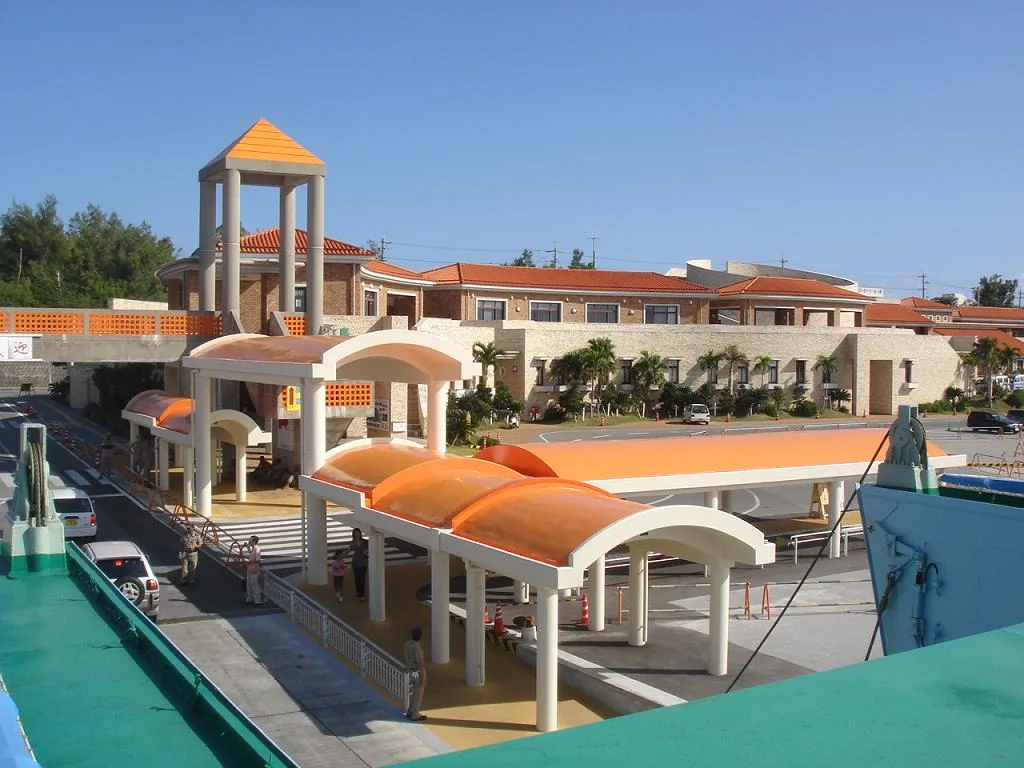
The port makes a shared starting point. If splitting into climbers and non-climbers, agree on a facility and time to meet after lunch. Photograph the sign and save its Chinese or Japanese name; that is easier to find than a message saying “I’m at the port”. Sort hire details and return tickets here as well. Local products include brown-sugar peanuts, soda made with local water and Ie rum made from sugar cane. Let each family member choose something and make shopping a break before returning. For the 16:00 sailing, shop before boarding and continue straight to the waiting area.
Mount Gusuku: 172 metres above sea level, with views of fields and the Motobu Peninsula
Mount Gusuku is a rocky hill east of the island’s centre, 172 metres above sea level, also known locally and to visitors as Iejima Tacchu. The village’s Mount Gusuku guide says its distinctive shape has long served as a navigation landmark for nearby vessels. Recognise it on the crossing from Motobu, then look back to sea from the summit to connect the crossing with your position on the island.
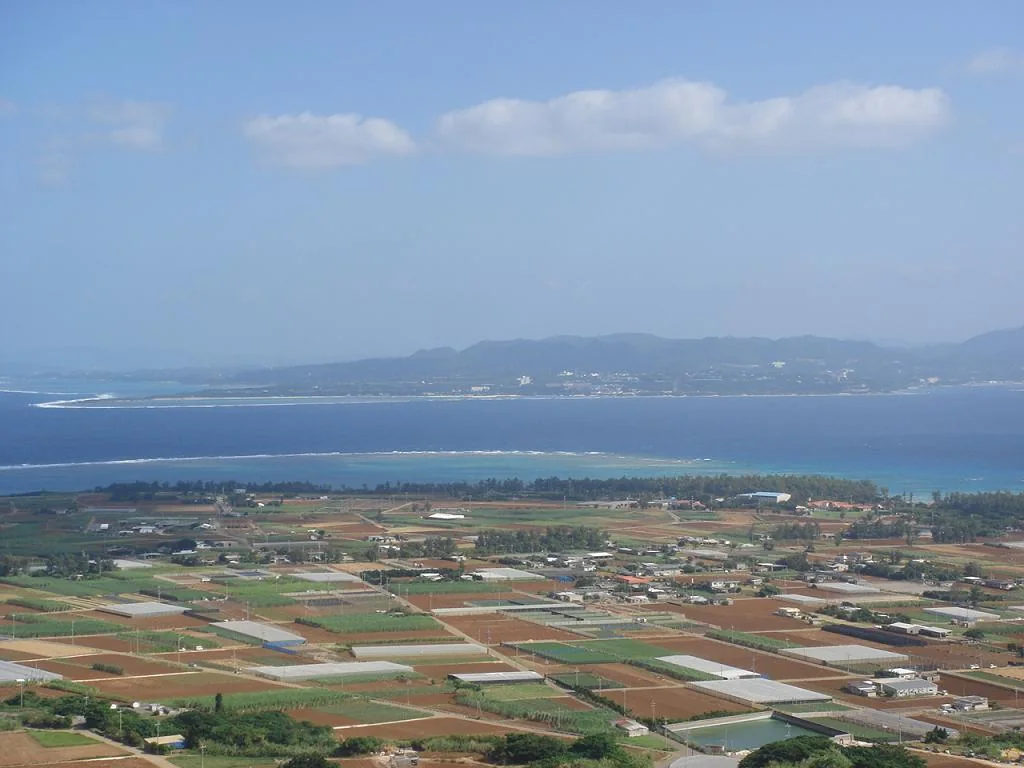
The village explains its formation through an off-scrape process: older bedrock separated during crustal movement and came to rest above younger rock. The pointed peak seen from the sea contrasts with the broad fields below. Looking down at flat settlements and coast helps explain its role as a maritime landmark. Include some foothill and fields in photographs to show that difference in one frame.
Allow time for climbing and descending steps, the view and rests. Photograph from a stable standing place and leave a path for people behind. If a child wants to see the sea, stop together to identify boats and the opposite shore, then continue after taking the picture. Shoes suited to steps and easily reached water and camera make the climb easier than carrying shopping bags uphill.
From above, fields, settlements and surrounding sea spread out below, with Okinawa’s main island in the distance. First photograph the whole coast, then move closer to field lines and locate the port and streets you walked. In good weather with energy left, stay longer for the view. If someone is tired, put lunch after the descent and reconsider the coast afterwards.
Mount Gusuku is also sacred: visit quietly along the open route
The village’s Mount Gusuku introductory film describes the mountain as an object of islanders’ faith and a sacred place. Gusuku Utaki holds prayers for safe voyages, health and good harvests. Follow open routes and leave the passage clear when viewing or photographing. Give worshippers quiet space so visits and local life can share the mountain.
With children, begin with the shape seen from the ferry: how can a mountain tell a ship where it is approaching? From above, ask them to find the port, fields and opposite shore, understanding terrain through visible things. Adults can photograph at two scales too: one view of the whole island and another of field boundaries and roofs, making the route easier to identify later. Decide the next stop after descending. For a simple day, return to the port for food and a walk. With transport arranged, connect lunch with western sights. Different interests can also mean separate activities followed by a meeting at Ie Port.
Mount Gusuku and island scenery in Ie Village’s introductory film.
Island car hire: normal-season kei cars start at ¥3,980 for six hours
The Iejima Kanko Bus car hire price list gives K-class kei cars four seats and a normal-season day-hire base price of ¥3,980 for up to six hours. During the April–August peak season, it is ¥3,500 for up to three hours or ¥5,000 for up to six. Larger eight- and ten-seat vehicles have separate rates. Choose capacity for everyone and the supplies you need, then select the duration band.
For two adults and a 10-year-old boarding on foot at Motobu, ¥3,490 return ferry fares, the ¥700 Motobu parking cap and normal-season K-class six-hour hire of ¥3,980 total ¥8,170 in basic costs. Replacing the hire fee with the peak-season ¥5,000 makes ¥9,190. Put food on a separate line to see the day’s main expenses clearly.
The operator notes that island petrol stations close on Sundays, when a fuel charge by vehicle class applies. Its day-hire kei-car example adds ¥800. The telephone information also says calls can be harder to answer at 9:30–9:40 and 11:30–11:40 while staff handle arrivals. Avoid those busy periods when arranging a car, and put ferry arrival, collection and return on the same timetable.
A sightseeing taxi for the coast: specify your stops
For Mount Gusuku, the western cave and Wajee without driving, consider a sightseeing taxi. The tourism association’s transport page lists sightseeing taxis from Iejima Kanko Bus, with drivers arranging routes around visitors’ choices. List your stops, whether you want to climb and whether lunch needs a seated break, so you can explain the route. The association lists sightseeing taxi service until 18:00, allowing overnight visitors to include travel before dinner.
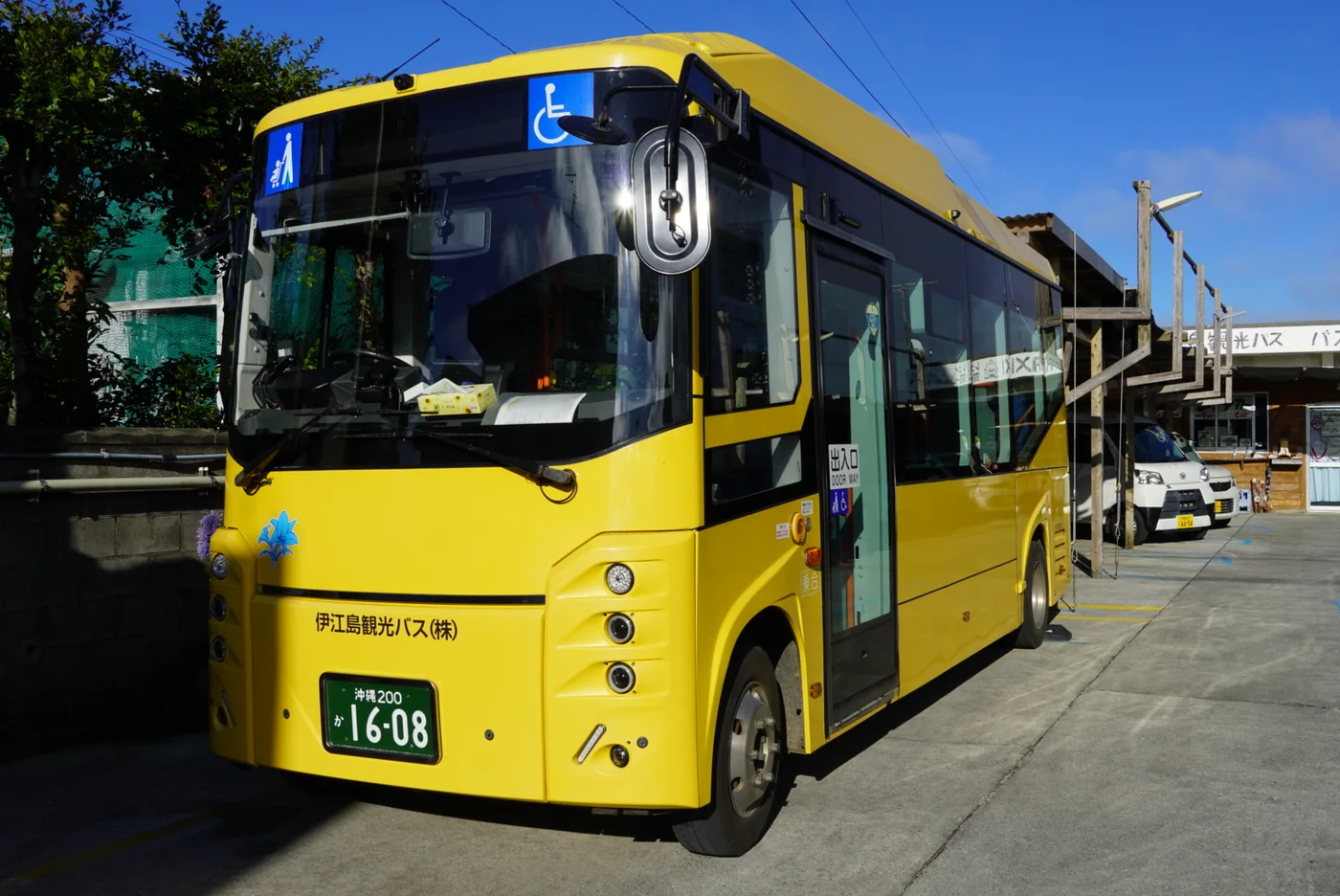
Climbing and sea viewing use time differently. Mount Gusuku includes steps and a summit view; Wajee is a stop at a coastal viewpoint. With children or older relatives, place the longer stop when energy is best. Specify the return-to-port time too, choosing a final stop with an easy route to Ie Port so driver and passengers can follow the plan.
The operator also offers group sightseeing buses. The association describes about 2½ hours, advance booking and group-only use. Families and small parties can first compare car hire with sightseeing taxis. Larger groups can use the same wish list to discuss a sightseeing bus. Match transport to group size and interests to leave enough time at each stop.
Wajee viewpoint: frame sea and cliffs on the north-west coast
Wajee lies on Iejima’s north-west coast, named for spring water flowing towards the sea. The village describes cliffs more than 60 metres high and a sea whose appearance changes with tides and sky colours. Set Wajee viewpoint as your destination and concentrate your stop at the viewing area to see how sea and terrain relate from above.
Include a stretch of cliff, nearby vegetation and open sea in a photograph. For a group picture, stand somewhere stable, then let everyone look independently afterwards. This stop fits between the climb and lunch or as the main stop while driving towards the west. It is in a different direction from the port, so include travel both ways when connecting to the ferry. Mount Gusuku and Wajee offer different paces: one needs steps, the other time looking out. If choosing only one high sea view, decide by how much walking everyone wants. With children, point towards your earlier ferry route and then out to sea to turn the idea of an island day trip into terrain they can understand.
Nyatiya Cave: a place of worship and wartime shelter
The western Nyatiya Cave is also called the Thousand-Person Cave. The village says residents used it as an air-raid shelter during the war. It is also a local place of worship and sacred ground, where camping is prohibited. The village cave introduction gives its name, religious context and shelter history; keep these in mind before treating it as scenery.
Stay quiet in the cave and worship spaces, follow passable routes and do not move offerings. If children are curious, look from the entrance first, then decide whether to go further together. Anyone waiting outside can meet the others at an agreed spot. This is a place for a slow visit, with a different pace from climbing for a distant view.
On a route combining Gusuku, Wajee and the cave, place the cave with the western coast before returning towards port. Eat and rest in suitable dining spaces, leaving the cave for a quiet visit. Agree in advance how long to spend at each of the three places so the day has clear priorities.
For six people, calculate fares, vehicle size and stop times together
For a larger party, first list ages and drivers. Four adults and two children aged 6 to under 12 pay ¥6,980 in Motobu-origin return passenger fares. Add a normal-season eight-seat WA-class six-hour base hire of ¥8,000 and the ¥700 Motobu parking cap for ¥15,680 across these three items. Seeing people, tickets and vehicle size together shows how the budget differs from a two- or three-person trip.
One vehicle makes it easier for a family to move between shared meals, sea views and rests. If some climb while others wait below, agree on a specific meeting place so the driver and passengers do not head in different directions. If children need rest, shorten the next part to a stop near port for an easier finish. Larger groups can discuss the reservation-only sightseeing bus. State whether you want to summit, seated lunch and the western coast rather than simply “a tour of the island”. These stops determine the time needed, so choose transport around the actual plan.
The full day from 9:30: climb, lunch, then the western coast
With a 9:30 island arrival, put Mount Gusuku in the first half. Collect your booked car or meet the sightseeing taxi, then go to the trail entrance while everyone has energy for steps. Eat after descending and visit Wajee and the western cave in the afternoon. Leave shopping time at port before the 16:00 ferry. This is a sample order; adjust mountain and coast time to your interests.
For island car hire, aim to return the vehicle around 15:00, leaving time for handover, collecting belongings and reaching the waiting area. If taking your original car aboard, work back from completing return validation by 15:30 and leave the final sight earlier. Both options can visit the same coast, but require different departure times from the sights.
For more photographs, visit fewer places. Fields and sea from Gusuku, cliffs at Wajee, and ferries and quays at port already give three scales for the day. If companions only care about two, use the other stop’s time for sitting or buying something they like, leaving comfortable gaps in the full day.
The shorter day from 11:30: lunch, Mount Gusuku and a port walk
On the later sailing, lunch and Mount Gusuku make two clear main stops. Arrive at 11:30, eat first, climb in the afternoon, then return to port for local products and to organise cameras and bags before the 16:00 ferry. Reducing cross-island travel within 4½ hours works well for slow-walking children and families wanting more rest.
With island transport arranged, add one coast stop to Gusuku. Choose Wajee for a high sea view or Nyatiya Cave for caves and local belief. A longer stay at one place is more memorable than one quick photo everywhere. You can also shorten the walk after arriving and stay around the port and town, deciding after everyone has eaten and rested.
This version suits a morning spent checking out or doing something else on Okinawa’s main island. Leave large bags in the car there or at planned storage, carrying only day supplies for easier steps and vehicle access. If travelling south after returning to Motobu, eat along the return route rather than detouring north again for dinner.
Arrive in the afternoon for an overnight stay, then return the next day
For a night on Iejima, take an afternoon sailing from Motobu and use arrival day for collecting transport, settling bags and a short walk. Next day, choose Gusuku or the coast and set your departure around normal returns at 8:00, 10:00, 13:00 or 16:00. The hire list also gives a K-class 24-hour base price of ¥6,000. Compare it with day hire and put collection and return times beside the ferry. A morning departure connects with lunch and onward travel on the main island; staying until afternoon gives a fuller island visit.
Start with the Iejima Tourism Association accommodation list. Put your lodging, Ie Port and vehicle collection and return locations on one map. Near-port lodging helps with ferries; for more distant places, arrange dinner and next-day transport back to port together. After choosing the return sailing, decide whether to leave after breakfast or keep time for a walk. Tell the hire operator both vehicle return and port arrival times. With your own car aboard, allow validation 30 minutes before departure. Finish near port so shopping, luggage collection and waiting follow in order.
The published New Year timetable has extra sailings: mark the dates separately
The village has listed the year-end and New Year timetable for 31 December 2026 and 1–3 January 2027, with eight departures each way daily. Motobu departures are 9:00, 10:00, 11:00, 13:00, 14:00, 15:00, 16:00 and 17:00. Ie departures are 8:00, 9:00, 10:00, 11:00, 13:00, 14:00, 15:00 and 16:00. Put these four dates separately in your calendar before choosing outward and return sailings.
Extra sailings give more morning choices, but the last Ie return for day visitors remains 16:00. The 10:00 Motobu departure arrives at 10:30, leaving time for lunch, Gusuku and one coastal stretch, between the normal 9:00 and 11:00 versions. Keep advance vehicle ticket purchase and return validation beside this timetable too.
The village also lists dated spring lily festival and summer timetables. For a specific holiday, find the table covering the actual date on the same page, then copy the outward and return sailings to your route card. Read port names, date and departure times together.
When sailings change, use the home page’s daily operating status
Ie Village’s home page shows the day’s sailings and operating status, updating cancellations and changes during typhoons or sudden weather changes. Before leaving your main-island accommodation, read the daily status, then the dated timetable. Checking before driving to Motobu makes it easier to decide whether to continue to port.
The village says existing vehicle reservations become invalid after service reductions or cancellations and must be made again. If hiring on the island or using a sightseeing taxi, tell that operator about ferry changes so collection, meeting and return can adjust. Save hotel and ferry dates together in your phone calendar. If staying on Okinawa’s main island instead, connect your luggage location with the next accommodation. With northern days remaining, move the crossing to another full period. If leaving Okinawa soon, handle fixed return transport and luggage first to give the port plan a clear finish.
Back at Motobu, collect the car and continue your journey
The normal 16:00 departure from Ie reaches Motobu around 16:30. Drivers can take the family back to the multi-storey car park and organise purchases and luggage. Public transport users should allow the walk from disembarkation to their next boarding point. If staying in the north, dinner along the hotel route leaves time to change shoes and rest after the climb.
A few useful answers
Can I visit Iejima and return to Motobu the same day?
Yes. On the normal timetable, the 9:00 Motobu sailing arrives at 9:30 and the return leaves Ie at 16:00, giving 6½ hours ashore. The 11:00 version gives 4½ hours. The 15:00 and 17:00 outward sailings are better suited to visitors with island accommodation.
How much are adult and child ferry tickets?
From Motobu, returns cost ¥1,390 for ages 12 and over and ¥710 for children aged 6 to under 12. One-way fares are ¥730 and ¥370 respectively. Two adults and a 10-year-old pay ¥3,490 return in total.
Does the driver need a separate passenger ticket when taking a car?
Vehicle fares include one driver; other occupants buy passenger tickets separately. Vehicles need reservations. Buy the vehicle ticket and reach the designated waiting place 30 minutes before departure; return validation is also required 30 minutes beforehand.
What is the basic cost of a kei hire car on the island?
Iejima Kanko Bus lists normal-season K-class hire at ¥3,980 for up to six hours. From April to August it is ¥3,500 for up to three hours or ¥5,000 for up to six. Island petrol stations close on Sundays; the operator lists an extra ¥800 fuel charge for day-hire kei cars.
Official information and references
Sources used in this guide.
- Ie Village: daily ferries, operating status, payment and Motobu parking
- Ie Village: timetables, passenger fares, vehicle and two-wheeler transport
- Iejima Tourism Association: crossing and island transport
- Iejima Kanko Bus: island head office, car hire and sightseeing taxis
- Iejima Kanko Bus: car hire prices and telephone information
- Ie Village: Mount Gusuku and local belief
- Ie Village official: Mount Gusuku introductory film
- Ie Village: Wajee viewpoint
- Ie Village: Wajee coastal terrain
- Ie Village: Nyatiya Cave
- Iejima Tourism Association: accommodation and island activities
- Ie Village: bicycle hire operators and listed prices