Ghibli Museum, Mitaka tickets go on sale at 10:00 JST on the 10th of each month. Check 2026–2027 closures, Lawson booking, Mitaka bus fares, Saturn Theatre, rooftop garden and a Kichijoji half-day route.
- Region & Focus
- TokyoAttractions
- Reading Scope
- 23 min read · 10 chapters · 8 Q&As
- Official Verification
- 24 official sources checkedUpdated 22 November 2026
- Key Topics
- BookingRail travelNeighbourhoods
Chapter Route Map (tap any stop)
- When Ghibli Museum Tickets Go on Sale
- Overseas Booking, QR Codes & Ticket Prices
- Choosing Between the Seven Entry Slots & Holiday Closures
- Getting to Mitaka Station South Exit, Walking Tamagawa Josui & Bus Stop 9
- Put the Saturn Theatre Early in Your Visit
- From the Stained Glass to the Permanent Exhibition & Featured Galleries
- The Catbus, Rooftop Garden & Visiting with a Pushchair
- A Half-Day Route Linking Kichijoji, Inokashira Park & the Museum
- Wet Weather, Winter Visits & Sold-Out Backup Plans
- Where to Stay: Shinjuku, Mitaka or Kichijoji
- Quick Q&A
Entry to the Ghibli Museum, Mitaka is strictly by advance reservation. Overseas visitors book via the international Lawson Ticket portal linked from the museum's English ticketing page, where tickets for the following month go on sale at 10:00 JST on the 10th of each month. For a first visit, the 10:00 or 11:00 slot makes it easiest to fit a Saturn Theatre short film, the exhibitions and the rooftop garden into a single half-day. From JR Mitaka Station's South Exit, the morning walk takes roughly 15 minutes, or you can take the bus in wet weather. If you secure an afternoon slot, shift lunch in Kichijoji and a stroll through Inokashira Park to before your entry, keeping the late afternoon for the museum.
When Ghibli Museum Tickets Go on Sale
Lawson Ticket releases timed-entry slots for the following month on the 10th of each month at 10:00 JST. Tickets for December 2026 go on sale on 10 November, and January 2027 entries follow the same monthly rule on 10 December 2026. Count backwards from the month of your intended visit. Even on a single New Year trip, late December and early January fall into two separate booking releases, with the winter closure sitting in between.
Before tickets drop, pick two dates when everyone in your group is free, then choose a time slot for each date that you can comfortably reach Mitaka for. If you have your heart set on a specific short film, check the Saturn Theatre screening calendar on the official website first and build your travel plans around those dates. If you would rather wander through the smaller rooms and staircases at your own pace, aim for an earlier slot. When only one date fits your schedule, note down later acceptable slots on the same day as well—even a 15:00 ticket leaves plenty of time for a half-day visit, simply swapping the park to the morning.
Tickets are issued in local Japan time and date. Add the JST entry time to your shared itinerary, while listing 'Mitaka Station South Exit' separately as the meeting point for your group. Those staying in Shinjuku or Shibuya can make their own way there independently. From Shibuya, if you want to cut down on walking, change to the JR line at Kichijoji for one stop to Mitaka and meet the rest of your group at the station. Gathering at the station first lets everyone decide together whether to walk or wait for the bus, and makes headcounts much simpler before heading to the museum entrance.
When it is your turn to select tickets, base your search on your total party size. If only scattered slots remain, adult groups with flexible schedules can enter in different time slots and meet up inside. Groups caring for young children or companions with limited mobility should prioritise dates with enough consecutive availability to book everyone together. If you end up splitting into separate bookings, each group enters using its own booking details, and the named ticket holder must stay with their party. Admission is reservation-only; sold-out slots have no walk-up tickets at the museum counter.
Until you have tickets in hand, keep a standalone Kichijoji itinerary ready as a placeholder for that half-day. Only lock in your visit once the ticketing site confirms availability; tickets bought through online resale platforms will be refused entry. The official English ticketing page also lists Sunrise Tours JTB coach excursions, which suit travellers already planning to combine the Ghibli Museum with the Edo-Tokyo Open Air Architectural Museum in one day. On the lunch-inclusive tour, for example, you meet at Keio Plaza Hotel in Shinjuku and explore inside the museum freely, while travelling with the group for the rest of the day. If you want to browse Kichijoji or linger longer inside, wait for a suitable individual museum slot instead.
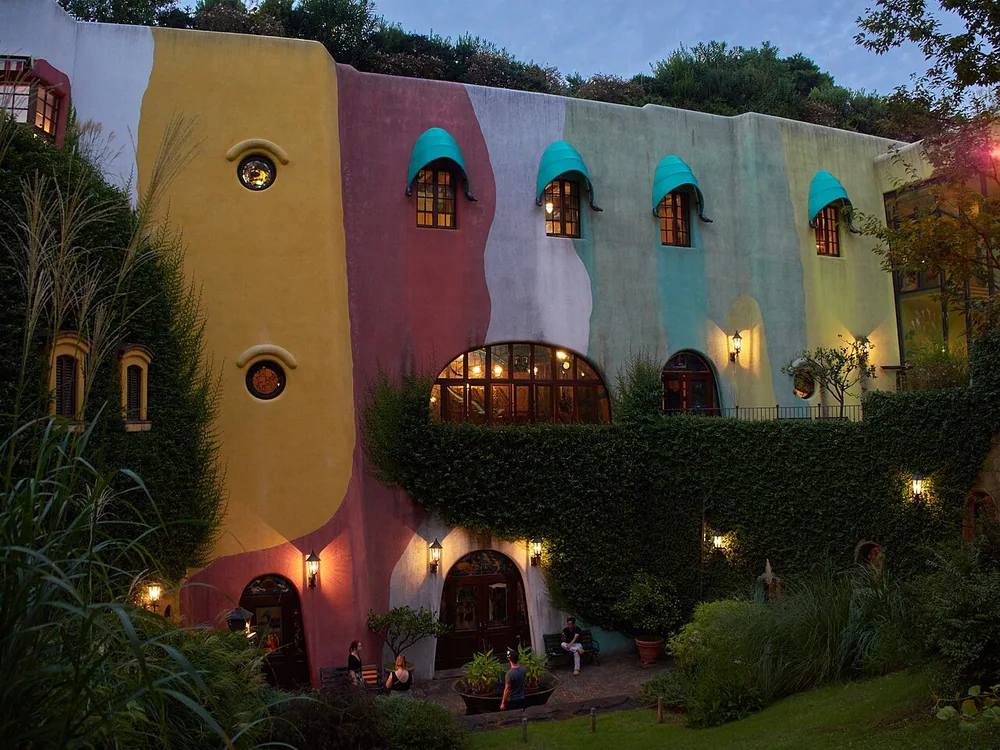
Ghibli Museum, Mitaka tickets go on sale at 10:00 JST on the 10th of each month. Check 2026–2027 closures, Lawson booking, Mitaka bus fares, Saturn Theatre, rooftop garden and a Kichijoji half-day route.
Overseas Booking, QR Codes & Ticket Prices
International visitors can access the overseas Lawson Ticket portal via the museum's English ticket page, selecting ticket categories according to the age brackets listed there. The Japanese domestic portal requires a Lawson WEB membership and Japanese mobile phone verification, so independent overseas travellers should go straight through the international entrance rather than wasting time getting stuck partway through the Japanese registration flow.
Standard ticket prices listed on the overseas English page are ¥1,000 for ages 19 and over, ¥700 for ages 13–18, ¥400 for ages 7–12, and ¥100 for ages 4–6. Children aged 3 and under enter free of charge and do not require a reservation. Siblings travelling together may fall into different price tiers. Because school year groupings outside Japan do not always align with Japanese brackets, select tickets strictly by the age brackets shown on screen. Two adults with an 8-year-old and a 5-year-old pay a combined base price of ¥2,500.
According to a museum announcement on 6 October 2026, the Japanese domestic booking system switched to QR code tickets from November 2026 entries onwards, adding a ¥110 system fee per ticket. Choosing the domestic e-ticket sends an email link to open the pass in MOALA Ticket, which requires SMS verification via the Japanese mobile number (starting 070, 080, or 090) entered at purchase. At the gate, tickets must be displayed live on a smartphone—screenshots or printed captures are not accepted. Domestic paper-ticket buyers complete their booking online and collect physical tickets at a Loppi terminal inside a Lawson convenience store. Overseas bookings follow the pricing, payment methods, and presentation rules stated on the English order confirmation.
Once your order goes through, save the payment confirmation, booking reference, date, and entry time on your phone, and keep any digital ticket link handy; on the day, make sure the person presenting the tickets has a charged phone with mobile data. Keep passports in an accessible day bag. Under Lawson's Japanese terms, the named purchaser and their companions must enter together, ID may be checked at the gate, names, dates, and times cannot be changed or refunded after purchase, and each account is limited to one purchase of up to six tickets per month. Book under the name of someone who will definitely attend on the day, and gather the whole group before reaching ticket inspection.
If you are flying in or arriving from another city on the same day, try to pick a different date. If you need to drop luggage at your hotel before heading to Mitaka, choose a later time slot that absorbs potential check-in or rail delays. Should someone in your party drop out at the last minute, follow the original booking terms—never resell spare tickets to another group.
| Age Bracket | Standard Price | Booking Rule |
|---|---|---|
| 19 and over | ¥1,000 | Select corresponding age tier |
| 13–18 | ¥700 | Select corresponding age tier |
| 7–12 | ¥400 | Select corresponding age tier |
| 4–6 | ¥100 | Select corresponding age tier |
| 3 and under | Free | No ticket or booking required |
Choosing Between the Seven Entry Slots & Holiday Closures
The museum opens from 10:00 to 18:00, with seven hourly entry slots from 10:00 to 16:00. You are required to enter within one hour of your designated slot—for a 14:00 ticket, aim to arrive at the gate for 14:00, using that one-hour window as a buffer for a missed bus, lift queues, or taking the wrong station exit. Once past ticket inspection, you may stay until closing time, though re-entry is not permitted after you leave.
Securing a 10:00 or 11:00 ticket gives you breathing room to return to the permanent exhibition after the short film and wait for rain to clear or winds to ease before heading up to the roof. If you plan to combine the park, lunch, and the museum, book a 13:00 or 14:00 slot and reserve lunch near Kichijoji or Mitaka Station with a clear finish time. Entering on time with a 15:00 ticket leaves three hours before closing—enough for the film, one main exhibition, and either the roof or the shop. With a 16:00 slot, head straight to the cinema first and focus the twilight hours on the displays you most want to see.
Some travellers schedule the earliest slot for their very first morning in Tokyo. If you checked into your hotel late the night before and still need to wake children, have breakfast, and navigate a major interchange station, 11:00 is usually far more realistic than 10:00. The second weekday morning of your trip is also often easier to manage than your first day. Visitors who like studying displays closely should pick a slot with enough slack to move to another room if a gallery gets crowded, looping back later along the same route rather than spending their visit standing in queues.
Tuesdays are the museum's regular weekly closure, with occasional exceptions shown on the official calendar. Over the New Year period, the museum is closed from 27 December 2026 to 2 January 2027, reopening on 3 January. Both 5 January and 23 February 2027 fall on Tuesdays and are officially listed as open days. If you are booking New Year flights, cross out the closure week immediately; if you are staying into early January, pick an open day with a clear half-day window. Keep in mind that open calendar dates and remaining Lawson ticket inventory are separate—you still need availability in your preferred slot when bookings open.
The official ticketing page displays the opening calendar alongside booking links. If a date appears blank during booking, cross-check it against the museum's calendar: if it is closed, pick another day; if it is sold out, check other time slots on the same date. In the event of an unscheduled closure, check the exact dates in the museum's official notice and follow instructions from your ticket provider, keeping your booking reference and payment receipt safe.
Getting to Mitaka Station South Exit, Walking Tamagawa Josui & Bus Stop 9
From Shinjuku or Tokyo Station, take the JR Chuo Line towards Mitaka. Mitaka City lists the rapid train journey from Shinjuku to Mitaka at around 20 minutes, which reflects actual track time. Guests staying on the west side of Shinjuku will need extra minutes to walk to the JR ticket gates and reach the Chuo Line platform. At Tokyo Station, follow the orange Chuo Line Rapid signs and check the stopping pattern board to confirm the train calls at Mitaka. From near Akihabara or Ochanomizu, you can also take an all-stations Chuo-Sobu Line train bound for Mitaka if you prefer avoiding an extra transfer.
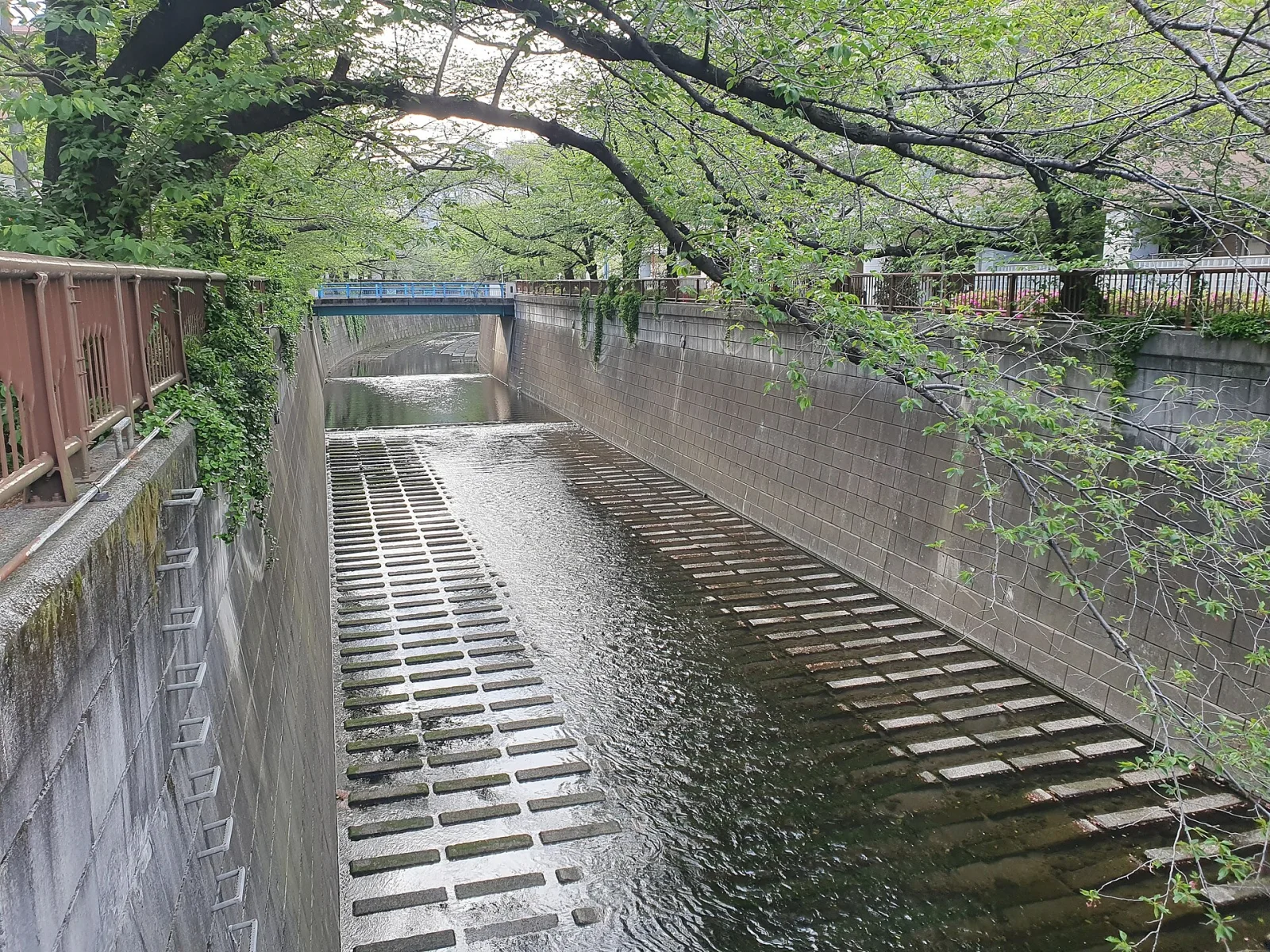
At JR Mitaka Station, go up from the platforms to the second-floor ticket gates and leave via the South Exit. On dry days, follow the signposted path east along the Tamagawa Josui canal for about 15 minutes to the museum beside the West Garden of Inokashira Park. Set your navigation destination to 'Ghibli Museum, Mitaka' (Mitaka-no-Mori Ghibli Museum) or the address '1-1-83 Shimorenjaku, Mitaka-shi'. Pinning just 'Inokashira Park' may send you towards the far side of the pond. Once you reach Mansuke Bridge, follow the museum signs onto Kichijoji-dori, and time your arrival for the museum gate rather than the park boundary.
To take the bus, use the lift or stairs down from Mitaka Station South Exit to the station forecourt roundabout and look for Bus Stop 9, where the 'Ghibli Museum, Mitaka' loop bus takes roughly five minutes to the stop of the same name. Buses bound for 'Myojo Gakuen-mae' from Stop 9 also pass the museum. If a bus has just pulled away and the weather and everyone's legs are up to it, walking along the Tamagawa Josui path takes roughly the same time as waiting for the next departure. In rain, strong winds, or with slower walkers, allow a short wait for the bus.
According to Mitaka City's loop bus timetable effective from October 2026, buses on museum open days depart the South Exit every 15 minutes from 09:30 (first bus) to 18:30 (last bus). For the 10:00 entry slot, the 09:30 and 09:45 departures are scheduled to reach the museum stop at 09:35 and 09:50 respectively. The final return bus leaves the museum stop at 18:35, arriving back at Mitaka Station at 18:48. If you want an earlier bus after closing, factor in the walk out of the building and time in the bus queue. The loop bus does not run on museum holidays, though the Tamagawa Josui footpath from the South Exit remains open.
Fares are charged per single journey: ¥230 for adults by either cash or IC card, and for children ¥120 in cash or ¥50 by IC card; return tickets are no longer sold on the loop bus. An adult and one child paying the child fare spend ¥700 in total for a round trip in cash, or ¥560 if both tap valid IC cards. If you only take the bus on the way there, pay a single fare and walk back through Inokashira Park afterwards.
On the return journey to Mitaka Station, the loop bus loops via Shimo-Renjaku and takes just over 10 minutes. The city's quoted 20-minute figure refers to the full circuit rather than the direct five-minute outbound hop from the station. If you are carrying shopping bags or travelling with tired companions, boarding at the museum stop saves energy; if you are heading into Kichijoji for a meal, walking directly through the park to Kichijoji Station makes more geographical sense.
Put the Saturn Theatre Early in Your Visit
Located on Basement 1, the Saturn Theatre seats around 80 people, and each visitor may watch one screening per visit. As soon as you enter the museum, ask staff about that day's screening times, where to queue, and when to arrive before deciding how much of the exhibitions to cover in your first gap. Use the online screening schedule to pick your visit date, and confirm individual showtimes once inside. If the next screening is only minutes away, browse part of the permanent exhibition on the same floor rather than heading all the way up to the roof.
On the museum's provisional screening calendar, Takarasagashi (Treasure Hunting, roughly 9 minutes) plays from 19 November to 26 December 2026, switching to Hoshi wo Katta Hi (The Day I Bought a Star, roughly 16 minutes) from 3 to 31 January 2027. The cinema programme and special exhibition follow separate schedules. If you are visiting after New Year specifically for Treasure Hunting, move your visit earlier to an open day on or before 26 December; in January, Yuriko Yamawaki's exhibition will still be running, even though the film has changed. Selected screenings include Japanese subtitles, and assistive listening headsets are available from the museum.
If you are bringing children into the cinema, let them know beforehand that the lights will dim and take a toilet break first. Should a younger child feel uneasy in the dark, split up briefly—one adult watches the short film while the other takes the child out to the bright courtyard or galleries, reuniting in the Central Hall afterwards. Even though the films are short, queuing, seating, and exiting take extra time, so avoid booking an off-site restaurant immediately after a screening is due to finish.
The theatre room itself rewards a closer look, with wildflowers painted across the walls and shutters that open after the credits to let daylight pour in. Stepping back out into the Central Hall naturally draws your eye up to the vaulted ceiling, making the two spaces an easy pairing. Before the year ends, visitors hoping to connect the film with original artwork can look for picture-book materials tied to Treasure Hunting inside Yuriko Yamawaki's exhibition and compare the flat illustrations with the animated movement.
From the Stained Glass to the Permanent Exhibition & Featured Galleries
Treat the Central Hall as your compass inside the museum. Pause by the walkways to take in the stained-glass skylight, the connecting bridges spanning the atrium, and the doorways on each level so you remember your bearings for later. On 19 November 2026, the museum added new stained glass featuring the Parakeet Men from The Boy and the Heron, which you can look up to spot alongside existing panels such as Ponyo. Waiting for the lift or for family members to come downstairs is an ideal moment to pick out characters in the glass. Cameras and phones must stay put away indoors, and the shaped windows show their depth best in the natural daylight on site.
For the permanent exhibition, start with the animation displays on Basement 1. If you are introducing children to hand-drawn animation for the first time, let them linger at the sequential-motion exhibits before heading upstairs to see how drawings, tools, and reference props are arranged in the studio rooms. Visitors sensitive to flashing lights can ask staff where the strobe-lit exhibit sits in the basement permanent gallery and skip straight past it. Another approach is to save the permanent rooms until after the film, returning with fresh movement from the cinema in mind to see how individual frames come together.
Even on a first visit with the cinema and roof already on your list, set aside time for the current special exhibition. The Studio of Yuriko Yamawaki opened on 19 November 2025 and is scheduled to run until May 2027. Drawing on the illustrator's creative workspace, the show pairs children's book art with studio tools and paper drafts that contrast nicely with the museum's animation displays. If anyone in your group knows her Guri and Gura books, starting from a familiar illustration usually sparks far more conversation with children than beginning with an artist biography.
Seasonal decorations towards the end of the year tie into the special exhibition as well. Until 26 December 2026, the Central Hall displays a Christmas tree dressed in tartan ribbon, while the TRI HAWKS reading room puts up a tree trimmed with red ribbon. If you only have time for one, catch the tree while passing through the hall and protect your cinema slot. If someone in your party wants to browse Ghibli-recommended children's books in the reading room, let them spend a quiet spell there while others explore galleries on the same floor.
With only two hours in the museum, pick one area each from the permanent and special exhibitions so you still have time for the short film and architectural touches like the staircases and windows. If you plan to stay three to four hours, slot lunch or a break between two exhibition rounds and leave shopping until after your second pass. Because there is no re-entry, finish everything you want to see indoors before heading out, saving exterior photos and park walks for afterwards.
The Catbus, Rooftop Garden & Visiting with a Pushchair
The indoor Catbus on the second floor is restricted to children of primary-school age and younger. Let older siblings know this rule before you arrive so they can choose parts of the permanent exhibition or the rooftop as their own highlights. If there is a queue, check the next Saturn Theatre start time first—when time is tight, save the Catbus until after the film. Several staircases and a lift link the floors, so when splitting up, agree on a clear landmark such as 'the entrance side of the Central Hall' rather than standing by the same atrium rail on different levels.
Families with pushchairs must park them in the designated area upon entry. Before going in, pack essentials you will need continuously—nappies, wet wipes, water bottles, and hand towels—into a small hands-free bag. Baby-changing tables are installed in toilets on every floor, and staff can direct you to the nursing room if needed. If preschoolers tend to nap in the afternoon, work backwards from their normal meal and sleep times when picking tickets: a morning slot lets them rest in the park afterwards, whereas an afternoon entry works best after an early lunch in Kichijoji.
From the terrace beside the Catbus floor, a narrow spiral staircase leads up to the rooftop garden and the Robot Soldier from Laputa: Castle in the Sky. There is no lift to the roof, and access may close during rain or high winds. If anyone in your group struggles with stairs, arrange to meet in the Central Hall while others head up and back down. Visitors who miss the roof can still see the building from the ground in Inokashira Park's West Garden if the weather clears after leaving, or spend wet weather focusing on the atrium skylights, Saturn Theatre, and indoor galleries.
Wheelchair users can take the lift from Mitaka Station South Exit down to street level, and the community loop bus accommodates one wheelchair per vehicle. When two wheelchair users travel together, allow time to take consecutive buses and meet at the museum entrance. Inside, a lift connects Basement 1 through to the second floor, and the Saturn Theatre has space for two to three wheelchairs—check with staff upon arrival if you have a particular screening in mind. The main galleries connect smoothly via the lift, and minimising trips up and down leaves comfortable time for the reading room and café.
Inside the Straw Hat Café, indoor seating opens at 10:30 and the outdoor terrace at 11:00. Treat queue and seating times as part of your visit if you plan to eat on site; if children are already hungry, check table availability before deciding between a sit-down sandwich or heading towards station restaurants straight after the galleries. Visitors may eat brought-along food inside the café or on the terrace directly outside, though outdoor space can close in poor weather. The menu marks nine major allergens used by the museum, but because everything is prepared in a shared kitchen, families managing strict cross-contact allergies should eat before entering.
Leave time for the museum shop, MAMMA AIUTO!, named after the sky pirates in Porco Rosso. Children can easily spend your final half-hour browsing there, so agree on boundaries ahead of time—perhaps one book, one practical item, or one favourite character piece. The shop, Straw Hat Café, and TRI HAWKS reading room accept credit cards, Suica, and other major payment methods. If you want to see the hand-pump water well in the courtyard before leaving, fit your shopping in right at the end before stepping outside.
A Half-Day Route Linking Kichijoji, Inokashira Park & the Museum
With a 10:00 or 11:00 ticket, entering from Mitaka and exiting towards Kichijoji flows naturally. Walk from Mitaka Station South Exit along Tamagawa Josui, tour the museum, then continue through Inokashira Park's West Garden past Inokashira Pond to Kichijoji Station's Park Exit. Pick either side of the pond if you have time, deciding near Nanai Bridge whether to loop further along the water. Anyone whose feet are tired after hours on the museum floors can head straight to the Park Exit for lunch and decide afterwards whether to double back to the water. Signs along the way for 'Inokashira Park Zoo' point to the zoo and aquatic life park—follow signs for 'Kichijoji Station' when heading for shops and trains.
For a 14:00 or 15:00 ticket, simply reverse the direction. According to the Tokyo Metropolitan Park Association, it takes about five minutes on foot from Kichijoji Station's Park Exit to the edge of the park, from where you still need to cross towards the West Garden to reach the museum. Eat lunch and pick up supplies near the station first, stroll through the park, and switch to navigation by the museum's name for the final stretch. Travellers coming from Shibuya who want to enter the park from the opposite end of the pond can take a local Keio Inokashira Line train to Inokashira-koen Station, a one-minute walk from the park. Express trains skip that stop, so if you board an express, ride to the terminus at Kichijoji and start from the Park Exit.
If you have a lunch reservation in Kichijoji, keep your exit time from a morning museum visit flexible. When a restaurant holds tables strictly, limit your morning inside to the short film and one exhibition, choosing either the roof or the café rather than both. Conversely, afternoon museum visitors should dine near the station beforehand, leaving a buffer walk afterwards to aid digestion and absorb any slow kitchen service. For shopping after closing, Kichijoji's North Exit leads straight into the main retail streets, with easy JR trains back to Shinjuku or Keio trains to Shibuya.
Families with young children can add Inokashira Park Zoo to the day. Standard adult admission is ¥400, covering both the main Zoo and the Aquatic Life Park annex. Opening hours are normally 09:30 to 17:00 with last entry at 16:00, and moving between the two zones requires exiting and walking roughly five minutes through the park or along public paths. After 16:00, you cannot re-enter the second zone on the same ticket. If an early Ghibli visit leaves limited afternoon time, pick whichever zone interests your children most. Note that the zoo follows a different closure schedule from the museum: it typically closes on Mondays, as well as from 29 December 2026 to 1 January 2027.
When fitting both ticketed attractions into one day, placing lunch between them is easier to time than rushing from museum queues straight to the next gate. Watch the Ghibli short film in the morning and visit the zoo in the afternoon, or see the aquatic life annex first and enter the museum after lunch. To explore both thoroughly, set aside a full day, finishing outdoor sections before winter dusk. If some in your group prefer shopping, split up at Kichijoji Station for the afternoon and reconvene for dinner rather than keeping everyone waiting on one activity.
Wet Weather, Winter Visits & Sold-Out Backup Plans
If it rains on your ticketed day, take the bus from Mitaka Station for the final stretch and focus on the Saturn Theatre, permanent galleries, and special exhibition. When the rooftop closes, swap the Robot Soldier time for admiring the Central Hall from different levels and browsing the reading room. In light rain after exiting, catch the bus back to Mitaka Station and ride one stop on the JR line to Kichijoji to skip the walk across the park. Groups with pushchairs or wheelchairs should note which lift they used at Mitaka Station on arrival so they can head straight back up to the second-floor ticket gates on the return trip.
In heavy rain or biting winter winds, finish an afternoon visit by heading straight to restaurants near the station. Just two minutes on foot from JR Kichijoji Station's North Exit, coppice KICHIJOJI has dining options in its basement. General retail floors usually open from 10:00 to 20:00—extending to 21:00 on Fridays, Saturdays, and the eve of public holidays—while restaurant hours vary by venue. For outdoor photos in winter, walk through the park and admire the museum exterior before your afternoon entry, then return to the North Exit for dinner once dusk settles.
If you missed out on tickets and the weather is fine, you can still walk from Kichijoji's Park Exit through Inokashira Pond, the Aquatic Life Park, and the West Garden before dining near the North Exit. Travellers interested in historic townscapes and old shopfronts echoed in Ghibli films can pivot to the Edo-Tokyo Open Air Architectural Museum in Koganei Park instead. From JR Musashi-Koganei Station North Exit, take Seibu Bus Bu12 or Bu13 from Stand 2, or Bu21 or Bu15 from Stand 3, getting off at 'Koganei Park West Gate' (Koganei-koen Nishiguchi) for a five-minute walk. Same-day adult admission is ¥400; from October to March it opens 09:30 to 16:30 with last entry 30 minutes before closing, making it best suited to around lunchtime in winter. Moving between historic buildings involves outdoor walking, so in pouring rain stick to the covered arcades around Kichijoji Station.
If you encounter an unexpected closure or rail disruption, deal with active tickets first: if your entry window is still reachable, switch to a taxi or reroute along functioning JR lines to protect your time inside. Should the museum announce an unscheduled closure, follow the dates and refund or rebooking instructions in that same notice before choosing an open alternative. With no spare day in your Tokyo itinerary, preserve at least your restaurant booking, park walk, or architectural museum visit, heading there directly from your hotel instead of travelling all the way to the museum gates only to turn back.
Where to Stay: Shinjuku, Mitaka or Kichijoji
If you only have a single half-day on Tokyo's west side, keeping your existing hotel in Shinjuku or near Tokyo Station avoids unnecessary luggage moves. From Shinjuku, ride the JR Chuo Line Rapid to Mitaka and return via JR from Kichijoji; from Shibuya, use the Keio Inokashira Line in both directions and walk from the Kichijoji end. Guests near Shinjuku's West Exit joining a JTB coach tour have an easy walk to the Keio Plaza Hotel meeting point, whereas independent ticket holders should pick their entry slot based on how long it takes to reach the JR platforms from their hotel.
Staying in Mitaka makes sense if you have booked an early slot, want the shortest morning commute, or plan to continue west along the Chuo Line to Musashi-Sakai or Koganei the next day. Pick a hotel near the South Exit or with step-free street access so you can step straight out towards Bus Stop 9 or the Tamagawa Josui path. If your group wants to dine and shop into the evening after the museum, Kichijoji is a more convenient base. The two stations are only one stop apart, so picture which station exit you will use on the walk back rather than switching hotels just to stay in a different neighbourhood.
Kichijoji's two Tokyu hotels sit on opposite sides of the station. Kichijoji Tokyu REI Hotel is roughly a one-minute walk from the Park (South) Exit, making it convenient for morning park walks, returning via either Keio or JR lines at night, and rolling suitcases in the rain. Kichijoji Excel Hotel Tokyu sits about an eight-minute walk from the North Exit via the Daiyagai shopping arcade and Tokyu Department Store, suiting guests who plan to browse North Exit shops. Weigh your hotel location against your wider Tokyo plans as well as museum day—proximity to the station usually saves more walking overall than being slightly closer to the West Garden.
If you visit the museum on check-out day and need to collect bags afterwards, store luggage at your hotel or in lockers at your departure station first. The museum provides lockers for small items, while larger suitcases require asking staff for assistance. The Mitaka-in, Kichijoji-out route works especially well when bags remain in central Tokyo and you are returning to the same hotel that evening; if your cases are stored at Mitaka Station, simply head back to the South Exit afterwards and have dinner along the Chuo Line. For more animation and film stops around the city, see our Tokyo character and studio days guide.
A few useful answers
What time do Ghibli Museum tickets go on sale?
Tickets for the following month go on sale on the 10th of each month at 10:00 JST. No walk-up tickets are sold at the museum counter.
Do overseas visitors need a Japanese mobile number to buy tickets?
Use the overseas Lawson Ticket portal linked from the museum's English ticket page and complete the fields shown there. The Japanese domestic flow requires a Lawson WEB membership and Japanese mobile verification, and domestic e-tickets verify the handset number used at purchase.
Can I still enter if I arrive late for my Ghibli Museum slot?
You may enter within one hour of the start time printed on your ticket and stay until closing at 18:00. Re-entry is not allowed once you leave.
Which days is the museum closed over the 2026–2027 New Year period?
The museum closes for winter maintenance from 27 December 2026 to 2 January 2027, reopening on 3 January. It will also open on Tuesday 5 January 2027.
Which bus stop do I use at Mitaka Station?
Board the Mitaka City loop bus at Stand 9 outside JR Mitaka Station's South Exit for the five-minute ride to the 'Ghibli Museum, Mitaka' stop. Single fares are ¥230 for adults, and for children ¥120 in cash or ¥50 by IC card.
Are photos or videos allowed inside the Ghibli Museum?
Photography and video recording are not permitted inside the building. Save photos of the colourful facade and outdoor features for before you enter or after you exit.
Can adults go inside the Catbus?
The Catbus is strictly for children of primary-school age and younger. Accompanying adults can still enjoy the nearby shop, galleries, and staircase up to the rooftop garden on the same floor.
Are the Ghibli Museum in Mitaka and Ghibli Park in Aichi the same place?
No. The Ghibli Museum, Mitaka is in Mitaka City, Tokyo, whereas Ghibli Park is in Nagakute City, Aichi Prefecture. Both have separate ticketing channels and admissions.
Official information and references
Sources used in this guide.
- Ghibli Museum English Ticketing Information & Opening Calendar
- Ghibli Museum Japanese Ticketing Guide & Entry Time Slots
- Ghibli Museum October 2026 QR Ticket Notice
- Lawson Ticket Japanese Terms & Conditions
- Sunrise Tours JTB Ghibli Museum & Edo-Tokyo Open Air Architectural Museum Coach Tour
- Ghibli Museum Visitor Guidelines & Accessibility
- Ghibli Museum Floor Guide & Straw Hat Café Hours
- Ghibli Museum Saturn Theatre Screening Schedule
- Ghibli Museum Special Exhibition Dates
- Ghibli Museum 2026 Christmas Decorations Announcement
- Ghibli Museum Central Hall New Stained Glass Announcement
- Mitaka City Walking Route, Travel Time & Museum Address
- Mitaka City Museum Loop Bus Timetable
- Odakyu Bus Mitaka Station Bus Stop Map
- Ghibli Museum Access, Routes & Bus Fares
- JR East Mitaka Station Timetable
- Keio Corporation Inokashira-koen Station Train Service Guide
- Tokyo Metropolitan Park Association Inokashira Park
- Inokashira Park Zoo Opening Hours & Admission Fees
- Edo-Tokyo Open Air Architectural Museum Opening Hours & Admission
- Edo-Tokyo Open Air Architectural Museum Access Guide
- coppice KICHIJOJI Opening Hours & Access
- Kichijoji Tokyu REI Hotel Access Guide
- Kichijoji Excel Hotel Tokyu Access Guide