Tickets for the Ghibli Museum, Mitaka go on sale on the 10th of each month at 10:00 JST. Check 2026–2027 closure dates, Lawson Ticket booking, Mitaka South Exit bus fares, plus Saturn Theater, the rooftop garden, and Kichijoji half-day routes.
- Region & Focus
- TokyoAttractions
- Reading Scope
- 23 min read · 10 chapters · 8 Q&As
- Official Verification
- 24 official sources checkedUpdated November 22, 2026
- Key Topics
- BookingRail travelNeighborhoods
Chapter Route Map (tap any stop)
- When Ghibli Museum Tickets Go on Sale
- Overseas Booking, QR Codes & Ticket Prices
- Choosing Among the 7 Entry Slots & Year-End Closures
- Getting to JR Mitaka South Exit, Walking Tamagawa Josui & Bus Stop 9
- See the Saturn Theater Short Film Early in Your Visit
- From Stained Glass to Permanent Galleries, Then Pick One Room to Savor
- Catbus, Rooftop Garden & Visiting with Strollers or Wheelchairs
- Half-Day Routes Linking Kichijoji, Inokashira Park & the Museum
- Rain, Winter & Backup Plans Without Tickets
- Where to Stay: Shinjuku, Mitaka, or Kichijoji
- Quick Q&A
Admission to the Ghibli Museum, Mitaka is by advance reservation only. International visitors book through the overseas Lawson Ticket portal linked from the museum's English ticket page, where the next month's tickets go on sale on the 10th of each month at 10:00 JST. On a first visit, a 10:00 or 11:00 entry slot makes it easy to fit a Saturn Theater short film, the exhibitions, and the rooftop garden into a single half-day. For morning slots, it is about a 15-minute walk from JR Mitaka Station's South Exit, with a bus option in the rain. If you land an afternoon slot, move lunch in Kichijoji and Inokashira Park to before your entry and save late afternoon for the museum.
When Ghibli Museum Tickets Go on Sale
Lawson Ticket opens bookings for specific dates and entry slots for the following month on the 10th of each month at 10:00 JST. December 2026 tickets go on sale on November 10, and January 2027 admissions open on December 10, 2026, following the standard monthly schedule. Count backward from the month of your visit. Even on a single year-end trip, late December and early January fall into two separate ticket releases, separated by the winter closure.
Before tickets drop, pick two dates that work for everyone in your group and choose entry slots for each day that you can realistically reach Mitaka on time. If you want to catch a specific short film, check the Saturn Theater screening schedule on the official website first, then plan transit around those dates. If you prefer unhurried time in the smaller rooms and staircases, aim for an earlier slot. If only one day fits your itinerary, note down acceptable afternoon times too—a 15:00 entry still works well as a half-day plan if you put the park in the morning.
Tickets are issued in local Japan date and time. Drop the JST entry time into a shared calendar, and set a separate meeting time for your group at JR Mitaka Station's South Exit. People staying in Shinjuku and Shibuya can travel separately and meet there. Coming from Shibuya, you can transfer to the JR line at Kichijoji to reach Mitaka if you want less walking, then ride or walk in together. Meeting at the station gives the group a buffer to choose between walking and the bus before heading to the gate together.
When selecting tickets, prioritize keeping your group together. If only scattered spots remain, flexible adult groups can book adjacent entry slots and meet up inside. Groups caring for young children or travelers with limited mobility should target a date with enough seats in one booking. If you split into multiple orders, each subgroup enters using its own reservation details—do not split ticket holders from the people named on their order. All admission is strictly by reservation; sold-out slots have no walk-up tickets at the museum gate.
If you have not secured tickets yet, pencil in a standalone Kichijoji itinerary for that half-day. Reinsert the museum only if seats appear on the official booking page; resale tickets bought online will be denied entry. The official English ticket page also lists Sunrise Tours JTB bus tours, which suit travelers already planning to pair the Ghibli Museum with the Edo-Tokyo Open Air Architectural Museum in one day. For example, the lunch-included tour departs from the Keio Plaza Hotel in Shinjuku, lets you explore inside the museum on your own, and follows a set group schedule for the rest of the day. If you want to browse Kichijoji and linger longer inside, wait for an individual entry slot that fits.
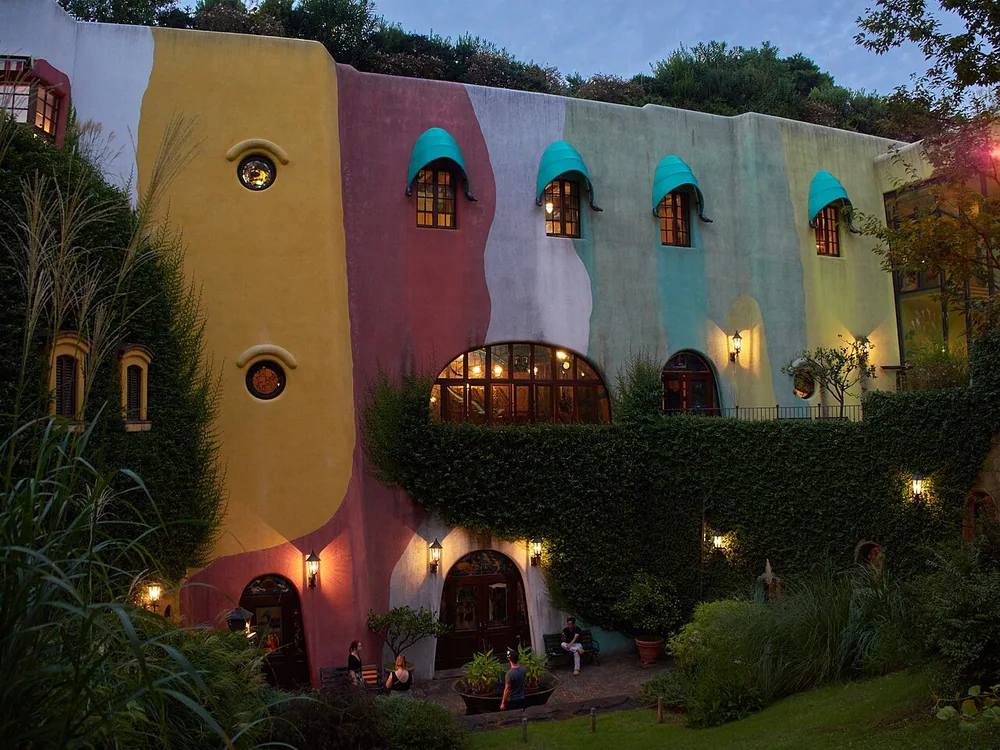
Tickets for the Ghibli Museum, Mitaka go on sale on the 10th of each month at 10:00 JST. Check 2026–2027 closure dates, Lawson Ticket booking, Mitaka South Exit bus fares, plus Saturn Theater, the rooftop garden, and Kichijoji half-day routes.
Overseas Booking, QR Codes & Ticket Prices
International visitors can access the overseas Lawson Ticket site via the museum's English ticket page and choose ticket types according to the age brackets listed there. The Japanese domestic portal requires a Lawson WEB membership and phone verification, so overseas travelers should stick directly to the international portal rather than hitting a dead end halfway through the domestic form.
Base ticket prices on the English overseas page are ¥1,000 for ages 19 and older, ¥700 for ages 13–18, ¥400 for ages 7–12, and ¥100 for ages 4–6. Children 3 and under enter free and do not need a reservation. Siblings traveling together may fall into different pricing tiers, so match each child to the exact age bracket shown on the booking screen rather than school grade cutoffs. For two adults, one 8-year-old, and one 5-year-old, the base total comes to ¥2,500.
Under an October 6, 2026 museum announcement, the Japanese domestic site switched to QR code tickets starting with November 2026 entries, adding a ¥110 system fee per ticket. Domestic e-ticket buyers receive an email link to open their pass in MOALA Ticket and must verify it via SMS using a Japanese mobile number starting with 070, 080, or 090; screenshots or printouts of the QR code are not accepted at the gate. Domestic paper-ticket buyers complete payment online and pick up physical tickets at a Loppi kiosk inside Lawson stores. Overseas buyers follow the pricing, payment, and ticket presentation rules shown on their English order confirmation.
Once your booking goes through, save the payment confirmation, order number, date, and entry time on your phone, along with the official ticket link if using an e-ticket. Make sure the person presenting the tickets on visit day has a charged phone with mobile data, and keep passports in an easy-to-reach bag. Lawson's Japanese terms state that the named buyer and accompanying guests must enter together, ID may be checked at the gate, names/dates/times cannot be changed or refunded after purchase, and each account is limited to one purchase of up to 6 tickets per month. Book under the name of someone who will actually attend, and have everyone meet before the ticket check.
If you are flying in or arriving from another city that same morning, pick a different day. If you still need to drop luggage at your hotel before heading to Mitaka, book a later slot with enough cushion for check-in and transit delays. If someone in your group drops out at the last minute, follow your original order terms rather than reselling spare tickets to another party.
| Age Group | Base Price | How to Book |
|---|---|---|
| Ages 19 and older | ¥1,000 | Select matching age tier |
| Ages 13–18 | ¥700 | Select matching age tier |
| Ages 7–12 | ¥400 | Select matching age tier |
| Ages 4–6 | ¥100 | Select matching age tier |
| Ages 3 and under | Free | No ticket or reservation needed |
Choosing Among the 7 Entry Slots & Year-End Closures
The museum is open from 10:00 to 18:00, with hourly entry slots from 10:00 to 16:00. You must enter within one hour of your ticketed time—for a 14:00 ticket, treat 14:00 as your target arrival at the gate, using that one-hour buffer to absorb a missed bus, elevator wait, or wrong station exit. Once past the ticket check, you can stay until closing, though re-entry is not permitted after you exit.
The biggest advantage of a 10:00 or 11:00 ticket is having time to circle back to the permanent exhibition after your short film and save the rooftop for a break in rain or wind. If you want to pair the park, lunch, and the museum, book 13:00 or 14:00, reserve lunch near Kichijoji or Mitaka Station, and set a firm time to leave the table. With a 15:00 ticket, arriving on time gives you three hours before closing—enough for the film, one main gallery, and the rooftop or shop. With a 16:00 entry, head straight to the theater first and spend the final hour on your top-priority rooms.
Some travelers put the earliest slot on their first full morning in Tokyo. If your flight or hotel check-in runs late the night before, waking kids, eating breakfast, and navigating a major rail hub make 11:00 far easier to hit than 10:00—and a weekday morning later in the trip works better still. Visitors who like lingering over details should pick a slot with breathing room to move to another gallery when a room gets crowded, then loop back later instead of spending your time in line.
Tuesdays are the regular weekly closing day, with select calendar exceptions. For year-end, the museum is closed from December 27, 2026 through January 2, 2027, reopening on January 3. Both Tuesday, January 5, 2027 and Tuesday, February 23, 2027 are listed as open days. If you are booking New Year's flights, block off that closure window first; if you are staying into early January, pick an open day where you can spare a full half-day. Remember that an open calendar date does not guarantee availability—you still have to catch your preferred slot on Lawson Ticket.
The museum's ticket page includes an official opening calendar. If a date appears blank on the booking screen, cross-check the museum calendar first: if it is closed, pick another day; if it is sold out, check other time slots on the same date. In the event of an unscheduled closure, follow the exact dates in the museum's official notice and instructions from your ticket seller, and hold onto your order number and payment record.
Getting to JR Mitaka South Exit, Walking Tamagawa Josui & Bus Stop 9
From Shinjuku or Tokyo Station, take the JR Chuo Line toward Mitaka. Mitaka City lists the rapid train ride from Shinjuku to Mitaka at roughly 20 minutes of actual rail time; if you are staying on the west side of Shinjuku, add walking time to the JR ticket gates and down to the Chuo Line platform. From Tokyo Station, follow the orange Chuo Line Rapid signs and double-check that Mitaka is on the stop list before boarding. Coming from near Akihabara or Ochanomizu, you can also take a local Chuo-Sobu Line train bound for Mitaka if you prefer avoiding a transfer.
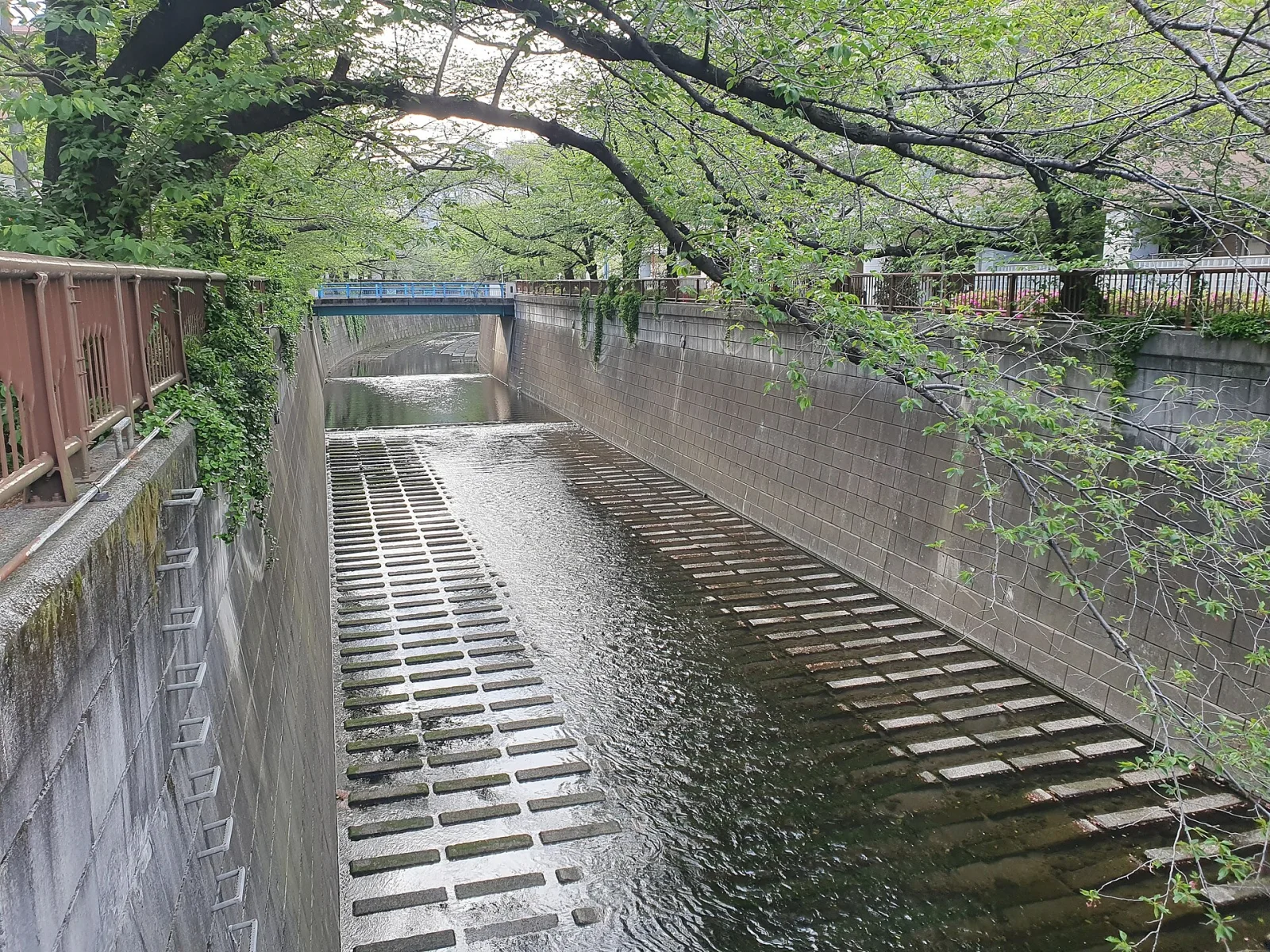
At JR Mitaka Station, head up from the platform to the second-floor ticket gates and leave via the South Exit. On dry days, follow the signs east along the Tamagawa Josui canal—about a 15-minute walk to the museum next to Inokashira Park's West Garden. Set your map destination to "Ghibli Museum, Mitaka" or the street address "1-1-83 Shimorenjaku, Mitaka-shi, Tokyo." Selecting just "Inokashira Park" on a map app can steer you toward the pond on the far side; after passing Mansuke Bridge, follow museum signs onto Kichijoji-dori, and time your arrival for the museum gate rather than the park edge.
To take the bus, go down from the Mitaka South Exit to the station rotary by elevator or stairs and look for Stop 9 for the Ghibli Museum loop bus, a roughly 5-minute ride to the museum stop. Buses bound for Myojo Gakuen-mae from Stop 9 also pass the museum. If a bus has just pulled away and the weather and your group's pace are good, walking along the Tamagawa Josui path takes roughly the same time as waiting for the next departure. In rain, strong wind, or with slower walkers, budget extra wait time and ride.
Mitaka City's loop-bus timetable effective October 2026 shows first bus from the South Exit at 9:30 and last bus at 18:30 on open days, running about every 15 minutes. For a 10:00 entry, the 9:30 and 9:45 departures are scheduled to reach the museum stop at 9:35 and 9:50. The last return bus from the museum leaves at 18:35, reaching Mitaka Station at 18:48. If you want an earlier bus right around closing, leave time to walk out and line up at the stop. The loop bus does not run on museum closure days, though pedestrians can still walk the canal path from the South Exit.
Fares are charged one-way: ¥230 for adults by cash or transit IC card, and for children ¥120 in cash or ¥50 by IC card; round-trip paper tickets are no longer sold on the loop bus. For one adult and one child at the child fare, paying cash both ways totals ¥700, while tapping transit IC cards for both riders comes to ¥560. If you plan to ride only outbound and walk out through Inokashira Park afterward, just pay the single fare.
On the return trip to Mitaka Station, the loop bus circles through Shimorenjaku and neighboring stops, taking just over 10 minutes; Mitaka City's ~20-minute figure refers to the full loop, unlike the 5-minute direct outbound leg. If you are carrying shopping bags or traveling with tired kids, boarding at the museum stop saves energy. If you are heading to Kichijoji for a meal, walking directly through the park toward Kichijoji Station makes more sense.
See the Saturn Theater Short Film Early in Your Visit
The Saturn Theater in Basement Level 1 seats about 80 guests, and each visitor may watch one screening per admission. Right after entering, check the day's showtimes, where the queue forms, and when you need to line up—then plan how much gallery browsing fits into the first gap. Use the official website's screening calendar to choose your travel date, and check the board inside for exact showtimes. If your screening starts soon, browse part of the permanent exhibition on the same basement floor rather than climbing all the way to the rooftop first.
The museum's tentative schedule shows Treasure Hunting (Takara-sagashi, about 9 minutes) screening from November 19 through December 26, 2026, switching to The Day I Bought a Star (Hoshi o Katta Hi, about 16 minutes) from January 3 through January 31, 2027. Film rotations and special exhibitions run on separate calendars: if you are specifically targeting Treasure Hunting over the holidays, move your museum day to an open date on or before December 26—in January you can still catch the Yuriko Yamawaki exhibition, though the theater program will have changed. Select screenings include Japanese subtitles, and assistive listening headsets are available.
If you are bringing children, let them know ahead of time that the theater lights will go dark and make a restroom stop before lining up. If a younger child is uncomfortable in a dark room, split up so one adult watches the short film while the other explores the bright courtyard or exhibition rooms, then meet back in the Central Hall. Even though the films are short, queuing, seating, and exiting eat into your schedule, so do not book an off-site restaurant reservation right after a screening ends.
The theater itself rewards a slow look: wildflowers are painted across the walls, and the shutters open after the credits so daylight pours in. Walking back out to the Central Hall draws your eye straight up to the high glass ceiling, making the two spaces flow naturally together. Before year-end, you can also look for picture-book materials tied to Treasure Hunting inside the Yuriko Yamawaki exhibition and compare how flat illustrations become minutes of screen motion.
From Stained Glass to Permanent Galleries, Then Pick One Room to Savor
Use the Central Hall as your anchor inside the museum. Start along the walkway by looking up at the stained-glass dome, the bridges spanning the atrium, and the doorways on each floor so you know how to retrace your steps. On November 19, 2026, the museum added parakeet-man stained glass from The Boy and the Heron alongside existing motifs from Ponyo and other films—waiting for the elevator or for family members to come downstairs is a good moment to spot characters overhead. Keep cameras and phones tucked away indoors; the sculpted windows reveal plenty of depth in natural daylight.
Start the permanent exhibition on Basement Level 1 with the animation displays. If you are with children seeing hand-drawn animation mechanics for the first time, let them watch the looping motion exhibits before heading upstairs to the studio rooms filled with sketches, tools, and reference objects. Light-sensitive visitors can ask staff to point out which basement displays use strobe effects and skip straight to other sections. Another approach is to save the permanent rooms until after your Saturn Theater film so you can look at how individual frames build the movement you just watched.
Even on a first visit with a film and rooftop stop planned, carve out time for the special exhibition. Yuriko Yamawaki's Studio opened on November 19, 2025 and is scheduled to run through May 2027. Drawn from the illustrator's creative workspace, it displays children's book art alongside tools and paper materials you can compare against the museum's animation rooms. If someone in your family knows her Guri and Gura books, starting from familiar illustrations usually sparks better conversation for kids than reading an artist biography wall.
Year-end decorations tie into the exhibition too. Through December 26, 2026, a Christmas tree trimmed with plaid ribbons stands in the Central Hall, while the TRI HAWKS reading room displays a tree with red ribbons. If you only have time for one, admire the hall tree on your way past and protect your film slot. Readers who want to browse Ghibli-recommended children's books can spend a block of time in TRI HAWKS while the rest of the group explores galleries on the same floor.
On a tight two-hour visit, pick one zone each in the permanent and special exhibitions so you still have time for the short film and architectural details like staircases and windows. If you plan to stay three to four hours, put a snack or rest break between two gallery passes and decide on souvenirs during your second loop. Because re-entry is not allowed, wrap up anything time-consuming indoors before stepping out, leaving exterior photos and a park stroll for afterward.
Catbus, Rooftop Garden & Visiting with Strollers or Wheelchairs
The museum's Catbus on the second floor is restricted to children of elementary school age and younger. Tell older siblings about that rule before you arrive so they can pick a priority of their own, such as the permanent galleries or the rooftop. If a line forms for the Catbus, check your next Saturn Theater showtime before joining—if time is tight, come back upstairs after the movie. Because several staircases and an elevator connect the floors, agree on specific meeting spots like "the entrance side of the Central Hall" rather than vague landmarks across the open atrium.
Families with strollers must park them in the designated area upon entry. Pack diapers, wipes, water bottles, and small towels into one easy-to-carry day bag before stepping inside. Changing tables are installed in restrooms on every floor, and staff can direct you to the nursing room. If preschoolers usually nap in the afternoon, work backward from their meal and nap schedule when choosing tickets: a morning entry lets them wind down in the park afterward, while an afternoon entry works best after an early lunch in Kichijoji.
From the terrace beside the Catbus floor, a narrow spiral staircase climbs to the rooftop garden and the Robot Soldier from Castle in the Sky. There is no elevator to the roof, and the museum may close it in rain or high wind. If anyone in your group struggles with tight stairs, agree to meet in the Central Hall while others head up and back down. Visitors who miss the rooftop can still view the exterior architecture from ground level in Inokashira Park's West Garden if the weather clears after exit, or spend rainy hours under the stained-glass dome, in the Saturn Theater, and inside the galleries.
Wheelchair users can take the elevator from JR Mitaka Station's South Exit down to street level; the loop bus carries one wheelchair space. If two wheelchair users are traveling together, allow time to ride separate buses and meet at the museum entrance. Inside, an elevator connects Basement Level 1 through the second floor, and the Saturn Theater accommodates two to three wheelchairs—ask staff upon arrival if you have a target showtime. Linking the main exhibitions by elevator minimizes floor changes and leaves energy for the reading room and cafe.
The Straw Hat Cafe opens indoor seating at 10:30 and the patio at 11:00. Treat seating and queue wait times as part of your visit budget: if kids are already hungry, check table availability before deciding between sitting down for sandwiches or grabbing lunch near the station after you leave. Outside food brought from home may be eaten inside the cafe or on its front terrace, weather permitting. The menu labels nine major allergens required by the museum, though families managing strict cross-contact allergies should eat before entering since all items share a kitchen.
For souvenirs, budget time for MAMMA AIUTO!, the museum shop named after the sky pirates in Porco Rosso. Kids can easily burn your final half-hour inside, so set boundaries upfront—such as picking one book, one practical item, or one favorite character piece. The shop, Straw Hat Cafe, and TRI HAWKS reading room accept credit cards, Suica, and other cashless payments. If you want a turn at the courtyard hand-pump water well before leaving, save shopping for your final stretch inside.
Half-Day Routes Linking Kichijoji, Inokashira Park & the Museum
For a 10:00 or 11:00 entry, entering from Mitaka and exiting toward Kichijoji flows cleanest. Start at Mitaka South Exit along the Tamagawa Josui canal, finish the museum, then walk through Inokashira Park's West Garden toward Inokashira Pond and Kichijoji Station's Park Exit. If you have time by the water, pick either side of the pond trail and decide at Nanai Bridge whether to loop further. If your legs are tired after hours on your feet inside, walk straight out to the Park Exit for lunch and decide afterward whether to stroll back by the pond. Watch the signs carefully: "Inokashira Park Zoo" points to the zoo and aquatic life park, while shops and trains follow signs for "Kichijoji Station."
With a 14:00 or 15:00 ticket, flip the route. The Tokyo Metropolitan Park Association lists the walk from Kichijoji Station's Park Exit to Inokashira Park at about five minutes—that gets you to the park boundary, after which you still walk past the pond and through the West Garden to reach the museum. Eat lunch and pick up supplies near the station first, stroll through the park, and navigate the final stretch by the museum's name. If you are coming from Shibuya and want to enter from the opposite end of the pond, take a Keio Inokashira Line local train to Inokashira-koen Station, a one-minute walk from the park; express trains skip that stop and run straight to the Kichijoji terminus, where you start from the Park Exit.
If you book lunch in Kichijoji after a morning museum slot, build plenty of cushion into your exit time. With a strict restaurant seating time, limit your morning inside to the short film and one gallery, and choose either the rooftop or the cafe—not both. Conversely, afternoon museum visitors who eat near the station beforehand get an easy walk to digest lunch and absorb any slow kitchen service. Want to shop after the museum closes? Kichijoji's North Exit puts you right in the shopping district, with JR trains back to Shinjuku and Keio trains back to Shibuya.
Families with kids can add Inokashira Park Zoo on the same trip. Regular adult admission is ¥400, covering both the Main Park (zoo) and the Aquatic Life Park annex. Standard hours are 9:30 to 17:00 with last entry at 16:00; moving between the two zones requires exiting and walking about five minutes through the park or along public paths, and re-entry between zones stops after 16:00. If your morning Ghibli slot leaves little afternoon daylight, just pick the one zone your kids care about most. Note that the zoo follows a different closure schedule—typically closed Mondays, and also closed December 29, 2026 through January 1, 2027.
When combining both ticketed stops in one day, placing lunch in between keeps timing far cleaner than rushing straight from a museum queue. Do the Ghibli short film in the morning and the zoo in the afternoon, or visit the Aquatic Life Park first, break for lunch, and enter Ghibli afterward. Covering both thoroughly takes a full day; in winter, finish outdoor zoo walking before sunset. If part of your group would rather browse shops, split up at Kichijoji Station for the afternoon and reconvene for dinner instead of making everyone wait on one activity.
Rain, Winter & Backup Plans Without Tickets
If you have tickets on a rainy day, ride the bus from Mitaka Station for the last leg and focus indoors on the Saturn Theater, permanent galleries, and special exhibition. When the rooftop is closed, trade Robot Soldier time for multi-level views of the Central Hall and a quiet stop in the TRI HAWKS reading room. If it is only drizzling when you leave, take the bus back to Mitaka Station and hop one JR stop to Kichijoji instead of trudging across wet park paths. Groups with strollers or wheelchairs should note the elevator location they used on arrival at Mitaka Station so returning to the second-floor ticket gates is effortless.
In heavy rain or biting winter wind after an afternoon entry, head straight to dinner near Kichijoji Station. coppice KICHIJOJI, about a two-minute walk from the JR North Exit, has basement dining and general retail open from 10:00—usually until 20:00, and 21:00 on Fridays, Saturdays, and days before holidays (individual restaurant hours vary). In winter, put outdoor park and exterior museum photos before your afternoon entry so you are back near the North Exit by the time it gets dark.
Even without tickets, dry weather still rewards a loop from Kichijoji's Park Exit around Inokashira Pond, the Aquatic Life Park, and the West Garden before dinner at the North Exit. If your group wants historic streetscapes that echo classic animated settings, pivot to the Edo-Tokyo Open Air Architectural Museum in Koganei Park: from JR Musashi-Koganei Station North Exit, take Seibu Bus 12 or 13 from Stop 2—or Bus 21 or 15 from Stop 3—to Koganei Park West Entrance, then walk about five minutes. Adult admission is ¥400 with same-day tickets sold on site; from October through March it opens 9:30 to 16:30 with last entry 30 minutes before close, making midday best in winter. Because walking between historic buildings is outdoors, skip it in pouring rain and stay around Kichijoji Station.
If unexpected closures or rail disruptions hit, deal with existing tickets first: if your one-hour entry window is still reachable, switch to a taxi or adjust to an operating JR segment to salvage your time inside. If the museum announces a temporary closure, follow the dates and refund or rebooking instructions in that same notice before choosing an open backup stop. When your itinerary has no spare day to reschedule, hold onto at least one anchor—a restaurant reservation, the park, or the Architectural Museum—and go straight there from your hotel instead of riding out to the closed museum gates first.
Where to Stay: Shinjuku, Mitaka, or Kichijoji
If western Tokyo is only a half-day stop, staying near Shinjuku or Tokyo Station saves you from hauling luggage around. From Shinjuku, ride the JR Chuo Line Rapid to Mitaka and return by JR from Kichijoji; from Shibuya, ride the Keio Inokashira Line both ways and walk from the Kichijoji end. Travelers staying near Shinjuku West Exit who book the JTB tour have an easy walk to the Keio Plaza Hotel meetup, while independent ticket holders should pick their entry slot based on how long it takes to reach the JR platform from their hotel.
Staying in Mitaka makes sense if you want an early shuttle bus with minimal morning commute, or if you plan to continue west along the Chuo Line to Musashi-Sakai or Koganei the next day. Pick a hotel with easy access to the South Exit or flat step-free entry so you can head straight to Bus Stop 9 or the Tamagawa Josui path. If your group wants to roll straight from the museum into dinner and shopping, Kichijoji is an easier base for the evening. Since the two stations are just one stop apart, choose based on which exit you want to walk back to at night rather than splitting stays between them.
Kichijoji's two Tokyu hotels sit on opposite sides of the tracks. Kichijoji Tokyu REI Hotel is roughly a one-minute walk from the Park Exit (South Exit), making morning walks into the park and rainy luggage transfers from JR or Keio trains short. Kichijoji Excel Hotel Tokyu is about an eight-minute walk from the North Exit through Daiya Street and past Tokyu Department Store, suiting travelers who want North Exit shops right outside their door. Weigh both museum-day transit and the rest of your Tokyo plans: staying steps from the station usually cuts total walking more than staying closer to the park's West Garden.
If you visit on checkout day and still need to collect bags afterward, leave luggage at your hotel or in station lockers at your departure hub. The museum offers coin lockers only for small bags; larger suitcases require staff assistance. The Mitaka-in, Kichijoji-out loop works best when bags are already stored in central Tokyo for the night—or, if you use lockers at Mitaka Station, ride back to the South Exit after leaving and eat along the Chuo Line. For more animation and film-themed stops around the city, see our Tokyo character and studio itinerary guide.
A few useful answers
What time do Ghibli Museum tickets go on sale?
Tickets for the following month go on sale on the 10th of each month at 10:00 JST. There are no same-day tickets sold at the museum gate.
Do international visitors need a Japanese phone number to buy tickets?
Book through the overseas Lawson Ticket portal linked on the museum's English ticket page and fill in the fields required there. The Japanese domestic flow requires a Lawson WEB membership and phone verification, and domestic e-tickets verify the mobile number on the device presenting the pass.
Can I still enter if I arrive late for my Ghibli Museum slot?
You must enter within one hour of the time printed on your ticket. Once inside, you may stay until closing at 18:00, though re-entry is not allowed after leaving.
Which days is the museum closed around the 2026–2027 New Year holiday?
The museum is closed for winter maintenance from December 27, 2026 through January 2, 2027, reopening on January 3. It will also be open on Tuesday, January 5, 2027.
Which bus stop do I use at JR Mitaka Station?
Board the Mitaka City loop bus at Stop 9 outside JR Mitaka Station's South Exit for a roughly 5-minute ride to the Ghibli Museum stop. One-way fares are ¥230 for adults, and for children ¥120 in cash or ¥50 with a transit IC card.
Can I take photos or video inside the museum?
Photography and video recording are not permitted inside the museum building. Save photos of the exterior facade and courtyard spaces for before entry or after you exit.
Can adults ride the Catbus?
The Catbus is strictly for children of elementary school age and younger. Accompanying adults can still enjoy the shop, exhibition rooms, and rooftop stairs on the same floor.
Is the Ghibli Museum in Mitaka the same place as Ghibli Park in Aichi?
No. The Ghibli Museum is in Mitaka, Tokyo, while Ghibli Park is located in Nagakute, Aichi Prefecture. Each uses its own separate ticketing system and admissions.
Official information and references
Sources used in this guide.
- Ghibli Museum English Ticket Information & Opening Calendar
- Ghibli Museum Japanese Ticket Guide & Entry Slots
- Ghibli Museum October 2026 QR Ticket Announcement
- Lawson Ticket Japanese Terms and Conditions
- Sunrise Tours JTB Ghibli Museum & Edo-Tokyo Open Air Architectural Museum Bus Tour
- Ghibli Museum Visitor Guidelines & Accessibility Information
- Ghibli Museum Interior Guide & Straw Hat Cafe Hours
- Ghibli Museum Saturn Theater Screening Schedule
- Ghibli Museum Special Exhibitions Schedule
- Ghibli Museum 2026 Christmas Decorations Announcement
- Ghibli Museum Central Hall New Stained Glass Announcement
- Mitaka City Walking Route, Travel Time & Museum Address
- Mitaka City Ghibli Museum Loop Bus Timetable
- Odakyu Bus Mitaka Station Bus Stop Map
- Ghibli Museum Access, Routes & Bus Fares
- JR East Mitaka Station Timetable
- Keio Corporation Inokashira-koen Station Stopping Trains
- Tokyo Metropolitan Park Association Inokashira Park
- Inokashira Park Zoo Hours, Rules & Admission Fees
- Edo-Tokyo Open Air Architectural Museum Hours & Admission Fees
- Edo-Tokyo Open Air Architectural Museum Access Guide
- coppice KICHIJOJI Opening Hours & Access
- Kichijoji Tokyu REI Hotel Access Guide
- Kichijoji Excel Hotel Tokyu Access Guide