A half-day shopping route through Hibiya: enter Tokyo Midtown via Hibiya Station Exit A11, continue to Chanter, Yurakucho, and Hibiya Park, with 2026–2027 illuminations, New Year hours, and Japan's new tax-free rules.
- Region & Focus
- TokyoNeighbourhoods and shopping
- Reading Scope
- 18 min read · 11 chapters · 6 Q&As
- Official Verification
- 41 official sources checkedUpdated 22 November 2026
- Key Topics
- NeighbourhoodsFirst tripRail travel
Chapter Route Map (tap any stop)
- Enter Midtown via Hibiya Exit A11; Shop Electronics from Yurakucho
- What to Browse Across Midtown B1 to 3F
- With a Pushchair, Note the 2F Baby Lounge First
- Read the Full Cinema Name on Your Film Ticket
- Chanter and Imperial Hotel: Split Lunch from Gift Boxes
- Yurakucho: Compare Models First, Carry Bulky Buys Last
- Navigating Hibiya Park During Construction
- Afternoon Walk to Ginza, or Up Marunouchi Nakadori to Tokyo Station
- Planning Around Winter Illuminations and New Year Hours
- Tax-Free Shopping Switches to Departure Refunds from November 2026
- Stash Shopping Bags Early for a Smooth Finish
- Quick Q&A
For a first shopping trip to Hibiya, entering Tokyo Midtown Hibiya from Hibiya Station Exit A11 is the smoothest start. Most shops open at 11:00, so early arrivals can stroll through Hibiya Park or pick up gifts at the Imperial Hotel first. Half a day is plenty for Midtown, Hibiya Chanter, and the area outside Yurakucho Station. If you are after large electronics, start in Yurakucho. If you already have cinema or theatre tickets, book dinner on the same side of the street as your venue. During winter illuminations, time your shopping to finish around 16:00 for the switch-on.
Enter Midtown via Hibiya Exit A11; Shop Electronics from Yurakucho
The Tokyo Metro Hibiya, Chiyoda, and Toei Mita lines all serve Hibiya Station, though their platforms and exits sit some distance apart. For Tokyo Midtown Hibiya, follow signs for Tokyo Midtown Hibiya or Exit A11 after the ticket gates, which leads straight to basement level B1. In wet weather, orient yourself at the underground entrance on B1 first, then take the indoor lifts up. The underground passage toward Ginza Station also links to Sukiyabashi and Yurakucho Marion, so following the wrong shopping centre signs can mean a long backtrack halfway through your browse.
Arriving on the JR Yamanote or Keihin-Tohoku lines for electronics first, leave Yurakucho Station via the Hibiya Exit; Bic Camera Yurakucho stands inside the Yomiuri Kaikan building, listed by the store as roughly a one-minute walk away. Passengers on the Tokyo Metro Yurakucho Line can use Exit D4 to reach the same store. To start with Yurakucho Marui or food shopping at ITOCiA, head out from the JR Central Exit; for Tokyo International Forum, follow the International Forum Exit. When meeting companions in Yurakucho, sharing a shop name and floor is far clearer than naming a station exit.
Hibiya Station Exit A10 sits close to the park, while A14 serves Hibiya Public Hall and Hibiya Library & Museum. If you plan to see Shinji Pond before browsing Midtown, use A10 as your starting point into the park. If you have children needing a loo or older relatives looking for somewhere to sit, heading straight into the Midtown building is easier to manage. Theatregoers rushing to Tokyo Takarazuka Theater from the Hibiya Line can take Exit A5, whereas Chiyoda or Mita line passengers should aim toward A11 or A13. Exits with restricted operating hours are marked with an asterisk on the official station map, and anyone wheeling luggage should check the lift symbols on the same map before setting off.
Coming down the Hibiya Line from Ueno or Akihabara brings you straight to Midtown, and the same line continues directly to Roppongi or Ebisu afterwards. From the Ginza Line, Hibiya Chanter lists Ginza Station Exit C1 as its walking exit, roughly five minutes on foot to the shopping centre. Tokyo Metro adult single fares for 1 to 6 km are ¥180 with a paper ticket or ¥178 by IC card, with longer distances scaled on the fare chart. Because the shopping spots across Hibiya, Ginza, and Yurakucho sit right next to one another, you only need train tickets to enter and leave the district and can link everything else on foot.
A half-day shopping route through Hibiya: enter Tokyo Midtown via Hibiya Station Exit A11, continue to Chanter, Yurakucho, and Hibiya Park, with 2026–2027 illuminations, New Year hours, and Japan's new tax-free rules.
What to Browse Across Midtown B1 to 3F
Shops at Tokyo Midtown Hibiya generally open 11:00–20:00, and restaurants 11:00–23:00. Start on B1 for food, browse fashion and lifestyle goods on floors 1 and 2, and save 3F for a slower look round. If you plan to buy clothes, locate the store floor first and fit trying things on before lunch. Should trousers need hemming or gifts require wrapping, ask for same-day collection times upfront and pick them up after your meal.
Entering B1 directly from Hibiya Station, notice the split between HIBIYA FOOD HALL and the standalone outlets across the walkway. The food hall offers seafood, Vietnamese dishes, and meatball plates, making it easy for everyone to choose a different main; if you want to sit together, secure a table first before ordering separately. For chocolates or patisserie on B1, look for Lindt or DEL'IMMO. Early arrivals can pick up water at the B1 7-Eleven (listed on the centre's directory as open 06:00–23:00), head upstairs to explore, and wait until the restaurants open for lunch.
On 3F, HIBIYA CENTRAL MARKET brings together books, clothing, everyday goods, and vintage eyewear, alongside the diner Ichikaku. Set aside half an hour here if anyone in your group is browsing without a fixed shopping list. Pick out books or magazines first and browse the neighbouring lifestyle items beside them; for eyewear or garments needing sizing, ask about adjustments and fitting straight away. When buying gifts, thinking about the recipient's daily habits—what frame style they wear or how much desk space they have—helps more than chasing limited-edition labels.
For fragrance testing or makeup shades, start at Isetan Mirror on 1F. EYEVAN LUXE on the same floor carries contemporary frames, while vintage frames wait upstairs on 3F. If a counter has a queue for trials, leave anything you do not need to test in person for Tokyo Station or later back at your hotel. Two shoppers with different priorities can split on arrival at B1: one stays in the food hall for edible gifts while the other heads upstairs for clothes. To regroup at Midtown, the 1F Information Counter is much less ambiguous than saying 'the downstairs entrance', as arrivals from Hibiya Station and the street plaza enter on different levels.
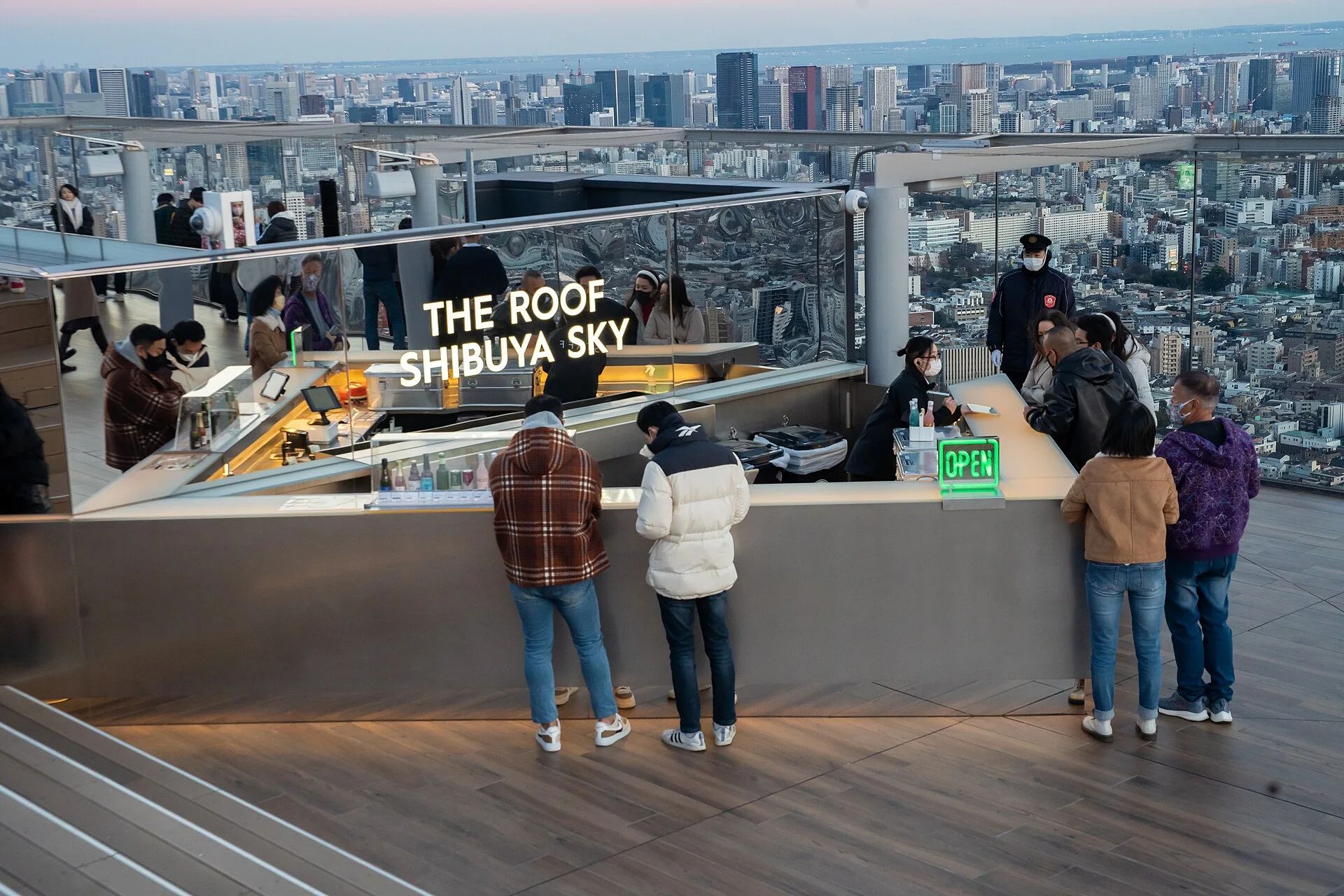
The 6F Park View Garden is an outdoor terrace overlooking Hibiya Park and the Imperial Palace grounds. Access from B1 or 1F opens at 08:00, so early risers can take in the treetops and moat before heading back down for shop opening. For families with young children, slower walkers, or anyone who feels the cold, pairing dining and the garden in the same block of time is most convenient. On clear days, head up first for a panoramic view of the park to decide which lawns to walk later. In strong wind or rain, stay indoors browsing or fill the gap at a seated cafe.
Also on 6F, DRAWING HOUSE OF HIBIYA serves lunch and dinner and accepts bookings. The restaurant page lists lunch budgets from ¥2,000 and dinner from ¥7,000, with last orders for lunch at 14:00. Guests with pre-school children can use private rooms or terrace seating; on wet or overcast days, check indoor private-room availability first. If you are watching your budget or catching a film, eat on B1 and ride up to 6F purely for the park view—dining and scenery need not be combined. Without a weekday booking, avoid the midday office rush by eating early or after 13:00.
With a Pushchair, Note the 2F Baby Lounge First
Midtown's 2F Baby Lounge opens 11:00–21:00 with sinks, nursing rooms, and nappy-changing stations. Accessible toilets or family facilities are available across floors B1 through 6F. If a child is already tired on arrival, head straight up to 2F while the other adult picks up lunch or browses clothes. Before leaving the district, stopping here for the loo or repacking the pushchair avoids having to halt the whole family on a busy railway platform.
If you need to borrow a pushchair on the spot, go to the 1F Information Counter. Loans run 11:00–19:30 (return by 19:30) for children aged one month to four years; ten pushchairs are kept on site for walk-in use. You will need to provide a mobile number or ID, and the pushchairs are restricted to inside the Midtown building. In rainy weather, if you also plan to visit Chanter or Yurakucho, bringing your own pushchair saves returning one and doubling back. When the weather gives only a brief dry window, keep outdoor time to the ground-floor plaza so grandparents and grandchildren can split up and reunite easily.
Read the Full Cinema Name on Your Film Ticket
Screens 1 to 11 of TOHO Cinemas Hibiya sit on 4F of Midtown, with lift access from B1 or 1F starting at 08:00. Tickets for Screens 12 and 13 are next door on B1 of the Tokyo Takarazuka Building (1-1-3 Yurakucho). Tickets reading Chanter belong to TOHO Cinemas Chanter, a separate entrance in the Toho Hibiya Building (1-2-2 Yurakucho). Since 25 August 2026, Hibiya and Chanter have each run their own listings pages, so save the full venue name, screen number, and showtime to your phone when booking. For foreign-language films with original audio, choose screenings marked jimaku (subtitled) rather than fukikae (Japanese-dubbed).
Standard tickets at TOHO Hibiya cost ¥2,200 for adults, ¥1,600 for university students, and ¥1,100 for high school students (student ID may be required), with surcharges for premium formats or upgraded seating. Online booking for standard screenings generally opens at 00:00 JST two days before the screening date, though some titles have separate advance schedules. Families wanting seats together should book right when sales open; rather than rushing halfway through lunch, count backwards from the screening time and dine in the same building or on the same side of the street.
Tokyo Takarazuka Theater sells stage performances through its own ticketing portal, separate from cinema tickets. If you already hold theatre tickets, browse Hibiya Chanter beforehand and leave bulky electronics shopping until after the curtain call. Same-day Takarazuka tickets are only released when seats remain, via the official online service or the theatre box office. When scheduling two events at different venues close together, factor in checkout queues, lift transfers, and admission lines.
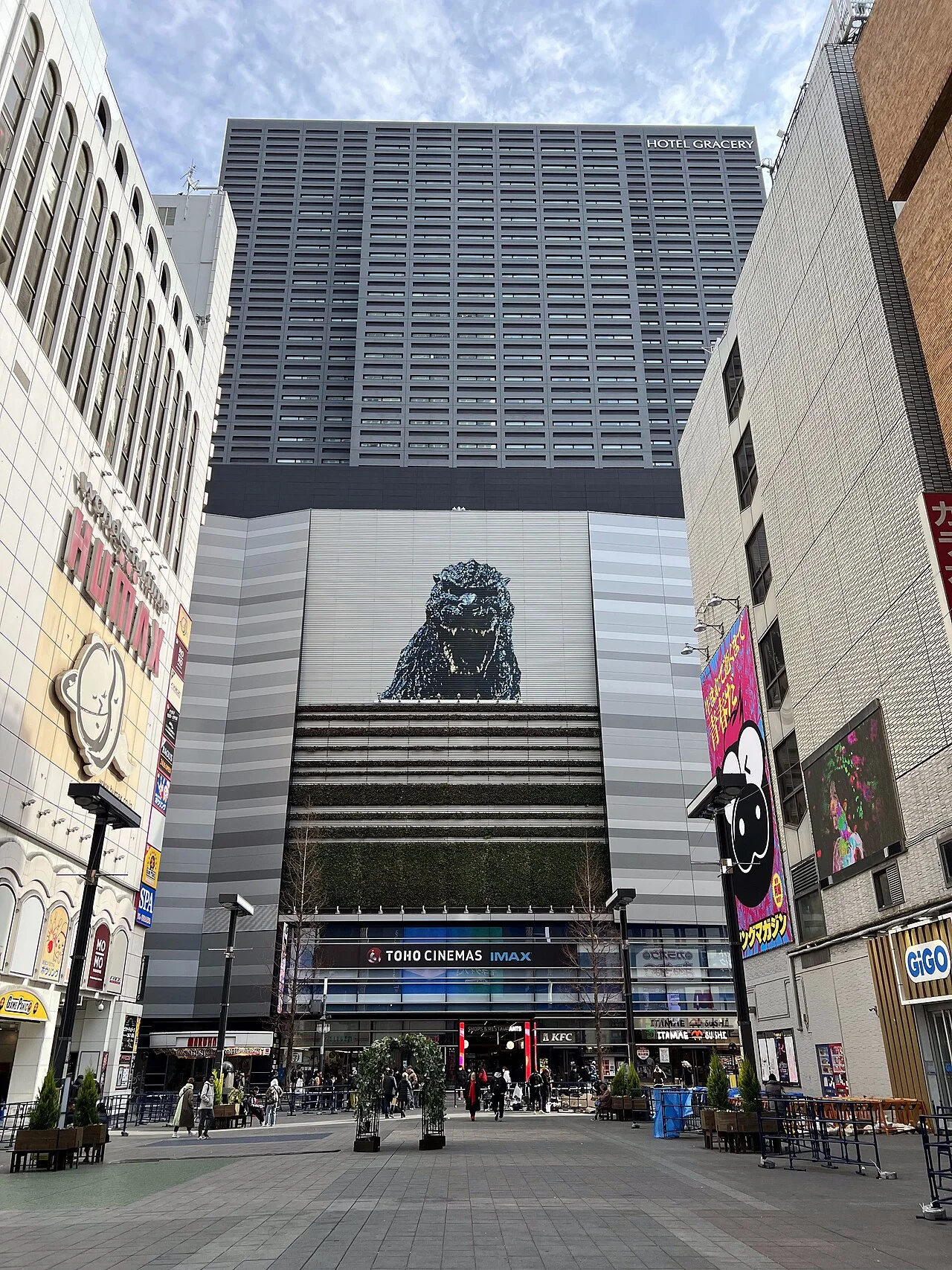
If you only want stage merchandise, Quatre Rêves on 3F of Chanter stocks Takarazuka stage photographs, books, CDs, and DVDs. Afterwards, meet companions outside Chanter at Hibiya Godzilla Square in dry weather, where the Shin Godzilla statue is easy to spot at street level; the older 1995 statue has relocated inside TOHO Cinemas Hibiya. In rain, stay underground: The Star Gallery beside Chanter's B2 connecting corridor displays handprints of actors and singers, giving you something to see while waiting for others to come down.
Chanter and Imperial Hotel: Split Lunch from Gift Boxes
At Hibiya Chanter, retail floors B1 to 3F usually trade 11:00–20:00 and B2 dining 11:00–22:00, with last orders set by each restaurant. Arriving with a group for lunch, check menus and waitlists on B2 first before deciding whether to dine together or split up. If you need to meet before standard shop opening, the 1F bakery cafe Le Petit Mec opens at 08:00—far easier to spot than a shuttered clothing boutique. Hibiya Line riders can walk straight through the station passage linked to Midtown, while street-level visitors simply cross to the building opposite Midtown.
The Imperial Hotel's Gargantua shop on 1F of the Main Building sells biscuits and boxed items from 08:00–20:00, while fresh pastries, breads, and deli items are sold from 11:00–19:00 as batches are ready. For an early train, stick to ambient biscuits; if taking cakes back to your hotel, swing by on the way home instead. For specific flavours or sizes, check product pages for Web torioki (online reservation). With chilled desserts, tell the cashier where you will eat them and how long you will be walking so they can help you pick items that travel well.
The hotel's shopping area also includes the Imperial Hotel Arcade, where individual shops list their own opening hours and closing days. Navigate to the Main Building for jewellery, leather goods, or clothing, and head off the lobby to 1F for food gifts. With only ten to fifteen minutes before a show, buy only pre-selected items. When waiting for a friend to collect tickets, stand in an open spot and keep the theatre doors clear for the admission queue.
On Chanter B1, Hibiya Shimanekan generally opens 11:00–20:00 following the centre's holiday schedule. Beyond Shimane wagashi sweets and local sake, its shelves carry pottery and lacquerware—ideal if you prefer non-sweet souvenirs. To protect ceramic cups on a flight, ask staff to wrap them and pack them in your carry-on cushioned by soft clothing. If you only have a short gap, buy gifts on B1 before heading to the next building for a meal so gift bags do not get damp around restaurant tables or outdoor benches.
Yurakucho: Compare Models First, Carry Bulky Buys Last
Bic Camera Yurakucho trades 10:00–22:00. Keep a photo on your phone of your target model numbers, colours, and accessories; check stock first on arrival, then ask about tax-inclusive pricing, voltage, plug type, and warranty repairs. When buying cameras, lenses, or headphones, show staff the body, cables, or phone model you will pair them with. For small appliances, double-check the rating plate's voltage range and operating conditions—whether a unit works directly back home depends on that model's exact specs. If you add cases or spare consumables, factor their bulk into your luggage allowance.
Yurakucho Marui generally opens 11:00–20:00 and makes a straightforward starting point for clothes, shoes, and everyday goods. To pick up food for your accommodation, go to Food Avenue on B1 of ITOCiA, which houses Marui. Heading from JR Yurakucho Station toward Ginza, LUMINE STREET links the Ginza Exit to LUMINE Yurakucho and is handy for breads and pastries. For dinner under the railway tracks, walk a short stretch toward Shimbashi before picking an izakaya or bistro. Dining with children, check for table seating and space for a pushchair; for a quick solo meal, counter seats near the station beat trekking to a distant restaurant.
Pick up small items as you go, and leave larger appliances until just before returning to your hotel or boarding at the station. If you inspect a machine in the morning, note down both the quoted price and box dimensions before heading back to Midtown—whether a box stands upright inside a suitcase often matters more than weight. To compare the same model over in Ginza, record the exact specs and included accessories in your phone notes so you do not compare different bundles. Keep one hand free for the trains, and never stack glass bottles or pastries beneath heavy electronics bags.
Tokyo Traffic Hall sits right by the station's Kyobashi Exit and is also reachable toward Hibiya Station Exit A2. For shareable office or family treats, stop by Hokkaido Dosanko Plaza on 1F after Midtown (open 10:00–20:00) for Hokkaido sweets. The building clusters regional antenna shops under one roof: to track down an unfamiliar seasoning or a specific prefecture's speciality, check the antenna shop directory on the official website by prefecture. Checking storage instructions in person beats guessing from box photos—picking ambient-temperature snacks for colleagues saves chasing chilled goods at the airport.
Walking from the Imperial Hotel toward Shimbashi, follow the elevated railway arches into Hibiya OKUROJI. This roughly 300-metre red-brick arcade houses restaurants and boutiques with a calmer feel than the big-box stores outside Yurakucho Station. For a seated meal, navigate straight by unit number using the multiple street-side entrances, which also make easy meeting points. At lunchtime, check which venues open midday: for example, Trattoria La Puglia at H16 lists weekday hours of 17:00–23:00 and weekend/public holiday hours of 12:00–22:00, with last food orders one hour before closing. It also notes closure from 31 December 2026 to 3 January 2027, so New Year diners should check neighbouring shopping centres' dining hours first.
Navigating Hibiya Park During Construction
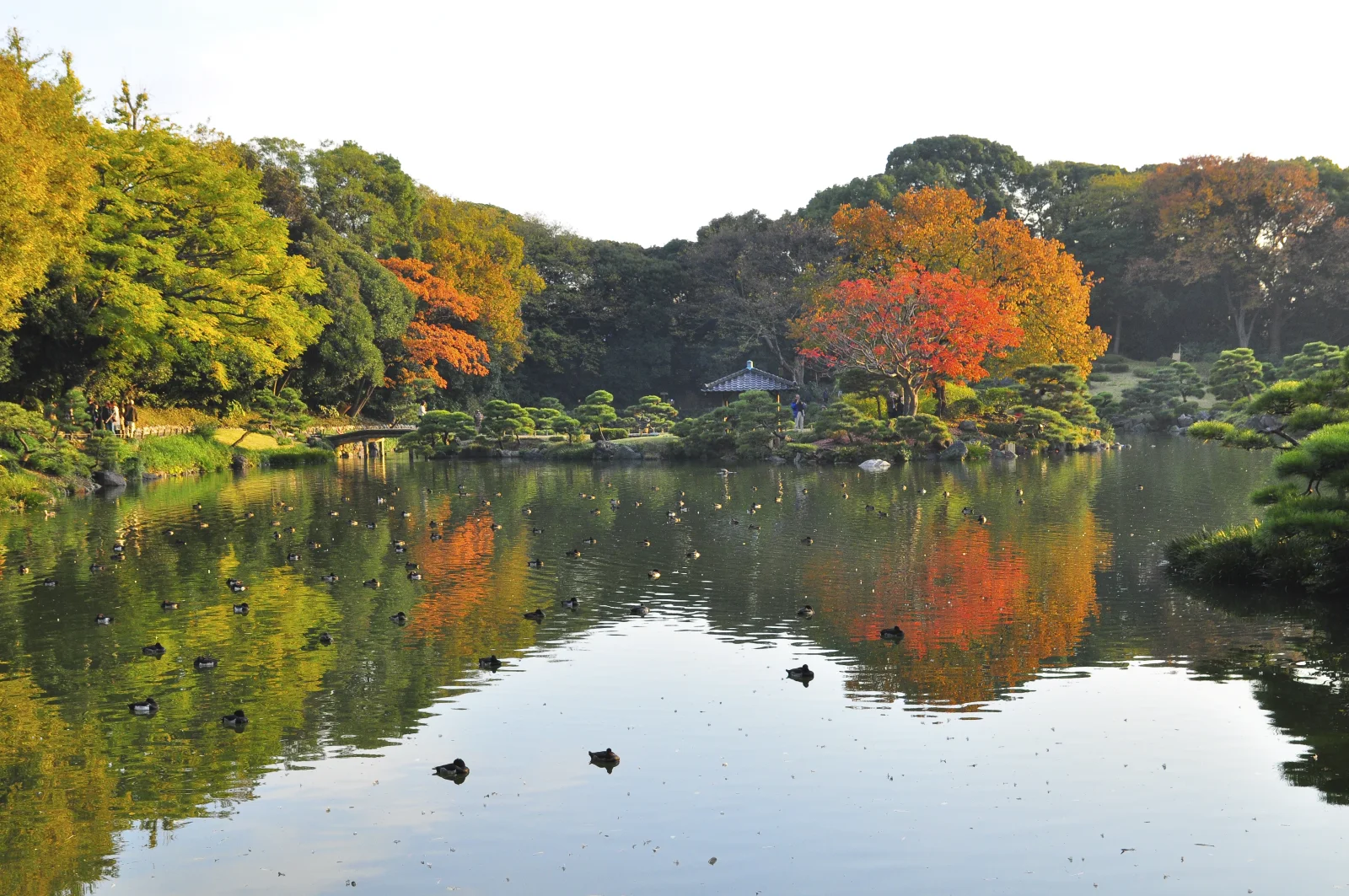
Hibiya Park is free to enter. The Tokyo Metropolitan Park Association has announced construction around the Large Fountain and Fountain Plaza, closing off the work zone, with the area around the Small Music Hall also under refurbishment. The Tokyo Metropolitan Bureau of Construction lists the Large Open-Air Concert Hall (known locally as Yaon) as suspended from use. Crossing from Midtown for a brief stretch of greenery, stick to open paths around the First Flower Bed, Shinji Pond, or the Hibiya Mitsuke Ruins. If you meet construction hoarding, step back out to the perimeter pavement. Allow 20 to 30 minutes mid-itinerary to stroll and rest on a bench without crossing the whole park.
Approaching from Uchisaiwaicho or Kasumigaseki, visitors heading first to Hibiya Library & Museum at the south end can enter via Hibiya Station Exit A14 or Kasumigaseki Station Exit B2. The 1F Library Shop & Cafe opens 10:00–19:00 on weekdays and 10:00–17:00 on weekends and public holidays (matching the library's open days), making it ideal for a morning coffee before shops open—or a quiet spot for a reader while others browse. Downstairs, Library Dining HIBIYA offers another sit-down meal option, though Sunday and holiday hours are shorter, with last food orders at 16:00.
For autumn ginkgo foliage, walk along the park edge or check the tree colours from Midtown's 6F terrace before deciding whether to cross the street. In summer, visit the park in the morning to save energy and move indoors once the shops open; in winter, shift your stroll to after lunch so it flows straight into the 16:00 illuminations. In heavy rain, skip the park perimeter altogether and stay between Midtown and Chanter to avoid extra street crossings.
Afternoon Walk to Ginza, or Up Marunouchi Nakadori to Tokyo Station
Ginza and Marunouchi each suit a distinct afternoon errand. For Ginza flagship stores or specific brands and colourways, walk east from Midtown toward Sukiyabashi, pass Yurakucho Marion to Ginza Station, and continue to Ginza 4-chome or turn onto Chuo-dori according to your target block. If you pick up similar items earlier in the shopping centres, spend the extra time letting companions try things on. In rain, stay in Ginza Station's underground network, match your destination to the nearest exit letter, and save yourself a wet walk across open junctions.
If you are heading back to Tokyo Station for the Shinkansen, walk from the Yurakucho side of Hibiya Station toward Tokyo International Forum and follow Marunouchi Nakadori north for street scenery, shops, and direct arrival on the red-brick side of the station. You can also use the underground link from Hibiya Station toward Exit A2 for Tokyo Traffic Hall and the International Forum. Because Nakadori's boutiques line the street above ground, heavy rain is a cue to take the two-step shortcut—walk underground to Yurakucho, then hop one stop on JR to Tokyo Station. Board the Yamanote Line bound for Tokyo and Ueno rather than guessing intermediate stops.
First Avenue Tokyo Station sits outside the JR ticket gates on the Yaesu side, where Tokyo Character Street usually trades 10:00–20:30. Walking across from the Marunouchi side, follow the non-gated Yaesu Underground Central Exit passage and allow extra time to cross the concourse and reach your correct boarding gate. If you only hold a standard single ticket and want to drop bags before entering the platform, decide which gate you will depart from first—leaving luggage in Marunouchi, shopping on the Yaesu side, and doubling back to Marunouchi adds unnecessary walking.
To include the Imperial Palace East Gardens on the same day, dedicate the full morning to touring the grounds. Entry is free, and the gardens usually close on Mondays, Fridays, and from 28 December to 3 January (if a national holiday falls on a Monday, closure shifts to Tuesday), subject to Imperial Household events. From November through February, hours are 09:00–16:00 with last admission at 15:30; Otemon Gate sits closest to Tokyo Station and Otemachi. Trying to squeeze in the winter last entry after shopping in Hibiya easily feels rushed, so walkers should visit the East Gardens first and stroll south through Marunouchi for lunch.
Planning Around Winter Illuminations and New Year Hours
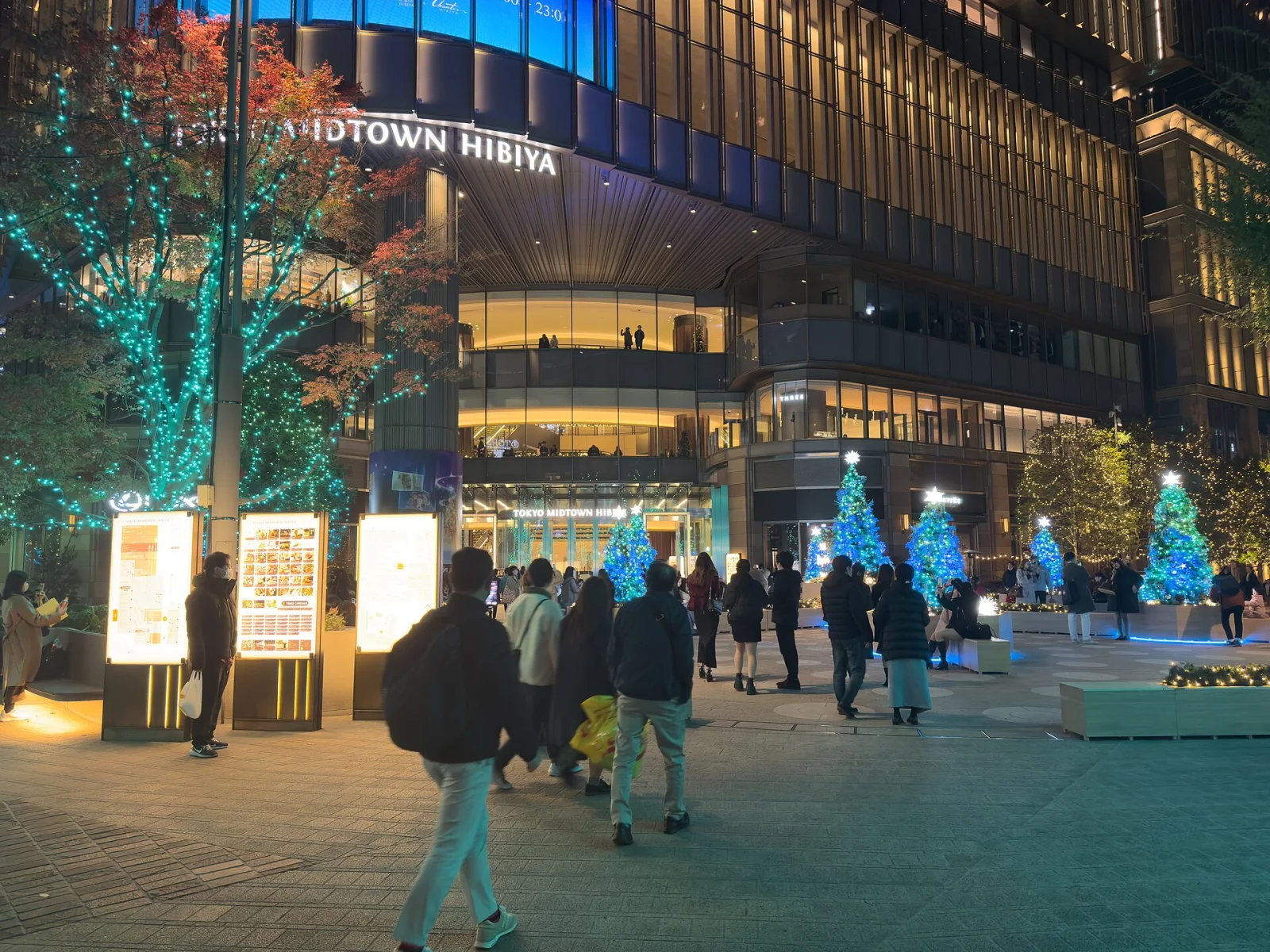
HIBIYA Magic Time Illumination 2026 runs from 12 November 2026 to 28 February 2027, lit 16:00–23:00 daily. The Avengers-themed tree at the base of the plaza stays up only until 25 December 2026. From 26 December onwards, you can still see Hibiya Nakadori, the ETERNAL HEART TREE atop the plaza steps, and the 6F Park View Garden. Finish shopping and food pickups before the lights switch on, take photos after 16:00, and sit down for dinner once full darkness settles.
To combine both displays in one evening, walk from Hibiya Nakadori straight north into Marunouchi Nakadori toward Tokyo Station. The 2026 Marunouchi Illumination runs from 12 November 2026 to 14 February 2027, generally 16:00–23:00 and extended to midnight in December. From 27 November to 25 December 2026, Gyoko-dori also lights up, offering classic views looking from the Imperial Palace Outer Garden toward Tokyo Station's facade. After 15 February, focus on Hibiya's lights and walk to Tokyo Station only for your train. Anyone who dislikes standing in the cold will enjoy picking one outdoor stretch before warming up in a restaurant rather than wandering while hunting for a table.
Visiting in the week before Christmas, the handmade market inside Midtown's B1 Hibiya Arcade runs in two windows: 19–21 December and 23–25 December 2026, from 12:00–19:00. With a one-day gap in between, use 22 December for permanent shops or the illuminations instead. If you have an afternoon cinema booking, decide beforehand whether you want to carry fragile market crafts or stash them in a locker first. The market sits underground while the trees and lights fill the plaza and 6F, so you can ride straight upstairs once you finish browsing the stalls.
Hibiya Chanter closes retail floors early at 18:00 on 30 December 2026, with B2 dining open until 20:00. The main building closes on 31 December and 1 January 2027, though Tim Ho Wan in the annex opens 10:00–21:00 on both days. On 2 and 3 January, retail opens 11:00–19:00 and B2 dining 11:00–20:00, resuming normal hours on 4 January.
Yurakucho Marui closes from 31 December 2026 through 3 January 2027, returning to 11:00–20:00 on 4 January. On 2 January, Chanter is open while Marui requires a separate day. For lucky bags (fukubukuro) marked jizen yoyaku (advance reservation), note both the booking window and the physical collection slot in your calendar. Shopping centres that sit steps apart on a map operate on very different schedules around New Year.
Tax-Free Shopping Switches to Departure Refunds from November 2026
From 1 November 2026, tax-free purchases in Japan require paying the tax-inclusive price upfront; eligible visitors must leave Japan within 90 days of purchase, have Japanese Customs verify the exported goods, and receive their refund via the store's designated method. The qualifying threshold remains at least ¥5,000 (tax-excluded) at a single tax-free shop on the same day. Present your passport at checkout so the shop can register the purchase. When shopping across Midtown and Yurakucho, follow each store's own tax-free signage and minimum spend—separate receipts from different centres cannot be combined.
The new system scraps the old special sealed packaging for consumables. Bread bought for hotel breakfast, drinks sipped while walking, and souvenirs to take home can simply be rung up separately at checkout—food or cosmetics consumed inside Japan cannot be claimed for a tax refund. When travelling in a group, whichever person's passport registered the purchase must carry those goods out of Japan. Keep tax-free electronics or boxed gifts in luggage you can access before checking bags at the airport so Customs can verify them first. Departing from Haneda or Narita, use the airport tax-refund kiosks or connect to the designated Wi-Fi in the international departure lobby before security to process via Visit Japan Web; if flagged for inspection, bring the items to the designated Customs counter.
Tokyo Midtown Hibiya ended its centralised tax-free counter, delivery desk, and staffed luggage storage on 31 October 2026. From 1 November onwards, participating shops handle tax-free registration in-store, so check shopfront signs before buying and confirm whether refunds go back to the original card or via another channel. Track store discounts separately from tax refunds, and for electronics add warranty terms, shipping, and extra accessories to your budget. Keep some cash handy for coin lockers, small snacks, or train fare top-ups. Before sitting down for dinner under the Yurakucho railway arches, check menu prices and any table charges outside, and ask before ordering if your group needs separate bills.
Stash Shopping Bags Early for a Smooth Finish
Coin lockers on 1F of Yurakucho Marui (by the lift hall) cost ¥300–500 for same-day use, accessible during store hours—handy as a drop-off if you are walking to Ginza and catching JR back from Yurakucho. If you plan to take the Hibiya Line straight back to your hotel after a film, pick a locker on the departure-platform side to avoid backtracking. For lockers tucked inside Tokyo Station's shopping concourses or corridors, snap a photo of the floor, locker number, and nearest ticket gate. If one person in your group might head back early, agree beforehand who holds the payment receipt or unlock code.
Stopping in Hibiya for half a day with cabin bags, drop your luggage near your final departure point first and walk back to Midtown hands-free. Taking a train from Tokyo Station, leave Tokyo Character Street for last; staying near Ginza, pick up Imperial Hotel pastries or Ginza department-store deli boxes right before returning to your room. If shipping large buys to your hotel, confirm delivery lead times with the shop and check accepted delivery dates and guest name formatting with your hotel. Travellers with an early flight next morning or an intercity train the same day will keep tighter control of their schedule by sticking to sizes and weights they can carry themselves.
With only 90 minutes to spare, pick two floors in Midtown and leave the rest for another trip—browse Japanese lifestyle goods on 3F, pick up chocolates on B1, and head straight down to Hibiya Station without dressing for street walking. With three or four hours in fair weather, pair Midtown with Hibiya Park, then loop past the theatres to Chanter and Yurakucho; reverse the route if electronics come first, finishing with dinner or a film. On a wet winter day with an evening performance, push lunch later, linger over coffee at Chanter once browsing ends, and walk over when doors open. Pin your must-shop stores and booked venues on one map, and let the day's weather and energy dictate the gaps between.
A few useful answers
Which station exit leads to Tokyo Midtown Hibiya?
Take Exit A11 from Hibiya Station (Tokyo Metro Hibiya and Chiyoda lines, or Toei Mita Line) for direct underground access to B1. From JR Yurakucho Station's Hibiya Exit, the centre estimates roughly a five-minute walk.
When do Midtown shops open, and what can early arrivals do?
Most shops open 11:00–20:00 and restaurants 11:00–23:00. From 08:00, you can ride up from B1 or 1F to the 6F outdoor Park View Garden, or buy biscuits at Gargantua inside the Imperial Hotel.
Are all TOHO Cinemas Hibiya screens inside Midtown?
Screens 1 to 11 are on 4F of Midtown, while Screens 12 and 13 sit next door on B1 of the Tokyo Takarazuka Building. Tickets marked Chanter are at TOHO Cinemas Chanter in the Toho Hibiya Building (1-2-2 Yurakucho).
Can you see the Large Fountain in Hibiya Park right now?
No—the Large Fountain and Fountain Plaza are closed off for construction. Enter from Exit A10 and stick to open paths around the First Flower Bed or Shinji Pond instead.
When do the Hibiya winter illuminations run?
From 12 November 2026 to 28 February 2027, lit 16:00–23:00 daily. The Avengers-themed tree on the plaza runs only until 25 December 2026.
Does Tokyo Midtown Hibiya still have a central tax-free counter?
No—the central counter closed on 31 October 2026. From 1 November 2026, pay the tax-inclusive price at participating tax-free stores, clear Customs confirmation upon departure within 90 days, and receive your refund via the store's method.
Official information and references
Sources used in this guide.
- Tokyo Metro Hibiya Station Layout & Exits
- Tokyo Metro Regular & IC Card Fares
- JR East Yurakucho Station Information
- Tokyo Midtown Hibiya Access Guide
- Tokyo Midtown Hibiya Opening Hours & Floor Guide
- Tokyo Midtown Hibiya B1 Shops
- Tokyo Midtown Hibiya 1F Shops
- Tokyo Midtown Hibiya: HIBIYA CENTRAL MARKET
- Tokyo Midtown Hibiya: DRAWING HOUSE OF HIBIYA
- Tokyo Midtown Hibiya Baby Lounge & Pushchair Services
- TOHO Cinemas Hibiya Screen Locations & Access
- TOHO Cinemas Hibiya Ticket Types & Prices
- TOHO Cinemas Chanter Access & Listing Separation
- TOHO Cinemas Online Seat Reservation Guide
- Tokyo Takarazuka Theater Access Guide
- Tokyo Takarazuka Theater Same-Day Tickets
- Hibiya Chanter Opening Hours
- Hibiya Chanter Facilities & Godzilla Square
- Hibiya Chanter Takarazuka Shop (Quatre Rêves)
- Hibiya Shimanekan Products & Floor Info
- Hibiya Chanter 2026–2027 Year-End & New Year Hours
- Imperial Hotel Tokyo Gargantua Products & Sales Hours
- Imperial Hotel Tokyo Shopping Area
- Bic Camera Yurakucho Opening Hours & Exits
- Yurakucho Marui Floor Guide
- Yurakucho Marui Lockers & Facilities
- Marui 2026–2027 Year-End & New Year Hours
- JR East LUMINE STREET Passage Location
- Tokyo Traffic Hall Regional Antenna Shops
- JR East Urban Development: Hibiya OKUROJI
- Hibiya OKUROJI: Trattoria La Puglia
- Tokyo Metropolitan Park Association: Hibiya Park & Construction Notice
- Tokyo Metropolitan Bureau of Construction: Open-Air Concert Hall Status
- Chiyoda City Hibiya Library & Museum Calendar
- Imperial Household Agency: East Gardens Opening Dates & Hours
- First Avenue Tokyo Station Access & Hours
- Hibiya Winter Illuminations & Christmas Market 2026
- Marunouchi Illumination 2026–2027
- Tokyo Midtown Hibiya Notice on Tax-Free Counter, Delivery & Luggage Services
- National Tax Agency Japan: Tax-Free Sales & Refund Procedures
- Japan Customs: Departure Tax Refund & Airport Procedures