Plan your meals around Shinjuku Station's exits. Hit Omoide Yokocho on the West Exit for yakitori, Kabukicho and Golden Gai on the East Exit for late-night food and drinks, and South Exit department store restaurants for family dining. Includes rainy-day underground routes from Shinjuku-sanchome, early breakfasts before highway buses, and 2026–2027 New Year hours.
- Reading Scope
- 18 min read · 12 chapters · 6 Q&As
- Official Verification
- 30 official sources checkedUpdated 22 November 2026
- Key Topics
- FoodNeighbourhoodsFirst trip
Chapter Route Map (tap any stop)
- Meeting for a Meal in Shinjuku: Agree on the Exact Exit First
- Omoide Yokocho Opens Early, Though Skewers Start Later
- Eat Dinner in Kabukicho, Then Head to Golden Gai for a Drink
- Where to Find Hot Food After 22:00
- Takashimaya, LUMINE, and NEWoMan: Which Saves Time for Each Meal
- Pick Up Bento on Isetan B1, or Sit Down on the 7th Floor
- Staying Underground in the Rain Before Stepping Outside
- Early Coaches and Check-Out Days: Eat on the Departure Side
- Budgeting a Whole Night Out: From Cover Charges to the Bill
- Dietary Restrictions, Travelling with Kids, or Dining Solo
- 2026–2027 New Year Hours: Do Not Rely on Food Halls for Dinner
- Slotting Shinjuku Meals into Your Tokyo Itinerary
- Quick Q&A
Arriving in Shinjuku late and just after a hot bowl? Head into Kabukicho for Ichiran, or try Gifuya by the West Exit railway bridge. If you want to sit down for skewers in a narrow alley, save dinner for Omoide Yokocho and keep Golden Gai for a post-meal drink. Travelling with children or older relatives from the JR platforms? Look at NEWoMan or Takashimaya right outside the New South Gate. For Isetan's bento boxes and patisserie counters, use Shinjuku-sanchome Station and walk straight into the basement from underground.
Meeting for a Meal in Shinjuku: Agree on the Exact Exit First
Texting "meet at Shinjuku Station" is the fastest way for two groups to end up waiting at opposite ends of the complex. For Omoide Yokocho, meet outside the JR West Gate and walk along the tracks towards the Shinjuku O-Guard railway bridge. For dinner in Kabukicho, meet outside the East Gate; if you are heading to the Shinjuku Toho Building, follow Yasukuni-dori and cross the road straight into Kabukicho. Anyone arriving on the Seibu-Shinjuku Line can meet directly outside the restaurant or at the same building instead of doubling back to JR.
To cross from the west side to the east side, take the East-West Free Passage beneath the JR tracks. Because it sits outside the ticket barriers, you can eat dinner on the west side and stroll over to the east side for a second round without tapping your card. If friends are arriving separately via Odakyu and JR, naming a specific gate along the free passage makes meeting straightforward. Be sure to write "outside the West Gate" rather than just "West Gate", as the Central West Gate inside the concourse is a separate spot.
On the south side, pin down the exact exit. The JR South Gate faces Koshu-kaido and serves LUMINE 1 and LUMINE 2. If you are catching a highway bus or dining at NEWoMan, meet outside the New South Gate; signs for Takashimaya sit on the same southern side. For companions taking the Tokyo Metro to Shinjuku-sanchome Station, Exit E8 leads to Takashimaya, while Exit E10 connects to NEWoMan, the JR New South Gate, and Busta Shinjuku.
If you need street-level lifts, Tokyo Metro's Shinjuku-sanchome Station map marks Exits B4, E8, and E10 as step-free. Each number serves a different destination: take B4 with a buggy for Isetan, E8 for Takashimaya, and E10 for the highway bus terminal. Pick the right exit first and follow the shopping centre signs to the restaurant floors to spare yourself carrying a pushchair up a flight of stairs.
Do not confuse "Shinjuku-nishiguchi" (E01) and "Shinjuku" (E27) on the Toei Oedo Line—they are two separate stations. For Omoide Yokocho, get off at Shinjuku-nishiguchi, which the alley association lists as one of its nearest stations, and walk towards the railway bridge. If you are catching a bus on the New South side, exit at Toei's Shinjuku Station, follow signs for the JR Shinjuku South Exit, and cross Koshu-kaido to Busta Shinjuku. When travelling from different lines, send the operator, station name, and exit number together to avoid wasting pre-booking time hunting for each other.
| Where You Are Eating | Meeting Point or Exit | Where to Walk Next |
|---|---|---|
| Omoide Yokocho | Outside JR West Gate | Follow the railway tracks towards Shinjuku O-Guard |
| Kabukicho & Shinjuku Toho Building | Outside JR East Gate | Walk towards Yasukuni-dori and Kabukicho Ichiban-gai |
| Isetan Main Store | Shinjuku-sanchome Exits B3, B4, or B5 | Follow Isetan signs; Exit B4 has a street-level lift |
| Takashimaya & NEWoMan | Shinjuku-sanchome Exit E8 (Takashimaya) or E10 (NEWoMan) | From JR, follow the New South side signs |
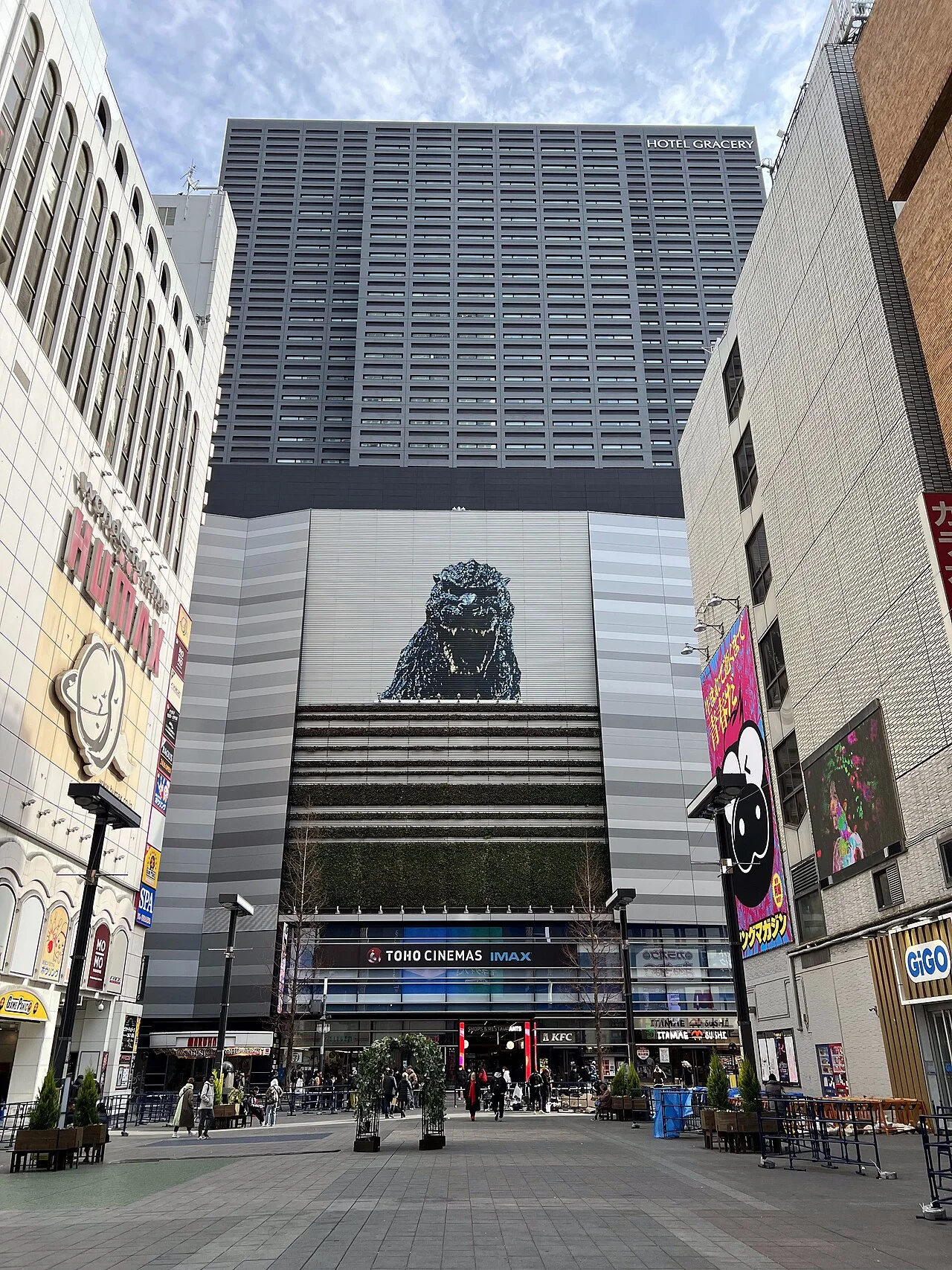
Plan your meals around Shinjuku Station's exits. Hit Omoide Yokocho on the West Exit for yakitori, Kabukicho and Golden Gai on the East Exit for late-night food and drinks, and South Exit department store restaurants for family dining. Includes rainy-day underground routes from Shinjuku-sanchome, early breakfasts before highway buses, and 2026–2027 New Year hours.
Omoide Yokocho Opens Early, Though Skewers Start Later
Omoide Yokocho hugs the railway tracks on the west side of Shinjuku Station, with its northern tip near the O-Guard bridge. On a first visit, stroll down the main lane and peer through the doorways to see how many counter seats are free before choosing a spot. Pairs can usually sit side by side and share dishes easily. If you are a group of four or more wanting to sit together and only single seats remain near the doors, save the alley for drinks afterwards and book a proper table elsewhere for dinner.
The shop signs tell you what each stall specialises in: yakitori means grilled chicken skewers, yakiton focuses on grilled pork and offal, and motsuni is simmered offal stew. For classic chicken thigh and spring onion, look for chicken skewers or negima, or simply point at the menu. If someone in your group only wants a light bite, start with two skewer orders or one bowl of stew and add more once they arrive. If you plan to bar-hop afterwards, pacing your order is easier than filling the table at the first stop.
For daytime eating, Gifuya is a reliable anchor with set hours. Located at 1-2-1 Nishi-Shinjuku, it usually opens at 09:00 and runs until 01:00 the next morning from Sunday to Thursday, or 02:00 on Fridays, Saturdays, and the eve of public holidays. It makes its own noodles, listing ramen at ¥500 and fried rice at ¥680 on its website menu, alongside gyoza and stir-fried wood ear mushrooms with egg. You can drop in alone for a quick bowl or share several plates—and when the yakitori stalls have not yet fired up their grills, Gifuya still serves a proper hot meal.
Check the doorway and menu for how each small shop bills. Otoshi is a small starter brought when you sit down, which some places charge for, while "nihon kara" beside skewers means a minimum order of two sticks. Carry small-denomination yen notes and check payment signs at the entrance. If you remember a second stop, the last train, or tired children mid-meal, paying up and heading out is much simpler than squeezing into another queue in the narrow lane.
If you are wearing a bulky winter coat at a tight counter, tuck your rucksack by your legs or into the basket provided so servers can get past. Those sensitive to smoke should check the smoking policy sign outside the door first. When pausing to read a menu in the alley, step flush against the shopfront so passers-by have room to walk through.
Eat Dinner in Kabukicho, Then Head to Golden Gai for a Drink
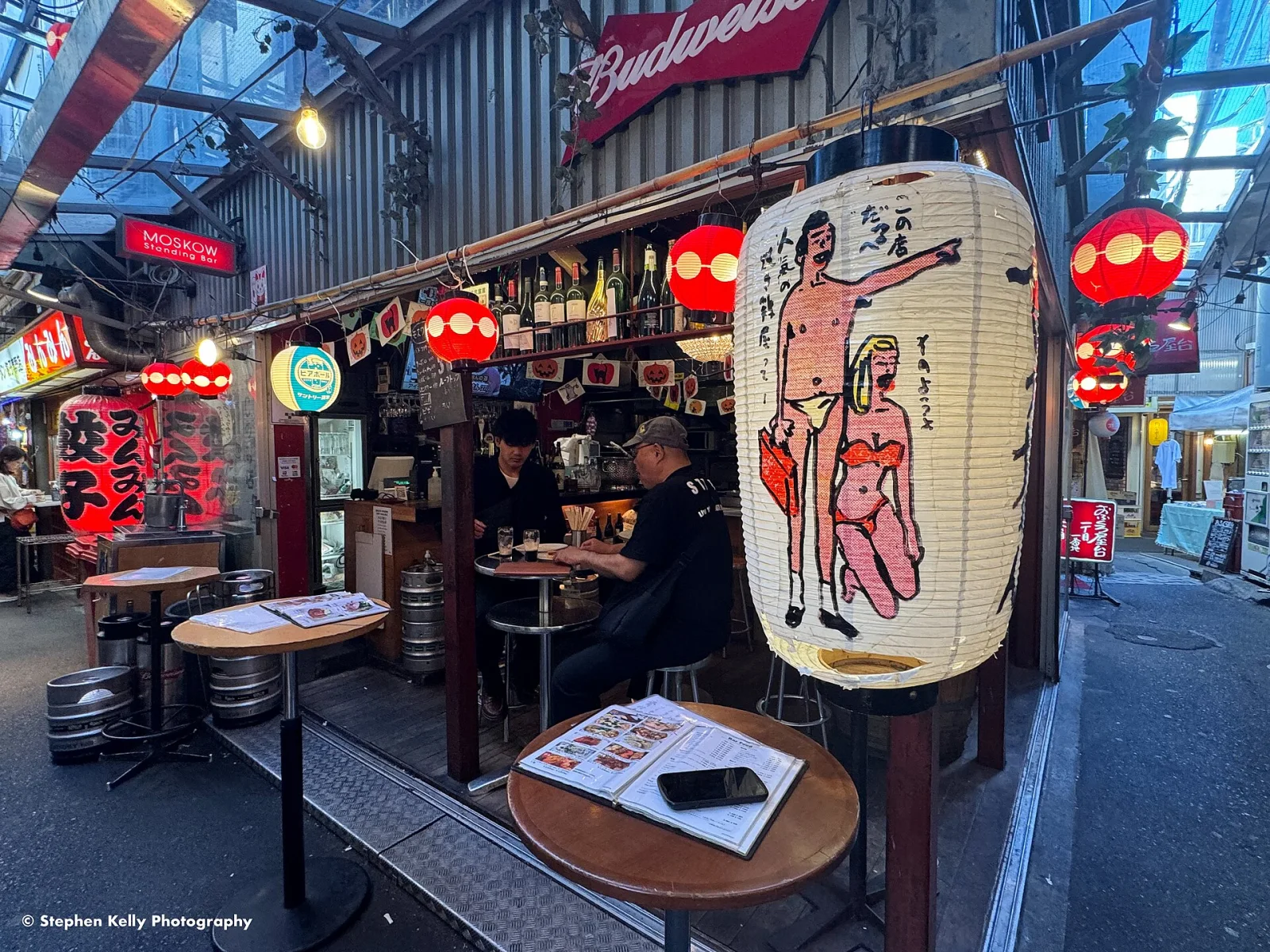
Golden Gai sits on the edge of Kabukicho nearest Hanazono Shrine. Tokyo's official tourism site describes the cluster as six blocks packed with roughly 280 tiny bars and eateries. For a larger group, book dinner somewhere with a clear shop name, street address, and floor number, then bring just one or two people over to Golden Gai afterwards to pick a bar with spare stools. Walking from Kabukicho's main streets, aim for the Kuyakusho-dori area first and locate the specific lane from there.
Before pushing open a door, check for a chaji (cover charge) or otoshi (table snack charge). The local merchants' association notes that most bars levy one of these on top of drink prices, with each bar setting its own rate. Asking "Chaji wa ikura desu ka?" lets you confirm the cover charge up front, while places marked "chaji nashi" charge no seating fee and bill only for what you order. If two of you hop between bars after one round, remember the second bar's cover charge starts fresh.
Many entrances are narrow doors or steep staircases up to the second floor. Skip anywhere marked "kaiinsei" (members only) and look for bars displaying welcome signs for newcomers and a clear price list before asking if two seats are free. Golden Gai's association also restricts photography of the streets and signs without permission. Even if you only want a quick shot of your drink at the bar, ask the bartender first and keep other guests out of frame.
Tokyo's Metropolitan Police Department warns of touts in Kabukicho luring visitors into bars that later present inflated bills. Only enter venues you have chosen yourself and ignore street promoters. When a menu is posted outside, check whether prices include tax, whether there is a minimum drink order, and if time limits apply. For yakiniku dinner, reserve a restaurant along Yasukuni-dori or Kuyakusho-dori with a clearly listed floor and course menu so friends arriving from different lines can meet smoothly.
Several branches of Jojoen carry "Shinjuku" in their name, so check carefully. The Shinjuku Chuo-Higashiguchi branch is temporarily closed following a fire in September 2026. The Kabukicho branch sits on the 9th floor of the Monami Building at 1-18-8 Kabukicho with partitioned tables, normally opening at 11:00 with last orders at 05:00 the next morning. Parties of six or more can also look at Yugentei Shinjuku at 1-10-7 Kabukicho, which offers both standard tables and private rooms. Both serve into the small hours; pick your seating style for your group size and text the exact branch name and floor.
Where to Find Hot Food After 22:00
Decide which side of the station your hotel sits on before choosing a late-night meal. If you are staying near the East Exit or Kabukicho, head to Ichiran Shinjuku Kabukicho at B1F, 1-17-10 Kabukicho. Its website lists 24-hour opening, Natural Tonkotsu Ramen at ¥1,180, and a late-night surcharge from 22:00 to 06:00. With 25 solo-style counter booths, it is built for eating quickly on your own; groups wanting to sit round a table and talk should pick somewhere with table seating.
If you are staying on the west side and Ichiran has a queue, there is no need to cross the tracks again. Gifuya is at 1-2-1 Nishi-Shinjuku, and the nearby Matsuya Shinjuku O-Guard branch runs 24 hours a day. Matsuya applies roughly a 7% late-night surcharge between 22:00 and 05:00. Both sit right outside the station: Gifuya works well for sharing dishes alongside a bowl of noodles, while Matsuya lets you wrap up the night over a beef bowl—and once Gifuya closes, Matsuya by the bridge stays open.
West Shinjuku is also home to Menya Musashi Sohonten at 7-2-6 Nishi-Shinjuku towards Otakibashi-dori. Its branch page lists hours of 11:00–22:00 and a broth blending chicken and pork bones with bonito and dried sardines. Treat this as a proper dinner stop and save skewers for another evening, whereas Kabukicho's Ichiran covers tonkotsu ramen well past 22:00. Because the two sit in opposite directions, matching your choice to your side of the station and dining hour beats trying to squeeze both into one night.
When you have an early train the next morning, pick a late-night spot along your route home. Check the operator's timetable for the last train on your exact line and direction, including any transfer leg. Set your departure time from the restaurant with enough margin to walk back to the ticket gates and down to the platform—if you are cutting it fine, grab takeaway or eat near your hotel instead.
Takashimaya, LUMINE, and NEWoMan: Which Saves Time for Each Meal
For families with young children or older relatives wanting one shared table, Restaurants Park spans floors 12 to 14 of Shinjuku Takashimaya Times Square, with standard hours of 11:00–23:00. Check the official family guide ahead of time for high chairs, pushchair access, and private rooms. Priority lifts for buggies and wheelchairs sit on the JR Shinjuku Station side, and the 14th-floor baby rest room provides changing tables, nursing spaces, and hot water for formula. If relatives arrive separately, just give them the restaurant's name and floor.
The same dining floors let you adjust the pace to your schedule. Set aside a full evening if you want a leisurely hotpot or multi-course meal, or check the live waiting list online if you have an afternoon exhibition booked so you can switch to a quieter branch on the same or neighbouring floor. Before wandering off after taking a queue ticket or registering, check the call-back rules so you do not miss your table while browsing another building.
If you are shopping along Koshu-kaido, LUMINE 1's 7th-floor restaurant zone generally operates 11:00–22:30, with extra eateries and food stalls down on B2. For a hot early lunch or breakfast, Dashi Chazuke En on B2 opens at 08:00, keeping separate hours from the 7th floor. LUMINE 2 also has food counters on the 1st floor, so if you are carrying shopping bags to the trains, buy from whichever building sits closest to your ticket gate.
NEWoMan's 2nd floor is split into outside-the-gates (Ekisoto) and inside-the-gates (Ekinaka) zones. If you already have your coach ticket for Busta Shinjuku, follow signs for Ekisoto to reach the cafés, bakeries, salad counters, and sit-down restaurants outside the JR barriers. The Ekinaka food shops sit inside the JR ticket gates, handy for picking up food straight off a train before exiting. If you have already tapped out and go back inside just to shop, using the same Suica to enter and exit Shinjuku Station within two hours incurs the ¥160 adult platform admission fee.
For a sit-down lunch or dinner at NEWoMan, head to the 2nd-floor Ekisoto Food Hall, which houses sushi, an oyster bar, Western-style restaurants, and the Sawamura bakery. When filling time with family before a departure, match your choice of takeaway or table service to your next train or coach time, and leave plenty of margin after paying the bill to walk over to the platforms or bus bays.
Pick Up Bento on Isetan B1, or Sit Down on the 7th Floor
Isetan Shinjuku Main Store clusters near Exits B3, B4, and B5 of Shinjuku-sanchome Station. Standard hours are 10:00–20:00 for the main building and 11:00–22:00 for the 7th-floor restaurant street. Take the escalator down to B1 if you want bento boxes, deli dishes, or desserts to bring back to your hotel; after 20:00, head up to the 7th floor instead and plan around each restaurant's last-order time.
Separate your same-day B1 food run from souvenirs you plan to take home. Leave bento boxes, sushi, and fresh-cream patisserie until your final stop before returning to your hotel, and follow the storage and use-by labels on the packaging. For gift biscuits and shelf-stable wagashi sweets, pick individually wrapped boxes and check that their best-before dates cover your trip home. Go earlier in the day if you have specific flavours in mind—you can pick up dinner in the same trip if timing allows.
If two people split up at the deli counters, it is surprisingly easy to return with two nearly identical mains. Agree beforehand that one person grabs rice or sushi while the other handles sides and dessert, then meet outside a landmark counter. Ask at the till for chopsticks if you are sharing at the hotel, and keep cold items packed apart from hot dishes. If you are heading straight on to a tight bar or alley yakitori stall, save the department store food run for the walk back so you are not juggling paper bags at a narrow counter.
Staying near Shinjuku-sanchome and fancy a stroll? Pair B1 takeaway with a daytime visit to Shinjuku Gyoen. Ministry of the Environment rules prohibit bringing alcohol into the park, and general adult admission is ¥500. From 1 October to 14 March, last entry is 16:00 and the gates close at 16:30, so pick up lunch before noon in winter. If you plan to keep shopping afterwards, leave chilled cakes until after you leave the park rather than carrying them around all afternoon.
Staying Underground in the Rain Before Stepping Outside
Shinjuku Subnade stretches beneath the northeast side of the station, with its official underground map marking several exits straight into Kabukicho. Use Exits 3 or 5 for Ichiban-gai and the Shinjuku Toho Building, or Exit 7 for Chuo-dori. For Kuyakusho-dori, Hanazono Shrine, and Golden Gai, Exits 13, 15, and 15b put you closest. Note that Subnade uses its own exit numbering, separate from Tokyo Metro's B and E series.
Subnade's restaurant zone typically runs 11:00–22:00. In heavy rain—especially with children or luggage—eat underground and take the nearest subway entrance afterwards. If you already have a dinner booking in Kabukicho, match the restaurant's address to the nearest Subnade staircase and wait until the top of the steps to open your umbrella, cutting your walk in the rain to the final few metres. Arriving at Shinjuku-sanchome and picking up a bento on the way? Follow the underground signs for Isetan or Subnade to reach the food floors dry.
Starting on the west side? Use the East-West Free Passage to cross under the railway tracks first. Both Omoide Yokocho and Golden Gai still involve open-air lanes, though, so in a downpour consider switching the evening to Isetan's 7th floor or Takashimaya. If one of your two planned stops is pre-booked, keep that reservation and pick your second stop on the same side of the station—fewer street crossings mean less time faffing with wet umbrellas and plastic covers at shop doors.
Wheeling luggage to catch a coach at Busta Shinjuku? Keep your meal on the New South side. Even if you start near the East Exit, head to the 4th-floor departure concourse first to verify your bay, then eat at the Ekisoto Food Hall or somewhere nearby on the same level. With heavy bags, stick to places within sight of the station entrance instead of changing floors and walking across to the far side only to join a queue.
Early Coaches and Check-Out Days: Eat on the Departure Side
Highway coaches depart from the 4th floor of Busta Shinjuku, reached directly from the JR New South Gate. For a hot breakfast after 07:00, Sawamura in NEWoMan's 2nd-floor Food Hall serves breakfast from 07:00 to 10:00, and its bakery counter also opens at 07:00. With time to spare, sit down for a proper breakfast; if boarding is close, grab takeaway pastries and coffee and head straight upstairs to find your coach. Double-check your destination and departure time before queueing so you do not join the line for another coach using the same bay.
For departures before 07:00, buy breakfast the evening before or check for 24-hour diners along the walk from your hotel. Staying near the West Exit makes Matsuya by the O-Guard bridge an easy stop on the way to the station. Once you have wheeled suitcases across to the New South side, trekking back to the West Exit for a hot meal and returning upstairs to the bays eats up time—portable food ready to carry aboard is far calmer. On the coach itself, pick items you can open one-handed without messy broth or sauces.
Heading out after 08:00 to catch a Shinkansen from Tokyo Station? Pick up breakfast near your departure gate before boarding the JR train. The Chuo Line Rapid towards Tokyo departs from platforms 7 and 8 on JR East's Shinjuku Station map. If you wait until Tokyo Station to buy an ekiben, locate the Shinkansen ticket gates before stopping at a shop and leave one person watching the bags so the whole group does not burn its transfer buffer inside a crowded store.
If you have a few hours between hotel check-out and departure, store bags at your hotel or in lockers near your final departure side. Planning lunch at Takashimaya? Keep both luggage storage and dining on the New South side so you can walk straight to the trains or coaches afterwards. If you are picking up chilled sweets at Isetan, collect your suitcases first so you can pack everything cleanly for the journey.
Budgeting a Whole Night Out: From Cover Charges to the Bill
On a tighter budget, put your filling main meal at a casual diner, ramen counter, or underground mall where portion sizes and prices are clear on the menu—at Gifuya, for instance, a single plate of fried rice or noodles goes easily with a shared plate of gyoza. For a smarter meal, compare department store lunch and dinner sets beforehand. If a lunch deal is weekday-only, schedule it alongside weekday shopping or a half-day in Shinjuku Gyoen, and save dinner-only dishes for the evening budget.
Jojoen Shinjuku Kabukicho serves lunch until 15:00, with the restaurant announcing revised lunch prices from 1 December 2026. Dinner adds a 5% service charge on food and drink, excluding lunch sets and takeaway. When booking, decide in advance whether to stick to a set course or order individual cuts—arriving past lunch hours means recalculating your budget for dinner prices plus the service fee.
For two people sharing skewers, rough out the first round of food and drinks before ordering, and remember to factor in any cover charge before stepping into a second bar. At bars, drink bills scale per head while skewers or fried snacks can be split, though entry or seating charges usually apply per person. If tonight's budget only stretches to one solo late-night bite, skip the bars and head to a noodle counter where one bowl and an extra side keep the total predictable.
Izakayas and yakiniku spots often offer nomihodai (all-you-can-drink) or tabehodai (all-you-can-eat) plans. When booking online, check the minimum party size, included items, and last-order cut-off written beneath the headline price. If only half a group of four is drinking, compare ordering à la carte against paying for a full-table drinks plan—discovering after you sit down that everyone must take the same course makes switching slow.
When settling up, Japanese menus show prices as zeikomi (tax included) or zeinuki (before tax), while cover charges and restaurant service fees are billed on top. Check the doorway for accepted credit cards or IC transit cards before sitting down if you plan to pay cashlessly. For group bills, having one person pay and splitting the itemised receipt outside avoids holding up a tight counter with multiple card transactions.
Arriving at a department store restaurant near closing time? Watch whether the sign outside says last order or final admission (nyuten uketsuke shuryo)—one marks when the kitchen stops taking orders, the other when the door closes to new guests, and set-course menus often have an earlier cut-off. If you arrive too late to be seated, try a neighbouring venue on the same floor or walk back to the station and eat on whichever side leads straight to your hotel.
Dietary Restrictions, Travelling with Kids, or Dining Solo
If you avoid pork, ask about the broth and sauces before ordering—skipping the sliced pork on tonkotsu ramen still leaves a pork-bone soup. Vegetable skewers often share a grill with meat, so strict vegetarians or anyone avoiding meat altogether should look for venues with dedicated menus. Oden and chazuke broths also hide animal stocks beneath plain-looking radish, kelp, and tofu; asking "Niku to sakana no dashi wa haitte imasu ka?" checks whether meat or fish stock is used.
If you have food allergies, keep the allergen names saved in Japanese on your phone and ask staff to check sauces, stocks, and shared cooking equipment. Pre-packaged foods in department stores carry full ingredient and allergen labels, whereas fresh counter bentos and restaurant dishes fall under eating-out guidance where staff provide allergen details on request—flag what you must avoid before ordering. In a mixed group, clear any substitutions with the restaurant first so the table can order smoothly together.
Dining solo makes counter seats easy to snag around a main bowl. If you want ramen with gyoza, check the ticket machine and menu pairings outside; where signs ask you to queue before buying a ticket, follow the order shown and check if a sign-in sheet sits by the door. Meeting friends for drinks later? Eat dinner on your side of the station first rather than holding an empty stool in a tiny bar while waiting for everyone else.
When travelling with children or older relatives, table space and timing matter most. Check high-chair availability, private rooms, and buggy space before choosing between Japanese set meals, pasta, or sushi. If someone tires early, let them rest in a seat inside the same building while another person checks the restaurant queue—and save strolling past Kabukicho's neon signs by Ichiban-gai for after dinner if everyone still has the energy.
2026–2027 New Year Hours: Do Not Rely on Food Halls for Dinner
Isetan has released its year-end and New Year trading hours: on 31 December 2026, the main building's B1 food floor opens early at 09:00 and closes at 17:00. Isetan Shinjuku is closed on 1 January 2027, then reopens for its first sale on 2 January from 10:00 to 18:00. If you want a bento dinner on New Year's Eve, shop in the afternoon before B1 shuts; the notice states that 7th-floor restaurant and café hours on 31 December and 2 January will be announced separately.
Shinjuku Takashimaya's retail floors also close early on 31 December, with B1 open 09:30–18:00 and floors 1 to 11 open 10:00–18:00. Takashimaya closes on 1 and 2 January 2027, reopening on 3 January from 09:30 to 18:30. Restaurants Park publishes its own holiday schedule, so confirm exact dates and booking windows directly before planning a New Year meal there. Because Isetan opens a day earlier than Takashimaya, head to Isetan if you want New Year gift boxes on 2 January.
Shinjuku Gyoen closes from 29 December through 3 January. If you buy lunch at Isetan during the final days of the year, plan to eat it back at your hotel or in an indoor space that is open. When passing through Shinjuku Station in both directions, line up three timestamps in order: restaurant booking, department store closing, and train or coach departure. Once the stores shut early, keep the exact names, addresses, and holiday hours of open hot-food spots saved on your phone.
If you are switching hotels over New Year and buying cake or deli food, verify that your next hotel can chill items before check-in time. After picking up dinner at Takashimaya on 31 December, the New South side is handiest for onward trains; if your hotel sits off the East Exit, buy at Isetan instead and head straight back. Meeting friends for drinks after midnight works best when you agree on a specific bar entrance and time rather than dropping a station pin and hunting on the street.
Slotting Shinjuku Meals into Your Tokyo Itinerary
Staying on the east side with an afternoon of shopping? Pick up gift biscuits at Isetan first, then walk over towards Yasukuni-dori for yakiniku or a teishoku set dinner on the East Exit side. Anyone still up for a drink can check Golden Gai for free seats, while anyone keen for an early bath at the hotel can split off on Yasukuni-dori and walk straight back down familiar streets.
To fit both Omoide Yokocho and Golden Gai into one evening, put the proper sit-down meal first. Exit on the west side of Shinjuku Station for skewers, stew, or a bowl of noodles in Omoide Yokocho, then cross via the East-West Free Passage towards Kuyakusho-dori and Hanazono Shrine. Once in Golden Gai, stick to a single bar if people have different last-train times, and pick up any extra late-night snacks near your own hotel.
Visiting Shinjuku Gyoen with family? Have lunch around Shinjuku-sanchome first, and when the park shuts at 16:30 in winter, pop into Isetan for dinner or desserts on the way out. Front-load the children's favourite meal into the first half of the day, and if you have a pushchair or a fixed departure on your final afternoon, route from Shinjuku-sanchome straight to the South side restaurant floors. Need help choosing which park gate fits your route? Pair this with our Shinjuku Gyoen Entrances and Gardens Guide.
Craving Korean barbecue or dak-galbi? Shift one meal up to Shin-Okubo—just one stop north on the JR Yamanote Line outer loop towards Ikebukuro—and walk east along Okubo-dori towards Meiji-dori. The local merchants' association describes a 400-metre main strip lined with Korean, Vietnamese, and Nepalese restaurants and grocers. If you are already at the northern end of Kabukicho, walk up Shokuan-dori to Okubo-dori and meet friends arriving by train at the restaurant; just keep it on a different day from any South side department store booking so you are not criss-crossing the station twice.
When deciding which meals belong on another day, let your daytime neighbourhood lead. Save spots with long queues or tight waits for days you are already spending around Shinjuku, and use our Tokyo Food Neighbourhoods Guide when your itinerary already takes you into other districts. On nights when you only return to Shinjuku to sleep, pick a restaurant directly between your exit and your hotel so dinner leads straight back to your room.
A few useful answers
Which should I visit first, Omoide Yokocho or Golden Gai?
Start at Omoide Yokocho from the JR West Exit for skewers, noodles, or rice bowls, then walk through the East-West Free Passage to the East side and follow Kuyakusho-dori to Golden Gai for drinks.
How do cover charges work in Golden Gai?
Check the door for a chaji (seating charge) or otoshi (table snack fee). Drinks are billed separately, and if you move on to a second bar, you pay that bar's charge afresh.
Where can I still get hot food in Shinjuku after 23:00?
Ichiran Shinjuku Kabukicho on the east side and Matsuya Shinjuku O-Guard on the west side both operate 24 hours with late-night surcharges, while Gifuya in Omoide Yokocho stays open until 01:00 or 02:00 depending on the day and holiday eves.
Where is easiest for a family lunch in Shinjuku with a pushchair?
Restaurants Park on floors 12 to 14 of Shinjuku Takashimaya is straightforward—check its family guide for high chairs and buggy-friendly dining, use the priority lifts on the JR side, and visit the 14th-floor baby rest room if needed.
Do I need to go through the JR ticket gates to buy breakfast at NEWoMan before a highway coach?
No—use the Ekisoto (outside-the-gates) zone and Food Hall outside the New South Gate. Both Sawamura's bakery and restaurant breakfast service open at 07:00, right next to the 4th-floor Busta Shinjuku coach bays.
Can I pick up a bento from Isetan B1 on New Year's Eve evening?
On 31 December 2026, Isetan's B1 food floor opens early at 09:00 and closes at 17:00, so go in the afternoon. The store is closed on 1 January 2027 and reopens on 2 January from 10:00 to 18:00.
Official information and references
Sources used in this guide.
- JR East: Shinjuku Station Map
- Tokyo Metro: Shinjuku-sanchome Station Exits and Lifts
- Shinjuku Nishiguchi Shopping District Association: Omoide Yokocho Access
- Tokyo Metropolitan Bureau of Transportation: Toei Oedo Line Shinjuku-nishiguchi and Shinjuku Station Directions
- JR East: East-West Free Passage Outside the East and West Ticket Gates
- Gifuya: Opening Hours and Menu
- GO TOKYO: Shinjuku Golden Gai
- Shinjuku Golden Gai Shopping District Association: Bar Charges and Photography Rules
- Tokyo Metropolitan Police Department, Shinjuku Police Station: Kabukicho Street Touts
- Ichiran: Shinjuku Kabukicho Branch Hours and Late-Night Fee
- Matsuya: Shinjuku O-Guard Branch Hours and Late-Night Fee
- Menya Musashi: Shinjuku Sohonten Store Information
- Shinjuku Takashimaya Restaurants Park: Opening Hours
- Shinjuku Takashimaya Restaurants Park: Family and Accessibility Facilities
- Shinjuku Takashimaya: 2026–2027 Year-End and New Year Hours
- LUMINE Shinjuku: Floor Opening Hours
- NEWoMan Shinjuku: Ekinaka, Ekisoto, and Food Hall Opening Hours
- Isetan Shinjuku Main Store: Opening Hours and Access
- Isetan Shinjuku Main Store: 2026–2027 Year-End and New Year Hours
- Shinjuku Subnade: Underground Exits and Restaurant Hours
- JR Bus Kanto: Busta Shinjuku Boarding Area
- Ministry of the Environment: Shinjuku Gyoen Opening Hours, Closed Days, and Admission
- Ministry of the Environment: Shinjuku Gyoen Park Rules
- Jojoen: Shinjuku Chuo-Higashiguchi Temporary Closure Notice
- Jojoen: Shinjuku Kabukicho Branch Hours and Charges
- Jojoen: Yugentei Shinjuku Address and Seating
- JR East: 2026 Fare and Platform Admission Fee Revision
- Consumer Affairs Agency of Japan: Allergen Information for Dining Out and Ready-to-Eat Food
- JR East: Shin-Okubo Station Timetable
- Shin-Okubo Shopping District Association: Okubo-dori Area and Dining