Choosing where to stay near Tsukiji for market breakfasts, walks to Ginza, or JR Keiyo Line trains to Maihama? Compare hotels across the Outer Market, Higashi-Ginza, Shintomicho, and Hatchobori by room layout, elevator exits, and New Year market closures.
- Region & Focus
- TokyoHotels and stays
- Reading Scope
- 19 min read · 11 chapters · 6 Q&As
- Official Verification
- 32 official sources checkedUpdated November 22, 2026
- Key Topics
- Where to stayNeighborhoodsBooking
Chapter Route Map (tap any stop)
- Choose Your Base by First Departure and Last Return
- Two Market-Side Hotels with In-Room Washer-Dryers
- Business Rooms, Apartment Suites, and Split Family Setups Near Shintomicho
- Map Elevator Exits and Ticket Gates Before You Walk
- Arriving from Haneda, Narita, or the Shinkansen
- Plan Breakfast Around 9:00 AM and the Market Calendar
- Closed Days and Rainy Mornings: Pick Places with Seating
- Splitting Mornings Between Tsukiji and Toyosu
- Walk West After Breakfast, or Pair with Hongwanji and Hamarikyu
- For Maihama Days, Separate Breakfast from Departure Time
- Compare Rates and Booking Terms Under One Reservation
- Quick Q&A
What you eat at Tsukiji can wait until you get there, but picking the right hotel starts with knowing which morning you actually have time for a unhurried meal. The Outer Market recommends 9:00 AM to 2:00 PM for general visitors, and even when the central wholesale market is closed, individual Outer Market stalls keep their own schedules. If market breakfast is your top priority, stay just outside Monzeki-dori. If you expect late evenings in Ginza or want the Keikyu-to-Toei Asakusa Line through-train to Haneda Airport, look at Higashi-Ginza first. For families needing a kitchen or an early start to Maihama, expand your search toward Shintomicho and Hatchobori.
Choose Your Base by First Departure and Last Return
If you plan to visit the Outer Market on two separate mornings, start your search in Tsukiji 4-chome. When filtering for "near Tsukiji Station," check which end of the station connects to your hotel: one end opens toward the market and Tsukiji Hongwanji Temple, while the other leads toward Shintomicho and Irifunebashi. Pin the market entrances along Harumi-dori and Shin-Ohashi-dori on your map first, then place each hotel's main entrance beside them. Staying just outside Monzeki-dori makes it easy for part of your group to drop purchases back in the room while everyone else meets at Hongwanji or along Harumi-dori.
Higashi-Ginza and Tsukiji are connected by a straightforward street-level walk, with Kabukiza Theatre on Harumi-dori serving as the clearest landmark. If you browse the Outer Market by day and have theater tickets or dinner in Ginza at night, you will walk this stretch twice. Staying between Higashi-Ginza and the market lets anyone who wants an early night walk back independently while the rest stay out. On the Hibiya Line heading toward Nakameguro, Higashi-Ginza is one stop past Tsukiji, and Ginza is one stop beyond that. Even if a hotel puts "Ginza" in its name, check whether it sits on the Kabukiza side or below the department stores along Chuo-dori.
When searching for family rooms between Shintomicho and Hatchobori, decide first which station carries your longest transit legs. Shintomicho's Yurakucho Line runs straight to Tsukishima and Toyosu, as well as Yurakucho and Nagatacho. Hatchobori pairs the Hibiya Line with the JR Keiyo Line, saving anyone bound for Maihama the long underground trek to the Keiyo platforms inside Tokyo Station. If you only need Tsukiji for one breakfast and have a full day scheduled at Tokyo Disney Resort, the walk from your room to JR Hatchobori matters more than shaving a couple of minutes off the walk to the market entrance.
Anchor your hotel to the trips you will repeat most often. Tsukiji's strength lies in putting market mornings, Kabukiza, and Ginza dinners within one walkable grid. If two of your three nights will end with shopping in Shibuya, pin the last stop of your Shibuya shopping route on the same map before locking in a base. Moving luggage to Tsukiji for a single market breakfast eats up half a day once you factor in two check-outs, check-ins, and bag-drop windows.
| Search Area | Primary Transit | Best-Fit Itinerary |
|---|---|---|
| Outer Market perimeter, Tsukiji 4-chome | Tsukiji Station (Hibiya Line), Tsukijishijo Station (Oedo Line) | Two market mornings or frequent drop-offs back at the room |
| Higashi-Ginza, Kabukiza area | Higashi-Ginza Station (Hibiya Line, Toei Asakusa Line) | Ginza dinners, Kabukiza shows, or Haneda direct trains stopping at Higashi-Ginza |
| Shintomicho, Tsukiji 3-chome | Shintomicho Station (Yurakucho Line), Tsukiji Station (Hibiya Line) | Using both subway lines, or booking family and kitchen-equipped rooms |
| Hatchobori, north side of Shintomicho | Hatchobori Station (Hibiya Line, JR Keiyo Line) | Morning JR trains to Maihama or direct evening returns from the parks |
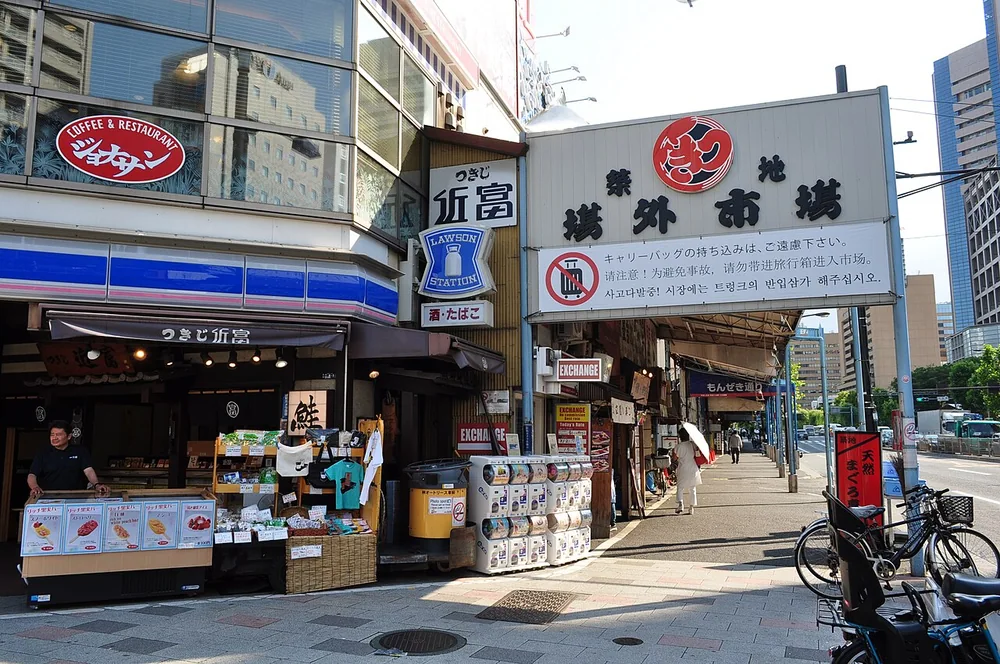
Choosing where to stay near Tsukiji for market breakfasts, walks to Ginza, or JR Keiyo Line trains to Maihama? Compare hotels across the Outer Market, Higashi-Ginza, Shintomicho, and Hatchobori by room layout, elevator exits, and New Year market closures.
Two Market-Side Hotels with In-Room Washer-Dryers
Tokyu Stay Tsukiji sits at Tsukiji 4-11-5, about a 4-minute walk from Tsukiji Station Exit 1 or Tsukijishijo Station Exit A1. For two travelers on a short stay, the 15-square-meter Moderate room includes an in-room washer-dryer and microwave. If you are staying several nights and want to cook market ingredients yourself, step up to the 18-square-meter Residential Double or the 26-square-meter Superior Twin, which the official site lists under kitchenette-equipped rooms with an IH cooktop. Note that the Twin's two beds are each 120 cm wide and the official occupancy limit is two guests, so search with your exact headcount.
Tokyu Stay Tsukiji's official breakfast page lists participating Outer Market partners—Uogashi Shokudo, Sushizanmai Honten and Annex, and Hoshino Coffee Tsukiji—with a general window of 7:00 AM to 11:00 AM depending on the venue. According to the hotel's notice, the older in-room Japanese/Western "Stay Morning Plus" breakfast set runs only through early December 2026, with existing bookings transferred to the new setup. If you are traveling over New Year's, enter your exact dates to view the active meal plans before booking. And if you have an early morning at the Toyosu auction or Maihama, count how many mornings you will actually be around to use an included breakfast.
Packing a week's worth of clothes for Tokyo only requires a couple of wash cycles, and having a machine in your room means you can start a load as soon as you return from dinner. At Tokyu Stay Tsukiji, light stay-over housekeeping is provided when you hang the door tag—covering fresh towels, nightwear, and trash collection—while full room cleaning happens once a week on stays of 7 nights or more. For guests eating breakfast in the room or traveling with toddlers, having dedicated space for daypacks, a stroller, damp clothes, and groceries beats figuring out where to unpack after arrival.
Mitsui Garden Hotel Ginza Tsukiji is also in Tsukiji 4-chome at 4-7-1, positioned between Higashi-Ginza and Tsukiji stations. Every room comes with a washer-dryer and microwave, and the property includes a guests-only public bath. That setup works well if one person wants an early market run while another stays out later in Ginza. If you plan to cook full meals daily, compare the Tokyu Stay kitchenette rooms (which add an IH stove and tableware) or an apartment hotel first. Because Mitsui also operates Ginza Gochome and Ginza Premier nearby, send the full "Ginza Tsukiji" name and street number when sharing your meeting pin with companions at night.
If anyone in your party plans to take daytime work calls, catch up on sleep, or put a child down for a nap, check Tokyu Stay Tsukiji's exterior maintenance notice as well. In a November 1 update, the hotel announced that facade work originally scheduled for December 1, 2026 through March 31, 2027 has been postponed, with new dates to be announced later. Planned work hours are 9:00 AM to 6:00 PM, with the most noticeable noise and paint or solvent odors on weekdays between 11:00 AM and 3:00 PM. If you book a refundable rate, you can wait for the revised schedule and either plan daytime outings around it or switch to another hotel nearby.
Business Rooms, Apartment Suites, and Split Family Setups Near Shintomicho
Ginza Capital Hotel operates two wings in Tsukiji 3-chome: Akane at 3-1-5 and Moegi at 3-3-1. The hotel's access guide lists a 1-minute walk from Tsukiji Station Exit 3, with Shintomicho Exit 4 close by. Because map apps sometimes show only the shared brand name, match the wing name on your reservation to the street address. The official site notes that Akane's main entrance is in the adjacent building facing the main boulevard—if your navigation leads you past a Lawson, walk along the main street to find Akane's lobby entrance.
The Akane wing offers Single, Triple, and Universal Design rooms, while Moegi offers an exterior-corridor connecting family layout for 5 to 7 guests combining one Comfort Twin and one Deluxe Twin for 51.3 square meters total. A fifth guest gets an extra bed in the larger room, and sixth or seventh guests use sofa beds across both rooms—handy when early risers and night owls want separate doors. Standard check-in at both wings is 3:00 PM and check-out is 10:00 AM. If a late flight puts your arrival past 10:00 PM, notify the front desk before boarding your airport train.
For a full kitchen and dining table, check MIMARU Tokyo Ginza EAST at Shintomi 1-4-4, listed at roughly 3 minutes from Shintomicho Exit 2 and 6 minutes from Hatchobori Exit A3. Its 39-square-meter Family Apartment fits two single beds and one bunk bed; the 55-square-meter Superior Family Apartment for six features four single beds, one bunk bed, two vanity sinks, one toilet, and one bathroom. On the official booking engine, children aged 7 and up count as adults, while ages 0 to 6 sharing existing beds are entered separately—if traveling with two kids, enter each child's age and bedding preference carefully.
Every MIMARU suite includes a kitchen, dining table, and cooking utensils, while both family layouts above rely on shared coin-operated laundry machines. If your family likes eating breakfast at different speeds before heading out, a proper dining table is far more useful than squeezing around a standard twin room's single desk chair. Conversely, if all six people need to shower at the exact same hour every morning, a single bathroom creates a bottleneck. Compare the total price of one six-person apartment against two triple rooms by weighing the kitchen, two sets of bathrooms, and whether the kids can sleep in a separate room.
When booking two rooms, check both the bedding layout and the cancellation terms separately. If two travelers book under separate accounts, put the lead guest names, wing names, and free-cancellation deadlines into a shared itinerary—if one person cancels or modifies their room, the other reservation remains active. To request rooms on the same floor, send both confirmation numbers directly to the hotel together rather than writing "near my friend's room" in separate booking notes.
| Hotel | Key Room Features | Location |
|---|---|---|
| Tokyu Stay Tsukiji | Washer-dryer in double rooms; kitchenette in select double and twin rooms | Tsukiji 4-chome, beside the Outer Market |
| Mitsui Garden Hotel Ginza Tsukiji | Washer-dryer and microwave in all rooms; on-site public bath | Tsukiji 4-chome, convenient to Higashi-Ginza |
| Ginza Capital Hotel Akane / Moegi | Single and triple rooms at Akane; connecting family rooms at Moegi | Tsukiji 3-chome, near Shintomicho and Tsukiji stations |
| MIMARU Tokyo Ginza EAST | Kitchen and dining table in all rooms; 4- and 6-person family apartments | Shintomi 1-chome, walkable to Hatchobori |
Map Elevator Exits and Ticket Gates Before You Walk
Tsukiji Outer Market's official Uogashi access page lists roughly 5 minutes from Hibiya Line Tsukiji Station Exits 1 and 2, about 8 minutes from Higashi-Ginza Exits 5 and 6, and around 2 minutes from Tsukijishijo Station Exit A1. Those times end at the Tsukiji Uogashi buildings, so reaching a specific stall can add another block through side lanes. When comparing hotels, trace the route from the exact subway line and exit you will actually ride, and plug the hotel's street number into your search so you see which street the lobby faces.
Tsukiji Station connects to Shintomicho Station via a street-level transfer, and Tokyo Metro draws both stations and the surface transfer path on the same station map. On rainy days, walking straight from your hotel to the station you actually need is usually faster than entering one station just to follow transfer arrows to the next. Tsukiji Station has ground-level elevators at Exits 1, 2, and 3b, so match your direction of travel to the right ticket gate. Shintomicho's ground-level elevator is at Exit 1, leaving a short street walk to hotels clustered right by Exit 4—meaning a "1-minute from exit" listing looks very different once you are rolling suitcases via the elevator.
Tokyo Metro's Hatchobori map places ground-level elevators at Exits A2 and A3 outside the Sakuragawa Park-side ticket gates, while JR East publishes a separate station map for the JR Hatchobori concourse and platforms. If you are catching an early train to Maihama, walk past the station entrance and check the JR gate signage the night before. When traveling with older adults and two large suitcases, compare stations by which route keeps you on elevators from platform to curb.
The same check applies inside your room. Ginza Capital Hotel Moegi's Universal Twin measures roughly 23.7 square meters, sleeps two, and includes bathroom grab bars. If anyone in your group uses a wheelchair or walker, review the floor plan and email the hotel to confirm clear bathroom doorway width, threshold height, and clearance beside the beds. Once the room dimensions work, save the elevator routes via Tsukiji Exit 3b or Shintomicho Exit 1 on your phone—that is far more reliable than picking a hotel based on distance to the nearest staircase exit.
Handle check-in and check-out along the wider perimeter avenues, and save the narrow market alleys for when your hands are free. Walking from Higashi-Ginza toward Tsukiji 4-chome, stay on Harumi-dori until the turn for your hotel's front street; coming from Shintomicho, check your map for crosswalks and sidewalks that feed smoothly onto Harumi-dori. If your confirmation notes an upper-floor reception desk, spot the street-level elevator entrance before arriving so latecomers can follow the same landmark without wandering side streets.
Arriving from Haneda, Narita, or the Shinkansen
From Haneda Airport, look for Keikyu Airport Line through-trains continuing onto the Toei Asakusa Line that stop at Higashi-Ginza. Check the official timetable for direct services matching your terminal, estimated customs clearance, and hotel address. Late in the evening after baggage claim, cutting out a final street transfer matters more than saving one stop's fare. Higashi-Ginza Exit 3's ground-level elevator comes up right by Kabukiza—if your hotel is on the opposite side of Harumi-dori, check the station diagram before surfacing to decide between taking the elevator and crossing at the light or exiting on your hotel's side.
From Narita Airport, either change at Ueno to the Hibiya Line or take a Keisei/Toei Asakusa Line service that stops at Higashi-Ginza, depending on where you are staying. If you have large suitcases and kids, factor the transfer walk and level changes at Ueno into that choice. For late-night arrivals bound for the Shintomicho side, consider taking a taxi from your long-distance terminal and showing the driver the hotel's Japanese name and street address—on arrival night, your only goal is dropping bags and grabbing dinner nearby.
If you are hauling bags onto the JR Keiyo Line at Tokyo Station, Hatchobori is the very next stop. Coming off a Shinkansen, remember that the Keiyo Line sits in its own deep underground concourse, mapped separately on JR East's Tokyo Station diagram, so budget extra transfer time before that one-stop ride. For hotels in Tsukiji 4-chome or Higashi-Ginza, taking a street-level taxi straight from Tokyo Station avoids station stairs altogether. On your departure day, work backward from the exact Shinkansen gate you need to reach at Tokyo Station.
If your itinerary includes shipping large luggage ahead for a night, keep overnight essentials, medications, next-leg train tickets, and the next day's clothes in a carry-on tote. Flights, trains, and courier deliveries run on different clocks, so enter the hotel's exact address and add both your check-in date and reservation name on the waybill. Mitsui Garden Hotel Ginza Tsukiji's room page specifically notes these two fields—spell your name exactly as it appears on your passport so the front desk can match the bag to your booking.
Plan Breakfast Around 9:00 AM and the Market Calendar
Tsukiji Outer Market's official guidelines designate 6:00 AM to 9:00 AM as priority hours for trade buyers, with 9:00 AM to 2:00 PM as the main window for general visitors. Fresh seafood shops on the first floor of both Tsukiji Uogashi buildings also prioritize professional buyers from 5:00 AM. If you are up early, visit Tsukiji Hongwanji first or pick a sit-down restaurant with clearly posted early opening hours. If you want to browse dried goods, nori, and fresh fish counters at your own pace, enter via Monzeki-dori after 9:00 AM when more stalls are open for casual shoppers.
To sit down before 9:00 AM, head to Uogashi Shokudo on the 3rd floor of the Tsukiji Uogashi Odawarabashi Building, currently listed from 7:00 AM to 7:00 PM (last order 6:00 PM, with individual stall hours varying). Eating and drinking are prohibited on the 1st floor of Uogashi, so carry any first-floor purchases up to the rooftop plaza or the 3rd-floor seating area in the Odawarabashi Building. With kids or older relatives, check whether a stall has dedicated seating before joining the line, and finish street snacks like tamagoyaki in the shop's designated eating space before moving on.
Tsukiji Uogashi generally follows the Tokyo Metropolitan Central Wholesale Market open/closed calendar, whereas shops along Monzeki-dori and the surrounding Outer Market lanes set their own hours—several restaurants stay open even on central market holidays. If there is one specific spot you cannot miss, list its name, address, target date, and posted hours together before leaving. Even sister branches of the same sushi or seafood-bowl chain a block apart can keep different weekly days off, and hotel partner-breakfast vouchers only work at shops open on your morning.
The 2026–2027 year-end calendar shows how those dates split in practice. On the Outer Market's central wholesale calendar, December 27, 2026 is a special open day, December 28–30 are open, and December 31 is closed. In 2027, January 1–4 are closed, regular trading resumes January 5, and January 6 splits with seafood open while produce is closed. Anyone visiting in late December should separate fresh-seafood shopping, dry-goods browsing, and sit-down breakfasts using the Outer Market December 2026 calendar and the Tokyo Metropolitan 2027 item-by-item calendar—that January 6 split especially matters if you plan to see Toyosu's seafood side.
On a one-night stay where you save the market for check-out morning, compare your check-out deadline against stall opening times. With a 10:00 AM check-out, pack up first, leave bags under the hotel's luggage-hold rules, and head out for breakfast—or shift your market meal to lunch after check-out. If part of your group wants raw sashimi while kids only eat cooked dishes, check menus and seating before queuing so everyone does not get stuck waiting in the same line.
Closed Days and Rainy Mornings: Pick Places with Seating
During a short stay between January 1 and January 4, 2027, book a hotel with in-house breakfast or a room with a kitchen if you want a seated morning meal. If you are set on eating in the Outer Market, lock in a restaurant that publishes specific New Year hours and build your morning around it. On a day with an early train departure, choose your room plan strictly by breakfast serving times—or book room-only and pick up pastries or bento the night before.
In cold winter weather or heavy rain, prioritize restaurants where your whole group can sit together and park a stroller. For hot soup or thick tamagoyaki with young kids, locate the shop's eating area first, finish there, and only then rejoin the street crowd. Staying nearby also lets two adults split up: one person can run market errands early while the other brings the kids straight to a seated spot. For a hotel buffet before heading out, Ginza Capital Hotel serves breakfast starting at 6:30 AM in Akane and 7:00 AM in Moegi (both until 10:00 AM, last entry 9:30 AM); check whether breakfast, check-out, and your walk to Hatchobori fit before an early train.
If you decide to pop into the Outer Market right after check-out, coin lockers are available on the 1st floor of the Senjagaku Building. The large lockers measure 34.5 cm wide, 57.5 cm deep, and 84 cm high inside—measure your suitcase including wheels and handle before relying on them, and pick up your bags by 4:00 PM the same day. If lockers are full or you need to store a stroller, ask about paid baggage storage at the Plat Tsukiji tourist information center in the same building (open 8:00 AM–2:00 PM weekdays and Saturdays, 10:00 AM–2:00 PM Sundays, holidays, and market closed days). If you are catching an afternoon Shinkansen, leaving bags at your hotel is usually more direct than doubling back to the market.
In a downpour, walk along Harumi-dori from your hotel to Higashi-Ginza Station. Exit 3 connects directly to Kabukiza, though the stretch from the market to Higashi-Ginza remains outdoors. If you ride the Hibiya Line one stop to Ginza Station, check which exit links directly to your target department store via underground passages. When combining market dining, department store shopping, and theater seating in one half-day, remember that each venue sits on a different floor level—leave extra cushion for elevators and crosswalk signals.
If someone in your group gets cold easily and might want to head back to the room for another layer, hit your must-eat stall first before walking farther to the fresh fish halls and dried-goods lanes. When traveling with anyone tired or slower on their feet, split breakfast and shopping duties between two people and agree on a pickup time outside the shop. Always ask before photographing fish displays or staff prepping food, and put the camera away if permission isn't granted—wholesale buyers and delivery carts share those same narrow lanes.
Splitting Mornings Between Tsukiji and Toyosu
Tsukiji's former central wholesale market moved to Toyosu in 2018, while the Outer Market shopping streets remained in place. To see the tuna auction, plan a trip to Toyosu on an open market day: ride the Yurikamome Line to Shijo-mae Station and follow the floor signs to the fisheries wholesale building's observation corridor. The general observation deck lets you watch operations from above, while the closer dedicated viewing deck requires winning an advance lottery slot. On closed market days, both the viewing corridors and Toyosu's interior restaurants and shops shut down, so verify seafood market days on the Tokyo Metropolitan calendar first.
From Shintomicho, take the Yurakucho Line through Tsukishima to Toyosu Station, then transfer to the Yurikamome Line for Shijo-mae; from Toei Oedo Line Tsukijishijo Station, ride to Tsukishima to connect with the Yurakucho Line. If you need to arrive at Toyosu before dawn, check first-train times against your viewing check-in deadline. Visitors holding early lottery slots can pre-book a taxi from their Tsukiji hotel or spend the prior night near Toyosu instead. Morning visitors using the general observation corridor and grabbing a market meal can check our Toyosu Market visiting guide for exact routes and auction details.
If you give Tsukiji and Toyosu separate mornings, you can leave around 9:00 AM for Tsukiji and set your alarm around auction hours for Toyosu. If you only have one morning left on your trip and still want Kabukiza or Ginza afterward, stay beside Tsukiji Outer Market so you can loop through and walk straight west. On the other hand, if watching wholesale trading is your main goal, anchor your stay along the transit line to Shijo-mae and locate a Toyosu breakfast spot before mapping anything else.
Walk West After Breakfast, or Pair with Hongwanji and Hamarikyu
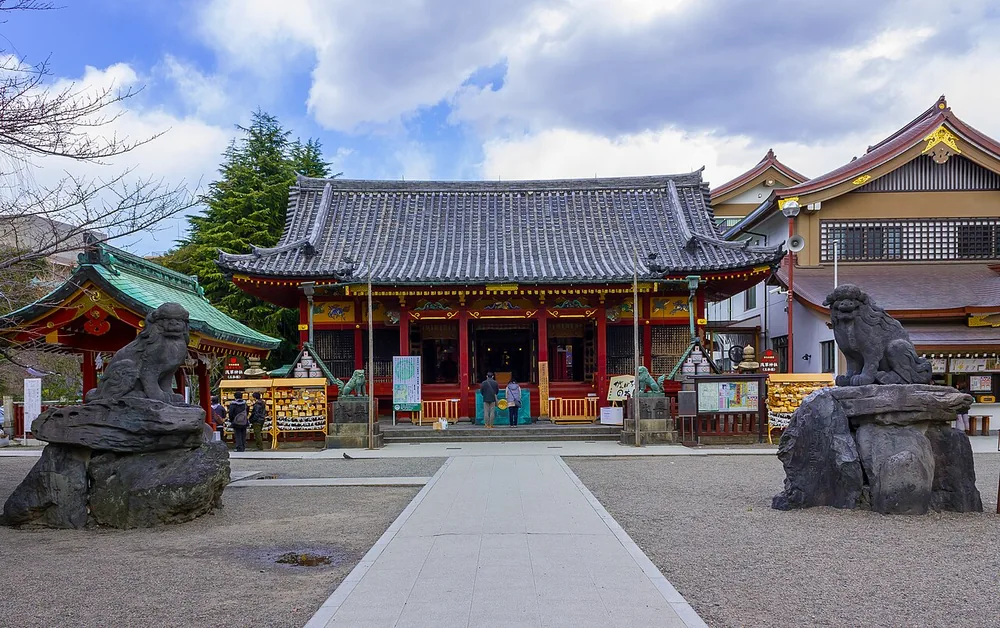
Tsukiji Hongwanji Temple faces the market across Harumi-dori. Its main hall is generally open from 6:00 AM to 4:00 PM, closing after the evening service, so early risers can step inside before breakfast. Designed by Chuta Ito with ancient Indian and pan-Asian Buddhist motifs, the stone facade is easy to spot from Harumi-dori. According to Tokyo's official accessibility guide, you can take the elevator from the Hibiya Line Nakameguro-bound platform up to Tsukiji Exit 1 and follow the ramp into the temple grounds; nursing rooms are available in the main hall and information center.
If you have Kabukiza tickets, plan meals around your curtain time. Kabukiza's official site lists direct access from Higashi-Ginza Exit 3 and roughly a 5-minute walk from Ginza Exit A7. For an early show, eat breakfast at your hotel, enter the theater on schedule, and return toward Tsukiji for lunch or dinner afterward. For a midday curtain, hit the Outer Market early for one breakfast dish and one souvenir stop, then walk over to the theater before a second food line eats into your seating buffer.
From Tsukijishijo Station, Hamarikyu Gardens' Otemon Gate is roughly a 7-minute walk according to the park authority. Standard hours run 9:00 AM to 5:00 PM (last entry 4:30 PM), with routine year-end closures from December 29 to January 1. If pairing the gardens and the market in one morning, eat hot dishes first and save refrigerated purchases for right before returning to your hotel. If you enter the gardens at opening and return to Tsukiji for lunch, pick a sit-down spot with midday hours in advance so you are not left with only snack stalls.
If your schedule spreads Hongwanji, Hamarikyu, and Kabukiza across two days, pair the temple and gardens on one morning and keep another afternoon for the theater and Ginza. Being able to pop back to the room for a camera or umbrella after the market matters more than drawing a neat loop on a map—and staying between Higashi-Ginza and Tsukiji lets you decide on show day whether to walk above ground or duck into the subway.
For Maihama Days, Separate Breakfast from Departure Time
Heading to Tokyo Disneyland, check the JR East Hatchobori timetable for Keiyo Line and Musashino Line trains toward Maihama and confirm your train actually stops there. Disney lists about a 5-minute walk from JR Maihama Station to Tokyo Disneyland. For Tokyo DisneySea, walk from Maihama to Resort Gateway Station and ride the Disney Resort Line to Tokyo DisneySea Station (about 9 minutes). Hatchobori eliminates the long transfer walk inside Tokyo Station, though guests staying west of Tsukijishijo Station still need to budget the surface walk to JR Hatchobori.
If you want to arrive early for park opening, grab something portable at your hotel or near the station entrance, and save the Outer Market for a separate morning after 9:00 AM. If part of your group plans to head to Maihama later, stagger your departures and meet inside after clearing the turnstiles. Once your park date is locked in, check our Tokyo Disneyland ticket guide for entry and pass details.
If you stay until park closing, plan both dinner and the final walk back from JR Hatchobori before your legs give out. When family members might return to rest midday, picking a hotel near a clear, well-marked Hatchobori exit makes solo trips back straightforward. Conversely, if Disney takes up just one day while four meals are in Ginza or Tsukiji, staying near Higashi-Ginza and walking to Hatchobori once makes more sense—let your group's most frequent transit line decide which side you stay on, rather than a minor gap in nightly rates.
Compare Rates and Booking Terms Under One Reservation
Always compare prices using the exact same dates, headcount, and bed count. Double rooms and twin rooms often appear side by side on booking grids; if two friends each want their own bed, filter straight for twins. When traveling with older relatives who need clear walking space to the bathroom, compare floor area alongside room floor plans and accessible-entrance photos. If you keep suitcases open on the floor, check the clearance between the foot of the bed and the entry door; if anyone will rest in the room midday, weigh nearby elevator exits, in-room seating, and transit access together.
Reviewing total cost means separating prepaid room charges from any fees due at check-in, breakfast add-ons, extra beds, and late check-out charges. On multi-night stays, estimate whether a kitchen actually saves money based on how many meals your group will cook—if you only plan to bring market takeout back once, a dining table or microwave may be enough. For weekends or New Year dates, compare only the room categories actually available on those nights before weighing price differences across Tsukiji, Ginza, and Shintomicho.
Match your cancellation terms to the least predictable part of your trip. Once theater or theme park dates are locked in, compare refundable and non-refundable plans for the exact same room type. If flights might still shift, record the free-cancellation cutoff in local Japan time and check whether any deposit is charged early, tracking each room individually on multi-room bookings. On nights when you must switch hotels, eat at the market and move bags on the same side of the neighborhood where you can store luggage cleanly.
Before paying, circle your hotel's entrance, your go-to station elevator, and your first-day breakfast spot on one map. If you are heading to Ginza or Hongwanji straight after eating, mark that onward route too; if staying near Hatchobori, save the JR entrance and Maihama platform direction. Once booked, keep the exact wing name, guest count, and cancellation deadline from your confirmation email handy so everyone in your group can navigate straight to the right lobby.
A few useful answers
For a first stay in Tsukiji, is the Outer Market or Higashi-Ginza more convenient?
For two market mornings and easy bag drop-offs back at your room, start in Tsukiji 4-chome. For Ginza dinners, Kabukiza shows, or direct Haneda trains stopping at Higashi-Ginza, look between Higashi-Ginza and Harumi-dori.
What time should I go to Tsukiji Outer Market for breakfast?
General visitors are recommended to visit between 9:00 AM and 2:00 PM. For an earlier seated meal, check Uogashi Shokudo on the 3rd floor of the Tsukiji Uogashi Odawarabashi Building, which lists hours starting at 7:00 AM (individual stalls set their own schedules).
Is Tsukiji Outer Market closed every Wednesday?
Tsukiji Uogashi generally follows the Tokyo Metropolitan Central Wholesale Market calendar, while individual shops along the Outer Market streets set their own schedules. Check the monthly market calendar for your dates, then verify the specific shop's hours for that day.
Which Tsukiji hotels work best for families of four or six?
MIMARU Tokyo Ginza EAST offers 4-person and 6-person family apartments with kitchens and dining tables, plus shared coin-operated laundry. Groups of 5 to 7 can also check the connecting family rooms at Ginza Capital Hotel Moegi.
Where do I catch the train to Tokyo Disneyland when staying in Tsukiji?
Walk to JR Hatchobori Station and board a Keiyo Line or Musashino Line train bound for Maihama that actually stops at Maihama. Factor in both the walk from your hotel to the JR ticket gates and the walk from Maihama Station to the park entrance.
Are Tsukijishijo Station and Tsukiji Station the same station?
No. Tsukijishijo Station is on the Toei Oedo Line (Exit A1 is closest to Tsukiji Uogashi), while Tsukiji Station is on the Tokyo Metro Hibiya Line (Exits 1 and 2 lead toward Tsukiji Hongwanji and the Outer Market). Match your hotel's street address against the exact line and exit before booking.
Official information and references
Sources used in this guide.
- Tsukiji Outer Market Shopping District Promotion Association | Hours & Market Etiquette
- Tsukiji Outer Market | December 2026 Central Wholesale Market Calendar
- Tsukiji Outer Market | January 2027 Central Wholesale Market Calendar
- Tsukiji Outer Market | Tsukiji Uogashi Hours, Food Court & Station Walking Times
- Tsukiji Outer Market | Plat Tsukiji Information Center Services & Hours
- Tsukiji Outer Market | Coin Locker Dimensions & Pickup Hours
- Tokyo Metropolitan Central Wholesale Market | Tsukiji Closure & Toyosu Opening Records
- Tokyo Metropolitan Central Wholesale Market | 2027 Seafood & Produce Market Calendar
- Tokyo Metropolitan Central Wholesale Market | Toyosu Market Viewing Hours & Routes
- Tokyo Metro | Tsukiji & Shintomicho Station Map
- Tokyo Metro | Higashi-Ginza Exits, Elevators & Street Landmarks
- Tokyo Metro | Hatchobori Station Accessibility Facilities
- JR East | Hatchobori Station Map
- JR East | Hatchobori Station Timetable for Maihama
- JR East | Tokyo Station & Keiyo Line Map
- Keikyu Corporation | Haneda Airport Direct Rail Route Map
- Tokyu Stay Tsukiji | Room Facilities & Stay-Over Housekeeping
- Tokyu Stay Tsukiji | Access & Breakfast Information
- Tokyu Stay Tsukiji | December 2026 Breakfast Plan Notice
- Tokyu Stay Tsukiji | Exterior Wall Maintenance Postponement Notice (Nov 1 Update)
- Mitsui Garden Hotel Ginza Tsukiji | Guest Room Facilities
- Mitsui Garden Hotel Ginza Tsukiji | Public Bath
- Ginza Capital Hotel | Akane & Moegi Room Types and Check-In Hours
- Ginza Capital Hotel | Wing Locations & Nearest Station Exits
- Ginza Capital Hotel Moegi | Connecting Family Room & Breakfast
- Ginza Capital Hotel Moegi | Universal Design Twin Room
- MIMARU Tokyo Ginza EAST | Room Types, Capacity & Access
- GO TOKYO Official Tourism Guide | Tsukiji Hongwanji Hours & Access
- Tokyo Accessible Tourism Guide | Tsukiji Hongwanji Architecture, Elevators & Facilities
- Shochiku Kabuki Official Site | Kabukiza Theatre Access
- Tokyo Metropolitan Park Association | Hamarikyu Gardens Hours & Entrances
- Tokyo Disney Resort | Rail Access from Maihama Station to Both Parks