Stay and explore Takamatsu itself. Find your way between Takamatsu Station, Takamatsu-Chikko, and Kawaramachi; plan Ritsurin Garden, Tamamo Park, Yashima, and shopping streets; and choose transport and udon restaurants around your hotel, with rain and departure-day alternatives.
- Region & Focus
- Takamatsu
- Reading Scope
- 34 min read · 13 chapters · 4 Q&As
- Official Verification
- 33 official sources checkedUpdated October 27, 2026
- Key Topics
- ItinerariesNeighborhoodsFood
Chapter Route Map (tap any stop)
- With two full sightseeing days, separate the gardens and Yashima
- Takamatsu Station, Takamatsu-Chikko, and Kawaramachi serve different journeys
- From Takamatsu Airport, get off near your hotel
- For Takamatsu alone, compare singles and IC cards before a Kotoden pass
- Give Ritsurin Garden a morning; choose walking, tea, and a boat separately
- Combine Tamamo Park with the port and use the west gate near the stations
- Marugamemachi to Kawaramachi: browse around individual shop hours
- Choose your udon meal time first, with options near the garden, shops, and station
- Three ways to reach Yashima: choose your downhill service first
- On Yashima, focus on views and Yashimaru, with time to sit
- Choose the port or shopping district and stay both nights in one hotel
- In rain, use the art museum and shops; with children, shorten outdoor walks
- Before departure day, connect luggage pickup with the correct boarding stop
- Quick Q&A
Two nights in Takamatsu give you a garden morning without rushing for a ferry and an afternoon to enjoy the sea views from Yashima. On a first visit, combine Ritsurin Garden, Tamamo Park, and the shopping streets into a city day, then visit Yashima on another day. Two udon meals that fit your route are plenty. Stay near Takamatsu Station for easier luggage handling and intercity transfers, or around Kawaramachi and Marugamemachi for convenient dinners and shopping.
With two full sightseeing days, separate the gardens and Yashima
Start day one at Ritsurin Garden while you have energy for its ponds, pines, and changes in level. Return downtown after lunch, visit Tamamo Park in the afternoon, then walk toward Marugamemachi for dinner. There is only one main journey between the morning and afternoon activities, and shopping comes last so you carry fewer bags all day. If you arrived on a late flight the night before, leave after breakfast rather than losing sleep to arrive as soon as the garden opens.
Save day two for Yashima. Choose your uphill and downhill transport first, then decide how much time to spend on viewpoints and Yashimaru. Return downtown afterward to finish shopping or enjoy a seated meal. For sunset, visit Yashima in the afternoon and stay downtown in the morning. For less waiting or an early dinner, a daytime visit is easier. Swap the two days as needed, giving Yashima the clearer day with better visibility.
These plans assume two days with time from after breakfast until before dinner. If your flights leave one full day and two half-days, visit Tamamo Park or the shops on arrival afternoon, use the full day for Ritsurin Garden and downtown, and fit Yashima into a half-day without departure pressure. If you arrive one afternoon and leave the next afternoon, keep to the garden and city center. Treating two nights as two full days can leave the mountain bus, luggage pickup, and airport bus crowded into your final day.
For an additional island day, add a night or replace the Yashima day. Takamatsu's center is close to the port, making an extension easy, but island museums, sailings, and ferry waits need a separate plan. Use the Seto Inland Sea island guide for that decision. If you also plan Tokushima, Matsuyama, or Kochi, use the five- and seven-day Shikoku routes to choose overnight stops instead of squeezing all of Shikoku into two days in Takamatsu.
| Time | City day | Yashima day |
|---|---|---|
| Morning | Ritsurin Garden; choose a walk suited to your energy | Breakfast and a city walk, or an early start for Yashima |
| Lunch | Udon near the garden or back downtown | Eat before leaving and bring water uphill |
| Afternoon | Tamamo Park, then Marugamemachi shopping street | Yashima walk and Yashimaru; take your chosen return service |
| Evening | Dinner near the shops; walk back to your hotel | Dinner downtown; prepare tomorrow's transport |
Stay and explore Takamatsu itself. Find your way between Takamatsu Station, Takamatsu-Chikko, and Kawaramachi; plan Ritsurin Garden, Tamamo Park, Yashima, and shopping streets; and choose transport and udon restaurants around your hotel, with rain and departure-day alternatives.
Takamatsu Station, Takamatsu-Chikko, and Kawaramachi serve different journeys
JR Takamatsu Station is the starting point for JR trains to Okayama and other Shikoku cities. Takamatsu-Chikko is a Kotoden station near Tamamo Park and the port; Kawaramachi is the downtown Kotoden interchange. Save the operator and full station name when booking hotels, searching routes, or arranging a meeting. Transferring from JR to Kotoden includes a walk outside the station. With large bags or rain, allow time to exit, find your way, and enter the next station.
Kotoden's Kotohira, Nagao, and Shido lines meet at Kawaramachi. For Ritsurin Garden, take the Kotohira Line to Ritsurin-Koen; for Yashima, use Kotoden-Yashima on the Shido Line. Between Takamatsu-Chikko and Kawaramachi, use the Kotohira or Nagao Line. Travel from the port area to Yashima usually involves changing to the Shido Line at Kawaramachi. Check the line and terminus before entering the platform. On the return, distinguish Kawaramachi from Takamatsu-Chikko; if your hotel is in Kawaramachi, you can often get off there.
The garden also has JR Ritsurinkoen-Kitaguchi and JR Ritsurin nearby. Similar names mean different walks: the garden guide lists about three minutes from JR Ritsurinkoen-Kitaguchi, 20 minutes from JR Ritsurin, and 10 minutes from Kotoden Ritsurin-Koen. Choose the east or north entrance first, then follow the map. From Takamatsu Station, compare JR to the north entrance. From Kawaramachi, Kotoden or walking often connects more easily to the east side.
Make short downtown walks part of the route. Marugamemachi's official access page lists about 15 minutes on foot from JR Takamatsu or Takamatsu-Chikko, and five minutes from Kotoden Kataharamachi. In comfortable weather with bags stored, walking straight to a restaurant may be easier than waiting for a train. In midsummer, rain, or after a garden walk, ride to a closer station and walk the last stretch. Start routes at your hotel instead of gathering at Takamatsu Station every day.
Save locations you will use: the hotel entrance, tomorrow's first station, and today's return stop. JR, Kotoden, buses, and piers share the station area, so a single Takamatsu pin does not show where to meet. If companions shop separately, agree on the full station name and a fixed point near the exit. Screenshots can guide everyone back even without data access.
For a city day linking the port, shops, and Ritsurin Garden without waiting for vehicles, consider municipal rental bicycles. The city's October 2026 information lists temporary rental at ¥200 per use of up to 24 hours, registered and rented through HELLO CYCLING, with payment by credit card, PayPay, and other methods. The three staffed stations beneath JR Takamatsu Station Square, beneath Kawaramachi, and outside Kotoden Ritsurin-Koen operate 7:00–23:00. Four unstaffed stations at City Hall, JR Ritsurin, Kotoden Kataharamachi, and Marugamemachi operate 7:00–22:00. Before riding from the port to the garden and shops, save the evening return station and its hours.
Select a bicycle and return station in the app, and check the lock-control battery in the basket. The city's instructions say insufficient power prevents unlocking and returning. Return during station hours, place the bicycle in its designated position, lock it, and press RETURN or return it in the app. Billing ends only after the completion notice arrives. Without a smartphone, use a rental card at the station beneath JR Takamatsu Station Square. Return the bicycle before dinner, and use trains or buses during storm or heavy-rain warnings.
From Takamatsu Airport, get off near your hotel
Takamatsu Airport has no direct railway to downtown; the airport bus is a common choice. From October 1, 2026, adult fares are ¥1,000 to Ritsurin-Koen-mae, Kawaramachi, and Kenchodo-Chuo-Koen-mae, and ¥1,300 to Hyogomachi, Takamatsu-Chikko, JR Takamatsu Station, and the ferry terminal. Children pay half. Open your hotel's access page and compare it with the official stop fares and stop maps. For the southern shopping district, Chuo-Koen-mae or Kawaramachi often avoids riding to the station and walking back.
Store luggage on arrival before deciding how far to explore. If your hotel is near Ritsurin Garden and ample daylight remains, make the garden that day's main activity. If you must first reach a downtown hotel, save the garden for the next morning. Visiting with luggage adds storage at the entrance, retrieval on exit, and another search for the hotel. Choose either the garden or your accommodation as your first stop and store your bags there. The city walk will be easier afterward.
The airport bus timetable is updated in periods to match flights, with a separate version for October 25–November 30, 2026. Seats are unreserved. Payment includes cash, listed transport IC cards, and supported contactless credit cards. For the return, choose the Takamatsu Station-to-airport direction and find the row for your actual boarding stop. Outbound and inbound stops may be across the road or in different locations; save the return stop on arrival day.
Passengers needing a wheelchair lift have a separate advance-reservation arrangement described in the official wheelchair guidance. Allow time for strollers, luggage, and boarding. One meal and a short walk are enough on arrival day. Put timed admissions, fixed meetings, or activities with only one suitable service on a full day, making flight delays easier to absorb.
For Takamatsu alone, compare singles and IC cards before a Kotoden pass
Takamatsu Station, Tamamo Park, Marugamemachi, and Kawaramachi can connect on foot. Add rail or bus travel for Ritsurin Garden and Yashima. List the journeys you will actually ride, then total regular fares for each day. If you only ride from the hotel to the garden and back downtown, changing your route to use a pass more often consumes sightseeing time. A pass is valuable when it saves fares you already intended to pay.
Kotoden's paper one-day pass costs ¥1,600 for adults and ¥800 for children from April 1, 2026, covering all Kotoden trains on the selected day. The digital 24-hour pass is currently ¥1,400/¥700, and the 48-hour pass ¥2,700/¥1,350. Digital validity runs from activation; paper passes follow the calendar day. Include a ride the next morning when comparing the 24-hour option.
Kotoden passes cover trains; handle the airport bus and Yashima mountaintop bus separately. If you stay near Takamatsu Station on a day with the direct Yashima bus, you may not need Kotoden at all that day, making a train pass poor value as the main plan. Digital tickets require a valid screen and are nonrefundable after activation. If a dead battery or malfunction prevents display, regular fares apply. Travelers splitting up should each have a ticket or IC card they can show.
Existing national transport IC cards such as Suica and ICOCA work on Kotoden and Kotoden buses within the published acceptance area. Top up before travel and tap at boarding and exit as directed by the equipment. A two-day city trip does not require a separate local IC card. Recalculate pass value if you add longer trips to Kotohira or Nagao. Actual journeys, rather than the number of days based in Takamatsu, determine the right ticket.
Give Ritsurin Garden a morning; choose walking, tea, and a boat separately
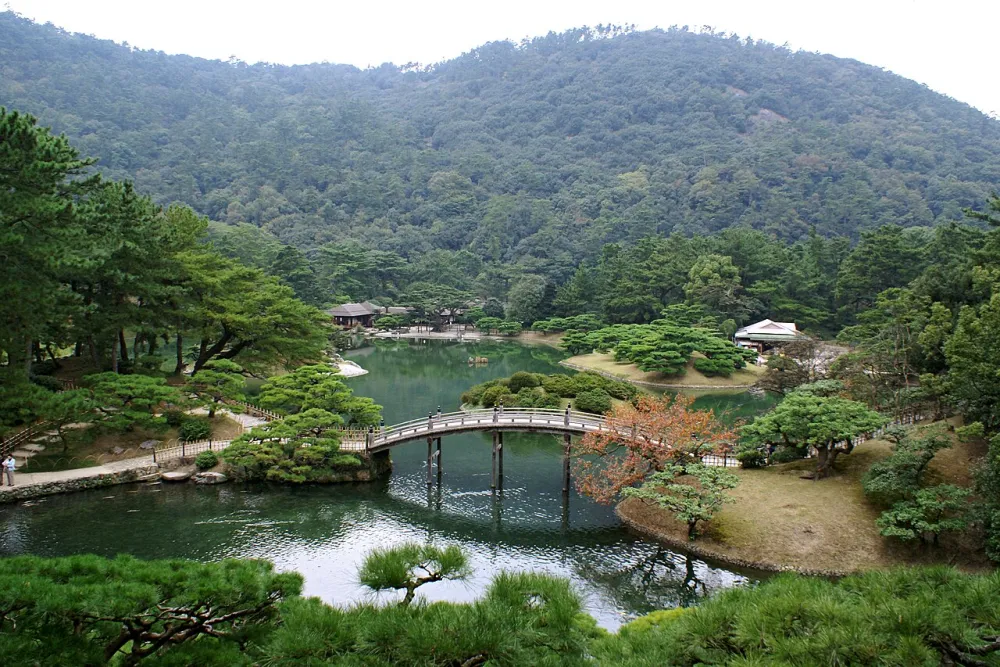
Ritsurin Garden works best as the day's first main activity. Allow about two hours for a first walk, or half a day for tea, photographs, and a slower pace. Check the map on entry, then choose a route mainly through the South Garden or continue into the North Garden. Views change around corners and with elevation. Lingering by a pond and skipping a side path is more pleasant than rushing between map pins.
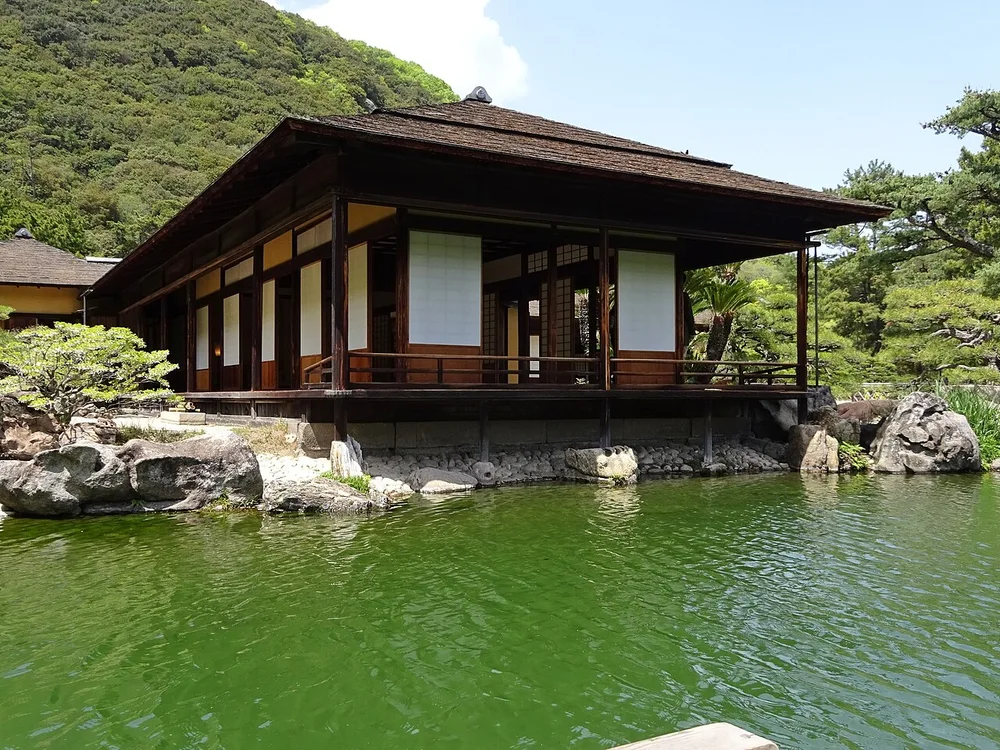
As of October 2026, admission is ¥500 for adults, ¥170 for elementary and junior-high students, and free for preschool children. Hours vary by month: 6:00–17:30 in October, 6:30–17:00 in November, and 7:00–17:00 in December and January. The visitor guide states that the garden has no lighting, so leaving it as the last winter evening stop makes the visit rushed. Special evening events have their own dates and entry arrangements; use normal hours for daytime walks.
If you enjoy garden details, walk around the main ponds first and then decide whether to add tea. Booking tea, a boat, and a full garden walk before arrival can turn a relaxed morning into several timed appointments.
The South Pond boat is separately priced. Garden operating information lists ¥850 for adults and ¥420 for junior-high students and younger. The trip takes about 30 minutes including boarding, and children under three cannot ride. Reserved passengers must buy tickets 30 minutes before departure; garden admission is extra. If the boat is your priority, put check-in time into the morning plan. For a casual walk, check availability after entering, and avoid a lunch booking that requires rushing out as soon as you disembark.
Paths include gravel, so store suitcases before entering. The guide lists lockers at both east and north gates; oversized bags or bags left when lockers are full can be stored for a fee at the tourism office. Hotel storage is easier if available. Wear shoes suitable for gravel and slopes rather than bringing a second pair for photographs. Wheelchair and stroller users can request a suitable route at the ticket office and start on flatter sections. Choose elevated viewpoints according to the day's energy.
Kagawa Prefecture's official Traditional Chinese video introduces the Japanese garden scenery at Ritsurin Garden.
Combine Tamamo Park with the port and use the west gate near the stations
Tamamo Park occupies Takamatsu Castle's grounds and fits a half-day around Takamatsu Station and the port. After Ritsurin Garden and lunch, return toward the station and enter by the west gate to include both gardens and the castle site in one city day. Ritsurin rewards a stroll through changing scenery; Tamamo offers stone walls, a moat, and buildings within the castle grounds. To reduce outdoor walking, explore one properly and save the other for another visit.
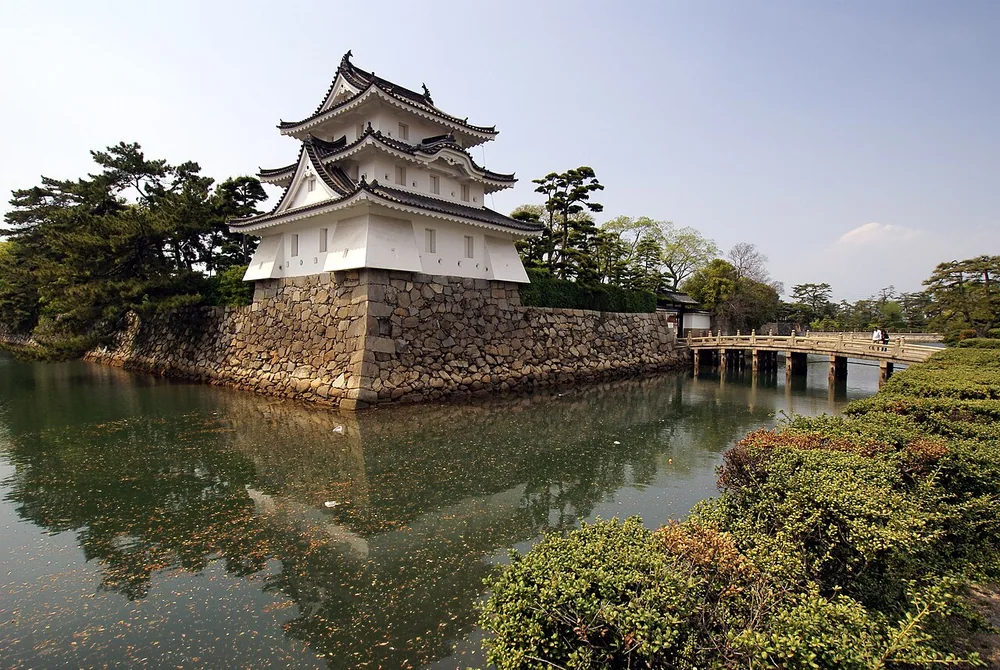
City information updated in April 2026 lists general admission at ¥300 per person per day, with free admission for eligible visitors including those under 18. In October, the west gate opens 6:00–17:30 and the east gate 8:30–17:00. In December and January, hours are 7:00–17:00 west and 8:30–17:00 east. The park closes December 29–31. The west gate is near JR Takamatsu and Takamatsu-Chikko; the east gate is near the parking area and Kagawa Museum. Choose gates according to your previous and next stops to avoid a detour.
If afternoon time is short, walk by the port after the park. The park has a closing time; the waterfront walk can be shortened according to wind, light, and energy. If your hotel is near the shops, head downtown afterward and find dinner along the way. If it is near the station, rest in your room before eating. Either base works if you avoid reaching Kawaramachi only to return for something stored by the station.
Tamamo Park has reciprocal individual-ticket discounts with facilities including Ritsurin Garden and Takamatsu Art Museum, using tickets from the same or previous day as applicable. Keep paper tickets and ask about the price at your next admission. Use a discount along your route without adding an exhausting extra visit just to redeem it. Families should calculate each child's cost using the age rules at each facility.
Marugamemachi to Kawaramachi: browse around individual shop hours
After Tamamo Park, start at the northern Marugamemachi Ichibangai dome plaza, walk south through Marugamemachi to Green, cross Route 11 into Minamishinmachi, and turn through Tokiwamachi toward Kawaramachi. The official Minamishinmachi street map marks Green, Route 11, Kikuchi Kan-dori, and the Tokiwamachi junction, helping you identify turns. Include Takamatsu in map searches for Marugamemachi so you do not confuse it with streets in Marugame City.
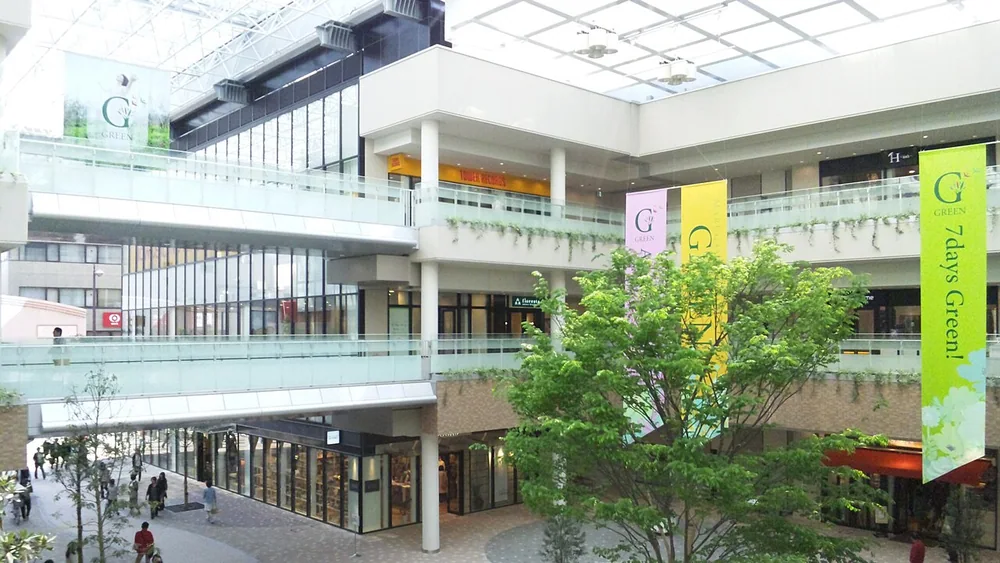
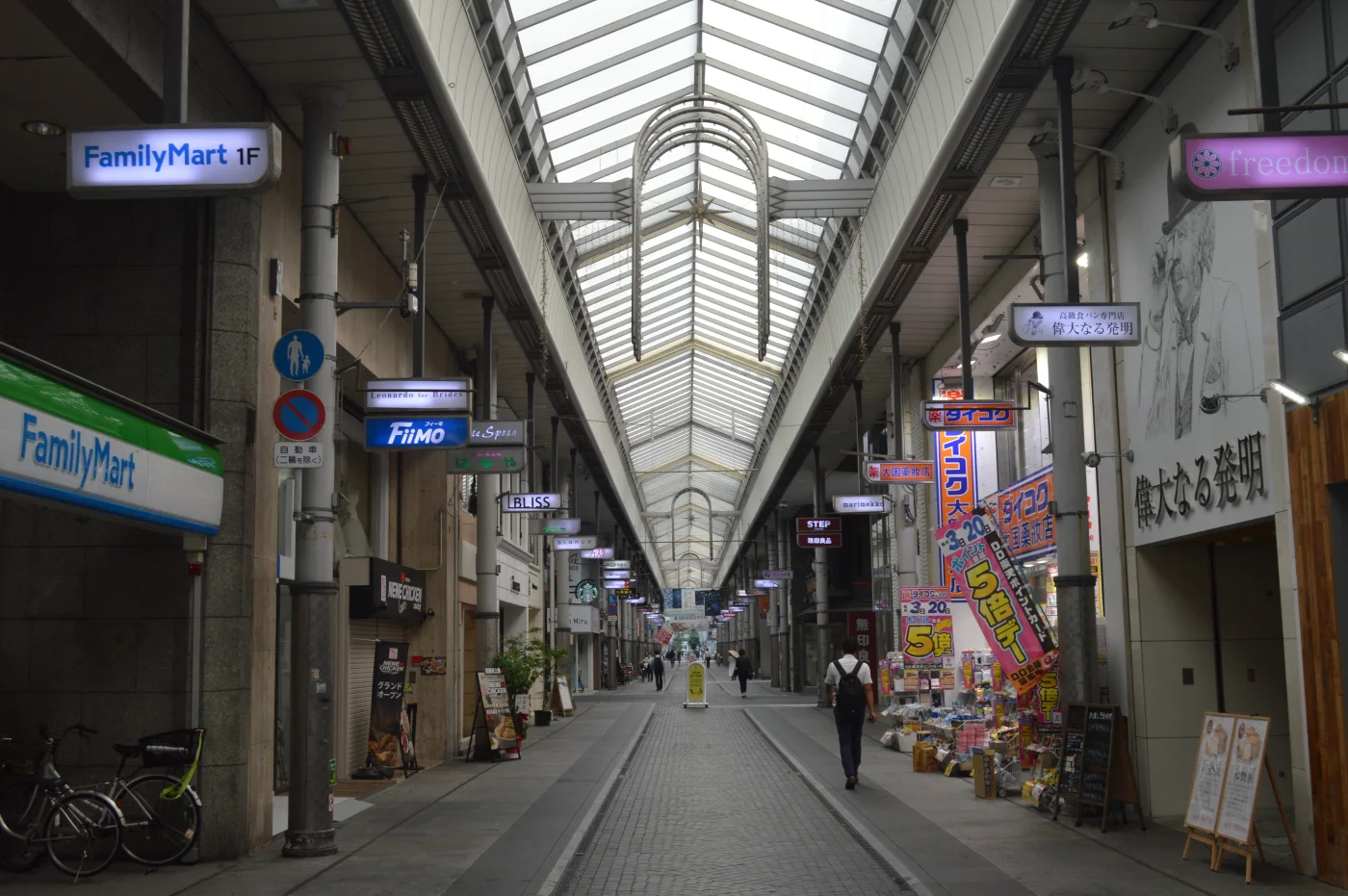
For dinner and one souvenir purchase, allow about 90 minutes in northern Marugamemachi. For browsing specialty shops, eating, and continuing to Kawaramachi, allow three to four hours. If you stay near Kawaramachi, a north-to-south walk brings you home. If you stay by the port before an early ferry, focus on the north, buy food that is easy to carry back, and return to the station area. After two parks, choose one main stop before dinner and leave other shops for tomorrow.
For Kagawa and Shikoku foods, household goods, and crafts, put Machi no Schule 963 midway along the walk. At 13-3 Marugamemachi, on the second floor of Sanbangai East Building, it combines food, daily goods, crafts, a gallery, and a cafe. Shop information lists retail hours of 11:00–19:00; the cafe opens Monday–Thursday 11:30–18:00, last orders 17:30, and Friday–Sunday 11:30–20:30, last orders 19:30. It closes on the third Monday monthly, adjusted for holidays. For weekday coffee, sit upstairs first and save other shopping for the evening.
For a break before 11:00, consider Meibutsu Kamado's Takamatsu shop. The operator's shop page lists 2-10 Marugamemachi, retail 9:00–19:00, and cafe 9:00–17:00 with last orders at 16:30. It closes on New Year's Day and Mondays, or the next day when Monday is a holiday. If you reach downtown early, have a snack or sit while other shops open. For an evening visit, distinguish the cafe deadline from the souvenir-shopping deadline.
At Marugamemachi Green, the first-floor Keyaki Plaza is a useful meeting point. Facility information lists usual retail hours of 11:00–20:00 and dining hours of 11:00–22:00, with individual variations. Shop before dinner. Companions with different interests can meet at the plaza before continuing to Minamishinmachi. If you are tired, finish here and rest at the hotel, then continue when passing Kawaramachi the next day.
Roofed streets suit light rain, but cross streets and station approaches remain exposed. Fold umbrellas before entering shops. Choose sweets, dried noodles, and crafts according to storage needs and luggage space, leaving heavy or refrigerated purchases until just before returning to your hotel. Shops along the route keep separate hours, so visit your priorities before dinner.
The street photograph in this section was taken in August 2021 by Asturio Cantabrio and is licensed under CC BY-SA 4.0.
Choose your udon meal time first, with options near the garden, shops, and station
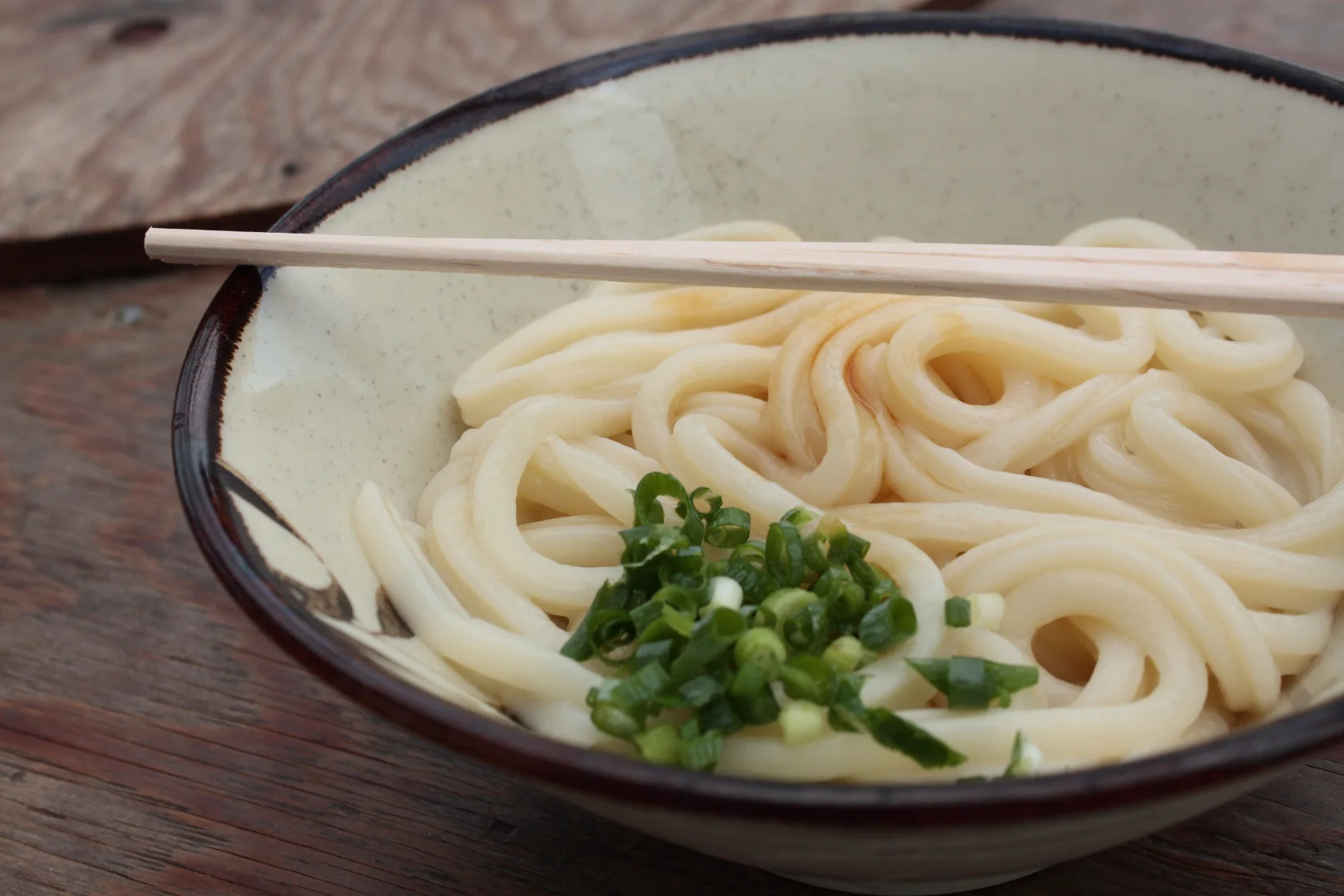
Some Takamatsu udon shops open early and close in the afternoon; others focus on dinner and late-night meals. Decide which meal will be udon, then find a shop on your route rather than chasing a long list of famous names. The official tourism site's July 2026 udon map groups shops by morning, daytime, and evening service and gives their addresses. If you arrive late, choose an area with shops serving dinner and save daytime shops for another meal.
For the garden day, consider Ueharaya Honten nearby for lunch. The tourism map lists 9:30–14:30, closed Sundays. Eat after leaving the garden and then return downtown. On Sunday, choose the shops or station area instead. Teuchi Judan Udon Baka Ichidai in Tagacho is listed as 6:00–18:00, closed New Year's Day. Treat it as a meal worth a specific trip: allow its own travel and dining window rather than squeezing it between two services.
To stay near the shops, compare Sakaeda Udon Minamishinmachi, listed as 7:00–17:00, closed New Year's Day. Merikenya Takamatsu Station is an option before departing from the station or after arrival. Save one main choice and one nearby alternative on your map. If a queue is long, you can change without searching the whole city while hungry. This is especially useful with children or before a Yashima bus after lunch.
Check the service style before ordering. At self-service shops, customers usually collect food, carry it to a seat, and return dishes; full-service shops bring meals to the table. Some require you to warm noodles or add broth yourself. Look at trays, menus, and queue direction before joining the flow. Kake means noodles in broth, bukkake uses a smaller amount of sauce, and zaru comes with dipping sauce. Choose hot or cold and portion size from the options. A small first bowl leaves room for a later snack.
Tempura, rice balls, and side dishes usually cost extra; check prices before taking them. Companions can choose different noodle styles and share suitable sides rather than ordering several bowls to try everything. For allergies, ask separately about noodles, broth, tempura, and sauces. A written Japanese list of restricted ingredients is clearer than simply saying no seafood. A full-service shop may suit you better if you want a leisurely conversation or help ordering.
Udon is also an evening option, but after two daytime udon meals, another cuisine may better suit the group. Before choosing dinner, check whether tomorrow has an early departure or bags to pack. Eating near your hotel is usually more practical than crossing the city for one last shop. On a two-day trip, one well-chosen meal can be more memorable than completing a list.
After daytime udon, try honetsukidori, seasoned bone-in chicken, for dinner. Ikkaku Takamatsu at 4-11 Kajiyamachi fits after Marugamemachi shopping. Its dine-in menu lists oyadori at ¥1,330 and hinadori at ¥1,090. Mature chicken is firmer; young chicken is softer, so choose hinadori for easier chewing. Torimeshi chicken rice with soup costs ¥587, totaling ¥1,677 with hinadori. Musubi rice balls with soup cost ¥392, totaling ¥1,482 with hinadori. Drinks and extra sides are separate.
The Takamatsu branch normally opens weekdays 17:00–23:00 and weekends and holidays 11:00–23:00, closed Tuesdays. Holidays and busy periods follow the official monthly schedule. Last orders are 30 minutes before closing, but the restaurant may stop accepting new customers earlier when queues are long. Plan it early in the evening after returning your bicycle. The reservation guidance says there are no seat reservations on weekends or holidays; for weekdays, call 087-823-3711. There is no restaurant parking, so drivers use nearby paid lots. The October 1, 2026 notice still lists the Yashima branch as closed long-term. Eat at the downtown Takamatsu branch after descending Yashima, then return to your hotel.
Three ways to reach Yashima: choose your downhill service first
East of Takamatsu, Yashima offers views over the city and Seto Inland Sea and suits a half-day visit. Check the current mountaintop shuttle timetable, choose a downhill bus, then work backward to ascent and lunch. The station, foothills, and summit walks are separate stages. You still walk after the bus terminus; treating bus arrival as arrival at the viewpoint underestimates your visit.
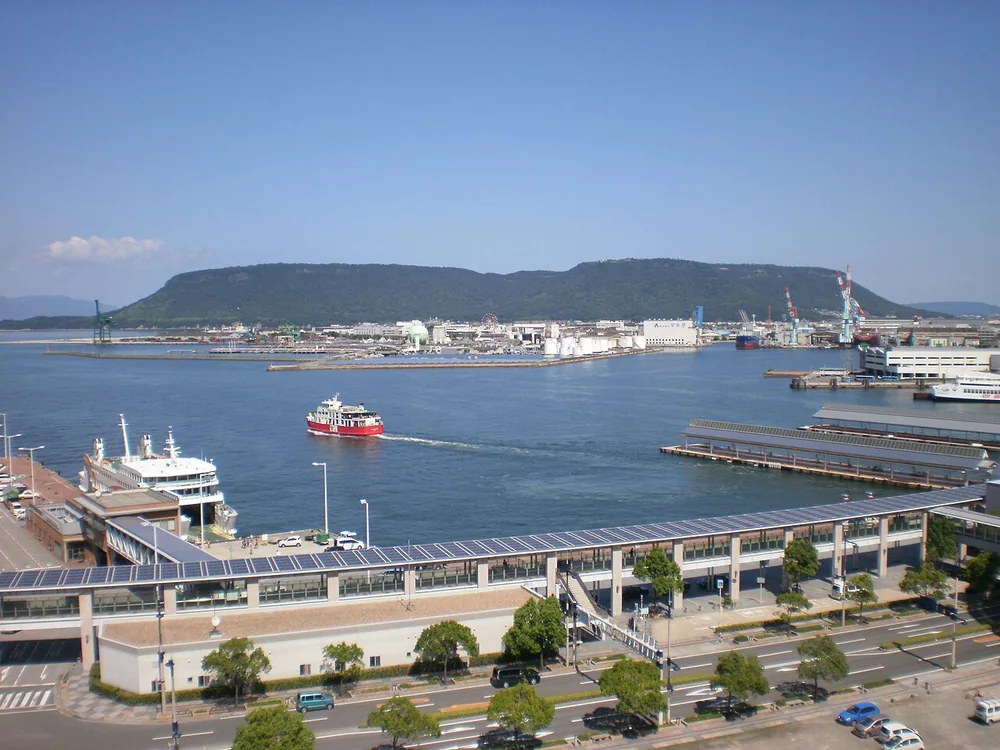
If you stay near Takamatsu Station on a suitable date, compare the direct mountaintop bus first. The service launched July 18, 2026 runs Saturdays, Sundays, public holidays, and announced summer and winter vacation periods, with four round trips daily. It leaves from Takamatsu Station boarding point 7 and runs via Hyogomachi, Kotoden-Yashima, and Shikoku Mura. It avoids a train transfer but has fewer choices than city routes, so build around its timetable to gain the convenience.
On weekdays or from Kawaramachi, take the Kotoden Shido Line to Kotoden-Yashima and connect with the mountaintop bus. From near JR Takamatsu, compare the JR Kotoku Line to JR Yashima and its connection. JR Yashima and Kotoden-Yashima are different stations; match the stop name to the timetable. Include the wait after the JR train, or the Shido Line connection from Kawaramachi. The faster option depends on the services you can actually connect with.
Mountaintop bus fares changed on October 1, 2026. Find your actual boarding and alighting points in the official fare table. The Kotoden-Yashima-to-summit ride and direct Takamatsu Station ride have different fares. The bus costs extra with a Kotoden train pass. If a return service runs straight downtown, use different outward and return routes to finish near dinner.
For sunset, coordinate sunset time, facility closing, and downhill transport. The shuttle page separately lists temporary evening services; daytime operation does not imply an evening bus. Save a screenshot of the return timetable and allow the walk from the viewpoint to the stop. If sunset and the day's buses do not align, see the sea by day or arrange suitable return transport in advance. Leaving the descent question until you reach the summit can make the whole afternoon feel rushed.
On Yashima, focus on views and Yashimaru, with time to sit
For a first visit, focus on walking from the mountaintop bus stop toward Yashimaru. Identify your return stop and walking direction on arrival, then continue to the viewpoints. For sea photographs, spend time where the light is best; with older companions, plan a seated break midway. The summit is not one viewpoint you finish immediately after stepping off the bus. Rushing to every spot reduces time actually enjoying the sea.
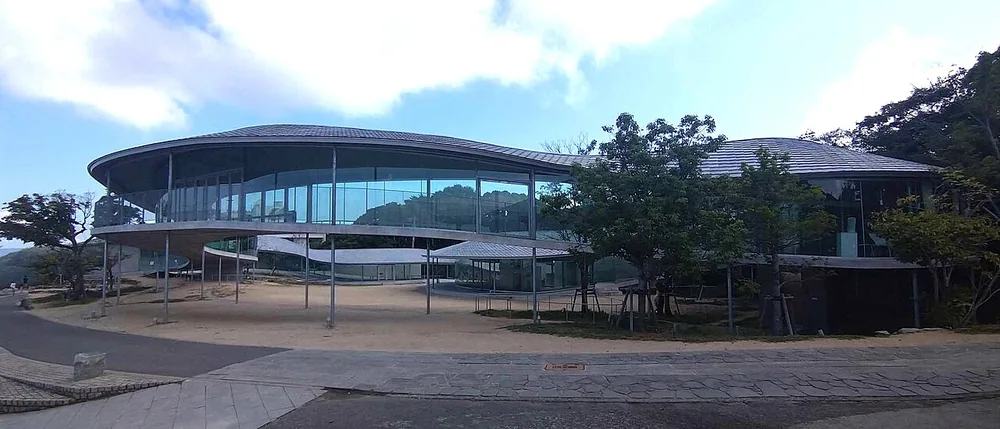
Yashimaru is a mountaintop community facility with a corridor following the terrain, combining architecture, views, and an indoor stop. City facility information lists normal hours of 9:00–17:00, extended to 21:00 on Fridays, Saturdays, and days before public holidays. It closes Tuesdays, or the next weekday when Tuesday is a holiday. Avoid closure days if the interior is your main interest. Even a short exterior walk must fit the day's summit transport.
The panoramic art exhibition has a separate ticket. Include viewing and check-in time if you want it. If your interest is the sea and corridor, spend according to your priorities, including transport and meals. Sit when tired before deciding how much farther to walk. A chosen downhill bus gives your last walk a clear endpoint.
Views depend on weather and visibility. Heavy morning rain or strong winds make a downtown day more comfortable than adding mountain travel. In sunshine, bring water and sun protection; in winter, add a wind-blocking layer. Photographers should consider waiting companions and passing walkers, and avoid occupying a passage with a tripod for long periods. Dinner still awaits downtown, so do not use all your energy on the final uphill stretch.
Choose the port or shopping district and stay both nights in one hotel
Takamatsu Station and the port suit JR travel with luggage, early transport, and onward ferries. Storage, post-checkout pickup, and departure stay in one area, especially useful on a two-day trip. Kawaramachi and Marugamemachi suit evening shopping and walking back after dinner. They also fit gardens, shops, and Kotoden routes. Decide how you want each of the two nights to begin and end before comparing rates.
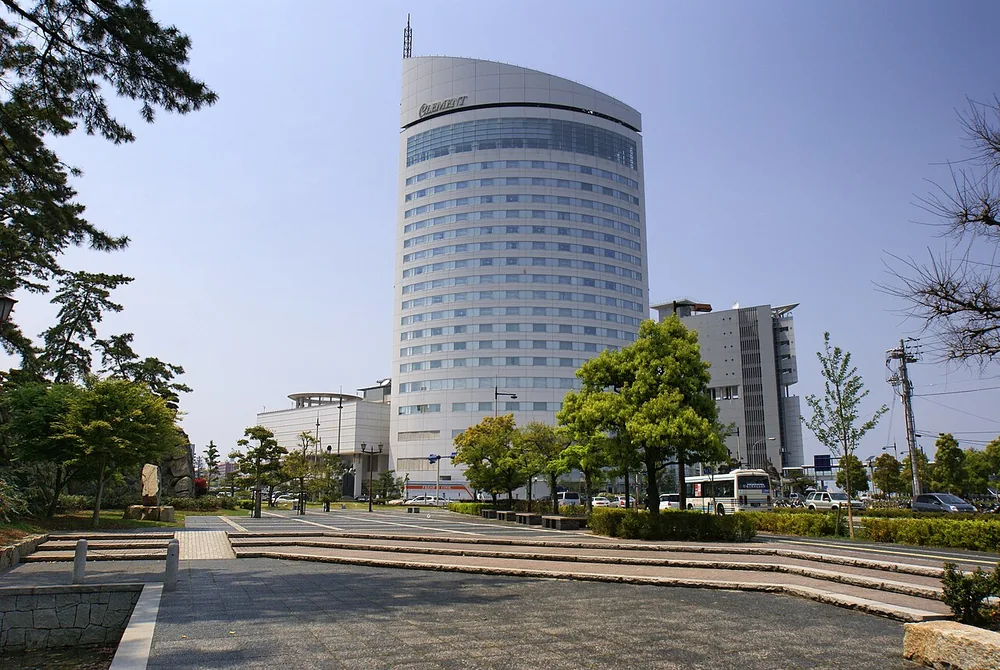
Two similarly named port-area hotels are JR Hotel Clement Takamatsu and JR Clement Inn Takamatsu. The former's access page places it beside JR Takamatsu, Takamatsu-Chikko, and the bus terminal, with the airport bus stopping at its main entrance. The latter is a separate neighboring hotel. Save the full English or Japanese name and address with your booking so taxis, luggage storage, and evening returns lead to the correct entrance.
For three adults sharing, JR Hotel Clement Takamatsu lists a 31.9 m² Triple with three permanent beds, alongside Twin rooms of different capacities. If you need three separate beds, select Triple and search for three guests instead of relying on a twin room described as accommodating three. For two adults with a child, enter the child's age and bed requirement and compare the total including breakfast, meals, and beds.
JR Clement Inn Takamatsu has a large communal bath for guests. Drivers use the designated Sunport Takamatsu underground parking. In October 2026, the website lists ¥1,400 per entry for 24 hours of hotel parking. The lot closes completely from midnight to 6:30, with no vehicle collection or access to luggage during that period. Leaving and re-entering incurs normal rates separately. If you need an early drive, put this condition ahead of room price. For two city days, public transport and walking generally require fewer arrangements.
In the shopping district, check the actual entrance street, nearest airport bus stop, lobby floor, and elevator. Some hotels occupy commercial buildings and require a specified entrance upstairs. Finally compare cancellation deadlines, breakfast start, laundry, and luggage storage. Staying both nights in one place lets you go out with a small bag and spend the time saved from moving rooms more comfortably in the gardens.
| Hotel | Useful for | Check when booking |
|---|---|---|
| JR Hotel Clement Takamatsu | JR, airport bus, and port access; travelers needing three permanent beds | Triple or a room for your guest count, meals, and cancellation terms |
| JR Clement Inn Takamatsu | Consecutive nights by the station with a large communal bath | Full hotel name and room type; midnight parking closure for drivers |
In rain, use the art museum and shops; with children, shorten outdoor walks
If one day is wet, move Yashima to the other day and stay downtown in rain. Takamatsu Art Museum is near the central shopping streets, making an indoor visit followed by lunch easy. Save parks for lighter rain and comfortable walking. If both days are wet, choose the garden you most want, shorten its route, and spend the rest at the museum, restaurants, and nearby streets rather than repeatedly traveling to distant indoor attractions.
Takamatsu Art Museum usually opens 9:30–17:00, with last exhibition entry 30 minutes before closing. During special exhibitions, Friday and Saturday hours extend to 19:00. It closes Mondays, or the next weekday after a Monday holiday, and December 29–January 3. Collection admission is ¥200 for adults, ¥150 for university students, and free for high-school students and younger. Special exhibition prices vary. Check the exhibition calendar before leaving so your rain alternative is open and showing something you want to see.
For an indoor activity with children, approach the northern district from Kataharamachi and visit Sanuki Toy Museum, then have lunch in Marugamemachi. The shopping street's official directory lists 8-1 Daikumachi, normal hours 10:00–16:00, closed Thursdays. Visit earlier in the day and return to your hotel after lunch according to nap time. Add one or two adult-interest shops only if the children still have energy.
With a stroller heading south, use Marugamemachi Green as a childcare stop. The facility page lists a family lounge and nursing room on West Building floor two, and multipurpose toilets on West Building floor one and East Building floors two and three. Save the floor details before leaving and follow signs on arrival. This combines meals, diaper changes or feeding, and shopping without an unexpected trip back to the station.
With older companions, make Ritsurin Garden the day's only long walk and sit down for lunch near the shops afterward. If Yashima involves too many transfers, spend on one prearranged ride or stay downtown so everyone remains within a manageable area. Consider the previous day's walking, the distance from the hotel elevator to the room, and the temperature. A comfortable walk back to the hotel helps everyone continue the trip tomorrow.
During a typhoon or official suspension or closure, deal first with booked accommodation, departure travel, and necessary contact, then meals. Ritsurin Garden closes temporarily during a storm warning for the Takamatsu area; the art museum also adjusts opening in severe weather. Staying near the hotel is more practical then. Handle purchased tickets and reserved activities through each operator's cancellation process, keeping notices and orders.
Before departure day, connect luggage pickup with the correct boarding stop
For a final-day flight, first choose a bus that reaches the airport before your airline's check-in deadline, then work backward through luggage pickup, lunch, and walking. The October 2026 airport bus page gives about 40 minutes from Takamatsu Station to the airport as a guide; allow extra for congestion and boarding. If you stay near Kawaramachi, board there; if you stay near the station, collect your bags in that area. Put the storage receipt, hotel address, and stop map together the night before.
Spare morning time suits breakfast, souvenir shopping, or a short walk near your hotel. If Ritsurin Garden is left for departure day, start early after opening and decide the exit time before entering. A boat ride or leisurely tea is better on a full day. Yashima needs uphill and downhill transport, so stay downtown before an afternoon flight rather than worrying all morning about making the return connection.
For JR departure, write the train and exact station name in your itinerary. Okayama trains leave from JR Takamatsu. From Kawaramachi, walk or take Kotoden to Takamatsu-Chikko, then walk to JR. Count time from leaving the hotel. At the station, allow for tickets, finding the platform, toilets, and stowing bags on board. Finish breakfast earlier if you want to sit down; do not leave only the few minutes needed to step onto the train.
Collect stored luggage before departure and keep the day's transport ticket until you have completed your exit.
A few useful answers
Can two nights in Takamatsu include Ritsurin Garden, Yashima, and island hopping?
With two full days, spend one on Ritsurin Garden, Tamamo Park, and the shopping streets, and half to one day on Yashima. Give island hopping a separate full day by adding a night or replacing Yashima. Reduce the plan to match actual free time if arrival and departure each take half a day.
For a first visit, should I stay near Takamatsu Station or Kawaramachi?
Choose the station and port for JR travel with luggage, ferries, or early departure. Choose Kawaramachi or Marugamemachi for dinner, shopping, and walking back to your room. Compare the hotel's access page with the airport bus's different stops.
Must I change trains at Kawaramachi to reach Yashima?
From Takamatsu-Chikko by Kotoden, you usually change to the Shido Line at Kawaramachi and take the mountaintop bus from Kotoden-Yashima. From July 18, 2026, a direct bus from Takamatsu Station runs four round trips on weekends, holidays, and announced summer and winter vacation dates. Also compare connections via JR Yashima.
Do I need a Kotoden day pass for two days in Takamatsu?
Total your actual train fares before comparing the paper day pass and digital 24- or 48-hour passes. If you mostly walk downtown and only ride to Ritsurin Garden and back, compare ordinary tickets and IC cards first. Airport and Yashima mountaintop buses cost extra.
Official information and references
Sources used in this guide.
- Kotoden Bus: Takamatsu Airport bus timetable and riding guide
- Kotoden Bus: airport bus fares from October 1, 2026
- Kotoden: paper one-day unlimited pass
- Kotoden: digital 24- and 48-hour passes
- Kotoden: routes accepting transport IC cards
- Kagawa Tourism Association: Ritsurin Garden visitor guide
- Ritsurin Garden operating information: admission, boats, and access
- Takamatsu City: Tamamo Park hours and admission
- Takamatsu Marugamemachi shopping street: official map and shops
- Takamatsu Marugamemachi shopping street: access
- Takamatsu Convention and Visitors Bureau: July 2026 udon map
- Kotoden Bus: Yashima mountaintop buses and current timetable
- Kotoden Bus: direct Takamatsu Station–Yashima service from July 18, 2026
- Kotoden Bus: Yashima fares from October 1, 2026
- Takamatsu City: Yashimaru facilities and opening information
- JR Hotel Clement Takamatsu: access
- JR Hotel Clement Takamatsu: twin and triple rooms
- JR Clement Inn Takamatsu: facilities, access, and parking notice
- Takamatsu Art Museum: opening days and exhibition calendar
- Takamatsu Art Museum: admission
- Takamatsu City: municipal bicycle rental fees, stations, and hours
- Takamatsu City: HELLO CYCLING rental and return instructions
- Ikkaku: Takamatsu address and usual hours
- Ikkaku: Takamatsu dine-in and takeout menu
- Ikkaku: October–November schedule, October 1, 2026 edition
- Ikkaku: Takamatsu seat reservations
- Marugamemachi shopping street: district and shop directory
- Machi no Schule 963: address and hours
- Marugamemachi Green: family lounge, toilets, and hours
- Meibutsu Kamado: Takamatsu address, closures, and cafe hours
- Minamishinmachi shopping street: official street map
- Marugamemachi shopping street: Sanuki Toy Museum listing
- Marugamemachi street photograph: Asturio Cantabrio, CC BY-SA 4.0