How to get to the Osaka Tenjin Matsuri, where to watch the Funatogyo boat procession, and how to pick paid seating. Plan with 2026 schedules and compare dates and transit for the Sumiyoshi Matsuri, Ikutama Matsuri, and Naniwa Yodogawa Fireworks.
- Region & Focus
- OsakaFestivals and fireworks
- Reading Scope
- 20 min read · 9 chapters · 6 Q&As
- Official Verification
- 25 official sources checkedUpdated November 22, 2026
- Key Topics
- SeasonsItinerariesRail travel
Chapter Route Map (tap any stop)
- Which Day of the Osaka Tenjin Matsuri Should You Go?
- Yoimiya Morning at Former Wakamatsuhama, Afternoon in Tenjimbashisuji
- Watch the Daytime Rikutogyo First, Then Head to the Okawa River at Dusk
- Which Side of the River for Boats and Fireworks—and Are Paid Seats Worth It?
- Getting There via Minami-morimachi, Osakatemmangu, or Temmabashi
- Should You Stay in Minami-morimachi, Riverside, or Umeda?
- If It's Too Hot or Rainy: Move Daytime Plans Indoors
- Sumiyoshi Matsuri via Nankai Railway; Ikutama Matsuri from Tanimachi 9-chome
- Naniwa Yodogawa Fireworks Is a Separate Event—Scheduled in October for 2026
- Quick Q&A
For your first Osaka Tenjin Matsuri, if you want to see both the illuminated boats on the Okawa River and the fireworks in one night, save the evening of July 25 (Honmiya) for the riverbank. If you want to watch the procession leave the shrine, are traveling with toddlers, or need to catch a train back to Kyoto that night, watching the daytime Rikutogyo land procession or picking one segment on July 24 (Yoimiya) is much easier than battling the post-fireworks crush. Before booking a hotel, pin the exact segment you want to watch, your viewing-area entrance, and your return station on a map. Osaka Tenmangu Shrine, Temmabashi, and the fireworks grounds each have separate entry points, so searching "Tenjin Matsuri" alone can easily send you to the wrong side of the river.
Which Day of the Osaka Tenjin Matsuri Should You Go?
Osaka Tenmangu Shrine runs various Tenjin Matsuri rituals starting in late June, with the two main festival days falling on July 24 (Yoimiya, the eve) and July 25 (Honmiya, the main day). To see the Funatogyo boat procession, stay in Osaka through the night of Honmiya. In 2026, Yoimiya opened with a main-hall ceremony at 7:45 AM, followed by the Hokonagashi Shinji (sacred halberd-floating ritual) around 8:50 AM near the former Wakamatsuhama site. Travelers arriving in Osaka in the afternoon will miss both morning events; drop off your luggage and simply walk from Minami-morimachi into the shopping arcade.
On Honmiya in 2026, the Honmiya-sai ceremony took place inside the shrine at 1:30 PM. After the deity's spirit was transferred, the Rikutogyo land procession set off around 3:30 PM, the Funatogyo boat procession began around 6:00 PM, and the Hono Fireworks ran from roughly 7:30 PM to 8:50 PM. The procession returned to the shrine (Miya-iri) around 9:00 PM, followed by the Kangyo-sai ritual around 10:00 PM. The shrine noted that the main-hall ceremonies that year were limited to priests and officials, while spectators could watch the Rikutogyo along designated streets. Afternoon arrivals who want to see the departure should factor dinner and riverfront entry times into the same block.
If you are booking hotels for 2027, circle July 24 and July 25 on the shrine calendar—those dates fall on a Saturday and Sunday. The shrine's 1,125th-anniversary Grand Memorial Festival for Sugawara no Michizane is scheduled separately on April 25 with bugaku court dance. Spring commemorative events and July's Tenjin Matsuri follow separate schedules. For exact July 2027 times, seating zones, and road-closure maps, watch for the Reiwa 9 (2027) Tenjin Matsuri announcements, and put your hotel's free-cancellation deadline on your calendar when booking.
If you only have half a day, pick your vantage point first. To see the moyoshi-daiko drum floats, lion dancers, and festival costumes, stake out a spot along the street route for one stretch and finish early. To photograph the river and boat lanterns, eat an early dinner before entering the riverfront area so you can watch dusk settle over the water. If you mainly want to browse food stalls with friends, don't let peak stage-viewing hours eat into your meal window. You can explore the shopping arcade on Yoimiya and save just one festival segment for the next day, keeping your daytime itinerary at your usual pace.
| Date | Time (JST) | Event & Location |
|---|---|---|
| July 24 (Yoimiya) | 7:45 AM; approx. 8:50 AM | Yoimiya-sai at Osaka Tenmangu Shrine; Hokonagashi Shinji at former Wakamatsuhama site |
| July 25 (Honmiya) | 1:30 PM; 3:30 PM | Honmiya-sai; Rikutogyo land procession |
| July 25 (Honmiya) | Approx. 6:00 PM; 7:30 PM–8:50 PM | Funatogyo boat procession on Okawa River; Hono Fireworks |
| July 25 (Honmiya) | Approx. 9:00 PM; 10:00 PM | Miya-iri shrine return; Kangyo-sai closing ritual |
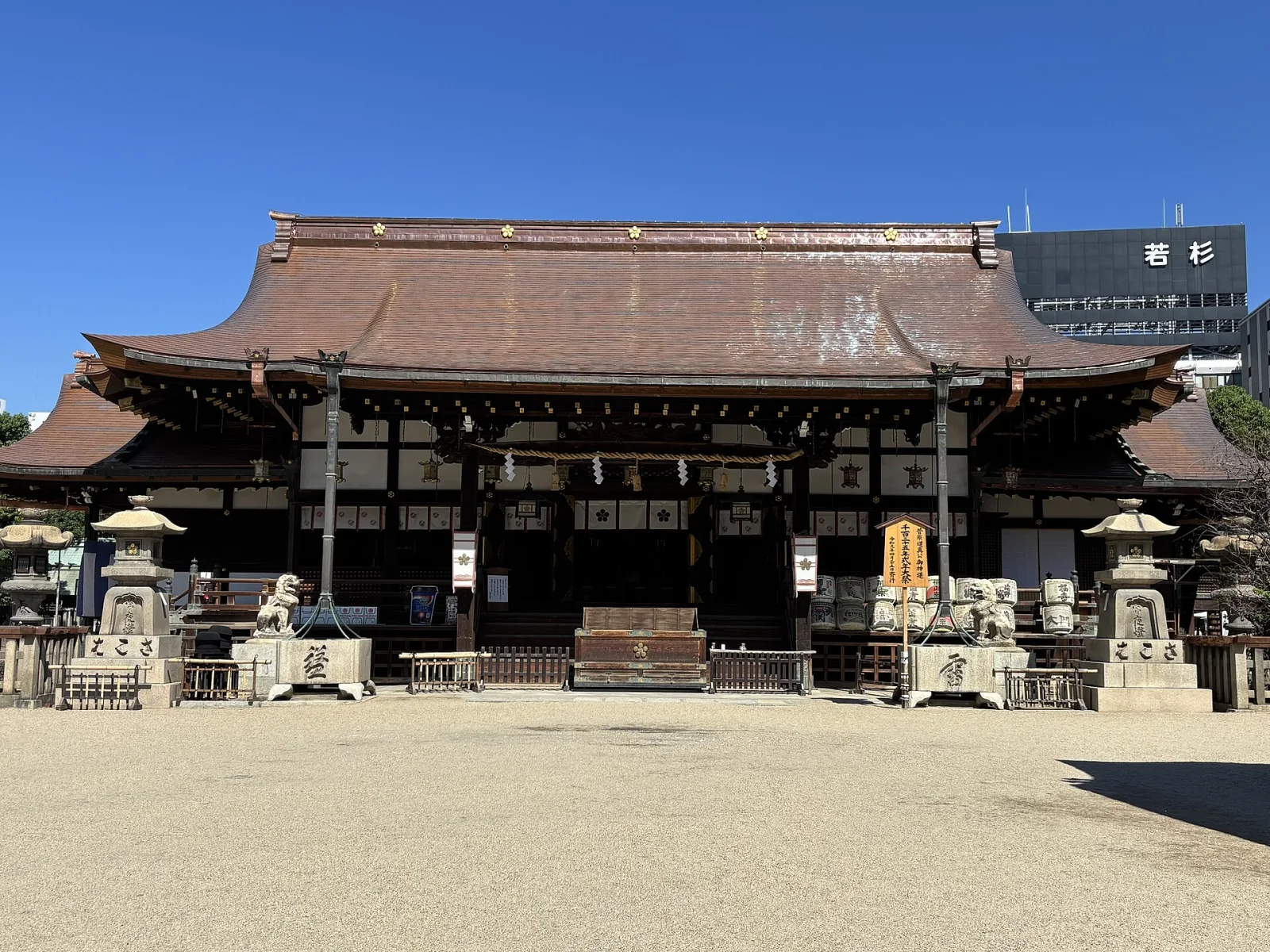
How to get to the Osaka Tenjin Matsuri, where to watch the Funatogyo boat procession, and how to pick paid seating. Plan with 2026 schedules and compare dates and transit for the Sumiyoshi Matsuri, Ikutama Matsuri, and Naniwa Yodogawa Fireworks.
Yoimiya Morning at Former Wakamatsuhama, Afternoon in Tenjimbashisuji
The name "Yoimiya" (festival eve) leads many visitors to look up only evening transit. Osaka Tenmangu's Hokonagashi Shinji starts early in the morning. According to the shrine, shortly after 8:30 AM, a shindo (sacred child messenger) carrying a ritual halberd walks in procession from the main gate toward the ritual ground at former Wakamatsuhama. Save the Japanese map pins for the Hokonagashi Shinji ritual ground (Hokonagashi Shinji Saijo) and Tenma Police Station (Tenma Keisatsusho) on your phone beforehand. The ritual site is on the Dojima River, a different waterfront orientation from the next night's boat procession on the Okawa River. If you are staying in Umeda or Namba and just want to catch a single morning scene, approach via public streets around the ritual site and follow staff directions.
Give yourself time to see why the ritual boat sets out. The shrine traces the festival's origins to 951, when a sacred halberd was floated into the water from the riverfront near the shrine, a purification ground was set up where it washed ashore, and locals sent boats out to welcome it. Today's ceremony still sends out the sacred child by boat to float the halberd and pray for local peace. The Tenjin Matsuri honors Sugawara no Michizane. Seeing the river's role from the opening act makes the next day's transition—from street parade onto boats—much easier to follow than showing up only right before the fireworks.
Exit Minami-morimachi Station and walk south along the Tenjimbashisuji Shopping Arcade to reach the shrine. The arcade also stretches north from Minami-morimachi toward Ogimachi and Tenjimbashisuji 6-chome. JR Temma Station sits north of the shrine; if you plan to visit the shrine first, enter from Minami-morimachi or Osakatemmangu Station, then walk out via a neighboring subway station once you get tired. Streets between the shrine gate and the shopping-arcade corners are narrow—step clear of the procession lane if kids want to browse shopfronts. If you want a sit-down meal, separate dining from standing along the parade route so you build in restroom and rest breaks.
Even if you are only in Osaka in early July, you can still catch pieces of the festival. From July 1 to 25, 2026, Osaka Tenmangu held an Omukae Ningyo stamp rally with ¥100 stamp sheets sold at the shrine amulet office and giant historic figures displayed across multiple venues. In the Edo period, these large dolls decorated the welcoming boats, many modeled on kabuki or joruri bunraku characters. Display dates vary by venue—in 2026, the Imperial Hotel Osaka exhibit start date was revised to July 1. Checking the shrine's venue-by-venue display calendar is far more reliable than hunting for boats ahead of time.
Watch the Daytime Rikutogyo First, Then Head to the Okawa River at Dusk
Inside the shrine during the Honmiya-sai, Sugawara no Michizane's spirit is transferred into the Goho-ren, a sacred palanquin crowned with a phoenix, and the Rikutogyo land procession soon departs. Loud drum units lead the way, followed by groups representing different ko (guild associations). If you want kids to spot what is happening, show them a Keihan procession map and a photo of the Goho-ren before you go; once the phoenix roof appears, you know the deity's palanquin is passing. That same palanquin later boards a boat to cross the water, linking the daytime and nighttime halves of one continuous ritual.
Treat the published Rikutogyo start time as the departure from the starting gate. Passing times differ at each intersection along the route, so standing mid-course means waiting a bit. Pick a spot along the officially marked viewing streets where you have a clear view and an easy exit. If you have evening riverfront seats, watch the daytime parade from the same side of the route and move outward afterward instead of following the crowd straight into the boat-boarding bottlenecks. Cross streets only at crossings opened by police, and lower your phone once you get your clip so people behind you can see.
The Funatogyo boat procession gets underway on the Okawa River around dusk. The Hoan-sen boat carries the deity accompanied by a fleet of escort vessels, greeted by rhythmic Osaka-jime handclaps as they pass. Even without fireworks photos, watching two lantern-lit boats cross paths after dark captures the heart of the festival. According to Osaka Tenmangu, the boat procession was revived postwar in 1949, and in 1953 ground subsidence forced boats to alter course and head upstream along the Okawa because of lower bridge clearances. Bridge heights, boat drafts, and water channels near the launch zone still dictate how the festival runs today.
If you want both the full daytime parade and the evening fireworks, schedule an indoor break with air conditioning and water in between. Stations look close on a map, but pedestrian reroutes and intersecting crowds slow everything down. In 2026, JTB's riverside viewing areas opened at 5:30 PM—barely two hours after the Rikutogyo set off. If you hold paid tickets, leave the street parade early and head to the riverfront side listed on your ticket. Anyone planning to watch the Miya-iri shrine return should map a separate nighttime route back to the shrine, since daytime bridge crossings often close during fireworks hours.
For day-trippers returning to Kyoto or Kobe the same night, the daytime Rikutogyo is far easier to time. If you stay for the fireworks, build in extra time for walking to the station, platform entry queues, and transfers. Reserved trains depart on schedule while street crowds fluctuate. Rather than scrambling toward a station intersection after the final shell bursts, choose a viewing spot next to an early-exit lane.
Which Side of the River for Boats and Fireworks—and Are Paid Seats Worth It?
Locate the Okawa River on a map first, then find Temmabashi Bridge, Kawasaki Bridge, Sakuranomiya Bridge, and your viewing zone. Temmabashi is a major transit gateway, yet the riverbanks themselves split into distinct stretches. For close-up views of the boats and lanterns, prioritize low riverfront seats facing the main boat channel. For high-altitude fireworks photos, unobstructed sightlines—free of trees, bridge trusses, or event tents—matter more than raw proximity to the launch barge. In 2026, JTB and the shrine offered six riverside special-viewing venues; compare each zone's seating chart and check its street-level entrance before buying.
In open public areas where stopping is permitted, you can often catch a brief glimpse of both boats and fireworks. When reading the official control map, distinguish viewing riverbanks from pedestrian-only bridge walkways. On the 2026 traffic-control map, Kawasaki Bridge banned pedestrians and bicycles from roughly 6:00 PM to 11:00 PM, and yellow no-entry zones along the riverfront stayed closed from 9:00 AM to 11:00 PM. A photo taken from a bridge may not mean stopping there is allowed. Stick to signed walkways, and if police tell you to keep moving, walk on until the next designated viewing stretch.
If anyone in your group needs a guaranteed chair, the real value of paid seating is seat type and step-free access. Read ticket listings carefully to separate reserved seats (shiteiseki), unreserved seats (jiyuseki), and general zones (area). Zone tickets only grant entry into a fenced section, where sitting together may require lining up under venue rules. Chairs with armrests reached via level pavement are worlds apart from bleachers down steep levee steps. Check each venue's accessibility, toddler, and restroom notes before comparing prices. For mobile tickets, load the ticket page or login details before approaching the gate and follow the seller's validation instructions.
Boat-viewing tickets add strict check-in windows and boarding restrictions. In 2026, JTB's special boat viewing plan—including a meal and Japanese/English guiding—was listed at ¥150,000. Separate from that, Fukuumeko offered a ¥36,000 per-person dining cruise with check-in from 5:30 PM to 5:50 PM on the west side of the north end of Tenjinbashi Bridge, departing around 6:00 PM and docking around 9:30 PM. That year, Fukuumeko did not allow cancellations for personal reasons, barred infants, elementary school children and younger, and wheelchair users from boarding, and prohibited umbrellas on board. Check age rules, boarding hours, and refund policies before comparing prices, especially if anyone needs to catch a last train.
Tenjinbashi and Temmabashi both sit near the river and look similar in print, so don't mix them up. A ticket reading "Tenjinbashi Kita-zume" refers to the north end of Tenjinbashi Bridge—Fukuumeko's 2026 meeting point was in Sugawara-cho, Kita-ku, Osaka. Mistaking it for Temmabashi Station leaves you with a walk along the river through crowd-control barriers. Save both the Japanese street address and the venue diagram. If friends are arriving separately, agree to meet at the entrance shown on your tickets rather than at bridgeheads, which mainly serve as transit funnels during the event.
Fireworks launch while the boat procession is underway, so staying on one bank lets you catch both overlapping. Keihan's 2026 schedule listed fireworks from roughly 7:30 PM to 8:50 PM. To frame both boats and bursts, pick a spot inside your area with an open angle over both the water and the sky. A handheld phone is enough; keep your hands below people's sightlines and out of walkways. Tall tripods and wide selfie sticks eat up narrow paths—always obey any gear restrictions printed on your ticket.
Getting There via Minami-morimachi, Osakatemmangu, or Temmabashi
Osaka Tenmangu Shrine's official directions recommend Exit 4 of Osaka Metro's Minami-morimachi Station: walk south along the Tenjimbashisuji Shopping Arcade and turn left at the second intersection for about 50 meters. On the JR Tozai Line, get off at Osakatemmangu Station, take Exit 7, and likewise head south down the arcade. Subway Minami-morimachi and JR Osakatemmangu are connected underground. Temma Station on the JR Osaka Loop Line is a separate station north of the shrine near Ogimachi. When meeting friends near "Temma," specify the exact station name, line, and exit number.
For the Honmiya riverfront segments, match your station to your ticket or the traffic-control map. Temmabashi Station serves both the Osaka Metro Tanimachi Line and Keihan Railway, giving easy access from central Osaka or along the Keihan corridor to viewing areas near Temmabashi Bridge. Sakuranomiya Station on the JR Osaka Loop Line sits close to the northern stretch of the Okawa River. Kyobashi connects Keihan, JR, and the Osaka Metro Nagahori Tsurumi-ryokuchi Line, while Osakajokitazume Station on the JR Tozai Line approaches the Amijima-side venues. Each station feeds a different riverbank stretch, so work backward from your exact seating section.
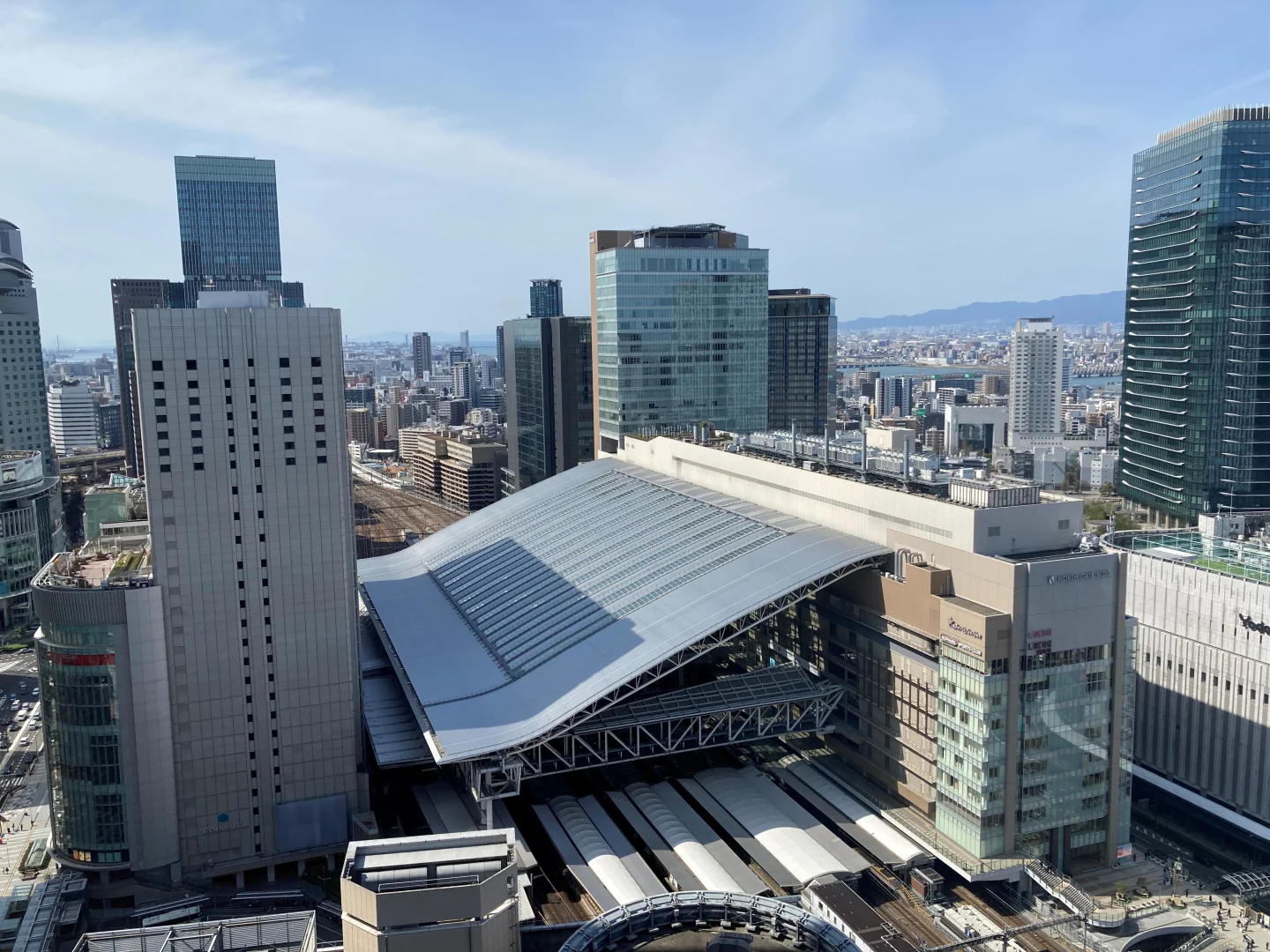
From Umeda, board the Tanimachi Line at Higashi-Umeda; Minami-morimachi is one stop away and Temmabashi is two. If you are staying west of Osaka Station or around Kitashinchi, taking the JR Tozai Line straight from Kitashinchi to Osakatemmangu avoids a subway transfer. From Namba, the Sakaisuji Line near Nippombashi runs direct to Minami-morimachi, while travelers near Osaka Metro Namba Station can take the Sennichimae Line to Tanimachi 9-chome and switch to the Tanimachi Line. If you plan to walk back via Nippombashi at night, save your hotel address directly on your map so you don't ride one stop too far to Namba.
Taking the Keihan Railway from Kyoto for Honmiya gives you two main walking hubs: Temmabashi or Kyobashi. Temmabashi sits at the river bend and suits central riverfront access; Kyobashi leads toward the Amijima and Sakuranomiya entrances depending on your ticket's marked approach. On the return trip to Kyoto, verify your train direction and check whether your stop is served by that train class. If you board JR at Osakajokitazume after the show, factor in the walk or transfer needed to reconnect with Keihan and recalculate your timetable accordingly.
You do not have to use the same station coming and going. Open that year's traffic-control map, trace a route from your ticketed exit to a nearby station, and pick a backup route on the same side of the river. When tickets specify an entrance gate, follow the control map instead of map-app shortcuts—detouring around a closed bridge can take longer than riding one extra train stop. Even if a station looks directly across the water, move with the crowd to an open crossing. Follow station staff instructions in entry queues and avoid regrouping right at crowded station bottlenecks outside.
Elevator routes at Minami-morimachi and Osakatemmangu may not match the closest staircase exits. If you have a stroller or luggage, check the station's official floor map for a step-free elevator path from platform to street, and verify whether your riverfront zone has ramps before entering. Rail passes also differ by operator: Osaka Metro day passes cover the subway only, not the JR Osaka Loop Line or Keihan Railway. If you only expect two rides on festival day, compare point-to-point fares against a day pass first so switching rail operators on the way back doesn't strand you outside a pass network.
At the time of verification, Osaka Metro's standard adult fare was ¥190 for up to 3 km and ¥240 for over 3 km up to 7 km. The adult Enjoy Eco Card day pass cost ¥820 on weekdays and ¥620 on weekends and Japanese national holidays, with a flat ¥310 child fare. Taking four short Zone 1 subway rides—say, morning sightseeing, returning to your hotel at noon, and heading out to the festival in the evening—totals ¥760 on single tickets, making the weekend day pass worthwhile. If you are staying in Umeda and taking one round trip to Minami-morimachi—or returning on JR from Sakuranomiya—a regular ticket or IC card is simpler.
Should You Stay in Minami-morimachi, Riverside, or Umeda?
If you are staying one night and want to browse the shopping arcade the next morning, Minami-morimachi is very convenient. Premier Hotel CABIN PRESIDENT Osaka sits right by Minami-morimachi and JR Osakatemmangu Stations, noting Exit 2 is steps from the entrance while Exits 6 and 7 offer elevator access. If walking back from Temmabashi after the fireworks, check which side of the Minami-morimachi intersection your hotel stands on. Families with strollers should map two separate routes—station exit to hotel, and viewing area to hotel—since even hotels next to the shrine can sit behind Honmiya evening road closures.
If you want a riverside hotel, Imperial Hotel Osaka lists a roughly 5-minute walk from the West Exit of JR Sakuranomiya Station on normal days, which tells you far more clearly which riverbank you are on than vague "near Osaka Station" claims. When comparing rates between Minami-morimachi and riverside properties, match the exact night, guest count, and cancellation terms. If you hope to see boats or fireworks from your room, book a package that explicitly specifies that view or festival access—a hotel's location map only shows which side of the river the building faces, whereas room descriptions state floor level and orientation.
Multi-night visitors are better off choosing a base around the rest of their itinerary. If you have early JR trains to Kyoto, Kobe, or Shin-Osaka, staying in Umeda saves an extra hotel move just for the Tenjin Matsuri. You can ride the Tanimachi Line back to Higashi-Umeda from Minami-morimachi or Temmabashi and use underground walkways back to your hotel. Guests staying around Namba, Kuromon Market, or eastern Dotonbori can anchor their return route at Nippombashi. If part of your group plans to head back early, walk the route from your viewing section toward the station together before dark so they can leave easily without trying to navigate along the river mid-crowds.
Check-in and check-out times change how you pace a half-day visit. If you are moving from Kyoto to Osaka at noon on July 25, drop large suitcases at your hotel before heading to the Rikutogyo; if leaving a spare keycard for a late-arriving companion, register their name and pickup rules at booking. Staying two nights lets you return to your room for an afternoon break after Yoimiya and start Honmiya morning with a relaxed walk. Guests staying one night with luggage in tow should stick to daytime events or stash bags in lockers near their departure station.
Use an Osaka neighborhood stay comparison alongside festival logistics when picking your base. If search results default to per-person pricing, switch to total room cost for all nights and add in your group's seating and train fares. Savings from staying one extra stop away can easily go toward reserved seats. For families hoping to get back to their room before 9:00 PM, paying slightly more for a hotel on the same side of the river as your viewing spot often beats a cheaper room two transfers away.
If It's Too Hot or Rainy: Move Daytime Plans Indoors
Waiting along the afternoon Rikutogyo route is usually the most exhausting part of the day. Eat before approaching the parade corridor and carry capped drinks you can stow on the move. When standing in direct sun, watch one segment pass and duck out rather than enduring the full wait. If children grow quiet, slow down, or keep asking to sit, step into an air-conditioned venue to hydrate. For anyone wearing a yukata on a long evening walk, shoes with reliable grip on stairs matter far more than matching wooden geta sandals for photos—and keep a step-free backup route to your hotel in case you want to avoid levee stairs.
For an indoor break near Tenjimbashisuji 6-chome, head to the Osaka Museum of Housing and Living. Exit 3 of the subway or Hankyu Tenjimbashisuji 6-chome Station connects directly to the building. Permanent exhibits typically run 10:00 AM to 5:00 PM (last entry 4:30 PM), with admission at ¥600 for adults, ¥300 for high school and university students, and free for junior high school students and younger. The recreated historic Osaka streetscapes pair naturally with a walk through the nearby arcade. Note that the museum announced a facility-renovation closure from September 1, 2026, through January 5, 2027, and normally closes on Tuesdays (open on public holidays), which is worth checking if visiting outside festival dates.
If entering the riverfront from the Kyobashi side, the Fujita Museum makes an easy rainy-afternoon stop. About a 1-minute walk from Exit 3 of JR Osakajokitazume Station, it opens 10:00 AM to 6:00 PM with no reservation required; admission is ¥1,000, and visitors aged 19 and under enter free with proof of age. Afterward, walking along the same-side streets from Osakajokitazume toward Amijima is far simpler than rushing to Minami-morimachi and crossing a bridge. If evening weather alerts alter the boat procession or fireworks, you can easily pivot from Osakajokitazume back to shopping areas or your hotel. The museum closes for year-end holidays from December 29 to January 5—matching the reopening date of the Housing and Living museum's renovation.
In light rain, a packable poncho is much easier to maneuver in crowds than a large umbrella, and wet riverside slopes are best avoided. Before entering paid seating or boarding a vessel, check the organizer's rain gear rules—Fukuumeko's 2026 boat plan banned umbrellas on board and provided raincoats. If thunderstorms hit or organizers begin clearing the area, leave the open waterfront immediately for a station or indoor shelter. Ticket holders should keep their tickets and purchase confirmations for official status and refund updates. Without tickets, shift your evening to dinner inside the shopping arcade and save a calm shrine visit for a clear weekday.
If you are traveling with young kids or seniors, treat spotting the Rikutogyo parade as a complete day in itself. If two people want to stay for the night show while others head back, agree on a stable indoor meeting point such as a hotel lobby rather than an event exit or station ticket gate, where shifting crowd-control lines can trap people on opposite sides. Before buying tickets for older relatives who may need to leave once tired, check the venue map to make sure there is a station on the same side of the river—that will help you decide between boats, fireworks, or daytime-only viewing.
Sumiyoshi Matsuri via Nankai Railway; Ikutama Matsuri from Tanimachi 9-chome
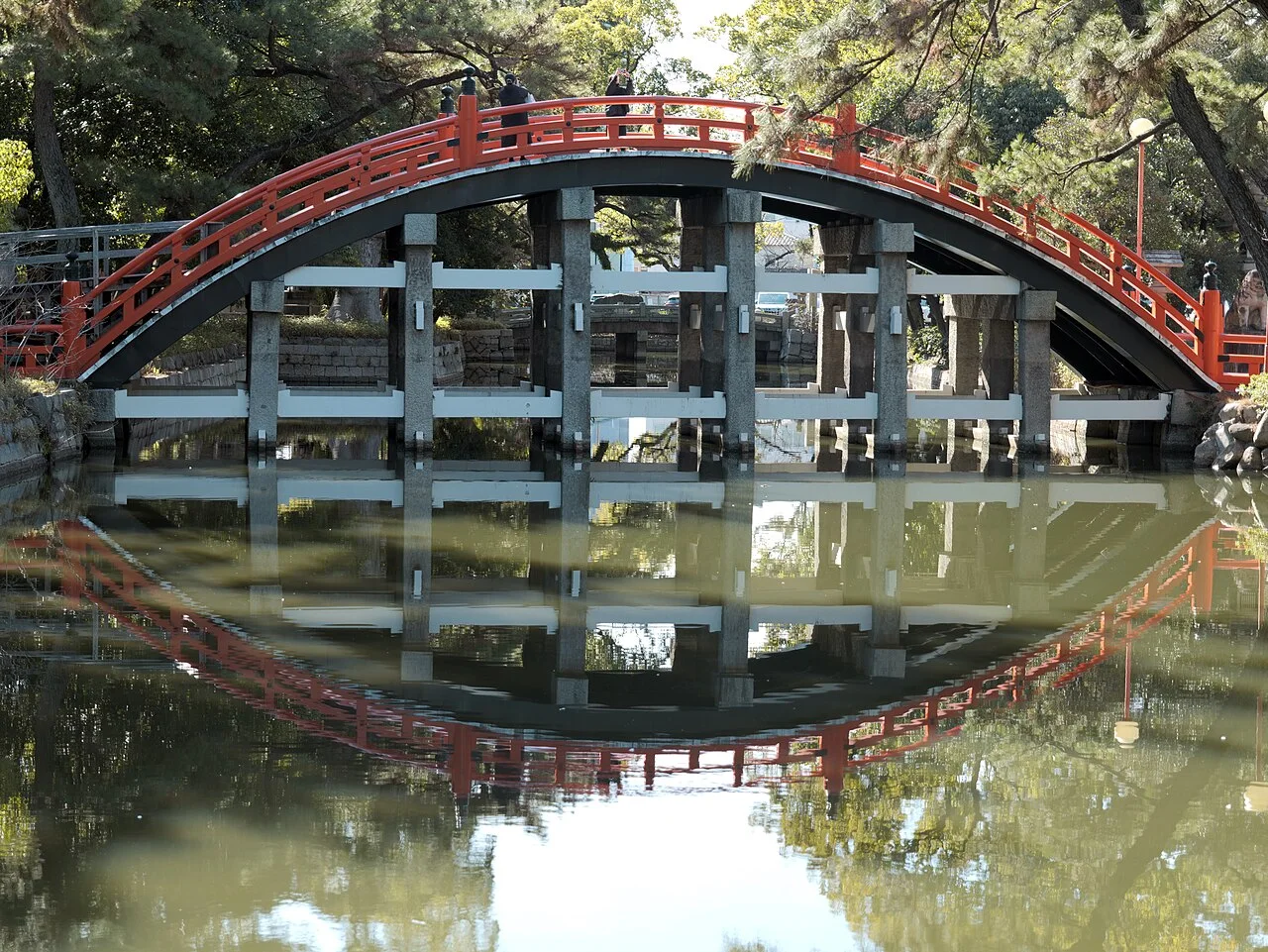
If you want to watch portable shrines carried through neighborhood streets, the Sumiyoshi Matsuri offers a distinct change of scenery in southern Osaka. On normal days, Sumiyoshi Taisha recommends walking 3 minutes east from Sumiyoshitaisha Station on the Nankai Main Line or about 5 minutes west from Sumiyoshihigashi Station on the Nankai Koya Line; the Hankai Tramway's Sumiyoshitoriimae stop sits right outside the shrine. From Nankai Namba, verify whether your train runs on the Main Line or Koya Line since those two stations sit on different branches. Guests staying near Tennoji can also walk to Tennoji-ekimae to catch the Hankai Tramway. After an evening visit or daytime procession, you can use a different line to return directly to your hotel.
In 2026, Sumiyoshi Taisha held its Mikoshi-arai purification ritual at Sumiyoshi Park on July 20, followed by the Mikoshi-togyo procession starting at 3:40 PM on July 26. The parade heads south along the Kishu Kaido highway from Sumiyoshi Taisha to Shukuin Tongu in Sakai; that year, carrying the mikoshi into the Yamato River was canceled. Get off at Sumiyoshitaisha to see the departure, or pin "Shukuin Tongu" on your map if watching the Sakai end—do not confuse the two sites as one venue. Watching on the Sumiyoshi side suits travelers returning early to central Osaka, whereas waiting in Sakai requires planning around local traffic restrictions and your late route back.
That same year, Sumiyoshi's Yoimiya-sai fell on July 30, the Nagoshi-no-Harae purification and annual Grand Festival on July 31, and the Tongu-sai at Shukuin Tongu on August 1 at 6:30 PM. Festival stalls inside Sumiyoshi Taisha grounds were scheduled for July 31 and August 1 from 2:00 PM to 7:30 PM, with shrine gates closing at 7:00 PM on both nights. Taking kids for snacks or the summer purification ring means targeting a different evening than the July 26 procession. Daytime visitors who want both shrine worship and stalls should enter the sanctuary before dinner so they aren't locked out at closing time.
If you are in Osaka in early July, add the Ikutama Matsuri to your list. Ikukunitama Shrine stands in Ikutama-cho, roughly a 4-minute walk from Exit 3 of Osaka Metro's Tanimachi 9-chome Station. Its 2026 festival took place on July 11 and 12, with a July 12 traffic-control window from 8:30 AM to 11:30 AM mapping the procession north along Tanimachisuji from Ikutama-minami past Tanimachi 2-chome and Fucho-minami toward Osaka Castle. Passing times shift as the parade moves along that window. Stay around Tanimachi 9-chome to watch the makura-daiko drum performers and lion dances on the shrine grounds, or check the shrine's official procession map for departure and arrival points if watching near Osaka Castle. On a three- or four-day Osaka stay, simply pick the shrine whose dates line up with your trip rather than switching hotels just to bridge festivals.
Naniwa Yodogawa Fireworks Is a Separate Event—Scheduled in October for 2026
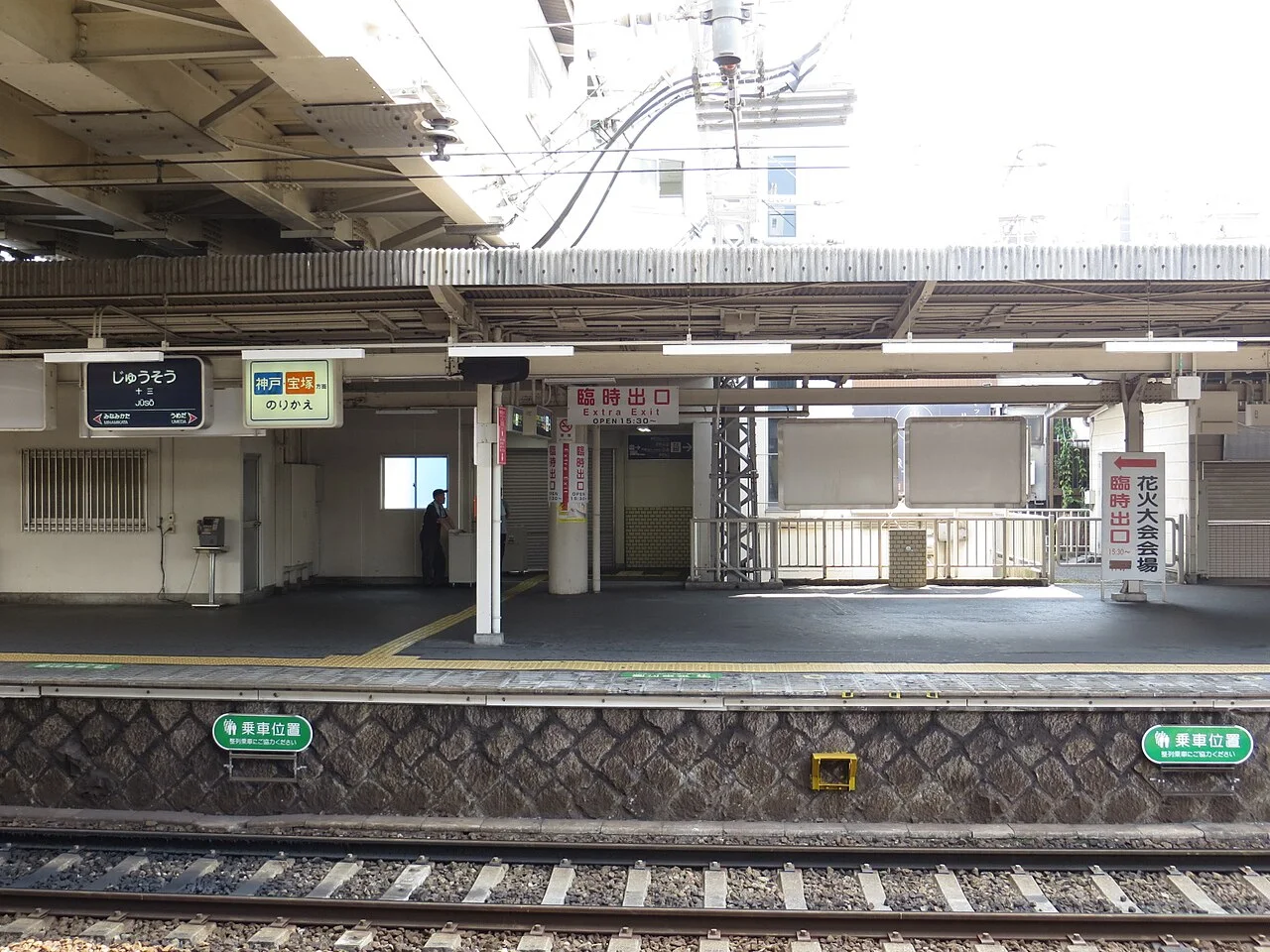
The Tenjin Matsuri's Hono Fireworks take place over the Okawa River alongside the Funatogyo boats. The Naniwa Yodogawa Fireworks Festival is an entirely separate event on the Yodo River, usually accessed from stations like Juso and Tsukamoto. Its 38th edition was announced for October 17, 2026, and organizers have marked that edition as concluded. If your next trip centers on the July 2027 Tenjin Matsuri, base your hotel search around Osaka Tenmangu Shrine and the Okawa River; to catch the Naniwa Yodogawa Fireworks as well, you will have to wait for organizers to announce the next edition's date to see how far apart they fall.
Yodogawa Fireworks tickets tie you to specific venue entrances and blocks. For 2026, official online sales opened August 1 at 10:00 AM JST, restricting the Central Stairs, East Stairs, and Tsukamoto Slope entrances to ticket holders and banning standing viewing along designated paths and levees. Exiting after the show follows staff routing by section. If your ticket lists Juso, staying along a Hankyu line is convenient; if it lists Tsukamoto, orient around the JR station. Gate times for the 38th edition opened in waves at 2:30 PM, 3:00 PM, and 4:00 PM depending on ticket tier, with organizers urging entry before 6:00 PM. Part of the Umeda-side riverbank was closed that year due to expressway construction, funneling ticketed spectators via Juso-side routes—applying Temmabashi assumptions here will easily steer you to the wrong side of the river.
When planning across multiple festival seasons, track cancellation rules separately for each event. Yodogawa's 2026 policy offered no refunds once the event was held or if spectators arrived too late, issuing ticket refunds only upon an official cancellation. Tenjin Matsuri boat tickets follow each operator's own boarding rules. Keep screenshots of the terms and exact ticket tier when you purchase. If you only have one weekend evening in Osaka, choose Honmiya for boats and ritual atmosphere, or plan a separate evening around Yodogawa's official seating and transit guide when you want a dedicated sit-down fireworks show.
A few useful answers
What dates is the Osaka Tenjin Matsuri held each year?
Osaka Tenmangu Shrine schedules Yoimiya (eve festival) on July 24 and Honmiya (main festival) on July 25, with the Funatogyo boat procession and Hono Fireworks taking place on Honmiya. In 2027, these two days fall on Saturday and Sunday.
Which JR station should I use for Osaka Tenmangu Shrine?
Exit 7 of Osakatemmangu Station on the JR Tozai Line is closest to the shrine. Temma Station on the JR Osaka Loop Line sits near the shopping arcade north of the shrine. If taking the subway, use Exit 4 at Minami-morimachi Station.
Do you need tickets for the Tenjin Matsuri?
You can watch the Rikutogyo land procession along open public street sections for free. Special riverside viewing seats and boat-viewing seats require tickets, with specific gates, seating rules, and age restrictions varying by package.
What time do the Osaka Tenjin Matsuri fireworks start?
On Honmiya evening in 2026, the Hono Fireworks ran from about 7:30 PM to 8:50 PM. The boats begin moving on the river around 6:00 PM, so arrive early if you want to catch the boat procession first.
Is the Osaka Tenjin Matsuri stroller-friendly?
Yes, if you go during the daytime on Yoimiya or watch part of the Rikutogyo route on Honmiya. At night along the river, expect crowd-control detours and stairs, so prioritize ticketed seating with step-free street access if bringing a stroller.
Does the Sumiyoshi Matsuri mikoshi procession always depart on August 1?
Not always. In 2026, Sumiyoshi Taisha held its mikoshi procession on July 26, while the Tongu-sai took place on August 1 at Shukuin Tongu in Sakai. Check that year's official schedule for the separate dates of the mikoshi, Nagoshi-no-Harae purification, and food stalls.
Official information and references
Sources used in this guide.
- Osaka Tenmangu Shrine | History & Annual Schedule of the Tenjin Matsuri
- Osaka Tenmangu Shrine | 2026 Tenjin Matsuri Implementation Plan
- Osaka Tenmangu Shrine & Osaka Prefectural Police | 2026 Tenjin Matsuri Traffic Control & Safety
- Osaka Tenmangu Shrine | 2027 Grand Memorial Festival Commemorative Events
- Osaka Tenmangu Shrine | Minami-morimachi & Osakatemmangu Station Exits
- Osaka Tenmangu Shrine | 2026 Omukae Ningyo Exhibition Venues Announcement
- Keihan Railway | 2026 Tenjin Matsuri Schedule & Procession Route
- Osaka Metro | Minami-morimachi Station Exits & Floor Map
- Osaka Metro | Standard Fares
- Osaka Metro | Enjoy Eco Card Day Pass Fares & Valid Lines
- JTB | 2026 Riverside & Boat Special Viewing Seats
- Fukuumeko | 2026 Funatogyo Boarding Times, Fares & Conditions
- Sumiyoshi Taisha | 2026 Sumiyoshi Matsuri Daily Events & Traffic Control
- Sumiyoshi Taisha | Nankai Railway & Hankai Tramway Access
- Ikukunitama Shrine | 2026 Ikutama Matsuri Traffic Control Map
- Osaka Metro NiNE | Ikukunitama Shrine Address & Station Exit
- Naniwa Yodogawa Fireworks Festival | 38th Edition Date
- Naniwa Yodogawa Fireworks Festival | 38th Edition Schedule & Venue Rules
- Naniwa Yodogawa Fireworks Festival | 38th Edition Ticket Sales Launch Date
- Naniwa Yodogawa Fireworks Festival | Viewing Areas, Exit Routing & Refund Policy
- City of Osaka | Osaka Museum of Housing and Living Access & Permanent Exhibit Fares
- Osaka Museum of Housing and Living | 2026–2027 Renovation Closure Notice
- Fujita Museum | Admission Fees, Hours & Osakajokitazume Station Exit
- Premier Hotel CABIN PRESIDENT Osaka | Access & Elevator Exits
- Imperial Hotel Osaka | Access from JR Sakuranomiya Station West Exit