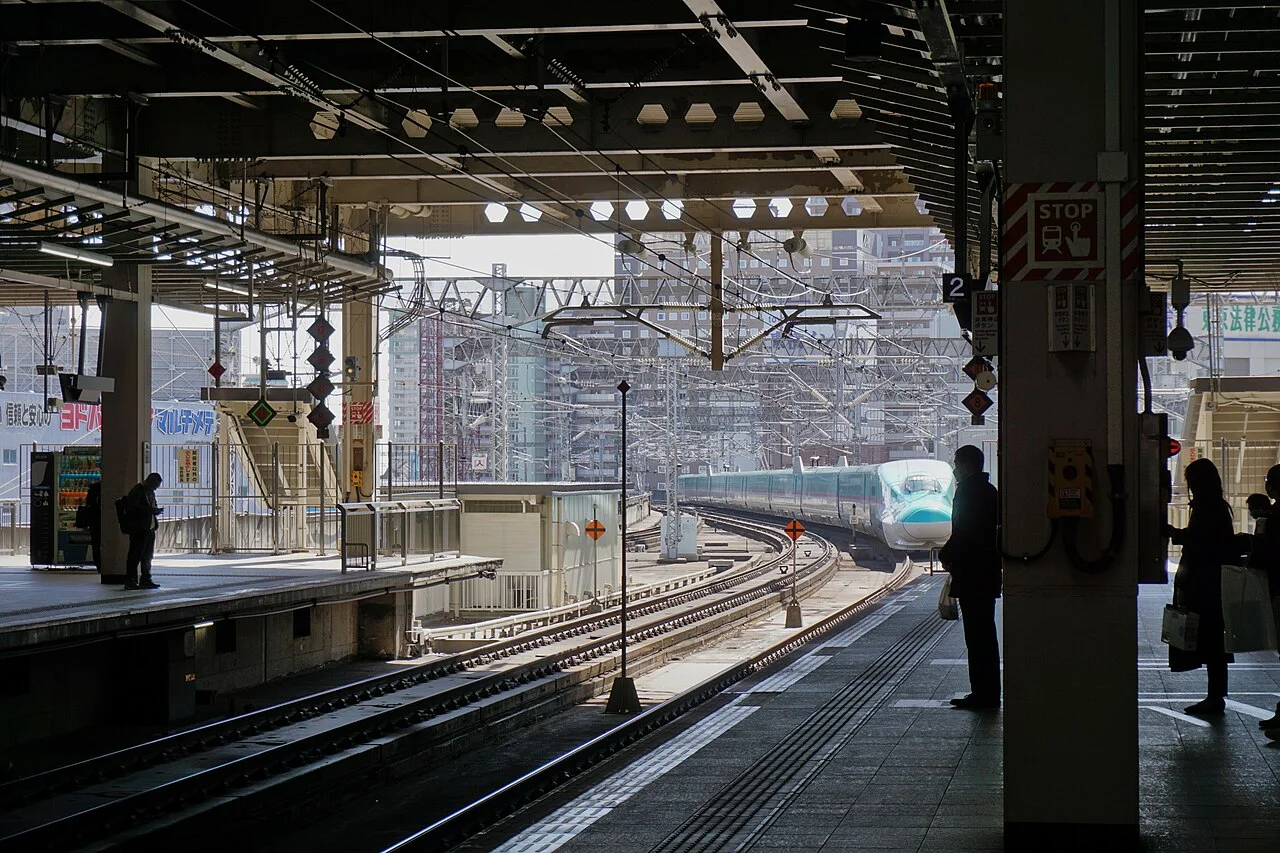
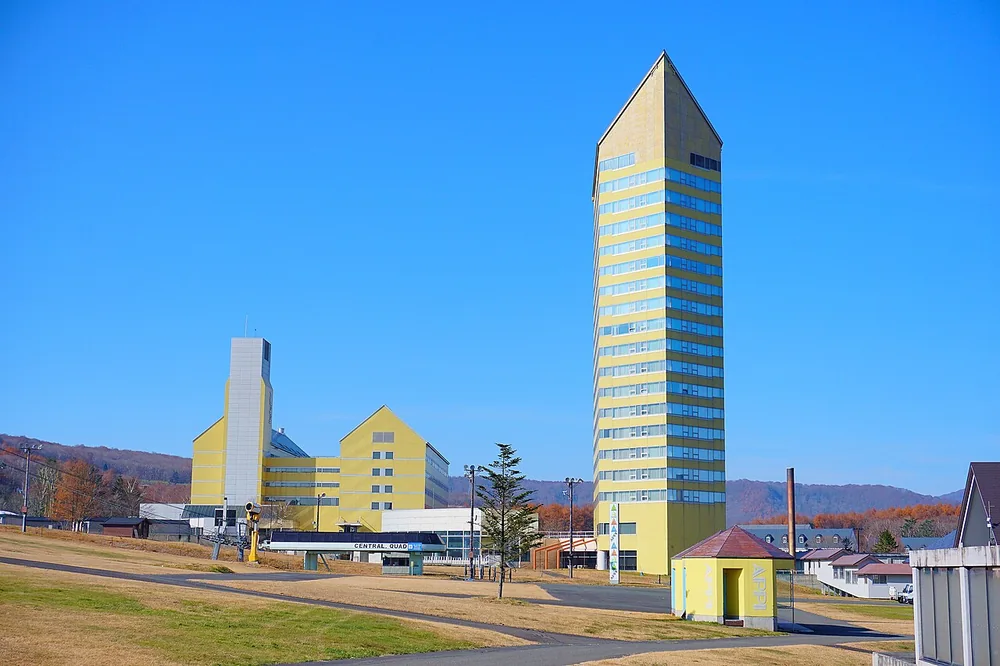
Compare Naruko Onsen stays near the station—Genzo no Yu Naruko Kanko Hotel, Naruko Hotel, and Yumoto Kissho—with Higashi-Naruko's Ryokan Onuma and Hatsune Ryokan, covering rooms, private baths, dining, autumn foliage at Naruko Gorge, and 2026–27 winter shuttles.
- Region & Focus
- TohokuHotels and stays
- Reading Scope
- 22 min read · 11 chapters · 6 Q&As
- Official Verification
- 47 official sources checkedUpdated November 22, 2026
- Key Topics
- Where to stayRyokanHot springs
Chapter Route Map (tap any stop)
- Naruko-Onsen vs. Naruko-Gotenyu: One Stop Apart, Two Different Nights
- Genzo no Yu Naruko Kanko Hotel: Best Pick for Families Soaking Together
- Naruko Hotel: Rotate to a Second Large Bathhouse the Next Morning
- Yumoto Kissho: Keep a Private Onsen Bath Inside Your Room
- Higashi-Naruko's Ryokan Onuma: Two-Meal Stays vs. Self-Catering Toji
- Hatsune Ryokan and Staying in Kawatabi, Nakayamadaira, or Onikobe
- Book Your Nakayamadaira Gorge Ride the Night Before Foliage
- Sendai vs. Shinjo Approaches: Two Different Transfer Setups
- For Rain or Snow, Pick a Room You Want to Stay Inside
- Lock In Dinner, Headcount, and Pickup Before You Book
- Sample Plans: One Foliage Night by the Station or Two Days in Higashi-Naruko
- Quick Q&A
If you are taking the train for a single night—especially with Naruko Gorge on the next morning's itinerary—start within walking distance of Naruko-Onsen Station. Genzo no Yu Naruko Kanko Hotel is about a 2-minute walk from the station and offers three private baths free for overnight guests. Naruko Hotel is roughly 5 minutes on foot and suits travelers who want to try a different main bathhouse in the evening and the morning alongside its Michinoku Buffet. If you are staying two nights and want to cook a few meals yourself, shift one stop east to Higashi-Naruko and look at Ryokan Onuma or Hatsune Ryokan near Naruko-Gotenyu Station. Coming from Shinjo in Yamagata requires a JR rail-replacement bus; arriving from Sendai, line up your Furukawa transfer with your ryokan's dinner cutoff before you book.
Naruko-Onsen vs. Naruko-Gotenyu: One Stop Apart, Two Different Nights
Searching "Naruko Onsen" on a booking site can pull up rooms across the entire Naruko Onsenkyo area. The local tourism association divides lodging into five districts—Naruko, Higashi-Naruko, Kawatabi, Nakayamadaira, and Onikobe—while Naruko Gorge is a sightseeing spot rather than a lodging zone. Riding the JR Rikuu East Line inland from Furukawa, you pass Kawatabi-Onsen first, then Naruko-Gotenyu, and finally Naruko-Onsen. Because Higashi-Naruko ryokan often carry "Naruko-onsen Aza Akayu" in their street address, seeing "Naruko Onsen" on a listing is not enough—always verify the nearest station listed by the property. Nakayamadaira sits west of Naruko-Onsen Station, and Onikobe requires a separate road connection.
When you have only one night to fit in dinner, soaking, and an early start the next day, staying by Naruko-Onsen Station saves effort. Drop your bags after an afternoon arrival and you can browse kokeshi doll shops or stroll over to Onsen Shrine. The next morning, buses and taxis to the gorge leave from the same station hub you will use to return toward Furukawa. If you plan to check out before heading to the gorge, ask when booking whether the front desk can hold your large suitcases until midday so you can travel light and pick them up before catching your train back to Furukawa.
In Higashi-Naruko, the real payoff is a slow afternoon. Ryokan Onuma is about a 5-minute walk from Naruko-Gotenyu Station; once you settle into your room, locate the shared kitchen, take an afternoon soak, have dinner, and head back to the baths later at night. Walking from Ryokan Onuma to Naruko-Onsen Station takes an estimated 26 minutes, compared with roughly 4 minutes by train. You can easily see both areas during the day, though after dinner an awkward train gap leaves you choosing between waiting for a departure or walking back. If you want station-side dining every evening or shop-hopping with kids, staying right by Naruko-Onsen Station is much smoother.
Some travelers arrive eager to hop through several bathhouses right away. On a one-night stay with both dinner and breakfast included, limit your daytime public-bath visit to a single stop so you still have time and appetite for a first soak after check-in. To compare water chemistries, public bathhouses, and station-to-station connections across all five districts, see our five-district Naruko Onsenkyo guide.
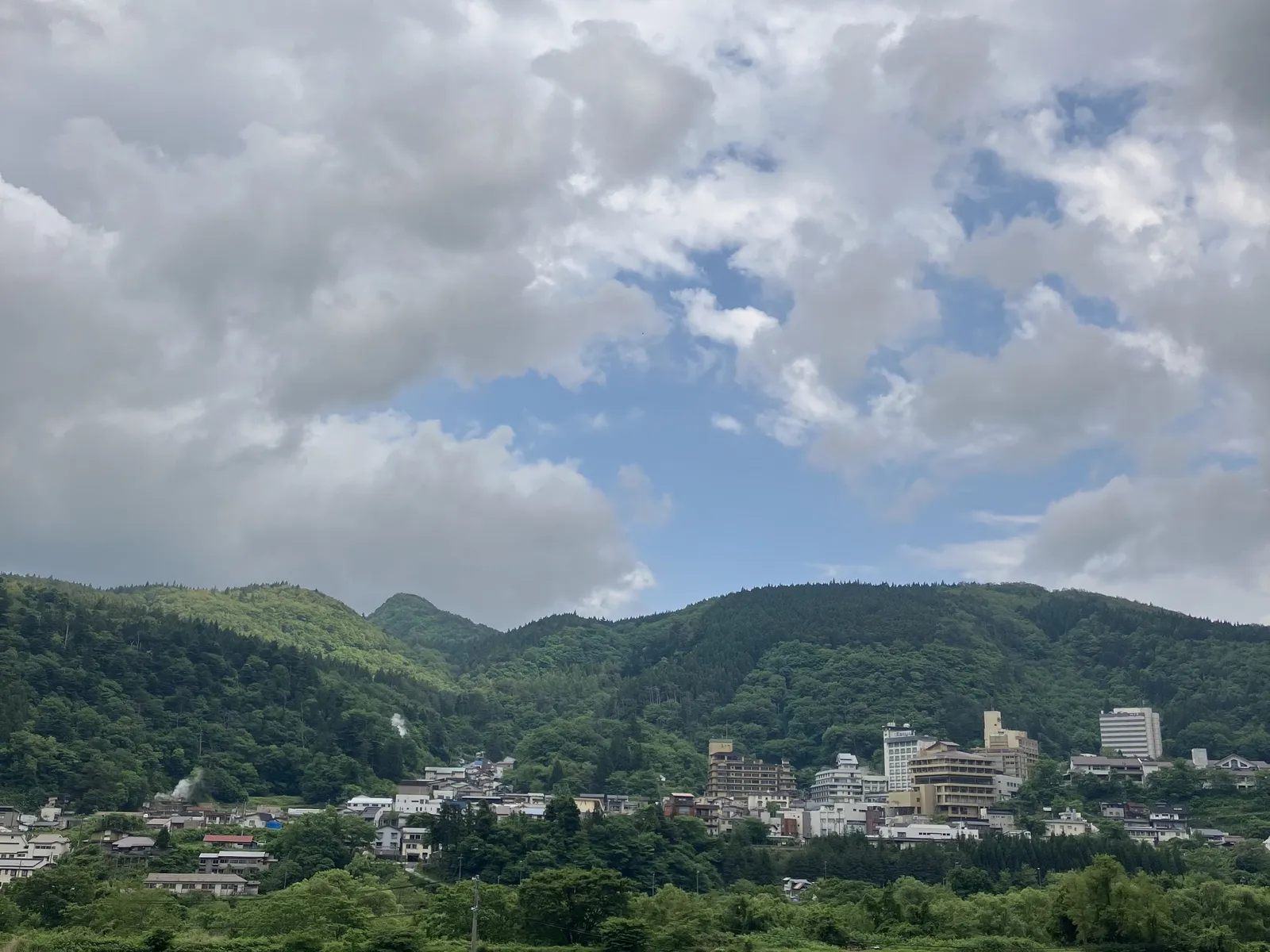
Compare Naruko Onsen stays near the station—Genzo no Yu Naruko Kanko Hotel, Naruko Hotel, and Yumoto Kissho—with Higashi-Naruko's Ryokan Onuma and Hatsune Ryokan, covering rooms, private baths, dining, autumn foliage at Naruko Gorge, and 2026–27 winter shuttles.
Genzo no Yu Naruko Kanko Hotel: Best Pick for Families Soaking Together
Look up the property by its Japanese name, Genzo no Yu Naruko Kanko Hotel, at 41 Yumoto. The hotel has 102 rooms, lists a roughly 2-minute walk from Naruko-Onsen Station, and provides complimentary station pickup with advance reservation. Even though the distance is short, arranging pickup makes sense if you are pushing a stroller or hauling heavy bags: the hotel sits up on the sloped hot-spring street, which feels very different in snow, on icy pavement, or when family members arrive on separate trains.
Its three private baths—collectively called Yunone no Komichi—are free for overnight guests. Kohaku fits about 5 to 6 people, has a wheelchair-accessible entrance, and includes grab bars plus two shower stations. Parties of two or three can choose Moegi, with a round ceramic tub, or the smaller wooden-tub Yamabuki, each equipped with one shower station. Multigenerational groups or parents bathing young children can match these three room sizes directly to their headcount. When booking, ask whether there are stairs between your room and Kohaku and how the sign-up or reservation system works.
The hotel's large public baths feature a granite indoor bath and a hinoki cypress outdoor bath, fed by sulfur-bearing sodium-sulfate and bicarbonate spring water. Because the source water emerges at a high temperature, cold water is added to adjust it, and the property discloses circulation, agitation, and chlorination. Starting October 17, 2026, guest bathing hours for the large baths run from 15:00 to midnight and from 5:00 to 10:00 the next morning. If you want a leisurely kaiseki dinner, soak once right after check-in and fit in a second bath between breakfast and checkout. For late arrivals hoping to bathe after midnight, these hours matter more than room views.
Compare room rates using the official room pages on an equal basis. Two-meal (dinner and breakfast) stays start from ¥14,000 per adult before tax in a standard East Wing room and from ¥16,000 before tax in a standard West Wing room. If you plan to spend more time taking in mountain and town views from your room, the West Wing's Komorebi starts from ¥23,000 before tax, while Hidamari—aimed at families and small groups—starts from ¥28,500 before tax; both premium West Wing types have shower stalls rather than in-room bathtubs. Travelers heading out to the gorge all day who mainly want baths, meals, and a bed will get plenty of value from the East Wing or standard West Wing. Save the sofa and panoramic windows for a rainy day when you actually expect to spend the afternoon indoors.
When pricing a family of four, enter each child's age, meal preference, and bedding needs separately on the booking form. In the East Wing example listed on the official site, an upper-elementary child ordering adult-style meals and bedding is billed at 80% of the adult rate, while a lower-elementary child with a kids' meal and bedding is billed at 60%. Toddlers who only need futon bedding without meals have a separate rate. The hotel's dining pages highlight Sendai beef, Miyagi pork, and Sanriku seafood, so if a Sendai beef dinner is the point of your trip, pick a plan that names the dish explicitly and lock in everyone's meals and arrival window under a single reservation.
Naruko Hotel: Rotate to a Second Large Bathhouse the Next Morning
Located at 36 Yumoto, Naruko Hotel lists a roughly 5-minute walk from Naruko-Onsen Station. What most clearly sets it apart from its neighbors is its bath setup. Basho no Yu includes a main pool, sitting bath, and semi-open-air bath, while Tama no Yu features wooden-barrel and stone outdoor tubs. The two complexes swap between men and women overnight, so you can visit whichever one is open to you around dinner and hit the other after waking up. The hotel also notes that outside air and humidity shift the mineral water's color—you may see clear, milky white, or greenish water on the very same stay.
The walk between the two wings matters more than the room labels. For the shortest trips back and forth to the baths and dining hall, book the Momijikan wing, where standard 8- to 12-tatami Japanese-style rooms sleep 2 to 5 guests. If older relatives prefer twin Western beds while others sleep on tatami, look at the Aobakan Japanese-Western rooms, listed officially at 50 square meters for up to 5 guests or 39.5 square meters for up to 4. Aobakan also gives easy access to the lobby and gift shop and includes twin Western rooms—ideal if you want two beds and an early departure after breakfast. For a group of five sharing one room, check the exact maximum occupancy field first to rule out the smaller Japanese-Western layout.
Momijikan also offers a 40-square-meter twin room for two with an outdoor foot bath, which is shut down during winter. If you are visiting over New Year's or in January and February, rely on the large outdoor baths for open-air soaking and put your room budget toward beds and floor space instead. Families wanting a private bath together can book Konohana no Yu for 50-minute slots at ¥3,300 for 2 to 4 guests or ¥4,400 for 5 to 15 guests. It operates from 16:00 to 22:50 and 6:00 to 8:50, and can be reserved in advance or at the front desk upon check-in. If one shared soak is all you need, add that fee to the two-meal rate and compare the combined total against nearby hotels.
Dinner comes in two main formats: the Michinoku Buffet or a plated kaiseki course. Choose the buffet if everyone wants to pick their own portions and kids want to grab familiar dishes right away; choose kaiseki if you prefer courses served together at your table. Note that the hotel's cuisine page states it does not accommodate food allergies, so travelers who rely on kitchen allergy adjustments should look elsewhere. Check-in runs from 15:00 to 19:00 at the latest, with checkout at 10:00. If your itinerary puts you into Naruko-Onsen Station close to 19:00, bump up your train connection so check-in and dinner are not rushed.
Yumoto Kissho: Keep a Private Onsen Bath Inside Your Room
If you want to slide your door shut and soak in your own hot-spring tub near the station, consider Naruko Onsen Yumoto Kissho. Perched on higher ground about a 7-minute walk from Naruko-Onsen Station, it also runs a free reservation-based shuttle. The property lists three room categories with private hot-spring baths: the roughly 75-square-meter Special Japanese-Western rooms, plus the annex rooms Kinsui and Shoun. Special Japanese-Western rooms and Kinsui have indoor hot-spring baths, while Shoun features an open-air hot-spring bath. Standard 10-tatami rooms in the main building and top-floor twin rooms come with shower stalls only. If an in-room soak is the goal, match your booking strictly to those three names so you can bathe on your own schedule before and after meals.
Alternatively, book a standard room and use the four free private baths in the connected annex across the corridor. They operate first-come, first-served whenever vacant, with no reservation needed—a smart way to save money if your soaking schedule is flexible. The hotel explicitly states that guests with tattoos may use the private baths and in-room baths, though tattoos are barred from the large public baths. If you are staying just one night and want two guaranteed family soaks timed cleanly around dinner, reserving an onsen room or a time-slotted private bath elsewhere is more predictable than waiting for an open door.
Higashi-Naruko's Ryokan Onuma: Two-Meal Stays vs. Self-Catering Toji
Ryokan Onuma has 10 rooms in its main wing and 10 in its Tojikan wing. For a first visit to Higashi-Naruko focused on multiple baths without grocery shopping, book a standard dinner-and-breakfast plan. To experience traditional toji (therapeutic hot-spring stay) living, book a room-only plan in the Tojikan wing for two nights, giving yourself a full day between meals to soak at leisure. Standard check-in starts at 14:00 and checkout is at 10:00; notify the inn if you will arrive after 18:00. Catching an earlier afternoon train from Furukawa leaves daylight to walk to the grocery store or explore the street, whereas a later arrival means pre-arranging dinner or bringing ready-made food with you.
The room-only toji quarters are mostly around 6 tatami mats with futon bedding, shared sinks and toilets, and stairs only—there is no elevator. The second-floor shared kitchen has induction cooktops, the third-floor kitchen has gas burners, and basic cookware, microwaves, and toasters are stocked. Face towels and toothbrushes are provided, while yukata and bath towels carry an extra rental fee. If you plan to bathe morning, noon, and night, pack a quick-dry bath towel and a small tote for toiletries. If anyone in your group wakes frequently at night or needs help on stairs, compare station-side hotels with private en-suite bathrooms first—stairs and hallway trips to the restroom make or break this style of stay.
Room-only toji stays are booked by phone. Posted rates for 1 to 2 nights for a solo guest are ¥12,100 per night on weekdays and ¥14,300 on Saturdays and nights before holidays, tax included. For two guests sharing a room, per-person nightly rates drop to ¥8,800 and ¥10,100 respectively, with lower nightly rates for 3- to 5-night stays. When comparing costs for two people, price out the room total alongside your grocery budget. For short stays where you just want to add simple sides to rice, the inn sells bowls of rice and miso soup for ¥550 and notes that Super Maruka is about an 11-minute walk away. Picking up prepared bento boxes at Naruko-Onsen Station before transferring can also save a dark walk back out.
Four indoor private baths are free for guests: simply step inside and lock the door when vacant. Yakushi Sennin-buro is a large mixed-gender bath, alongside the women-only Tennyo-buro, so travelers uncomfortable with mixed bathing can stick to the women's bath or the lockable private rooms. Except during cleaning hours, the baths remain open throughout your stay. On the fourth floor of Tojikan sit In no Yu and Yo no Yu; booking the upstairs corner Room 401 puts both baths on your own floor, though you still climb stairs from the entrance. With a larger group, rather than waiting around in hallways for a specific bath to open, agree to meet back in the room and let everyone choose whichever bath is free.
The off-site private garden open-air bath, Mori no Yu, is exclusive to staying guests for 30-minute slots at ¥1,650 per adult, ¥550 per elementary-school child, and free for preschoolers. It is roughly a 10-minute walk from the inn, or you can ask the staff for a ride. You can book a package that includes admission or sign up at the front desk after check-in. On a one-night stay, fold it into your booking plan and ask the desk to slot the shuttle around dinner. Because Mori no Yu is strictly for soaking—shampoo and soap are prohibited—handle showering back at the ryokan.
Hatsune Ryokan and Staying in Kawatabi, Nakayamadaira, or Onikobe
For another intimate self-catering toji inn, start by inquiring at Hatsune Ryokan in Higashi-Naruko. The Naruko Onsenkyo Tourism Association lists Hatsune with 12 rooms, self-catering toji options, and two registered spring types. If you only want one night with store-bought food, ask specifically whether they accept single-night, two-person room-only bookings rather than relying on multi-night rate charts. For two- or three-night stays, spell out your meal plan up front—for example, self-catering the first night and ordering ryokan meals on the others—so the inn can quote the right package. The association directory also lists nearby Kanshichiyu, worth adding to your shortlist if you want Higashi-Naruko with elevator access.
Kawatabi is the first hot-spring stop out of Furukawa. Fujishima Ryokan has 20 rooms, lists 14:00 check-in and 11:00 checkout, and arranges pickup from JR Kawatabi-Onsen Station by prior contact. It fits travelers who want to check in early on day one and linger locally the next morning. Arrange your return drop-off when you book pickup, or check onward train times toward Naruko. If your only plan the next morning is catching transit from Naruko-Onsen Station to Naruko Gorge, staying by Naruko-Onsen Station cuts out an extra train leg from Kawatabi.
Nakayamadaira sits on the far side of Naruko Gorge. If you want to sleep near the valley and soak in its famously silky alkaline water, browse the tourism association's Nakayamadaira lodging list. If you just want to sample the water, stay near Naruko-Onsen Station and make a daytime side trip to Shintoro no Yu. The bathhouse stays open until 20:30 (last entry 20:00), while its restaurant serves only from 11:00 to 14:00—so plan lunch if you want to eat there after your soak. When checking transit, do not confuse Nakayamadaira-Onsen Station (served by the train and JR rail-replacement bus) with the Naruko Gorge Nakayamadaira Entrance (the gorge overlook side and seasonal autumn bus stop).
Onikobe makes sense when your trip already centers on ski slopes or a rural resort stay. From December 12, 2026 to March 22, 2027, Onikobe Resort Hotel runs free winter shuttle service departing Naruko-Onsen Station at 11:10 and 19:00, requiring reservations at least three days ahead. The evening shuttle also connects with travelers leaving Sendai Airport at 17:00, letting you head straight to Onikobe without hauling ski gear into downtown Sendai. Whichever station you board at, lock in both your room and shuttle seat before booking flights or trains. If all you want is strolling, visiting craft workshops, and dining before an evening soak, staying by Naruko-Onsen Station keeps travel time much shorter.
Book Your Nakayamadaira Gorge Ride the Night Before Foliage
For a Naruko Gorge-focused trip, stay near Naruko-Onsen Station, settle in on afternoon one, and catch the earliest ride to the gorge the next morning. Osaki City notes the typical autumn foliage season runs from mid-October to mid-November. In 2026, the seasonal Naruko Gorge Nakayamadaira Autumn Foliage Bus ended on November 8, charging ¥450 one way in cash from Naruko-Onsen Station to the Nakayamadaira Entrance; the 2027 seasonal schedule has not yet been released. If your dates fall near the start or end of peak foliage, ask your ryokan after booking if it can arrange a round-trip taxi scheduled right after breakfast.
Tell your taxi driver "Narukokyo Rest House" or "Naruko Gorge Nakayamadaira Entrance," where the viewing platform frames Ofukazawa Bridge spanning the canyon and the Ofukazawa Trail begins. Osaki City estimates the taxi ride from Naruko-Onsen Station at about 10 minutes, while the tourism association estimates roughly 13 minutes and ¥2,200 one way (walking takes around 60 to 70 minutes). Weekend drivers and taxis alike use National Route 47, where traffic slows near parking lot entrances. If you have a train to catch afterward, lock in your return taxi pickup time first and gauge how far to walk based on the time left.
Down inside the canyon, the 2026 Naruko Gorge walking trails operated as out-and-back routes from both ends rather than a through-hike: roughly 350 meters from the Nakayamadaira Entrance to Kaiko Bridge, and about 230 meters inward from Oya Bridge on the Naruko side, both open 9:00 to 16:00. Early birds hitting the viewing platform at dawn should schedule the descent to Kaiko Bridge for after 9:00. The Ofukazawa Trail is an approximately 2.2-kilometer loop starting from the same rest house. If traveling with older family members or on a tight rail schedule, take in the bridge view first and decide on the spot whether to add the Kaiko Bridge spur or the full loop. If trails are slick or closed by the city, stay in the upper viewing area and shift extra time back to the hot-spring town.
Osaki City's 2026 listing kept both gorge trails open through late November, with Nakayamadaira-side parking closed for winter. Drivers need to pad extra time for traffic lights and queues entering the lots. During peak congestion, the city directs cars to free parking just before Ofukazawa Bridge, about 700 meters (roughly a 10-minute walk) from the gorge—a lot you pass first when driving from Furukawa toward Yamagata. If someone in your party cannot walk far, a taxi drop-off right by the rest house trims that stretch. On busy weekends, taking a taxi straight in lets you tighten a two-hour gorge stop and protect your afternoon train connection.
If peak-foliage weekend rooms are only left in Higashi-Naruko, have a taxi pick you up directly at your ryokan so you skip hauling bags from Naruko-Gotenyu to Naruko-Onsen in the morning. If you are returning to Sendai via Furukawa later that day, the Rikuu East Line station order works in your favor: take a cab straight from Higashi-Naruko to the gorge, then collect your luggage and board at Naruko-Gotenyu Station. If you are continuing toward Shinjo instead, connect to the JR rail-replacement bus at Naruko-Onsen Station.
Sendai vs. Shinjo Approaches: Two Different Transfer Setups
From Sendai, ride the Tohoku Shinkansen to Furukawa and transfer to the JR Rikuu East Line toward Naruko-Onsen. The tourism association estimates the Furukawa-to-Naruko-Onsen train leg at about 45 minutes, not counting wait time at Furukawa. Check which Rikuu East Line departures reach your ryokan on time first, then work backward to pick your Sendai departure. If you leave Sendai in the morning to hit afternoon check-in, use the Furukawa transfer window for lunch or pick up simple food in Sendai before boarding. Miyakou lists its direct Sendai–Naruko highway bus as suspended, so if you come across old timetables from Sendai Station to Kurumayu, plan on the Furukawa rail transfer instead.
From the Yamagata side, JR runs rail-replacement buses between Shinjo and Naruko-Onsen; a July 2026 restoration notice estimates full rail repairs will finish within fiscal year 2028. Travelers staying near Naruko-Onsen Station simply step off the bus there and walk to their ryokan. If you are staying in Higashi-Naruko, you will need to transfer at Naruko-Onsen onto a Furukawa-bound train to Naruko-Gotenyu, or arrange a direct taxi to your inn. Treat the Yamagata-side bus and Miyagi-side train as two separate legs, leaving your group enough margin to disembark, collect bags, and reach the platform.
At Shinjo Station, rail-replacement buses generally depart from the West Exit side; pick up a paper ticket at the station after exiting the fare gates. If you are connecting onward by train past Naruko-Onsen, buy a single through-ticket in Shinjo all the way to your final station. JR's notice states that passengers boarding ticketless at unstaffed stops pay cash upon alighting—no change is given on board, and Suica or other IC cards are not accepted. Look for buses marked "Rail Replacement Bus" (JR Ressha Daiko Bus). Yamagata's official rail advisory also notes winter schedules starting December 2026, when all trips skip Sakaida Station; if you split your journey over two nights, stay somewhere the winter bus actually stops.
If you reach Furukawa and realize you missed your intended train, look up the next arrival time immediately and call your ryokan about dinner or station pickup. On JR East's December 2026 weekday timetable, for example, a 15:15 departure from Furukawa reaches Naruko-Gotenyu at 15:55 and Naruko-Onsen at 15:59. Guests at Genzo no Yu and Naruko Hotel get off at the second stop, while Higashi-Naruko guests step off one stop earlier. If you are flying into Sendai Airport and a city connection slips, prioritize making your ryokan's dinner cutoff and save town shopping for the next morning.
For Rain or Snow, Pick a Room You Want to Stay Inside
In winter, trim your Naruko stay to one night near Naruko-Onsen Station and dedicate the evening to indoor baths and dinner. Because the gorge trails and rest house close for winter, building a snow-day itinerary around nature walks leaves an awkward gap. For an indoor cultural stop, the Japan Kokeshi Museum is open from April through December and closed January through March. Osaki City lists hours as 9:00 to 16:00 (last entry 15:30) and notes a winter access route off National Route 47 near the Nakayamadaira-side tunnel portal when snow accumulates. From January through March, head instead to Sakurai Kokeshi Main Store about 3 minutes on foot from Naruko-Onsen Station. It features a gallery and woodworking studio, and painting workshops can be booked on its website (groups of five or more should contact the studio directly). Since the store opens at 10:00 on weekdays and 9:30 on weekends and holidays, save it for your first afternoon if your train arrives earlier than opening.
For a public bath near the station, Taki no Yu beside Onsen Shrine charges ¥300 for adults and ¥100 for children, open 7:30 to 21:00 with last entry at 20:30. Capacity is limited, and visitors are asked to wait outside when it gets full. If anyone in your group wants to wash and blow-dry their hair before relaxing over dinner, take care of full bathing at your ryokan and decide the next morning whether to pop into Taki no Yu as you walk past. According to an Osaki City update on September 18, 2026, Waseda Sajiki-yu is temporarily closed for spring-source equipment repairs, and the tourism association suspended sales of its Yumeguri-ken bath-hopping pass at the end of April 2026—bring cash for single-entry baths.
If driving in winter, confirm winter tires on all four wheels or compliant traction gear with your rental agency before leaving the lot. Miyagi Prefecture's snow-and-ice road rules require tire chains or approved studless winter tires on every wheel, and the MLIT Sendai River and National Highway Office posts winter road conditions for Route 47. Taking a ryokan shuttle avoids mountain driving altogether: for a one-night station-area stay, picking up, parking, and returning a rental car rarely saves time over taking JR and using hotel pickup. For Onikobe or Nakayamadaira, work backward from check-in across shuttle, bus, and rental-car options before deciding.
Travelers hoping to soak several times on a rainy day often focus too narrowly on outdoor baths. At station-area hotels, check the size and operating hours of indoor pools first; in Higashi-Naruko, check how many indoor baths exist and whether your room is comfortable for daytime lounging. In winter near the station, lay out traction footwear, gloves, and train tickets the night before so mornings stay effortless. For self-catering stays, buy breakfast provisions ahead of time so you can enjoy one final bath before checkout instead of trudging through snow just to find coffee and toast.
Lock In Dinner, Headcount, and Pickup Before You Book
Set the exact same dates, room category, and guest count when comparing total prices. Genzo no Yu lists pre-tax starting rates per adult; Ryokan Onuma's self-catering chart lists tax-included per-person nightly rates split by weekdays and nights before holidays; Naruko Hotel notes a ¥150 per-person bathing tax plus a ¥2,200 facility fee for children ages 2 to 5 sleeping without extra bedding or meals. Factor children's meals and futons, private bath fees, and taxi fares into one all-in number before deciding which place is cheaper. If your group is split between buffet flexibility and seated kaiseki, settle on the dining format first and narrow down hotels from there. If anyone needs help getting up off floor futons, filter for Western beds and en-suite toilets before checking meal plans.
When booking for autumn foliage, put each ryokan's cancellation-fee trigger date on your calendar. Naruko Hotel's standard policy charges 30% starting 5 days before arrival, 50% the day before, and 100% on the day of stay (special dates and plans may vary). Ryokan Onuma's official site lists 30% for 7 to 3 days prior, 50% for 2 days and 1 day prior, and 100% on check-in day. If you want freedom to pivot around weather, pick a plan with a later penalty threshold and line it up with your rail ticket change deadlines. If your vacation days are fixed, leaning into a rainy-day plan—ryokan baths, unhurried breakfast, and browsing the station street—beats stressing over leaf-drop forecasts.
When contacting a ryokan for a trip with kids or older adults, give your exact train arrival time, the number of adults and children, any wheelchair needs, and each person's bed and meal setup. If you might arrive late, verify the latest possible dinner seating. Include your headcount if requesting a private bath so staff can match you to the right room size. For self-catering in Higashi-Naruko, decide where your arrival-night meal is coming from before you leave home; if your train gets in after dark, picking up dinner before boarding beats wandering quiet streets looking for an open shop.
Sample Plans: One Foliage Night by the Station or Two Days in Higashi-Naruko
For a two-day, one-night autumn foliage trip, have lunch in Sendai before catching the Shinkansen to Furukawa and transferring onto the Rikuu East Line to drop bags at a station-area ryokan. Enjoy dinner and breakfast at the hotel with unhurried evening and morning baths. After breakfast on day two, take your pre-booked taxi straight to the Nakayamadaira Entrance. Walk the viewing platform and Kaiko Bridge spur, then return to the station to grab your held luggage before heading back to Furukawa. If you want to stay into the afternoon for the full Ofukazawa loop, check late-afternoon train departures ahead of time or plan lunch at the rest house.
For two nights in Higashi-Naruko, stay in one ryokan the whole time. On a two-night self-catering plan, buy prepared bento boxes at the station on day one, then walk to the grocery store on day two for vegetables or simple ingredients to cook a relaxed meal. Schedule your private Mori no Yu soak for the middle day so it does not clash with arrival or checkout. Whenever you feel like getting out, hop a short train to Naruko-Onsen to browse kokeshi shops and return to dinner waiting back in your own kitchen.
A few useful answers
Which station should first-time visitors choose in Naruko Onsen?
If you are traveling by rail and visiting Naruko Gorge the next morning, stay within walking distance of Naruko-Onsen Station. If you want two nights of self-catering toji and quiet days at your inn, pick Higashi-Naruko near Naruko-Gotenyu Station. Coming from Furukawa, the train stops at Naruko-Gotenyu first and Naruko-Onsen second.
Are Genzo no Yu and Naruko Hotel the same property?
No. Genzo no Yu is Genzo no Yu Naruko Kanko Hotel at 41 Yumoto, featuring three private baths free for staying guests. Naruko Hotel is at 36 Yumoto, with two large bathhouses that swap genders morning and evening plus the paid 50-minute private bath Konohana no Yu.
Can you cook your own meals at Ryokan Onuma?
Yes, by booking a room-only toji self-catering plan by phone. The second-floor shared kitchen has induction cooktops and the third floor has gas burners with basic cookware, while sinks and toilets are shared and floors are stairs-only. For ryokan-prepared breakfast and dinner, choose a standard two-meal plan.
Can you walk from Naruko-Onsen Station to Naruko Gorge the next morning?
Osaki City estimates about 60 minutes on foot from the station to the Nakayamadaira-side entrance, while the tourism association estimates roughly 70 minutes. A taxi typically takes 10 to 13 minutes. For the viewing platform, rest house, and Ofukazawa Trail, give the driver "Narukokyo Rest House" or "Naruko Gorge Nakayamadaira Entrance."
Can you take a train all the way from Shinjo to Naruko-Onsen in winter 2026–27?
No. Rikuu East Line rail service between Shinjo and Naruko-Onsen remains suspended and is covered by JR rail-replacement buses, which also serve Nakayamadaira-Onsen. On the Miyagi side between Furukawa and Naruko-Onsen, regular Rikuu East Line trains operate.
Is a room with an outdoor foot bath at Naruko Hotel worth booking in winter?
The hotel suspends use of the in-room outdoor foot bath during winter. If soaking is your priority, book a standard Japanese-style or Japanese-Western room, use the large public baths, and reserve Konohana no Yu separately if you want a private family soak.
Official information and references
Sources used in this guide.
- Naruko Onsenkyo Tourism Association | Lodging Directory Across Five Districts
- Naruko Onsenkyo Tourism Association | Higashi-Naruko Ryokan, Hatsune, and Kanshichiyu
- Naruko Onsenkyo Tourism Association | Furukawa Transfers and Access by Onsen District
- Genzo no Yu Naruko Kanko Hotel | Access and Station Shuttle
- Genzo no Yu Naruko Kanko Hotel | Hot Springs and Private Baths
- Genzo no Yu Naruko Kanko Hotel | 2026 Large Bath Hours Update
- Genzo no Yu Naruko Kanko Hotel | Room Categories and Rate Pages
- Genzo no Yu Naruko Kanko Hotel | East Wing Two-Meal Starting Rates and Child Pricing
- Genzo no Yu Naruko Kanko Hotel | Standard West Wing Two-Meal Starting Rates
- Genzo no Yu Naruko Kanko Hotel | West Wing Premium Room Komorebi
- Genzo no Yu Naruko Kanko Hotel | West Wing Premium Room Hidamari
- Genzo no Yu Naruko Kanko Hotel | Dining
- Naruko Hotel | Guestrooms, Check-In Hours, Winter Foot Bath, and Cancellation Policy
- Naruko Hotel | Basho no Yu, Tama no Yu, and Konohana no Yu
- Naruko Hotel | Access and Station Walking Time
- Naruko Hotel | Michinoku Buffet, Kaiseki, and Allergy Policy
- Ryokan Onuma | Access and Walking Time from Naruko-Gotenyu Station
- Ryokan Onuma | Facilities, Room Count, and Check-In Hours
- Ryokan Onuma | Room-Only Toji, Kitchens, and Grocery Shopping
- Ryokan Onuma | Room-Only Toji Rates and Reservations
- Ryokan Onuma | Indoor Private Baths and Cancellation Fees
- Ryokan Onuma | Mori no Yu Fees and Guidelines
- Fujishima Ryokan | Kawatabi-Onsen Station Pickup and Room Info
- Nakayamadaira Onsen | Shintoro no Yu Bathhouse and Dining Hall
- Onikobe Resort Hotel | 2026–27 Winter Ski Shuttle
- Osaki City | Naruko Gorge Trails, Parking, and Station Access
- Naruko Onsen Tourism Association | 2026 Naruko Gorge Map and Autumn Foliage Bus Timetable
- JR East | Naruko-Onsen Station Timetable
- JR East | Naruko-Gotenyu Station Timetable
- JR East | Naruko-Onsen to Shinjo Rail Restoration Schedule
- JR East | How to Ride Rikuu East Line Rail-Replacement Buses
- JR East | Shinjo Station West Exit Rail-Replacement Bus
- Yamagata Rail Info | Rikuu East Line Winter Rail-Replacement Bus
- Miyakou | Highway Bus Service Status
- Osaki City | Japan Kokeshi Museum Hours and Winter Access Route
- Osaki City | Taki no Yu Hours and Admission
- Osaki City | Temporary Closure of Waseda Sajiki-yu
- Naruko Onsen Tourism Association | Suspension of Yumeguri-ken Bath Pass Sales
- MLIT Sendai River and National Highway Office | Winter Roads and Traction Gear
- Yumoto Kissho | Booking, In-Room Onsen, and Private Bath Rules
- Yumoto Kissho | Room Types and Special Japanese-Western Rooms
- Yumoto Kissho | Station Walking Route and Free Reservation Shuttle
- Ryokan Onuma | Guestrooms and Tojikan Room 401
- JR East | December 2026 Rikuu East Line Weekday Downbound Timetable
- Sakurai Kokeshi | Main Store Location and Hours
- Sakurai Kokeshi | Kokeshi Painting Workshop Reservations
- Yumoto Kissho | Locations of the Four Free Private Baths