Compare S, SS and Viewing C on the official 2026 seating map. Understand convenience-store paper tickets, EX exchanges and KKday seat-number PDFs, then plan the aquarium, early dinner at JETTY, family entry and the subway home.
- Region & Focus
- Nagoya
- Reading Scope
- 35 min read · 16 chapters · 5 Q&As
- Official Verification
- 15 official sources checkedUpdated November 8, 2026
Chapter Route Map (tap any stop)
- Put December 26 and 27 on the same itinerary
- SS and S: choose your rows before deciding whether the upgrade helps
- Use the venue map to find seat zones, entrances and restricted boundaries
- Viewing C means ground seating, with very different camera rules
- For overseas purchases, choose the collection method first and get paper tickets before entry
- KKday sends seat-number PDFs the day before; EX requires an exchange on the day
- Decide whether children need chairs and budget for 45 minutes of sitting
- If you choose the aquarium, finish the main visit before dinner
- Eat early: JETTY’s winter closing time is before the show ends
- Use Port House for an afternoon break, then head to the venue after 17:00
- After gates open at 17:00, find your seats before restrooms and warm layers
- Prepare for the winter cold and children’s response to sound and light before entry
- Camera rules in chair zones: keep equipment no higher than your head and leave tripods out
- Pack a raincoat and distinguish refunds, postponement and an interrupted show
- Return to Nagoyako Station and check the train destination before choosing a transfer
- Two afternoon plans: a full port day or a trip just for the show
- Quick Q&A
ISOGAI Fireworks Theater on December 26, 2026, sets aside a night at Nagoya Port for music, narration and fireworks over the water. To see the full 18:30–19:15 show, first distinguish the SS and S chairs from Viewing C’s ground seating, then arrange ticket collection, an early dinner and the subway home. For two first-time visitors, S is an easy starting point. Compare SS if you want the front rows and can spend more. Families with young children should decide on seats, waiting in the winter cold and the journey out together. There is no need to fit every port attraction into the afternoon.
Put December 26 and 27 on the same itinerary
The organizer’s 2026 announcement lists Saturday, December 26, at Nagoya Port Garden Pier, with gates scheduled to open at 17:00 and the show running 18:30–19:15. It goes ahead in rain or snow. Severe weather or poor sea conditions move it to December 27; severe weather again that day means cancellation. The decision will be posted at noon on the event day on the official website and social accounts. Read this before booking a hotel: attending on the 26th or on the postponed date creates very different plans if you leave Nagoya the next day.
If fireworks are the main reason for coming, keep the evening of the 27th in Nagoya too. Put movable shopping, café visits or city walks on that day. If you fly out or move to another city on the 27th, assess ticket and transport costs on the basis that you can attend only on the 26th. The noon announcement also changes the purpose of the afternoon trip to the port. The aquarium works as a separate outing; arrange fireworks around the organizer’s decision.
ISOGAI matches fireworks with sound throughout. The organizer calls it Dramatic Hanabi, linking the fireworks with a Christmas story. The attraction lies in light and sound arriving on the same beat and narration joining the scenes. Keep the full 45 minutes free instead of rushing in to film a few sections before dinner elsewhere. If your main dinner is downtown, put it after the return journey and eat enough before entering.
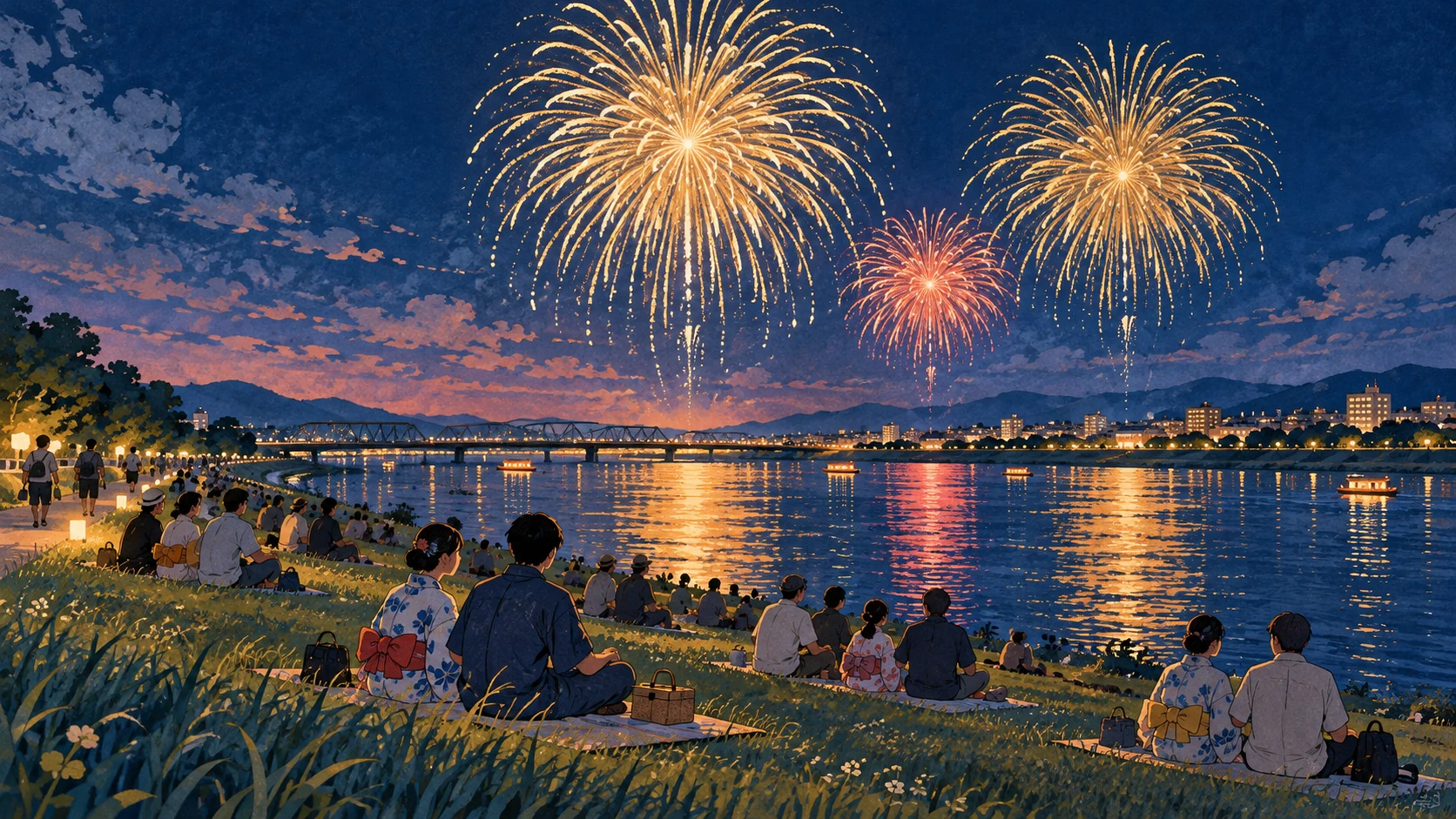
Compare S, SS and Viewing C on the official 2026 seating map. Understand convenience-store paper tickets, EX exchanges and KKday seat-number PDFs, then plan the aquarium, early dinner at JETTY, family entry and the subway home.
SS and S: choose your rows before deciding whether the upgrade helps
The 2026 individual sponsorship seats cost ¥9,680 per person for SS in rows two and three, or ¥5,890 for S from row four onward. Both are assigned chairs. Two S tickets total ¥11,780; two SS tickets total ¥19,360, a difference of ¥7,580 before ticketing fees and transport. The upgrade buys a front-row zone. S still places you inside the paid venue for the full show with music and narration.
For a first visit focused on seeing the program, start with S. SS suits people who specifically want to sit closer and will pay more for it. Official footage from earlier years gives a sense of the upward viewing angle and open view near the front. Your viewing habits also matter: sitting throughout and holding a camera up for long periods create different needs. The organizer allocates seats from the front in the order advance reservations are received.
The front-row G seats cost ¥13,850 each and use wider chairs. Pair seats cost ¥50,000 per pair of two reclining chairs. As of October 26, 2026, the official site had marked G, pair seats and Viewing C sold out. They help explain the layout, but current purchases should focus on S or SS still on sale. Advance sales run through November 23. General sales at 10:00 on November 28 open only if seats remain, so waiting may leave your preferred type unavailable. https://isogaihanabi.com/faq.
Use the venue map to find seat zones, entrances and restricted boundaries
The current map on the official ticket page places the offshore launch area at the top, followed below by G, SS and S. Pair seats are on the left. Viewing C is behind S on the grass near the Port Building. Two entrances appear on the left and right, with dashed lines and no-entry symbols marking restricted boundaries. Find your broad seat zone first, then use the entrance specified by your ticket and the day’s signs. This is clearer than navigating only to Nagoya Port.
The left side also marks construction and no-entry areas. Normal waterfront paths may be divided during the event. Choose an identifiable meeting place outside the restrictions, gather everyone and all tickets, then enter the assigned area. People walking from the same station exit may separate on the final leg by seat type and queue. Exchange seat details early to avoid an extra walk.
Low-level fireworks, the full sound system and the story’s timing give the official venue its value. Outside the paid area, some high fireworks may be visible, but buildings, trees, angles and sound travel affect the experience. Seats also have practical limits: the organizer states that sound equipment and other fixtures partly obstruct some views. Compare front-row zones, chairs versus grass, and equipment rules when buying.
Viewing C means ground seating, with very different camera rules
Viewing C costs ¥5,890 per person, the same face value as S, but uses a designated grassy slope. Seating is unassigned within the zone, movement is allowed and no chairs are supplied. Entry follows the numbered order on the ticket. The organizer plans about 30 minutes of early admission, with details due in early December. This difference matters more than price for anyone who needs a chair, has difficulty bending their knees or will hold a young child.
C allows tripods while seated. Standing tripod use is prohibited. Stepladders, raised platforms and chairs are also prohibited. For long exposures, bring equipment you can operate low down, a ground mat and warm layers. Plan the lens position around a seated posture. Long periods on the ground also mean contact with grass, rain, snow and moisture. A mat with a moisture barrier is more useful than a thin cloth. Keep legs and equipment within your own space so others can pass.
C is currently sold out. Without a C ticket, pack according to your own chair-seat camera rules. Companions with C and S tickets have different viewing positions, seating styles and entry orders. They will not be in the same zone. Families who want to watch together should choose the same seat type in one order. Photographers planning tripod use should agree in advance whether the group will watch separately.
For overseas purchases, choose the collection method first and get paper tickets before entry
The organizer’s official 2026 sales channels include Rakuten Ticket, Ticket Pia, Lawson Ticket, EX Tabisaki Yoyaku and KKday. Overseas visitors should first compare account access, payment methods and the final admission document. Use the current links on the official ticket page to check the year, performance and seat type together and avoid old listings.
Japanese ticket sites accept reservations during advance sales. Convenience-store collection starts November 28. Rakuten specifies FamilyMart; Pia offers 7-Eleven or FamilyMart according to the order; Lawson Ticket uses Loppi at Lawson or Ministop. Follow the collection details of your chosen channel. Collect after arriving in Japan and before going to Nagoya Port, in a store with internet access and help available. Then follow the venue entry route with tickets in hand. Pia identifies this event with P-code 662-196 and Lawson with L-code 40160. Still check the date and event name together.
A confirmation email, successful-payment screen, collection number and admission ticket are different documents. For paper orders, collect a ticket for each person and check December 26, 2026, the ISOGAI event name, seat type and quantity. Let each person keep their ticket and save a separate photo of the seat number. The organizer does not replace lost tickets. Purchases cannot be canceled or seats changed at the buyer’s request. Resold tickets and tickets with altered details are invalid.
KKday sends seat-number PDFs the day before; EX requires an exchange on the day
The instructions for the KKday event listing linked by the organizer, as of October 26, 2026, state that a PDF voucher with a seat number is emailed the day before the event, one per person. Show it to entrance staff on the day. Save a screenshot or print it to avoid problems opening email with an unstable connection. Save order details after booking, then save the actual seat-number PDF on your phone the day before. Keep these steps separate so you do not arrive with only a booking summary.
For a couple or family order, assign each downloaded seat number to the person using it and name the files with their names and seats. One person can hold all tickets, but if they leave for the restroom or drinks, the whole group loses access to them. Give at least one other adult copies to help distinguish a missing person from a missing voucher. Documents contain personal and order details. Send them directly to companions; do not post seats and barcodes publicly.
EX Tabisaki Yoyaku works differently. Follow the email to collect tickets at the designated event information desk on the day, then enter. Complete this exchange on reaching the port before eating or moving toward the seats. This avoids discovering the extra step at ticket inspection. For any channel, take missing vouchers, name errors or quantity errors to the order provider. Venue staff handle seats and entrances. Distinguishing these problems gets help faster.
Decide whether children need chairs and budget for 45 minutes of sitting
There is no child fare. Each paying guardian may bring one preschool child free on their lap; a child using a separate seat needs a ticket. Two adults and one preschool child on a lap can buy two S tickets for ¥11,780. With the child’s own chair, three S tickets total ¥17,670. Three SS tickets for three seats total ¥29,040. These calculations use the same rule. Add ticketing fees, food and return transport separately.
A young child may already be in a thick coat at entry, while the adult also has a backpack, blanket and camera. An extra chair gives the child a place to sit and the adult room to change posture. Holding a restless child for the whole show can be tiring. Consider how the child usually handles a longer video at home, then add the port’s cold and fireworks noise. Free lap seating suits families comfortable with that arrangement. With older relatives or an adult caring for two children, prioritize seats.
Separate purchases may produce separated seats. The organizer specifically notes that orders split for 11 or more tickets may be far apart. Families should buy the required quantity together instead of adding children’s tickets last. If seats are already scattered, decide before entry who looks after each child and who leads the journey home. Seat numbers on phones also help staff assist. Set care arrangements before dividing photography or food tasks.
If you choose the aquarium, finish the main visit before dinner
The Port of Nagoya Public Aquarium and the fireworks venue are both at Garden Pier, making a same-area afternoon possible, but the aquarium needs time. Its FAQ estimates two to three hours for the whole aquarium including one dolphin show, longer with other programs. Regular winter hours are 09:30–17:00, with last admission one hour before closing. For a comfortable connection, enter after lunch and visit in the earlier afternoon, leaving time for dinner, rest and entry.
Aquarium-only admission is ¥2,030 for adults, ¥1,010 for elementary and junior-high students and ¥500 for children age four and older below school age. It is separate from the fireworks ticket. Two adults visiting the aquarium and watching from S seats pay a combined face value of ¥15,840. The north and south buildings have plenty to see. Choose priority exhibits or programs first, then plan the rest so chasing the final show does not cost you dinner time. Rest before the fireworks is part of the day’s itinerary.
Same-day re-entry is allowed. Stamp the back of your hand yourself with the transparent re-entry stamp when leaving; staff check it on return. Final re-entry is still one hour before closing. Get the stamp before going out for lunch. If close to the re-entry cutoff, take all your belongings. A four-attraction pass includes other port facilities, but with only half an afternoon and fireworks as the priority, an aquarium-only ticket makes the visit easier to contain.
Eat early: JETTY’s winter closing time is before the show ends
The official JETTY introduction lists WEST and NORTH buildings with food areas, cafés and souvenirs. General hours are 10:30–18:30, shortened to 18:00 in winter; WEST’s second floor opens at 11:00. Fireworks begin at 18:30, so the food area is unsuitable for dinner after the 19:15 finish. Eat early after the aquarium, then walk to the venue.
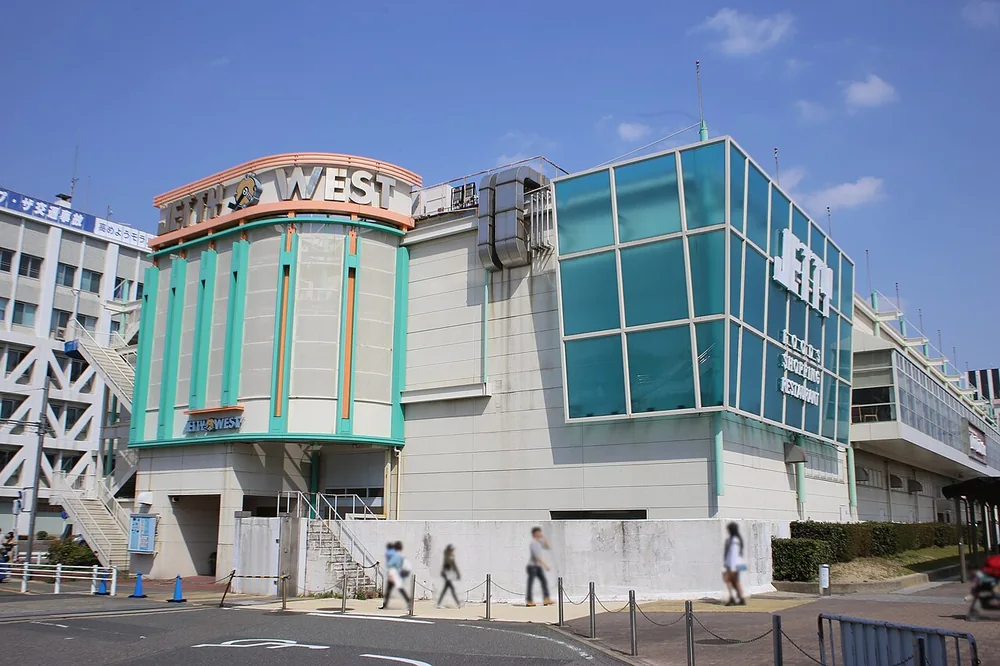
For hot food, choose noodles, curry or rice dishes from the stores open in JETTY WEST. If you prefer a shorter stop, eat your main lunch downtown earlier and have a simple meal at the port. Choose food by how easily you can finish it and what companions like. There is no need to cross districts for another famous restaurant before a winter night. With children, let them eat and use the restroom first, then organize the adults’ takeaway food and drinks so dinner and thick coats do not compete for space in the seats.
The NORTH listing for Cats Cafe separately gives 11:00–21:00, different from JETTY’s general hours. Check that store individually when choosing. For a meal after the show, use Kanayama on the return route or the area around your hotel, with hours that fit your actual arrival. Eat early at the port and have more food back in the city.
Use Port House for an afternoon break, then head to the venue after 17:00
The port’s free Port House rest area allows short breaks and packed lunches. Listed regular hours are 09:30–17:00. It fits between the aquarium and fireworks, giving older guests a seat, time to adjust children’s clothes or share snacks. After 17:00, continue to event admission and move the evening meeting point to the venue entrance.
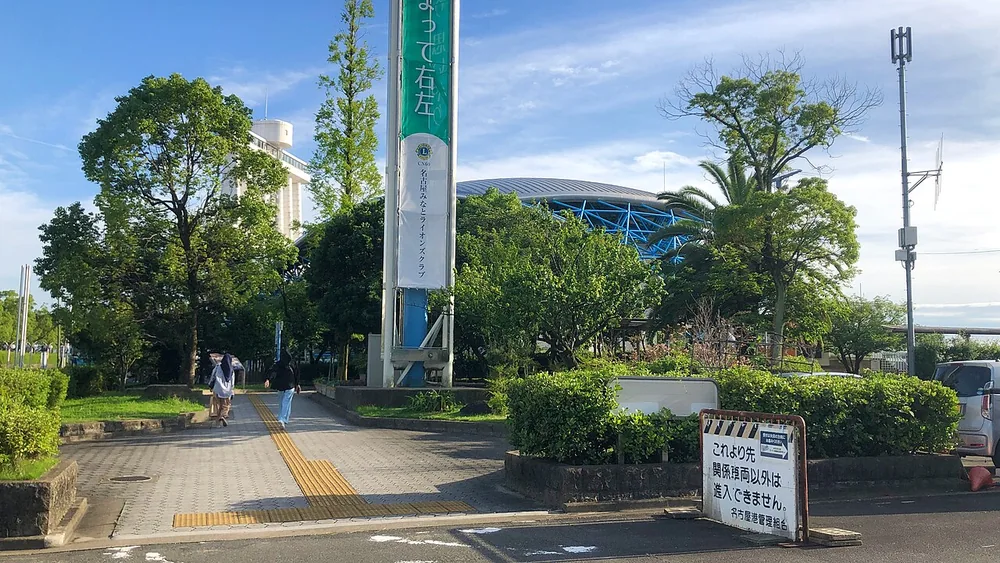
Other port attractions include the Port Building, Nagoya Maritime Museum and Antarctic research ship Fuji. Replacing the aquarium with these can make a shorter afternoon and leave more time for meals and rest. Adding every facility after two or three aquarium hours compresses dinner, the part most in need of spare time. Choose by whether companions want marine animals, harbor views or ship interiors, rather than the number of places covered by a pass.
For preparations for a major sporting event in 2026, Garden Pier announced closure of the Port Building, Fuji and Port House from August 1 to November 30. Choose open afternoon facilities using the port’s official notices and calendar. If meals and rest are the priority, eat at JETTY and leave time to sit before going to the fireworks venue.
After gates open at 17:00, find your seats before restrooms and warm layers
The scheduled 17:00 opening leaves 90 minutes before the 18:30 start for ticket inspection, the walk to seats, restrooms and outer layers. With paper tickets, KKday seat-number PDFs or exchanged EX tickets ready, take the whole group to the seats first. Decide where each person’s belongings go, then leave in turns. Save seat numbers and zones on each adult’s phone so everyone knows which row to return to without calling across the crowd.
Temporary toilets are available, and the organizer warns of queues before the show. Use them early after finding seats rather than leaving at 18:25. Keep bags small enough for one person to manage. Give mats, scarves and drinks fixed places so they are easy to find after dark. Light food and drinks are allowed. Put used packaging in your own small bag to keep aisles and neighboring chairs clear.
If someone is late, use the ticket’s zone and seat number to communicate. Those already inside can stay at an easily described place without the whole group leaving to meet again. Explain wheelchair use or other assistance needs to the organizer before buying. At entry, staff can guide you according to that day’s layout. Station elevators and usable paths inside the venue are separate stages. Explain where assistance is needed so staff can handle the right part.
Prepare for the winter cold and children’s response to sound and light before entry
Sitting still by the sea needs different clothing from walking downtown. Wear adjustable inner layers and a windproof outer layer, with protection for the neck, hands and soles. The organizer recommends a warm coat, scarf, hand warmers, gloves and a seat cushion. A cushion makes waiting more comfortable and separates clothing from the cold chair. Use warmers according to their labels. An adult should check placement for children or older people who need help.
Fireworks and amplified sound can be sudden. Let noise-sensitive children try suitable hearing protection before leaving and explain that there will be bright flashes and loud sounds. At the seat, show them where their caregiver will sit and tell them to ask an adult if they want to leave. Reaching the end does not have to be the family’s only goal. Anyone leaving early should take their belongings and use the staff-directed aisles. Do not carry a child across chair backs as a shortcut, and keep caregivers within reach of each other.
The organizer states that lost-child announcements cannot be made during fireworks. Agree before entry that a child leaving the seat must stay with an adult. If separated, find staff instead of walking toward the water or subway. Adults can save a photo of the child’s clothing that day. Hand over care face to face before taking turns at the restroom. The venue has a first-aid station; ask staff for illness or injury. The organizer also warns that wind may carry fireworks debris into the audience. Do not rub an eye if debris enters it; rinse with clean water or go to first aid. If you find a suspected unexploded firework after the show, do not touch it. Tell nearby staff.
Camera rules in chair zones: keep equipment no higher than your head and leave tripods out
Pair, G, SS and S seats in the pier area prohibit tripods. Handheld cameras and monopods are allowed, but equipment must not rise above your own head. The same height rule applies to phones, digital cameras and selfie sticks. Before filming, sit down and check screen brightness and elbow position instead of raising a phone halfway through to find an angle. Plan long exposures when choosing tickets. A tabletop or large tripod brought inside does not change the zone’s rules.
Photos and video capture different parts of a music fireworks show: a still keeps the shape of light, while a clip preserves how music and narration lead to the next section. On a first visit, record a few moments and put the phone away for the rest to watch the connection between effects over the sea and in the sky. For a full recording, prepare storage, batteries and audio settings beforehand. Minimize long periods with bare hands in the cold and do not keep a bright screen facing people behind. Drones and radio-controlled helicopters are completely prohibited during the event.
The official Dramatic Hanabi introduction page directly embeds the 2025 promotional film. Use it to see how story, music and fireworks form the program and compare that with your expectations. The film is labeled for December 20, 2025. The 2026 event is December 26. Earlier footage is a reference for the performance format.
A previous promotional film directly embedded on the organizer’s current Dramatic Hanabi page. Its title identifies the December 20, 2025 event. Use it to understand the performance format.
Pack a raincoat and distinguish refunds, postponement and an interrupted show
The event goes ahead in rain or snow. The organizer asks visitors to use raincoats so umbrellas do not block those behind. Try the raincoat during the day over your coat and backpack, keeping the hood brim out of your view. Pack the cushion and phone with waterproof protection so preparation is finished before sitting down. Opening packaging and finding the right size at the harbor creates work in the coldest part of the day. Bring manageable portions of food so you need not open a large meal box on the chair in rain.
The organizer does not accept personal cancellations or seat changes after purchase. A show that ends partway through is also nonrefundable. For postponement to the next day or cancellation after severe weather on that day too, follow the subsequent arrangements issued for this event by the organizer and sales channel. These situations have different causes. Keep itinerary and ticket documents until resolved. Match ticket-site notices to the same order instead of buying again through another channel to solve an existing-ticket problem.
After checking the noon decision, save the official notice needed that evening, then decide whether to go to the port as planned. If postponed, the aquarium or city plans on the afternoon of the 26th can proceed separately. Leave on the 27th according to the revised opening instructions. If you have onward travel, first check whether hotel and transport reservations can be changed. List each booking that needs adjustment.
Return to Nagoyako Station and check the train destination before choosing a transfer
The organizer identifies Nagoyako Station on the subway Meiko Line as the main access point. The normal walk from exit 3 is about five minutes. There is no dedicated fireworks parking. From Sakae, choose by the Meijo/Meiko train destination: a train marked Nagoyako on the front and platform display goes directly to the port. If your train takes the other side of the Meijo loop, transfer to the Meiko Line at Kanayama. From Nagoya Station, take the Higashiyama Line to Sakae, or use Kanayama as your transfer point. Choose one route for your hotel location. An elevator on the south side of Nagoyako Station’s platform leads to the south ticket gate. Follow elevator signs with strollers or wheelchairs before continuing to street level and the venue.
The scheduled 19:15 finish comes before packing, leaving the seats, passing restrictions, entering the station and waiting for a train. At Kanayama, transfers to JR or Meitetsu also require walking through the connecting passages. For Sakae, check whether the train runs through; if it terminates at Kanayama, change there. Divide the return into walking together to Nagoyako Station and going separately to hotels after Kanayama or Sakae. Avoid working out everyone’s direction at the train doors.
The transport bureau’s current first/last-train table lists the last Nagoyako departure toward Kanayama at 23:52. This gives a normal operating limit. The immediate issues are concentrated post-show queues and the next connection at Kanayama or elsewhere. Put any long-distance reserved train or flight connection at a time with spare capacity, and keep city dinner plans flexible. Follow staff directions and keep station elevator routes clear. People with strollers or slower mobility need not push into the crowd for the first train.
Two afternoon plans: a full port day or a trip just for the show
For aquarium visitors, use this sample plan: eat lunch, enter around 12:30, choose priority exhibits and programs, and finish around 15:30. Have an early dinner at JETTY, sit down for a break, organize warm clothing and head for ticket inspection during the 17:00 opening period. Keep 18:30–19:15 for the show, then follow the crowd toward Nagoyako Station. Choose programs from the aquarium calendar; there is no need to chase every session to fill the afternoon.
If you only want fireworks after a day downtown, take large purchases and luggage back to the hotel first. Eat a full meal in the city, then bring light food and drinks on the subway to the port. Complete ticket exchange or check electronic vouchers on arrival. If time remains, take a short break at an open port facility. This preserves energy for winter seating and the journey home. It suits older people, families with young children and anyone who arrived on a long flight the day before.
A few useful answers
What time do the 2026 ISOGAI fireworks start?
On December 26, gates are scheduled to open at 17:00, with the show from 18:30 to 19:15. It runs in rain or snow. Severe weather postpones it to the 27th; severe weather again that day means cancellation. The organizer announces the decision at noon on the event day.
How do S and SS differ?
Both are assigned chairs. SS is in rows two and three at ¥9,680 per person. S starts from row four at ¥5,890 per person. Viewing C is a grassy area without chairs and is used differently.
Can I enter immediately after a successful KKday booking?
This event listing states that a seat-number PDF is emailed the day before, one per person. Show the electronic voucher at entry. Save a screenshot or print it, and check the booking summary separately from the seat-number PDF.
Do children need tickets?
There is no child fare. Each paying guardian may bring one preschool child free on their lap. A child occupying a separate seat needs a ticket.
Can I bring a tripod or umbrella?
Tripods are prohibited in pier G, SS, S and pair seats. Handheld equipment and monopods must be no higher than your own head. Viewing C allows seated tripod use, but standing use, chairs and raised platforms are prohibited. Use a raincoat in rain or snow; the venue asks visitors not to open umbrellas.
Official information and references
Sources used in this guide.
- ISOGAI: 2026 event details, times and venue rules
- ISOGAI: 2026 seats, venue map, sales and ticket collection
- ISOGAI: day-of decision, children, photography and transport FAQ
- ISOGAI: access and no dedicated parking
- ISOGAI: Dramatic Hanabi and official films from earlier years
- KKday: officially linked 2026 event and seat-number PDF use
- Port of Nagoya Public Aquarium: visits, regular winter hours and re-entry
- Port of Nagoya Public Aquarium: admission prices
- Port of Nagoya Public Aquarium: opening and program calendar
- Official Nagoya Port: JETTY dining and regular hours
- Official Nagoya Port: free Port House rest area
- Port of Nagoya Public Aquarium: current closure notices
- Nagoya transport bureau: Nagoyako Station platforms and elevators
- Nagoya transport bureau: Meijo and Meiko first/last-train tables
- Nagoya transport bureau: subway routes and station information