Stay overnight in Morioka for Azumaya’s wanko soba, Pairon’s jajamen and Pyonpyonsya’s reimen. Add the Nakatsu River, Fukuda Pan, the Red Brick Building and history museum, with bus fares and closure-day alternatives.
- Region & Focus
- Morioka
- Reading Scope
- 29 min read · 12 chapters · 4 Q&As
- Official Verification
- 14 official sources checkedUpdated October 27, 2026
- Key Topics
- ItinerariesFoodNeighborhoods
Chapter Route Map (tap any stop)
- Choose meal times, then a station or city-center base
- Three noodles, three ways to eat
- Azumaya main shop: leave an unhurried lunch for wanko soba
- Pairon: allow for the egg soup after your jajamen
- Pyonpyonsya station branch: make reimen the main dinner dish
- Fukuda Pan: main-shop breakfast or a Bus Center takeaway
- After lunch: the Nakatsu River and Red Brick Building
- Morioka History and Culture Museum: an indoor pause between meals
- Dendenmushi buses: walk into town and ride back
- What to budget and how two diners can share a meal plan
- How much Morioka time to keep between other Tohoku stops
- A two-day route and alternatives for closing days
- Quick Q&A
An overnight stay lets you spread Morioka’s three noodle dishes across separate meals. Keep your appetite for wanko soba at Azumaya at lunch on the first day, then spend the afternoon walking by the Nakatsu River, the Red Brick Building and the castle ruins. Return to Morioka Station for reimen at dinner. The next day, eat jajamen at Pairon in Uchimaru and finish with egg soup. With only half a day, choose the noodles you most want to try and save another meal for next time. The restaurants and old streets are close enough to combine naturally, without eating three lunches just to tick off three names.
Choose meal times, then a station or city-center base
The three dishes take different amounts of time. Reimen and jajamen can each be a regular meal. Wanko soba involves servers, repeated refills and a way to signal that you have finished, plus time in line. Azumaya gives about 30–45 minutes for eating itself. Allow additional time between arriving at the door and leaving after payment for waiting and ordering. If you have a fixed afternoon train, move this experience to lunch the day before.
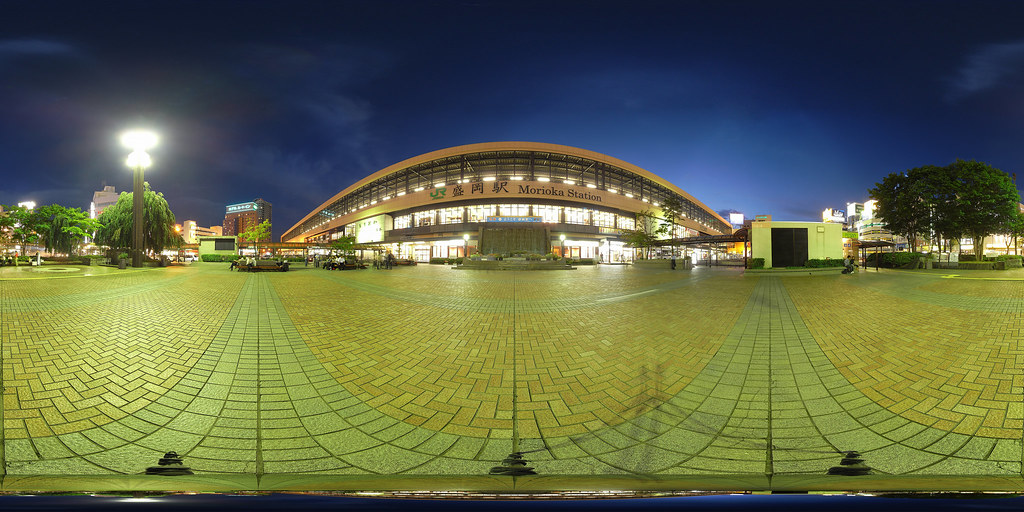
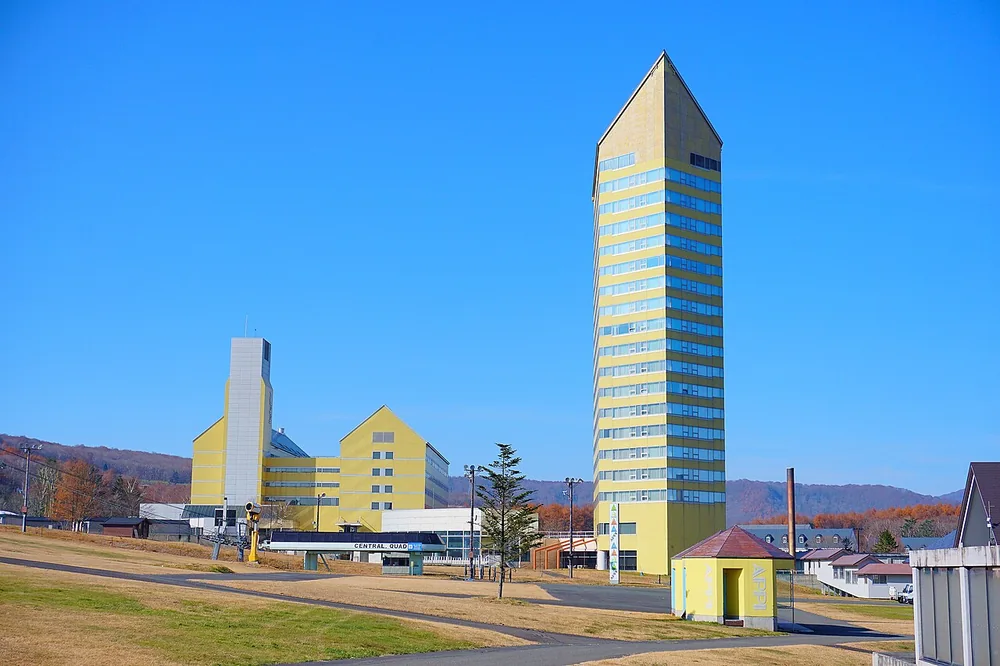
Stay near Morioka Station’s east exit if you have luggage, a Shinkansen connection the next day or plans to continue to Appi Kogen. Pyonpyonsya’s station branch and Azumaya’s station branch are both on this side, making it easy to return to your hotel after dinner. Drop your bags before walking into town on arrival day. Keep the last meal near the station on departure day to avoid another return journey. Check the actual walking route from the east exit to your hotel. An address on the other side of the station may look close but use a different exit route.
For evenings in the old town, use Saien, Odori or Uchimaru as your base. Pairon’s main shop is near Uchimaru, alongside the castle ruins park, history museum and Nakatsu River. Azumaya’s main shop is on Nakanohashi-dori, best grouped with the Red Brick Building and Morioka Bus Center. Both the station area and old town have noodle options. Once you choose your base, there is no need to cross town simply because another branch has the same name.
The Bank of Iwate Red Brick Building gives about 30 minutes as a walking estimate from Morioka Station. Alternatively, take a bus to the nearby Morioka Bus Center stop and walk about one minute. This suits a one-way walking route: head east from the station in the morning, have lunch on Nakanohashi-dori, follow the river toward Uchimaru in the afternoon and take a bus back. That is smoother than returning to Morioka Station after every meal.
Stay overnight in Morioka for Azumaya’s wanko soba, Pairon’s jajamen and Pyonpyonsya’s reimen. Add the Nakatsu River, Fukuda Pan, the Red Brick Building and history museum, with bus fares and closure-day alternatives.
Three noodles, three ways to eat
Wanko soba, written “わんこそば”, is served as repeated small portions of hot buckwheat noodles poured into your bowl by a server. Enjoy the shared rhythm and small bowls on the table; you do not need to treat 100 bowls as a travel score. Morioka reimen, written “盛岡冷麺”, suits people who like springy noodles, cold broth and kimchi, and can anchor a dinner with grilled meat. Jajamen, written “じゃじゃ麺”, combines flat noodles with meat miso, adjusted with vinegar, garlic and chili oil, followed by chiitantan egg soup.
For a first visit, choose the experience that matters most. Wanko soba lets companions share the serving ritual. Station-side reimen is easy to arrange before heading back to the hotel. Give Pairon its own lunch if you want to adjust the seasoning and take your time with egg soup. All three are noodle meals. Adding Fukuda Pan to the same morning often leaves less appetite for the next one.
This route uses three meals over two days, with walks and indoor visits between them. With one full day, wanko soba at lunch and reimen at dinner are enough; jajamen can replace either meal. If you arrive in the afternoon, visit Uchimaru or the Nakatsu River first, have reimen that evening and choose Azumaya or Pairon for lunch the next day. Plan around meals you can actually eat, rather than every shop you can mark on a map.
This playful short film made jointly by Azumaya, Chokurian and Hatsukoma shows the rhythm of wanko soba through repeated servings and shared-table dining. Watch for how this differs from eating a single bowl of noodles.
Azumaya main shop: leave an unhurried lunch for wanko soba
Azumaya’s main shop is at 1-8-3 Nakanohashi-dori, near Morioka Bus Center and the Red Brick Building. Choose it for a meal combined with the old town. The station branch suits travelers staying near Morioka Station on arrival or departure day. That branch is on the second floor at 8-11 Morioka Ekimae-dori, reached via exit A1 of the station-front underpass according to the official directions. The branches have different closure days. The reservation notice updated September 7, 2026 lists the main shop and annex as closed on the first Wednesday of each month, and the station branch every Tuesday. The shop page also lists exceptions during Golden Week in May and in August. Put weekdays into your plan before lunch to avoid a last-minute trip across town.
Azumaya’s current wanko soba price is ¥4,500 including tax, effective December 1, 2025 according to its price page. Elementary and junior high school students receive ¥700 off. Children aged three to under six pay ¥1,800 when dining with an adult; when dining on their own, they pay the elementary/junior high school rate. These depend on age and dining arrangements, so a generic “half-price children’s meal” budget is inaccurate. Two adults and one elementary school child all choosing wanko soba would pay ¥12,800.
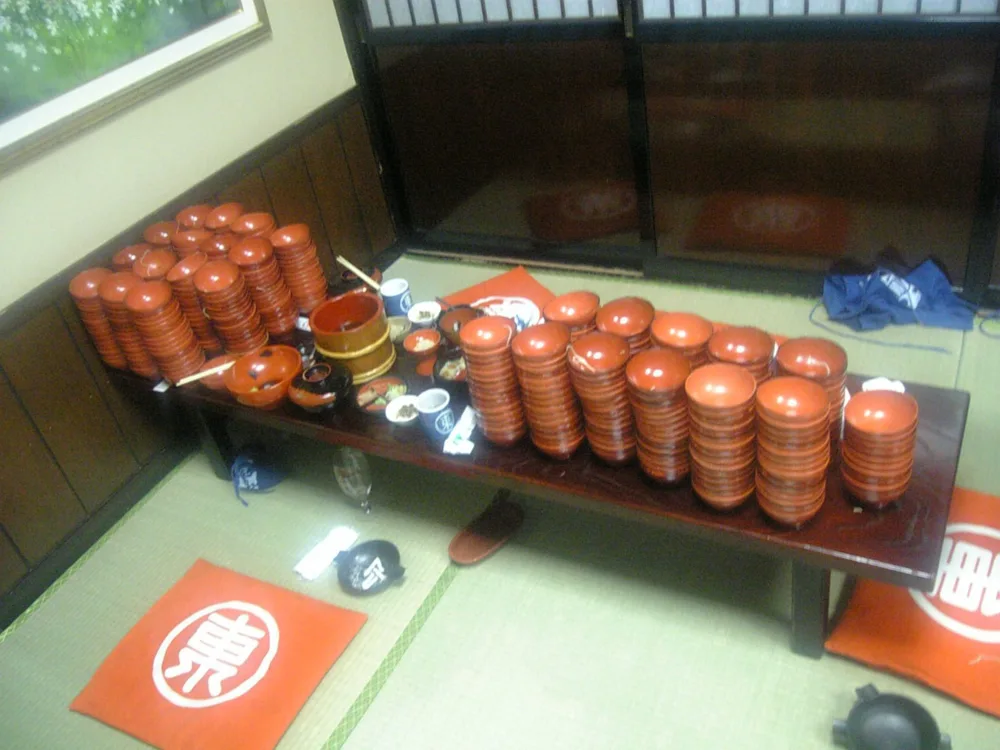
Adults who eat at least 100 bowls receive a commemorative wooden plaque; children qualify without a bowl-count minimum. Azumaya compares about 15 small bowls to one bowl of kake soba. Use your normal appetite as a guide when reading the menu. Condiments and side dishes add variety, so take time to eat them too. Family members with different appetites can order wanko soba and regular menu dishes at the same table, an arrangement explicitly allowed by the restaurant. Not everyone needs to join the refills.
Customers are generally served in arrival order. Only some seats can be reserved on weekdays. The main shop makes some 11:00 lunch seats available for booking, with limited evening reservations too. On weekends and national holidays, customers generally collect a numbered ticket at the main or station shop. Reserved guests may still wait, and private group bookings can close some periods to other diners. Make the restaurant your last morning stop. Once you have your number, arrange nearby walks around the wait and keep afternoon museum plans flexible. Do not put lunch’s finishing time immediately before a Shinkansen departure.
On ordinary weekdays, lunch last orders are at 15:00. Evening service starts at 17:00, with regular dishes ordered by 19:00 and wanko soba earlier, by 18:30. Arriving in Morioka at 17:00, leaving bags, taking a bus to the main shop and waiting for wanko soba would be tight. For a late arrival, eat reimen near the station and save Azumaya for the next meal.
If you speak little Japanese, start with “Wanko soba o tabetai desu” (I would like wanko soba), then “Futari desu” (two people). If companions want separate dishes, point to each menu item and make clear how many people want refills. Keep your numbered ticket, ask how waiting works and where to gather when called, and leave only after staff finish arranging your place. A queue ticket and a reservation are separate procedures. Show your train time on your phone rather than simply saying you are in a hurry, so staff can judge whether there is time to serve you.
Put on the apron and hold your bowl high enough for the server to add noodles. To finish, eat the soba in your bowl and put the lid on in front of the server. Pour accumulated broth into the bucket on the table and combine the side dishes and condiments as you like. Learn how to stop refills before service begins, then concentrate on eating. The official price page lists buckwheat and wheat allergens. Travelers allergic to either should choose another meal; this is a food-suitability issue, separate from how many bowls they can eat.
Pairon: allow for the egg soup after your jajamen
Pairon’s main shop is at 5-15 Uchimaru. The restaurant says founder Kansho Takashina based the dish on noodles he ate in northeastern China before the war, then adapted it to local tastes after returning to Morioka. Pairon’s miso contains ground meat, sesame, shiitake and other ingredients, served with flat noodles. That background helps explain how its seasoning differs from the Chinese-style zhajiang noodles many visitors expect.
Pairon’s official instructions start with small additions of vinegar, chili oil or garlic, then mixing the noodles and meat miso until evenly colored. Add seasonings gradually to control sourness, heat and garlic. Two diners can choose their own proportions. To taste the sauce clearly, mix it first, try a mouthful, then add acidity and heat.
Leave a little noodle behind for chiitantan. Break an egg into the dish, beat it and hand the dish and chopsticks to staff. They add noodle-cooking water, scallions and miso, then return the egg soup. Mix again before drinking so the miso dissolves, then add salt, pepper or chili oil to taste. This adds a serving of soup to the meal. Consider it when choosing your noodle portion, especially if you have already eaten bread that morning.
Group the main shop with Uchimaru and the castle ruins park. If you are already back at the station, Pairon also has a FESAN branch on the first floor of the Odense building in Morioka Station, with the published phone number 019-623-5167. Save the main shop’s address and station branch name separately on your map, rather than searching only for Pairon. On a station-meal day, keep luggage collection, shopping and train boarding in the same area instead of returning to Uchimaru.
Putting Pairon at lunch on day two leaves room for day one’s wanko soba and reimen. For a particular early or late meal date, the main shop’s contact number is 019-624-2247. Decide on noodle size and egg soup together when ordering to make the meal’s total cost clearer before payment.
Pyonpyonsya station branch: make reimen the main dinner dish
Pyonpyonsya’s Morioka station branch is at 9-3 Morioka Ekimae-dori. Official hours are 11:00–23:00, last orders at 22:00, with no regular closing day. It provides a later meal window than Azumaya’s evening wanko soba service. Leave your luggage after arriving in Morioka, then walk here for dinner, rather than carrying large bags all the way to Nakanohashi-dori.
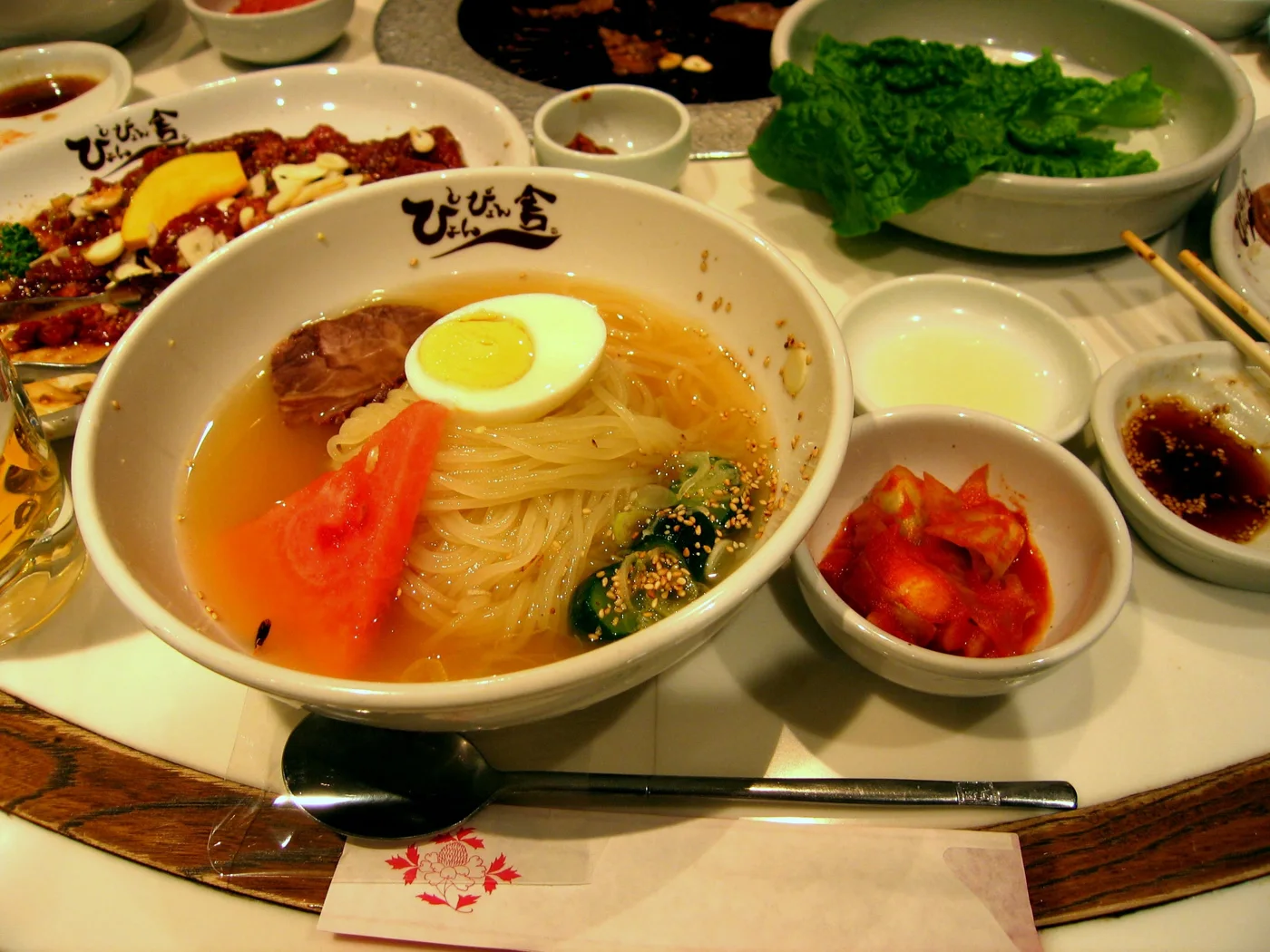
The restaurant serves Morioka reimen, grilled meat and Korean dishes, including a reimen-and-grilled-meat set on its website. After wanko soba at lunch, start dinner with a serving of noodles and add meat according to appetite. A set name does not mean you need a whole table of food. After an ordinary lunch, you can instead make grilled meat and reimen a full evening meal, with its cost and visiting time easier to plan.
This branch has 250 seats. Its website provides online reservations and states that it accommodates wheelchair users. Groups can use the official booking link to reserve their party size and arrival time together. State wheelchair or specific seating needs at the same time. The station location and evening hours suit arrival day; include the seat requirements in the booking.
Morioka reimen often appears alongside grilled meat, but order for your appetite that day. For noodle texture, consider how the cold broth, noodles and toppings work together. If meat is your priority, choose its quantity before ordering noodles. With a train approaching, eat near the station and save a slow grilled-meat meal for your overnight stay. Grilling takes time for cooking and eating; reimen alone is easier to fit before a train.
Fukuda Pan: main-shop breakfast or a Bus Center takeaway
Fukuda Pan’s Nagatacho main shop is at 12-11 Nagatacho. Official hours are 7:00–17:00, with New Year and Obon closures. It is about a 13-minute, one-kilometer walk from Morioka Station’s east exit. It lies in a different direction from lunch in the Nakanohashi-dori old town. Give it a separate breakfast walk, then return for your luggage or start toward the center from the station.
Keep breakfast small if you plan Pairon for lunch on day two. If lunch is wanko soba, put Fukuda Pan on another day. Buying bread and eating it immediately can be separate decisions; choose a takeaway time that fits your route. Long-distance train travelers should also consider bag space, so they do not spend museum visits carrying bread bought too early.
On an old-town walk, choose the Nakanohashi branch. Fukuda lists it on the first floor of Morioka Bus Center, open 8:00–16:00, closed Thursdays, New Year and Obon. Its address is 1-9 Nakanohashi-dori, in the same neighborhood as Azumaya’s main shop. Arrive at the Bus Center in the morning, buy bread, explore the Red Brick Building area and choose an ordinary lunch for another workable half-day plan.
The Nagatacho main shop and Bus Center branch fit different routes. Leave a morning for a dedicated main-shop visit. Choose Nakanohashi if you simply want bread along your old-town route. On Thursdays, replacing the closed Bus Center branch with the main shop adds a journey. Adjust breakfast and your departure direction together, rather than deciding to cross town after reaching a closed door.
After lunch: the Nakatsu River and Red Brick Building
After lunch at Azumaya’s main shop, start the afternoon at the Bank of Iwate Red Brick Building. Completed in 1911 as the Morioka Bank headquarters, it was later used by Bank of Iwate. Banking operations ended in 2012; after preservation and repairs, it opened to visitors in 2016. View it together with Nakanohashi Bridge and the Nakatsu River to understand its place in the neighborhood, beyond a facade photo at the entrance.
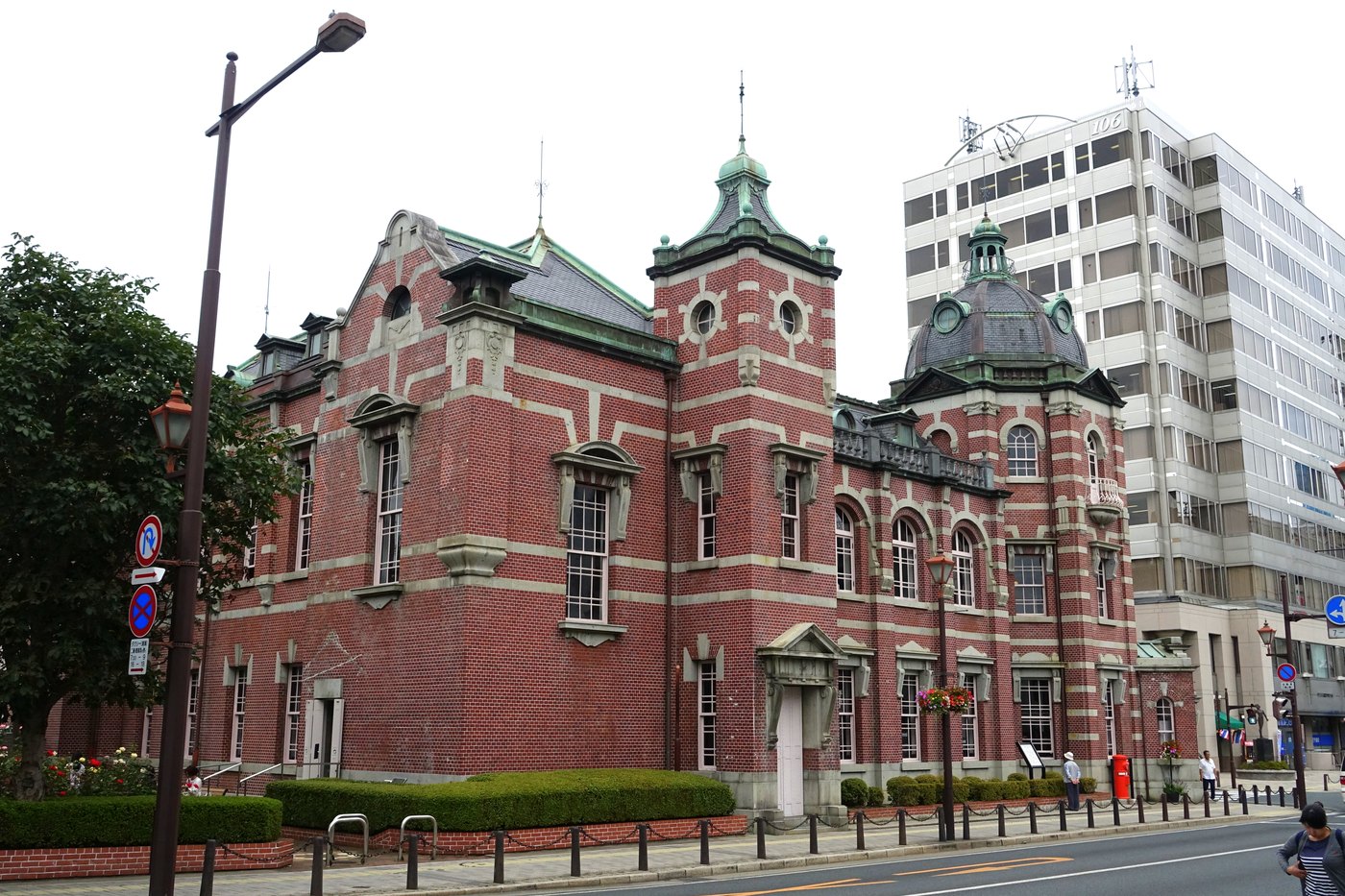
Inside are the free Bank of Iwate area and paid Morioka Bank area. The paid area costs ¥300 for general visitors aged 16 and above, ¥100 for elementary and junior high school students, and is free for preschool children. Hours are 10:00–17:00, last admission 16:30, closed Tuesdays and December 29–January 3. For a short architectural stop, start with the free area. Buy admission if the old bank’s interior layout interests you, making this an indoor visit after lunch.
The building lists a ramp at the west entrance beside the rose garden, but no elevator or lockers inside. Leave large bags at your hotel or station first. For wheelchair users, plan around accessible floors and the on-site route. A ramp alone does not make every floor part of the visit. Arrive earlier in the afternoon for an unhurried interior visit, rather than entering in the final half-hour.
Afterward, follow the Nakatsu River toward Uchimaru, using the riverbank to connect neighborhoods. In fine weather, pause beside the water before the castle ruins park. In rain or strong wind, shorten the riverside walk and go directly to the history museum. The aim is to spread out the afternoon after noodles, without hurrying down every side street for digestion. If your legs are tired, take a bus from the Bus Center back to the station. Uchimaru lunch remains for tomorrow.
Morioka History and Culture Museum: an indoor pause between meals
The first floor of the Morioka History and Culture Museum is free. Second-floor exhibition admission costs ¥450 for general visitors, ¥300 for high school students and ¥150 for elementary and junior high school students. With a short gap, see the first-floor displays, then walk near the castle ruins before your next meal. Reserve a longer visit upstairs if you want more city history, rather than splitting the afternoon into small pieces simply to use a paid ticket.
Hours change seasonally. From April through October, it opens 9:00–19:00, with second-floor admission until 18:30. From November through March, it closes at 18:00, with second-floor admission ending at 17:30. It closes on the third Tuesday of each month, or the next day if that Tuesday is a holiday, and December 31–January 1. Late-fall visitors cannot use October’s evening window unchanged in November. If lunch runs late, see the paid galleries before returning to the station for dinner.
A same-day Dendenmushi day pass qualifies for group-rate admission under the museum’s conditions, reducing the general ticket from ¥450 to ¥360. Two adult bus rides at ¥150 each cost ¥300; with a regular ¥450 museum ticket, the total is ¥750. A ¥400 day pass plus a ¥360 museum ticket totals ¥760. The ¥10 difference is small, but shows why an admission discount alone is not a reason to buy a pass. Three or more rides give a better reason.
The museum prohibits bringing food inside and eating there, including candy and chewing gum while browsing. Keep bottles and flasks tightly closed in your bag. Drinks can be consumed in the vending machine area of the first-floor festival exhibition room. Plan snacks before or after the visit. If you simply want to sit after lunch on a rainy day, find somewhere that allows food first, then decide whether to enter.
Dendenmushi buses: walk into town and ride back
Iwateken Kotsu’s Dendenmushi city-center loop bus starts and ends at Morioka Station, with clockwise and counterclockwise routes. A full loop is about 5.7 kilometers and 35 minutes. Single fares are ¥150 for adults and ¥80 for children. Iwate Green Pass, Suica and nationally interoperable transport IC cards are accepted. You do not need a rental car for noodles in town; combine short walks with buses between your hotel, station and restaurants.
Day passes cost ¥400 for adults and ¥200 for children, are valid only on this loop and apply to the date shown. Official sales points are the bus information office in front of Morioka Station and the first-floor ticket office in Morioka Bus Center’s west building. They can be bought from ten days before travel. Three single rides cost ¥450 for an adult or ¥240 for a child, both above the pass price. If you walk into town and take one bus back, pay with an IC card.
Check the direction and destination at the stop before boarding. Both loops return to Morioka Station, but the wrong direction can add most of a circuit. Choose the shorter side when you have a fixed lunch time. Allow time to walk to the stop and wait when returning to the station. The 35 minutes refers to a whole loop, not any particular pair of stops.
These bus tickets are separate from Shinkansen and out-of-town bus fares. On days for Appi Kogen, Hanamaki Onsen or another Tohoku city, arrange intercity transport first and see which Morioka meal still fits. Station-side reimen or jajamen inside the station suits a transfer stop. For Azumaya on Nakanohashi-dori, keep at least one meal free from a fixed train departure.
What to budget and how two diners can share a meal plan
Azumaya, buses and the two museums are the easiest items to calculate ahead. For two adults both having Azumaya wanko soba, entering the Red Brick Building’s paid area and the history museum’s second floor, and each taking two loop-bus rides that day: food costs ¥9,000, Red Brick Building admission ¥600, history museum admission ¥900 and buses ¥600, totaling ¥11,100. This is a subtotal for those items. Add reimen, Pairon, bread, accommodation and intercity fares according to your choices to see which meal has the greatest effect on your budget.
If both adults buy day passes and use them for the museum’s group rate, the same items total ¥11,120. One additional bus ride makes the pass more favorable. Companions who walk less and need hotel breaks can choose a pass for flexibility. Travelers who enjoy a slow riverside walk can pay single fares. Write down how you will spend the day before comparing prices.
Two people with very different appetites can choose separate first-day lunches at the same table: one has refills and the other orders from the regular menu. Have reimen together at dinner. This keeps the shared meal while avoiding a day of large portions for the lighter eater. If one person mainly wants grilled meat and the other noodles, the station branch’s menu suits both in one meal.
Solo travelers need not interpret “three great noodles” as an instruction to order every side dish. Start with noodles and the extras you need, then judge the portion before adding more. Photograph bowl stacks or food without obstructing servers or neighboring seats. Keep shared table space and aisles clear for people eating. A little more walking leaves an appetite for the next meal.
How much Morioka time to keep between other Tohoku stops
If your Tohoku route already includes Sendai, Hiraizumi or Appi Kogen, Morioka works as a one-night city stop. A useful combination is arrival afternoon, the evening and lunch the next day: reimen on the first night, Azumaya or Pairon the next day, with an old-town walk between them. For all three dishes, arrive before lunch on day one or stay for another dinner, rather than forcing a very early jajamen meal into the plan.
After arriving with large bags, deal with accommodation and storage before a meal that may involve a queue. If Azumaya’s wait cuts into the afternoon, choose either the Red Brick Building or the history museum. They serve different interests in architecture and city history. One still makes a full afternoon; chasing both last admissions turns the Nakatsu River into a corridor for hurrying.
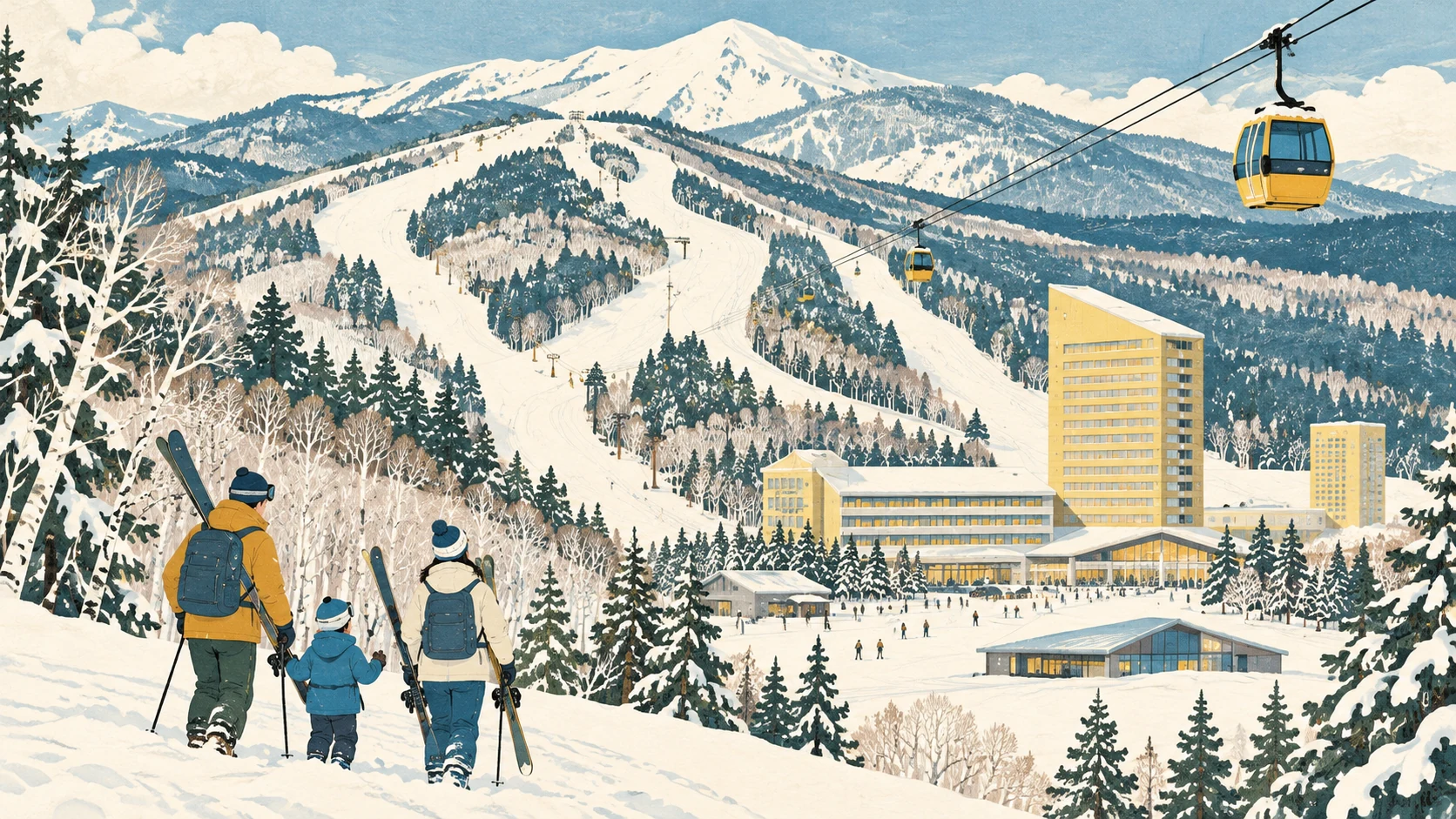
For an Appi Kogen ski trip, leave separate room for Morioka meals and mountain transport. In winter with ski equipment, a station hotel and station-side meals reduce carrying. Keep the old town for a half-day without luggage. If you leave after breakfast for the mountains, omit an Azumaya lunch. Another overnight pattern is reimen after descending to Morioka, followed by the old town the next day. For accommodation choices, see the Appi Kogen stay and Morioka transfer guide.
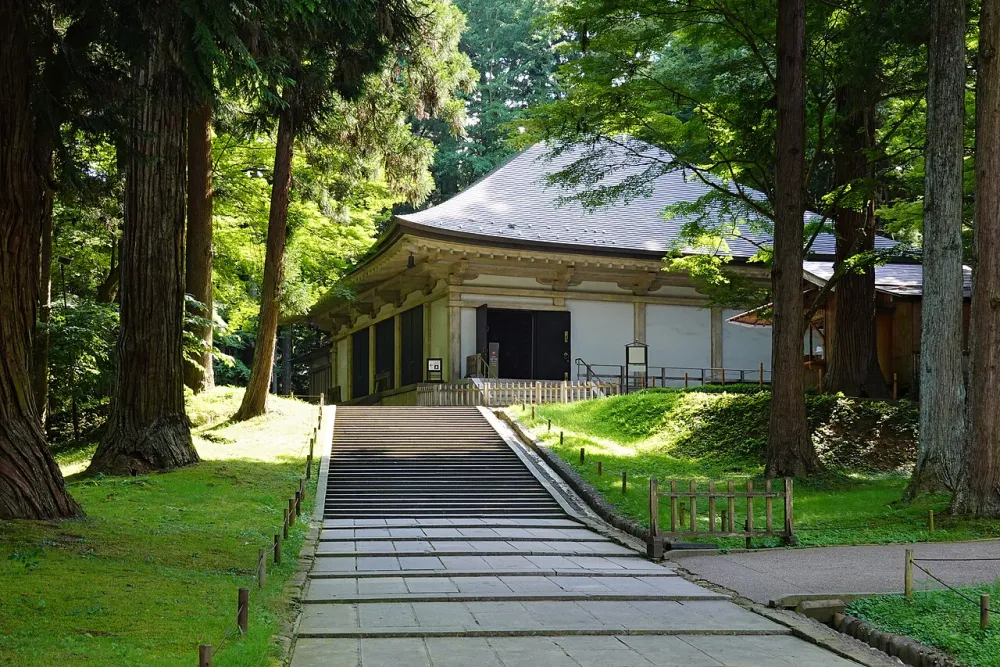
For Hiraizumi next, keep a full daylight period for temples and put Morioka meals on the preceding evening or return journey. Hiraizumi’s Tsukimizaka slope and temple grounds already involve walking, so station-side reimen makes a simple dinner afterward. Read the Chusonji visiting route before deciding how to divide time. Meals have dining windows and temples have visiting hours. Treat them separately rather than squeezing both into one afternoon because they are in Iwate.
A two-day route and alternatives for closing days
Arrive in Morioka in the morning, store your bags at the hotel or station and head to Nakanohashi-dori. Make Azumaya’s main shop around 11:00 the lunch anchor, arranging nearby activities after collecting your queue number. Visit the Red Brick Building after lunch, walk along the Nakatsu River toward Uchimaru and choose the museum’s first or second floor. If you still have energy, walk near the castle ruins. Return to the station for reimen that evening and choose grilled meat quantities for your appetite. Skip Fukuda Pan as a second lunch that day.
On the second morning, walk from the east exit to Fukuda Pan’s Nagatacho main shop. Return to your accommodation for bags after breakfast, store them and head to Uchimaru. Finish any castle-area walk from day one in the morning, then eat Pairon’s jajamen and take time over egg soup at lunch. Return to Morioka Station for luggage and gifts before your next train. If you leave before noon, move Pairon to lunch on day one and save Azumaya for another visit.
On Tuesdays, the Red Brick Building and Azumaya station branch close. Keep lunch at the main shop and replace the afternoon with the riverbank, castle ruins and the history museum if open. On the third Tuesday, that museum also closes, so move indoor visits to the next day rather than finding another museum just to fill time. On the first Wednesday, use Azumaya’s station branch instead of the closed main shop, then walk toward Uchimaru. On Thursdays, do not rely on Fukuda’s Nakanohashi branch for breakfast.
With four or five hours, combine one station-area meal with an old-town walk. Eat reimen first, walk or ride to the Red Brick Building area and take a bus back. Or have Pairon in Uchimaru and walk part of the river before returning. If wanko soba is your sole aim, prioritize Azumaya’s queue and meal and keep walking optional. A half-day visit needs choices rather than every stop from a two-day route.
Shorten riverbank walks in winter and leave more time indoors. In summer, put longer walks in the morning or evening and visit museums after lunch. With strollers, wheelchairs or older companions, take a bus between the station and Nakanohashi-dori, then choose one gentle street walk. Deal separately with the Red Brick Building’s floor access and restaurant seating needs. If the aim is for everyone to sit down and enjoy a meal, reserved station-side reimen and a short walk can suit the group better than three restaurants across town.
A few useful answers
Can I eat all three Morioka noodles in half a day?
For half a day, choose one noodle dish as a meal, then walk around Uchimaru or the Nakatsu River. Wanko soba also needs serving and waiting time. For all three, use lunch and dinner on day one and lunch on day two.
Which Azumaya branch fits my route?
Choose the main shop for Nakanohashi-dori, the Red Brick Building and Bus Center; choose the station branch for luggage or Shinkansen connections. The main shop and annex close on the first Wednesday of each month, the station branch on Tuesdays, under the notice updated September 7, 2026. Golden Week in May and August have exceptions.
Can a companion order something other than wanko soba at the same table?
Azumaya explicitly allows wanko soba and regular menu orders at the same table. Family members with different appetites do not all need to join the refills.
How many Morioka loop-bus rides make a day pass worthwhile?
Adult single rides cost ¥150 and the day pass ¥400, so three rides cost less with a pass. Children pay ¥80 per ride or ¥200 for a pass, also cheaper from three rides. The pass is valid only on Dendenmushi.
Official information and references
Sources used in this guide.
- Azumaya wanko soba menu and tax-inclusive prices
- Azumaya reservation and closure notice updated September 7, 2026
- Pairon shop directory
- Pairon main shop
- How to eat Pairon jajamen
- Pairon history and food
- Pyonpyonsya Morioka station branch
- Fukuda Pan official shop information
- History of the Bank of Iwate Red Brick Building
- Red Brick Building fares, access and facility FAQ
- Morioka History and Culture Museum visitor information
- Iwateken Kotsu Dendenmushi fares and day passes
- Azumaya branch addresses, station-branch floor and closure exceptions
- Pairon FESAN branch