Family guide to Kobe Animal Kingdom: ride the Port Liner from Sannomiya to the North Entrance, break down 2026 combo tickets and admission, and plan capybara feeding, shoebills, Pallas's cats, indoor pelican flights, and sunny-day camel rides, with Thursday closure exceptions and rainy-day routes.
- Region & Focus
- Kobe
- Reading Scope
- 23 min read · 8 chapters · 6 Q&As
- Official Verification
- 29 official sources checkedUpdated November 22, 2026
- Key Topics
- Rail travelFirst tripItineraries
Chapter Route Map (tap any stop)
- Buy the Combo Ticket at Sannomiya and Turn Right Out of the Station
- Ticket Math: How Two Adults and One Child Save ¥1,440
- Feed Bamboo Leaves at Pantanal, Then Spot Striped Tails in the African Wetlands
- Two Shoebill Zones, Plus Two Distinct Ears on Pallas's Cats and Sand Cats
- Catch Wings Under Blue Skies, or Watch Pelicans Take Off Indoors on Rainy Days
- Want to Ride a Camel or Feed Penguins? Check Ticket Distribution Times First
- Step Into the Dark for Flying Squirrels, Then Unwind at the Water Lilies Pool
- A Half-Day Route That Works for Every Age
- Quick Q&A
At Kobe Animal Kingdom, a capybara pokes its nose out of the water to take a bamboo leaf straight from your hand. A few exhibits away, a shoebill hangs its massive bill motionless above a pond until kids inevitably ask if it is real. For a first visit with elementary-age kids, grab the Port Liner combo ticket at Sannomiya, ride 14 minutes straight to the North Entrance, and block out three to four hours. On rainy days, anchor your schedule around the indoor Pelican Flight; when the sun is out, head outside for the Wings raptor show or grab fish snacks at the penguin pool.
Buy the Combo Ticket at Sannomiya and Turn Right Out of the Station
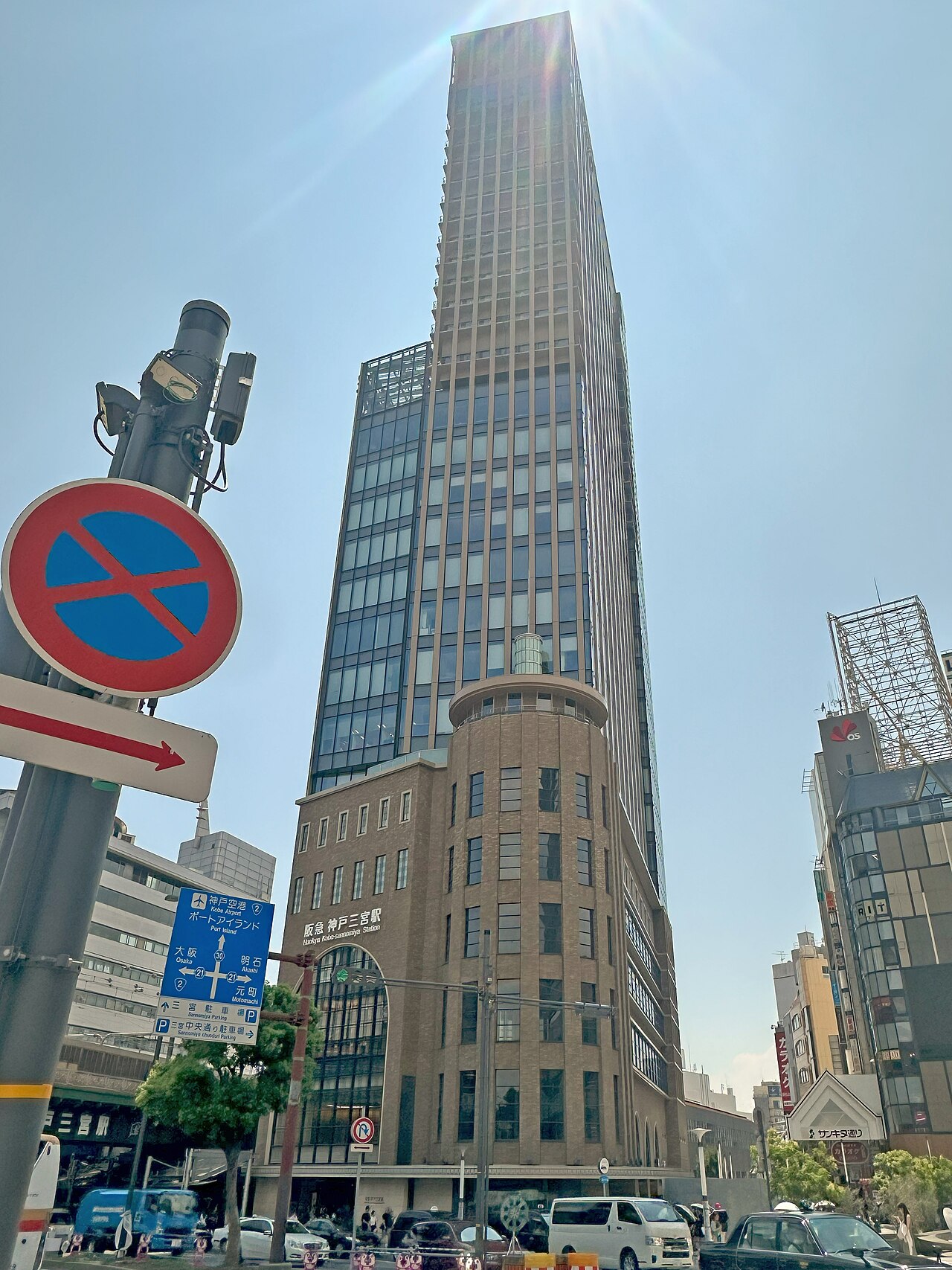
From Osaka or Himeji, ride JR, Hankyu, or Hanshin into Sannomiya and follow the overhead "Port Liner" signs to transfer. JR signs read "Sannomiya," while Hankyu and Hanshin use "Kobe-Sannomiya." Because each railway has separate ticket gates, following the Port Liner signs directly is much faster than staring at your phone searching for "Sannomiya Station." Arriving on the Shinkansen at Shin-Kobe? Take the Kobe Municipal Subway Seishin-Yamate Line toward Seishin-Chuo one stop (about two minutes) to Sannomiya, then walk over to the Port Liner.
Buy the combo ticket at the Information counter next to the Port Liner Sannomiya ticket machines, located before you pass through the ticket gates. Show the attendant "Kobe Animal Kingdom & Port Liner Set Ticket" on your phone and hold up fingers for the number of adults and children. The FamilyMart next door only sells advance park admission; if you want the round-trip train rides included, stick to the manned station counter. Keep the admission voucher and both train tickets together, as you will present the admission ticket at the park gate.
Head up to the platform and board a train bound for Kobe Airport. The elevated track swings past Kobe Harbor and continues past Shimin Hiroba along the airport branch. If the train display or departure board reads "Kita Futo," wait for the next airport-bound train. Kids love sitting in the front car to watch the guideway stretch across Port Island. Keep your outbound and return train tickets separate—have one parent hold the tickets while the other holds hands, so you are not rummaging through bags in front of a narrow ticket gate.
Get off at P08 Keisan Kagaku Center (Kobe Animal Kingdom / Fugaku-mae). Go down to the lower-level ticket gates, turn right after tapping out, and take the stairs straight down to the North Entrance—or use the elevator directly ahead with a stroller. Families pushing strollers only need to remember "right at the gate, North Entrance." Do not let the "Fugaku" subtitle confuse you; it is just the secondary name for the same stop. Coming from Kobe Airport? Take a Sannomiya-bound train one stop (about four minutes) to the exact same gate.
Shinki Bus also runs direct service from Sannomiya Ekimae in front of Kobe Hankyu on Saturdays, Sundays, and holidays. Scheduled departures leave at 09:55 and arrive at the North Entrance at 10:20—handy for families who want harbor views and an early start. The last scheduled return bus leaves the park at 16:27, reaching Sannomiya at 17:00. If you plan to stay until closing, take the Port Liner back so you are not watching the clock for the final bus.
Drivers can use the park's surface or multi-story parking lots on a first-come, first-served basis for ¥700 per 24 hours on weekdays and ¥1,000 on weekends and holidays. Parking feeds into the south side of the park, whereas train riders arrive at the north side. If two groups are arriving separately, pick a specific exhibit or restaurant as your meeting point rather than "the entrance." Save both the North and South ticket counters plus the northern train station on your map so everyone knows which way to exit at the end of the day.
| Route | Travel Time & Cost | Park Arrival |
|---|---|---|
| Port Liner from Sannomiya | About 14 min. Separate one-way fare: ¥290 adult, ¥140 elementary student | Take Kobe Airport-bound train to P08; turn right out of gates to North Entrance |
| Port Liner from Kobe Airport | About 4 min. Separate one-way fare: ¥210 adult, ¥100 elementary student | Take Sannomiya-bound train 1 stop to P08; enter via North Entrance |
| Shinki Bus direct from Sannomiya | Weekends & holidays, about 25 min. One-way: ¥290 adult, ¥150 child | Board outside Kobe Hankyu; get off at Kobe Dobutsu Okoku-mae |
| Driving | Passenger car parking: ¥700 weekdays, ¥1,000 weekends & holidays | Follow park signs into the surface or multi-story parking lot |
Family guide to Kobe Animal Kingdom: ride the Port Liner from Sannomiya to the North Entrance, break down 2026 combo tickets and admission, and plan capybara feeding, shoebills, Pallas's cats, indoor pelican flights, and sunny-day camel rides, with Thursday closure exceptions and rainy-day routes.
Ticket Math: How Two Adults and One Child Save ¥1,440
Effective April 1, 2026, admission is ¥2,400 for junior high students and older, ¥1,900 for seniors aged 65 and up, ¥1,200 for elementary students, ¥500 for ages 4 to 5, and free for ages 3 and under. Seniors need to bring a government-issued ID showing their age to present at entry. If older blog posts quote ¥2,200 for adults and ¥1,600 for seniors, ignore those figures and budget with the updated rates.
For fiscal year 2026, the Port Liner set ticket bundles park admission and two train rides at the exact same price as buying a standalone park ticket for adults, seniors, and elementary students. For a round trip from Sannomiya, two adults and one elementary student would pay ¥7,440 separately, compared to ¥6,000 with the combo ticket. That ¥1,440 savings covers a camel ride, a penguin snack cup, and several bundles of capybara bamboo leaves—plenty of time to let kids pick their favorite before you even leave the station.
This batch of set tickets is on sale through March 31, 2027. Tickets bought between October 2026 and March 2027 are valid for any single open day through April 30, 2027, though both train rides must be used on the day of travel. You can buy them at the Sannomiya counter or the ticket-gate window at Kobe Airport Station. If you are starting from the airport side or heading elsewhere downtown afterward, tell the attendant your boarding and alighting stations before printing. Covered zones run between Sannomiya and Keisan Kagaku Center, and between Kobe Airport and Boeki Center; riding past those boundaries adds a base fare surcharge.
Families with preschoolers should separate park rules from train rules. Ages 4 to 5 need a ¥500 admission ticket (sold at the park or at the Sannomiya FamilyMart). On the Port Liner, each adult or passenger aged 6+ can bring up to two toddlers (ages 1 and older) for free, paying child fare starting with the third toddler, while infants under 1 always ride free. The set ticket rules also classify pre-elementary 6-year-olds in the toddler group; if your child just turned 6 and has not started elementary school, explain at the counter that they are 6 years old and pre-elementary.
If you are driving or already hold transit passes, the park's official rates page links to Asoview and KKday for admission-only e-tickets. Asoview's annual ticket batch is on sale through March 31, 2027, remains valid for three months after purchase, and uses a smartphone QR code at the gate. Hold off on buying until your travel date is locked in. Note that admission tickets do not reserve paid animal activities—penguin feeding and camel rides require separate numbered tickets picked up on-site. Bus riders should also stick to admission-only tickets plus bus fare.
Check Thursday closures before locking in your dates. On the park's calendar, Thursdays November 26, December 3, December 10, and December 17, 2026 are closed, while Thursdays December 24 and December 31, 2026 are open. The park closes on New Year's Day (January 1, 2027), reopens January 2, and resumes Thursday closures on January 7, 14, 21, and 28. Open days during this period run 10:00 to 17:00 with last entry at 16:30. You can arrive late if you only want one zone, but if you are aiming for a scheduled show, count backward from that start time.
| Ticket Category | Admission Only | Separate Round-Trip Total | Port Liner Set Ticket |
|---|---|---|---|
| Junior high & older | ¥2,400 | ¥2,980 | ¥2,400 |
| Ages 65+ | ¥1,900 | ¥2,480 | ¥1,900 (age ID required) |
| Elementary student | ¥1,200 | ¥1,480 | ¥1,200 |
| Ages 4 to 5 | ¥500 | ¥500 (if eligible for free toddler transit) | Buy admission-only ticket |
| Ages 3 & under | Free | ¥0 (if eligible for free toddler transit) | Enter and ride free under toddler rules |
Feed Bamboo Leaves at Pantanal, Then Spot Striped Tails in the African Wetlands
Named after South America's vast Pantanal wetlands, this indoor zone surrounds capybaras and giant anteaters with ponds, tall palms, and dense planting where animals can tuck away. As you approach the capybara pool, ask kids to scan for two silhouettes: bulky tan bodies lounging on the bank, or just eyes, ears, and nostrils poking above the waterline. Watch along the water's edge for a moment until those three tiny dots connect into a face.
Pantanal offers capybara feeding for ¥100 per portion of bamboo leaves during open hours, no reservation needed. Watch the keeper demonstrate where to hold the stem so the capybara can tug the leaf cleanly. Confident kids can hold it out themselves; hesitant ones can stand beside a parent who holds the stalk. The leaves disappear fast, so linger a moment afterward to watch the capybara's flat muzzle chew rhythmically from side to side.
Feeding pauses whenever the capybaras get full. When that happens, step away from the feeding rail and check whether their four short legs actually touch the bottom of the pool. Once one climbs ashore, its wet coat slicks down tight against its body, making it look surprisingly lean compared to when it is dry. On October 31, the park resumed its parent-and-pup capybara exhibit—if your kids like comparing sizes, scan just beyond the viewing barrier for a big silhouette paired with a small one.
Over in the African Wetlands, ring-tailed lemurs are the easiest animals for kids to spot first. Stand at the marked viewing areas and look up into the branches for black-and-white striped tails, then trace the tail back to the lemur. Because they roam freely inside the exhibit, standing quietly together for a minute works much better than chasing after one animal—often the whole troop will file right past you. Pygmy hippos live in this zone too; try catching one swimming underwater and again walking on land for two completely different perspectives.
To see the lemurs fed, catch the free 13:45 "Wao Wao Talk," where keepers hand out food and quiz the crowd on how lemurs tell each other apart. If kids want to feed animals themselves here, look for the separate waterbird feeding station and follow posted instructions for which birds may be fed. Keep snacks and packed lunches zipped inside your bag—only park-supplied feed is allowed—and wash hands thoroughly after leaving any contact zone before eating.
Inside the indoor Tropical Forest, look up into the canopy for white-throated toucans rather than scanning the rocks at your feet. From the side, that oversized, two-tone beak defines almost the entire profile of the head, making it an easy bird for kids to sketch later. Toucans are viewing-only rather than part of the official feeding list, so enjoy watching them hop between branches. Once you find the toucan, tilt your head higher for two-toed sloths—turning it into a quick game of who spots the hanging ball of fur first before exiting the forest.
Two Shoebill Zones, Plus Two Distinct Ears on Pallas's Cats and Sand Cats
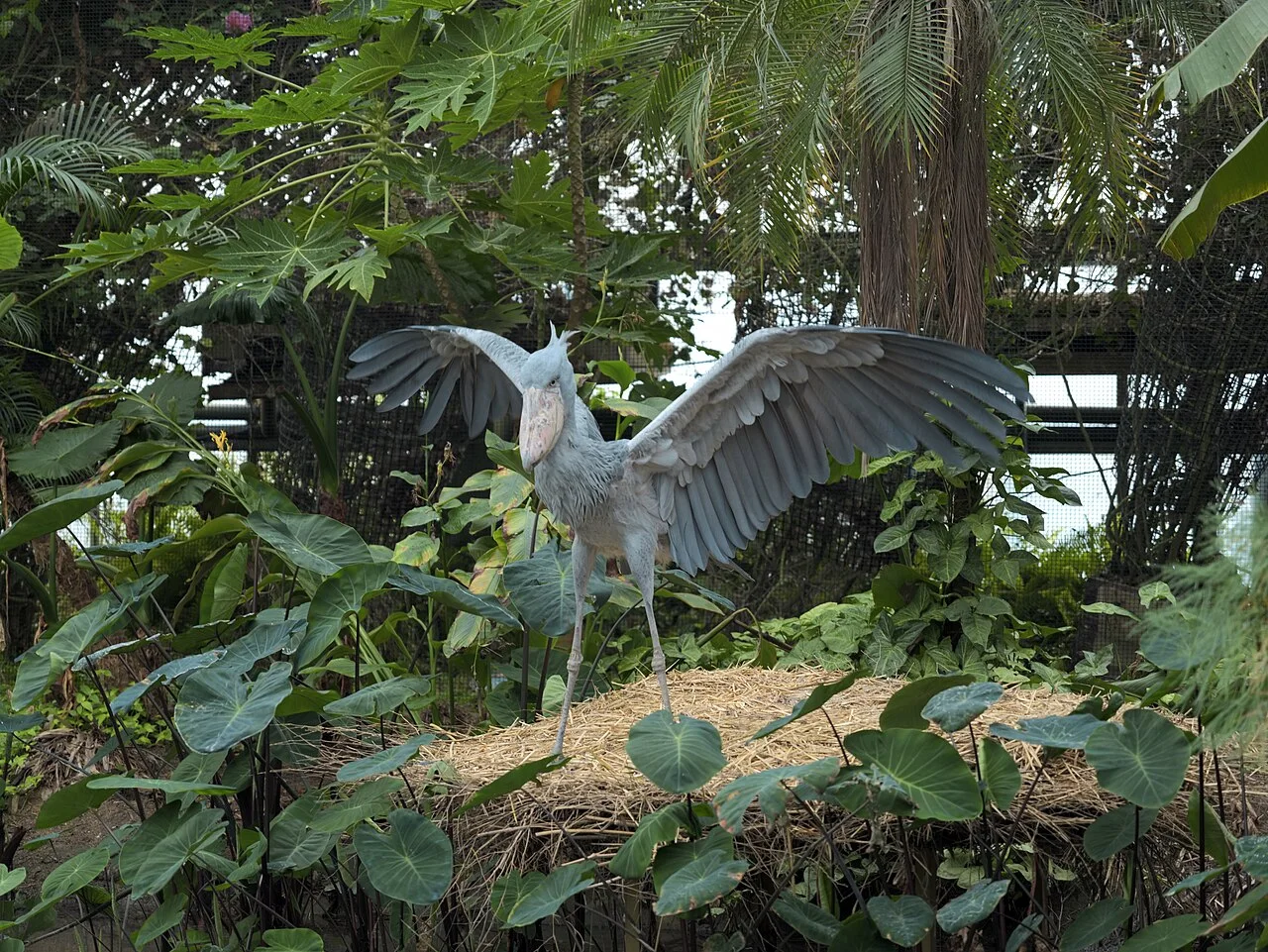
When hunting for shoebills, look for two signs: Big bill and the adjacent Mabamba Camp. Big bill recreates an East African marsh with wetland reeds, shallow pools, and overhead daylight. The first thing that catches your eye is the massive gray beak hooked sharply at the tip. When a shoebill hunches low toward the water, the angle of its chin, bill, and neck is unmistakable; wait for it to turn sideways, and the eye—often hidden behind the beak head-on—suddenly comes into view.
Shoebills can stand frozen beside shallow water for ages, tucking their necks so tightly you barely see their length. The instant one shifts feet, stretches its neck, or spreads its wings, its silhouette snaps from vertical to wide horizontal. Turn waiting into an observation game by asking kids to pick one feature to watch—like whether the hooked tip touches the water—before moving to its legs and wings. If a crowd packs the front glass, take two steps back; looking over shoulders often gives you a clearer view of the entire pond bank.
The park updated its shoebill lineup in February 2026. After male Bongo moved to Nasu Animal Kingdom, Kobe now exhibits Marimba and Kuraru at Big bill during the day and male Sakara at Mabamba Camp. Make sure to visit both spots if shoebills are your main goal, then match the birds against the posted name plaques afterward rather than guessing on the fly. Linking the two exhibits also works well if adults and kids move at different paces—whoever spots a bird first can step back and wait for the rest of the group.
In the Asian Forest, look closely at the rocks for Pallas's cats. Their short ears sit low on the sides of their heads, so when they flatten against the ground, often only a broad forehead and two round eyes peek over a boulder. The five kittens born at the park in May 2026 moved to open public viewing on October 3; mother Azu and the kittens occupy the right side of the Pallas's cat enclosure, with posted viewing hours from 10:00 to 16:30. Turn off phone camera flashes at the glass and step aside after a few photos so shorter kids behind you can see down to ground level.
For another small wildcat, visit the sand cats in the North Contact Animal Zone. Under bright lights reflecting off pale sandstone, locate the ears and eyes first before separating the coat from the background. Sand cats have tall, triangular ears that stand straight up—an easy contrast to the Pallas's cat's low-set side ears. The same North Zone houses fennec foxes and meerkats, giving you a natural three-window challenge for kids: which animal has the tallest ears, and who stands upright to keep watch?
The North Zone's Wan-Touch / Nyan-Touch (dogs and cats) and Pyon-Touch (rabbits) petting sessions run on separate schedules, with numbered tickets handed out on-site 20 minutes before each start time. If your child hears "cat" and expects to pet a Pallas's cat, clarify upfront that petting is strictly for domestic pets in the interactive rooms, while sand cats and Pallas's cats stay behind viewing barriers. Because this area sits right by the North Entrance, it works equally well right after stashing bags or as one last loop before heading to the train.
Catch Wings Under Blue Skies, or Watch Pelicans Take Off Indoors on Rainy Days
Wings—officially the Free-Flight Bird Performance—takes place outdoors at Wind Stadium. Once seated, scan the entire open arena rather than just the stage: raptors and other birds may launch from the backdrop or skim low right across the front row. Sitting in the upper rows with kids still gives you an unobstructed view of how the birds bank with the wind. Keep hands resting on your lap and follow staff instructions and posted signs.
Scheduled Wings showtimes are 11:30 and 15:00. Families doing a half-day visit should aim for the 11:30 show after exploring a nearby zone or two. If you are lining up at 11:00 for camel rides or penguin feeding, finish those first and take the 15:00 Wings show instead of abandoning a queue midway. Rain, high winds, and extreme heat can cancel outdoor performances, so check the daily schedule board at the entrance, note your must-see show and venue, and pad in extra minutes to walk over and claim seats.
Indoors at the African Wetlands, Pelican Flight runs twice daily at 12:15 and 14:30. The pool itself serves as the runway: pelicans glide low between the water and the banks, white wings flashing over their reflections before their webbed feet splash down. Standing near the back where your sightline opens up makes it easier to watch the whole flock move in sync. Have kids pick one bird to track and watch for its very first wingbeat—it is much easier than trying to follow everyone shifting along the railing.
If you only want one flight show, pick Wings to see multiple species fly different patterns, or choose the African Wetlands to watch a full flock of pelicans land together on water. Trying to pair the 14:30 Pelican Flight with the 15:00 Wings show requires hustling from an indoor pool to an outdoor arena and may leave you in the back rows. Morning Wings plus afternoon pelicans—with a proper lunch break in between—is a far calmer combination if you want both.
For younger kids startled by big wings flapping overhead, spend a few minutes watching the pelicans standing quietly beside the indoor pool first. Once they recognize the throat pouches and long bills at rest, watching them soar and splash down becomes exciting instead of overwhelming. Grouping Wind Stadium and the African Wetlands back-to-back lets you alternate outdoors and indoors, or lean toward the sheltered side if clouds roll in. After a show lets out, stay seated for two minutes to zip up jackets and talk over what you saw while the exit aisle clears.
| Program | Listed Times | Location & What to Watch |
|---|---|---|
| Wings Free-Flight Bird Performance | 11:30, 15:00 | Outdoor Wind Stadium; watch how different birds bank and turn across the open field |
| Pelican Flight | 12:15, 14:30 | Indoor African Wetlands; watch a flock take off and splash down from the poolside |
| Ring-Tailed Lemur Talk | 13:45 | African Wetlands; keeper feeding, commentary, and audience Q&A |
Want to Ride a Camel or Feed Penguins? Check Ticket Distribution Times First
Camel Corner in the outdoor area offers camel rides from 11:00 to 12:00 and 14:00 to 15:00. Rides cost ¥800 per person, capped at 20 riders per session first-come, first-served, and riders must be at least 100 cm tall and weigh 75 kg or less. On-site numbered ticket distribution starts at 10:30 and 13:30. If your child hears "camel ride" and immediately wants to sprint over, measure their height at home beforehand so you are not sorting out eligibility right in front of the camels.
Keepers lead each camel during the ride while parents wait in a designated photo zone. A camel's back already towers above a child's head from ground level, and the extra height once mounted surprises some kids. If your child gets cold feet at the mounting block, let them stay on the ground and watch how a camel folds its knees or sways its humps as it walks. Camel feeding is also offered at the same corner if they prefer saying hello with a snack in hand.
Penguin Snack at Penguin Coast runs at 11:00 and 15:30 for ¥200 per group (25 groups per session), with numbered tickets handed out at 10:30 and 15:00. Everyone must sanitize their hands before following staff cues to feed the fish. Standing close to the water can mean stray splashes, so hold onto kids' glasses and phones ahead of time. Even without a feeding ticket, the underwater glass wall lets you watch southern Africa's Cape penguins—clumsy waddlers on land that rocket across the entire viewing window once submerged.
Note the morning scheduling overlap: camel and penguin tickets are handed out at different corners, but both start at 10:30. Pick one for the morning queue and save the other for the afternoon—or skip the line and simply watch them up close. There is an afternoon overlap too: the 15:00 Wings show starts at the exact minute 15:30 Penguin Snack tickets go out. If feeding penguins is non-negotiable, go to the 11:30 Wings show and keep the afternoon clear for Penguin Coast, or focus on afternoon camel rides and spend your spare minutes at the penguin glass.
On rainy or windy days, let the park's daily event board dictate your outdoor plans. If camel rides and penguin snacks are suspended, duck back inside to the Water Lilies pool to watch floating pads and fish, or head to the Tropical Forest to compare a scarlet macaw's curved beak with a white-throated toucan's bill. Sheep and alpacas also graze outside when weather cooperates—just pause to tap mud off shoes before stepping back onto indoor walkways.
| Activity | Fee | How to Join |
|---|---|---|
| Capybara bamboo leaf feeding | ¥100 / portion | Drop in anytime during Pantanal hours; pauses when capybaras are full |
| Camel ride | ¥800 / person | On-site tickets at 10:30 & 13:30. Min 100 cm, max 75 kg; 20 riders per session |
| Penguin fish feeding | ¥200 / group | On-site tickets at 10:30 & 15:00; 25 groups per session; hand sanitization required |
Step Into the Dark for Flying Squirrels, Then Unwind at the Water Lilies Pool
Even inside the bright greenhouses, one corridor plunges into night. Night of the Flying Squirrels reverses the day-night lighting cycle so Japanese flying squirrels and other nocturnal species stay active during daytime park hours. Stepping in from the sunlit conservatory makes every branch and creature look like a shadow at first. Park your stroller in a safe spot, hold your child's hand, and give everyone's eyes a minute to adjust before scanning upward along the trunks and forked branches.
Watch how the flying squirrels cross gaps high overhead: stretching all four limbs pulls the gliding membrane taut between front and back legs, a striking contrast to the flapping birds you just saw in the African Wetlands. Resist shining a phone light to look for animals—instead, snap a mental note or read the illuminated plaques to look up later. If you cannot spot anything from one angle, shuffle a few steps along the path and peer behind the branches rather than chasing shadows with a screen.
Out of the dark exhibit, follow the park map to Water Lilies. Tropical water lilies bloom in shifting colors year-round here, and keepers note you can catch their scent when blossoms open in the morning. Tired kids peering over the rim usually notice small fish darting out from beneath the lily pads before they take in the whole pond. Cups of fish food cost ¥100—sprinkle a pinch into the water to watch fish surge toward the surface and send ripples widening across the pool.
If your child wants just one easy rainy-day feeding, the Water Lilies fish are right at eye level and effortless to spot. For a closer look at how larger animals bite and chew, walk over to the Tropical Forest for Mara & Tortoise Feeding—also ¥100 per portion, paused daily from 13:30 to 14:30. Patagonian maras look like long-legged rabbits with tall ears, while the neighboring tortoises move slowly enough that kids get a clear look at their beaks stretching out for greens.
Moving between zones naturally shifts kids' eye levels. At the capybara pool, younger children often go up on tiptoes; in the bright indoor Water Lilies hall, they can look down from a lower walkway to see how flat lily pads hug the surface; in the Tropical Forest, everyone tilts straight up to hunt for sloths. If half the family wants to study plants while the other half chases animals, linger in one spot for five minutes until everyone can point out one favorite detail before moving on.
A Half-Day Route That Works for Every Age
The park estimates two to three hours for a standard walkthrough, so plan three to four hours once you add a flight show and a relaxed lunch. With an eight-year-old, let them pick two must-sees among capybaras, shoebills, and penguins before you arrive, while parents pick one timed activity worth lining up for. Having three clear anchors leaves plenty of breathing room to pause for surprises along the way or sit down when hunger hits. If you also have a toddler on a strict nap schedule, knock out your top morning priority early and keep post-lunch wandering close to the North Entrance.
On a clear morning, enter via the North Entrance and walk straight toward the 10:30 outdoor ticket queues. Families skipping queues can start with ring-tailed lemurs and pygmy hippos in the African Wetlands before grabbing seats for the 11:30 Wings show. Eat lunch afterward, then loop back to feed capybaras at Pantanal, check the Pallas's cats in the Asian Forest, and visit the shoebills at Big bill. Putting timed queues up front keeps the rest of your afternoon unhurried—though if your grade-schooler locks eyes with the sand cats near the north windows right away, give them five minutes there first.
On an all-day rain forecast, start near the North Entrance with the Contact Animal Zone, African Wetlands, and Asian Forest, wrap up the morning with the 12:15 Pelican Flight, and save Pantanal and the flower conservatory for after lunch. The tall conservatory layers hanging baskets overhead above ground-level ponds and foliage, giving your eyes something different at every height. Roughly 70 percent of the park is indoors, so pack lightweight raincoats for station stairs, the entrance walk, and short outdoor crossings, and wipe down stroller rain covers in an out-of-the-way corner when entering humid halls.
Only have two hours and no showtimes line up? Enter from the north, walk through the African Wetlands, cut into the Asian Forest for Pallas's cats, continue to Big bill for the shoebills, and finish with bamboo-leaf feeding at Pantanal. Keep your focus on the must-see exhibits and save scrolling through your kid's phone photos for the train ride back. Starting November 27, 2026, the Otter Ecology Park closes for roughly two weeks of maintenance—Asian small-clawed otters and Malayan tapirs will be off-exhibit, so swap that stop for the fishing cat in the indoor Tropical Wetlands instead. You can even turn it into a Japanese word game: the fishing cat's name, "Sunadori neko," differs by just two syllables from the sand cat, "Suna neko," back in the North Zone.
For late-year seasonal extras, Christmas displays run from November 20 to December 25, 2026, and reindeer appear in the outdoor flower field from December 1 to 25 (typically until 16:30, with paid photo sessions at separate times). On a winter visit, ask kids to guess which animal grows antlers shaped like tree branches before matching the real silhouette on-site. Because the park opens normally on December 24, those final December open days are a great alternative if you want to avoid the New Year's Day closure.
You can bring a packed lunch inside or eat at park restaurants such as Hana no Kitchen and Fukuroan. Single-entry tickets generally do not allow re-entry, so pack water bottles and snacks in your daypack before scanning in. Hana no Kitchen serves its lunch menu from 10:30 to 14:00 before switching to afternoon fare—easily reachable right after watching the 12:15 Pelican Flight indoors. Eat while kids still have energy, then browse the south flower-area shops on your way out to see which shoebill, penguin, or capybara plush best matches the real animals you saw.
Coin lockers sit next to the North Ticket Counter (¥300 or ¥500) and beside the Capy&Barbara shop on the south side (¥300). There are no ATMs inside the park, so bring Japanese yen cash for animal feedings and camel rides. Strollers are available to rent on-site while supplies last for ¥500, with ¥100 refunded upon return. Nursing rooms are located near Fukuroan on the north side and next to the flower-area shop on the south side. If anyone in your group gets separated, ask the nearest staff member to make a park announcement; lost-child ID wristbands are also available at both ticket counters and Capy&Barbara.
When you are ready to head back to Sannomiya, exit via the North Entrance, head upstairs to Keisan Kagaku Center Station, board a Sannomiya-bound train, and use the return half of your transit ticket. If you plan to follow the zoo with dinner or an evening stroll along Kobe Harbor, gauge how much walking energy your kids have left before transferring downtown. On the ride back, challenge them to sketch a shoebill's face from memory—seeing how long the beak looks relative to the eye before checking their camera roll often sparks a fun surprise.
A few useful answers
Which Port Liner train do I take from Sannomiya, and where do I exit?
Take a train bound for Kobe Airport for about 14 minutes to P08 Keisan Kagaku Center Station. Exit the ticket gates and turn right; head downstairs to reach the North Entrance (an elevator is available for strollers).
Does the Kobe Animal Kingdom Port Liner combo ticket cost the same as regular admission?
Yes. For fiscal year 2026, the round-trip Sannomiya set ticket costs ¥2,400 for adults, ¥1,900 for seniors 65+, and ¥1,200 for elementary students, covering both park admission and two train rides. Buy it at the information counter next to the ticket machines outside the Port Liner Sannomiya gates.
Can we still see a bird flight show if it rains?
Yes. Pelican Flight runs inside the indoor African Wetlands at 12:15 and 14:30. The outdoor Wings bird show at Wind Stadium may be canceled during rain or strong winds, so check the daily schedule board upon arrival.
Can kids hand-feed capybaras, penguins, toucans, or ring-tailed lemurs?
Capybara bamboo leaves cost ¥100 per portion, and penguin fish snacks cost ¥200 per group (numbered tickets required on-site). Toucans are viewing-only, while ring-tailed lemurs can be watched during the keeper feeding and talk.
Can we bring a packed lunch, or leave the park for food and come back?
Yes, you can bring your own packed lunch into the park. Single-entry tickets generally do not allow re-entry, so stay inside to eat at the designated dining areas or order at a park restaurant.
Is Kobe Animal Kingdom closed every Thursday?
The park is usually closed on Thursdays, though it will open on Thursday, December 24 and Thursday, December 31, 2026. It is closed on New Year's Day, January 1, 2027.
Official information and references
Sources used in this guide.
- Kobe Animal Kingdom Operating Calendar (Nov 2026 - Jan 2027)
- Kobe Animal Kingdom Admission Fees & Advance Tickets
- Kobe New Transit FY2026 Port Liner Set Ticket Pricing, Sales & Validity
- Kobe New Transit Port Liner Standard Fare Table
- Official Set Ticket Purchase & Keisan Kagaku Center Station Access Guide
- Official Access Information (Shin-Kobe, Sannomiya, Kobe Airport, Shinki Bus & Parking)
- Official FAQ: Entry, Dining, Nursing Rooms & Stroller Rentals
- Official Events & Feeding Schedule (Flight Shows, Keeper Talks & Numbered Tickets)
- Wings Free-Flight Bird Performance Times & Weather Conditions
- African Wetlands Pelican Flight Schedule
- Pantanal Capybara Bamboo Leaf Feeding
- Penguin Snack Times, Pricing & Capacity
- Camel Ride Pricing, Height/Weight Limits & Ticket Distribution
- Official Shoebill Exhibit Allocation Notice
- Official Pallas's Cat Mother & Kittens Viewing Hours
- North Contact Animal Zone & Sand Cat Exhibit Guide
- Official White-Throated Toucan Animal Guide
- Otter Ecology Park November 2026 Maintenance Notice
- 2026 Christmas & Reindeer Event Information
- Official Park Restaurants & Shops Guide
- Official Nocturnal Exhibit Guide (Night of the Flying Squirrels)
- Official Water Lilies & Tropical Fish Feeding Guide
- Tropical Forest Mara & Tortoise Feeding Schedule
- Kobe Animal Kingdom Official Advance Ticket Partner Page (Asoview)
- African Wetlands Ring-Tailed Lemur Exhibit Guide
- Ring-Tailed Lemur Keeper Feeding & Talk Schedule
- Kobe New Transit Child, Toddler & Infant Fare Rules
- Pantanal Capybara Parent-and-Pup Exhibit Resumption Notice
- Hyogo Tourism Official Accessibility Guide (Toddler Tickets & Park Facilities)