Choose two temples in half a day or four in a full day from JR Kita-Kamakura Station. Compare opening hours, admission by school level, photography rules and extra walks at Engakuji, Tokeiji, Jochiji and Kenchoji. Adjust for afternoon arrivals, rain and energy, then plan the return from Kenchoji.
- Region & Focus
- Kamakura and Enoshima
- Reading Scope
- 34 min read · 13 chapters · 6 Q&As
- Official Verification
- 12 official sources checkedUpdated October 27, 2026
- Key Topics
- ItinerariesRail travelSeasons
Chapter Route Map (tap any stop)
- Choose two temples or four, and allow time for what you want to see
- Check your direction before leaving Kita-Kamakura Station
- A half day near the station: Engakuji and Tokeiji
- Engakuji: the entrance is close, but choose a turnaround inside
- Fit seasons, goshuin and the teahouse into the route
- Tokeiji: put the camera away and finish by 16:00
- Jochiji: budget the current ¥300 admission
- Kenchoji: separate the main complex from the Hansobo extension
- Use closing times to shorten an afternoon visit
- After Kenchoji, return to Kita-Kamakura or continue to Kamakura Station
- In rain, or with older adults and strollers, shorten extra walks first
- Do not squeeze lunch, water and goshuin in just before closing
- Calculate admission by adult, high school and younger school levels
- Quick Q&A
The four Kita-Kamakura temples can fill a day, or you can choose just two. The decision depends on how far you explore inside, when you arrive and whether you want slopes and steps. For a relaxed first visit, start with a half day at Engakuji and Tokeiji near the station. To focus on Kenchoji’s large temple complex, pair it with Tokeiji or Jochiji. On the four-temple route, Tokeiji’s 16:00 closing time and Engakuji’s 16:00 winter admission cutoff may decide what to omit before map distances do. This route is in Kamakura, Kanagawa Prefecture, starting at JR Kita-Kamakura Station. Plan extra walks inside temples separately from the return transport.
Choose two temples or four, and allow time for what you want to see
For a half day, first choose whether Engakuji or Kenchoji matters most. Both open at 08:30 and have several buildings and extra walking areas. Putting both into one short afternoon can mean paying twice and turning back in a hurry twice. Make one your main temple and pair it with Tokeiji or Jochiji, leaving time to worship, look at architecture and rest with water. If photography is your priority, accept Tokeiji's ban on photography inside the grounds. Take pictures at other permitted locations and put your camera away at Tokeiji.
Engakuji and Tokeiji suit visitors who want to finish near the station. Their official station-to-entrance walking estimates are only one and four minutes respectively. The transport sections are short, but Engakuji still needs time to explore farther into its grounds. If an older companion tires easily, decide on the second temple after the first. This version ends back at Kita-Kamakura Station, with lunch outside the station, and is easy to shorten.
For a Kenchoji-focused visit, start at Tokeiji or Jochiji after 09:00, then head to Kenchoji. Choose one of the smaller temples to pair with a longer stay at Kenchoji. If you arrive early and still feel fresh after the first, add the other. Kenchoji's official walk from Kita-Kamakura Station is about 15 minutes, farther than the other three entrances, with more walking inside. Decide on the Hansobo extension only after the main complex, checking energy and the return journey.
For all four in one day, include lunch and extra walking inside the temples. A clear order is Engakuji first, Tokeiji and Jochiji after 09:00, then Kenchoji after lunch. Allow extra for goshuin calligraphy, queues and events. If Engakuji takes much of the morning, omit Jochiji or shorten the extra walking at Kenchoji. The number of temples is a choice. A proper visit to the last temple is more useful than arriving at a closed gate.
| Temple / walk from station | Hours and basic admission | How to choose |
|---|---|---|
| Engakuji / 1 minute | Mar–Nov admission 08:30–16:30, leave by 17:00; Dec–Feb admission 08:30–16:00, leave by 16:30. High school and older ¥500; elementary/junior high ¥200 | Main temple for a half day near the station; plan the great bell separately |
| Tokeiji / 4 minutes | 09:00–16:00; no admission fee, with an offering for worship | Pair with Engakuji or Kenchoji; no photography in the grounds |
| Jochiji / 8 minutes | 09:00–16:30; adults ¥300, junior high and younger ¥100; audio guide another ¥500 | Pair with Kenchoji; an optional mid-route stop on the four-temple day |
| Kenchoji / about 15 minutes | 08:30–16:30; high school and older ¥500, elementary/junior high ¥200; all payments in cash | Main large temple complex; Hansobo is a separate extension |
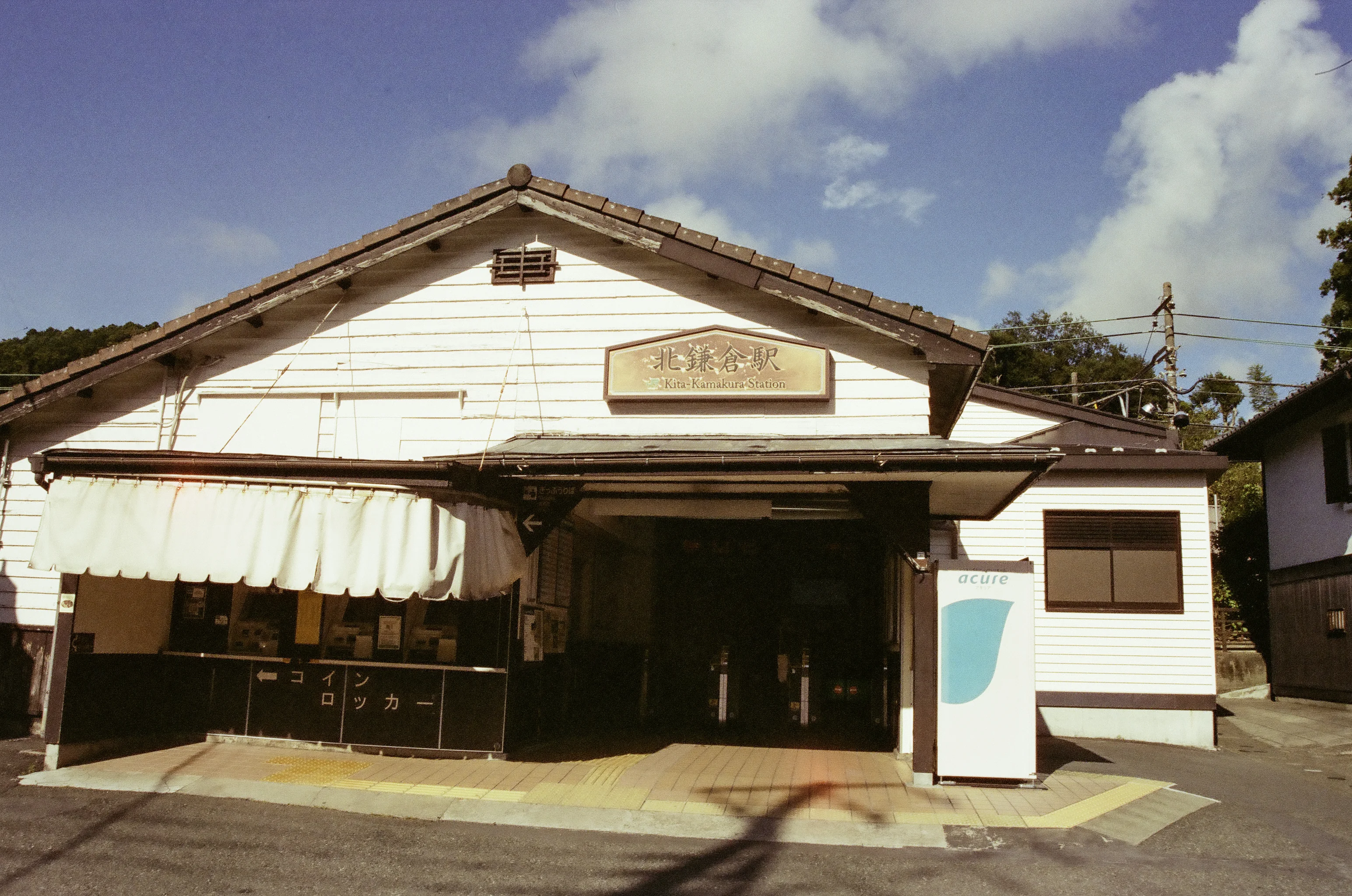
Choose two temples in half a day or four in a full day from JR Kita-Kamakura Station. Compare opening hours, admission by school level, photography rules and extra walks at Engakuji, Tokeiji, Jochiji and Kenchoji. Adjust for afternoon arrivals, rain and energy, then plan the return from Kenchoji.
Check your direction before leaving Kita-Kamakura Station
Kita-Kamakura and Kamakura are different stations. Alight at Kita-Kamakura to start this four-temple route directly. From Kamakura, you need another JR ride, a bus toward Kenchoji or a longer walk along city streets. Enter “北鎌倉駅” as your destination rather than the wider Kamakura area, so you do not have to rearrange the first temple after getting off.
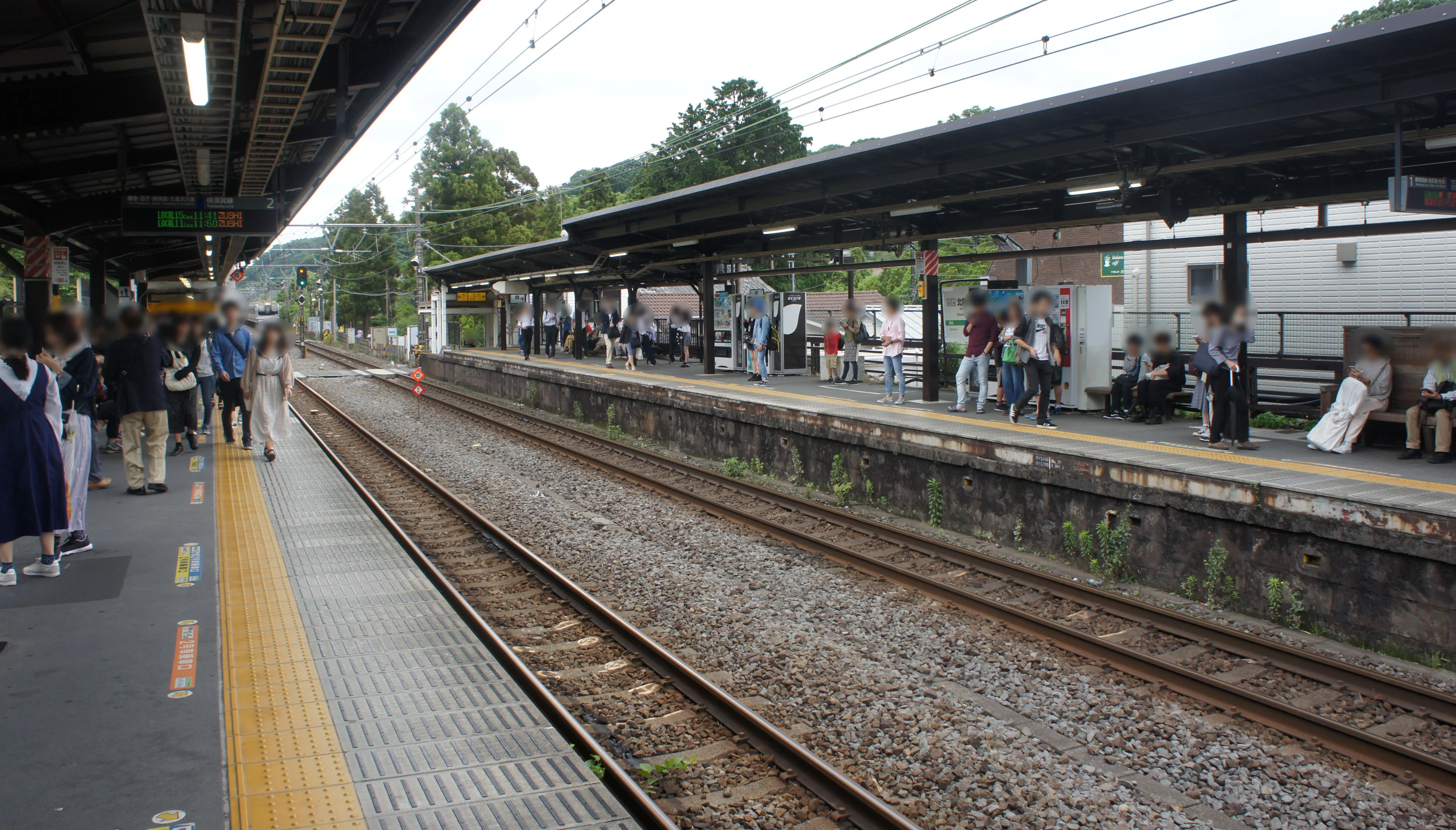
Engakuji's official access page names Kita-Kamakura Station on the JR Yokosuka Line and gives a transfer at Ofuna from the Tokaido or Shonan-Shinjuku Line. Check your train's destination and stops. If it does not stop at Kita-Kamakura, change at Ofuna to a Yokosuka Line train toward Kita-Kamakura. The word “Shonan” alone does not confirm the stop. You do not need an Enoden rail pass for this walk: the main travel is JR, walking and an optional return bus.
On arrival, read the station signs and exits, then locate your first temple. Engakuji is on one side of the tracks; identify the walking directions to Tokeiji and Jochiji separately. The platforms also have their own access routes. If companions arrive on different trains, choose a precise meeting point outside and name the temple you are heading to. “Kita-Kamakura Station exit” can leave people waiting in different places. Once outside, do not re-enter the paid area just to cross the railway.
The one-, four-, eight- and 15-minute figures in the table are each temple's official estimates from the station to its entrance. They help compare proximity to the station. Do not add them for a complete walk or subtract them to calculate distances between temples. Navigate to the actual entrances that day and allow for crossings, roads and queues. Check maps in a safe place rather than stopping in a narrow passage. If it is already raining, switch to the two-temple version early.
A half day near the station: Engakuji and Tokeiji
For a morning arrival, start at Engakuji when it opens at 08:30, walk to your chosen turnaround point, then visit Tokeiji after 09:00. This uses the early time at Engakuji while Tokeiji opens. If arriving after lunch, check how long remains before 16:00. Put Tokeiji first if it is a priority, then give the remaining time to Engakuji. In winter, Engakuji also stops admission at 16:00. An afternoon pair needs particular care with walking back and leaving the station.
Start with Engakuji's main buildings without climbing every extension. See the Sanmon gate and Butsuden area, then follow on-site guidance if going farther. Use Tokeiji's 16:00 closing time to set your turnaround. Planning the great bell, Butsunichian, every goshuin counter and a teahouse from the outset puts several separate activities inside one temple visit. If these matter to you, make Engakuji the main half-day visit and keep Tokeiji flexible.
You do not need photography to fill time at Tokeiji. Pay respects to the principal image, make an offering and walk the open paths, observing plants and the grounds. Putting your phone away is part of the visit. Compared with Engakuji's long grounds, this is a place to slow down and let companions regroup naturally. Add the treasure museum's closed days to your calendar if you want to visit it. If it is closed, separate temple worship from museum admission.
The easiest part to adjust is what happens after the second temple. If you still have energy, eat or have a drink outside the station. To continue into central Kamakura, return to Kita-Kamakura Station and take JR, then choose the next destination. Adding all four temples, Hasedera, the Great Buddha and Enoshima in one day creates several extra journeys and divides temple time too thinly. For the coast and Enoshima, see Tokyo side trips and overnight choices. A separate day makes dinner and the return easier to fit.
Engakuji: the entrance is close, but choose a turnaround inside
Engakuji is a one-minute walk from Kita-Kamakura Station, making it a convenient first stop. That minute only reaches the entrance. Beyond ticketing, the Sanmon, Butsuden, deeper subtemples and path to the great bell each require walking, and slopes and steps affect pace. With older adults or a stroller, see the buildings near the entrance first and decide when more stairs begin. “Closest to the station” does not mean the least walking throughout.
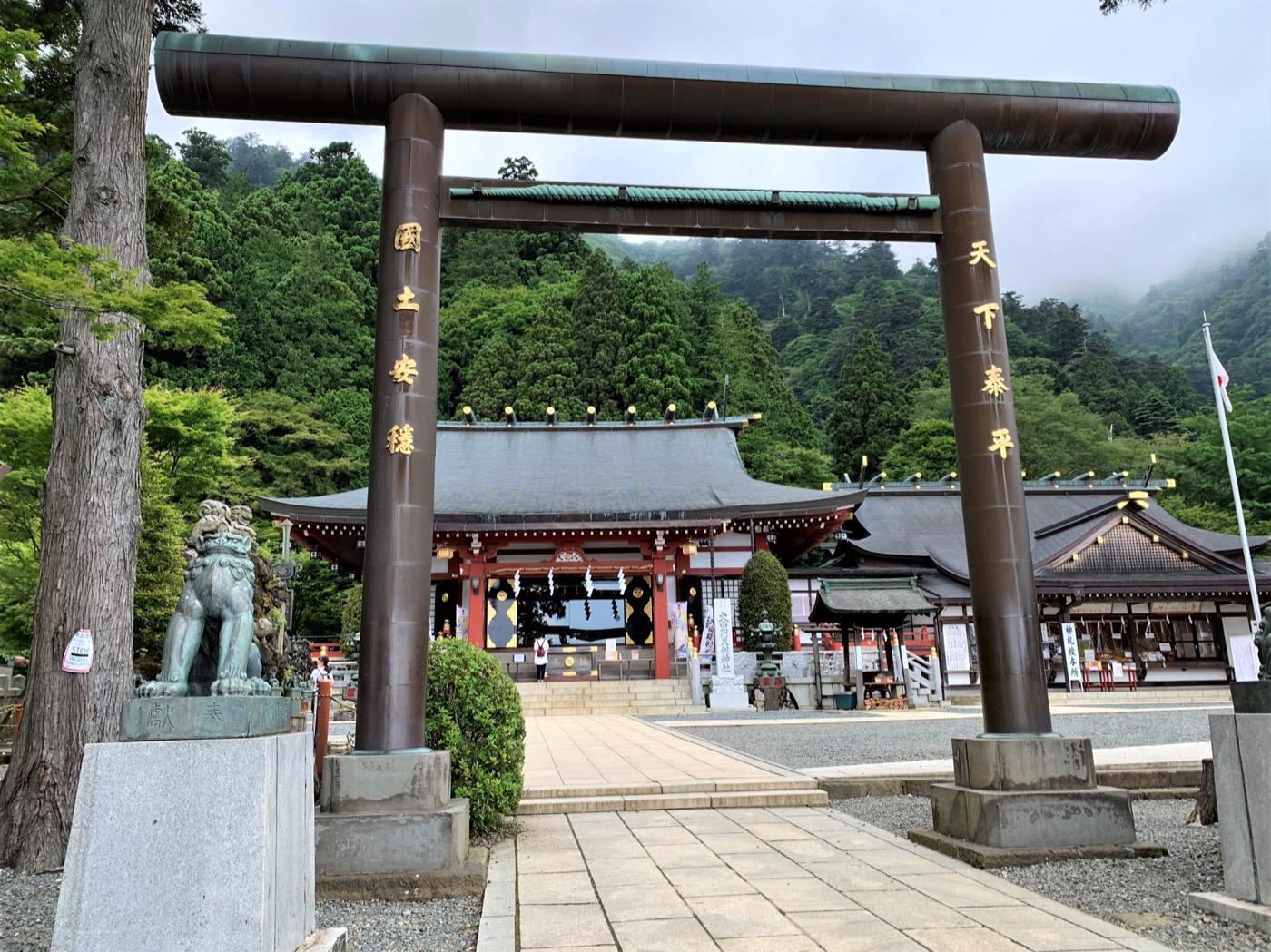
The official grounds guide describes buildings rising along the valley from the Sanmon and Butsuden to the Hojo. For a first visit, use these three as your main sequence. At the Sanmon, look at the gate and open areas; the Eleven-headed Kannon, Twelve Heavenly Generals and Sixteen Arhats upstairs are usually closed to visitors. At the Butsuden, pay respects to the crowned Shaka Nyorai and look for the white dragon ceiling painting. Continue to the Hojo if energy allows, with a juniper in front and the Shinji-ike garden behind. For a short walk, turn back among the main buildings and decide separately on the great bell route.
Engakuji separates last admission from departure. March–November admission is 08:30–16:30, with departure by 17:00. December–February admission is 08:30–16:00, with departure by 16:30. Check both when arriving in the afternoon. Reaching admission at 16:25 in March–November leaves little time inside, so do not add distant extensions. After 16:00 in winter, choose an outside walk and the return instead. The 16:30 departure deadline is not a ticket sales time.
Admission is ¥500 for high school students and older, and ¥200 for elementary and junior high school students. Two adults pay ¥1,000. If also visiting Kenchoji, keep both admission budgets separate from lunch, especially because Kenchoji explicitly requires cash for all payments. Engakuji also lists free entry for disability certificate holders and one caregiver; show the relevant document if eligible. For general family budgeting, use school level rather than applying one “child” fare to every age.
Personal photography must avoid prohibited areas and not obstruct worshippers. Tripods and monopods are banned. Do not lean on trees, pillars or stakes to take photographs. The temple also prohibits commercial photography and video filming without permission. Prepare for these rules before arrival so you can focus on the visit. Put the camera away when people are passing and leave the route clear, rather than waiting for a completely empty scene.
Engakuji’s video released in 2020 introduces its National Treasure Shariden. Learn about the building, then compare the temple’s grounds map to locate it relative to the Sanmon, Butsuden and Hojo.
Fit seasons, goshuin and the teahouse into the route
Engakuji's official FAQ gives typical seasons as late March–mid-April for cherry blossoms, early–late June for hydrangeas and mid-November–mid-December for autumn leaves. Use these ranges to choose a season, then spend time according to what is actually in bloom. Take particular care around late November and early December: foliage season continues, but December brings the earlier winter admission cutoff. A trip crossing the month changes Engakuji's last admission by half an hour.
Engakuji has different goshuin counters: the shop near admission, Bentendo beside the great bell, and Butsunichian, which contains Hojo Tokimune's mausoleum. Each offers a different goshuin. First choose where you want to worship, then include goshuin along that route. Visiting all three adds walking and waiting. A two-temple half day can become an Engakuji-focused half day instead. Agree on a safe meeting point that does not block others if companions are not collecting goshuin.
The official hours for Benten Chaya are 09:00 until one hour before temple closing, with summer and winter closures. If using it as a rest stop, check temple closure notices and actual operation that day, while retaining time to eat outside. Engakuji bans boxed meals in the grounds and halls, including rest areas. Use rest areas for drinks. Eat takeaway meals outside before entering.
Tokeiji: put the camera away and finish by 16:00
Tokeiji is four minutes on foot from Kita-Kamakura Station and open for worship 09:00–16:00. There is no admission fee. Pay respects to the principal image and make an offering, budgeting the offering as you choose. Visit because you want to see the temple or change pace between larger complexes. Free admission is not a reason to add it to an already full afternoon.
Ordinary visitors may not take photographs anywhere in the grounds, using either phones or cameras. The notice was published in 2022 and remains linked from the current official homepage. Plan around that rule. Remind companions before entering if they tend to reach for a phone whenever they see flowers. Finish navigation outside and put phones away during worship. Write down memories of the plants or space after leaving rather than seeking an exception for travel photographs.
The treasure museum and shop close on the first and third Tuesdays of each month. Read this separately from temple visiting hours of 09:00–16:00. If your aim is worship and walking through the grounds, a “Tuesday closure” does not require removing the entire temple. If you want the collection, check which Tuesday your date falls on. When sharing research with friends, name the facility that closes rather than marking the whole temple closed.
The current official homepage has news about construction of a new Sanmon gate. Navigate by temple name and address, then follow current entrance signs. Do not expect the gate view to match old travel photos exactly. If companions use older images to find their way, meet at a clear point outside so you do not linger at the entrance seeking the same composition. Completing navigation and meeting up before entry also makes the photography ban easier to follow.
Jochiji: budget the current ¥300 admission
Jochiji is eight minutes on foot from Kita-Kamakura Station and open 09:00–16:30. Admission is ¥300 for adults and ¥100 for junior high school students and younger. A multilingual audio guide costs another ¥500. If an older travel account quotes ¥200 adult admission, use the temple's current ¥300 price for this trip. One adult choosing the guide pays ¥800 for admission and guide. For two adults, calculate the number of guides actually selected.
Of the four, Jochiji works well as a decision point after the morning. Finish Engakuji and Tokeiji, then add it if you still have the energy to look closely. If the morning has taken longer, eat lunch and go directly to Kenchoji. This is more useful than discovering at Kenchoji's gate that you are tired, because the last temple has a larger main complex and optional extensions. To give Jochiji a full visit, replace Tokeiji with it and keep the half day to two temples.
The outer gate bears the words “the treasure is close at hand.” The stone steps to the bell-tower gate form an important part of the entrance route. The gate also serves as a bell tower and has a katomado window with a curved upper frame upstairs. Continue to the Donge-den for worship. From left to right, the three Buddhas are Amida, Shaka and Miroku, representing past, present and future. The Shoin has a thatched roof, and the grounds also contain a Hotei figure. If you enjoy architectural details, connect these in a short temple route. Omitting one temple leaves more time here. Water from the Kanro well is not drinkable; use your own drinking water.
Jochiji prohibits entry beyond bamboo-and-stone boundaries or fences. Do not occupy paths, grounds tables and benches, or walking areas for long periods while taking photographs. Before entering, agree with children to stay on open paths, avoid running and keep out of planted areas. If one person stops for photos, others should wait where they do not block the way and let worshippers pass. Share seats during rests too.
Request goshuin at the counter after paying respects to the principal image. The temple describes it as proof of worship. If collecting at all four temples, consider whether you want to devote much of the day to it. If your aim is walking and architecture, choose one rather than adding a task to complete at every temple. Jochiji may suspend visits because of weather or other conditions. In heavy rain, read the temple's information that day. If already at the entrance, follow the actual opening status and return to the station or take transport as needed.
Kenchoji: separate the main complex from the Hansobo extension
Kenchoji is about 15 minutes on foot from Kita-Kamakura Station, or about five minutes on an Enoden bus toward Kamakura Station, alighting at Kenchoji. It opens 08:30–16:30. Admission is ¥500 for high school students and older and ¥200 for elementary and junior high school students. All payments are in cash. On a four-temple day, keep admission cash and return fares separate. A balance on your phone will not solve a cash shortage at the entrance.
For the main route, follow the official sequence through Somon, Sanmon, Butsuden, Hatto and Hojo, also looking near the Karamon gate. The temple asks visitors to worship the principal Jizo Bosatsu at the Butsuden first. At the Hatto, look for the principal Thousand-armed Kannon and ceiling dragon painted by Koizumi Junsaku. The Hojo is used for ceremonies, zazen and training; follow that day's open route. This axis helps first-time visitors locate themselves. Check photography restrictions and keep routes clear. Tripods and monopods are banned; commercial photographs and video require advance application.
The official grounds map also lists Hansobo and several subtemples. You do not need every one on a first visit. Complete the main route from Somon to the Hojo area, then assess time for going deeper. Treat Hansobo as a separate extension. Turn back after the main complex if companions are tired or afternoon light is fading. Keeping the decision for the day prevents rushing past the main buildings to reach a distant target.
Wheelchair users can reach the area in front of the Karamon. The grounds have an accessible restroom and a limited number of loan wheelchairs. Use this published area to plan the visit, meeting point and departure time. If others go farther, agree to meet near the Somon so a caregiver does not have to follow a sudden route change. Allow time to ask about facilities and borrow and return a wheelchair. Bring personal mobility aids according to your needs.
Some places at Kenchoji are closed to entry. Follow on-site signs; paying admission still requires keeping within open areas. The goshuin counter is on the left after passing the Somon. The temple says you can leave your goshuin book after admission and collect it on the way out. If following this process, hand it in first, see the main complex and collect it before leaving. Include this in return timing so you do not remember the book only when ready to board the bus.
Use closing times to shorten an afternoon visit
Tokeiji makes the first difference in the afternoon: it closes at 16:00, before the two temples closing at 16:30. Engakuji varies by season. In winter, admission ends at 16:00 and visitors leave by 16:30; in other months, admission ends at 16:30 and visitors leave by 17:00. Put “last entry” and “must leave” in separate schedule columns. This prevents discovering in the last half hour that you have been reading the wrong time.
For a planning example with a 13:00 arrival after lunch, choose Engakuji and Tokeiji, or Tokeiji and Kenchoji, and give the afternoon to those two. Insisting on all four sharply cuts time inside and leaves little room for goshuin, tea or Hansobo as well. Choose one temple you will not omit and a second in the same direction. Leave the rest for another visit. This is easy to follow while walking.
If arriving after 15:00, visit just one temple. Engakuji's entrance is close, suitable if admission is still open and you want its main route. Go directly to Tokeiji if that is your choice and finish by 16:00. For Kenchoji, include the walk to its entrance. Fit navigation, ticketing and leaving within the remaining open time.
If Engakuji has taken the whole morning, do not shorten lunch to preserve the original four-temple order. Check the time over food. If keeping Tokeiji, visit it first, then choose Jochiji or Kenchoji. If Kenchoji is the priority, go straight there after lunch and leave smaller temples for next time. Lunch gives companions a chance to state their energy and preferences rather than struggle to keep following the group.
Count the end of the itinerary from leaving the temple. Collecting a goshuin book, using the restroom and walking to a bus stop or station all come after worship. Put these before the train time if aiming for a specific service. Navigation can estimate travel outside, but allow for walking back and queues inside yourself. The most useful flexibility on the four-temple route is the last stop. Leaving a little earlier usually makes the return easier than staying until closing.
After Kenchoji, return to Kita-Kamakura or continue to Kamakura Station
If Kenchoji is the last of all four temples, there are two clear endings. Return to Kita-Kamakura Station if heading back toward Tokyo or Yokohama without more central Kamakura sightseeing. Take a bus toward Kamakura Station if eating nearby or starting the next part of the day there. Decide on the station first, then walking or bus, rather than studying the next service only at the nearest stop.
Kenchoji lists about 30 minutes on foot or 10 minutes by bus from Kamakura Station. From Kita-Kamakura, it lists about 15 minutes on foot or five minutes by bus. Add waiting and road conditions for buses. For walking, consider how much energy companions have after the full temple visit. Do not estimate only from their fresh morning pace.
For Kamakura Station, find pole 2 at Kenchoji and check the 鎌倉駅 direction. Pole 1 serves the Ofuna and Kami-Ooka direction; check the specific service's stops if returning to Kita-Kamakura. Use Enoden Bus's official planner for your date. Save the direction and day type before departure, then compare notices at the stop and the vehicle's destination display. If a bus arrives across the road first, do not cross suddenly to chase it. Use a safe route to the correct stop.
In rain, or with older adults and strollers, shorten extra walks first
In rain, first reduce how deeply you explore. At Engakuji, choose the entrance-to-main-buildings route; at Kenchoji, choose the main complex. Leave the great bell and Hansobo for suitable weather and energy. Wear shoes with grip for slopes and steps. Choose rain gear that leaves a hand free for rails. Put wet umbrellas away as instructed before entering buildings, keeping points and drips clear of others. If walking slows, omit a temple and keep lunch as planned.
For an older companion concerned about knees, do not decide temple numbers by age alone. Use how they feel after the first temple to choose the second. Someone who walks far on flat ground may still find repeated stairs difficult. If already tired at the entrance, limit the main temple to the buildings they most want to see. When splitting inside, state the meeting point and time and keep phones for contact. Faster walkers should not disappear deeper into the grounds and leave the others waiting.
With a stroller, separate reaching the station from moving inside temples. Identify station exits and destinations on either side of the tracks first. Turn back at slopes and steps according to what you can pass safely. If a child needs to get out and walk, have one adult focus on them. Leave large bags at your accommodation before bringing a stroller and a small day bag. This is easier than carrying cases throughout. Use storage outside the station only according to facilities actually available on arrival.
For wheelchair users, start with Kenchoji's published access as far as the front of the Karamon, and include return travel and wheelchair collection and return time. At other temples, check passable routes that day before going deeper and keep the option to turn back together. The four-temple main route can use city streets. You do not need hiking trails to save a few minutes. Leave the trails toward Tenen or Kuzuharaoka for another day with suitable equipment and trail information.
Temples may suspend visits in heavy rain or strong wind. Engakuji and Jochiji both list weather-related conditions. Read their latest official information before leaving. If already in Kita-Kamakura, choose a short section that remains open and safe, or return to the station. If shoes and socks are soaked and walking becomes unsteady, prioritize returning to your accommodation to change. The remaining temples can wait for another visit.
Do not squeeze lunch, water and goshuin in just before closing
For a full day, plan lunch outside the temples after the morning, or eat before starting an afternoon half day. Engakuji bans boxed meals in the grounds and halls, including rest areas, and asks visitors to use rest areas for drinks. Find a suitable place outside for takeaway food. Do not eat in the entrance queue. Finish and pack away wrappers before the next temple so the group can follow the same pace.
Without a restaurant reservation, set aside a lunch period and choose an open place with seats outside the station. If places are full, discuss an acceptable wait before deciding whether to omit the next temple. Put meals before temple count for companions with fixed appetites, dietary needs or children's mealtimes. Eating on time usually makes the afternoon easier.
Prepare water before entry and follow each temple's drinking rules when resting. Jochiji asks visitors not to occupy tables and benches for long periods. Take brief turns and leave room for the next group. If someone needs longer, find somewhere outside to stay and let the others decide whether to rest together or visit one fewer temple.
Goshuin can be a separate interest, without collecting at all four. Engakuji has three different counters, Kenchoji allows books to be left on entry and collected on departure, and Jochiji asks visitors to worship first. Choose one or two that fit your worship route. If goshuin is the day's focus, reduce temples or extra walking so waiting fits naturally. Do not leave all collections until the end and rush back to admission.
Calculate admission by adult, high school and younger school levels
For all four temples, one high school student or older traveler pays ¥500 at Engakuji, ¥300 at Jochiji and ¥500 at Kenchoji: ¥1,300 in total. Tokeiji has no admission fee; budget an offering as you choose. Two high school students or older travelers pay ¥2,600. This covers basic entry only. Add the JR, bus, food, goshuin and audio guides you actually intend to use.
An elementary or junior high school student pays ¥200 at Engakuji, ¥100 at Jochiji and ¥200 at Kenchoji: ¥500 total. Basic entry for two adults and one elementary student is ¥3,100, or ¥3,600 for two adults and two elementary or junior high students. High school students pay adult rates at Engakuji and Kenchoji, while Jochiji's ¥100 category is junior high and younger. Budget ¥1,300 for a high school student rather than treating all students as half-price children.
For Engakuji and Tokeiji only, basic admission is ¥500 per high-school-or-older traveler and ¥200 per elementary or junior high student. Tokeiji and Jochiji cost ¥300 per adult and ¥100 per elementary or junior high student. Jochiji and Kenchoji cost ¥800 and ¥300 respectively. Choose the temples you most want first, then calculate admission. This is easier than rushing around to complete all four. Family members with different energy levels can visit different numbers and meet at lunch or the return stop.
List guides, tea and goshuin separately. Jochiji's audio guide is ¥500, making ¥800 at that temple for an adult using it. Kenchoji's goshuin counter lists each goshuin at ¥500; calculate your actual choices. Without those services, keep the basic-entry budget and save the money for transport and lunch. Kenchoji requires cash for all payments. Prepare enough before leaving and organize coins and notes for quick payment when your turn comes.
| Route | High school and older / person | Elementary and junior high / person |
|---|---|---|
| Engakuji + Tokeiji | ¥500 | ¥200 |
| Tokeiji + Kenchoji | ¥500 | ¥200 |
| Jochiji + Kenchoji | ¥800 | ¥300 |
| All four temples | ¥1,300 | ¥500 |
A few useful answers
Can I visit all four Kita-Kamakura temples in half a day?
Choose two for a half day: Engakuji and Tokeiji near the station, or Tokeiji or Jochiji with Kenchoji for its large complex. Allow a day for all four, eat outside and choose the deeper Engakuji areas and Hansobo according to energy.
Can I photograph flowers with my phone at Tokeiji?
Ordinary visitors may not take photographs in the grounds, using either phones or cameras. Worship the principal image, make an offering and follow open paths. Complete navigation and meeting up before entry.
Is Tokeiji closed every Tuesday?
The official closure is for the treasure museum and shop on the first and third Tuesdays each month. Temple visiting hours are 09:00–16:00. Choose a date outside museum closures if you want the collection, and plan worship and museum entry separately.
What is admission for two adults visiting all four?
Engakuji costs ¥500 each, Jochiji ¥300 and Kenchoji ¥500: ¥2,600 in basic admission for two adults. Tokeiji has no admission fee; prepare an offering as you choose. Transport, food, goshuin and guides are extra. Kenchoji requires cash for all payments.
Which temple should I visit if arriving at 15:00?
Choose one priority temple. Tokeiji closes at 16:00. Engakuji stops winter admission at 16:00 and visitors leave by 16:30 in December–February; in other months, admission ends at 16:30 and departure is by 17:00. Kenchoji is about 15 minutes from the station on foot, so include that walk before its 16:30 closing.
How do I reach Kamakura Station after Kenchoji?
You can walk; the temple lists about 30 minutes between Kamakura Station and Kenchoji. For Enoden Bus, check the Kamakura Station direction at Kenchoji, officially pole 2. The return toward Kita-Kamakura uses the other direction. Check the service’s stops and destination display that day.
Official information and references
Sources used in this guide.
- Engakuji | Visiting information and access
- Engakuji | Grounds guide
- Engakuji | FAQ: seasons, goshuin, food and photography
- Tokeiji | Visiting hours and admission
- Tokeiji | Ban on photography in the grounds
- Tokeiji | Current news and treasure museum closures
- Jochiji | Visiting, admission and conduct
- Jochiji | Access
- Jochiji | Grounds guide
- Kenchoji | Visiting, access, grounds and goshuin
- Enoden Bus | Official website and timetable search
- Special video opening of the National Treasure Shariden | Engakuji