Planning a 2-day trip to Kirishima Onsen in Kagoshima? Learn how to get from the airport or Kagoshima-Chuo Station to Kirishima-Jingu, Maruo Falls, and the Onsen Market—plus bus passes, driving tips, day-use baths, and where to stay.
- Region & Focus
- Kirishima
- Reading Scope
- 19 min read · 12 chapters · 6 Q&As
- Official Verification
- 33 official sources checkedUpdated November 22, 2026
- Key Topics
- Hot springsItinerariesRail travel
Chapter Route Map (tap any stop)
- Where to Stay: Maruo, Iou-dani, or Near Kirishima-Jingu
- Taking the Direct Bus from Kagoshima Airport
- Taking the JR Train from Kagoshima-Chuo Station
- Driving Tips: Parking Lots and Rental Returns
- Visiting Kirishima-Jingu: Which Torii to Start From
- Maruo Falls and Kirishima Onsen Market: How Long to Spend
- Making the Most of a Half-Board Ryokan Stay
- Day-Use Onsen: Grand Bathhouse or Private Open-Air Bath?
- Sample 2-Day Bus Itinerary from Kagoshima Airport
- One-Day Trip: How to Choose Between the Shrine and Maruo
- Adding Takachiho-gawara on Day Two
- Traveling with Family or on a Rainy Day
- Quick Q&A
For a first trip to Kirishima Onsen, spend one night in Maruo or Iou-dani. Visit Kirishima-Jingu Shrine during the day, head back up the mountain for dinner and a soak at your ryokan, and save the waterfalls or Takachiho-gawara for the next morning. Direct buses run from Kagoshima Airport, while travelers coming from Kagoshima-Chuo Station take the JR train to Kirishimajingu Station and transfer by bus. A day trip works too—just lock in your outbound bus or train time first, then decide between a full bathhouse soak or a quick footbath at the market.
Where to Stay: Maruo, Iou-dani, or Near Kirishima-Jingu
Kirishima City divides its mountain and valley hot springs into several distinct districts. Maruo and Iou-dani both belong to the Kirishima Onsenkyo area, where the city's nine featured hot springs sit at elevations of roughly 600 to 850 meters. Around Kirishima-Jingu Shrine lies the separate Kirishima-Jingu Onsenkyo district, while Myoken and Anraku line the Amori River below. If a booking listing only says "Kirishima," pin its street address on a map alongside your daytime sightseeing stops before reserving.
If you are relying on buses and want easy lunch options on arrival, Maruo—right around the Kirishima Onsen Market—is the simplest base for night one. The market, tourist information center, and bus stops heading toward the shrine, airport, and Takachiho-gawara all cluster around this main intersection. Staying in Iou-dani puts the focus on your ryokan's own bathing halls. When booking there, plan the final stretch from the bus stop to the front desk: Kirishima Hotel, for example, specifies getting off at the Iou-dani stop, where a direct courtesy phone connects you to hotel pickup.
Choose lodging near Kirishima-Jingu if you want an early-morning shrine visit or plan to spend half a day hiking the Shinsui-kyo gorge trail. You won't have to ride a bus in from Maruo first, saving morning light and energy for the shrine approach. Conversely, if you prefer soaking along the Amori River or focusing your itinerary between the airport and Hayato, look at Myoken, Anraku, or Hinatayama. Check river-valley stays alongside mountain bus schedules to decide whether heading up into the hills the next day makes sense.
When saving locations in your map app, store Kirishima-Jingu, Kirishima Onsen Market, and your lodging's exact address separately. Note that Kirishimajingu Station is on the JR Nippo Main Line, whereas Kirishima-Onsen Station is on the Hisatsu Line. Coming from Kagoshima-Chuo Station toward the shrine and Maruo, check trains to Kirishimajingu Station on the Nippo Main Line first. If your hotel confirmation mentions pickup service, reply with your bus or train line, exact arrival stop, arrival time, and party size so any schedule change can be updated on the same pickup request.
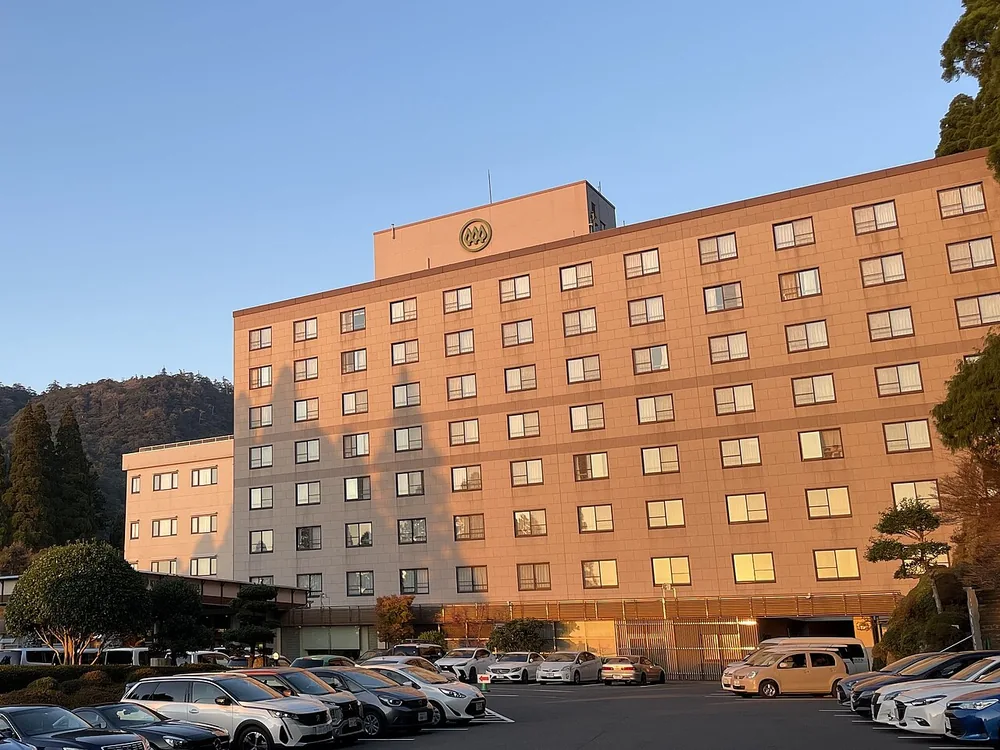
Planning a 2-day trip to Kirishima Onsen in Kagoshima? Learn how to get from the airport or Kagoshima-Chuo Station to Kirishima-Jingu, Maruo Falls, and the Onsen Market—plus bus passes, driving tips, day-use baths, and where to stay.
Taking the Direct Bus from Kagoshima Airport
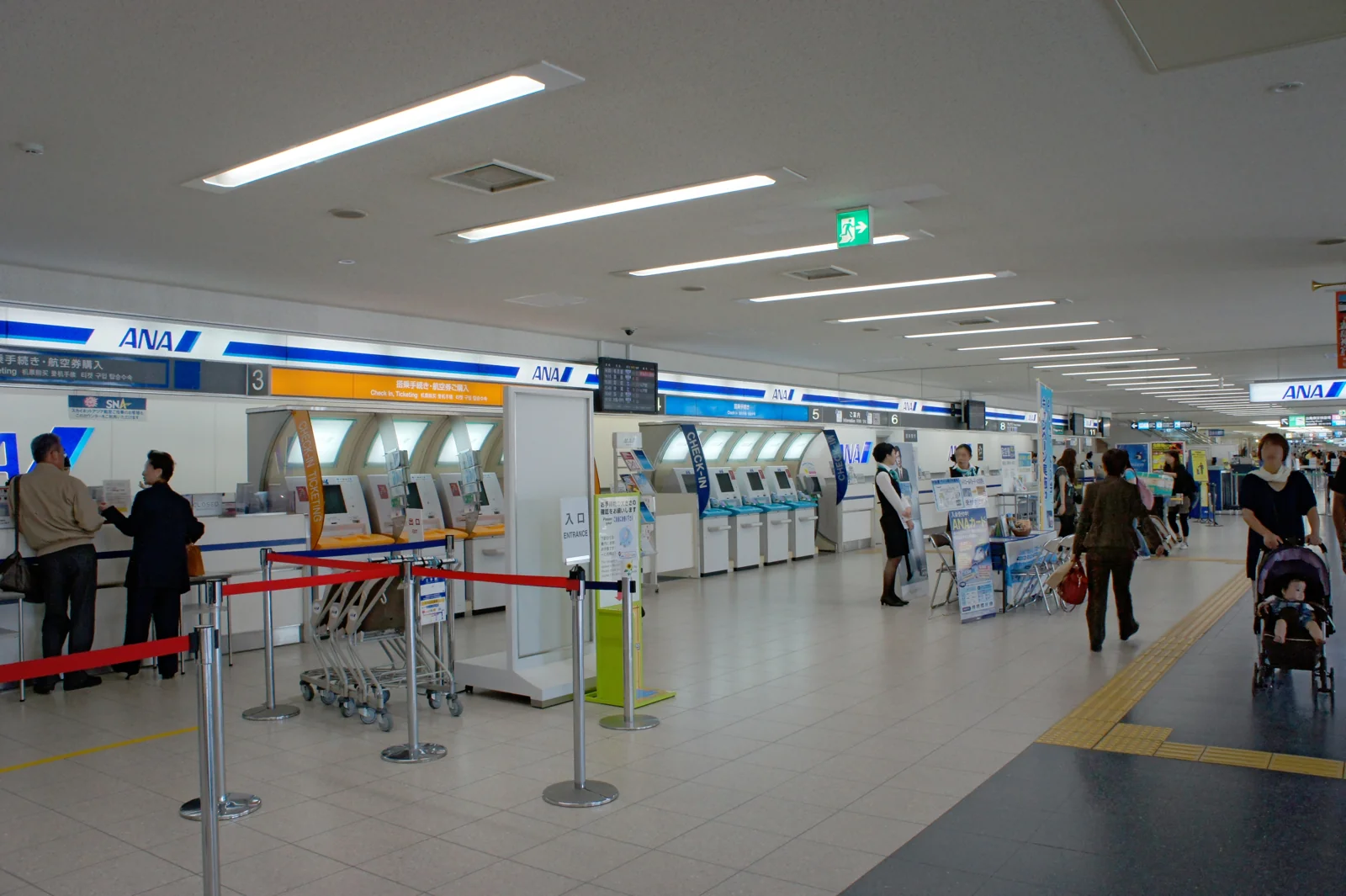
After picking up your luggage at Kagoshima Airport, walk out to Bus Stop 9 and look for the Kirishima-Jingu Access Bus. According to the April 2026 timetable published by Kirishima City, buses depart the airport daily at 9:30 AM, 12:30 PM, and 2:30 PM, with an extra 5:20 PM run on Saturdays, Sundays, and Japanese national holidays. The first three buses reach Maruo Stop 1 at 10:00 AM, 1:00 PM, and 3:00 PM, continuing to Kirishima-Jingu about 15 minutes later. Because outbound buses stop at Maruo before the shrine, guests staying near the market can drop their bags first and catch a later bus from the stop.
This access bus is only valid with the "Kirishima Nottari Oritari My Plan" one-day pass, priced at ¥1,500 for adults (junior high school age and older) and ¥750 for elementary school students. Paper passes are sold onboard the access bus and at designated counters such as the airport bus information desk, but not aboard regular local buses. Paper tickets can only be purchased on the day of travel or the day before. Digital passes are sold through the tabiwa app per city guidelines—open the active ticket screen on your phone when boarding.
The pass covers eligible routes listed by the city, including both the Kirishima-Jingu Access Bus and the Kirishima Mountain Range Loop Bus. For a two-day overnight stay, budget each day separately. On day one, use the pass to ride the access bus from the airport and hop between Maruo and the shrine. On day two, if you are only riding a standard local bus from Maruo back to the airport, compare the single-ride fare first; buy a second day pass only if you plan to ride the access bus or loop buses again.
Check the opposite column of the city timetable for airport-bound buses. The same schedule lists a daily access bus departing Maruo Stop 2 at 4:36 PM and arriving at the airport at 5:06 PM, plus an 8:01 AM departure from Maruo Stop 2 on weekends and Japanese holidays. If your flight leaves too early or doesn't align with those runs, check Kagoshima Kotsu's regular airport line on Kirishima City's transit page or book a taxi in advance. Factor in airline check-in and bag-drop cutoffs before choosing which bus leaves the hot spring town.
Taking the JR Train from Kagoshima-Chuo Station
From downtown Kagoshima, ride the JR Nippo Main Line between Kagoshima-Chuo Station and Kirishimajingu Station via local train or the Kirishima limited express. If you take the limited express, purchase both the base fare ticket and the limited express supplement through the JR reservation page. JR Kyushu's Kirishimajingu Station page lists timetables and booking links; the station has ticket machines, but no staffed ticket counter or coin lockers. If you have large suitcases and want to visit the shrine straight away, store bags in Kagoshima City, ship them to your hotel, or arrange early luggage drop-off with your ryokan—showing up at the station with rolling luggage leaves nowhere to stow it and risks missing your connecting bus up the mountain.
Once your train arrives, transfer to a bus outside the station heading toward Kirishima-Jingu. Standard Kagoshima Kotsu buses run from Kokubu through Kirishimajingu Station and Kirishima-Jingu up to Maruo, often displaying "Kirishima Iwasaki Hotel" as the terminus on headsigns and schedules. Because the same route calls at both the station and the shrine, check the timetable under the exact stop name where you plan to board on the return leg. If you prefer a taxi up to the shrine, pre-book using the operator list on Kirishima City's transit page and agree on a pickup point after your visit—arranging a pickup in advance is far more reliable than trying to hail a cab along the shrine approach when catching a train.
Leave a buffer between train arrival and bus departure. A minor rail delay, buying tickets for companions, or simply taking extra time to step off the platform can turn a tight connection into a long wait for the next bus. On a day trip, note two return train options: a primary train and a backup one in case lunch or a bathhouse queue runs long. If you are connecting to the Shinkansen at Kagoshima-Chuo that evening, aim for a return train that still leaves at least one later backup connection.
If your broader itinerary also includes Sakurajima or sightseeing in Kagoshima City, schedule a full half-day after returning from Kirishima to Kagoshima-Chuo. Anyone with a dinner reservation in the city should work backward from their return train to time departures from the shrine or Maruo. To plan how to split nights across Kagoshima City, Kirishima, and Ibusuki, see choosing where to stay in Kagoshima, Kirishima, and Ibusuki; Ibusuki's sand baths and Kirishima's mountain ryokans sit on separate transit corridors and work much better with at least one night in each.
Driving Tips: Parking Lots and Rental Returns
Driving up from the Kyushu Expressway, follow Kirishima-Jingu's official access directions from the Mizobe-Kagoshima-Kuko IC onto surface roads. Coming from the Miyazaki side, the shrine's website lists routes off the Takaharu IC on the Miyazaki Expressway. Kirishima-Jingu, Maruo Falls, and the Onsen Market all sit along Route 223, so enter each destination's specific parking lot into your GPS. When picking up a rental car near the airport, factor shuttle transfers, paperwork, luggage loading, and child seat installation into your pickup window.
Kirishima-Jingu offers free visitor parking. Check the shrine's official access and grounds maps before arriving—using the upper parking area near the rest house lets you approach the main sanctuary without climbing the long stone staircase. Maruo Falls is a quick roadside stop and is listed as having no dedicated parking on the prefectural tourism page; park at Kirishima Onsen Market and walk over, which also settles your route out afterward. If the market lot is full, Kirishima City lists the nearby Kirishima Onsen Public Parking Lot as an overflow option.
On the day you drive back down to return the car, place your final sightseeing stop along the route toward the rental branch. After picking up souvenirs near the market, head straight to the airport rental office with extra time built in for refueling and the terminal shuttle. Some airport rental counters and return depots are at separate locations, so confirm the exact return address provided by your rental agency. Pack bags the night before—putting passports, documents, and cabin essentials in a separate carry-on makes unloading at the rental lot quick.
In winter, road conditions worsen rapidly as you climb from the hot spring district toward Ebino Plateau and Takachiho-gawara. The Kirishima City Tourism Association flags Prefectural Routes 1, 30, and parts of Route 104 for snow accumulation, black ice, and tire-chain requirements. Tell your rental counter your exact travel dates and mountain routes beforehand so you get appropriate winter equipment. If Kagoshima Prefecture posts road closures, turn back along designated detours or stick to cleared trunk roads; in freezing weather, prioritize outdoor hikes that let you descend before dark.
Visiting Kirishima-Jingu: Which Torii to Start From
To walk the full formal approach (Omotesando), climb the stone stairs behind the vermilion Sacred Bridge (Shinkyo). The shrine's grounds guide notes a steep climb of about 80 steps leading past the second and third torii gates before reaching the vermilion-lacquered sanctuary. Step to the side when taking photos so worshippers can pass down the center. If anyone in your group struggles with long flights of stairs, approach from the upper parking area instead; the Kirishima City Tourist Information Center near the first torii is a convenient spot to pick up maps or meet up.
Kirishima-Jingu enshrines Ninigi-no-Mikoto. According to shrine history, nearby Mount Takachiho is the legendary site of the Heavenly Grandson's descent, and the shrine itself relocated several times due to volcanic eruptions before Shimazu Yoshitaka rebuilt the current sanctuary in 1715. In 2022, the Main Hall (Honden), Offering Hall (Heiden), and Worship Hall (Haiden) were designated National Treasures. Most visitors view the complex from the Worship Hall plaza; to see the dragon pillars and painted panels inside, check the shrine's National Treasure photo page, as interior murals and the Heiden dragon pillars are normally closed to the public.
Entering the shrine grounds is free; the amulet and charm counter opens from 8:00 AM to 5:00 PM, and prayer applications are accepted from 9:00 AM to 4:30 PM. If you only plan to walk the approach and pray, simply time your visit around the bus. Leave extra buffer if you want to pick up omamori charms or wait at the prayer desk. On clear days, walk to the west overlook on the grounds for views across Kagoshima Bay toward Sakurajima—and occasionally Mount Kaimon on crisp mornings. If cloud cover hides the valley, spend that time admiring the detailed woodwork around the sanctuary.
If you have sturdy shoes and an extra hour, start the Shinsui-kyo trail from the tourist information center beside the first torii. Kirishima City's trail guide lists the roughly 1.8-kilometer walk as a scenic route past the Kirishima River gorge and columnar-jointed rock faces. Factor in the walk between the information center and the main shrine area, and turn around in time for your bus. Stone steps and gorge paths slow down significantly after rain, so if you are pressed for time or traveling with tired companions, stay around the main shrine and information center instead.
Maruo Falls and Kirishima Onsen Market: How Long to Spend
Just off Route 223, Maruo Falls drops about 23 meters across a 16-meter width, fed by thermal waters from Einoo and Iou-dani upstream. Kagoshima Prefecture's tourism page puts the walk from the Maruo bus stop at roughly 10 minutes. Budget about 30 minutes for the round-trip walk, viewing, and photos. In spring and autumn, frame a wide shot of the falls with surrounding foliage from the viewing deck before switching to a telephoto lens for the cascade itself; stay strictly behind the safety barrier, as the mountain highway runs right outside the overlook.
On cold winter days with the right wind, steam rises visibly off the waterfall mist. Kirishima City notes that the falls are illuminated from sunset until 9:30 PM. If you only have a short stretch of daylight left before dinner at your ryokan, visit the falls then and walk back to the market for snacks or supplies. If you go after dark, walk with companions and plan your ride back to the hotel; if you are traveling with kids, rolling luggage, or facing poor visibility, stick to a brief daytime stop.
For just the waterfall, walk out and back from the market area. The longer Maruo Nature Trail also takes in Nunobiki Falls and exposed bedrock riverbeds, with the city listing 1 to 1.5 hours for the full loop and an open-air rock bath trailhead near the Iou-dani stop. However, Kirishima City's forest trail notices indicate that sections of the nature trail are closed due to landslides—check the trail map and stick to open segments. If you only have an hour between buses at the market, skip the loop and just see Maruo Falls.
Kirishima Onsen Market sits steps from the Maruo bus stops. Its official site lists general hours of 8:30 AM to 6:00 PM, though individual eateries and shops keep their own schedules. Outside in the courtyard, geothermal steam cooks eggs and vegetables right next to a paid footbath. Per Kagoshima Prefecture's tourism listing, the footbath runs 9:00 AM to 5:00 PM for ¥100 (adults) and ¥50 (elementary school age and under), with towels available to rent. The second-floor Onsen Tourist Information Center is open 9:00 AM to 5:00 PM and closes on Tuesdays (or Wednesday if Tuesday is a national holiday). If you arrive on a Tuesday, pick up snacks at the market and ask any bus questions at your departure-side information desk.
Slot the market into lunchtime or a bus transfer window. Forty to sixty minutes gives you enough time to try steamed treats, soak your feet, and browse souvenirs. If you need a sit-down meal before the next bus, check restaurant wait times as soon as you arrive before shopping. If you plan to bring home Kirishima tea, black vinegar, or packaged foods, keep shelf life and baggage weight in mind and pack glass bottles separately from easily crushed snacks.
Making the Most of a Half-Board Ryokan Stay
To actually enjoy an unhurried soak, check your booking confirmation for three deadlines: latest check-in, latest dinner seating, and hotel shuttle or bus arrival. Dinner sets the real cutoff for the day. Bus riders should work backward from check-in or dinner, adding walking time from the bus stop to the lobby. Drivers should place their final afternoon stop along the road leading to the property. Checking in around 4:00 PM gives you time for a pre-dinner soak when the baths are often quietest.
On Japanese booking sites, "sudomari" means room-only, "choshoku-tsuki" includes breakfast, and "ippaku-nishoku" covers both dinner and breakfast. If anyone in your group is vegan, has food allergies, or needs a kids' meal, message the property with those dietary requirements before selecting a meal plan and wait for confirmation. When your ryokan sits up a mountain road away from the market, dining out late requires extra transit, making an in-house dinner plan far simpler than hunting for an open restaurant at night.
If your family wants to bathe together, search before booking for a private reservable bath ("kashikiri-buro" or "kashikiri rotenburo"), checking time-slot lengths, extra fees, and how many stairs lie between your room and the bath. Multi-generational groups can book one slot before dinner, leaving plenty of time to change back into yukata and stroll to the dining room. If you splurge on an in-room bath instead, verify whether the listing specifies natural hot spring water ("onsen") or standard tap water, and note the bathroom layout, washing area, and indoor/outdoor setup.
Ryokan baths often close briefly during the day for cleaning. At Kirishima Hotel's Iou-dani Garden Grand Bath, for instance, overnight guests typically have access from 5:00 AM to 9:00 AM and 11:00 AM to midnight. Separate men's and women's zones sit alongside a central free zone that is mixed-gender by default, with a women-only period from 8:00 PM to 9:30 PM. To sample different mineral waters, follow the on-site map to the sulfur-spring Red Pine Bath, the alum-spring Hinoki Cypress Bath, and the iron-rich Golden Bath, observing posted rules in each area. Day-trip bathers are restricted to daytime hours, keeping evenings quieter for overnight guests.
Day-Use Onsen: Grand Bathhouse or Private Open-Air Bath?
Kirishima Hotel accepts walk-in day bathers right at the front desk during posted hours from 11:00 AM to 5:00 PM. Regular admission is ¥1,200 for adults and ¥600 for ages 3 to 12, rising to ¥1,500 for adults and ¥750 for ages 3 to 12 during New Year's, Golden Week, and Obon. Small hand towels are loaned free, while large bath towels cost extra. Because the main Garden Grand Bath closes on Wednesdays for maintenance, Wednesday day visitors only have access to the smaller Tono-yu and Hime-yu baths—plan another day of the week at midday if you want to see the 25-meter-long standing bath. The hotel also notes that entry may close early on busy Sundays and holidays, so on weekends, bathe first and eat lunch in Maruo afterward.
At Ryokojin Sanso, the day-use grand bath takes registrations from 12:00 PM with last entry at 3:00 PM, costing ¥600 for adults and ¥300 for elementary school students. For a private outdoor soak, 50-minute day-use reservable open-air baths are booked on-site between 11:00 AM and 2:00 PM for ¥1,200 (adults) and ¥600 (elementary school students); overnight guests receive one complimentary 45-minute private session per room per night by advance reservation. Travelers with mobility needs can look at the "Shishi no Yu" bath, which the property marks as barrier-free, and confirm the step-free path from the driveway to the bathhouse when booking.
Compare like with like when budgeting time for a soak. A footbath at the market fits neatly into a bus wait, whereas a full bath requires time to undress, wash, soak, and cool down afterward. If you are making a special trip for a private bath and can only wait for one time slot, put it right in the middle of your itinerary and schedule lunch around it. Anyone driving mountain roads afterward should sit in the lounge, drink water, and wait until everyone feels steady before heading out.
In public bathhouses, wash thoroughly at the shower stations before entering the tub, and keep your small towel out of the water—rest it on the pool edge or hold it in your hand per posted signs. If you plan to soak in the afternoon before catching an airport bus, subtract the walk from the bathhouse back to the bus stop first. With only 30 minutes left before departure, head to the market for packaged snacks or the footbath instead, and anchor your countdown to the bus departure time rather than the bathhouse's closing hour.
Sample 2-Day Bus Itinerary from Kagoshima Airport
This schedule works if you reach Kagoshima Airport by morning and stay in Maruo on night one. On day one, catch the 9:30 AM access bus from airport Stop 9, arriving at Maruo Stop 1 at 10:00 AM. Drop your bags at your hotel, walk out to Maruo Falls, and browse the market for lunch. Board the 1:00 PM access bus from Maruo Stop 1 to reach Kirishima-Jingu at 1:15 PM. Spend the afternoon visiting the shrine and strolling near the information center, then take the 4:21 PM airport-bound access bus back to Maruo Stop 2 at 4:36 PM—all covered by one day pass.
Notice that Maruo uses numbered stops for opposite directions: Stop 1 serves morning arrivals from the airport and midday buses toward the shrine, while Stop 2 serves buses returning from the shrine. Save screenshots of both outbound and return timetables showing the destination headsign, stop number, and preceding stops. If you stay in Iou-dani on night one instead, arrange your hotel transfer from Maruo before leaving the shrine, or ride a standard local bus directly to your ryokan earlier in the afternoon. Let your lodging know which bus you are taking so your final pickup lines up with dinner.
If you are heading into Kagoshima City on day two, have tea at the market or pick up last-minute souvenirs after breakfast, then ride a regular local bus to Kirishimajingu Station or Kokubu Station to catch a JR train. If you already explored the market on day one, do the reverse: check out early, tackle any short nearby sights before grabbing your bags, and save just the final bus ride for luggage. Dining in Tenmonkan that evening? Keep your city afternoon and dinner in the same neighborhood so catching a slightly later train won't derail your night.
If your trip ends back at Kagoshima Airport on day two, later flights connect with the daily 4:36 PM access bus from Maruo Stop 2, while earlier departures can take a standard airport-route local bus. Buying a second one-day pass also works if you want another morning on the mountain loop buses. For early morning flights, either pre-arrange direct transit from your ryokan to the terminal or place Kirishima at the start of your trip and sleep near the airport or city on your final night.
One-Day Trip: How to Choose Between the Shrine and Maruo
For a round-trip bus day from Kagoshima Airport, follow a Maruo–Kirishima-Jingu–Airport loop. Leaving the airport at 12:30 PM puts you in Maruo at 1:00 PM with roughly two hours for the market and waterfall. Catch the 3:00 PM bus from Maruo Stop 1 to reach Kirishima-Jingu at 3:15 PM, explore the shrine grounds, and board the 4:21 PM return bus straight to the airport. If a full hot spring soak matters more than the shrine, arrive earlier in the morning and swap Kirishima-Jingu for a day-use bathhouse—at Iou-dani, for example, align your arrival and departure buses with Kirishima Hotel's daytime entry window.
On a day trip from Kagoshima City, budget for two JR train legs on top of the buses. Arrive at Kirishimajingu Station in the morning to visit the shrine first, then ride up to Maruo around noon for the waterfall and lunch. If you have dinner reservations back in the city, set Kirishimajingu Station or Kokubu Station as your final bus stop and work backward from the train timetable. When bus waits are long, sticking to just the shrine and the market still shows off two distinct sides of Kirishima while skipping the waterfall walk gives kids and older travelers a relaxed sit-down lunch.
Driving makes it much easier to squeeze a day-use bath into a single day. If you visit on a Wednesday and find Kirishima Hotel's main Garden Grand Bath closed, either shift your day or pick another verified smaller bathhouse. To try Ryokojin Sanso's private open-air bath, drive there first to claim a time slot, then fill the wait with lunch and the market instead of driving back and forth twice around cutoff times. If festivals, roadwork, or full parking lots slow you down, skip extra detours and drive straight from the shrine to your bathhouse.
Save Sakurajima for a separate day rather than cramming it onto the same day as Kirishima. Sakurajima involves a ferry crossing and island transit, while Kirishima already requires coordinating trains and mountain buses—trying to do both leaves barely enough time to look around at either stop. If you only have half a day total, a straight station-to-shrine-to-station trip is the safest bet; drivers looking only for a half-day soak can likewise stay around Maruo, rotating between the market footbath, the waterfall, and lunch.
Adding Takachiho-gawara on Day Two
Takachiho-gawara is both the trailhead for Mount Takachiho and the historic former site of Kirishima-Jingu Shrine. Even if you aren't hiking to the summit, the visitor center and open boardwalks around the old shrine grounds make a rewarding mountain stop. The Takachiho-gawara Visitor Center is free to enter from 9:00 AM to 5:00 PM (closed Mondays, or the following day if Monday is a holiday), with paid parking for drivers. Sitting at roughly 970 meters elevation, the center exhibits Kirishima's geology and cultural history; explore the outdoor grounds while visibility is clear and step inside if wind or rain picks up.
The Kirishima Mountain Range Loop Bus climbs from Maruo Stop 1 to Takachiho-gawara. City timetables list departures at 8:30 AM, 10:30 AM, and 12:30 PM, arriving at 9:29 AM, 11:29 AM, and 1:29 PM respectively. Return buses leave Takachiho-gawara at 1:29 PM and 3:30 PM, reaching Maruo Stop 2 at 2:02 PM and 4:26 PM. Taking the 10:30 AM bus up and the 1:29 PM bus down gives plenty of time for the old shrine site and visitor center exhibits. Reach the return stop early with restroom and walking time built in—missing the 3:30 PM bus leaves you without scheduled bus service.
If you plan to summit Mount Takachiho, treat it as a proper mountain hike with generous allowances for steep ascents, rests, and the descent. Bus riders must factor in the 3:30 PM final bus, so never attempt the summit off an afternoon arrival. Kirishima City's mountain page lists trailheads and open routes. When checking the Japan Meteorological Agency's Shinmoedake volcanic bulletin on November 22, 2026, Eruption Alert Level 2 was in effect, requiring caution within roughly 2 kilometers of the crater. Always follow current municipal closure maps on the trail and turn back immediately at any closed junction.
In your map app, search specifically for "Takachiho-gawara Visitor Center" so you don't end up at two similarly named places: "Takachiho Farm" is a family-friendly ranch at the foot of the Kirishima mountains in Miyakonojo, Miyazaki Prefecture, while "Takachiho Gorge"—famous for rowboats—lies far to the north in Takachiho Town, Miyazaki Prefecture and requires its own separate trip. Saving all three locations with their full distinct names prevents navigation mix-ups between the trailhead, the dairy farm, and the gorge.
Traveling with Family or on a Rainy Day
Older travelers, toddlers, and faster walkers can split up briefly at Kirishima-Jingu and reunite near the worshippers' rest house. Anyone comfortable with stairs can climb the main stone approach, while others enter via the upper parking area closer to the sanctuary. Avoid stacking staircases, gorges, and waterfalls all before lunch—sit down to eat while tables are open. At Maruo, walkers can hike out to the falls from the market while anyone resting enjoys the footbath and shops, agreeing on a meetup time at the bus stop beforehand so nobody has to coordinate by phone.
In light rain, trim your Kirishima-Jingu visit to the upper parking area, sanctuary, and rest house, skipping the steep steps and river gorge. When fog rolls over the mountain, overnight guests can check in early and enjoy a longer afternoon soak before dinner. Drivers with extra time after descending can stop by the Uenohara Jomon no Mori exhibition hall in Kokubu, open 9:00 AM to 5:00 PM (last entry 4:30 PM), generally closed Mondays (or the next day after a holiday), with year-end and maintenance dates posted on the park calendar.
To see wild Miyama-kirishima azaleas in early summer, dedicate a separate half-day to the visitor center and open mountain slopes. In autumn, check Kirishima City's fall foliage report by specific zone—Maruo, Kirishima-Jingu, and the Onami Pond trailhead are tracked separately, with Maruo typically peaking around mid-November, though color varies widely by elevation on the same day. When pulling over for foliage photos, use designated parking areas and walk along the shoulder rather than blocking narrow mountain roads.
Temperatures drop noticeably on the mountain compared to the lowlands, so keep an extra jacket within reach on the bus or in the car. Pack rain gear, spare socks, and a small towel in a separate pouch so everyone can dry off and put on fresh socks after the market footbath. Bring extra water and snacks up to Takachiho-gawara—especially if arriving before the visitor center opens or on a closed Monday—and stock up at the market as a group before heading up the mountain.
A few useful answers
Can I get directly from Kagoshima Airport to Kirishima-Jingu and Kirishima Onsen?
Yes. The Kirishima-Jingu Access Bus departs from airport Bus Stop 9 and stops in order at Maruo Stop 1, Kirishima-Jingu, and Kirishimajingu Station. You must ride using the Kirishima Nottari Oritari My Plan one-day bus pass, which can be purchased onboard.
What is the difference between Kirishimajingu Station, Kirishima-Jingu, and Kirishima-Onsen Station?
From Kagoshima-Chuo Station, take a JR Nippo Main Line train to Kirishimajingu Station, then transfer to a bus bound for Kirishima-Jingu Shrine or Maruo. Kirishima-Jingu on the map is the shrine itself, while Kirishima-Onsen Station is a separate station on the JR Hisatsu Line.
Are Maruo Falls and Kirishima Onsen Market easy to visit on foot?
Yes. Kagoshima Prefecture's tourism guide lists the walk from the Maruo bus stop to Maruo Falls at about 10 minutes. The market sits right in Maruo, making it easy to park or hop off the bus, walk out to the falls and back, and then eat or use the footbath at the market.
Which area in Kirishima is best to stay in if I'm using buses?
First-time visitors without a car do best staying near the Maruo bus stops, which offer direct connections to the shrine, airport, and Takachiho-gawara. If you book a ryokan in Iou-dani or another quiet valley, note your nearest bus stop, hotel shuttle details, and dinner cutoff time together on your itinerary.
Are there ways to avoid the steep stairs on Kirishima-Jingu's main approach for older travelers?
The formal approach behind the Sacred Bridge climbs roughly 80 stone steps. Anyone avoiding stairs can enter near the upper visitor parking lot and rest house closer to the main sanctuary and meet companions who walked up the steps at the top.
Can I reserve a private day-use onsen bath in Kirishima Onsen ahead of time?
It depends on the property. Ryokojin Sanso handles day-use private open-air bath bookings on-site at the front desk the same day, with last registration at 2:00 PM, while overnight guests can reserve one complimentary 45-minute private session per room per night in advance.
Official information and references
Sources used in this guide.
- Kirishima City: Hot Spring Areas and Locations
- Kagoshima Airport: Bus Stop Locations
- Kirishima City: Kirishima-Jingu Access Bus Timetable, Stop Map, and Fares
- Kirishima City: Bus One-Day Pass Routes and Purchase Guide
- Kirishima City: Local Buses, Taxis, and City Transit Information
- JR Kyushu: Kirishimajingu Station Timetable and Facilities
- Kirishima-Jingu: Access, Charm Counter, and Prayer Reception Hours
- Kagoshima Prefecture: Kirishima-Jingu Parking and Accessibility Information
- Kirishima-Jingu: History, Enshrined Deity, and Sanctuary Reconstruction
- Kirishima-Jingu: Precincts Map and Public Viewing Areas
- Kirishima-Jingu: National Treasure Designation and Sanctuary Photos
- Kagoshima Prefectural Tourism: Maruo Falls Access and Visitor Guide
- Kirishima City: Maruo Falls and Night Illumination Hours
- Kirishima City: Walking Trails Guide (Maruo Nature Trail and Shinsui-kyo)
- Kirishima City: Forest Trail Map and Maruo Nature Trail Closure Notices
- Kirishima Onsen Market: Hours and Tenant Directory
- Kagoshima Prefectural Tourism: Kirishima Onsen Market and Footbath Fees
- Kirishima City: Tourist Information Center Locations and Closing Days
- Kirishima Hotel: Access and Iou-dani Bus Stop Shuttle Service
- Kirishima Hotel: Iou-dani Garden Grand Bath Hours and Bathing Zones
- Kirishima Hotel: Day-Use Bath Hours and Admission Fees
- Ryokojin Sanso: Grand Bath, Private Open-Air Baths, and Reservations
- Ryokojin Sanso: Child Rates and Stay FAQ
- Kirishima City: Mount Takachiho and Hiking Trail Restrictions
- Takachiho-gawara Visitor Center: Hours and Visitor Information
- Kirishima City: Kirishima Mountain Range Loop Bus Timetable
- Japan Meteorological Agency: Shinmoedake Volcanic Activity and Alert Status
- Miyakonojo City: Takachiho Farm Location and Facilities
- Takachiho Town Tourism Association: Takachiho Gorge Guide
- Kirishima City Tourism Association: Winter Mountain Road Conditions
- Kagoshima Prefecture: Road Closures and Traffic Information Portal
- Kagoshima Prefecture: Uenohara Jomon no Mori Opening Hours and Admission
- Kirishima City: Autumn Foliage Status and Typical Peak Dates