How to visit Yamashiro, Yamanaka, and Katayamazu by bus from Kaga Onsen Station. Includes Soyu and Kosoyu bathhouse fares, the three-bridge Kakusenkei Gorge walk, Lake Shibayamagata, and transfer timing.
- Region & Focus
- ChubuItineraries
- Reading Scope
- 23 min read · 10 chapters · 5 Q&As
- Official Verification
- 26 official sources checkedUpdated November 22, 2026
- Key Topics
- Hot springsItinerariesChubu & Hokuriku
Chapter Route Map (tap any stop)
- The Rail Hub Sits Outside All Three Towns
- Stash Large Bags Along Your Return Route
- Start at Yunogawa in Yamashiro
- Kosoyu vs. Soyu: Which Ticket to Buy
- Choosing Your Entry Bridge at Kakusenkei Gorge
- Kawadoko Tea Deck, Kikunoyu, and Yamanaka's Lacquerware Street
- Lake Shibayamagata First, Then Katayamazu Soyu
- Sequencing a Two-Day, One-Night Trip
- Deciding Whether the CANBUS Loop Makes Sense
- Half-Day Options: Pick One District by Interest
- Quick Q&A
For a first trip to Kaga Onsen, spend one night in Yamashiro. On Day 1 afternoon, explore Yunogawa to see Kosoyu and soak in the public bathhouses, then head to Yamanaka the next morning for Kakusenkei Gorge. If you want to add Lake Shibayamagata in the afternoon, ride the bus back from Yamanaka to Kaga Onsen Station, transfer to Katayamazu for a lakeside stroll, and finish at Soyu. With an early departure, Yamashiro and Yamanaka alone will easily fill two days. Because the three hot spring towns sit in separate valleys, you still have a bus ride after stepping off the Shinkansen, and transferring between Yamanaka and Katayamazu requires factoring in wait times and luggage storage.
The Rail Hub Sits Outside All Three Towns
Kaga Onsen Station is strictly a rail transfer hub. Both the Hokuriku Shinkansen and the local IR Ishikawa Railway stop here, so check arrival times from Kanazawa on both lines before booking. The Shinkansen takes about 15 to 18 minutes from Kanazawa, compared with roughly 45 minutes on an IR Ishikawa Railway local train. Match your train ticket to the first connecting bus out of the station: if two consecutive trains feed into the same Yamashiro departure, taking the earlier train buys time to stash bags or grab lunch, while the later one cuts your platform wait.
Step out the South Exit (labeled Onsen Chuo-guchi) and turn left for the Hokutetsu Kaga Bus stops. Platform 1 serves the Onsen Katayamazu Line bound for Lake Shibayamagata, while Platform 2 runs the Onsen Yamanaka Line via Yamashiro and onward to Yamanaka. Check each line's timetable separately, treating Kaga Onsen Station as your hub when moving between Yamanaka and Katayamazu. Ryokan shuttles follow a different pickup system: Kaga City tourism maps designate Stop 5 in front of the South Exit shopping center as the ryokan shuttle bay, so look for your inn's sign or driver based on your booking confirmation.
By local bus, the ride takes about 13 minutes to Yamashiro Onsen, just over 30 minutes to Yamanaka Onsen Bus Terminal, and 12 minutes to Katayamazu Soyu-mae. Following Hokutetsu Kaga Bus's February 2026 fare revision, one-way adult fares from Kaga Onsen Station are ¥290 to Yamashiro Onsen or Katayamazu Soyu-mae, ¥470 to Yamanaka Onsen Bus Terminal or Kikunoyu-mae, and ¥510 to Korogi-bashi at the upstream head of Kakusenkei Gorge. Which stop you pick shapes your walk: to hike Yamanaka's gorge downstream from the top, board a bus signed for Kayano; buses terminating at Yamanaka Onsen Bus Terminal work better if you start from the town center.
Both routes accept cash or supported contactless credit cards, but Suica, PASMO, and ICOCA IC cards do not work onboard. When paying cash, pull a numbered paper ticket from the dispenser as you board, match that number to the illuminated fare board at the front when exiting, and drop the ticket plus exact fare into the farebox. Because nearby stops often differ only by a suffix like Higashi-guchi (East Exit) or -mae (in front), save screenshots of both your outbound and return Japanese stop names on your phone. On horizontal timetables, read across from your boarding stop to your destination—a blank cell means that departure skips the stop, with weekday, holiday, and school-break notes listed at the top of each column. Official Kaga City Tourism Route Bus Timetables and Fares

How to visit Yamashiro, Yamanaka, and Katayamazu by bus from Kaga Onsen Station. Includes Soyu and Kosoyu bathhouse fares, the three-bridge Kakusenkei Gorge walk, Lake Shibayamagata, and transfer timing.
Stash Large Bags Along Your Return Route
The easiest logistical mistake on a Yamashiro overnight followed by Yamanaka and Katayamazu is misplacing your suitcase. If you leave large bags at a Yamashiro ryokan while hiking Kakusenkei Gorge, you have to backtrack into town to retrieve them before catching a bus back to Kaga Onsen Station—lining up two tight bus connections around hotel pickup gets tedious fast. Day-trippers starting at the station should lock bags there right away. Overnight guests in Yamashiro can either book luggage delivery straight back to the station or ride back to drop bags at the station before heading up to Yamanaka. That second option adds one quick round-trip and makes the most sense if a ryokan shuttle covers one leg. Into the gorge itself, bring only water, rain gear, a small hand towel for drying your feet, and grippy shoes.
Kaga Onsen Station has coin lockers inside the Yunomachi Kaga concourse, with additional luggage storage options at the neighboring Abio City Kaga shopping center. If you plan to ship bags from your ryokan back to the station the next morning, confirm whether your inn participates in Kaga City's Kaga Tebura de GO service when booking. Outbound bags must be dropped off at Takanokura inside the station between 10:00 and 13:00 for delivery to partner inns; return bags are handed over at your ryokan front desk before 11:00. Because outbound and return cutoff windows differ, check when your bag becomes available for pickup at the station before locking in your return train. Travelers leaving Kaga before midday are better off bringing luggage on their first morning bus instead of waiting for delivery.
If you start walking from Yamanaka Onsen Bus Terminal and plan to loop back to the same stop, check the coin lockers at Yamanakaza next to Kikunoyu. Using Yamanakaza as a base lets anyone skipping the gorge browse town shops while hikers tackle the river trail, then meet back in one place. Just remember that leaving bags at Yamanakaza means walking back from the far end of the gorge—if you hike one-way from wooden Korogi-bashi down to Kurotani-bashi, decide where you want lunch and which stop you will board from before choosing a locker. Kaga City Baggage Delivery and Storage Options
Start at Yunogawa in Yamashiro
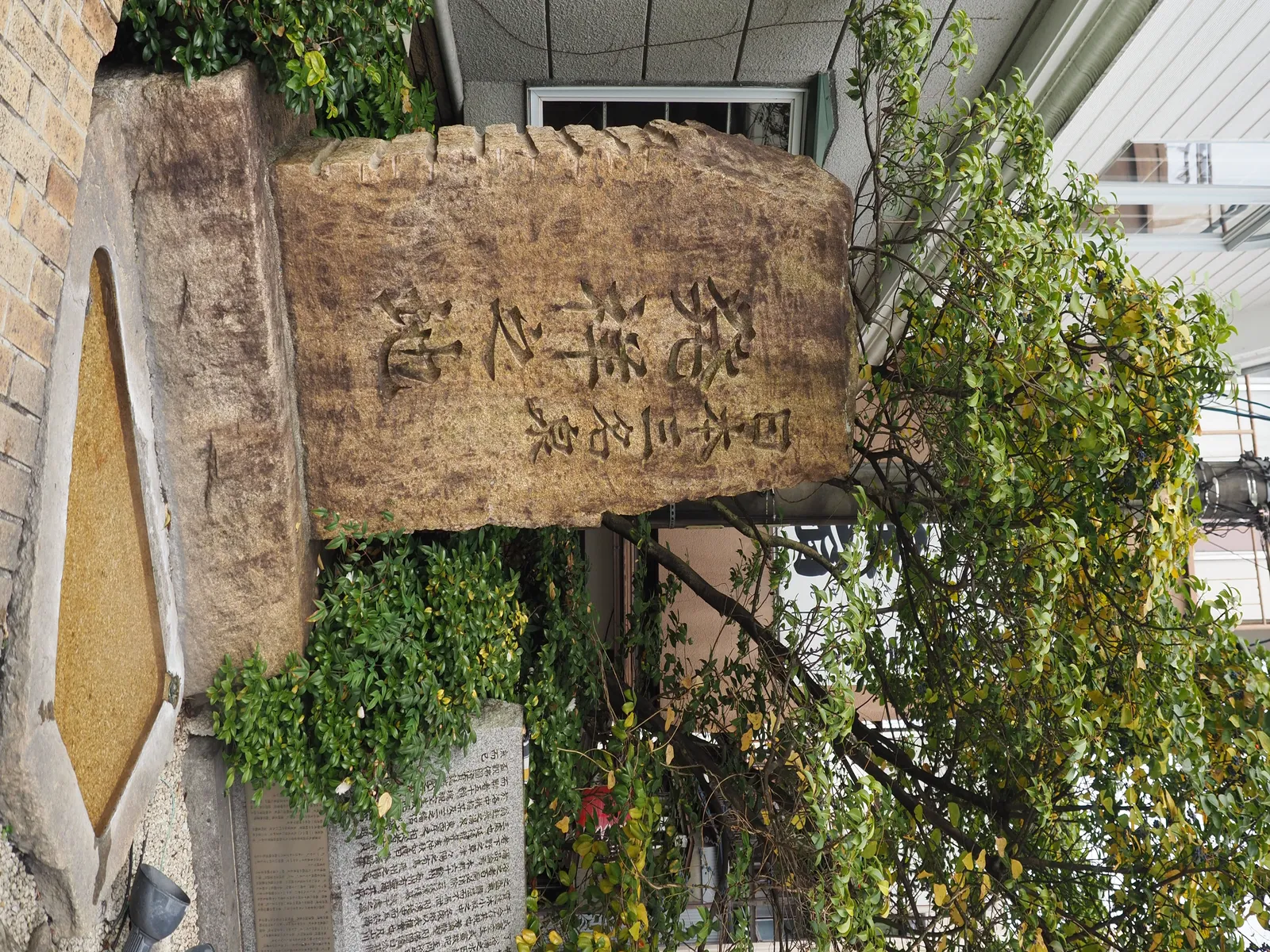
Step off at the Yamashiro Onsen bus stop and head toward the center of town for Kosoyu. Its timber facade and second-story windowed gallery front the main square, with the modern Soyu bathhouse steps away. This historic central ring is known locally as Yunogawa; walking its perimeter shows how the ryokans and shops still radiate around the communal springs. Today's Soyu entrance reuses the historic gate of the former Yoshinoya ryokan, while Kosoyu across the street is a faithful reconstruction of a Meiji-era public bathhouse. You can admire both facades from the street before deciding where to soak, or bathe to compare Soyu's salvaged architectural details with Kosoyu's period interior.
Continue to Gensen Park, where a three-legged crow statue stands in the middle of the footbath—a nod to Yatagarasu, the mythical crow linked to Yamashiro's discovery, and a handy landmark on town maps. If you only have half an hour in town, look over Kosoyu's exterior and stop at the footbath before catching your bus, packing a small towel to dry off. Eat takeaway snacks elsewhere, as food, drinks, and pets are prohibited inside the Yamashiro Gensen Footbath Park. For a proper break between baths or a spot to wait while travel companions soak, head to Hazuchio Gakudo right inside Yunogawa.
With bags stowed and daylight left, walk from Yunogawa over to Iroha Soan, the former retreat of artist and gastronome Kitaoji Rosanjin. Originally an annex of the Yoshinoya ryokan, the house is where a young Rosanjin lived while carving wooden signboards for local inns and merchants; visitors can step inside his workshop, study, and converted earthen storehouse gallery. After admiring the Kutani ware tiles inside Kosoyu, this quiet residence gives context to the region's ceramics and signboard craft. Prioritize Iroha Soan if you enjoy historic homes, or put the farther-out Kutaniyaki Kiln Exhibition Hall earlier in your Yamashiro arrival if you want to see how the porcelain is fired.
The Kutaniyaki Kiln Exhibition Hall sits near the Yamashiro Higashi-guchi bus stop. Getting off there first lets you tour the kilns before walking light into Yunogawa for the bathhouses and your ryokan check-in. The grounds preserve a climbing kiln built in 1940 alongside an old folk residence and workshop. Plan separate time blocks if you want to add a reserved pottery painting or wheel-throwing session on top of the permanent exhibits, then use Soyu's late evening hours for your soak afterward. Note the closure rhythm across town: the kiln hall closes Tuesdays (opening on national holidays), Iroha Soan generally closes Wednesdays, and both Yamashiro bathhouses open late at noon on the fourth Wednesday of the month—on that morning, tour the kiln hall first and save Yunogawa for after lunch.
Kosoyu vs. Soyu: Which Ticket to Buy
Kosoyu preserves traditional Meiji-era soaking, known as yuami, with no faucets, showers, soap, or shampoo—bathers scoop hot spring water from the tub with wooden buckets to rinse off before stepping in. Plan to shower at your ryokan beforehand or visit the modern Soyu first to wash up. Inside Kosoyu, take your time with the restored Kutani ware floor and wall tiles and the filtered light through the stained-glass windows, then cool down in the second-floor tatami lounge. If you visit both bathhouses on the same afternoon, bring a small waterproof pouch for wet towels so you can comfortably browse Yunogawa's latticed storefronts and stop for tea in between.
Single-entry adult admission is ¥700 at Kosoyu and ¥500 at Yamashiro Soyu, while a combination ticket covering one visit to each costs ¥1,000—saving ¥200 over buying separately. Under child and combo fare revisions introduced by Kaga City on April 1, 2026, the combination ticket costs ¥280 for ages 6 through 11 and ¥140 for ages 3 through 5, matching Kosoyu's single-entry child rates. At Yamashiro Soyu alone, single-entry tickets are ¥150 for ages 6 through 11 and ¥70 for ages 3 through 5; children under 3 enter both free. Adults planning to try both baths should buy the combo ticket, families with young kids can pay per bath, and travelers short on time need only a single Soyu ticket.
Modern Soyu includes seated washing stations, though toiletries are not provided free inside—travel-size soap and shampoo packets and small towels are sold at the counter, and large bath towels are available to rent. If you arrive before check-in without supplies, prefer a proper seated wash, or want to scrub off sunscreen after walking all day, start at Soyu. If you only have time for Kosoyu, still climb up to the second-floor rest area for an elevated view over Yunogawa's rooftops, which makes the neighborhood layout far clearer than peering up from the street. Before dinner, pick just one bathhouse so you leave plenty of time to walk back and change at your ryokan.
Yamashiro Soyu is generally open daily from 6:00 to 22:00, while Kosoyu runs 6:00 to 22:00 from March through November and shifts to 7:00 to 21:00 from December through February. Both bathhouses close on the morning of the fourth Wednesday of every month and open at noon instead. That monthly maintenance window catches overnight guests off guard when they plan an after-breakfast soak before catching the bus to Yamanaka—if your departure falls on the fourth Wednesday, move your Yamashiro bath to the afternoon you arrive. Yamashiro Onsen Tourism Association Soyu and Kosoyu Info
Choosing Your Entry Bridge at Kakusenkei Gorge
On any Kakusenkei Gorge map, orient yourself by the three bridges spanning the Daishoji River: Korogi-bashi upstream, Ayatori-hashi in the middle, and Kurotani-bashi downstream. The riverside footpath connecting the first bridge to the last measures roughly 1.3 km. Tourism association trail maps estimate about 20 minutes of walking from Korogi-bashi to Ayatori-hashi and another 15 minutes from Ayatori-hashi down to Kurotani-bashi. Those estimates cover steady walking only—pausing on the spans, climbing back up to street level, or stopping at the riverside tea deck all take extra time, so budget around an hour for the full three-bridge walk before heading to the bus terminal, Yamanakaza, or lunch.
Ride a bus signed for Kayano and get off at Korogi-bashi to start on the all-hinoki cypress bridge, whose fourth-generation span was completed in 2019. Gaze down into the gorge from the deck before descending to the boulder-lined water, and look back once you reach the riverbank for a clear side view of the timber arch. Downstream, the crimson-purple S-shaped Ayatori-hashi pedestrian bridge—designed by Sogetsu ikebana master Hiroshi Teshigahara—sits close to main-street shops and Yamanakaza, making it an easy exit point if anyone in your group tires early. Continue to Kurotani-bashi at the far end for its stone arch and deeper emerald pool; nearby sits Bashodo, a small shrine honoring poet Matsuo Basho that is separate from the Basho-no-Kan museum in town.
If your bus only goes as far as Yamanaka Onsen Bus Terminal, simply walk the gorge in reverse. Cut down to Kurotani-bashi from town, hike upstream to Ayatori-hashi, and decide there whether to climb back up for lunch or push onward to Korogi-bashi. For a shorter sampler that mixes town streets and gorge views, stay on street level to Ayatori-hashi, cross the S-shaped span to look over the river, and loop back to the main road. Because the gorge trail includes stone steps and slick rock, travelers with strollers or knee concerns can stay on street level and meet hikers at Yamanakaza or the street-side entrance to Ayatori-hashi—far easier landmarks than unmarked trail junctions down by the water.
Guests staying overnight in Yamanaka get both early morning and late afternoon light in the gorge. Check from the bridge decks which bank catches the sun before climbing down with a camera, saving energy for the stairs back up. During autumn foliage season, do not leave the bridges until the last minute before a ryokan dinner—entering the gorge mid-afternoon and exiting from the downstream side keeps the return walk manageable. In heavy rain, high water, snow, or ice, stick to street level and detour around any closed trailheads; you can still enjoy snowy gorge views safely from the bridge decks and roadside overlooks without stepping onto slick riverbank paths.
Kawadoko Tea Deck, Kikunoyu, and Yamanaka's Lacquerware Street
Tucked below Ayatori-hashi, the Kakusenkei Kawadoko is a seasonal riverside tea platform operating through November 30 in 2026. In November, hours run 10:00 to 15:00 with last orders 15 minutes before closing, alongside irregular holidays; the deck shuts down during rain or high water and closes for winter starting in December. Seating is walk-in only with no reservations. If you have your heart set on the kawadoko-exclusive sweets, decide as you reach Ayatori-hashi—if the wait runs long, climb back up to town for lunch instead. Standard seating includes roasted Kaga bocha tea, with a set upgrade adding sweets, and guests staying at member inns of the Yamanaka Onsen Ryokan Association can check for discounted admission.
Yamanaka's public bathhouse, Kikunoyu, occupies two separate buildings: Kikunoyu Daiichi houses the men's bath with its famously deep soaking tub, while the women's bath adjoins Yamanakaza next door. Agree on a meeting spot outside before splitting up, using Yamanakaza's lobby on chilly days. Adult admission is ¥500, and the baths close on the second and fourth Tuesdays of each month (shifting to Wednesday if a national holiday falls on Tuesday). If you arrive on a closure day, walk the historic street, have lunch, and bathe back at your hotel instead; overnight guests at Yamanaka Onsen Ryokan Association member inns can ask their front desk about external bath perks, while day-trippers should budget the standard ¥500 adult ticket.
You can step inside Yamanakaza without bathing to admire its lacquer craft—look up at the gold-dusted maki-e coffered ceiling and notice the lacquered columns and walls. With extra time, wander down Yuge Kaido to browse lacquerware shops selling everyday wooden bowls, sake cups, and small plates. Yamanaka woodturners shape raw timber on a spinning lathe using vertical-grain cutting (tateki-dori), aligned with how the tree grew so the natural wood grain stands out crisply. Craft enthusiasts should add a stop at Yamanaka Urushi-za, the traditional lacquerware industry hall showcasing production steps and finished pieces; if shopping and craft galleries are your priority, give Yamanaka your lunch break and main shopping budget, leaving just a quick shoreline walk for Katayamazu.
Even if river conditions close the gorge trail, Yamanakaza and the town shops easily fill half a day. Basho-no-Kan—housed in a mid-Meiji inn with Basho manuscripts, a garden, and Yamanaka lacquerware exhibits—pairs well with either a morning stroll or an after-lunch stop (closed Wednesdays, open on national holidays). Farther upstream toward Korogi-bashi sits Kaga Iryoku-en along the upper end of Yuge Kaido. Pick one of the two to explore unhurriedly rather than rushing both unless you have time to spare. In wet snow, walk the flat street from Yamanakaza to Basho-no-Kan, or ride a bus all the way to Korogi-bashi and start near Kaga Iryoku-en, saving the steep gorge stairs for dry weather.
Lake Shibayamagata First, Then Katayamazu Soyu
Get off at Katayamazu Soyu-mae and the glass-walled bathhouse and lakeshore open up right in front of you. Designed by architect Yoshio Taniguchi, Katayamazu Soyu splits into two baths: Kata-no-Yu faces Lake Shibayamagata through tall glass windows, while Mori-no-Yu looks out onto surrounding trees. The bathhouse alternates genders by calendar date—on odd-numbered dates Kata-no-Yu is the women's bath and Mori-no-Yu is the men's, reversing on even-numbered dates (meaning the 31st followed by the 1st gives two odd days in a row). If everyone in your group wants the lake view on the same day, take a walk along the waterfront plaza together before stepping inside to your assigned bath.
Adult entry at Katayamazu Soyu is ¥500, open 6:00 to 22:00 aside from occasional maintenance closures. The lakeside promenade starts right outside the front doors. In clear weather, Lake Shibayamagata frames Mount Hakusan in the distance, while even under low clouds the water and shoreline stay scenic up close. Follow the path through Yumoto Park and cross the floating bridge out to Ukimido Pavilion—dedicated to Benzaiten and the Dragon God of local legend—where turning around gives you a sweeping view back across the hot spring town skyline. When winds pick up or spray wets the planks, admire Ukimido from the shelter of Yumoto Park instead of walking the floating bridge.
To keep walking light, use Soyu-mae as both your arrival and departure stop. Returning from the lakeshore into town, stop by Ashi-no-Yu Engawa in Sunabashiri Park, a covered footbath ideal for resting tired feet while waiting for companions to finish soaking at Soyu. Saving the footbath for the end of your walk makes time management much easier than sitting down right off the bus, especially when you are aiming for one specific return departure. Pack a windbreaker near the top of your bag for lakeside gusts, and keep a small towel handy to dry your feet before pulling your socks back on.
Continuing along the lakeshore from Ukimido brings you to the Nakaya Ukichiro Museum of Snow and Ice, roughly a 20-minute walk according to Kaga City tourism guides. If you want to catch both the indoor science demos and a soak on the same day, ride the bus straight to Yuki no Kagakukan-mae first so you clear the museum before its afternoon cutoff, then stroll the lakeshore back toward Soyu. Reopened on April 4, 2026, the museum explores physicist Ukichiro Nakaya's snow crystal research alongside diamond-dust experiments; hours run 9:00 to 17:00 (last entry 16:30), closed Wednesdays except national holidays. If kids want hands-on demos or low clouds hide Mount Hakusan, trim the open-air lakeside walk and give that time to the museum.
Buses into Katayamazu depart Kaga Onsen Station, loop through the hot spring district, and circle back to the station. You can board your return bus right where you got off at Soyu-mae, though the bus loops past the Museum of Snow and Ice, Ishikawa Hospital, and Ushiozu before heading back—always trace down the timetable to the Kaga Onsen Station terminus to read your actual arrival time. While the outbound ride takes 12 minutes, the return loop takes roughly half an hour. If you have an evening Shinkansen to catch, lock in your return bus first, then fit your soak and Ukimido stroll into whatever window remains; waiting until everyone meets back at the waterfront before buying bath tickets prevents anyone from rushing out wet.
Sequencing a Two-Day, One-Night Trip
On Day 1, arrive at Kaga Onsen Station from Kanazawa or Fukui and catch the South Exit bus to Yamashiro. Reaching town before noon leaves room to visit either the Kutaniyaki Kiln Exhibition Hall or Iroha Soan on your way to check in. Spend the afternoon in Yunogawa tackling Kosoyu and Soyu, breaking up the two baths with the Gensen footbath or a tea stop before an early ryokan dinner and an evening stroll around the square. If your train does not pull into Kaga Onsen Station until 15:00 or 16:00, drop bags at your ryokan, pick just one bathhouse, and push any missed Yamashiro museum to the start of Day 2 by trimming either Yamanaka or Katayamazu.
Save Kakusenkei Gorge for the morning of Day 2. Take the Onsen Yamanaka Line from Yamashiro straight to Korogi-bashi for the full downstream hike, or step off at the Yamanaka Onsen Bus Terminal and hike up from Kurotani-bashi instead. Give the morning to the gorge trail and Yuge Kaido, stopping for lunch in Yamanaka; if you add a soak at Kikunoyu, pad enough time to wash up and walk back to the bus stop for your afternoon ride to Kaga Onsen Station. You do not need late afternoon light to enjoy Katayamazu—if your connection lines up cleanly, go early, walk the lakeshore and Yumoto Park outside Soyu first, and only buy a bath ticket if time remains. Travelers with just half a day left before their train should stay in Yamanaka, pick one stop among the kawadoko deck, Basho-no-Kan, or lacquerware shops, and head back to the station unhurried.
Using the March 15, 2026 timetable as a working example, a 09:18 Kayano-bound bus from Yamashiro Onsen reaches Korogi-bashi at 09:40. After hiking the gorge and eating lunch in Yamanaka, you can catch the 13:30 departure from Yamanaka Onsen Bus Terminal, arriving at Kaga Onsen Station at 14:01, then transfer to the 14:10 Katayamazu Line bus from Platform 1 to reach Soyu-mae at 14:22. Because that transfer leaves only 9 minutes at the station—tight if you need to claim bags, buy snacks, or absorb a bus delay—plan to drop back one departure if needed. Setting the 16:12 return bus from Soyu-mae (arriving back at Kaga Onsen Station at 16:40) gives you about 1 hour and 50 minutes by the lake; if you miss the 14:10 outbound bus and wait until the 15:00 departure, choose either Ukimido or the snow museum if you plan to soak, or push your return bus one slot later. Always verify operating days on your exact travel date.
Families eager to see the snow crystal exhibits or travelers facing an early afternoon train on Day 2 can flip Katayamazu to Day 1. Take Platform 1 to the Museum of Snow and Ice first, walk the lakeshore back to the station, and board Platform 2 (or a ryokan shuttle) to Yamashiro for the night—adding one station transfer on Day 1 in exchange for a simpler Day 2 spent solely in Yamanaka with lunch and Kikunoyu before heading straight to your train. Alternatively, base yourself in Yamanaka overnight: spend a half-day in Yamashiro on Day 1 before continuing up the same bus line to Yamanaka, hike Kakusenkei after breakfast on Day 2, and decide after lunch whether your train schedule leaves room for Lake Shibayamagata. Still choosing where to sleep? Compare each district in our Kaga Onsen Area and Ryokan Comparison Guide.
Deciding Whether the CANBUS Loop Makes Sense
CANBUS is a separate sightseeing loop network operated by Nihonkai Kanko Bus, split into the Mountain Route (Yamamawari), Sea Route, and Komatsu Airport Route. Yamanaka and Yamashiro sights sit on the Mountain Route, while Katayamazu Soyu and the Museum of Snow and Ice appear on the Sea and Airport routes. Stop names, routing order, and timetables are completely separate from regular Hokutetsu buses: CANBUS drops directly at the Yamashiro Onsen Soyu & Kosoyu stop near the baths, whereas regular buses use Yamashiro Onsen. When linking sights served by both networks, check where the next departure goes—loop buses often circle other blocks between two stops that look adjacent on a map.
In September 2026, Kaga City Tourism announced a digital CANBUS 1-Day Pass priced at ¥1,300 for adults and ¥650 for elementary school students, valid on your selected date. It pays off when chaining multiple sightseeing stops across the loop network—count your exact boardings against actual stop schedules before assuming it beats single fares. If you are only riding from Kaga Onsen Station to Yamashiro's two bathhouses or making a straight return trip to Katayamazu, standard Hokutetsu Kaga Bus fares are usually simpler and cheaper. Pass holders should pull up the live ticket screen before boarding and keep Japanese stop names handy for both bus systems; activation steps and valid dates are listed on the city's ticketing page. CANBUS Digital 1-Day Pass and Ticketing Guide
With a rental car, you can drive directly between Yamanaka and Katayamazu without looping back to Kaga Onsen Station. Park once in whichever district anchors your longest walk and cover neighboring sights on foot. In Yamanaka, hiking one-way from Korogi-bashi down to Kurotani-bashi leaves a street walk back to your car—strolling the gorge downstream first and returning along Yuge Kaido neatly combines shopping and lunch on the walk back. In winter, check mountain road conditions before choosing your drive times. Searching for parking beside every bridge wastes daylight, so aim for designated tourism association lots first and leave bathhouse parking spaces for visitors actually bathing there.
Half-Day Options: Pick One District by Interest
For a half-day side trip from Kanazawa centered on traditional Japanese public baths, hop on Platform 2 to Yamashiro, stick to Yunogawa, and tack on either Gensen Park or Iroha Soan. Choose your bathhouse based on whether you need to wash up first or want to lounge on Kosoyu's second floor—soaking, admiring the Kutani tilework, and stopping for tea easily fill two to three hours. Heading back to Kaga Onsen Station afterward connects smoothly with our Two-Day Kanazawa City Itinerary or trains south toward Fukui.
To prioritize the gorge walk, give your half-day to Yamanaka. Arrive in the morning to hike from Korogi-bashi to Ayatori-hashi, continuing to Kurotani-bashi if legs feel fresh. Browse the shops around Yamanakaza after lunch and save Kikunoyu for a final soak shortly before your bus. If trail closures or rain keep you at street level, dry off your shoes before stepping inside Basho-no-Kan and shift any time earmarked for the riverside kawadoko deck into Yamanakaza and Yuge Kaido's lacquerware galleries. Travelers focused solely on Lake Shibayamagata or taking kids to the Museum of Snow and Ice can ride the Katayamazu Line straight there, placing the lakeshore walk before or after the museum depending on its closing time—or split Yamanaka and Katayamazu across two separate half-days.
If your half-day falls on a fourth Wednesday morning when Yamashiro's bathhouses stay closed until noon, start at the Kutaniyaki Kiln Exhibition Hall (open Wednesdays) and walk into Yunogawa around lunch. Want to bathe right away that morning instead? Check Katayamazu Soyu's notice page for any maintenance closures and head to the lakefront, skipping the snow museum on its regular Wednesday holiday. If Day 2 lands on Kikunoyu's regular Tuesday closure, hike Kakusenkei Gorge as planned and save your soak for your Yamashiro ryokan or Katayamazu Soyu—checking bathhouse schedules before picking a lunch spot prevents showing up to locked doors across two towns.
Flying out of Komatsu Airport on your final afternoon? Use the CANBUS Komatsu Airport Route linking Katayamazu directly with the terminal. Pick a bus that clears airline check-in well on time, then check the same timetable to see whether you should board near Soyu or the snow museum—some departures skip the museum stop, so mark the walk back to the Soyu stop on your map beforehand. When bags are already sorted and you only have one afternoon left, pairing Lake Shibayamagata with the airport bus is far easier to time than hiking Yamanaka's gorge and backtracking toward the coast; with a late flight, check out of your ryokan, collect any stored bags at Kaga Onsen Station, and relax by the lake before catching the airport coach.
A few useful answers
Where do buses to Yamashiro, Yamanaka, and Katayamazu depart at Kaga Onsen Station?
Exit Kaga Onsen Station from the South Exit and turn left for the Hokutetsu Kaga Bus stops. Platform 1 serves the Onsen Katayamazu Line, and Platform 2 serves the Onsen Yamanaka Line via Yamashiro. To reach Korogi-bashi at the upstream end of Kakusenkei Gorge directly, board a bus bound for Kayano.
Can you shower at Yamashiro Kosoyu, and how much is the bathhouse combo ticket?
No. Kosoyu has no faucets or showers, and soap and shampoo are prohibited; you ladle hot spring water over yourself before soaking. Use the modern Soyu across the street to wash up. Single-entry adult tickets cost ¥500 for Soyu and ¥700 for Kosoyu, or ¥1,000 for a combination ticket covering both.
How long is the Kakusenkei Gorge walk, and can you cut back to Yamanaka Onsen town midway?
The riverside trail runs roughly 1.3 km from upstream Korogi-bashi down to Kurotani-bashi. Halfway down, Ayatori-hashi connects directly back to the main town street, Yuge Kaido, and Yamanakaza. Budget about an hour to cross all three bridges, take photos, and exit the gorge.
Which days does Katayamazu Soyu assign Kata-no-Yu to women or men?
Baths alternate by calendar date: Kata-no-Yu is for women on odd-numbered days and men on even-numbered days, while Mori-no-Yu is the reverse. If you are traveling as a couple or mixed group, stroll the lakeside outside Soyu together before heading inside.
With only one night, can you fit all three Kaga Onsen towns into one trip?
Yes. Stay Day 1 in Yamashiro, hike Yamanaka on the morning of Day 2, and transfer at Kaga Onsen Station to Katayamazu for the afternoon. If time is tight, skip the bath in Katayamazu for a lakeside walk, or pick either Kikunoyu or the kawadoko tea deck in Yamanaka so your afternoon transfer stays unhurried.
Official information and references
Sources used in this guide.
- Kaga City Tourism | Hokutetsu Route Bus Fares, Timetables, and Stops
- Hokutetsu Kaga Bus | 2026 Kaga Area Timetable
- Kaga City Tourism | Rail Access from Kanazawa to Kaga Onsen
- Kaga City Tourism | Shuttles, Coin Lockers, Cash and Contactless Payment FAQ
- Kaga City Tourism | Baggage Storage and Partner Ryokan Delivery
- Yamashiro Onsen Tourism Association | Soyu and Kosoyu Bathhouses
- Yamashiro Onsen Tourism Association | Yunogawa, Soyu, and Hazuchio Gakudo
- City of Kaga | April 2026 Kosoyu Child Fare and Combination Ticket Revision
- Kaga City Tourism | Kosoyu Reconstructed Architecture and Yuami Bathing Guide
- Yamashiro Onsen Tourism Association | Gensen Footbath and Etiquette
- Kaga City Tourism | Kutani Ware and Rosanjin's Iroha Soan in Yamashiro
- Kaga City Tourism | Kutaniyaki Kiln Exhibition Hall, Access, and Workshops
- Yamanaka Onsen Tourism Association | Kakusenkei Gorge, Kikunoyu, and Yamanakaza
- Yamanaka Onsen Tourism Association | 2026 Kakusenkei Trail and Kawadoko Map
- Kaga City Tourism | 2026 Kakusenkei Kawadoko Operating Information
- Ishikawa Prefecture Tourism | Kikunoyu Closures, Fares, and Access
- Kaga City Tourism | Yamanaka Onsen Basho-no-Kan
- Kaga City Tourism | Kutani Ware, Yamanaka Lacquerware, and Yamanaka Urushi-za
- Kaga City Tourism | Katayamazu Lakeside Walking Route
- Katayamazu Onsen Soyu | Kata-no-Yu and Mori-no-Yu Odd/Even Day Schedule
- Kaga City Tourism | Kaga Iryoku-en and Access Info
- Katayamazu Onsen Tourism Association | Soyu, Ukimido Pavilion, and Footbath
- Kaga City Tourism | Nakaya Ukichiro Museum of Snow and Ice Reopening and Hours
- Nihonkai Kanko Bus | CANBUS Routes and Operating Info
- Kaga City Tourism | 2026 CANBUS Digital 1-Day Pass
- Katayamazu Onsen Tourism Association | Walking Map and Komatsu Airport Bus Stops