Explore Yamashiro, Yamanaka and Katayamazu by bus from Kaga Onsen Station. Find Soyu and Kosoyu bathhouse fares, Kakusenkei Gorge bridges, Lake Shibayamagata walks and return transfers.
- Region & Focus
- ChubuItinerary planning
- Reading Scope
- 23 min read · 10 chapters · 5 Q&As
- Official Verification
- 26 official sources checkedUpdated 22 November 2026
- Key Topics
- Hot springsItinerariesChubu & Hokuriku
Chapter Route Map (tap any stop)
- The station sits outside all three hot-spring towns
- Leave large bags along your return route
- Start at Yunogawa square in Yamashiro
- Choosing between Kosoyu and Soyu tickets
- Which bridge to start from in Kakusenkei Gorge
- Yamanaka's riverside terrace, Kiku-no-Yu and lacquerware street
- Walk Lake Shibayamagata before soaking at Katayamazu Soyu
- How to sequence one night and two days
- Using the CANBUS sightseeing loop or driving yourself
- Picking one town if you only have half a day
- Quick Q&A
For a first visit to the Kaga Onsen hot-spring towns, spend one night in Yamashiro. On the first afternoon, explore Kosoyu and soak in the public bathhouses around Yunogawa square, then head to Yamanaka the next morning to walk Kakusenkei Gorge. To add Lake Shibayamagata in the afternoon, ride the bus back from Yamanaka to Kaga Onsen Station and transfer to Katayamazu for a lakeside stroll before visiting Soyu. If you have an early train home, Yamashiro and Yamanaka alone easily fill two days. Because the three districts lie apart, you will need local buses after stepping off the Shinkansen—especially when transferring from Yamanaka to Katayamazu, where waiting times and luggage storage must be factored in.
The station sits outside all three hot-spring towns
Kaga Onsen Station is the railway interchange for the area. Both the Hokuriku Shinkansen and the IR Ishikawa Railway stop here, so check arrival times from Kanazawa for both services. The Shinkansen takes roughly 15 to 18 minutes from Kanazawa, whereas an IR Ishikawa Railway local train takes about 45 minutes. When booking train tickets, check the first connecting bus after you step off the platform. If two different trains feed into the same bus to Yamashiro, take the earlier train to give yourself time for lockers or lunch, or catch the later one for a shorter wait.
Leave Kaga Onsen Station by the South Exit (Onsen Chuo-guchi) and turn left for the Hokutetsu Kaga Bus stops. Stop 1 serves the Onsen Katayamazu Line bound for Lake Shibayamagata, while Stop 2 serves the Onsen Yamanaka Line via Yamashiro to Yamanaka. Treat the two lines separately and use Kaga Onsen Station as your hub when moving between Yamanaka and Katayamazu. Ryokan shuttles follow a different pick-up system: Kaga City tourism information designates Stop 5 in front of the South Exit shopping centre as the hotel shuttle boarding area, where you should look for your accommodation's signboard or staff as instructed in your booking confirmation.
By local bus from the station, it takes around 13 minutes to Yamashiro Onsen, just over 30 minutes to Yamanaka Onsen Bus Terminal, and 12 minutes to Katayamazu Soyu-mae. Following the Hokutetsu Kaga Bus fare revision in February 2026, single adult fares from Kaga Onsen Station are ¥290 to Yamashiro Onsen or Katayamazu Soyu-mae, ¥470 to Yamanaka Onsen Bus Terminal or Kiku-no-Yu-mae, and ¥510 through to Korogi-bashi at the upstream end of Kakusenkei Gorge. Those few extra stops shape your walking route on arrival. To walk the gorge from upstream down, board a bus bound for Kayano; services terminating at Yamanaka Onsen Bus Terminal work better if you prefer to start from the town centre.
Both local routes accept cash and supported contactless bank cards, but transport IC cards such as Suica, PASMO and ICOCA cannot be used on board. When paying cash, take a numbered paper ticket (seiriken) as you board, check the fare matching your number on the front display when alighting, and drop both ticket and exact coins into the fare box. Several stops share similar names distinguished only by suffixes such as 'Higashi-guchi' or '-mae', so save screenshots of your Japanese alighting stop and return bus-stop sign on your phone. On horizontal timetables, read across from your boarding stop to your destination stop; blank cells mean that service does not stop there, and weekday, weekend or school-holiday operating codes appear at the top of each column. Official Kaga City tourism bus timetables and fares

Explore Yamashiro, Yamanaka and Katayamazu by bus from Kaga Onsen Station. Find Soyu and Kosoyu bathhouse fares, Kakusenkei Gorge bridges, Lake Shibayamagata walks and return transfers.
Leave large bags along your return route
On an itinerary staying overnight in Yamashiro and linking Yamanaka with Katayamazu on Day 2, luggage is the easiest detail to underestimate. Leaving suitcases at a Yamashiro ryokan forces you to backtrack from Kakusenkei Gorge to collect them before catching another bus to Kaga Onsen Station. Although rides are short, syncing hotel pick-up with two separate buses eats into your afternoon. Visitors starting straight from the station can store large bags there first. Overnight guests in Yamashiro can either book luggage delivery from the ryokan back to the station or loop past the station lockers before heading up to Yamanaka. The latter adds one extra detour, which works best if your arrival or departure lines up with a hotel shuttle. Keep only water, rain gear, a small towel for drying your feet and grippy shoes for the gorge trail.
Inside Kaga Onsen Station, Yunomachi Kaga offers coin lockers, and the neighbouring Abio City Kaga shopping centre provides additional storage options. If you plan to send bags from your ryokan back to the station the next day, check the list of participating properties when booking. Under Kaga City's 'Kaga Tebura de GO' hands-free service, outbound bags are dropped off at Takanokura inside the station between 10:00 and 13:00 for delivery to partner ryokans, while return bags must be checked in at your accommodation's front desk before 11:00. Because drop-off and collection windows differ for each direction, verify when your bags will be ready at the station before picking your afternoon train. If you are leaving before midday, carrying your own luggage on the first bus is more straightforward than waiting for delivery. Kaga City luggage storage and delivery details
If you begin walking from Yamanaka Onsen Bus Terminal and plan a loop returning to the same stop, check the lockers inside Yamanaka-za next to Kiku-no-Yu. Using Yamanaka-za as a meeting point also lets companions split up between the gorge trail and town shops. However, if you intend to exit at the far end of the gorge and head straight back to the station, bags left at Yamanaka-za will force a walk back. Anyone walking one way from the wooden bridge downstream to Kurotani-bashi should decide where to eat lunch and which stop to board from before picking a locker.
Start at Yunogawa square in Yamashiro
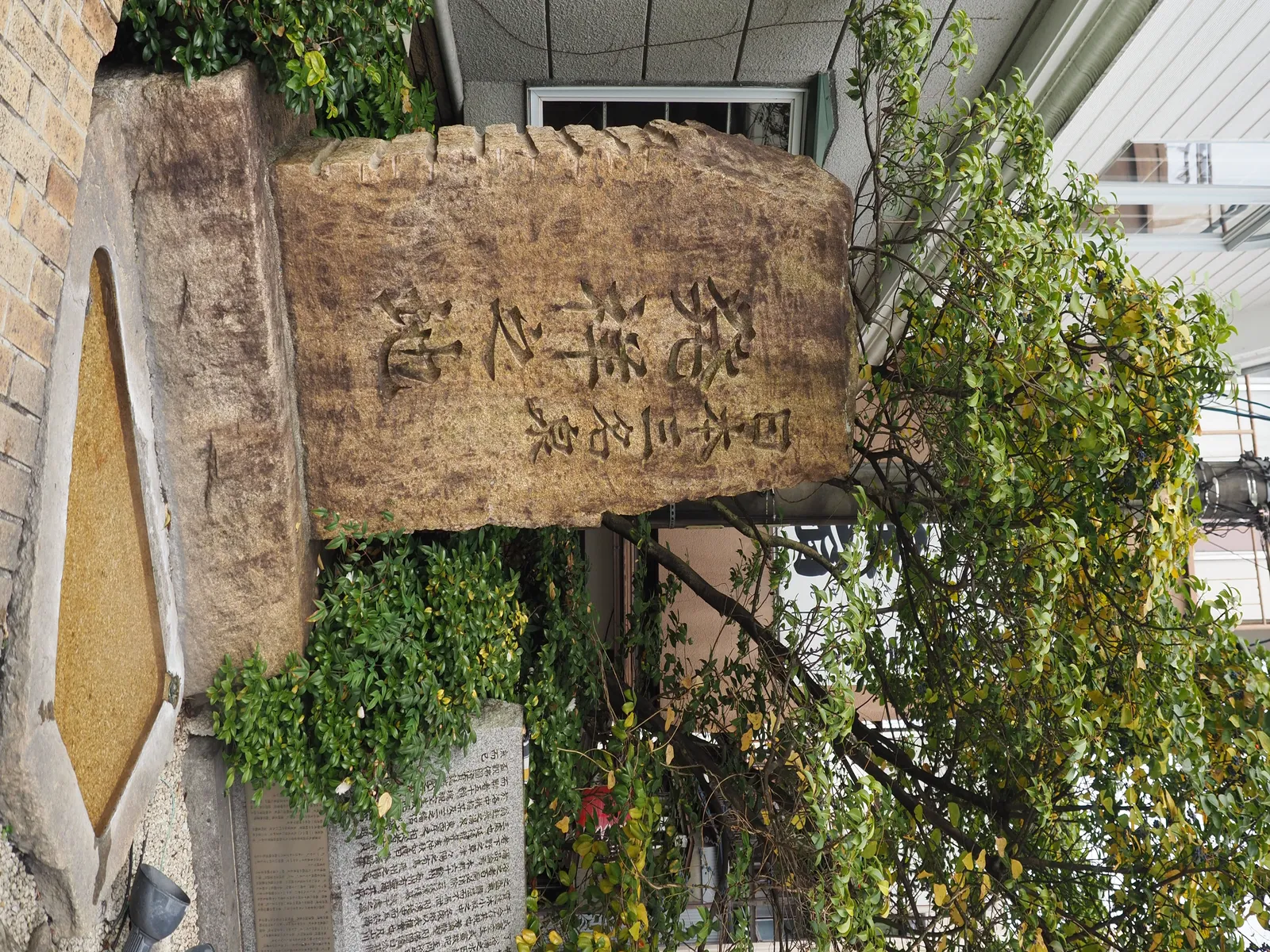
Alight at the Yamashiro Onsen bus stop and walk towards the town centre to find Kosoyu. Its timber facade and second-floor lattice gallery face directly onto the street, with the modern Soyu bathhouse right beside it. The square around them is known as Yunogawa. Strolling the loop outside the public baths immediately shows how traditional inns and shops grew up around the steaming source. Today's Soyu retains the entrance gate of the former Yoshinoya Ryokan, whereas Kosoyu recreates a Meiji-era communal bathhouse. You can admire both exteriors from the lane, then step inside for a soak to contrast the preserved historic woodwork in the new bathhouse with Kosoyu's reconstructed interior.
Continue to Gensen Park, where a three-legged crow statue stands in the middle of the foot bath. Yamashiro links its hot-spring discovery legend to Yatagarasu, the mythical crow, making the monument an easy landmark on the map. With only half an hour in town, you can pair a look at Kosoyu's exterior with a soak at the foot bath—just remember to dry your feet thoroughly before boarding your next bus. Eating, drinking and pets are prohibited inside the Yamashiro Gensen Foot Bath grounds, so save takeaway snacks for a cafe or another stop. To grab tea or sweets between bathhouses, head to Hazuchio Gakudo right on the square, which also doubles as a convenient waiting spot if only part of your group is bathing.
Once your bags are stowed and daylight remains, walk from Yunogawa to Iroha-soan, the former residence of Kitaoji Rosanjin. Originally an annex of Yoshinoya Ryokan, the building housed the young artist during his stay in Yamashiro while he carved wooden signboards for local merchants and inns. Inside, you can step through his workshop and study as well as a converted storehouse gallery. After seeing the Kutani-ware tiles inside Kosoyu, this quiet house offers a closer look at ceramics and carved calligraphy. Visitors fond of historic architecture should linger at Iroha-soan; those curious about how Kutani porcelain is fired can put the slightly further Kutaniyaki Kiln Site Exhibition Hall at the start of their Yamashiro stop.
The Kutaniyaki Kiln Site Exhibition Hall lies near the Yamashiro Higashi-guchi bus stop. Getting off there first lets you tour the kilns before strolling unhurriedly towards Yunogawa and on to your ryokan. The grounds hold a climbing kiln built in 1940 alongside a traditional merchant-and-workshop house. Viewing the permanent exhibition takes far less time than booking a pottery painting or wheel-throwing workshop, so reserve your session ahead if you want to make a piece, then rely on Soyu's long opening hours for an evening bath. The kiln exhibition hall closes on Tuesdays (remaining open on public holidays), while Iroha-soan generally closes on Wednesdays. If your trip falls on the fourth Wednesday of the month—when both Soyu and Kosoyu delay opening until noon—put the kiln site in your morning slot and save Yunogawa for after lunch.
Choosing between Kosoyu and Soyu tickets
Kosoyu preserves the historic bathing style known as yuami—pure soaking without washing. There are no taps or showers inside, and soap and shampoo are strictly forbidden; bathers ladle hot spring water from the tub to rinse off before stepping in. It is easiest to shower at your ryokan first or wash up at the modern Soyu across the lane beforehand. Take your time inside Kosoyu to admire the recreated Kutani ceramic floor and wall tiles, the coloured stained-glass windows, and the second-floor tatami lounge after your soak. If you visit both bathhouses in one afternoon, pack a small pouch for a damp towel so you can pause for tea or browse latticed shopfronts between dips.
Single adult admission costs ¥700 at Kosoyu and ¥500 at Soyu. A combined adult pass for one entry to each bathhouse costs ¥1,000, saving ¥200 over separate tickets. On 1 April 2026, Kaga City revised children's fares for Kosoyu and the combined pass: both the combined pass and single Kosoyu entry now cost ¥280 for children aged 6 to 11 and ¥140 for ages 3 to 5, while single Soyu admission for those age groups is ¥150 and ¥70 respectively. Families can buy individual tickets per child as needed, adults planning to visit both should pick the combined pass, and anyone sticking to Soyu only needs a single ticket. Children under 3 enter free at both bathhouses.
Soyu provides full washing stations with showers, though toiletries are not left out in the bathing area; travel-sized packs and small towels are sold at reception, and large bath towels can be hired. If you arrive before hotel check-in without wash gear, travel with someone who prefers sitting down for a proper scrub, or simply want to wash off sun cream after walking all day, head to Soyu first. Even if you only visit Kosoyu, make sure to climb to its second-floor resting hall after bathing: looking down over Yunogawa from above shows the layout of the square far more clearly than peering up from street level. Before dinner, pick just one bathhouse and leave enough margin to walk back to your ryokan and change.
Soyu is normally open from 06:00 to 22:00. Kosoyu keeps the same 06:00 to 22:00 hours from March to November, shifting to 07:00 to 21:00 from December through February. Both bathhouses close on the morning of the fourth Wednesday of every month and open at noon instead. That closure frequently catches out overnight guests planning a post-breakfast soak before checking out for Yamanaka—if your departure day lands on the fourth Wednesday, move your bathhouse circuit to the previous afternoon. Yamashiro Onsen Tourism Association Soyu and Kosoyu guide
Which bridge to start from in Kakusenkei Gorge
Look at a map of Kakusenkei Gorge and locate the three bridges spanning the Daishoji River: Korogi-bashi upstream, Ayatori-hashi in the middle and Kurotani-bashi downstream. The riverside path connecting the first bridge to the last measures roughly 1.3 km. Tourism association trail maps estimate about 20 minutes of steady walking from the upstream wooden bridge to the central bridge, and around 15 minutes from there to Kurotani-bashi. Those figures cover walking time only; allow extra minutes for stopping on the bridges, climbing steps back to town or ordering sweets at the riverside terrace. Budget roughly an hour for all three bridges and short pauses before connecting with the bus terminal, Yamanaka-za or lunch.
Taking a Kayano-bound bus to Korogi-bashi drops you right beside the all-hinoki cypress bridge, whose current fourth-generation span was completed in 2019. Gaze down into the gorge from the deck first, then descend to the riverside path to get close to the boulders and look back for a full view of the timber span. Further downstream, the crimson-violet S-shaped pedestrian bridge Ayatori-hashi—designed by Sogetsu ikebana master Hiroshi Teshigahara—weaves gracefully between both banks and lies close to town shops and Yamanaka-za, offering an easy exit if anyone tires early. Keep walking along the water to Kurotani-bashi for its stone arch and deeper emerald pool; nearby stands Basho-do, a small memorial hall to poet Matsuo Basho that is separate from Basho-no-Kan in town.
If your bus ends at Yamanaka Onsen Bus Terminal, simply reverse the order. Walk from town towards Kurotani-bashi, follow the downstream bank back to Ayatori-hashi, and decide there whether to climb up for lunch or carry on to Korogi-bashi. For a shorter taste of both streetscape and gorge, stroll through town to Ayatori-hashi for the view from the bridge and return the same way. Because the gorge trail involves stone steps and damp patches, travellers with pushchairs or mobility concerns can stay at street level and visit Yamanaka-za after seeing the bridge. When a group splits up, arrange to meet at the street-side entrance of Ayatori-hashi or at Yamanaka-za rather than at an unmarked trail fork below.
Guests staying overnight in Yamanaka can walk the gorge in the crisp morning or late afternoon light. Before heading down to the water, check from a bridge deck which bank catches the sunlight and save enough energy for the climb back to street level. During autumn foliage season, do not leave all three bridges until dusk—especially before a ryokan dinner—since entering in the afternoon and exiting downstream saves effort. After heavy rain, high river levels, snow or ice, stick to the upper town roads and detour around any closed trailheads. Even in winter snow, views from the safe bridge decks and roadside lookouts deliver the scenery without needing to reach the riverbank.
Yamanaka's riverside terrace, Kiku-no-Yu and lacquerware street
Kawadoko is a seasonal riverside tea terrace tucked beneath Ayatori-hashi. For 2026, it operates until 30 November, with November hours from 10:00 to 15:00 (last orders 15 minutes prior) plus irregular closures. It closes in wet weather or when the river rises, and shuts for winter from December onwards. Official notices state that seats cannot be booked in advance. If you have your heart set on its exclusive sweets, check the queue as you reach Ayatori-hashi and climb up to town for lunch if the wait looks too long. Standard seating includes roasted Kaga bocha tea, while set menus add traditional sweets; guests staying at Yamanaka Onsen Ryokan Association member inns should check whether their accommodation includes a discount voucher.
Kiku-no-Yu occupies two separate buildings. Kiku-no-Yu Dai-ichi houses the men's bath with its notably deep pool, while the women's bath sits in the adjacent building linked to Yamanaka-za. Agree where to meet outside before separating—on cold days, Yamanaka-za's foyer makes a warm waiting spot. Standard adult entry is ¥500, and the bathhouse closes on the second and fourth Tuesdays of each month (shifting to the next day if a public holiday falls on Tuesday). Even on closed days, the surrounding streetscape, lunch spots and ryokan baths keep Yamanaka worthwhile. Guests at association member ryokans can ask at reception about external bath discounts; day-trippers arriving from other towns should budget the standard adult single fare.
You do not need to change shoes or bathe to step inside Yamanaka-za and admire its lacquerwork. Look up at the coffered ceiling decorated with maki-e gold lacquer alongside the lacquered pillars and walls. With spare time, wander along Yuge Kaido to browse lacquerware workshops selling everyday wooden bowls, sake cups and small plates. Yamanaka woodturners shape raw timber on spinning lathes using a vertical-grain cutting technique (tateki-dori) aligned with the tree's growth, bringing out crisp natural wood grain on finished vessels. Craft enthusiasts can add a stop at the Yamanaka Lacquerware Traditional Industry Hall (Yamanaka Urushi-za), which displays production steps and artisan pieces for sale. If shopping and crafts are a priority, schedule lunch and browsing in Yamanaka and save only a brief lakeside walk for Katayamazu.
When the gorge path is closed, Yamanaka-za and the town's shops still make an absorbing half-day. Basho-no-Kan—housed in a mid-Meiji inn—combines displays on poet Basho, a quiet garden and Yamanaka lacquerware, fitting neatly before or after lunch; it closes on Wednesdays except on public holidays. Further upstream near Korogi-bashi sits Kaga Iryokuen, easy to pair with a stroll up Yuge Kaido. Pick one of the two cultural spots if time is modest, adding the second only on a leisurely schedule. In wet snow, walk along the main street between Yamanaka-za and Basho-no-Kan, or take a bus through to Korogi-bashi and begin around Kaga Iryokuen, leaving the steep gorge paths for dry weather.
Walk Lake Shibayamagata before soaking at Katayamazu Soyu
Step off the bus at Soyu-mae and you are greeted immediately by Lake Shibayamagata and the glass-walled Katayamazu Soyu bathhouse. Designed by architect Yoshio Taniguchi, the building places Kata-no-Yu directly facing the lagoon on one side and Mori-no-Yu looking into a grove of trees on the other. Bath assignments alternate by calendar date: Kata-no-Yu is open to women on odd-numbered days and to men on even-numbered days, with Mori-no-Yu taking the opposite gender. Because the 31st of a month followed by the 1st creates two odd days in a row, check the date if you have a preference. Companions hoping to share the lakeside scenery on the same day should stroll the waterfront plaza together before heading into their respective baths.
Adult entry at Katayamazu Soyu is ¥500, with daily hours from 06:00 to 22:00 aside from occasional maintenance closures. The bus stop right outside doubles as the starting point for the lakeside promenade. On clear days, the trail overlooks Lake Shibayamagata towards distant Mount Hakusan; even under low cloud, the shimmering water and shoreline remain crisp. From Yunomoto Park, cross the floating bridge out to Ukimi-do pavilion—dedicated to Benzaiten and the dragon god of local legend—where turning back frames the entire hot-spring waterfront. When strong winds whip up spray or slick the boards, view Ukimi-do from Yunomoto Park instead of walking out across the floating bridge.
To keep walking modest, use Soyu-mae as both your arrival and departure stop. Stepping back into town from the water, Sunahashi Park offers the covered Ashi-no-Yu Engawa foot bath—a handy place to rest tired legs or wait for companions finishing their soak before boarding the bus. Saving the foot bath for the end of your walk rather than sitting down right off the bus makes timing easier, especially if only one return departure fits your schedule. Keep a windproof jacket near the top of your daypack for breezy stretches along the water, and carry a small towel so you can dry your feet before pulling socks back on.
Continuing along the shore from Ukimi-do to the Nakaya Ukichiro Museum of Snow and Ice takes around 20 minutes on foot according to official tourism estimates. To combine its indoor demonstrations with a bath in one afternoon, ride the bus straight to Yuki no Kagakukan-mae first, tour the museum before its earlier closing time, and walk back along the lake to Soyu. Reopened on 4 April 2026, the museum traces physicist Ukichiro Nakaya's snow-crystal research alongside live diamond-dust experiments. It opens from 09:00 to 17:00 (last entry 16:30) and normally closes on Wednesdays except on public holidays. If children are keen on the science demos or Mount Hakusan is hidden in cloud, trim the lakeside stroll and spend more time indoors.
Katayamazu buses run a loop starting from the station, circling the hot-spring town and returning to Kaga Onsen Station. For the journey back, board at the same Soyu-mae stop where you alighted; the route loops past the Snow Science Museum, Ishikawa Hospital and Shiozu before reaching Kaga Onsen Station. On the timetable, follow the column all the way down to the Kaga Onsen Eki terminus to check your actual arrival time—the outbound ride takes 12 minutes, whereas the return loop takes roughly half an hour. If you have an evening Shinkansen to catch, lock in your return arrival time first and calculate how much margin remains for bathing and walking out to Ukimi-do. Arriving early gives you time to enjoy the water's edge and make sure everyone is ready before buying bathhouse tickets.
How to sequence one night and two days
On Day 1, arrive at Kaga Onsen Station from Kanazawa or Fukui and take the South Exit bus to Yamashiro. Reaching the area before noon leaves time to stop at either the Kutaniyaki Kiln Site Exhibition Hall or Iroha-soan on your way to the ryokan. Spend the afternoon around Yunogawa visiting Kosoyu and Soyu, breaking up two baths with the foot bath or tea in the square. After an evening meal at your inn, take a quiet post-dinner stroll through the illuminated lanes. If your train does not pull in until 15:00 or 16:00, drop bags straight at your accommodation, choose just one bathhouse, and shift any museum visit to the next morning by trimming time in Yamanaka or Katayamazu.
Dedicate the morning of Day 2 to Kakusenkei Gorge. Catch the Onsen Yamanaka Line from Yamashiro either directly to Korogi-bashi for the full downstream walk, or to the bus terminal to walk backwards from Kurotani-bashi. Keep the morning free for the riverside trail, Yuge Kaido and lunch in Yamanaka. Anyone adding a soak at Kiku-no-Yu needs enough buffer to dry off and walk back to the bus stop for an afternoon return to Kaga Onsen Station. Katayamazu does not need until sunset: with a smooth transfer, head down early, walk Yunomoto Park by the water, and buy a Soyu ticket only if time permits. Travellers with just one afternoon bus window left can stay put in Yamanaka—picking among Kawadoko, Basho-no-Kan or the lacquerware shops—and head back to the station early.
Using the timetable revised on 15 March 2026 as a planning example, a 09:18 Kayano-bound departure from Yamashiro Onsen reaches Korogi-bashi at 09:40. After walking the gorge and having lunch in Yamanaka, the 13:30 bus from Yamanaka Onsen Bus Terminal arrives back at Kaga Onsen Station at 14:01, connecting with the 14:10 Katayamazu Line from Stop 1 that reaches Soyu-mae at 14:22. Because that transfer allows only 9 minutes—tight if you need to collect stored bags, buy snacks or absorb minor traffic delays—keep the next departure in mind as a backup. Locking in your return first, the 16:12 bus from Soyu-mae reaches the station at 16:40, giving you roughly 1 hour and 50 minutes by the lake. Should you miss the 14:10 outbound bus, the next leaves at 15:00, in which case choose between a quick bath and Ukimi-do or the Snow Science Museum. Always verify operating days on the timetable for your exact travel date.
Families eager to see snow-crystal experiments, or travellers boarding an early afternoon train on Day 2, can swap Katayamazu to Day 1. Head from Stop 1 to the Snow Science Museum first, stroll along the lagoon back to Soyu-mae and return to the station, then ride Stop 2—or a pre-booked hotel shuttle—out to Yamashiro for the night. That puts one station change on Day 1 and leaves Day 2 purely for Yamanaka, Kiku-no-Yu and lunch before heading straight to the railway. Alternatively, stay overnight in Yamanaka: spend half of Day 1 in Yamashiro, continue along the same bus line to Yamanaka, walk Kakusenkei Gorge after breakfast on Day 2, and decide after lunch whether train times allow a lakeside detour. Once you have picked your base town, compare accommodation styles in our Kaga Onsen where to stay and ryokan guide.
Using the CANBUS sightseeing loop or driving yourself
CANBUS is a separate Kaga sightseeing loop bus operated by Nihonkai Kanko Bus, divided into the Mountain Route (Yama-mawari), Sea Route (Umi-mawari) and Komatsu Airport Line. Yamashiro and Yamanaka sights sit on the Mountain Route, while Katayamazu Soyu and the Snow Science Museum appear on the Sea and Airport routes. Stop names, boarding order and timetables differ completely from local Hokutetsu buses: in Yamashiro, CANBUS stops right by the baths at 'Yamashiro Onsen Soyu/Kosoyu', whereas regular buses use 'Yamashiro Onsen'. When hopping between sights served by both networks, check the next departure direction carefully, as loop buses often detour around neighbouring blocks before reaching nearby stops on the map.
In September 2026, Kaga City tourism announced a digital one-day CANBUS pass priced at ¥1,300 for adults and ¥650 for primary school children, valid on a chosen date. It pays off if you plan multiple hops along the sightseeing loop; tally how many rides fit the actual timetable before buying. If you are only riding from Kaga Onsen Station to Yamashiro's bathhouses or making a straight return trip to Katayamazu, standard Hokutetsu Kaga Bus fares work out cheaper. Keep the live ticket screen open before boarding with a digital pass, note the Japanese stop names for both bus networks, and check redemption instructions and active operating dates on the city tourism ticket page. CANBUS digital one-day pass and ticket details
Driving lets you cross directly between Yamanaka and Katayamazu without routing back through Kaga Onsen Station. Park once in the district where you will walk the most and explore on foot. In Yamanaka, walking one way from the upstream wooden bridge to Kurotani-bashi leaves a street walk back to your car, so looping down along the river and returning via Yuge Kaido neatly combines shopping and lunch. In winter, check road conditions before setting out. Trying to park right beside a scenic bridge often wastes time hunting for spaces, so check tourism association parking maps beforehand and leave bathhouse car parks for guests actually bathing there.
Picking one town if you only have half a day
For a half-day side trip from Kanazawa focused on traditional Japanese public baths, take Stop 2 to Yamashiro, base yourself around Yunogawa square, and add Gensen Park or Iroha-soan. Which bathhouse you enter first depends on whether you need a shower and want to visit Kosoyu's upstairs lounge. Bathing, admiring the ceramic tiles and lingering over tea easily fill two to three hours before catching a bus back to Kaga Onsen Station to continue along your two-day Kanazawa itinerary or onwards to Fukui.
If gorge scenery is the priority, dedicate half a day to Yamanaka. Arrive in the morning, walk from Korogi-bashi to Ayatori-hashi, and continue to Kurotani-bashi if legs feel fresh. Browse around Yamanaka-za after lunch and finish with a soak at Kiku-no-Yu shortly before your bus back. Should the gorge trail close or rain push you onto town streets, dry your shoes before entering Basho-no-Kan and shift Kawadoko tea time to Yamanaka-za or the lacquerware shops. Travellers focused solely on Lake Shibayamagata or the Snow Science Museum should head straight out on the Katayamazu Line, arranging the waterfront walk before or after the museum depending on its 16:30 last entry. Both half-day plans also split cleanly across separate days.
If a half-day falls on the fourth Wednesday morning of the month, visit the Kutaniyaki Kiln Site Exhibition Hall first—since it opens on Wednesdays—and reach Yunogawa around noon when Yamashiro's bathhouses open. For a guaranteed morning soak on that day, check Katayamazu Soyu's notice board for maintenance closures and skip the Snow Science Museum, which normally closes on Wednesdays. If Day 2 lands on the second or fourth Tuesday when Kiku-no-Yu is closed, you can still walk Kakusenkei Gorge as planned and save bathing for your Yamashiro ryokan or Katayamazu Soyu as your final stop. Planning lunch around confirmed bathhouse hours avoids arriving to locked doors.
On your final afternoon before a flight, the CANBUS Komatsu Airport Line links Katayamazu directly with Komatsu Airport. Choose a departure that reaches check-in comfortably ahead of your flight and board from either Soyu or near the Snow Science Museum according to the timetable. Some services skip the museum stop, so mark the walking route back to the Soyu-mae bus stop on your map just in case. When large bags are already sorted and only half a day remains, pairing Lake Shibayamagata with the airport bus is far easier to time than hiking Kakusenkei Gorge and doubling back towards the coast. For late departures, you can even check out of your ryokan, retrieve bags at Kaga Onsen Station, and relax by the lagoon before heading to the terminal.
A few useful answers
Where do buses from Kaga Onsen Station to Yamashiro, Yamanaka and Katayamazu depart?
Exit Kaga Onsen Station via the South Exit and turn left. Board the Onsen Katayamazu Line at Stop 1, or the Onsen Yamanaka Line via Yamashiro at Stop 2. To reach Korogi-bashi at the upstream end of Kakusenkei Gorge directly, take a bus bound for Kayano.
Can you wash with soap at Yamashiro Kosoyu, and how much is the combined bathhouse pass?
No. Kosoyu has no taps or showers, and soap and shampoo are prohibited; you rinse with bathwater using a wooden bucket before soaking. For a proper wash, use Soyu across the street. Single adult entry is ¥500 for Soyu and ¥700 for Kosoyu, or ¥1,000 for a combined pass covering both bathhouses.
How do you walk Kakusenkei Gorge, and can you return to Yamanaka town halfway?
The riverside path runs roughly 1.3 km from Korogi-bashi upstream to Kurotani-bashi downstream. Halfway along sits Ayatori-hashi, where you can step up into town towards Yuge Kaido or Yamanaka-za. Allow around an hour to walk all three bridges, take photographs and climb back up from the gorge.
Which days is the lagoon-view Kata-no-Yu open to women or men at Katayamazu Soyu?
The baths rotate by calendar date. On odd-numbered days, Kata-no-Yu (the lagoon-view bath) is for women and Mori-no-Yu is for men; on even-numbered days, they swap. If you are travelling together, walk the lakeside promenade outside Soyu first so everyone gets the view of Lake Shibayamagata.
With only one night, can you visit all three hot-spring towns?
Yes. Spend Day 1 in Yamashiro, explore Yamanaka on the morning of Day 2, then change buses at Kaga Onsen Station for Katayamazu. If time is tight, stick to the lakeside promenade in Katayamazu and pick either a bath or the riverside terrace in Yamanaka so your afternoon transfer stays relaxed.
Official information and references
Sources used in this guide.
- Kaga City Tourism Information | Hokutetsu Local Bus Fares, Timetables and Stops
- Hokutetsu Kaga Bus | 2026 Kaga Area Bus Timetable
- Kaga City Tourism Information | Rail Access Between Kanazawa and Kaga Onsen
- Kaga City Tourism Information | Shuttles, Lockers, Cash and Contactless Payment
- Kaga City Tourism Information | Luggage Storage and Partner Ryokan Delivery
- Yamashiro Onsen Tourism Association | Soyu and Kosoyu
- Yamashiro Onsen Tourism Association | Yunogawa, Soyu and Hazuchio Gakudo
- Kaga City | April 2026 Kosoyu Child Fare and Combined Pass Revision
- Kaga City Tourism Information | Kosoyu Historic Reconstruction and Bathing Etiquette
- Yamashiro Onsen Tourism Association | Gensen Foot Bath and Visitor Guidelines
- Kaga City Tourism Information | Kutani Ware and Rosanjin's Iroha-soan in Yamashiro
- Kaga City Tourism Information | Kutaniyaki Kiln Site Exhibition Hall, Access and Workshops
- Yamanaka Onsen Tourism Association | Kakusenkei Gorge, Kiku-no-Yu and Yamanaka-za
- Yamanaka Onsen Tourism Association | 2026 Kakusenkei Gorge Trail and Kawadoko Map
- Kaga City Tourism Information | 2026 Kakusenkei Kawadoko Opening Details
- Ishikawa Prefecture Tourism | Kiku-no-Yu Holidays, Admission and Access
- Kaga City Tourism Information | Yamanaka Onsen Basho-no-Kan
- Kaga City Tourism Information | Kutani Ware, Yamanaka Lacquerware and Yamanaka Urushi-za
- Kaga City Tourism Information | Katayamazu Lakeside Walking Route
- Katayamazu Onsen Soyu | Odd and Even Day Bath Rotation for Kata-no-Yu and Mori-no-Yu
- Kaga City Tourism Information | Kaga Iryokuen and Access Details
- Katayamazu Onsen Tourism Association | Soyu, Ukimi-do and Foot Bath
- Kaga City Tourism Information | Nakaya Ukichiro Museum of Snow and Ice Reopening and Hours
- Nihonkai Kanko Bus | CANBUS Routes and Operating Information
- Kaga City Tourism Information | 2026 CANBUS Digital One-Day Pass
- Katayamazu Onsen Tourism Association | Katayamazu Walking Map and Komatsu Airport Line Stops