Compare Fukuichi, Chigira Jinsentei, Kishigon, Kokuya, Tamaki, Kogure, Tenbo, and Kanouya on spring sources, baths, and entrances, with Shibukawa transfers, luggage delivery, half-board stays, private baths, and winter planning.
- Region & Focus
- KantoHotels and stays
- Reading Scope
- 22 min read · 10 chapters · 7 Q&As
- Official Verification
- 44 official sources checkedUpdated November 22, 2026
- Key Topics
- Where to stayRyokanHot springs
Chapter Route Map (tap any stop)
- How to choose an Ikaho ryokan: start with your checkout walk
- Pick Kogane no Yu or Shirogane no Yu first, then map the baths
- Stone Steps ryokan with Kogane no Yu for different soaking styles
- Choosing between Fukuichi, Tamaki, and Tenbo for both springs on-site
- Check where everyone gets dropped off, even if the inn has parking
- Getting to Ikaho from Tokyo: buy tickets to your inn's exact stop
- Ship bags before heading uphill and plan your checkout pickup
- Compare half-board stays on identical terms before booking
- Build a resilient first evening for rain, ice, or early sunset
- One night, two nights, or continuing on to Kusatsu
- Quick Q&A
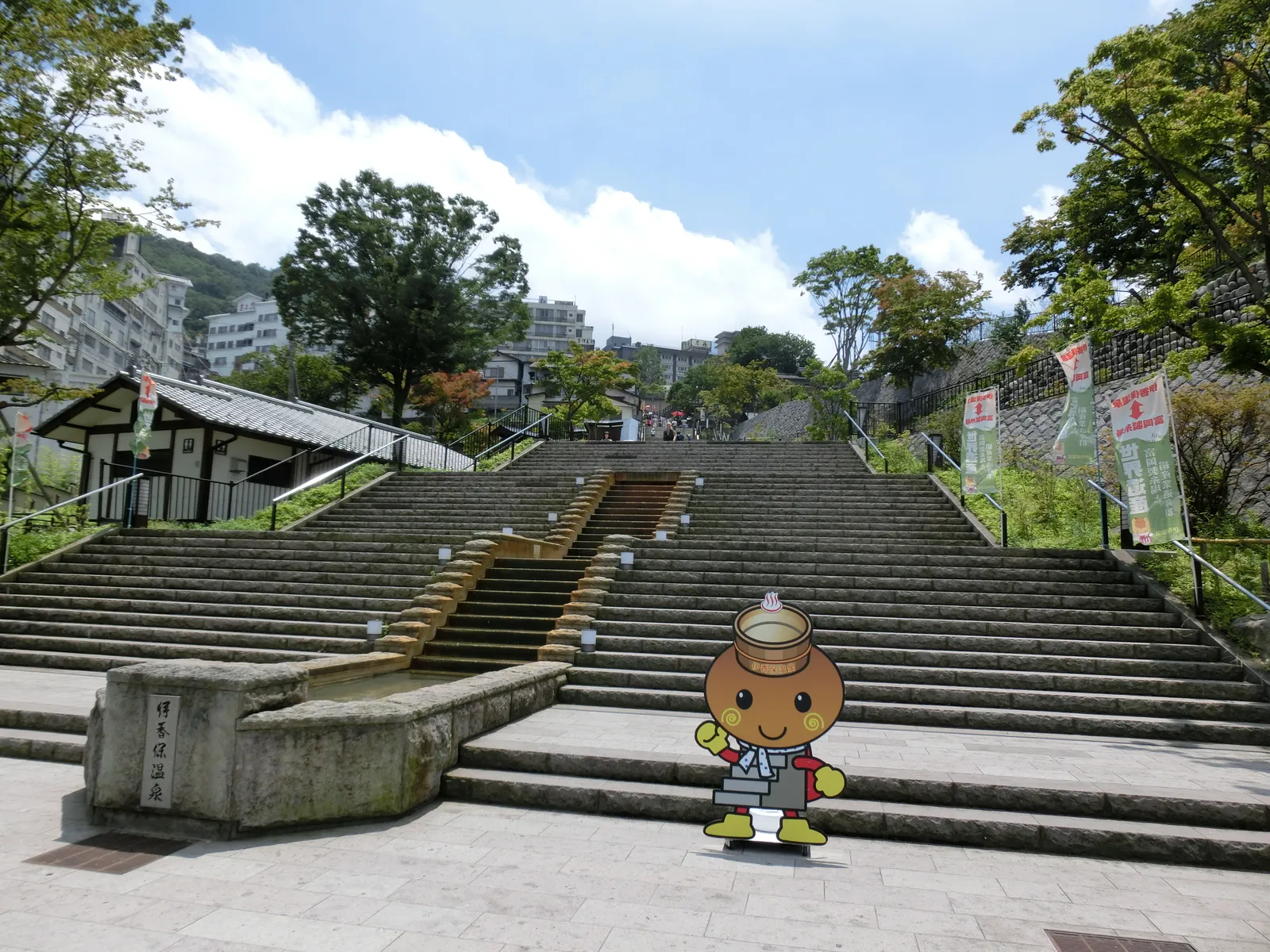
For a first trip to Ikaho Onsen where you want to drop your bags right off the bus, start with Oyado Tamaki at the foot of the Stone Steps. If you want to stay directly along the steps and slip into Kogane no Yu before heading back to your room, compare Chigira Jinsentei and Kishigon. Fukuichi sits near the upper steps and lets you soak in both Kogane no Yu and Shirogane no Yu without leaving the building. When traveling with a stroller or anyone with limited mobility, pin the bus stop, main roadside entrance, and bath locations on a map before booking. The Stone Steps climb 365 stairs, so two inns that look one block apart on a flat map can feel like an entire hillside apart with rolling suitcases.
How to choose an Ikaho ryokan: start with your checkout walk
The Stone Steps climb all the way from the lower entrance up to Ikaho Shrine. Shops, footbaths, and ryokan line the staircase, so you can explore a short stretch on foot while strolling, but check-in requires reaching the entrance with the front desk. Before booking, locate the main roadside entrance on a map and cross-check the inn's access instructions, because several properties also have a separate side entrance facing the steps. Those two doors serve very different purposes. Showing up on the Stone Steps side with luggage can force you to climb stairs or arrive at the wrong wing, sending you back to the road for another uphill walk.
If you are arriving by highway bus for a single night, Tamaki at the bottom of the Stone Steps keeps arrival simple. Its website estimates roughly a 1-minute walk from the "Ikaho Ishidan-gai" highway bus stop. Bring rolling suitcases to the roadside main entrance, since the inn notes that its Stone Steps entrance requires climbing stairs through the courtyard. On local buses from Shibukawa, Tamaki directs guests to get off at "Ikaho Onsen" and walk about 5 minutes. Overnight guests arriving at either stop can also call the inn for a shuttle pickup. Families traveling with kids can have one adult call ahead while everyone waits together at the stop.
For stepping straight out onto the promenade, Chigira Jinsentei and Kishigon Ryokan sit right along the Stone Steps. Chigira Jinsentei lists both "Ikaho Onsen" and "Ishidan-gaiguchi" as local bus drop-off options, each about a 5-minute walk from the inn. Kishigon sits beside the steps right next to the free "Kishigon Tatsu no Yu" footbath. Staying in this zone makes it easy to stroll a few landings after dinner and duck back inside for an extra layer. By contrast, if you have to push a stroller every time you step out, taking a bus or shuttle to your inn and keeping walks near the entrance takes far less effort.
Fukuichi's Senjukan wing connects to the upper Stone Steps, which its neighborhood guide places around step 285, with Ikaho Shrine near step 365. It works well if you want to start your walks from higher up the slope. For local bus arrivals from town, Fukuichi lists "Ikaho Onsen" or "Ikaho Harunaguchi" as drop-off stops with shuttle service to the inn. Drivers should search for "Fukuichi Parking." Picturing where you step off at night, which door you carry bags through, and where you board the next morning reveals much more than straight-line map distance.
| Ryokan | Location & access | Spring sources | What to check first |
|---|---|---|---|
| Oyado Tamaki | Next to Stone Steps entrance, separate roadside front door | Kogane & Shirogane | Two private baths let you choose your spring source |
| Chigira Jinsentei | Directly along the Stone Steps | Kogane | Four free private baths, walk-in when vacant |
| Kishigon Ryokan | Along the Stone Steps beside Tatsu no Yu footbath | Kogane | Matazaemon no Yu uses gender rotation during renovation |
| Kokuya | Side lane off the Stone Steps area | Kogane | Property-designated bus stop; select rooms have Kogane no Yu baths |
| Fukuichi | Upper Stone Steps, roadside parking lot | Kogane & Shirogane | Both springs flow into two communal baths in Manyokan |
| Hotel Kogure | Outside the Stone Steps, on-site parking | Kogane | Wheelchair-accessible private bath "Iyashi no Yu" |
| Hotel Tenbo | Near Miharashishita; town bus connects to Stone Steps | Kogane & Shirogane | Wide mix of bath and meal plans; families should pick dinner format first |
| Kanouya | Near Yumoto side; private incline cable car from parking lot | Shirogane | Bettei annex includes rooms piped with Shirogane no Yu |
Compare Fukuichi, Chigira Jinsentei, Kishigon, Kokuya, Tamaki, Kogure, Tenbo, and Kanouya on spring sources, baths, and entrances, with Shibukawa transfers, luggage delivery, half-board stays, private baths, and winter planning.
Pick Kogane no Yu or Shirogane no Yu first, then map the baths
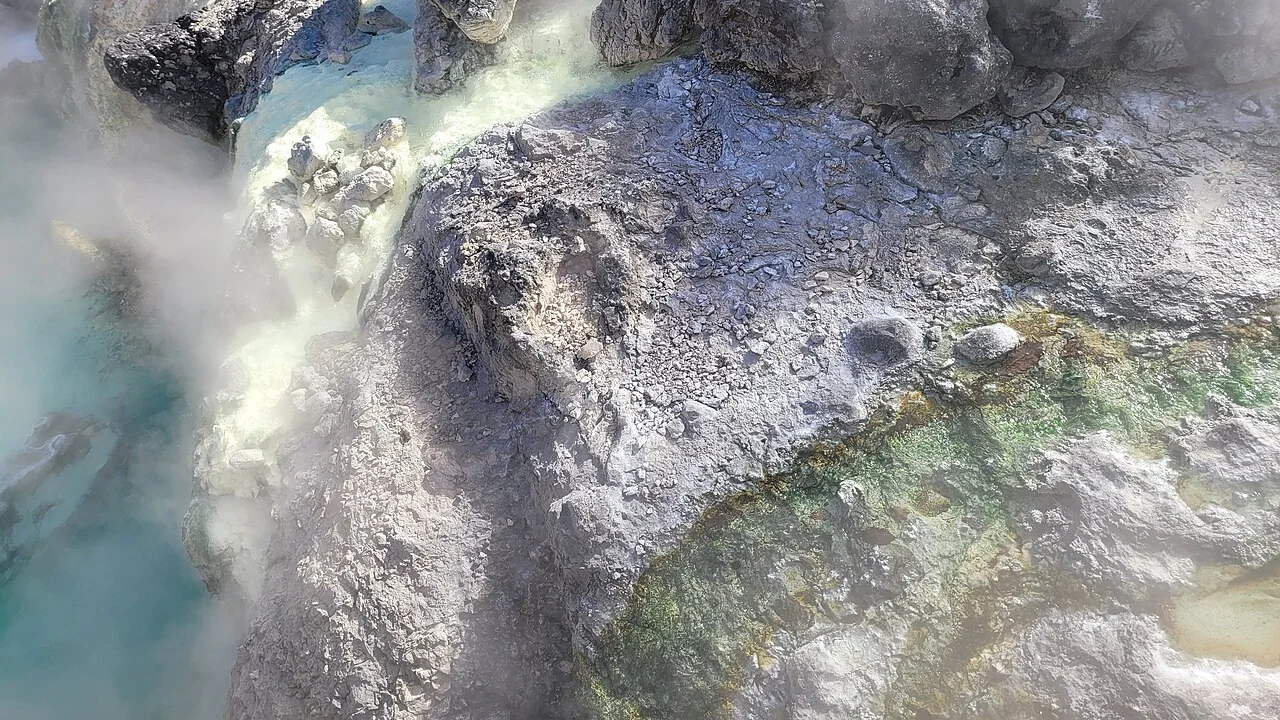
Kogane no Yu (Golden Water) is a sulfate spring that emerges clear and turns rusty brown as its iron oxidizes in the air. Shirogane no Yu (Silver Water) is a clear spring rich in metasilicic acid. On a first visit, if you want to compare both waters in a single evening, booking an inn that pipes in both springs—such as Fukuichi, Tamaki, or Tenbo—is easier than visiting two public bathhouses. Both Ishidan no Yu and Ikaho Rotenburo use Kogane no Yu. Guests staying at a Shirogane no Yu ryokan can still stop at one of those public baths before check-in to sample both springs in one night.
Treat "gensen kakenagashi" (free-flowing spring water) as a bath-by-bath plumbing detail rather than a whole-property label. In Fukuichi's Manyokan wing, both "Fuku no Yu" and "Ichi no Yu" feature the two springs, while Fukuichi's site specifies water flow and heating methods per tub alongside distinct private baths. Start on the "Onsen" page of any ryokan website to verify which spring feeds each bath. If you want an in-room bath, switch to the "Rooms" page and match the exact room name. At Kokuya, for example, some open-air bath rooms draw Kogane no Yu, while the semi-open-air bath in the "Otowa" room uses regular heated tap water even though both look like onsen tubs in photos.
An in-room bath lets you soak on your own schedule without walking down hallways to communal changing rooms. If you simply want private family bath time, a standard room paired with a private bath rental often costs less overall. Walk-in and reserved private baths suit different rhythms. Chigira Jinsentei's four private baths need no booking, so if they are full before dinner you can try again first thing in the morning. Paid private baths at Tamaki or Kogure run on fixed time slots, helping families with older relatives stagger dinner and bathing cleanly. When a booking page lists both "private bath" and "room with open-air bath," check whether you are reserving one timed session or unrestricted overnight access.
Tamaki posts clear schedules for its communal baths. "Haruguri no Yu" pipes in both Kogane and Shirogane springs, while "Tamaibuki no Yu" uses Shirogane no Yu, and the two baths swap genders at 8:00 PM JST. Based on the schedule checked in November 2026, men use Haruguri in the afternoon and women enter after 8:00 PM JST. If everyone in your group wants Kogane no Yu, one partner can soak before dinner and the other before breakfast. You can also combine an in-room soak and a communal bath on the same day without walking out into town just for the brown water.
Stone Steps ryokan with Kogane no Yu for different soaking styles
At Chigira Jinsentei, the main communal bath "Jin no Yu" is roughly 1 meter deep. Guests who prefer shallow water, need handrails, or are traveling with young children should compare its private baths and in-room tubs first. Its four complimentary private baths operate from 3:00 PM to 9:30 AM JST on a first-come, first-served basis. To avoid rushing before breakfast, walk past the baths shortly after arrival to learn where they are, then pick a quieter hour at night. For in-room soaking, the website specifies that all rooms in the "Tsuru no I" annex have semi-open-air baths, alongside Rooms 155, 156, and 157 in the main building. Architecture fans can also find letters from author Tokutomi Roka to the inn's former proprietor behind the front desk.
Kishigon Ryokan works well when you treat bathing as the reward after a walk. Coming off the Stone Steps, you can sit at the public footbath outside the entrance before checking in to visit the panoramic bath or annex bathhouse. If you are booking specifically for one private bath, note the bath name and available hours in your reservation request. Staying right off the main staircase also makes it easy to change into a yukata and stroll the middle landings. Drivers should follow the inn's directions to Parking Lot 4 in front of Ikaho Elementary School (Ikaho 321-1), where Kishigon runs a shuttle to the ryokan.
Anyone booking Kishigon this season should check its bath schedule. The ryokan announced that renovations on the main bath "Matazaemon no Yu" are scheduled to run through January 31, 2027, with gender-rotating hours in the meantime, while Gonzaemon no Yu and Rokuzaemon no Yu remain open as usual. Separate demolition work is also scheduled from 10:00 AM to 3:00 PM JST on November 24 and 25, 2026. Guests arriving on those two days can plan lunch or a walk along the Stone Steps before checking in after 3:00 PM JST.
Kokuya sits down a side lane branching off the road, giving it a car-accessible front entrance with free on-site parking. Drivers should navigate using the entrance coordinates published on Kokuya's access page (36.497165, 138.918563) rather than its street address, which can route cars to the back door. From Shibukawa, take Kan-etsu Kotsu to "Ikaho Onsen." Kokuya also offers shuttle pickup for guests arriving on the 2:42 PM JST highway bus at "Ikaho Ishidan-gai" who call upon arrival. Late arrivals are better off approaching from the roadside or taking a taxi to the front door.
All three inns pour Kogane no Yu, so price differences mostly come down to bath settings and room tiers. For open-sky views at dusk, Kokuya's private panoramic open-air bath costs ¥2,200 for 50 minutes for overnight guests, open from 3:00 PM to midnight JST with phone reservations taken from 10:30 AM to 6:30 PM JST. Because it has no showers or washing area, wash up in your room or another bathhouse before your slot. Note that Kokuya does not allow infants in diapers in its communal baths, so compare in-room tubs and private bath policies before booking.
Choosing between Fukuichi, Tamaki, and Tenbo for both springs on-site
Fukuichi is ideal if you want your first night anchored at the top of the Stone Steps. Step out of Senjukan's Stone Steps exit and you are immediately among the upper shops and near the shrine. Keep track of which wing your room is in when mapping baths and breakfast. Manyokan houses both communal baths fed by Kogane no Yu and Shirogane no Yu, so guests in other wings must walk through connecting corridors; staying in Manyokan is easier for older relatives who tire quickly. Fukuichi also announced in 2026 that its Kogane no Yu private bath "Fuwari" is suspended due to earthquake-related equipment damage, and the notice remained posted as of November. Plan around the open communal baths or compare Tamaki if a private Kogane no Yu bath is a must.
Tamaki's two paid private baths serve distinct needs. The indoor rock bath "Koharubiyori" uses free-flowing Kogane no Yu at ¥3,300 for 50 minutes, while the open-air "Akari" circulates Shirogane no Yu at ¥2,200 for 50 minutes and caps occupancy at 2 to 3 people. An indoor bath is far easier if you want to avoid cold drafts or help kids dry off and dress. For outdoor soaking in winter, look at Tamaki's guest rooms with Shirogane no Yu baths. Tamaki also differentiates its tattoo policy by facility: guests with tattoos may use the paid private baths or in-room baths, and small tattoos completely covered by a patch are permitted in the communal baths.
Tenbo sits near "Miharashishita," roughly a 5-minute walk along the inn's suggested route from the Kan-etsu Kotsu bus stop. Its FAQ notes a 20-minute walk to the Stone Steps. During the day, a town bus from "Nashikizaka" right outside the hotel reaches "Koyu" in about 6 minutes for ¥200 one-way. Families can head to the Stone Steps in the morning and return for afternoon baths and dinner instead of forcing an uphill trek after dark. Tenbo offers the Tenbare communal bath and an underground large rock bath; the underground bath rotates by gender, so fit its hours into your schedule as soon as you receive the daily timetable at check-in.
Families choosing Tenbo should pick a meal plan that matches their kids' bedtime before comparing room layouts and baths. Tenbo sells both buffet and kaiseki dinner plans, so check adult and child meal details carefully to ensure everyone eats in the same dining venue. Its FAQ notes that children still in diapers cannot enter the communal baths, pointing families toward baby tubs or private baths instead. Adults wanting to try both the rock bath and open-air bath can take turns while kids rest rather than waiting together for one tub.
Check where everyone gets dropped off, even if the inn has parking
Kogure sits away from the main staircase and suits guests planning to spend most of their time in the baths. The hotel notes around 300 free parking spaces on-site, and guests can ask the front desk about parking before check-in. Since the main communal baths require stairs or escalators, wheelchair users can book the barrier-free private bath "Iyashi no Yu," which has step-free indoor access and an accessible restroom at ¥3,300 for 60 minutes (up to 4 guests, phone reservation required) with free-flowing Kogane no Yu. Guests needing transfer assistance should confirm tub rim height and grab-bar placement by photo or phone beforehand to decide how many companions and time slots to reserve.
When traveling with a power wheelchair, older relatives, and young kids, trace every doorway between the guest room and the bath. Chigira Jinsentei can set up an entrance ramp and lends wheelchairs and shower chairs, with rooms and baths spread across multiple floors. Before booking, tell the ryokan how many steps someone can climb, whether a wheelchair folds, and whether bedside transfer space is needed. Simply asking "Do you have an elevator?" rarely tells you whether someone can enter the bathroom or turn around once the door closes. Families booking two rooms can also request adjacent locations to cut down on nighttime trips down the hall.
On the Yumoto side, "Keifuryu no Yado Kanouya" runs its own incline cable car from its dedicated parking lot to the inn. Drivers are advised to set navigation to the Tokutomi Roka Memorial Museum of Literature and continue roughly 400 meters past it to reach the lot and cable car station. This private lift connects only the parking lot and the ryokan, separate from the municipal Ikaho Ropeway running from Hototogisu Station to Miharashi Station. Kanouya works well for drivers wanting wooded surroundings, and guests seeking Shirogane no Yu in-room baths can match rooms and views in the "Sora no Niwa" annex. If anyone uses a stroller or needs step-free routes, confirm with the inn whether wheelchairs fit inside the cable car and what thresholds lie between the upper station and your room.
Getting to Ikaho from Tokyo: buy tickets to your inn's exact stop
From Tokyo Station, ride the Joetsu or Hokuriku Shinkansen to Takasaki, transfer to a local train stopping at Shibukawa, and catch a Kan-etsu Kotsu bus outside Shibukawa Station. Chigira Jinsentei's access page estimates about 50 minutes from Tokyo to Takasaki, 25 minutes from Takasaki to Shibukawa, and 30 minutes from Shibukawa to Ikaho—1 hour 45 minutes of ride time before counting transfers and luggage walks. From Ueno or Omiya, the all-reserved limited express Kusatsu-Shima runs directly to Shibukawa to meet the bus. Look up the bus timetable first and lock in your transfer window before buying train tickets, rather than counting backward from Tokyo.
Buses from Shibukawa Station to Ikaho typically depart from Platform 3 via Kan-etsu Kotsu. Guests heading to Tenbo get off at "Miharashishita," while those bound for the Stone Steps entrance should confirm whether a departure continues to "Ishidan-gaiguchi," as some buses turn back at "Ikaho Onsen." Because one timetable mixes multiple termini and seasonal runs, find your target stop first and trace straight up that column for Shibukawa departure times. An adult one-way fare from Shibukawa to "Ikaho Onsen" is ¥750. For a one-night stay crossing two calendar days, two single fares beat a one-day pass, whereas day-trippers can weigh the Ikaho Line One-Day Free Pass introduced in April 2026 at ¥1,100 for adults and ¥550 for children on designated Kan-etsu Kotsu sections.
Direct JR highway buses ("Joshu Yumeguri-go" and "Tokyo Yumeguri-go") from Busta Shinjuku or Tokyo Station turn a two-transfer trip into a single ride. Choose "Ikaho Ishidan-gai" on the booking screen if staying near the entrance, or "Ikaho Onsen (Miharashishita)" for Tenbo per its access guide. Since some highway runs bypass Ikaho, check both the schedule and stop list before paying. Under JR Bus Kanto's fare revision effective December 1, 2026, standard one-way fares from Tokyo or Shinjuku to either Ikaho stop range from ¥2,800 to ¥3,400 across S through C pricing tiers (¥3,600 if purchased onboard), with separate web discounts and promotional seats. If your round trip straddles December 1, check each leg's date separately.
Guests on half-board plans with fixed dinner check-in times should book an outbound highway bus earlier than the latest arrival that still makes dinner. Extra buffer absorbs winter snow advisories, holiday traffic, bag drop, yukata fitting, or shuttle calls. If you need to catch a late flight or long-distance Shinkansen on the way home, returning by rail via Shibukawa is safer—just include the road transit down to Shibukawa Station in your cushion. Anyone bringing more than one large suitcase, a stroller, or oversized gear should check carrier luggage limits before booking and pack an overnight pouch so you are not repacking on the sidewalk at arrival.
Ship bags before heading uphill and plan your checkout pickup
Travelers transferring at Shibukawa who want to explore the Stone Steps right away can drop bags for same-day inn delivery at "Shibukawa Station Plaza / Shibukawa Local Products Center" right outside the station. According to the tourist association, acceptance runs 9:00 AM to 2:00 PM JST (closed January 1) for ¥500 per piece up to 25 kg, arriving at your inn's front desk around 4:30 PM JST. This service delivers specifically from Shibukawa Station to Ikaho accommodations. Write down your inn's Japanese name, reservation name, and phone number at the counter, and keep passports, cash, cards, plus one change of clothes or bath essentials in a daypack.
After 2:00 PM JST, approaching your inn's roadside front entrance or taking a taxi is smoother than hauling bags toward a staircase-side door. Separate "Shibukawa Station," "town bus stops," and "the inn's own parking lot" when checking shuttle coverage, because many properties serve only the latter two. Tenbo's FAQ states that guests must take a bus or taxi from Shibukawa Station; Tamaki sends a shuttle after you call from its two designated stops; and Kokuya lists specific highway bus arrival times eligible for pickup. If your bus schedule changes, save the updated stop name and arrival time on your phone before boarding so you can read them clearly when calling from the stop.
The next morning, ask the front desk whether you can store bags until your planned departure time. If you want to stroll downhill from Ikaho Shrine and board your bus at the Stone Steps entrance, check first whether walking back to the inn for luggage would force you to climb the same hill twice. Checking out from an upper-steps ryokan works best if you collect bags first via the roadside route, then head down to the entrance area for lunch or your bus. Guests leaving bags at their inn should walk out to their farthest sight, return for pickup, and head straight to the departure stop—plot that leg on your timetable before adding one more footbath.
Compare half-board stays on identical terms before booking
Always run room searches with your exact headcount and children's ages. Compare a two-adult half-board stay in a standard room against the same dates and occupancy in a bath-equipped room, then verify whether the price difference is per room or per person. Some booking pages display rates "per adult," requiring you to add extra adults and children to see the real total. Solo travelers may find certain room types restricted to two or more guests on peak dates, so search for one guest first and compare only eligible rooms. Checking a weekday versus a Saturday for the exact same room also shows the true premium for your chosen dinner and room tier; when only upgraded rooms remain, pricing a standard room the next night alongside rail costs often beats any static promo code.
For a first ryokan stay, treat dinner as a fixed anchor in your itinerary. Arrive early enough to check in, confirm your dining time, and fit in a pre-dinner soak. If you leave Tokyo in the evening, book a bed-and-breakfast or room-only plan, eat dinner in Takasaki, Shibukawa, or before departure, and save arrival night for check-in and bathing. Even when a hotel lists a restaurant on-site, check whether it serves only pre-booked dinner packages. To dine on kaiseki in-house, read both the plan title and dining venue carefully—Kokuya's dining page, for example, ties its chef's kaiseki exclusively to open-air bath rooms, so verify eligibility when booking a standard room.
If anyone has food allergies, send dietary details before booking to an inn that can confirm accommodation for that specific meal plan. List every allergen, whether dashi stock and shared cookware must be avoided, how many guests are affected, and children's ages. Unlike buffets where everyone can pick safe dishes, situations where one or two guests need kitchen adjustments call for asking upfront whether children's meals can be modified or outside baby food brought in. When traveling with older adults uncomfortable sitting on tatami, compare dining venue, seating style, and main course side by side; if a listing mentions "koshitsushoku" (private dining room), ask whether seating uses tables and chairs or floor cushions.
Small fixed add-ons also shift the true ranking between properties. For two adults comparing two inns with identical dinner terms, add the price of a private bath session to any standard-room quote that requires one: one session in Tamaki's Kogane no Yu rock bath adds ¥3,300 (50 minutes), while Kogure's Iyashi no Yu adds ¥3,300 (60 minutes). Factor in extra slots if your group exceeds the tub's capacity limit. Finish by checking the checkout screen for hot spring bathing tax, child bedding fees, cancellation start dates, and payment methods so every inn is compared on an apples-to-apples total.
Build a resilient first evening for rain, ice, or early sunset
On rainy summer days, pick a ryokan where half a day indoors still feels complete. Tenbo pairs communal baths with an underground rock bath, footbath, and lounge areas, while Kogure suits lingering around a reserved private bath. Before check-in near the lower steps, the municipal Ishidan no Yu offers indoor soaking. Based on city listings checked in November 2026, it opens 10:00 AM to 8:00 PM JST (last entry 7:30 PM JST) at ¥800 for adults, ¥400 for elementary students, and free for preschoolers, closing on the second and fourth Tuesday of each month (shifted one day if a national holiday falls on Tuesday). If your trip falls on a closed Tuesday, save bathing for your ryokan or walk up to Ikaho Rotenburo if the rain clears.
Ikaho Rotenburo sits past Kajika Bridge near the spring source, charging ¥600 for adults; it opens at 9:00 AM JST from April to September and 10:00 AM JST from October to March, closing at 6:00 PM JST with last entry at 5:30 PM JST. It closes on the first and third Thursday of each month (open on national holidays, and open daily in August) and has no showers or washing stations. Guests staying near the upper steps can combine an afternoon walk and soak, then wash up back at the ryokan before dinner. If heavy rain or icy roads greet your arrival, stick to your inn's baths and save the steps for daylight. Kajika Bridge autumn illumination traffic rules follow each year's event plan—the 2026 lighting runs October 27 to November 15—so on peak illumination weekends, staying near the top and checking in early lets you walk there before or after dinner.
For mountain views on the municipal Ikaho Ropeway, get off at "Ikaho Bus Terminal," walk about 5 minutes to Hototogisu Station, and ride 4 minutes up to Miharashi Station. City figures list hours from 9:00 AM to 5:00 PM JST (last uphill car at 4:45 PM JST) and an ¥830 adult round-trip fare. The ropeway climbs to Uenoyama Park without stopping at the Stone Steps ryokan, so push scenic mountain rides to clear weather and focus on indoor sights when clouds roll in. Drivers or bus riders heading toward Shibukawa Station can also stop by Hara Museum ARC near Ikaho Green Bokujo, though note the museum's winter closure from January 12 through mid-March 2027—leaving more time for a slow inn breakfast and the lower Stone Steps in midwinter.
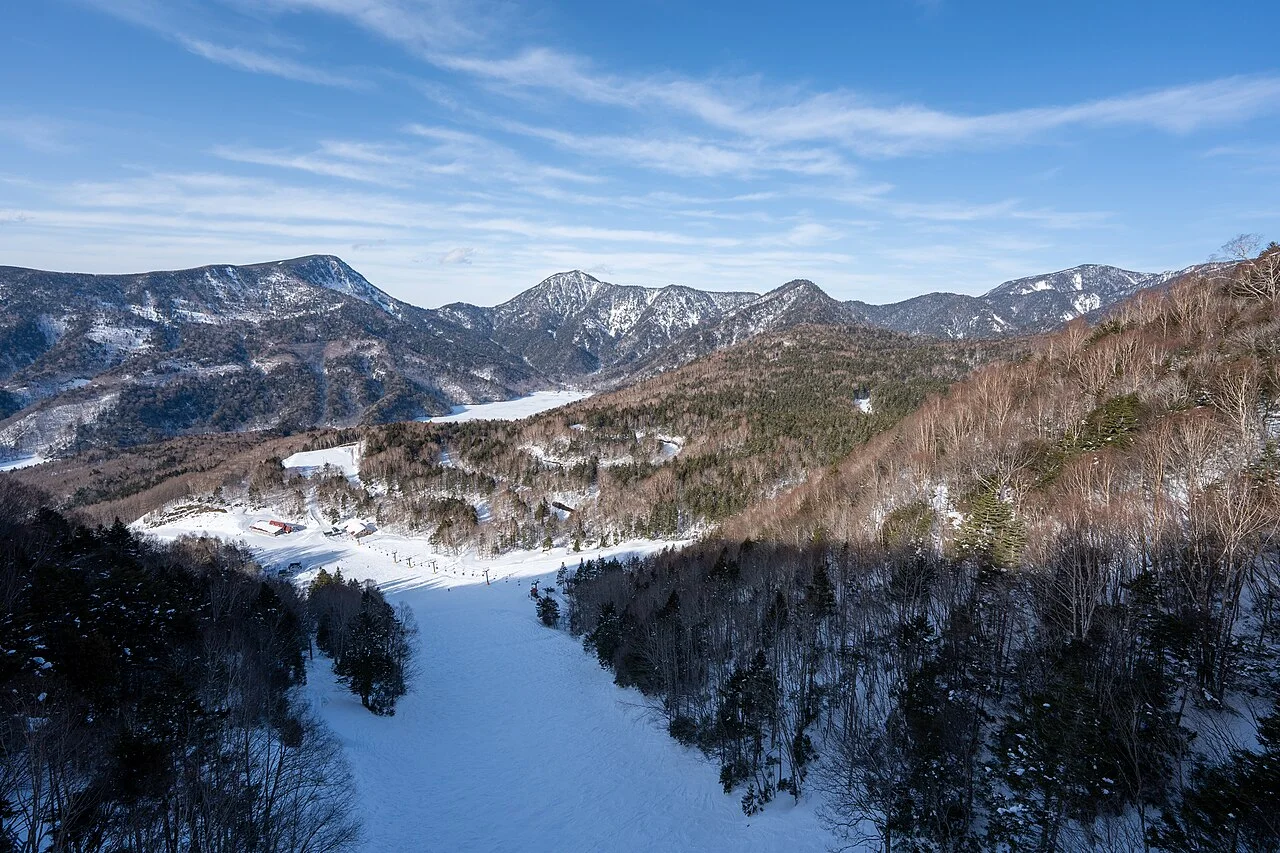
In winter, prepare snow tires or tire chains according to Gunma Prefecture road advisories and build extra time for climbs, passing on narrow curves, and parking after snowfall. If anyone in your group is unsteady on their feet, choosing an inn with car access to the front door matters more than being steps from the promenade. Before heading out after dinner, scout the exit and roadside return path in daylight. Wet stone edges, shaded slopes, and black ice are hard to read at night, so save long stair climbs for daytime, wear grippy shoes, and stop at the first well-lit landing after dark.
One night, two nights, or continuing on to Kusatsu
For a one-night first visit, arrive in the afternoon and hand your bags to the inn or station delivery service. Start climbing the Stone Steps after lunch toward either Ishidan no Yu or Ikaho Shrine depending on energy. Fukuichi guests can step straight inside from the upper stairs, while guests near the bottom should leave time to walk back downhill and push Kajika Bridge to the next morning. If your ryokan rotates two springs, book the rotating bath before breakfast on day two. Save manju shopping, bag repacking, and side trips to Mizusawa until after checkout, leaving one bus departure of margin so you are not watching the clock from the tub.
Two nights suit travelers who want a half-day excursion outside the hot spring town. On the middle day, take a Gunma Bus toward Mizusawa and Mizusawa Kannon for udon lunch before returning for afternoon baths, or check the separate Gunma Bus line to Lake Haruna per tourist association listings. Confirm timetables in both directions before locking in your lodging. Both Tamaki at the entrance and Tenbo near Miharashishita give easy checkout-day boarding for direct highway buses. When booking two consecutive half-board nights, ask the inn how menus and dining rooms differ on night two, and keep an eye on last return times if taking a bus up to the lake.
To combine Ikaho with Kusatsu, one night in each town keeps the pace relaxed. Under JR Bus fares effective December 1, 2026, direct buses from "Ikaho Onsen" or "Ikaho Ishidan-gai" to Kusatsu Onsen Bus Terminal cost ¥1,300 when bought onboard—just verify your departure serves both stops. By rail, ride Kan-etsu Kotsu back to Shibukawa, take the Agatsuma Line to Naganohara-Kusatsuguchi, and connect to a JR bus into Kusatsu. Check transfer times before deciding where to eat lunch after checkout, because missing an Agatsuma Line train downhill can mean a wait longer than the bus ride from Ikaho to Shibukawa. For lodging and bath planning there, continue with our Kusatsu Onsen Stays Guide. If your goal is simply experiencing both Kogane no Yu and Shirogane no Yu, one night in Ikaho covers both comfortably before an unhurried checkout toward Takasaki.
A few useful answers
Is it better to stay at the top or the entrance of the Ikaho Stone Steps?
If you want to drop your bags right off the highway bus, look at Tamaki near the Stone Steps entrance. If you plan to walk up to Ikaho Shrine and Kajika Bridge early in the morning, Fukuichi sits near the upper steps. Chigira Jinsentei and Kishigon sit directly along the steps, making it easy to duck back to your room between strolls in the middle section.
Which ryokan offer both Kogane no Yu and Shirogane no Yu on-site?
Fukuichi, Tamaki, and Tenbo all pipe in both springs. At Tamaki, Haruguri no Yu carries both waters, and the two main communal baths swap genders at 8:00 PM JST. When booking a private bath at an inn with multiple options, choose by the specific bath name to get the spring you want.
Which ryokan work best for families wanting to bathe together?
Chigira Jinsentei has four complimentary private baths available on a first-come, first-served basis whenever vacant after check-in. If you prefer a reserved time slot, consider Tamaki's spring-specific private baths, Kokuya's open-air scenic private bath with Kogane no Yu, or Kogure's wheelchair-accessible Iyashi no Yu.
Can I send luggage from Shibukawa Station straight to my Ikaho ryokan?
Yes. The Shibukawa Local Products Center at Shibukawa Station Plaza accepts bags from 9:00 AM to 2:00 PM JST (closed January 1) for ¥500 per piece up to 25 kg, delivering to your inn's front desk around 4:30 PM JST.
Which highway bus stop from Shinjuku is closest to the Stone Steps entrance?
Select "Ikaho Ishidan-gai" on your highway bus ticket. If you are staying at Tenbo, select "Ikaho Onsen (Miharashishita)" instead. Local Kan-etsu Kotsu buses from Shibukawa Station use different stop names than the highway buses.
Do the two public bathhouses in Ikaho feature both Kogane no Yu and Shirogane no Yu?
Both the municipal Ishidan no Yu bathhouse and the Ikaho Rotenburo open-air bath use Kogane no Yu. To try Shirogane no Yu, book a ryokan that pipes it in or choose one of the inns offering both springs.
How many days should I budget to stay one night each in Ikaho and Kusatsu?
Plan three days and two nights to spend one night in each town comfortably. Direct JR buses link Ikaho and Kusatsu, or you can take a bus back to Shibukawa, ride the Agatsuma Line to Naganohara-Kusatsuguchi, and transfer to a JR bus into Kusatsu.
Official information and references
Sources used in this guide.
- Shibukawa Ikaho Onsen Tourism Association | Stone Steps, Footbaths, and Kajika Bridge
- Shibukawa Ikaho Onsen Tourism Association | Kogane no Yu and Shirogane no Yu Spring Qualities
- Shibukawa Ikaho Onsen Tourism Association | Spring Sources by Ryokan
- Fukuichi | Guest Rooms and Senjukan Wing
- Fukuichi | Stone Steps Entrance and Surrounding Area
- Fukuichi | Access and Parking
- Fukuichi | Dual Springs On-Site
- Fukuichi | Temporary Closure Notice for Private Bath Fuwari
- Chigira Jinsentei | Kogane no Yu and Private Baths
- Chigira Jinsentei | Entrances and Access
- Chigira Jinsentei | Facilities and Accessibility Equipment
- Chigira Jinsentei | In-House Exhibits and Private Bath Details
- Ikaho Onsen Ryokan Cooperative | Kishigon Ryokan
- Kishigon Ryokan | Parking and Shuttle Service
- Kishigon Ryokan | Main Bath Renovation and Gender Rotation
- Kishigon Ryokan | November 2026 Demolition Work Hours
- Kokuya | Access and Designated Entrance
- Kokuya | Private Panoramic Open-Air Bath
- Kokuya | Guest Rooms and Baths
- Kokuya | Kaiseki Dining and Plan Conditions
- Tamaki | Communal Baths and Private Baths
- Tamaki | Bus Stop Shuttle and Two Entrances
- Tamaki | Guest Rooms with Shirogane no Yu Baths
- Kogure | In-House Access, Parking, and Wheelchairs
- Kogure | Private Panoramic Bath
- Tenbo | Dual Springs, Baths, and Meal Options
- Tenbo | Bus, Family, and Bath FAQ
- Relo Hotels & Resorts | Hotel Tenbo and Shibukawa Station Platform 3
- Kanouya | Private Incline Cable Car and Car Entrance
- Kanouya | Guest Rooms and Shirogane no Yu
- JR East | Limited Express Kusatsu-Shima Stops and Reserved Seating
- JR East | Takasaki Station Shinkansen and Local Train Timetable
- Ikaho Onsen Ryokan Cooperative | Shibukawa Station to Ikaho Bus Stops and Fares
- Kan-etsu Kotsu | Ikaho Line One-Day Pass and 2026 Fare Updates
- JR Bus Kanto | Joshu and Tokyo Yumeguri-go Highway Buses
- JR Bus Kanto | Fare Revision Effective December 1, 2026
- Shibukawa Ikaho Onsen Tourism Association | Station-to-Ryokan Luggage Delivery
- Shibukawa City | Ishidan no Yu Hours, Admission, and Closed Days
- Shibukawa Ikaho Onsen Tourism Association | Ikaho Rotenburo Open-Air Bath
- Shibukawa Ikaho Onsen Tourism Association | Kajika Bridge 2026 Autumn Illumination
- Shibukawa City | Ikaho Ropeway Operating Hours and Fares
- Hara Museum ARC | Exhibition Schedule and 2027 Winter Closure
- Gunma Prefecture | Winter Roads and Snow Driving Information
- Shibukawa Ikaho Onsen Tourism Association | Bus Routes and Access Directory