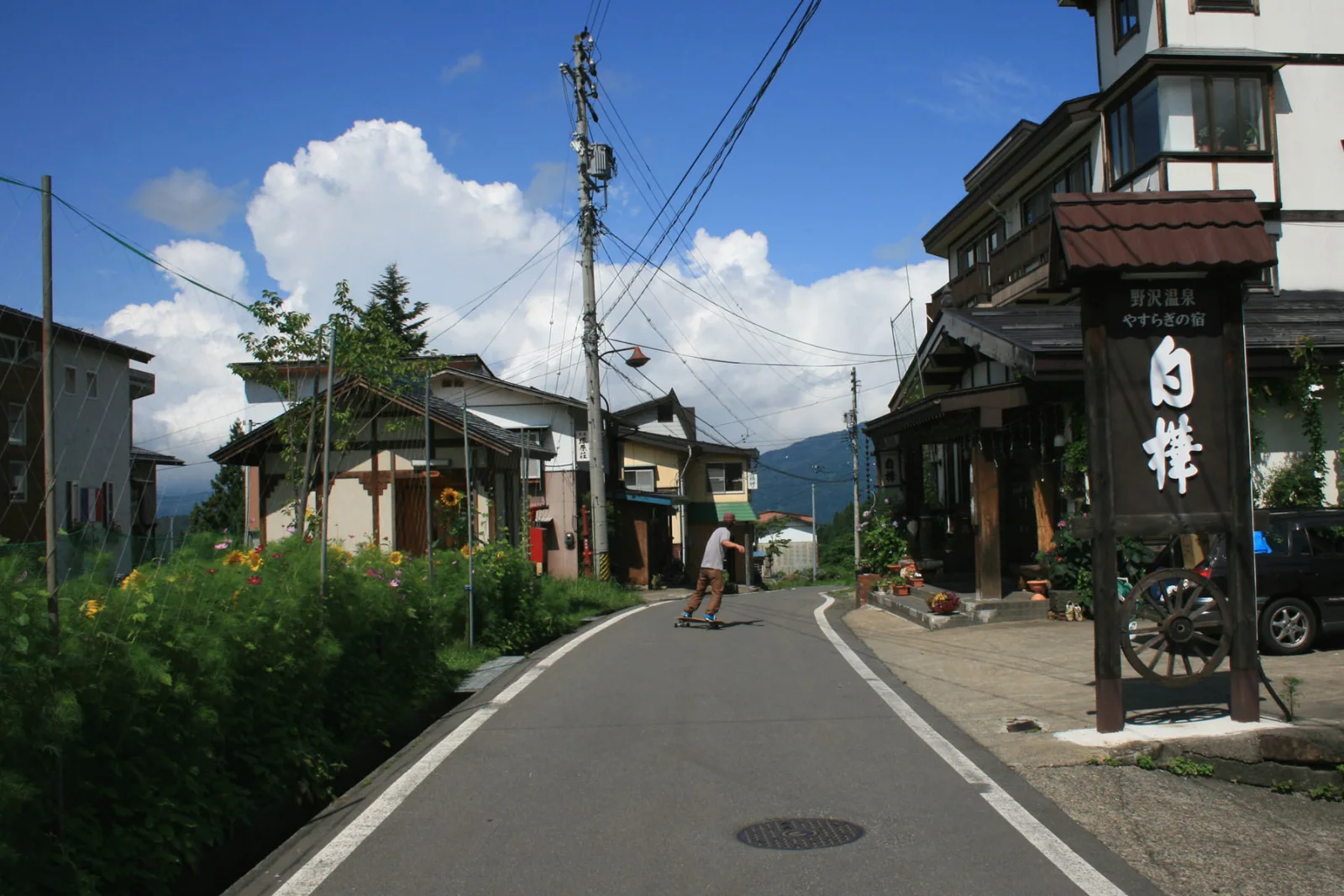
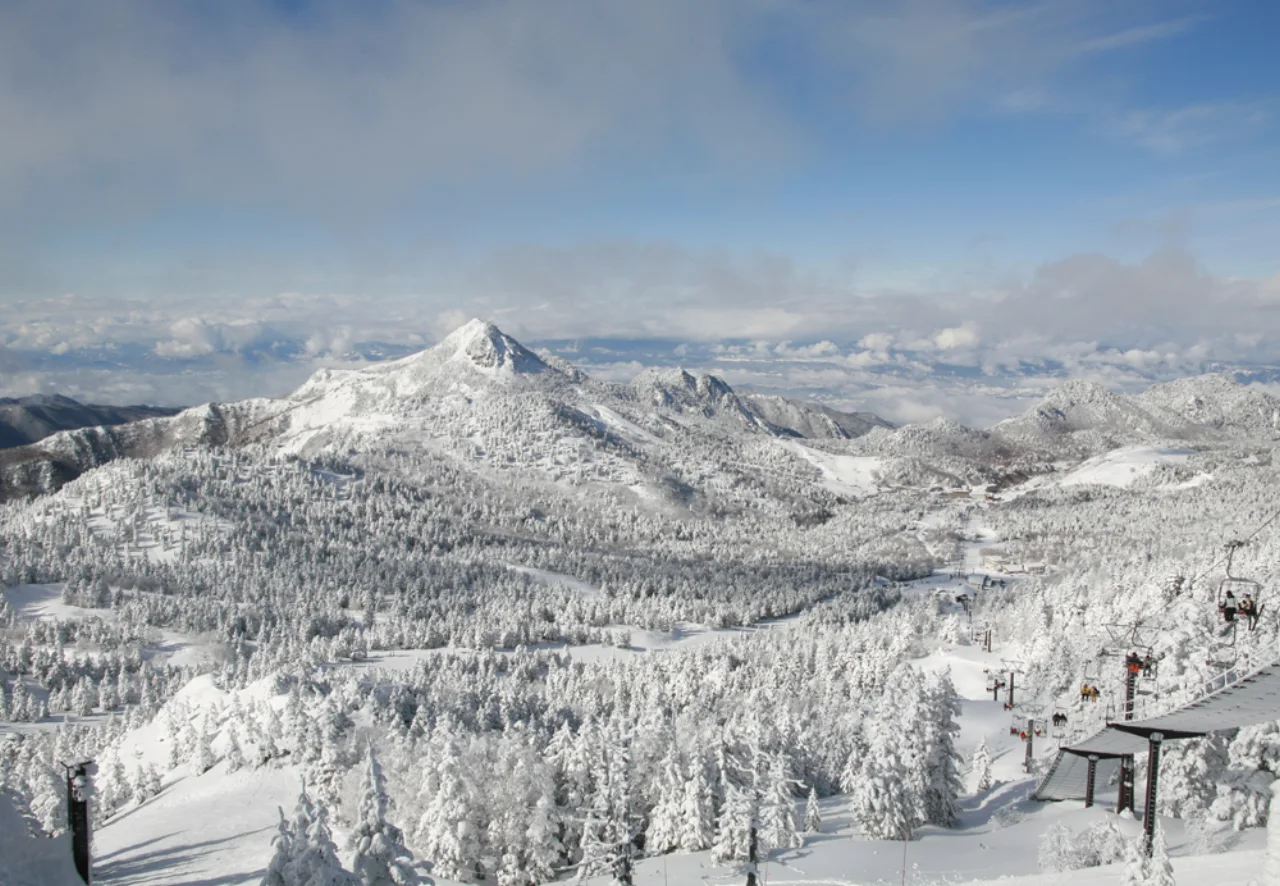
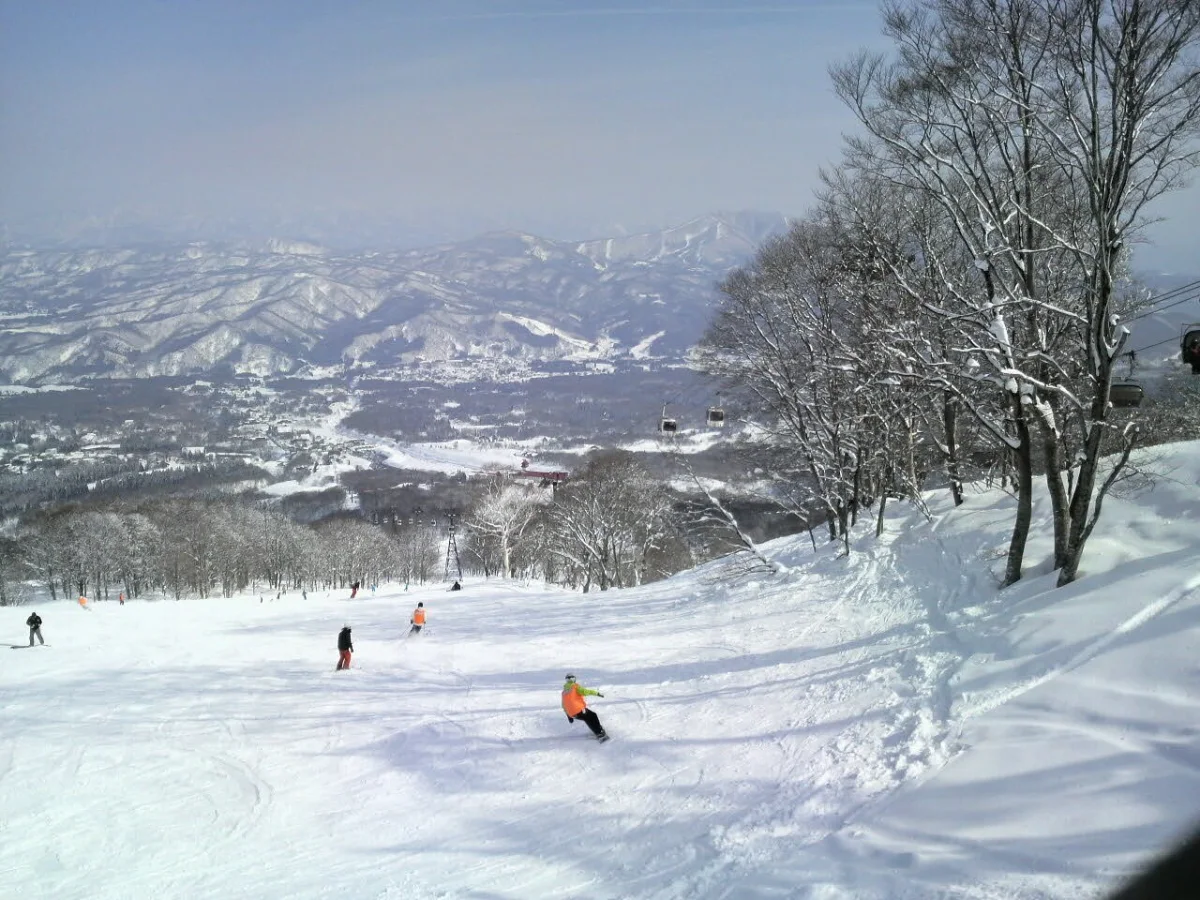
Wondering where to stay on your first Hakuba ski trip? Compare Happo, Wadano, Echoland, Goryu, Iwatake, Tsugaike, and Cortina, with Nagano winter bus fares, lift pass math, and Hakuba lodging taxes.
- Region & Focus
- Nagano and Myoko Ski Areas
- Reading Scope
- 23 min read · 10 chapters · 6 Q&As
- Official Verification
- 30 official sources checkedUpdated November 22, 2026
- Key Topics
- Where to stayWinterBooking
Chapter Route Map (tap any stop)
- Start With the Base Lift You Will Use Every Morning
- Central Happo vs. Wadano: Pick Your Gondola Base
- Echoland and Hakuba Station: Long Stays and Late Arrivals
- Kamishiro for Goryu, North Side for Iwatake
- Two Ways to Stay in Otari Village: Tsugaike for Lessons or Slopeside at Cortina
- Getting From Tokyo to Hakuba: Match the Bus to Your Hotel
- Valley Shuttles and Lift Passes: Plan Each Day as a Pair
- Dinners, Gear Logistics, and Lodging Taxes: Compare Total Trip Cost
- Rain, High Winds, or Non-Skiers: Backup Plans by Neighborhood
- How Many Nights to Stay: Work Backward From Arrival and Departure
- Quick Q&A
If this is your first ski trip to Hakuba without a rental car and you want to ski Happo-One while walking to dinner, start between Happo Bus Terminal and either Nakiyama or the Adam Gondola base station. If ski lessons are at Sakka, look toward the north end of Wadano. Linking Hakuba Goryu and Hakuba47 puts your best base around Kamishiro. Families taking beginner lessons at Kane-no-Naru-Oka should stay right at Tsugaike Kogen in Otari Village. Before booking, drop three pins on a map: your ski school meeting point, your arrival bus stop, and your dinner options. Whether a hotel actually works comes down to those three walks.
Start With the Base Lift You Will Use Every Morning
At the south end of the Hakuba Valley sit Kamishiro and Goryu; heading north takes you past Happo to Iwatake before crossing into Otari Village for Tsugaike, Hakuba Norikura, and Cortina. The Hakuba Village Tourism Bureau groups lodging into Happo, Iwatake, Goryu, Hakuba Sanosaka, Minekata, and Highland. On booking sites, a single "Hakuba" pin can mean Hakuba Village specifically or the wider Hakuba Valley spanning Hakuba Village, Otari Village, and Omachi City. The wider your search radius, the more you need exact street addresses and daily lift access to narrow the field.
Prioritize whichever morning commitment has the tightest clock. If kids have lessons at Tsugaike's Kane-no-Naru-Oka, staying at Tsugaike lets you suit up in ski wear at the hotel and put boots on at the school. Experienced skiers focusing on Happo-One's upper mountain do best near the Adam Gondola base station. For adult groups splitting between Happo and Goryu, staying near Happo Bus Terminal or in shuttle-served Echoland makes separate mornings easy. Even one extra bus stop adds up fast over a week, especially when travelers need different amounts of time for gear rentals and getting dressed.
Listing photos emphasize mountain views, not logistics. Switch to walking directions from the front door to the base lift entrance to check grades, intersections, and sidewalks, then trace the walk home from dinner. If a route runs along a vehicle road without a shoulder, if kids will head back early, or if someone is hauling a board bag, book lodging with a scheduled shuttle from a fixed pickup point. On longer stays, you repeat that same walk twice a day, so paying extra for location usually pays off.
| Area | Best Fit For | Check Before Booking |
|---|---|---|
| Central Happo | Happo-One skiing, car-free first-timers | Distance to Adam Gondola or Nakiyama ski school |
| Wadano | Sakka, Kokusai slopes, or resort-style stays | Morning pickup stop and return drop-off |
| Echoland | Multi-day stays, dining out, self-catering | Whether mountain shuttles reach your exact lift |
| Kamishiro & Goryu | Goryu and Hakuba47, Goryu night skiing | Access to Escal Plaza, Iimori, or Hakuba47 |
| Iwatake & Kirikubo | Iwatake skiing, mixed ski and sightseeing trips | Iwatake gondola base and dinner transport |
| Tsugaike Kogen | Kane-no-Naru-Oka beginner lessons | Ski school meeting spot and Nagano bus stop |
| Cortina & Norikura | Slopeside stays with minimal gear hauling | Reserved hotel transfers and Nagano bus times |
Wondering where to stay on your first Hakuba ski trip? Compare Happo, Wadano, Echoland, Goryu, Iwatake, Tsugaike, and Cortina, with Nagano winter bus fares, lift pass math, and Hakuba lodging taxes.
Central Happo vs. Wadano: Pick Your Gondola Base
Happo Bus Terminal is your luggage hub, while Adam Gondola, Nakiyama, Kokusai, and Sakka each have separate base entrances that you should pin individually on a map. At Happo-One, the Adam Gondola climbs to Usagidaira, and Adam Plaza at the base houses ticket windows, gear shops, and changing areas. On the Nakiyama side, you will find the Happo-One Ski and Snowboard School and Nakiyama Snow Land for beginners and kids, complete with its own ticket counter. Travelers picking up beginner passes early or meeting instructors with children can base near Nakiyama and use the same corridor for lunch or mid-day clothing changes.
In Wadano, the exact side of the neighborhood matters. Lodging near Sakka works smoothly for daily Sakka departures, while properties closer to the Kokusai side orient around that lift entrance, yet booking platforms often label both ends simply as Wadano. Trailheads, restaurants, and the bus terminal are spread in different directions. If your morning starts with a walk to a rental shop and a second walk in ski boots or carrying gear, map the rental shop too. If your ski school confirmation specifies a different meeting base, anchor your hotel search there first.
Even within the Happo area, transfer rules vary by property. Hakuba Tokyu Hotel lists complimentary arrival and departure shuttles between 8:00 and 20:00 from JR Hakuba Station and Happo Bus Terminal with advance reservation; Nagano express bus riders get off at Happo Bus Terminal, while Oito Line train passengers arrive at JR Hakuba Station. Nearby, Hakuba Mominoki Hotel instructs highway bus arrivals to take a taxi from Hakuba Station or Happo Bus Terminal. Two hotels in the same district can handle two suitcases very differently, so confirm your arrival details with the property in advance if you are arriving late.
The planned new Nakiyama gondola is another detail that can mislead map searches. The resort's construction page lists a target opening of December 2027. For the 2026–27 winter season, anyone staying in Nakiyama will still use the existing Nakiyama chairlifts or head over to the Adam Gondola. If a hotel listing already features renderings of the new gondola, verify your route against the current 2026–27 base map.
Echoland and Hakuba Station: Long Stays and Late Arrivals
Echoland brings together restaurants, chalets, apartments, and lodges. The Hakuba Village Tourism Bureau groups it with Misorano and Mizuho on its area lodging map, though for dining on foot it pays to check whether a property sits close to Echoland's main strip. Travelers staying six or seven nights—especially those mixing ski days with rest days—can settle here for the entire trip, making it easy for part of the group to cook in while others eat out. Because you still need transport up to the lifts each morning, factor that daily commute into any room-rate savings.
Hotel La Vigne Hakuba by Onko Chishin illustrates what to check in an apartment-style stay. Its website details unit layouts and kitchen setups, and its FAQ notes shuttles for JR Hakuba Station and Happo Bus Terminal alongside winter ski transfers to Happo Nakiyama and Hakuba47 gondola bases. You can request station transfers when booking, with winter shuttle schedules set by the hotel. Families with toddlers or groups of friends should open the floor plan to verify exact bed counts and bathroom numbers against headcount, and schedule a grocery run on arrival night if cooking breakfast.
When comparing apartment rates, break the total into nightly room rate, cleaning fees, parking, accommodation tax, and breakfast. La Vigne's FAQ notes that it does not lend or sell cooking seasonings, so anyone planning two or three home-cooked meals should pick up oil and salt on the first shop. Two families sharing a unit should check where the washer, drying space, and ski storage sit so mornings do not bottleneck in one entryway. Living room layout also matters if adults want to eat after young kids go to sleep.
The area around JR Hakuba Station suits travelers pairing the Oito Line with errands or next-day transfers. If Happo is your primary mountain and you rely entirely on public transit, sleeping by the station adds a daily round-trip ride to the snow. On the other hand, if your Nagano express bus stops in the valley and your hotel picks you up there, get off at whichever stop the hotel specifies. Staying near the train station only pays off when you actually plan to use the trains.
Kamishiro for Goryu, North Side for Iwatake
Hakuba Goryu sits in the Kamishiro area, with main base access split between Toomi at Escal Plaza and the Iimori base, while connected Hakuba47 operates its own base station. Goryu and Hakuba47 share a joint lift pass and connect up on the mountain via runs and lifts. When some people in your group have lessons and others start at noon, coordinate finish times and pickups at the same base; returning rental gear at the wrong base easily leaves skis on one side and people on the other. For kids' lessons, follow the exact meeting point on the ski school voucher; if class meets at Iimori, compare hotels by their route to Iimori.
For night skiing at Goryu, staying within walking distance of Toomi makes a big difference. The 2026–27 night-skiing schedule starts December 19 and runs into late March 2027, operating 18:00–21:30 at Toomi and until 21:20 at Iimori, with select lifts running on specific days of the week and a private buyout on March 3. Regular night passes cost ¥6,500 for adults (23 and older), ¥4,000 for ages 13–22, and ¥3,000 for ages 6–12, with spring night rates starting March 8, 2027. If you plan to eat dinner before heading back out, pick a place you can walk home to or confirm late-evening transport before booking.
Goryu's Escal Plaza is also handy on arrival and departure days. Its website lists coin lockers and free changing rooms open November 21, 2026 through May 5, 2027, with published hours of 5:30–22:00 from December 19 through March 28. Small and medium coin lockers allow repeated access throughout the day, while cashless lockers run ¥300, ¥400, or ¥600 by size for a single opening within 24 hours of closing. Families doing an afternoon half-day with kids will appreciate re-openable lockers for swapping layers. Check dimensions for oversized board bags, as boards and suitcases may need separate lockers.
North of Happo across central Hakuba Village sits Iwatake. If you are dedicating two days to Iwatake or traveling with non-skiers who want mountain views, look in Iwatake Shinden, Kirikubo, or right by the Iwatake base. Iwatake's winter season is scheduled for December 18, 2026 through March 28, 2027, featuring the HAKUBA MOUNTAIN HARBOR viewing terrace and White Park at the summit. You can ride the gondola up together on separate ticket types and meet at the summit cafe. For dinner, either book a half-board plan or arrange transport back into the village ahead of time.
Two Ways to Stay in Otari Village: Tsugaike for Lessons or Slopeside at Cortina
Tsugaike's Kane-no-Naru-Oka sits right at the base, offering wide, gentle slopes ideal for beginners practicing in one spot all week. Narrow your lodging around your ski school meeting point, rental counter, and walk home. Watch the two distinct bus stops: Nagano express buses and Otari Village municipal buses toward Minami-Otari stop at the central parking lot by the Tsugaike Tourist Information Center, whereas inter-resort shuttles to Hakuba Station, Happo, and Goryu depart from VILLAGE TSUGAIKE below the gondola station. If you are arriving straight from Nagano with a hotel check-in or curfew deadline, navigate to the right stop, and use the resort shuttle timetable to plan dinner trips back to Happo.
Tsugaike's official site schedules opening day for December 1, 2026, expanding base terrain as snow permits, and cancels night skiing for the 2026–27 season. Families arriving in the evening can eat at their lodge and arrange boot fittings for the next morning; if night skiing is a must, staying near Goryu Toomi avoids late-night cross-valley transit. Daytime restaurants and shops operate around the Tsugaike base, but the resort FAQ notes there are no ATMs, 24-hour convenience stores, or pharmacies in the plateau area. If you are moving up from Hakuba Village for a few nights, pick up cash, everyday medications, and kids' next-day breakfast items beforehand.
Farther north in Cortina, Hotel Green Plaza Hakuba puts you right on the snow so family members can ski early, rest mid-day, and regroup indoors. From December 12, 2026 through March 29, 2027, the hotel runs a free 20-minute shuttle from JR Minami-Otari Station with no reservation required; just walk out to the adjacent parking lot and look for the hotel-branded vehicle. Guests arriving via the Nagano express bus at Tsugaike Kogen can use a separate hotel shuttle from December 12, 2026 through March 26, 2027, restricted to registered guests and requiring online reservation by 20:00 JST the night before. Each transfer has its own stop and operating dates.
Hotel Green Plaza Hakuba's access page also lists a paid express bus departing Nagano Station East Exit at 9:40 and returning from the Cortina hotel at 15:15, taking roughly two hours at ¥3,800 one way for adults with reservation required two days in advance. If an early Shinkansen from Tokyo cuts too close to the 9:40 departure, look for a later Nagano–Tsugaike bus with an onward hotel pickup, or ride the Oito Line to Minami-Otari. Spending your first night in Happo to see the ski jump or soak in an onsen, then moving luggage north the next day, keeps arrival-day logistics simple.
Getting From Tokyo to Hakuba: Match the Bus to Your Hotel
From Tokyo Station, ride the Hokuriku Shinkansen to Nagano, follow signs out the East Exit to Bus Stop 26, and board the Alpico Nagano–Hakuba Line. Hakuba Valley lists the fastest public transit timing at around 2 hours 50 minutes. Alpico estimates the walk from the ticket gates to the bus stop at under 10 minutes, though you should pad that connection if you are hauling board bags, buying lunch in Nagano, or hedging against train delays. If your hotel offers station pickup, send them your exact drop-off stop and scheduled bus arrival so your handoff is locked in.
Alpico's winter timetable runs December 12, 2026 through March 26, 2027, with both reserved and non-reserved departures. From Nagano Station East Exit, adult one-way fares are ¥3,500 to Happo Bus Terminal, JR Hakuba Station, Iwatake Resort, or Goryu Escal Plaza, and ¥3,800 to Tsugaike Kogen, Hakuba Norikura, or Hakuba Cortina; winter reservations opened November 12. Start by filtering for buses that serve your exact stop. At Goryu, for example, some buses stop at Hakuba Goryu on the national highway while others pull directly into Escal Plaza, which is worth checking before you book if you have kids or ski bags.
Under Alpico's winter baggage rules, suitcases go in the underfloor luggage bay, while skis, snowboards, and snowshoes must be packed in dedicated bags or sleeves. Heading back to Nagano from Happo, leave buffer time to retrieve gear, return rentals, and queue at the bus stop. Travelers hoping to ski on their final morning should pick a single base with lunch and changing facilities and book an afternoon bus, or choose a hotel that holds luggage after checkout. If you are connecting from Nagano to an airport flight, leave extra cushion for winter road delays on top of Shinkansen transfer time.
Headed to Otari Village by Oito Line train? Compare whether JR Hakuba Station or JR Minami-Otari Station offers better hotel pickup. On the Limited Express Azusa from Shinjuku, Hakuba Valley cites a fastest journey of about 3 hours 40 minutes; check whether your departure runs through directly or requires a transfer at Matsumoto before reserving your hotel pickup. If you can only leave Tokyo late at night, spending the first night in Nagano and catching a morning bus from the East Exit is usually far simpler than trying to arrange late-night pickups in the valley.
Valley Shuttles and Lift Passes: Plan Each Day as a Pair
Bus options around your lodging break into four layers: the Alpico Nagano line, Hakuba Valley inter-resort shuttles, individual resort shuttles, and hotel pickups. Which neighborhood feels easiest comes down to your morning outbound ride and afternoon return. Hakuba Valley's shuttle page lists each resort's own buses separately—many run inbound only in the morning and outbound only in the afternoon, with certain stops designated pickup-only or drop-off-only. Before booking a room, circle one specific outbound bus and one return bus on the timetable, verify transfer rules if switching lines on the way back, and budget separately for evening transport or taxis after dinner.
For 2026–27, the Hakuba Valley All-Mountain Day Pass is ¥11,100 for adults (13+) and ¥6,400 for children (6–12). A 2-day adult pass (¥21,800) covers any two days within four days of first use, while a 3-day adult pass (¥32,200) covers any three days within six days. Holding an active All-Mountain Pass lets you ride the Hakuba Valley inter-resort shuttles between participating mountains, but merely boarding those shuttles activates a pass day and starts the validity clock. Using an All-Mountain Pass just to transfer hotels on arrival day costs far more than a point-to-point bus fare, and night skiing and evening shuttles always require separate tickets.
Single-resort passes can swing the math dramatically. From December 19, 2026 through March 22, 2027, Happo-One's single-mountain adult day pass is ¥9,800, ages 6–17 pay ¥4,900, and seniors 65+ pay ¥9,500. Teens aged 13–17 who walk straight onto Happo-One qualify for the ¥4,900 youth rate, which is ¥6,200 per day less than the All-Mountain adult bracket they fall into on the valley pass. Happo's peak-season Debut Ticket (¥4,900/day for adults) covers designated Nakiyama, Shirakaba, and Sakka lifts, saving real money when the whole family is taking first-time lessons at Nakiyama.
If you are skiing Goryu and Hakuba47 together, price those days with their shared two-resort ticket and price any single day at Iwatake as a standalone pass plus transport. When booking room-and-pass packages, break out how many ski days each person actually needs—an adult taking a spa day and one taking all-day lessons do not need the same ticket. Multi-day All-Mountain Passes buy flexibility to chase snow across resorts, whereas groups entering the same base every morning are often better off putting that price gap toward a closer hotel or included dinners.
Also treat lifts and trails separately when planning cross-mountain routes. In high winter winds, lower chairs may stay open while summit lifts and the upper ridge traverse between Goryu and Hakuba47 close; check the live resort status page before committing. Anyone planning to start at one base in the morning and return rental gear at the other base in the afternoon should keep a backup plan for valley bus transit or returning to the original shop. Verify with your rental shop before check-in whether cross-base returns are allowed; locations under the same brand name still require returns as specified on your booking voucher.
Dinners, Gear Logistics, and Lodging Taxes: Compare Total Trip Cost
Ski lodges, ryokan, chalets, and apartments each save time at different points in the day. Beginner groups making early lessons benefit from lodging with breakfast included at fixed hours that line up with the morning bus. Self-catering apartments let early risers eat before first chair while late starters sleep in. Half-board (dinner and breakfast included) shines in Tsugaike, Cortina, or anywhere you do not want to put winter boots back on at night. If you arrive late on night one, ask for the kitchen's last seating; if transit eats past dinner, book bed-and-breakfast for night one and half-board for the rest.
Before committing to a property, check drying room hours and gear storage placement. Multi-person stays need space for outerwear, gloves, and boots separately from skis and boards. Ask your rental shop whether you can pick up gear the afternoon before, and whether rentals can stay in the hotel drying room after the shop closes. When switching hotels mid-trip, only plan a half-day ski-and-move if the next property accepts forwarded ski luggage and early bag drops. Goryu's Escal Plaza information counter handles takkyubin ski delivery, whereas Tsugaike's FAQ notes there is no on-site courier desk for guest deliveries, so get your hotel's permission before shipping bags straight there.
Hakuba Village introduces an accommodation tax starting with stays from June 1, 2026 through May 31, 2029, tiered per person per night on the pre-tax lodging charge (including the prefectural portion): under ¥6,000 is exempt; ¥6,000 to under ¥20,000 is ¥200; ¥20,000 to under ¥50,000 is ¥400; ¥50,000 to under ¥100,000 is ¥900; and ¥100,000 or more is ¥1,900. Hakuba Village's tiers apply across Happo, Goryu, Iwatake, and other village districts. Tsugaike and Cortina lie in Otari Village, which follows Nagano Prefecture's standard rate of ¥200 per person per night on stays of ¥6,000 or more during the same period.
When comparing half-board ryokan rates, separate the pure lodging portion (excluding consumption tax) to estimate the accommodation tax, then stack the booking total, on-site tax due at check-in, and included meals side by side. Two adults staying four nights in Hakuba Village in the ¥20,000 to under ¥50,000 per-person nightly tier owe ¥3,200 total in lodging tax. Group chalet rentals are also taxed per person per night, not at the top bracket based on the weekly total for the whole house.
Around New Year's, winter school breaks, and Japanese long weekends, verify ski school slots, four-person rooms, and transfer availability as a single package. Short clinic programs often mandate morning check-ins two days in a row, making a walkable hotel worth the premium. Put cancellation deadlines for dinner-inclusive rooms, lessons, and transfers on one calendar; pre-bought multi-day lift passes typically cannot be refunded for unused days once started, so calculate room and pass cancellation exposure separately if someone might ski only one day.
Rain, High Winds, or Non-Skiers: Backup Plans by Neighborhood
When clouds or snow roll in while the Iwatake gondola is still running, non-skiers in your group can buy a sightseeing ticket to ride up for Northern Alps views while skiers hit the runs, meeting later at the summit cafe or back at the hotel. Early-season openings in November can also run upper-mountain-only: Happo-One's pre-opening on November 21, 2026 and official opening on November 22 limit initial skiing to the Panorama area with the lower slopes closed, requiring gondola rides both up and down. If you are staying in Nakiyama or Sakka under early-season rules, plan your morning route to the Adam Gondola instead.
During heavy rain or wind-hold lift closures, staying in central Happo turns an off day into an easy onsen and dining stroll. Happo-no-Yu next to Happo Bus Terminal offers indoor and open-air baths from 10:00 to 21:00 (last entry 20:30) at ¥1,000 for junior high school and older and ¥600 for elementary students. Between JR Hakuba Station and Happo sits Mimizuku-no-Yu, keeping the same hours at ¥800 for adults and ¥500 for elementary students; preschool children aged 3 and up are ¥400 at Happo-no-Yu and ¥300 at Mimizuku-no-Yu. Schedule a soak before dinner after dropping ski gear at the hotel so you only carry a towel and change of clothes.
Families wanting a private bath together can look at Sato-no-Yu on Happo's main street, which switches to reservation-only private charter from December 18, 2026 through March 31, 2027 (bookings open December 4), running 13:00–20:30 at ¥25,000 per hour for up to five people plus ¥5,000 for each additional person, with towels and drinks included. Splitting that hourly total helps groups decide if it beats public entry. If daily soaking is high on your list, weigh an in-house hotel bath, an en-suite soaking tub, and nearby day-use onsens by district.
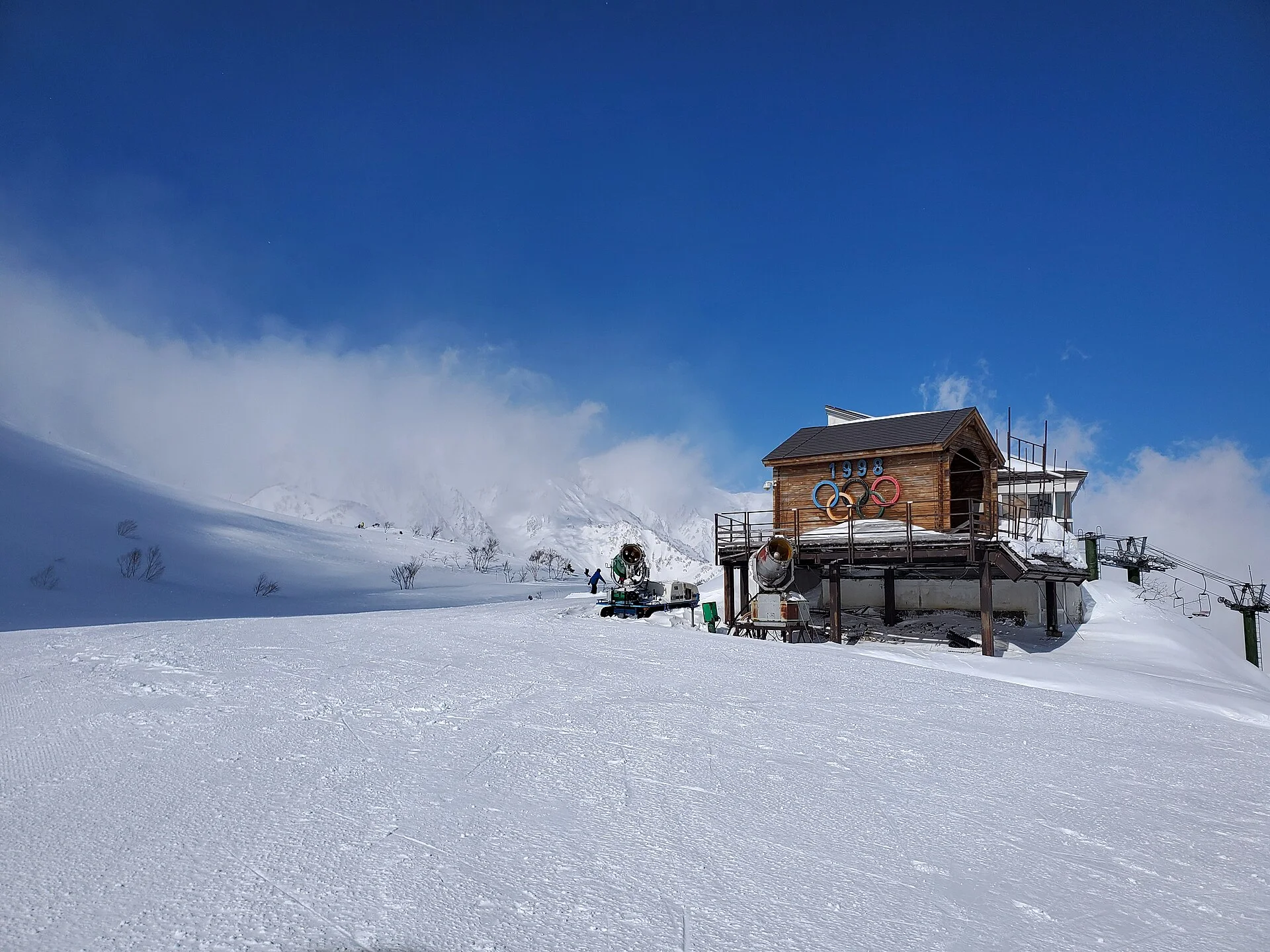
When skies clear for half a day and someone wants to see 1998 Winter Olympic history, head to the Hakuba Ski Jumping Stadium. Hakuba Village's typical winter visitor schedule runs late December through late March from 9:00, with last uphill lift boarding at 15:10 and closing at 15:30 (subject to events). From Happo or Nakiyama, go earlier in the day rather than after lifts close so you do not miss the last chair up. Check perimeter access if winds pick up or competitions are underway, and if slushy roads make cross-valley trips unappealing, stick to lunch near your hotel and a local bath.
How Many Nights to Stay: Work Backward From Arrival and Departure
On a three-night first trip, use arrival evening for the Nagano transfer, bag drop, and boot fitting, leaving days two and three for full skiing. Anchor near one base entrance if Happo is your focus, adding a second resort on day two only if conditions and energy allow. If one full day goes to lessons, keep the other full day on familiar terrain and save checkout day for station errands or an onsen. On a two-night trip with an afternoon arrival, you effectively have one full ski day in the middle, so skip hotel moves and stick to a single mountain.
With four or five nights and plans to ski both Happo and the north end properly, split your stay: Happo first, then move north to Tsugaike or Cortina. Check out early on moving day, ride up with your bags, drop luggage, and ski the afternoon; choosing a hotel that stores bags early and confirming gear delivery by message keeps the day smooth. If you only want one day up north, keeping your base in Happo preserves your evening dining and onsen routine while you commute north with gear for the day. For help pairing resorts, see our Hakuba ski resorts comparison.
Spring skiers need lodging, lift schedules, and bus calendars aligned on one timeline. Happo-One's spring pass runs March 23 through May 5, 2027 at ¥6,400 for adults, whereas Iwatake is scheduled to close March 28 and Alpico's winter Nagano bus timetable ends March 26. For April trips, base near whichever upper-mountain resort remains open, verify the current post-winter bus schedule, and pick accommodations still serving meals. Anyone staying near Nakiyama should check morning lift status; when only upper terrain remains open, walk straight to a gondola still downloading skiers at day's end.
Renting a car opens up chalets off the bus lines, at the cost of winter hill driving, parking, and snow clearing. Hotel Green Plaza Hakuba's access page requires winter tires whenever snow or ice is forecast, plus chains for 2WD vehicles; if you are not comfortable driving on snow, stick to the Nagano or Minami-Otari rail and bus links. Driving around Happo to sample different bases works well—the resort's parking map lists Nakiyama Lot 6 and Sakka Lot 8 right by their respective bases—just confirm overnight hotel parking and post-checkout parking rules before choosing your morning lot.
Once your last night is booked, save your hotel's Japanese name, street address, shuttle confirmation, and exact bus drop-off stop offline. Families splitting up should also agree on a shared meeting point back in town. Even if half the group takes a lesson from Nakiyama while the other half rides over to Goryu, everyone can still find their way back to Happo Bus Terminal, the hotel lobby, or a designated rental shop if cell service drops.
A few useful answers
Where should first-timers stay in Hakuba without a car?
If Happo-One is your main mountain, stay between Happo Bus Terminal and either the Adam Gondola or Nakiyama base. For kids' lessons at Sakka, look on the Sakka side of Wadano. For longer stays with walkable restaurants, look at Echoland lodges that run morning ski shuttles.
Where do you catch the bus from Nagano Station to Hakuba, and what does it cost?
Board the Alpico express bus at Bus Stop 26 outside Nagano Station's East Exit. For winter 2026–27 (December 12, 2026–March 26, 2027), adult one-way fares are ¥3,500 to Happo or Goryu Escal Plaza and ¥3,800 to Tsugaike, Norikura, or Cortina, across reserved and non-reserved departures.
Can I ride the inter-resort shuttles for free on a hotel transfer day if I have an All-Mountain Pass?
Riding the Hakuba Valley daytime inter-resort shuttles with an All-Mountain Pass counts as using a ski day on your pass, even if you never step on a lift. Night skiing and evening shuttles cost extra, so for a simple hotel move it is usually cheaper to pay a point-to-point bus fare or use a hotel shuttle.
Is the accommodation tax the same in Hakuba Village and Tsugaike?
From June 1, 2026 through May 31, 2029, Hakuba Village charges ¥200 to ¥1,900 per person per night (inclusive of the prefectural portion) based on pre-tax room rate tiers, with stays under ¥6,000 exempt. Tsugaike sits in Otari Village, which charges Nagano Prefecture's flat ¥200 per person per night for stays of ¥6,000 or more during that period.
Is Happo or Goryu better for easy onsen access?
Happo is easiest on foot, with Happo-no-Yu right beside Happo Bus Terminal and Mimizuku-no-Yu along the road toward JR Hakuba Station (both last entry 20:30). If you base at Goryu, pick a hotel with its own bathhouse or pair your stay with the day-use bath at Escal Plaza.
Where should I stay for Goryu night skiing or kids' beginner lessons?
For Goryu night skiing, stay within walking distance of Toomi Escal Plaza. On lesson days, match your hotel to the exact meeting base on your booking confirmation: stay near Iimori (or on its shuttle route) for Goryu Iimori lessons, and right at the Tsugaike base for Kane-no-Naru-Oka lessons.
Official information and references
Sources used in this guide.
- Hakuba Village Tourism Bureau | Lodging Directory by Area
- Hakuba Village Tourism Bureau | Echoland, Misorano, and Mizuho Area Map
- Alpico Group | Nagano–Hakuba Express Bus Winter Timetable, Fares, and Stops
- Alpico Group | Nagano East Exit Stop 26, Ski Baggage Rules, and Reservations
- Hakuba Valley | Access From Tokyo and Shinjuku
- Hakuba Valley | All-Mountain Day Pass, Validity, and Shuttle Rules
- Hakuba Valley | Inter-Resort and Resort Shuttle Schedules
- Hakuba Valley | Resort Conditions and Lift Status
- Hakuba Happo-One | Slopes and Base Facilities
- Hakuba Happo-One | November 2026 Season Opening Notice
- Hakuba Happo-One | 2026–27 Lift Ticket Pricing
- Hakuba Happo-One | New Nakiyama Gondola Project
- Hakuba Happo-One | Base Area Parking Lots
- Hakuba Tokyu Hotel | Arrival and Departure Shuttle Reservations
- Hakuba Mominoki Hotel | Access Guide
- Hotel La Vigne Hakuba | Rooms and Facilities
- Hotel La Vigne Hakuba | Shuttles, Layouts, and Kitchen FAQ
- Hakuba Goryu | Goryu & Hakuba47 Joint Lift Tickets
- Hakuba Goryu | 2026–27 Night Skiing Dates and Prices
- Hakuba Goryu | Escal Plaza Lockers and Changing Rooms
- Hakuba Goryu | Escal Plaza Information Desk and Luggage Delivery
- Hakuba Iwatake | Winter Operations and Non-Ski Activities
- Tsugaike Kogen | Season Opening Announcement
- Tsugaike Kogen | Lift Pass Prices and Night Skiing Notice
- Tsugaike Kogen | Bus Stops, Lockers, and Village Amenities FAQ
- Hotel Green Plaza Hakuba | Cortina Winter Shuttle Schedule
- Hakuba Village | Accommodation Tax Rates and Tiers
- Nagano Prefecture | Accommodation Tax Overview and Applicable Municipalities
- Hakuba Happo Onsen | Day-Use Baths, Fees, and Sato-no-Yu Private Charter
- Hakuba Village | Winter Visits to Hakuba Ski Jumping Stadium