Plan Eiheiji and Ichijodani from Fukui Station around weekday and weekend buses. Distinguish the museum, restored town and Karamon Gate, with fares, combined tickets and the free Karamon-go shuttle.
- Region & Focus
- ChubuSide trips
- Reading Scope
- 24 min read · 19 chapters · 5 Q&As
- Official Verification
- 15 official sources checkedUpdated October 27, 2026
- Key Topics
- ItinerariesRail travelChubu & Hokuriku
Chapter Route Map (tap any stop)
- First choice: both places in a day, or Ichijodani alone?
- Asakura–Eiheiji Direct toward Eiheiji
- Asakura–Eiheiji Direct toward Fukui Station
- Weekday plan: Eiheiji in the morning, leave for Ichijodani at 14:15
- Eiheiji: follow the corridors through an active monastery
- Ichijodani: choose your first stop by what you want to understand
- Museum: see excavated objects before reading the landscape
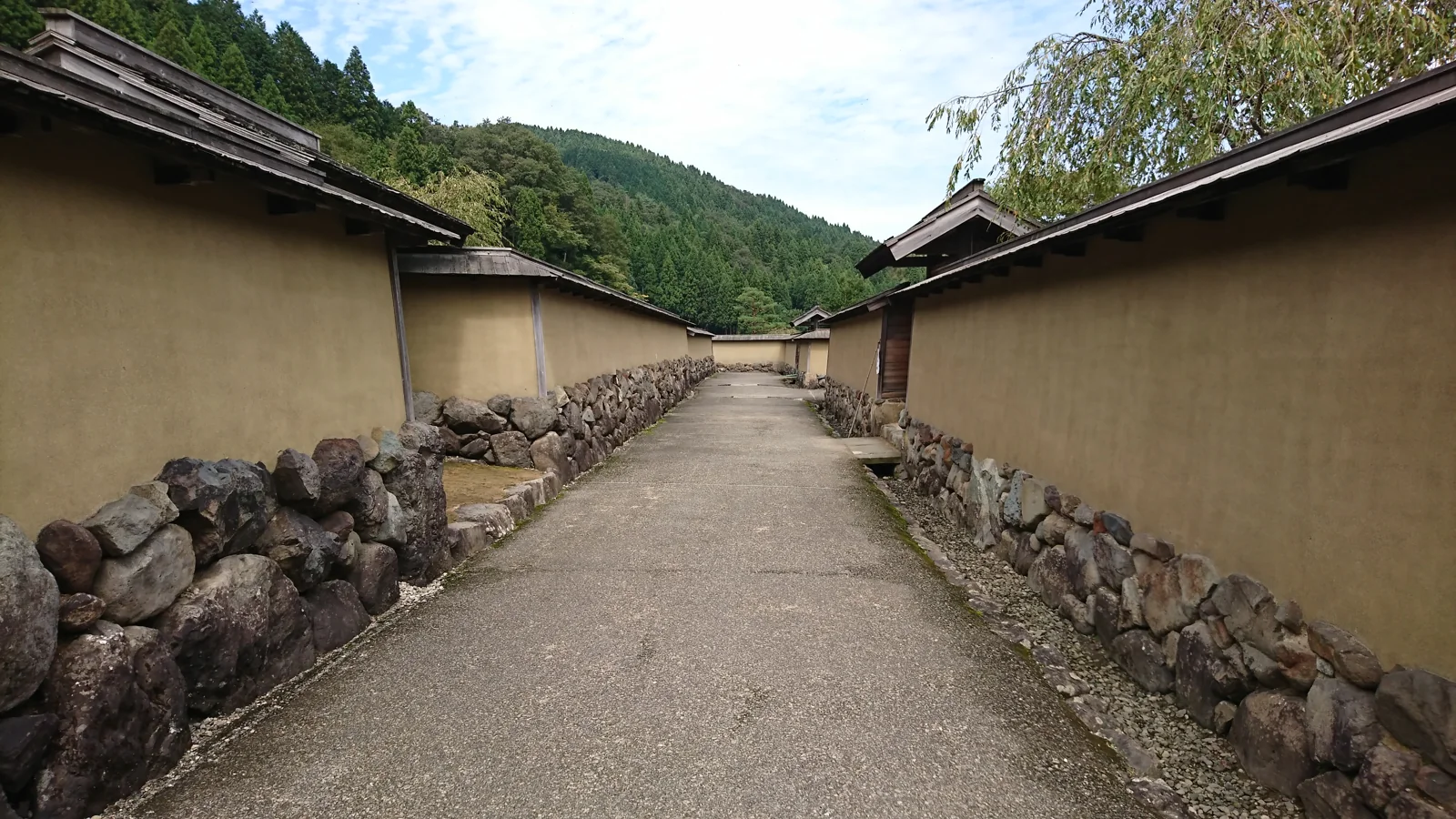
- The restored town: streets rebuilt from archaeological evidence
- Karamon Gate and the residence site: leave room for the outdoors
- Museum to restored town: the free 2026 Karamon-go shuttle
- Ichijodani alone: JR or local bus?
- Weekend and holiday early start: 8:40 out, 11:15 to Ichijodani
- An afternoon for the restored town: no need to finish everything
- Ichijodani first: morning museum or restored town
- Choices to settle when traveling with others
- Staying, eating and changing transport at Fukui Station
- Two days: temple first, castle town second
- Three names to distinguish on the map
- Admission and transport budgets
- Quick Q&A
To visit Eiheiji and Ichijodani in one day from Fukui Station, choose your outward, connecting and return buses first. A direct service links the two, but only three times daily; if there is no seat, you must adjust later sightseeing. One car-free option starts with the Eiheiji Liner express bus in the morning, followed by the Asakura–Eiheiji Direct to Ichijodani after the temple. On weekdays, however, the first express arrives just 57 minutes before the 11:15 connection. The temple estimates about an hour for a visit, so choose 14:15 or split the trip over two days. For more time at the ruins museum and restored streets, visit Ichijodani first and give Eiheiji another half day. Ichijodani's museum, restored town and Asakura residence site occupy different locations. Distinguish them when buying tickets and choosing stops. The museum is near JR Ichijodani Station; the restored town recreates streets from archaeological findings; Karamon Gate and the residence remains are within the ruins area. Eiheiji remains an active training monastery. Follow its visitor route and allow time for stairs and corridors rather than rushing for photographs.
First choice: both places in a day, or Ichijodani alone?
Bus frequency is the main limit on visiting both in one day. The Asakura–Eiheiji Direct runs daily from April 1, 2026 to March 31, 2027, using a small bus with 24 seats. The next two tables show main stops in each direction. Fukui Kotsu timetable and fares
| Travel style | Suggested plan | Best for |
|---|---|---|
| Fukui Station–Eiheiji return | Eiheiji Liner express both ways, allowing time for the temple and its approach street | A relaxed temple visit in half a day |
| Eiheiji and Ichijodani | Morning temple visit, then an afternoon Asakura–Eiheiji Direct to the restored town or museum | A full day with a timetable-led plan |
| Ichijodani alone | Museum, restored town, Karamon Gate and residence remains in sequence | Sengoku history and more outdoor time |
| Museum closure day | Focus on Eiheiji and outdoor ruins; visit the museum another day | Monday visits or less emphasis on indoor exhibits |
Plan Eiheiji and Ichijodani from Fukui Station around weekday and weekend buses. Distinguish the museum, restored town and Karamon Gate, with fares, combined tickets and the free Karamon-go shuttle.
Asakura–Eiheiji Direct toward Eiheiji
From Fukui Station's east exit, the bus passes the museum and restored town before Eiheiji. The first leaves at 10:00. If visiting Ichijodani first, continue toward the temple on the next service after 13:00. The last arrives at Eiheiji at 16:20, after the normal visitor arrival cutoff.
| Toward Eiheiji | First bus | Second bus | Third bus |
|---|---|---|---|
| Fukui Station East Exit | 10:00 | 13:00 | 15:30 |
| Ichijodani Asakura Clan Ruins Museum-mae | 10:23 | 13:23 | 15:53 |
| Fukugen Machinami (restored town) | 10:30 | 13:30 | 16:00 |
| Eiheiji | 10:50 | 13:50 | 16:20 |
Asakura–Eiheiji Direct toward Fukui Station
Check the direction carefully. The 11:15 departure from Eiheiji reaches the restored town at 11:35. Staying until 14:15 means reaching it at 14:35, with much less time for the ruins. In the other direction, the 10:00 Fukui departure reaches the museum at 10:23 and restored town at 10:30. Continue to Eiheiji on the next bus at 13:23 or 13:30, with your actual stay depending on where you board and alight. The museum and restored-town stops are separate entrances.
| Toward Fukui Station | First bus | Second bus | Third bus |
|---|---|---|---|
| Eiheiji | 11:15 | 14:15 | 16:45 |
| Fukugen Machinami (restored town) | 11:35 | 14:35 | 17:05 |
| Ichijodani Asakura Clan Ruins Museum-mae | 11:42 | 14:42 | 17:12 |
| Fukui Station East Exit | 12:05 | 15:05 | 17:35 |
Weekday plan: Eiheiji in the morning, leave for Ichijodani at 14:15
From accommodation near Fukui Station, take the weekday 9:50 Eiheiji Liner, arriving at 10:18. Visit the temple, have lunch on the approach street, then take the 14:15 Asakura–Eiheiji Direct. Choose either the museum or restored town as your main afternoon visit. For full visits to both, give Ichijodani its own half day or use the two-day plan.
First leg: Fukui Station East Exit to Eiheiji. The Eiheiji Liner express runs daily. One-way fares are ¥1,000 for adults and ¥500 for children, effective October 1, 2026. Seats are first come, first served, with no reservations and no boarding once full. Transit IC cards and specified contactless credit cards are accepted. Weekends and national holidays have an additional 8:40 east-exit departure. Check the Keifuku Bus timetable for other services.
Second leg: visiting Eiheiji. The temple currently announces opening at 8:30 and closing at 16:30, with arrival required by 16:00. Admission is ¥700 for adults, ¥300 for elementary and junior high school students, and free for preschool children. Ceremonies and other temple activities can affect visits; check official Eiheiji visitor information before leaving. Monks train here daily. The route follows corridors between halls, so follow signs, keep passage clear and respect rules on photographing monks and spaces.
The 14:15 Direct from Eiheiji reaches the restored town at 14:35 and the museum at 14:42. Decide your afternoon priority before choosing where to alight. The museum closes at 17:00 with last admission at 16:30; a 14:42 arrival gives a little over two hours. For the restored town and Karamon Gate, use the afternoon for outdoor ruins. See the Karamon-go section for local transfers.
Return on the Direct leaving the restored town at 17:05 and museum at 17:12, reaching Fukui Station East Exit at 17:35. These are stops on the same bus, whose 24 seats go to those boarding first. Museum visitors can finish before closing and walk to the stop. A return at 14:35 from the restored town or 14:42 from the museum overlaps the itinerary leaving Eiheiji at 14:15; use an earlier-arrival plan for those returns.
Adult one-way fares from Eiheiji are ¥450 to the restored town or ¥540 to the museum. From the restored town to Fukui Station East Exit costs ¥680; from the museum, ¥640. Fukui Station→Eiheiji→restored town→Fukui Station totals ¥2,130 in adult transport, plus temple and exhibition admission. Returning from the museum also requires planning movement within the ruins area. Fukui Kotsu says this Direct does not accept the holiday unlimited pass or the Eiheiji, Maruoka Castle and Tojinbo two-day pass listed in its notice. Treat the two bus services' tickets separately. Operating notice
Eiheiji: follow the corridors through an active monastery
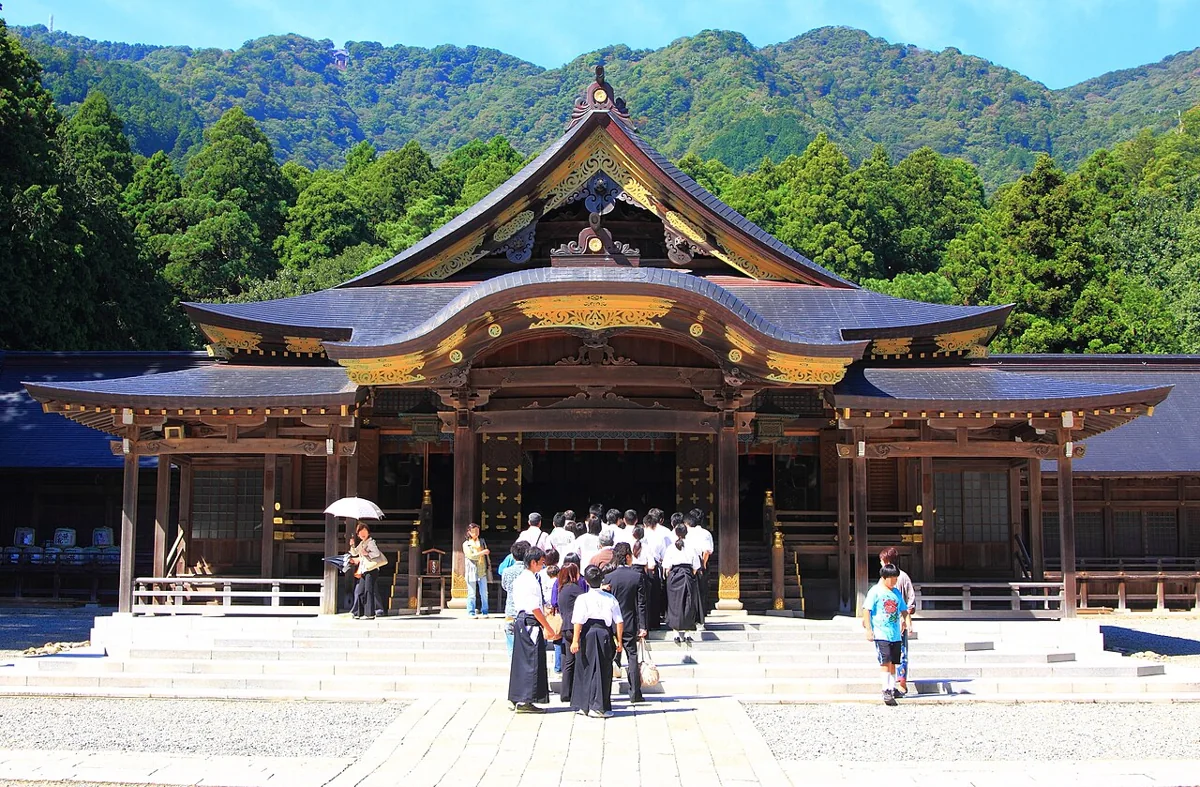
Founded by Zen master Dogen in 1244, Eiheiji is a head temple of Soto Zen. Its many halls include the seven principal buildings: Hatto, Butsuden, Sodo, Kuin, Sanmon, Tosu and Yokushitsu. You need not memorize them before arriving. Follow the visitor route and see how covered corridors connect the gate, worship halls and monks' living spaces. Official Eiheiji website
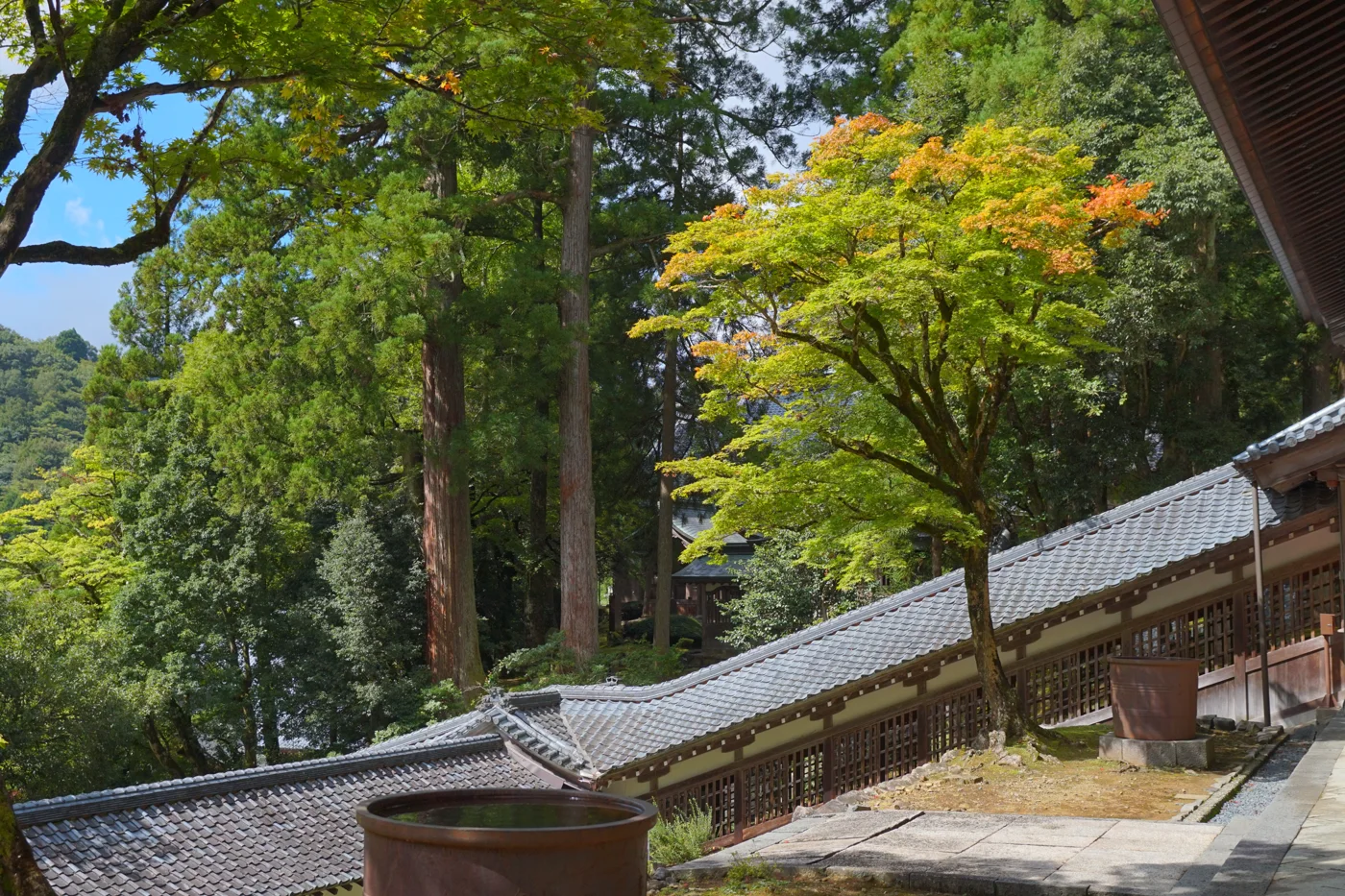
Sort out shoes and clothing at the entrance, then follow the internal directions. There are steps and changes in level indoors and out, so wear stable shoes that are easy to remove. With older relatives or someone with limited mobility, check the temple route and accessibility arrangements first. For a slower group, aim for the 14:15 connection to Ichijodani or make Eiheiji the day's only destination. In a Hokuriku winter, include snowfall and transport changes in travel time rather than tightly linking arrival, temple visit and last bus.
Shops on the approach offer meals and rests. For the 11:15 departure, leave lunch for Ichijodani or central Fukui. For 14:15, eat after the visit before returning to the bus stop. A temple visit and a zazen experience are separate arrangements. For meditation, consult the temple's individual practice information and application procedure; a normal admission ticket does not automatically include it.
For a handwritten goshuin in your book, apply at the first-floor goshuin counter in Kichijokaku on arrival and collect it after the visit. Prepared paper versions are also available. Roofed corridors link the buildings, making the temple a useful morning focus in rain, though the bus stop-to-reception walk remains outdoors. Wheelchairs can access some areas, including the painted-ceiling room and Sanmon. Leave strollers at visitor reception and carry children inside. Eiheiji FAQ
Ichijodani: choose your first stop by what you want to understand
Ichijodani was the Echizen Asakura clan's Sengoku-period base. Fukui Prefecture's cultural property information records five generations developing the mountain castle and town here from 1471 to 1573. Today's visit spans a museum, reconstructed buildings and outdoor remains, each offering clues at a different scale. Fukui Prefecture cultural property information
Museum: see excavated objects before reading the landscape
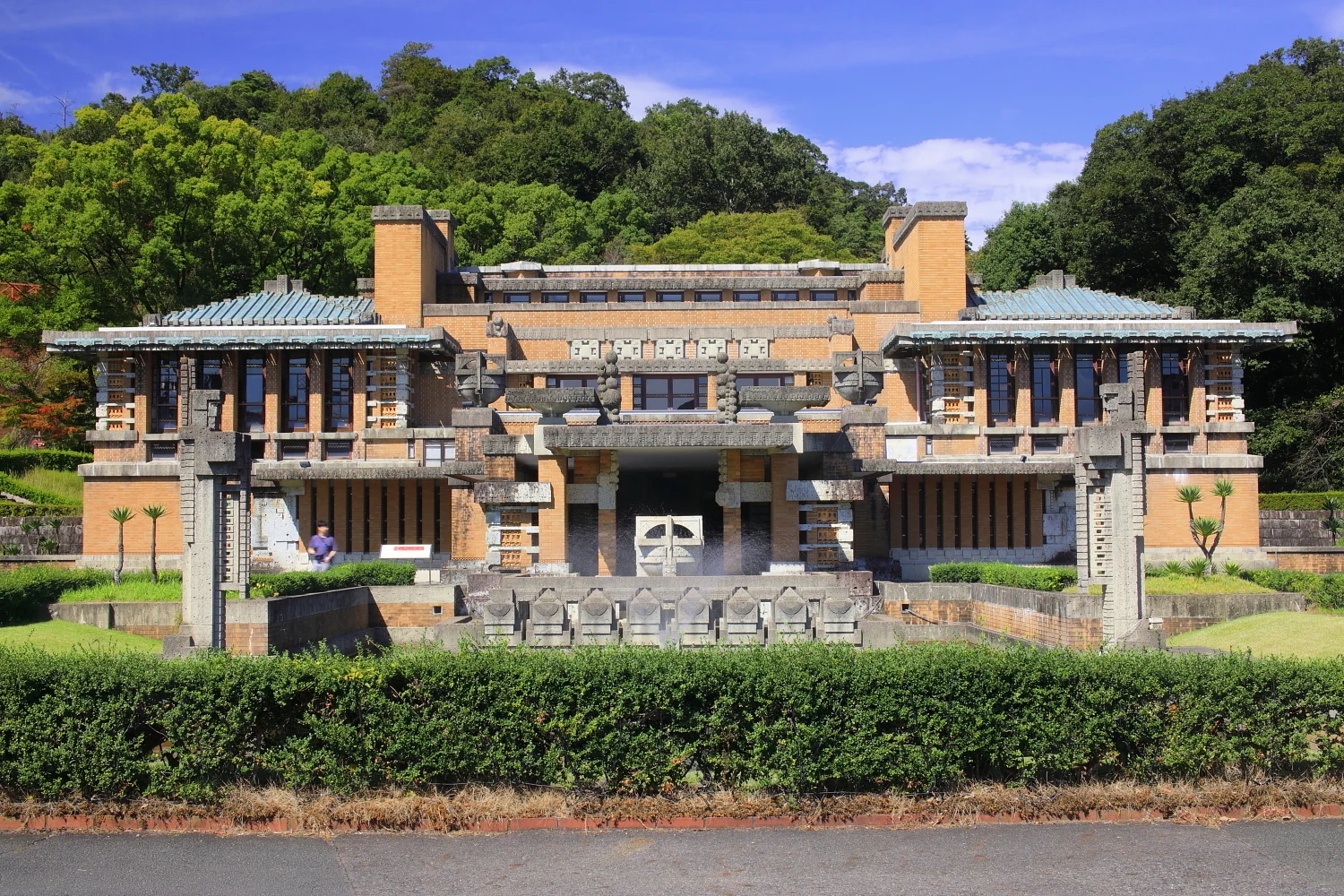
The Fukui Prefectural Ichijodani Asakura Family Site Museum opened in 2022, about three minutes on foot from Ichijodani Station on the JR Etsumi-Hoku Line. It displays excavated objects, remains and a full-size recreation of the Asakura residence. For a first encounter with the clan, establish the town's extent here before going outdoors to connect exhibits with the spaces on the ground. Give it a proper indoor visit rather than using it only to wait for a bus. Museum access; Fukui Prefecture building introduction
The museum opens 9:00–17:00, with last admission at 16:30, and closes Mondays and over New Year. Basic exhibition admission is ¥700 for general visitors, ¥400 for high school students, ¥200 for elementary and junior high school students, and ¥350 for ages 70 and older. Special exhibitions have separate prices. A combined ticket with the restored town is available if entering both. The website also lists a café and shop, making this a suitable indoor rest stop. Museum visitor information
This aerial video by Fukui Prefecture's Public Building Division shows the Ichijodani museum building and surrounding terrain, helping locate indoor and outdoor visits before choosing their order.
The restored town: streets rebuilt from archaeological evidence
The restored town recreates castle-town streets and buildings from archaeological findings. Their widths, houses and plots help you imagine life here. The outdoor remains then show surviving terrain and ruins. Seeing both explains Ichijodani better than a single streetscape photo.
The restored town opens 9:00–17:00, with last admission at 16:30, and closes December 28–January 4. Arriving from Eiheiji in the afternoon, enter the paid streets before 16:30 and leave time to walk back to the stop. Move this visit to another date over New Year. Fukui Prefectural Lifelong Learning Center: Ichijodani opening information
Individual restored-town tickets cost ¥330 for adults and ¥100 for elementary and junior high school students and those aged 70 or older. Fukui City lists combined tickets for the museum's basic exhibition and restored town at ¥820 for adults, ¥580 for high school students, ¥240 for elementary and junior high school students, and ¥360 for ages 70 and older. Special-exhibition combinations cost extra. For an adult visiting the basic museum exhibition and restored town, separate tickets total ¥1,030, so the combined ticket saves ¥210. Fukui City ticket prices
The Asakura ruins preservation association provides tours. Fukui City lists scheduled departures daily from March through November at 10:00, 12:00 and 14:00, lasting about 60 minutes and costing ¥500 per person. Tours leave the restored town's south entrance; register 10 minutes before departure. They pause December–February. To fit limited buses, place tour start and finish times into your route first, then choose boarding and alighting stops. Fukui City guided-tour information
Karamon Gate and the residence site: leave room for the outdoors
Beyond the restored town, Karamon Gate, the residence remains and gardens shift the focus to ruins and valley terrain. Unlike museum exhibits and reconstructed streets, these require walking, reading signs and joining scattered ground-level clues yourself. For Sengoku history, give Ichijodani at least its own half day. With only an afternoon, choose the museum plus restored town, or restored town plus residence site, rather than rushing through all three.
The ruins area comprises more than one building. Wear outdoor walking shoes and bring an umbrella or raincoat in rain. Groups with different stamina can use the museum as a meeting point and choose their own outdoor sections. Scheduled tours run from the restored town to Karamon Gate. Check departure times for guided explanations; on your own, allow time for signs and the walk back to the bus.
Prefectural cultural property information describes a long narrow valley floor along the Ichijodani River and mountains on both sides. Residences, samurai homes and temples occupied the valley; defenses extended into the hills. The northern and southern fortified entrances are about 1.8 km apart. A normal half day focuses on the valley's museum, restored town and residence remains. The mountaintop castle ruins require a separate hike. If continuing to Eiheiji that day, keep your walking in the valley.
Museum to restored town: the free 2026 Karamon-go shuttle
The Karamon-go ruins shuttle links the museum and restored town. The museum announces free operation on weekends and national holidays from April 4 to November 29, 2026, with 24 seats. Participants in Ichijodani Asakura ruins tours receive boarding priority. On weekdays or outside that period, use local buses or walk within the area. Museum access and Karamon-go notice
From the museum, Karamon-go passes Shimokido ruins and Ichijodani Restaurant-mae before the restored town. It reverses the route on return, so stop order differs by direction. The 2026 timetable gives about eight minutes from museum to restored town and six minutes back. Those are ride times; add the walk from exhibits to the stop and waiting. Look for “Karamon-go” on the bus and sign, and distinguish it from the Direct to Fukui Station or Eiheiji.
On weekends and holidays, a 14:42 Direct arrival at the museum can connect to Karamon-go at 14:52, reaching the restored town at 15:00, if you want outdoors first and the museum afterward. But the 10-minute connection requires finding the correct stop promptly. A more relaxed choice is the museum alone that afternoon, or the 8:40 express to Eiheiji followed by an 11:42 museum arrival, dividing the two visits between late morning and afternoon. A timetable connection does not establish enough sightseeing time. Choose the order before buying a combined ticket.
For a weekend or holiday afternoon focused on the restored town, the 16:38 Karamon-go arrives at the museum at 16:44 to connect with the 17:12 Direct there. The last shuttle leaving the restored town at 17:16 reaches the museum at 17:22, too late for that Direct. A Direct also leaves the restored town itself at 17:05, avoiding this local transfer.
Karamon-go handles local transfers; the Direct connects Fukui, the ruins and Eiheiji. When using both timetables, fix the inter-area return first, then fill in local rides and visits. November 29, 2026 is the final day of this Karamon-go season. Plan December with other transport.
| Direction | Departure | Arrival | Use |
|---|---|---|---|
| Museum→restored town | 14:52 | 15:00 | Go outdoors first in the afternoon |
| Restored town→museum | 16:38 | 16:44 | Connect to the 17:12 Direct at the museum |
| Restored town→museum | 17:16 | 17:22 | Too late for the 17:12 Direct; choose another return to Fukui |
Ichijodani alone: JR or local bus?
The JR Etsumi-Hoku Line is also called the Kuzuryu Line. The museum gives about 15 minutes from Fukui Station to Ichijodani, then a three-minute walk. The ride is short, but check departures in both directions first. Choose your return train, then work backward to allocate museum and outdoor time. This route particularly suits a day centered on the museum. Museum access page
Instead of JR, take Keifuku Bus route 62, the Ichijodani–Togo Line, from west-exit stop 5 at Fukui Station. The museum gives about 25 minutes for the ride. The Asakura–Eiheiji Direct leaves from the station's east exit. Note the exit, operator, route and destination stop before departure to find the right bus quickly.
To continue from Ichijodani to Eiheiji, take the Direct toward Eiheiji at 13:23 from the museum or 13:30 from the restored town, arriving at 13:50. The 15:53/16:00 service arrives at 16:20, after the temple's 16:00 arrival cutoff, so it is unsuitable for an ordinary temple visit. Starting from Fukui at 10:00, prioritize either the museum or restored town before deciding on the bus after 13:00. For slow visits to both, move Eiheiji to another day.
Weekend and holiday early start: 8:40 out, 11:15 to Ichijodani
On weekends and national holidays, take the 8:40 Eiheiji Liner from Fukui Station East Exit, arriving at 9:08, then connect to the 11:15 Direct for Ichijodani. About two hours between buses allows for the roughly one-hour temple visit and walks to and from the entrance. Choose 14:15 for extra experiences or longer rests. Obon, August 13–16, and New Year, December 29–January 3, also use the Sunday/holiday schedule, which the Keifuku website lists with the 8:40 departure.
On weekdays, the first express leaves at 9:50 and reaches Eiheiji at 10:18, leaving only 57 minutes before 11:15, including entrance walks, tickets and the return to the stop. Use the 14:15 weekday plan above. If reaching the temple earlier by your own means, plan the 11:15 connection from your actual arrival time.
An afternoon for the restored town: no need to finish everything
Leaving Eiheiji at 14:15 brings you to the restored town at 14:35. The 17:05 return from the same stop appears to give two and a half hours, but admission, lunch or rest, and the walk back reduce sightseeing time. For streets and gardens, focus on the restored town and Karamon area. For museum displays, get off there at 14:42, stay indoors and return at 17:12. Both are easier to manage than a last-minute attempt to cross the whole ruins area.
Ichijodani first: morning museum or restored town
The 10:00 Direct from Fukui Station East Exit reaches the museum at 10:23. For a museum-focused visit, board at the same stop at 13:23 toward Eiheiji, arriving at 13:50. Treat 13:23 as fixed when arranging lunch and exhibits. Alternatively, alight at the restored town at 10:30 and continue from there at 13:30. Both give Eiheiji the afternoon, but movement between museum and restored town still needs arranging. To avoid connection pressure, use JR or local buses for a Fukui return and leave Eiheiji for the next day.
Choices to settle when traveling with others
With children, separate museum displays and outdoor sections and choose a manageable focus first. The basic exhibition has elementary and junior high school tickets, and the restored town also has child fares. The combined ticket covers the museum's basic exhibition and restored town; special exhibitions cost extra. For more indoor family time, start Ichijodani at the museum and board your return there to avoid another transfer across the area.
Bus seats limit the whole group. The Direct has 24 seats, and the Keifuku express also boards first come, first served up to its seating capacity. Large families and groups cannot assume everyone will fit upon reaching the stop. Gather before departure and agree how to change plans if seats run short. Different interests can also support a temple group and a ruins group, meeting at Fukui Station after choosing their own returns.
In rain or poor afternoon weather, the museum offers indoor sightseeing while the restored town and residence remains require outdoor movement. Rather than forcing every planned stop, visit the museum first and decide on the ruins afterward using weather and return times. This is easier than carrying luggage between stops. The museum lists parking, so drivers can start there. Without a car, let public transport determine your stay.
Staying, eating and changing transport at Fukui Station
For a first Hokuriku trip, Fukui Station is a useful base. Both direct buses leave from the east exit, while JR and west-exit buses to Ichijodani are nearby. Stay the night before for breakfast and luggage storage before the early bus, then eat after returning and continue by Shinkansen or other rail the next day. If arriving from another city that morning, separate your Fukui arrival and bus departure times rather than counting only the intercity train ride.
Store large bags at station facilities and take only what you need. Eiheiji's stairs and corridors and Ichijodani's outdoor paths all require walking, which large luggage slows. Rain gear, water and removable layers are more useful than morning shopping. Buy souvenirs after returning to Fukui Station to make transfers between the two destinations easier.
Lunch depends on transport. For the 11:15 departure from Eiheiji, avoid relying on the final minutes outside the temple. Identify food available at Ichijodani that day, or bring simple food to eat in a permitted space. The 14:15 departure allows a longer temple-side rest but calls for a smaller afternoon sightseeing area. For both destinations and a full lunch, two nights in Fukui with two half-day visits is the most relaxed option.
Two days: temple first, castle town second
If your Hokuriku trip already includes two nights in Fukui, one half day for each place gives more room than chasing the connecting bus. On day one, take the east-exit express to Eiheiji, follow the temple route, rest outside and return by express. Return times and both stop names appear on the same Keifuku timetable. Save the applicable return column rather than only remembering the outward trip. Fares apply to each journey, so pay in both directions.
Make Ichijodani day two. For the museum first, use JR Etsumi-Hoku to Ichijodani or west-exit bus 62. For the restored town first, choose a bus from the Direct timetable and operating notice. Record your return time on arrival before deciding on a scheduled tour. For a 17:12 museum departure, allow the walk from exhibits to the stop and account for the 24-seat bus potentially filling. Another option is walking back to Ichijodani Station for a train selected from the JR timetable.
Two days let each transport choice serve one destination without tying temple walking pace to Ichijodani opening hours through one connection. Groups with different historical interests can visit the temple together on day one, then let interested members explore Ichijodani on day two while others stay in Fukui. With only one night, prioritize what matters most: finish the temple visit first for a temple-led trip; for ruins, choose a museum opening day, see the exhibits and then decide how far to walk outdoors.
Three names to distinguish on the map
Eiheijiguchi is an Echizen Railway station; Eiheiji is the bus stop near the temple. Similar names are not interchangeable when transferring. The Fukui tourism federation's alternative is the Echizen Railway Katsuyama–Eiheiji Line from Fukui to Eiheijiguchi, then a Keifuku bus to Daihonzan Eiheiji. If the express is full, consider this rail-and-bus backup, matching both timetables before departure. Fukui tourism federation transport FAQ
Ichijodani Station and Ichijodani Asakura Clan Ruins Museum-mae are respectively rail and bus stops. You can walk from the station to the museum, but the restored town requires another leg. The third name, Fukugen Machinami, refers to the paid restored streets and their bus stop. For Karamon Gate and the residence remains, follow site signs and maps beyond it. Put each name on its own itinerary line to avoid waiting for companions at different entrances.
Admission and transport budgets
Using adult basic-exhibition prices currently announced for the visit, Eiheiji's ¥700 plus the museum-and-restored-town combined ticket at ¥820 totals ¥1,520. Add ¥1,000 for the Fukui–Eiheiji express, ¥450 for the Direct to the restored town and ¥680 for its return to Fukui: transport and admission total ¥3,650. This calculation uses the restored-town Direct stop in both directions. Movement between museum and restored town, lunch, guides, special exhibitions and any local transport are additional.
For Eiheiji alone with a return express from Fukui, adult transport is ¥2,000 plus ¥700 admission, totaling ¥2,700. For Ichijodani alone, calculate transport by rail or bus, endpoints and actual tickets. The basic museum exhibition is ¥700 alone; adding the restored town makes the ¥820 combined ticket cheaper than separate admission. Decide what you actually have time to reach before comparing prices.
Direct child fares are half the adult fare, rounded up to the next ¥10. For example, Eiheiji to the restored town is ¥450 adult and ¥230 child; restored town to Fukui is ¥680 adult and ¥340 child. Keifuku's Eiheiji Liner has its own ¥1,000 adult and ¥500 child fare. Each operator has separate fares and payment methods. Keifuku lists transit IC cards and contactless credit cards; the current Direct PDF asks cash passengers to prepare the exact fare, so have change ready.
A few useful answers
Can I visit Eiheiji and Ichijodani in one day without a rental car?
Yes. On weekdays, take the 9:50 Eiheiji Liner from Fukui Station East Exit, arriving at 10:18. After the temple and lunch, take the 14:15 Asakura–Eiheiji Direct, focus on either the restored town or museum and return after 17:00. On weekends and holidays, the 8:40 express allows the 11:15 Direct connection and more Ichijodani time. The Direct timetable applies April 1, 2026–March 31, 2027.
Must I return to Fukui Station between Eiheiji and Ichijodani?
Not necessarily. The Asakura–Eiheiji Direct links them three times daily in each direction. From Eiheiji toward Fukui it passes the restored town and museum; the opposite direction visits Ichijodani before Eiheiji. Seats are limited, so a full bus requires another departure or another way back.
Are Ichijodani Station, the museum and restored town the same place?
No. JR Ichijodani Station is about three minutes on foot from the museum; the restored town has a separate bus stop. Use exact stop names rather than searching only “Ichijodani.” The museum explains the whole area through excavated evidence; the restored town shows reconstructed streets; Karamon Gate and residence remains belong to the outdoor ruins.
Is Ichijodani worth visiting when the museum is closed on Monday?
If your main aims are the restored town, Karamon Gate and outdoor remains, plan around each site's opening information. For museum exhibits, choose an opening day. You can focus Monday on Eiheiji and visit Ichijodani another day.
Which should I choose with only half a day?
For temple architecture and monastic spaces, choose Eiheiji with a return express bus. For a Sengoku castle town, choose Ichijodani, starting at either the museum or restored town. Each has independent transport, so there is no need to reduce visits to quick photos just to increase the stop count.
Official information and references
Sources used in this guide.
- Fukui Kotsu timetable and fares
- Keifuku Bus timetable
- Official Eiheiji visitor information
- Operating notice
- Official Eiheiji website
- Fukui Prefecture cultural property information
- Museum access
- Fukui Prefecture building introduction
- Museum visitor information
- Fukui City ticket prices
- Fukui City guided-tour information
- Fukui tourism federation transport FAQ
- Official Eiheiji FAQ
- Museum: 2026 Karamon-go timetable
- Fukui Prefectural Lifelong Learning Center: restored-town hours and closures