Walk from Ebisu Station to Yebisu Garden Place to explore the brewery, Tokyo Photographic Art Museum, and the free 38th-floor observation lounge. Includes Daikanyama-to-Nakameguro walking routes, rainy-day options, and 2026–2027 winter illumination hours.
- Region & Focus
- TokyoNeighborhoods and shopping
- Reading Scope
- 17 min read · 9 chapters · 6 Q&As
- Official Verification
- 26 official sources checkedUpdated November 22, 2026
- Key Topics
- NeighborhoodsItinerariesFood
Chapter Route Map (tap any stop)
- Navigating Ebisu Station: East Exit vs. West Exit
- Exploring Yebisu Garden Place: Clock Square to the 38th-Floor Lounge
- YEBISU BREWERY TOKYO: Free Entry, Audio Guides, and Guided Tours
- Tokyo Photographic Art Museum: Exhibitions and Rainy-Day Planning
- Walking to Daikanyama: Bookstores and the Former Asakura Residence
- Nakameguro and the Meguro River: Where to Join the Water
- 2026–2027 Winter Illuminations: Different End Dates for the Markets and Chandelier
- Lunch, Izakayas, and Souvenirs: Choosing by Your Departure Station
- Sample Itineraries: Half-Day, Full-Day, and Rainy-Day Plans
- Quick Q&A
Half a day is plenty for Yebisu Garden Place on a first visit to Ebisu. Take the covered Skywalk from the JR Ebisu Station East Exit for about five minutes to browse the free Yebisu Beer history exhibits, catch a view of Tokyo Tower from the 38th floor, or see a photography exhibition. To link Ebisu with Daikanyama and Nakameguro, explore Ebisu during the day and catch your train out from Nakameguro. In winter, if you are coming for the Yebisu Garden Place illuminations, reverse the route and finish back in Ebisu for dinner and the lights.
Navigating Ebisu Station: East Exit vs. West Exit
Yebisu Garden Place sits south of Ebisu Station, so look for the East Exit when leaving the JR platforms. Tap out at the East Exit ticket gates, turn right, and follow signs for Yebisu Garden Place onto the covered Ebisu Skywalk. Ride the moving walkways to the end and cross the street to reach the plaza. The official complex site estimates a 5-minute walk from the JR East Exit, while the Tokyo Photographic Art Museum farther inside estimates around 7 minutes. If you are meeting someone at the museum or brewery entrance, factor in the extra time to get from the train platform out to the gates.
If you arrive on the Tokyo Metro Hibiya Line, head toward Exit 1 at Ebisu Station and take the escalator right in front of the exit up to the third floor. Keep walking straight once you spot the JR East Exit ticket gates on your right to join the same Skywalk without entering the JR paid area. The complex estimates about 7 minutes from the subway exit, and the museum estimates around 10 minutes.
To take an elevator from the JR platforms, exit through the West Exit ticket gates instead. The museum's accessibility guide routes visitors from the West Exit into atré, up the elevator to the third floor, and across the connecting walkway to the outside of the JR East Exit and the Skywalk. The guide lists atré elevator operating hours as 10:00–21:00. Wheelchair users can travel down the center lane of the Skywalk; in rainy weather, take the elevator near the exit down to B1, follow the museum's underground route, and take the glass elevator back up to the first floor. It keeps you dry and is easier to navigate than hunting for step-free paths beside the sloped plaza stairs.
The West Exit puts you closer to Ebisu Shrine, the station-front restaurants, and the road toward Daikanyama. After looping through Yebisu Garden Place, you can take the Skywalk back outside the JR East Exit and cut through the station passage to the West Exit. Because the two sides sit on different levels, specify whether you are meeting outside the East Exit gates or by the Ebisu statue outside the West Exit. Inside Yebisu Garden Place, Clock Square makes an easy landmark right across the street from the Skywalk.
For the ride back, the JR Yamanote Line outer loop heads toward Shibuya and Shinjuku, while the inner loop runs toward Meguro and Shinagawa. The Hibiya Line takes you straight to Ginza and can also be boarded at Nakameguro at the end of your walk. If you plan to transfer to a JR line at Shibuya, staying in Ebisu lets you ride the Yamanote Line directly within the JR network; from Daikanyama, the Tokyu Toyoko Line also runs one stop to Shibuya, though you will need to transfer up from the underground platforms to JR. With only an afternoon to spare, let your dinner plans or next train connection decide where to wrap up the walk.
Walk from Ebisu Station to Yebisu Garden Place to explore the brewery, Tokyo Photographic Art Museum, and the free 38th-floor observation lounge. Includes Daikanyama-to-Nakameguro walking routes, rainy-day options, and 2026–2027 winter illumination hours.
Exploring Yebisu Garden Place: Clock Square to the 38th-Floor Lounge
Once you cross from the Skywalk, look for Clock Square and the gentle slope leading down into the complex. Walking down the slope brings you to the covered Center Square, and continuing south leads to Château Square and its castle-style restaurant building. Check the directory at Clock Square first: retail and indoor walkways flank Center Square, Yebisu Garden Place Tower rises along the rail side, and the brewery and Tokyo Photographic Art Museum sit on opposite sides of the grounds. Enter the specific venue name into your map app so navigation guides you to the right building.
The complex opened in October 1994 on the former site of the Yebisu Beer brewery. The arched entrance, brick paving, glass canopy, and tower you pass on the way down are largely products of that redevelopment. Rather than guessing which brick wall dates back to the old factory, step into the brewery exhibits to see how beer was actually brewed and shipped here. Visiting the exhibition first makes it much easier to picture how the rail line and production once connected when you walk back along the tracks.
On the 38th floor of the tower, the free SKY LOUNGE is generally open 11:00–23:30 and looks out toward Tokyo Tower and Rainbow Bridge. After crossing the street at the end of the Skywalk, walk along the railway side to the tower entrance and take the express elevators marked TOP of YEBISU. The 38th and 39th floors also house restaurants, though you can head up to the 38th floor just for the view. Landmarks are easier to pick out by day, while nightfall brings out the illuminated Tokyo Tower and city skyline. If fog rolls in, shift that window to an exhibition or dinner instead.
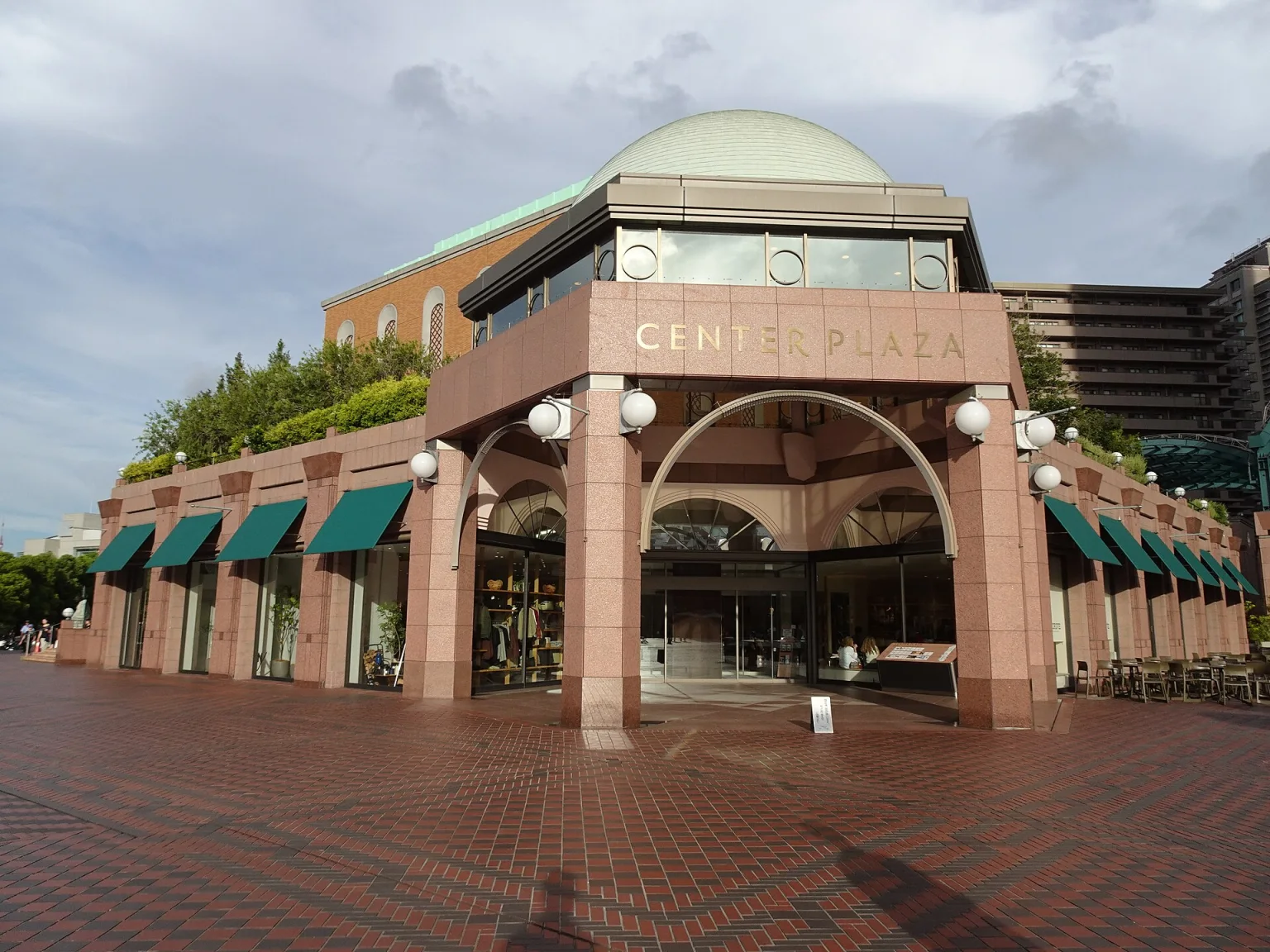
Watch out for the similar names: Center Plaza is the shopping building, while Center Square is the open event space. Center Plaza's B2 level houses Foodies' Garden, anchored by Meidi-ya, Central Square supermarket, and specialty food counters—handy for bento boxes, snacks, or fruit to bring back to your hotel. B1 focuses on lifestyle goods such as TODAY'S SPECIAL. If you just want sweets, condiments, or small treats, stick to B2. Give yourself an extra half hour if you plan to browse housewares and gifts, or save shopping for the walk back to the station so you are not carrying bags through the galleries.
Dining inside the complex also makes it easy for a group to split up and reconvene. Photography fans can duck into the museum while parents grab lunch or claim a café table, then everyone meets back at Clock Square. When an outdoor event fills Center Square, use a specific floor entrance of Center Plaza as your meeting point rather than saying "the central plaza." If you plan to stay until evening after an exhibition, pick a restaurant or café ahead of time so you are not pacing outdoors while waiting for the lights to come on.
YEBISU BREWERY TOKYO: Free Entry, Audio Guides, and Guided Tours
Inside the complex, YEBISU BREWERY TOKYO revived on-site brewing when it opened in 2024. Head downstairs from the entrance to explore the brand history displays alongside brewing tanks, a taproom, and a gift shop. Yebisu Beer launched in 1890, followed in 1901 by a dedicated freight stop—Ebisu Teishajo—for shipping beer, which began carrying passengers in 1906. The surrounding neighborhood only adopted the name Ebisu officially in 1928. Even the Ebisu statue outside the station echoes the figure on the bottle label, so it is worth checking the dates and early typography in the gallery before heading back out.
Self-guided entry is free with no reservation required, and the brewery estimates about 20 minutes for a look around. Hours are 12:00–20:00 on weekdays and 11:00–19:00 on weekends and national holidays, with last admission 30 minutes before closing. It closes on Tuesdays (or the following day if Tuesday is a national holiday) and is also scheduled to close on November 30, 2026, for equipment maintenance. Free admission works best if you only want the historical displays or need a flexible schedule with kids. On weekday mornings, visit the photo museum or the tower first, then drop into the brewery once it opens at noon.
If you want context at your own pace, rent an audio guide at the gift shop counter on the day of your visit (around 30 minutes). Available in Japanese, English, and Korean, the guide costs ¥700 on its own or ¥1,800 bundled with a glass of YEBISU ∞. Last entry for rentals is 30 minutes earlier than general admission: 19:00 on weekdays and 18:00 on weekends and holidays. If you arrive shortly before dinner, check the rental cutoff before deciding between the audio tour and the free display area.
Visitors who want both the brewing process and a tasting—and can follow Japanese commentary—can book YEBISU the JOURNEY. The 45-minute guided tour includes views of brewing equipment through glass and concludes with a tasting: ¥2,000 for adults aged 20 and over, ¥1,000 for junior high students through age 19, and free for elementary school age and younger. The fee covers a two-beer tasting flight with small snacks, or an exchange for non-alcoholic beer or a soft drink. Reserve and prepay by credit card on the official site; capacity is 20 guests per session. Check-in opens 15 minutes before start time and closes 5 minutes prior. The meeting spot is the JOURNEY Lounge to the left at the bottom of the entrance stairs, so leave time to walk back if you have been browsing elsewhere in the building.
Regular weekday tours run at 13:00, 15:30, and 18:30. On weekends and national holidays, tours generally depart hourly from 13:00 through 18:00, with an additional noon slot on Sundays and holidays (excluding Saturdays). The 13:00 tour pairs neatly with a late morning coffee or brunch before heading to Daikanyama, while the 18:30 slot sets up nicely for dinner afterward. If plans change, you can cancel online until 15:00 JST the day before your reservation; no refunds are issued past that deadline.
If someone in your group only wants a drink, head straight to the Taproom, where both YEBISU ∞ and the dark YEBISU ∞ Black are ¥1,200 each. Last order is 19:30 on weekdays and 18:30 on weekends and holidays, with seating limited to one hour. Beer and light bites must be consumed inside the Taproom, and the entire venue is cashless. Check the seasonal tap list for limited releases and browse the on-site gift shop for branded souvenirs. Combining free self-guided browsing with single pours is an easy way for mixed groups—some interested in brewing, others in shopping—to explore without being tied to tour departure times.
Tokyo Photographic Art Museum: Exhibitions and Rainy-Day Planning
Look for the TOP MUSEUM lettering on the building exterior to find the Tokyo Photographic Art Museum. Exhibitions are split across multiple floors alongside separate film screenings, so check the exhibition schedule for dates and gallery locations before buying tickets. Admission is priced per exhibition or screening; if you plan to see more than one show on the same day, the museum offers a 10% discount on combined tickets. If only one photographer catches your eye, stick to a single ticket and spend the rest of your time in the plaza or bookstores.
Regular hours are 10:00–18:00, extended to 20:00 on Thursdays and Fridays, with last entry 30 minutes before closing. The museum closes on Mondays (staying open on Monday holidays and closing the next weekday instead), plus year-end/New Year closure from December 28, 2026, to January 1, 2027, and another maintenance closure from January 18 to February 4, 2027. Cross those dates off your museum list if you are visiting for the winter illuminations. On Thursdays and Fridays, an early dinner before heading into the galleries still leaves a generous stretch for viewing.
Between December 2026 and January 17, 2027, two shows are worth weighing. On the third floor, Contemporary Japanese Photography: Futatabi Kumitateru features photography, stop-motion animation, and video installations; general admission is ¥700, with free entry on January 2 and 3. In the basement gallery, Atsushi Okada: Maboroshi no Uma opens December 1, documenting Yururi Island off Nemuro in Hokkaido and its horses; general admission is ¥1,200, and ¥400 for elementary through high school students. Pick the free New Year dates for the emerging artists show if you are watching your budget, or devote your time to the basement exhibition for a deep dive into one photographer's long-term project. Both exhibitions offer timed-entry tickets online.
After the galleries, stop by the fourth-floor library—admission is free, though photobooks and exhibition catalogs are strictly for in-library reading. Because the library closes at 18:00, browse the books first if you are pairing it with an evening gallery visit on Thursday or Friday. Note that the library will be closed for stack maintenance from January 12 to March 31, 2027; if you visit in February while the garden lights are still up, swap the library for another current exhibition or the museum shop.
Give yourself 45 to 75 minutes for a single exhibition, adjusting for how much wall text and video work you like to take in. Basement and upstairs galleries have separate entrances, so check your floor and ticket counter upon arrival. If you are also eyeing a film at YEBISU GARDEN CINEMA, search the cinema by its full name—it occupies a separate building in the complex. Both make solid rainy-day stops, though in a short window it is better to pick one show or one screening rather than rushing out early to catch the next.
On rainy days, stay under the Skywalk from the station and center your visit around the museum, Center Plaza, and the tower. The open-air squares and walkways between buildings remain exposed, so carry a folding umbrella for the short dashes between doors. Wheelchair and stroller users have elevator access throughout the museum and accessible restrooms on every floor. Consult the museum's accessibility map for the step-free route from the station, or set rideshare drop-offs to the tower's driveway entrance, which the museum notes is roughly 20 meters from its main doors.
If you are traveling with infants or toddlers, handle diaper changes and feeding before stepping into the galleries. Next to the first-floor accessible restroom, a stroller-accessible nursing room provides changing tables and hot water for formula. If you only need a stroller inside the building, the first-floor information desk lends them out free of charge on a first-come, same-day basis. When kids get restless, swapping parents out around Clock Square works much better than trying to push the whole family on a long march through Daikanyama to Nakameguro.
If you have another museum day on your itinerary, keep Ebisu focused on photography and save the Tokyo National Museum in Ueno for a separate day. That frees up your afternoon in Ebisu to continue to Daikanyama or linger in the shops without rushing either museum.
Walking to Daikanyama: Bookstores and the Former Asakura Residence
To walk from Yebisu Garden Place to Daikanyama, head back toward the west side of Ebisu Station and continue toward Daikanyama Station. Tokyu Railways' neighborhood walking map puts the distance between Ebisu Station and Daikanyama Station at about 800 meters, or 10 minutes—starting from Yebisu Garden Place adds the walk back to Ebisu Station, plus an official 5-minute walk from Daikanyama Station to Daikanyama T-SITE. Plan on a relaxed 30 minutes to reach the bookstores, accounting for slopes, crosswalks, and browsing along the way. Pin Daikanyama Station or Daikanyama T-SITE rather than just "Daikanyama" for cleaner directions.
Tsutaya Books inside T-SITE in Sarugakucho is organized by dedicated themes ranging from design and photography to travel. Carve out time if you want to flip through monographs, while anyone less interested in browsing can wait at an adjacent café. The bookstore generally opens 9:00–22:00, while the on-site Starbucks opens at 7:00, so early mornings work differently for coffee versus books. Coming from Shibuya on the Tokyu Toyoko Line, board a Local train—express trains skip Daikanyama. Exit the station and follow the T-SITE website's map toward Kyu-Yamate-dori.
For a look at historic residential architecture, the Former Asakura Residence sits right in the neighborhood, with its entrance across from the Daikanyama Police Box. Built in 1919, this wooden estate pairs tatami rooms with a strolling garden shaped into the natural hillside—treat it as a separate stop from the bookstore complex. Individual admission is ¥500 for adults and ¥50 for elementary and junior high students. From March through October it stays open until 18:00 (last entry 17:30); from November through February it closes at 16:30 (last entry 16:00). It is closed Mondays (or the following weekday if Monday is a holiday) and from December 29 to January 3. In winter, tour the house first and browse T-SITE afterward.
The garden makes clever use of the sloped terrain, so after rain you can spend most of your visit along the indoor corridors and tatami rooms and skip the stone garden steps. Architecture buffs can check Shibuya Ward's site notes for details on the attached garage, wooden sliding doors, and room layout. Focus on the sections of the garden that interest you most before continuing downhill toward Nakameguro—feeling the gradient underfoot helps explain why the hillside streets and villas here sit at staggered levels.
On a half-day schedule with shopping in mind, visit the Former Asakura Residence first and pick just one or two boutiques to linger in. If design books or gifts are the priority, devote that time to Tsutaya Books and the shops along Kyu-Yamate-dori. The route down to Nakameguro drops steadily in elevation, so if you have bought heavy art books or are carrying luggage, loop back to Daikanyama Station instead for a one-stop ride on the Toyoko Line—which is also the simplest hop back to Shibuya.
Nakameguro and the Meguro River: Where to Join the Water
Tokyu's route map estimates the walk from Daikanyama Station to Nakameguro at roughly 700 meters, or 9 minutes—budget extra time once you factor in specific riverfront cafés or bridges. Navigating to Nakameguro Station or Meguro River Funairiba is far more reliable than dropping a pin on the Meguro River as a whole. If you are coming straight from Ebisu and want to skip the hilly walk, ride the Hibiya Line one stop to Nakameguro and turn onto the riverside lane from the nearest bridge.
Yamate-dori and Komazawa-dori right beside the station make easy landmarks for orienting yourself along the river. If you have a riverside café in mind, pin both the shop and its nearest bridge beforehand so you walk down the right bank. On weekends, riverside seating rarely guarantees a table for a group; lock in a reservation if you have fixed afternoon tea or dinner hours, and put your unstructured stroll ahead of it. Solo travelers can simply wander one bank until an open seat catches their eye.
Walking upstream from near Nakameguro Station narrows the canal, bringing the cherry branches closer together overhead—walk as many bridges as your legs feel like before turning back. Heading downstream, use Meguro River Funairiba as a midpoint. Once a boat landing and now a flood-control basin underground, its street-level plaza is open to the public with event space and makes an easy breather after the tight riverside lanes. If you still have energy, continue toward Nakameguro Park and cross back at whichever bridge suits you.
During cherry blossom season, pick a single meeting spot before you start. The riverside lanes serve local residents and shops every day, and busy stretches often switch to one-way pedestrian flow. Meguro Ward asks visitors to follow on-site staff directions, keep moving across bridges without stopping, and carry all food and drink trash home. If a bridge entrance is under crowd control, keep walking to the next open turnoff rather than pushing backward against the flow for a photo. If you get separated from your group, head straight to your prearranged station exit or shop instead of searching along the banks.
In summer, save the tree-lined riverbanks and bridges for late afternoon and spend midday indoors at bookstores or galleries. In winter, daylight fades early—walk the river first before settling into a Nakameguro restaurant, and if you have time afterward, loop back to the station across a different bridge. If the Yebisu Garden Place illuminations are your main goal, tackle Nakameguro in the early afternoon and hop one stop back to Ebisu on the Hibiya Line; if dinner is already booked along the river, stay in Nakameguro until the end of the night.
2026–2027 Winter Illuminations: Different End Dates for the Markets and Chandelier
The Baccarat crystal chandelier hangs in Center Square at Yebisu Garden Place from November 14, 2026, through January 11, 2027, lit daily from 11:00 to 23:00. Follow the slope down from Clock Square and you will walk straight into the covered pavilion housing it. For crisp night shots of the glowing crystal, arrive after dusk; if you have dinner plans in another neighborhood, you can still see it lit anytime after 11:00 AM without waiting until dark.
Golden illuminations across the grounds run from November 14, 2026, through February 28, 2027, lighting up daily from 16:00 to 23:00 across the entrance, Clock Square, the sloped promenade, and Château Square. The roughly 10-meter Christmas tree at Clock Square comes down after December 25, 2026. Visits from December 26 onward still catch the illuminated promenade—and the Baccarat chandelier through January 11—while February visitors will mainly see the grounds lighting stretching from the entrance down to Château Square.
The Christmas market at Clock Square runs through December 25, while Château Square's market opens later on November 27 and also closes on December 25. Both operate 17:00–20:00 on weekdays and 12:00–20:00 on weekends and national holidays, though rain or high winds may force closures. Treat 20:00 as your hard cutoff for market snacks; if you only want photos of the lights, eat dinner first and stroll the outer promenade afterward. Clock Square sits closest to the station, making it the easiest spot to grab a hot drink, meet up, or catch your train back.
For photos, start with the tree at Clock Square, then pause along the side of the slope to frame the chandelier beneath the Center Square canopy. Shoot the promenade and plaza facades while there is still light in the sky, then wait until full dark for close-ups of the lights. If you are pushing a stroller or traveling with older relatives who feel the cold, head up to the 38th-floor lounge first, rest indoors, and save a short outdoor loop for just before you leave. When members of your group are arriving separately, pick a specific side of Clock Square to meet so nobody wastes time hiking up and down the slope.
Lunch, Izakayas, and Souvenirs: Choosing by Your Departure Station
For a quick daytime meal in Ebisu, look to the B2 food floor in Center Plaza or atré Ebisu inside the station. The atré main building's third floor carries prepared foods and sweets (regular hours 10:00–21:00), and its sixth-floor restaurant zone runs 11:00–22:00. If you are heading toward Daikanyama first, grab lunch near the West Exit so you are already moving in the right direction; if your next stop is the museum or brewery, eating inside the complex saves steps. For larger groups, decide upfront between a sit-down meal and grabbing individual bentos so nobody is left waiting for a table.
For skyline dining, book TOP of YEBISU on the 38th and 39th floors of the tower. Choose lunch or dinner when reserving, check the course options and seating layout, and add a note if you want a window table. If you only care about seeing Tokyo Tower, take the free 38th-floor observation lounge and eat near the West Exit or in Nakameguro instead—an easy way for a group to share the view while letting everyone choose a dinner spot that fits their budget.
For yakitori, small plates, and drinks in the evening, walk over to the station front. Ebisu Yokocho at 1-7-4 Ebisu packs multiple stalls along a single indoor alley—check the official vendor directory before you go to pick a cuisine. Pairs usually have the easiest time squeezing into the narrow counter seating; if you have large suitcases, want to linger, or need a proper meal for kids, book a standard sit-down restaurant instead. Check individual menus for seating or appetizer charges (otoshi), and pace extra drink orders accordingly.
YEBISU BREWERY TOKYO is strictly cashless. Even if you pay mostly by card, keep a modest amount of yen on hand for food stalls, transit top-ups, and smaller eateries later in the day. Treat a brewery pint as a standalone line item separate from dinner if you are splitting expenses, or keep daytime spending lean with one gallery ticket and lunch if you are mostly walking and taking photos. If someone in your group wants to bring home bottles or cans, buy them at your final stop—and remember to factor bottle weight and luggage space into your flight plans.
You can also hold off on dinner until your next neighborhood. Both JR back to Shibuya and the Hibiya Line to Nakameguro are a single stop away—the former makes train transfers effortless, while the latter pairs naturally with an evening river walk. If you already dined in Shibuya the night before, stick to a small spot near Ebisu Station instead. Heading to another part of town afterward? Check our Tokyo food neighborhoods guide to match dinner to your return line rather than chasing a scattered restaurant list across multiple wards.
Sample Itineraries: Half-Day, Full-Day, and Rainy-Day Plans
With half a day on a weekday, arrive at Yebisu Garden Place shortly after 10:00 to catch a photography exhibition first, then ride up to the 38th-floor lounge. Step into the brewery once it opens at noon for a self-guided look and a pint, then pick up snacks at Center Plaza or head back toward the station for a meal. If you booked the Japanese-language brewery tour, anchor your entry around that slot, slot the museum into the longer stretch beforehand, and save shopping for the walk out. On Thursdays and Fridays, you can also push the museum to late afternoon and take advantage of the extended evening hours.
To cover all three neighborhoods in a day, start in Ebisu in the morning and walk toward Daikanyama after lunch. Tour the Former Asakura Residence and browse Daikanyama T-SITE, follow the downhill streets into Nakameguro, reach the Meguro River by dusk, and wrap up with dinner before boarding at Nakameguro Station. Choose two main anchors among the photo museum, historic residence, and brewery, treating the third as a bonus if time allows. Trim window-shopping or river distance first rather than trying to walk every block end to end.
If you are coming for the winter lights, move Daikanyama to the morning, walk a stretch of the Meguro River afterward, and ride the Hibiya Line one stop back to Ebisu in the afternoon. Warm up with a hot drink, gallery visit, or tower view before heading out to Clock Square and Center Square around dusk. When the holiday markets are running, treat the food stalls as an early snack before an indoor dinner. If part of your group only wants illumination photos, let others stay inside the galleries and set a post-lighting meetup spot outdoors.
On Mondays, the brewery is normally open while the photo museum and Former Asakura Residence are closed—pair the brewery with Tsutaya Books instead. On Tuesdays, when the brewery typically closes, combine the museum, the observation lounge, and Daikanyama. In heavy rain, drop the Daikanyama hills and Meguro River altogether: take the Skywalk straight into Yebisu Garden Place, pair one exhibition or movie screening with a meal, and return the same way. If your visit overlaps with scheduled closures at both museums, fill the morning with Center Plaza shopping or a cinema screening.
If you only have one afternoon for a Tokyo neighborhood and are torn between major shopping complexes, galleries, and waterside walks, compare options in our Tokyo neighborhood half-day plans first. Ebisu works best when you want one or two focused cultural stops and plenty of unhurried walking and dining around them. With your luggage already at the hotel and dinner nearby, walking through to Nakameguro and riding the Hibiya Line back is just as convenient.
A few useful answers
How much time do I need for a first visit to Ebisu?
Set aside 2–3 hours for Yebisu Garden Place to visit a museum or brewery, grab a bite, and head up to the 38th floor. If you plan to continue through Daikanyama and along the Meguro River, allow 5–7 hours and depart from Nakameguro Station.
Does Yebisu Garden Place require an admission ticket?
Entry to the plaza and the 38th-floor SKY LOUNGE is free. The Tokyo Photographic Art Museum charges separately per exhibition and screening, while self-guided entry to YEBISU BREWERY TOKYO is free—audio guides, guided tours, and beer are extra.
Which exit should I use from the Hibiya Line to reach Yebisu Garden Place?
Head toward Exit 1 at Ebisu Station, take the escalator up to the third floor, and walk past the outside of the JR East Exit ticket gates to join the Skywalk. The official site estimates about 7 minutes from the subway exit.
Can I bring children to YEBISU BREWERY TOKYO?
Yes, children can tour the exhibition area with you. On the Japanese-language guided tour, elementary school students and younger enter free, and junior high students through age 19 pay ¥1,000. Alcoholic beverages are served only to guests aged 20 and over.
Are the winter lights in Ebisu still up in January?
Yes. The Baccarat crystal chandelier in Center Square stays lit through January 11, 2027, and the golden grounds illumination runs through February 28. The Christmas tree and holiday markets wrap up on December 25, 2026.
Can I take a train directly from Ebisu to Nakameguro?
Yes. The Tokyo Metro Hibiya Line runs one stop from Ebisu directly to Nakameguro. Note that Meguro Station is a separate stop—to reach the cherry blossom stretch of the Meguro River in Nakameguro, search for Nakameguro Station or Meguro River Funairiba.
Official information and references
Sources used in this guide.
- Yebisu Garden Place Access & Skywalk Information
- About Yebisu Garden Place History
- Yebisu Garden Place Center Plaza Shops & Floor Guide
- Yebisu Garden Place Tower TOP of YEBISU
- Sapporo Breweries: YEBISU BREWERY TOKYO Tours & Taproom
- Sapporo Breweries: YEBISU BREWERY TOKYO Visitor Information & Notices
- Sapporo Breweries: YEBISU Brand History
- Tokyo Photographic Art Museum Visitor Guide
- Tokyo Photographic Art Museum Access & Step-Free Routes
- Tokyo Photographic Art Museum Accessibility Facilities
- Tokyo Photographic Art Museum West Exit Accessible Route Guide
- Tokyo Photographic Art Museum 2026–2027 Contemporary Japanese Photography Exhibition
- Tokyo Photographic Art Museum 2026–2027 Atsushi Okada Exhibition
- Tokyo Photographic Art Museum Library & Temporary Closure Notice
- Yebisu Garden Place 2026 Baccarat Eternal Lights Chandelier
- Yebisu Garden Place 2026 Christmas Market & Winter Illumination
- Tokyu Railways Daikanyama Station Neighborhood Walking Map
- Tokyu Railways Daikanyama Station Train Stop Information
- Tokyo Metro Hibiya Line Station List
- Daikanyama T-SITE Access & Opening Hours
- Shibuya City: Former Asakura Residence Hours, Admission & Garden
- Meguro City: Meguro River Funairiba Plaza
- Meguro City: Meguro River Cherry Blossom Etiquette & Traffic Guidelines
- JR East Ebisu Station Timetables & Lines
- atré Ebisu Access & Building Guide
- Ebisu Yokocho Access & Restaurant Directory