Compare named room types, in-room baths, shared baths, meal times, station transfers and the total cost of a night at Taishoya, Wataya Besso and Hamilton for couples, three adults and families.
- Region & Focus
- KyushuAccommodation
- Reading Scope
- 40 min read · 15 chapters · 7 Q&As
- Official Verification
- 20 official sources checkedUpdated 28 October 2026
- Key Topics
- Where to stayHot springsKyushu
Chapter Route Map (tap any stop)
- Choose the sleeping arrangement: twin beds, an extra bed or futons for the family
- Identify your arrival point before arranging the final transfer
- Taishoya: main-building twins, Japanese-Western rooms and detached rooms
- Bathing at Taishoya: use the two on-site baths before adding Shiibasanso
- Taishoya dinner and breakfast: dining rooms, kaiseki and children’s mealtimes
- Wataya: tower twins and rooms with open-air baths are separate choices
- An afternoon at Wataya: separate shared baths, Sanpuku and paid activities
- Hamilton: 36 m² twins and the extra bed for a third guest
- Hamilton baths: timed access by gender and reservations for Ryokuan
- Choose an early dinner, 20:30 or breakfast only
- With children, choose meals and bedding before comparing room prices
- Compare totals for the same party, with room charges, meals and tax separate
- Cancellations, payment and party changes: keep the conditions for your booking
- Plan the two half-days around your chosen hotel
- Departure: put the station transfer and luggage in the final part of the plan
- Quick Q&A
Two people who each want a bed, three people who each need bedding, and a family that wants to bathe in its room need different rooms in Ureshino. Taishoya offers Japanese rooms, Japanese-Western rooms and shared baths with dinner and breakfast. Wataya combines its rooms with books and tea at Sanpuku. Hamilton has clear twin-bed and extra-bed arrangements, Italian dinners and an 11:00 checkout. Choose the sleeping arrangement first, then use meals and transfers to decide where to spend the night.
Choose the sleeping arrangement: twin beds, an extra bed or futons for the family
For two adults who each want a bed, start with Taishoya’s Main Building Japanese-style Twin, Wataya Besso’s Japanese-style Twin and Hamilton’s Superior Twin. These offer twin beds in Japanese or Western settings. The practical differences are whether children can share existing bedding, what a third guest sleeps on and which dinner you want. Taishoya’s Main Building Japanese-style Twin sleeps two and explicitly excludes children sharing existing bedding. Two adults with a child should choose another room type rather than add the child in a note on a twin-room booking.
For three adults who each need bedding, consider Hamilton’s Modern or Classic Superior Twin: 36 m², two beds 120 cm wide and an extra bed for the third person. For a shared Japanese-style space, Taishoya has detached Japanese rooms, main-building Japanese rooms and Japanese-Western rooms. Enter three adults, each with their own bedding, in the booking. If all three need permanent beds, choose an available room that explicitly has three beds or book two rooms. Settle that need before comparing floor area and views.
For futons and a hot-spring bath in your room, start with Taishoya’s detached Japanese rooms. For an afternoon that combines your room, a bookshop and tea, Wataya with BOOKS&TEA Sanpuku has more appeal. For Western beds, Italian dinner and checkout at 11:00, Hamilton is a closer fit. Each choice pays for services you will use that night. On a limited budget, put sleeping arrangements and meals before an upgrade.
Your companions’ routine also matters. If young children need an early evening meal, Taishoya’s kaiseki from 18:00 is easier to arrange than Hamilton’s dinner package fixed at 20:30. If two of you leave Nagasaki in the afternoon and want to rest before eating, look at Hamilton’s late sitting. With just one night, doing your two favourite things at the same hotel usually leaves more time to rest than travelling between baths.
| Travel party | Compare first | Key booking condition |
|---|---|---|
| Two people, one bed each | Taishoya Main Building Japanese-style Twin / Wataya Japanese-style Twin / Hamilton Superior Twin | Choose twin beds through the named room type |
| Three people, bedding for each | Hamilton Superior Twin or Deluxe; Taishoya Japanese room | Hamilton uses an extra bed for the third guest; Japanese rooms provide bedding by guest count |
| Two adults and a young child | Taishoya Japanese or Japanese-Western room; Hamilton child options | Taishoya Main Building Japanese-style Twin excludes children sharing existing bedding |
| An in-room hot-spring bath comes first | Taishoya detached Japanese room / Wataya rooms with open-air baths | Choose a room and package that explicitly include the bath |
Compare named room types, in-room baths, shared baths, meal times, station transfers and the total cost of a night at Taishoya, Wataya Besso and Hamilton for couples, three adults and families.
Identify your arrival point before arranging the final transfer
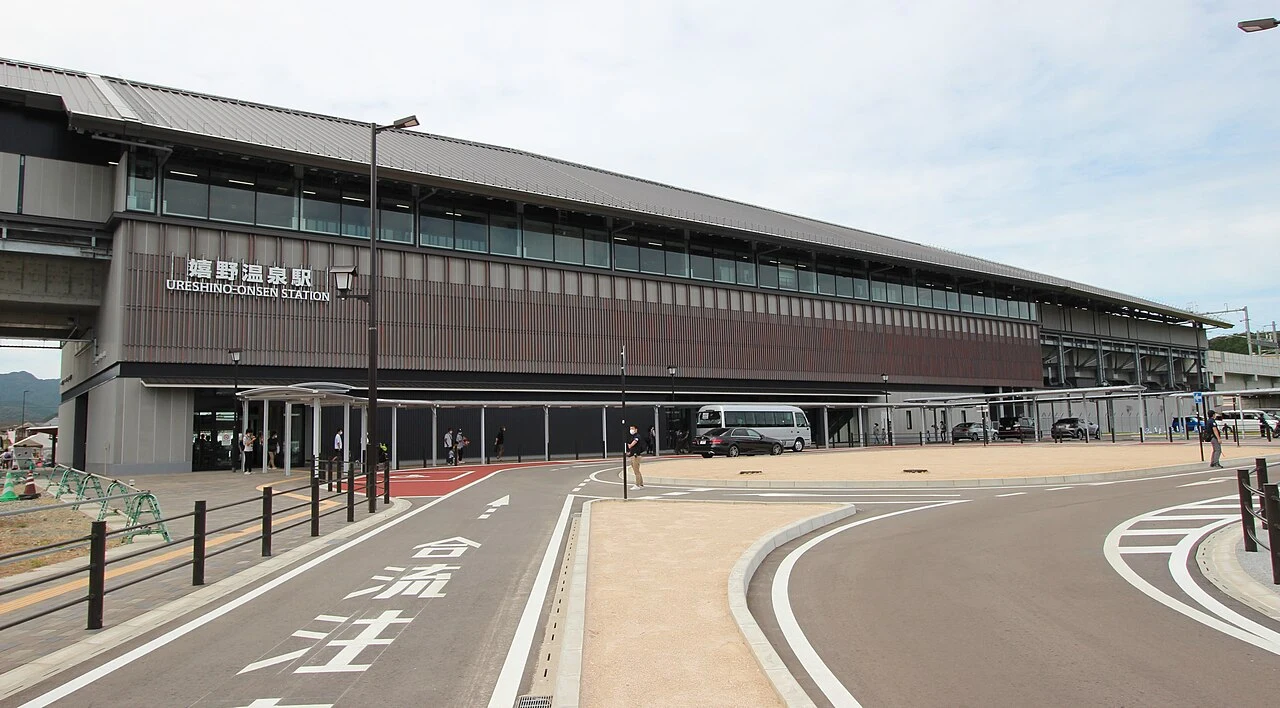
Ureshino-Onsen Station, Ureshino Bus Centre and Ureshino IC are three different arrival points. From Fukuoka or Nagasaki, give the hotel the exact stop used by your service before arranging the last leg. Taishoya’s FAQ lists a taxi journey of about five minutes from the Shinkansen station and a free transfer that requires advance booking. This arrival transfer is separate from the shuttle to Shiibasanso for bathing during your stay.
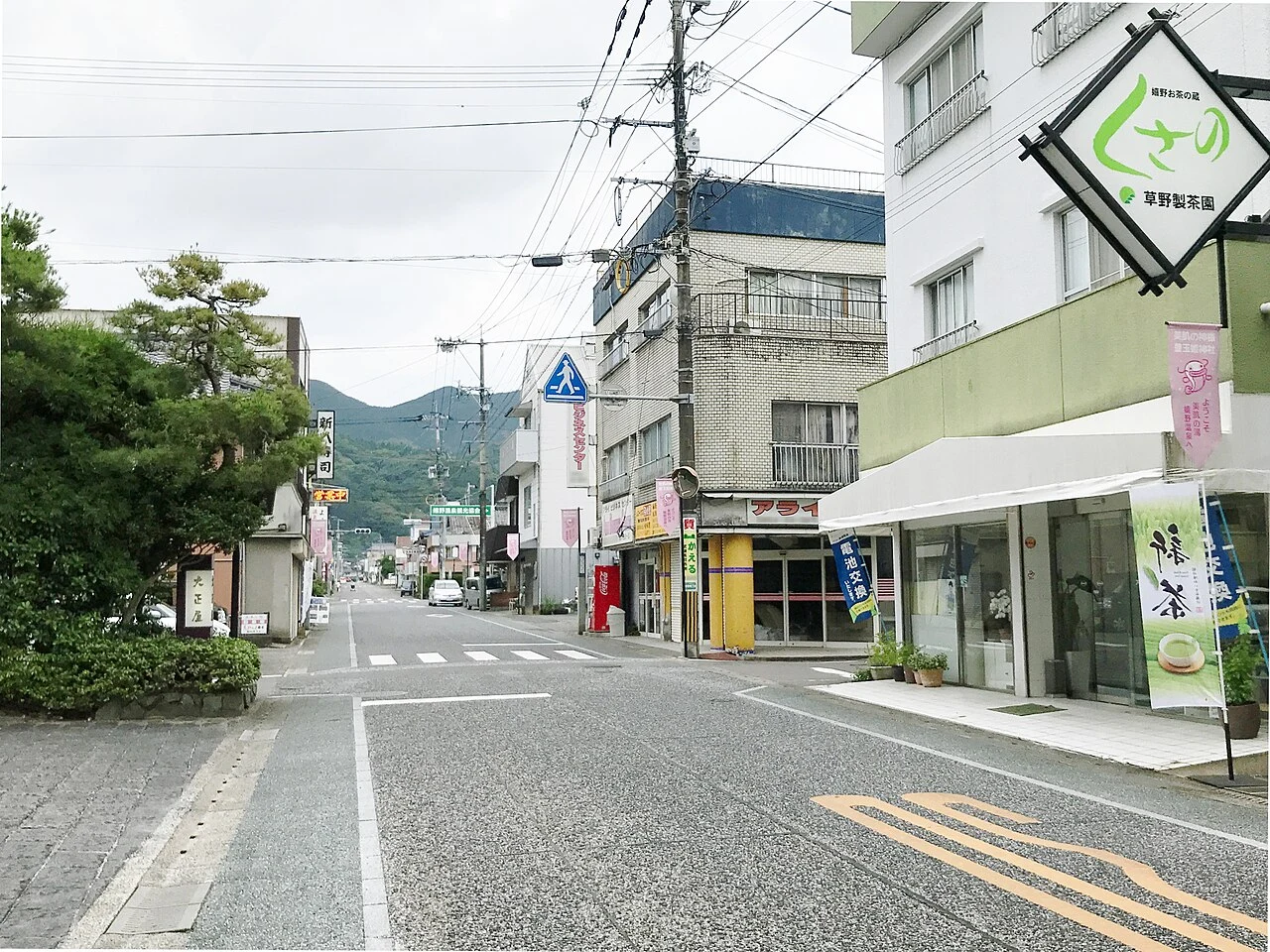
Taishoya accepts advance bookings for station transfers. Once you have chosen a train, give the inn its arrival time, your party size and details of large luggage. If you take the Kyushu-go bus to Ureshino IC, you can also contact the inn in advance for a transfer. This suits families who want to go straight to the inn in the afternoon. If you change services, update the pickup time as well.
Wataya’s access page states that transfers run only at fixed times and must be booked through the form linked from its website. Use a taxi outside those times. The inn lists a walk of about ten minutes from Ureshino Bus Centre and about thirty minutes from Ureshino IC. With suitcases, rain or an evening arrival, arrange a transfer or taxi from the IC. Before choosing a bus, check whether it stops at the bus centre or the IC, then decide whether walking suits you.
Contact Hamilton to arrange a railway-station transfer. Express-bus passengers should follow the official instructions and contact the hotel after reaching the bus stop. Save the telephone number and stop name in an offline note on your phone so you can explain where you are. If three people with luggage need a taxi instead, tell the operator how many bags you have. Get everyone and their bags to the correct entrance before starting the stay.
Drivers heading to Hamilton have another detail to consider. The hotel warns that some navigation systems lead to the rear and recommends setting the neighbouring Oyado Koushagu (お宿紅舎宮) as the destination; Hamilton’s entrance is nearby. Give the driver both the navigation point and your actual hotel name, then look for Hamilton’s entrance as you approach. Wataya offers free guest parking; take the parking ticket to reception for validation. Hamilton also lists free parking with no reservation needed. After choosing a room, compare transfer costs and parking arrangements to estimate the full night’s cost.
Taishoya: main-building twins, Japanese-Western rooms and detached rooms
Taishoya’s room page divides accommodation into the main building, east building and detached rooms. For two people who each need a bed, start with the Main Building Japanese-style Twin on floors three and four. It has twin beds in a ten-tatami room, sleeps no more than two and excludes children sharing existing bedding. It is a clear two-person option. With a child or a third adult, compare other room types from the outset.
The Main Building Japanese-Western Room combines a ten-tatami room and a twin bedroom. It is on floors four to seven and sleeps up to six. It suits families in which two people need beds and the others can use futons. Giving the beds to older relatives and the Japanese room to children and parents is one possible arrangement. Enter every adult and child in the booking so bedding and meals are accepted for the same party.
For a family that prefers futons, detached Japanese rooms have eight to ten tatami, sleep up to six and have an indoor bath supplied with Ureshino hot-spring water. They are on floors one and two. Their main attractions are a garden-side Japanese room and bathing in your room. The Garden-side Japanese Room sold with the Fuji kaiseki package with gifts, for example, accepts two to four guests. For five or six, look at room-and-package combinations that accept the whole party, such as the main-building Japanese-Western room. If someone has difficulty with stairs, you use a pushchair or assistance is needed at night, request a route from entrance to room without stairs. If rising from bed and transfers take priority, look first at the main building’s named accessible room.
The accessible Western room is on the third floor and sleeps up to two. The official description lists a level interior, a wheelchair-accessible washbasin area, one electrically adjustable bed and an indoor bath supplied from the hot-spring source. This equipment differs from a standard twin. If one of two guests needs help sitting up, ask about dates for this specific room, then compare wheelchair width, bathroom transfers and the carer’s movements with the layout.
Shokintei, the east building’s special room on the fifth floor, has a twelve-tatami main room and a ten-tatami second room with beds, plus a cypress indoor bath and an open-air bath. It sleeps up to six and suits families that prioritise room space and bathing. The detached special room is a separate ground-floor building with ten- and eight-tatami rooms, a private garden and a cypress indoor bath. Decide first whether you want a high floor, a separate building or twin beds, then compare upgrade costs.
Bathing at Taishoya: use the two on-site baths before adding Shiibasanso
Shiki no Yu and Taki no Yu are both inside Taishoya. Use one as your main afternoon bath and leave the other for the next morning. The current hot-spring page lists Shiki no Yu at 06:00–09:30 and 12:00–23:00, and Taki no Yu at 15:00–24:00 and 05:00–12:00. Shiki no Yu has the men’s bath on the second floor and women’s bath on the third. Taki no Yu is on basement level one and is listed as exclusive to staying guests.
These locations matter for families with young children or someone who needs help. In the afternoon, find the route from your room, the changing areas and a meeting point. One person can bathe again while another rests in the room. With a detached room’s own hot-spring bath, you can make the shared bath one joint outing and spend the rest of the time in your room, with fewer changes of clothes and less movement or luggage supervision.
Guest benefits also include Yama no Yu and Shiiba no Yu at Shiibasanso. Together with Taishoya’s two baths, these are promoted as two inns and four baths, with free use and shuttle transport. Treat Shiiba as an outing: choose outward and return services, allow time to change and reach the restaurant after returning, then set dinner. For an 18:00 dinner, it is easier to bathe on site first and consider Shiiba the next day around your transport.
You need not make the number of baths the aim of the night. If you both want to soak at your own pace and eat kaiseki together, staying on site reduces travel. Set aside shuttle time if a mountain open-air bath is a particular priority. To use Shiiba no Yu after checkout, the FAQ says to collect a same-day bathing ticket at reception, then arrange luggage collection and the onward journey separately. This gives your room, the on-site baths and the off-site benefit their own suitable times.
Taishoya dinner and breakfast: dining rooms, kaiseki and children’s mealtimes
Taishoya’s available Standard Fuji Kaiseki package serves dinner and breakfast in a dining room. Dinner starts from 18:00, with last orders at 19:00; give your preferred start time when booking. Check-in is 15:00–19:00 and checkout is 10:00. The official package lists kaiseki with Taishoya’s selected beef and seafood, followed by a Japanese breakfast centred on its own hot-spring tofu. Choose white rice or Ureshino tea rice porridge.
For Japanese food and an earlier finish to dinner, this routine suits better than a sitting that begins at 20:30. Arrive in the afternoon, leave your bags, bathe once and change before going to the dining room. Keep the evening free of intercity travel. With young children, a rest in the room before dinner is more useful than fitting a shuttle, bathing and the meal into one tight evening window. For an unhurried breakfast, avoid an early cross-region sightseeing booking the next morning.
The same list also has a Fuji kaiseki package with Ureshino terraced-field rice and Ariake seaweed gifts, dated 5 October 2026 to 31 January 2027. Each paying adult receives one rice-and-seaweed gift. Families who want souvenirs can compare it with Standard Fuji Kaiseki on the same date, for the same room and party, then decide whether the extra is worthwhile. If luggage is already full, room type and sleeping arrangements still come before gifts.
Arrange infant food separately to match actual needs. Taishoya’s FAQ says rice porridge can be reserved in advance; parents should bring other weaning food. Deal with this before sitting down to dinner. Raise food allergies when booking so the inn can respond with available dishes and substitutions. If some family members eat kaiseki and others have food brought for an infant, arrange seats at the same table and a common start time.
Wataya: tower twins and rooms with open-air baths are separate choices
Wataya Besso has rooms across several buildings. Start with the room categories and choose twin beds, a Japanese room or an open-air bath before opening a named room. Two people who prefer beds can compare the eleventh-floor Tower Building Japanese-style Twin: non-smoking, 43.18 m², with a sleeping area of about ten tatami. Its appeal is a high-floor room and twin beds. Book using the complete room name and compare its price separately from a standard Japanese room.
For an open-air bath in your room, look at the Miyabi Building Rooms with Open-air Baths category. The official individual description gives Yayoi as 48.63 m², including a six-tatami main room, four-tatami enclosed veranda, 5.6-tatami moon-viewing terrace and open-air bath. The total includes the outdoor area. To compare indoor living space, examine the layout and separate sleeping, seating and outdoor areas so you know where the family will spend the evening.
The Yayoi page also says individual rooms cannot be specified. If you like its photograph, book the matching open-air-bath category and use the booking page’s room conditions to judge what is offered. If a particular sleeping arrangement, bath entry or step-free route is essential, make that part of your room selection and the hotel’s response. If you accept different layouts within the category, you retain more dates and packages to choose from.
Suimeiso has separate entry pages for its rooms, cuisine and hot springs. When comparing the total for a night, give Suimeiso and Wataya’s general rooms separate columns and read their dining venues, room facilities and guest benefits together. If your main interest is reading and tea at Sanpuku, first see whether a general room meets your sleeping needs. If you want Suimeiso’s particular rooms and dining, compare within that product range.
Traveller Yasu’s personal stay record, filmed at Wataya Besso and its made in Pierre Hermé shop.
An afternoon at Wataya: separate shared baths, Sanpuku and paid activities
A night at Wataya leaves room for reading in the hotel. The official BOOKS&TEA Sanpuku page lists 09:00–20:00, open all year, with no seating charge for staying guests. Other visitors pay ¥1,100 for adults and ¥550 for primary-school children; preschool children are free. Around 10,000 selected books sit alongside takeaway tea from Soejimaen. Guests can read after arriving in the afternoon, then choose tea, books to buy and other activities separately.
This also works on bath-maintenance days. The hot-spring page lists Mikageden as separate men’s and women’s large baths, each with a sauna. On the second and fourth Wednesday of each month, maintenance cleaning delays opening until 17:30; the dates may change by month. On those dates, read or drink tea first, bathe after opening and fit it around dinner.
If you want a bath for the family alone, make the choice at the room-booking stage: Wataya’s current notice says its private-hire bath is temporarily closed. Families who require private bathing can choose a room category with an open-air bath or compare Hamilton’s Ryokuan. With a general room, if you can bathe separately, use Mikageden and the garden’s Ukiyo open-air bath, with someone returning to the room to care for young children.
Beyond Sanpuku, the hotel lists tea spaces, fragrance and other activities. Choose one that you actually want, then add its reservation and cost separately from the stay. If one companion wants to read and the other to bathe, agree to meet in the hotel before dinner. If everyone needs rest, make Sanpuku a short stop. An afternoon activity whose length you can adjust is easier to fit around a child’s nap or an older relative’s rest.
Hamilton: 36 m² twins and the extra bed for a third guest
On Hamilton’s room page, both Modern and Classic Superior Twins are 36 m², with two beds 120 cm wide and capacity for three. The third guest uses an extra bed. For two adults who each want a bed, compare available Modern and Classic packages and interiors. For three adults, search for three so the extra bedding is included in the price and preparation.
The Deluxe Twin is 48.8 m², with the same two 120 cm beds and capacity for three, again using an extra bed for the third guest. Upgrading from Superior mainly buys more indoor space. If all three want permanent beds, choose a different sleeping arrangement. Compare the extra cost if three of you will spend a long time chatting, unpacking or resting in the room. For one night mainly spent in baths and the restaurant, Superior makes spending easier to control.
The Hamilton Suite page lists 58 m². The Western version sleeps three and the Japanese version four. The Western version has two 120 cm beds; the Japanese version uses a Japanese-style sleeping area. Four people happy with futons can choose the Japanese Suite. If two older and two younger adults all need beds, two Twins are a simpler choice. The FAQ places Japanese rooms on the second floor and Western rooms on the third or fourth, so a family booking both should accept separate floors.
Wheelchair users can compare the Western rooms’ layouts with fewer changes of level. The hotel states that it has no dedicated accessible or connecting rooms. If a companion needs frequent access between two rooms, first choose room types on the same floor, then request adjacent rooms. For an electric bed or an explicitly step-free bathroom, compare Taishoya’s named accessible room first. Base the choice on equipment and care movements rather than a Western or Japanese appearance.
Hamilton’s usual check-in is 15:00 and checkout 11:00, which suits a second morning spent at the hotel. Without a train to rush for, have breakfast, choose another bath within opening hours, then pack and leave. Later checkout has value if you actually keep the morning free. If you leave at 08:00, put that budget towards a more suitable sleeping arrangement or dinner the night before.
Hamilton baths: timed access by gender and reservations for Ryokuan
Hamilton’s large baths are open to staying guests at 06:00–12:30 and 14:00–23:30. The pyramid-roofed garden open-air bath has separate times by gender: men 06:00–08:30, 14:00–16:30 and 22:00–23:30; women 09:00–12:30 and 17:00–21:30. The official hot-spring page describes alternating use of the same garden bath. If both of you want to try it, choose separate slots and meet again for dinner.
After a 15:00 check-in, men can use the garden bath first and women after 17:00. With an early dinner, allow time to change before sitting down. With a 20:30 dinner, women can bathe in the early evening and men in the afternoon or next morning. Leave time to dress, then meet for your restaurant sitting. If you are tired, rest in the room and save another bath for the morning.
For a private bath together, Ryokuan is an open-air bath for hire at ¥2,200 including tax per room for fifty minutes for staying guests. The FAQ says there is only one and recommends advance booking. Request a time in the notes on an online room booking or apply by telephone. Treat it as a shared cost for the room and fit it around dinner. It suits a family that wants to bathe together without upgrading to a room with an open-air bath.
Take the towel bag from your room. The FAQ says no extra towels are provided at the large, garden open-air or private-hire baths; spare towels are in the room’s washbasin area. Guests can also use the baths at the group’s Kasuien hotel, about five minutes away on foot, for free, except during maintenance. With one night, leave Kasuien as an option for spare time. Use Hamilton’s own baths and your booked Ryokuan slot first to keep the pre-dinner route simple.
Choose an early dinner, 20:30 or breakfast only
Hamilton’s TRE CORONE restaurant serves Italian food. The cuisine page lists dinner from 18:00 with last orders at 20:30, and breakfast from 07:00 with last orders at 09:00. Book the sitting alongside your arrival time if you want a full dinner. Room yukata are not worn in the restaurant at dinner but are allowed at breakfast. After an afternoon bath, return to change; pack a comfortable outfit for the restaurant.
The current official Prime Style Dinner at 20:30 Only package includes a Speciale dinner and Western breakfast, check-in at 15:00–20:00 and checkout at 11:00. Bookings close at 11:00 on the day of the stay. It explicitly fixes dinner at 20:30, with no earlier sitting. It suits two people used to eating late who want the early evening for bathing. For young children who sleep early, choose a regular dinner sitting or Taishoya’s earlier kaiseki.
The same hotel’s Prime Style One Night with Breakfast package includes breakfast only, allows check-in until 22:00 and has 11:00 checkout. Bookings close at 19:00 that day. It suits travellers arriving late who have already eaten on the way. Adding dinner requires a request by the previous day and depends on seating availability. Booking without dinner and deciding on a full set meal after arrival leaves no time to arrange a seat.
For a late arrival, eat in your departure city, such as Hakata or Nagasaki, then take your chosen transport to Ureshino. Fit dinner around the service and keep only the baths you can reach in time, plus rest, after arriving. Have breakfast, pack and walk the next morning. This suits a night in Ureshino between other Kyushu stops. If dinner is a main reason for the trip, leave earlier, book dinner and breakfast and arrive in the afternoon.
Taishoya’s Fuji kaiseki and Hamilton’s Italian dinner differ in meal and checkout times as well as cuisine. The former suits dinner from 18:00 and a 10:00 departure; the latter can offer a 20:30 start under a specific package and departure at 11:00. Choose meals before transport to avoid an early sitting with a late arrival, or paying for a later checkout you cannot use.
With children, choose meals and bedding before comparing room prices
The room-booking page for Hamilton’s 20:30 dinner package charges primary-school children 70% of the adult rate. For younger children, meals and bedding cost 50%, meals only 30%, bedding only 20%, and neither meals nor bedding 10%. Primary-school children and younger children with bedding, including bedding-only bookings, count towards room occupancy. Put each child in the option that matches their needs so the total covers the services your family will use.
Under that package, primary-school children receive a mini-course dinner and preschool children a one-plate meal. Breakfast is a Western set meal like the adults’ meal. If 20:30 is too late, choose an earlier dinner rather than change a child’s routine for a package price. For a child who naps, keep the first afternoon in the room, let adults take turns bathing and rest together before dinner.
Taishoya’s Main Building Japanese-style Twin excludes children sharing existing bedding, so families should look at Japanese or Japanese-Western rooms. Bring weaning food if needed and request porridge when booking. The two hotels thus make child arrangements in different ways: at Taishoya, first choose a suitable room and sleeping arrangement; at Hamilton, select meals, bedding and occupancy through package options. List each child’s age, sleeping arrangement and meals before searching.
If two families share, include who cares for the children and who gets up at night when allocating space. Taishoya’s Japanese-Western room can separate older relatives who need beds from family members using futons. Hamilton’s Japanese Suite and Western rooms are on different floors; choose the same room category to stay nearby. A family upgrade should first provide a good sleeping arrangement, then an open-air bath or extra space.
Compare totals for the same party, with room charges, meals and tax separate
Fix the date, adults per room, children’s ages and meals before comparing named room types at the three hotels. Some Taishoya lead-in prices assume five adults sharing; some Hamilton prices assume three. For two adults, obtain a fresh result for two on the same date. Put per-person prices and room totals in different columns to avoid a common comparison error.
For example, if two adults choose a Hamilton package priced at P per person, the basic cost is 2 × P. Its room-booking page separately lists an adult bathing tax of ¥250 per person per night, adding ¥500 for two. A Ryokuan booking adds ¥2,200 per room. This is a budgeting formula: use the actual price for your date and room as P. Add taxis, extra drinks and additional food separately in the same table.
Hamilton’s breakfast-only package currently lists an optional dinner at ¥15,730 including tax and service, requested by the previous day. For dinner in the hotel, compare available dinner-and-breakfast totals before choosing breakfast only and adding dinner. Choose breakfast only because you have another dinner arrangement. The comparison also shows whether a late arrival’s meal savings actually buy the night you want.
Taishoya’s Standard Fuji Kaiseki and terraced-field-rice-and-seaweed packages include similar Japanese dinners and breakfasts; the latter adds adult gifts. With room type and party fixed, divide the difference by the adults receiving gifts to find the added cost per gift. If you do not want them, choose the standard package. Compare available package contents without switching to an unsuitable sleeping arrangement for a gift.
Free guest parking and free Sanpuku seating at Wataya are benefits you may use. Read tea, books, other activities and room facilities separately. Without a car, add station-transfer costs if the fixed shuttle times do not work. When room prices are close, compare these items you will use so the full night’s costs have a common basis.
Cancellations, payment and party changes: keep the conditions for your booking
The cancellation tables for Taishoya’s Standard Fuji Kaiseki and rice-and-seaweed packages both list 30% from three days before, 50% the day before and 100% on the day or for a no-show. If flights are unsettled, put the stay and cancellation-charge start date in the same calendar before booking inflexible restaurants and transport. The point at which charges begin affects whether to commit to dinner and breakfast now.
For a ¥60,000 booking subject to a 30% charge, cancellation costs ¥18,000. This is an editorial calculation; use your order’s actual calculation basis. Removing one adult, shortening the stay or cancelling the whole booking can also alter per-person prices or eligible rooms. Make changes through the original booking channel and obtain the revised party, meals and total before arranging transfers.
Hamilton’s official FAQ lists advance settlement by bank transfer, advance credit-card payment for online reservations or payment at the hotel. Use a method supported by your package and keep the confirmation and hotel name. If two families travel together, decide who pays the hotel, then divide costs in private records. Follow the actual booking record for card-charge timing, refunds and the online cancellation deadline, so one person does not cancel the room while another keeps the transfer.
If a child becomes ill or a companion changes plans, handle the room and meals first, then transport. Cancel Wataya transfer seats that are no longer needed. Tell Hamilton about any booked Ryokuan slot or dinner as well. After changing dates, align arrival time again so the room, meals and pickup all apply to the same night.
Plan the two half-days around your chosen hotel
For Taishoya with dinner and breakfast, arrive after 15:00, bathe on site, rest in the room and start kaiseki from 18:00. Have breakfast the next day, use an on-site bath within its hours if wanted, then collect luggage after 10:00 checkout and head to the station. To use the Shiiba guest benefit, replace part of the onsen-street walk and arrange the shuttle and onward travel separately. This version puts Japanese food and a Japanese room at the centre.
At Wataya, keep the afternoon for Sanpuku, tea and your room, and fit baths to that day’s opening times. Companions with different interests can read and bathe separately, then meet before dinner. Families with an open-air bath should keep time in the room. On maintenance days when Mikageden opens at 17:30, reading first makes it easier to keep dinner as planned. Set the room and meals first to create an afternoon you can carry out.
For Hamilton’s 20:30 dinner package, leave your bags after 15:00 check-in, put the men’s garden bath before 16:30 and the women’s after 17:00, then change before dinner. Have breakfast during 07:00–09:00, decide whether to bathe or rest and check out at 11:00. If Ryokuan is the main event, use its reserved slot in place of one shared-bath visit to avoid constant movement all afternoon.
For hot-spring tofu and public day-use baths in town, use the Ureshino section of the Fukuoka side-trip guide before check-in or after checkout. If Takeo is next, read the Takeo overnight route and choose around the Romon gate and city library. Give each onsen town its own focus so the journey after checkout does not repeat bathing, changing and hauling luggage.
Departure: put the station transfer and luggage in the final part of the plan
Work backwards from your next departure to allow for luggage collection, checkout and the hotel-to-station journey. Taishoya’s Fuji kaiseki package has 10:00 checkout and Hamilton usually 11:00. The former suits an earlier departure; the latter leaves room time after breakfast. Leave earlier if you prefer waiting at the station, or choose a later train if you prefer resting in your room.
Wataya’s return journey still uses a reserved fixed-time transfer. Finish breakfast, collect all bags and reach the agreed pickup point. Contact Taishoya and Hamilton for station drop-offs through their respective arrangements. Before a long-distance train or flight, record the complete destination station name and a usable taxi contact. Once the hotel-to-station leg is settled, fit in a walk or final bath.
Send companions the transfer time and pickup location before departure, and gather room keys, parking tickets and luggage receipts. If someone walks first, meet at reception to collect bags. For Nagasaki or Hakata next, enter the station for your chosen direction with enough time to board calmly.
A few useful answers
Can two adults and a child share existing bedding in Taishoya’s Main Building Japanese-style Twin?
The official room page gives a maximum of two and excludes children sharing existing bedding. Choose a Japanese room, Japanese-Western room or another room that accepts two adults and a child.
Where does the third adult sleep in a Hamilton Superior Twin?
Modern and Classic Superior Twins are both 36 m² with two 120 cm beds. The third guest uses an extra bed. Search for three adults so the bedding is included in the booking.
Can I currently reserve Wataya’s private-hire bath?
The current hot-spring page says the private-hire bath is temporarily closed. For private bathing, choose an open-air-bath room category or compare Hamilton’s Ryokuan.
Can Wataya collect us from the station whenever we arrive?
The website lists fixed services that require reservations. Use a taxi outside those times. Choose your arrival service first, then book through the official transfer form.
Can Hamilton’s 20:30-only dinner start earlier?
The package explicitly starts at 20:30 and does not accept an earlier sitting. Families who need an earlier meal should choose a regular dinner package or compare Taishoya’s Fuji kaiseki from 18:00.
How much should I add for Hamilton’s Ryokuan?
For staying guests, it is ¥2,200 including tax per room for fifty minutes, booked separately. The official FAQ says there is only one. Request a time in the booking notes or by telephone.
Which navigation destination should drivers use for Hamilton?
The hotel recommends the neighbouring Oyado Koushagu (お宿紅舎宮). Hamilton’s entrance is nearby. Look for Hamilton’s entrance on approach to avoid being directed to the rear.
Official information and references
Sources used in this guide.
- Rooms | Taishoya official website
- Japanese-style Twin | Wataya Besso, Ureshino Onsen
- Rooms | Hamilton Ureshino official website
- Frequently asked questions | Taishoya
- Access | Wataya Besso
- Access | Hamilton Ureshino
- Taishoya | Booking calendar
- Hot springs | Taishoya
- Taishoya | Accommodation packages
- Rooms | Wataya Besso
- Yayoi | Wataya Besso
- Hot springs | Wataya Besso
- BOOKS&TEA Sanpuku | Wataya Besso
- Frequently asked questions | Hamilton Ureshino
- Hot springs | Hamilton Ureshino
- Hamilton Ureshino | Accommodation packages
- Hamilton Ureshino | Accommodation packages
- Cuisine | Hamilton Ureshino
- Hamilton Ureshino | Booking calendar
- Traveller Yasu: personal stay video at Wataya Besso