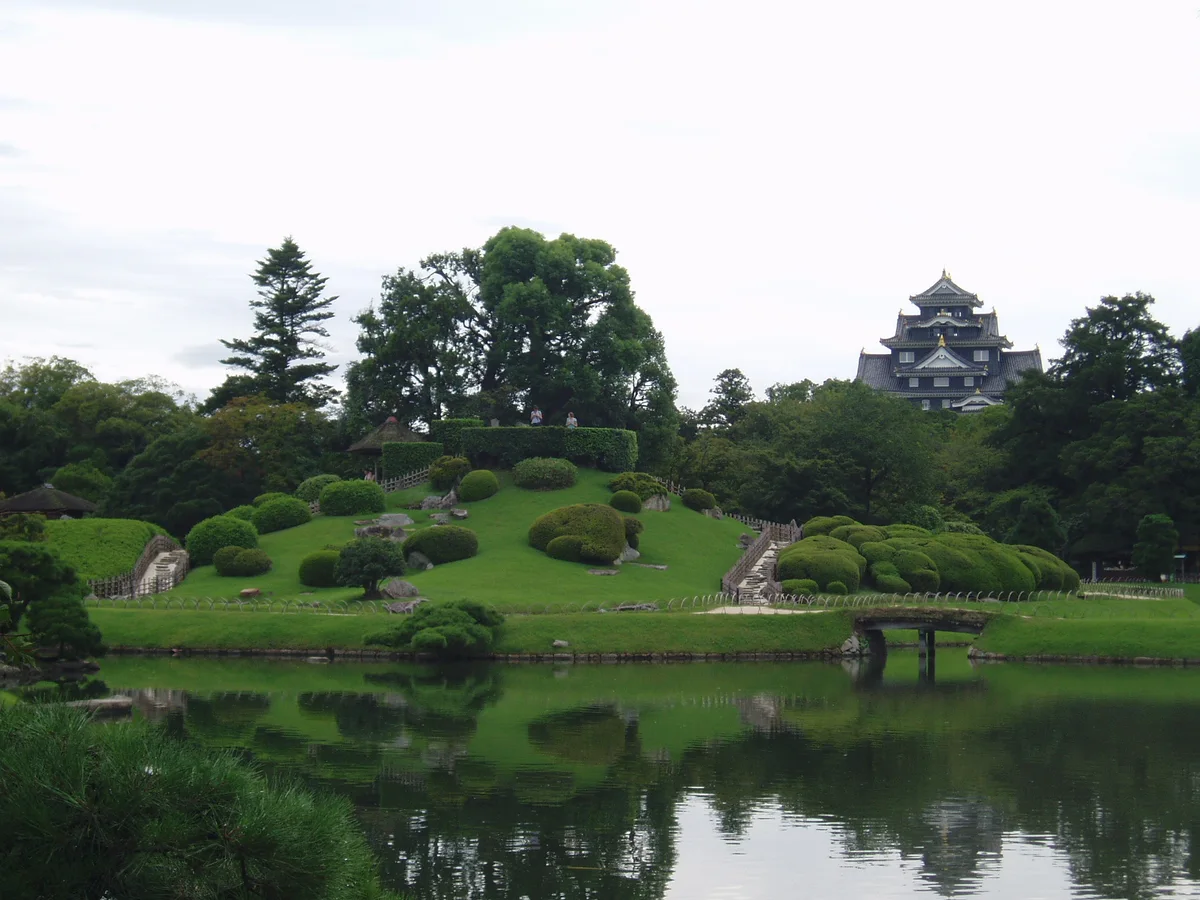
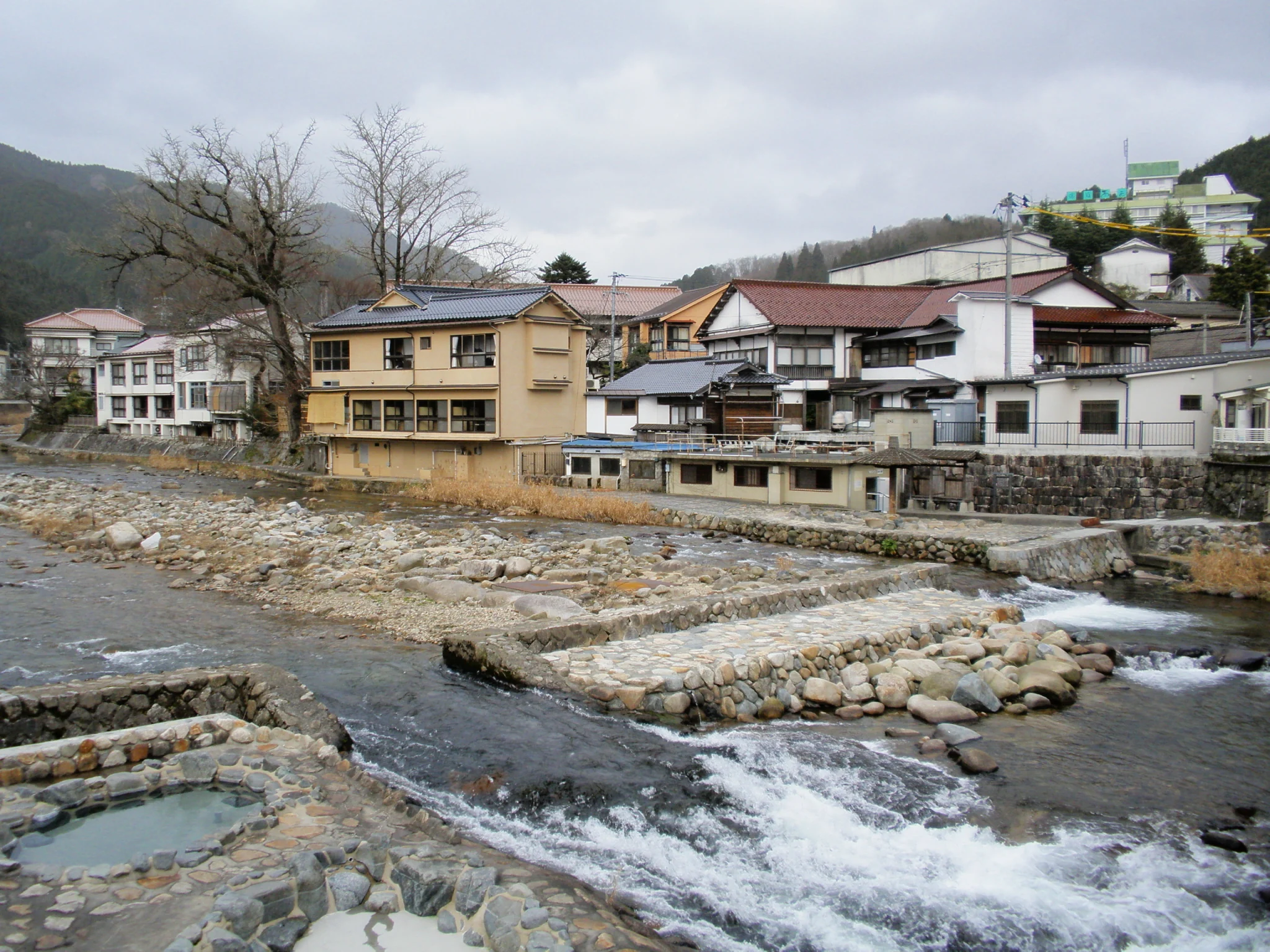
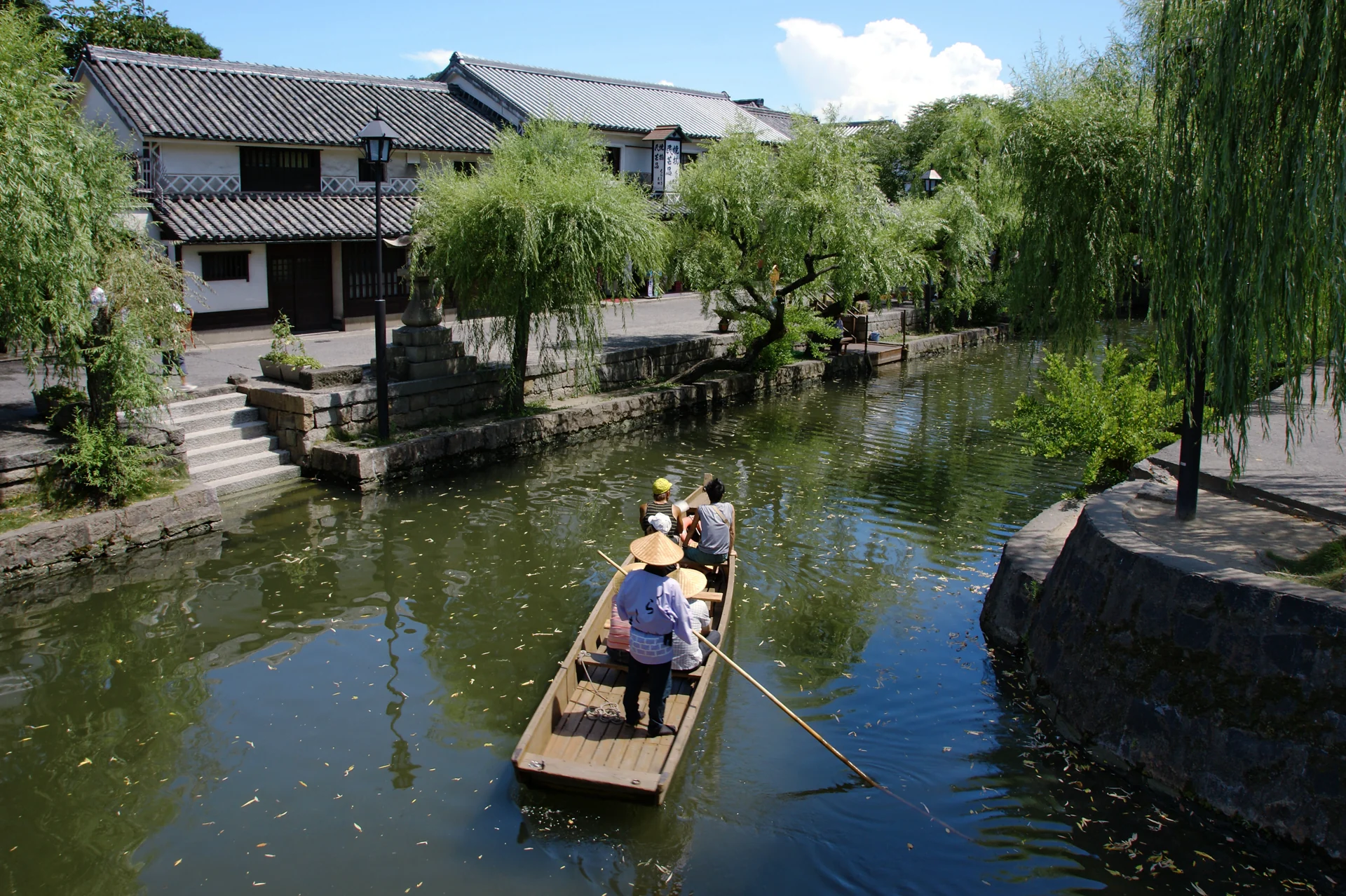
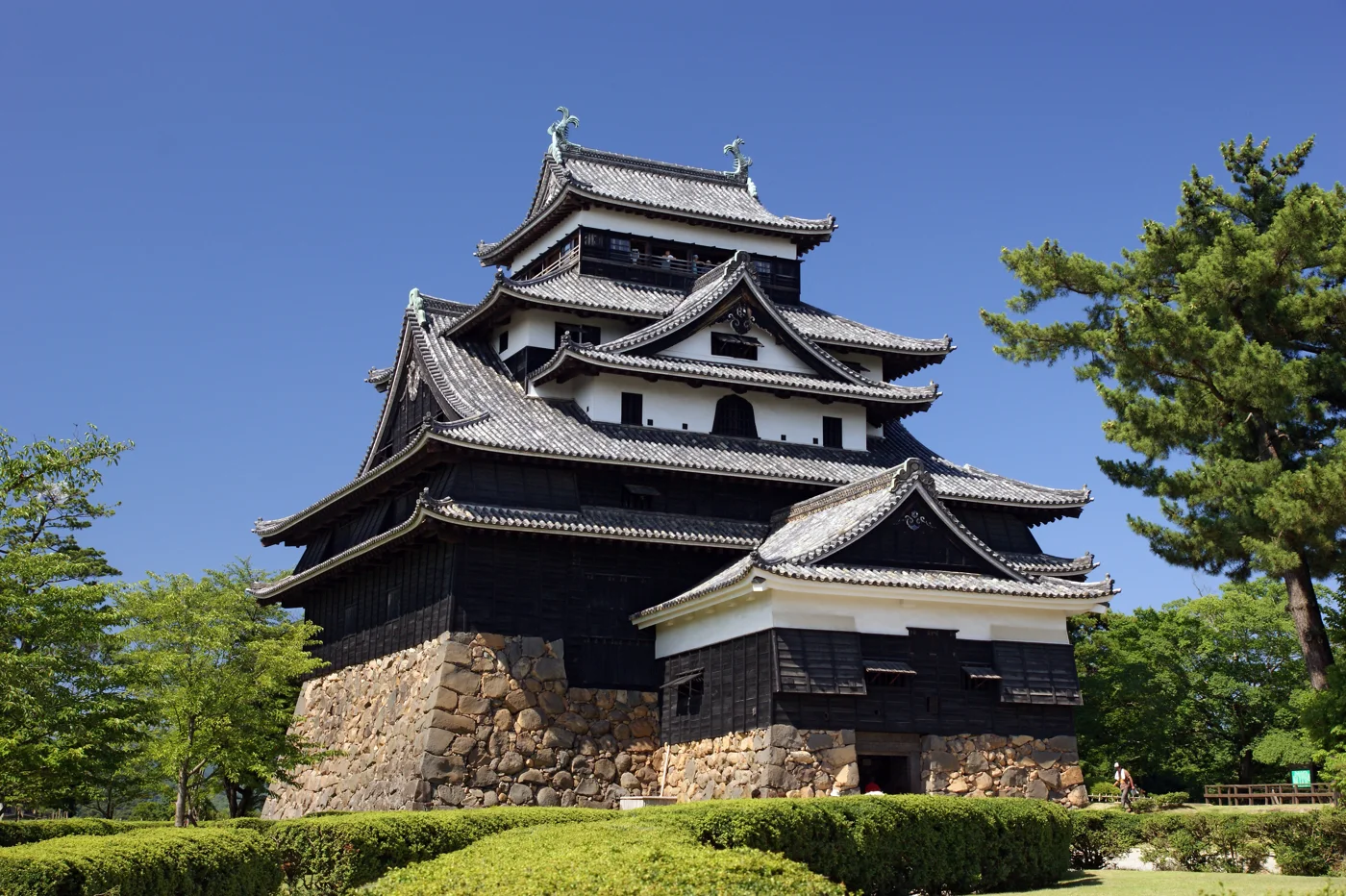
Link JR Tsuyama Station, Tsuyama Castle, Bitchu Turret and Shurakuen Garden. Plan around ¥310 castle admission, the turret’s 16:30 closure and the correct Gongo East Loop direction for a three- to four-hour visit or a full day.
- Region & Focus
- Chugoku and ShikokuAttractions
- Reading Scope
- 29 min read · 10 chapters · 7 Q&As
- Official Verification
- 12 official sources checkedUpdated 28 October 2026
- Key Topics
- ItinerariesChugoku & Shikoku
Chapter Route Map (tap any stop)
- Make Tsuyama the day’s destination or a city day beside an Okutsu trip
- From JR Tsuyama Station: walk to the castle or take the right-hand loop to the garden
- Read Tsuyama Castle through its three levels and stone walls
- Bitchu Turret closes at 16:30: complete the interior first
- Use separate hours for ordinary spring days, the blossom festival and autumn
- Walk Shurakuen’s pond: four islands, northern waterfall and winding stream
- Free garden entry; take the left-hand loop back and carry cash
- Three- to four-hour visits and a full day with time for lunch
- Use the castle-side tourist centre for lunch, a rest and paper maps
- Stay in Tsuyama or Okayama according to your onward route
- Quick Q&A
Arrive in Tsuyama in the morning, climb to the castle walls and Bitchu Turret, then stroll beside Shurakuen’s pond after lunch for a full car-free day. Use the Gongo East Loop between station and garden: the right-hand loop out and the left-hand loop back each take about 11 minutes when chosen correctly. If you stay in Tsuyama and rise early, Shurakuen opens at 07:00 and can come before the castle.
Make Tsuyama the day’s destination or a city day beside an Okutsu trip
A day trip from Okayama gives you a full day for Tsuyama Castle and Shurakuen. If Tsuyama is a short stop before Okutsu, allow three to four hours, prioritise the castle and add the garden according to arrival time. Their routes and hours differ: the castle involves steps and Bitchu Turret normally closes at 16:30. The garden opens at 07:00 and its pond walk is easy to shorten. Arriving in the afternoon, visit the castle first; arriving early, you can start with the garden.
Tsuyama is in northern Okayama Prefecture. Take the JR Tsuyama Line from Okayama Station to Tsuyama. The tourism association’s access page gives about one hour five minutes by rapid train as a guide. Look up JR services for your travel date, save both outward and return trains, then divide your city time. Local and rapid services have different stopping patterns; do not assume every journey takes 65 minutes. Staying in Okayama and leaving luggage there makes a light day trip easiest.
If you are going to Okutsu the following day, leave luggage with your booked accommodation under its storage rules before visiting the castle and garden. Staying in Tsuyama removes the need to travel north from Okayama the next morning. Keep the mountain day separate so the city also gets an unhurried visit. If you only want stone walls and a Japanese garden, with no early mountain connection, return to Okayama after the day. There is no need to move hotels just for these two sights.
With only an afternoon, choose between an interior and pond scenery. The castle has slopes, steps, layered stone walls and the reconstructed Bitchu Turret. Shurakuen is mainly a pondside walk with changing views of islands. Put the turret first if you want to enter it. If steps are unsuitable or companions are already tired, choose the garden, a meal and the return to the station rather than trying to make everyone climb once at the castle gate.
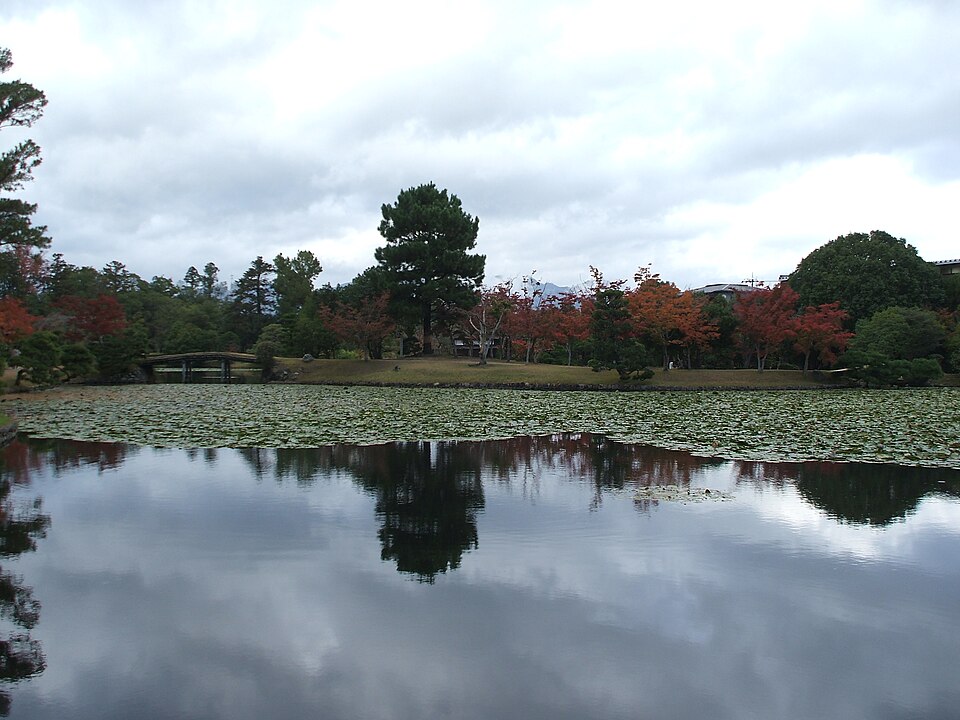
Link JR Tsuyama Station, Tsuyama Castle, Bitchu Turret and Shurakuen Garden. Plan around ¥310 castle admission, the turret’s 16:30 closure and the correct Gongo East Loop direction for a three- to four-hour visit or a full day.
From JR Tsuyama Station: walk to the castle or take the right-hand loop to the garden
Start the castle walk at Tsuyama Station. The tourism association gives about 10 minutes from station to castle as an access guide. Climbing and visiting inside are additional. Save “Tsuyama Castle (Kakuzan Park), 135 Sange, Tsuyama” in your navigation app. On reaching the castle area, follow entrance signs and buy a ticket. Reaching the foot of the hill is not reaching Bitchu Turret. Walking this short station-to-castle stretch lets you stop for street views without waiting for a bus.
For Shurakuen first, board the Gongo East Loop’s right-hand route, “migi-mawari / kita-mawari”, at Tsuyama Station boarding point 2. Get off at Shurakuen Shiyakusho-mae. The operator’s current timetable pairs a 09:00 station departure with a 09:11 arrival; departures at 10:20, 11:40, 13:00 and 14:20 follow the same direction. Save the full stop name with the garden name. The city’s sight page uses the shorter “Shurakuen-mae”, while the current bus timetable prints “Shurakuen Shiyakusho-mae”.
Taking the left-hand loop out means first passing the tourist centre, Higashi-Tsuyama and Tsuyama Central Hospital before the garden. The 09:50 station departure, for example, arrives at Shurakuen Shiyakusho-mae at 10:39, taking 49 minutes. The right-hand 09:00–09:11 trip takes only 11 minutes. Both reach the same named place, but in a different sequence. “East Loop” alone is insufficient: check the destination display and right/left route in the timetable.
The city gives about 20 minutes on foot from Tsuyama Station to Shurakuen. If you have just missed a bus and everyone can walk, this is often faster than waiting. To reduce walking from station to garden, choose a right-hand-loop departure first and match your station arrival to it. Between castle and garden, follow city streets to the actual entrances. The garden’s description as “about 500 metres north of the castle” gives their relative position, not the full walking distance from ticket office to garden gate.
A saved city map makes the return easier to understand than repeatedly switching between two landmark directions. The tourism association’s general brochure has an enlarged central map. Tsuyama Station lies south of the Yoshii River, the castle to the north, and Shurakuen and City Hall farther north again. Mark the station, castle, garden and lunch on one map. Add your accommodation if it holds your luggage, so you do not reach the station before remembering a return trip. Allow 25 minutes as a planning budget for city movement between castle and garden. Keep castle steps and photo stops within castle time, and add time for a slower group.
Read Tsuyama Castle through its three levels and stone walls
Tsuyama Castle’s main sights are its surviving stone walls, castle terrain and reconstructed Bitchu Turret. The keep, palace and turrets were demolished in the Meiji period; today the visit centres on walls and enclosures. The tourism association describes walls rising about 45 metres above ground level. First look at the continuous walls from below, then follow the open route upwards and look back at the areas you have passed. The changes in level give the visit a clear focus even outside cherry-blossom season.
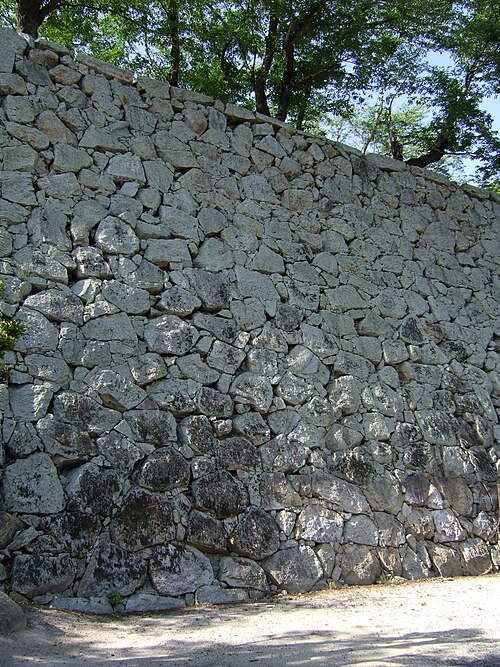
Tsuyama Machijuu Museum calls the main, second and third enclosures the “one-two-three levels”. Identify your current level, then find the passage to the next, to see how walls divide the flat land from the hill. You need not chase every named remnant. Understand the enclosure levels, pause where walls, turns and entrances meet, then look across the upper space in the main enclosure. This gives the walk a connected sequence.
Omote-Naka Gate was a turret gate between the third and second enclosures. The official explanation highlights the passage splitting in two directions inside it. Omote-Kurogane Gate guarded the main enclosure entrance, with iron reinforcing its posts and doors. Compare the signs with the route in front of you to understand the defensive layout rather than merely remembering that a gate once stood there. Many buildings are gone, but the remaining gate and wall positions help reconstruct the sense of space.
From higher ground, look towards the city. Tsuyama Castle stands on an isolated hill north of the Yoshii River; the Miyagawa River to the east helped its defences. Seeing the city and outer ground from above helps explain the location. For photographs, first take a wider view with walls and paths, then examine the masonry close up, rather than repeating the same upward angle on every level. Stop on wider stretches so people climbing and descending can pass.
Allow around 90 minutes for the castle climb, longer if you read signs or photograph masonry. With older people or children, visit Bitchu Turret first and set the outdoor time by their energy. In rain, shorten the routes with changes in level and carry less so your hands can help with balance. If you need a gentle route throughout, make Shurakuen the main visit and limit the castle to open areas suitable for your companions.
Bitchu Turret closes at 16:30: complete the interior first
Bitchu Turret stands on the south-projecting part of the main enclosure. It reconstructs one of the castle’s larger two-tier turrets. Connected to the residential part of the main palace, its interior included tatami rooms, a lord’s room and a tea room. The official account also mentions an alcove, staggered shelves and decorated paper. Look at how a defensive building accommodated daily life, linking the outer walls to the scale of the rooms. This gives it more interest than a small building to photograph only from outside.
Reconstruction accompanied the 400th anniversary of the start of castle construction. The tourism association dates public opening to spring 2005. The building helps explain the former layout and construction methods. Elsewhere in the palace area, remnants and signs provide the main clues. After buying your ticket, you can go to the main enclosure, enter Bitchu Turret first and see the outdoor walls afterwards. With a full morning, take your time on the ascent and enter when you reach the main enclosure.
As of 28 October 2026, standard Tsuyama Castle admission is ¥310 for high-school age and above, with free entry for lower-secondary pupils and younger children. Bitchu Turret has no separate charge, but the castle-park admission still applies. Two adults and one lower-secondary pupil pay ¥620 in total. The official rules also provide free entry for qualifying holders of a physical disability certificate, rehabilitation certificate or mental disability health and welfare certificate, plus one companion. Bring the relevant certificate to use this entitlement.
On normal days, Bitchu Turret opens 09:00–16:30. From October to February, the castle park’s last entry is also 16:30, when the turret is already closing. If you reach the castle gate after 16:00, decide whether the outdoor walls alone are enough. For a full interior visit, aim to be inside the castle grounds during the 15:00 hour, with time to climb and enter.
Use separate hours for ordinary spring days, the blossom festival and autumn
The castle park normally opens at 08:40. From April to August it closes at 19:00, last entry 18:30; in March and September it closes at 18:00, last entry 17:30; in January–February and October–December it closes at 17:00, last entry 16:30. It closes from 29 to 31 December. Longer spring and summer days permit a later outdoor finish, but Bitchu Turret still normally closes at 16:30. Put the interior first if you want to see it.
During the Tsuyama Cherry Blossom Festival, the park uses separate hours of 07:30–22:00, last entry 21:30, and Bitchu Turret opens 09:00–18:30. These extended hours apply to the festival, not all of April. Choose your spring travel date, then consult that year’s festival announcement and blossom conditions. Without a festival plan covering your date, use normal daytime hours. If the walls and turret are your aim, you can also avoid making the whole trip depend on peak blossom.
In autumn, visit the castle in the morning and Shurakuen after lunch. Finish the climbs first and slow down beside the pond later. If arriving in the afternoon, keep the castle first to protect the turret visit. In October the park closes at 17:00. Even if the official information separately lists castle illumination until 21:00, plan to finish inside at 17:00. Continue towards dinner or the station after leaving.
Autumn colour in the garden rewards attention to pond edges and reflections. You do not need to make every tree turning red at once a condition of booking. If dates are fixed, let the walls, buildings and water provide the main visit, and spend longer where the leaves are good. In winter, look at tree forms, the pond and castle outlines. An indoor meal after the walk is more comfortable than waiting outdoors for dusk.
From 29 to 31 December, make Shurakuen your main daytime visit. The castle park is closed on those three days, so the usual castle-then-garden route does not work. The tourist centre separately closes from 29 December to 1 January, while the station information office closes from 31 December to 2 January. Get paper maps or in-person advice before the relevant office closes and plan transport with the operator’s date-specific information. Treat New Year’s Day and the final three days of December separately: the castle’s regular closure dates differ from the information offices’ holidays.
| Period | Castle park / last entry | Bitchu Turret |
|---|---|---|
| Normal days, April–August | 08:40–19:00 / 18:30 | 09:00–16:30 |
| Normal days, March and September | 08:40–18:00 / 17:30 | 09:00–16:30 |
| Normal days, January–February and October–December | 08:40–17:00 / 16:30 | 09:00–16:30 |
| That year’s Tsuyama Cherry Blossom Festival | 07:30–22:00 / 21:30 | 09:00–18:30 |
Walk Shurakuen’s pond: four islands, northern waterfall and winding stream
Shurakuen is the Tsuyama domain’s former villa garden at 628 Yamakita, in front of Tsuyama City Hall. City records say Mori Nagatsugu brought gardeners from Kyoto between 1655 and 1658 to create it. It later served as a lord’s villa and a place to receive envoys, and opened to the public under the name Shurakuen in 1870. On entering, first locate the long north–south pond and paths on its banks, then choose a side. There is no need to rush between named buildings immediately.
The pond occupies most of the garden. From north to south, its four islands are Kirishima, Nakajima, Ukishima and Momijijima. Check their positions against the garden information, then follow the open paths. From different angles, the islands overlap or separate. Look across a broad stretch of water on one side, then view the same island from the opposite bank: branches in the foreground, water and trees behind change. That variation is the point of the path; every few steps need not lead to a new sight.
Earthen bridges link Nakajima to both banks, with Seiryoken at its northern end. Ukishima was once linked to the east bank but is now separate. Look at how bridges connect to land to distinguish places accessible on open paths from islands viewed from the bank. Follow the actual garden paths and pause under trees or beside the pond. Children can find bridges and recognise island outlines, seeing how one place looks different from another angle.
At the north side, shift from broad pond views to the artificial hill and waterfall stones. The official account says this area retains more of its Edo-period appearance. Water enters from the north and runs over a small waterfall into the pond. Evenly spaced grooves cut into the falling-water stone change the flow. Stop to follow the water’s source before returning to the bank, adding a close look at stones and the sound of water to the circuit. Spend time according to interest rather than assigning every corner the same ten minutes.
The north-east also has a winding stream at a different scale from the main pond. The official account connects it to records of winding-stream poetry gatherings in the early Meiji period. On a normal walk, follow open paths to see its bends; events have their own announcements. With half an hour, focus on one pondside stretch. With 45–60 minutes, add the northern water features and views from the opposite bank. Return by a nearby path when tired rather than making identification of all four islands a burden.
Read the garden buildings alongside their restoration and relocation history. The present guest house was formed in 1970 by relocating part of the second floor of the city inn Taikakuro. Other buildings also have histories of reconstruction and later alteration. From outside, look at how eaves, pond and paths relate to understand why buildings face the water. Base the walk on the open garden and join interior activities or uses according to information on site.
If you have already visited Okayama Korakuen, use Shurakuen’s time for closer pondside observation. The city compares its garden form with Kyoto’s Sento Imperial Palace garden. Focus on island arrangement, reflections and branch shapes. Choose one island, examine trunks and bridges from the near bank, then see its outline floating on the water from the other side. For a quick visit among several sights, allow half an hour. For repeated comparisons of viewpoints, keep an hour and include the northern water features. Putting the gardens on separate days also lets you plan transport within Okayama and Tsuyama properly.
A cultural-property guide released by Tsuyama City in 2025, introducing Shurakuen’s garden landscape and history.
Free garden entry; take the left-hand loop back and carry cash
Shurakuen is free and has no regular closing day. The city’s management information gives 07:00–20:00 from April to October and 07:00–18:00 from November to March. Early risers staying in Tsuyama can visit before the castle. For a normal day trip, place it after lunch: daylight helps with the water and stone details and leaves return options. Pets must enter in a carrier or similar enclosure under city rules; a lead alone is insufficient.
For a quick return to Tsuyama Station, take the East Loop’s left-hand route, “hidari-mawari / minami-mawari”. The current timetable gives Shurakuen Shiyakusho-mae 13:19 to Tsuyama Station 13:30, 14:39 to 14:50 and 15:59 to 16:10, all 11 minutes. The right-hand loop continues east after the garden and takes longer back. Check both “Tsuyama Station” and the left-hand direction before waiting; do not board merely because a bus arrives.
Gongo buses cost ¥200 per ride for adults, including lower-secondary pupils and above, or ¥100 for children, paid when alighting. The operator accepts transport IC cards such as ICOCA, but says substitute vehicles may not accept them. Carry small cash. If walking throughout, you pay only castle admission. For high-school age and above, one bus ride plus castle admission is ¥510; two rides make ¥710, excluding meals and JR fares. Two adults and one lower-secondary pupil taking two bus rides pay ¥1,200 in bus fares plus ¥620 for two adult castle tickets, totalling ¥1,820. The lower-secondary pupil enters the castle free but pays adult bus fare. A Gongo day pass costs ¥500. Two garden journeys cost ¥400 separately, so pay per ride; choose the pass for three or more rides. The operator lists sales on buses and at the Tsuyama Station north-exit plaza counter.
The Small Loop, West Loop and some other routes changed on 1 October 2026. The Small Loop serves Bunka Center Kitaguchi and Shiyakusho-nishi; the East Loop stops directly at Shurakuen Shiyakusho-mae. The East Loop is easiest for a first garden visit. For Okutsu the next day, the West Loop is the first leg to a transfer at PLANT5, followed by a community bus towards Kamisaibara. Save the city-garden timetable separately from the mountain connections and use each route’s boarding point at Tsuyama Station.
Decide between bus and walking before leaving the garden. If a service is due soon and companions need rest, go to the stop. If the next bus is a long wait and everyone can walk, use the city’s roughly 20-minute walking guide back to the station. For a fixed train, finish in the garden first and allow time to find the bus stop or walk. Leaving the decision until just before departure can turn a relaxed garden visit into a rush.
The East Loop timetable currently lists regular right- and left-hand services, without marking the garden services as weekdays only. An ordinary weekend castle-and-garden visit can use the same directional plan. Do not apply starred suspension rules for other routes in the operator’s overall timetable to the East Loop. The Small Loop is not another name for the East Loop: Shiyakusho-nishi and Shurakuen Shiyakusho-mae are different stops. Check both route and alighting stop when boarding at the station. For the least walking on a garden return trip, choose the East Loop’s direct stop rather than switching loops and then searching for the garden entrance.
| Direction | Boarding point and departure | Alighting stop and arrival |
|---|---|---|
| To garden: right-hand loop | Tsuyama Station point 2: 09:00 / 10:20 / 11:40 / 13:00 / 14:20 | Shurakuen Shiyakusho-mae: 09:11 / 10:31 / 11:51 / 13:11 / 14:31 |
| To station: left-hand loop | Shurakuen Shiyakusho-mae: 13:19 / 14:39 / 15:59 / 17:19 / 18:39 | Tsuyama Station: 13:30 / 14:50 / 16:10 / 17:30 / 18:50 |
Three- to four-hour visits and a full day with time for lunch
For three hours, make Tsuyama Castle the priority and add a short garden walk. From arrival at Tsuyama Station, allow 20 minutes to leave the station and reach the castle area, about 75 minutes inside, 25 minutes through the city to the garden, about 30 minutes there and 30 minutes back to the station. This 180-minute split is an editorial suggestion and excludes a seated lunch. If luggage storage, photographs or bus waits take longer, shorten the garden or choose one sight rather than pushing every segment to its last minute.
Four hours suits both sights better, but still calls for priorities. Arrive in the morning, visit the castle first, allow about 45 minutes in the garden and fit a simple meal between them. To spend longer inside the turret and at the northern waterfall, save the meal until back at the station. Slower families should choose one deeper visit: Bitchu Turret and the main walls, or pond views and a seated rest in the garden. This leaves room to organise luggage at the station.
For a full day, arrive around 09:30, climb to the castle in the morning, eat around noon, visit Shurakuen after 13:00 and return to the station or rest in town after 14:00. This is a suggested pace. For the 14:39 left-hand bus, start the garden around 13:20 and leave the pond around 14:20, allowing time to reach the stop. After arrival at 14:50, allow for collecting luggage, buying tickets and waiting. If lunch runs longer, take the 15:59 bus or walk if you have the energy, preserving a proper after-lunch stroll.
For an afternoon arrival, shorten the route around Bitchu Turret. Arriving around 14:00, visit the castle first, finish the interior and then see the walls. Keep only one pondside stretch at the garden rather than a full circuit. Arriving after 15:30, go straight to the castle if you want the turret. If companions cannot rush uphill, choose the garden and dinner. Drop a sight or shorten a stop when arrival changes rather than shifting an entire morning-start plan later.
In light rain suitable for walking, shorten both outdoor routes. Complete the turret first and choose an easily reversible pondside stretch. With persistent heavy rain or difficult footing, choose either castle or garden and return to the station after eating. Use the spare time to change into dry clothes, rest and eat. The route’s appeal is outdoor terrain and water scenery. Walking less in poor weather preserves next-day energy better than forcing a full route over slippery slopes and steps.
If staying in Tsuyama and able to leave around 07:30, walk towards Shurakuen, start beside the pond around 07:50 and leave around 08:40. Allow 25 minutes to the castle area and enter after 09:00 to see Bitchu Turret. This reverse route uses the early-opening garden before the turret opens at 09:00. To reduce the initial walk, take the 07:40 right-hand bus from Tsuyama Station, arriving at 07:51. Travellers arriving by JR should choose by their actual train arrival rather than forcing the whole trip earlier for this bus.
Use the castle-side tourist centre for lunch, a rest and paper maps
Tsuyama Tourist Centre at 97-1 Sange is separate from the tourist information office at Tsuyama Station. The centre opens 09:00–18:00 from April to September and 09:00–17:00 from October to March, with city and Mimasaka-area brochures, dining and accommodation information. Use it from 09:00 for directions or maps before the castle. For a 07:00 or 08:00 arrival, save an online map first. Companions who want fewer steps can agree to meet the climbers at the centre below the castle before continuing to the garden, without everyone keeping the same castle pace.
The centre has an accessible toilet, useful before or after the climb. This facility belongs to the tourist centre. Families with pushchairs can meet there while one adult takes light belongings up the castle and another looks after young children. If everyone wants to stay together, the garden and a city meal are easier. Wheelchair users considering the castle can ask the Kakuzan Park office about that day’s accessible areas on 0868-22-4572 before buying tickets.
For lunch without a long detour, Acchan no Oki na Ki on the centre’s ground floor offers bento, fried foods and other takeaway or eat-in meals, as well as individual croquettes. It suits a quick post-castle meal before the garden. For a seated local meal, choose a convenient restaurant from the tourism association’s beef-dish or horumon-udon maps and allow 45–60 minutes. Include the meal in your four-hour or full-day budget before deciding on a partial or full garden circuit. Meal cost depends on your restaurant and menu.
The station information office opens 08:30–17:00, with a lunch break from 11:50 to 12:50. For a midday map, use the online brochure or the castle-side centre. For help with afternoon transport, ask before 17:00. If your accommodation has accepted your luggage, collect it before returning to the station. If storage is not arranged, go to your booked accommodation first and start the castle visit afterwards. Count sightseeing time from when the luggage is dealt with so storage and accommodation journeys are not mistaken for visiting time.
For just the castle and garden, walking plus one ¥200 bus ride is usually straightforward. To visit farther eastern or western districts, the centre rents bicycles. Standard bikes cost ¥400 for three hours, ¥100 per extra hour or ¥1,000 per day. Electric-assist bikes cost ¥600 for three hours, ¥200 per extra hour or ¥2,000 per day. Rental suits companions willing to cycle; the castle climb still requires walking. Make collection and return fixed endpoints, reserve return time, then decide whether to add a district. For a three-hour castle-and-garden route, the walking-and-bus plan remains simpler.
Stay in Tsuyama or Okayama according to your onward route
If Okutsu is already planned, the city fits best the day before the mountain trip. Deal with luggage on arrival in Tsuyama, visit the castle and garden by day and return to your accommodation to prepare bathing items for the next day’s mountain transport. If reaching Tsuyama on the return journey, use your actual arrival time. If Bitchu Turret is closed, save the castle for the next morning and eat and rest that evening. Both orders give the city a proper visit rather than forcing everything into a long travel day.
For a castle visit after returning from Okutsu, choose weekday and weekend services separately. The operator’s October 2026 overall timetable marks the direct 17:24 Okutsu Onsen to 18:19 Tsuyama Station service with a star: it does not run on Saturdays, Sundays, public holidays or substitute holidays. Arrival is also after the turret closes, so it suits returning to accommodation. For the castle and garden that day, choose transport reaching Tsuyama by day or leave the climb until next morning. Mountain community buses also have separate April–November and December–March timetables. Use the Okutsu guide below for return journeys and the PLANT5 transfer, and start the city plan from arrival in Tsuyama.
Use the Okutsu Gorge and onsen guide to choose the gorge, baths and accommodation. That day needs its own mountain buses, bath reception hours and inn meal times. If the castle and garden are your main aim, return to Okayama afterwards and choose Korakuen and Okayama Castle or Kurashiki’s Bikan district for the following day. Before leaving Tsuyama, collect luggage from storage and then enter the station. Reserve the final part of the visit for that task.
A few useful answers
Is Tsuyama Castle worth paying for without a keep?
It suits anyone interested in castle terrain, stone walls and Japanese architecture. The ¥310 admission includes Bitchu Turret. The focus is the layered enclosures, walls and reconstructed interior. For a gentle walk, choose Shurakuen instead.
Do Tsuyama Castle and Bitchu Turret close at the same time?
Bitchu Turret normally opens 09:00–16:30. The park closes at 17:00, 18:00 or 19:00 by season. In October–December, its 16:30 last entry coincides with the turret closing, so arrive earlier to enter the turret.
Can I visit the castle and garden in three hours?
Use a short route with about 75 minutes inside the castle and 30 minutes in the garden. Allow 180 minutes including station exit, movement between sights and return, without a seated lunch. For a detailed interior visit, slow walking or luggage storage, choose one sight.
Which bus goes from Tsuyama Station to Shurakuen?
Take the Gongo East Loop’s right-hand route from boarding point 2 to Shurakuen Shiyakusho-mae, for example 09:00–09:11. Return on the left-hand route, for example 14:39–14:50.
What do lower-secondary pupils pay for the castle and bus?
Castle entry is free for lower-secondary pupils and younger children, or ¥310 for high-school age and above. Gongo buses charge lower-secondary pupils the adult fare of ¥200 per ride. Two bus rides and the castle therefore total ¥400 for a lower-secondary pupil.
When does Shurakuen close in winter and what does entry cost?
City management information lists 07:00–18:00 from November to March and 07:00–20:00 from April to October. Entry is free, with no regular closing day. For a day trip, finish the pond banks and northern water features in daylight.
Do cherry-blossom festival night hours apply throughout April?
Extended hours apply only during that year’s festival. On normal April days, the park opens 08:40–19:00, last entry 18:30, and Bitchu Turret still closes at 16:30. Only during the festival do the park and turret close at 22:00 and 18:30 respectively.
Official information and references
Sources used in this guide.
- Tsuyama Tourism Association | Current castle admission, park and turret hours
- Tsuyama Machijuu Museum | Castle walls, gate remains and Bitchu Turret
- Tsuyama City | Shurakuen management and opening hours
- Tsuyama Machijuu Museum | Shurakuen’s islands, waterfall and buildings
- Tsuyama City | October 2026 bus route changes and flat fares
- Chutetsu Hokubu Bus | Gongo East Loop right- and left-hand timetables
- Tsuyama Tourism Association | Rail access from Okayama
- Tsuyama Tourism Association | Information offices, lunch break and accessible toilet
- Tsuyama Tourism Association | Tourist centre, light meals and bicycle rental
- Tsuyama Tourism Association | General brochure and central city map
- Chutetsu Hokubu Bus | Tsuyama routes and Okutsu connections
- Chutetsu Hokubu Bus | Original October 2026 Tsuyama-area timetable