Take Hakodate Tram Route 2 to Yachigashira and walk 20 minutes to Cape Tachimachi. Covers 2026–2027 winter road closures, fares, coastal trails, Yachigashira Onsen, Motomachi and the Bay Area.
- Region & Focus
- HakodateAttractions
- Reading Scope
- 23 min read · 9 chapters · 7 Q&As
- Official Verification
- 27 official sources checkedUpdated 22 November 2026
- Key Topics
- First tripRail travelWinter
Chapter Route Map (tap any stop)
- Boarding at Hakodate-ekimae: Check the Destination Board First
- Walking the 20-Minute Route from Yachigashira to the Cape
- Winter 2026–2027 Driving Rules: Separating the Two Roads
- Cliffs, the Opposite Shore and Omorihama: Where to Look
- The Ishikawa Grave, Yosano Poetry Monument and Literature Museum
- Soak at the Onsen After the Cape, or Visit the Museum at Aoyagicho
- Fitting Mount Hakodate in on the Same Day: Time Your Last Ropeway
- When a Half-Day Only Fits One Focus: Linking Motomachi or the Bay Area
- Staying by Hakodate Station or the Bay: Which Walk Should You Save?
- Quick Q&A
For coastal views at Cape Tachimachi, ride Hakodate Tram Route 2 from Hakodate-ekimae to the Yachigashira terminus and walk for around 20 minutes. Allow 60 to 90 minutes for the return walk from the tram stop plus time on the headland. From 16:00 JST on 9 November 2026, the municipal road beside the cape enters its winter vehicle closure, though pedestrians may still pass; the reopening target is provisionally set for the end of March 2027. On clear days, spend the daylight hours overlooking the Tsugaru Strait, then choose between a soak at Yachigashira Onsen or heading via Jujigai into Motomachi and the Bay Area.
Boarding at Hakodate-ekimae: Check the Destination Board First
After exiting JR Hakodate Station, head to the Hakodate-ekimae tram stop (DY17) outside the station plaza and look for a Route 2 tram bound for Yachigashira. Both tram lines share the same tracks through the city centre: Route 5 displays Hakodate-dokku-mae on the front and turns towards Suehirocho and Omachi after passing Jujigai. If you are staying near Hakodate Station, waiting for a direct tram marked Yachigashira is the simplest option. From Goryokaku-koen-mae or Yunokawa, you can also board a Route 2 tram heading in the same direction.
If you are walking up from the Bay Area, board at the Yachigashira-bound platform at Jujigai (DY20). The tram passes Horaicho (Y24) and Aoyagicho (Y25) before reaching Yachigashira (Y26). Because Aoyagicho sits right beside Hakodate Park, first-time visitors who spot the park greenery often hop off a stop too early. Both the cape trail and Yachigashira Onsen start from the terminus. On the return journey from Yachigashira, alight at Jujigai for the Mount Hakodate Ropeway base station or Kanemori Red Brick Warehouse, or stay on to Hakodate-ekimae for station hotels and JR trains.
If you accidentally board Route 5, alight at Jujigai to transfer to Route 2, as it is the designated tram interchange. With a transport IC card, each passenger must hold their own card: tap on and off on both trams, and the second tram deducts only the fare difference. If paying by cash, take a numbered ticket (seiriken) when boarding the first tram; when alighting at Jujigai, tell the driver your destination, pay the full fare through to Yachigashira and ask for a transfer ticket. Take another numbered ticket on the second tram and drop both tickets into the fare box when you get off.
You can enter DY17 and Y26 directly into map apps to match stop names, and check the municipal Transport Bureau's Yachigashira timetable for weekday versus weekend and public holiday services when planning your return. Because the two routes share tracks at Hakodate-ekimae, two consecutive trams at the stop will not necessarily both serve Yachigashira. If your party arrives at different times, meeting at the Yachigashira tram stop is easier than trying to locate the cape approach separately on a map, giving latecomers a clear terminus to aim for.
For travellers using wheelchairs or pushchairs, the Hakodate Tram operations page publishes separate weekday and weekend/holiday timetables for low-floor trams. Match the day type, direction and departure stop before choosing between services, keeping in mind that the Transport Bureau notes standard high-floor vehicles may substitute during maintenance. If step-free boarding is essential, ask the tourist information desk inside the station about the day's low-floor schedule before deciding whether to continue to Yachigashira or switch to level indoor sights in town.
Tram fares are calculated by distance. From Hakodate-ekimae to Yachigashira, the single fare is ¥270 for adults and ¥140 for children; from Jujigai to Yachigashira, it is ¥250 for adults and ¥130 for children. Board through the rear door and exit via the front door. Using a compatible transport IC card such as Suica, PASMO or Kitaca saves rummaging for coins, while cash passengers pay upon alighting. Adult fares apply from junior high school age upwards, and each accompanying passenger may bring up to four pre-school children free of charge, so tally family fares by age bracket.
If you are based near Hakodate Station and simply riding out to the cape and back, the adult return costs ¥540. Continuing from the cape to Jujigai for Motomachi and the Bay Area before riding back from Suehirocho to Hakodate-ekimae brings the three-leg total to ¥770. Both itineraries work out cheaper per ride than the ¥800 adult One-Day Tram Pass. The pass only pulls clearly ahead if you add another ride to a restaurant or out to Goryokaku. The child One-Day Pass is ¥400, which breaks even exactly on that same three-leg child itinerary.
The One-Day Tram Pass comes in paper and mobile versions and remains valid until the last tram of that calendar day. If you also plan to ride the next morning, compare it against the mobile 24-Hour Tram Pass (¥1,130 for adults, ¥570 for children), which runs from activation. The extra validity only pays off across two calendar days—for instance, visiting Yachigashira and the Bay Area on a winter afternoon followed by a return trip to Goryokaku the next morning. Both passes cover trams only; Mount Hakodate Ropeway tickets are sold separately.
If you are also connecting to Hakodate Bus services on the same day, a combined mobile one-day pass covers the tram and designated bus zones for ¥1,600 (adults) or ¥800 (children). Add the One-Day Tram Pass price to your planned bus fares first to check whether it saves money. It only makes sense if buses are already built into your route or you expect to ride between several out-of-the-way stops in freezing winds. For a first visit sticking to the tram corridor between Hakodate-ekimae, Yachigashira and Motomachi, a topped-up IC card is all you need.
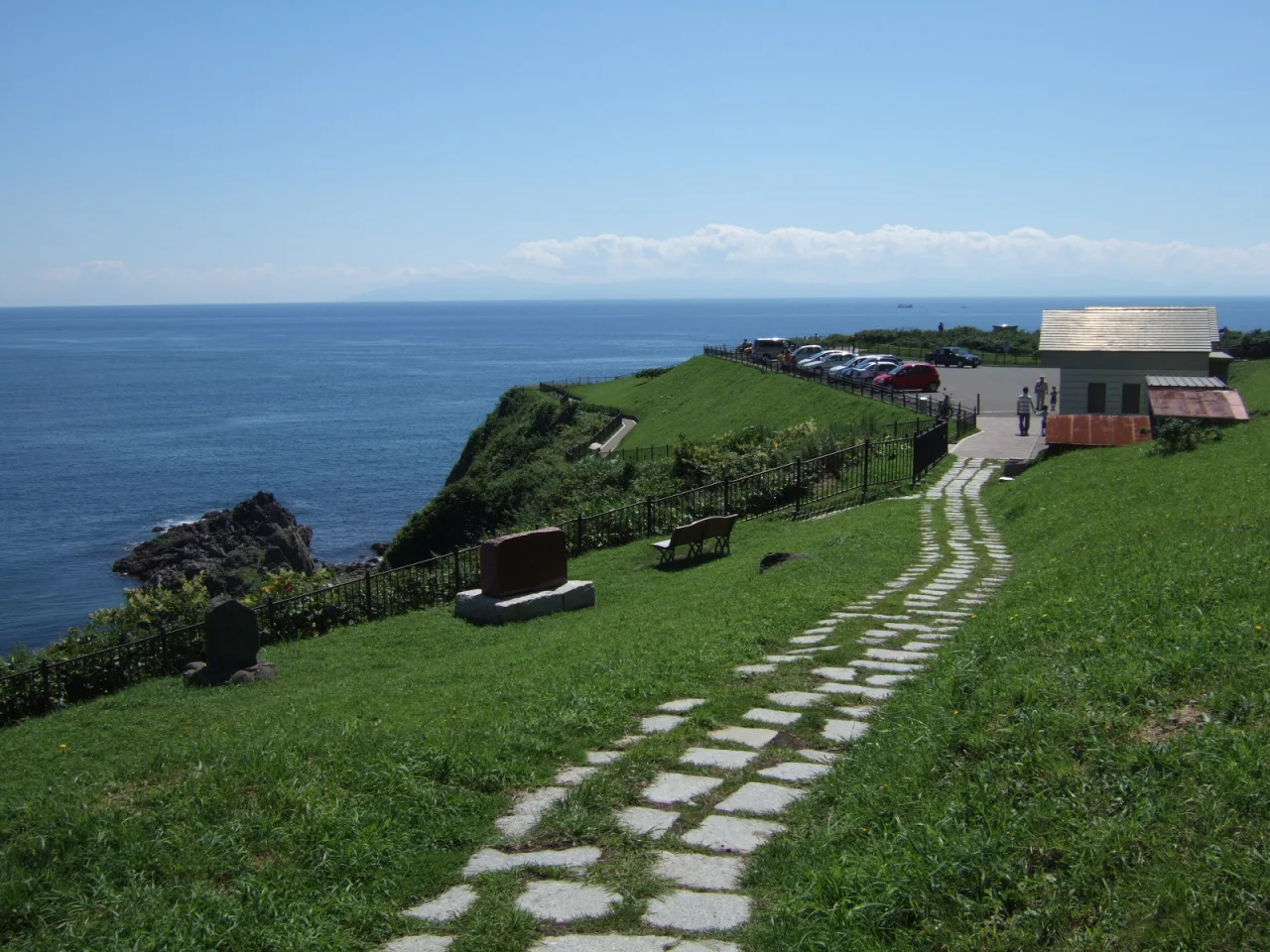
Take Hakodate Tram Route 2 to Yachigashira and walk 20 minutes to Cape Tachimachi. Covers 2026–2027 winter road closures, fares, coastal trails, Yachigashira Onsen, Motomachi and the Bay Area.
Walking the 20-Minute Route from Yachigashira to the Cape
Once off the tram, set your map destination to Cape Tachimachi and walk through the residential streets of Yachigashira towards Sumiyoshicho before joining the uphill road to the headland. The Yachigashira inset on Hakodate City's official sightseeing map marks the onsen, the Takuboku Ishikawa Family Grave and the cape together, so save a screenshot before setting out. All three sit in the same neighbourhood, though the onsen and cemetery each have their own entrances. Typing only 'Mount Hakodate' into navigation apps can misdirect you to the Motomachi ropeway station or another trailhead.
The approach passes houses first and then a hillside cemetery; continue past the Takuboku Ishikawa Family Grave to reach the open headland. Take your time in fine weather, and watch the bends during seasons when motor traffic is permitted—if you hear a car approaching, step into a wider verge and let it pass. Slower walkers can gauge the return descent before reaching the cemetery, as the entire climb has to be walked back down the same road.
Hakodate City's official tourism site estimates 20 minutes from Yachigashira, while the local tourism association puts it at around 15 minutes. Budget 20 minutes each way on a first visit; that timing starts from the tram stop and excludes exiting JR platforms, waiting for trams or lingering in the cemetery. Allow extra margin for photo stops, snow underfoot or walking with poles. If you want to take in the views in both directions and read the stone monuments at the point, 25 to 40 minutes on the headland is comfortable—keeping tram waiting times outside that window leaves breathing room before lunch or your next museum.
Sea views are concentrated at the tip of the headland. If anyone in your group prefers not to roam across all the grassy slopes, agree to meet on the approach side of the plaza while stronger walkers continue out to the railings. A brisk return trip from the tram stop with 15 minutes looking out to sea takes around 55 minutes. If you are walking with young children and also want to visit the graves, build in extra rest stops. Most of the physical effort lies in the sloped approach road itself, so skipping a few photo spots on the cape saves relatively little energy.
Return along the exact same route to Yachigashira. Looking out from the cape towards Omorihama Beach stretching towards Yunokawa can tempt visitors into treating it as a coastal shortcut. If you plan to visit Takuboku Small Park or soak in Yunokawa, it is far more predictable to walk back to the tram stop or main town roads and pick up transit from there. Keep Cape Tachimachi and Mount Hakodate Ropeway Sanroku Station as separate pins on your map. If family members stay down in the Bay Area, arrange to reunite at Jujigai or at a specific building entrance so nobody is left waiting while the other climbs.
Admission to Cape Tachimachi is free, and the tourism association lists it as open 24 hours. On a first visit, schedule the walk in full daylight—especially from November onwards, when you should time your turn-back so you descend the road between the cemetery and houses before dusk. Public toilets are available at the headland, and Hakodate tourism listings note a seasonal shop, Hamanasu, operating in summer. Outside summer, pick up water and snacks in town and save your meal for after you walk back down to Yachigashira.
Winter 2026–2027 Driving Rules: Separating the Two Roads
Hakodate City has announced that the roads around Cape Tachimachi will close to vehicles for winter from 16:00 JST on 9 November 2026, covering Sumiyoshicho 16 via Cape Tachimachi to Yachigashiracho 4 (Municipal Roads Yachigashira Line 12 and Line 17). The notice sets the end of March 2027 as a provisional reopening target, subject to snowfall. Should there be a brief opening for the spring equinox Higan period, the city plans to publish a separate announcement in mid-March. For late-winter trips, plan on using the tram until the seasonal road closure is officially lifted.
Pedestrians remain welcome along the winter-closed road. Travellers with hire cars should leave their vehicle at their accommodation or a legal car park in town and ride the tram in. Clear access must be kept around the cemetery entrances, the turning area before the headland and neighbouring houses. Taxis are bound by the same vehicle closure, so arrange drop-offs and pick-ups near Yachigashira tram stop and walk the final slope. During the open season, the headland has 40 free spaces for standard cars, plus 10 coach spaces listed by the local tourism association, following the signed one-way traffic system.
If you intend to drive up Mount Hakodate on the same day, note that the Mount Hakodate Tourist Road follows a separate schedule: it closes for winter from 11:00 JST on 9 November 2026 and is provisionally scheduled to reopen at 11:00 JST on 12 April 2027. If you have a two-day car hire—visiting the cape on day one and the night view on day two—note each site's transport rules separately. In winter, take the ropeway for the night view; while the summit road is closed, mountain buses, taxis and private cars are all barred from driving up.
Watch your footing closely on the descent whenever meltwater has refrozen. If the climb already feels strenuous, sheets of hard ice cover the tarmac or your soles start slipping, turn back towards Yachigashira. Pause in a sheltered spot to adjust gloves and collars so your hands are free for a camera once you reach the point. Families with pushchairs in winter are better off putting the park or onsen first and saving the cape for dry weather after snow clears; a vehicle barrier only marks a traffic closure, not a gritted or ice-free footpath.
Short spring stays often bring patches of lingering snow alongside bare tarmac. Even if you walked the slopes of Motomachi earlier the same day, do not judge the cemetery approach by those conditions. Differences in sunlight, snowpack and gradient change how smooth soles grip on the way down. Set a firm turn-back time so you are back on flat ground before dusk; the later in the afternoon you start, the wiser it is to switch to a harbourfront stroll instead.
| Road Section | Closure Starts | Provisional Reopening | How to Visit |
|---|---|---|---|
| Municipal roads around Cape Tachimachi | 9 November 2026, 16:00 JST | End of March 2027 (provisional) | Ride the tram to Yachigashira and walk |
| Mount Hakodate Summit Road | 9 November 2026, 11:00 JST | 12 April 2027, 11:00 JST (provisional) | Take the ropeway from Motomachi base station |
Cliffs, the Opposite Shore and Omorihama: Where to Look
Cape Tachimachi sits at the south-eastern tip of Mount Hakodate, fronted by sea-eroded cliffs roughly 30 metres high. Look south across the Tsugaru Strait first: in clear visibility you can pick out the Shimokita and Tsugaru peninsulas of Aomori Prefecture across the water. Shift your gaze north and north-east along the railings towards the city side, and Omorihama Beach curves away towards Yunokawa. If sea mist hides the distant Honshu coast while inshore visibility stays sharp, focus your time on the rocky shoreline and sweeping beach instead.
One corner of the plaza is Hamanasu Park, named after the pink Japanese beach roses that bloom in summer. To frame blossoms, sea and distant shoreline in a single shot, follow the existing paths to a slightly lower dip in the grass where foreground and horizon sit together naturally. In gusty winds, shooting handheld is easier to steady than setting up a tripod on the narrow walkway, and wait until you step back to a sheltered spot before changing lenses. Stay inside the railings when photographing the rocks and surf, moving along to the next viewpoint for a fresh angle.
Stone quarried around Cape Tachimachi was used in parts of Goryokaku's stone walls. Hakodate's official sightseeing guide notes that the rock here contains plagioclase and hornblende, giving it distinctive striations. If you visit the cape in the morning and Goryokaku the next day, inspect the exposed rock faces near the point before looking out for matching stonework at the star fort. The headland also carries coastal defence history: an artillery battery watched for foreign ships during the Edo period, followed by Meiji-era fortifications, giving extra context to the shipping lanes and mountain flank below.
The season dictates your layers and daylight hours, while cloud, mist and rain decide whether Honshu appears across the strait. Prioritise the clearest daytime window of your trip for long-range coastal views. Under low cloud, pair the cape with an indoor museum in the same half-day so you can cut the headland short if the ceiling drops. When visibility out to sea is crisp but the wind is biting, take in the full panorama from the first open stretch of railings and head back rather than wandering further across the grass for extra angles.
The Ishikawa Grave, Yosano Poetry Monument and Literature Museum
On the way out to the point, you will pass the Takuboku Ishikawa Family Grave. According to Hakodate's official tourism site, the current headstone was rebuilt in 1926 and now holds eight members of the poet's family. Facing north, the monument is shaped like a shogi piece, which official sources note is said by one account to echo the Russo-Japanese boundary markers along the 50th parallel on Sakhalin. Keep the roadway and paths clear for those tending graves while pausing here. Once you have read the inscription, follow the road up onto the headland where the coastline opens up clearly.
Further along near the point stands the 1957 tanka monument to poets Hiroshi and Akiko Yosano, erected in memory of Kenzo Okada, who helped establish Hakodate's museum. To tell the inscriptions apart on site, look for Hiroshi Yosano's poem naming Ikuu Miyazaki and Cape Tachimachi, alongside Akiko's verse weaving in Takuboku's manuscripts. While the roadside grave focuses on family ties and burial history, this monument highlights the circle of literary friendships. If companions simply want to watch the sea, arrange to meet at the plaza so nobody feels rushed.
Hakodate's tourism page records one theory that the name 'Tachimachi' translates the Ainu word pius into Japanese—meaning a rocky outcrop where fishermen waited to spear passing fish. Knowing that origin makes standing at the point and watching the reefs and currents a rewarding contrast with Hakodate's port wharves later in the day. While the Bay Area tells the story of merchant ships and brick warehouses, Cape Tachimachi's name and former battery speak to a life facing straight out into the strait.
If your main interest is Takuboku Ishikawa, pair the morning walk with an afternoon visit to the Hakodate City Museum of Literature in Suehirocho. It sits roughly one minute on foot from Suehirocho tram stop, with an entire upper-floor gallery dedicated to Takuboku and ground-floor exhibits on other Hakodate writers. Admission is ¥300 for adults and ¥150 for students and children; opening hours are 09:00 to 19:00 JST from April to October and 09:00 to 17:00 JST from November to March, closed from 31 December to 3 January. In winter, lock in your museum entry hours first and fit the cemetery and cape into the brighter part of the day.
To cut down on tram transfers between Yachigashira and the Literature Museum, ride to Jujigai and walk through the historic blocks to Suehirocho; in heavy rain or with slower walkers, transfer at Jujigai following the tram interchange procedure onto Route 5 bound for Hakodate-dokku-mae and alight at the very next stop, Suehirocho. If you are combining the Literature Museum with the Old Public Hall of Hakodate Ward, pick up the two-site joint ticket at either venue for ¥500 (adults) or ¥250 (students and children). If you only want the Literature Museum—especially with under an hour left in the afternoon—stick to a single ticket.
Takuboku enthusiasts who are also visiting Yunokawa can save Takuboku Small Park on Omorihama Beach for another day. Located in Hinodecho, it is a one-minute walk from the Takuboku-shokoen-mae bus stop. A seated bronze statue of the poet overlooks the sand, framing Omorihama Beach and Mount Hakodate together—looking straight back along the sweep of shoreline you saw from Cape Tachimachi. Note that the neighbouring Hijikata & Takuboku Roman Museum has permanently closed, so save indoor literary exhibits for the Museum of Literature in Suehirocho.
Soak at the Onsen After the Cape, or Visit the Museum at Aoyagicho
Yachigashira Onsen is roughly a five-minute walk from the Yachigashira tram stop at 20-7 Yachigashiracho. Hakodate tourism listings give opening hours as 06:00 to 22:00 JST (last entry 21:00 JST), closed on the second Tuesday of each month. Admission is ¥490 for adults, ¥150 for ages 7 to 12, ¥70 for ages 3 to 6, and free for children under 3. After bracing winds on the headland, pack a dry pair of socks and spare base layers so you can change out of damp clothes at the bathhouse. If you have a JR train to catch later, leave extra time outside your soak for dressing, walking back and tram waits.
The baths feature iron-rich, tea-brown thermal water across indoor pools of varying temperatures plus a star-shaped outdoor bath modelled on Goryokaku. A lounge area on the ground floor makes a convenient meeting point if your group splits up: older relatives who want to warm up straight away can head into the baths while others walk out to the cape and meet back afterwards. When bathers use separate men's and women's baths, agree on a meetup time in the ground-floor lounge beforehand. Even if rain cancels the cape walk, you can still ride Route 2 straight out from Hakodate Station for a soak.
If you still have energy after the headland walk, ride one stop to Aoyagicho and walk roughly seven minutes through Hakodate Park's main gate to the Hakodate City Museum. Its collections cover coins excavated at the Shinori archaeological site, materials on the port's opening and the Battle of Hakodate, plus geological, botanical and zoological specimens. It pairs naturally with the geological features spotted on the cape—particularly when you only have one or two hours spare and have time for one museum rather than a full climb up the Motomachi slopes.
Last entry at the Hakodate City Museum is 16:30 JST from April to October and 16:00 JST from November to March, with 30 minutes allowed inside after last admission. Permanent exhibition entry is ¥100 for adults and ¥50 for students and children, payable in cash, and permanent galleries are free on Sundays. When special exhibitions run, entry is ¥300 for adults, ¥200 for university and high school students, and ¥100 for primary and junior high pupils. Regular closures include Mondays, the last Friday of each month, 29 December to 3 January, and certain public holidays depending on exhibition schedules—so do not assume it is an automatic rainy-day backup around New Year.
If children need flat ground to unwind after the cape walk, add Hakodate Park afterwards. Opened in 1879, the park contains the historic former museum building and a small amusement area with separate ride fees. On rainy days, check the entrance notices if you were hoping for rides; if indoor exhibits are your priority, follow the museum signs straight across the park to make last entry in time. In fine weather you can easily pair the park and the cape, though adding a proper lunch break between the two outdoor stops gives children a better rest than pushing straight on into Motomachi.
Fitting Mount Hakodate in on the Same Day: Time Your Last Ropeway
Returning from Yachigashira to Jujigai, the uphill walk along Nambuzaka Slope to Mount Hakodate Ropeway Sanroku Station takes around seven minutes according to the local tourism association, before factoring in ticket queues and boarding gates. The cabin reaches the summit in roughly three minutes. While Cape Tachimachi looks out at sea level, the summit reveals the sweeping silhouette of Hakodate wedged between Hakodate Bay and the Tsugaru Strait. If you have both afternoon and evening in town, explore Motomachi first before ascending; if you only have daytime hours, prioritise the cape while coastal visibility holds.
The ropeway operator runs winter hours from 1 October to 19 April, normally starting at 10:00 JST with the last ascent at 20:30 JST and the last descent at 21:00 JST. From 20 April to 30 September, the normal last ascent is 21:30 JST and last descent 22:00 JST. Autumn maintenance and road closures can alter operating times, so check the operator's same-day service status before planning a night visit. Anyone catching a tram afterwards should work backwards from a safe earlier descent rather than holding out for the final cabin down.
Ropeway fares are ¥1,800 return for adults and ¥900 for children (single tickets are ¥1,200 and ¥600). Advance digital tickets are return-only, valid for 90 days from purchase at the same price as standard counter tickets. Showing the mobile QR code lets you join the boarding gate queue directly, though during peak crowds advance ticket holders still queue in the same line for cabins. Over the winter New Year period, if you only plan one summit trip and want clear weather, wait to check summit visibility and same-day operations rather than paying ahead when booking your hotel.
Before climbing Nambuzaka Slope, check the ropeway company's summit live webcam to see whether low cloud is blanketing the city view. Because the camera sits right at the top, it is the quickest way to decide whether the climb to the base station is worth making. If twilight is your priority, arrive at the base station early and book dinner for after your descent; if you only want the illuminated night skyline, eat in the Bay Area first and ride up once the city lights come on within operating hours.
When a Half-Day Only Fits One Focus: Linking Motomachi or the Bay Area
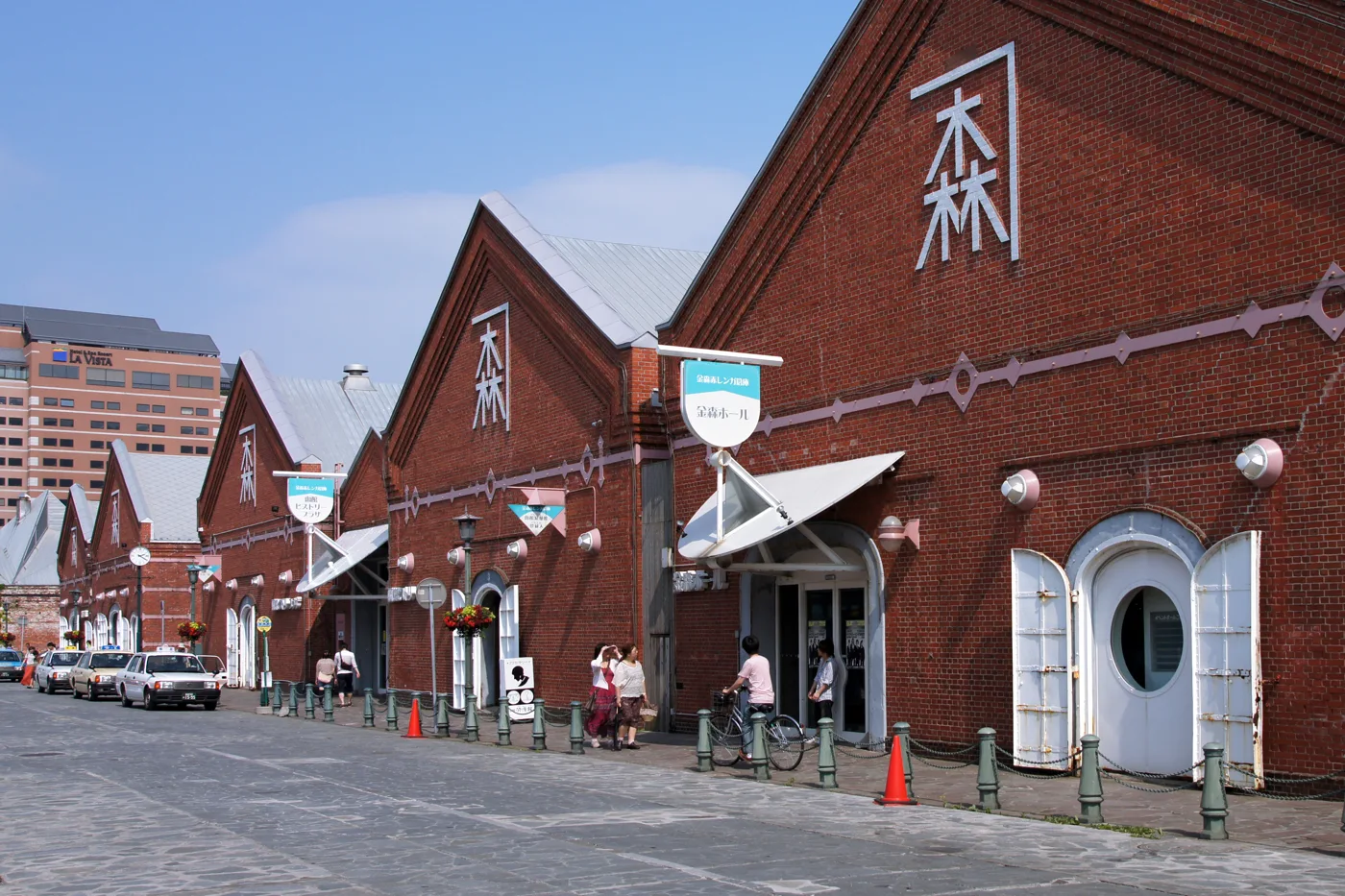
On a clear morning with limited time, take the tram from Hakodate-ekimae to Yachigashira, walk Cape Tachimachi, then ride back to Jujigai for lunch in the Bay Area. A short walk towards the harbour from Jujigai brings you to Kanemori Red Brick Warehouse, where shops generally open from 09:30 to 19:00 JST and restaurants keep individual hours. If you have other afternoon plans, returning to the station straight from the waterfront after lunch saves climbing up to the Old Public Hall and descending Motomachi's slopes.
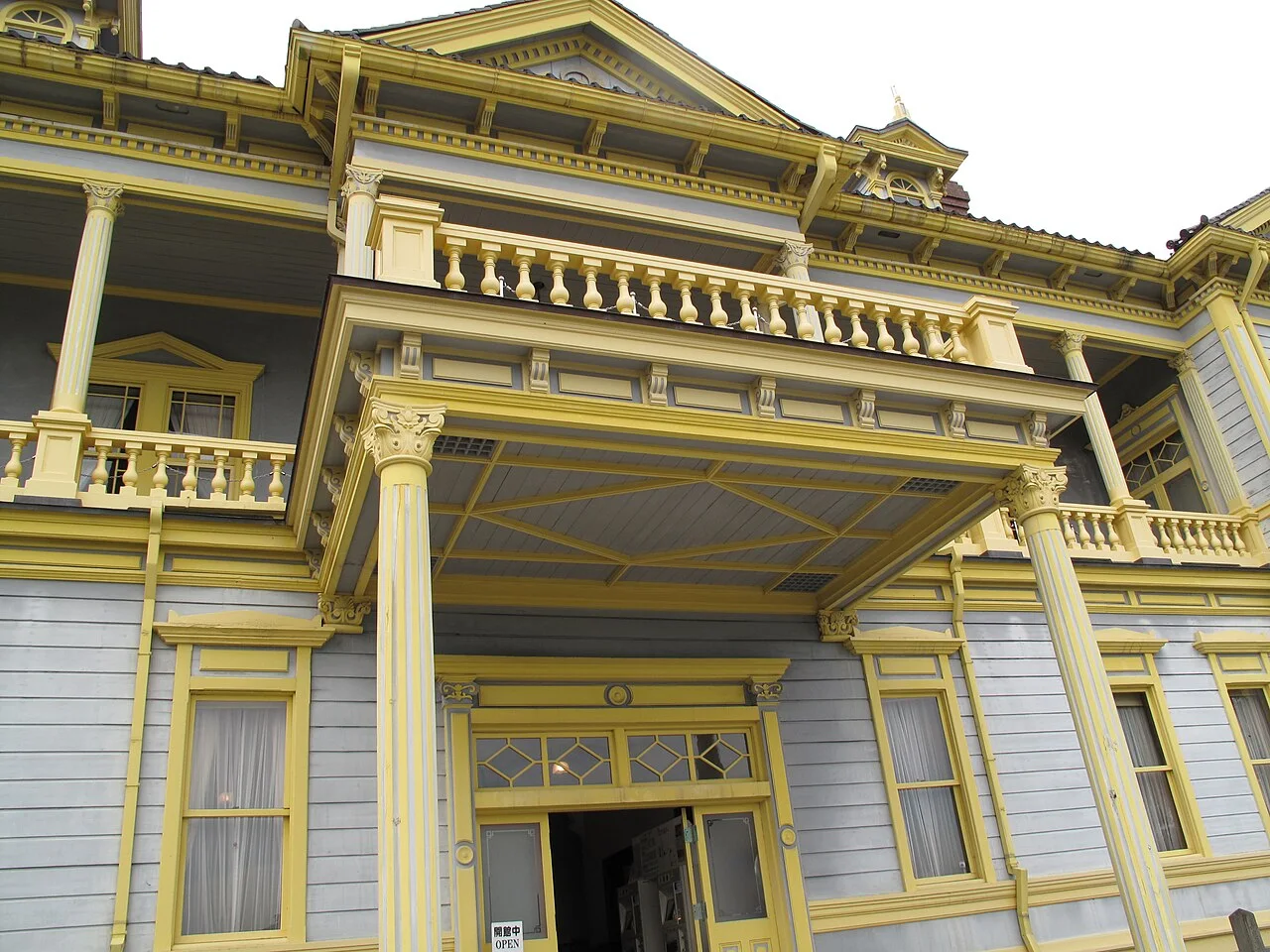
If rain lingers from morning into early afternoon, start indoors at the Old Public Hall of Hakodate Ward and save Motomachi's streets for a drier break. The hall is around seven minutes on foot from Suehirocho tram stop, or a three-minute walk from the Kokaido-mae bus stop on Hakodate Bus—handy for trimming a steep climb. Winter hours run 09:00 to 17:00 JST (last entry 16:30 JST), closing from 31 December 2026 to 3 January 2027 and on 26 January 2027. Single-site admission is ¥300 for adults, ¥150 for students and children, and free for pre-schoolers.
Although the Old Public Hall and the Former British Consulate both sit in Motomachi, they offer distinct experiences. The Public Hall showcases the grand assembly and chamber of commerce building reconstructed in Western style after the 1907 fire, complete with its upstairs concert hall. The Consulate, entered at 33-14 Motomachi, features restored consular offices, port-opening exhibits and a tea room. From 1 October to 31 December 2026, part of the path along the west side of the Consulate grounds is closed for works, so follow the entrance signage when walking up from Suehirocho. Combining both involves a fair climb; in heavy rain without a multi-site pass, pick whichever matches your interests.
Between 1 April and 31 October, weekday evening hours at the Public Hall depend on the day of the week: Tuesdays to Fridays stay open until 18:00 JST, whereas Saturdays, Sundays and Mondays stay open until 19:00 JST, with last entry 30 minutes prior in every case. That split affects how you sequence a half-day. At weekends you can linger by the sea at Cape Tachimachi before visiting the hall late in the afternoon; in winter, it is usually wiser to enter the hall earlier in the afternoon and save the cape for another half-day.
When walking up into Motomachi from Jujigai with older travellers, choose a single venue and depart via Suehirocho tram stop afterwards. On tighter schedules, ride straight back from Yachigashira to Hakodate Station and move Motomachi to the next day. A shared multi-site pass links the Old Public Hall, the Museum of Literature, the Former British Consulate and the Hakodate City Museum of Northern Peoples—worthwhile only if you are certain to visit two or more—while the Hakodate City Museum in Aoyagicho uses its own ticket. Check venue names on your map before setting off so rain does not catch you hunting for an entrance at the wrong end of the hill.
Visitors in December can pair daytime at the cape with Hakodate Christmas Fantasy along the harbour from 1 to 25 December 2026. Centred around the Red Brick Warehouses, the floating Christmas tree lights up around 18:00 JST with fireworks. After the 18:00 JST opening-night illumination on day one, subsequent evenings illuminate from 16:30 JST, go dark briefly at 17:45 JST, and relight from 18:00 to 22:00 JST. Entry is free, around seven minutes on foot from Jujigai tram stop. If you want the summit night view the same day, fix the timing for either the fireworks or the ropeway and move the other earlier or to the next day so cabin queues never make you miss the tree lighting.
Over the New Year break, plan a different wet-weather backup. The Hakodate City Museum closes from 29 December, while the Old Public Hall and Museum of Literature close from 31 December through 3 January. Over those days, a half-day around Yachigashira works best by walking the cape and riding the tram during daylight, then linking to confirmed eateries or warm indoor spots according to each venue's year-end hours. On departure day with bags, retrieve your luggage from your hotel and head straight to the station rather than leaving bags near the foot of the mountain into the evening.
Staying by Hakodate Station or the Bay: Which Walk Should You Save?
For an overnight trip connecting directly to rail, staying beside Hakodate Station keeps your luggage and train platform together. JR Inn Hakodate sits immediately next to the station, with standard check-in at 15:00 JST and check-out by 10:00 JST. The hotel stores luggage on both arrival and departure days, so early arrivals can drop bags at reception before walking out to board the Yachigashira-bound tram, then follow the same route back on check-out day without hauling suitcases before catching a JR train or airport bus. This suits travellers making an early departure who want predictable timing back to the station.
If night views, warehouse browsing and harbourfront dinners top your list, stay in the Bay Area—properties such as La Vista Hakodate Bay sit right beside the Red Brick Warehouses and feature top-floor communal baths and open-air hot-spring pools. During the day, hop straight onto the tram at Jujigai for Yachigashira, then return to warm up at the hotel before heading back out. On bed-and-breakfast stays, schedule the cape walk after breakfast; if you head out early for crisp morning visibility, leave enough cushion to collect bags from the hotel, particularly on days catching a JR train from Hakodate Station. Choosing between the two usually comes down to whether you would rather shorten evening harbour walks or your final dash to the station.
Where you stay also shapes your wet-weather backup. Based at the station, you can drop bags indoors during wind or rain, treat Yachigashira purely as an onsen trip and adjust train plans easily. Based in the Bay Area, you can bring Motomachi's indoor halls or the Red Brick Warehouses forward and still ride Route 2 from Jujigai out to Yachigashira if the weather clears. For a closer look at Yunokawa options, open-air baths and room layouts, read our Hakodate hotel areas, rooms and onsen comparison.
A few useful answers
Do I need tickets or a reservation for Cape Tachimachi?
Cape Tachimachi is free to visit with no booking required. The seasonal shop keeps summer hours only, and while the approach road closes to vehicles in winter, pedestrians can still walk up.
Which Hakodate Tram route goes there?
Take Route 2 bound for Yachigashira and ride to the terminus at Y26. Single adult fares are ¥270 from Hakodate-ekimae and ¥250 from Jujigai.
Can I drive to Cape Tachimachi during the 2026–2027 winter?
No. The municipal roads around the cape close to vehicles from 16:00 JST on 9 November 2026, with reopening provisionally targeted for the end of March 2027. Pedestrian access remains open; hire-car drivers can park in town and take the tram.
How much time should I allow for the return trip?
Starting and ending at Yachigashira tram stop, allow around 40 minutes for the return walk plus 20 to 40 minutes on the headland, aside from tram waiting times. Add extra margin if pausing in the cemetery or walking slowly on snow.
Which direction does Cape Tachimachi face?
Looking south across the Tsugaru Strait, clear days reveal Honshu's Shimokita and Tsugaru peninsulas; looking north and north-east takes in the inshore sweep of Omorihama Beach towards Yunokawa.
Can I board the Mount Hakodate Ropeway directly from Cape Tachimachi?
No, the ropeway base station is in Motomachi. Walk back to Yachigashira, take the tram to Jujigai, and walk up Nambuzaka Slope to the base station.
Where can I soak in an onsen near the cape?
Yachigashira Onsen is roughly a five-minute walk from Yachigashira tram stop. Admission is ¥490 for adults, open 06:00 to 22:00 JST (last entry 21:00 JST) and closed on the second Tuesday of each month.
Official information and references
Sources used in this guide.
- Hakodate Official Sightseeing Guide | Cape Tachimachi Access, Origin of the Name, Poetry Monument and Facilities
- City of Hakodate | 2026–2027 Winter Vehicle Restrictions at Cape Tachimachi
- Hakodate Tourism and Convention Association | Cape Tachimachi Views, Parking and Visiting Info
- City of Hakodate | Hakodate Tram Single Fares and Zone Fare Table
- City of Hakodate | Hakodate Tram Routes, Stop Numbers and Timetables
- City of Hakodate | Transfers and Fare Payment at Jujigai
- City of Hakodate | One-Day and 24-Hour Tram Passes
- City of Hakodate | Hakodate Sightseeing Map
- Hakodate Official Sightseeing Guide | Takuboku Ishikawa Family Grave
- Hakodate Official Sightseeing Guide | Omorihama Beach and Takuboku Small Park
- City of Hakodate | Hakodate City Museum of Literature: Takuboku Gallery, Admission and Closures
- Hakodate Official Sightseeing Guide | Yachigashira Onsen Admission, Entry Hours and Closures
- City of Hakodate | Hakodate City Museum Hours and Admission
- Hakodate Housing and Urban Facilities Corporation | Hakodate Park
- Mount Hakodate Ropeway | Operating Hours and Fares
- Mount Hakodate Ropeway | FY2026 Mount Hakodate Tourist Road Closures
- Mount Hakodate Ropeway | Advance Ticket Validity and Boarding Guide
- Mount Hakodate Ropeway | Summit Live Camera
- Hakodate Tourism and Convention Association | Access to Mount Hakodate Ropeway Base Station
- Old Public Hall of Hakodate Ward | Hours, Admission, Year-End and Temporary Closures
- Kanemori Red Brick Warehouse | Shop Opening Hours
- Hakodate Official Sightseeing Guide | 2026 Hakodate Christmas Fantasy
- JR Inn Hakodate | Check-In, Check-Out and Luggage Storage FAQ
- Kyoritsu Resort | La Vista Hakodate Bay Facilities and Hot Springs
- Former British Consulate of Hakodate | Facilities, Works Notice and Year-End Hours
- City of Hakodate | Former British Consulate of Hakodate Port-Opening Memorial Hall
- Kyoritsu Resort | La Vista Hakodate Bay Access and Area Map