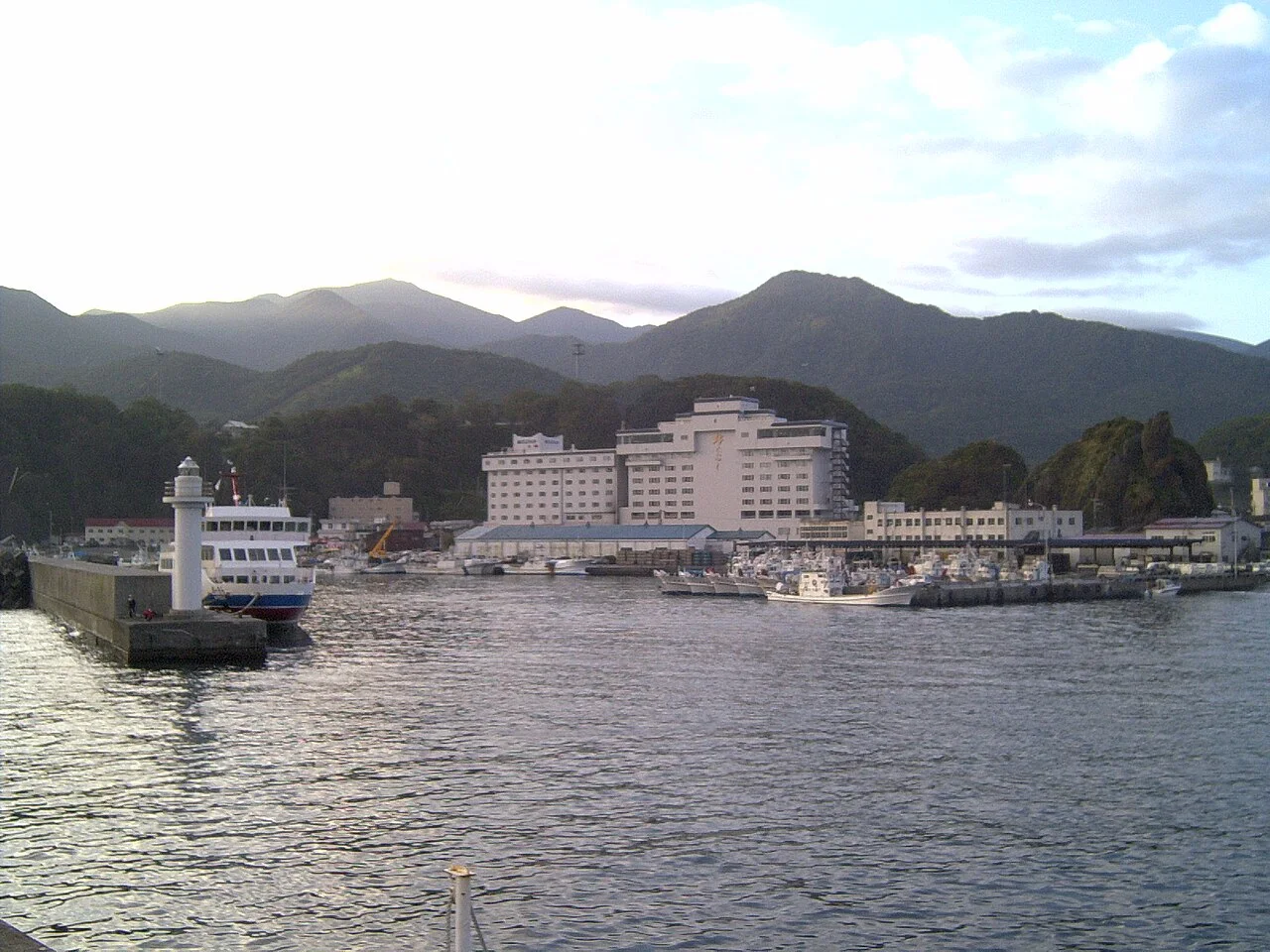
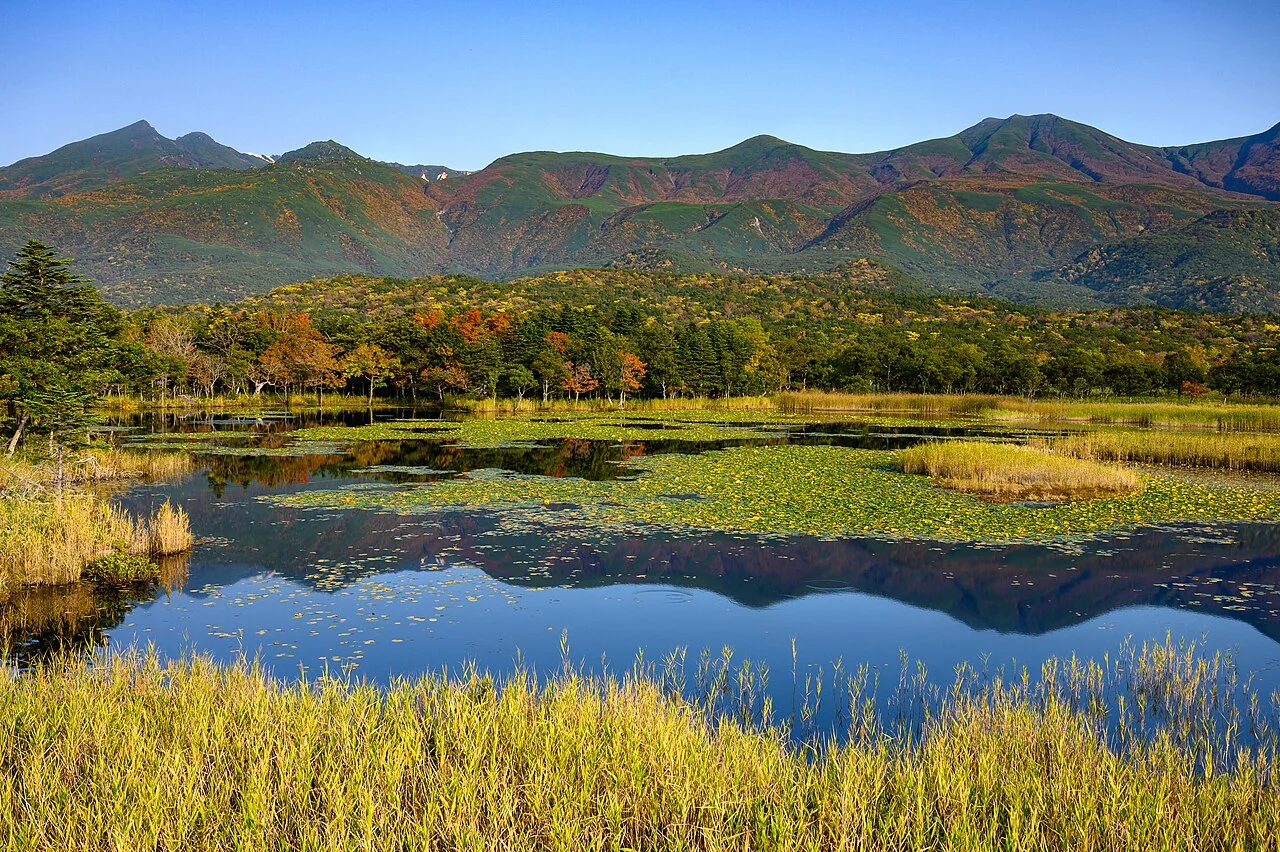
Utoro Onsen is the western gateway to Shiretoko, with 13 official listed stays: Shiretoko Daiichi (209 rooms), Kitakobushi (149 rooms), and KIKI (150 rooms) sit on the sea-view bluff, while 272-room Hotel Shiretoko closes annually from 1 November to 24 April. Winter drift-ice cruises operate with Gojiraiwa Kanko (1 February to mid-March), and Shiretoko Five Lakes opens only via paid eco-tours (22 January to 22 March 2027). Here is how to choose a base and plan winter transport.
- Region & Focus
- Eastern Hokkaido
- Reading Scope
- 14 min read · 7 chapters · 4 Q&As
- Official Verification
- 10 official sources checkedUpdated 20 November 2026
- Key Topics
- Where to stayWinterHokkaido
Chapter Route Map (tap any stop)
- The Utoro Baseline: 13 Properties and Two Distinct Zones
- The Four Large Hotels: Room Counts, Views, and Winter Closures
- Minshuku and Hostels: Free-Flowing Springs and Room-Only Stays
- Drift-Ice Season Activities: Winter Cruises and Drift Ice Walks
- Winter Closures: Shiretoko Five Lakes, Cross Road, and the Road to Heaven
- Winter Transport: Seasonal Bus Timetables and Direct Airport Transfers
- A Two-Day, One-Night Drift-Ice Blueprint
- Quick Q&A
Utoro is the gateway town on the western coast of the Shiretoko Peninsula, hugging the Sea of Okhotsk where the hot spring district, sightseeing boat pier, and winter drift-ice tours all converge. The Shiretoko Tourist Association's official directory lists 13 properties in the Utoro area: 6 hotels, 4 minshuku guesthouses, 2 hostels, and 1 campsite, ranging from a 272-room resort hotel to a 7-room hot spring minshuku. Travelling to Utoro in winter comes with several non-negotiable constraints: the largest hotel, Hotel Shiretoko, closes every winter from 1 November to 24 April; roads to the Shiretoko Five Lakes are closed to private vehicles with all facilities shut, leaving paid midwinter guided eco-tours as the sole access; and the Shiretoko Cross Road closes for winter, while Shari Bus suspends services to the Five Lakes and Rausu. Mapping out accommodation zones, winter drift-ice boat and Drift Ice Walk operators, road closures, and bus timetables ahead of time lets you build a realistic drift-ice itinerary before you depart.
The Utoro Baseline: 13 Properties and Two Distinct Zones
In the Shiretoko Tourist Association's official accommodation directory, Utoro accounts for only 13 of the region's 25 listed properties: 6 hotels, 4 minshuku guesthouses, 2 hostels, and 1 campsite (Kokusei Shiretoko Campsite). That modest room inventory is far smaller than Hokkaido's major hot spring resorts and directly explains why securing a bed during drift-ice season is so competitive. The remaining 12 listed properties are in the Shari town area, including SEKKA SHIRETOKO, Hotel Route-Inn Grantia Shiretoko Shari Ekimae, and Shari Onsen Yumotokan. When Utoro sells out, staying in Shari and catching the bus into Shiretoko is the standard fallback.
Utoro's accommodation falls cleanly into two zones. The first is the harbourfront centre (Utoro Higashi), where the sightseeing boat pier, Utoro Onsen Bus Terminal, restaurants, and shops cluster together; Kitakobushi Shiretoko (172 Utoro Higashi) and Gojiraiwa Kanko (51 Utoro Higashi) sit within easy walking distance of each other. Travellers without a car will find the harbourfront the easiest base, with boat boarding, dining, and the free portside footbath all reachable on foot. The second is the Kagawa bluff area (Utoro Kagawa), home to Shiretoko Daiichi Hotel, Hotel Shiretoko, KIKI Shiretoko, Minshuku Tanpopo, Minshuku Ishiyama, and The SUNSET. These hillside properties trade on sweeping views and sunsets over the Sea of Okhotsk, at the cost of a steep walk up and down between the bluff and the harbour.
When researching, you will frequently see official materials write the name as Utoro Onsen, such as Shiretoko Daiichi Hotel billing itself as a bluff hotel in Utoro Onsen and the bus stop being named Utoro Onsen Bus Terminal. Unlike traditional spa towns such as Dogo or Gero that prominently display mineral composition charts at every entrance, Shiretoko's official tourism pages do not publish standardised spring-quality or temperature tables across properties. Staying in Utoro is about the Sea of Okhotsk panorama, a base for drift-ice excursions, and winter bathing atmosphere rather than comparing mineral breakdowns.
It also helps to separate two easily confused official websites before planning. The domain shiretoko.or.jp belongs to the Shiretoko Nature Foundation, which oversees World Heritage conservation and the Shiretoko Nature Centre system. For accommodation listings, drift-ice tours, and sightseeing boats, use the Shiretoko Tourist Association portal at shiretoko.asia, which is also where Shari Town Office links its visitor pages, making it the most direct source for pre-trip facility checks.
Diverting to Shari town when Utoro is full is a reliable strategy seasoned travellers keep in reserve. The 12 properties in the Shari area, among them SEKKA SHIRETOKO, Shiretoko Villa Hotel Freeze, HOTEL BOTH, Hotel Route-Inn Grantia Shiretoko Shari Ekimae, Shari Onsen Yumotokan, and Okhotsk House Shari, sit largely near JR Shiretoko-Shari Station and along the national highway. The Shari Bus ride from Shari to Utoro costs ¥1,650 and takes around 50 minutes, effectively trading a short commute for far greater room availability; motorists pass through Shari anyway, so there is no need to scrap your trip if Utoro is booked solid.
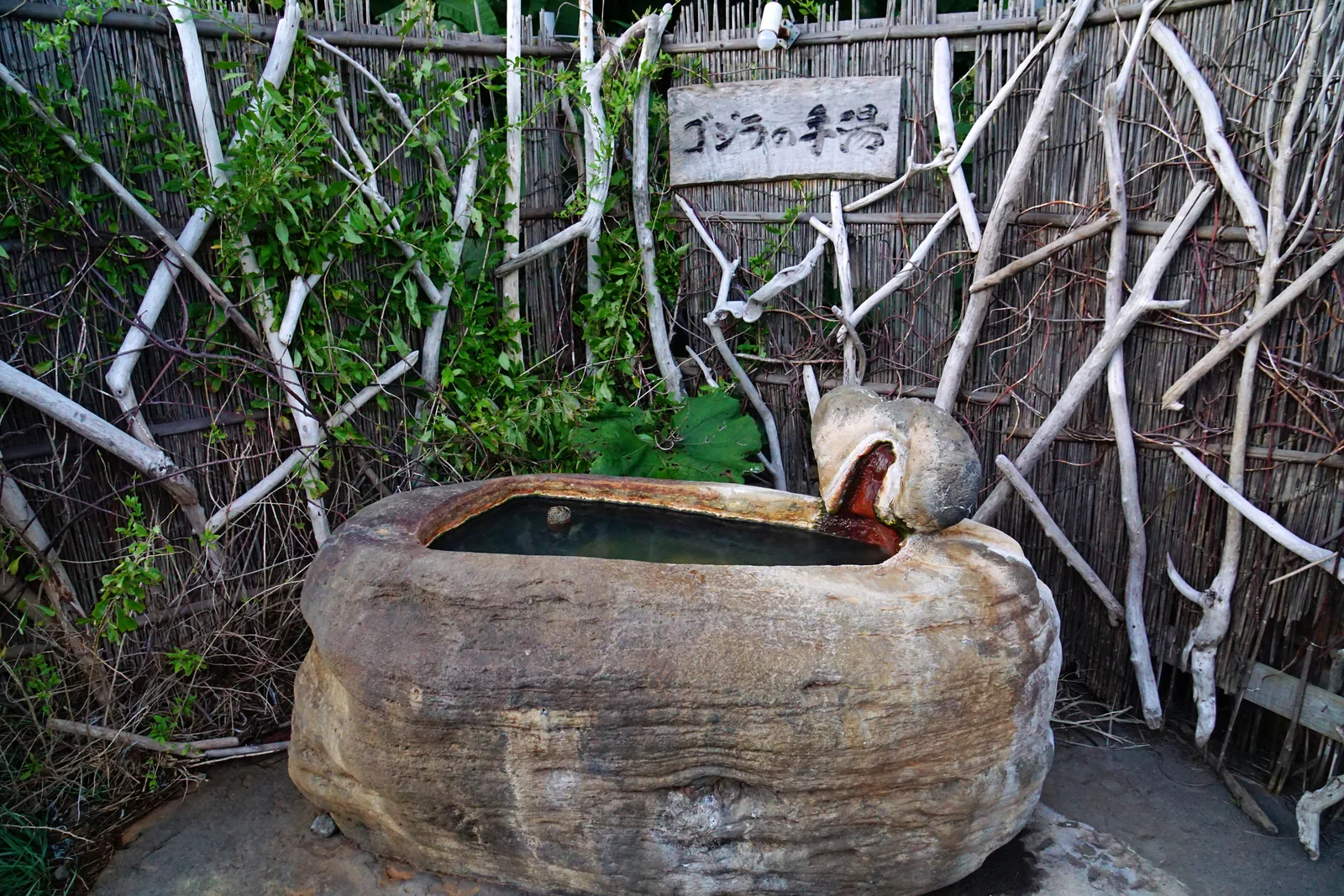
Once you arrive in Utoro, the town's layout feels remarkably straightforward. The low-lying waterfront holds the bus terminal, harbour pier, shops, and a handful of eateries, while the large hot spring hotels line the Kagawa slope just above, and the two zones remain connected on foot. Between waiting for a bus or an early dinner opening, strolling out to the breakwater to look across the Sea of Okhotsk, warming your feet at Gorotto no Ashiyu, and ending the evening and starting the next morning in your hotel's communal bath sets a calm, grounded rhythm for drift-ice season.
Utoro Onsen is the western gateway to Shiretoko, with 13 official listed stays: Shiretoko Daiichi (209 rooms), Kitakobushi (149 rooms), and KIKI (150 rooms) sit on the sea-view bluff, while 272-room Hotel Shiretoko closes annually from 1 November to 24 April. Winter drift-ice cruises operate with Gojiraiwa Kanko (1 February to mid-March), and Shiretoko Five Lakes opens only via paid eco-tours (22 January to 22 March 2027). Here is how to choose a base and plan winter transport.
The Four Large Hotels: Room Counts, Views, and Winter Closures
Four of Utoro's six hotels operate on a full resort scale. Shiretoko Daiichi Hotel offers 209 rooms (capacity 897 guests) on the bluff overlooking the Sea of Okhotsk; its More and Rosha communal baths are finished in natural jade, with day-use bathing open from 14:00 to 17:00 (tel: 0152-24-2334). The largest property, Hotel Shiretoko, has 272 rooms (capacity 915 guests) and an open-air hot spring bath with day-use hours from 15:00 to 20:00, yet it follows one decisive winter rule: it closes completely each year from 1 November to 24 April, taking it offline for nearly half the year.
The other two flagship resorts carry the winter season. Kitakobushi Shiretoko Hotel & Resort has 149 rooms and markets panoramic views across the Sea of Okhotsk, featuring an eighth-floor observation bath and footbath, with check-in at 15:00 and check-out at 11:00 (tel: 0152-24-2021). KIKI Shiretoko Natural Resort offers 150 rooms in a forested hillside setting; renovated in January 2023, its bathhouse includes three hot spring pools and four saunas, with day-use bathing split into 07:00–09:30 and 15:00–18:00 sessions (tel: 0152-24-2104). Room specifications and operating details for the sixth hotel, Hotel Kifu Club Shiretoko, are listed on its Shiretoko Tourist Association directory page.
Add those room counts together and the winter booking crunch becomes obvious. Once the 272-room Hotel Shiretoko shuts for the season, Utoro's large-hotel capacity drops sharply, leaving Shiretoko Daiichi, Kitakobushi, KIKI, and Kifu Club to shoulder demand. Because the Tourist Association directory is a year-round roster that does not flag individual winter closure dates, locking in a room early and verifying winter operating dates is far more important for late January through March stays than nitpicking interior decor.
Choosing among the four main resorts is straightforward. For elevated sea views and expansive bathhouses, compare Shiretoko Daiichi and KIKI; KIKI's renovated four-sauna setup is particularly welcome after a freezing excursion on the ice. If you are travelling without a car and want the pier and bus terminal within a flat walk, Kitakobushi on the Utoro Higashi waterfront holds the prime location. Travellers prioritising homelier hospitality and tighter budgets should look instead to the hot spring minshuku.
A quick phone call before booking can settle both your stay and your transfers at once by asking three questions: whether the property is open from late January to March, when reservations open, and whether it runs a shuttle from Utoro Onsen Bus Terminal. Because the bus terminal sits down at the harbour, hauling heavy luggage up the Kagawa hill on foot is a chore; major hotels generally offer free shuttles on variable schedules, while minshuku and hostels must be checked individually so your arrival lines up smoothly with the bus timetable.
Non-staying visitors looking for a day-use soak between activities can stagger across three windows: Shiretoko Daiichi from 14:00 to 17:00, Hotel Shiretoko from 15:00 to 20:00 (closed in winter), and KIKI across two blocks from 07:00 to 09:30 and 15:00 to 18:00. KIKI's early-morning slot is a rare perk for outside guests, letting you warm up straight after watching the sea at dawn. As winter day-use hours can shift depending on hotel operations, phone ahead on the day to confirm admission.
Minshuku and Hostels: Free-Flowing Springs and Room-Only Stays
Utoro's four minshuku serve budget-minded travellers and hot spring purists alike. Onsen Minshuku Tanpopo has just 7 rooms (capacity 24 guests) and prides itself on 100% natural, unrecycled free-flowing spring water in an intimate bathhouse (tel: 0152-24-2298). Shiretoko no Yado Minshuku Ishiyama highlights its 24-hour free-flowing moor onsen, a brown, plant-rich alkaline spring rarely found outside eastern Hokkaido and prized by bathers for its silky texture. Details for the remaining two guesthouses, Oyado Kiraku and Shiretoko Pereke, appear on the Tourist Association's facility pages.
To trim accommodation costs further, Utoro offers two hostels and one room-only guesthouse. Private Cottage Lantern Shiretoko and Bon's Home are popular bases for backpackers. The SUNSET Shiretoko positions itself as an onsen guesthouse, explicitly stating on its website that it provides room-only stays without meals while showcasing sunsets over the Sea of Okhotsk (tel: 0152-24-2764), a practical fit for drivers or travellers keen to pick their own dining spots.
Counting the summer-only Kokusei Shiretoko Campsite completes the supply picture: winter-open resort hotels at the top, four hot spring minshuku in the middle, three hostels and room-only lodges at the base, and the campsite closed for winter. Total capacity is tight even before winter closures are subtracted, which is why last-minute bargains rarely appear in Shiretoko between January and March.
Winter schedules at minshuku and hostels are less predictable than at major hotels, and the Tourist Association roster does not list seasonal closures. Before booking a smaller guesthouse or room-only lodge, ring ahead to confirm both its winter operating dates and latest check-in cut-off so you do not arrive to a dark building or an unstaffed front desk.
Choosing between a traditional minshuku and a room-only stay comes down to two practical trade-offs. Tanpopo and Ishiyama deliver undiluted free-flowing springs alongside quiet dining rooms and baths in a 7-room setting, ideal if soaking is central to your trip. Opting for room-only rates at Lantern Shiretoko, Bon's Home, or The SUNSET lowers your room bill, but leaves dinner entirely up to you: Utoro's harbourfront has few restaurants to begin with, and even fewer open on winter evenings, so lock in your dinner plan before dark rather than hunting for an open kitchen in the sea wind.
Drift-Ice Season Activities: Winter Cruises and Drift Ice Walks
First, clear up a common misconception: the Shiretoko Sightseeing Cruise Aurora fleet operated by Doto Kanko Kaihatsu, including the 491-tonne main vessel and the newer small boat Aurora 3 built in 2023, runs exclusively in the warmer months. The Cape Shiretoko route operates only from June to September, while the Kamuiwakka Falls and Rusha Bay routes run from late April to late October, with zero sailings all winter. Summer cruises beneath the World Heritage sea cliffs do not exist in winter; cold-season departures are handled by dedicated winter operators.
The authorised winter drift-ice cruise operator is Gojiraiwa Kanko (51 Utoro Higashi, tel: 0152-24-3060), running three vessels: Kamuiwakka, Kamuiwakka 55, and Kamuiwakka 88. Official seasons differ by port: the Shiretoko Peninsula Utoro Cruise runs from 1 February to mid-March, whereas the Shiretoko Peninsula Rausu Cruise starts earlier, from late January to late March, meaning late-January visitors wanting to head out by boat must look to the Rausu side. Cancellation thresholds are strict: sailings are scrubbed if wind speed inside the harbour reaches 8 metres per second or higher, wave height exceeds 0.5 metres, or visibility drops below 300 metres. The website's fare page lists only private charters starting from ¥100,000 alongside discount policies; individual passengers should check directly with the operator for current per-seat fares.
Winter's other signature excursion is walking across the frozen sea itself. The Shiretoko Tourist Association officially lists ten licensed operators for drift-ice walks, including pioneer SHINRA (Ryuhyo Walk), LANTOKO Ryuhyo Yu Walk, MEPS, Picchio Shiretoko, Gojiraiwa Kanko Ryuhyo Yu Walk (tel: 0152-24-3231), Shiretoko Ryuhyo Sanpo, SOT!, Shiretoko Alpa, small-group specialist ALKU, and ice-diving operator Robinson Diving. Stepping onto sea ice in an insulated drysuit while listening to the floes grind together is unique to Shiretoko's winter. Not every operator runs daily departures; confirmations depend on each booking desk.
Safety must come first whenever you plan marine or sea-ice excursions here. The Shiretoko Tourist Association website explicitly notes the maritime accident of 23 April 2022 and places safety standards and public trust at the core of its operations. Book drift-ice walks and winter boat cruises strictly through licensed local guides and never step onto coastal sea ice unguided. According to official guidance, drift ice slowly moves south and typically reaches the Shiretoko coast around late January, with February offering the highest likelihood of dense ice fields; every winter boat and ice-walk timetable follows this natural cycle.
First-timers need not worry about gear or technical skill for a Drift Ice Walk. Operators supply insulated drysuits and all necessary equipment, guiding you safely from the shore onto solid floes, where you can even float in ice openings or lie on the pack ice for photos. Session times, group caps, and prices vary across the ten operators: pick ALKU for an intimate group pace, SHINRA for the longest-running operation, or compare Shiretoko Ryuhyo Sanpo and SOT! for flexible time slots. All tours require advance reservations and confirm departure the day before based on ice conditions. The exact same stretch of sea transforms completely from summer cliff-viewing cruises to winter walks on frozen water.
For winter drift-ice cruises, the three vessels differ in tonnage and departure times, all boarding at Utoro Port (51 Utoro Higashi), while Drift Ice Walk meeting points depend on your chosen guide. Whether boats sail on a given morning hinges entirely on harbour measurements of wind, swell, and visibility taken at dawn, so keep your registered mobile phone or messaging channel reachable. Because Sea of Okhotsk weather shifts rapidly, structuring your morning as an interchangeable slot for either a drift-ice boat or a Drift Ice Walk ensures a single cancellation does not wipe out your day.
Winter Closures: Shiretoko Five Lakes, Cross Road, and the Road to Heaven
Winter restrictions at the Shiretoko Five Lakes are total: the access road is closed to all general vehicles and every on-site facility shuts down. The free elevated wooden boardwalk, the paid ground trails, and the 10 May to 31 July brown-bear season guided-walk rules, all active during the warm season from late April to early November, are suspended once winter sets in. The sole legal way to visit the lakes in winter is a paid Midwinter Shiretoko Five Lakes Eco Tour, scheduled for 22 January to 22 March in the 2026–27 season and led exclusively by certified guides (enquiries: Shiretoko Shari-cho Tourist Association, tel: 0152-22-2125).
The Shiretoko Cross Road, which links Utoro and Rausu over the 738-metre Shiretoko Pass, is officially open only from late April to early November (provisional) and closes completely in winter; as checked on 20 November 2026, the official homepage already announced that the Shiretoko Cross Road had entered its winter closure. With the mountain pass shut, drivers cannot cut across the peninsula interior and must detour via Kiyosato or Shibetsu, adding more than an hour each way. As a result, Rausu's late-January drift-ice boats and Utoro's hot spring hotels behave like two separate winter destinations rather than an easy cross-peninsula loop.
Shari's famous straight highway, known as the Road to Heaven (Ten ni Tsuzuku Michi), also sees partial seasonal closures: from around December to April, its car park and simple viewing deck are shut. You can still catch the long straight vista as you drive past, but there is no official parking area where you can safely stop for extended photography. Meanwhile, the Shiretoko Roman Fureai-go sightseeing bus covering the Eight Views of Shiretoko runs only from 28 April to 31 October, suspending service entirely for winter.
Taken together, these closures define the exact boundaries of a winter trip to Shiretoko. From an Utoro base, winter offers drift-ice cruises, Drift Ice Walks, hot spring stays, and the date-limited Five Lakes eco-tour. Walking the Five Lakes boardwalks independently, crossing Shiretoko Pass above a sea of clouds, or riding the Eight Views sightseeing bus all belong exclusively to the late-April-to-early-November warm season. Winter and summer Shiretoko are essentially two different destinations best visited on separate trips.
Comparing the warm-season Five Lakes management system clarifies why winter rules are so strict. Even in summer, while the elevated boardwalk is free, the ground trails carry seasonal fees and mandate registered guides during the 10 May to 31 July brown-bear activity window, overseen via the Shiretoko Five Lakes Field House (tel: 0152-24-3323). Full winter closure paired with certified eco-tours extends that same World Heritage stewardship. Up on the 738-metre Shiretoko Pass, roads are neither lit nor ploughed during closure and physical barriers block entry; never follow outdated sat-nav prompts toward the mountain pass in winter.
Winter Transport: Seasonal Bus Timetables and Direct Airport Transfers
For car-free travellers, the first essential reference is the Shari Bus Shiretoko Line winter timetable (1 November 2026 to 27 April 2027). Winter service shrinks to the Shari–Utoro–Shiretoko Nature Centre corridor, cutting off the summer extensions to the Shiretoko Five Lakes and Rausu. Official fares are ¥1,650 between Shari and Utoro Onsen and ¥1,370 between Shari and Oshinkoshin Falls, and tickets can be purchased online in advance without creating an account. Bicycles are prohibited on the entire route, so cycling in and out of Shiretoko via bus is not an option in winter.
Travellers arriving from Abashiri by rail take the JR Senmo Main Line for roughly 50 minutes to JR Shiretoko-Shari Station, then step outside to transfer onto the Shiretoko Line bus to Utoro; there is no regular direct public bus from Abashiri Station to Utoro. If you fly into Memanbetsu Airport, the seasonal Shiretoko Airport Liner is the most convenient link, running from Memanbetsu Airport via central Abashiri straight to Utoro Onsen Bus Terminal. Its summer season runs from June to September and its winter season runs roughly from late January to early March, with Memanbetsu Airport listing the fare at ¥3,500 and journey time at approximately 130 minutes. Solo travellers and anyone hauling large suitcases avoid awkward rail-to-bus transfers with this direct coach, with exact winter start dates announced by Shari Bus.
On the rails, the JR Senmo Main Line maintains regular daily trains between Abashiri and Shiretoko-Shari, joined by the winter-only Ryuhyo Monogatari (Drift Ice Story) sightseeing train, scheduled in 2027 for 30–31 January, 1–28 February, and 6–7 March with all-reserved seating. Blizzards frequently delay or suspend the Senmo Main Line, so checking JR Hokkaido's live train-status page before connecting to your Utoro-bound bus at Shari Station is an indispensable winter habit in eastern Hokkaido.
Hiring a car in winter brings flexibility, provided you respect snow conditions and closures. Alongside the Shiretoko Cross Road closure blocking direct access to Rausu, the coastal national highway from Shari to Utoro remains open yet frequently carries packed snow and black ice, making winter tyres mandatory and generous time buffers essential. Thanks to the Shiretoko Line bus and the direct airport coach, however, driving is no longer required in winter, and solo travellers often find public transport considerably less stressful.
One small step makes using Shari Bus far smoother: drift-ice season brings waves of day-trippers who create long queues at the bus stops, so buying your Shiretoko Line ticket online ahead of time (no membership registration needed) lets you board calmly without scrambling on site. And since the Shiretoko Roman Fureai-go sightseeing loop runs only from 28 April to 31 October, winter local mobility in Utoro relies solely on the Shiretoko Line bus and tour-operator shuttles, meaning car-free visitors should book guided tours that include hotel pick-up.
When planning around the Shiretoko Airport Liner, pay close attention to the official wording 'around late January to early March': the exact first and last operating days shift slightly each year with drift-ice arrival, so always verify the current winter schedule published by Shari Bus before locking in flights rather than assuming last year's dates. Rail enthusiasts can also combine scenic coastal views with transit by riding the all-reserved Ryuhyo Monogatari train from Abashiri to Shiretoko-Shari Station and transferring directly onto the Shari Bus to Utoro.
A Two-Day, One-Night Drift-Ice Blueprint
Combining Utoro accommodation, ice activities, and bus connections yields an effortless two-day, one-night framework. On Day 1, take the Shiretoko Airport Liner directly from Memanbetsu Airport to Utoro Onsen Bus Terminal (¥3,500, approx. 130 minutes) or ride JR from Abashiri to Shiretoko-Shari Station and transfer to the Shari Bus into town. After checking in, spend the afternoon strolling the harbourfront, warming your feet at Gorotto no Ashiyu beside the Sea of Okhotsk, and enjoying your hotel's large communal bath after dinner. On Day 2, join a pre-booked morning Drift Ice Walk or a Gojiraiwa Kanko winter cruise (operating from February), then catch an afternoon bus back to Shari for the train or ride the airport coach straight back to Memanbetsu Airport, making full use of Utoro's winter offerings.
Do not get the booking order backwards: first verify that your chosen hotel is open during drift-ice season (Hotel Shiretoko's 1 November to 24 April closure catches many travellers out), next secure your Drift Ice Walk or winter drift-ice cruise slot, and finally lock in your room and bus transfers together. Reversing that sequence risks landing a bed with no remaining tour spots, or holding a boat reservation with nowhere to sleep. February weekends are the tightest dates of the entire year, so confirm all three pieces early and simultaneously.
From Utoro, onward routes split north or south: head back north to Abashiri to pair your stay with the Abashiri drift-ice breaker and Okhotsk Ryu-hyo Museum for a complete Sea of Okhotsk ice trail, or continue south via Shari and Kiyosato toward Kushiro. Once you appreciate Shiretoko's role as the end-of-the-line World Heritage peninsula, a winter trip strips down to three crisp essentials—drift-ice excursions, hot spring stays, and midwinter guided walks—anchored by Utoro's 13 properties, letting you focus on the landscape rather than logistics.
If your schedule allows an extra night to raise your odds of getting out on the water, split two nights between Utoro and either Rausu or Shari. Because Utoro's cruises (from 1 February) and Rausu's cruises (from late January) make independent weather calls based on their own harbour wind and swell, scheduling one morning on each side effectively insures your trip against a local cancellation. On the morning of Day 3, you can continue south from Rausu via Shibetsu toward Kushiro, completing an eastern Hokkaido traverse from the Sea of Okhotsk down to the Nemuro Strait. Shiretoko is never a rush-and-tick-the-box stop; work with its winter rules and every trade-off falls neatly into place.
A few useful answers
What accommodation is open in Utoro, Shiretoko during winter?
The official directory lists 13 properties in Utoro: 6 hotels (including 209-room Shiretoko Daiichi, 149-room Kitakobushi, and 150-room KIKI), 4 minshuku guesthouses, 2 hostels, and 1 campsite. The biggest variable is 272-room Hotel Shiretoko, which closes every winter from 1 November to 24 April; other properties' winter operating dates are not individually listed on the directory, so telephone ahead before booking. Local stays centre on bluff sea views and large communal baths rather than published mineral-water analyses.
Can you ride the Shiretoko Sightseeing Cruise Aurora in drift-ice season?
No. All Aurora sightseeing boat routes operate only in the warmer months (late April to late October, with the Cape Shiretoko route limited to June to September) and have no winter sailings. Winter drift-ice cruises are operated by Gojiraiwa Kanko, sailing from Utoro from 1 February to mid-March and from Rausu from late January to late March; departures are cancelled if harbour wind reaches 8 m/s or higher, waves exceed 0.5 m, or visibility drops below 300 m. For Drift Ice Walks, ten licensed operators, including SHINRA and LANTOKO, accept reservations.
Can you visit the Shiretoko Five Lakes in winter?
Not independently. The road to the Shiretoko Five Lakes is closed to general vehicles in winter and all facilities are shut. The sole permitted entry is via a paid Midwinter Shiretoko Five Lakes Eco Tour, scheduled for 22 January to 22 March in the 2026–27 season and accompanied by a certified guide (enquiries: 0152-22-2125). The Shiretoko Cross Road between Utoro and Rausu is also closed for winter (open late April to early November), blocking direct overland travel across the peninsula.
How do you get from Memanbetsu Airport to Utoro?
The seasonal direct Shiretoko Airport Liner runs from Memanbetsu Airport via central Abashiri straight to Utoro Onsen Bus Terminal, operating June to September in summer and roughly late January to early March in winter at ¥3,500 for an approximately 130-minute ride. Year-round, take the JR Senmo Main Line from Abashiri to JR Shiretoko-Shari Station (around 50 minutes) and transfer onto the Shari Bus Shiretoko Line (which terminates at the Shiretoko Nature Centre on its 1 November 2026 to 27 April 2027 winter timetable); the Shari to Utoro Onsen fare is ¥1,650, with tickets available online without registration.
Official information and references
Sources used in this guide.
- Shiretoko Tourist Association — Utoro Accommodation Directory (13 Properties with Room Counts, Addresses, and Phone Numbers)
- Shiretoko Tourist Association — Shiretoko Sightseeing Cruise Aurora (Late April to Late October Routes; No Winter Sailings)
- Gojiraiwa Kanko — Winter Drift Ice Cruise (Utoro 1 Feb to Mid-Mar, Rausu Late Jan to Late Mar, and Cancellation Thresholds)
- Shiretoko Tourist Association — Drift Ice Experience Operators (Ten Ryuhyo Walk Operators and Ice-Arrival Timing)
- Shiretoko Five Lakes — Official Website (Main Season Late April to Early November; Winter Road and Facility Closures)
- Shiretoko Tourist Association — Shiretoko Cross Road (Open Late April to Early November Provisional; 2026 Winter Closure)
- Shari Bus — Shiretoko Line Winter Timetable (1 Nov 2026 to 27 Apr 2027; Shari–Utoro Onsen ¥1,650)
- Shari Bus — Shiretoko Airport Liner (Memanbetsu Airport to Utoro Seasonal Direct Bus)
- Memanbetsu Airport — Ground Transport (Utoro Onsen Bus Terminal Service ¥3,500, Approx. 130 Mins)
- Shiretoko Tourist Association — Homepage (2022 Maritime Accident Safety Statement and Cross Road Winter Closure Notice)