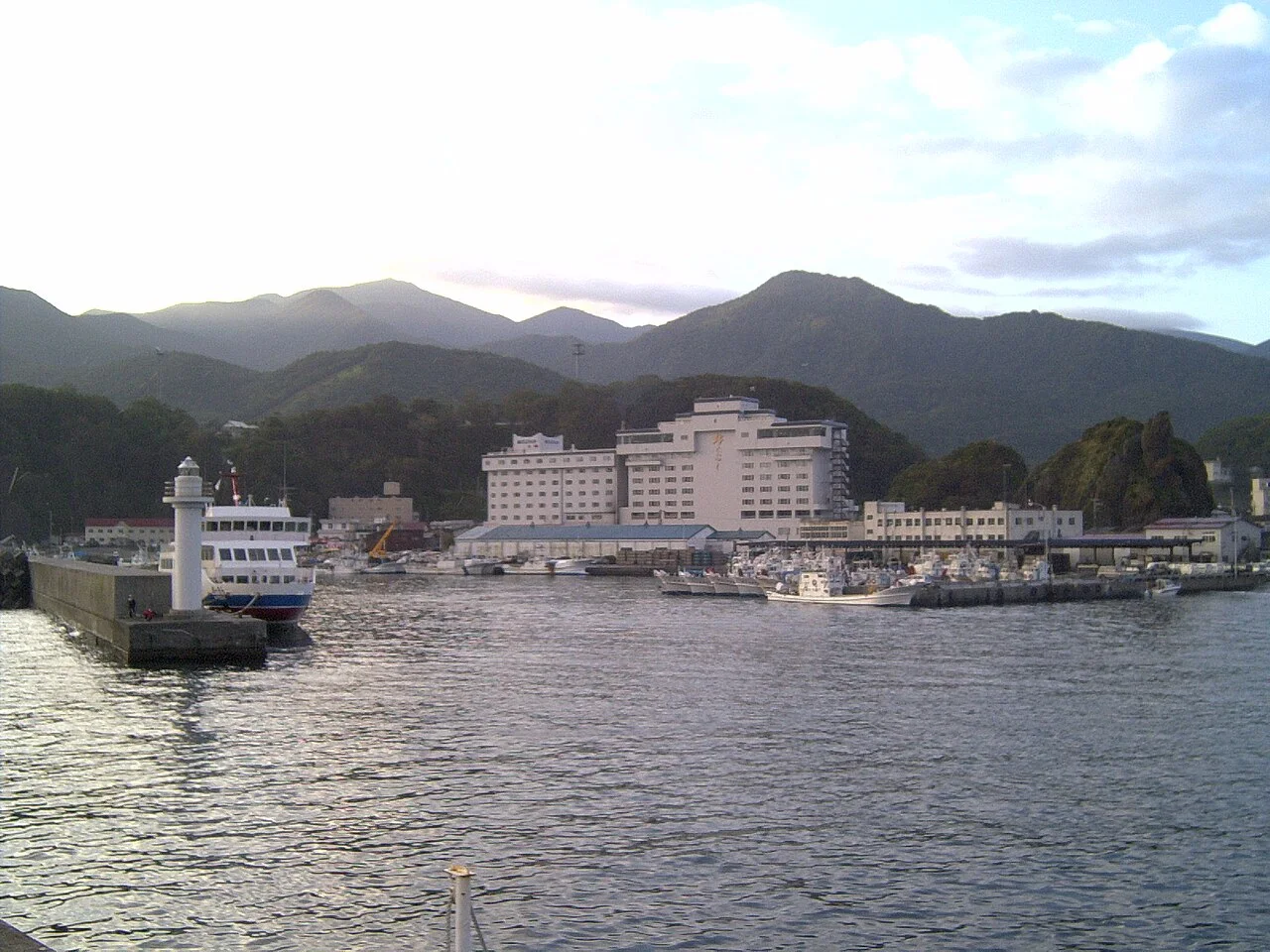
Utoro Onsen is the gateway to Shiretoko's west coast, with 13 properties on the official lodging list: Shiretoko Daiichi (209 rooms), Kitakobushi (149 rooms), and KIKI (150 rooms) sit on the coastal bluff or harbor, while 272-room Hotel Shiretoko closes every winter from November 1 to April 24. Winter drift-ice cruises are operated by Gojiraiwa Kanko (February 1 to mid-March), and Shiretoko Five Lakes is open only via paid winter eco-tours (January 22 to March 22, 2027). Here is how to choose a base and plan around winter closures and buses.
- Region & Focus
- Eastern Hokkaido
- Reading Scope
- 14 min read · 7 chapters · 4 Q&As
- Official Verification
- 10 official sources checkedUpdated November 20, 2026
- Key Topics
- Where to stayWinterHokkaido
Chapter Route Map (tap any stop)
- Utoro's Lodging Baseline: 13 Properties in Two Zones
- The Four Major Hotels: Room Counts, Views, and Winter Closures
- Minshuku and Hostels: Free-Flowing Springs and Room-Only Stays
- Drift-Ice Season Activities: Winter Boats and Ice Walks
- Winter Closures: Shiretoko Five Lakes, Shiretoko Pass, and the Road to Heaven
- Winter Transit: Bus Schedules and Direct Airport Coaches
- A Two-Day, One-Night Drift-Ice Itinerary Skeleton
- Quick Q&A
Utoro is the main gateway town on the western coast of the Shiretoko Peninsula. Hugging the Sea of Okhotsk, it packs the hot-spring strip, sightseeing piers, and winter drift-ice tours into one compact waterfront. The Shiretoko Tourism Association's official directory lists just 13 places to stay in Utoro—6 hotels, 4 minshuku guesthouses, 2 hostels, and 1 campground—ranging from a 272-room resort hotel to a 7-room hot-spring inn. Winter visitors face hard seasonal limits here: the largest property, Hotel Shiretoko, shuts down from November 1 to April 24; general traffic is barred from Shiretoko Five Lakes, where facilities close and entry requires a paid winter eco-tour; the cross-peninsula Shiretoko Pass Road closes; and Shari Bus drops its summer legs to the Five Lakes and Rausu. Map your hotel location against winter boat and ice-walk operators, road closures, and bus timetables before you book, and you can build a drift-ice itinerary that actually works.
Utoro's Lodging Baseline: 13 Properties in Two Zones
Of the 25 properties on the Shiretoko Tourism Association's official lodging list, only 13 are in Utoro: 6 hotels, 4 minshuku guesthouses, 2 hostels, and 1 campground (Shiretoko National Campground). That small room inventory—far smaller than Hokkaido's major hot-spring towns—is what makes drift-ice season reservations so tight. The other 12 listed stays are clustered in downtown Shari, including SEKKA SHIRETOKO, Hotel Route-Inn Grantia Shiretoko Shari Ekimae, and Shari Onsen Yumotokan. When Utoro sells out, staying in Shari and taking the bus into Shiretoko is the standard fallback.
Accommodations in Utoro split cleanly into two zones. First is the harbor center (Utoro Higashi), where the sightseeing pier, Utoro Onsen Bus Terminal, restaurants, and shops sit within easy walking distance of Kitakobushi Shiretoko (172 Utoro Higashi) and Gojiraiwa Kanko (51 Utoro Higashi). Travelers without a car have the easiest time here, able to reach boats, meals, and the free harbor-side footbath on foot. Second is the Kagawa bluff (Utoro Kagawa), home to Shiretoko Daiichi Hotel, Hotel Shiretoko, KIKI Shiretoko, Minshuku Tanpopo, Minshuku Ishiyama, and The SUNSET. These properties trade an uphill walk from the port for sweeping sunset views overlooking the Sea of Okhotsk.
Local listings commonly refer to the area as Utoro Onsen—Shiretoko Daiichi Hotel bills itself as a blufftop hotel in Utoro Onsen, and the main transit hub is named Utoro Onsen Bus Terminal. Unlike traditional hot-spring towns such as Dogo or Gero that post detailed mineral analyses at every entrance, Shiretoko's official tourism pages do not publish standardized water chemistry or temperature figures across properties. People stay in Utoro for Sea of Okhotsk views, drift-ice staging, and winter soaking rather than spring-mineral comparisons.
Keep two official websites straight when planning: shiretoko.or.jp is run by the Shiretoko Nature Foundation and covers World Heritage management and the Shiretoko Nature Center, while shiretoko.asia belongs to the Shiretoko Tourism Association and handles lodging, drift-ice tours, and boat operators. Shari Town's official tourism links route directly to shiretoko.asia, making it the fastest source for facility details.
Using Shari as a backup base when Utoro fills up is a reliable strategy for seasoned travelers. Most of Shari's 12 listed stays—such as SEKKA SHIRETOKO, Shiretoko Villa Hotel Freeze, HOTEL BOTH, Hotel Route-Inn Grantia Shiretoko Shari Ekimae, Shari Onsen Yumotokan, and Okhotsk House Shari—sit near JR Shiretoko-Shari Station or along the national highway. The Shari Bus into Utoro costs ¥1,650 and takes about 50 minutes, trading commute time for room availability. Drivers pass through Shari anyway, so there is no reason to cancel a trip if Utoro is fully booked.
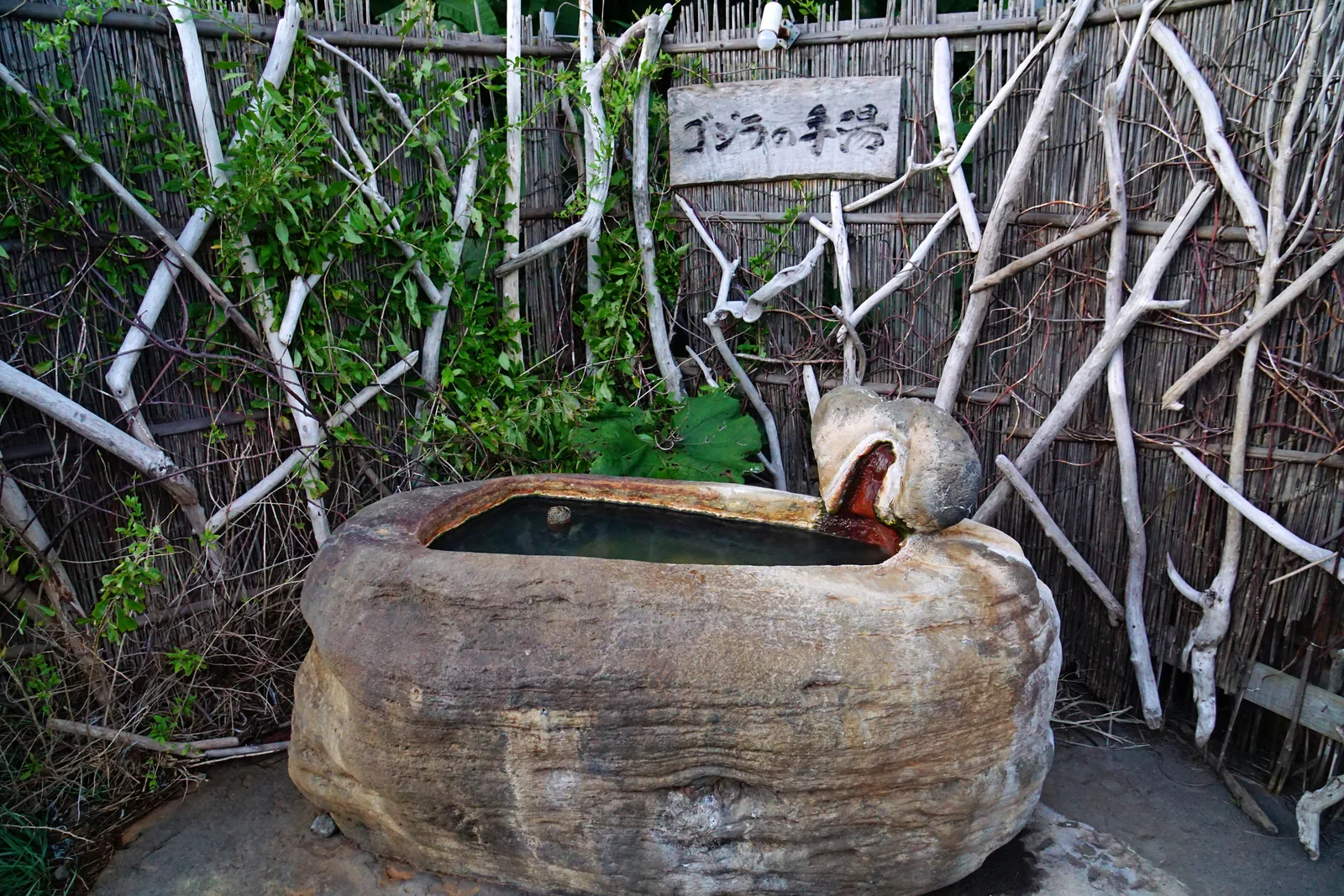
Once you arrive, Utoro's layout feels straightforward. The bus terminal, harbor pier, shops, and a handful of restaurants occupy the flat waterfront, while the large resort hotels line the hillside above Kagawa—and the two zones remain connected on foot. Between waiting for a bus or an early dinner opening, strolling out to the breakwater to watch the Sea of Okhotsk and warming your feet at Gorotto no Ashiyu before heading back for an evening and morning soak forms the natural winter rhythm here.
Utoro Onsen is the gateway to Shiretoko's west coast, with 13 properties on the official lodging list: Shiretoko Daiichi (209 rooms), Kitakobushi (149 rooms), and KIKI (150 rooms) sit on the coastal bluff or harbor, while 272-room Hotel Shiretoko closes every winter from November 1 to April 24. Winter drift-ice cruises are operated by Gojiraiwa Kanko (February 1 to mid-March), and Shiretoko Five Lakes is open only via paid winter eco-tours (January 22 to March 22, 2027). Here is how to choose a base and plan around winter closures and buses.
The Four Major Hotels: Room Counts, Views, and Winter Closures
Four of Utoro's six hotels are full-scale resorts. Shiretoko Daiichi Hotel has 209 rooms (capacity 897) on the bluff overlooking the Sea of Okhotsk, featuring its More and Rosha bathhouses lined with natural jade; day-use bathing runs 14:00 to 17:00 (TEL 0152-24-2334). The largest property, Hotel Shiretoko, holds 272 rooms (capacity 915) with an open-air hot-spring bath and day-use bathing from 15:00 to 20:00, but comes with a decisive catch: it closes every winter from November 1 to April 24, staying shuttered for nearly half the year.
The other two flagship resorts carry most of the winter demand. Kitakobushi Shiretoko Hotel & Resort offers 149 rooms with panoramic Sea of Okhotsk views, an eighth-floor observation bathhouse, and a rooftop footbath, with check-in at 15:00 and check-out at 11:00 (TEL 0152-24-2021). KIKI Shiretoko Natural Resort has 150 forest-side bluff rooms and a bathhouse renovated in January 2023 with three hot-spring types and four saunas; day-use bathing operates from 7:00 to 9:30 and 15:00 to 18:00 (TEL 0152-24-2104). A sixth hotel, Hotel Kifu Club Shiretoko, lists its room specs and terms on the Shiretoko Tourism Association directory.
Add up those room counts and the winter crunch becomes obvious. Once 272-room Hotel Shiretoko closes for the season, Utoro's large-hotel capacity drops sharply, leaving Shiretoko Daiichi, Kitakobushi, KIKI, and Kifu Club to absorb peak demand. Because the tourism association directory is a year-round roster that does not flag individual winter closure dates, locking in a room early and confirming winter operations matters far more for late January through March than agonizing over decor.
Choosing among the four active hotels comes down to location and facilities. For blufftop ocean views and expansive baths, pick between Shiretoko Daiichi and KIKI—KIKI's four renovated saunas are especially welcome after coming off the sea ice. If you are traveling car-free and want the pier and bus terminal right outside your door, Kitakobushi in Utoro Higashi has the strongest location. Travelers watching their budget or wanting a homier pace should pivot to the smaller hot-spring minshuku.
Call your hotel directly before finalizing a winter booking to confirm three details: whether it is open from late January through March, when reservations open, and whether it runs shuttle pickups from Utoro Onsen Bus Terminal. Dragging heavy bags up the hill to Kagawa is tiring, and while major hotels generally offer free shuttles, pickup schedules vary—and minshuku or hostels must be checked individually. Confirming all three points lets you align your bus arrival cleanly.
Non-guests looking for a daytime soak between tours can stagger visits across three schedules: Shiretoko Daiichi from 14:00 to 17:00, Hotel Shiretoko from 15:00 to 20:00 (closed in winter), and KIKI from 7:00 to 9:30 and 15:00 to 18:00. KIKI's early morning window is a rare option for drop-in visitors after sunrise on the coast. Because winter day-use hours can shift with occupancy, call the front desk the same day to confirm entry.
Minshuku and Hostels: Free-Flowing Springs and Room-Only Stays
Utoro's four minshuku serve budget-minded travelers and hot-spring purists. Onsen Minshuku Tanpopo has just 7 rooms (capacity 24) and highlights 100% free-flowing natural hot-spring water (gensen kakenagashi), preserving an unhurried, small-scale soak (TEL 0152-24-2298). Minshuku Ishiyama features 24-hour free-flowing moor onsen—a silky, amber-brown plant-derived hot spring rare in eastern Hokkaido and prized by bath enthusiasts. Details for the other two inns, Oyado Kiraku and Shiretoko Pereke, appear on the tourism association's facility pages.
To keep costs down further, Utoro has two hostels and a room-only hot-spring guesthouse. Private Cottage Lantern Shiretoko and Bons Home are go-to bases for backpackers. The SUNSET Shiretoko positions itself as an onsen guesthouse dedicated to Sea of Okhotsk sunsets with strictly room-only rates and no meal service (TEL 0152-24-2764), making it a smart fit for drivers or guests who prefer dining out on their own schedule.
Include the summer-only Shiretoko National Campground, and Utoro's lodging ladder comes into sharp focus: large year-round or seasonal resorts at the top, four hot-spring minshuku in the middle, three hostels and room-only stays at the base, and a closed campground in winter. Supply is tight to begin with, and winter closures shrink the pool further—which is why last-minute bargains rarely exist during drift-ice season.
Winter operating schedules for minshuku and hostels are less predictable than at big hotels, and the official directory does not publish a winter shutdown list. Before booking a guesthouse or room-only stay, phone ahead to verify winter opening dates and the latest check-in cutoff so you do not arrive to a dark lobby or seasonal closure.
Two practical trade-offs separate minshuku from room-only stays. Tanpopo and Ishiyama pour undiluted spring water with quiet meals and baths sized for a handful of guests, ideal if hot-spring soaking is your main goal. Booking a room-only bed at Lantern Shiretoko, Bons Home, or The SUNSET saves money, but puts dinner entirely on you—Utoro's harbor has few restaurants to begin with, and even fewer stay open in winter, so plan where you will eat before nightfall.
Drift-Ice Season Activities: Winter Boats and Ice Walks
First, clear up a common misconception: none of the Shiretoko Sightseeing Cruise Aurora routes operated by Doto Kanko Kaihatsu—including the 491-ton main vessel and the newer 2023 Aurora 3—run in winter. Official warm-season schedules limit the Cape Shiretoko route to June through September and the Kamuiwakka Falls and Rusha Bay routes to late April through late October. Winter suspends those World Heritage cliff cruises completely, handing offshore tours over to seasonal drift-ice operators.
Licensed winter drift-ice cruises are operated by Gojiraiwa Kanko (51 Utoro Higashi, TEL 0152-24-3060) using three vessels: Kamuiwakka, Kamuiwakka 55, and Kamuiwakka 88. Sailing windows split by departure port: the Shiretoko Peninsula Utoro Cruise runs February 1 to mid-March, while the Shiretoko Peninsula Rausu Cruise starts earlier, running late January to late March. Anyone hoping to boat out to the ice in late January must head to Rausu. Weather cutoffs are strict—sailings cancel whenever harbor winds hit 8 m/s or higher, waves reach 0.5 m or higher, or visibility falls below 300 m. Because the website lists only private charters from ¥100,000 and group discount rules, individual passengers should check same-day fares directly with the operator.
The other signature winter experience is walking directly across sea ice. The Shiretoko Tourism Association lists 10 authorized drift-ice walk operators: pioneer SHINRA (Ryuhyo Walk), LANTOKO Drift Ice Walk, MEPS, Picchio Shiretoko, Gojiraiwa Kanko Drift Ice Walk (TEL 0152-24-3231), Shiretoko Ryuhyo Sanpo, SOT!, Shiretoko Arpa, small-group specialist ALKU, and Robinson Diving for drift-ice diving. Wearing a thermal drysuit over the shifting, creaking floes is uniquely Shiretoko; departures do not run automatically every day and depend on advance reservation confirmation.
Safety comes first for every ocean and sea-ice outing. The Shiretoko Tourism Association homepage prominently references the April 23, 2022 maritime tragedy and centers its operations on strict safety oversight and restoring public trust. Always book drift-ice walks and winter cruises exclusively with licensed guides, and never step onto coastal ice on your own. Officially, drift ice drifts south to reach the Shiretoko Peninsula around late January and blankets the coast most reliably in February, dictating every winter tour schedule.
First-timers do not need to worry about gear or technical difficulty for a drift-ice walk. Guides supply full thermal drysuits and safety equipment, leading you from shore onto solid ice where you can float in open leads or lie back for photos. The 10 operators vary in start times, group caps, and pricing: ALKU suits travelers wanting small groups, SHINRA offers long-established logistics, and Shiretoko Ryuhyo Sanpo or SOT! provide flexible session slots. Every tour requires advance booking, with final go/no-go confirmation sent the day before based on ice conditions. It is a complete seasonal flip—cruising beneath towering sea cliffs in summer, walking across frozen ocean in winter.
For winter cruises, the three vessels differ in tonnage and departure times, all boarding at Utoro Port (51 Utoro Higashi), while drift-ice walks meet at points set by each guide company. Morning wind, swell, and visibility readings at the port determine whether boats sail at all, so keep the phone number or contact method you used to book reachable. Conditions on the Sea of Okhotsk change rapidly; structuring the next morning as an interchangeable slot for either a cruise or a drift-ice walk keeps a single cancellation from wiping out your day.
Winter Closures: Shiretoko Five Lakes, Shiretoko Pass, and the Road to Heaven
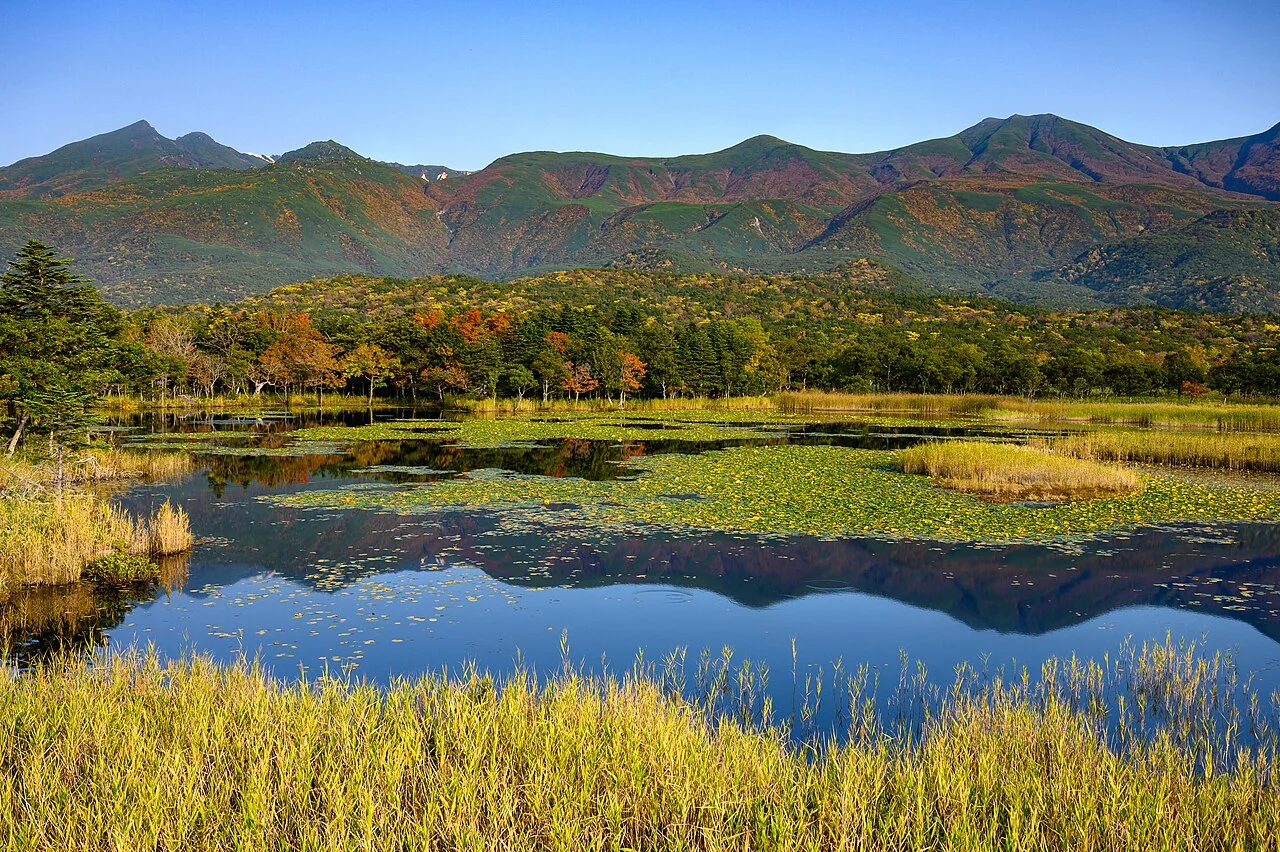
Shiretoko Five Lakes locks down completely in winter: the access road bans all private vehicles and every park facility closes. During the warm season (late April to early November), visitors can use the free elevated boardwalk, the paid ground trails, and the mandatory guided-only system during brown bear season (May 10 to July 31)—all of which shut down in winter. The sole legal way into the Five Lakes in midwinter is a paid Midwinter Shiretoko Five Lakes Eco Tour led by a certified guide; for 2026-27, the official season runs January 22 to March 22, 2027 (inquiries: 0152-22-2125, Shiretoko Shari Tourist Association).
The Shiretoko Pass Road connecting Utoro and Rausu over the 738-meter Shiretoko Pass is tentatively open from late April to early November before closing completely for winter—confirmed on November 20, 2026, when the official homepage posted its winter closure notice. With the mountain pass sealed, driving from Utoro to Rausu requires detouring south via Kiyosato or Shibetsu, adding well over an hour each way. That makes Rausu's late-January drift-ice boats and Utoro's hot-spring stays two separate winter zones rather than an easy cross-peninsula hop.
Shari's famous straight highway, the Road to Heaven (Ten ni Tsuzuku Michi), also sees partial winter closures: from roughly December through April, its parking area and simple observation deck shut down. You can still view the road stretching ahead as you drive past, but there is no official pull-off for lingering photo stops. Meanwhile, the Shiretoko Roman Fureai-go sightseeing bus serving Shiretoko's eight scenic spots runs only from April 28 to October 31 and stops entirely in winter.
Put all these closures together, and the shape of winter Shiretoko becomes clear. A winter trip centered in Utoro revolves around drift-ice cruises, drift-ice walks, hot-spring stays, and the midwinter Five Lakes eco-tour. Walking the Five Lakes boardwalk on your own, crossing Shiretoko Pass above the clouds, and riding the scenic loop bus belong strictly to the April-to-November warm season. Winter and summer Shiretoko are essentially two different destinations best planned as separate trips.
Comparing summer rules at Shiretoko Five Lakes explains the strict winter approach. In warm months, the elevated boardwalk is free while ground trails charge seasonal fees and require licensed guides from May 10 to July 31 (coordinated via the Shiretoko Five Lakes Field House, TEL 0152-24-3323). Switching to full closure plus certified eco-tours in winter extends that same World Heritage conservation framework. Up on 738-meter Shiretoko Pass, winter means no streetlights, no snowplowing, and locked physical gates—never follow outdated GPS directions toward the pass in winter.
Winter Transit: Bus Schedules and Direct Airport Coaches
If you are visiting winter Shiretoko without a car, start with the Shari Bus Shiretoko Line winter timetable (November 1, 2026 to April 27, 2027). Winter service shrinks to the Shari-Utoro-Shiretoko Nature Center corridor, dropping all summer extensions to Shiretoko Five Lakes and Rausu. Standard fares are ¥1,650 between Shari and Utoro Onsen and ¥1,370 between Shari and Oshinkoshin Falls, with online tickets available for advance purchase without registering an account. Bicycles are prohibited on board year-round, so cycling transit via bus is off the table.
Arriving by rail from Abashiri requires taking the JR Senmo Main Line about 50 minutes to Shiretoko-Shari Station and transferring to the Shiretoko Line bus into Utoro; there is no regular year-round local bus running directly from Abashiri Station to Utoro. Flying into Memanbetsu Airport makes the seasonal Shiretoko Airport Liner the simplest option: running directly from Memanbetsu Airport via downtown Abashiri to Utoro Onsen Bus Terminal, it operates June through September in summer and roughly late January through early March in winter, listed by Memanbetsu Airport at ¥3,500 for a 130-minute ride. Solo travelers and anyone hauling large suitcases skip a rail-to-bus transfer here, though you should check Shari Bus for each winter's exact start date.
On the rails, regular JR Senmo Main Line trains continue running between Abashiri and Shiretoko-Shari, joined by the winter-only Ryuhyo Monogatari-go sightseeing train—scheduled in 2027 for January 30-31, February 1-28, and March 6-7 with all-reserved seating. Blizzards frequently delay or suspend service along the Sea of Okhotsk coast, so checking JR Hokkaido's live train-status page before leaving is essential for making your bus connection at Shiretoko-Shari.
Renting a car in winter offers flexibility, provided you respect snow conditions and closures. Aside from the closed Shiretoko Pass Road blocking direct access to Rausu, the coastal highway from Shari to Utoro stays open but regularly sees packed snow and black ice—insist on winter tires and build generous time buffers into every drive. With reliable Shari Bus service and the airport coach running, solo travelers in particular often find public transit far less stressful.
One small move makes riding the Shari Bus much smoother: day-trippers flood the stops during drift-ice peak, creating long boarding queues, so buying your Shiretoko Line ticket online ahead of time (no membership required) lets you board calmly without fumbling for fares. Because the Shiretoko Roman Fureai-go scenic bus operates only from April 28 to October 31, getting around Utoro in winter without a car relies solely on the Shiretoko Line bus and tour-operator pickups—making guided tours with included transfers the easiest way to cover outlying sights.
When planning around the Shiretoko Airport Liner, pay close attention to the "roughly late January to early March" wording on official pages: first and last operating dates shift slightly each year with the drift-ice season, so confirm Shari Bus's current-season announcement before locking in flights rather than relying on last year's calendar. Rail fans can also pair the reserved-seat Ryuhyo Monogatari-go from Abashiri to Shiretoko-Shari with a smooth bus transfer into Utoro, combining coastal ice views from the train window with straightforward transit.
A Two-Day, One-Night Drift-Ice Itinerary Skeleton
Fitting Utoro's lodging, sea-ice tours, and bus links into a two-day, one-night framework keeps the pacing crisp. On Day 1, take the Shiretoko Airport Liner from Memanbetsu Airport straight to Utoro Onsen Bus Terminal (¥3,500, about 130 minutes), or ride JR from Abashiri to Shiretoko-Shari Station and transfer to the Shari Bus. Check in, stroll the harbor in the afternoon, warm your feet at Gorotto no Ashiyu beside the Sea of Okhotsk, and unwind in your hotel's large bathhouse after dinner. On Day 2 morning, join a pre-booked drift-ice walk or Gojiraiwa Kanko's winter cruise (operating from February 1), then catch an afternoon bus back to Shari for JR onward or take the direct coach back to Memanbetsu Airport.
Do not reverse the booking sequence: first verify that your chosen hotel is open during drift-ice season (Hotel Shiretoko's November 1 to April 24 closure catches many travelers off guard), then lock in your drift-ice walk or winter cruise slot, and finally book your room and bus connections. Doing it backward risks securing a hotel with no tour spots left—or holding a cruise reservation with nowhere to sleep. February weekends sell out fastest, so finalize lodging, tours, and transit together early.
After leaving Utoro, onward routes split north or south: head north back to Abashiri to pair the Aurora icebreaker and Okhotsk Ryu-hyo Museum for a full drift-ice coast loop, or head south through Shari and Kiyosato toward Kushiro. Once you treat Shiretoko as a seasonal World Heritage endpoint, a winter trip narrows cleanly to three priorities—drift-ice experiences, hot-spring stays, and midwinter guided walks—anchored by Utoro's 13 listed properties.
Travelers with an extra night who want higher odds of getting out on the water can split two nights between Utoro and either Rausu or Shari. Since Utoro's winter cruise (from February 1) and Rausu's cruise (from late January) make independent weather calls based on their own harbor winds and swells, booking a morning slot on each side acts as built-in insurance. On Day 3 morning, continue from Rausu down the coast via Shibetsu toward Kushiro to complete an eastern Hokkaido traverse from the Sea of Okhotsk to the Nemuro Strait. Shiretoko is not a place to rush through in a single afternoon—follow its winter rules, and every trade-off falls neatly into place.
A few useful answers
Where can you stay in Shiretoko Utoro during winter?
The official list includes 13 properties in Utoro: 6 hotels (including 209-room Shiretoko Daiichi, 149-room Kitakobushi, and 150-room KIKI), 4 minshuku guesthouses, 2 hostels, and 1 campground. The biggest variable is 272-room Hotel Shiretoko, which closes annually from November 1 to April 24. Because winter operating dates for the remaining properties are not listed individually on the directory, call ahead to confirm before booking. Stays here are valued mainly for Sea of Okhotsk views and large bathhouses rather than published mineral-content tables.
Do the regular Shiretoko sightseeing boats run during drift-ice season?
No. All routes of the Shiretoko Sightseeing Cruise Aurora operate only in warmer months (late April to late October, with the Cape Shiretoko route limited to June through September) and suspend service in winter. Winter drift-ice cruises are run by Gojiraiwa Kanko from February 1 to mid-March out of Utoro, and late January to late March out of Rausu, subject to strict cancellations when harbor winds reach 8 m/s, waves reach 0.5 m, or visibility drops below 300 m. For drift-ice walking, 10 licensed operators including SHINRA and LANTOKO take reservations.
Can you visit Shiretoko Five Lakes in winter?
Not independently. The access road is closed to private vehicles and all park facilities shut down for winter. The only legal entry is a paid Midwinter Shiretoko Five Lakes Eco Tour led by a certified guide, running January 22 to March 22 for the 2026-27 season (inquiries: 0152-22-2125). The Shiretoko Pass Road linking Utoro and Rausu also closes for winter (open roughly late April to early November), cutting off direct cross-peninsula drives.
How do you get from Memanbetsu Airport to Utoro?
The seasonal Shiretoko Airport Liner runs directly from Memanbetsu Airport through downtown Abashiri to Utoro Onsen Bus Terminal (June-September in summer; roughly late January to early March in winter) for ¥3,500, taking about 130 minutes. Year-round, take the JR Senmo Main Line from Abashiri to Shiretoko-Shari Station (about 50 minutes) and transfer to the Shari Bus Shiretoko Line (winter schedule November 1, 2026 to April 27, 2027 terminates at Shiretoko Nature Center). The bus fare from Shari to Utoro Onsen is ¥1,650, with tickets available online without registration.
Official information and references
Sources used in this guide.
- Shiretoko Tourism Association | Utoro Lodging Directory (13 properties with room counts, addresses, and phone numbers)
- Shiretoko Tourism Association | Shiretoko Sightseeing Cruise Aurora (Late April to late October; no winter service)
- Gojiraiwa Kanko | Winter Drift-Ice Cruise (Utoro Feb 1-mid-Mar; Rausu late Jan-late Mar; cancellation criteria)
- Shiretoko Tourism Association | Drift-Ice Experience Operators (10 Ryuhyo Walk providers and arrival timing)
- Shiretoko Five Lakes | Official Website (Main season late April-early November; winter road and facility closures)
- Shiretoko Tourism Association | Shiretoko Pass Road (Open late April-early November; closed for winter 2026)
- Shari Bus | Shiretoko Line Winter Timetable (Nov 1, 2026-Apr 27, 2027; Shari-Utoro Onsen ¥1,650)
- Shari Bus | Shiretoko Airport Liner (Seasonal direct bus from Memanbetsu Airport to Utoro)
- Memanbetsu Airport | Ground Transportation (Bus to Utoro Onsen Bus Terminal, ¥3,500, approx. 130 min)
- Shiretoko Tourism Association | Homepage (2022 maritime safety commitment and Shiretoko Pass winter closure notice)