Plan a day at Rokko Snow Park from Kobe or Osaka with 2026–27 admission, lift passes, equipment hire, lessons for overseas visitors and Snoil Kids preschool classes. Includes Snowland and Rokko Cable transport packages.
- Region & Focus
- Kansai
- Reading Scope
- 30 min read · 17 chapters · 8 Q&As
- Official Verification
- 11 official sources checkedUpdated 31 October 2026
- Key Topics
- ItinerariesSeasonsKyoto, Osaka & Kansai
Chapter Route Map (tap any stop)
- Choose between Snowland, lessons and independent skiing
- 5 December 2026 to 7 March 2027; snow play ends at 17:00
- Start uphill from Hankyu Rokko, JR Rokkomichi or Hanshin Mikage
- Transport packages include admission: choose by Hanshin, Hankyu or JR starting point
- Buy admission and ski lift passes separately, including accompanying adults
- Buy hire tickets first, collect at two locations and pay deposits per ticket
- Snowland: sledges, snowmen and a free rest shelter
- Ski lessons for overseas visitors: primary school age upwards, at 10:30 or 13:30
- Overseas visitor snowboard lessons last 90 minutes and finish earlier than skiing
- The ¥10,000 Japanese-language beginner package is separate from visitor classes
- Snoil Kids: find the stance on an artificial training mat first
- Parents can learn too: Snoil Family costs ¥30,000 for up to three
- Family-of-four budgets: calculate snow play and family lessons separately
- Eat lunch in the park, then rest between lessons
- Stay in Sannomiya to return to the city before or after skiing
- Choose morning snow play, afternoon lessons or a full day of skiing
- Return hire 30 minutes before closing and take dry belongings downhill
- Quick Q&A
For a snow day on Mount Rokko, choose snow play or lessons first, then calculate transport and equipment. Sledging in Snowland needs park admission only. For skiing or snowboarding, add lift use and hire. Preschool children can use the dedicated Snoil Kids training area; primary school children and older visitors can join overseas visitor lessons. Using the resort’s 2026–27 information, this guide connects the journey up from Kobe, lesson meeting times, equipment returns and the journey down.
Choose between Snowland, lessons and independent skiing
Rokko Snow Park is on Mount Rokko in Kobe’s Nada Ward, reached from the city by bus, funicular and mountain bus. Snowland is separate from the ski slopes. For children’s first snow visit, leave time for sledging, snowmen and breaks. To learn to ski, book a class suited to the participant’s age and language first, then plan the journey around its meeting time. Your group can do different activities and meet for lunch.
Snow-play visitors do not need a ski lift pass. Add clothing, boots and sledge hire as needed. Learners must arrange lessons, equipment and admission together, and included lift use differs by course. Choose the day’s activities before adding each cost. This also makes clear what a transport package includes and what you still need to buy at the park.
Plan a day at Rokko Snow Park from Kobe or Osaka with 2026–27 admission, lift passes, equipment hire, lessons for overseas visitors and Snoil Kids preschool classes. Includes Snowland and Rokko Cable transport packages.
5 December 2026 to 7 March 2027; snow play ends at 17:00
The resort’s 2026–27 calendar lists the season as 5 December 2026 to 7 March 2027. Standard days run from 09:00 to 17:00; weekend and holiday-category dates usually run from 09:00 to 20:00. Some dates open early at 08:00 or close at 17:00. Snowland always runs from 09:00 to 17:00. For sledging with children, plan to change and return equipment before 17:00.
Night skiing suits those intending to stay on the slopes. Families can use the afternoon fully in Snowland and go down for dinner. On opening day, 5 December, normal operating hours end at 17:00 because of a private evening event. Anyone attending that event should arrange its separate ticket. Once your date is fixed, put closing time and downhill transport into the plan to give changing a clear start time.
Lessons also have their own operating dates. Overseas visitor classes run from 5 December to 7 March, excluding 31 December and 1 January. Snoil Kids preschool classes start on 12 December and exclude the same two dates. Choose your travel date from the lesson calendar before booking accommodation and transport for a child’s first ski lesson.
Start uphill from Hankyu Rokko, JR Rokkomichi or Hanshin Mikage
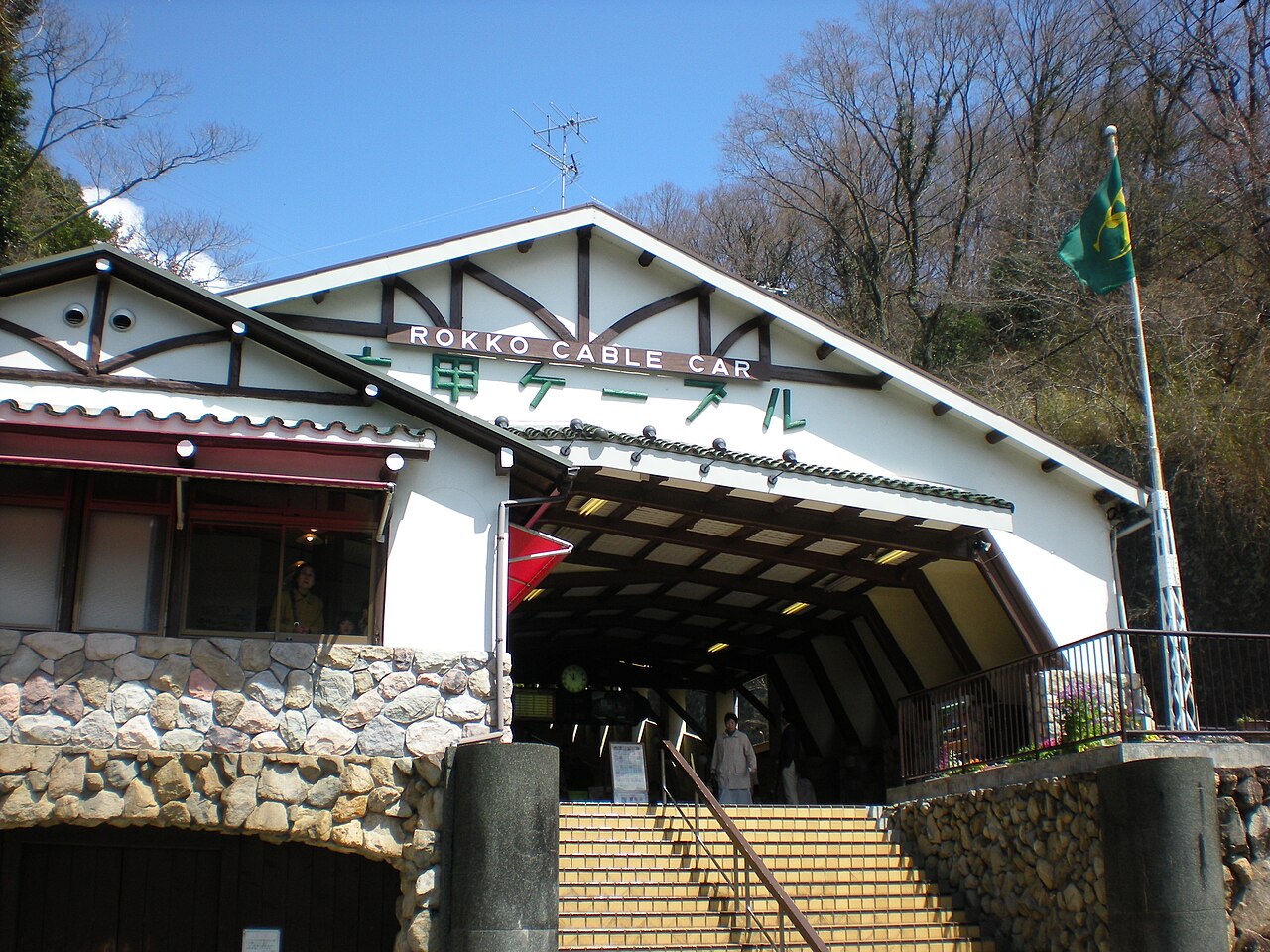
The resort’s access page lists three railway starting points: Hankyu Rokko, JR Rokkomichi and Hanshin Mikage. Take a Kobe City Bus to Rokko Cable Shita, then the Rokko Cable funicular, which takes about 10 minutes to Rokko Sanjo Station. Change to a Rokko Sanjo Bus and get off at Snow Park-mae, about one minute’s walk from the entrance. Save the station names separately and record the city bus and mountain bus as different legs.
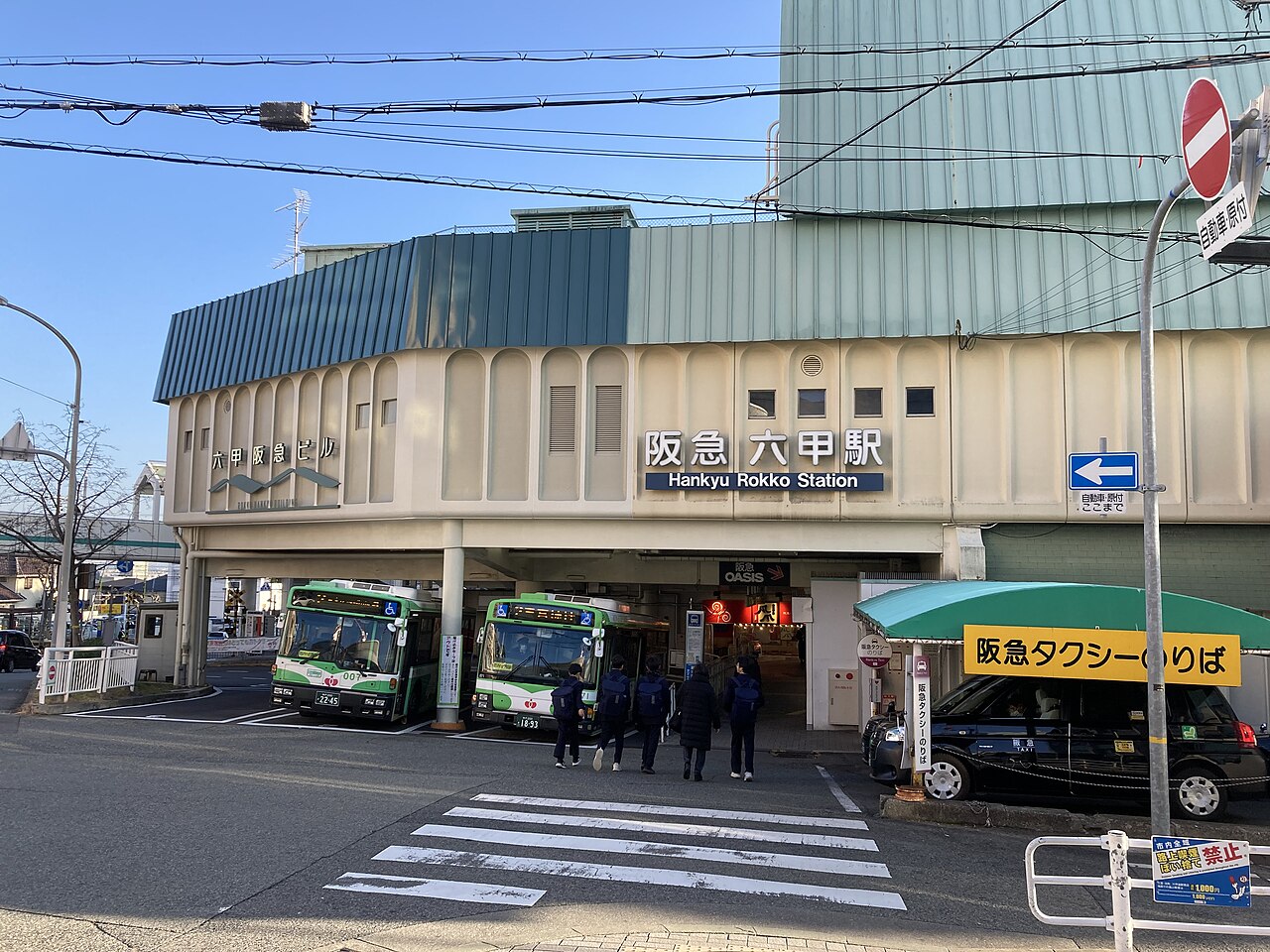
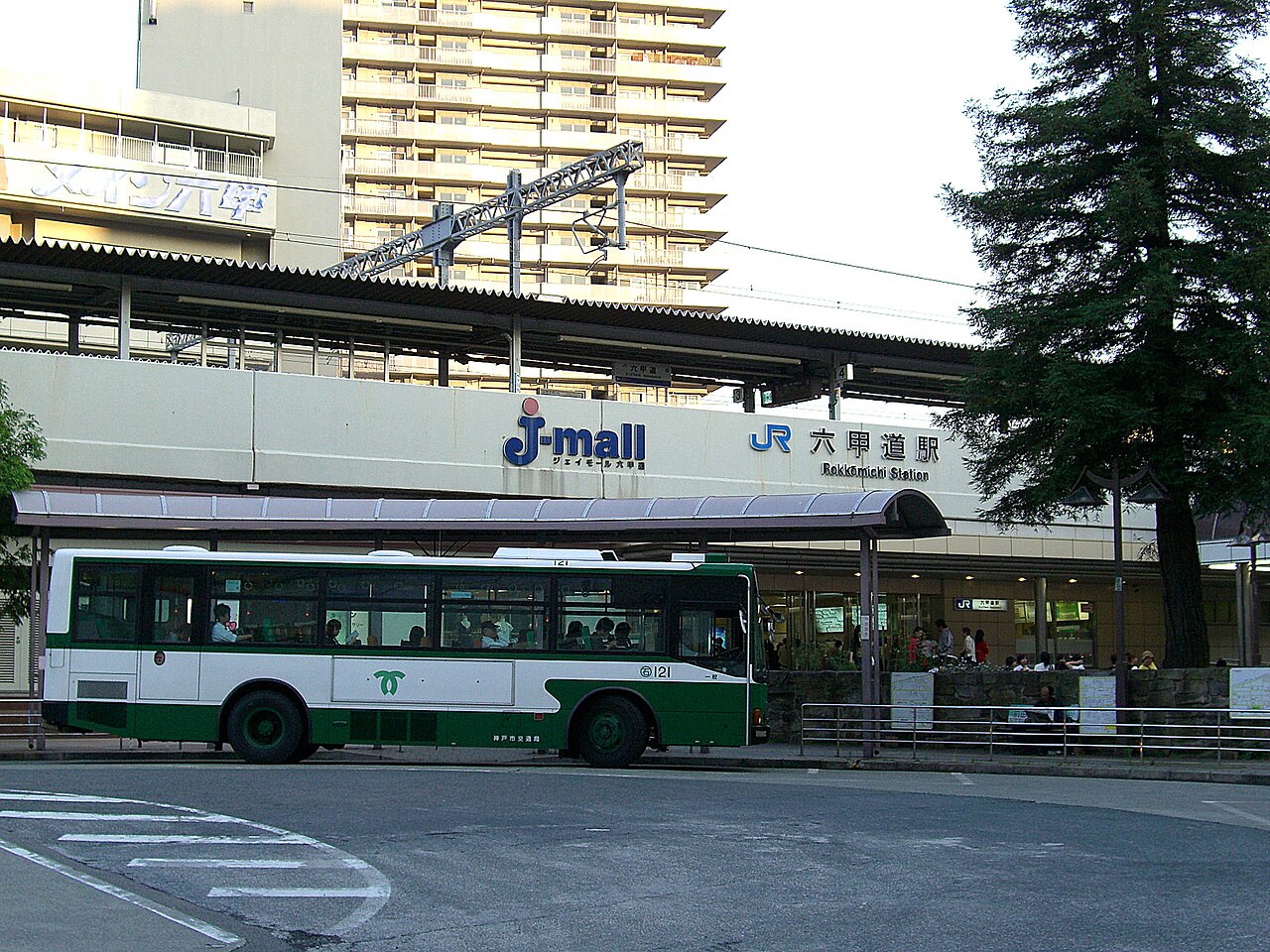
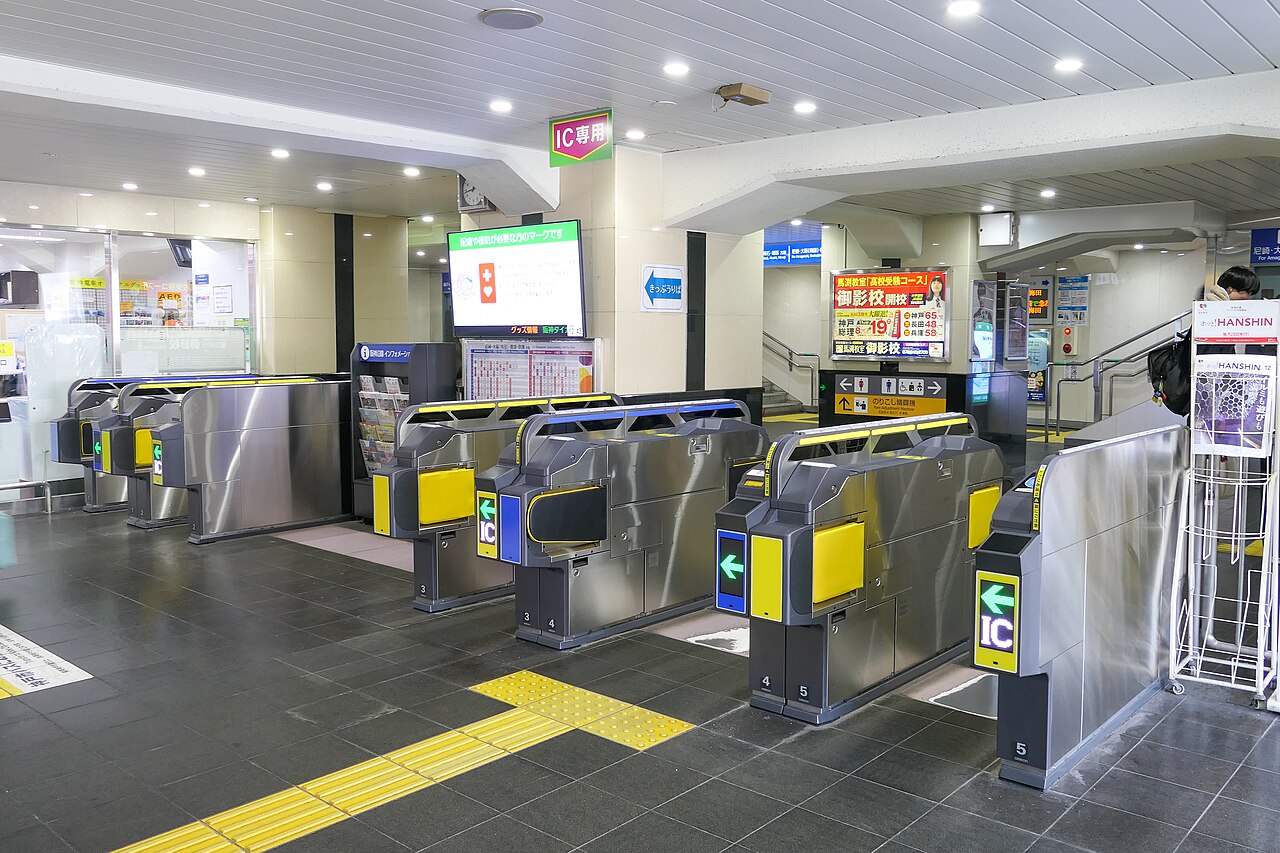
From Osaka, choose Hanshin or Hankyu according to the railway near your accommodation. From Kobe Sannomiya, use the line nearest your hotel. For a morning lesson, work backwards from the meeting time and allow for bus waits, the funicular and mountain bus. With children, use the toilet, eat and sort day bags at the foot of the mountain so you can focus on hire and registration at the park.
The funicular can be the children’s first activity of the day. Keep gloves, hats and warm outer layers accessible between stations, and hire equipment and snow clothing at the park. Return down the same route in the evening. Put the mountain bus after equipment returns, and base packing-up time on the last family member to finish a lesson.
Transport packages include admission: choose by Hanshin, Hankyu or JR starting point
The 2026–27 transport packages are the Rokko-san Ski Coupon and Rokko Cable Ski Coupon. The first costs ¥4,200 per adult and ¥2,100 per child for the Hanshin version, or ¥4,300 and ¥2,150 for the Hankyu version. It includes the specified railway sections, Kobe City Bus, return Rokko Cable travel, unlimited Rokko Sanjo Bus travel and Snow Park admission. Compare the version for your railway.
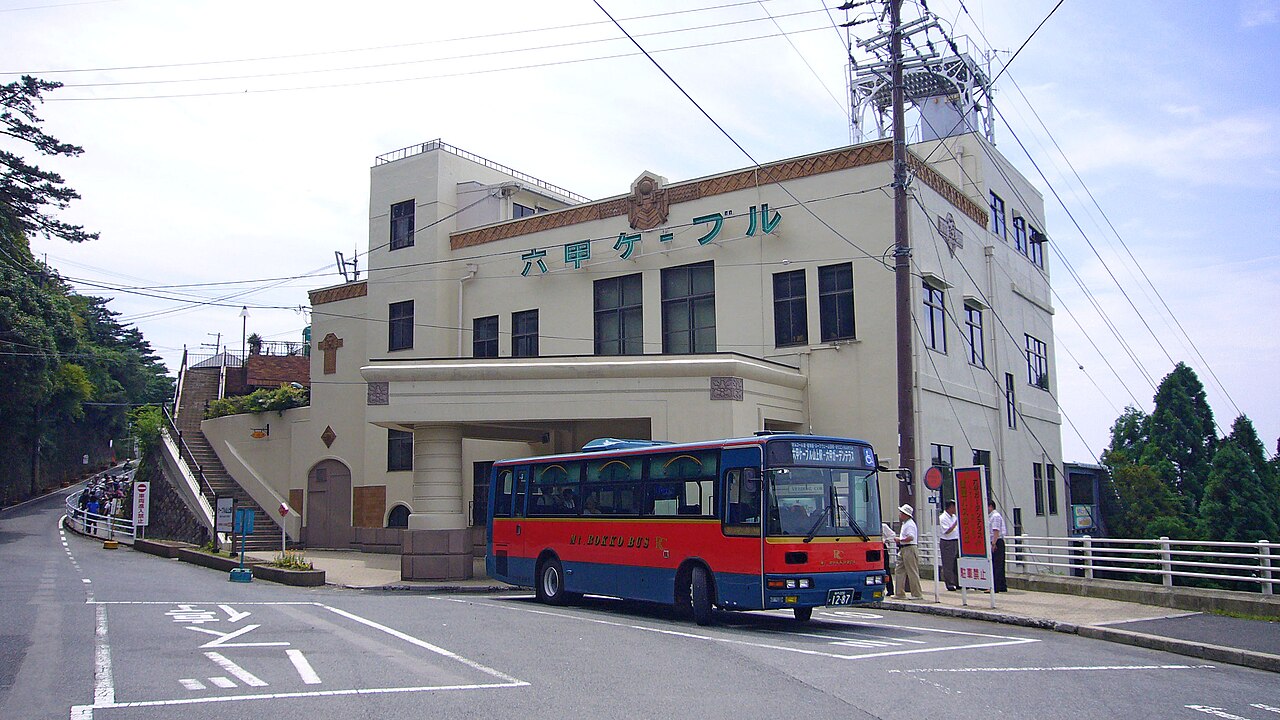
The Rokko Cable Ski Coupon costs ¥3,900 per adult and ¥1,900 per child. It includes return funicular travel, the mountain bus and admission, starting at Rokko Cable Shita Station. From JR Rokkomichi, add JR and city bus fares separately before using this package. Child packages cover ages six to under 12. Buy separate park admission on site for children aged three to preschool age, and divide the family budget accordingly.
The Hanshin and Hankyu versions are smartphone-only digital tickets, bought after registration with Surutto QRtto and used through a phone QR code on the day. Buy the Cable version in advance through Webket and exchange it at the Rokko Cable Shita ticket window. Neither package includes ski lifts or hire. Add the items each sledging or lesson participant needs. Organise phone battery, purchase emails and your companions’ tickets for use in order uphill.
Buy admission and ski lift passes separately, including accompanying adults
The resort’s prices list admission at ¥2,800 for adults and ¥1,400 for children aged three through primary school. It is valid from opening until that day’s closing time, with no separate night-only admission ticket. Parents accompanying a preschool lesson or waiting inside also need to budget for admission. Add a ski lift pass only for those using the lifts. For Snowland alone, calculate admission and necessary hire.
A full-day ski lift pass costs ¥1,600 on weekdays and ¥3,300 on weekend and holiday-category dates, for adults and children alike, charged from age three. Weekend and holiday options also include a three-hour pass at ¥2,800 and a 12-ride pass at ¥2,500; a single ride is ¥250. Compare your expected skiing time and number of rides. For a short practice after class, buy the use you need rather than letting a day pass determine the family’s stay.
Students from junior secondary school upwards can show student ID at a staffed ticket window for ¥500 off admission. If your transport package already includes entry, use it for admission and arrange lifts and equipment separately. List each person’s admission, lifts, lessons and hire in one table so different activities still have a clear total and meeting time.
Buy hire tickets first, collect at two locations and pay deposits per ticket
Adult ski sets cost ¥3,500, including skis, boots and poles; sets for primary school children and younger cost ¥2,500. Ski sets with jacket and trousers cost ¥5,000 for adults or ¥4,000 for children. Snowboard and boots cost ¥4,500 for adults or ¥4,000 for children; with clothing, ¥6,000 or ¥5,000. Snow-play clothing alone costs ¥3,000 for adults and ¥2,500 for children. Snow-play boots, gloves and sledges each cost ¥500; helmets cost ¥700. Choose the activity’s set before adding accessories.
The hire procedure starts with buying hire tickets at the entrance, paying an extra ¥1,000 deposit per ticket, refunded after return. Inside, collect clothing, footwear and gloves at hire area ①. Change, then collect skis or snowboards at area ②. Collect sledges at Snowland. Keep hire tickets in a pocket: they need return stamps and are required for the deposit refund. Do not lock them away before collecting equipment.
Snow clothing sizes run from 90 cm height to 5L. Ski boots run from 15 to 30 cm, with limited 31 cm stock; snowboard boots from 16.5 to 31 cm and snow-play boots from 14 to 29 cm. Measure children’s feet and height before travel and match the hire sizes. Bring hats and goggles. Keep spare socks and base layers in a dry bag for lunch or departure.
Snowland: sledges, snowmen and a free rest shelter
Snowland has sledging, snowman-building and preschool play equipment, separate from ski and snowboard slopes. Sledge hire is ¥500 plus a ¥1,000 deposit. Depending on the equipment, an adult and child can ride together. Return uphill using the paths at the sides or the moving walkway, leaving the descent clear. Children who only want to touch snow and build snowmen can stay in that area and use the resort’s free snowman makers.
Throw snowballs in the designated Snow Target area. Elsewhere, follow the activity for that area. The moving walkway operates intermittently. With a toddler, one adult can hold the child’s hand uphill while another carries the sledge; take a break when tired. A large free rest shelter allows visitors to bring food and drink. Play, eat, adjust boots and socks, then choose the next afternoon activity.
For a snow-play day, change in the morning, sledge and build snowmen, then have lunch in the shelter or restaurant. Return to the children’s favourite activities in the afternoon. Start packing up around 16:00: return sledges, change, return boots and clothing, collect deposits and walk to the mountain bus stop. This is a suggested family pace. If children have had enough earlier, go down sooner and have dinner in Kobe.
Ski lessons for overseas visitors: primary school age upwards, at 10:30 or 13:30
The resort’s overseas visitor ski classes run from 10:30 to 12:30 or 13:30 to 15:30 for primary school children and older participants. Lessons cost ¥3,500, with admission and hire extra; a lift ticket is included. Meeting times are 09:30 and 12:30, allowing an hour for registration and equipment. For a first journey up from Osaka with children, the afternoon session gives more time for transport and lunch.
Instructors start with putting on boots and skis, aiming to teach participants to stop by themselves. Teaching uses gestures and simple English, with a translation device for other languages. Enter participants’ ages and language details when booking and have companions check the meeting time too. Complete equipment collection and registration, then secure phones and hire tickets so you can follow the instructor throughout.
Bookings open 30 days before the lesson date. Cancellations after 16:00 the previous day incur a fee. After a morning lesson ends at 12:30, have lunch and rest before simple practice. After an afternoon finish at 15:30, leave the remaining time for changing and returns. Meet family members doing snow play after class so everyone can take the same mountain bus and funicular down.
Overseas visitor snowboard lessons last 90 minutes and finish earlier than skiing
Overseas visitor snowboard lessons run from 10:30 to 12:00 or 13:30 to 15:00, also for primary school age upwards. They cost ¥3,500, with admission and hire extra and a lift ticket included. Meet at 09:30 or 12:30. Lessons start with boots and board use, progressing towards stopping independently. Compare skiing and snowboarding separately: even with the same 13:30 start, snowboarding ends at 15:00 and skiing at 15:30. Use the later time for a family meeting.
Experienced visitors considering private snowboarding can look at the separate private class for ages four and over: ¥18,000 for 90 minutes for up to three people, with extra participants charged separately. For a family private class, choose by age and ability, then add each person’s admission and equipment. A preschool child meeting snow for the first time can start with Snowland and learn to ride when ready to join a lesson.
After snowboarding, note the instructor’s advice and what you want to practise before deciding whether to continue or pack up. A 15:00 afternoon finish leaves time before Snowland closes at 17:00 to meet family, rest and return equipment. Keep the last activity near your return departure point to make the walk to the bus easier with children.
The ¥10,000 Japanese-language beginner package is separate from visitor classes
The regular ski school’s Ski Debut class covers junior secondary school age through 65, runs from 11:00 to 13:00 and costs ¥3,500, taught in Japanese. A weekday ¥10,000 beginner package includes admission, ski and clothing set, gloves, a full-day lift pass and a 120-minute lesson, with an extra ¥1,000 deposit. It suits those able to follow Japanese instruction who want clothing and equipment arranged together.
Bought separately at weekday prices, admission is ¥2,800, lifts ¥1,600, skis with clothing ¥5,000 and gloves ¥500, totalling ¥9,900. Adding the ¥3,500 lesson makes ¥13,400, compared with the ¥10,000 package. This comparison uses the same items; add transport, food and extra accessories separately. For overseas visitor teaching, choose the ¥3,500 visitor class described above and arrange admission and hire separately.
The regular full-day ski class for adults and primary school children runs from 11:00 to 16:00, with a break from 13:00 to 14:00. It costs ¥5,600 and includes lift use during lessons. For a full day, book by age and ability and allow for lunch and equipment returns. For a first half-day trial, choose a two-hour class and meet family afterwards.
Snoil Kids: find the stance on an artificial training mat first
Snoil Kids is a preschool ski course running from 12 December to 7 March in 2026–27, excluding 31 December and 1 January. It costs ¥7,000 per child on weekdays or ¥8,000 on weekend and holiday-category dates. Lessons, dedicated skis, boots and helmet are included; admission is extra. Parents should supply snow clothing, goggles, a hat that fits under a helmet and waterproof gloves.
The course begins with boot fitting, warm-ups and putting on skis. Children practise walking on rubber mats, then use an artificial mat to feel the stance and braking before entering a dedicated snow training area. The resort’s linked 2020 video shows the pink artificial training mat, children interacting with instructors and the separate practice areas. Understanding this sequence helps families choose according to the child’s willingness to participate.
Weekday sessions are 10:30–12:30 and 13:45–15:45. Weekend and holiday-category dates add 11:15–13:15 and 14:15–16:15 sessions. Classes have one to five children, but weekday classes need at least two. If fewer than two are booked at 16:00 three days beforehand, the class is cancelled. After booking, put the child’s finish time, parents’ waiting place and lunch together so adults can rest during the lesson.
Warm-ups, artificial training mats and the dedicated teaching area in the 2020 preschool course.
Parents can learn too: Snoil Family costs ¥30,000 for up to three
The preschool school page also lists Snoil Family for parents and children, including a preschool child aged three to six. In 2026–27 it runs on weekend and holiday-category dates from 12 December to 7 March, excluding 31 December and 1 January. Sessions are 11:15–13:15 and 14:15–16:15. A group of up to three costs ¥30,000, with each extra person ¥5,000, up to five people. Lessons, training skis, boots and helmets are included; each person buys admission separately.
For two adults and one preschool child aged at least three, the ¥30,000 lesson plus ¥5,600 for two adult admissions and ¥1,400 child admission totals ¥37,000. Add clothing, gloves and transport as needed. Parents wanting to practise can learn in the same session. If only the child takes a lesson, calculate a child class plus admission for accompanying adults. Each arrangement serves a different family plan.
The 14:15 session ends at 16:15, before Snowland closes at 17:00, so use the time afterwards for changing and returns. To play after the lesson, choose the morning class, eat lunch and return to a favourite area. Keep parents’ equipment and children’s training gear separate and return each where collected. Then collect luggage together and walk to the mountain bus.
Family-of-four budgets: calculate snow play and family lessons separately
For two adults and two children aged three through primary school visiting only Snowland, adult admission totals ¥5,600 and child admission ¥2,800, or ¥8,400 together. Two sledges cost ¥1,000 and four pairs of snow-play boots ¥2,000, bringing the total to ¥11,400. Clothing for all four adds ¥6,000 for two adults and ¥5,000 for two children, or ¥11,000. Four pairs of gloves add ¥2,000, making ¥24,400 before transport and food.
Deduct any waterproof snow clothing, gloves or suitable footwear you already own. Keep deposits separate: allow ¥1,000 for each hire ticket actually issued, refunded after return. Two columns for the amount paid upfront and the final cost make this clearer. Sharing one sledge instead of hiring two saves ¥500 in hire and the deposit on one ticket.
For one preschool child aged at least three in Snoil Kids, accompanied by two adults, the weekday lesson is ¥7,000 and admission for three is ¥7,000, totalling ¥14,000. On weekends, the ¥8,000 lesson makes ¥15,000, before clothing, accessories and transport. The child’s skis, boots and helmet are included. List the parents’ activities separately to see the extra cost of waiting, joining snow play or taking lessons themselves.
For two adults and two preschool children aged three to six in Snoil Family, the four-person lesson is ¥30,000 plus ¥5,000, or ¥35,000. Admission for four adds ¥8,400, totalling ¥43,400. Hiring all clothing for ¥11,000 and gloves for ¥2,000 brings it to ¥56,400. This budget includes parents learning too. If adults prefer to wait beside a child’s lesson, use the child-class calculation and leave more for accommodation or other days.
Eat lunch in the park, then rest between lessons
The lakeside Alpenrose restaurant has a 2026–27 menu including bokkake and pork-cutlet curry udon at ¥1,600, fried chicken rice bowls and prawn-tempura hotpot udon at ¥1,500, and a children’s plate at ¥1,000. Food service starts at 11:00. On standard days, last food orders are at 16:00 and drinks at 16:30; on weekend and holiday-category dates, food orders end at 19:00 and drinks at 19:30. Plan around your lesson and that day’s hours.
After a 12:30 morning finish, sort equipment before sitting down to eat. For a 12:30 afternoon meeting, eat when service starts at 11:00, then deal with hire and registration. With preschool children, settle seating, water and spare clothing first, and check socks, boots and gloves after eating. Two adults each choosing ¥1,600 udon and two children each having a ¥1,000 plate total ¥5,200, which can be added to the family budget.
For your own packed food, Snowland’s free rest shelter permits food and drink. Green Leaf in the area sells takeaway snacks including meat buns, chips and fried chicken, with its takeaway counter open from 10:00 to 16:30. Use lunch to meet as a family, sort thick gloves and coats, then choose snow play, lessons or rest for the afternoon. Keep food, water and removed clothing organised so everything is easy to collect when leaving.
Stay in Sannomiya to return to the city before or after skiing
A day trip from accommodation in Osaka suits snow play or an afternoon class. For more time around the uphill journey, stay in Sannomiya the night before or after. Before skiing, eat breakfast and take the train to the city bus starting point. After skiing, return equipment, go down at an easy pace, change into dry clothing at the hotel and have dinner. Choose the night according to which part of the journey you most want to ease.
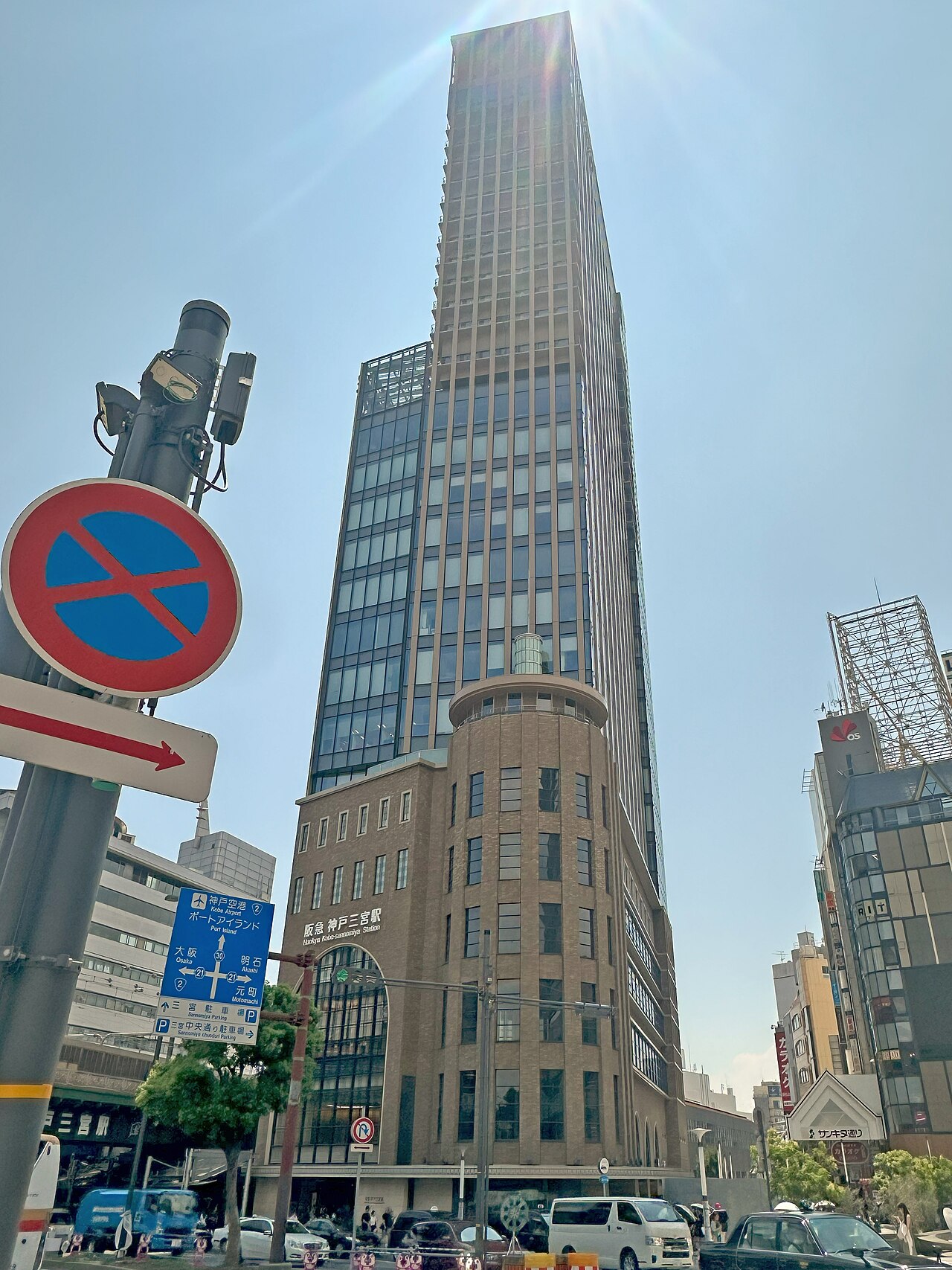
For access near Hankyu and JR, consider remm plus Kobe Sannomiya. The hotel’s access page lists direct links to Hankyu Kobe-sannomiya’s east ticket gate and JR Sannomiya’s west exit. Reception is on the 17th floor. Take the railway from Sannomiya to Rokko or Rokkomichi, then connect uphill. The photograph shows the Kobe Sannomiya Hankyu Building containing the hotel, helping you recognise the building and station entrance.
Book for the actual adult and child numbers, sleeping places and breakfast needs. Leave dry evening clothing in your main luggage and take a small bag to the snow park. For another city day, see the Kobe harbour and Sannomiya accommodation guide and keep skiing and waterfront walks on separate days. Have dinner nearby the night before so you can leave for the chosen lesson meeting time.
Choose morning snow play, afternoon lessons or a full day of skiing
For Snowland only, a suggested arrival is around 10:00. Change into snow clothing and boots, sledge and build snowmen, then have lunch in the shelter or Alpenrose. Return to favourite activities in the afternoon. Start returning sledges and changing around 16:00, finish equipment returns before 16:30 and walk to the mountain bus. These are suggested family timings; choose uphill services from your departure station separately and leave earlier if everyone has had enough.
For an afternoon overseas visitor class, make the 12:30 meeting the centre of the plan. Arrive in the morning, eat lunch, collect equipment and register before the 13:30 start. Snowboarding ends at 15:00 and skiing at 15:30. Meet family, return equipment and collect deposits afterwards. For extra practice, reserve time for clothing returns and the downhill journey first, then choose an additional lift ticket to fit your energy.
For the regular full-day ski class, lessons run from 11:00 to 13:00, lunch from 13:00 to 14:00, then lessons from 14:00 to 16:00. Follow the resort procedure by arriving an hour early, completing registration by 10:30 and attending the 10:45 briefing. This needs an earlier uphill journey. If some family members play and others take the full-day class, meet at 13:00 lunch and pack up together after 16:00. Build the day around those two meetings.
Return hire 30 minutes before closing and take dry belongings downhill
The resort requires equipment back 30 minutes before closing: by 16:30 on a 17:00 closing day or 19:30 on a 20:00 closing day. Snowland still ends at 17:00, so snow-play families can return equipment and leave earlier. For a 14:15–16:15 preschool class, allow changing time according to that day’s closing hour; choose a morning class for more time to pack up.
First return skis and poles or snowboards at hire area ②. Return sledges at Snowland, or at area ② after 16:30. Change, then return clothing, gloves and footwear at area ①. Finally, take the hire tickets with return stamps to the entrance for deposit refunds. Check everyone’s pockets and lockers, collect phones, tickets and dry clothing, then leave for the bus.
Return by mountain bus, funicular and city bus to the railway, using the station names saved on the uphill journey. With only a small bag, changing into dry socks and your own shoes makes boarding easier. If staying in Sannomiya, drop luggage at the hotel before dinner.
A few useful answers
When is the 2026–27 Mount Rokko snow season?
From 5 December 2026 to 7 March 2027. Standard days run from 09:00 to 17:00; weekend and holiday-category dates usually close at 20:00, with some earlier openings and 17:00 closing dates. Snowland runs from 09:00 to 17:00.
Do I need a ski lift ticket just for sledging?
For Snowland, park admission is enough: ¥2,800 for adults and ¥1,400 for children aged three through primary school. Sledge hire is ¥500, plus a refundable ¥1,000 deposit per hire ticket.
How do overseas visitor ski lessons work?
For primary school age upwards, sessions are 10:30–12:30 or 13:30–15:30 at ¥3,500 per person. Admission and hire are extra; a lift ticket is included. Meet at 09:30 or 12:30. Teaching uses simple English, gestures and a translation device.
Do preschool lessons need separate ski, boot and helmet hire?
Snoil Kids includes training skis, boots and a helmet. Arrange admission, clothing and accessories separately. It costs ¥7,000 on weekdays or ¥8,000 on weekend and holiday-category dates, starting on 12 December and excluding 31 December and 1 January.
What do the transport packages include?
Hanshin and Hankyu versions include specified railway travel, city buses, return Rokko Cable travel, mountain buses and admission. The Cable version starts at the lower funicular station and includes the funicular, mountain bus and admission. Ski lifts and hire cost extra. Child packages cover ages six to under 12.
Who is the ¥10,000 beginner package for?
The regular Ski Debut class is taught in Japanese for junior secondary school age through 65. Its weekday package includes admission, skis and boots, snow clothing, gloves, a full-day lift pass and a 120-minute lesson, plus a ¥1,000 deposit. Choose the overseas visitor class if you need that teaching format.
When is the hire deposit refunded?
Keep hire tickets through collection and return. Return skis and sledges first, then change and return boots and clothing. Take the stamped tickets to the entrance for the refund of ¥1,000 per ticket. Return equipment 30 minutes before closing.
Do parents accompanying a child’s lesson also need admission?
Yes. Include accompanying adults’ admission separately from the child’s lesson. If your transport package includes admission, use that to enter, then arrange each person’s equipment and activities.
Official information and references
Sources used in this guide.
- Rokko Snow Park 2026–27 operating calendar
- Rokko admission, lift and hire prices
- Rokko hire collection, returns and deposits
- Transport up Mount Rokko
- Rokko 2026–27 transport packages
- Rokko Snowland snow-play area
- Rokko lessons for overseas visitors
- Rokko regular ski school
- Rokko Snoil Kids and family lessons
- Rokko restaurants and shops
- remm plus Kobe Sannomiya access and entrances