Compare hotels at Kokura Station's North and South Exits with Mojiko waterfront stays, covering direct station links, strait-view rooms, family rooms, parking and accommodation tax—plus Mojiko illuminations, Karato Market ferries and a two-day itinerary.
- Region & Focus
- Kitakyushu and Mojiko
- Reading Scope
- 24 min read · 11 chapters · 6 Q&As
- Official Verification
- 33 official sources checkedUpdated 22 November 2026
- Key Topics
- Where to stayBookingRail travel
Chapter Route Map (tap any stop)
- Kokura, Mojiko or Across the Strait?
- Start with Kokura Station's Shinkansen Exit vs Kokura Castle Exit
- Mojiko Waterfront Hotels vs Nishikaigan Business Hotels
- Strait-Facing vs Retro District Rooms: Read the Room Title Carefully
- Booking for Three or More: Bed Count and Extra-Bed Rules Matter Most
- Factoring in Breakfast, Parking and the Kitakyushu Accommodation Tax
- Getting There from Fukuoka and Kitakyushu Airport—and Timing Mojiko
- Stay by the Harbour to Catch the Morning Karato Ferry, Save the Tunnel for a Walk
- How Rain, Illuminations and Peak Nights Shift Your Hotel Choice
- Building a Two-Day, One-Night Route Around Your First Evening
- Pair Mount Sarakura Night Views with Your Kokura Night
- Quick Q&A
For a first trip to Kitakyushu, stay beside Kokura Station if you are catching an early Shinkansen, connecting to a limited express towards Beppu, or arriving late from Kitakyushu Airport. If you want to stroll back out after dinner for the Mojiko Retro illuminations, or board an early ferry across to Karato Market in Shimonoseki, spend a night in Mojiko Retro instead. The JR ride between Kokura and Mojiko takes around 15 minutes, yet waiting for a train with suitcases and walking from the station to reception adds noticeable time on top of that quarter-hour hop. Before comparing room rates, map out your arrival evening and your earliest departure on check-out day.
Kokura, Mojiko or Across the Strait?
Kokura Station sits in Kokurakita Ward and brings together the Sanyo Shinkansen, JR local and limited express lines, and the Kitakyushu Monorail. If you are staying two nights in Kitakyushu—heading east to Mojiko one day, west to Yahata the next, and departing from Kokura—booking both nights in Kokura is the simplest option. Once you factor in left luggage and picking up bags after check-out, keeping the same room gives you an uninterrupted stretch from morning to late afternoon on day two.
Mojiko Retro sits right outside JR Mojiko Station. Staying near the waterfront around Kaikyo Plaza and the Former Moji Customs lets you drop your bags after dinner and wander straight back out to the quay. When hotel booking maps pull properties from across Moji Ward into your search, pin both the station and the hotel separately: JR Moji Station and JR Mojiko Station are two different stops. Long-distance ferry passengers also encounter a third name—Shin-Moji Port lies on the opposite side of the peninsula and requires a ferry-operator shuttle bus.
Sea-view rooms are available on both sides of the Kanmon Strait. If you are travelling further into Yamaguchi Prefecture the next morning, staying in Shimonoseki lets you cross the strait on arrival day and start from Honshu. When your itinerary revolves around Mojiko, Kokura and Yahata, stay on the Kitakyushu side. If you only want to see the strait's night skyline once, put that budget towards dinner or an observation deck and take the JR back to Kokura to sleep.
Start by marking three points on a map: your arrival station, your final stop on night one, and your first timed stop the following morning. Late arrivals with early departures are best placed right by their arrival station to catch the first train they need. If your group is spending the whole afternoon in Mojiko and wants the freedom to split up for a rest, photos or taking children back to the room, staying on the harbourfront makes coming and going effortless.
| Location | Best for | What to check when booking |
|---|---|---|
| Inside Kokura Station or at the Shinkansen Exit | Late arrivals and early-morning connections to other cities | Floor level, covered walkways or lift access from the ticket gates to hotel reception |
| Kokura Station, Kokura Castle Exit | Exploring Uomachi, Tanga Market and Kokura Castle | Walking route between the hotel entrance and the covered shopping arcades |
| Mojiko Retro | Harbourfront dinners, evening illuminations and morning ferries to Karato | Walking distance from JR Mojiko Station and which direction the room faces |
| Mojiko West Coast (Nishikaigan) | Travellers with a car, parking needs or those wanting a public bath | Parking terms and how to get back to the harbour district at night |
| Shimonoseki Karato area | Continuing onwards into Yamaguchi Prefecture the next day | Which day you cross the strait and how to connect to JR Shimonoseki Station |
Compare hotels at Kokura Station's North and South Exits with Mojiko waterfront stays, covering direct station links, strait-view rooms, family rooms, parking and accommodation tax—plus Mojiko illuminations, Karato Market ferries and a two-day itinerary.
Start with Kokura Station's Shinkansen Exit vs Kokura Castle Exit
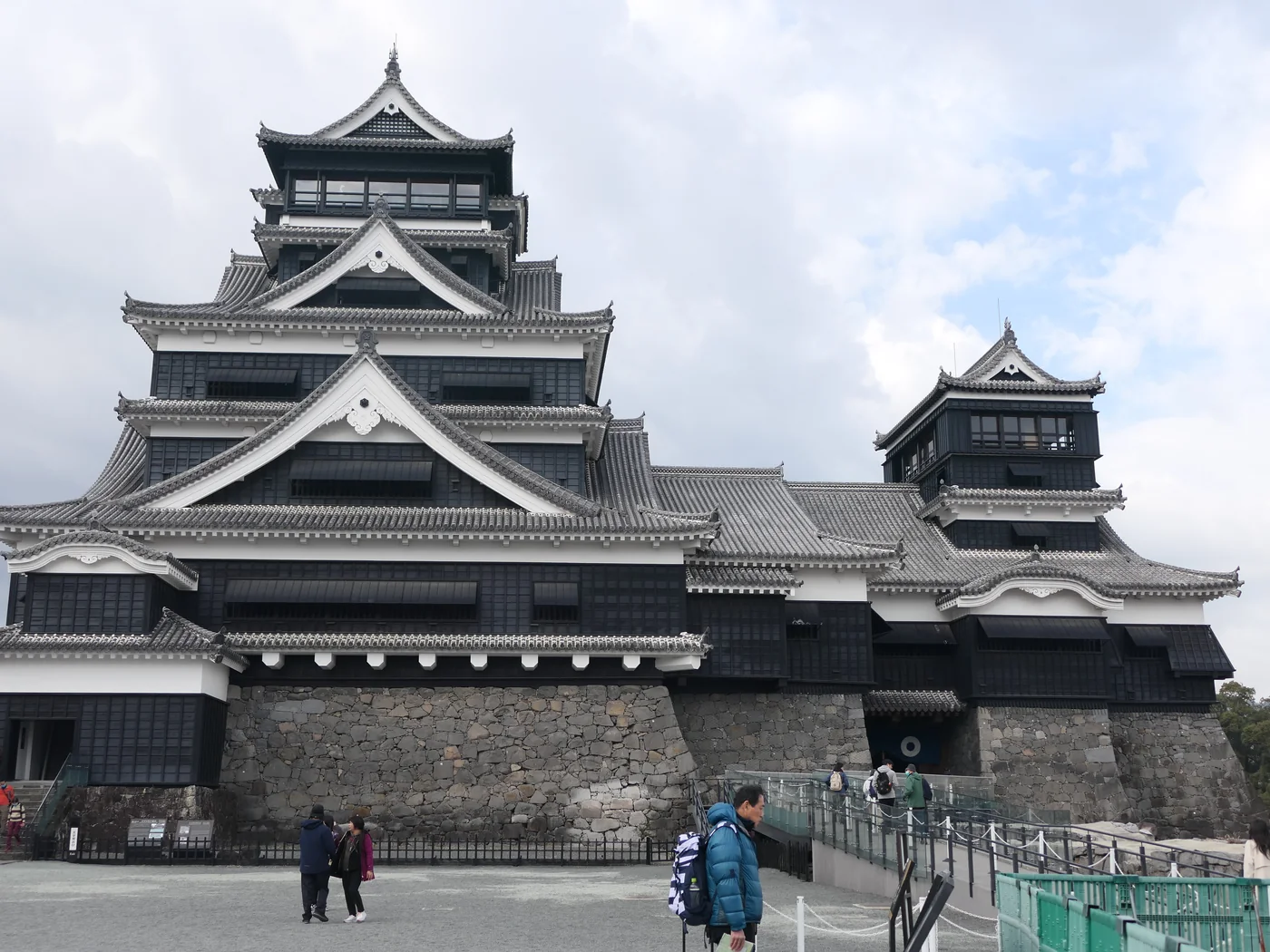
The north side of Kokura Station is signposted as the Shinkansen Exit (North Exit), while the south side is the Kokura Castle Exit (South Exit). Once inside the station, locate the central concourse first and follow the signs matching your hotel's address. The Asano district to the north leads towards the exhibition halls, the waterfront and several station-front hotels. For evening strolls and dinner, look south around the Uomachi Gintengai and Kyomachi Gintengai covered arcades; walking south from the exit takes you past the shopping streets to the Murasaki River and Kokura Castle, an easy half-day on foot. Kokura Castle's official guide puts the walk at roughly 15 minutes from Kokura Station and 10 minutes from Nishi-Kokura Station.
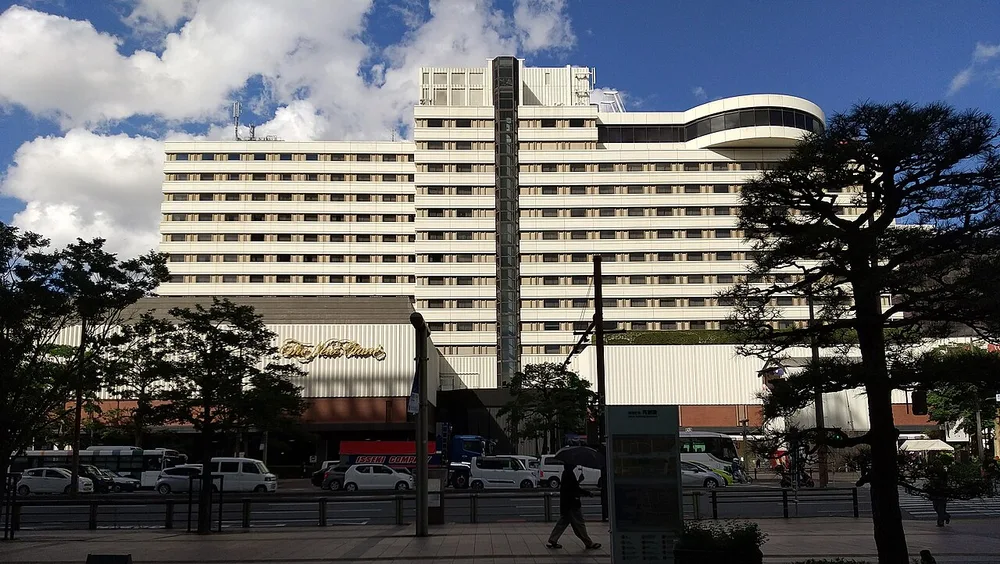
To cut the walk between platform and bed to the bare minimum, look at JR Kyushu Station Hotel Kokura. Directly integrated into the station building, it is reached from the central concourse on 3F by following signs for "Station Hotel Kokura" towards the monorail ticket gates; the entrance sits between the AMU PLAZA East Wing doors and Starbucks, with lifts taking guests up to reception on 7F. For RIHGA Royal Hotel Kokura, take the Shinkansen Exit and follow the elevated covered walkway for around three minutes. Both properties advertise direct station links, though the former is entered from inside the concourse while the latter requires walking out along the northern skybridge. If you are meeting companions, arrange to meet at hotel reception or the station's tourist information centre rather than hunting for each other outside an exit.
If you are transferring straight from the Shinkansen to a JR local line for Mojiko, use the Shinkansen–conventional line transfer gates. If you are heading to a hotel first, pass through the main exit gates instead. Travellers with a pushchair or wheelchair can use JR West's station layout maps to check lift locations and step-free exits for their arrival platform. If you booked the Sanyo Shinkansen via the EX service and need to collect paper tickets, Kokura Station has EX-marked ticket machines; JR Kyushu's Mojiko Station does not handle EX ticket collection, so pick them up at Kokura before heading to Mojiko if you are taking the Shinkansen the next day.
With a one-night stay and half a day to spare, you can have breakfast outside the Kokura Castle Exit, wander to Tanga Market or loop along the Murasaki River, and still retrieve your bags before midday. If you are visiting Mojiko on check-out day, decide on a fixed time to return to Kokura for your luggage and work backwards for the train. Depending on pick-up hours and bag sizes, use your hotel's left-luggage desk, station coin lockers or the baggage service at the Kitakyushu City General Tourist Information Centre on 3F. Storing bags on the North Exit side keeps your final walk straight along the station concourse rather than dragging wheeled cases back through Uomachi.
Your choice of exit can also follow where you plan to eat. Staying on the Kokura Castle Exit side gives you immediate access to the Kyomachi and Uomachi arcades for dinner, plus an easy daytime walk to Tanga Market for ready-to-eat dishes. If you are on the North Exit side in heavy rain, heading back over the skybridge to AMU PLAZA Kokura inside the station is far handier than walking towards the castle. Travellers accompanying older relatives who need an early train alongside city sightseeing will appreciate staying inside the station or close to the South Exit, so anyone who tires during the castle walk can head back early.
Mojiko Waterfront Hotels vs Nishikaigan Business Hotels
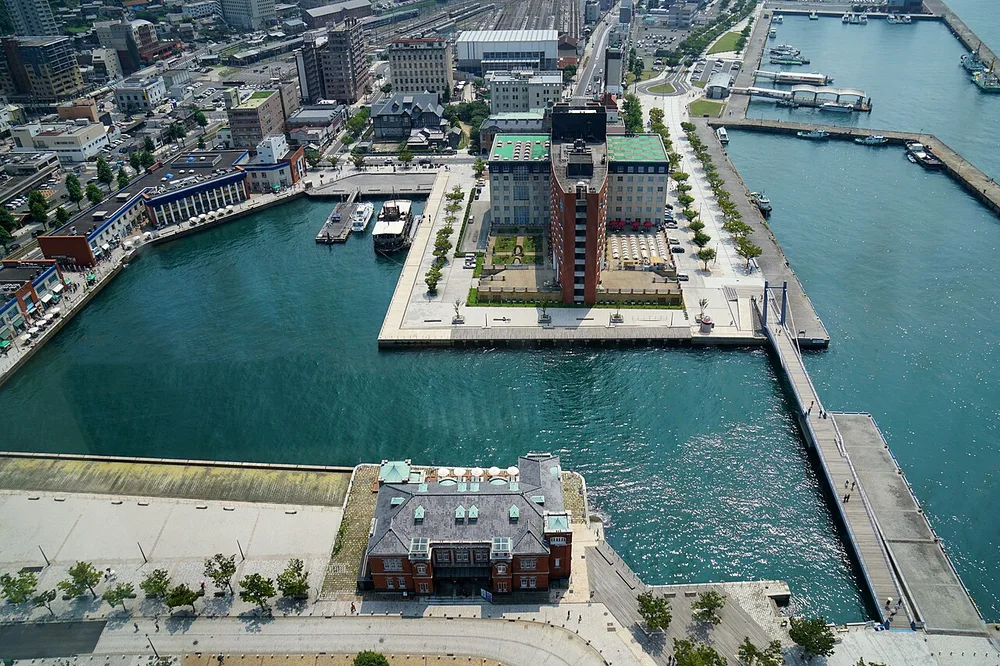
Stepping out of JR Mojiko Station, the station forecourt leads straight towards Minatomachi and the Mojiko Retro district. Premier Hotel Mojiko lists a walk of roughly two minutes from the station, putting both trains and ferry piers within easy reach. You can wheel your bags into the hotel in the afternoon, wander down to the water to see the Former Moji Customs and the Blue Wing Moji drawbridge, and still nip back to your room for an extra layer before dusk. If you have a dinner booking, time it for your arrival in Mojiko with a buffer to walk over and drop your luggage.
Hotels bearing "Mojiko" in their name also extend south-west of the station along the Nishikaigan waterfront. Hotel Route-Inn Mojiko's official walking route is roughly 1 km (12 minutes), backed up by a free shuttle running between the hotel and the JR Mojiko Station bus roundabout, alongside a public bath, guest laundry and car park. If you are driving or need to do laundry, Nishikaigan works well when you combine dinner and the illuminations into one outing. Arriving in the evening, match your train from Kokura to the shuttle timetable on the hotel's access page—and if you are crossing the strait before the first shuttle runs, factor in the walk from reception to the ferry pier.
Some travellers prefer seeing the harbour in daylight and dining back in the city. In that case, base yourself in Kokura for consecutive nights and plan Mojiko for lunch and an afternoon stroll, pairing a baked yaki curry lunch with one of the drawbridge openings. Guests staying by the harbour can flip that order—dining in Kokura before riding out to Mojiko, leaving the evening quiet for the station building and illuminated waterfront. Most restaurants in Mojiko cluster around the station forecourt, Minatomachi and Kaikyo Plaza; if a place you want to try has an early last-order time, pick your train accordingly.
Breakfast depends on when you set off the next morning. If you would rather amble over to Kaikyo Plaza and sit down for coffee, a room-only booking makes more sense. If you are catching an early ferry for sushi at Karato Market, save your appetite for the other side. When members of your group wake at different hours, adding hotel breakfast lets early risers eat independently before everyone checks out together. If children are likely to want familiar food on the first night, pick something up in Kokura before changing trains rather than searching for open shops in Mojiko after dark.
Strait-Facing vs Retro District Rooms: Read the Room Title Carefully
Before booking a view room in Mojiko, decide what you actually want to look at. For passing ships during the day, choose a room labelled "Kanmon Kaikyo side" (Kanmon Strait-facing) or containing "Kaikyo" (Strait) in the title. If you want the inner harbour, historic buildings and the lively plaza below, look for "Mojiko Retro side". Premier Hotel Mojiko's property specifications list a 34-square-metre Premier Kaikyo Deluxe Twin and a 68-square-metre Premier Kaikyo Suite. Price differences between standard twins, strait-facing rooms and suites reflect distinct room grades, so compare the exact same date and occupancy before deciding if the upgrade is worth it.
Cross-check the room title against its orientation before you confirm. If seeing the Kanmon Bridge is your priority, inspect photos taken from that specific room category or contact the hotel directly to ask whether it faces the bridge. Angle, floor height and neighbouring buildings all affect how much of the span you can see. To watch the Blue Wing Moji drawbridge from your window, check the hotel's position relative to the inner basin on a map. Where a booking site offers a view-designated plan, reserving that specific plan is far more dependable than leaving a request in the special comments box.
If you are unlikely to return before dinner and have to leave before dawn, calculate how many waking hours you will genuinely spend by the window before paying a view supplement. Skipping the upgrade frees up budget to spend an hour watching ships and bridges from the waterfront, or to head up to an indoor observation deck if the weather turns. Travellers who have an afternoon or slow morning in the room get far better value from a view. When taking night photos through glass, switch off the lights near the window to cut reflections—though for framing foreground railings alongside the red-brick buildings, the harbour promenade gives an easier angle.
Kokura Station offers high-rise views of its own. JR Kyushu Station Hotel Kokura's room guide highlights city views over Kokura to the south and distant views towards the Kanmon Strait to the north. If you are staying in Kokura for rail connections and still want a lookout from your room, browse the station tower's city-view or rail-view rooms and save Mojiko's waterfront for daylight hours. Looking out towards the sea from a high-rise window is a very different experience from walking straight out of a Mojiko hotel to the ferry pier.
Booking for Three or More: Bed Count and Extra-Bed Rules Matter Most
Always enter the exact number of adults and children—plus children's ages—into the booking engine first. In Japanese hotel listings, "Double" means one double bed and "Twin" means two separate beds. For two adults and one child who each need their own bed, look for a room explicitly listed as a triple or allowing an extra bed, and check what type of extra bed is provided and how much floor space remains once it is set up. For three adults, check the official maximum occupancy and compare the triple rate against booking one twin plus one single room: two rooms give you two bathrooms, which helps on early mornings. When splitting across rooms, make sure the adult-and-child occupancy is entered accurately on each.
Larger rooms are also available right inside Kokura Station. JR Kyushu Station Hotel Kokura's official FAQ states that selected rooms sleep up to five guests, while its railway-themed room accepts one extra bed for up to three guests. Primary-school-age children and younger stay free when sharing existing beds, though bed-sharing child policies do not apply to single-occupancy bookings. Children sharing beds still pay separately for breakfast, which the hotel lists at ¥1,980 for primary-school pupils. Breakfast runs from 06:30 with last entry at 09:30, so leave ample time for children to eat and walk to the platform if you have an early train.
Premier Hotel Mojiko also lists a 50-square-metre family room in its room specifications. Run your search with exact guest numbers first to see eligible rates, then pick your bed layout and orientation. If you need a strait view, four-person capacity and more than two beds, price up two rooms on the same night—one booked specifically for the strait view and the other chosen for bed count—provided your group is happy to split. Families wanting adjoining rooms should contact the hotel directly with both booking references in hand.
Travellers using pushchairs, wheelchairs or grab rails should book designated accessible rooms rather than guessing doorway widths from photos. JR Kyushu Station Hotel Kokura lists a Universal room specifying wheelchair access into the bathroom. If anyone in your party requires bathroom grab rails, a shower chair or transfer clearance beside the bed, send those details together with your wheelchair dimensions when enquiring. Once the room is confirmed, pair it with the station's lift locations—when transfers are part of the plan, smooth step-free access between reception, room and platform matters just as much as the beds.
Factoring in Breakfast, Parking and the Kitakyushu Accommodation Tax
Kitakyushu levies an accommodation tax of ¥200 per paying guest per night, made up of ¥150 in municipal tax and ¥50 in prefectural tax. Two paying guests staying two nights owe ¥800 in total. Fukuoka Prefecture's rules base the tax on whether a lodging fee is charged: children with a paid bed rate are included, whereas children sharing beds free of charge are exempt. Booking platforms may collect the tax upfront or leave it payable at check-in; when comparing rates, multiply ¥200 by the number of paying guests and nights and add it to any tax-excluded quote.
Compare the hotel's official website against third-party platforms using the exact checkout total for the same date, room type, bed configuration and guest count. If an early train means you will miss hotel breakfast, compare refundable room-only rates too. For seasonal trips such as cherry blossom or wisteria season, note the free-cancellation deadline alongside the garden's opening announcements on your calendar. If your flight arrives after midnight, make sure your reservation still starts on the actual night you need the bed, and send your flight number and estimated arrival time to the hotel.
Drivers should fold parking fees directly into the nightly budget. JR Kyushu Station Hotel Kokura lists overnight guest parking at ¥1,500 per night on a non-reservable basis, with the station building's designated car park capped at 2.1 m high, 1.8 m wide and 5 m long. If you are hiring a seven-seater or fitting a roof box, check the rental vehicle's outer dimensions against the entrance limits and save the car park entrance pin rather than navigating to the pedestrian lobby drop-off. Bring your parking ticket to reception after check-in to apply the hotel guest rate.
At Hotel Route-Inn Mojiko, parking is generally free and first-come, first-served, with an official height limit of 2.1 m and a weight limit of 2,000 kg—though the hotel charges ¥3,000 per vehicle on the night of the Kanmon Strait Fireworks Festival. Premier Hotel Mojiko offers paid first-come, first-served parking, including mechanical parking bays with size restrictions. If you are carrying several suitcases, drop your bags at the hotel's designated unloading zone before the driver parks. If the next day is purely for Mojiko and Karato, leave the car at the hotel and take day bags onto the ferry instead of paying to park on both sides of the strait—and if you need parking past check-out, plan your schedule around that hotel's cut-off hour.
Getting There from Fukuoka and Kitakyushu Airport—and Timing Mojiko
Between Hakata and Kokura, trains range from around 17 minutes on the Sanyo Shinkansen to roughly 40 minutes on JR limited express services, alongside slower rapid and local trains. Holders of a JR Kyushu Rail Pass should note that the Sanyo Shinkansen between Hakata and Kokura is operated by JR West and requires a separate ticket, whereas the Northern Kyushu Area Pass covers eligible JR Kyushu conventional limited express trains on the corridor. Compare the full journey through to Mojiko rather than the first leg alone: saving twenty-odd minutes into Kokura counts for less if you end up with a long wait for the next Mojiko train.
For Kitakyushu Airport to Kokura, the current winter airport bus timetable runs from 25 October 2026 to 27 March 2027, with published direct services taking roughly 33 to 36 minutes at ¥710 one way. Separate timetables cover the Kokura Station Shinkansen Exit and Kokura Station Bus Centre, so pick the stop matching whether you are staying on the North or South side. If the direct Kokura bus is full, Nishitetsu also lists Express Route 51 to Kusami Station to connect onto the JR Nippo Main Line for Kokura; because that involves two schedules, check the final train connections carefully for night arrivals.
From Kokura to Mojiko, board the JR Kagoshima Main Line bound for "Mojiko" for a ride of roughly 15 minutes. Station boards also show trains terminating at "Moji" or "Shimonoseki"; if you board one for Shimonoseki, change at Moji onto a Mojiko-bound service. Factor baggage claim, ticket purchase and finding the conventional-line platform into your arrival-night schedule. For Sundays, public holidays or late-evening flights, check the timetable for your exact travel date. If only one connection remains after landing, spending night one in Kokura avoids rushing with luggage and leaves Mojiko for after breakfast.
You can also visit Mojiko as a day trip from a Hakata base. Travel up via Kokura in the morning for the harbour district, return to Kokura in the afternoon for the castle or dinner, and catch a train back to Hakata—or stay in Mojiko for the illuminations after dinner and time your departure around the last convenient return service. If you are continuing to Beppu or Hiroshima early the next morning, shifting that night to Kokura cuts out an unnecessary backtrack to Hakata. Let your next day's direction—and whether your bags are already packed—decide if moving hotels makes sense.
Stay by the Harbour to Catch the Morning Karato Ferry, Save the Tunnel for a Walk
From Mojiko Retro, the Kanmon Kisen ferry links Mojiko directly with Karato in Shimonoseki. According to the operator's timetable, the crossing takes around 5 minutes and costs ¥400 one way for adults and ¥200 for children. If you want to reach Karato early for sushi, staying by the harbour lets you walk straight to the Mojiko pier instead of taking a train from Kokura first. If you plan a return crossing before check-out, keep the following sailing as a buffer and add the walk from the pier back to reception. Skipping that extra train connection makes the biggest difference when travelling with hungry children before breakfast or working to a tight morning slot.
Bear in mind that Karato Market's wholesale fish market and its famous "Iki-iki Bakangai" street-food event follow different schedules, with the seafood stalls operating on Fridays, Saturdays, Sundays and public holidays. On days when the event is closed, focus your crossing on the Karato waterfront and Akama Shrine and pick a restaurant that is open that day, checking individual stall opening hours in advance. Taking an early Sunday sailing lets you make the market your breakfast stop and be back in Mojiko before midday to pick up your bags.
If you want to see the strait around Mekari, walk the Kanmon Tunnel Pedestrian Passage instead. The Moji entrance sits near the "Kanmon Tunnel Pedestrian Entrance" bus stop, and the Shimonoseki side surfaces at Mimosusogawa. The 780-metre undersea walkway is accessed by lifts at both ends, open from 06:00 to 22:00, and free on foot. Walking from Mojiko Station to the tunnel entrance—and walking or taking a bus from Mimosusogawa to Karato—takes noticeably longer than boarding the ferry outside the station, so count both land transfers if you are heading straight to the market. Those keen to cross the prefectural border under the seabed can easily take the ferry one way and walk the tunnel in daylight on the other.
In rough weather when ferries are suspended, go back via JR Moji Station for a conventional train to Shimonoseki Station, then connect onwards to Karato. Travellers with less stamina can stay behind in Mojiko for coffee or a museum while others walk the undersea tunnel and meet back at the harbour. If your group plans to meet on the Shimonoseki side, remember that ferry passengers and tunnel walkers surface in different spots—arrange to meet outside the entrance to Karato Market. For harbour attractions and crossing options, see our guide to Mojiko Retro and the Kanmon Strait.
How Rain, Illuminations and Peak Nights Shift Your Hotel Choice
The 2026–2027 Mojiko Retro Romantic Illumination runs from 14 November 2026 to 23 May 2027. Organisers list switch-on times at 18:00 from November to February and 19:00 from March to May, remaining lit until midnight. Staying by the harbour means you can walk back out after dinner or nip across the plaza to fetch warmer layers for children. You can still see the lights from a Kokura base—just pack a windproof layer and plan your stroll around the return train timetable. If you are returning all the way to Hakata afterwards, build in time for the transfer at Kokura.
Walking from the harbourfront hotels to the Blue Wing Moji drawbridge takes only minutes. The city tourism site lists standard opening times at 10:00, 11:00, 13:00, 14:00, 15:00 and 16:00, with the span lowering again roughly 20 minutes later. If you are pushing a buggy or hurrying for a ferry during a lift, skirt round the inner harbour promenade or explore the Former Moji Customs on the same side until the bridge drops. To photograph the opening, pick an afternoon slot by the pier; evening walks are all about the illuminated bridge and waterfront, so save the lifting schedule for before check-in or after check-out.
On a rainy day, walk roughly nine minutes west along the waterfront from JR Mojiko Station to the Kanmon Strait Museum. Standard opening hours are 09:00 to 17:00 (last entry 16:30), with a scheduled closure on 12 January 2027. Its Kaikyo Retro Street and observation deck are free to enter, while admission to the main exhibition zone is ¥500 for adults and ¥200 for primary and junior high school pupils. If an afternoon arrival leaves only enough time to check in, move the museum to the next morning and eat near your hotel. Staying in Kokura on a wet day keeps you mostly under cover between the station shopping mall and the Uomachi arcade, leaving the outdoor castle grounds for a break in the rain.
Because the illuminations run for over six months, travellers with flexible dates can compare midweek and weekend totals for sea-view rooms before booking. One-off events such as fireworks nights require extra planning around harbour road closures, restaurant bookings and vehicle access to your hotel. Drivers should make sure they reach the car park entrance before traffic restrictions take hold. On ordinary nights it is easy to dine in one area and sleep in another, whereas on restricted-traffic evenings staying on the harbourfront and checking in early keeps dinner within an easy walk.
Building a Two-Day, One-Night Route Around Your First Evening
If you choose Kokura as a single base for both sides of the strait, leave your bags at the station or hotel on arrival, have lunch in Kokura and ride over to Mojiko for the afternoon. Catch dusk around the restored Mojiko Station building and harbour promenade, then either dine at a spot you picked in Mojiko or ride the JR back to Kokura for dinner. Save day two for Kokura Castle, the Murasaki River and Tanga Market before collecting your bags and departing from Kokura. If you have fewer than 24 hours between arriving and leaving, prioritise either the harbour or central Kokura rather than trying to cover both shores.
For a single night spent solely in Mojiko, arrive by train in the afternoon, explore the harbourfront on foot before and after check-in, and enjoy the illuminated waterfront that evening. Start day two with a crossing to Karato Market or a stroll along the Shimonoseki promenade. If you have an afternoon train to Hiroshima or Beppu, leave generous time for the return ferry to Mojiko, collecting luggage, taking the JR back to Kokura and transferring inside the station. With a fixed departure time, a straightforward morning return sailing gives you the market without rushing—especially if you already walked part of the Mojiko waterfront the day before.
If you are continuing into Shimonoseki on the morning of day two after checking out, make Karato your first stop after leaving Mojiko. Before handing back your room key, move raincoats, wallets and children's essentials from the bottom of your suitcase into a day bag for the ferry. For Sanyo Shinkansen departures from Shimonoseki, search for "Shin-Shimonoseki" when booking tickets; if you want a conventional train from JR Shimonoseki Station, add a local bus or taxi ride from the waterfront. Travellers only spending a few hours at the harbour can also leave bags in Kokura, visit Mojiko and Karato, and loop back to Kokura rather than hauling wheeled suitcases through the market.
Splitting two nights between bases works best with Mojiko on night one and Kokura on the eve of your departure. On day two, check out after your morning by the harbour, stash your bags at Kokura Station, and spend the afternoon around Kokura Castle or out towards Yahata. Alternatively, if you arrive in Kokura early enough to visit Mount Sarakura for night views on evening one, sleep in Kokura first and shift to Mojiko the next day—just allow time on day three to ride back to Kokura for your onward connection. Changing hotels purely to test two properties adds check-out, luggage storage and check-in waiting right into the middle of day two, which can easily eat up half the morning in wet weather.
Pair Mount Sarakura Night Views with Your Kokura Night
If Mount Sarakura's night view is on your two-day itinerary, staying in Kokura saves a late train ride all the way back out to Mojiko. Take the JR to Yahata Station, hop on the cable car operator's free shuttle bus (running on operating days) to Sanroku Station, then ride the cable car and slope car to the summit. The operator notes that walking from JR Yahata Station to Sanroku Station involves an uphill climb of roughly 25 minutes. Drivers can navigate straight to the Sanroku Station area, though summit trips still follow cable car hours. To watch dusk turn to city lights from the top, push shopping to day two, head to Yahata in the afternoon and return to Kokura for dinner after dark.
From November to March, the last uphill departure for the cable car and slope car is normally 19:20, moving forward to 16:20 on 31 December and 1 January. The railway normally closes on Tuesdays except on public holidays, and has a scheduled maintenance closure from 15 to 26 February 2027. Always verify the last downhill car and shuttle bus timings before heading up in winter. If your visit falls during a closure, switch your night plans to the Mojiko illuminations—or stick with dinner in central Kokura if you have already booked a restaurant.
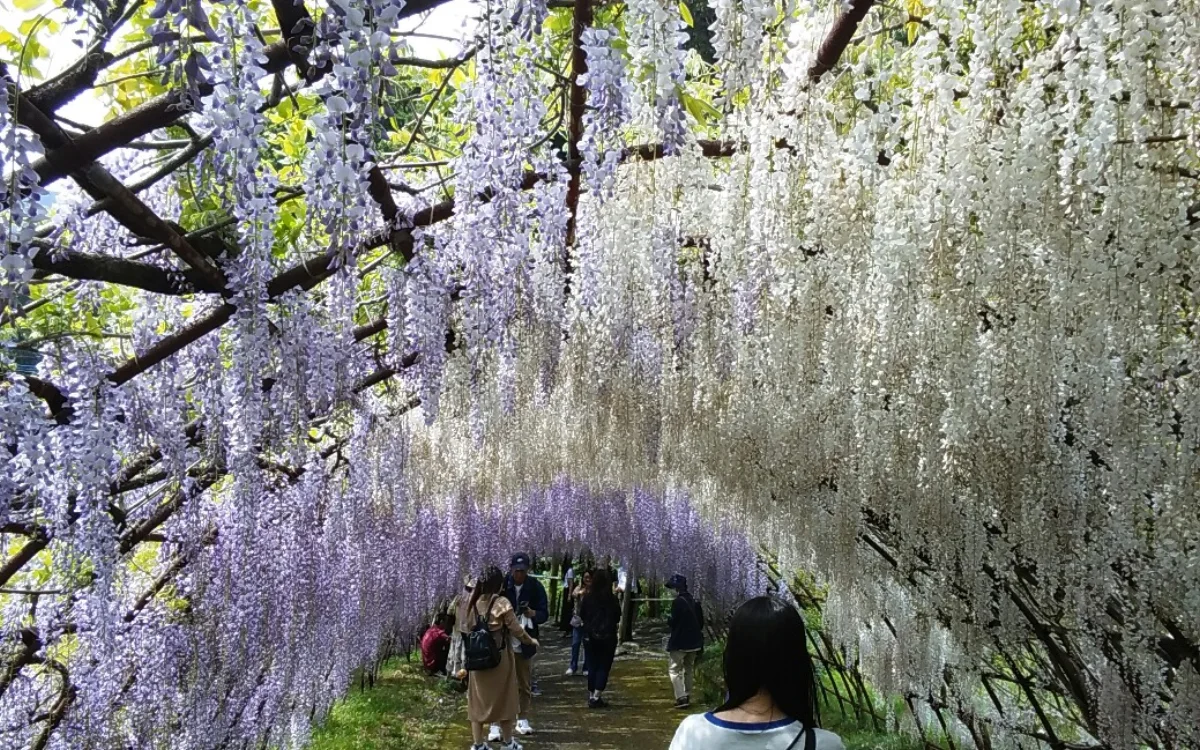
In spring, you can treat Kawachi Wisteria Garden and Mount Sarakura as two separate outings within Yahatahigashi Ward. Remember that the cable car's free shuttle terminates at Sanroku Station, while the wisteria garden runs its own timed-entry reservations and access arrangements—plan each leg separately. If you have a specific entry slot for the wisteria, stay in Kokura the night before, keep the morning strictly for the garden and return to the city for lunch, then take the train to Mojiko in the afternoon and decide between the ferry, bridge or museum once you arrive. Keeping both nights in Kokura makes it easy to swap those two days around if the forecast turns.
Travellers heading onwards to Oita or Beppu board limited express trains on the JR Nippo Main Line right at Kokura. Pick up breakfast inside the station the night before so the morning is purely for finding your platform, grabbing your bags and boarding. Skipping hotel breakfast lets you compare room-only rates directly. If you are heading onwards to Beppu or Yufuin, see our guide to staying and getting around Yufuin and Beppu.
A few useful answers
For a first visit to Kitakyushu, should I stay in Kokura or Mojiko?
Stay beside Kokura Station if you arrive late, leave early, or are transferring towards Yahata or Oita. Choose Mojiko Retro if you want evening illuminations, harbourfront strolls after dinner, or an early ferry across to Karato Market.
Which Kokura Station hotel has direct indoor access from the station?
JR Kyushu Station Hotel Kokura is integrated directly into the station building, with its entrance and reception lifts off the 3F central concourse. RIHGA Royal Hotel Kokura connects from the Shinkansen Exit via a covered skybridge in roughly three minutes.
How do I pick a sea-view room in Mojiko?
Look for room titles stating "Kanmon Kaikyo side" (Kanmon Strait-facing) or "Kaikyo" (Strait). If you prefer night views of the historic district, choose "Mojiko Retro side". If seeing the Kanmon Bridge matters to you, check photos for that exact room grade and verify the aspect with the hotel.
How long does the train take from Kokura to Mojiko?
The JR Kagoshima Main Line takes roughly 15 minutes from Kokura to Mojiko. Look for trains showing "Mojiko" as the destination when changing at Kokura, and allow extra time with suitcases for platforms, waits and walking to your hotel.
How do I reach Karato Market the morning after staying in Mojiko?
Take the Kanmon Kisen ferry from Mojiko Pier to Karato—roughly 5 minutes each way, ¥400 for adults and ¥200 for children. To catch the Bakangai seafood street-food stalls inside the market, plan your visit for Friday, Saturday, Sunday or a public holiday.
Do Kitakyushu hotels charge an accommodation tax?
Yes—¥200 per paying guest per night. Two paying guests staying two nights pay ¥800 in total, while guests staying free of charge (such as bed-sharing children) are exempt. Any portion not collected by your booking platform is settled at the hotel.
Official information and references
Sources used in this guide.
- JR West | Kokura Station Layout and Platforms
- JR West | Kokura Station Accessibility Information
- JR Kyushu | Kokura Station Information and Daily Timetable
- JR Kyushu | Mojiko Station Information and Timetable
- Smart EX | Collecting Shinkansen Paper Tickets
- JR Kyushu | JR Kyushu Rail Pass Coverage Area
- JR Kyushu Station Hotel Kokura | Station Access and Parking
- JR Kyushu Station Hotel Kokura | Station Concourse Route Map
- JR Kyushu Station Hotel Kokura | Guestroom Specifications
- JR Kyushu Station Hotel Kokura | Railway-Themed Guestroom
- JR Kyushu Station Hotel Kokura | Check-In, Bed-Sharing and Breakfast
- RIHGA Royal Hotel Kokura | Shinkansen Exit and Covered Walkway
- Premier Hotel Mojiko | Station Access and Guestrooms
- Ken Hotels | Premier Hotel Mojiko Room and Parking Specifications
- Premier Hotel Mojiko | Kanmon Strait and Mojiko Retro Side Floor Diagram
- Hotel Route-Inn Mojiko | Mojiko Station Walking Route and Facilities
- Hotel Route-Inn Mojiko | Parking and Shuttle Bus
- Fukuoka Prefecture | Kitakyushu City Accommodation Tax (Updated April 2026)
- Kitakyushu City Tourism | Accommodation Tax Payment Guide
- Nishitetsu Bus Kitakyushu | Kitakyushu Airport Bus Winter Timetable 2026–2027
- Kitakyushu Airport | Journey Times and Fares to Kokura
- Mojiko Retro | Access from Kokura and Pier Connections
- Kitakyushu City Tourism | Kokura Shopping Arcades, Tanga Market and Baggage Service
- Kokura Castle | Station Access and Walking Routes
- Kanmon Kisen | Kanmon Ferry Crossing Times, Timetable and Fares
- Kitakyushu City Tourism | Kanmon Tunnel Pedestrian Passage Opening Hours
- Karato Market | Iki-iki Bakangai Operating Days
- Mojiko Retro | 2026–2027 Romantic Illumination Announcement
- Kitakyushu City Tourism | Blue Wing Moji Opening Times
- Mojiko Retro | Kanmon Strait Museum Hours and Admission
- Sarakurayama Cable Car | Yahata Station Shuttle and Sanroku Walking Route
- Sarakurayama Cable Car | Seasonal Timetables, New Year Hours and 2027 Maintenance
- Kawachi Wisteria Garden | Opening Schedule and Ticket Announcements