Compare Tenjindaira sightseeing, the Tenjin Pass chairlift, and the Tenjin Ridge summit hike, with routes via Jomo-Kogen or Minakami, fall 2026 buses, fares, family seating, seasonal closures, and Ichinokurasawa access.
- Region & Focus
- KantoFall foliage
- Reading Scope
- 38 min read · 16 chapters · 4 Q&As
- Official Verification
- 18 official sources checkedUpdated November 7, 2026
- Key Topics
- SeasonsRail travelItineraries
Chapter Route Map (tap any stop)
- Choose your endpoint: Tenjindaira, Tenjin Pass, or the summit
- Autumn color moves downhill: summit and foothill views differ in October
- From Tokyo, compare the Jomo-Kogen and Minakami approaches first
- Fall 2026 buses: follow each service all the way across the timetable
- Doai has an underground platform: families and luggage are better served by the bus
- Ropeway tickets: the sightseeing package versus ropeway-only fares
- At Tenjindaira, find the station entrance, restaurant, and return route first
- Tenjin Pass chairlift and observation deck: count every child in the seating limit
- For a half-hour walk, take Niji Sanpo Road; choose the short hike for more climbing
- Tenjin Ridge to the summit is a full-day hike: allow time for the descent
- Clothing and equipment: prepare separately for sightseeing and the summit
- Lunch, restrooms, and luggage: places to take a break
- Let the weather shape the walk, even when the ropeway is running
- Ichinokurasawa is a separate foothill route, with a November 2026 construction closure
- Driving and fall closures: sort out parking before the ascent
- Two versions of the day, with the afternoon shaped around the return
- Quick Q&A
The ropeway to Tenjindaira puts Tanigawadake’s autumn mountains within easy reach. The actual summit requires a long hike with rocky terrain and chains. For a return trip from Tokyo, choose your endpoint first: combine Tenjindaira, a restaurant, and a short trail for relaxed sightseeing, or give the whole day to Tenjin Ridge, starting early and allowing time to descend. Jomo-Kogen, Minakami, and Doai each involve different transfer costs in time and effort. Choosing the right foothill approach protects your mountain time better than adding another stop.
Choose your endpoint: Tenjindaira, Tenjin Pass, or the summit
The most direct way to see autumn across the mountains from Tokyo is to take the Tanigawadake Ropeway to Tenjindaira, then decide whether to add the Tenjin Pass chairlift. Doaiguchi at the foot of the mountain, Tenjindaira at the upper ropeway station, and Tenjin Pass at the top of the chairlift are three separate places. Set your map destination to Tanigawadake Joch Doaiguchi Station to find the sightseeing ropeway entrance. Searching only for Tanigawadake can make the actual summit look as if it is right outside the ropeway station.
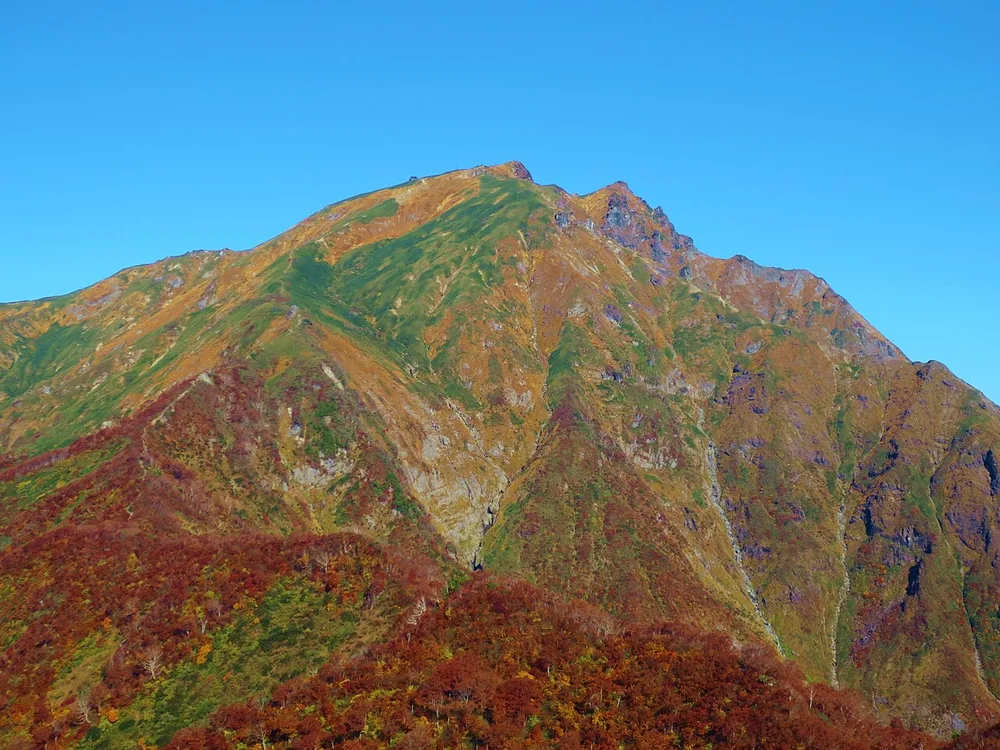
Tenjindaira is 1,319 meters above sea level; Tenjin Pass is around 1,500 meters. The ropeway does most of the climbing, leaving time for views, walks, and a meal. The operator lists the short Tenjindaira hike at about 60 minutes and the Tenjin Ridge summit route at 300 minutes. These are different scales of outing: the former fits a typical day trip, while the latter needs a full hiking day. Compare the short Tenjindaira hike with the Tenjin Ridge summit route. Rocky terrain and sections with chains mark the practical difference.
If you have no mountain hiking experience, are bringing a child who needs a nap, or have companions who dislike rocky paths, make seeing Tanigawadake your goal. Those who want to walk can take the short route from Tenjindaira toward Tenjin Pass. For the actual summit, everyone in the group must be ready for hiking boots, wind and rain protection, long ascents and descents, and an early turnaround. Agree on an endpoint before choosing your tickets.
Compare Tenjindaira sightseeing, the Tenjin Pass chairlift, and the Tenjin Ridge summit hike, with routes via Jomo-Kogen or Minakami, fall 2026 buses, fares, family seating, seasonal closures, and Ichinokurasawa access.
Autumn color moves downhill: summit and foothill views differ in October
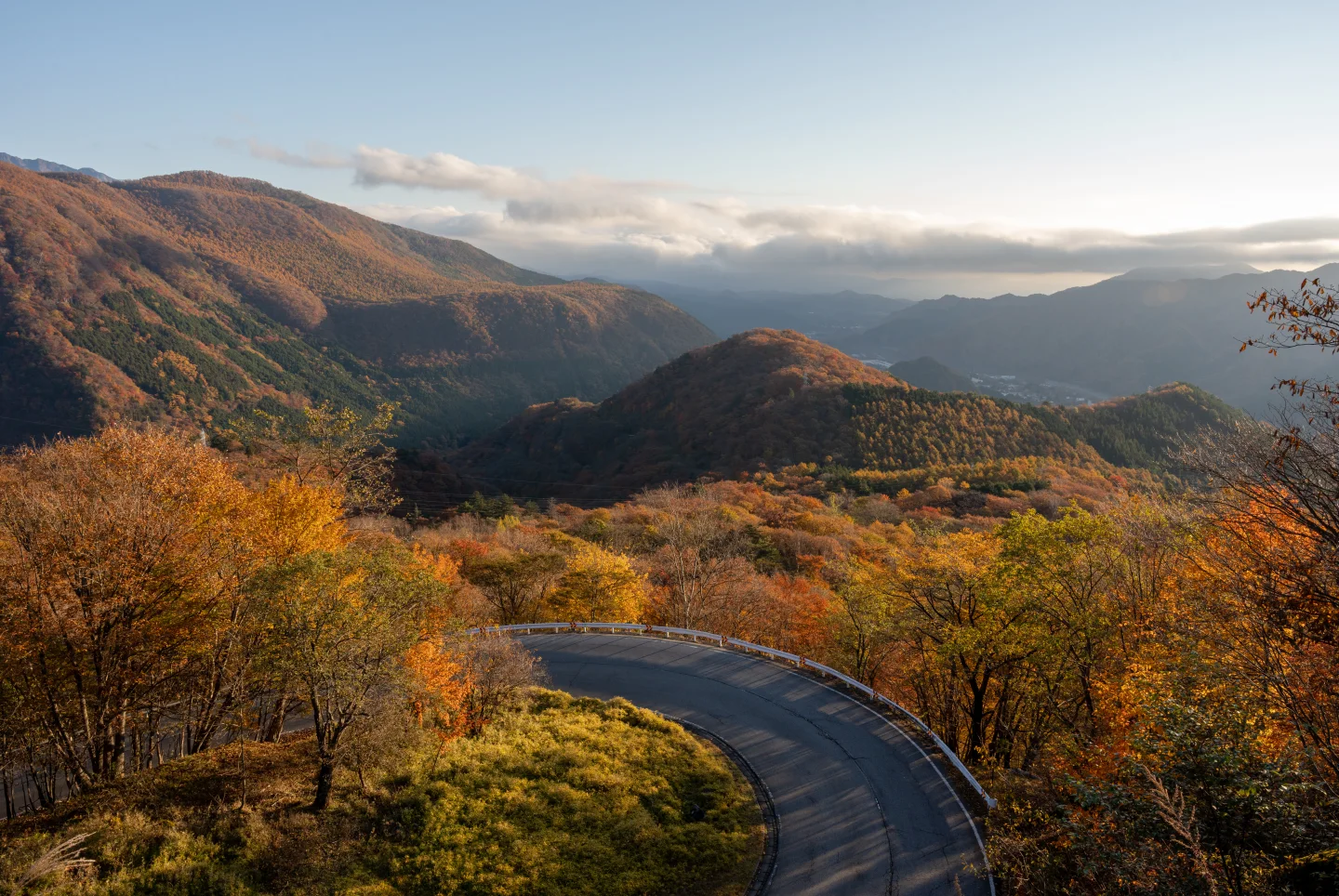
Tanigawadake has no single peak-color date that covers the whole mountain. The operator’s autumn foliage guide describes peak color starting near the summit in early October, moving down toward the foothills, and lasting about a month overall. Use that pattern to choose your viewing elevation: aim higher early in the season, then focus on the ropeway windows and lower forests later. Bare branches at higher elevations can also make the mountain’s shape easier to see.
For example, the official October 26, 2026 notice placed the best color beneath the ropeway cables between Doaiguchi and Tenjindaira. Passengers could look down at bands of color in the trees as soon as they left the lower station. In late October, the mountainsides can be the main attraction, so leave time to watch during the ride. For a November visit, look at where the latest photos from that year were taken before deciding whether to continue to Tenjin Pass.
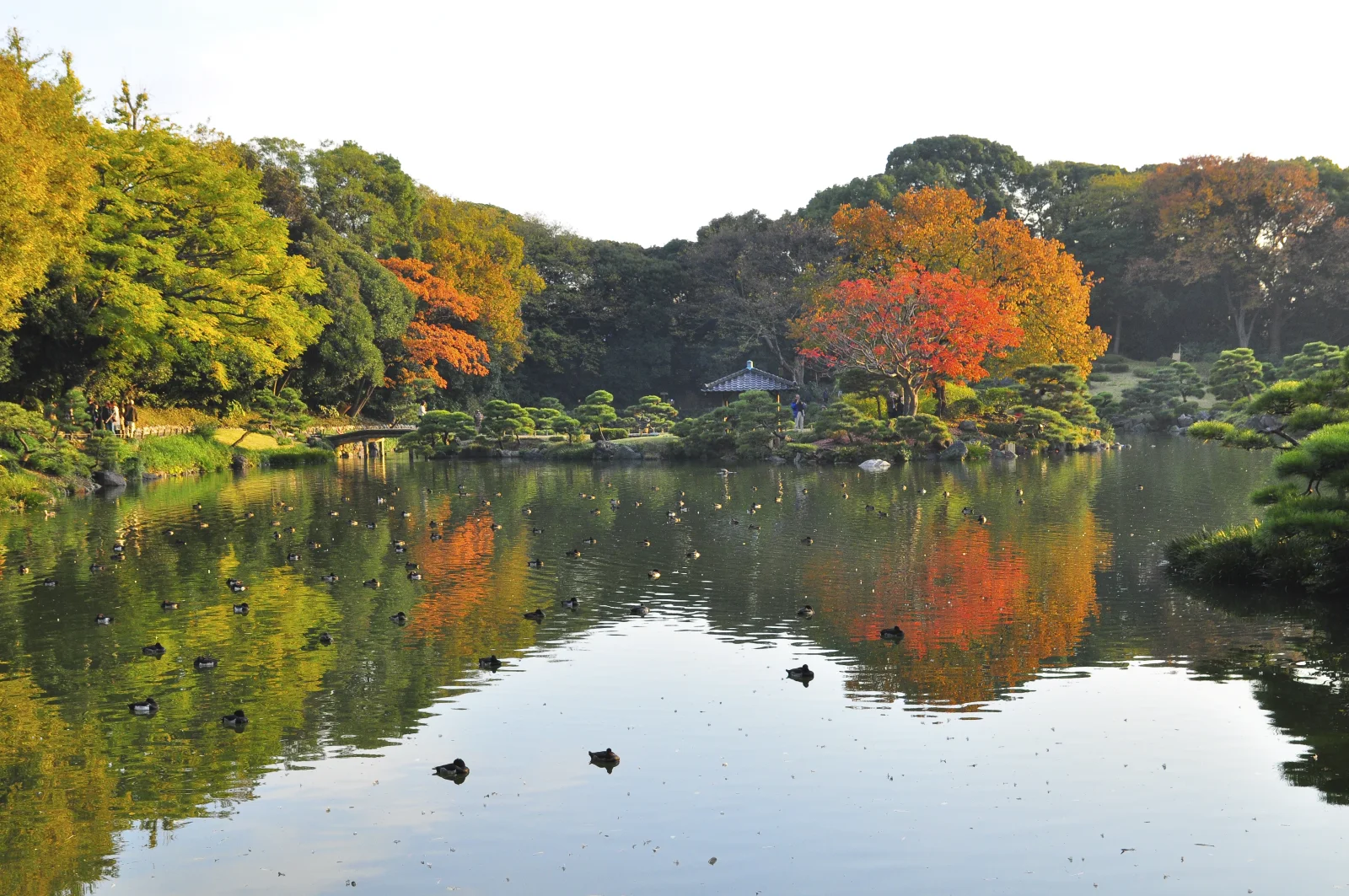
Foliage photographs can make you hope for an entirely red mountain, but Tanigawadake also has cliffs, grassy slopes, evergreens, and bare branches. Separate the nearby color below the ropeway from the distant mountain outline. If the leaves look good but clouds sit low, focus on the ride and the area around Tenjindaira. Add the chairlift and observation deck when the mountains are clear. This lets the route follow what you can actually see that day and adjust with elevation.
For photos through the ropeway windows, pack away loose items at the lower station and shoot from a position that leaves room for other passengers. Reflections and shared cabin space affect what is possible. Leaning a lens over someone else’s seat or taking a window for the whole ride reduces their view. Watching the full stretch of forest often suits this autumn trip better than concentrating on a single sample summit photo.
From Tokyo, compare the Jomo-Kogen and Minakami approaches first
Take the Joetsu Shinkansen to Jomo-Kogen Station, then a local bus to Tanigawadake Joch: this is a straightforward route from Tokyo. The bus passes Minakami Station before reaching the ropeway base. Another option is JR conventional trains to Minakami, followed by a bus in the same direction. Using less Shinkansen travel means spending more time on trains and transfers. For a one-day visit with time to eat and walk on the mountain, start by comparing the full day via Jomo-Kogen.
Jomo-Kogen and Minakami are separate stations, with a road journey between them. The former serves the Shinkansen; the latter is on the JR Joetsu Line. When buying tickets, write down the departure station, arrival station, connecting bus, and return station together. If you arrive via Jomo-Kogen but want to return via Minakami, calculate the new rail connection instead of reusing your original Shinkansen schedule.
The official minimum of about two hours from Tokyo to Tanigawadake describes a journey with good Shinkansen and bus connections. If you stay in Shinjuku or another Tokyo neighborhood, add the trip from your hotel to the Shinkansen station, waiting time, and platform changes. For an autumn day trip, choose the bus first and work backward to a suitable train. Do the same for the return. That is more practical than choosing the cheapest or latest Shinkansen and squeezing mountain activities into the gaps.
Look up that day’s trains in the JR East timetable, and use the Minakami Tourism Association access page for ground transport and station locations. If you already have a pass covering the JR portion, check eligible trains and reserved-seat rules, then list mountain bus and ropeway tickets separately. Tickets from different operators are not one package.
Fall 2026 buses: follow each service all the way across the timetable
The association’s April 15–November 15, 2026 bus summary shows boarding point 1 at Jomo-Kogen Station. One outbound service leaves Jomo-Kogen at 9:30, passes Minakami at 9:55, and reaches Tanigawadake Joch at 10:15. The same table also has an 8:35 departure arriving at 9:20. Use these as starting points for an autumn day trip, with enough time to walk from your arriving Shinkansen to the bus stop.
For the return, read the destination on the same service row. The 15:12 departure from Tanigawadake Joch reaches Minakami at 15:35 and does not continue to Jomo-Kogen. The 15:45 departure passes Minakami at 16:10 and reaches Jomo-Kogen at 16:35. If your Shinkansen leaves from Jomo-Kogen, a bus back to Minakami alone does not complete the connection. A blank cell means that bus does not serve that section; do not join it to a time on the next row.
This timetable’s 17:05 departure from Tanigawadake Joch, arriving at Jomo-Kogen at 17:55, is one of the later direct return options. Treat it as a boundary and aim for an earlier bus in a normal itinerary. Mountain weather, queues, and traffic all affect when you reach the station. Before leaving Tenjindaira, allow the full ropeway ride plus the walk to the bus stop and waiting time. Both ropeway closing time and bus departure time limit your stay.
Kan-etsu Transportation’s Minakami Line fare table revised October 1, 2025 lists adult one-way fares to Tanigawadake Joch of ¥1,600 from Jomo-Kogen and ¥950 from Minakami. Round trips to the same origin cost ¥3,200 and ¥1,900. The mobile Tanigawadake Bus One-Day Pass costs ¥3,000 for adults and ¥1,500 for elementary school children from Jomo-Kogen, or ¥1,700 and ¥850 from Minakami, saving adults ¥200 on either round trip. Its 2026 validity period is April 18–November 15, with unlimited rides on the designated section that day; the ropeway costs extra. Purchase and use require Jorudan’s Japan Transit Planner app (乗換案内); show the ticket when getting off. If your phone has no power or cannot display the ticket, pay the regular fare separately. Refunds are available within the validity period before tapping the ticket-use button (チケットを使う), with a ¥110 fee per ticket. Activated tickets are nonrefundable. Regular local buses accept cash and transit IC cards; have change ready before boarding if paying cash.
Doai has an underground platform: families and luggage are better served by the bus
The closest JR station to the ropeway on the map is Doai, also famous for its underground platform. JR East’s JRE Media describes 486 steps between the northbound underground platform and ground level. If you arrive on a northbound train from Minakami, simply leaving the station uses energy. For families coming for foliage rather than the station itself, changing to a bus at Minakami is usually simpler.
Doai Station and Doaiguchi Station have similar names but are about 1.5 kilometers apart. The operator lists a walk of about 20 minutes, with narrow pedestrian space along the road. Count the climb from the underground platform, the uphill walk after leaving the station, and the approach to the ropeway entrance separately. Arriving at Doai by train is not the same as being ready to join the ropeway queue. Travelers with large bags, strollers, or slower companions should choose their bus approach before setting off.
If the station is the highlight for a rail enthusiast, trade some mountain walking time for the visit. Check which platform your direction uses and how long the return walk to it takes before deciding to go underground for photos. The two directions use different platform layouts, so the return cannot be planned from the stairs you climbed on arrival alone. Finding out just before departure that the entrance is on the other side turns an easy visit into a rush.
Ropeway tickets: the sightseeing package versus ropeway-only fares
Following the December 1, 2025 fare change, the current official price list gives round-trip ropeway fares of ¥3,000 for adults and ¥1,500 for elementary school children. The package including the return Tenjin Pass chairlift costs ¥3,600 and ¥2,000. Buy a ropeway round trip for views, food, or walks around Tenjindaira. If you have decided to visit the Tenjin Pass observation deck, compare the package directly.
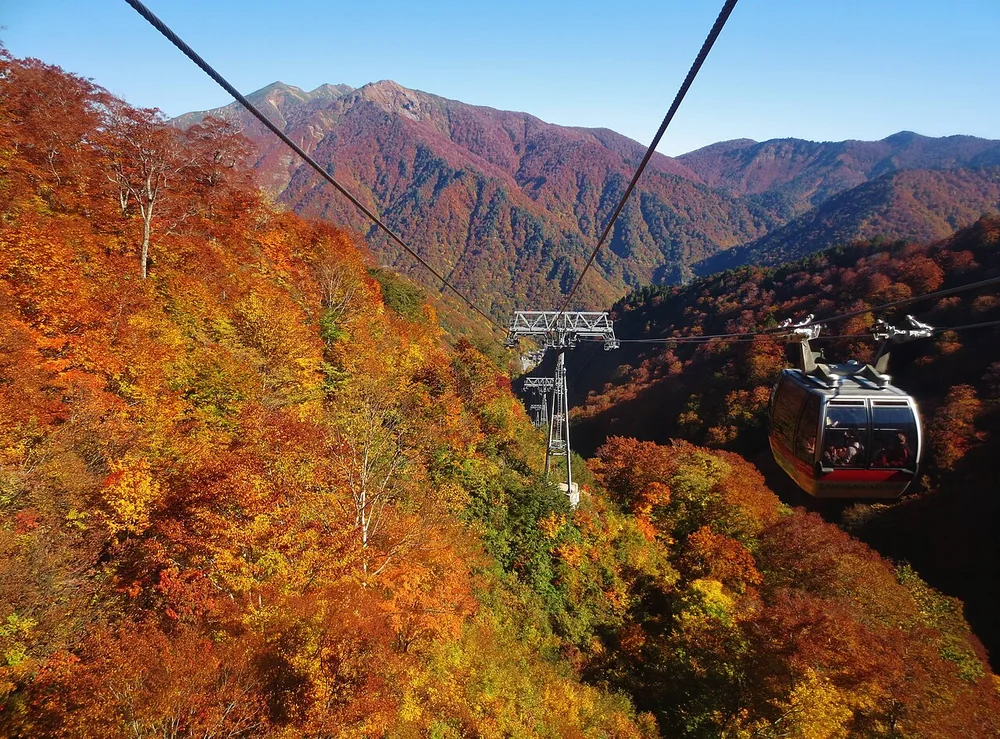
Spring-to-fall 2026 operating hours are 8:00–17:00 on weekdays and 7:00–17:00 on weekends and public holidays. The last upward ropeway departure is 16:30; the last upward chairlift is 16:00. These are ascent cutoffs, not times to start your return from the mountain. Ropeway cabins depart about every three minutes and take about 15 minutes each way; the chairlift adds about ten minutes. If arriving in the afternoon, put these rides and restaurant last orders into your schedule before deciding how much walking time remains.
For two adults and one elementary school child, ropeway round trips total ¥7,500; the packages with the chairlift total ¥9,200, a difference of ¥1,700. Weigh the extra transport for the family against the time you can use it. If a companion fears open chairlifts or cannot walk independently to board and leave the seat, buy different tickets for different people as needed. The whole group does not have to take the same route.
You can buy chairlift tickets separately at Tenjindaira after riding the ropeway; the official FAQ says that location accepts cash only. This lets you decide on the second stage after seeing the wind, cloud, and your companions’ condition. If a visitor chooses not to use one part of a package, the operator does not refund it for personal reasons. Settle that choice before buying.
Buy a return journey for sightseeing. The operator states that the footpath down to the base is damaged and advises sightseers against buying a one-way ticket to walk all the way down. Enjoying a short trail does not establish fitness for the full descent. To limit walking, keep both the chairlift and ropeway as round trips and save your energy for optional paths around Tenjindaira.
At Tenjindaira, find the station entrance, restaurant, and return route first
On arrival at Tenjindaira Station, views of Tanigawadake, photo spots, and places to rest are close by. Identify the return entrance before heading toward the restaurant or trails. If the group splits up, the station entrance makes a useful meeting point.
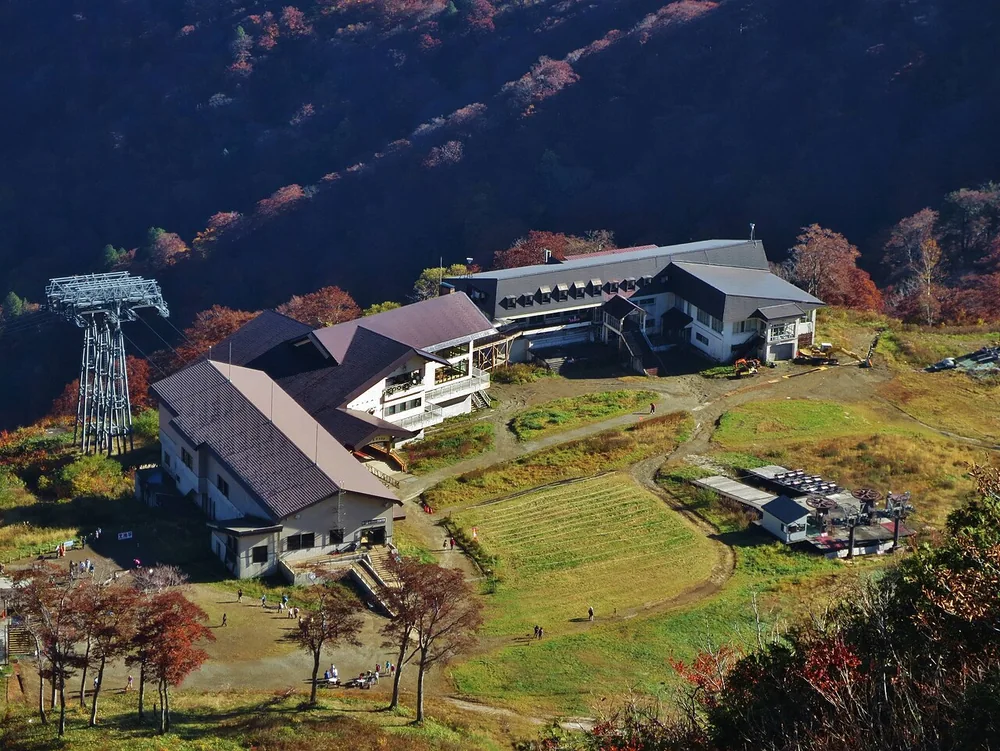
The Tenjin Pass chairlift boarding point is about 30 meters from the exit, while the operator lists the panoramic restaurant at about a three-minute walk. These figures cover only the nearby connections. Add time for views, photos, and queues. The official FAQ gives about 30 minutes for the ropeway round trip alone, about 1.5 hours with a meal or walk, and about two hours for a pass circuit. A relaxed lunch and time for children to play need more mountain time than transport alone.
The operator lists free outdoor play equipment such as bubbles, hula hoops, and badminton, depending on the season. These suit families who want to linger; a short pause can also mean sitting and watching clouds. Distinguish the play areas from hiking entrances and keep children where an adult can supervise them. Do not chase loose equipment down slopes or beyond restricted boundaries.
Tenjin Pass chairlift and observation deck: count every child in the seating limit
The chairlift from Tenjindaira takes about ten minutes to Tenjin Pass, at around 1,500 meters, where the observation deck overlooks the mountains. Unlike the enclosed ropeway, the chairlift is open: you feel the wind, see the slopes beneath your feet, and board and leave a moving seat. Companions who fear heights, need fixed support, or find those movements difficult can stay at Tenjindaira and still enjoy mountain views.
Each chair seats two people, including babies and preschool children. Two adults and one child must use two chairs. Decide which adult accompanies the child and have the other adult use the next chair. One adult with two young children should tell staff the group size and whether the children can ride independently before deciding to board.
For passengers with limited mobility, the official FAQ states that the chairlift keeps moving and passengers must be able to walk independently. Strollers can travel on the first ropeway section. Before transferring to the chairlift, ask nearby staff where to leave the stroller; there is no designated stroller storage area. The observation deck and trails have slopes and steps. Adults can split supervision and choose areas their companions can manage.
At the Tenjin Pass observation deck, allow time for views and food without feeling obliged to complete the hiking route because you bought a package. The operator gives about 20 minutes for walking down to Tenjindaira and specifies steep, slippery sections. Shoe grip and downhill ability matter more than distance on a map. Returning by chairlift is a complete and reasonable outing.
For a half-hour walk, take Niji Sanpo Road; choose the short hike for more climbing
For time away from the station without a summit hike, start with Niji Sanpo Road. The operator lists 30 minutes and describes a June–November opening season, with hammocks, benches, and swings along the way. It combines a mountain walk with places to rest. Let your companions set the pace and stop when you find somewhere you want to sit.
The stated 30 minutes covers the walk. Add time for photos, children’s play, and sitting down. You can walk first, then fit in the restaurant and return service. If the ground is slippery or rain starts, turn back toward the station from a suitable nearby point.
The separate beginner hiking course is listed at about 60 minutes, climbing from Tenjindaira toward Tenjin Pass. Its description mentions the route on the right and an option via Onigiri-yama. This requires actual uphill walking and suits visitors who want a short hike rather than a stroll. Check the on-site map after leaving the station. Distinguish Niji Sanpo Road from the hiking branch toward the pass, then choose a route that suits your shoes and stamina.
Tenjin Ridge to the summit is a full-day hike: allow time for the descent
The operator lists about 300 minutes for the Tenjin Ridge route to the actual Tanigawadake summit, including rocks and sections with chains. That route time does not cover leaving your Tokyo hotel and returning to your room. Rail, bus, queues at the base, and the ropeway come before and after it. If you choose the summit, make hiking the sole focus of the day. Move foothill sightseeing to another day, or stay nearby the night before so you can arrive early.
The chairlift is easy to mistake for a major hiking shortcut. The official FAQ says hiking time and fatigue are almost the same whether you take it or not; in clear weather, its main addition is the view. Tenjin Pass is higher, but the connection to the hiking route still rises and falls. Do not subtract an hour based only on elevation. If that imagined saving is what makes your return connection possible, shorten the summit plan.
Do not estimate the descent at a flat-ground pace or leave the summit at the latest possible moment. If the group is already well behind on the climb or someone is unsteady, turn back early along the same route and save the remaining time for descent and the ropeway.
Tenjin Ridge is a regular hiking route, with different legal procedures from dangerous rock-climbing areas such as Ichinokurasawa. The prefecture says a hiking card for regular routes can be completed that day, or a plan submitted through the prefectural police, Compass, YAMAP, and other channels. Even a summit visit for views should leave a route and expected descent time on record. Keep to your planned descent rather than switching to Nishiguro Ridge: the prefecture says it is unsuitable for descending and has seen multiple falls and sliding accidents.
Clothing and equipment: prepare separately for sightseeing and the summit
For sightseeing at Tenjindaira, wear sneakers you can walk steadily in and carry a warm, wind-resistant outer layer. The mountain is about 5–10°C colder than central Minakami. A T-shirt may feel comfortable when leaving Tokyo, but the open chairlift exposes you directly to wind. Children cool down more easily after they stop moving. Keep jackets within reach and put them on before sitting down for a drink.
For slopes away from the station, soles need grip and hands should stay free for support and balance. In rain, wear waterproof outerwear suitable for walking and put loose items in your bag. If wet descents are unfamiliar, keep that day to the ropeway and station area.
For the summit, add hiking boots, rainwear, insulating layers, water and food, a headlamp, offline maps, and a power source to recharge your phone. Fall days are short. The prefecture specifically calls for a headlamp and warns that temperatures near the summit can fall below freezing. Carry it even if you plan to descend by ropeway in daylight. It is equipment for delays, not something to find a substitute for after dark. Gunma Prefecture’s November 7 trail report says snow has accumulated on the ridgeline since the first snowfall on October 28, and walking on snow requires crampons and an ice axe. Without snow-mountaineering equipment and experience using it, stay within the open sightseeing areas at Tenjindaira.
The area around Tanigawadake is bear habitat. The operator recommends a bear bell or another sound-making item for hikers. Keep your group together on open routes and pack out food and trash. Gunma’s mountain safety video has a mountaineering instructor explain basic equipment and can help you check your backpack before departure. Then use your actual route length and weather to decide what you need to carry.
A Gunma mountaineering instructor introduces basic equipment to help you check your backpack before a Tenjin Ridge hike.
Lunch, restrooms, and luggage: places to take a break
The panoramic restaurant View Terrace Tenjin is about a three-minute walk from Tenjindaira Station and serves dishes such as Tanigawadake bread gratin. Its fall 2026 facility schedule lists drinks from 9:00–16:00 and desserts from 10:00–15:30 for September 19–November 15, with meal service from 11:00 and last orders at 15:00. If arriving in the afternoon, fit your meal time around the trail: last orders for meals come before the ropeway closes.
Tenjin Cafe at the Tenjin Pass observation deck offers takeaway drinks and light food. It opens daily from July 18–November 8, 2026, then on weekends only from November 9–15. Weekday hours are 10:00–14:00 with last orders at 13:30; weekend and public holiday hours are 10:00–15:00 with last orders at 14:30. It closes in rain. If you need a full lunch at a set time, plan around the Tenjindaira restaurant and treat the cafe as a short stop at the pass. Families can also prepare suitable snacks before ascending.
The operator lists restrooms inside Tenjindaira Station, inside View Terrace Tenjin, and at Tenjin Pass. Use the nearest facilities before starting the next sloping section, and make sure everyone knows the next meeting point. Companions who need frequent breaks can plan activities around the station, restaurant, and the two chairlift stations.
Lockers on the sixth floor of Base Plaza at the foot of the mountain have a listed maximum size of 360 × 480 × 770 mm, mainly suited to carry-on-sized luggage. If traveling between Tokyo and another city with a large checked bag, leave it at your accommodation or suitable station storage before heading into the mountains. A small backpack makes rides and trails easier. Bringing a large suitcase on a foliage trip during a city-transfer day usually reduces walking time.
Let the weather shape the walk, even when the ropeway is running
The ropeway may run in light rain, while strong wind, lightning, and weather warnings affect operation. Separate two decisions: whether the transport is running and whether your walking route is suitable. If mist hides the ridgeline but color below the ropeway is clear, buy a ropeway round trip and enjoy the views during the ride. If wind makes your companions uncomfortable, leave out the open chairlift.
The Tanigawadake Mountaineering Guidance Center’s daily trail information reports rain, lightning, boardwalk and rock conditions, and problems such as collapses or access restrictions on individual sections. Read the day’s update before hiking Tenjin Ridge. Check weather first, then warnings along your route. A route change also requires recalculating descent time and the ropeway connection.
In thunderstorms or rapidly worsening weather, hikers should follow on-site instructions and respond to their location by taking shelter or turning back. Rising streams can also cut off sections. Ending the hike before the planned endpoint preserves daylight and ropeway operating time for the descent.
Ichinokurasawa is a separate foothill route, with a November 2026 construction closure
Ichinokurasawa offers views of cliffs from a foothill road, separate from the ropeway ascent to Tenjindaira. General visitors use the viewing road to Ichinokurasawa Deai; entering the rock-climbing area is a different technical activity. If you spend the morning walking slowly at Tenjindaira and return to Tokyo that afternoon, you do not need to fit in both routes. Make Ichinokurasawa the main outing on another plan if forest roads and cliffs are your priority.
In late fall 2026, follow the actual open area. The Minakami Tourism Association announced a complete closure of the Ichinokurasawa road from November 5, 2026 for Machigasawa waterway repairs and heavy machinery work. That year’s electric guided bus ended early on October 31. Remove this route from visits on or after November 5. The Tenjindaira ropeway has its own operating season; the two closure dates apply to different places.
While operating, the electric guided bus departs from and returns to the Tanigawadake Mountain Museum. Boarding is first come, first served, with no reservations or seat holding. The notice lists a guiding fee of ¥500 per person each way, free for children in grade six or below; junior high school students pay the adult rate. There was no usual midday service in 2026. To use it instead of walking, check the day’s timetable and queue rather than assuming seats will be available on arrival. See the association’s 2026 Ichinokurasawa electric guided bus notice for the conditions.
Driving and fall closures: sort out parking before the ascent
Drivers should also set their destination to the Tanigawadake Joch base. The official parking guide separates standard and high-roof vehicles: vehicles under 2.1 meters use floors one through five of the garage; vehicles 2.1 meters or taller and camper vans use the outdoor area beside the entrance. After navigation gets you there, follow arrows to the entrance that fits your vehicle rather than trying to turn around in a narrow space.
During the September 19–November 3, 2026 foliage period, standard-car parking costs ¥1,000 per day on floors one through five and ¥1,200 on the sixth floor. On evenings before Saturdays, Sundays, and public holidays during that period, the foliage notice specifies a complete parking closure from 18:00 to 6:30 the following morning. If arriving at night, use the Tanigawadake Information Center parking area indicated in the official notice.
On autumn weekends, allow separate time for traffic, ticket purchases, and ropeway queues. After driving from Tokyo, use the restrooms and adjust clothing before joining the line. You still have the return expressway trip after descending. Plan lunch and trails after allowing for queues and the journey home.
Spring-to-fall 2026 operations end on November 15. All facilities, including parking, close November 16–December 4; winter ropeway operation is scheduled to begin December 5. This is a defined seasonal closure. Remaining autumn color in November does not mean the ropeway runs every day. Check the official fall and winter operating notice before booking a car or linking accommodation, and remove the closure period from your transport calendar.
Two versions of the day, with the afternoon shaped around the return
For sightseeing, start with the 9:30 bus from Jomo-Kogen, arrive at the base at 10:15, buy tickets, and take the ropeway for a Tenjindaira walk and lunch. Add Tenjin Pass if the views are clear and your companions are comfortable with the chairlift. After that fall 2026 bus arrives, ticketing, queues, and the ascent still take time, so lunch can follow a walk. Pair one short trail with a meal and leave the rest for views.
For example, if you aim for the 15:45 bus from the base, reaching Jomo-Kogen at 16:35, finish mountain activities early and descend according to that day’s queues. Choose a suitable Shinkansen after reaching Jomo-Kogen, with a gap after the bus’s scheduled arrival to absorb road delays. If returning to the same Tokyo hotel that evening, leave large luggage and spare clothing in your room and take a small bag.
For hiking, make an early ascent soon after the ropeway opens the priority. Work backward from your return limit to allow descent, rests, queues, and the bus, and set a turnaround time before starting. If your actual connections from Tokyo put you on the trail too late, switch to Tenjindaira and Tenjin Pass or stay around Minakami the night before. Skipping lunch or walking faster cannot make up for insufficient morning travel time.
A few useful answers
Does the Tanigawadake Ropeway go straight to the summit?
The ropeway reaches Tenjindaira at 1,319 meters. A separate chairlift continues to the Tenjin Pass observation deck at around 1,500 meters. The Tenjin Ridge hiking route to the Tanigawadake summit takes about 300 minutes and includes rocky terrain and chains.
Can I bring a stroller to Tenjindaira?
Strollers can travel on the first Tanigawadake Ropeway section. Each Tenjin Pass chair seats two people, including babies and young children. Passengers with limited mobility must be able to walk independently, and the chairlift keeps moving. Choose trails and observation areas according to the terrain.
Can I still visit in November 2026?
Spring-to-fall operations continue through November 15. All facilities, including parking, close November 16–December 4. Separately, the Ichinokurasawa road closes completely for construction from November 5; this is a different area from the ropeway.
From Tokyo, should I get off at Jomo-Kogen or Doai?
For sightseeing and family trips, start by comparing the Shinkansen to Jomo-Kogen with a bus connection. Doai is a conventional JR station with 486 steps from its northbound underground platform to ground level, followed by about 1.5 kilometers to the ropeway entrance.
Official information and references
Sources used in this guide.
- Tanigawadake Joch: 2026 green season, ropeway fares, and operating hours
- Tanigawadake Joch: riding, children, trails, and facilities FAQ
- Tanigawadake Joch: autumn color by elevation
- Tanigawadake Joch: October 26, 2026 foliage and parking notice
- Tanigawadake Joch: Niji Sanpo Road
- Tanigawadake Joch: short Tenjindaira hike
- Tanigawadake Joch: Tenjin Ridge summit route
- Tanigawadake Joch: restaurant and cafe facilities
- Tanigawadake Joch: access and parking allocation
- Tanigawadake Joch: fall and winter 2026 operations and closures
- Minakami Tourism Association: April 15–November 15, 2026 bus summary
- Kan-etsu Transportation: current Minakami Line schedules, fares, and payment
- Jorudan: Tanigawadake Bus One-Day Pass and refund conditions
- Minakami Tourism Association: 2026 Ichinokurasawa electric guided bus and closure from November 5
- Gunma Prefecture Tanigawadake Mountaineering Guidance Center: daily trail reports and safety videos
- Gunma Prefecture: Tanigawadake Mountaineering Guidance Center and regular-route procedures
- JR East JRE Media: Doai Station’s 486 steps and underground platform layout
- JR East: train timetables