The ALL SHIKOKU Rail Pass now comes in 3-day and 7-day options only. Compare the December 2026 fare hike, paper vs. QR seat reservations, and routes linking Takamatsu, Tokushima, Kochi, and Matsuyama.
- Region & Focus
- ShikokuTransportation and passes
- Reading Scope
- 22 min read · 12 chapters · 7 Q&As
- Official Verification
- 20 official sources checkedUpdated November 22, 2026
- Key Topics
- Rail travelItinerariesTravel budget
Chapter Route Map (tap any stop)
- Check the Issue Date First to Know Which Pass You Hold
- Matching the Five Covered Operators to Your Daily Route
- Crossing from Okayama: Buying North of Kojima Separately
- Paper, QR, or Buying in Japan: What Changes on Day One
- Unlimited Reserved Rides on the New Pass—With a Six-Ride Self-Service Cap
- Booking Scenic Trains: Reserve the Exact Departure You Want
- How to Fit a 3-Day Pass Into a 4-Day Trip (Takamatsu In, Kochi or Matsuyama Out)
- Seven Days from Takamatsu to Matsuyama, with Overnights in Tokushima and Kochi
- Lock In Shodoshima and Iya Valley Transfers Before You Commit
- Check Station Names, Platforms, and Exits Before Your Transfer Counts as Done
- How to Price Out Your Route: Compare Identical Trains and Seat Classes
- When Schedules Shift, Which Leg Is Easiest to Adjust
- Quick Q&A
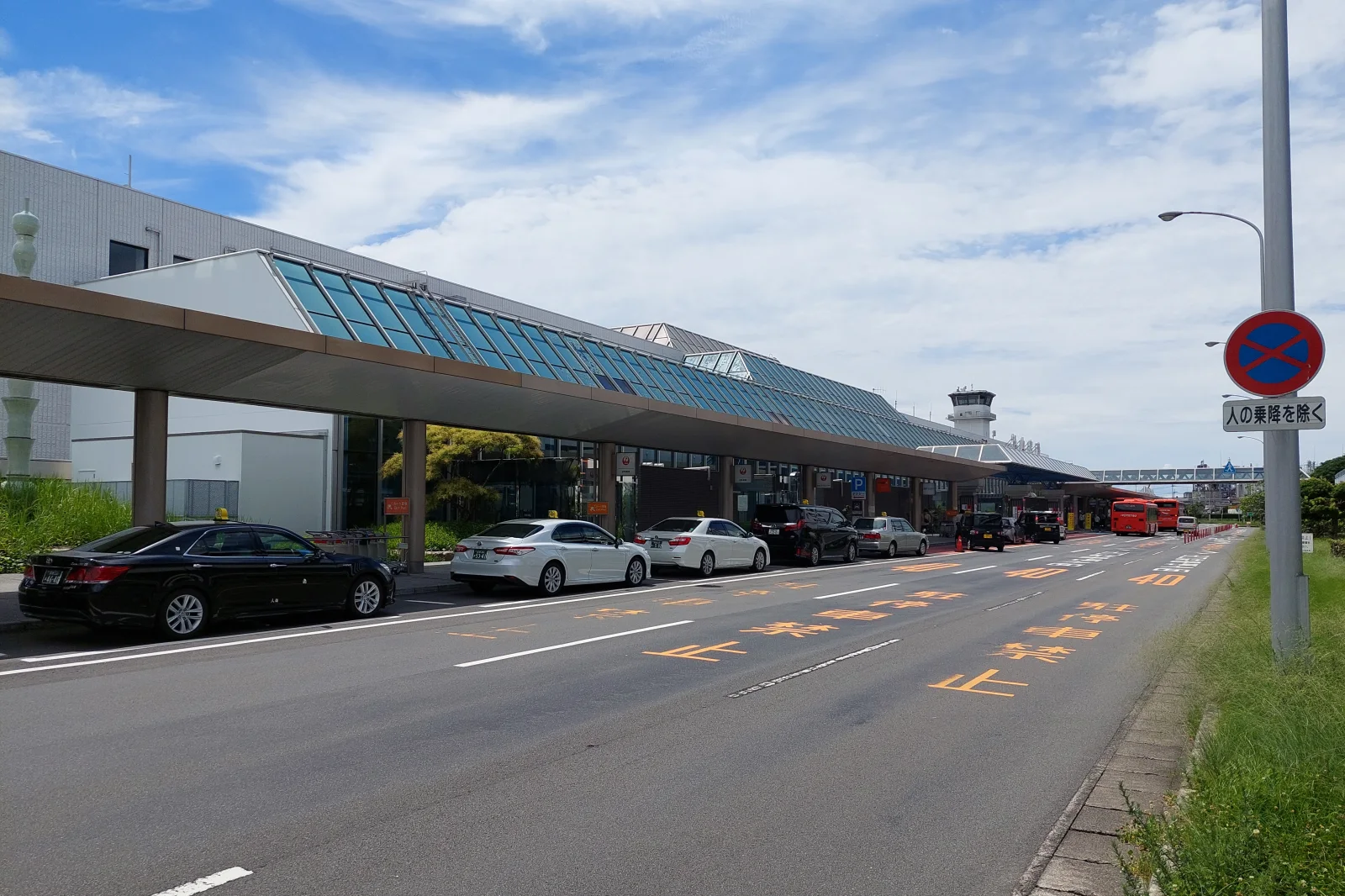
The ALL SHIKOKU Rail Pass pays off when you pack several long-distance limited express rides into consecutive days. Passes sold through November 30, 2026 cost ¥12,000 for 3 days or ¥20,000 for 7 days for adults, with Ordinary Car reserved seats charged separately. Starting December 1, prices rise to ¥15,000 and ¥23,000, but Ordinary Car reserved seats on covered trains are included. If you are only taking a single Takamatsu–Matsuyama trip, check one-way discount tickets first. If your route loops from Takamatsu through Tokushima, the Iya Valley gateway, Kochi, and Matsuyama, price out each leg—especially Matsuyama trams and Shodoshima ferries, which are no longer covered.
Check the Issue Date First to Know Which Pass You Hold
The 2026 overhaul began with coverage cuts. On March 7, 2026, Iyo Railway left the pass, meaning Matsuyama's trams toward Dogo Onsen are now out-of-pocket. Passes sold from October 1 dropped the Shodoshima ferry between Takamatsu Port and Tonosho Port, along with the island's Olive Buses, and discontinued the 4-day and 5-day passes. On the same day, Trip.com joined Klook as an official QR ticket vendor. The pass kept its name, but trip lengths and transit budgets now need a fresh calculation.
December's cutoff depends on the purchase date, not your travel date. A non-reserved-seat pass bought by November 30 remains valid under those terms even if you ride in December. Only passes purchased on or after December 1 carry the higher price and include Ordinary Car reserved seats, with overseas sales switching over by local date. If your trip spans the turn of the month, keep your order date and start date separate. Buying early saves ¥3,000 per adult, though families planning several reserved legs should compare total costs including seat fees.
Both versions count consecutive calendar days. Activate a 3-day pass on December 6 and it expires at the end of December 8—even if you spend all of December 7 inside your hotel. If you land in Takamatsu in the evening and only walk from the station to your hotel, push the start date to the next morning. If you are crossing the bridge from Okayama and heading straight to Kochi the same day, delaying activation leaves you paying the first trunk-line fare out of pocket and wastes a low-mileage day later.
| Pass Type | Oct 1 – Nov 30, 2026 | From Dec 1, 2026 |
|---|---|---|
| 3 Consecutive Days | Adult ¥12,000 / Child ¥6,000 | Adult ¥15,000 / Child ¥7,500 |
| 7 Consecutive Days | Adult ¥20,000 / Child ¥10,000 | Adult ¥23,000 / Child ¥11,500 |
| Ordinary Car Reserved Seats | Separate seat tickets required | Included on covered trains (collect ticket before boarding) |
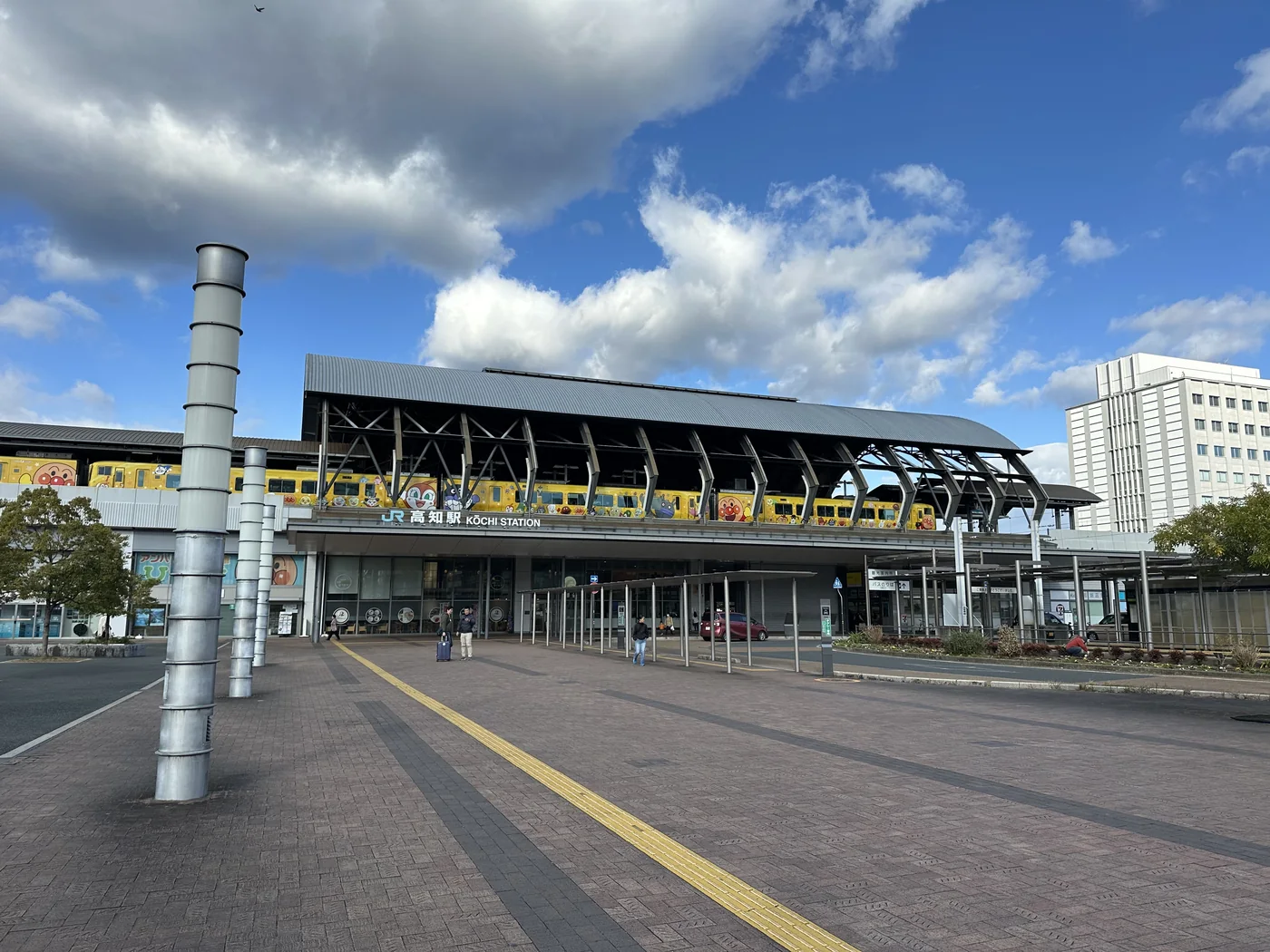
The ALL SHIKOKU Rail Pass now comes in 3-day and 7-day options only. Compare the December 2026 fare hike, paper vs. QR seat reservations, and routes linking Takamatsu, Tokushima, Kochi, and Matsuyama.
Matching the Five Covered Operators to Your Daily Route
JR Shikoku handles most inter-prefecture travel: the Yosan Line runs from Takamatsu to Matsuyama, the Kotoku Line heads to Tokushima, and the Dosan Line branches from Kagawa down to Kochi. Tosa Kuroshio Railway extends east from Kochi along the Gomen-Nahari Line and west toward Nakamura and Sukumo. Some Kochi–Nakamura trains run through across both networks, so check the train's final destination—another westbound service may terminate early at Kubokawa. With the new pass, you can also reserve Tosa Kuroshio Railway seats at Nakamura, Sukumo, or Aki station ticket windows.
In Kagawa, Kotoden (Takamatsu-Kotohira Electric Railroad) fills the local gaps. Takamatsu-Chikko Station and JR Takamatsu Station are separate buildings a short walk apart. For Ritsurin Garden, pick Kotoden to Ritsurin-koen Station or JR to Ritsurin-koen Kitaguchi Station depending on your walking direction. For Kotohira-gu Shrine, either Kotoden-Kotohira Station or JR Kotohira Station puts you within walking distance of the approach. If you are catching a Dosan Line train later that day, check which JR station your next train departs from before choosing your outbound line, so you aren't forced back to Takamatsu after climbing the shrine steps.
Outside JR Kochi Station's South Exit, you can board Tosaden Kotsu streetcars. Lines run into central Harimayabashi, though continuing toward Kochi Castle depends on the specific route and transfer stop. Tosaden Kotsu also operates buses, so seeing the same company logo does not mean the ride is covered. Buses to Katsurahama Beach and the Kochi Airport shuttle cost extra. With only one night in Kochi, stick to castle-town sights reachable by streetcar after stepping off the Dosan Line, and save Katsurahama for a standalone excursion the next morning.
The fifth operator is Asa Coast Railway: take JR's Mugi Line from Tokushima to Awa-Kainan and transfer to the dual-mode vehicle (DMV) that runs on both rail and road. Pass holders can board standard covered DMV departures only if seats are available that day. Weekend and national holiday DMV services running to Muroto are completely excluded—even riding a single segment requires a separate ticket. If you are heading to Cape Muroto or continuing toward Kochi, pair the DMV timetable with Kochi Tobu Kotsu bus schedules. Umi no Eki Toyocho is a key transfer hub, best planned backward from your return or onward bus departure.
| Prefecture | Typical Pass Coverage | Paid Separately |
|---|---|---|
| Kagawa | JR trunk lines, Kotoden (Takamatsu-Chikko to Kotohira) | Takamatsu Airport bus, Shodoshima ferries and island buses |
| Tokushima | Kotoku, Tokushima, and Mugi lines; covered DMV runs | Local city and Naruto buses, weekend/holiday Muroto DMV runs |
| Kochi | Dosan Line, Tosa Kuroshio Railway, Tosaden streetcars | Katsurahama Beach and airport buses |
| Ehime | JR Yosan and Uchiko lines | Iyo Railway streetcars, suburban trains, and airport buses |
Crossing from Okayama: Buying North of Kojima Separately
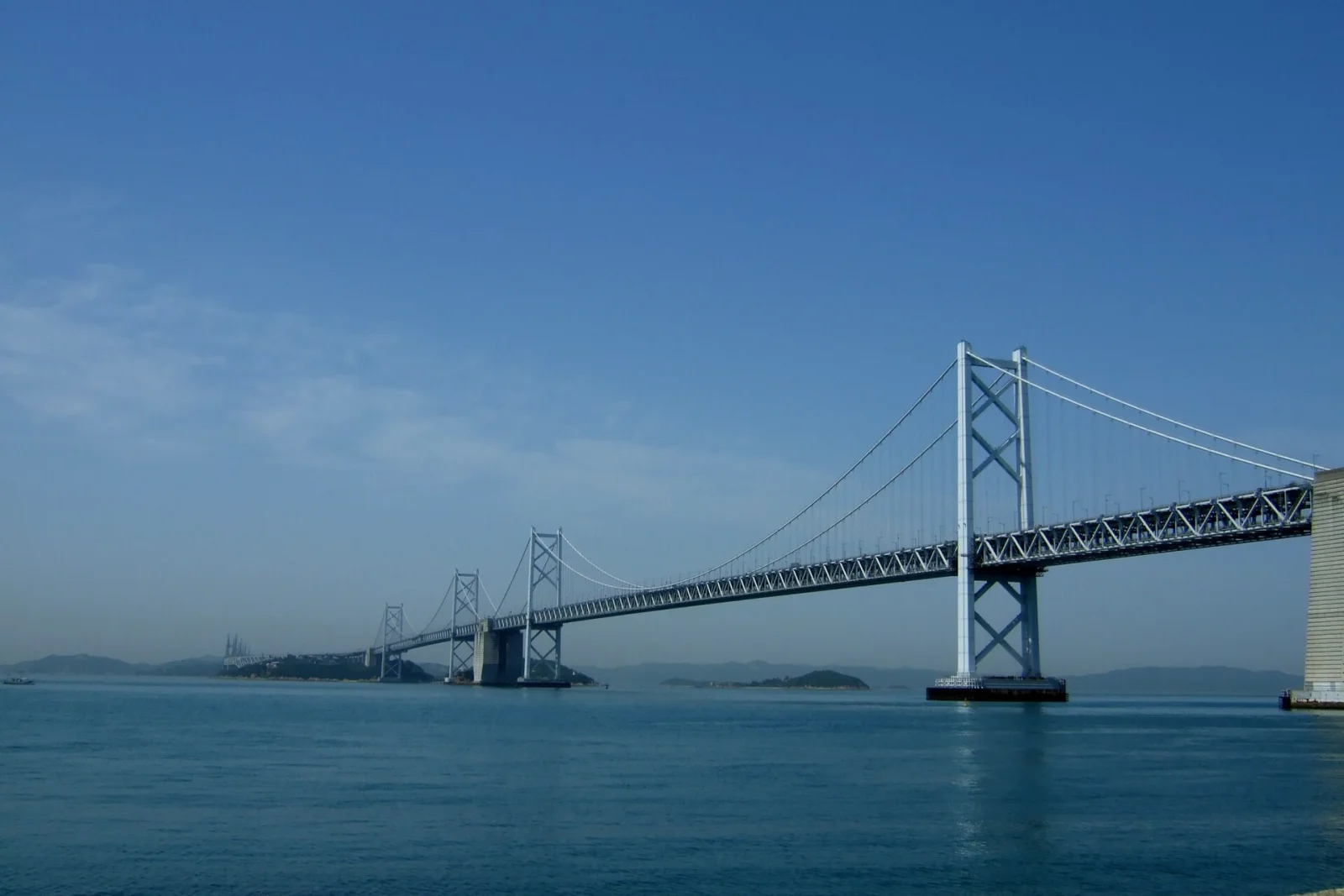
If you take the Shinkansen from Osaka or Hiroshima to Okayama and transfer to the Rapid Marine Liner into Shikoku, your pass only covers the Seto-Ohashi Line from Kojima Station southward. Both the Sanyo Shinkansen and the Okayama–Kojima segment require separate tickets. Travelers who already hold an active pass can buy an Okayama-to-Kojima ticket before boarding, stay on the same train across the bridge, and hand both tickets to the station attendant when exiting at Takamatsu. JR Shikoku's official FAQ lists the adult non-reserved Okayama–Kojima fare at ¥510; if you want a reserved seat starting in Okayama, ask at the counter about the out-of-area seat supplement.
Decide where you will pick up your pass before you ride. Paper passes bought through JR-West's website can only be collected at four designated stations inside Shikoku. If you depart Okayama holding only an online booking confirmation, you will have to pay full fare all the way to the station where you physically pick up the pass. To use your pass from the bridge crossing onward, choose a ready-to-ride QR pass instead, or exchange your voucher at an eligible counter before leaving Honshu. With an active QR pass at Okayama, buy a separate ticket to Kojima and show both tickets to staff at the exit gate.
For Kochi or Matsuyama, you can also board the direct Nanpu or Shiokaze limited express straight from Okayama, skipping the Takamatsu transfer if your destination is in the south or west. Even though the December pass includes Ordinary Car reserved seats within Shikoku, the section north of Kojima is still billed separately. JR has also announced that both Nanpu and Shiokaze are slated to become all-reserved trains in spring 2027. Once that takes effect, direct riders from Okayama will need to arrange seats and cover the out-of-zone segment before boarding. The overnight Sunrise Seto sleeper train is excluded in full.
Paper, QR, or Buying in Japan: What Changes on Day One
The pass is open only to non-Japanese passport holders entering Japan under Temporary Visitor status. Buying or exchanging a paper pass requires appearing in person with your original passport, which you must also carry whenever you ride. If a family is collecting passes together, bring every traveler's passport and jot down your start date and first train beforehand. Your start date and child-fare eligibility (ages 6–11) are evaluated separately—if a child is about to turn 12, check which cutoff date your sales channel uses at purchase.
Exchange Orders (MCOs) issued by overseas travel agencies are valid for three months from issue. When exchanging an MCO with your passport, the redemption date must also fall between one month before your start date and the start date itself. Both deadlines apply simultaneously—buy an MCO more than three months before landing in Japan and it can expire before your trip begins. Passes bought via JR-WEST ONLINE TRAIN RESERVATION (WEST-TR) must be picked up at JR Takamatsu, Matsuyama, Tokushima, or Kochi stations, and official terms state you must present the physical credit card used for payment.
Buying in person after arrival is possible at those four major JR stations or designated JR Shikoku Travel branches (the Takamatsu branch is on the third floor of TAKAMATSU ORNE, connected to the station). Current official station ticket-office hours are Takamatsu 6:50–20:10, Matsuyama 7:00–19:40, Tokushima 8:00–18:30, and Kochi 7:40–19:40. In Takamatsu, paper sales and MCO exchanges follow the specific counter designated for your sales channel while the travel branch is open, whereas WEST-TR orders still go to the specified station pickup point. If you arrive in Tokushima in the evening, check whether the counter is still open before locking in an early train the next morning. Neither Kotohira Station nor Nippon Travel Agency TiS Okayama handles the new pass sold from December 1; transitional exchanges there for legacy MCOs issued by November 30 run only through February 28, 2027 (and still within the MCO's own 3-month validity).
Klook and Trip.com issue a mobile QR ticket that can be activated once within 90 days of purchase. Wait until your actual first travel day to tap Activate, and keep the ticket on a device that displays the live original pass screen. Stations with compatible QR readers let you scan straight through the automated gates; on streetcars, unequipped rural stations, or manned gates, show the screen to the driver or station attendant as directed. Your order confirmation email is not a valid ticket—when traveling in a group, load each person's pass screen before walking up to the gates.
Unlimited Reserved Rides on the New Pass—With a Six-Ride Self-Service Cap
Passes sold through November 30 cover Ordinary Car non-reserved seats by default. To book a reserved seat, show your pass at a participating ticket window to pay for a single seat reservation, or buy the dedicated 4-ticket reserved-seat booklet. Those four vouchers can be shared among companions—two travelers booking one round-trip each will use all four. Note that Kotohira Station and TiS Okayama do not sell the 4-ticket booklet. Families on the legacy pass who only need to sit together on one cross-island express should price a single seat supplement before buying a four-pack.
Passes sold from December 1 cover Ordinary Car reserved seats across JR Shikoku and Tosa Kuroshio Railway's eligible routes at no extra charge for the seat itself. Total reservations are unlimited, capped at one seat per person per train. You must collect your paper seat ticket before boarding—reservations cannot be issued onboard. If a journey takes two limited express trains, it counts as two reservations even if you stay inside the paid area and a standard fare could be issued on one ticket. Write down the date, train name or number, and boarding/alighting stations beforehand; a same-day round-trip counts as two separate trains.
Paper pass holders can reserve up to six trains at JR Shikoku reserved-seat vending machines or Midori-no-Kenbaiki Plus terminals. If you booked two trains online via WEST-TR before pickup, you have four self-service machine slots left. From your seventh train onward, go to a manned Midori-no-Madoguchi ticket office, a JR Shikoku Travel branch, or Tosa Kuroshio Railway's Nakamura, Sukumo, or Aki stations. WEST-TR pre-pickup reservations have set service hours, must be collected before your first booked train departs, and cannot book Tosa Kuroshio Railway trains. On trips mixing mountain and coastal lines, lock in your longest JR legs first and book the rest once you arrive in Shikoku.
QR tickets save you the trip to exchange a paper pass, but Klook and Trip.com users holding the December pass must visit a manned ticket window to collect reserved-seat tickets—neither the reserved-seat kiosks nor Midori-no-Kenbaiki Plus terminals accept QR passes. If you have an early limited express the morning after landing, check when the station ticket office opens so you can actually grab your seat tickets in time, or book via WEST-TR if you want seats locked in before arrival. If you stick with a QR pass and arrive before the counter opens, board an eligible train with non-reserved cars.
Save reserved seats for the hardest-to-replace legs of your day. When transferring from the Tokushima Line to the Dosan Line, locking in the second express keeps your group from getting split up. Conversely, if your day involves climbing Kotohira-gu's long stone staircases or riding weather-sensitive mountain buses, don't book a tight return reservation right after sightseeing. Double-check car classes when picking trains too—Ordinary Car reserved seats and Green Car seats require different tickets.
Booking Scenic Trains: Reserve the Exact Departure You Want
Choose among JR Shikoku's three Monogatari sightseeing trains by region: in Ehime, the Iyonada Monogatari runs the coastal route from Matsuyama toward Iyo-Ozu and Yawatahama; the Shikoku Mannaka Sennen Monogatari links Tadotsu and Oboke through the mountains along the Dosan Line; and in Kochi Prefecture, the Shikoku Tosa Toki no Yoake no Monogatari runs between Kochi and Kubokawa. You cannot book these sightseeing trains through the pass sales portal. Per JR Shikoku's pass FAQ, pass holders riding any of the three must purchase separate limited express and Green Car tickets, and reserve onboard meals separately under each train's rules.
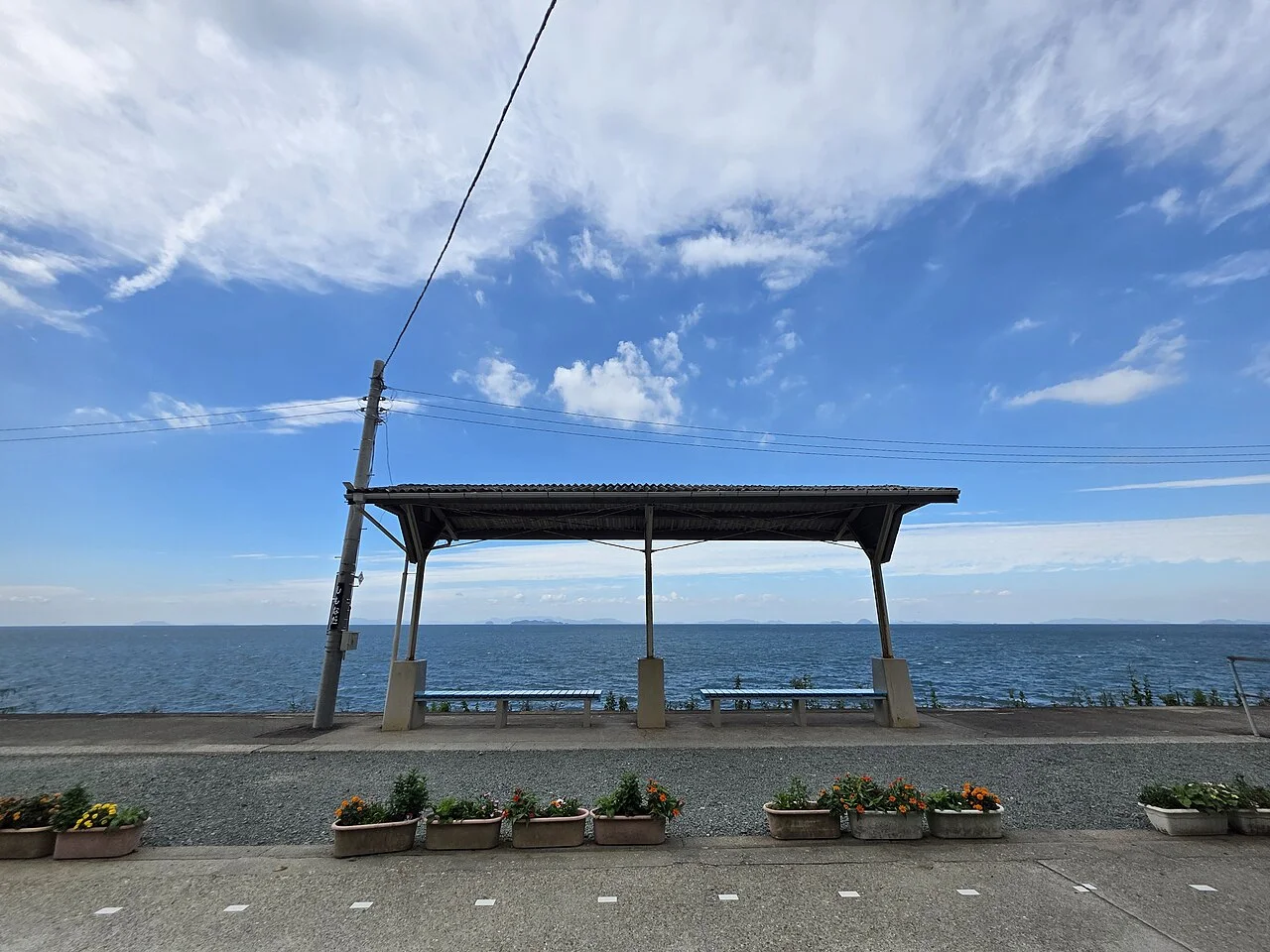
If your main goal is photographing Shimonada Station, decide whether you just want sunset photos from the platform or want to sit inside the sightseeing train overlooking the Seto Inland Sea. Regular local trains along the coastal line work fine for a photo stop without booking a sightseeing express—just confirm your train stops at Shimonada, since inland Uchiko Line trains bypass it. Note the next departure and your dwell time before stepping off toward Matsuyama or Iyo-Ozu. If you specifically book the Iyonada Monogatari, treat it as a fixed reservation connected by local trains or hotel shuttles, not a hop-on-hop-off excursion.
For Anpanman trains, check JR Shikoku's published timetable first to confirm which departures carry themed cars and what seating types they offer—having an Anpanman exterior does not guarantee dedicated character seats inside. To sit in the Anpanman Seat section within an Ordinary Car, legacy pass holders must buy a reserved-seat add-on per the official FAQ, while new-pass holders should ask at a manned window for that specific train number and carriage class. Families should lock in the Anpanman departure first, then work backward to schedule meals, ticket pickup, and luggage storage.
How to Fit a 3-Day Pass Into a 4-Day Trip (Takamatsu In, Kochi or Matsuyama Out)
On a four-day trip bounded by flight times, pick one primary base. If flying out of Kochi, spend Day 1 settling into Takamatsu with a walk and udon near the station. Activate the 3-day pass on Day 2: head to Kotohira in the morning, then continue down the Dosan Line to Kochi. If you want to climb higher into Kotohira-gu Shrine, staying near Kochi Station that night saves you from hauling bags across town. Spend Day 3 exploring central Kochi by streetcar—Kochi Castle and Hirome Market—and pay the airport bus separately on Day 4.
If Ehime is your priority, sleep in Takamatsu on night one, take an early Day 2 Yosan Line express to Matsuyama to drop your bags, and pick one direction on Day 3 among Uchiko, Iyo-Ozu, or Shimonada. Visit Matsuyama Castle or Dogo Onsen on Day 4 before heading to the airport. Because Takamatsu–Matsuyama is usually the single priciest leg, if that is your only limited express ride and everything else is on Iyo Railway, compare point-to-point tickets before buying the pass.
If you already hold a flight out of Matsuyama but still want to see Kochi, ride Takamatsu to Kochi on Day 2, loop back north on the Dosan Line to connect onto the Yosan Line toward Matsuyama on Day 3, and save Day 4 for Matsuyama and your flight. Because Kochi sits on the south coast and Matsuyama on the northwest, trains swing back toward Kagawa to switch lines, with the transfer station depending on the schedule. If a highway bus fits your timing better, treat it as a paid alternative and remove that replaced express leg from your pass math. To fit both cities comfortably, place Katsurahama and Dogo Onsen at whichever end gives you a spare half-day.
Seven Days from Takamatsu to Matsuyama, with Overnights in Tokushima and Kochi
A balanced 7-day itinerary starts with arrival in Takamatsu on Day 1, Kotohira or Marugame on Day 2, and the Kotoku Line Uzushio limited express to Tokushima on Day 3. From Tokushima Station, Awa Odori Kaikan is an easy walk, while Naruto requires budgeting for a separate bus transfer. To add Shodoshima, dedicate Day 2 to a Tonosho Port day trip and shift Kotohira to a transfer day—or drop one stop before heading into Kochi. If you also want deep mountain time, decide before booking hotels whether to give that full daylight block to the island, the valley, or Kochi City.
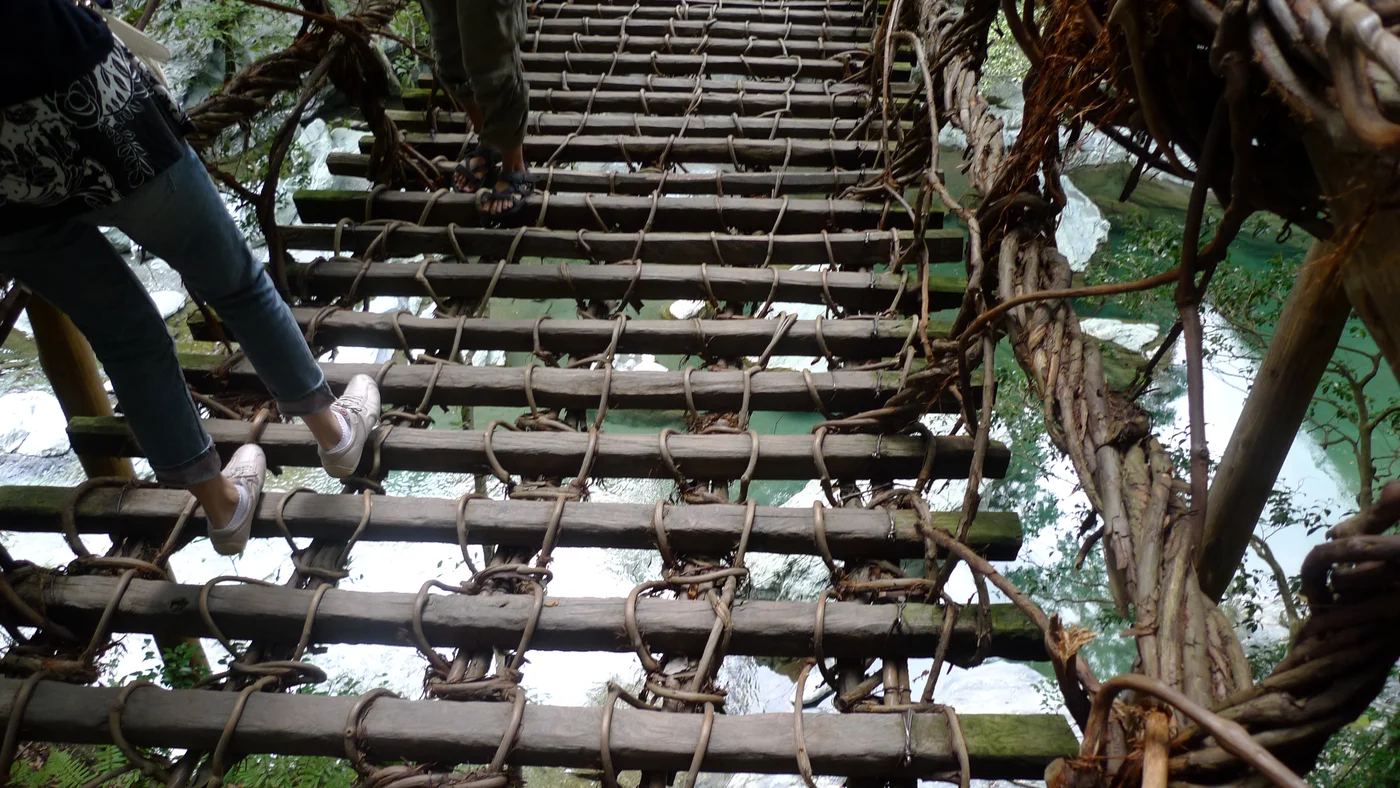
On Day 4, take the inland route from Tokushima to Kochi: ride the Tokushima Line Tsurugisan express or a local train to Awa-Ikeda, then transfer south onto the Dosan Line. If you stop at Oboke, factor in separate transit times to the gorge boat cruise and the Iya vine bridge. Treat the last bus back to Oboke Station as your afternoon cutoff to catch the next limited express to Kochi. If the bus schedule breaks your rail connection, either stay overnight in the Iya Valley or skip the stop and go straight to Kochi; sleeping in Iya pushes your arrival in Kochi to Day 5, leaving time for either the castle town or Katsurahama, not both.
Once in Kochi on Day 5, cover Kochi Castle and the local markets before noon, then budget separate bus fares if you head to Makino Botanical Garden or Katsurahama Beach in the afternoon. If you prefer the Shimanto River over city sights, overnight in Nakamura instead—ride the trunk line from Kochi to Nakamura, then use a rental car, bus, or local tour to reach the river sections you want. Because river viewpoints are spread out from Nakamura Station in Shimanto City, returning to Kochi the same day leaves little time by the water. Staying in Nakamura also means recalculating your Day 6 departure station and transfers toward Matsuyama.
On Day 6, connect from Kochi City to Matsuyama by pairing Dosan and Yosan line departures in advance. An early departure leaves time for Matsuyama Castle before dark; a later train leaves Dogo Onsen for the evening. Wrap up Day 7 around your flight time, paying separately for trams and the airport bus. This 7-day loop makes the most sense if you already have two or three limited express segments plus Kotohira or Tosa Kuroshio Railway rides. If you only walk in Takamatsu, spend one afternoon in Tokushima, and go straight to the airport on your last day, packing the costliest rides into a 3-day pass can save the ¥8,000 pass-tier gap minus whatever point-to-point fares fall outside those three days.
| Trip Segment | Core Rail Line | Schedule Buffer Needed |
|---|---|---|
| Kagawa | Takamatsu plus Kotohira or Marugame | Allow a full day if adding Shodoshima; ferries and island buses cost extra |
| Tokushima to Kochi | Tokushima Line to Dosan Line | Lock in Iya bus and return train connections before stepping off |
| Kochi to Matsuyama | Dosan Line to Yosan Line | Reserve half a day for the long transfer; Matsuyama trams cost extra |
| Final Day | Central Matsuyama to departure | Budget separate time and fare for airport transit |
Lock In Shodoshima and Iya Valley Transfers Before You Commit
For Shodoshima from Takamatsu, write the exact arrival port into your itinerary. Take the Takamatsu–Tonosho ferry for Tonosho, or verify onward island bus connections first if landing at Kusakabe, Ikeda, or Sakate—the ports are not interchangeable hubs. If Kankakei Gorge is your anchor, layer in seasonal island bus schedules, the ropeway, and your return sailing. Passes sold from October exclude ferries, Olive Buses, and the ropeway entirely. On a Takamatsu-plus-Shodoshima trip, putting your transit budget toward ferries and island buses usually goes further, and scheduling Shodoshima before activating a 3-day rail pass keeps rail days open. See the Shodoshima and Kankakei Gorge transit guide for island transfer options.
Planning Iya Valley comes down to post-arrival buses and your train connection back out. Buses from Oboke Station toward the gorge boat cruise and the vine bridge use different stops, and hotel shuttles vary by pickup station. If you have large luggage and a hotel shuttle's booking cutoff closes earlier than train reservations, secure the shuttle first. To cover both West Iya and deeper valley spots in one day, list every bus stop, walking time after getting off, and how long you'd wait if you miss a bus. Staying overnight in the mountains can actually beat buying a 7-day pass just to absorb repeat backtracking—check two car-free days in Oboke and Iya for bus-only itineraries.
Mount Ishizuchi and the coastal Yosan Line are two completely different Ehime day trips. Taking JR to Iyo-Saijo sets up the Mount Ishizuchi climb, provided you match bus and ropeway operating days with your hiking pace. Shimonada runs west from Matsuyama along the coastal line, governed by infrequent local return trains. If an autumn itinerary combines Ishizuchi, Iya Valley, and Kankakei Gorge, build your first spreadsheet around trailheads, last return trains, and current road conditions—and save peak foliage dates for sheet two. Choose which two bases deserve an overnight stay first, and let the rail pass simply bridge station-to-station moves.
Check Station Names, Platforms, and Exits Before Your Transfer Counts as Done
Matsuyama is the easiest city to mix up two stations. Long-distance limited express trains pull into JR Matsuyama Station, while Iyo Railway's Matsuyamashi Station sits downtown—the two are a distinct walk or tram ride apart. Pin your actual arrival station before routing to Dogo Onsen. If your hotel is near Matsuyamashi Station, allow extra time to ride into town from the JR station and drop bags before sightseeing, then remember to set JR Matsuyama Station as your origin the next morning for Shimonada or Iyo-Ozu.
Treat JR Kochi Station's north and south sides as separate transit hubs. Streetcars depart right outside the South Exit, and the MY-Yu sightseeing bus to Makino Botanical Garden and Katsurahama Beach boards near the South Exit tourist plaza. Regular local buses to Katsurahama, however, depart from the North Exit bus terminal. Even though both buses display Katsurahama, they leave from different sides of the station on different timetables. If you take a streetcar to Harimayabashi first and transfer to a bus there, save the exact tram stop and street corner beforehand—especially helpful if anyone in your group walks slowly.
In Kagawa, expect transfer stations like Utazu, Marugame, and Tadotsu to pop up in timetables. Going from Takamatsu to Kochi, take a direct Shimanto limited express whenever the timing fits. If you instead take a connecting train to meet a Nanpu express, let your exact timetable pair determine the transfer station, and watch platform numbers even within the same station. Coming from Okayama or Matsuyama, check the destination boards on your specific car: some northbound Shiokaze and Ishizuchi services run coupled together before splitting for Okayama and Takamatsu. If your group boards separately, confirm the train number and car number before stowing luggage.
Before stepping outside a station for snacks or lunch, check which legs on your itinerary still need seat reservations. On a 10-to-15-minute connection, walk straight to the right platform first. If a leg requires collecting a paper seat ticket from a manned counter, handle it at your previous major station—or leave enough buffer to walk from the platform to the ticket window and back. Travelers needing elevators, wheelchair spaces, or boarding assistance should check JR Shikoku's station layout maps and arrange assistance directly with station staff for their specific train. Rural stations vary widely in platforms, exits, and accessibility equipment, so noting the exact station name and departure time prevents last-minute detours.
How to Price Out Your Route: Compare Identical Trains and Seat Classes
Start a five-column table: date, boarding/alighting stations, train name, non-reserved vs. reserved Ordinary Car, and point-to-point fare. Map out exact trains and transfers with JR Shikoku's timetable first, then pull segment fares. Limited express point-to-point tickets combine a base fare and an express surcharge, and reserved-seat prices can also vary by travel season. Compare a legacy non-reserved pass against the non-reserved fares you would actually pay—adding any mandatory seat supplements—and compare the new pass against the Ordinary Car reserved fares you would have bought anyway.
Take an adult round-trip by limited express between Takamatsu and Matsuyama. JR Shikoku's standard regular-season Ordinary Car reserved fare is ¥6,690 one way, or ¥13,380 round-trip. For travel through March 31, 2027, the e5489 Tokuwari WEB Ticket drops that same route to ¥4,200 each way, or ¥8,400 round-trip. On a simple single-corridor round-trip—assuming discounted seats are available and booked by the day-before sales cutoff—that comes out ¥6,600 cheaper than the new ¥15,000 3-day pass. The same e5489 promo also prices Takamatsu–Kochi at ¥3,500 one way if the departures fit your schedule.
If your trip branches across three directions, circle the consecutive days that capture the biggest rail fares first. The price gap between the 3-day and 7-day passes is ¥8,000 under both the pre-December and post-December pricing. If the extra four days only hold one short JR hop, buy that ticket separately. The 7-day pass only earns back that ¥8,000 spread when those extra days cover major legs like a Kochi–Nakamura round-trip plus your final long-distance express to Matsuyama. Calculate school-age children individually by child rates, and if comparing against a rental car, tally daily rental, parking, fuel, and one-way drop-off fees together.
Put expenses that apply either way—airport buses, Dogo Onsen streetcars, Iya shuttles, and Shodoshima ferries—in a bottom row and total them for both options, since holding a rail pass won't eliminate them. You can also assign a value to convenience, such as paying a bit extra for a direct ride to avoid a 30-minute transfer. Base your final 3-day vs. 7-day call on real destinations and viable train times, leaving optional day trips blank until you see how the timetable actually lines up.
When Schedules Shift, Which Leg Is Easiest to Adjust
The smartest backup to save before you go is the next one or two departures after every key train. Anyone crossing the Dosan or Tokushima lines should note the full transfer station name and one fallback departure. If you are riding the coastal line west from Matsuyama, watch JR Shikoku's service alerts so maintenance closures don't strand your Shimonada plan. Whenever a critical transfer leads to the last local bus or a hotel shuttle, build in generous walking time—especially if you also need to pick up reserved-seat tickets at a manned window that day.
To change the start date on an unactivated paper pass, the October rules require refunding the pass and repurchasing it. An exchanged October-edition paper pass can generally be refunded at the original purchase or exchange office up to one day before its start date, subject to a 10% handling fee; overseas MCOs go through the original issuer, and credit-card purchases face counter restrictions. The December revision keeps the rule allowing refunds on unused passes up to one day before the start date, with fees and eligible counters varying by sales channel. If you're thinking of switching pass editions, weigh the cancellation penalty against the value of included reserved seats.
Once activated, the October terms explicitly state that train delays or cancellations do not extend a pass's validity. If you are visiting only one mountain area or island, push flexible city days toward the end of your trip. When ferry cancellations or bus disruptions strike, stay put in Kochi or Takamatsu that day and re-plan the remaining pass days around the next morning's timetable. And if you have a flight or cross-strait connection on a given day, lock in that hard departure first—and cut a mid-route stop if you have to.
A few useful answers
Is there a 4-day ALL SHIKOKU Rail Pass?
No. Both the 4-day and 5-day passes were discontinued at the end of September 2026, leaving only consecutive 3-day and 7-day passes. On a four-day trip, put the pass across the three consecutive days with your longest rides and buy point-to-point tickets on the fourth day.
If I buy in November and start riding in December, do I get reserved seats?
No. Passes issued through November 30 cover non-reserved seats only, even if you activate or ride them in December. Only passes issued from December 1 onward include Ordinary Car reserved seats on eligible trains, with overseas sales following local purchase dates.
Can Klook or Trip.com QR passes reserve seats?
Yes, for QR passes issued from December 1 onward. You must visit an eligible manned ticket window to collect your reserved-seat tickets before boarding—self-service reserved-seat vending machines and Midori-no-Kenbaiki Plus kiosks do not accept QR passes.
Where does coverage start on the Marine Liner from Okayama to Takamatsu?
With an already active pass, coverage begins at Kojima Station southward; you pay separately for Okayama to Kojima. If you plan to pick up or exchange your paper pass after arriving in Takamatsu, buy a regular ticket all the way to Takamatsu.
Does the pass still cover Dogo Onsen trams or the Shodoshima ferry?
No. Iyo Railway exited the pass on March 7, 2026, so trams to Dogo Onsen are paid separately. Passes sold from October 1, 2026 onward also dropped the Shodoshima ferry and Olive Buses.
What extra tickets do I need for the Iyonada Monogatari?
You must buy separate limited express and Green Car tickets for the sightseeing train, plus reserve onboard meals separately if you want dining service. Pass booking portals do not handle sightseeing train reservations.
Can one pass take me all the way from Tokushima to Kochi via the Muroto coast?
It covers JR lines and standard eligible Asa Coast Railway DMV runs, subject to seat availability on the day of travel. Weekend and holiday DMV departures to Muroto and connecting local route buses must be paid separately.
Official information and references
Sources used in this guide.
- JR Shikoku | Fares, Reserved Seats, and Exchange Locations from Dec 1, 2026
- JR Shikoku | Original Japanese Revision Notice and Kotohira Station Transition
- JR Shikoku | Oct 2026 Pass Lineup, QR Channels, and Shodoshima Coverage Changes
- JR Shikoku | Iyo Railway Withdrawal Notice
- JR Shikoku | Pass Coverage, Pricing, Exchange Counters, and Opening Hours
- JR Shikoku | Oct 2026 Terms of Use and Refunds
- JR Shikoku | Pass FAQ, Kojima Fare Supplements, and Sightseeing Trains
- JR Shikoku | Timetables, Fares, and Train Formations
- JR Shikoku | Station Layouts and Ticket Counter Information
- JR Shikoku | Live Train Service Status
- Tosaden Kotsu | Kochi Station Exits, Katsurahama, and Makino Botanical Garden Bus Stops
- Iyo Railway | Transit Between JR Matsuyama Station, Matsuyamashi Station, and Dogo Onsen
- JR Shikoku | Wheelchair Seating and Boarding Assistance
- JR Shikoku | e5489 One-Way Discounted Reserved-Seat Fares (Takamatsu to Matsuyama & Kochi)
- JR Shikoku & JR-West | Shiokaze and Nanpu Transition to All-Reserved Seating (Spring 2027)
- Asa Coast Railway | DMV Timetables and Transfer Guide
- JR Shikoku | Iyonada Monogatari Schedule, Route, and Seat Availability
- JR Shikoku | Shikoku Mannaka Sennen Monogatari Schedule, Route, and Seat Availability
- JR Shikoku | Shikoku Tosa Toki no Yoake no Monogatari
- JR Shikoku | Tokushima Line Anpanman Car and Reserved-Seat Schedules