Plan three meals and walks around Sendai Station, the morning market, Ichibancho, Jozenji-dori, and the yokocho alleys. Choose between station restaurants, shopping streets, indoor stops on rainy days, and small evening restaurants, with transport options for a half day, a full day, or a two-night stay.
- Region & Focus
- Sendai and Matsushima
- Reading Scope
- 32 min read · 20 chapters · 4 Q&As
- Official Verification
- 22 official sources checkedUpdated October 26, 2026
- Key Topics
- FoodNeighborhoodsItineraries
Chapter Route Map (tap any stop)
- Set aside a full city day, then decide how many places to eat
- Find your bearings with Sendai, Aoba-dori Ichibancho, and Kotodai-koen stations
- On airport arrival day, get into town and drop your bags before dinner near the station
- Sendai Morning Market: check closure dates before breakfast and food shopping
- Choose market purchases separately for eating now, eating later, and taking home
- Gyutan-dori is easy to find: choose your portion before choosing a restaurant
- Sushi-dori and seafood: make either breakfast or dinner the main seafood meal
- Have zunda sweets in the afternoon: eating in and taking out need different plans
- Hapina Nakakecho to Clis Road: shop and snack in the same direction
- Head south in Ichibancho for Sun Mall and two yokocho alleys
- Continue north to Jozenji-dori for trees, streets, and public buildings
- Sendai Mediatheque: check separate hours for the building, exhibitions, and libraries
- Choose a yokocho dinner by seating, ordering rules, and the route home
- Make winter seri hot pot a dinner with time to spare
- With four to five hours, choose the market and shopping streets or Jozenji-dori and architecture
- A full day: the morning market, shopping streets, Mediatheque, and dinner
- Rainy days and limited mobility: shorten outdoor stretches and keep the stops that matter
- Count your rides before buying a city pass
- Fit a two-night stay around meals and shopping
- For hands-on fish cake making, give Kanezaki Sasakamakan half a day
- Quick Q&A
Sendai deserves a full city day: breakfast at the morning market, a walk through the shopping streets to Ichibancho, an afternoon on Jozenji-dori and at Sendai Mediatheque, then beef tongue or a yokocho restaurant for dinner. With only half a day, keep the route between Sendai Station and Ichibancho. Choose the two meals you most want to sit down for, then fit local snacks between them. It is a more comfortable way to explore than crossing back and forth through the station in pursuit of individual shops.
Set aside a full city day, then decide how many places to eat
If Sendai is only a transfer point on a Tohoku trip, you may remember little beyond the station’s beef tongue restaurants and gift counters. Spend the day after arrival in the city, and you can move from a street of food shops into everyday shopping areas, then visit public buildings and evening streets. Give each place the part of the day that suits it: the market in the morning, shopping streets during the day, and the tree-lined avenue and restaurants toward evening. Allow more than a five-minute photo stop at each place.
For a first visit, especially with a Shinkansen departure the next day, starting and ending at Sendai Station keeps things simple. On a two-night stay, eat at the station on arrival night and save the full city day for the market and Ichibancho. With one night, choose one beef tongue meal and one neighborhood walk. If someone does not eat beef, use a sushi restaurant or another restaurant for that meal and follow the same geographic route. Plan around everyone’s food choices so the whole group can sit down together.
Put a reserved dinner and your train out of Sendai on the calendar first, then fit other shops between them. Check the market’s closure calendar before leaving in the morning and the Mediatheque’s events for the afternoon. Let the place where you want to sit down for a meal determine whether you head south or north. Keep one nearby alternative for each meal. Too many backup restaurants can leave you standing at an intersection comparing them.
Plan three meals and walks around Sendai Station, the morning market, Ichibancho, Jozenji-dori, and the yokocho alleys. Choose between station restaurants, shopping streets, indoor stops on rainy days, and small evening restaurants, with transport options for a half day, a full day, or a two-night stay.
Find your bearings with Sendai, Aoba-dori Ichibancho, and Kotodai-koen stations
Mark Sendai Station, Aoba-dori Ichibancho Station, and Kotodai-koen Station on your map first. Sendai Station handles airport and Shinkansen connections. Aoba-dori Ichibancho Station is near the southern part of Ichibancho and the yokocho alleys. Kotodai-koen Station is useful for Jozenji-dori. These three points let you shorten the route whenever you need to: take the subway back when you are tired, or drop purchases at your hotel instead of pushing on through every shopping street.
For an east–west walk through the shopping streets, head from the west side of Sendai Station toward Hapina Nakakecho and Clis Road. At Ichibancho, choose whether to turn south or north. The southern route leads toward Sun Mall Ichibancho and the yokocho alleys; the northern route connects to Ichibancho 4-chome and Jozenji-dori. Follow specific shop names as well as the name Ichibancho. This area consists of several distinct shopping streets, so a shop entrance or intersection makes a clearer meeting point than “the entrance to the shopping street.”
Use Sendai Mediatheque’s official access guide to judge the walking distance: it is about 2 kilometers, or 30 minutes, directly from Sendai Station, and about 450 meters, or 7 minutes, from Kotodai-koen Station’s Park Exit 2. Shopping, stopping in stores, traffic lights, and seated breaks add time to the walk. If you have already spent the morning standing at the market, take the subway to the northern end in the afternoon and browse on the way back.
This official route video shows how to reach the subway from the central Shinkansen gates at Sendai Station.
On airport arrival day, get into town and drop your bags before dinner near the station
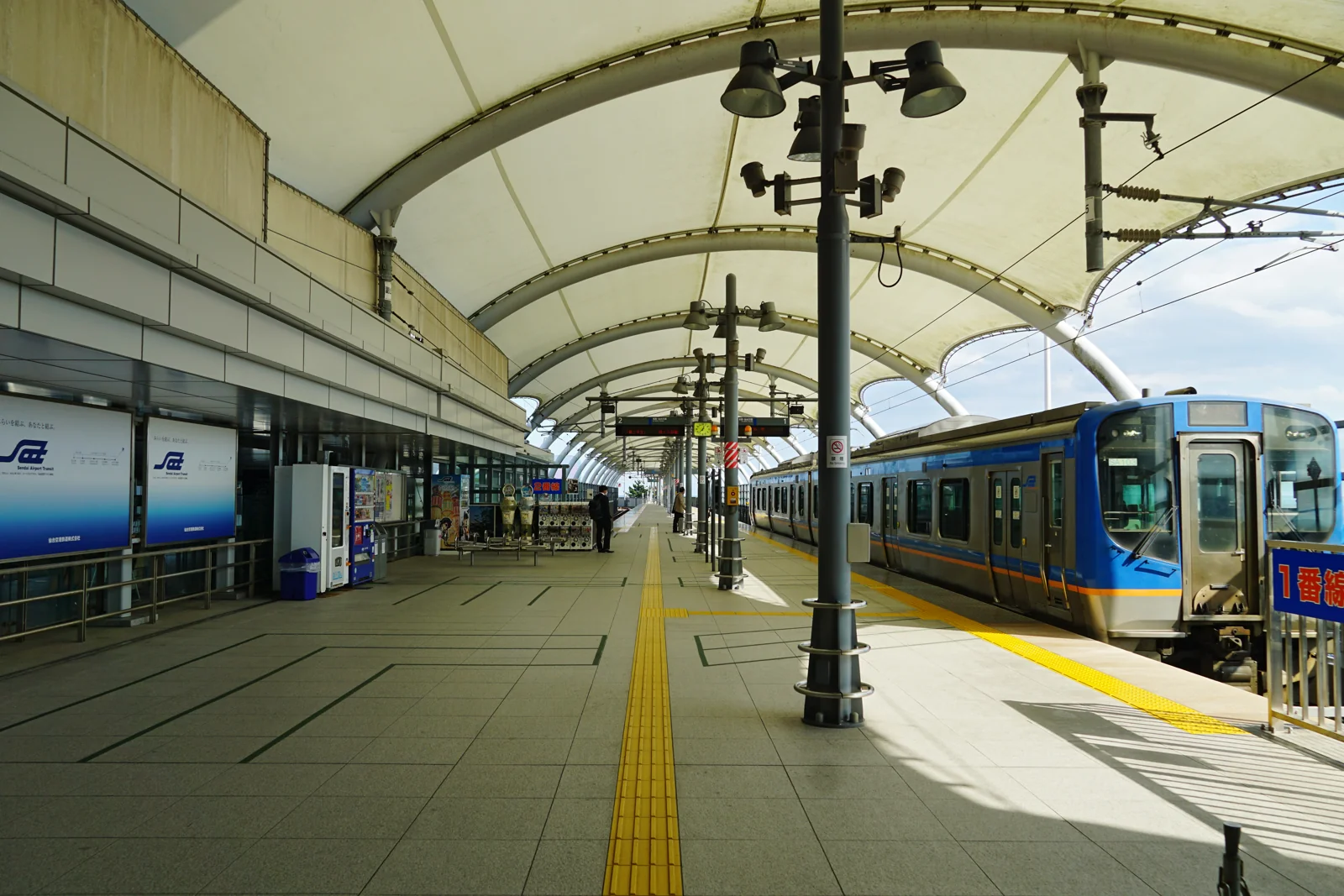
The Sendai Airport Access Line connects the airport with Sendai Station. Miyagi Prefecture’s notice for the March 14, 2026 timetable change states that rapid services became all-stops services. The fastest journey changed from about 17 minutes to about 25 minutes, and the adult one-way fare between Sendai Station and Sendai Airport Station became ¥680. When planning dinner after landing, allow 25 minutes for the train, plus immigration, the wait for a train, and the trip to your hotel. Do not use the old 17-minute journey to squeeze a reservation in soon after landing.
Leave large bags before going up to the third floor to eat. Take them to the hotel first if it offers luggage storage. For a station locker, choose one that fits your bag and lets you retrieve it when needed. Save the hotel entrance on your map and plan the return trip to collect your bags along the same route.
If you reach Sendai in the afternoon or evening, have a full dinner on Gyutan-dori, Sushi-dori, or nearby, then visit the market the next day. Eat before shopping if you are hungry. If it is nearly your usual bedtime, save the zunda sweets for tomorrow. For an early Shinkansen departure, learning the station floors and arranging breakfast on arrival night is more useful the next morning than chasing one more popular shop.
Sendai Morning Market: check closure dates before breakfast and food shopping
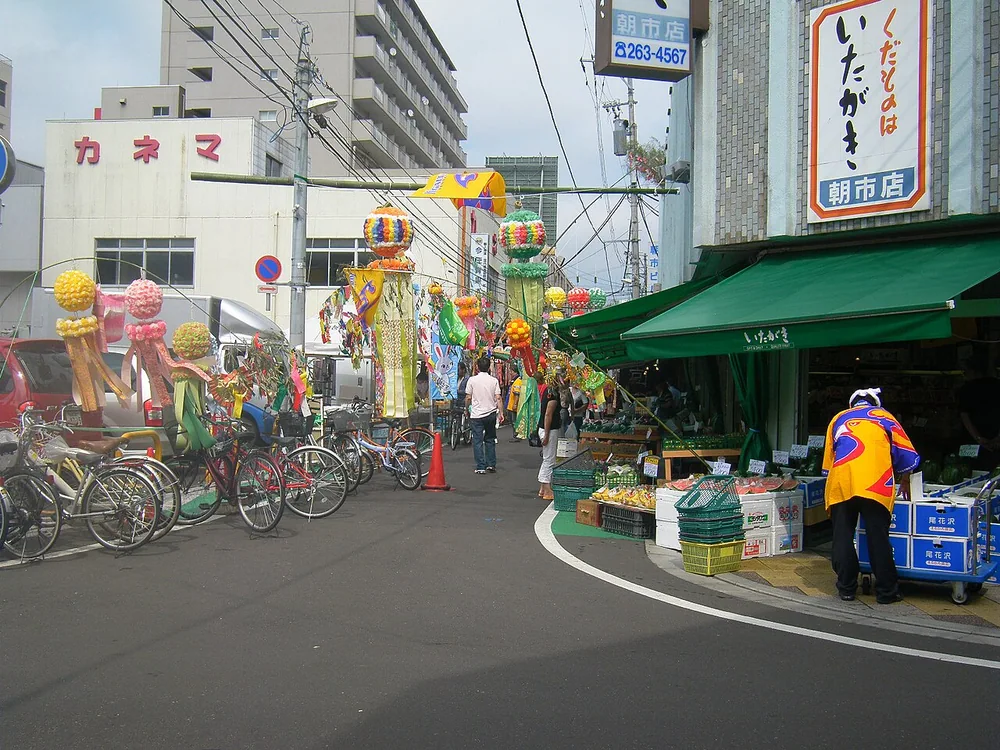
The official Sendai Morning Market shopping street website describes it as a five-minute walk from Sendai Station. Shops sell Miyagi fish, fruit, vegetables, meat, and other foods, and there are places to eat. This is a shopping street made up of separate businesses. Choose your breakfast first, then browse the ingredients. If a seafood meal appeals to you, sit down and eat, then take your time looking at dried foods and seasonal vegetables. You do not need to compare every shop on an empty stomach.
Market closures can change the whole morning. The official November 2026 closing dates are November 1, 3, 8, 15, 22, 23, and 29; some businesses may open independently. If your trip falls on one of those dates, move the main market visit to another weekday morning and eat breakfast near the station that day. Use the closure dates to arrange the order of your trip rather than assuming that every stall opens at dawn each day because of the market’s name.
If you have only a small bag, you can walk into the market after storing it. With large suitcases or young children, arrange luggage storage and breakfast seating first. Separate eating from browsing. Stand in front of the shop while making a purchase instead of stopping in the middle of the walkway to find your wallet. Before paying, separate food to eat that day from purchases to take back to your hotel. That makes snacks easy to reach later and keeps fresh food out of the same bag as clothing.
You do not need both breakfast and lunch at the market. If lunch will be beef tongue, choose a lighter market breakfast or save a full seafood meal for another day. If you enjoy food shopping, use this stop to learn about ingredients: look at dried fish, seaweed, vegetables, and pickles, then decide what you can eat over the next few days and what you can take back to your hotel. Work out how to refrigerate or heat an item before buying it.
Choose market purchases separately for eating now, eating later, and taking home
Food bought in the morning may have to travel with you all afternoon. Divide purchases into three groups: prepared food to eat on the spot, food to eat when you return to the hotel that day, and packaged goods suitable for your trip home. If you want fresh food, visit the market just before returning to your accommodation. For a full day out, choose items that are easier to carry. An insulated bag slows warming; follow the product’s requirements and the shop’s instructions for how long it can be carried.
For food gifts, read the storage instructions, expiration date, package size, and whether portions can be separated. Sauces and pickles may look small but weigh more than cookies. Cheap refrigerated goods can still add cooling requirements and luggage weight. When buying for several people, the actual amount in each portion and whether it stays fully packaged matter more than the number of bags. Buy only what one person can comfortably carry until evening, so the rest of the day does not become a search for somewhere to put your shopping.
Check your destination country’s customs and agricultural quarantine rules by ingredients, processing method, and packaging before packing food for an international flight. Eat foods with unclear ingredients or preparation details during your trip, and pack only clearly labeled items that meet entry rules. Keep ingredient information such as soy, fish, milk, eggs, and wheat with any gifts so recipients can check allergens.
Gyutan-dori is easy to find: choose your portion before choosing a restaurant
Gyutan-dori and Sushi-dori share the same dining area on Sendai Station’s third floor. The official beef tongue restaurant list includes Date no Gyutan Honpo, Aji no Gyutan Kisuke, Gyutan Sumiyaki Rikyu, Gyutan Yakisuke, Tanya Zenjiro, and Gyutan Sendai Beef Iseya. For a recent arrival, a rainy day, or a visit with luggage, having them together makes it easy to compare menus and current lines before choosing.
For a meal budget, compare Tanya Zenjiro’s standard menu on its official website as of October 26, 2026: a regular beef tongue set with three slices cut into six pieces costs ¥2,475 including tax. The premium extra-thick center-cut tongue set (真中たん), with three slices cut into nine pieces, costs ¥4,125. Both list three slices, but the cut and number of pieces differ, and the price difference is ¥1,650. Two regular three-slice sets total ¥4,950. One of each set totals ¥6,600. Drinks are extra, and the menu at your chosen branch gives its prices. Decide on appetite and cut before paying for an upgrade; it is also easier to leave room for dessert.
Beef tongue takes some chewing. With young children, older adults, or anyone who needs easier-to-chew food, look at other main dishes and the way the meat is cut so each person has a suitable meal. Vegetarians should choose a restaurant that meets their dietary needs. Check the ingredients in the beef main dish, soup, and side dishes separately. Menu photos help with portion size; use the restaurant’s ingredient and allergen information for food questions, and ask them all before ordering.
Before joining a beef tongue line ahead of a Shinkansen departure, set a time to leave the restaurant. If the wait is long, choose another restaurant on the same floor or a suitable takeout meal. You still need to collect your bags, pass through the gates, and find the platform. For a first visit to Sendai, I would put the first beef tongue dinner on an evening without a train to catch, then use a familiar location for the departure-day meal so you can concentrate on eating.
For a different order, Aji no Gyutan Kisuke’s JR Sendai Station branch lists a grilled beef tongue set with three slices cut into six pieces for ¥2,596 including tax on its branch menu as of October 26, 2026. Choose one seasoning: salt, sauce, or miso. The Sendai-exclusive Special Set costs ¥2,882. It has a smaller charcoal-grilled tongue portion of two slices cut into four pieces, plus beef tongue stew, a meatball, and sausage, with sides including barley rice and oxtail soup. Choose the regular set for more charcoal-grilled tongue, or the Special Set to try several preparations in one meal. The extra ¥286 buys a wider range of dishes.
Kisuke’s JR Sendai Station branch is on third-floor Gyutan-dori. It opens from 10:00 to 21:30, with last orders at 21:00. It takes no reservations and seats customers in arrival order. It works for a full morning meal before shopping. If your morning is already set aside for the market, have beef tongue at lunch or dinner instead.
Sushi-dori and seafood: make either breakfast or dinner the main seafood meal
After a seafood breakfast at the market, you could have beef tongue for dinner. If you only browsed ingredients in the morning, save your seafood meal for third-floor Sushi-dori at Sendai Station. The official Sushi-dori restaurant list includes Sushi Sanriku-mae, Sushidokoro Koya, Kesennuma Asahizushi, and Senreizushi. Look at set menus and ordering by the piece, suitable seating, and the fish you want to eat that day before deciding whether to wait. These details are more useful for your dinner than someone else’s fixed ranking.
Solo travelers can prioritize counter seats or the seating offered on arrival; groups should first ask whether they can sit together. Allow a full dinner slot if you want to linger or have drinks. For a light meal, check the smallest order the restaurant offers. Read the pricing unit carefully: one piece, two pieces, an assortment, or a full serving. The quantity and total change with it, so this matters when adding up the bill before ordering.
If someone avoids raw food, look for cooked options before making a reservation or joining the line, and tell the restaurant directly. For dietary needs involving fish, crustaceans, or other ingredients, name the specific items when ordering. Avoid waiting until an assorted sushi plate arrives and then swapping each piece. Sort out both what everyone wants and what they cannot eat so the seafood dinner becomes a meal with time to talk, rather than another specialty to cross off a list.
Have zunda sweets in the afternoon: eating in and taking out need different plans
Zunda is a sweet paste made from edamame. Popular ways to try it include zunda mochi and zunda shakes. Third-floor Zunda Komichi at Sendai Station brings together Kikusuian Zunda Chaya and Zunda Saryo’s Zunda Komichi branch. The official area hours are 9:00–21:00, while Zunda Saryo’s cafe service runs from 10:00 to 18:30. Plan an afternoon seated stop within the cafe hours. In the evening, plan on takeout or buying packaged products.
For a small sweet, look at Kikufuku filled mochi or gelato at Kikusuian Zunda Chaya. For a zunda shake or zunda mochi, go to Zunda Saryo. Choose one if you had a large lunch. If you have a train to catch later, sit down and finish your sweet during cafe hours before collecting your bags.
Edamame is soy, and you should also read the milk and other ingredient information for the shake you order that day. For a gift, check whether the product keeps at room temperature or needs refrigeration or freezing, and how to store it before the journey home. If you still plan to shop in Ichibancho, eat at the station first and buy gifts on your way back. Without a drink in your hand, it is easier to enter stores, try on clothes, and use the subway. A seated break is also more useful than rushing to finish a shake before reaching the platform.
Hapina Nakakecho to Clis Road: shop and snack in the same direction
Enter Hapina Nakakecho from the west side of Sendai Station and follow the shopping streets toward Clis Road. The city’s central shopping street directory lists Nakakecho, Clis Road, Marble Road Omachi, Sun Mall Ichibancho, Vlandome Ichibancho, and Ichibancho 4-chome as separate shopping streets. Save each shop’s name together with its street section on your map. That avoids reaching Ichibancho only to double back toward the station for a shop you meant to visit.
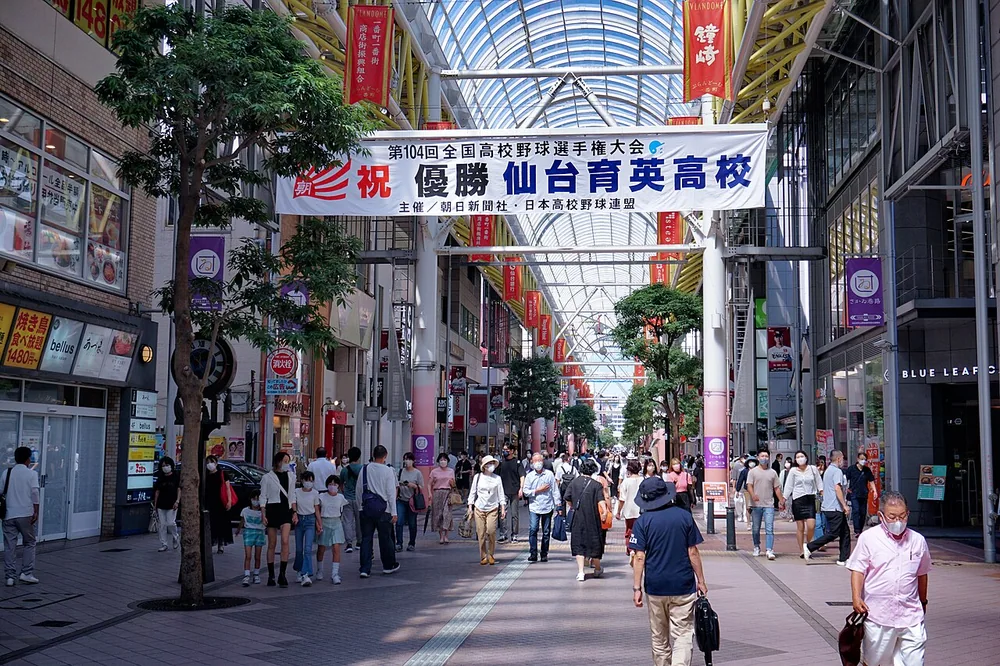
If shopping is the priority, find items that need the right size or color in the morning, then buy food before returning to your hotel. If eating is the priority, mark restaurants and rest stops first and keep only a few stores along the way. People with different shopping interests can split up briefly and meet again at a fixed landmark instead of making the whole group wait outside every shop. Write the meeting time in the phone’s local time and agree on where to stay if you cannot contact each other.
For a food activity along the shopping route, visit Abe Kamaboko’s main store at 2-3-18 Chuo to grill a plain sasa-kamaboko fish cake yourself. The operator’s activity listing on Sendai’s official tourism website says registration is on the first floor, with no reservations. Start times are between 10:00 and 16:00. The activity takes about 10–20 minutes and costs ¥400 including tax per fish cake. It ends when the day’s supplies run out. Fit it into the middle of a daytime shopping walk: check availability on arrival, grill and eat your fish cake there, then continue to Ichibancho. If this activity is your main goal, arrive earlier and save the evening zunda sweet for your return to the station.
Head south in Ichibancho for Sun Mall and two yokocho alleys
From Ichibancho, head toward Sun Mall Ichibancho for a walk through smaller streets and alleys. Iroha Yokocho and Bunka Yokocho are on this side. The Miyagi Tourism Federation’s guide places Iroha Yokocho in two lanes south of Bunka Yokocho, near Minamimachi-dori. Search the full Japanese name, “壱弐参横丁,” to find the correct entrance more easily than with a transliterated name alone.
During the day, make this a short neighborhood walk to see the lanes and storefronts before afternoon coffee or shopping. To eat at one of the small restaurants, keep the evening in this area. Each business serves food at different times. Choose a restaurant first, then plan dinner around its hours.
On a half-day visit, eat near Sun Mall and the yokocho alleys, then take the subway from Aoba-dori Ichibancho Station back to Sendai Station instead of retracing the shopping route. If you also want Jozenji-dori in the afternoon, have lunch in the southern area first, then walk north along Ichibancho. With an evening yokocho reservation, reverse that order: see the northern buildings during the day, then return south toward evening. Put the reserved meal at the end of the route to avoid an extra return trip and save your energy for the shops you want to see.
Continue north to Jozenji-dori for trees, streets, and public buildings
After a morning of stops around the market and shopping streets, head along Ichibancho toward Jozenji-dori in the afternoon, with Sendai Mediatheque as the main stop. Choose this combination if you want to see the city’s scale, street trees, and public spaces. It takes you away from shop counters and menus and back to the street itself. After seeing the building, decide whether to take the subway straight back to the station or return to Ichibancho for dinner.
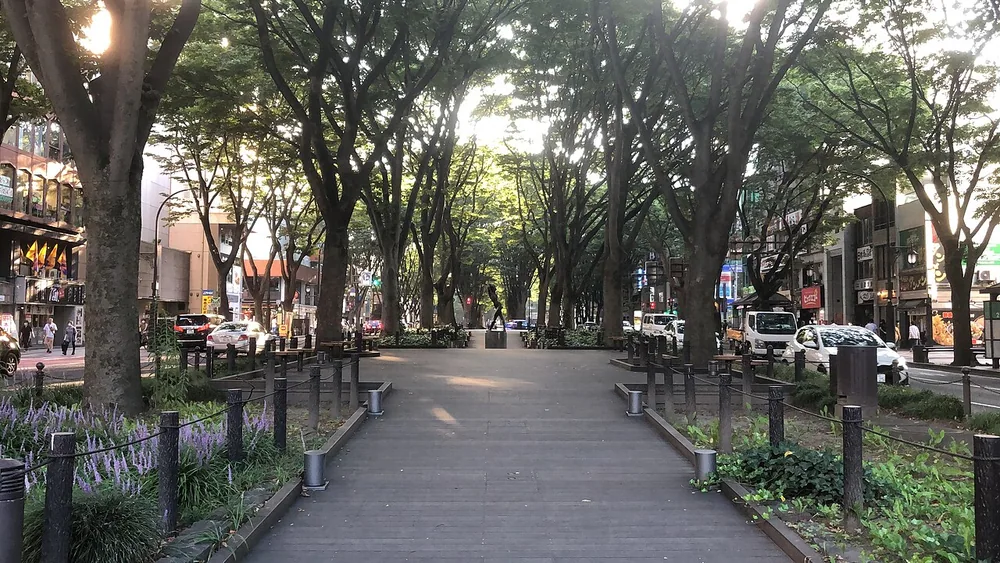
You do not need another full shopping list for Jozenji-dori. If you have the energy, walk slowly toward the Mediatheque and choose a suitable rest stop along the way. If it is cold or someone is tired, approach from Kotodai-koen Station to shorten the outdoor distance. Alternating walking with transit leaves more time for the visit, instead of reaching the entrance and immediately worrying about dinner and the trip back.
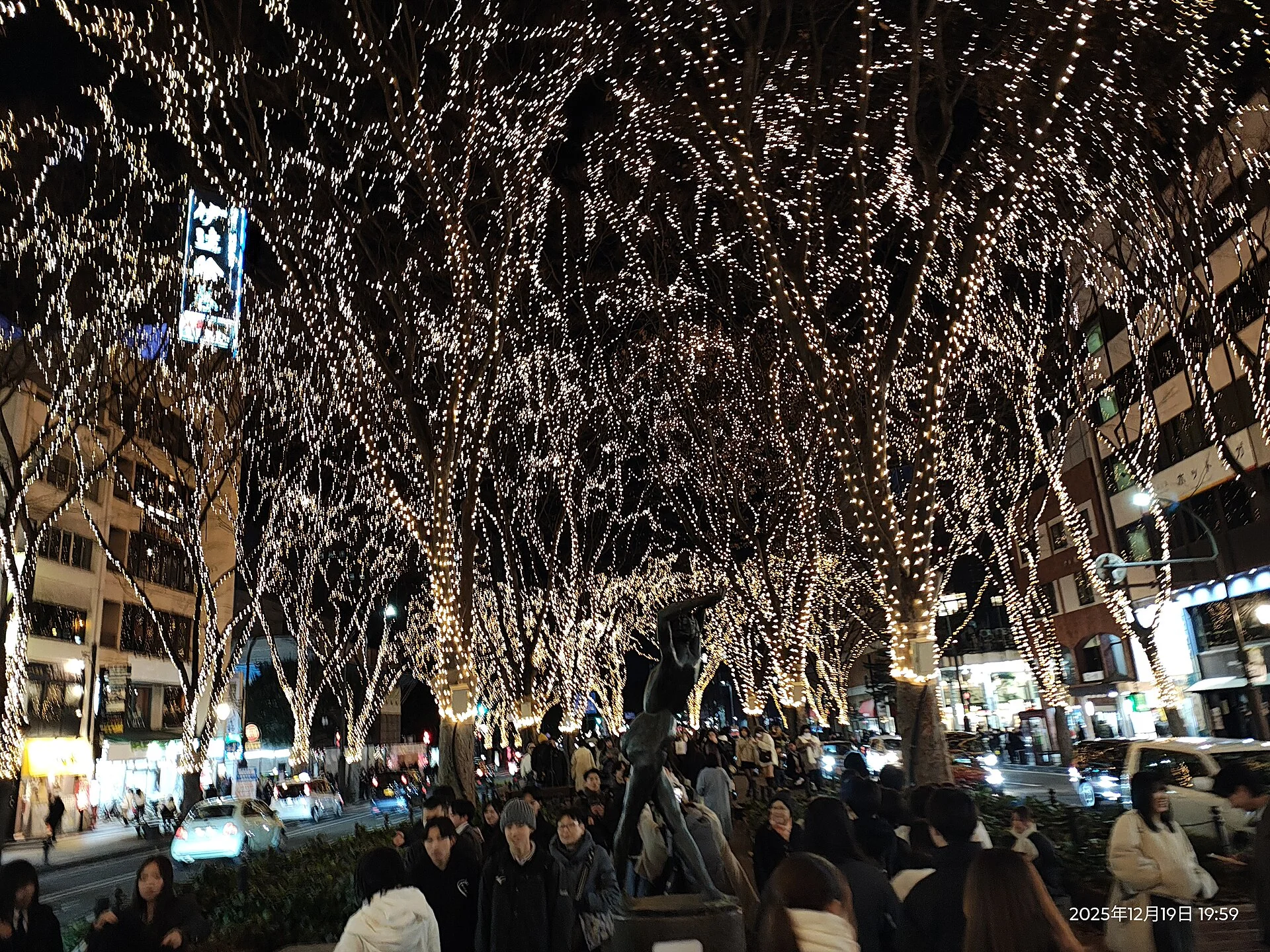
The tree-lined avenue changes with the seasons. In spring and summer, allow daylight for a walk; in fall and winter, adjust to the light and temperature. For illuminations or a music festival, plan your visit around that year’s official program and choose accommodation and dinner near the event. On an ordinary day, the street and buildings can be the whole visit.
Sendai Mediatheque: check separate hours for the building, exhibitions, and libraries
Sendai Mediatheque combines cultural events, exhibitions, and libraries. Its architectural information describes 13 steel tube structures and a different floor layout on each level. The building was designed by Toyo Ito & Associates, Architects. On a first visit, look at the exterior and how the entrance and public spaces connect to the street, then let that day’s exhibitions determine whether you go upstairs. About an hour gives you a fuller architectural visit than a quick photograph of the glass facade.
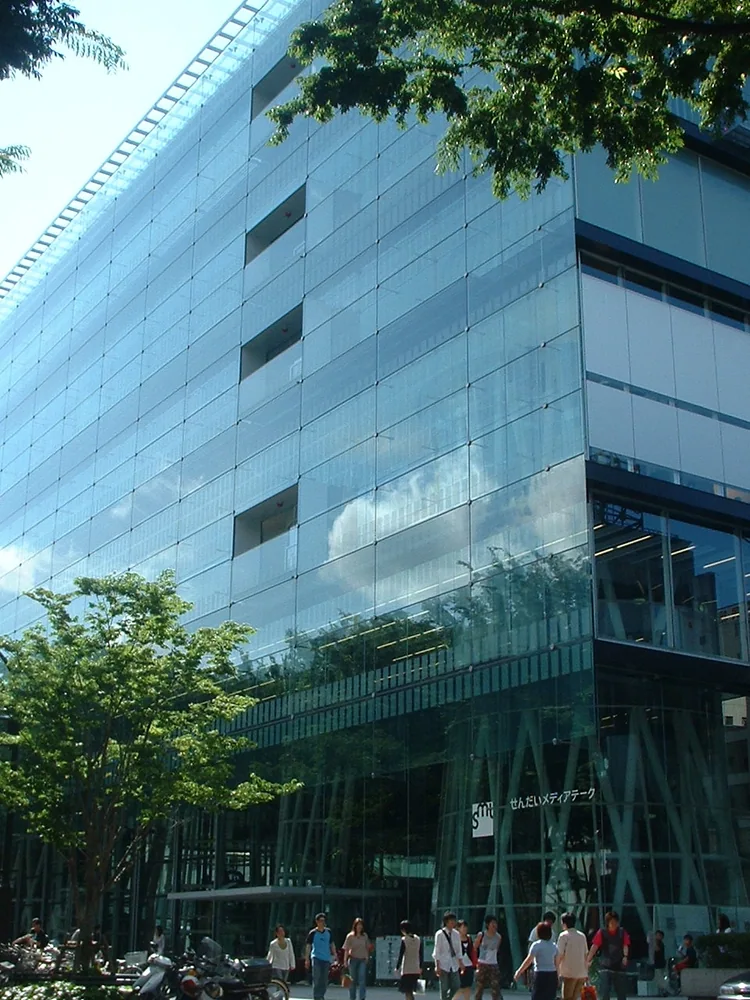
The official visitor information lists building hours of 9:00–22:00. The City Library and the Audio-Visual Library open from 9:30 to 20:00, closing at 18:00 on weekends and holidays. The whole building closes for maintenance on the fourth Thursday of each month from January through November, and from December 29 through January 3. The libraries have additional closures on Mondays, with holiday exceptions, the day after public holidays, and special inventory periods; the annual calendar gives the dates. If you want to read or use a specific floor, follow that service’s hours. For an architectural visit, choose a day when the building is open.
This is also a place to slow down on a rainy day. First check the official events calendar and the exhibitions open that day, then decide how long to stay. Public spaces, library reading areas, and exhibitions have different uses, and photography follows the rules posted on-site. Keep quiet around people working or reading, and save discussions and luggage sorting for suitable areas. If the whole building is closed, use station restaurants and shopping streets for your rainy-day plan instead of arriving and having to find somewhere else.
Choose a yokocho dinner by seating, ordering rules, and the route home
The yokocho alleys suit an evening at a small place to eat and drink. Read the menu and group-size limits at the door before asking for seats. If a group would need to sit apart, check whether everyone agrees. For a meal with conversation, choose somewhere comfortable instead of waiting until everyone is hungry just to eat in a yokocho. Seeing the lanes and entrances during the day also makes the storefronts easier to recognize when you return at night.
Divide your total budget into food, drinks, and possible seating charges. On arrival, ask about otoshi, the small appetizer that may carry a charge, as well as cover charges, minimum orders, and set-menu requirements. Ask that restaurant directly rather than applying another place’s rules. If your Japanese is limited, write the group size, whether you will drink alcohol, ingredients you cannot eat, and a rough budget on your phone in advance. Showing it to staff is quicker than trying to explain each point with gestures after entering.
Solo travelers can prioritize small places where they understand the menu and how to enter. If you do not drink alcohol, first check whether the food will make a suitable dinner. With children, check the seats, menu, and whether people will be smoking nearby, or return to the station dining area you already know. End the food day with a meal that suits everyone; a late-night second stop can be left out.
Check the route to your accommodation before leaving. For a hotel near the station, walk or take transit according to your energy and the weather. For a hotel along the subway, check both the last train and the walk from the destination station. If you will take a taxi, use an official pickup location and have the hotel’s Japanese address ready. Check the direction while still in the restaurant so you spend less time stopped at intersections with your phone out at night.
Make winter seri hot pot a dinner with time to spare
Miyagi’s seri nabe is known for Japanese parsley cooked with its roots, and suits a longer dinner on a cold evening. The Natori City Tourism and Products Association distinguishes root-bearing seri shipped from September through March from leaf seri shipped from April through June. Sendai’s tourism food guide lists seri nabe as a winter dish. For the flavor of the roots, choose a restaurant serving it in season, then decide with your companions whether hot pot will be the main meal that night.
Hot pot needs more planning for group size and portions than individual small dishes. When reserving or taking your seats, ask how many people a pot serves, whether a two-serving minimum applies, what the broth and meat contain, and which starches can be added at the end. If someone cannot eat a type of meat or fish, ask about the whole broth and its ingredients. If dietary needs differ substantially, choose a restaurant where each person can order a separate main dish.
Do not put both a large beef tongue set and a full seri hot pot course on the same evening. With two nights, have beef tongue on the first and hot pot on the second. With one night, choose the one you most want and leave the other for another visit. In rain or cold weather, reserve near the neighborhood where you will spend the day to avoid crossing the city before dinner. Having time to return to your room and rest also helps you continue traveling the next day.
With four to five hours, choose the market and shopping streets or Jozenji-dori and architecture
For a morning arrival and afternoon departure, store your bags, have breakfast at the market, walk one stretch of shopping street, then return for your luggage. Set the time to be back at the station before deciding how far to go. If you have already eaten breakfast, go straight to the shopping streets and have the final meal in the station. Stop at shops that interest you along the way and leave Jozenji-dori for another time.
For an afternoon arrival with an evening train, choose a station meal and an Ichibancho walk, or take the subway to Kotodai-koen for Jozenji-dori and the Mediatheque, then return. Choose the first for local food or the second for architecture. The four to five hours must cover meals, walking, and storing and collecting bags. Using only map travel times makes each part too rushed.
If your companions are not interested in shopping, shorten the shopping-street visit and give yourselves time for a proper meal. If everyone wants to shop, eat dinner in a familiar place after returning to the station. A short visit keeps everything close together and works without a multiday pass. Before leaving, check tickets, bags, and the number of gift bags. Make the final leg a return to the station, without doubling back for one more saved shop.
A full day: the morning market, shopping streets, Mediatheque, and dinner
This example assumes a stay near Sendai Station and no journey to another prefecture that day. Start with breakfast and ingredient browsing at the morning market. Drop purchases at your accommodation, then browse from Nakakecho toward Clis Road. Have lunch near the shopping streets, continue to Ichibancho in the afternoon, and decide whether to go on to Jozenji-dori and the Mediatheque according to the weather and your energy. Choose dinner in advance: an Ichibancho yokocho restaurant or beef tongue back at the station. Pick one direction.
If lunch runs late, move the afternoon zunda sweet to another day. If you buy refrigerated food at the market, take it back to your room first and start the shopping streets later. These changes alter the length of stops without requiring a whole new route. With children, put a midday rest between neighborhood stops. For an exhibition visit, allow more time at the Mediatheque and use only the shopping-street sections needed to connect the route.
Walking during the day and taking the subway back to the station in the afternoon or after dinner is usually enough. If you know before leaving that walking will be difficult, reverse the plan: take the subway near Kotodai-koen for the architecture first, then walk slowly back through Ichibancho toward the station, with lunch and coffee along the way. Save the market for the next morning. Adjust the order to restaurant opening times and your energy instead of expecting everyone to walk from morning to night.
Keep this day separate from Matsushima, Yamadera, or a hot spring day. A city day gives you time for laundry, supplies, and reorganizing bags, and lets companions choose their own shops. After several early starts and transfers around Tohoku, have a later breakfast in Sendai, cut one shopping section, and keep time for a relaxed dinner. Staying in one city gives the schedule some room.
Rainy days and limited mobility: shorten outdoor stretches and keep the stops that matter
In light rain, spend most of the day eating in the station, shopping, and visiting the Mediatheque, with subway rides to shorten the outdoor connections. In heavy rain, strong wind, or disrupted transport, stay near your accommodation for meals and shopping. Being able to get back to your room takes priority over following the route drawn on the map. Umbrellas, wet clothes, and shopping bags all occupy your hands. A seated stop to sort things out is more comfortable than moving from shop to shop without a break.
With a stroller, wheelchair, or walking aid, choose elevator routes and restaurants with seating first, then connect the neighborhoods. Exits at the same station can have different distances at street level and different stair access. Save the transport bureau’s station layout together with the destination entrance. If you need a detour to another exit, cut a later shop rather than treating the original walking estimate as a fixed target.
If someone needs meals, medicine, or rest at set times, put those times in the main itinerary. Meet in a familiar dining area while other people shop separately for a short time, giving caregivers a break too. On a multigenerational trip, sharing two good meals is often easier than visiting every shop together. Meet again to check the bags before the journey back and finish the city day calmly.
Count your rides before buying a city pass
If you will walk from Sendai Station to Ichibancho and take only one subway ride back, pay the actual single fare. The subway day pass covers the Namboku and Tozai lines; its value depends on the rides you will actually take. The airport line and Shinkansen are separate. Write the number of planned rides beside your itinerary and compare the total fares, instead of automatically choosing the pass with the most features because you are traveling.
Compare the Loople circular bus for a separate day of historic sights such as the Sendai Castle ruins. After the Sendai City Transportation Bureau’s October 1, 2026 fare change, an adult single ride costs ¥300, a Loople day pass ¥700, and a combined Loople and subway day pass ¥1,000. Two adult rides cost ¥600 and three cost ¥900, so the day pass saves ¥200 at three rides. Compare the combined pass’s extra ¥300 with the subway fares you will actually pay that day.
Do not add a distant attraction to a city food day simply to get value from a pass. If you have walked enough, the only transport cost may be the ride back to your accommodation. If the weather makes the whole group need more rides, choose the route with easier transit. Set the restaurants, breaks, and return trip first, then buy the ticket that fits.
Fit a two-night stay around meals and shopping
The Sendai Station area suits a late arrival, early departure, or onward rail trip. The west side connects easily to the market and shopping streets. On the east side, check the hotel entrance and connections through the station. Staying near Ichibancho or Kotodai-koen puts dinner and Jozenji-dori closer, but adds a trip to Sendai Station on airport or Shinkansen days. First choose the end of the route you will use most often, then compare room types and total prices.
For two nights, have beef tongue on arrival night, visit the market and neighborhoods the next day, then choose seafood or winter hot pot on the second evening. If hotel breakfast is included, use the market for ingredient browsing or brunch so you do not crowd in two full breakfasts. If a leisurely market breakfast is the goal, choose a suitable room rate without breakfast. Plan meals when booking the hotel so a paid breakfast is not abandoned in a rush to reach the market.
The night before departure, pack food gifts that keep at room temperature and leave refrigerated items or same-day purchases until your return to the station. Choose breakfast somewhere that does not require crossing the whole city center, collect your bags, then head to the platform. If you want beef tongue for the last meal, choose a later train that leaves enough time to eat. For an early flight or Shinkansen, return to a simple breakfast in an easy-to-find location.
For hands-on fish cake making, give Kanezaki Sasakamakan half a day
Abe’s main store in the city center works for a quick stop to grill your own fish cake. To knead the fish paste, shape it in a mold, and bake it, choose the hands-on class at Kanezaki Sasakamakan in Tsurushiromachi (鶴代町), Wakabayashi Ward. The current class takes about 45 minutes and costs ¥1,300 per person including tax. Advance reservations are required, with sessions at 10:30, 12:00, 13:30, 15:00, and 16:30. Check in at the Information counter in the first-floor cafe area 20 minutes before the start. For the 13:30 session, set 13:10 as your arrival and check-in time, with a city-center meal in the morning before leaving.
The class accepts only elementary school students and older participants. Eligibility follows school grade, with the school year changing on April 1. Nonparticipants, including infants and young children, must remain outside the classroom. Children cannot be brought in by stroller or baby carrier. Families with children not yet in elementary school need another adult to stay outside the classroom with them, or can choose a short city-center activity for everyone. The class page links to Coubic and Jalan for reservations. Jalan requires membership and advance payment.
For public transport, take the Tozai subway line to Arai Station and connect to a city bus. From bus stop 1 at Arai Station, take route 16, “Tsurumaki Loop” (鶴巻循環), or route 18 toward “Okada / Shinhama” (岡田・新浜). Get off at “Oroshimachi-higashi 5-chome-kita” (卸町東五丁目北); the building is directly in front of the stop. The operator describes the public transport journey from Sendai Station as about 40 minutes. Plan the outward and return buses from that day’s timetable. On a two-night stay, reserve half of the second day for this visit and return to the city center for beef tongue afterward. With only four or five hours in Sendai, use Abe’s grill-your-own fish cake activity on the shopping-street route instead.
A few useful answers
Do I need a Loople pass for one day in central Sendai?
For the morning market, Ichibancho, and Jozenji-dori, combine walking with the subway. Compare Loople tickets by the number of rides for a separate day visiting sights such as the Sendai Castle ruins.
Can I plan my main market breakfast for a Sunday?
Use the official calendar first. The November 2026 closure notice includes every Sunday, plus November 3 and 23. Some shops open independently. It is easier to plan the main market visit on an official opening day.
Can I fit both the morning market and the Mediatheque into half a day?
If you also need to store and collect bags and have a full meal, choose the market with the shopping streets, or Jozenji-dori with the Mediatheque. Save the other pair for a full city day.
Is the fastest train from Sendai Airport to Sendai Station still 17 minutes?
After the March 14, 2026 timetable change, the fastest journey is about 25 minutes and the adult one-way fare is ¥680. Add time for immigration, waiting for the train, and walking.
Official information and references
Sources used in this guide.
- Sendai Morning Market shopping street | Market and access
- Sendai Morning Market | October and November 2026 closure notice
- LiViT | Gyutan-dori, Sushi-dori, and restaurant list
- LiViT | Sushi-dori restaurants
- LiViT | Zunda Komichi shops and hours
- Sendai City | Central shopping street directory and location map
- Hapina Nakakecho shopping street | Official neighborhood map
- Miyagi Tourism Federation | Iroha Yokocho
- Sendai Mediatheque | Visiting, access, and service hours
- Sendai Mediatheque | Building structure and design
- Sendai Mediatheque | Events and visitor information
- Sendai Tourism | Local specialties
- Natori City Tourism and Products Association | Seri nabe and the root-seri season
- Miyagi Prefecture | 2026 airport railway timetable and fare changes
- Sendai City Transportation Bureau | Ticket types and coverage
- Sendai City Transportation Bureau | October 2026 fare change Q&A
- Reference customs example (Taipei Customs) | Agricultural, livestock, aquatic products, and food in travelers’ baggage
- Sendai Tourism | Grill-your-own fish cake activity at Abe Kamaboko’s main store, listed by the operator
- Tanya Zenjiro | Standard beef tongue menu, cuts, and portion counts
- Aji no Gyutan Kisuke | JR Sendai Station branch menu and seating policy
- Kanezaki Sasakamakan | Hands-on class, school-age eligibility, check-in, and reservations
- Kanezaki Sasakamakan | Bus connections from Arai Station and access