Current Tennoji Zoo ticket prices, opening hours, and closures, plus stroller-friendly routes from both gates covering polar bears, Friendship Garden, lunch, and nearby Shinsekai, Tsutenkaku, or Tennoji Station.
- Region & Focus
- Osaka
- Reading Scope
- 21 min read · 9 chapters · 5 Q&As
- Official Verification
- 28 official sources checkedUpdated November 22, 2026
- Key Topics
- First tripItinerariesTravel budget
Chapter Route Map (tap any stop)
- 9:30 AM Opening and Exhibit Cutoffs After 3:00 PM
- Gate Tickets vs. Buying Online
- Best Stations and Stroller-Friendly Ticket Gates
- Polar Bear Coast: Above-Water, Underwater, Penguins, and Sea Lions
- Choosing Between Friendship Garden and the Savanna
- Strollers, Nursing Rooms, and Park Lunch Options
- Three Ways to Pace It: 90 Minutes, Half-Day, or Afternoon
- Shinsekai Lunch, Tsutenkaku, and Reciprocal Discounts
- Tennoji Dining, Rainy-Day Pivots, and Where to Stay
- Quick Q&A
Tennoji Zoo usually opens at 9:30 AM, with adult admission at ¥800 and preschoolers entering free. If your kids are set on seeing the polar bears and penguins first, enter through Shinsekai Gate for direct access to the Polar Bear Coast habitat that opened in 2026. If you prefer Friendship Garden or are arriving from JR Tennoji Station, start at Tenshiba Gate and exit via Shinsekai Gate for lunch. Bringing a stroller means picking the right station ticket gate up front, and joining the guinea pig observation requires carving out an afternoon check-in slot.
9:30 AM Opening and Exhibit Cutoffs After 3:00 PM
Tennoji Zoo sits inside Tennoji Park, operating since 1915 with Shinsekai on one side and Tennoji Station and Abeno on the other. When visiting with kids, lunch sets your first real deadline. Starting at 9:30 AM gives you a solid morning block for the marine mammal zone plus one more stop—either the savanna, the reptile house, or Friendship Garden. If lunch in Shinsekai is the plan, put the marine mammals near that exit at the end of your loop. Families who only care about polar bears and penguins can enter via Shinsekai Gate in the morning and skip crossing the entire park.
Regular hours run until 5:00 PM, with last admission at 4:00 PM. The zoo's official website warns that some animals may no longer be visible after 3:00 PM, and its animal guide lists viewing cutoff times by exhibit. On the standard schedule, polar bears, hippos, rhinos, and lions are listed under the 4:00 PM cutoff, while Humboldt penguins and California sea lions run until 4:30 PM. Families stepping off the train at Tennoji Station at 3:00 PM should walk straight to their top-priority zone on the park map first and catch other habitats on the way back. Never leave timed-cutoff exhibits for last just because the front gates are still open.
The zoo is typically closed on Mondays, shifting to the next day when Monday falls on a Japanese national holiday or substitute holiday. Year-end closures normally run from December 29 through January 1, though New Year's Day can be designated a special opening day. The current FY2026–2027 calendar (April 2026 through March 2027) color-codes closed days, special openings, and extended hours. For example, on Monday, November 23, 2026 (Labor Thanksgiving Day), the zoo stays open and moves its closure to Tuesday, November 24. The nearby Osaka City Museum of Fine Arts also closes its special exhibition on Tuesday the 24th that week, so you can pair both on Monday and save Tuesday for other stops.
For the 2026–2027 New Year's week, the zoo's calendar lists closures from December 28 through 31, 2026, a special opening on January 1, 2027, and a regular Monday closure on January 4. It opens on Monday, January 11 (Coming of Age Day) and closes Tuesday, January 12 instead; similarly, it opens on Monday, March 22, 2027 (Vernal Equinox observed) and closes Tuesday, March 23. If you're staying in Osaka for three or four nights over New Year's, pencil the zoo in for an open day from January 1 onward and spend late December strolling Shinsekai or visiting attractions that stay open.
Light showers and storm closures call for different backup plans. In a brief drizzle, trim outdoor walking and duck into IFAR, the Reptile Ecology House, during the heaviest downpour. If strong winds and heavy rain last all morning—or if a storm warning shuts the zoo—head straight from Tennoji Station into the station-area malls for lunch. Families visiting from another city can swap the zoo to a drier Osaka day rather than wasting a cross-town trip. When checking updates on your phone, use the annual calendar for regular open days, and check the homepage news feed for sudden weather closures or single-building renovations.
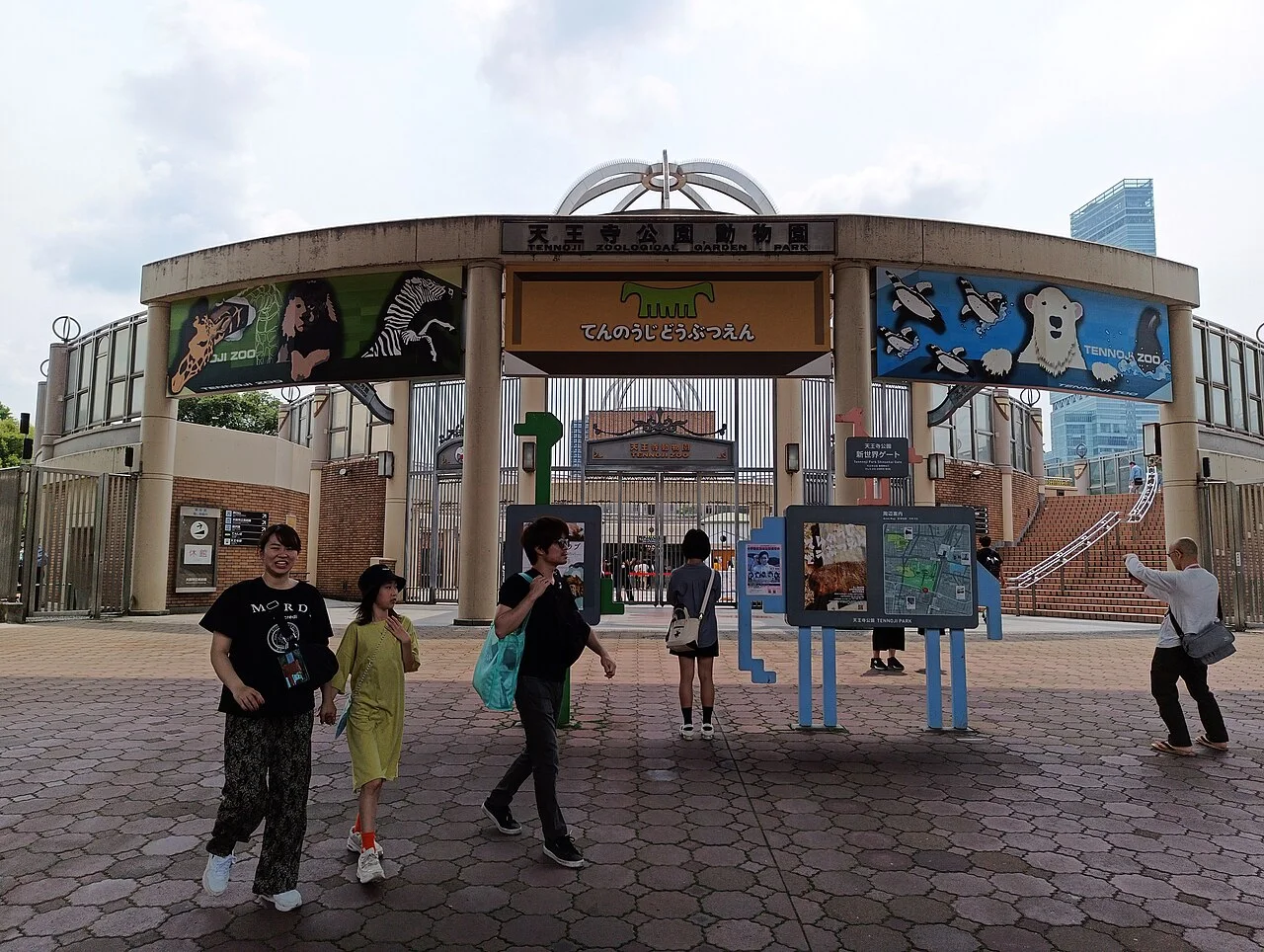
Current Tennoji Zoo ticket prices, opening hours, and closures, plus stroller-friendly routes from both gates covering polar bears, Friendship Garden, lunch, and nearby Shinsekai, Tsutenkaku, or Tennoji Station.
Gate Tickets vs. Buying Online
Starting July 2026, standard admission is ¥800 for adults, ¥200 for elementary and junior high students from outside Osaka City, and free for preschoolers. Two adults with one elementary schooler and one preschooler pay ¥1,800 total. Donation tickets are also available at ¥1,000 for adults and ¥400 for out-of-city elementary and junior high students. Elementary and junior high students who live or attend school in Osaka City—or attend Osaka municipal schools—enter free upon showing original proof of eligibility. Osaka City residents aged 65 and older also enter free by presenting original ID confirming both address and age.
Paper tickets are sold at both Shinsekai Gate and Tenshiba Gate. On weekends or long holidays—especially if you're rushing to catch a first-come, first-served Friendship Garden session—buying e-tickets ahead saves a stop at the booth. General e-tickets are valid for one month from purchase and are non-refundable for personal cancellations. If you're watching the weather forecast or might swap Monday and Tuesday plans, wait until you're in Osaka to buy. If you plan to trade a used Tsutenkaku ticket for the zoo discount, you'll need to buy at the gate ticket window with your used stub in hand.
Want to explore in the morning, step out for lunch, and return for an afternoon session? Request a re-entry stamp or pass at the gate window before leaving. Note that if you rented a zoo stroller, you must return it when you exit, even if you're coming back later. For toddlers who nap in a stroller all day, bringing your own avoids that hassle. If everyone can walk comfortably, grabbing lunch in Shinsekai and returning works fine—just factor the restaurant wait, walk back to the gate, and afternoon check-in deadline into your clock.
If you visit once a year, single-day tickets make the most sense. Annual passes cost ¥3,200 for adults and ¥800 for out-of-city elementary and junior high students, valid for one year from first entry—meaning both break even at four visits. An annual pass only pays off if you live in Kansai, visit quarterly, or have a child determined to revisit a favorite animal. If you buy a standard day ticket and decide to upgrade to an annual pass before leaving, the listed upgrade difference is ¥2,400 for adults and ¥600 for out-of-city students.
| Ticket Type | Adults | Out-of-City Elementary & Junior High Students |
|---|---|---|
| Standard Admission | ¥800 | ¥200 |
| Donation Admission Ticket | ¥1,000 | ¥400 |
| Annual Pass | ¥3,200 | ¥800 |
Best Stations and Stroller-Friendly Ticket Gates
Start by deciding where you'll eat lunch and catch your train back. From Namba, ride the Osaka Metro Midosuji Line to Dobutsuen-mae Station; walkers can take Exit 1 straight toward Shinsekai Gate. You can also take the Sakaisuji Line to Dobutsuen-mae, or walk through Shinsekai from Ebisucho Station Exit 3—though note that Ebisucho's South Ticket Gate nearest Exit 3 has no elevator. With a stroller on the subway, choose Dobutsuen-mae Station and follow the zoo's step-free map from the East Ticket Gate instead of hunting for elevators at Ebisucho.
If taking JR or Nankai to Shin-Imamiya Station, watch for each railway's exit name. On JR, follow the Tsutenkaku Exit (also marked East Exit); on Nankai, head out the North Exit, and follow signs toward Tennoji Zoo Shinsekai Gate. The zoo estimates a 5-to-10-minute walk from the station, or 10 to 15 minutes via the elevator route. That clock starts from the station concourse, so if your group needs time to regroup on the platform, wait for elevators, or make a restroom stop before a timed entry elsewhere, pad your schedule. Taking the subway directly from Namba to Dobutsuen-mae skips having to sort out railway exits at Shin-Imamiya altogether.
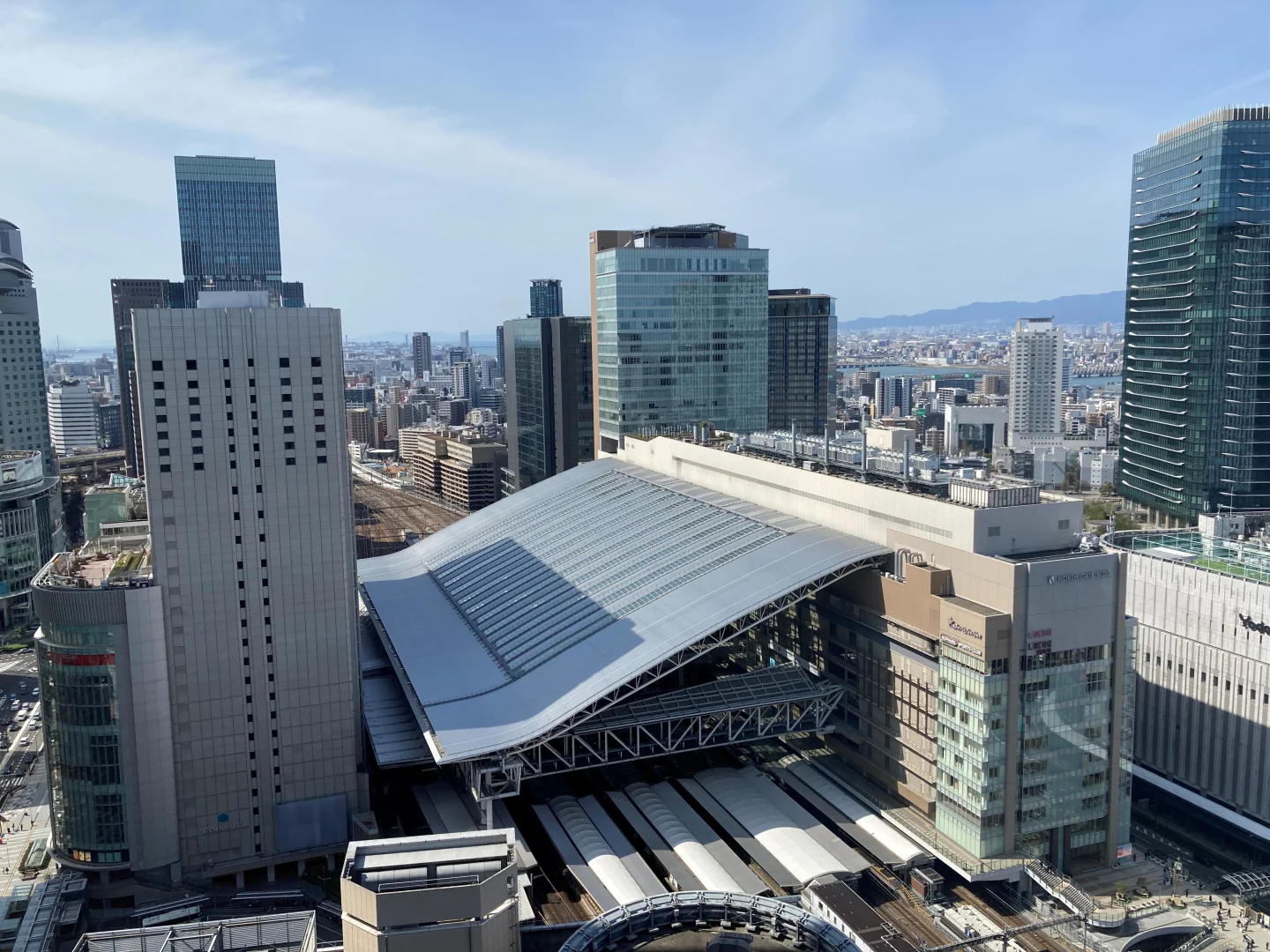
Entering from the Tennoji Station side, take the JR Central Ticket Gate toward Tennoji Park and Tenshiba. On Osaka Metro, use the West Ticket Gate on the Midosuji Line, or the North or South Ticket Gate on the Tanimachi Line toward the park; on the Kintetsu Minami-Osaka Line, arrive at Osaka-Abenobashi Station and use the West Ticket Gate. With a stroller from JR Tennoji, the zoo's elevator route marks the lift right in front of the parking garage entrance, followed by a flat walk all the way through Tenshiba. If part of your group arrives at Osaka-Abenobashi and others at JR Tennoji, meet at an outdoor landmark inside the park—like the front of Tenshiba Gate—rather than texting across underground ticket gates.
Keep in mind that "Tennoji Park" covers the outer lawns and the art museum too. Searching only for the park in your map app can drop you a fair walk from the zoo ticket booths. Save the exact gate name—"Shinsekai Gate" or "Tenshiba Gate"—when you want to hit the polar bears first or pick up activity sheets near Shinsekai Gate. If traveling with grandparents, send the zoo's elevator route map ahead to whoever leads the walk so strollers, wheelchairs, and kids all exit from the same side without discovering a staircase mid-route.
Polar Bear Coast: Above-Water, Underwater, Penguins, and Sea Lions
The zoo's newest star habitat is Polar Bear Coast, which opened on August 4, 2026. Modeled after the town of Churchill on Canada's Hudson Bay, it features two outdoor habitats themed around early spring and early summer, alongside an indoor underwater viewing area called Polar Bear Lodge. If you have screenshots from older blog posts on your phone, swap them for the current park map and orient yourself next to Penguin Park and Sea Lion Wharf. Visitors entering through Shinsekai Gate can cover all three highlights in one easy stretch.
When the polar bear is on land, check which habitat zone it's exploring first. From the upper viewing deck, kids can easily spot whether the bear is wandering toward the pool or resting onshore. Down at the underwater glass, watch for streams of bubbles and sweeping front paws—angles you completely miss from above. If the bear is lounging dry, don't burn your morning standing still waiting for a swim; duck next door to see the penguins and sea lions and swing back before exiting so kids can compare how different marine animals move underwater.
At Sea Lion Wharf, watch California sea lions looping through the water and darting through rock tunnels, then compare them with Humboldt penguins stroking their wings underwater nearby. When crowds pack the glass, step toward an angle that shows the whole pool and track the animals' path. When the polar bears are active in the early-spring or early-summer yard, you still get a clear full-body view from a few steps back. Turn off your camera flash and take half a step back inside the viewing gallery so kids don't end up pressed against the glass waiting for a shot.
The zoo lists keeper-led feeding and snack sessions as "Gohan Time & Oyatsu Time," with start times adjusted daily around husbandry work and each animal's mood. Polar bear keepers also vary when they place enrichment toys and treats. Note that photos of the zoo's special ice-block events often come from paid, lottery-based, or designated-area programs. On a standard visit, let your child pick whether to start at the upper deck or the underwater window, saving wait time for exhibits that actually hold their attention.
Choosing Between Friendship Garden and the Savanna
Friendship Garden splits its programs into separate sheep-and-goat sessions and guinea pig sessions. Keepers use feeders during the sheep and goat program so guests watch them eat while hearing commentary; guinea pig sessions focus on observing their bodies, movement, and habits up close to understand what kind of environment they need. Touching and feeding by visitors is strictly prohibited. With younger kids, frame the visit around watching mealtime—ask them to spot which two animals share similar body shapes or how their ears and horns differ. Even if you don't catch the Japanese commentary, following where staff point makes it easy to follow along.
Sheep and goat sessions typically run at 11:00 AM and 2:30 PM (about 15 minutes, capped around 15 participants). On weekends and Japanese national holidays, the talk happens outside the fence with no sign-up required; programs are canceled in rain or during heatstroke alerts. Guinea pig sessions run at 1:30 PM and 3:00 PM (about 20 minutes, capped around 20 participants) and are recommended for lower elementary grades and up. Both programs are free, though children younger than elementary school age must be accompanied by an adult.
For sessions requiring registration, write your name on the sign-up sheet in front of the event plaza and return 5 minutes before start time—latecomers aren't admitted once the session begins. If guinea pigs are your child's must-do, sign up in the morning and work backward to schedule lunch around the afternoon slot. Arriving after noon? Check the sign-up sheet as soon as you pass the garden before continuing around the zoo. Even if spots fill up, you can still walk the regular Friendship Garden path—or on weekends and holidays, catch the 2:30 PM goat talk from outside the fence.
The 11:00 AM session tends to collide with family lunch timing. If you start with polar bears near Shinsekai Gate, allow ample walking time across the park to reach Friendship Garden. If the program is your top priority, enter from the Tennoji Station side and locate Friendship Garden first, stopping only at exhibits along the way that genuinely catch your child's eye. Should a session be canceled on short notice, pivot to neighboring habitats or an indoor house rather than lingering and asking when the next slot starts. Saving the Japanese zone name on your phone also makes it easy to show staff if you need directions.
If your kids light up most for lions and giraffes, dedicate half of a half-day visit to the African Savanna. Start from an elevated vantage point to scan where each animal is standing; once you spot the giraffes, challenge kids to trace how high their heads reach and how they pull food toward their mouths. The hippo exhibit features a glass-walled underwater viewing pool—if you've already seen the polar bear swim, ask your kids to compare the polar bear's paddling paws with how a hippo's feet push off the pool floor. Still hoping to see giraffes near closing? The zoo guide notes they typically move to indoor viewing from 4:00 PM, so follow the day's signage indoors.
For young elephant fans, shift part of your savanna time over to Elephant Village. On April 21, 2026, the zoo debuted three Asian elephants from Malaysia alongside a newly renovated habitat featuring grass, sand, and a pool. While watching, help kids notice whether an elephant's trunk is reaching for sand, water, or food. Even when the elephants stand still, scanning the different ground textures invites a quick conversation about how they forage. Families doing a half-day with only the marine zone plus one large-mammal area should pick either Elephant Village or the savanna rather than rushing both.
Cross the Koala House off any old itinerary—Tennoji Zoo ended koala exhibits in October 2019, when its last koala, Ark, moved to the UK for a breeding program. If your child latched onto koalas from an animal picture book, pull up the current official zoo guide beforehand to pick a replacement favorite. Learning a few Japanese names from bilingual signs—like "hokkyokuguma" (polar bear), "ashika" (sea lion), or "ressa panda" (red panda)—is another fun way to bring kids into navigating the map.
Strollers, Nursing Rooms, and Park Lunch Options
Both entrances offer paid stroller rentals in three- and four-wheel models, subject to availability. Inside Shinsekai Gate, pick them up at the plaza in front of the GooZoo shop building; at Tenshiba Gate, the rental counter sits immediately to your left after entering. If your child has their heart set on an elephant-shaped stroller, you'll need the Shinsekai Gate counter, though rentals may be suspended on peak days. If you have a toddler who definitely needs a stroller nap—or you'll need wheels walking back to Tennoji Station—bring your own lightweight stroller, since zoo rentals cannot leave the gates.
Bookmark FooZoo, Friendship Garden, and Shinsekai Gate for nursing and diaper changes. FooZoo is equipped with changing beds, diaper bins, and hot water for formula. Shinsekai Gate's nursing room has two changing beds, and Friendship Garden has one. Inside IFAR (the Reptile Ecology House), there is also a diaper-changing sofa near the Chinese alligator, though it may be relocated during events. If you're heading out for lunch, use the gate-side facilities before exiting so you can jump straight into restaurant lines. There is also a water refill station just inside Shinsekai Gate for personal bottles.
Keep morning snacks in an outer bag pocket where kids can reach them, and finish one zone before pausing at a rest area. Stopping side-by-side on zoo slopes quickly bottles up strollers and foot traffic behind you. Whenever you need to peel off jackets, feed a baby, or recline a stroller, pull into a spacious rest bench and set your next map pin while you're stopped. For food inside the park, look to FooZoo near Shinsekai Gate or the savanna-area shop. If you're exiting at noon, decide ahead between a sit-down teishoku meal in Shinsekai or heading back toward Tennoji Station—don't try to squeeze a long kushikatsu queue and a timed afternoon check-in into the same window.
Groups traveling with older relatives should designate a shaded rest spot before splitting up. If a child wants to see one extra exhibit, one adult can tag along while everyone else waits comfortably nearby. Free on-site wheelchair rentals are available at both gates on a first-come basis (no reservations). Because the zoo sits right beside major stations and dining hubs, you can also send grandparents ahead to secure a lunch table. Pin a specific gate or shop name as your meeting point rather than saying "over by the polar bears," since the marine zone has multiple upper and lower viewing decks.
Three Ways to Pace It: 90 Minutes, Half-Day, or Afternoon
With only 90 minutes, enter and exit via Shinsekai Gate. Put your must-see animal first, finish the marine mammal loop, and use any spare minutes for restrooms, water, or a quick snack. If your child begs for one more animal, pick the nearest exhibit on the same side of the map. With a fixed train departure ahead, reserve the final 15 minutes for one last quick stop and the walk out the gate. Even if the underwater window is crowded when you arrive, you'll still have room to pivot to another viewing spot without rushing kids across the park.
With a full morning, arrive at Tennoji Station, walk through Tenshiba to enter Tenshiba Gate, loop through the land habitats toward the marine mammal zone, and exit via Shinsekai Gate. Aiming for the 11:00 AM Friendship Garden session? Treat that time as your anchor, then decide afterward whether to head for the polar bears or the savanna. Walking this direction drops you straight into Shinsekai for lunch without backtracking to Tennoji Station. Conversely, families staying near Tennoji who need an afternoon hotel nap can reverse the loop so the final stretch ends by the park lawn or station restaurants.
Arriving after lunch fits well with the 2:30 PM sheep and goat session or the 3:00 PM guinea pig program. If polar bears are the main goal, enter through Shinsekai Gate, go straight to the marine zone, and save Friendship Garden for another trip. Pick one of those two paths before stepping inside, since both involve fixed session times or early exhibit cutoffs. Want both in one day? Have an early lunch or book a morning visit. If one adult is solo-parenting two kids with a wide age gap, let each child pick one must-see zone and treat everything in between as a bonus.
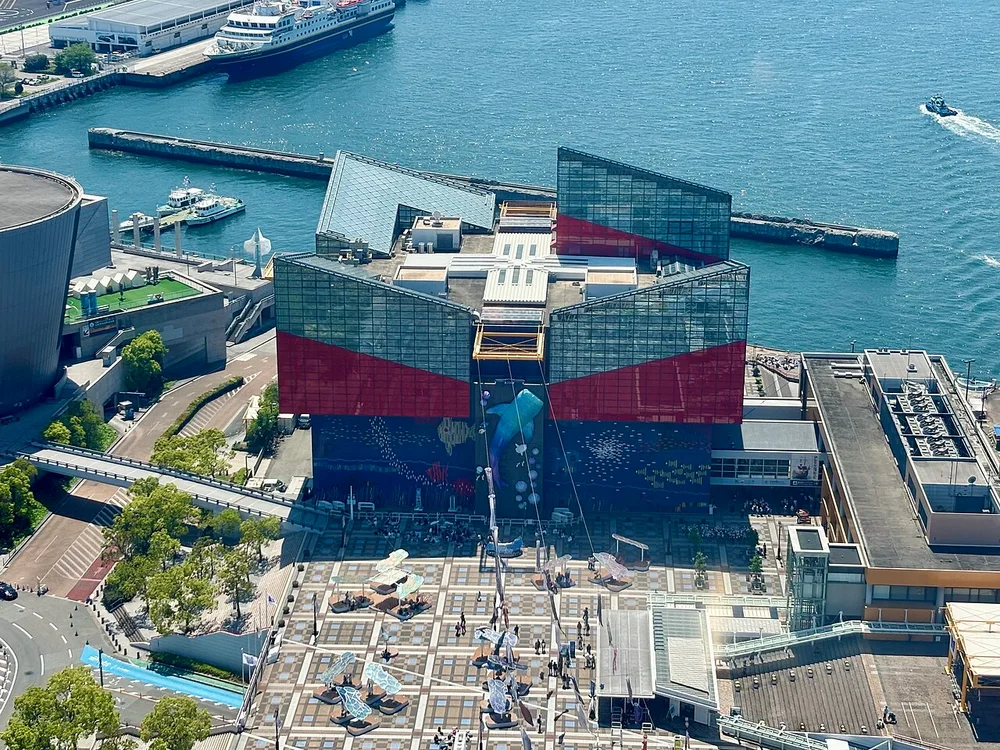
If your Osaka trip only has room for one animal day and the forecast calls for rain, put Osaka Aquarium Kaiyukan first. Save Tennoji Zoo for a clear day when you want polar bears, savanna animals, or a Shinsekai stroll. Kaiyukan (in Tempozan) and Tennoji sit on opposite sides of the city; cramming both into one day crushes nap time, transit transfers, and lunch into a stressful midday bottleneck. If you hold timed Kaiyukan tickets, anchor your day around those and slot the zoo into a free morning before picking up luggage at your hotel. For aquarium ticket options and entry logistics, see our Osaka Aquarium Kaiyukan family guide.
Shinsekai Lunch, Tsutenkaku, and Reciprocal Discounts
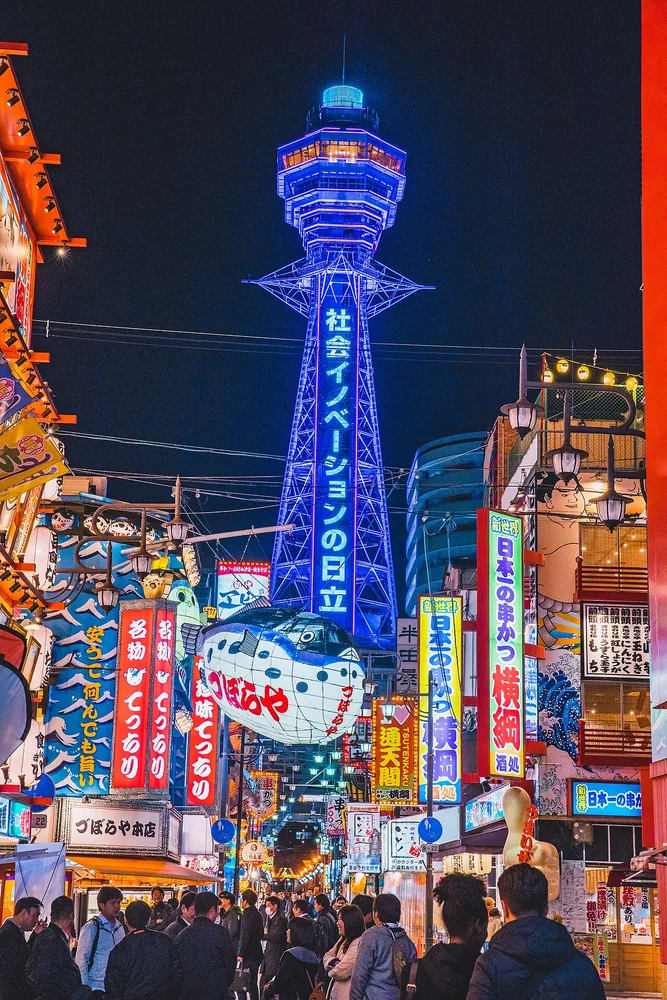
After exiting via Shinsekai Gate, head toward Tsutenkaku for lunch. If the family wants kushikatsu (deep-fried skewers), confirm the restaurant has room to stash a folded stroller, and order rice, soup, or utensil-friendly sides if your kids aren't used to eating off wooden skewers. When kids are already hungry, eat first and save the street walk for afterward—just a short stroll past Tsutenkaku and the neon signs brings you right back to Dobutsuen-mae Station. If someone wants to snap photos while waiting in line for a table, agree to meet outside the restaurant door while the other parent keeps kids and the stroller together.
Beginning July 1, 2026, Tennoji Zoo and Tsutenkaku offer a reciprocal ticket discount. Visit the zoo first, and show your used zoo ticket at the Tsutenkaku 1F Ticket Center for ¥200 off adult observatory admission and ¥100 off child admission (free zoo visitors can grab a discount voucher at Shinsekai Gate before exiting). Visit Tsutenkaku first, and show your used observatory ticket at the zoo gate window to get general admission discounted to ¥720 for adults and ¥180 for out-of-city elementary and junior high students. Discounts apply to the ticket holder only, cannot be combined with other offers, and remain valid through the end of the following month (or the prior operating day if closed on month-end).
Keep in mind that Tsutenkaku's observatory uses timed entry slots. When redeeming your zoo discount on-site, you'll have to pick from whatever time slots are still open at the ticket counter. If you have afternoon train tickets or dinner reservations, check the next available slot before committing to the wait. Standard observatory fares are ¥1,500 for ages 15+ and ¥800 for ages 5–14, rising to ¥1,800 and ¥900 during the year-end holiday window (December 30, 2026 – January 3, 2027). For two adults and a 7-year-old on regular-rate days, budget ¥1,800 for the zoo and ¥3,800 for Tsutenkaku—which drops by ¥500 with the reciprocal discount. Remember that five-year-olds enter the zoo free but require a child ticket at Tsutenkaku, so tally the two attractions separately.
From November 20 to December 25, 2026, Tenshiba hosts its seasonal Christmas Market. Spend at least ¥1,000 at the market and bring your same-day receipt to the zoo ticket window for 10% off admission for your entire group. Visit the zoo first, and exchange your same-day zoo ticket at the market info desk for a ¥100 voucher. Each discount is handled at its respective counter, so buy discounted zoo tickets in person rather than online. Outside alcohol and intoxicated entry are prohibited at the zoo—save the mulled wine for after your zoo loop. For more on the tower's observation decks, slide, and neighborhood streets, check our Shinsekai and Tsutenkaku guide.
Tennoji Dining, Rainy-Day Pivots, and Where to Stay
Exiting through Tenshiba Gate leads straight into the Tenshiba lawn plaza and Tennoji Station, lined with casual restaurants and cafes. If the kids still have energy to burn after the zoo, this side lets them stretch out on the grass before a relaxed lunch and train ride. For indoor dining, continue into Tennoji Station, Tennoji MIO, or the Abeno complexes. If relatives staying in different neighborhoods are meeting you for food, specify both "JR Tennoji Central Ticket Gate" and the exact mall building so nobody assumes MIO, Q's Mall, and Abeno Harukas share the same entrance.
When sudden rain hits mid-visit, duck straight into IFAR, the Reptile Ecology House. Its glass enclosures and dimly lit corners reward a slower pace—have kids stand still for a moment so their eyes can spot camouflaged animals. Note that the Nocturnal Animal House is temporarily closed from November 2 to December 7, 2026 for slow loris habitat work; even if it still appears on park maps, route around it to another indoor spot. If rain gets too heavy to cross between habitats, exit via Tenshiba Gate toward the Tennoji Station malls. If you planned to add the Osaka City Museum of Fine Arts, double-check its Monday and exhibition-turnover closures—especially on Tuesdays right after a holiday Monday.
When drizzle blows onto Polar Bear Coast's upper deck, move down to the covered underwater viewing lodge, then decide whether to brave the short hop to penguins and sea lions or head indoors to IFAR—which also houses amphibians, fish, and invertebrates. Walking through the Japanese Nature Zone, challenge kids to spot turtles around the pond and see what hiding spots sit between the rocks and water. For a quiet, unhurried indoor stop, head into the Tennoji Zoo Museum to compare skeletons and taxidermy specimens with the live animals you just saw.
Heading up Abeno Harukas? Take the shuttle elevator from B1 or 2F of the Tower Building to the 16F observatory entrance. The 60F indoor observation corridor gives families plenty of space to trace the zoo and Tsutenkaku from above. On windy winter days with low clouds, decide whether near-field city views are worth the ticket before buying. If the kids are wiped out and just want to sit quietly with a snack, grab a table in the station concourse and skip another elevator queue. Families staying a night by Tennoji Station can split the zoo and Harukas across morning and afternoon before checkout rather than hauling luggage to the observatory entrance.
Choosing a base comes down to whether you want a train ride first thing in the morning. Staying in Tennoji or Abeno puts you right beside Tenshiba Gate, making midday hotel naps or luggage pickups effortless on the same side of the park. Staying in Namba opens up wider dinner and shopping choices, with an easy next-morning hop on the Midosuji Line to Dobutsuen-mae for marine mammals first and a Shinsekai exit. Shin-Osaka makes sense for Shinkansen convenience, though if you're also heading to Kyoto that day, save the zoo for a dedicated Osaka morning. Compare neighborhoods and luggage logistics in our where to stay in Osaka guide.
Heading straight to Kansai International Airport (KIX) in the afternoon? From JR Tennoji Station, choose between the HARUKA Limited Express and the Kansai Airport Rapid Service. JR-West reminds riders on the airport-bound Rapid Service that certain cars decouple at Hineno Station—verify both the platform display and train car signage for "Kansai Airport" before boarding. If your bags are at a hotel, build in buffer time for leaving the zoo, grabbing luggage, and transferring, and eat at Tennoji Station instead of detouring back from Tsutenkaku. Storing oversized bags that won't fit in lockers? The Shinsekai Gate stroller rental counter offers paid luggage storage—just remember to plan your exit from that side before heading to the station.
A few useful answers
Do I need a reservation for Tennoji Zoo?
No reservation is required for general admission. You can buy tickets at either gate or purchase e-tickets in advance. E-tickets are valid for one month from purchase and are non-refundable for personal cancellations. Note that certain in-park programs require separate on-site sign-up or check-in.
Can kids touch the guinea pigs or feed the goats at Tennoji Zoo?
No. Friendship Garden offers close-up observation and keeper talks only—visitors cannot touch or feed the animals. Guinea pigs are viewed up close, while sheep and goats are watched eating from feeders. The guinea pig session is recommended for lower elementary grades and up. For sessions requiring sign-up, write your name on the sheet in front of the event plaza and check in 5 minutes before the start time.
Which entrance is best for strollers at Tennoji Zoo?
From JR Tennoji Station, take the Central Ticket Gate and follow the zoo's elevator route to Tenshiba Gate. From Osaka Metro Dobutsuen-mae Station, use the East Ticket Gate elevator route to Shinsekai Gate. The zoo estimates 10 to 15 minutes from the station to the gate when using elevators.
Can you walk to Tsutenkaku right after Tennoji Zoo?
Yes. Exit via Shinsekai Gate and walk straight into the Tsutenkaku area. Bring your used zoo ticket to the Tsutenkaku 1F Ticket Center for a joint-discount observatory ticket, then choose an available entry time slot.
How much time do you need at Tennoji Zoo?
Plan two to three hours to combine the marine mammal zone with either the African Savanna or Friendship Garden in one morning. If you only have 90 minutes, enter and exit via Shinsekai Gate to focus on the polar bears, penguins, and sea lions.
Official information and references
Sources used in this guide.
- Tennoji Zoo | Admission, Hours & Access
- Tennoji Zoo | FY2026 Operating Calendar
- Tennoji Zoo | November 2026 Operating Days
- Tennoji Zoo | E-Ticket Validity & Purchase Guide
- Tennoji Zoo | Park Map
- Tennoji Zoo | Animal Guide & Viewing Cutoff Times
- Tennoji Zoo | Polar Bear Coast Opening Announcement
- Tennoji Zoo | Penguin Park & Sea Lion Wharf
- Tennoji Zoo | Friendship Garden & Educational Program Times
- Tennoji Zoo | Strollers, Water Refills & Nursing Rooms
- Tennoji Zoo | Keeper's Note on the Zoo's Last Koala
- Tennoji Zoo | Nocturnal Animal House Temporary Closure
- Tennoji Zoo & Tsutenkaku | Joint Ticket Discount Notice
- Tsutenkaku | Observatory Entry Slots, Fares & Holiday Rates
- Tennoji Zoo | Tenshiba Christmas Market Cross-Discount
- Tennoji Zoo | Surrounding Area Map & Tenshiba
- Osaka City Museum of Fine Arts | Hours & Closed Days
- Abeno Harukas | Observatory Entrance & Elevators
- JR-West | Kansai International Airport Access Guide
- Tennoji Zoo | Friendship Garden Capacity, Sign-Up & Check-In Rules
- Tennoji Zoo | Polar Bear Keeper Talks & Icicle Event
- Tennoji Zoo | Animal Feeding & Snack Schedule
- Tennoji Zoo | African Savanna & Hippo Viewing Pool
- Tennoji Zoo | Public Debut of the Asian Elephants from Malaysia
- Tennoji Zoo | IFAR Reptile Ecology House
- Tennoji Zoo | Official Announcements & Tennoji Zoo Museum
- Osaka City Museum of Fine Arts | Ming Dynasty Calligraphy Exhibition Schedule
- Abeno Harukas | Observatory Floors Guide