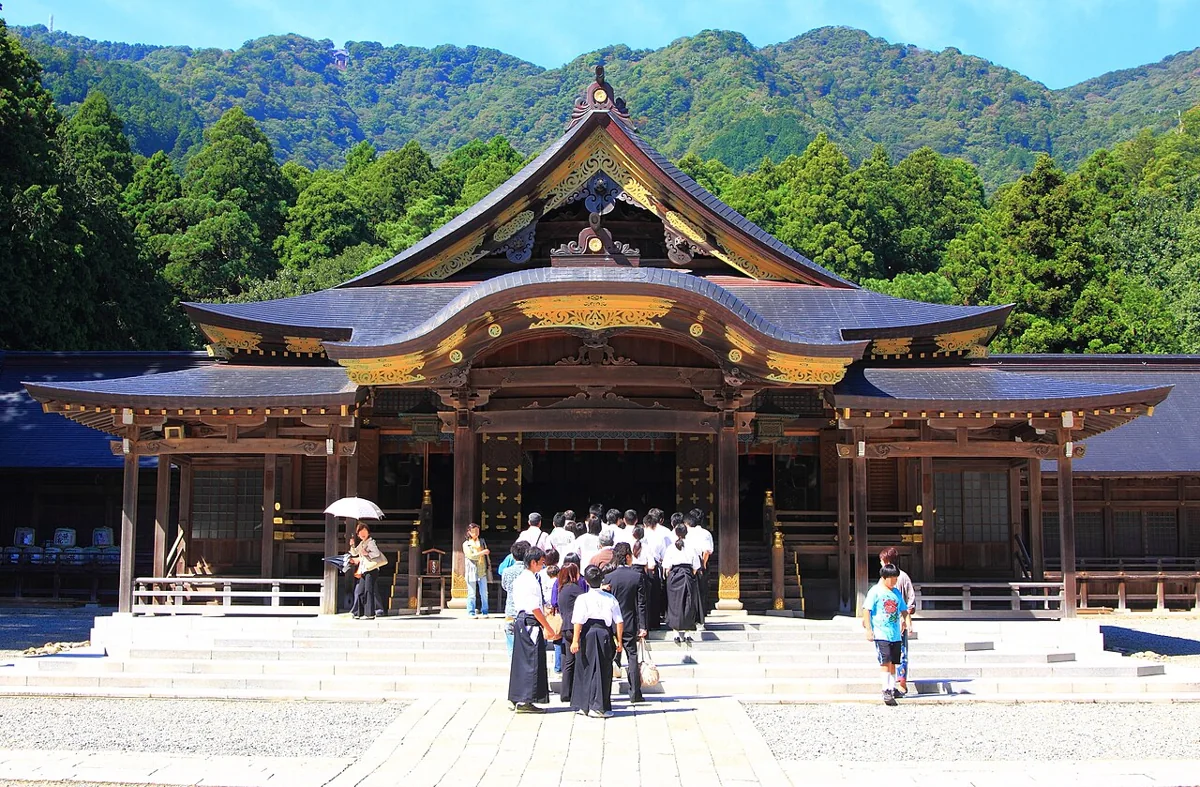
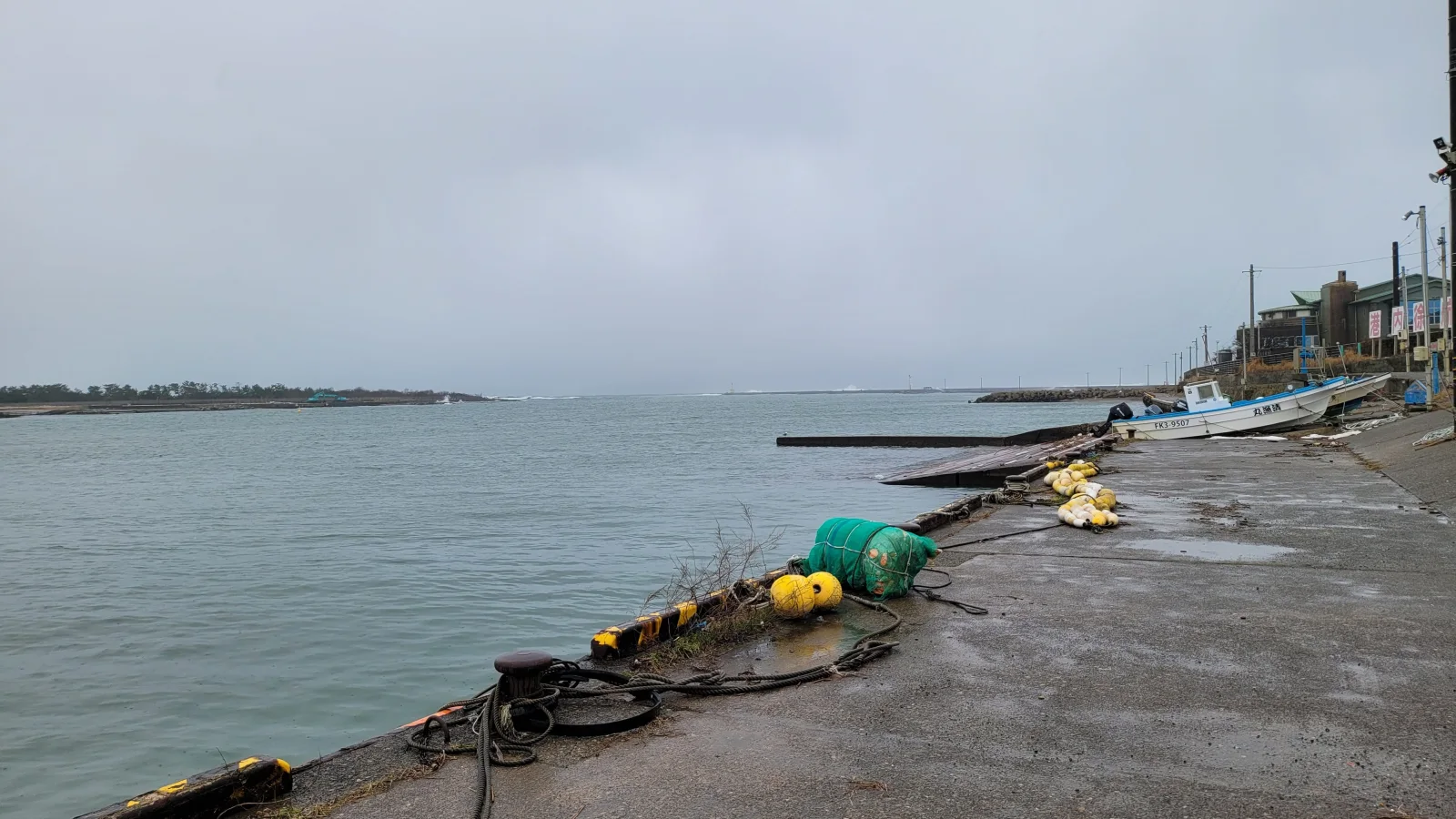
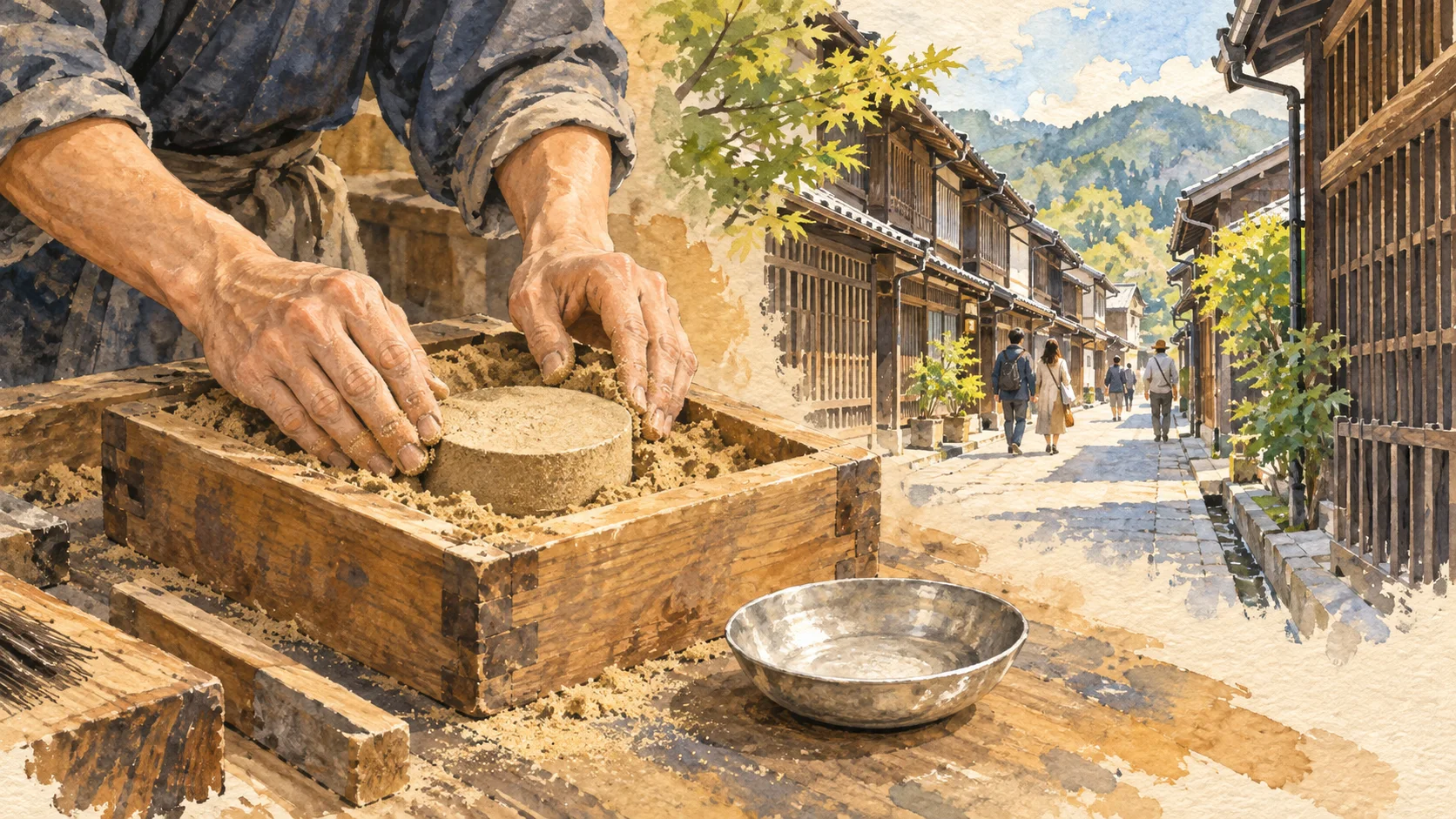
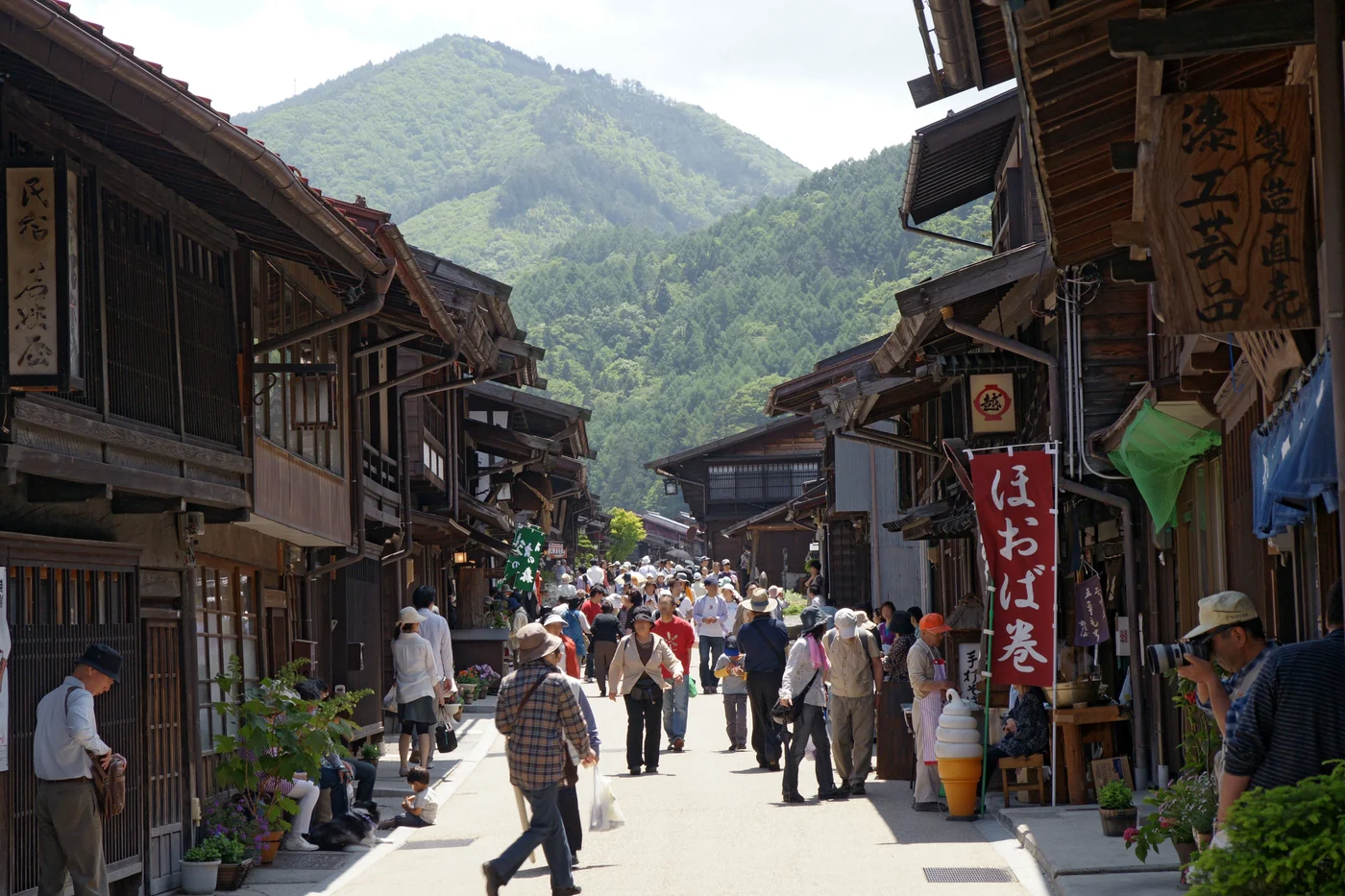
Link Niigata Station, Bandai, Furumachi and Nuttari, with seafood, tare-katsu and hegi soba. Includes Imayotsukasa bookings, the ¥500 loop bus pass, rainy-day plans and where to stay.
- Reading Scope
- 30 min read · 15 chapters · 4 Q&As
- Official Verification
- 28 official sources checkedUpdated November 9, 2026
- Key Topics
- FoodNeighborhoodsItineraries
Chapter Route Map (tap any stop)
- Locate four neighborhoods, then choose two main meals
- Niigata Station: baggage, your last meal and gifts
- Imayotsukasa: book the tour before planning a tasting
- Nuttari Terrace: choose the day before adding more shops
- Bandai lunch: choose yellow curry or Italian-style noodles
- Pier Bandai: seafood lunch and shopping need a storage plan
- Buses to the market: distinguish stops 17 and 18
- Bandai Bridge and the Shinano River in comfortable weather
- Honcho and Ninjo Yokocho: shop before dinner
- Furumachi and Kamifurumachi: shopping, dinner and the geisha district
- Ordering local dishes: leave room for what you want most
- A day route: Nuttari in the morning, across the river in the afternoon
- The ¥500 loop bus pass: compare it from two rides
- Where to stay: station for early trains, Furumachi for evenings there
- Shorten the day for rain, half a day or no alcohol
- Quick Q&A
Without a car, you can spend a day walking from a Niigata sake brewery to old shopping streets. Book Imayotsukasa and browse Nuttari in the morning. Choose Bandai curry or Pier Bandai seafood for lunch, then cross Bandai Bridge to Honcho and Furumachi. Return to the station area for hegi soba and local side dishes in the evening. With only half a day, keep one meal and one neighborhood. For a slower visit, stay overnight and leave Nuttari or Furumachi for the next day.
Locate four neighborhoods, then choose two main meals
Niigata Station, Bandai, Furumachi and Nuttari can fit into one day, but you need to choose your meals. Walking from the station toward the Shinano River, you reach Bandai's shopping district first. Honcho and Furumachi are across Bandai Bridge. Nuttari lies in another direction from the station and works well with Imayotsukasa Sake Brewery. Pier Bandai market is around Bandaijima and is separate from the department stores of Bandai City. Save full business names and addresses when booking restaurants or checking buses rather than searching only for “Bandai.”
Distances on a map can make this day look smaller than it is. Between the four areas, you also need time to find entrances, wait at crossings, queue, shop and rest. The day plan below runs from morning through dinner and uses a bus for one leg. If your Shinkansen arrives at noon, remove either Nuttari or Furumachi. Keep enough time for a proper lunch and collecting baggage at the station.
Save Niigata Station, Bandai City Bus Center, Furumachi Refuru and Nuttari Terrace Shopping Street first. These four points show how the areas relate. Add your chosen restaurants to the same list.
Link Niigata Station, Bandai, Furumachi and Nuttari, with seafood, tare-katsu and hegi soba. Includes Imayotsukasa bookings, the ¥500 loop bus pass, rainy-day plans and where to stay.
Niigata Station: baggage, your last meal and gifts
With the station as your start and finish, deal with baggage first. If staying nearby, leave bags at your hotel and take a small day bag. Day visitors can use available storage facilities. Buy rice, sake and gifts before departure so the weight stays on the final leg. Bottles and gift boxes are heavier than they look. Buying everything in the morning makes the Nuttari and Furumachi walks harder.
CoCoLo Niigata, connected to the station, is useful for food shopping in one place. Check storage instructions and best-before dates on sasa dango bamboo-leaf dumplings. Buy separately for eating that day and taking home. For chilled seafood, plan when to return to your accommodation according to the packaging instructions. Before a long train journey, shelf-stable rice crackers, seasonings or properly packed sake can save a search for a refrigerator.
Leave dinner for the Benten area near the station, with hegi soba and local side dishes. Hegi is the wooden tray used to serve the noodles, which use funori seaweed as a binder. Large trays are often ordered by number of diners. Check the portion before adding tempura. For noppe stew, start with station-area restaurants listed by the city tourism association. Noodles and a simmered dish make a meal without crossing the river for the same food.
Navigate to CoCoLo Niigata or Suzakaya Soba, Niigata Station branch. Suzakaya is a specific location to compare. Choose whether to eat there based on appetites, buckwheat allergies and seating needs. Save the exact branch name with a dinner reservation; the station branch and other branches have different addresses.
Imayotsukasa: book the tour before planning a tasting
Imayotsukasa is at 1-1 Kagamigaoka, Chuo-ku, Niigata, and makes a useful start for a Nuttari walk. The Imayotsukasa brewery map points to the brewery itself. You need not go to the shopping street first. Book a tour to learn about rice, koji and the brewery buildings. If you only want a bottle, shopping and tasting have their own arrangements.
The brewery's current notice lists reserved Japanese tours for groups of 1–9 at ¥200 per person including tax. The official booking page gives free entry to elementary-school children and younger. Weekday start times are 9:10, 10:00, 11:00, 13:00, 14:00, 15:00 and 15:30, with an additional 12:00 tour on weekends and public holidays. These are start times. Check-in and payment must be complete at least five minutes earlier. Allow for navigation, traffic signals and check-in when leaving the station.
Allow around 60 minutes for the tour through tasting. If you have limited Japanese, the weekday 13:30 English tour costs ¥550 including tax. It does not run on Saturdays, Sundays or Japanese public holidays. For that tour, visit Nuttari in the morning, the brewery in the afternoon and keep only Bandai or Furumachi afterward. Adjusting the route for the tour language is more useful than rushing through every area.
Groups of 10 or more follow group rules; do not multiply the individual price by the number attending. The official group or private-tour rate is ¥6,000 per group including tax, or ¥9,000 in English, with up to 25 people per session. Designated group times are 10:30 or 11:30. As of October 27, 2026, the booking page said October and November group tours were full and new bookings had closed. Two or three travelers can use individual reservations. On-site payment includes cash, credit cards and PayPay.
Taste after the tour. The brewery states that people who have consumed alcohol cannot enter the brewing area. Drinking at the station first disrupts that order. Japan's legal drinking age is 20. Brewery visits require an accompanying adult aged 20 or over; under-20s cannot form a group on their own. Choose nonalcoholic drinks for them. If you drink little, one tasting stop is enough. Eat, drink water and take transport back to your accommodation afterward. Do not add cycling that day.
The optional paid tasting costs ¥1,500 per person including tax, with one serving of each of at least ten sakes. It is charged separately from the ¥200 Japanese tour. The regular tasting also has one sake and two nonalcoholic amazake options, with selections changing by season and stock. Choose the regular tasting if you want only a little. Use the tour to learn the process, then decide whether to add the paid tasting according to how much you drink.
Nuttari Terrace: choose the day before adding more shops
Nuttari, pronounced “nuttari” in Japanese, has small shops in converted rows of former market buildings. Browse tableware, general goods and crafts, or sit down for coffee. Each shop has its own opening hours; one department-store schedule cannot cover the whole street. The official About page says more shops close on Tuesdays and Wednesdays and recommends Fridays and Saturdays for a wider choice.
If visiting on Tuesday or Wednesday, choose the shops you really want first, then check their opening days. For the rows of old storefronts alone, shorten the stop and move lunch and shopping to Bandai. If tableware is the main reason for visiting, choose a day when more shops open. This is a working neighborhood, and closed shops reduce what there is to do.
Check the current seasonal notice for events on the first Sunday of each month. The official information says most shops open that day, while activities, hours and winter arrangements depend on the month's page. If dates are flexible, Friday or Saturday is straightforward. Once a first-Sunday date is fixed, fit that month's event around breakfast or the morning. Do not treat an ordinary weekday as a regular morning market.
Walk slowly along Nuttari Terrace Shopping Street and leave shop entrances clear when photographing storefronts. Repack your bags after shopping. The rows are narrow, and umbrellas, strollers and groups walking abreast can block passage. Spend time at one or two shops that interest you instead of photographing every shop and leaving. Check whether your chosen shop serves lunch; coffee and general-goods shops are not all restaurants.
Bandai lunch: choose yellow curry or Italian-style noodles
Bandai City suits department-store shopping, indoor breaks and simple meals. Stop here between the station and river, then continue toward Bandai Bridge. Bandai Soba is on the first floor of the Bus Center building. Its yellow Bus Center curry uses a pork-bone broth base with onions, carrots and pork. Although photographs suggest a mild home-style curry, the city tourism association describes a spicy flavor. Have another choice for children or anyone who avoids spice.
Curry comes in mini, regular and large portions. Choose a small one if visiting the market later; choose a regular portion according to your appetite if it is your full lunch. A standing noodle shop has a different pace from a sit-down restaurant. With older relatives or anyone who needs a fixed seat, choose a restaurant with tables in the shopping district and save curry for another meal. Decide how you want to eat before fitting a famous shop into any gap.
Another local food is “Italian”: stir-fried noodles topped with tomato sauce. Mikazuki's Bandai branch is on the Bus Center building's second floor. The noodles and serving style differ from regular Italian pasta. To compare curry and these noodles, companions can choose one each. If both eat regular curry and then each buy noodles, there may be no room for a market lunch. Leave a second main starch dish for early evening.
Use Bandai Soba as the exact location. Prices follow the day's menu. Check portions and extras before buying a meal ticket. Use Bandai's commercial facilities for a rest, toilets or shelter, then decide whether to walk across the bridge or take a route bus toward Honcho and Furumachi.
Pier Bandai: seafood lunch and shopping need a storage plan
Pier Bandai combines market shops and restaurants at Bandaijima 2, Chuo-ku. Its official information places it about two kilometers from JR Niigata Station. Save the Pier Bandai map separately from Bandai Bus Center. For sushi, seafood set meals or browsing fish, meat and produce together, make this the main lunch stop and save Bandai curry for another mealtime.
Hours vary by shop. Market shopping, sushi restaurants, cafes and dinner venues do not share one closing time. The official homepage lists individual hours and closing days. Choose a lunch restaurant before setting your arrival time; some close for an afternoon break. After a morning brewery tour, eat first on reaching the market and buy chilled goods just before leaving. This reduces time spent carrying food around.
Seafood-bowl prices often reflect the fish, portion size and day's menu. Check whether soup, side dishes and extras are included, then let each companion choose. If you like white fish, start with that day's selection rather than seeking the same specialty at every meal. Those avoiding raw food can choose cooked dishes, grilled fish or other meals. The variety of businesses is useful when your group has different tastes.
Before buying fresh fish, raw foods or chilled products, ask about storage temperature and carrying time. Plan a return to your accommodation for refrigeration. If you will walk around Furumachi all afternoon and return to the station at night, eat at the market and buy shelf-stable goods instead. A bag with ice packs still has a time limit; a full day on city streets is not refrigerated transport. Follow the individual storage labels for sasa dango, rice crackers and sake too.
The official Pier Bandai video shows the market and dining spaces, offering a look at the setting before planning lunch.
Buses to the market: distinguish stops 17 and 18
Several bus options reach Pier Bandai. Its official access page lists the Toki Messe–Sado Kisen route from Niigata Station bus terminal stop 17, with a stop at Pier Bandai-mae. The same page notes that some services terminate at Sado Kisen. Check that your chosen departure serves your stop before boarding. Read the stop name, direction and destination together rather than boarding only because the bus says Sado Kisen.
Stop 18 serves the Niigata City Loop Bus. It links Hakusan Park, the aquarium, Furumachi and the history museum before returning to the station, in a fixed order. If you only want the market next, a relevant route from stop 17 or a direct walk saves time compared with detouring to use a day pass. If Hakusan or Furumachi is already on your plan, place the market according to the loop direction.
The market also lists the Airport–Matsuhama route from stop 4 and the Kodo route from stop 5, getting off at Miyaura Chugaku-mae. These provide different walking approaches. On a first visit, choose one whose stop names you can clearly identify. Save the return stop after arrival and distinguish buses for Niigata Station from those for Toki Messe. Fewer transfers help when carrying chilled purchases.
Compare Niigata Station bus terminal information with the market's official Access page. Enter your actual travel date in route searches. If lunch is reserved, leave flexibility for one bus and do not equate reaching the stop with sitting down to eat. Regular route buses and the sightseeing loop have different ticket coverage. The ¥500 day pass below applies only to the loop bus.
Bandai Bridge and the Shinano River in comfortable weather
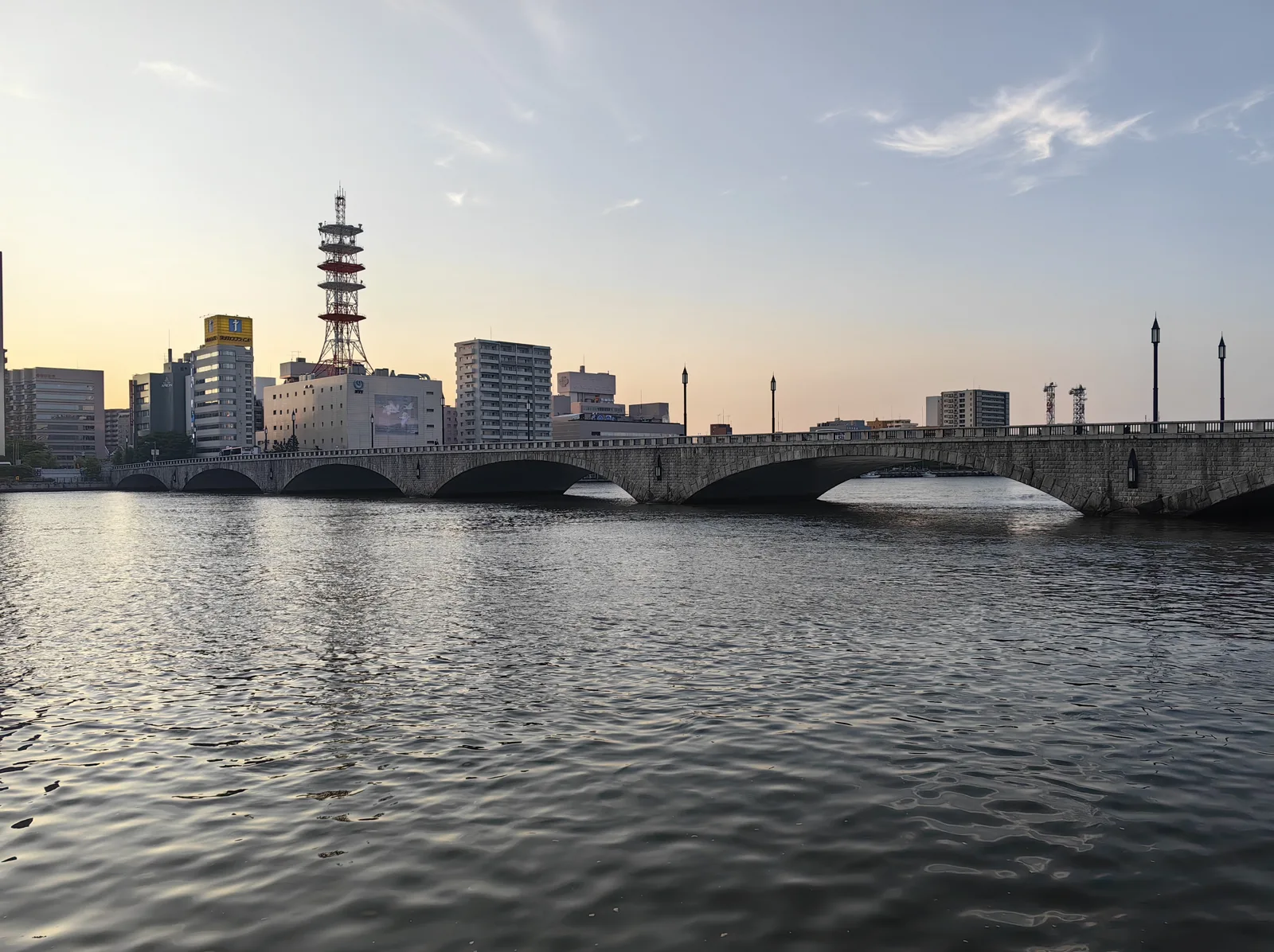
Between Bandai's shopping district and Furumachi, Bandai Bridge makes the relationship between the banks easy to understand. It offers views of the river, embankments and city before you continue to Honcho or Furumachi. Photograph from a safe place on the pavement and give way to pedestrians. For a longer view of the bridge itself, find a suitable riverside spot. Walk and take photographs separately.
With the market and Furumachi on the same day, one river crossing is enough. Eat at the market at noon, follow the river toward Bandai Bridge, cross to Honcho and take a bus from Furumachi back to the station. Or take a bus to Furumachi first and walk back toward Bandai in the afternoon, saving curry for an early or late meal. Your restaurant booking and the day's wind and rain determine the order.
In heavy rain, strong wind or difficult winter conditions underfoot, cross by bus and keep street walks short. Stay longer for river photographs in good weather without treating sunset or a light show as a fixed attraction. The Bandai Bridge photograph helps you recognize the location. Your actual stop depends on the weather and your group's energy.
Honcho and Ninjo Yokocho: shop before dinner
Honcho and Furumachi fit into one afternoon, but market shopping should come before nighttime restaurants. Around Plat Honcho and Aomi Shopping Center are fishmongers, vegetable stalls and food shops, useful for seeing everyday shopping and choosing prepared food. Shops operate independently. Pick a lunch or product destination before entering. Compared with Pier Bandai, the appeal here is moving between ordinary streets and small shops.
Use Aomi Shopping Center as your location, then continue to Niigata Ninjo Yokocho. The latter follows Niitsuya-koji. Official tourism information traces it to a market street formed in 1951. Visit in the early afternoon for food shopping. The choice after dinner differs from daytime.
Honcho Shimo-ichiba, also called Fresh Honcho, is at Honcho-dori 12- and 13-bancho. It is some distance from the area around 6-bancho, so do not treat them as one indoor market. On a first one-day visit, walk around 6-bancho and Ninjo Yokocho before continuing to Furumachi. If traditional markets are a main interest, visit Shimo-ichiba the next morning and reduce other sightseeing.
When buying prepared food in small shops, ask whether seating is available and whether you can eat immediately. Selling seafood and providing sit-down meals are separate services. For a drink with fish, choose a place with dining seats. Take takeaway food somewhere eating is permitted. Follow the local order for payment, collection and photography. Do not spread baggage and camera equipment across a narrow shop at once.
Furumachi and Kamifurumachi: shopping, dinner and the geisha district
Furumachi is long, and the numbered blocks along Furumachi-dori help with navigation. Kamifurumachi toward Hakusan suits small shops and coffee. The middle section links Honcho and commercial streets, while the Nabedjaya-dori area has traditional restaurants and geisha-district streetscapes. Focus on daytime businesses for shopping and reserve the evening for a booked dinner. The two activities need not fit into the same hour.
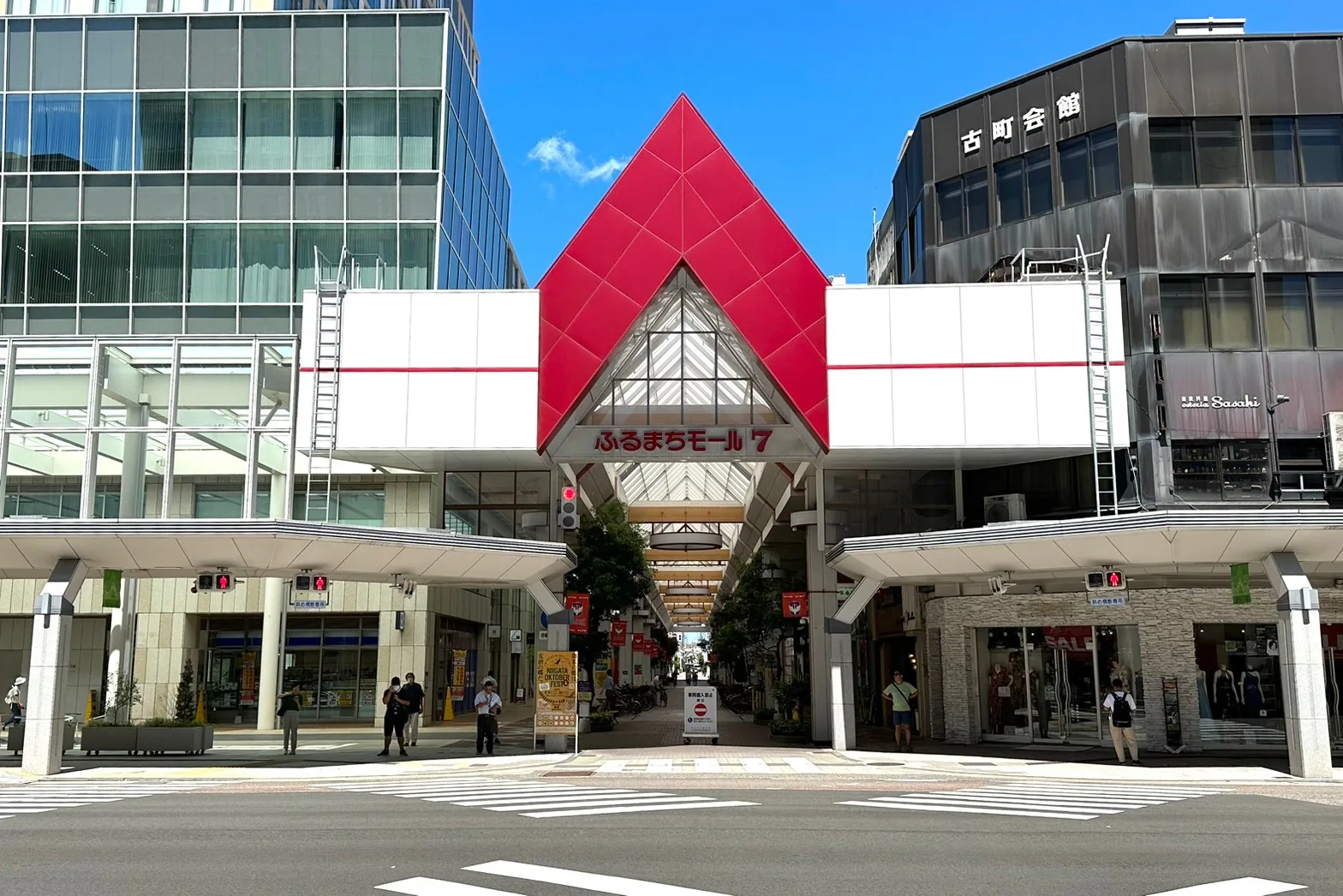
Locate Kamifurumachi Shopping Street. On a first visit, choose a section of Furumachi-dori to explore and stop at shops you like. Browsing is slower than a straight line on a map. Allow time for coffee and shopping to make the visit worthwhile. If you have already browsed Nuttari in the morning and Honcho in the afternoon, shorten Kamifurumachi and leave a seated break before dinner.
For the geisha district, save the streets around Nabedjaya as a reference. Arrange an exterior walk separately from dining at a traditional restaurant. For kaiseki or a geisha performance, book directly with a provider or official experience desk. Ask about group size, language, cost, duration and cancellation conditions beforehand. Enjoy the streetscape while leaving homes, doorways and guest entrances clear for normal use.
Dinner need not be at a formal restaurant. Choose a place serving noppe for local home-style cooking, or make thin pork cutlets and rice your main meal with tare-katsu. Furumachi links dinner to an old-street walk. With room for only one meal, finish with what you most want to eat. If staying near the station, take a return bus after dinner instead of walking the full riverside route again.
Ordering local dishes: leave room for what you want most
Tare-katsu-don puts fried pork cutlets dipped in a sweet-salty soy sauce over rice. It differs from cutlet rice bowls cooked with egg. Check the number of cutlets, rice portion and set-meal sides before ordering. If adding fish or a simmered dish, choose a suitable main portion. After a seafood rice bowl at lunch, noodles and side dishes can be enough for dinner. Both meals need not be large rice bowls.
Noppe simmers taro with several vegetables. Ingredients and seasoning vary by household, region and restaurant. Taro thickens the broth, often made with ingredients such as dried scallops. Some restaurants add chicken, so vegetarians should ask about both broth and ingredients. As one dinner dish, it pairs with sake, rice or soba and adds a different texture to a day of fried foods and starches.
Tori no hanmi-age is half a chicken fried in a curry-flavored coating. Check the group size and other dishes before ordering. Two people sharing should ask how the restaurant serves it. With children, separate bones and very hot pieces. Hegi soba uses funori seaweed as a binder but still contains buckwheat. Anyone with a buckwheat allergy needs another dish. Adding seaweed does not change that allergy risk.
Keep the meal plan simple despite the many names: choose curry, seafood or tare-katsu for lunch, soba with local side dishes for dinner, and sasa dango as a snack. If half-chicken is your priority, let it replace another main or fried dish. Point to “tare-katsu-don,” “noppe” or “hegi soba” on the menu and give your group size when asking about portions. This works better than making every shop a must-eat stop.
For several of these dishes in one station-area meal, compare hegi soba and noppe at Suzakaya Soba's Niigata Station branch, then choose portions from the menu. Its address is 1-4-29 Benten. The route back to collect bags is clear, and it suits anyone who prefers not to cross the river after dinner.
A day route: Nuttari in the morning, across the river in the afternoon
Have breakfast near Niigata Station and leave your bags. With a 10:00 Japanese tour at Imayotsukasa, go to the brewery for check-in, then walk to Nuttari after the tour and tasting. Allow roughly two hours for the brewery and a short browse. If your chosen shops are mostly closed on Tuesday or Wednesday, keep only the brewery and reach Bandai early for lunch.
Choose one main lunch. Go to Pier Bandai for market seafood or stay at Bandai Bus Center for yellow curry. Two full lunches leave the afternoon caught between overeating and rushing. After eating, walk toward the Shinano River. In suitable weather, cross Bandai Bridge to Honcho. In wind and rain, take a bus toward Honcho and Furumachi and leave the river for another time.
Visit Honcho and Ninjo Yokocho first, then browse one part of Furumachi. Head to Kamifurumachi for general goods and coffee, or move gradually toward your dinner reservation in Furumachi. If you have walked enough, rest near Honcho and return straight to the station. Another shopping street is the part to cut; keep the booked brewery and the dinner you most want.
If staying near the station, eat hegi soba and local side dishes around Benten, then shop at the station. If staying in Furumachi, dine near your accommodation and leave station shopping until departure the next day. For a Shinkansen that evening, eat near Niigata Station. Collect bags first to see how much dining time remains. Do not leave restaurant queuing until just before your train.
For the weekday 13:30 English brewery tour, change the day to Nuttari in the morning, Bandai lunch, Imayotsukasa in the afternoon and station-area dinner. Save Furumachi for another day. Market enthusiasts can replace Nuttari with Honcho and Furumachi, taking a bus across the river in the morning and walking back to Bandai in the afternoon. Build around your most important reservation so other areas retain real browsing time.
The ¥500 loop bus pass: compare it from two rides
The city's page updated October 1, 2026 lists City Loop Bus single fares of ¥260 for adults and ¥130 for children. Day passes cost ¥500 and ¥250 respectively. Adults are junior-high-school students and older; child fares apply to elementary-school children. One preschool child accompanying an adult travels free; the second and subsequent preschool children pay the child fare. Day passes for two adults and one elementary-school child total ¥1,250.
Two adult single rides cost ¥520, ¥20 more than the ¥500 pass. Two child rides cost ¥260, ¥10 more than the ¥250 pass. For one ride, a single fare costs less. Compare any partner-facility discounts too if you plan to use them. The pass covers only the Niigata City Loop Bus. Regular routes to Nuttari or the market cost extra.
Paper passes are sold for cash at the officially listed information offices and other outlets. Before use, scratch off one actual year, month and day. Scratching extra boxes invalidates the pass. Digital passes use RYDE PASS, with payment including credit cards and Apple Pay. Show the valid screen when riding. Keep enough phone power and connectivity to display it all day. If you prefer paper, buy it on arrival before starting your route.
Winter intervals and last departures need earlier planning than in spring and summer. The loop bus does not run at all from December 28 to January 3. Use the timetable for your actual day rather than summer expectations. The loop links attractions, but walking and regular buses may be more direct for a food day in Nuttari, Bandai and Furumachi. Choose a ticket based on the rides you will actually take.
Where to stay: station for early trains, Furumachi for evenings there
The station area suits first visits, baggage and a Shinkansen the next day. On departure day, collect bags before shopping at the station. Dinner can stay around Benten too. Check the exit used, any footbridge or detour with baggage, latest check-in and storage conditions. Two hotels with similar straight-line distances may have entrances on different sides of the street.
Bandai suits shopping, curry and Shinano River walks near your hotel. Routes to the station and bridge are easy to understand, but dinner in Furumachi still means crossing the river back. For a short evening walk, choose a restaurant on your hotel's side and see the river during the day. This reduces the long walk after dinner.
Furumachi suits a dinner already booked there and a strong interest in old streets and Honcho markets. You can begin the neighborhood walk from your door, but need transport time back to the station on departure day. The station is simpler for an early departure or late arrival. Treat Nuttari as a daytime destination and choose accommodation according to the actual room and evening dining location. One morning walk does not require changing hotels.
Families and groups of three should book a room explicitly accommodating everyone. Check bed counts, child bed-sharing rules and breakfast headcounts. With a wheelchair or stroller, ask about entrances, elevators and bathroom access. Compare rates by date, room and change or cancellation plan. Record restaurant cancellation deadlines too. Once you choose a base, two nights in one place usually means less baggage handling than moving between areas.
On the station's south side, JR-East Hotel Mets Niigata's official directions give about a one-minute walk via the station's west connecting passage. Follow that passage on arrival. Two nights near the station also let you keep the same room for a day trip to Yahiko Shrine and park.
In Hanazono 1-chome, Juraku Stay Niigata lists about a five-minute walk from the station. Reception stores bags before check-in and after checkout. Fresh foods and valuables must be declared first, and some items are not accepted. Handle market seafood according to its required storage conditions.
For department stores and Bandai curry near your hotel, compare Bandai Silver Hotel at 1-3-30 Bandai. Its official site lists a seven-minute walk from the station. It is in Bandai City's shopping district. Bandaijima, where Toki Messe and Sado Kisen are located, is a separate destination. For a ferry the next day, board the Toki Messe–Sado Kisen route at stop 6 inside Bandai City Bus Center, avoiding a return to the station.
Hotel Italia Ken in Furumachi is at 1574 Nishiboridori 7-bancho. Its official access page lists about ten minutes by taxi from Niigata Station or around 20 minutes by bus and walking. Treat baggage collection and the trip back to the station as one departure-day leg.
For two people wanting separate beds, compare specific room types within the same hotel. Hotel Mets' Standard Twin is 19 m² with two 120 × 195 cm beds and a bathroom combining tub, basin and toilet. The Superior Twin is 31 m² with two 120 × 210 cm beds and a bathroom with a separate washing area. Start with the Superior Twin if you want to wash a child outside the tub or prefer more room space.
At Bandai Silver, the difference includes the beds themselves. The 16 m² Compact Twin has one 113 × 195 cm bed and one 98 × 195 cm bed. The 19 m² Standard Twin has two 113 × 195 cm beds. Two adults wanting equal bed widths can choose the Standard Twin. For three people, the 25 m² Large Twin uses two 113 × 195 cm beds plus a sofa bed. Select three-person occupancy when booking.
Juraku Stay's Deluxe Twin is 26 m² with two 120 × 198 cm beds and capacity for one or two guests. Elementary-school children and younger stay free when sharing an existing bed, limited to one child per bed. Bring their towels, toothbrushes and sleepwear. Rooms have prefabricated unit bathrooms with a step at the entrance, and the hotel has no communal bath. For a bathroom without a step, compare Bandai Silver's 33 m² accessible twin, booked only by phone. Choose bathroom access before booking a regular room.
In Furumachi, Italia Ken's Moderate and Executive Twins are both 24.6 m². Double rooms are 22.8 m² and the Twin Deluxe is 33.9 m². Choose a twin for separate beds. Compare the larger Twin Deluxe if you plan more time resting in the room. These room types and bed dimensions are from official sites as of October 29, 2026.
For late station arrivals, compare Hotel Mets. Reception operates 24 hours. Automatic doors lock after 1:00; checked-in guests use their room key, while first arrivals contact reception using the door intercom. Standard check-in is 15:00 and checkout 11:00. Bags can be stored before check-in on arrival day and free after checkout until midnight that day. If staying on Sado the following night, take large bags with you or arrange storage that covers an overnight period.
For an early ferry with the final leg near the port, compare Hotel Nikko Niigata on Bandaijima. Its official information lists a direct connection to the Sado Kisen passenger terminal. From Niigata Station, take the Toki Messe–Sado Kisen route from stop 17 and get off at Toki Messe. Room types differ: the 23 m² Economy Twin adds a bed to a room originally used for a single guest. The 32 m² Deluxe Twin lists 120 cm-wide, 200 cm-long beds and accommodates one to three people. Two adults prioritizing separate sleeping space can start with the Deluxe Twin.
For Sado Kisen directly from the station, use stop 17. From the Bandai shopping district, use stop 6 inside the Bus Center. Niigata Kotsu's current page lists an adult fare of ¥260 and usually about 17 minutes from the station to Toki Messe and Sado Kisen. Look for the Sado Kisen destination. Before boarding, check the ferry operator's service status for the day. Add waiting, getting off and walking into the terminal to the ride time.
For foot passengers, Sado Kisen recommends reaching the port about 10–20 minutes before sailing if ready to show a digital ticket, or 30–40 minutes before if buying at a counter or machine. For bus arrivals, Niigata Kotsu separately asks passengers to choose a service allowing boarding formalities to be complete 30 minutes before sailing. Plan around that earlier connection requirement. Finish breakfast, collect bags and walk to the stop before your chosen bus. Even from a port hotel, include checkout and the walk to the boarding gate.
Shorten the day for rain, half a day or no alcohol
With only three or four hours, go from the station to Bandai for a meal, walk to Bandai Bridge for river views and return for gifts. If Furumachi is your only aim, take a bus across, eat and browse between Honcho and Furumachi, then return by bus. Time at a restaurant and one street gives you more than rushing to four areas and seeing only entrances.
In rain, focus on CoCoLo Niigata, Bandai's commercial buildings and covered stretches in Honcho and Furumachi. Open-air sections remain between areas. Wear comfortable shoes with grip and fold wet umbrellas before entering small shops. Cut the bridge walk if wind and rain strengthen, allowing time to wait for buses and find stops. In winter, break outdoor time into short walks with shop breaks between them.
If you do not drink, skip the tasting and choose a brewery visit only if the process interests you. While companions drink, keep your coffee and snack time for Nuttari or Bandai. With children, prioritize seated restaurants with predictable mealtimes. Choose one market meal and one shopping-street stretch rather than queuing at every meal. Two good meals and time in one neighborhood are enough reason to stay a night in Niigata.
A few useful answers
Where is the most convenient area for a first stay in Niigata?
Choose the station area with baggage, a Shinkansen the next day or a late arrival. Choose Bandai for shopping and walks around Bandai Bridge. Stay in Furumachi if dinner is booked there and you want Honcho market the next morning.
Is the Niigata City Loop Bus day pass worth buying?
Adult single fares are ¥260 and the day pass is ¥500. Compare the pass when two singles would cost ¥520. It covers only the sightseeing loop; regular route buses cost extra.
Which day is best for Nuttari shopping street?
The official recommendation is Friday or Saturday for more open shops. More close on Tuesday and Wednesday. First-Sunday events follow each month’s notice.
Do Imayotsukasa brewery tours require reservations?
Yes. Japanese tours for 1–9 people cost ¥200 per person including tax, with elementary-school children and younger free. A weekday 13:30 English tour costs ¥550 including tax. Complete check-in and payment at least five minutes before the start.
Official information and references
Sources used in this guide.
- Niigata City Loop Bus: fares, tickets and boarding stops
- Niigata Visitors & Convention Bureau: city transport
- Nuttari Terrace Shopping Street: opening days and introduction
- Imayotsukasa: brewery tours
- Imayotsukasa official reservations: individual tour conditions
- Imayotsukasa: tastings and shop
- Pier Bandai: access
- Pier Bandai: individual shop hours
- Niigata Visitors & Convention Bureau: Bandai Soba curry
- Niigata Visitors & Convention Bureau: local dishes and restaurants
- Niigata Prefecture tourism: Aomi Shopping Center
- Niigata Prefecture tourism: Ninjo Yokocho
- Niigata Prefecture tourism: Honcho Shimo-ichiba
- Hotel Mets Niigata: access via the west connecting passage
- Hotel Mets Niigata: rooms and baggage storage
- Hotel Mets Niigata: late-night entrance and reception
- Juraku Stay Niigata: rooms and bed dimensions
- Juraku Stay Niigata: bathroom steps and baggage storage
- Bandai Silver Hotel: address and access
- Bandai Silver Hotel: twin rooms and sofa beds
- Hotel Italia Ken: transport to the station
- Hotel Italia Ken: twin and double room sizes
- Hotel Nikko Niigata: stop 17 and Toki Messe stop
- Hotel Nikko Niigata: direct connection to Sado Kisen
- Hotel Nikko Niigata: Economy and Deluxe Twins
- Niigata Kotsu: Toki Messe–Sado Kisen route
- Sado Kisen: foot-passenger boarding and port arrival times
- Juraku Stay Niigata: address and walking directions from the station