Plan hotel delivery, station storage, and large bags on Shinkansen trains around Tokyo–Kyoto travel, a Hakone overnight, and airport departure, with dispatch and delivery dates, overnight bags, and collection routes.
- Region & Focus
- Japan-wideTransportation and passes
- Reading Scope
- 31 min read · 25 chapters · 5 Q&As
- Official Verification
- 16 official sources checkedUpdated October 26, 2026
- Key Topics
- First tripItinerariesRail travel
Chapter Route Map (tap any stop)
- First, map where the suitcase will go
- Delivery, storage, and carrying bags suit different days
- Count the pieces you can manage before measuring them
- Measure external dimensions, then apply carrier and train rules separately
- Put dispatch, delivery, and check-in on separate calendar entries
- Ask the next hotel about four specific receiving details
- Check the waybill against your booking, not an abbreviated map name
- Get a quote for each bag, its size, and the dispatch location
- Your overnight bag must last until the case is actually available
- Direct Tokyo to Kyoto: decide whether to separate luggage in advance
- Tokyo, Hakone, Kyoto: let the large case skip the intermediate night
- On a loop back to the same city, link storage with the return stay
- Kyoto to Osaka: decide whether one night is worth changing hotels
- Choose storage by the day's endpoint before looking for vacancies
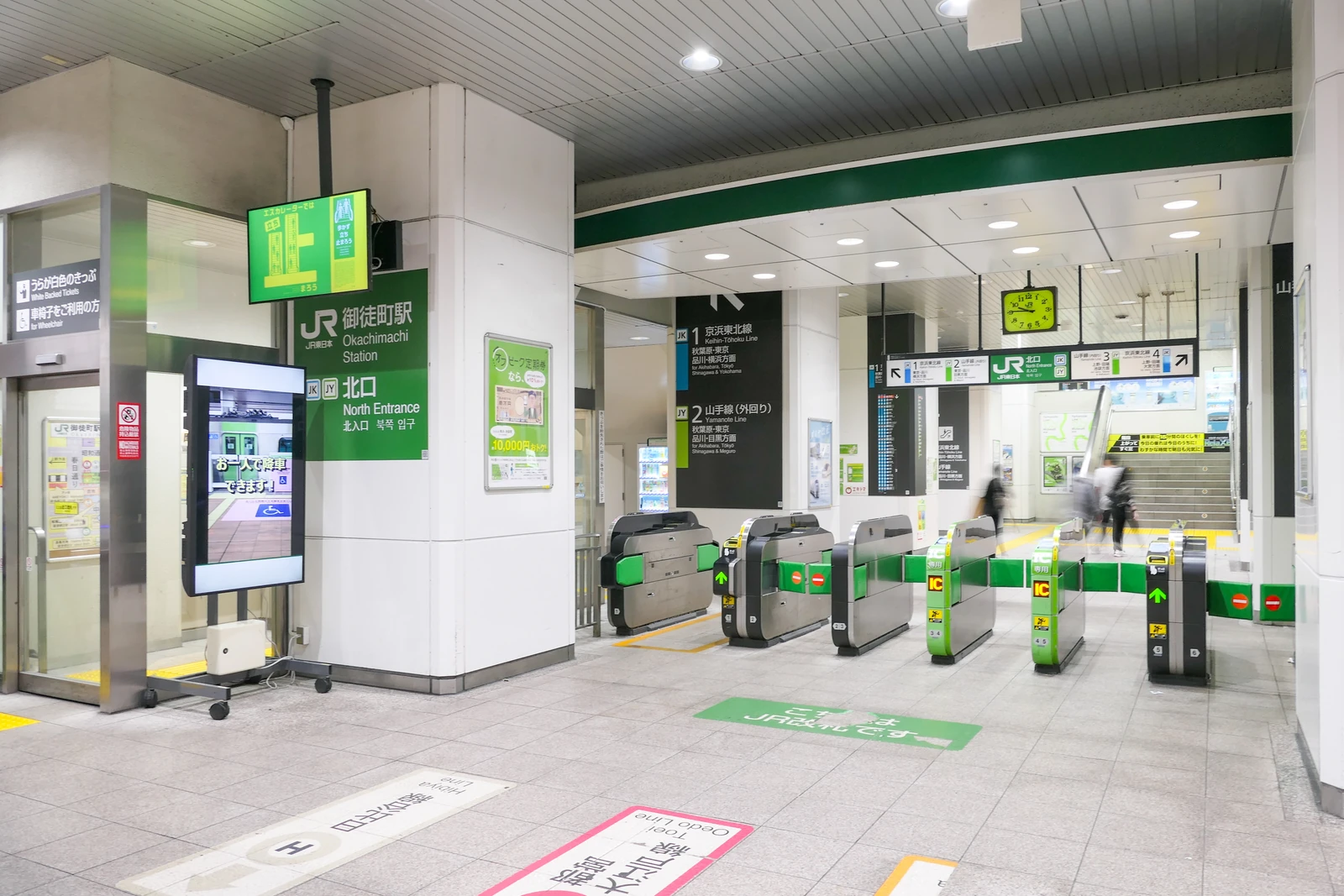
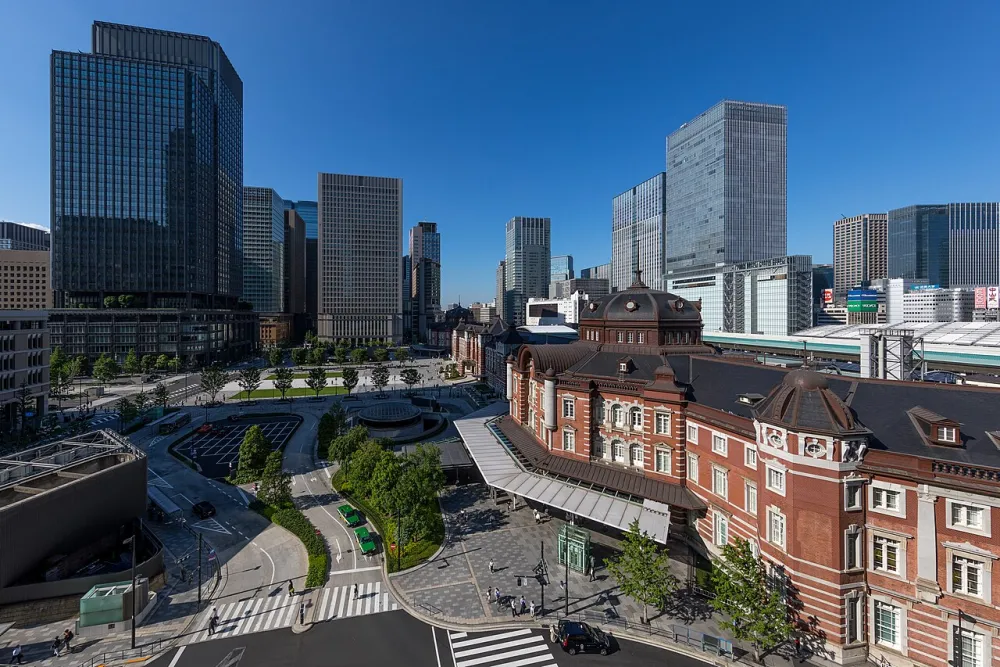
- At Tokyo Station, distinguish storage inside and outside ticket gates
- At Kyoto Station, choose a counter from your arrival direction
- Record four locker details so you can find the same compartment
- Sightseeing straight after landing: distinguish same-day from ordinary delivery
- For airport delivery, count dispatch days backward from your flight
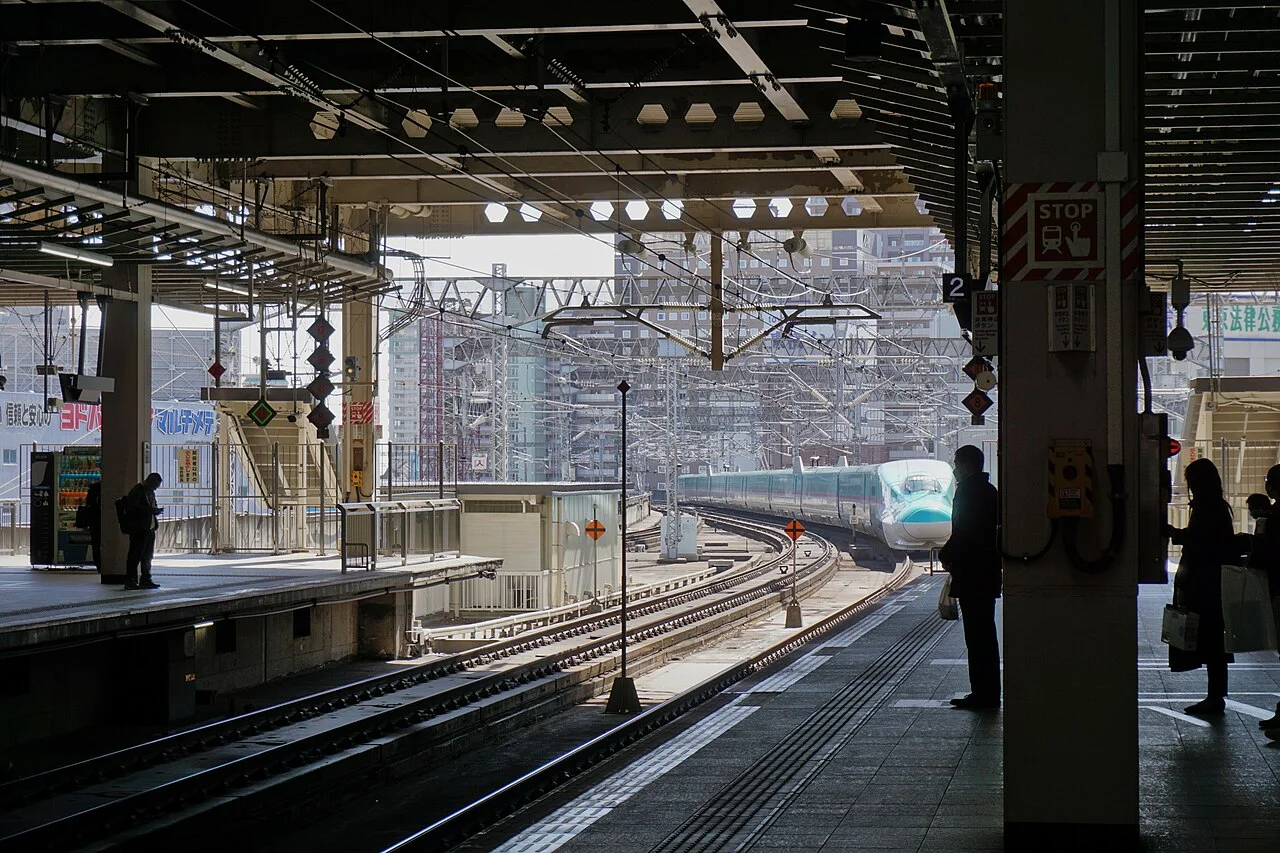
- Taking a large case on Shinkansen: reserve its space with your seat
- Sales-office collection and reserved storage add another scheduled stop
- With children or older travelers, assign carrying tasks to named people
- Count every bag at dispatch and collect them one by one
- If a case is late, locate that specific shipment first
- Keep two routes and one meeting date on the departure page
- Quick Q&A
When checking out in Tokyo, spending one night in Hakone, and continuing to Kyoto, it is often easiest to send the large suitcase ahead to Kyoto and take only an overnight bag. Work backward from the delivery date: when the next hotel can receive it, when the carrier can deliver, and what you need for the nights apart. If you will return to the same station that day, storage may fit better. If you need the whole suitcase tonight, arrange a suitable train seat and carrying route. Choose by the actual journey, and put dispatch, collection, and your flight departure into one itinerary.
First, map where the suitcase will go
After Tokyo, a one-night Hakone stop before Kyoto does not require taking the large suitcase into every hotel. Write your Tokyo, Hakone, and Kyoto dates in one row, with the bag's dispatch date, destination, and collection date below. If Kyoto can receive it and delivery timing works, send it straight there and take an overnight bag to Hakone. The supplies you keep for that intervening night determine how useful the arrangement is.
This works best with a short intermediate stay and a longer final base. Changing hotels and sending a bag every day can fill mornings and evenings with dispatch, receipt, and tracking. With only two bases, easy station elevators, and manageable luggage, carrying it is usually more direct. Start with the hardest leg: slopes, two transfers, or a long gap between checkout and check-in. Solve that leg and keep the rest simple.
In the first Japan trip planning guide, changing cities is an accommodation decision. Here, divide it into two practical tasks: how travelers arrive and when the suitcase becomes available. The routes may differ, but write their meeting date and place equally clearly.
Plan hotel delivery, station storage, and large bags on Shinkansen trains around Tokyo–Kyoto travel, a Hakone overnight, and airport departure, with dispatch and delivery dates, overnight bags, and collection routes.
Delivery, storage, and carrying bags suit different days
If you return to the same station before leaving for another city that evening, storage fits well. A single night in a new city before another morning departure often leaves too little delivery time. Several nights at the next base give delivery more room. Decide whether you need to open the large case tonight before choosing a service, saving detours made only to retrieve bags.
If afternoon activities lead straight to the next hotel, storing bags at the old hotel creates a return journey. If your final stop remains nearby, hotel storage may beat searching station lockers. Include storage in the day's route. A few luggage-free hours matter less than whether tired children must take an extra ride that evening.
| Day's plan | Start with | Task to schedule |
|---|---|---|
| Several nights at one base with day trips | Leave large bags at the accommodation | Obtain its storage conditions |
| Sightseeing after checkout; leave from the same station that evening | Station or reserved storage | Return for bags, then walk to the platform |
| One or two intermediate nights before a longer base | Forward large bags to the next base | Pack overnight supplies and set the delivery date |
| Need everything in the case tonight | Carry it with you | Suitable seats, luggage space, and elevator route |
Yamato's official video introduces luggage storage and delivery situations during travel.
Count the pieces you can manage before measuring them
Two adults with two children, four suitcases, and two strollers may struggle to supervise everything while boarding even if every item meets size rules. List what each person can control, then account for occupied hands: carrying a child, pushing a wheelchair, or holding an umbrella reduces luggage capacity. Packing coats and consolidating souvenirs into a closable bag may help more than buying a larger suitcase.
Keep tickets, water, and daily supplies in an accessible small bag so a coat does not require reopening a stored or shelved suitcase. If you expect substantial shopping, include that extra volume in the external measurements. Opening an expansion zipper changes the total dimensions. Judge return transport and delivery using the fully packed case.
Measure external dimensions, then apply carrier and train rules separately
A 28-inch or 30-inch suitcase label is insufficient. Measure external length, width, and height over wheels, fixed handles, and protrusions. Record their sum and weigh the packed case. For example, 75 × 50 × 30 cm totals 155 cm. This is a calculation example; replace it with your own measurements.
Yamato's suitcase instructions give standard TA-Q-BIN limits of 200 cm combined dimensions and 30 kg, with a longest side of 170 cm, or 100 cm for items that cannot be turned upside down. Convenience stores accept suitcases only up to Size 160. Above that, use a sales office or participating counter. Include a cover in external measurements, and check before dispatch that it permits measurement and the case closes properly.
Put dispatch, delivery, and check-in on separate calendar entries
Going to Kyoto tomorrow leaves two questions unanswered: when the carrier receives the bag today, and which delivery date the Kyoto hotel accepts. Leaving it temporarily at reception is not necessarily the carrier's collection time. A morning checkout bag collected in the afternoon starts its journey then, not at checkout. Ask which collection run will take this particular bag.
Yamato's official hotel and ryokan delivery guidance requires dispatch before the origin cutoff at least two days before check-in, or three days for some distances. Use this as the scheduling starting point, then ask for available dates using both addresses. The general fare and scheduled-delivery lookup helps check the route. Check same-day, station-to-station, and ordinary TA-Q-BIN services separately.
A concrete plan is dispatch in Tokyo on Monday and check in at Kyoto on Wednesday, keeping Monday and Tuesday night's clothes in the small bag. If it is already Tuesday evening and the Kyoto hotel is only for Wednesday night, keep the suitcase with you or find a service matching that timing rather than forcing the booking into ordinary delivery.
Ask the next hotel about four specific receiving details
Before dispatch, put the property's full name, branch address, booking name, and check-in date in one message. Ask the accepted delivery date, number of bags, whether freight must be prepaid, and where guests collect them. Match the waybill to the booking holder's name. A companion's name alone on the case may leave reception unable to find the reservation.
You can ask directly: I check in on October 29 and expect two prepaid bags on October 28. Can you receive them? Please provide the address, telephone number, and name format for the waybill. This is a contact template; replace dates and quantities. Give the accepted date to the sender rather than simply saying the hotel offers delivery services.
For unstaffed apartments, code-based check-in, or absent hosts, arrange receipt first. Yamato's Haneda and Narita airport delivery page excludes direct delivery to accommodation without someone to receive bags. A Yamato sales office with opening hours may be an alternative for collection. Include the final suitcase walk from there to your accommodation.
Check the waybill against your booking, not an abbreviated map name
One brand may have several city branches with similar station-front, east-exit, and main-building names. Take the full address from the booking and hotel website, checking postcode, district and block numbers, building, and branch. Do not use only the first map result. Have one person read the address while another checks the phone, especially for several family bags.
Yamato's waybill instructions cover sender and recipient contact details, contents, and applicable dates, and allow English. Include both hotel and guest names and clearly note check-in date. Describe actual contents such as clothes and shoes, and tell the carrier about special items rather than labeling everything miscellaneous.
Keep the receipt separate from the suitcase. Save the tracking number, dispatch date, destination hotel, and matching bag in offline notes. Colored straps distinguish identical cases. Keep receipt photos on your own device, and hide names, phone numbers, addresses, and tracking codes when sharing travel plans publicly.
Get a quote for each bag, its size, and the dispatch location
Compare the same bag between the same origin and destination. Separate ordinary, same-day, and airport delivery, noting the total, arrival date, and counter you must reach yourself. Two people sharing one suitcase can split its cost; four separate cases require four charges. One bag's fee is not the whole group's budget.
Yamato's standard TA-Q-BIN page prices by size and weight band and route, with differences by dispatch channel and payment method. Obtain the full amount, then compare avoided taxis, detours, and more suitable train seats. Record delivery once as its own transport cost in the Japan travel budget. Do not count a prepaid charge again when collecting.
If delivery plus travel to the sales office costs more than carrying the suitcase, retain the carrying option. For someone with limited mobility or caring for children, fewer lifts may justify the expense. For someone comfortable with a small backpack, reducing pieces may be simpler. Let the day's carrying burden guide the choice.
Your overnight bag must last until the case is actually available
Work backward from the next chance to open the case. If you reach the hotel Wednesday evening, carry enough clothes and supplies to last until after your bath on Wednesday. List underwear, socks, sleepwear, toiletries, contact-lens supplies, and indispensable child items for each person. For a winter trip from Tokyo into the mountains, keep warm layers with you. Raincoats and coats should not go to a city you will reach two days later.
Keep passports, cash, credit cards, phones, and daily medicines with you. Yamato's prohibited-items page explicitly includes passports, cash, and financial cards. Show the carrier power banks, aerosols, and other potentially restricted items before dispatch. If kept in your small bag, they must separately meet your airline's rules.
Test the packed bag with a short walk at the hotel. Can you free your hands for tickets, your phone, and helping a child? Can you reach medicine or a charging cable without emptying the clothes? Separate daily supplies from overnight clothes rather than creating a small bag as inaccessible as the large case.
Direct Tokyo to Kyoto: decide whether to separate luggage in advance
Several nights in Tokyo followed directly by several in Kyoto is the easiest comparison. If each person has one manageable case, long-distance tickets are booked, and station routes are simple, carry it. If you want sightseeing straight after Tokyo checkout and must take a bus to a more distant Kyoto hotel, early dispatch can ease both ends.
With delivery, pack and dispatch before checking out of Tokyo. Give reception the Kyoto booking details and choose a day the next base can receive bags. You can then go straight to your desired Kyoto area and check in that evening. If delivery is scheduled for the following day, carry first-night supplies. Plan the clothes first so saving effort does not lead to buying a replacement set of essentials.
For only one Kyoto night before an early departure, prioritize collection timing. A bag unavailable before you leave will chase your itinerary. Carrying it or sending it straight to a later multi-night Osaka stay is easier than delivering to the shortest stop.
Tokyo, Hakone, Kyoto: let the large case skip the intermediate night
The most useful change on this route is sending the large case straight to Kyoto and taking one night's supplies to Hakone. Keep clothes for after bathing, the next day after breakfast, and warm layers during travel, plus medicines and charging cables. If Hakone has a set dinner time, work backward from it. Less luggage should not be used to justify tighter transfers.
Agree on Kyoto's receiving date first, then count back the carrier's required days to choose a Tokyo dispatch date during your stay, the day before Hakone or earlier.
If you want heavy coats, substantial camera equipment, or all the child supplies in Hakone, the small bag may become another heavy case. Remove unused items first. If several pieces still need carrying, reconsider whether Tokyo and Kyoto stays are too short. Give a short stop enough time for comfortable travel and dinner after check-in.
On a loop back to the same city, link storage with the return stay
A Tokyo–Kanazawa trip returning to Tokyo need not carry all your shopping both ways. If staying at the same hotel before and after, ask about bag count, duration, and fees between bookings. After approval, note the second booking's name and dates and show the matching details on collection. Ask separately about multi-day storage and ordinary checkout-day storage until evening.
If returning to a different Tokyo hotel, long-term storage at the first loses its route advantage. Choose a suitable dispatch day and send bags to the later hotel. Yamato's later-delivery guidance allows a specified date within seven days of dispatch. For a longer trip, arrange other storage or dispatch later along the way. A waybill cannot postpone delivery indefinitely.
Kyoto to Osaka: decide whether one night is worth changing hotels
Kyoto–Osaka is shorter than Tokyo–Kansai, but checkout, packing, storage, and another check-in still take time. If moving to Osaka only for an early flight, include the final hotel's route to Kansai Airport. Does the morning travel saved outweigh moving the whole group the day before? If everyone accepts an early start, keep the original base; if fewer departure-morning transfers matter, moving early also has a reason.
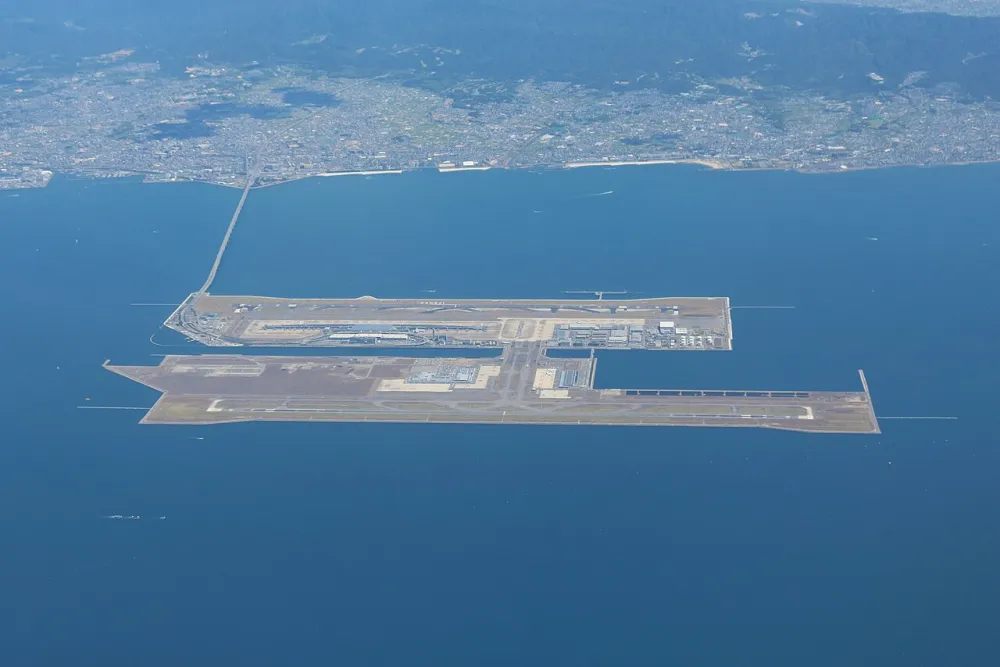
Once moving, align sightseeing and suitcase direction. If afternoon activities and the hotel are in Osaka, do not leave the case in Kyoto for an evening return. If sightseeing remains in Kyoto, store it somewhere you pass on departure. For city or intercity same-day delivery, compare JR West's Hands-Free Travel service categories by origin, destination station, and participating hotel. Same-day does not apply to every address.
Choose storage by the day's endpoint before looking for vacancies
Put the final train's departure station and luggage counter on the same map. Another exit, basement, or operator's station area still means walking and changing floors after collection. A return-route location is easier than the first empty locker you see. For a sightseeing stop en route, schedule the return for bags before the next transport leg.
Large stations offer lockers, staffed counters, and bookable shops, each with different hours, sizes, payment, and collection methods. For reservations, check the actual receiving shop rather than the platform logo. Upstairs entrances or stairs add work for strollers and large cases. Save the shop name, floor, and entrance-location details; there is no need to register with every storage platform.
At Tokyo Station, distinguish storage inside and outside ticket gates
Tokyo Station City's storage information separates facilities outside and inside gates. Outside Yaesu South is a Shinkansen luggage delivery and storage counter. On the first floor at Marunouchi North is storage at JR EAST Travel Service Center. Basement GRANSTA TOKYO lists storage inside the gates. Choose the side that fits your next movement before leaving the case.
For a day outside the station followed by an evening Shinkansen, storage outside the gates near your intended entry route connects more easily. Inside-gate storage requires handling gate access for afternoon collection. Identify inside versus outside first on the station map, then floor and exit. A phone's few-hundred-meter distance does not show the ticket gate between you and the bag.
The station information also links to locker vacancy searches. Use these to choose an area before setting off, then use the spaces actually available on arrival. Save a second option on the same page, such as staffed storage, instead of circling until you miss a reservation.
At Kyoto Station, choose a counter from your arrival direction
Choose north-side or Hachijo-side storage according to your route. The station building FAQ lists Crosta Kyoto on basement level one, open 8:00–20:00. The Sagawa Kyoto Station delivery counter is on ASTY Kyoto's first floor on the Hachijo side, open 8:45–20:00. Their different locations affect the walk after collection.
Sagawa's listed same-day delivery to participating Kyoto City hotels has a 14:00 acceptance cutoff, expected arrival after 17:00, and limits of 140 cm combined dimensions and 20 kg. Remove afternoon essentials before leaving the station. You then need not return to storage before the hotel. If your bag exceeds this product's size, ask directly for an available service and quote.
For an evening Kyoto arrival, continue toward your hotel rather than planning a service whose cutoff was in the afternoon. The city's Hands Free Kyoto sorts choices by arrival time and delivery or storage. Choose the service type there, then get counter details from the actual operator.
Record four locker details so you can find the same compartment
Before paying, test the bag inside. Check that wheels do not catch the door, the handle is retracted, and the door closes fully. Read the charging unit, overnight charge boundary, maximum storage period, and collection hours before paying. These vary by station and equipment. The door or screen gives the rules relevant to this use, more accurately than a generic online price.
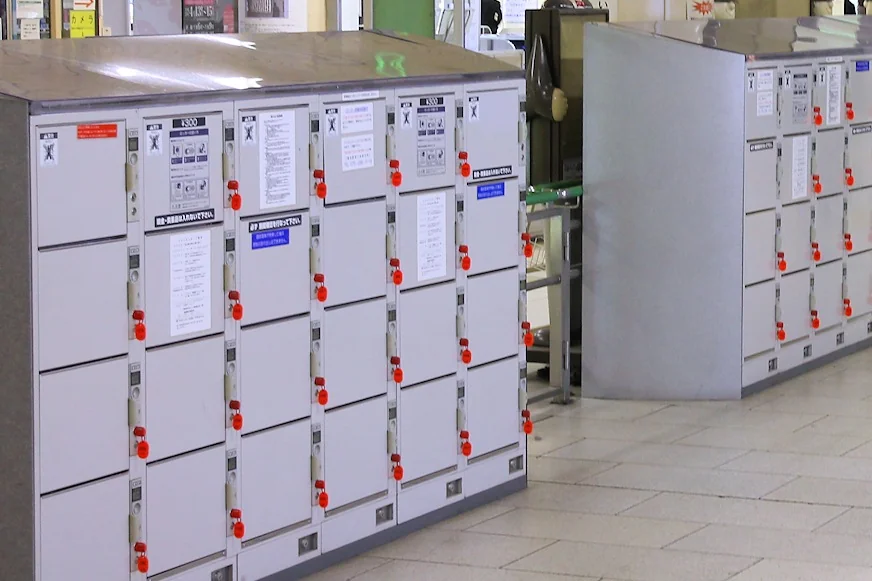
Record station, exit or passage, floor, and locker number, then photograph nearby signs for orientation. For IC access, remember which card. Keep a paper receipt or QR code separate from other tickets. If companions return separately, the collector must carry the actual access credential, not just know the locker is somewhere in Tokyo Station.
Schedule collection before closing. Kyoto City's official guidance also says station lockers are limited by station opening hours. A late dinner or an airport bus at another exit can turn convenient storage into a detour. Work backward from your final transport to set pickup time.
Sightseeing straight after landing: distinguish same-day from ordinary delivery
After an early Tokyo arrival with afternoon check-in, airport-to-hotel delivery is an option. Yamato currently lists Haneda's same-day cutoff as 11:00, with delivery after 18:00. Narita terminals 1 and 2 have a 10:30 cutoff, and terminal 3 a 9:50 cutoff. Eligible Tokyo and surrounding areas, actual counters, and hotel receiving conditions appear on the airport delivery page. Choose according to the time you actually clear immigration and collect checked bags.
Add immigration, baggage collection, and finding the counter to landing time before comparing the cutoff. If you miss same-day service and use ordinary delivery, keep first-night supplies. If you need the full suitcase that evening, taking it into the city is more direct.
For a late flight, check whether the counter is open and your final airport-to-hotel transport. Adding an inconvenient delivery counter to a tight arrival evening can cost you the train you could otherwise take. Dispatch from the hotel the next day is often easier.
For airport delivery, count dispatch days backward from your flight
Sending a large case to the airport can reduce carrying during your final shopping and city days, but dispatch is usually earlier than expected. Yamato's Airport TA-Q-BIN requires handover before the sender's cutoff two days before departure, or three days in some areas. The bag must reach the airport the day before the flight, and you collect it at a partner counter on flight day. Airport shipments cannot use ordinary delivery time slots or payment of shipping fees on delivery.
Give the dispatch counter the airport, terminal, flight number, and departure date and time. Check collection-counter location and hours before handing over the bag. For an early flight, work from counter opening: pickup, organizing belongings, walking to the airline counter, and checking bags must all fit before check-in closes. If the collection counter cannot accommodate that flight, keep the bag with you.
Anything bought after dispatch still needs to reach the airport with you. Prepare a closable shopping bag or spare capacity and include it in airline piece and weight limits. Avoid sending the suitcase and then buying so much that you have another checked item without suitable packaging.
Taking a large case on Shinkansen: reserve its space with your seat
On the Tokaido, Sanyo, Kyushu, and Nishi Kyushu Shinkansen, the JR Central baggage page defines oversized luggage requiring reservation as combined dimensions over 160 cm and up to 250 cm. Book a seat with an oversized baggage area when buying the ticket. Bags over 250 cm cannot be brought aboard. Even a case within 160 cm must be safe to carry and stow.
Arrange seats and bags for each traveler together. The space behind the last row is for passengers with the relevant reserved seats. If you want it for a stroller or special item, handle that when selecting seats rather than deciding after seeing empty space on board. Other routes and train types have their own official rules. Check each train type you will use.
Before lifting a case onto a rack, judge whether you can manage it, including retrieval from the aisle before arrival. If height, shoulder strength, or caring duties make that difficult, early delivery or fewer pieces may help more than a convenient seat. For ticket credentials and entry methods, see the Japan train reservations and IC card guide.
Sales-office collection and reserved storage add another scheduled stop
For unstaffed accommodation, compare reachable sales offices with your check-in route, opening hours, accepted services, and collection procedure. Yamato's sales-office collection service has specific addressing and receipt requirements. Give the sender the full office name rather than only a nearby address and leaving the driver to infer it.
Schedule collection first on arrival in the city or at a convenient point before check-in. For an evening pickup, check actual operating days, which may differ on weekdays, weekends, and holidays. Reserved shop storage works similarly: save the receiving shop, collection time, and support contact from the confirmation. After paying, you still need to hand over your bags at the correct shop.
If sightseeing takes you steadily away from collection, choose a point near your accommodation or reorder the sightseeing. Avoiding a detour can be worth more than the lowest storage fee.
With children or older travelers, assign carrying tasks to named people
Before leaving, decide who watches children, manages tickets, and carries large cases. Rehearse boarding and leaving separately. Someone pushing a stroller will usually struggle to push two independent cases too. Do not keep all credentials and access cards with one person: if one goes for food, the other must still be able to store and retrieve bags.
Give each overnight bag enough supplies for a night on its own, with children's spare clothes near the caregiver. Keep older travelers' daily medicine, warm clothing, and mobility aids accessible. These needs determine whether early dispatch works. Resolve them before deciding how many cases to send.
Use elevator routes that let you support companions. Do not carry cases up stairs to rescue an unrealistically short connection. If carrying bags, allow generous time for large-station transfers and arrange dinner after reaching the hotel. Forwarding is valuable because it moves these carrying pressures away from particular days.
Count every bag at dispatch and collect them one by one
Separate bags to send from items to carry in two areas of the room. Before closing cases, remove passports, wallets, medicine, and charging supplies. At handover, check each destination and match every waybill to a case. If some go to Osaka and others back to Tokyo, make two clear handovers rather than treating the whole group as one destination.
Count the total receipts and check each case has its own tracking number. At the next hotel, identify bags individually by strap or appearance and inspect wheels, handles, and shells. Report problems to staff and the carrier immediately, keeping waybills and photographs. Discovering a missing case in a later city adds unnecessary handovers to the search.
If a case is late, locate that specific shipment first
On the expected delivery day, track the receipt number and ask whether the hotel received it under the lead guest's name. A companion may ask under a different name while reception records it against another booking. Provide count, color, booking name, and waybill rather than repeatedly asking whether your luggage arrived. If tracking shows delivered, have the receiving property check its receipt records first.
If still traveling or showing an exception, contact the carrier with your current stay dates and onward itinerary to obtain the next step. Do not simply ask the hotel to forward a bag that has not arrived or change the destination again without contact. Buy only immediate overnight necessities if needed and keep expenses and support records. How those costs are handled depends on the service terms.
If you must leave tomorrow, give the carrier the next hotel's details and discuss a workable connection, informing the original hotel of the plan. First arrange a new meeting place where someone can receive the case. An extra sightseeing stop can wait.
Keep two routes and one meeting date on the departure page
Once settled, put travelers' departure station, destination, and train details in one row, and the bag's dispatch point, destination, expected delivery date, and tracking number in another. For storage, write the pickup point, deadline, and access credential. Share this page with all companions so separate movements still lead everyone to the bag's final location.
On the last evening, check the small bag in the order tomorrow's items will be needed, keeping coats, tickets, and phone-charging supplies accessible. If the case travels with you, arrange carrying and seats. If it leaves first, put the destination hotel and delivery date beside the receipt. In the morning, follow the planned handover or collection sequence.
A few useful answers
Can a suitcase sent from Tokyo reach Kyoto the same day?
Check ordinary TA-Q-BIN separately from dedicated same-day services. Obtain an available date using both addresses. Yamato's hotel guidance requires dispatch before cutoff at least two days before check-in, or three for some distances. If you need the full case today, use a dedicated service matching the route and time or carry it.
What should I do with large luggage for one night in Hakone?
If your next Kyoto or Osaka base can receive it, send the case ahead and take an overnight bag with enough supplies through the evening when you collect the case. Count back the carrier's schedule for dispatch and keep clothes, medicine, and warm layers with you.
Can accommodation without a reception desk receive luggage?
Obtain its actual receiving arrangement first. Yamato's Haneda and Narita delivery page excludes direct delivery to unstaffed accommodation. A participating Yamato sales office may offer collection; include its hours and the final suitcase walk in your itinerary.
Can I send my suitcase to the airport on flight day?
For Yamato Airport TA-Q-BIN, schedule dispatch before cutoff two days before departure, or three in some areas, and collect at the partner counter on flight day. For another same-day product, check its airports, terminals, and hours separately.
Can I collect bags from Japanese lockers at any time at night?
Check the actual facility's hours and locker rules. Station closure may block access, while staffed counters have their own hours. Work backward from your final transport to schedule collection.
Official information and references
Sources used in this guide.
- Yamato: suitcase sizes and packing
- Yamato: delivery to hotels and ryokan
- Yamato: requesting a later delivery date
- Yamato: standard TA-Q-BIN
- Yamato: fares and scheduled delivery lookup
- Yamato: Haneda and Narita airport delivery
- Yamato: filling out a waybill
- Yamato: prohibited items
- Yamato: Airport TA-Q-BIN
- Yamato: sales-office collection
- Tokyo Station City: storage and station maps
- Kyoto Station Building: storage FAQ
- Sagawa: Kyoto Station delivery service counter
- Kyoto City: Hands Free Kyoto services
- JR Central: Shinkansen baggage rules
- JR West: Hands-Free Travel