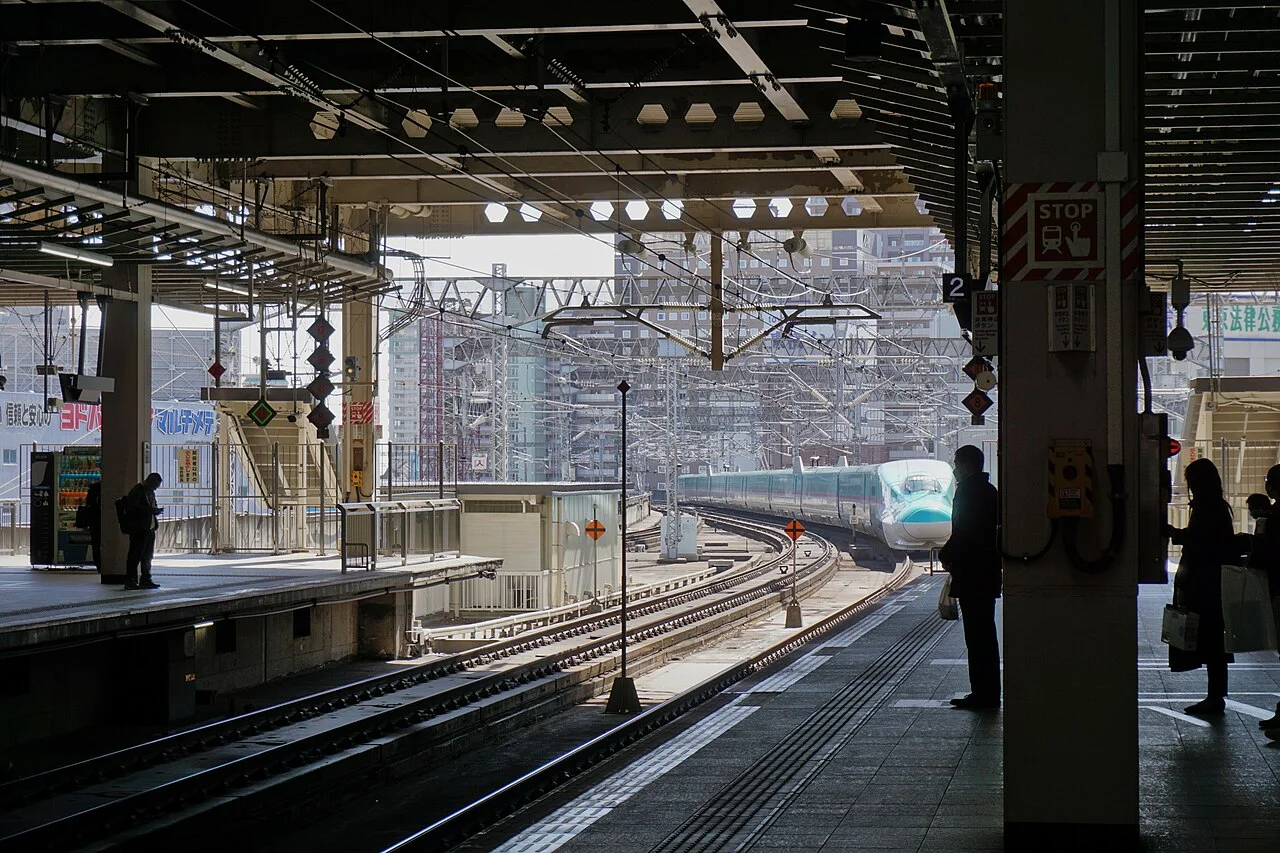
Plan hotel delivery, station storage and large suitcases on the Shinkansen around Tokyo–Kyoto travel, a short Hakone stay and your airport return, with dispatch dates, arrival dates, overnight bags and collection routes.
- Region & Focus
- Japan-wideTransport and passes
- Reading Scope
- 31 min read · 25 chapters · 5 Q&As
- Official Verification
- 16 official sources checkedUpdated 26 October 2026
- Key Topics
- First tripItinerariesRail travel
Chapter Route Map (tap any stop)
- First map where the suitcase needs to go
- Delivery, storage and carrying each solve a different day
- Count the items you can manage before measuring the cases
- Measure external length, width and height; apply delivery and train rules separately
- Put dispatch, delivery and check-in on separate calendar dates
- Ask the next hotel four specific questions about receipt
- Match the waybill to the booking, not a shortened map name
- Get the price per item, size and dispatch location
- The overnight bag must last until you can actually open the case
- Direct Tokyo to Kyoto: decide whether to split your luggage early
- Tokyo, Hakone, Kyoto: let the large case skip the middle night
- For a loop back to the same city, combine storage with the return stay
- Kyoto to Osaka: decide whether one night merits a hotel move
- Choose the collection endpoint before choosing an empty locker
- At Tokyo Station, distinguish storage inside and outside the gates
- Choose Kyoto Station’s counter around your arrival direction
- Record four details to find your locker again
- Sightseeing after landing: distinguish same-day from standard delivery
- For airport delivery, work back from the flight date
- Taking a large case on the Shinkansen: book space with the seat
- Office collection and reserved storage add a stop to the route
- With children or older relatives, assign handling to named people
- Count every item at dispatch and collect each case individually
- If a case is late, trace that specific item first
- Keep two routes and one reunion date on the travel page
- Quick Q&A
Checking out in Tokyo, spending one night in Hakone, then continuing to Kyoto? Sending the large case straight to Kyoto and taking an overnight bag to Hakone is often easiest. Work backwards from receipt: when can the next hotel accept it, when can the carrier deliver, and what do you need for the nights apart from it? If you will return to the same station that day, storage may fit better. If you need the whole case tonight, arrange suitable seats and a manageable route to carry it. Choose by the actual journey, putting dispatch, collection and the flight home into one itinerary.
First map where the suitcase needs to go
After checking out in Tokyo, your large case need not follow you into every hotel on the way through Hakone to Kyoto. Write the accommodation dates for Tokyo, Hakone and Kyoto in one row, with the luggage’s dispatch date, destination and collection date below. If Kyoto can accept it and the delivery timing fits, send the case straight there and take an overnight bag to Hakone. The supplies you keep for that intervening night determine whether this works.
This works best with a short intermediate stop and a longer final base. Changing hotels and forwarding a case every day fills mornings and evenings with dispatch, receipt and tracking. With only two bases, easy station lifts and a manageable suitcase, carrying it is usually more direct. Start with the hardest section: a slope with a case, two changes or a long gap between checkout and check-in. Solve that part first and keep the rest simple.
In the first-time Japan route planning guide, changing cities is an accommodation decision. Here, divide it into two practical jobs: how the travellers arrive, and when the case becomes available to open. The routes can differ, but write their meeting place and date equally clearly.
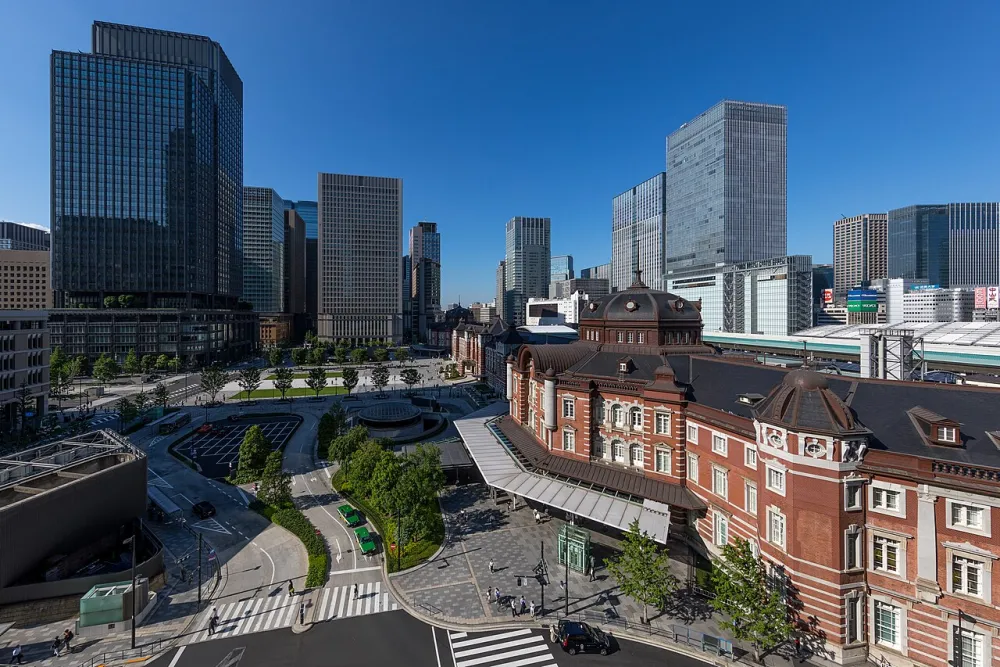
Plan hotel delivery, station storage and large suitcases on the Shinkansen around Tokyo–Kyoto travel, a short Hakone stay and your airport return, with dispatch dates, arrival dates, overnight bags and collection routes.
Delivery, storage and carrying each solve a different day
Storage works well if you return to the same station and leave for the next city that evening. Delivery to a hotel can be too tight for a one-night stop followed by an early departure. Several nights at the next base give more room for receipt. Decide whether you need to open the large case tonight before choosing the service, saving journeys made only to collect it.
If you are heading straight to the new hotel area in the afternoon, storage at the old hotel creates a return trip. If your final stop remains near the old hotel, its storage may be more effective than searching for a station locker. Include storage in the day’s route. Having no luggage for a few hours is only part of the benefit; avoiding an extra evening ride with tired children is a more useful comparison.
| Day’s plan | First choice | Include in the schedule |
|---|---|---|
| Several nights at one base; a daytime outing | Leave the large case at your accommodation | Obtain the accommodation’s storage conditions |
| Sightseeing after checkout; leave from the same station that evening | Station or reserved storage | Return for collection, then reach the platform |
| One or two intermediate nights; several nights at the next base | Send the large case straight to the next base | Pack an overnight bag and agree the receipt date |
| You need the whole case tonight | Carry it with you | Suitable seats, luggage space and a lift route |
Yamato’s official video shows how luggage storage and delivery can be used during a trip.
Count the items you can manage before measuring the cases
Two adults with two children, four cases and two pushchairs will struggle to manage everything while boarding, even if each item meets size limits. List what each person can control independently, then account for occupied hands: carrying a child, pushing a wheelchair and holding an umbrella all reduce luggage capacity. Packing coats away and consolidating souvenirs into a closable bag can be more useful than buying a larger case.
Keep a small, accessible bag for tickets, water and daily supplies. Once the large case is on a rack or in storage, avoid reopening it for a coat. Include planned shopping capacity in its external measurements. Opening an expansion zip changes the total dimensions you measured earlier; judge the return train journey and delivery using the fully packed case.
Measure external length, width and height; apply delivery and train rules separately
A suitcase’s “28-inch” or “30-inch” label is insufficient. Measure to the outermost points, including the wheels and fixed handles. Record external length, width, height and their sum, then weigh the packed case. For example, 75, 50 and 30 cm total 155 cm. This is a worked measurement example; use your own figures before leaving.
Yamato’s suitcase dispatch guidance gives standard TA-Q-BIN limits of 200 cm total dimensions and 30 kg, with a longest side of 170 cm, or 100 cm for items that cannot be turned upside down. Convenience stores accept suitcases only up to size 160. Above that, use a Yamato office or a counter offering the service. Include the suitcase cover in the external measurements. Before dispatch, check that the cover does not obstruct measurement and that the zip closes.
Put dispatch, delivery and check-in on separate calendar dates
“Going to Kyoto tomorrow” leaves out two details: what time the carrier receives the case today, and which delivery date the Kyoto hotel accepts. The hotel’s temporary holding time and the carrier’s actual collection can differ too. If you leave a case at reception after morning checkout and collection is in the afternoon, shipping does not begin at checkout. Ask which collection round will take this case.
Yamato’s official guidance for delivery to hotels and ryokan requires dispatch before the origin’s cutoff at least two days before check-in, or three days for some distances. Use this hotel-delivery guidance as the starting point, then ask about dates using both addresses. The standard TA-Q-BIN rate and estimated delivery-date search helps check the route. Look up same-day services, station-to-station delivery and standard TA-Q-BIN separately.
Make the plan concrete: dispatch in Tokyo on Monday and check into Kyoto on Wednesday, keeping Monday and Tuesday nights’ clothes in the small bag. If it is already Tuesday evening and you are considering delivery to a one-night hotel stay starting Wednesday, keep the case with you or choose a service that fits the timing. Do not force the accommodation dates into standard delivery.
Ask the next hotel four specific questions about receipt
Before sending, put the accommodation’s formal name, branch address, booking name and check-in date in one message. Ask which date it can receive the cases, how many it accepts, whether delivery must be prepaid and where guests collect them. If the booking platform uses the lead guest’s name, the waybill must let reception match that reservation. A companion’s name alone on the case may prevent staff finding the booking.
A direct message could read: “I check in on 29 October and expect two prepaid suitcases to arrive on 28 October. Can you accept them? Please provide the address, phone number and name format for the waybill.” This is a template: change dates and numbers to your actual plan. Once answered, give the accepted date to the dispatch counter rather than simply saying the hotel offers delivery.
For unstaffed apartments, code-entry properties or absent hosts, arrange receipt first. Yamato’s Haneda and Narita airport delivery page states that unstaffed accommodation cannot receive direct delivery. You can instead collect at a Yamato office during its opening hours. Include the final walk with the case from that office to your accommodation.
Match the waybill to the booking, not a shortened map name
A brand can have several hotels in one city, with similar station-front, east-exit and main-building names. Take the full address from the booking confirmation and official hotel website. Compare postcode, block and street numbers, building and branch character by character rather than using the first map result. Have one person read the address and another check the phone, especially for several family cases.
Yamato’s waybill instructions cover sender and recipient contacts, contents and applicable date fields, and allow English. Include both the hotel and guest name, with check-in date clearly noted. Describe actual contents such as clothes and shoes; tell the carrier directly about special items rather than labelling everything vaguely as miscellaneous goods.
Keep the sender’s receipt apart from the case. Save the tracking number, dispatch date, destination hotel and corresponding case in an offline note. Coloured straps can distinguish similar cases. Keep receipt photographs on your own device, and obscure names, phone numbers, addresses and tracking codes before sharing an itinerary publicly.
Get the price per item, size and dispatch location
For a delivery comparison, hold the case, origin and destination constant. Compare standard, same-day and airport delivery separately, recording the full price, arrival date and counter you must reach yourself. Two people sharing a case can split its charge. Four people sending one each pay for four cases; one item’s fee is not the group budget.
Yamato’s standard TA-Q-BIN page prices by size, weight band and route, with differences in dispatch channels and payment methods. Get the full charge for this shipment before comparing taxis avoided, fewer return walks and more suitable train seats. Record forwarding once as a separate transport cost in the Japan travel budget. Do not count a prepaid dispatch fee again on receipt.
If delivery plus travel to the office costs more than carrying the case is worth to you, keep the carry-it option. Lifting the case fewer times may justify the cost for someone with limited mobility or caring for children. For someone able to carry a small bag, fewer items may be simpler. Base the choice on that day’s handling burden.
The overnight bag must last until you can actually open the case
Work back from the next time you can unpack. If you reach the hotel on Wednesday evening, bring enough clothes to have a clean change after your shower on Wednesday. List underwear, socks, sleepwear, toiletries, contact lens supplies and children’s essentials for each person. In winter, keep warm layers with you for a mountain trip from Tokyo. Do not send raincoats and coats to a city you will not reach for two days.
Keep passports, cash, credit cards, phones and daily medicines with you. Yamato’s prohibited-items page lists passports, cash and bank cards among excluded items. Show the carrier power banks, aerosols or other items potentially restricted by the transport method before dispatch. If you keep them in the small bag, follow your flight’s carry-on rules separately.
Try walking with the packed small bag at your accommodation. Can you free your hands for tickets, a phone or a child? Must you empty all the clothes to find medicine or a charging cable? Separate frequently used items from overnight clothes rather than making the small bag as difficult to use as the large case.
Direct Tokyo to Kyoto: decide whether to split your luggage early
Several nights in Tokyo followed by several in Kyoto, without a short stop between, make comparison easiest. If everyone has one manageable case, long-distance tickets are booked and station routes are straightforward, take the cases to Kyoto. If you want to sightsee straight after Tokyo checkout and must then take a bus to a more distant Kyoto hotel, forwarding early can ease both sections.
For delivery, divide and dispatch the luggage before Tokyo checkout, give reception the Kyoto booking details and choose a delivery day the next base accepts. On arrival in Kyoto, you can go straight to the area you want to visit and check in later. If the chosen service delivers the day after check-in, keep first-night supplies with you. Plan clothing first so saving suitcase handling does not lead to buying a whole set of essentials.
For a single Kyoto night followed by a morning departure, put receipt timing first. If you cannot collect the case before leaving, you will have to arrange for it to follow you. Carrying it or sending it straight to a later multi-night Osaka stay is easier than delivering to the shortest stop.
Tokyo, Hakone, Kyoto: let the large case skip the middle night
The most useful change on this route is sending the large case straight to Kyoto and taking only one night’s supplies to Hakone. Keep clothes for after bathing, the next day after breakfast and warm layers for travel, plus medicines and charging cables. If Hakone accommodation serves dinner at a set time, work backwards from it too. Less luggage is no reason to make connections tighter.
Agree Kyoto’s accepted delivery date first, then work back through the carrier’s required lead time to a Tokyo dispatch day during your stay, the day before Hakone or earlier.
A small bag can become another heavy item if you take thick coats, lots of camera equipment or all the children’s supplies to Hakone. Remove items you will not use first. If several items still need carrying, reconsider whether the Tokyo and Kyoto stays are too short. An intermediate stop needs enough time for transport and dinner after check-in to remain manageable.
For a loop back to the same city, combine storage with the return stay
If you leave Tokyo for several nights in Kanazawa and then return, your shopping need not make the round trip too. For the same hotel before and after, ask about item limits, duration and fees between the two bookings. With agreement, add the second booking’s name and date to the notes and show matching details on collection. Storage across several days is a separate question from checkout-day storage until evening.
If you return to a different Tokyo hotel, long-term storage at the first loses its route advantage. Choose a suitable delivery date before leaving and send the case to the later hotel. Yamato’s guidance on later delivery dates limits the choice to within seven days of dispatch. For longer trips, arrange storage or dispatch later along the route. A waybill date cannot be postponed indefinitely.
Kyoto to Osaka: decide whether one night merits a hotel move
Kyoto to Osaka is shorter than Tokyo to Kansai, but checkout, packing, storage and check-in still take time. If moving to Osaka for one night before an early flight, assess that hotel’s route to Kansai Airport too. Does the easier morning offset moving the whole group the day before? If companions accept an early start, staying at the existing base may work. Moving the day before also makes sense if fewer morning transfers matter.
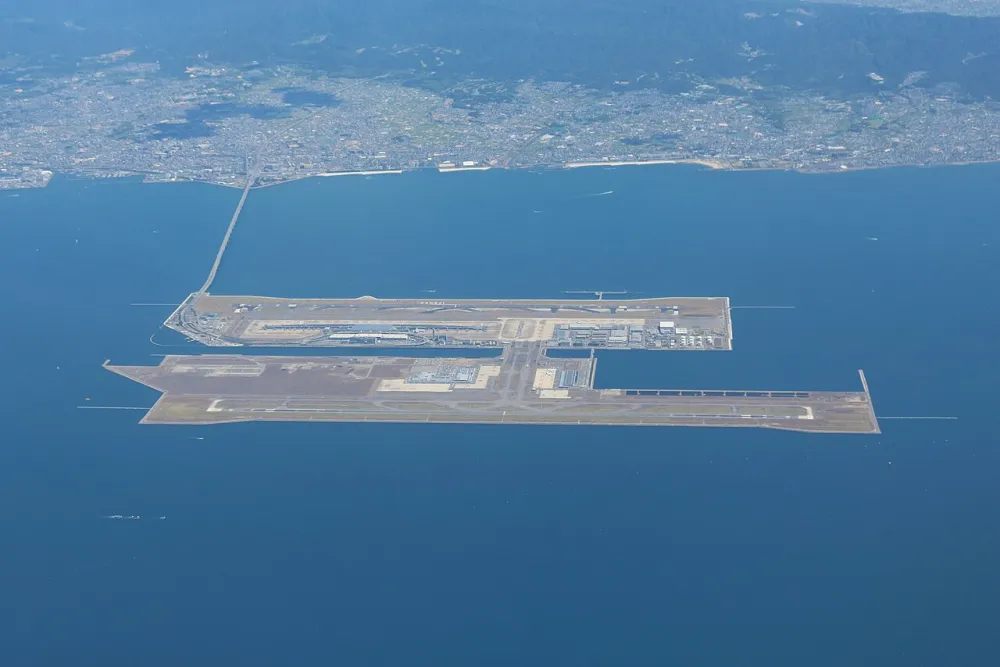
Once moving, align sightseeing with the cases. If afternoon activities and the night are in Osaka, do not leave luggage in Kyoto for an evening return. If the afternoon remains in Kyoto, store it somewhere you pass on departure. For local or intercity same-day delivery, compare JR West’s Hands-Free Travel service categories by origin, destination and participating hotels. “Same day” does not apply to every address.
Choose the collection endpoint before choosing an empty locker
Put the departure station for your final train and the collection counter on one map. Storage by another exit, underground or in another operator’s station area still means walking and changing floors before boarding. A place on your return route is easier than the first empty locker you see. For sightseeing at an intermediate stop, plan collection before the next transport segment.
Large stations offer lockers, staffed counters and bookable shops, each with different hours, sizes, payments and collection methods. For reserved storage, check the actual receiving shop, not just the platform brand. An upstairs entrance or stairs add work with a pushchair and large case. Save the shop name, floor and entrance-photo location with the route. You do not need to register with every storage platform.
At Tokyo Station, distinguish storage inside and outside the gates
Tokyo Station City’s storage information separates facilities outside and inside the ticket gates. Outside are the Shinkansen luggage delivery and storage counter by Yaesu South Exit and the JR EAST Travel Service Center on level 1 (1F) by Marunouchi North Exit. Basement GRANSTA TOKYO lists storage inside the gates. Choose the side you will next use before leaving the case.
For example, if you spend the day outside Tokyo Station and return for an evening Shinkansen, storage outside the gates near your planned entry is easier to reconnect with. A case stored inside means planning access through the gates for collection. On station maps, identify inside/outside the gates first, then floor and exit. A phone showing only a few hundred metres does not reveal a ticket barrier between you and the case.
Station information also links to locker availability searches. Use them to choose which area to approach first, then follow the spaces actually available on arrival. Save a second option on the same page, such as staffed storage, so a lack of lockers does not send you circling until you miss a reservation.
Choose Kyoto Station’s counter around your arrival direction
Choose north-side or Hachijo-side storage according to your route through Kyoto Station. The station building’s official FAQ lists Crosta Kyoto on basement level 1 (B1F), open 08:00–20:00. The Sagawa Kyoto Station delivery service counter is on level 1 (1F) of ASTY Kyoto by the Hachijo Exit, open 08:45–20:00. Their locations materially change the walk after collection.
Sagawa’s listed same-day delivery to participating Kyoto city hotels has a 14:00 acceptance cutoff and expected arrival after 17:00, with limits of 140 cm total dimensions and 20 kg. Take out afternoon essentials before leaving the station. You can then go to the hotel that evening without returning to the storage counter. If your case exceeds this offer’s size, ask directly about available services and prices.
For an evening Kyoto arrival, travel towards your accommodation first rather than planning a service whose cutoff was in the afternoon. Kyoto City’s Hands Free Kyoto sorts options by arrival time and delivery or storage, helping you choose a service type before obtaining counter details from the actual operator.
Record four details to find your locker again
Before paying, try the case inside. Check the wheels do not jam the door, the handle is retracted and the door closes fully. Check how charges are calculated, when a new day’s charge begins, the maximum storage period and collection hours. These differ between stations and machines. The instructions on the actual locker or screen are more relevant to this cost than a generic online price.
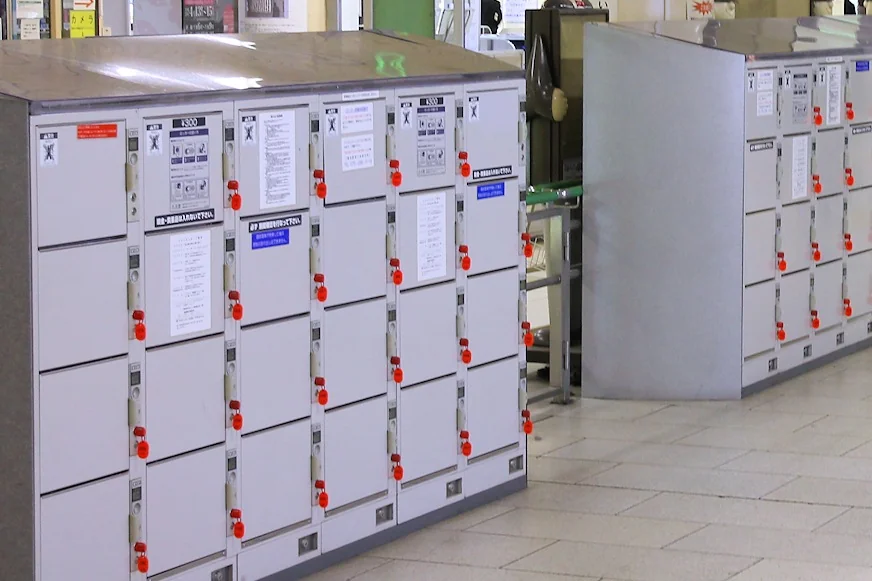
After storing, record the station, exit or passage, floor and locker number. Photograph nearby signs too. For IC-card unlocking, remember which card; keep a paper slip or QR code separate from other tickets. If companions return separately, the collector needs the actual unlocking credential, not just an idea that the locker is somewhere in Tokyo Station.
Plan collection before closing. Kyoto City also explains that station locker access depends on station opening hours. Returning after a late dinner or taking an airport bus from another exit can turn convenient storage into a detour. Work backwards from your final transport to collection time.
Sightseeing after landing: distinguish same-day from standard delivery
On an early Tokyo arrival before afternoon hotel check-in, airport-to-hotel delivery is an option. Yamato’s current Haneda information gives an 11:00 cutoff for same-day service, with delivery after 18:00. At Narita, cutoffs are 10:30 for terminals 1 and 2 and 09:50 for terminal 3. Eligible Tokyo and surrounding areas, counters and hotel receipt conditions appear on the airport delivery page. Choose by the time you actually clear immigration and collect checked bags.
Add immigration, baggage collection and finding the counter to landing time before comparing the cutoff. If you miss same-day acceptance and choose standard delivery, keep first-night supplies. If you need the whole case that night, taking it into town with you is more direct.
For a late flight, first check counter hours and the final transport to your accommodation. An inconvenient delivery counter on an already tight arrival evening can cost you a usable train. Handling dispatch at the hotel next day is often easier.
For airport delivery, work back from the flight date
Sending the large case to the airport reduces handling during final days of shopping and city visits, but dispatch is usually earlier than expected. Yamato’s Airport TA-Q-BIN requires handover before the origin counter’s cutoff two days before the flight, or three days for some areas. The case must reach the airport the day before departure, and you collect it at a partner counter on flight day. Airport shipments cannot specify an ordinary delivery time slot or have the delivery charge paid on collection.
Give the dispatch counter your airport, terminal, flight number, departure date and time. Check the collection counter’s location and hours before handing over. For an early flight, start with its opening time: collection, repacking, walking to the airline desk and bag drop must all fit before check-in closes. If the counter cannot serve that flight, keep the case with you.
Anything bought after dispatch still needs carrying to the airport. Prepare a closable shopping bag or spare capacity and include it in the airline’s piece and weight limits. Avoid sending the case and then buying so much that you create another checked item without proper packaging.
Taking a large case on the Shinkansen: book space with the seat
For the Tokaido, Sanyo, Kyushu and Nishi Kyushu Shinkansen, the JR Central baggage page defines oversized baggage requiring a reservation as total dimensions over 160 cm and up to 250 cm. When taking it, choose a seat with oversized baggage space at ticket purchase. Items over 250 cm cannot be brought on board. Even ordinary cases within 160 cm must be stored and handled safely.
Arrange each traveller’s seat and case together. Space behind the last row is for passengers with the corresponding reserved seats. If you want to use it for a pushchair or special item, address that during seat selection, rather than deciding after seeing empty space on board. Other routes and train types have their own official baggage rules. Check each applicable segment when your journey uses several trains.
Before lifting a case onto a rack, judge whether you can manage it; you also need to retrieve it in the aisle before getting off. If height, shoulder problems or caring for companions makes that difficult, forwarding early or reducing items is more effective than finding a convenient seat. For ticket credentials and station entry, see the Japan train reservations and IC card guide.
Office collection and reserved storage add a stop to the route
For collection at a carrier office instead of unstaffed accommodation, compare reachable offices with your check-in route, checking hours, accepted services and collection procedures. Yamato’s office collection service has specific destination and receipt requirements. Give the dispatch point the full office name rather than a nearby address that leaves the driver guessing.
Make collection the first task after reaching the city, or a stop on the way to your accommodation. For evening collection, check the actual office’s operating days; weekends, holidays and weekdays may differ. The same applies to reserved shop storage. After platform confirmation, save the receiving shop, collection time and support link. Successful payment still requires handing over at the correct shop.
If sightseeing will take you steadily away from collection, choose a point nearer your accommodation or reorder the activities. Avoiding a return trip can be worth more than the lowest storage fee.
With children or older relatives, assign handling to named people
Decide who watches children, holds tickets and handles the large case, and rehearse boarding and leaving once. Someone pushing a pushchair will usually struggle with two separate cases too. With two adults, do not put every credential and unlocking card with one person. If that person buys food, the other must still be able to complete storage and collection.
Give each overnight bag enough supplies for an independent night, keeping children’s spare clothes beside their carer. Keep older relatives’ regular medicines, warm clothes and mobility aids according to daily needs. These determine whether the large case can leave early. Sort them first, then decide how many cases to send.
Follow a lift route that lets you care for companions rather than carrying cases upstairs to meet an unrealistically short connection. If carrying cases, allow more time for transfers at large stations and arrange dinner after reaching your accommodation. Forwarding is valuable precisely because it removes these handling pressures from selected days.
Count every item at dispatch and collect each case individually
In the room, separate items to send from items to carry. Before closing cases, remove passports, wallets, medicines and charging supplies again. At handover, check each destination and match one waybill to each case. If some go to Osaka and others back to Tokyo, make two clear handovers rather than treating the whole group’s cases as one destination.
Once you receive the receipts, count the total and check each item has its own tracking number. At the next hotel, match cases by straps or appearance and inspect wheels, handles and shells. Report problems to staff and the carrier immediately, keeping the waybill and exterior photographs. Discovering a missing case in a later city adds unnecessary handovers to the search.
If a case is late, trace that specific item first
On the expected receipt day, check tracking with the receipt number, then ask whether the hotel has received it under the lead guest’s name. A companion may give only their own name while reception recorded the case under another booking. Provide item count, colour, booking name and waybill together rather than repeatedly asking whether your luggage has arrived. If tracking says delivered, ask the receiving accommodation to check its receipt records first.
If it remains in transit or shows an exception, contact the carrier with your current stay dates and onward plan to obtain the next step. Do not simply demand that the hotel immediately forward a case it has not received, or change the destination again without contacting the carrier. If you need replacements, buy only that night’s essentials and keep expense and support records. How any later costs are handled depends on the service terms.
If you must leave next day, give the carrier the next accommodation details to discuss a workable connection and tell the original hotel the arrangement. First reunite case and traveller at a place that can accept it. Decide later whether to add another sight that day.
Keep two routes and one reunion date on the travel page
Once arrangements are fixed, put travellers’ departure station, destination and train details in one row. Put the case’s dispatch point, destination, expected receipt date and tracking number in another. For storage, record collection point, deadline and unlocking credential. Share this page with companions so everyone knows where the case ends up even if you split up.
When packing on the final evening, check the small bag against what you need first next day, keeping coat, tickets and phone charging supplies accessible. If the large case travels with you, arrange handling and seating. If it leaves first, write the destination hotel and receipt date beside the sender’s receipt. On leaving your accommodation, follow the agreed handover or collection order.
A few useful answers
Can luggage sent from Tokyo reach Kyoto the same day?
Check standard TA-Q-BIN and dedicated same-day services separately. Use both addresses to obtain an available delivery date. Yamato’s accommodation guidance requires dispatch before the cutoff at least two days before check-in, or three days for some distances. If you need the whole case that day, choose a dedicated service covering the route and timing or carry it.
What should I do with large luggage for one night in Hakone?
If the next Kyoto or Osaka base accepts it, send the large case ahead and take an overnight bag lasting until the evening you collect it. Work back from the carrier’s schedule for dispatch, keeping clothes, medicines and warm layers with you.
Can accommodation without reception accept luggage?
Obtain its actual receipt arrangement first. Yamato’s Haneda and Narita delivery page does not accept direct delivery to unstaffed accommodation. You can collect at a participating Yamato office, including its opening hours and the final walk with the case in your itinerary.
Can I send the case to the airport on flight day?
For Yamato Airport TA-Q-BIN, schedule handover before the cutoff two days before departure, or three days for some areas, and collect at the partner counter on flight day. For another same-day service, check that product’s airports, terminals and hours separately.
Can I collect from a Japanese locker at any time at night?
Check the actual facility’s opening hours and locker rules. A station closure may prevent access; staffed counters have their own hours. Work backwards from your final transport to collection.
Official information and references
Sources used in this guide.
- Yamato: suitcase sizes and packing
- Yamato: delivery to hotels and ryokan
- Yamato: specifying a later delivery date
- Yamato: standard TA-Q-BIN
- Yamato: rates and estimated delivery-date search
- Yamato: Haneda and Narita airport delivery
- Yamato: completing a waybill
- Yamato: prohibited items
- Yamato: Airport TA-Q-BIN
- Yamato: office collection
- Tokyo Station City: storage and station maps
- Kyoto Station Building: storage facilities FAQ
- Sagawa: Kyoto Station delivery service counter
- Kyoto City: choosing Hands Free Kyoto services
- JR Central: Shinkansen baggage rules
- JR West: Hands-Free Travel