Distinguish Shimabara Station from the port, then plan castle exhibits, samurai-house channels, Shimeiso and shiratama making. Includes ferry fares, child rules and transfers for a return trip or onward crossing.
- Region & Focus
- Shimabara
- Reading Scope
- 32 min read · 15 chapters · 4 Q&As
- Official Verification
- 14 official sources checkedUpdated 22 November 2026
- Key Topics
- ItinerariesNeighbourhoodsKyushu
Chapter Route Map (tap any stop)
- Enter town at Shimabara Station; board the ferry at Shimabara Port
- Change at Isahaya for the Shimabara Railway and use Shimabara Station for the castle
- The Kumamoto ferry takes about 30 minutes; add transfers on both shores
- Calculate passengers and vehicles separately, including the child conditions
- Allow 90 minutes for the castle, dividing time between exhibits and views
- On Level 1, follow faith through objects; upstairs, examine domain life
- After the view, look for water-pipe stones and memories of reconstruction
- Walk Shitanomachi, where water runs down the centre of the samurai-house street
- Choose guzoni or hand-stretched somen for lunch, with spring-water shiratama later
- The carp streets: see residents’ water channels before entering the garden
- At Shimeiso, see how the rooms project over water, then visit the rear garden
- Calculate castle and garden admission by school stage
- Book weekend shiratama making ahead; café service ends before the building closes
- Choose a rail return, an onward crossing or a day trip from Kumamoto
- Reduce the route for limited walking or luggage on a transfer day
- Quick Q&A
Shimabara Castle is near Shimabara Station; the Kumamoto ferry calls at Shimabara Port. Separate these two starting points first. Spend the morning with castle exhibits and samurai houses, then walk Shinmachi’s water streets and sit beside Shimeiso’s garden in the afternoon. For a ferry trip, plan land transfers on both sides. Beyond the 30-minute crossing, the castle town needs a full share of daylight.
Enter town at Shimabara Station; board the ferry at Shimabara Port
For the castle town by rail, alight at Shimabara Station. For a ferry to Kumamoto, head to Shimabara Port. The tourism bureau puts the castle about 10 minutes’ walk from the station. The port is a passenger harbour on the Ariake Sea, also called Shimabara Outer Port on the Kumamoto Ferry site. Give station and port separate lines in your itinerary so that the boarding point is clear before you finish at the castle.
Divide the castle town into two areas: Shimabara Castle and the samurai houses west of it in the north; Shinmachi’s “town where carp swim”, Shimeiso and Yusuikan in the south. Focus on these, with lunch between them. From the station, start at the castle and continue to the water streets. From the port, choose your return sailing first, then walk north from the water streets or take transport to Shimabara Station. Allow a full day if entering both castle and garden.
With half a day, the simplest choices are the castle plus a short town walk, or Shimeiso and lunch by the water streets. Choose the castle for historical material or Shimeiso for sitting in a wooden house beside a pond. Fitting both paid attractions into a short stop can reduce the samurai houses to a hurried walk-through and leave lunch dependent on transport gaps.
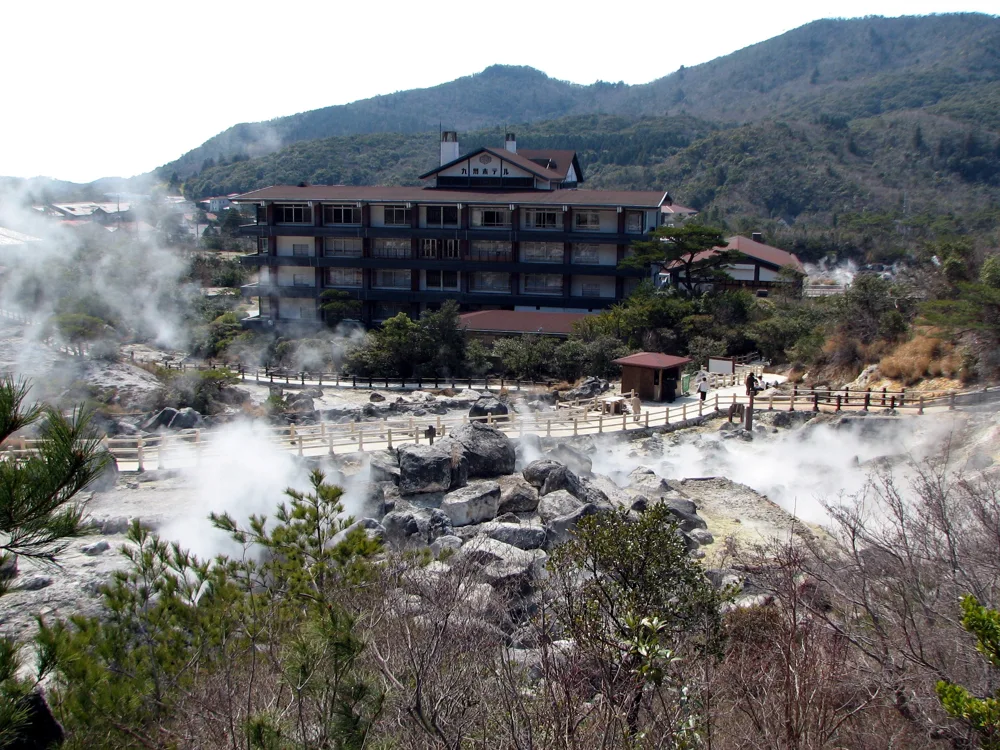
If also visiting Unzen or Obama, give them a separate overnight day. The Unzen and Obama Onsen itinerary links the mountain steam fields with hot springs on Tachibana Bay. Keep this day for the eastern castle town. From Kumamoto, use the crossing as a transfer day and stay on the Nagasaki side, saving both luggage and sightseeing from a return to the starting point.
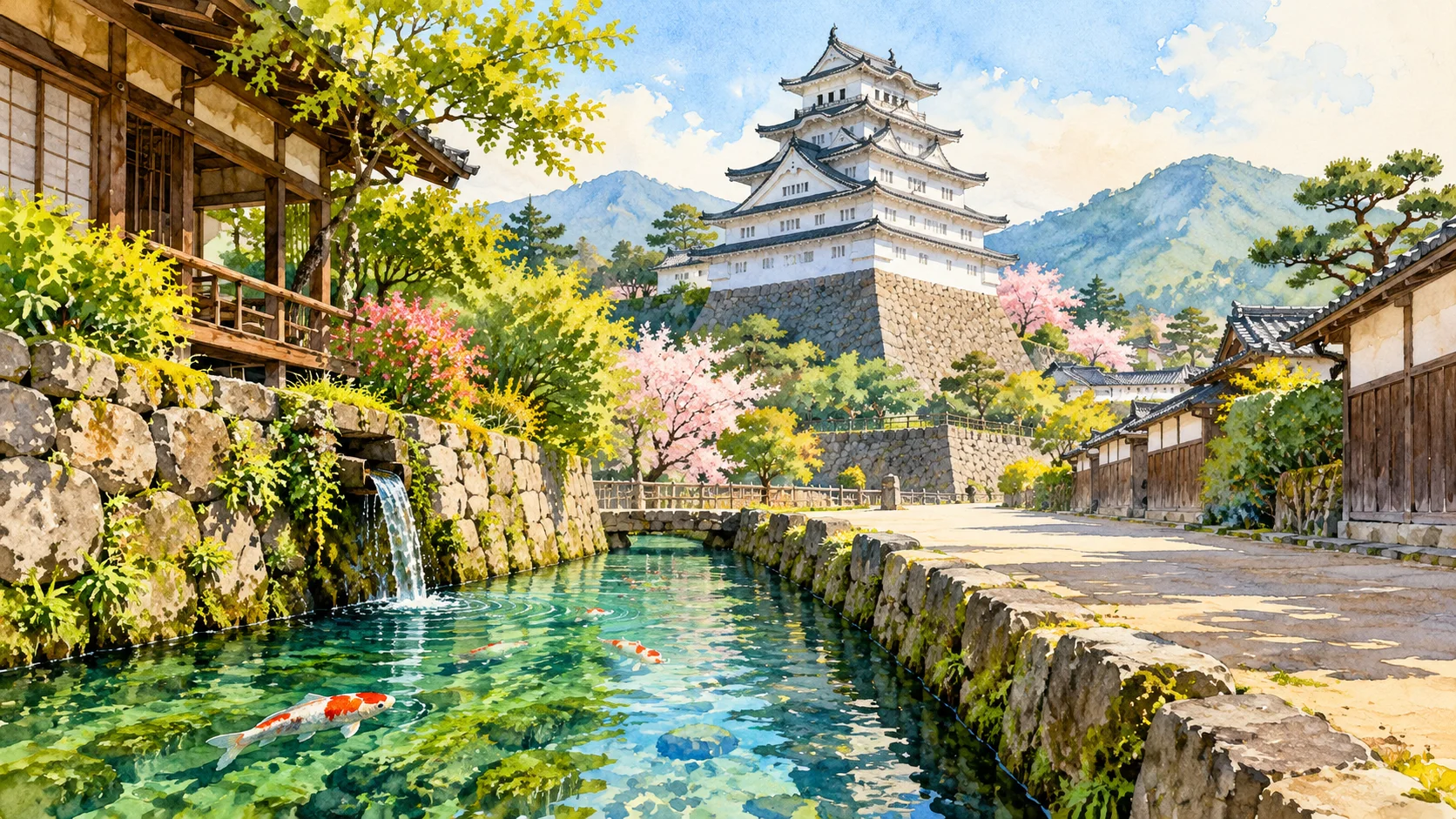
Distinguish Shimabara Station from the port, then plan castle exhibits, samurai-house channels, Shimeiso and shiratama making. Includes ferry fares, child rules and transfers for a return trip or onward crossing.
Change at Isahaya for the Shimabara Railway and use Shimabara Station for the castle
By rail from Nagasaki city or Fukuoka, reach Isahaya on JR, then change to the Shimabara Railway. Check the operator and direction, treating JR and the local railway as separate legs. If holding a rail pass, list the Shimabara Railway fare separately and buy according to the pass’s coverage. For the return, choose the departure from Shimabara first, then connect with trains beyond Isahaya.
Shimabara Station, Reikyu Koen Taiikukan Station and Shimabara Port Station serve different parts of the visit. Shimabara Station is the clearest starting point for the castle. Official access information puts the water streets about 10 minutes’ walk from Shimabara Station or seven minutes from Reikyu Koen Taiikukan Station. If ending south of Shinmachi, compare boarding at the latter. If luggage remains at the starting point, include the return to collect it.
When checked on 29 October 2026, the railway’s fare and station web pages displayed maintenance notices. These web pages had been unavailable since 22 October, pending completion of countermeasures. The notice gave 0957-62-2231 on weekdays, 09:00–16:00; on weekends and public holidays, railway enquiries were available on 0957-62-4705, 06:25–19:50. Use these contacts for the fares and services on your date. The tourism bureau’s access page also gathers rail and bus links.
The Kumamoto ferry takes about 30 minutes; add transfers on both shores
The Kumamoto Ferry access page gives the Ocean Arrow high-speed car ferry crossing from Kumamoto Port to Shimabara Outer Port as about 21 km and 30 minutes. Kumamoto Port and Kumamoto Station are separate places. By public transport, take the Kumamoto Port bus; the ferry page lists stand 5 at Kumamoto Station and stand 3 at Sakuramachi Bus Terminal. Match your sailing with the port bus, and include the land journey back into Kumamoto on your return.
After landing at Shimabara, buses stop beside the port; rail connections use Shimabara Port Station towards the castle town. Port information separates city routes from those for Unzen and Obama. Tell staff whether you need Shimabara Castle or Shimabara Station. Choose bus, rail or taxi for the final leg according to your arrival. For the water streets, mark the alighting point first to avoid dragging luggage the full way along a main road.
The timetable viewed on 29 October 2026 listed Kumamoto departures at 07:30, 09:25, 11:10, 13:00, 14:50 and 16:40, and Shimabara departures at 08:25, 10:15, 12:05, 13:50, 15:45 and 17:30. A seventh sailing, at 18:30 from Kumamoto and 19:20 from Shimabara, runs only on weekends and public holidays from April to December. For a weekday return at 17:30 from Shimabara, finish the afternoon with transport to the port.
From September to May, Shimabara-to-Kumamoto services may slow for safety during work on the water near the port, adding about 10 minutes. Leave room before onward buses, dinner or trains. In October 2026, the operating-status page could not be updated because its linked website was suspended. Enquiries were instead directed to Kumamoto Port on 096-311-4100 and Shimabara Port on 0957-65-0701, 08:30–17:30.
Calculate passengers and vehicles separately, including the child conditions
The Ocean Arrow standard fare table lists ¥1,600 one way for adults and ¥800 for primary school pupils. Each adult may take one preschool child free; additional preschool children pay the child fare. Two adults, one primary school pupil and one preschool child boarding on foot total ¥4,000 one way. Using standard singles both ways gives ¥8,000, with land transport on each shore extra.
The FAQ says foot passengers do not need reservations. Cars can be booked from one month before travel, although reservations may be restricted in peak periods; contact 0957-63-8008, 08:30–17:50. Motorcycles and bicycles board in arrival order on the day. Rental-car users can choose the rental option online to omit the make and registration not yet known. Reserved cars must reach the boarding car park 30 minutes before departure. Late arrival cancels the reservation, so work backwards from this check-in time when leaving town.
Vehicle fares include one driver; other passengers buy passenger tickets. A car at least four but under five metres long costs ¥5,100 one way. With two adults aboard, add ¥1,600 for the second adult, totalling ¥6,700. A kei car costs ¥4,200; an ordinary car under four metres costs ¥4,400. Use the rental documents’ vehicle class and length rather than assuming every small rental car is a kei car. The FAQ states that standard return tickets with a discounted return leg stopped being sold on 17 July 2026. The site also lists specific packages starting in Shimabara and including Kumamoto city buses; follow each product’s purchase route and direction rules. For a basic budget, add current single fares. Port counters accept several credit cards in a single payment, while Shimeiso takes cash. Prepare attraction and transport payments separately.
Allow 90 minutes for the castle, dividing time between exhibits and views
Shimabara Castle opens 09:00–17:30, with last admission at 17:00 and no closing days. Adults pay ¥700; primary, junior high and senior high school pupils pay ¥350. Admission includes the keep, Seibo Memorial Hall and Tourism Reconstruction Memorial Hall. Allow about two hours for all three, or start with 90 minutes for the keep and exterior, adjusting for your reading speed. These are itinerary allowances; official hours appear in the visitor guide.
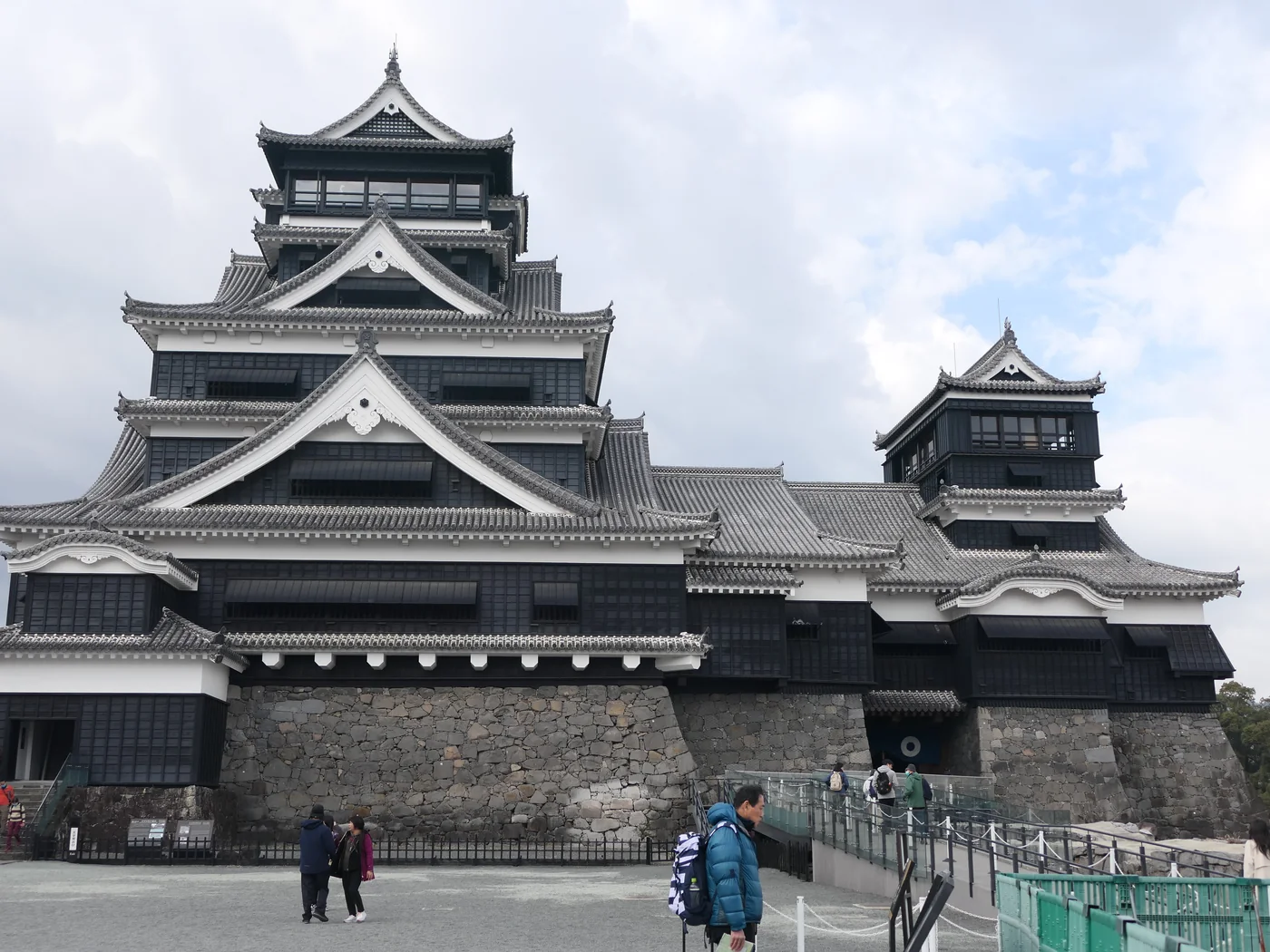
The present keep was reconstructed in 1964; the original was demolished in the Meiji period. See the white five-storey outline outside, then study the collections inside. Castle enthusiasts can first examine the walls, moat and stonework to see how the main enclosure rises above the surrounding streets. The later walk through the samurai houses then makes the difference in scale clearer.
The official floor guide lists Christian historical material on Level 1, local history on Level 2, folk material on Level 3 and views on Level 5. For the Shimabara Rebellion, give time to Level 1. For objects and local life, focus on Levels 2 and 3. If companions mainly want the view, make the climb and rests shared parts of the visit without requiring equal time at every object.
Decide roughly when to eat before entering. If arriving close to midday, move either the Seibo Memorial Hall or the samurai houses to the afternoon and preserve Shimeiso’s opening hours. For every subsidiary museum, the streets and a workshop, extend the stop to at least a full day or leave one activity for the next morning.
On Level 1, follow faith through objects; upstairs, examine domain life
The castle’s Level 1 displays cover trade and missionary work, the ban on Christianity and the Shimabara Rebellion. Begin with European objects and Christianity’s arrival, then follow changes in worship under prohibition. The sequence moves from lordly protection to hidden faith, uprising and subsequent controls. Read this timeline before choosing a group of objects to study closely.
Material on prohibition includes fumie images used for trampling, prohibition notices and religious population registers. Ask what each did: how did trampling use a bodily action to identify faith, whom did notices address, and how did registers place religious control within resident administration? Their different uses show how control entered daily life.
The rebellion displays include images associated with Amakusa Shiro, battle plans and weapons. The museum describes the rebels holding out at Hara Castle, whose ruins are elsewhere. At Shimabara Castle, you are reading the collection’s account of the event. If travelling to Minamishimabara the next day, study the maps and sequence here, then compare them with the terrain at the ruins.
Level 2 turns to domain lords and local culture through armour, furnishings and medical material. The official introduction highlights anatomical drawings influenced by Western science, linking religious control with the movement of knowledge into the region. On Level 3, select a tool whose use you understand, then compare nearby materials and shapes. This connects everyday objects with the houses you will visit next.
After the view, look for water-pipe stones and memories of reconstruction
The Level 5 lookout takes in Shimabara, Mount Mayuyama and the direction of Kumamoto across the sea. Find the town where you arrived, then locate Shinmachi and the port to orient the afternoon’s travel. Choose clear conditions for sea views. In rain, give more time to indoor historical exhibits rather than waiting upstairs for a distant photograph.
Outside are Christian gravestones and hollow stones once used as water pipes. The tourism bureau records a tradition that the pipes carried water from Oshimizu outside the castle into it. Find them after the keep to connect the afternoon’s spring-water streets: castle supply, domestic channels at the samurai houses and garden ponds can all be viewed through how water enters a space.
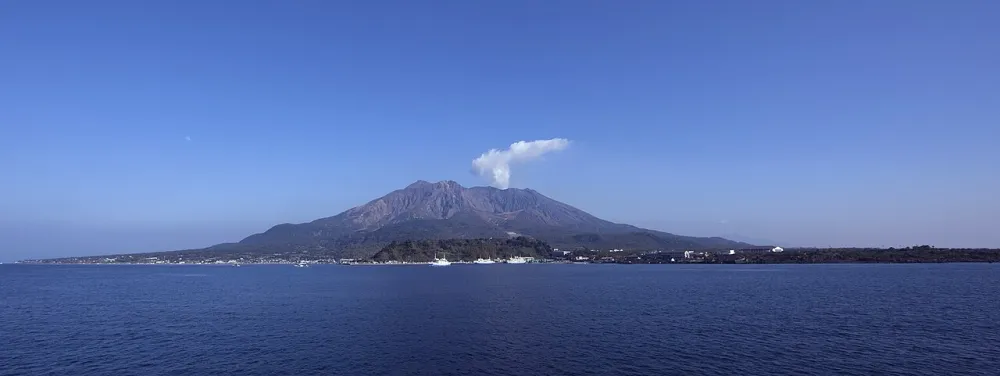
The Tourism Reconstruction Memorial Hall screens about 15 minutes of footage on the Fugen-dake eruption and recovery. Watch before leaving the castle to understand the town’s relationship with the volcano. Its period differs from the keep’s Edo exhibits: it covers disaster and rebuilding experienced by contemporary residents. In rain, watching it before lunch can also reduce outdoor waiting.
The Seibo Memorial Hall displays works by local sculptor Kitamura Seibo; the museum lists about 70 representative pieces. Follow form, pose and date if sculpture interests you. If focusing on castle history, concentrate on the keep and reconstruction hall. The combined ticket admits you to all three, but divide time according to your group’s interests, with another area still to explore after lunch.
Walk Shitanomachi, where water runs down the centre of the samurai-house street
The preserved samurai-house district lies west of Shimabara Castle. Shitanomachi retains a street about 406.8 metres long and 5.6 metres wide. Foot samurai lived west of the castle, and the area was also called Teppo-machi because of its firearms troops. Shift your attention from the five-storey keep to streets, channels, stone walls and house entrances, and slow your pace.
The central channel once supplied domestic water. Other streets later moved their channels to one side for disaster and fire prevention, while Shitanomachi retained its old form. Stand clear of pedestrians to compare the water and houses, then follow the stone walls and entrances. Unlike Shinmachi’s carp channels, the focus here is the arrangement of homes and domestic infrastructure.
The Yamamoto, Shinozuka and Torita houses open free from 09:00 to 17:00. With limited time, choose one and study its rooms together with the walls and entrance outside; add the other two if domestic spaces interest you. The official walk from Shimabara Station is about 15 minutes. From the castle, exits and the route around the grounds still take time.
Visit after the keep and before lunch, or use the street to finish the northern area. Residents still live nearby. Keep entrances clear for photographs, do not sit astride channel edges or point cameras into closed homes. With children, follow water flow and crossing points as concrete subjects. Inside houses, respect the open areas and entrance arrangements for shoes and pushchairs.
Choose guzoni or hand-stretched somen for lunch, with spring-water shiratama later
Before moving from the castle to Shinmachi, consider guzoni for lunch. The tourism bureau’s local food guide lists round rice cakes, vegetables, chicken, fish cake and other mountain and sea ingredients; stock and toppings vary by restaurant. This hot soup and rice-cake dish suits a main meal before an afternoon walk. Check portions before ordering extras for smaller appetites.
Hand-stretched somen is another option. The tourism bureau lists wheat flour, salt, cottonseed oil and water, with a maturing stage during production. Choose cold noodles or hot soup according to the menu. Somen suits hot weather or a lunch with fewer rice cakes. For allergies, check wheat, stock and toppings directly; the name does not mean a vegetarian meal.
Kanzarashi, Shimabara’s spring-water shiratama sweet, fits an afternoon rest by the water streets. Walk after lunch before choosing something sweet at Yusuikan. If booking a shiratama workshop, count it as a proper stop. Arrange somewhere to sit for companions who do not take part, so they do not spend the whole session standing outside.
Shimabara Tourism Bureau introduces Moritake shopping street, Shimabara Castle, guzoni, somen and spring-water shiratama.
The carp streets: see residents’ water channels before entering the garden
The “town where carp swim” is in Shinmachi 2-chome, about 10 minutes’ walk from Shimabara Station according to official information. The name covers a district containing Shimeiso and Yusuikan. Coming from the castle, follow the channels and locate streets and buildings before entering the paid garden.
The peninsula tourism site explains that neighbourhood residents introduced ornamental carp into the clear water to pass on abundant spring water and help children become familiar with it. Residents maintain the streets, where fish and homes share the scene. Follow the public road to see red-and-white, tricolour or gold carp. Keep doorways and vehicle routes clear, and stay off private land.
The samurai-house channels and Shinmachi carp channels both carry water, but invite different observations. In the morning, examine domestic supply in castle-town housing. In the afternoon, see how residents maintain a spring-water district and open it to visitors. At Shimeiso, water becomes part of the garden layout.
With older relatives or children, make this a shorter afternoon walk with one indoor stop. Drivers can park nearby and walk; Shimeiso has no dedicated car park. Keep photographs, tea and lunch within the same area to reduce car moves. If catching a ferry, arrange the journey out of the district before deciding how long to sit in the garden.
At Shimeiso, see how the rooms project over water, then visit the rear garden
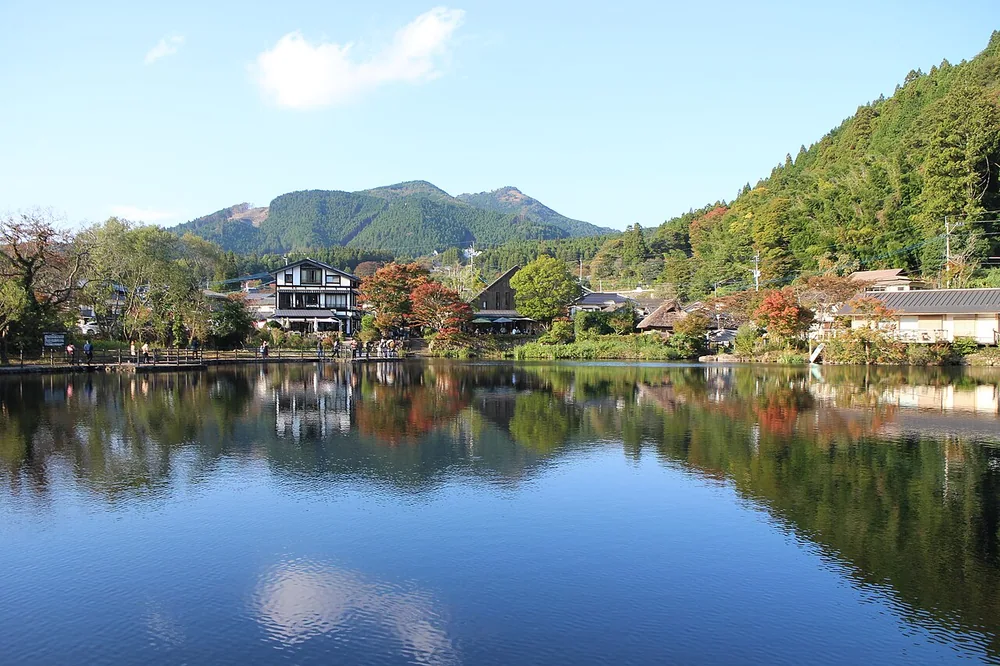
Shimeiso began as the late-Meiji villa of doctor Ito Genzo and later developed into today’s spring-water garden. The tourism bureau describes rooms projecting towards the pond in front and to the left, surrounded by verandas. From inside, study the house, bank and trees, then move to see the same water from another side.
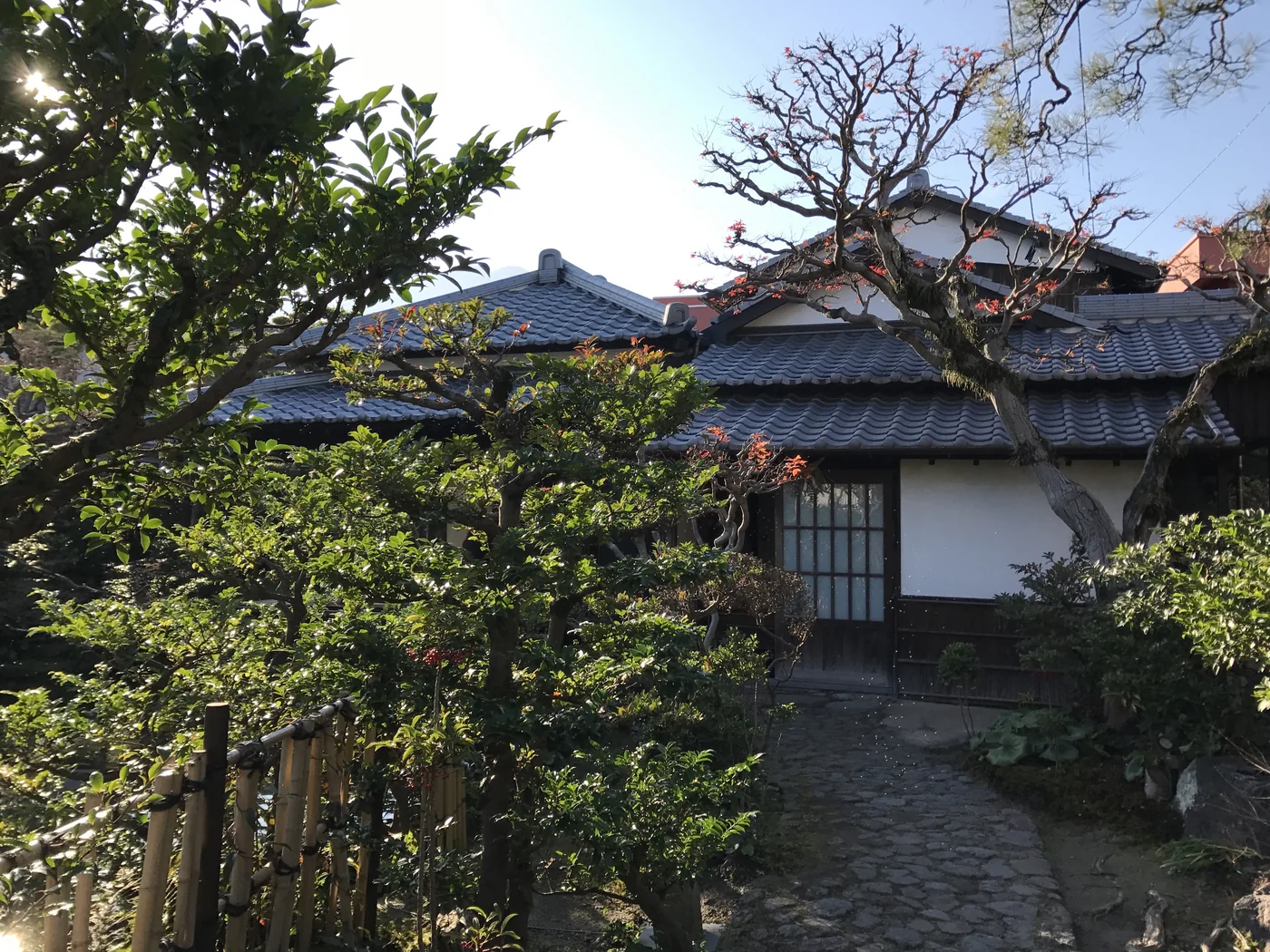
This stop rewards sitting still. Allow about 30–45 minutes.
The tourism bureau says about 3,000 tonnes of clear water flow into the garden ponds daily. Look at sand on the pond floor, stone banks and moving fish to understand the setting supplied by the spring. Leave others room to sit and look. Check behind you and along the pond edge before moving; adults should accompany children, keeping hands and belongings out of the water.
Behind the house is a rectangular pond with four islands. The official guidance prohibits walking onto them. Compare the front pond’s relationship with the rooms and the rear islands’ division of a more regular shape. Seeing both completes the arrangement of house and garden. Early-summer irises add seasonal interest, while pond shapes, banks and the house layout remain subjects in other months.
Admission includes the building and garden, on-site explanation and tea made with Shimabara spring water. Bringing in food or drink is prohibited. Eat takeaway lunch and sweets elsewhere. General visits do not accept advance registration; follow the entry arrangements on the day.
Calculate castle and garden admission by school stage
Shimabara City lists Shimeiso as open 09:00–18:00, with no fixed closing day. Adults aged 18 or over, excluding senior high school pupils, pay ¥400. Students through senior high school pay ¥200; preschool children accompanied by a guardian enter free. Payment is cash only. Compare this with the castle’s ¥700 adult and ¥350 primary, junior high and senior high school admission so that senior high school pupils receive the right rate.
Separate tickets for both cost ¥1,100 per adult or ¥550 per primary, junior high or senior high school pupil. Two adults and one primary school pupil total ¥2,750. The site also links to a combined-ticket product. If buying one for your date, check the included facilities and usage rules; the separate-ticket total is a clear basic budget. List lunch, sweets, transport and parking separately.
For visitors with a disability certificate, Shimabara Castle lists ¥560 for adults and ¥280 for students; the tourism bureau says one companion also receives the discount. Shimeiso lists the holder and one companion at ¥320 per adult or ¥160 per student, on presentation of the certificate. Plan the route around your actual mobility needs.
Ordinary-car parking at Shimabara Castle costs ¥500. For Shimeiso, use nearby paid parking. If spending the morning at the castle and a long afternoon by the water streets, compare parking charges with the walk back to collect the car before deciding to move it. For the water streets alone, park nearby to avoid another trip through the castle area.
Book weekend shiratama making ahead; café service ends before the building closes
Koi Cafe Yusuikan is in the water-street district. Entry to the building is free; food and experiences cost extra. The official peninsula site lists 09:00–18:00, shortened to 17:30 from November to February. Café food is served 10:00–16:30. Use serving hours when planning afternoon sweets rather than assuming a full order is available shortly before closing.
Kanzarashi making runs on Saturdays and Sundays, with booking at least three days ahead. Groups of two to five take about 30–40 minutes. The standard experience costs ¥1,000; a specified character-themed plan costs ¥1,200. Suggested booking times are 10:00 or 14:00. Call 0957-62-8102. Fix this stop first, then arrange castle reading and lunch around it.
A 14:00 session suits a morning at the castle followed by lunch and the water streets. A 10:00 session suits an overnight stay in Shimabara or an early arrival. From Kumamoto by morning ferry, connect the port and water streets before choosing a session. Beyond the 40-minute experience, allow for check-in, handwashing and packing. If returning to the port that afternoon, visit Shimeiso before the workshop to reduce the rush later.
Choose a rail return, an onward crossing or a day trip from Kumamoto
For a rail return, start and finish at Shimabara Station. Visit the castle in the morning, read the Level 1 exhibits, climb for the view and choose the reconstruction or Seibo hall. Continue to the samurai houses west of the castle, then have lunch and head to Shinmachi. Spend the afternoon at Shimeiso, the water streets and a kanzarashi stop. Return to Shimabara Station or board at Reikyu Koen Taiikukan according to the service. Know which station to use before leaving the garden.
For an arrival from the Nagasaki side and evening ferry to Kumamoto, keep the morning castle plan, then head to Shimabara Port after the water streets. For the 17:30 sailing listed in the timetable viewed on 29 October 2026, work backwards from port check-in and town transport. Cars must check in 30 minutes before departure; foot passengers also need time to buy tickets and board.
For a Kumamoto return, take an early morning sailing, reach the castle town, then visit the keep, have lunch and see the water streets and Shimeiso before returning to port. To include the samurai houses and all three museums, leave early or add a night in Shimabara. An afternoon crossing from Kumamoto suits the water streets and a meal, with the castle next morning, giving admission, meals and port transfers their own time.
In rain, shorten the samurai-house street walk and spend longer with keep exhibits, the reconstruction hall or the garden view from Shimeiso. The water streets still require outdoor walking, so rainwear and grippy shoes help more than an extra shop. If weather affects ferries, settle that night’s accommodation and departure route first. Rail via Isahaya and the Kumamoto sea crossing lead in different directions; revise onward accommodation with the route.
Reduce the route for limited walking or luggage on a transfer day
For limited walking, keep either the castle area or the water streets. For the castle, connect transport on the station side and choose indoor exhibits by interest. For the water streets, make Shimeiso and a meal the main plan. If visiting both, use a short ride between them and save walking for the places you most want to see. Include rest stops before arrival.
Ocean Arrow accepts wheelchair passengers but has no lift. The FAQ says wheelchair users travelling with a car must board through the passenger passage from the terminal. Ask staff to arrange separate boarding for person and vehicle. The women’s toilet has a nappy-changing area. There is no separate nursing room; ask cabin staff for help. Bring items needed during the crossing into the cabin rather than leaving them deep in luggage in the car.
Luggage storage differs across the crossing. The ferry company lists lockers on Level 1 of Shimabara Outer Port terminal, but none at Kumamoto Port. For a day trip returning to the same port, use this to plan a lighter walk. If leaving from Shimabara Station towards Isahaya, include the journey back to the port to collect bags. Keep identification, medicine, ferry tickets and daily essentials with you.
If staying in Shimabara on a transfer day, choose a base according to next morning’s departure. For rail towards Isahaya, keep collection and boarding on the castle-town side. For a morning ferry to Kumamoto, choose a base with a convenient port connection. After checkout, luggage storage should lie towards your exit route. Settle this before deciding between another museum and more time sitting at Shimeiso.
A few useful answers
What’s a good route for one day in Shimabara?
It’s about a 10-minute walk from Shimabara Station to the castle. Visit the keep in the morning, then head to the samurai houses west of the castle. After lunch, walk along the koi canals in Shinmachi and finish at Shimeiso’s spring-fed garden.
When is Shimabara Castle open and how much is admission?
Shimabara Castle opens daily from 9 am to 5.30 pm, with last admission at 5 pm. Entry costs ¥700 for adults and ¥350 for primary and secondary school pupils. Your ticket covers the castle keep, the Seibo Memorial Museum and the Tourism Restoration Memorial Museum.
How long does the ferry from Kumamoto to Shimabara take, and where do I catch it?
The Ocean Arrow takes about 30 minutes from Kumamoto Port to Shimabara Outer Port. Buses to Kumamoto Port leave from stop 5 outside Kumamoto Station or stop 3 at Sakuramachi Bus Terminal. Once you arrive, you can take a train into town from Shimabara Port Station.
How much is the Kumamoto to Shimabara ferry, and do foot passengers need to book?
A single ticket on the Ocean Arrow costs ¥1,600 for adults and ¥800 for primary school pupils. One child below school age travels free per adult, with the child fare charged for any additional preschool children. Foot passengers can buy a ticket on the day without booking.
Official information and references
Sources used in this guide.
- Shimabara Castle: admission hours, fares and parking
- Shimabara Castle: floor displays and subsidiary museums
- Shimabara Tourism Bureau: castle history, outdoor exhibits and access
- Official Shimabara Peninsula tourism: samurai houses
- Official Shimabara Peninsula tourism: carp streets
- Shimabara Tourism Bureau: Shimeiso visits and payment
- Shimabara City: Shimeiso hours and admission
- Official Shimabara Peninsula tourism: Yusuikan and shiratama making
- Shimabara Tourism Bureau: local cuisine
- Kumamoto Ferry: services, fares and operating notices
- Kumamoto Ferry: transfers on both shores
- Kumamoto Ferry: reservations, children, wheelchairs and luggage
- Shimabara Railway: maintenance notice and enquiry contacts
- Shimabara Tourism Bureau: access