Plan a car-free Miyakojima stay from Hirara. Compare Miyako and Shimojishima airports, winter 2026 buses, Maehama, Toguchi and Sunayama beaches, airport transfers and three- to four-day routes.
- Region & Focus
- Miyako Island
- Reading Scope
- 35 min read · 17 chapters · 4 Q&As
- Official Verification
- 16 official sources checkedUpdated 9 November 2026
- Key Topics
- ItinerariesWhere to stayBooking
Chapter Route Map (tap any stop)
- Start with a Hirara base and give a distant beach a full day
- MMY and SHI on your ticket determine the first transfer
- Shimojishima buses: winter times, fares and directional restrictions
- Two Hirara bases: restaurant streets or the waterfront
- Painagama: easy beach time without crossing islands
- Yonaha Maehama: make the white beach the day’s only distant destination
- Staying at Maehama: Tokyu shuttle deadlines and less travel
- The Miyako side of Irabu Bridge: airport transfers, with dinner planned separately
- Toguchi no Hama: secure the return before crossing to Irabu
- Sunayama: a separate scenic outing rather than a gap between buses
- Three days and two nights: separate luggage from swimming
- Four days and three nights: use the extra day for weather or one day’s car hire
- Where taxis, private cars with drivers and one-day hire help
- Read buses in order: return, outward journey, then lunch
- Booking marine activities: transfers, equipment and cancellation together
- Wind, rain and different energy levels: keep rest at the base
- Reserve the return-transport budget before choosing rooms and meals
- Quick Q&A
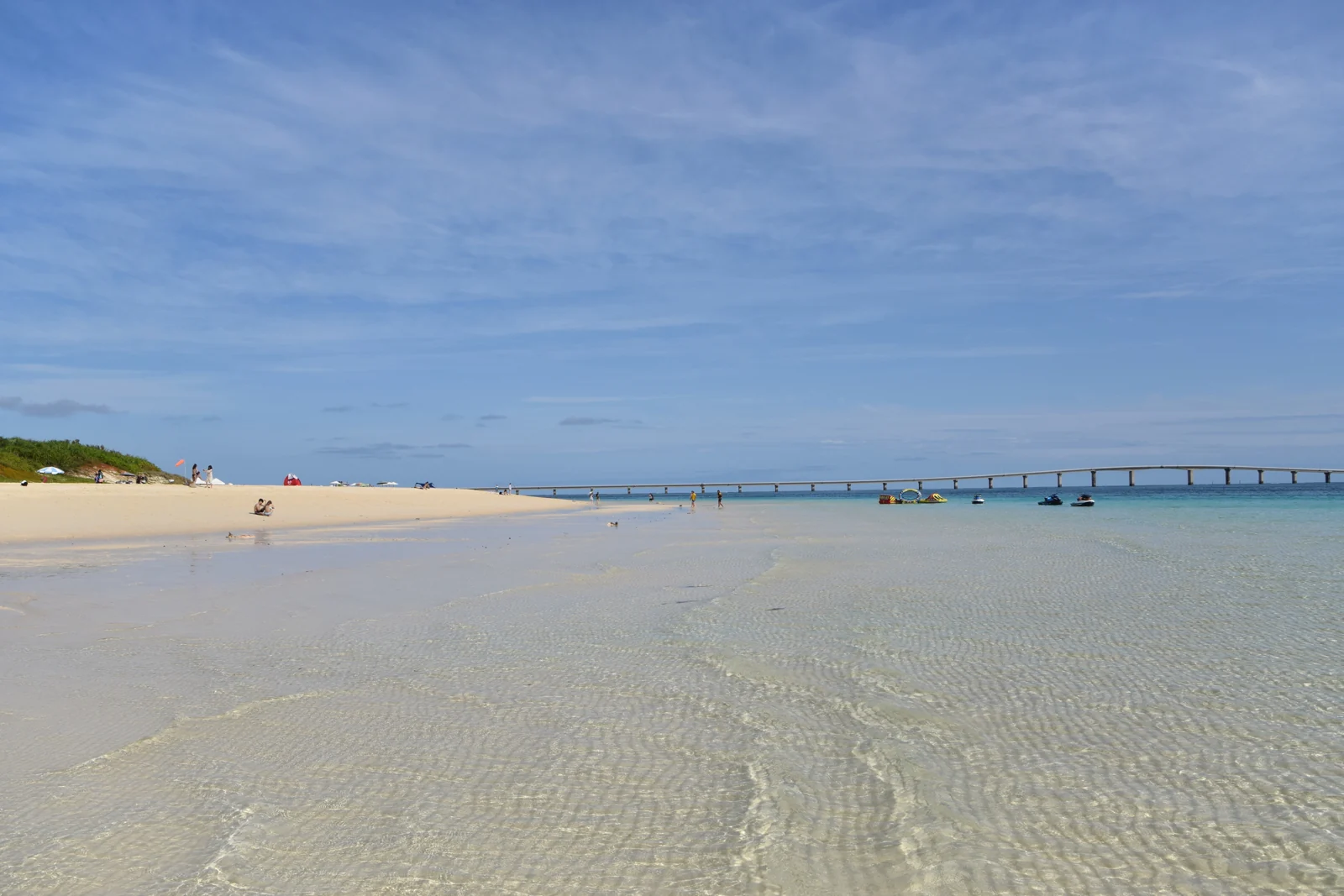
Without a car in Miyakojima, keep dinner and the walk back to your room close together. Stay in Hirara for walkable meals and supplies, with a full day for Maehama or Toguchi no Hama on Irabu. For daily white-sand beach time, choose Maehama accommodation and hotel transfers. With two nights, choose one distant coast. With three nights, keep another day for a change in weather or a one-day car hire across the bridges. This is easier than chasing several beaches every day.
Start with a Hirara base and give a distant beach a full day
For a first visit without driving, stay in Hirara throughout. Keep breakfast, dinner, water supplies and room breaks within walking distance, then choose a day for Yonaha Maehama or Toguchi no Hama. Hirara has restaurant and shopping streets, plus nearby Painagama Beach. You can avoid leaving the sea, rushing back to change, then catching another bus for dinner. Put restaurants, convenience shops, bus stops and the hotel entrance on one map when choosing a room.
If you want to wake up and walk straight to a long white beach every day, stay at Yonaha Maehama instead. Accept greater reliance on hotel restaurants and booked vehicles for dinner. This suits a trip centred on the beach. Hirara is easier for different coasts and restaurants each day. Staying put saves packing, luggage storage and waiting for check-in. Three hotels in three nights for photographs will usually fragment afternoons you could spend by the sea.
Plan a car-free Miyakojima stay from Hirara. Compare Miyako and Shimojishima airports, winter 2026 buses, Maehama, Toguchi and Sunayama beaches, airport transfers and three- to four-day routes.
MMY and SHI on your ticket determine the first transfer
Miyako Airport (MMY) is on Miyako Island. Miyako Shimojishima Airport (SHI) is on Shimoji Island; the route to Hirara runs via Irabu. Each has its own terminal, stops and transport arrangements. If a booking form says only “airport transfer”, enter the flight number and full airport name. If you stay at Maehama but fly into Shimojishima, include ground transport in the flight comparison. A free Miyako Airport shuttle does not cover that journey.
Shimojishima Airport lists two public transport options: Chuo Kotsu’s Miyako Shimojishima Airport Liner and Miyako Kyoei Bus route 9, the Miyako Shimojishima Airport Resort Line. The first connects Hirara and Miyako Airport; the second continues towards the Tokyu hotel. For Painagama, Hilton or Toguchi on Irabu, locate the actual alighting stop on the route and then the final walk to your accommodation.
On arrival day, prioritise luggage, water, the hotel and a meal. Add the beach only if time remains. A delayed island flight reduces time on the ground, so a marine activity with an unchangeable time adds cancellation risk. For departure, identify the correct airport first, then choose the bus or transfer. Resolve the similar airport names before travel day. Start with the Shimojishima Airport bus page.
Shimojishima buses: winter times, fares and directional restrictions
The published winter timetable for Miyako Kyoei route 9 covers 25 October 2026–27 March 2027. It includes Shimojishima Airport, Toguchi no Hama entrance, Hilton, Painagama Beach, town, Miyako Airport and Tokyu Hotel-mae. Each column is a different stop; a horizontal row is one service. Read the linked flight and operating days at the far right. Some journeys run only on specified days, so not every time on the sheet is daily.
Adult one-way fares from Shimojishima Airport in this winter timetable include ¥300 to Toguchi no Hama entrance, ¥600 to Painagama Beach, ¥700 to Miyako Airport and ¥800 to Tokyu Hotel-mae. These are airport-origin fares. For a beach trip from Hirara, use your actual boarding and alighting points. Route 9 accepts cash or contactless credit cards. Save the winter PDF timetable for offline use.
Chuo Kotsu has its own stops and fares: ¥800 for adults from Miyako Airport to Shimojishima Airport, or ¥600 from specified Hirara stops to Shimojishima Airport. Towards Shimojishima Airport, intermediate stops are boarding-only; passengers cannot get off before the airport. From Shimojishima Airport, intermediate stops are alighting-only. You cannot use it from Miyako Airport to Hirara or for short trips within Hirara. Remember this restriction before comparing frequencies.
Chuo Kotsu needs no reservation. Its staffed Shimojishima Airport office closed on 24 October 2026; passengers leaving that airport now buy tickets when boarding. Cash, credit cards and barcode payments remain available. Its page retains summer and winter information, so find “2026/10/25–2027/03/27” before reading departure times. Kyoei also says flight delays can delay the linked bus, and cancelled flights may cancel the bus. This can affect an afternoon airport-line journey from town to a beach too.
Two Hirara bases: restaurant streets or the waterfront
The public market, shopping streets and Nishizato-dori suit visitors who prioritise meals. Stay among the restaurants if you want to stroll and choose dinner, or split up to eat and meet later. Kosetsu Ichiba-mae, Ichiba-dori and Hirara Port are different bus stops in different places. Give a booked driver the hotel’s main entrance name so the vehicle does not wait at the port while you wait in the shopping streets.
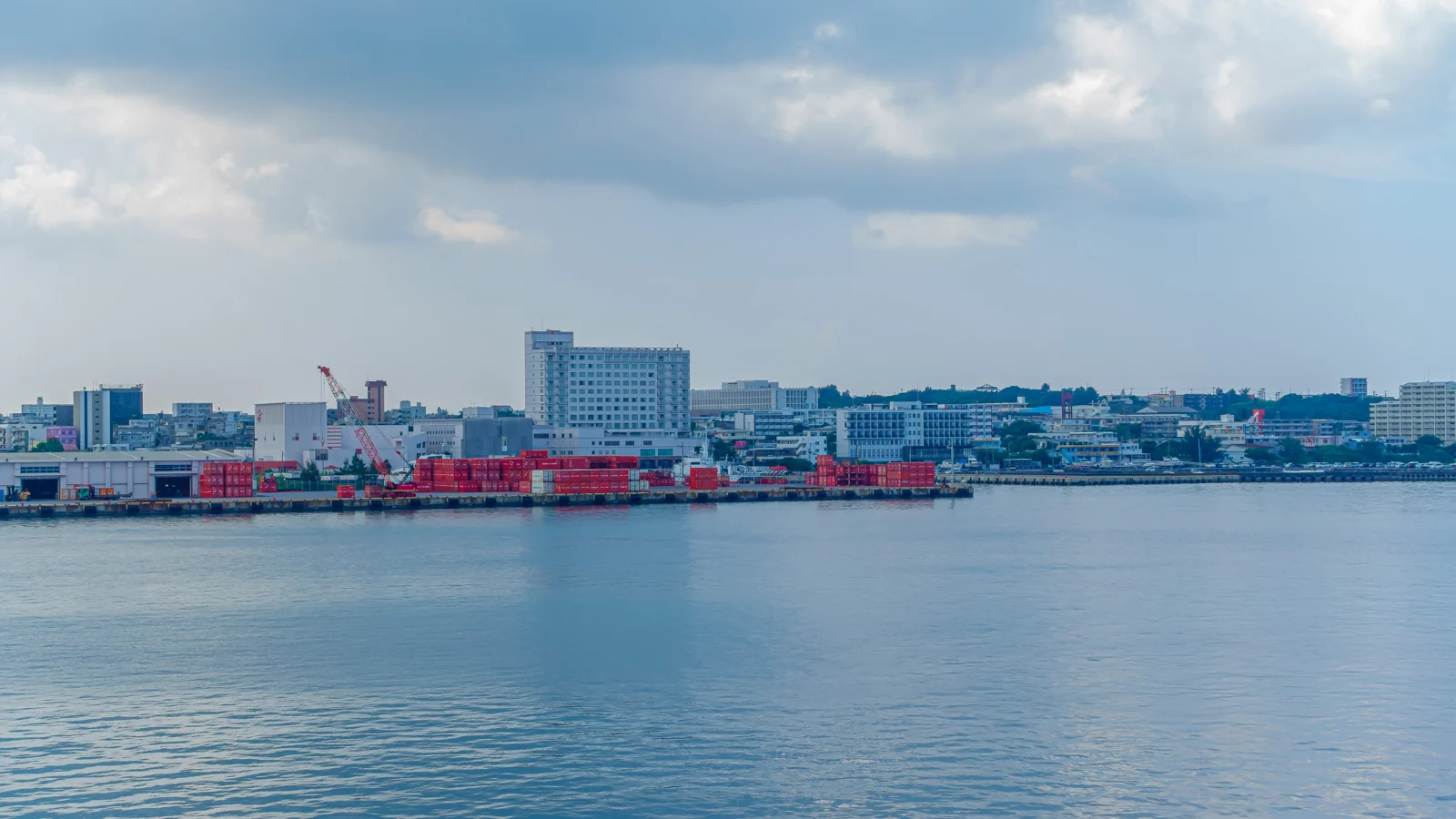
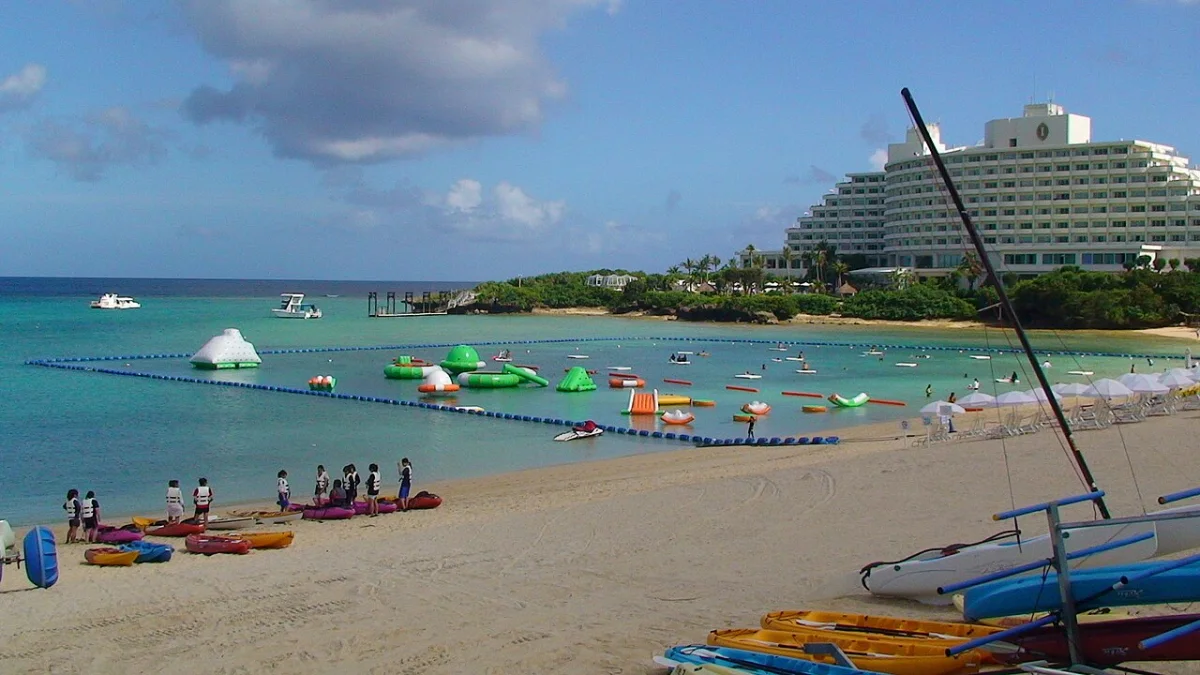
Painagama suits a daily walk to the sea. The tourism association places the beach in Hirara’s urban area and lists toilets, showers and nearby convenience shops. Staying on this side makes a morning or pre-hotel beach walk easy. Hotel Southern Coast Miyakojima, described by the association as opposite the beach, is one example for locating the neighbourhood. For dinner further inland, still allow for walking or a taxi both ways.
For a sea-view room, inspect the roads and port on the map. A sea view from the window does not establish swimming access at the door. With young children, a pushchair or large bags, the walk from stop to entrance affects arrival more than which floor the room is on. Zoom in on the hotel door and corners in Google Maps to check major-road crossings. After beach visits, laundry facilities or a room suitable for drying equipment may be useful. Choose these from the actual room information.
Painagama: easy beach time without crossing islands
Painagama works for arrival day or a short walk. Getting out and back is simple: if the weather worsens or children need a rest, return to town for something to eat. There is no need to stay all afternoon to justify an expensive long transfer. Go after breakfast and return before midday, or sit by the sea before dinner. A distant attraction is not required to complete the day.
The tourism association says anti-jellyfish nets are installed in summer. Box jellyfish often occur outside the nets, and the outer waters are a shipping channel. Stay within the swimming area open on site, even when the sea looks calm. Use this beach for relaxation and managed-area paddling. For snorkelling, choose a guided activity with equipment and transfers. Turtle watching, coral viewing and a town-beach swim need different arrangements.
Carry dry clothes, a towel and a bag for wet clothing so you can take transport or enter a restaurant afterwards. Toilets and showers help assess convenience; follow on-site signs for areas actually open. If a walkable beach is an accommodation requirement, compare hotel positions around this beach before prices. That may suit a car-free stay better than a distant resort requiring daily town trips for dinner. Painagama Beach map.
Yonaha Maehama: make the white beach the day’s only distant destination
Yonaha Maehama lies in south-west Miyako Island, facing Kurima Island. The tourism association describes about 7 km of white sand. The broad sand and sea colours deserve a leisurely half-day. From Hirara without a car, check Kyoei route 4, the Yonaha–Kadekari line, or route 9 towards Tokyu with a final walk. Make it a bus day only when both outward and return services fit.
To reach Maehama Beach by bus, first check Kyoei system 9 “Tokyu Hotel mae” for outbound and return runs, then plan the walk from the hotel stop to the beach entrance. The current timetable covers 25 October 2026 to 27 March 2027; each run is tied to a flight and operating days, so read it together with the notes on the right. For a stay beyond sunset, a booked return vehicle is more suitable.
A workable half-day starts in the morning, with walking and resting by the sea, a meal around midday and the chosen return to Hirara. For swimming, include changing, rinsing and packing within beach time. Leave the water well before the last bus. The hotel frontage, public facilities and activity meeting entrance may be separate. Send the driver one agreed pickup point rather than trying to find each other along the white-sand coast. Yonaha Maehama map.
Staying at Maehama: Tokyu shuttle deadlines and less travel
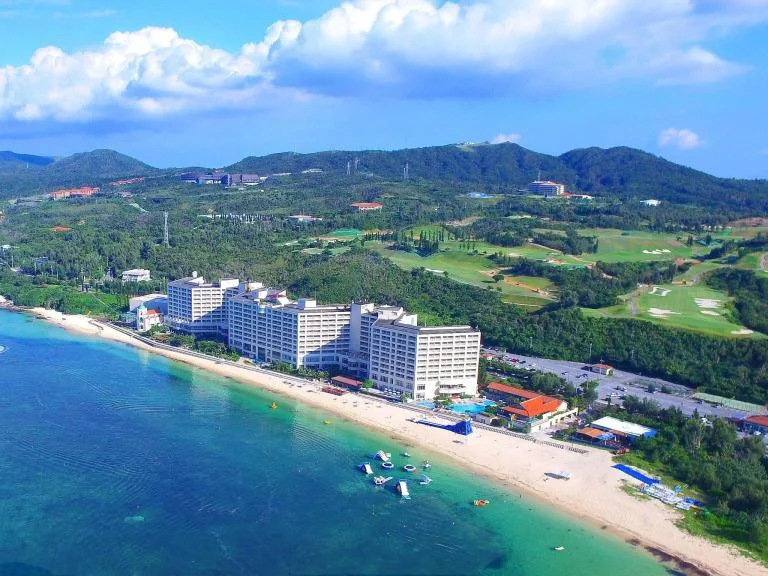
For two consecutive days near Maehama, compare Miyakojima Tokyu Hotel & Resorts. The hotel says Miyako Airport is about 10 minutes away by car. Staying guests can reserve a free shuttle; arrival pickups must be booked three days in advance, and the return is booked at reception during check-in. There is no hotel transfer from Shimojishima Airport, so SHI arrivals need a public bus or taxi. Compare these conditions before buying flights.
Two autumn and winter notices affect a Tokyu stay. The whole hotel closes from 15–21 December 2026, after 11:00 checkout on 15 December, and check-in resumes from 14:00 on 22 December. New-building works are expected to continue until around summer 2027. The hotel reports construction vehicles, machinery and noise. If you plan long rests in the room or hotel, compare the works’ location with your stay dates.
The free shuttle is for airport travel linked to a stay. The hotel explicitly excludes use for returning a hire car. If hiring only for a middle day, ask the company about collection and return points, transfer eligibility and return hours. Do not rely on the hotel shuttle after dropping the car off. The hotel also lists car sharing in its car park, requiring membership and a reservation. Overseas travellers should arrange valid driving documents and confirm eligibility before planning an on-demand shared car.
A Maehama stay can mean two days at the same beach rather than a different beach each day: sea views after breakfast, the room at midday and another outing later. Older people and young children then have a fixed rest base. For dinner in Hirara, choose one evening and book both journeys. Compare room, breakfast, dinner and that town transfer as a total. The cheapest room-only rate may not suit this base best. Tokyu hotel map.
The Miyako side of Irabu Bridge: airport transfers, with dinner planned separately
Hotels on the Miyako side of Irabu Bridge lie between town and the bridge approach. They suit resort stays with occasional dinners in Hirara. Hilton Okinawa Miyako Island Resort is on Miyako Island; Irabu still requires crossing the bridge. Staying here for sea views and staying near Toguchi no Hama on Irabu involve different journeys. Match the hotel address to its island area rather than relying on a booking site’s regional label.
Hilton lists a free Miyako Airport shuttle and paid buses from Shimojishima Airport. Both route 9 and Chuo Kotsu have relevant hotel stops, but each has its own stop order, fares and boarding restrictions. Match your date to the timetable on the hotel access page. With large bags, allow time from the stop to the lobby too.
This is not a restaurant-dense street base. Eat at the hotel, book a taxi to town, or have your main meal while in town during the day. Looking for a nearby walkable restaurant only after returning limits your choices. Central Hirara is better if companions want separate shopping and meals daily. If most time will be spent resting at the hotel, shuttles and one or two taxis can support a slower schedule. Hilton hotel map.
Hilton’s hotel introduction shows the coast beside Irabu Bridge and spaces inside the resort. Use it to compare a stay with rest time on this side of the bridge.
Toguchi no Hama: secure the return before crossing to Irabu
Toguchi no Hama is on southern Irabu, a different island coast from Maehama. The tourism association describes a curved white-sand beach facing Miyako and Kurima, with toilets, showers and shops. On a three-night trip, give Toguchi its own day for another coastal view. Take route 9 to Toguchi no Hama entrance, then walk to your chosen beach entrance. A stop named “entrance” still leaves a final walk.
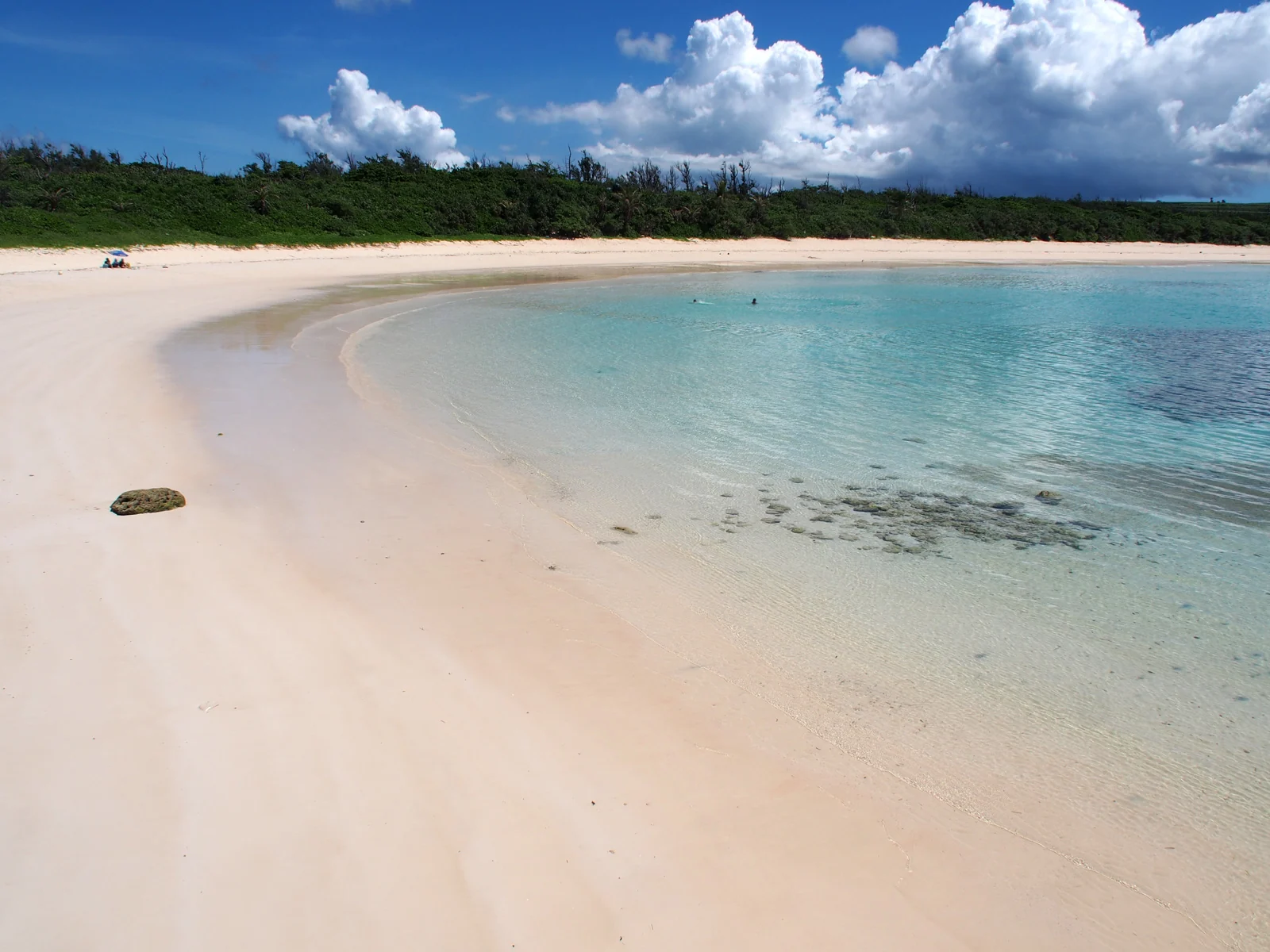
For Hirara–Irabu journeys, the city also lists Kyowa Bus routes alongside route 9. Their routes differ, so an Irabu destination alone is insufficient. For a beach stay, one entrance and one return meeting point work better than fitting Sarahama, Toriike, 17END and Toguchi into the same day. For several scattered viewpoints, a private car with driver or one-day car hire is easier.
The tourism association warns that southerly winds bring waves and may carry jellyfish towards Toguchi’s shore. If these conditions affect a swimming afternoon, walk ashore and return early. Staying on dry land can still make a worthwhile bridge-crossing day. Choose activities with clear meeting points, transport and cancellation terms. Keep a way back to Hirara if the instructor cancels, rather than discovering that the last return bus has already left.
A half-day example from route 9’s winter table uses service C from Kosetsu Ichiba-mae at 11:09, reaching Toguchi no Hama entrance at 11:29. Return service F leaves the beach entrance at 13:48 and reaches the market at 14:07. When both operate on your date, this gives about 2 hours 19 minutes between stops for walking and beach time. For a slow lunch or swimming, arrange a verified later return. Use the example to choose your visit length, then read the linked flight and operating days at the PDF’s far right. Service F also notes delayed departure when the Kobe flight is late. Toguchi no Hama map.
Sunayama: a separate scenic outing rather than a gap between buses
Sunayama Beach is north of Hirara, over a small sand dune. Its white sand, raised-coral cave and sea colours suit a dedicated scenic visit. A brief photograph stop needs different effort from carrying floats and sun shelters down to the beach. The tourism association specifically mentions the tiring climb back over the dune. Include both sandy slopes for children and older people, with a waiting taxi or booked return.
The association warns of waves in westerly winds and sudden deep water offshore. An onshore walk gives the simplest control over visit length. Do not enter the sea just because others are swimming. Use open paths and obey fences and restricted areas. A photographic angle is no reason to cross a barrier. You can view the sea from the dune and photograph the coastline without swimming.
Do not squeeze Sunayama between long-distance buses. With only a short connection gap, a meal in Hirara or a Painagama walk is usually calmer than a taxi north and back. If Sunayama matters to you, book return transport on another morning and rest at the hotel in the afternoon. This avoids another cross-area journey on your distant-beach day and leaves room to adjust for wind or rain. Sunayama Beach map.
Three days and two nights: separate luggage from swimming
Two nights in the same Hirara hotel are the simplest plan. On day one, store luggage or check in, eat, buy water and walk to Painagama. For a late flight, keep only dinner and rest, moving the sea to the next morning. Learn the hotel entrance, nearby shops and next day’s boarding stop on the first evening. One orientation walk avoids searching at junctions with swimming gear the next morning.
On day two, choose Maehama or Toguchi no Hama. Choose Maehama for a long white-sand beach, or Toguchi for the Irabu Bridge crossing and another island. Fix the return first, then keep lunch and changing within the same area, returning to Hirara for dinner. Non-swimmers can walk along the same coast with a set meeting time ashore. Separate activities are easier in town, where restaurants and walkable choices suit different energy levels.
On day three, keep breakfast, a short walk and checkout near the hotel, then leave according to airport transport times. Stored bags make walking easier, but allow for returning to collect them. A transfer confirmation should give the hotel name, pickup time and flight. For buses, save the boarding stop in your phone map and time the walk from the lobby. If breakfast would mean queuing, eat near the hotel for a more manageable departure morning.
Four days and three nights: use the extra day for weather or one day’s car hire
Three nights give you two full days. Reserve the first fine day for your preferred beach, and use the other for Hirara, a short Sunayama trip or an activity. Cross the bridge when conditions suit without changing hotels daily. Booking non-cancellable activities on both days removes that flexibility, so compare accommodation and activity cancellation deadlines together.
For limited driving, hire a car on day two for Maehama and Kurima, then spend day three in Hirara or on an activity with transfers. For several Irabu and Shimoji viewpoints, make the hire day a western bridge-crossing route instead. Choose one direction. Include collection, refuelling, return and the trip back to the hotel. Paperwork, vehicle checks and payment all take time; do not arrive at the return counter just as it closes.
Without driving at all, use day two for Maehama and day three for a private car with a driver to Irabu or a marine activity with transfers. Ask whether the hotel is covered, whether there is a surcharge or minimum group size, and whether meeting times fit that day’s buses. Central Hirara often makes meetings easier, but eligibility depends on each operator’s product. Until transfers are confirmed, budget for an extra journey to the activity.
Where taxis, private cars with drivers and one-day hire help
Taxis suit a hotel-to-beach journey, dinner returns and luggage transfers. For separately booked outward and return trips, set the return address as a clear entrance where a vehicle can stop. Give the driver passenger and luggage counts, dates, times and the full hotel name. Bag wet clothing and beach gear before returning. Keep a telephone number for the taxi company rather than relying only on booking-platform messages after leaving the hotel.
A private car with driver suits several viewpoints on different bus routes. Compare included hours, overtime, service area and cancellation terms. Send a route such as “Hirara hotel, Toguchi stop, several Irabu viewpoints, return to the same hotel”, and ask for feasible duration and a total price. Adding another island on the day cuts beach and rest time.
Before hiring for a day, arrange valid driving documents, driver registration, insurance and opening hours. If the aim is a lower single-trip fare, also count hire, cover, fuel, parking and travel to collect and return the car. Sharing a private car with driver may better suit a group that does not want to drive. Hire if someone wants to drive and make many stops; if everyone wants rest, budget for fixed transfers.
Read buses in order: return, outward journey, then lunch
Identify the operator for your destination first. Kyoei covers Maehama, Kurima, the south coast and Shimojishima Airport routes; Yachiyo serves the Ikema direction, Kyowa the Irabu direction, and Chuo Kotsu airport-related Shimojishima transfers. The city’s company links help identify who to check. Use each operator’s current information for dates, stops and fares. Do not combine different companies into an assumed hourly service.
Old Miyakojima Loop Bus pages remain online. The city gives that operating period as 18 July 2025–28 February 2026. Do not use the old loop map as a current sightseeing service for autumn or winter 2026. Route 9 is also linked to flights. For island journeys on it, keep a taxi company number and money for a return vehicle. If the bus fails to run, change transport instead of spending the afternoon at the stop.
Booking marine activities: transfers, equipment and cancellation together
For car-free snorkelling, SUP or boat activities, check transfers and meeting points before photographs. “Meet in Miyakojima” may still mean reaching a port or distant beach yourself. “Hotel transfers” should specify area, times and fees. Send the accommodation address and obtain an answer before booking, especially for Maehama, the south coast or Irabu. The product should also explain transport from the meeting point to the water.
For children, older people and non-swimmers, supply age, health and experience details as required and choose guided activities with life jackets. Do not extend beach paddling into offshore snorkelling: currents, reefs and entry and exit points need local assessment. Treat turtle sightings as observation; do not chase, touch or block animals for photographs. Follow the instructor’s clothing and equipment directions. Leave phones, documents and spare clothes in a dry bag ashore so your hands remain free in the water.
Separate voluntary cancellation, operator cancellation for sea conditions and missing the meeting because of a delayed flight. Read refund, rescheduling and notification rules, and save the voucher offline. Put activities on a full day with no tight airport-bus connection. If the operator changes the meeting place, confirm the new address and transfer before leaving. A shortened itinerary can mean rest near the hotel without another last-minute activity.
Wind, rain and different energy levels: keep rest at the base
A Hirara base can keep meals, supplies and the room within one neighbourhood on rainy days. Families can use the day for room breaks, laundry and an early dinner. Resort guests should check on-site dining and available facilities. Avoid a costly cross-island journey for a casual indoor fallback. If you do go out, arrange both journeys and choose somewhere you want to stay for a while.
With pushchairs, wheelchairs or sore knees, compare routes from the lobby to stops and restaurants first. Sunayama has a loose-sand slope, while Maehama and Toguchi also involve moving from hard surfaces onto sand. Separate seeing the sea from entering the beach, and choose an accessible place ashore. Give vehicle operators folded mobility-aid dimensions and ask hotels for actual entrance and room routes. One fewer attraction can make shared beach time possible for everyone.
Reserve the return-transport budget before choosing rooms and meals
Divide car-free transport costs into airport transfers in both directions, return trips to distant beaches and short dinner trips. Add these before comparing hotels. A cheaper property far from food and stops may lose its price advantage after two extra rides daily. Even on a bus day, reserve enough for a return taxi if you miss a service, feel unwell or finish an activity early. This reserve is more useful than a small saving on a short town journey.
Match meals to the base. Hirara guests can keep breakfast and dinner walkable and organise one meal out on a distant-beach day. Maehama and bridge-area guests should compare meal-inclusive stays with the full cost of dining in town. For a booked restaurant, put beach return, changing and transport before the reservation. Agree which meals are shared and which are flexible so one restaurant elsewhere does not create another long group journey.
Finally compare accommodation cancellation deadlines and payment terms, recording date, time and time zone. Airlines, hotels, car hire and activities have separate rules. After a flight change, contact orders with approaching deadlines in sequence. Save bus PDFs, hotel shuttle confirmations and return-driver contacts offline on each companion’s phone. Keep a reserved hotel shuttle reply with the room booking number for a direct check at reception.
A few useful answers
Can I visit Miyakojima without hiring a car?
Yes. Stay in Hirara throughout, walk locally and choose only one distant beach area per day. Arrange outward and return buses or taxis first. For several viewpoints across bridges in a day, a private car with driver is easier.
Are hotel transfers the same for Miyako and Shimojishima airports?
No. Tokyu’s free shuttle serves Miyako Airport, with arrival pickup booked three days ahead. From Shimojishima Airport, use a paid bus or taxi. Give the full airport name and flight when booking.
Can I take Chuo Kotsu from Miyako Airport to Hirara?
On the route towards Shimojishima Airport, intermediate alighting is prohibited. Use an applicable Miyako Kyoei route or a taxi for this town journey.
Can I visit Maehama and Toguchi no Hama by bus on the same day?
Separate them. They are on different island coasts, with distinct bus times and final walks. With two nights choose one; with three nights consider another coastal day.
Official information and references
Sources used in this guide.
- Miyako Kyoei Bus: routes, combined timetables and fares
- Miyako Kyoei route 9: timetable for 25 October 2026–27 March 2027
- Chuo Kotsu: Shimojishima Airport Liner, boarding restrictions and ticket notices
- Shimojishima Airport: buses
- Miyakojima City: island bus operators and routes
- Miyakojima City: 2025 financial-year loop bus operating period
- Miyakojima Tourism Association: Hirara and island areas
- Miyakojima Tourism Association: Painagama Beach
- Miyakojima Tourism Association: Maehama Beach
- Miyakojima Tourism Association: Toguchi no Hama
- Miyakojima Tourism Association: Sunayama Beach
- Miyakojima Tourism Association: Hotel Southern Coast Miyakojima
- Miyakojima Tokyu: transfers and access
- Hilton Okinawa Miyako Island: access and shuttle timetables
- Miyakojima Tokyu: December 2026 closure and reopening times
- Miyakojima Tokyu: new-building works and their effects