Walk from Himeji Station's north exit to the castle and Koko-en. Compare the ¥2,600 joint ticket, keep entry deadlines and luggage rules clear, and plan the 2026 autumn illuminations with a return to Osaka.
- Region & Focus
- Himeji
- Reading Scope
- 32 min read · 18 chapters · 6 Q&As
- Official Verification
- 12 official sources checkedUpdated 9 November 2026
- Key Topics
- ItinerariesRail travelSeasons
Chapter Route Map (tap any stop)
- Half a day or an evening too: decide how you want to see the castle
- From Himeji Station's north exit: the castle gate is only part of the walk
- From Osaka, Shin-Osaka or Sannomiya: use the right station
- Store luggage at the station and keep your hands free for the stairs
- 2026 admission: the joint ticket saves ¥300, with same-day electronic use
- Electronic tickets and changes: a time slot still leaves a keep queue
- 16:00, 16:10 and 17:00 mean different things
- Climb the wooden keep, then decide whether to add Nishinomaru
- Repairs into summer 2027: account for the works on a 2026 visit
- Give Koko-en at least an hour for its nine gardens
- 2026 autumn event: 17 November–6 December, daylight and lights in one visit
- Dinner and tea have their own hours; eating before entry works well
- Free Dream Mirror lights: fewer features from 7 December and a later first night
- Daytime plan: castle first, then a full garden visit after lunch
- Autumn day and evening: enter the garden after lunch, then work towards the station
- Children, older visitors and wheelchairs: split the visit and meet at the garden
- Rain, heat and crowds: keep the part that works for your party
- Back to Osaka or overnight in Himeji: count bag collection and the hotel journey
- Quick Q&A
For Himeji Castle and Koko-en on the same day, visit the keep early in daylight, then choose between the garden by day or its autumn evening illumination. The standard adult joint ticket costs ¥2,600 in 2026. Koko-en's extended autumn opening and the free lights outside the castle are separate events. Leave luggage at Himeji Station or your hotel, keep your hands free for the wooden keep's handrails, then return along Otemae-dori in the evening. This route makes it easier to manage energy, tickets and the journey home.
Half a day or an evening too: decide how you want to see the castle
To climb the main keep, explore Nishinomaru and visit Koko-en, make Himeji the main daytime outing. The castle's official estimate for the complete paid area is about 90–120 minutes. With the station walks, ticketing, garden, lunch and breaks, allow five to six hours between arrival and departure rather than squeezing both sites into three. This is a planning allowance; crowds inside may add waiting time.
For views of the white castle and the garden, you can omit the climb and spend your energy on Sannomaru, Koko-en's ponds and a street walk. If wooden architecture and defensive routes interest you, visit the keep first and slow down in the garden afterwards. These options need different tickets, footwear and luggage arrangements. Decide before departure so that no one has to be persuaded to climb stairs at the ticket office.
Autumn illumination suits a visit that runs from daylight into the evening. For a daytime trip in other seasons, there is no need to wait for darkness. Castle daytime admission, Koko-en's autumn event and the free lights outside the castle have separate areas and hours. Seeing the keep lit from outside and entering it at night are different outings. For a special guided evening visit, check that product's meeting time and included area separately.
On a travel day between cities, settle the next night's accommodation before deciding to stay into the evening. Continue west from the station towards Hiroshima, or east for Osaka. Storing cases in Himeji reduces hauling them around the castle area, but collection hours must cover the whole stay. If you have no evening-view plans and need to reach the next city before dinner, take the daytime route and leave time to check in.
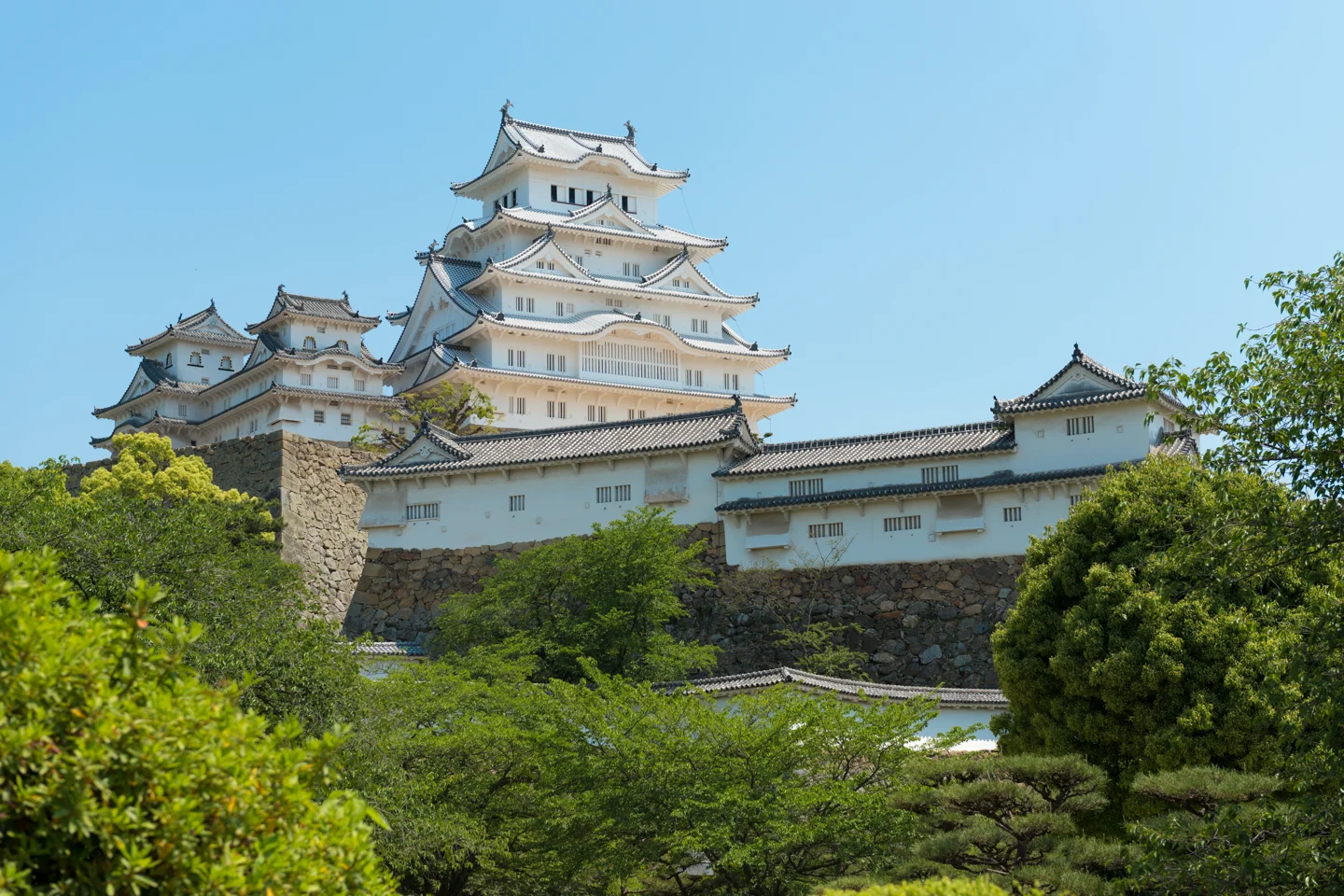
Walk from Himeji Station's north exit to the castle and Koko-en. Compare the ¥2,600 joint ticket, keep entry deadlines and luggage rules clear, and plan the 2026 autumn illuminations with a return to Osaka.
From Himeji Station's north exit: the castle gate is only part of the walk
The castle access guide lists a walk of about 20 minutes from JR Himeji or Sanyo-Himeji Station. From JR, use the north exit marked Himeji Castle Exit and walk north along Otemae-dori. Sanyo-Himeji is near the north side of the JR station and connects to the same street. Set Himeji Castle as the navigation destination, then check the entrance. The castle research centre to the north or another park entrance is not the normal admission ticket office. The JR Himeji Station plan helps locate the north exit, lifts and Shinkansen connections.
The castle grows closer ahead along the street, and photographs can easily stretch the 20-minute walk. That walk does not include the castle visit. After Sakuramon Bridge, Otemon Gate and Sannomaru Square come the paid-area ticket office, admission check and uphill route to the keep. When meeting family at the castle entrance, name a specific point such as Sakuramon Bridge or the ticket office. Otherwise one person may still be outside the moat while another is already in the square.
To reduce walking, take a Shinki Bus from the station's north side to Himejijo Otemon-mae. Official directions still allow about five minutes on foot after the bus. Add waiting, road crossings and the uphill castle route. A bus before entry can save an older companion's energy; decide whether to walk back according to how they feel. Compare the rides you will actually make that day before buying a day pass for one short journey.
Return south along Otemae-dori. Buy souvenirs near the station so that you do not carry shopping bags up the keep or around the garden. For Sanyo trains use Sanyo-Himeji; for JR use JR Himeji. They share the station district, but finding the right entrance and gates still takes time. For an evening meeting, specify the railway and meet outside its gates, rather than simply saying Himeji.
From Osaka, Shin-Osaka or Sannomiya: use the right station
From a hotel in Osaka, check the complete train route to Himeji. From JR Osaka Station, compare conventional services such as the Special Rapid. Sanyo Shinkansen services leave from Shin-Osaka. The trip to Shin-Osaka, finding the platform and walking to Himeji's north exit all belong in the total journey. Shinkansen time alone is not the travel time from an Osaka hotel to Himeji Castle.
From central Kobe, search using your actual departure station, such as JR Sannomiya. On a Sanyo Railway route, the destination is Sanyo-Himeji. JR and private-railway tickets, passes and gates are separate. Check the trains and sections covered by a pass before choosing a service. If some companions have passes and others buy individual tickets, meet in a general area accessible to everyone.
For a day return, arrive early and keep the return flexible. If you have a reserved seat, put that departure at the end of the plan first, then work backwards through luggage collection, dinner and leaving the garden. From a more distant starting point such as Kyoto, omit another morning city attraction if you want the autumn evening lights. Making Himeji the day's main destination leaves room for castle queues. Check fares and services for your travel date rather than choosing a pass from a single fare quoted for another year.
Store luggage at the station and keep your hands free for the stairs
The official luggage guide recommends using facilities near JR Himeji Station, luggage storage or your accommodation for large bags. Lockers at the castle entrance are limited. Wheeled luggage must go in paid lockers. If stopping between Osaka and Hiroshima or Okayama, plan arrival, case storage, sightseeing, collection and the next train as one route. This avoids searching for a free locker beside the castle with a case just before entry.
Check the collection deadline, payment method and locker number when leaving bags. Keep those details with your return ticket. For autumn evening viewing, choose storage whose collection hours fit the evening. If using a hotel, add the detour from the garden to the hotel and station. If you need to collect cases before dinner, finish the castle-area walk earlier rather than discovering just before departure that the luggage is in another direction.
Carry only your phone, identification, payment, water, essential medicines and a jacket that fits inside your bag. You remove shoes in the main keep and Hyakken Roka corridor. Since March 2026, each visitor in the paid area receives a shoulder bag for shoes and personal items, to take away after use. Carry it over your shoulder so both hands can use the rails. Sort out camera straps, long umbrellas and jackets before climbing, rather than stopping to find things halfway up a steep staircase.
2026 admission: the joint ticket saves ¥300, with same-day electronic use
Under castle prices from 1 March 2026, standard admission for people aged 18 and over is ¥2,500, or ¥1,000 for Himeji residents aged 18 and over. Koko-en adult admission is ¥400. The castle and garden joint ticket is ¥2,600. Separate standard adult tickets total ¥2,900, so the joint ticket saves ¥300 if you will enter both on the same day. For the garden alone, buy its ¥400 ticket.
The Koko-en part of an electronic joint ticket must be used on the date booked for the castle. For a castle visit on the first afternoon and a garden visit the following morning, arrange each day's admission separately. Choose the joint ticket according to the route you will follow. If you have decided on castle exterior views only, a small-looking price difference is no reason to buy an unused keep visit.
Free admission covers under-18s and eligible visitors who have turned 18 up to their first 31 March afterwards. The official garden ticket page requires overseas visitors claiming children's eligibility to show passports or other proof on site. Carry each child's documents and follow the free-ticket or on-site procedure for their eligibility. Resident discounts depend on local residence; overseas visitors do not qualify for the Himeji citizen rate.
| Plan | Price | Use |
|---|---|---|
| Himeji Castle only | ¥2,500 | Daytime visit to the paid area |
| Koko-en only | ¥400 | Garden admission |
| Castle and Koko-en on the same day | ¥2,600 | Joint ticket, saving ¥300 |
| Sannomaru Dream Mirror illumination | Free | Outdoor venue on specified 2026 event dates |
Electronic tickets and changes: a time slot still leaves a keep queue
The official electronic-ticket guide lists 500 tickets per half-hour arrival slot from 09:00 to 15:30, with up to ten people in one purchase. Larger parties need separate purchases. Check the date, ticket type and numbers before paying. Keep the confirmation email and a phone that can open the QR code. Check its battery and connection before entry; a payment-success screen is not the admission page.
Electronic tickets reduce on-site purchasing, but movement inside still follows crowd controls at the main keep entrance. Official capacity is 1,000 keep admissions per hour, with waits at the keep entrance on busy days. A lunch booking or return train immediately after the estimated end of the visit lets one queue affect the whole day. Place fixed bookings where there is more time to spare.
The castle says changes to numbers, date or arrival time require cancellation and a new purchase. Cancellation is available only for unused tickets still within their validity; after the admission QR code has been scanned, cancellation is no longer accepted. The separate garden ticket's official product page lists a 0% cancellation fee until 16:30 on the day and 100% afterwards, with no refund after entry. Changes to dates and numbers also require cancellation and repurchase. Read the deadlines for the specific castle ticket, garden ticket or package you buy.
16:00, 16:10 and 17:00 mean different things
Normal castle hours are 09:00 opening, 16:00 last admission and 17:00 closing. To visit the main keep, reach its entrance by 16:10. The official guide estimates about 15 minutes from the ticket check to the keep entrance. Passing the ticket check at 16:00 leaves little room to walk at ease. For the full keep and Nishinomaru route, choose the morning or early afternoon. Treat closing times as boundaries, not target arrival times.
From 16:30, windows are closed and visits begin winding down in the main keep, Nishinomaru, Hyakken Roka and other buildings. Being there before 17:00 does not leave time to start every building from the beginning. If you reach Himeji Station in the afternoon, subtract storage, the journey to the entrance and ticketing first. If time is short, focus on either the keep or garden, then photograph the exterior at dusk.
The castle closes on 29 and 30 December, as does Koko-en. Put those dates into your New Year travel calendar before booking return trains. Re-entry to the castle paid area is not allowed after leaving during the daytime visit. Eat before entry or after completing the route. Companions leaving temporarily to buy something also need to understand that they cannot return on the used admission.
Climb the wooden keep, then decide whether to add Nishinomaru
The castle visit begins with turns, gates, stone walls and uphill paths. Those routes are part of what there is to see. You need not stop for a long time at every gate before reaching the keep. Use the map to locate the entrance, keep and exit first. For a closer architectural look, notice how paths turn and how white walls and stonework interrupt sightlines. Stop beside the path for photographs so people behind can pass.
The keep has no lift, and its stairs are steep and narrow. The climb is only half the task; you must descend too. If knees or balance make that unsuitable, choose outdoor views and the garden before buying tickets. Wear stable shoes that are easy to remove, and keep bags small enough not to hit others when turning. Put the phone away on stairs, hold the rail, and look out of windows from floors where you can stop. If you are unsure at the keep entrance whether your party can manage the stairs, explain the needs to staff. Decide whether to climb or stay outdoors and agree where to meet the others.
Nishinomaru and Hyakken Roka form another part of the full paid-area visit. If companions are already tired after climbing, decide using their remaining energy, the open route and garden time. Paying admission does not require walking every section. Stay longer inside for architecture, or preserve an hour at Koko-en for plants and water. Revisit the choice together before lunch.
Repairs into summer 2027: account for the works on a 2026 visit
The castle conservation notice gives a works period from early July 2026 to around late July 2027. Areas include Ni-no-yagura, Mizu-no-ichi Gate, Mizu-no-ni Gate and surrounding earthen walls. Some routes narrow, part of Bizenmaru stores materials, and views and night lighting around the main keep are affected. Use the official works-location map for the precise areas.
In autumn 2026, focus on the surviving wooden keep, castle spaces and garden rather than circling around for a view entirely free of works. Familiar photographs often come from other years. Choose photo positions using the barriers and routes in front of you. If the main purpose of the trip is an unobstructed view from a particular direction, compare that direction with the works map before deciding how long to stay.
The works do not turn the castle into an indoor wet-weather attraction. Slopes, squares and approaches remain outdoors. Pack away umbrellas before entering buildings. Keep outside barriers and avoid setting equipment on narrow routes. Monopods, tripods and selfie sticks are prohibited inside buildings, and crowds may also restrict their use outside. Handheld photographs with short stops suit this route better.
Give Koko-en at least an hour for its nine gardens
Koko-en lies west of the castle, landscaped on the former western residence and other historic sites. Walls, gates and paths link nine gardens. An entrance photograph alone misses the changes as you move between them. Allow 60–90 minutes for a first visit, follow the garden route, then linger at water, rocks or planting you like. This is walking time; add more for food or tea.
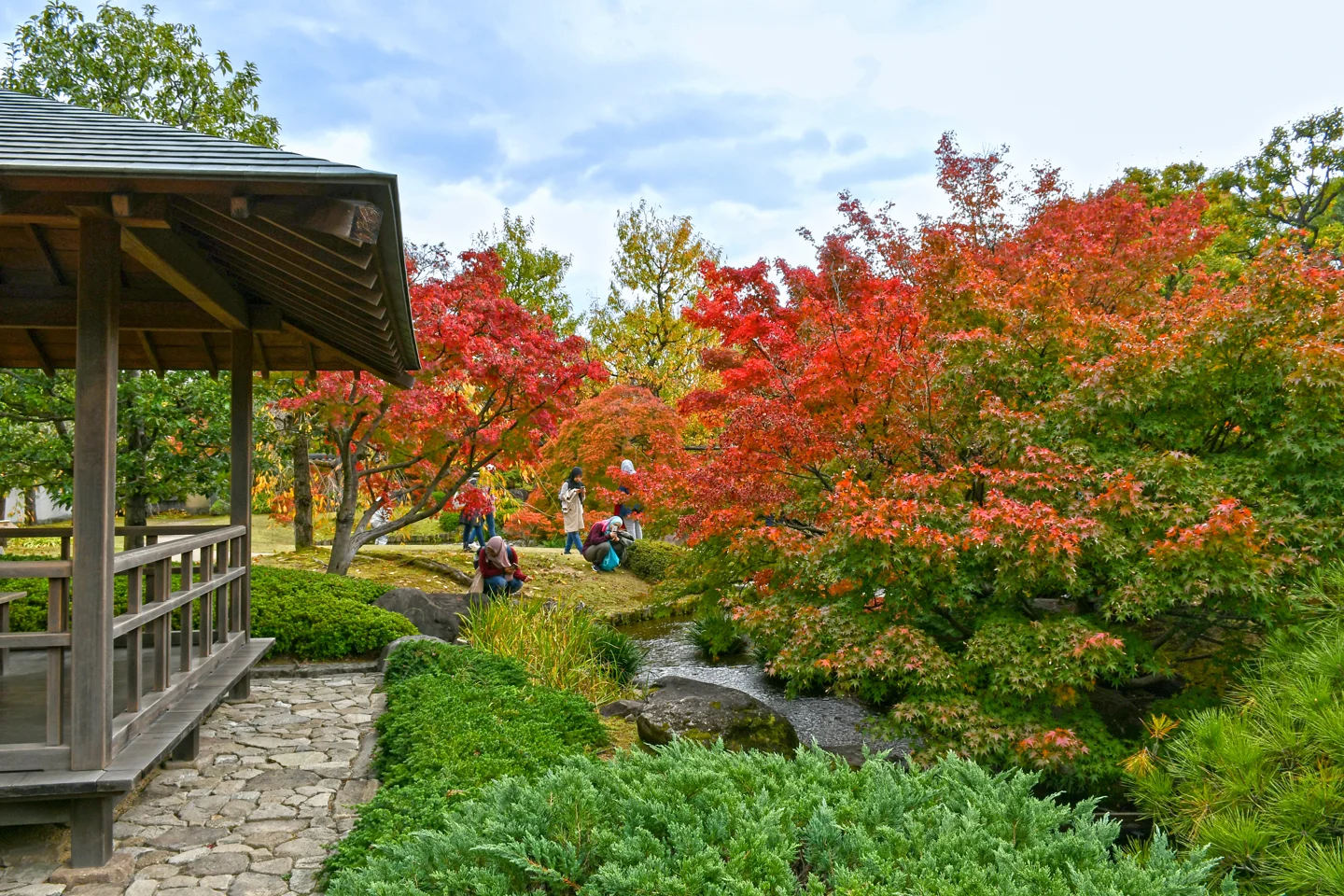
Take in the main pond, flowing water and covered structures as a whole, then look at planting in smaller gardens and views through gateways. Daylight reveals paths and materials clearly. Evening lighting draws attention to trees, water and reflections. For plant identification and detailed garden photographs, include daylight. If only dusk remains, focus on the changing light around sunset rather than giving every corner equal time.
The garden's official ticket page lists normal closing at 17:00 and last entry 30 minutes before closing, with extensions for special events. Wheelchairs can be used in the garden. The official attraction page also has entrance and accessible-toilet information. Choose paths according to conditions and your party. Keep off lawns, moss and areas outside the paths when taking photographs.
A Koko-en video published in 2021, introducing its nine gardens of different styles.
2026 autumn event: 17 November–6 December, daylight and lights in one visit
The tourism bureau's 2026 autumn-event announcement lists daily opening from 09:00 to 20:00 on 17 November–6 December, with last entry at 19:30 and illumination after sunset. Adult admission is ¥400, with free entry for under-18s and no re-entry. The notice lists extended hours under the same admission fee. Enter before sunset and remain for the lights to see both daylight and evening views in one visit.
To minimise retracing your route, finish the castle, eat and rest outside the garden, then enter Koko-en later in the afternoon. Stay inside as daylight changes to illumination. If you visit Koko-en in the morning, leave and return for autumn lights, that is a new admission. The used ticket will not get you back in. Include the extra ticket and waiting time if you want two separate visits.
19:30 is the last entry, and everyone must leave at 20:00. Half an hour allows only a short visit, including walking and leaving. For autumn lights as the main attraction, enter earlier and preserve time for the journey back after photographs. During the event, use its evening hours rather than the normal 17:00 closing. The 20:00 extension applies only to the autumn-event dates.
Use the dates first to choose an evening when entry is available, then follow the garden's foliage updates and weather for photography. Trees change colour at different speeds. There is no need to stay in one corner trying to find an entirely red garden on one day. For phone photographs of reflections, find a position that leaves the path clear and hold the phone still briefly. Leave room for slower visitors beside water and at bends.
Dinner and tea have their own hours; eating before entry works well
The 2026 autumn-event notice lists special evening opening at Kassuiken from 17:00 to 19:30, with last orders at 19:00. For dinner inside, put the meal in the middle of the visit and leave time afterwards for foliage and departure. To give the whole evening to the garden, eat before entry. Bringing food and drink into the garden for consumption is prohibited. Eat packed meals at permitted places outside, rather than taking them in to eat on a bench.
On 21 November, Sojuan also holds an evening Momiji tea gathering, with three sittings from 17:10. Each lasts about 30 minutes and costs ¥1,000 including a sweet; admission closes when full. This is a specific-date gathering, not a regular nightly tea service throughout the event. Make it the fixed point of the evening if tea interests you, then fit the garden around it. Arrange a meeting inside with companions who will not take part.
The announcement also lists special performances at 18:00 and 19:00 in the Tsukiyama Chisen garden on 22, 28 and 29 November and 5 December. Choose those dates for music, or avoid the performance area for quieter pond photography. You need not fit tea, dinner, music and photographs into one evening. Choose the part you most want and use remaining time for the rest.
Free Dream Mirror lights: fewer features from 7 December and a later first night
The official Sannomaru Atarayo no Yumekagami announcement divides the event into 20 November–6 December 2026 and 7 December 2026–11 January 2027. Hours are 17:00–22:00, with free admission. On the first day, 20 November, lighting is scheduled for 17:45. The second phase retains Dream Mirror and some other displays; certain installations along the route and piano activities run only in the first phase. Choose dates for the features you want.
This is an outdoor light event in Sannomaru Square. Visit after Koko-en, then return to the station along Otemae-dori. Castle-area lights also have locations near the garden entrance, but street and park illuminations are separate from autumn lighting inside Koko-en. A free display needs no garden-ticket check. For entry to Koko-en, use its ticket rules and 19:30 last entry.
The outdoor lights offer views of the white castle, while the keep interior, closed by then, needs a daytime visit. For a special evening tour including places such as Bizenmaru, buy that event's product and follow its meeting instructions. The joint ticket covers normal castle and garden admission; it does not include another guided experience with its own booking procedure. Once you have enjoyed the evening, head to the station. You need not remain until 22:00 to complete a visit.
Daytime plan: castle first, then a full garden visit after lunch
For a plan reaching the castle entrance around 09:00, first store bags at Himeji Station, then walk or take a bus to the castle. Visit the main keep and Nishinomaru in the morning, sit down for lunch outside the garden, then spend 60–90 minutes in Koko-en before returning to collect bags. Take extra exterior photographs before castle entry or after the garden, rather than repeatedly inserting them between two attractions with admission deadlines.
If the keep queue is longer than expected, adjust lunch and shopping time first, then decide whether to shorten Nishinomaru or the garden. Normal garden last entry is 16:30, different from the castle's 16:00 last admission. With a joint ticket, leave a useful amount of time for the second site. If you leave the castle after 14:00, a simple meal followed by the garden usually preserves walking time better than a long lunch.
With only three to four hours including the station journeys, focus on either the keep or garden and take castle-exterior photographs along the way. Choose the climb for castle enthusiasts, or Koko-en and exterior views for companions avoiding stairs. Estimating from the two attractions' proximity overlooks the station approach, the walk from gate to keep and the routes inside each site.
Autumn day and evening: enter the garden after lunch, then work towards the station
For the castle, garden before sunset and autumn lights in one outing, arrive in the morning and visit the castle first. Have lunch, rest in the afternoon, then enter Koko-en and remain until after illumination begins. Walk at your own pace and rest when tired. There is no need to stand beside the same pond for an hour waiting for a particular time. For photography, note a view you like in daylight and return after dark to a position open to visitors.
From 20 November to 6 December, the garden event and Sannomaru lights overlap. Add Dream Mirror after the foliage, then head south along Otemae-dori to the station. On 17–19 November, Koko-en's event has started but the Sannomaru event has not. From 7 December, some Sannomaru lights remain while the garden returns to the opening hours applicable that day. These three date ranges leave different amounts to do in the evening.
If you arrive in Himeji in the afternoon, choose one place you can still visit properly. With an evening tea booking, do not start a lengthy castle visit at 15:30. With an early return train, do not push Koko-en into its final half-hour. A day-and-evening visit gives you time to compare light in the same garden; plan space to do that rather than chasing every final entry time.
Children, older visitors and wheelchairs: split the visit and meet at the garden
The castle guide says pushchairs and walking carts generally cannot be used inside the castle and must be left in designated places on entry. With young children, consider slopes, shoe removal, steep stairs and the descent together. If you must carry a child throughout, exterior views and the garden are easier. Free admission for a child still involves physical effort. Keep lunch, toilet stops and breaks in the schedule.
For wheelchair visits, the castle requires help from two or three experienced assistants. The route with fewer steps from the entrance to Bizenmaru still has steep slopes. Wheelchairs cannot access the main keep or Hyakken Roka interiors. Arrange this route beforehand with the management office or Himeji's accessible-tourism support organisation rather than looking for help at the keep stairs.
There is no wheelchair-accessible toilet inside the paid area. The official guide directs visitors to toilets on the west side of Sannomaru Square. Use them before entry. If some companions climb while others wait outside, agree a precise place and time. A family can split between the keep and exterior views with a rest, then meet for lunch or Koko-en. Everyone need not follow a route that exceeds some members' stamina.
Rain, heat and crowds: keep the part that works for your party
Even in light rain, the station approach, square and garden paths involve outdoor walking. Grippy shoes and an umbrella that packs into a bag help more than pursuing every photo angle. Keep stairs are steep and narrow, so leave hands free for the rail. For garden water photographs, avoid backing towards ponds or moss. If rain makes walking difficult for your party, shorten the outdoor plan, return to the station for food and rest, and arrange a manageable journey onwards.
In summer, visit the castle earlier, carry water and rest between outdoor walks. Shelter inside the buildings does not make them an air-conditioned place for a long stay. For autumn evenings, keep a warm layer within easy reach. Light clothing may suit the daytime climb, but standing outdoors after dark needs another layer. Choose items that fit into a shoulder bag, rather than accumulating loose things in your hands when changing clothes.
When queues are long, check the main keep waiting information before adjusting the second visit. Even after reaching Himeji, you can choose the garden and castle exterior. Using a ticket need not delay everyone's dinner or return. Refund conditions for used tickets follow the original order. Focus a changed plan on what can still be completed in the remaining time.
Back to Osaka or overnight in Himeji: count bag collection and the hotel journey
After the autumn lights, return to Himeji Station along Otemae-dori, with possible stops for other lights and photographs. Start with the official station-to-castle walk of about 20 minutes, then add bags, toilets, finding the platform and waiting. Leaving the garden is not the same as reaching a platform. For a hotel in Osaka, add the journey from Osaka or Shin-Osaka too. Count the return all the way to the hotel door.
Before departure, find a preferred train back to Osaka or Kobe and keep a later connection that still reaches your accommodation. You do not need to stay until Koko-en closes at 20:00 or the outdoor lights end at 22:00. Returning earlier is reasonable if companions are tired or the next day starts early. Dinner near the station keeps luggage collection, ticketing and eating together.
Compare a night near Himeji Station if you want a slow evening, early castle-exterior views next morning, or another day for Mount Shosha. Check the actual walk from hotel entrance to station, late check-in cutoff and luggage storage. Straight-line map distance is not enough. For accommodation including dinner, treat meal time as fixed. A later check-in usually does not recover a dinner missed while waiting for autumn lights.
Mount Shosha needs another bus, ropeway and mountain walk. Give it a separate half-day or the following day. For a first visit already including the keep, garden and autumn lights, complete that main route first. Give Kobe, Okayama or Kurashiki their own time according to your accommodation direction. A train connection alone is no reason to add them all to the same day. Leave enough at the end to eat, collect cases and reach the correct platform.
A few useful answers
Can the Himeji Castle and Koko-en joint ticket be used over two days?
The Koko-en part of the electronic joint ticket is valid only on the date booked for Himeji Castle. Buy separate admission for visits on different days.
Does Koko-en's 2026 autumn illumination need a separate night ticket?
The 2026 event notice lists ¥400 for adults and free entry for under-18s. You can enter before sunset and remain for the lights. Re-entry after leaving is not allowed; a second visit needs another admission.
Can I still climb the keep if I reach Himeji Castle at 16:00?
16:00 is last castle admission. The keep entrance closes at 16:10, and the walk from the ticket check takes about 15 minutes. Arrive earlier for a complete visit, especially if including Nishinomaru.
Can I bring a suitcase or pushchair into Himeji Castle?
Wheeled luggage must be stored in paid lockers. Pushchairs generally cannot be used inside and must be left at designated places on entry. Store large items near Himeji Station or at your hotel first.
When Himeji Castle is lit at night, can I enter the keep?
Sannomaru's free illumination is outdoors. Visit the keep in daylight. Special evening guided entry has separate tickets, areas and meeting procedures.
When can I see Koko-en's 2026 autumn event and Dream Mirror on the same evening?
They overlap from 20 November to 6 December. Koko-en has last entry at 19:30 and closes at 20:00. Sannomaru Dream Mirror normally runs 17:00–22:00, with first-day lighting scheduled for 17:45 on 20 November.
Official information and references
Sources used in this guide.
- Himeji Castle: visitor information, admission and access
- Himeji Castle: March 2026 prices and carrying bags
- Himeji Castle guide: keep deadlines, visiting time and carried items
- Himeji Castle: luggage and storage guide
- Himeji Castle: electronic tickets, same-day joint admission and changes
- Himeji Castle: 2026–2027 conservation works
- Koko-en official electronic tickets: admission, rules and cancellation
- Himeji tourism bureau: Koko-en access, opening and accessibility
- Himeji tourism bureau: full 2026 Koko-en autumn-event notice
- Himeji tourism bureau: two 2026 Dream Mirror phases and first-day hours
- Official Himeji Otemae-dori and castle-area illumination site
- JR West: Himeji Station plan and travel directions