Sushi Dai sits on 3F of Block 6, while Daiwa Sushi is on 1F of Block 5. Compare market sushi counters, published set prices, cooked-food backups, and nearby Senkyaku Banrai options after the tuna auction or later in the day.
- Reading Scope
- 16 min read · 11 chapters · 7 Q&As
- Official Verification
- 30 official sources checkedUpdated November 22, 2026
- Key Topics
- FoodItinerariesTokyo & Kanto
Chapter Route Map (tap any stop)
- Exiting Shijo-mae Station: Pick Your Side First
- Choosing Between Sushi Dai, Daiwa Sushi, and Same-Building Backups
- Daiwa Sushi Booking Fees: Is Saturday Worth the Premium?
- Check Set Menus Before Adding Extra Pieces
- Traveling with Kids, Non-Fish Eaters, or Larger Groups
- Check Both the Market Calendar and Restaurant Schedules
- Pairing the Tuna Auction with Breakfast
- Getting to Shijo-mae Station at Dawn
- After 10:00: Which Floor to Eat on at Senkyaku Banrai
- Building Queue Times into Your Breakfast Plan
- Post-Breakfast Shopping and Connecting to Tsukiji, Odaiba, or teamLab
- Quick Q&A
If you are making a dedicated trip to Toyosu Market for sushi, start by memorizing the block and floor numbers. Sushi Dai is on the 3rd floor of the Intermediate Fish Wholesale Market Building in Block 6 and begins taking waitlist registrations at the door at 5:00. Daiwa Sushi is on the 1st floor of the Fruits and Vegetables Building in Block 5 and opens at 5:30. If you are flexible about which counter you try, aim for breakfast around 8:00 to 9:00 and head straight to Block 6, where the densest cluster of restaurants is located. On market holidays, around lunch, or when someone in your group wants non-sushi dishes, neighboring Toyosu Senkyaku Banrai has restaurants opening from 10:00 onward.
Exiting Shijo-mae Station: Pick Your Side First
Exit the ticket gates at Shijo-mae Station (U14) on the Yurikamome line and follow the covered pedestrian skybridge. Before arriving, save the exact name of your target restaurant rather than just searching "Toyosu Market," which drops a pin across the entire complex. Once you are on the walkway, follow the directional signs for Block 5, Block 6, or Block 7 (labeled 5-gaiku, 6-gaiku, and 7-gaiku). Knowing the building and floor is far more practical than the street address. On market days, each block has its own public visitor entrance right off the skybridge.
If this is your first visit and you want to browse menus before committing, follow the signs along the skybridge to Block 6 (Suisan Nakaoroshi Uriba-to, the Intermediate Fish Wholesale Market Building). Public restaurants are concentrated on the 3rd floor, putting nigiri counters, kaisendon bowls, fried cutlets, and curry side by side so you can switch spots without trekking back across the walkways. The 4th floor houses the Uogashi Yokocho retail arcade. The wholesale trading floor itself is for licensed buyers and restaurant suppliers, so regular visitors should stick to the public shops on 4F.
For Daiwa Sushi, look for the "Seika-to / Restaurants" signs and head down to the 1st floor of Block 5 (the Fruits and Vegetables Building). If anyone in your group wants hot cooked food, the same building also houses Tenfusa for tempura and Fujimiya for soba. For pure sushi variety, however, Block 6 lets you compare multiple menus on a single floor. If you are traveling with older relatives or a stroller and already have a reservation in Block 7, walking straight from the Shijo-mae skybridge into the 3rd floor of the Administration Building saves unnecessary detours.
Block 7 contains both the Administration Building (Kanri Shisetsu-to) and the Fisheries Wholesale Market Building (Suisan Oroshi Uriba-to). For a morning meal at Tsukiji Kagura Sushi's Toyosu Market branch, head to the dining area in the Administration Building. For the tuna auction, follow the observation signs on the same side toward the Fisheries Wholesale Market Building. If you are only here for breakfast, you only need to keep track of the dining building. When meeting friends coming from different train lines, gather at the skybridge fork just outside the Shijo-mae ticket gates before walking to a restaurant.
| Target Restaurant | Block & Floor | Building Sign to Follow |
|---|---|---|
| Daiwa Sushi | Block 5, 1F | Seika-to (Fruits & Vegetables Bldg.) |
| Sushi Dai, Sushibun, Kaisendon Oedo | Block 6, 3F | Suisan Nakaoroshi Uriba-to (Intermediate Fish Wholesale Bldg.) |
| Tsukiji Kagura Sushi Toyosu Market, Ichiba Sushi, Sushidokoro Okame | Block 7, 3F | Kanri Shisetsu-to (Administration Bldg.) |
| Tsukiji Kagura Sushi Senkyaku Banrai, Sushi Yasuke by Choshimaru | Senkyaku Banrai, 2F | Toyosu Senkyaku Banrai |
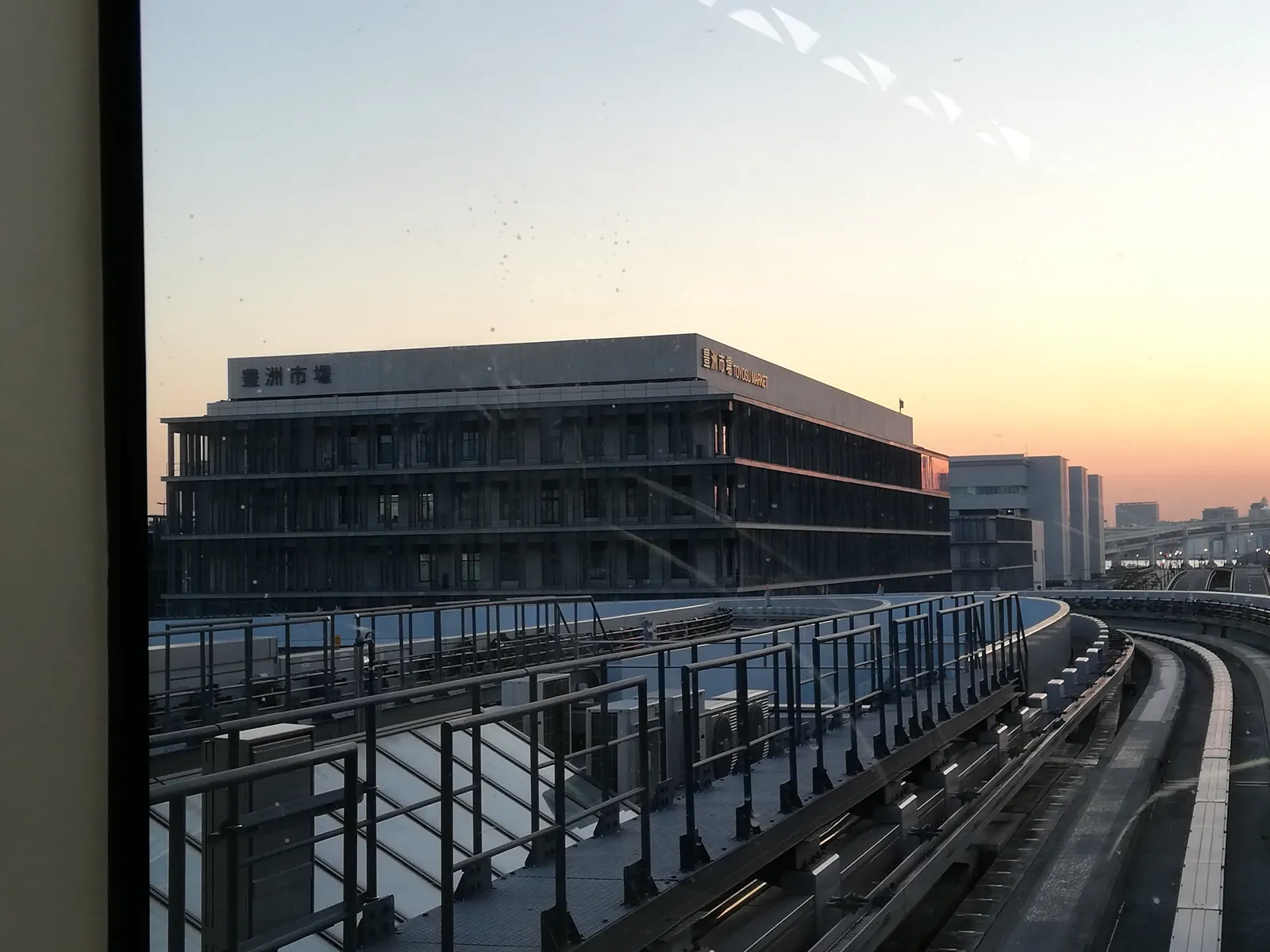
Sushi Dai sits on 3F of Block 6, while Daiwa Sushi is on 1F of Block 5. Compare market sushi counters, published set prices, cooked-food backups, and nearby Senkyaku Banrai options after the tuna auction or later in the day.
Choosing Between Sushi Dai, Daiwa Sushi, and Same-Building Backups
If Sushi Dai is your priority, make it your first stop of the morning. Operated by Tsukiji Hisashi, the restaurant begins taking in-person waitlist registrations at 5:00 for service from 6:00 to 14:00, closing the list early once daily capacity fills. Sign up with the staff outside to receive your return time, then explore the market until your slot. Aim to arrive close to 5:00 if you want the first seating; if you show up later, check with staff immediately to see if any spots remain. Sushi Dai accepts cash only.
Daiwa Sushi's listed hours in the market association directory are 5:30 to 13:00. If you are staying nearby or have your heart set on this counter, start in Block 5. If you are already standing outside Sushi Dai on 3F of Block 6, check the neighboring spots on the same floor before walking over to another block. Because the two names sound similar in translation, double-check whether your storefront reads Sushi Dai or Daiwa Sushi. If your group arrives in two waves, share both the exact restaurant name and the floor number so everyone meets at the right counter.
Elsewhere on Block 6's 3rd floor, Sushibun opens at 6:30 with last order listed at 14:00, while Iwasa Sushi runs from 6:00 to 15:00. If you still want nigiri, walk the corridor to compare set menus and current wait times. For a full rice bowl topped with sashimi, Kaisendon Oedo on the same floor is an easy alternative. When half your group stays in line at Sushi Dai while others grab seats elsewhere, agree to reconvene near the same visitor entrance on that floor before heading up to 4F together.
Block 7 counters pair neatly with the early-morning tuna auction. The tourism association lists Sushidokoro Okame from 6:00 to 14:00, while Tsukiji Kagura Sushi Toyosu Market opens at 8:00 with last order at 15:30 and closing at 16:00. Kagura Sushi has 9 counter seats and 3 tables and accepts online reservation requests, though a booking is only confirmed once the shop calls you by phone. For same-day seating, call the branch directly; when arriving, verify you are at the Administration Building 3F location (phone ending in 0246).
Market restaurants close their queues according to daily inventory, so even if posted hours stretch into the afternoon, walk-in lines often cut off early. If you have a train or timed ticket next, calculate your hard departure time, subtract time for eating, paying, and walking back to the station, and treat the remainder as your maximum wait budget. If staff quote a longer wait, pivot immediately to another counter in the same building. Estimating wait times by counting people in line rarely works because party sizes and counter-versus-table turnover vary, so ask the attendant directly.
Daiwa Sushi Booking Fees: Is Saturday Worth the Premium?
Daiwa Sushi offers seat-only reservations through TableCheck. Weekday slots between 7:00 and 10:00 carry a ¥400 per person booking fee, while Saturday special slots from 8:00 to 9:30 carry a ¥10,000 per person booking fee. Both fees exclude the cost of the meal itself—meaning two diners pay ¥19,200 more just for seats on a Saturday than on a weekday. If your schedule is flexible, book a weekday slot. If Saturday is your only option and Daiwa Sushi is a must, add the seat fee and meal cost together before deciding whether to queue as a walk-in or pick another counter.
Online reservations at Daiwa Sushi are capped at one or two guests per booking; you enter a credit card online and settle your meal bill in person on the day of your visit. Once you reach Block 5 (Fruits and Vegetables Building) 1F, give your reservation name to the staff. Contact the shop if transit delays hold you up, as arrivals more than 15 minutes late without notice may be canceled. Dining time is capped at one hour, so build your itinerary by adding 60 minutes to your reservation start time plus the walk back to Shijo-mae Station.
Groups of three or more who want to sit together should try walk-in seating or choose a restaurant that accommodates larger bookings. Daiwa Sushi notes that high chairs are not available; infants and toddlers share a seat with an adult and do not need to be included in the booking headcount. Wheelchair users should note their needs in the reservation request field, as accessible seating areas are limited. Anyone requiring strict gluten-free dining should look elsewhere, as Daiwa Sushi explicitly states on its booking page that some seasonings contain wheat and strict gluten-free meals cannot be provided.
If you are heading to Daiwa Sushi right after the lottery-based tuna auction viewing, the viewing wraps up at 6:25—leaving 35 minutes to exit the observation area and cross blocks for a 7:00 seating. If you want extra time to browse the seafood buildings or are walking with slower companions, choose a later time slot. Trying to squeeze in Daiwa Sushi before heading back to Block 7 for the tuna auction is risky given how brief the early auction window is; visitors prioritizing the auction should view it first and eat afterward.
Check Set Menus Before Adding Extra Pieces
When budgeting from online menus, make sure you are looking at the right branch. At Tsukiji Kagura Sushi's Toyosu Market shop in Block 7, the 9-piece Manzoku Nigiri set with tamago and soup is ¥3,300. Stepping up to the 10-piece Gensen Nigiri set costs ¥4,400 and also includes tamago and soup. Before deciding whether the ¥1,100 upgrade is worth it, check that day's fish lineup and compare à la carte pricing if you only want one or two specific toppings.
The same menu lists the Aburi 6 set for ¥3,300—six pieces of seared daily nigiri served with soup—which is ideal if you prefer light searing or a smaller portion. Note that aburi typically sears only the surface; anyone who needs fish cooked all the way through should ask staff which items are fully cooked or opt for grilled or fried dishes at another shop. Menu labels reading owan-tsuki mean soup is included, so factor that into your appetite before ordering extra side dishes.
If you want to order only your favorite cuts, read the à la carte nigiri section and confirm whether prices are per piece or per pair. For tuna, akami is lean red meat, while chutoro and otoro step up in fat content; if you see a three-cut tuna trio (maguro sanshu), ask which cuts are included before ordering extra tuna. Items marked as daily recommendations or jika (market price) vary daily, so ask the price upfront. To keep per-person spending predictable, start with a clearly priced set menu.
Fixed sets and omakase follow different ordering rhythms. For a set with a fixed piece count, simply point to the menu item—the exact fish selection adjusts with the day's catch. When ordering chef's choice (omakase), ask the price, rough pacing, and how add-on pieces are billed afterward. Mention any raw fish or shellfish aversions while you are still in line rather than after taking your seat. The same checklist applies if you go for omakase at Sushimasa in Senkyaku Banrai.
When appetites vary across a group—say one person wants a small nigiri flight while another wants a full kaisendon bowl—pick a restaurant that serves both instead of locking everyone into identical sets. Check whether listed prices are tax-included (zeikomi) or pre-tax (zeibetsu), and clarify whether drinks and extra pieces fit your budget. If only one diner wants an extra piece of sea urchin, order it à la carte rather than upgrading the entire table to a premium course.
Tuna lovers can also compare Ichiba Sushi on the same floor, which lists hours of 6:30 to 14:00 (last order 13:30) on its website. Its tuna-focused Maguro-zukushi set is ¥6,000 (tax included), while the chef-selected Omakase Nigiri set is ¥6,300 (tax included); both come with miso soup. If you want rare cuts beyond belly, ask whether collar (kama) or head meat (noten)—both featured by the shop—are available that day and how to order them.
You can also choose a counter based on rice seasoning and preparation style. Kagura Sushi seasons its rice with red vinegar (akazu), and several seared pieces arrive pre-seasoned—ask before dipping them in soy sauce. If you want to taste the same fish raw and seared, check the à la carte menu for both preparations before committing to an all-seared set. "Seasonal fish" at the market depends entirely on the morning's auction supply, so let the daily board guide your picks once you know your preferred preparation style.
| Set Name | Menu Price | Included Items |
|---|---|---|
| Manzoku Nigiri | ¥3,300 | 9 pieces of nigiri, tamago, soup |
| Gensen Nigiri | ¥4,400 | 10 pieces of nigiri, tamago, soup |
| Tokusen Nigiri | ¥5,500 | 9 premium pieces of nigiri, tamago, soup |
| Aburi 6 | ¥3,300 | 6 pieces of daily seared nigiri, soup |
Traveling with Kids, Non-Fish Eaters, or Larger Groups
If only one or two people in your group want nigiri, decide upfront whether everyone needs to eat together or if splitting up for breakfast makes more sense. When traveling with hungry kids who need to sit together, prioritize restaurants with table seating and kid-friendly dishes before looking at sushi lists. Even when counter seats open up, they may be split at opposite ends. If four of you need one table, ask the staff upon checking in ("Yonin desu. Teburu seki wa arimasu ka?") before committing to the wait.
On the same 3rd floor of Block 6, non-sushi eaters have solid cooked options right nearby: Tonkatsu Odayasu for fried cutlets, Fukusen for eel or yakitori, and Torito for chicken dishes. If you want to eat at the same time as the sushi fans in your group, check wait times at both shops first and meet back afterward. Anyone with fish, shellfish, or crustacean allergies must clearly explain both the restricted ingredients and whether shared prep surfaces or cooking utensils are an issue. For mixed cravings under one roof, head straight to the 3rd-floor food hall at Senkyaku Banrai, secure seats first, and order from separate stalls.
Before joining a line with a stroller, ask staff where strollers can be parked or if folded strollers fit beside a table. Leave large suitcases at your hotel whenever possible. Coin lockers are available at Shijo-mae Station, and the Yurikamome website includes a station facility page to check locker availability. Elevators at Shijo-mae connect street level, the ticket gate concourse, and the train platforms. If you arrive by taxi or bus at street level, take the elevator back up to the pedestrian skybridge instead of rolling luggage through ground-floor loading bays.
Eating and drinking are prohibited in the market hallways and on public benches. Pick a post-meal meeting spot ahead of time, and if anyone grabs milk, coffee, or snacks, finish them inside a shop's seating area before walking on. When lines get long, stay inside the roped areas directed by staff so other diners and market workers can pass freely. At tight sushi counters, ask permission before taking photos, wait until the chef sets the plate down, and keep your phone directly over your own place setting.
If you want coffee before sushi in Block 6, Kissaten Iwata and Senriken sit on the same floor, saving you a trip between buildings. The tourism directory lists Iwata open until 14:00 and Senriken until 13:00. If two older relatives want to sit down with coffee while one person puts the party's name down for sushi, check whether the sushi counter requires the full group to be present at registration. If you plan to shop while waiting, keep in mind that Uogashi Yokocho on 4F has no stroller parking areas and no coin lockers.
Check Both the Market Calendar and Restaurant Schedules
The Tokyo Metropolitan Central Wholesale Market publishes separate annual calendars for its Fisheries (seafood) and Fruits and Vegetables divisions. If you are coming strictly for sushi in Blocks 6 and 7, check the Fisheries calendar first, then verify the individual restaurant's hours. If your first stop is Daiwa Sushi in Block 5 and your visit falls on a rare day when Fisheries is open but Fruits and Vegetables is closed, verify Daiwa Sushi's posted schedule directly—or shift your visit to a morning when both divisions are operating. Year-end travelers should check both the 2026 and 2027 calendars depending on their exact dates.
Toyosu Market is generally closed on Sundays, Japanese national holidays, and select Wednesdays, though the day-by-day calendar has exceptions. For example, Tokyo's calendar lists December 30, 2026 as closed for Fruits and Vegetables while Fisheries remains open. On a day like that, look for Fisheries-side restaurants that announce year-end hours. If you also want to see the tuna auction, check that month's auction viewing schedule separately—year-end dates sometimes maintain market trading even when close-up public viewing is suspended.
On open market days, visitor walkways and the restaurant and retail zones operate from 5:00 to 17:00, though each shop sets its own closing time inside the buildings. If you arrive around 14:00 or 15:00, confirm which market counters have not yet hit last order, or head straight to Senkyaku Banrai. On closed market days, all interior restaurants, shops, and observation corridors are shut; if you still want waterfront views, you can walk from Toyosu Gururi Park up to the Block 6 rooftop green plaza and then dine at Senkyaku Banrai.
If you already hold afternoon tickets nearby and realize the next morning is a market holiday, do your market breakfast on the first day and save dinner on day two for Senkyaku Banrai or your hotel neighborhood. When planning your itinerary from abroad, always verify operating days against the official Japanese market calendar. If you arrive on an early-morning flight, factor in luggage drop-off and transit time first so you know which block you will actually reach before pinning your morning on one hard-to-get counter.
Pairing the Tuna Auction with Breakfast
The tuna auction takes place in the Fisheries Wholesale Market Building in Block 7. Even without a lottery pass, visitors on open market days can follow the public walkway signs up to the 2nd floor and watch the wholesale floor from behind glass, with peak auction activity generally running from about 5:30 to 6:30. Notice that the auction building (Suisan Oroshi Uriba-to) and the restaurant building across the bridge (Suisan Nakaoroshi Uriba-to) differ by just one word in Japanese. Go to Block 7 first for the auction, then cross to Block 6 afterward for Sushi Dai or Sushibun.
Closer access from the Tuna Auction Observation Deck (Maguro Seri Kengaku Deck) requires winning a free advance lottery run by the Tokyo Metropolitan Government. Under the December 2026 notice, each group can include up to five people (including infants), with viewing from 5:45 to 6:25 and check-in at 5:30 at the Market PR Corner on the 3rd floor of the Administration Building in Block 7. Winners must present their notification alongside photo ID for every member of the group, such as passports. Follow the guide once assembled and keep camera flash turned off; while general PR Corner hours start later in the morning, early auction winners check in at that same spot.
Lottery results for December 2026 close-up viewing were announced on November 19, and no close-up viewing is held from December 25 to 30. Travelers targeting January 2027 can apply from December 2 at 15:00 to December 8 at 23:59 JST, with results released on December 17. Submit only one application per group, listing multiple preferred dates if your mornings are flexible—prioritizing days when you can realistically reach check-in by 5:30. If you miss out on the lottery, you can still use the reservation-free 2F glass gallery or simply focus on breakfast.
When combining a lottery viewing slot with a must-visit sushi counter on the same morning, anchor your schedule around the fixed check-in time. Leave after the 6:25 viewing wraps up and budget time to walk over and wait in line. If part of your group skips the auction, have them meet you directly at the restaurant's block later rather than trying to hold spots in line in violation of house rules. Visitors watching from the reservation-free 2F glass gallery can leave whenever they are satisfied and head straight to the dining building.
If you want to see market operations without catching the first train of the morning, walk the 3rd-floor observation corridor in Block 6 after breakfast to overlook the 1st-floor intermediate wholesale stalls and read the exhibits. The wholesale auction and intermediate distributor prep are two separate stages, so checking out the latter on your way out is effortless—and leaves time to browse dried goods or nori on 4F. Respect all signs marking restricted zones reserved for licensed market workers.
Getting to Shijo-mae Station at Dawn
If you are staying near Shimbashi, Shiodome, or along the JR Yamanote line with easy access to Shimbashi, transfer there to the Yurikamome line bound for Toyosu and get off at Shijo-mae. Coming from Ikebukuro or along the Yurakucho Line, ride the Tokyo Metro Yurakucho Line to Toyosu (Y22) and transfer two stops on the Yurikamome line toward Shimbashi to Shijo-mae. Factor in the walk from the underground subway gates up to the elevated Yurikamome platform, especially with strollers or elevators. Walking straight from Toyosu Station to the market takes roughly 15 to 20 minutes according to the market tourism association.
To make a 5:30 auction check-in, work backward from your required arrival time at Shijo-mae Station and add the walk to the PR Corner in the Administration Building—estimated at about 5 minutes in Tokyo's viewing guide. Always search train schedules for your exact travel date, keeping weekday and weekend/holiday timetables separate. If your trip starts on Tokyo Metro or JR, make sure your first feeder train connects smoothly; if the earliest rail connection cuts it too close to 5:30, weigh the cost of staying within walking distance or booking an early-morning taxi.
If you are only coming for breakfast, you have more transit options. From Shimbashi, you can also ride the Tokyo BRT trunk route toward Kokusai-Tenjijo or Tokyo Teleport and get off at the Toyosu Shijo-mae stop. Several BRT routes depart from Shimbashi, so verify the destination, stops, and latest timetable before boarding. Rail or walking is more dependable for dawn auction check-ins, while the BRT works well for slightly later breakfasts or the ride back to Shimbashi. After stepping off at street level, follow signs toward Shijo-mae Station to reach the elevated visitor skybridge—and note that if a bus terminates at Toyosu rather than Toyosu Shijo-mae, you will need to walk or transfer from Toyosu Station.
If companions are traveling from Ariake or Odaiba, coordinate meeting times around each person's actual train arrival. Save the Japanese names for Shijo-mae Station and your chosen restaurant in your maps app if you plan to meet outside the gates. When taking a taxi, show the driver both "Shijo-mae Station" and "Block 7 Administration Building" (or your target block), and ask to be dropped off at a safe street-level curb before taking the elevator or stairs up to the skybridge.
After 10:00: Which Floor to Eat on at Senkyaku Banrai
Toyosu Senkyaku Banrai operates on a separate schedule from the wholesale market halls and stays open even on market holidays. From the Shijo-mae skybridge, follow the "Toyosu Senkyaku Banrai" signs straight onto the 2nd floor. Official Tokyo tourism listings note that most restaurants open from 10:00, with select 2F shops opening at 9:00. If you arrive around midday or later, verify your chosen shop's last-order time upfront, as closing times differ between the 3rd-floor food hall and standalone restaurants on 2F.
For nigiri at Senkyaku Banrai, Tsukiji Kagura Sushi's 2F branch offers both counter and table seating from 10:00 to 22:00 (last order 21:30). On the same floor, Sushi Yasuke by Choshimaru has 130 seats and runs from 10:00 to 21:00 (last order 20:30). Larger groups wanting to sit together should ask about table availability at bigger venues first. If you want a tuna-heavy rice bowl, check out Edo Tsujiya on 3F; for an omakase course, look at Sushimasa on 1F, which lists 15 seats and final entry at 20:00.
When your group wants a mix of sushi, ramen, and tonkatsu, head to the 3rd floor first to scan the stalls and open seating. If you prefer a sit-down meal at one dedicated table, stick to the standalone sushi restaurants on 2F and ask at the door about group seating and kids' tableware. When hopping between restaurants at lunch, verify which floor the next spot is on before hauling everyone up and down escalators just to compare menus.
To rest your feet after eating, head to the 8th-floor Senkyaku Banrai Ashiyu Teien (Footbath Garden) in the bathhouse wing, which is free to use and generally open from 9:00 to 22:00. The 10th-floor observation footbath requires paid admission to Manyo Club, so follow indoor signs specifically to 8F for the free soak and pack a small towel in winter. If official notices list shortened footbath hours, prioritize dining and shopping first and use any leftover time along the Toyosu waterfront or at your next stop.
Staying nearby and hoping for a soak before breakfast? Tokyo Toyosu Manyo Club runs an early-morning bath plan from 5:00 to 9:00, listed in its FAQ at ¥2,200 for adults plus a ¥150 bathing tax. If you arrive closer to 9:00 and want to linger, compare it against the daytime admission starting at 10:00, which requires no reservation for day visitors. If securing a Sushi Dai waitlist spot or making a Daiwa Sushi reservation is your top priority, lock in breakfast first and save the bathhouse for afterward.
Building Queue Times into Your Breakfast Plan
Suppose you reach Shijo-mae at 8:30 without a fixed restaurant in mind and need to be at your next stop by 11:00. Walk straight to Block 6, 3F and check the lines at two counters. If by 8:45 one counter tells you seating is available around 9:15, budgeting 45 minutes to eat and pay puts you out the door around 10:00. Subtract transit to your next stop before deciding whether you have time to browse 4F. If both counters quote seating after 10:00, pivot to another spot in the same building or leave the market and eat near your next destination. For shops offering takeout, ask how long prep takes and make sure you have somewhere appropriate to eat it.
If you have half a day in Toyosu and really want Sushi Dai, set a phone alarm as soon as you receive your return time. If your slot is around 7:30, browsing 4F or the observation corridor in the same building fills the gap nicely; stay on the restaurant floor once your window gets close. If you are given a midday return time and want to leave the building, factor round-trip travel time back in. When an entire morning starts revolving around one waitlist while hungry companions lose patience, let the die-hard sushi fans stay behind while everyone else eats elsewhere and meets up afterward.
Arriving in the evening? Skip the wholesale market buildings altogether and head straight to open spots in Senkyaku Banrai. If you get back to Shijo-mae from Odaiba near 20:30, work backward from 2F Kagura Sushi's 21:30 last order while allowing for any wait and your trip home. For kaisendon on 3F, arrive earlier—Edo Tsujiya closes at 20:00. Saving the footbath for after dinner ensures you do not miss kitchen last calls.
Post-Breakfast Shopping and Connecting to Tsukiji, Odaiba, or teamLab
After eating in Block 6, head up to Uogashi Yokocho on 4F for ingredients to take home. If you still have a few days before flying out, sealed packages of nori, dried kelp, and seasonings travel well—just confirm storage instructions at checkout. Want to take sushi to go? Ask your counter which items are packaged for takeout and how soon they must be eaten; Tsukiji Kagura Sushi's Toyosu Market branch, for instance, offers tuna rolls on a dedicated takeout menu. Anything perishable should go straight back to your hotel or be eaten in a designated seating zone.
If you want to experience both Toyosu and Tsukiji, give each market a distinct role: eat a proper nigiri set at Toyosu, then pick one or two cooked street snacks at Tsukiji and browse ingredients if time allows. From Shijo-mae, ride back to Toyosu to catch the Yurakucho Line to Shintomicho Station and walk to the Tsukiji Outer Market. Individual shops keep varied hours, though the shopping association recommends 9:00 to 14:00 for general visitors; inside the complex, Tsukiji Uogashi follows its own calendar and prioritizes professional buyers before 9:00 on open days. On a day when Toyosu is closed, confirm which Tsukiji Outer Market shops are open before making the trip.
When pairing breakfast with teamLab Planets, keep your timed museum entry safely outside your sushi wait window. From Shijo-mae, ride the Yurikamome line one stop toward Toyosu to Shin-Toyosu Station and take the museum exit; save souvenir shopping until after the exhibit so you are not carrying bags inside. Pairs with fixed entry tickets should choose a market counter with predictable seating times. If you are running late, visit the museum first and circle back to Senkyaku Banrai for lunch instead of rushing through breakfast.
Heading onward for Odaiba shopping? Take the Yurikamome line from Shijo-mae toward Shimbashi and get off at Daiba or Odaiba-kaihinkoen Station depending on your mall. If your target shops do not open until noon, take a short stroll along the Toyosu waterfront after breakfast. Avoid carrying chilled items or fresh takeout sushi through shopping malls—either shop before buying perishables, or stick to shelf-stable dry goods you can carry comfortably.
A few useful answers
Do I need a reservation just to enter Toyosu Market for sushi?
No. On open market days, public observation walkways and dining areas are open without an entry reservation. Individual restaurants manage their own queues or bookings, while close-up tuna auction viewing requires entering a separate Tokyo Metropolitan Government lottery.
Are Sushi Dai and Daiwa Sushi in the same building?
No. Sushi Dai is on the 3rd floor of the Intermediate Fish Wholesale Market Building in Block 6, while Daiwa Sushi is on the 1st floor of the Fruits and Vegetables Building in Block 5. Follow the separate block signs on the skybridge outside the Shijo-mae Station gates.
Are there any sushi restaurants inside Toyosu Market that take orders in the afternoon?
Inside the market, Tsukiji Kagura Sushi's Toyosu Market branch in Block 7 lists last order at 15:30 and closing at 16:00. For dinner or evening hours, head to Toyosu Senkyaku Banrai next door, where its 2F branch takes last orders until 21:30.
Do restaurants inside Toyosu Market accept credit cards?
It varies by counter. Sushi Dai is cash only, whereas Tsukiji Kagura Sushi's Toyosu Market branch accepts major credit cards (Visa, Mastercard, JCB, and others), transit IC cards, and select mobile payments.
Can I book Daiwa Sushi online?
Yes. Daiwa Sushi accepts seat-only online reservations for one or two people via TableCheck. Standard weekday slots carry a ¥400 per person booking fee, and Saturday special slots cost ¥10,000 per person—both separate from the cost of the meal.
If I do not win the tuna auction lottery, can I still see it if I arrive early?
Yes. General visitors can use the reservation-free observation walkway on the 2nd floor of the Fisheries Wholesale Market Building in Block 7 to watch the auction floor from behind glass. On open market days, bidding takes place mostly in the early morning; arriving around 8:00 is better suited for heading straight to breakfast.
If Toyosu Market is closed, is there still somewhere nearby for sushi or a footbath?
Yes. Neighboring Toyosu Senkyaku Banrai stays open on market holidays, with sushi restaurants on 2F and kaisendon stalls on 3F. A free public footbath is located on the 8th floor of the bathhouse wing.
Official information and references
Sources used in this guide.
- Tokyo Metropolitan Central Wholesale Market | Toyosu Market Hours, Tours & On-Site Dining Rules
- Tokyo Metropolitan Central Wholesale Market | Toyosu Market Floor Guide & Visitor Map
- Tokyo Metropolitan Central Wholesale Market | Annual Market Open & Closed Calendar
- Tokyo Metropolitan Central Wholesale Market | Tuna Auction Close-Up Viewing Lottery Notice & Application Portal
- Tokyo Metropolitan Central Wholesale Market | December 2026 Tuna Auction Viewing & January 2027 Lottery Schedule
- Toyosu Market Tourism Association | Market Restaurant Blocks & Opening Hours
- Toyosu Market Tourism Association | Auction Viewing, Public Entrances, Walking Times & Payment Methods
- Tsukiji Hisashi Co., Ltd. | Sushi Dai In-Person Waitlist, Opening Hours & Cash Payment Policy
- Daiwa Sushi | TableCheck Reservation Time Slots, Booking Fees & Terms
- Ichiba Sushi | Tuna Sets, Pricing & Operating Hours
- Tsukiji Kagura Sushi | Toyosu Market Branch Seating, Last Order & Payment Methods
- Tsukiji Kagura Sushi | Toyosu Market Branch Set Menus & Prices
- Tsukiji Kagura Sushi | Toyosu Market Branch Takeout Menu
- Tsukiji Kagura Sushi | Branch Reservation Process
- Tsukiji Kagura Sushi | Red Vinegar Rice, Searing & Seasoning Policy
- Yurikamome | Shijo-mae Station Timetable & Station Facilities
- Tokyo Metro | Yurakucho Line Route & Transfer Stations
- Tokyo BRT | Shimbashi Departure Timetable & Routes
- Toyosu Senkyaku Banrai | Floor Guide, Shops & Restaurants
- Toyosu Senkyaku Banrai | Market Holiday Hours & Footbath Facilities
- Toyosu Senkyaku Banrai | Tsukiji Kagura Sushi Branch Information
- Toyosu Senkyaku Banrai | Sushi Yasuke by Choshimaru Information
- Toyosu Senkyaku Banrai | Sushimasa Information
- Toyosu Senkyaku Banrai | Edo Tsujiya Information
- Tokyo Toyosu Manyo Club | Early-Morning Bath Pricing & Daytime Admission FAQ
- Official Tokyo Travel Guide (GO TOKYO) | Senkyaku Banrai Restaurant & Footbath Hours
- Toyosu Market Commercial Cooperative | Uogashi Yokocho Visitor Rules
- teamLab Planets Official Site | Access from Shin-Toyosu Station
- Tsukiji Outer Market | Recommended Hours for General Visitors
- Tsukiji Outer Market | Tsukiji Uogashi Operating & Public Entry Hours