Sushi Dai sits on 3F of Block 6 and Daiwa Zushi on 1F of Block 5 at Toyosu Market. Compare market sushi counters, published set prices, cooked dishes, post-auction breakfast timing and Senkyaku Banrai for lunch or dinner.
- Reading Scope
- 16 min read · 11 chapters · 7 Q&As
- Official Verification
- 30 official sources checkedUpdated 22 November 2026
- Key Topics
- FoodItinerariesTokyo & Kanto
Chapter Route Map (tap any stop)
- Arrive at Shijo-mae Station and Pick Your Side
- Choosing Between Sushi Dai, Daiwa Zushi and Same-Building Alternatives
- How Much Extra Does a Daiwa Zushi Booking Cost, and Is Saturday Worth It?
- Check the Set Menus Before Ordering Extras
- Visiting with Children, Non-Raw-Fish Eaters or Groups Wanting One Table
- Check Both the Market Calendar and Restaurant Schedules Before Picking a Date
- Pairing Breakfast with the Tuna Auction
- Best Early-Morning Routes to Shijo-mae Station
- Arriving After 10:00: Where to Eat at Toyosu Senkyaku Banrai
- Fitting Queue Times into Your Breakfast Schedule
- What to Buy After Breakfast, and How to Connect to Tsukiji, Odaiba or teamLab
- Quick Q&A
If you are making a special trip to Toyosu Market for sushi, start by memorising the block and floor numbers. Sushi Dai is on 3F of the Fisheries Intermediate Wholesale Market Building in Block 6, where staff begin taking walk-in queue registrations at the door from 05:00. Daiwa Zushi is on 1F of the Fruit and Vegetables Building in Block 5 and opens at 05:30. If you are happy with either spot, aim for breakfast around 08:00 to 09:00 and head straight for Block 6, which has the largest cluster of restaurants. On market closure days, for late-morning arrivals near lunchtime, or when someone in your group wants something other than sushi, the neighbouring Toyosu Senkyaku Banrai complex opens most of its restaurants from 10:00.
Arrive at Shijo-mae Station and Pick Your Side
Exit the ticket barriers at Shijo-mae Station (U14) on the Yurikamome line and follow the covered pedestrian deck. Before setting off, save the full Japanese restaurant name for Toyosu in your phone's map app, then watch the station signs for Block 5, Block 6 and Block 7. Searching simply for Toyosu Market drops a pin across the whole complex; if you already know where you want to eat, the building name and floor are far more useful than the street address. On market trading days, public entrances sit along the pedestrian deck, with one entrance for each block.
If it is your first visit and you want to browse menus before committing, follow the signs on the deck for Block 6 (Suisan Nakaoroshi Uriba-to, the Fisheries Intermediate Wholesale Market Building). Public eateries are grouped on 3F, offering nigiri sushi, seafood rice bowls (kaisendon), fried dishes and curry on the same level, so you can switch restaurants without walking back out onto the deck. One floor up on 4F is the main shopping arcade, Uogashi Yokocho. While the wholesale floor itself is reserved for licensed buyers and trade professionals, general visitors are welcome to shop at the public stalls on 4F.
To reach Daiwa Zushi, look for the sign reading Seika-to and Restaurants, then head down to 1F in Block 5 (the Fruit and Vegetables Building). Anyone in your group wanting a hot cooked meal can try tempura at Tenfusa or soba noodles at Fujimiya in the same building. For pure sushi variety, however, Block 6 lets you check several menus on a single floor. If you are travelling with older relatives or a pushchair and have already booked a restaurant in Block 7, walking straight from the station deck into 3F of the Administration Building saves unnecessary backtracking.
Block 7 houses both the Administration Building (Kanri Shisetsu-to) and the Fisheries Wholesale Market Building (Suisan Oroshi Uriba-to). For morning sushi at Tsukiji Kagura Sushi Toyosu Market, head into the Administration Building's dining area; for the tuna auction, follow the visitor route signs on the same side towards the Fisheries Wholesale Market Building. If you are only coming for breakfast, you just need to remember your dining building. When arriving from different directions, arrange to meet at the pedestrian deck junction just outside the Shijo-mae Station barriers before walking to the restaurant together.
| Target Restaurant | Block and Floor | Building Sign to Follow |
|---|---|---|
| Daiwa Zushi | Block 5, 1F | Seika-to (Fruit and Vegetables Building) |
| Sushi Dai, Sushibun, Kaisendon Oedo | Block 6, 3F | Suisan Nakaoroshi Uriba-to (Fisheries Intermediate Wholesale Market Building) |
| Tsukiji Kagura Sushi (Toyosu Market), Ichiba Zushi, Sushidokoro Okame | Block 7, 3F | Kanri Shisetsu-to (Administration Building) |
| Tsukiji Kagura Sushi (Toyosu Senkyaku Banrai), Sushi Yasuke by Choushimaru | Senkyaku Banrai, 2F | Toyosu Senkyaku Banrai |
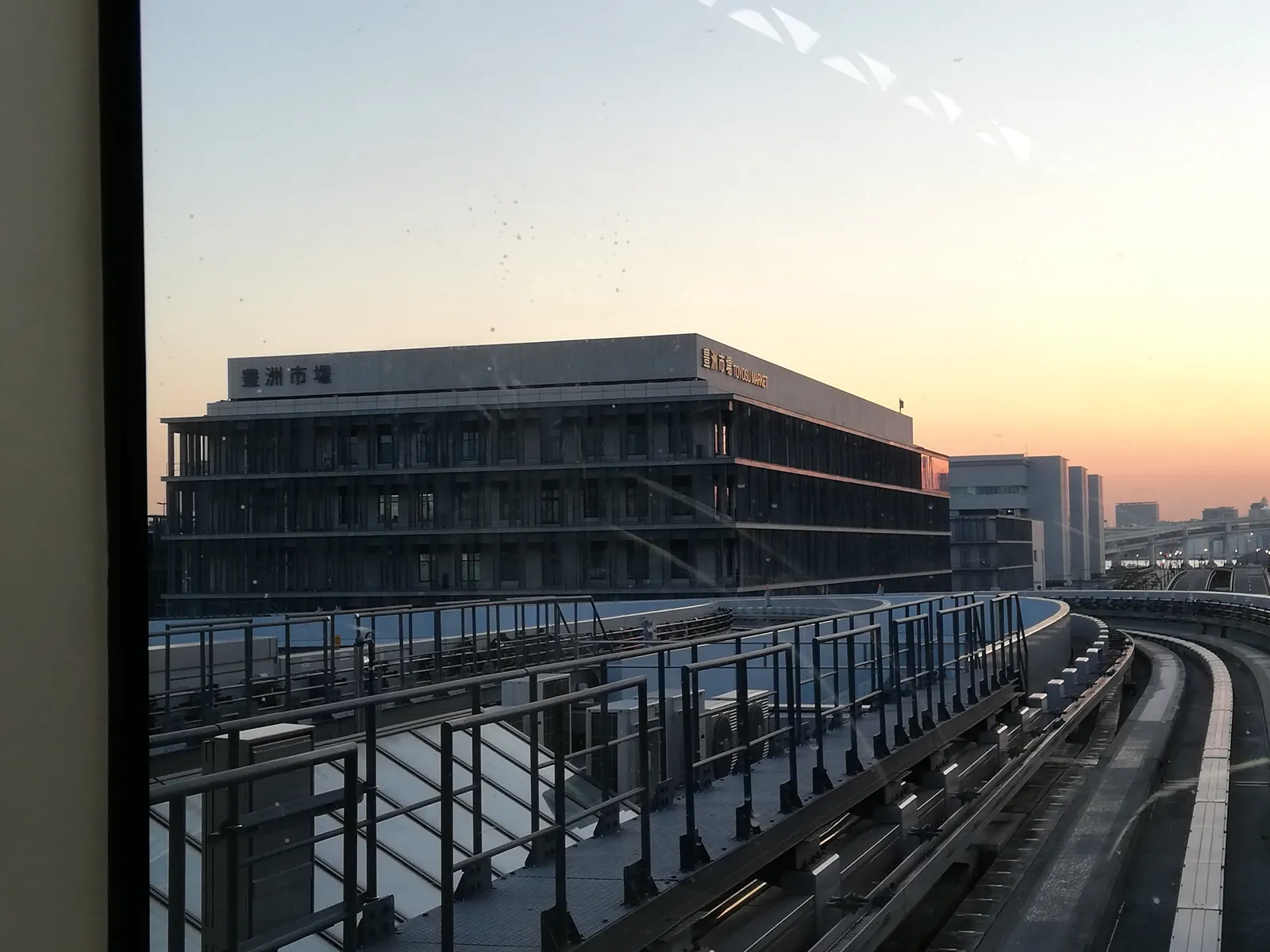
Sushi Dai sits on 3F of Block 6 and Daiwa Zushi on 1F of Block 5 at Toyosu Market. Compare market sushi counters, published set prices, cooked dishes, post-auction breakfast timing and Senkyaku Banrai for lunch or dinner.
Choosing Between Sushi Dai, Daiwa Zushi and Same-Building Alternatives
If Sushi Dai is your priority, make it your first stop of the morning. Run by Tsukiji Kotobuki Ltd, it opens for on-site queue registration at 05:00 and serves from 06:00 to 14:00, closing entries early once the day's slots fill up. Registrations are strictly for that same day: check in with staff at the door when you arrive, collect your return time, and wander the market until your slot. Anyone aiming for the first seating should arrive close to 05:00, while later arrivals should ask staff straight away whether slots remain. Sushi Dai accepts cash only.
Daiwa Zushi is listed in the Toyosu Market Tourist Association directory as open from 05:30 to 13:00. If you are staying nearby and have your heart set on it, start in Block 5. If you have already walked to Sushi Dai in Block 6 and find it full, check the other counters on 3F of Block 6 before trekking across to another block. Keep the Japanese names clear when checking signs or messaging companions arriving separately—Sushi Dai versus Daiwa Zushi—and include the floor number so everyone ends up in the same place.
In Block 6, Sushibun opens at 06:30 with last orders listed at 14:00, while Iwasa Sushi runs from 06:00 to 15:00. If you still want nigiri, compare the set menus and current wait times along this corridor; if a full seafood rice bowl sounds better, Kaisendon Oedo is on the same floor. Should part of your group stay in the Sushi Dai queue while the rest look for an immediate seat elsewhere, agree to meet afterwards by the same public entrance inside the building before heading up to 4F together.
Block 7 restaurants pair naturally with the morning tuna auction. The tourist association lists Sushidokoro Okame as open from 06:00 to 14:00, while Tsukiji Kagura Sushi Toyosu Market opens at 08:00 with last orders at 15:30 and closing at 16:00. Kagura Sushi has nine counter seats and three tables, and takes online booking requests; a reservation is only confirmed once the restaurant calls you back by phone. For same-day bookings, telephone that branch directly, and when confirming the location look for Block 7, Administration Building 3F and the last four digits of the branch phone number, 0246.
Each market restaurant runs on its own kitchen schedule, and queues frequently close well before the posted afternoon closing time. If you have a train to catch or a timed ticket later in the morning, work backwards from your latest departure time, subtracting time for eating, paying and walking back to the station to find your maximum wait allowance. If the return time quoted by staff goes past that cut-off, move straight on to the next place in the same building. Estimating wait times by counting heads is unreliable because counter seats, tables and party sizes all affect seating order—always ask the staff.
How Much Extra Does a Daiwa Zushi Booking Cost, and Is Saturday Worth It?
Daiwa Zushi offers seat-only advance bookings through TableCheck. Listed weekday slots run from 07:00 to 10:00 with a standard booking fee of ¥400 per person. On Saturdays, there is a special 08:00 to 09:30 window carrying a booking fee of ¥10,000 per person. Neither fee includes food, meaning a Saturday booking for two adds ¥19,200 more in fees alone than a weekday booking. If your itinerary is flexible, aim for a regular weekday slot; if Saturday is your only option and Daiwa Zushi is non-negotiable, add the booking fee to the meal cost before deciding whether to queue on the day or pick another counter.
Online bookings at Daiwa Zushi are limited to one or two guests per reservation; credit card details are required upfront, though you pay for the meal itself at the restaurant on the day. Once you arrive on 1F of the Fruit and Vegetables Building, give your booking name to staff. Contact the restaurant promptly if a train delay holds you up, as arrivals more than 15 minutes late who cannot be reached risk losing their table. The restaurant lists a one-hour dining limit, so add 60 minutes to your reservation time plus the walk back to the station from Block 5 when planning onward connections.
Parties of three or more who want to sit together should ask about walk-in seating on site or choose a restaurant that accepts larger bookings. Daiwa Zushi states that it does not provide high chairs; infants and toddlers share a seat with an adult and should not be counted in the guest number box when booking. Wheelchair users should note their needs in the booking form's request field, as accessible seating areas are limited. Anyone requiring a strictly gluten-free meal should dine elsewhere, as Daiwa Zushi's booking page notes that some seasonings contain wheat and strict gluten-free dishes cannot be provided.
If you are heading to Daiwa Zushi straight after the lottery tuna-auction viewing, a scheduled end time of 06:25 leaves 35 minutes before a 07:00 reservation to exit the viewing gallery and walk across blocks. Pick a later slot if you want more time around the fisheries buildings or are travelling with slower walkers. Conversely, trying to eat at Daiwa Zushi first and then return to Block 7 for the auction squeezes queuing and dining into a very narrow early-morning trading window, so those prioritising the auction are better off viewing it before breakfast.
Check the Set Menus Before Ordering Extras
When budgeting from published menus, double-check that you are looking at the right branch. In Block 7, Tsukiji Kagura Sushi Toyosu Market lists its Manzoku Nigiri set at ¥3,300 for nine pieces of nigiri, tamago omelette and soup. Stepping up to the ten-piece Gensen Nigiri costs ¥4,400, also with tamago and soup—a ¥1,100 difference. Check the day's line-up before choosing, and if you have a favourite fish, compare the set upgrade against ordering extra pieces a la carte.
The same menu lists Aburi 6 at ¥3,300 for six pieces of that day's seared nigiri with soup, a good choice if you prefer lightly torched fish or a smaller portion. Because aburi usually only sears the surface, anyone who needs fish cooked all the way through should ask staff which dishes are fully cooked or choose grilled or fried fish at another restaurant. On menus, owan-tsuki means soup is included, which is worth factoring in before ordering extra side dishes.
If you only want specific cuts, look at the a la carte nigiri section and check how many pieces come per order. Akami is lean tuna, while chutoro and otoro become progressively richer and fattier; if you see a three-cut tuna sampler (maguro sanshu), ask which cuts are included before adding extra tuna. Chalkboards labelled honjitsu no osusume show the daily recommendations, while jika means market price—always ask the price before ordering. To keep spending predictable per person, start from sets with clearly posted prices.
Fixed sets and omakase (chef's choice) work differently when ordering. With a fixed-piece set, you simply point to the menu item, though exact toppings vary with the morning's catch. Before ordering omakase, ask the price, roughly how long the full progression takes, and how additional pieces at the end are priced. If anyone in your party avoids raw fish or shellfish, tell the staff while queuing rather than discovering after you sit down that you need a different restaurant—the same advice applies when booking omakase at Sushimasa in Senkyaku Banrai.
For groups with mixed appetites—say, one person wanting a small nigiri plate and another wanting a full seafood bowl—choosing a restaurant that serves both saves everyone from having to order identical sets. When comparing prices, look for zeikomi (tax included) versus zeibetsu (before tax), and check whether drinks and extras fit your per-person budget. If only one person wants extra sea urchin (uni), ask for it as a single a la carte piece rather than upgrading the entire table to a deluxe set.
Tuna fans should also look at Ichiba Zushi on the same floor of Block 7, whose website lists hours from 06:30 to 14:00 with last orders at 13:30. Its tuna-focused Maguro Zukushi set is ¥6,000 (tax included), while its chef's-choice Omakase Nigiri is ¥6,300 (tax included), both served with miso soup. Beyond fatty belly cuts, the restaurant highlights speciality cuts such as tuna collar (kama) and crown meat (noten), so ask what is available that day and how to order it.
You can also choose a counter by rice style and preparation. Tsukiji Kagura Sushi seasons its sushi rice with red vinegar (akazu), and some of its seared items come pre-seasoned, so ask before dipping them in soy sauce. If you want to compare raw and seared versions of the same fish, check the a la carte list for both preparations before committing to an all-aburi set. What counts as seasonal at Toyosu comes down to each morning's landing and supply; the day's menu is your best guide, so decide on your preferred style before arriving and pick your fish once seated.
| Japanese Menu Name | Menu Price | Portion Details |
|---|---|---|
| Manzoku Nigiri | ¥3,300 | 9 pieces of nigiri, tamago, soup |
| Gensen Nigiri | ¥4,400 | 10 pieces of nigiri, tamago, soup |
| Tokusen Nigiri | ¥5,500 | 9 premium pieces of nigiri, tamago, soup |
| Aburi 6 | ¥3,300 | 6 pieces of daily seared nigiri, soup |
Visiting with Children, Non-Raw-Fish Eaters or Groups Wanting One Table
If only one or two people in a family want nigiri, decide in advance whether you want to sit together or split up for breakfast. If you are eating together and children are already hungry, look first for a spot with table seating and child-friendly dishes before checking the adults' sushi options. Counter-only shops may have spare seats only at opposite ends of the bar. If four of you need a single table, ask staff while registering—'Yonin desu. Teburu-seki wa arimasu ka?' ('Four people—do you have a table?')—before committing to the queue.
On 3F of Block 6, non-sushi eaters have strong cooked alternatives nearby: Tonkatsu Odaho for deep-fried cutlets and seafood fries, Fukusen for eel or grilled chicken, and Torito for chicken dishes. If you split up to eat at the same time, check wait times at each counter first and agree where to regroup afterwards. Anyone with fish, shellfish or crustacean allergies should explain clearly which ingredients must be avoided and whether shared kitchen equipment is an issue. Groups with very varied dietary needs may find it easier to head to 3F of Senkyaku Banrai, secure seats first and order from different stalls.
Before joining a queue with a pushchair, ask where it can be parked or whether it can be folded beside your table. Large suitcases are best left at your hotel, though Shijo-mae Station has coin lockers and an availability checker on the Yurikamome website. Lifts at Shijo-mae Station connect ground level, the barrier concourse and the platforms; if you arrive at street level, take the lift back up to the pedestrian deck rather than wheeling luggage along the loading bays.
Eating and drinking are prohibited in market corridors and on public benches. Agree on a post-meal meeting point for your group, and if anyone buys milk, coffee or snacks, finish them in a shop's designated seating area before moving on. When queues get busy, follow staff instructions so other diners and market workers can pass freely. Because counter seating is intimate, ask before taking photos; once your sushi arrives, wait for the chef or server to place the plate down and keep your phone over your own dining space.
If you want coffee before sushi in Block 6, Kissa Iwata and Senriken sit on the same floor, saving you a trip to another building. The tourist association directory lists Iwata until 14:00 and Senriken until 13:00. If two older relatives sit down for coffee while one person checks the sushi queue, confirm with the sushi restaurant whether everyone in the party must be present to register. Remember too that 4F Uogashi Yokocho has no pushchair parking and no coin lockers if you plan to browse while waiting.
Check Both the Market Calendar and Restaurant Schedules Before Picking a Date
The Tokyo Metropolitan Government's annual market calendar lists the fisheries section and the fruit and vegetables section separately. If you are coming specifically for sushi in Blocks 6 or 7, check the fisheries trading dates first, then confirm your chosen restaurant's hours. If Daiwa Zushi in Block 5 is your first stop and your date falls on a rare day when fisheries are open but produce is closed, check Daiwa Zushi's own trading notice—or pick a morning when both sections are open. Travellers visiting over New Year should check both the 2026 and 2027 calendars according to their exact visit date.
Toyosu Market generally closes on Sundays, public holidays and selected Wednesdays, though the daily schedule includes exceptions. For example, Tokyo's calendar lists 30 December 2026 as closed for fruit and vegetables but open for fisheries. To eat sushi that day, pick a fisheries-side restaurant with posted year-end hours; if you also want to see the tuna auction, check that month's auction viewing dates separately, as trading may still run on year-end days when viewing access is scaled back.
On trading days, the visitor galleries and dining and shopping areas are open from 05:00 to 17:00, though individual shops close on their own schedules. If you arrive around 14:00 or 15:00, target places still before last orders or go straight to Senkyaku Banrai. On market closure days, all on-site market restaurants, shops and viewing corridors are shut; if you still want a walk by the water, you can cross Toyosu Gururi Park up to the rooftop green plaza on Block 6 and then eat at Senkyaku Banrai.
If you have already booked an afternoon activity and realise the market is closed the next morning, schedule Toyosu breakfast for the first day and save the second evening for Senkyaku Banrai or dining near your hotel. Always check dates against Japan's local calendar when planning in advance. On a morning flight arrival, sort out your luggage and train transfers first and confirm which block you can realistically reach before building your schedule around one must-eat counter.
Pairing Breakfast with the Tuna Auction
The tuna auction takes place in the Fisheries Wholesale Market Building in Block 7. Without a lottery spot, you can still follow the visitor signs on trading-day mornings to the glass-fronted observation gallery on 2F, where the main auction activity usually runs from around 05:30 to 06:30. Note that the Japanese name for Block 7's building (Suisan Oroshi Uriba-to) differs by only one word from Block 6's Suisan Nakaoroshi Uriba-to. Head to Block 7 for the auction first, then walk over to Block 6 for Sushi Dai or Sushibun afterwards.
Closer access on the Tuna Auction Observation Deck is free but requires winning a Tokyo Metropolitan Government lottery in advance. Under the December 2026 schedule, groups are capped at five people including infants; viewing runs from 05:45 to 06:25, with check-in at 05:30 at the Market PR Corner on 3F of the Block 7 Administration Building. Winners must present their notification alongside photo ID for every member of the group (passports are accepted), follow staff instructions and keep camera flash turned off. Even though regular daytime notices list later opening hours for the PR Corner, early-morning lottery winners report to the exact same location as instructed.
Results for December 2026 close-up viewing were announced on 19 November, and no lottery viewing runs from 25 to 30 December. Travellers aiming for January 2027 can apply between 15:00 JST on 2 December and 23:59 JST on 8 December, with results released on 17 December. Submit one application per group—you can list multiple preferred dates, so prioritise mornings when you can reliably reach the 05:30 check-in. If you miss out in the lottery, you can still use the booking-free 2F gallery or focus solely on breakfast.
When combining close-up auction viewing with a must-visit sushi counter on the same morning, anchor your plan around your fixed lottery check-in time. Leave breakfast until after viewing ends at 06:25, building in buffer time to walk over and queue. Companions who are skipping the auction should meet you at the restaurant block later rather than trying to hold queue places in breach of shop rules. If you are watching from the free 2F gallery instead, you can leave whenever you have seen enough and head straight to your breakfast building.
If you want to watch market operations but cannot make the earliest trains, walk the 3F observation corridor in Block 6 after breakfast to overlook the 1F intermediate wholesale floor and exhibition panels. Wholesale bidding and intermediate sorting and preparation are separate stages, so viewing the latter from your dining floor fits naturally into the morning and still leaves time to browse dried goods and nori seaweed on 4F. Always keep clear of doorways marked for authorised personnel.
Best Early-Morning Routes to Shijo-mae Station
Visitors staying around Shimbashi, Shiodome or along JR lines connecting to Shimbashi can transfer at Shimbashi onto the Yurikamome line towards Toyosu and alight at Shijo-mae. From Ikebukuro or stations along the Tokyo Metro Yurakucho Line, ride to Toyosu Station (Y22) and change to the Yurikamome towards Shimbashi for two stops to Shijo-mae. Build in extra time at Toyosu for exiting the underground ticket gates and walking up to the elevated Yurikamome platform, especially with a pushchair or when using lifts; walking all the way from Toyosu Station to the market takes roughly 15 to 20 minutes according to the tourist association.
For a 05:30 auction check-in, work backwards from your arrival time at Shijo-mae Station and add the walk to the Administration Building's PR Corner, which Tokyo's viewing notice puts at around five minutes. Check timetables for your exact date, making sure to distinguish weekday from weekend and public-holiday schedules, and verify that your first underground or JR train connects in time. Only if the earliest train arrives uncomfortably close to check-in is it worth comparing a hotel within walking distance or booking an early-morning taxi.
If you are only coming for breakfast, you have more transport options. From Shimbashi, you can also take the Tokyo BRT trunk route towards Kokusai-Tenjijo or Tokyo Teleport and get off at Toyosu Shijo-mae. Check the route, stops and latest timetable before boarding, as several BRT services depart from Shimbashi. Rail or walking is more reliable for pre-dawn auction check-ins, while the BRT suits slightly later breakfast trips or the ride back to Shimbashi. From street-level bus stops, follow signs towards Shijo-mae Station to reach the elevated visitor deck; official bus stops named Toyosu Shijo-mae and rail station Shijo-mae both serve the market, though routes terminating at Toyosu require a further walk or train transfer.
If part of your group is coming from Ariake or Odaiba, coordinate meeting times around each train arrival. Agree to meet outside the station barriers before walking in, and save both Shijo-mae Station and your restaurant's Japanese name on your map. If taking a taxi, show the driver both 'Shijo-mae-eki' (Shijo-mae Station) and '7-gaiku Kanri Shisetsu-to' (Block 7 Administration Building), and ask to be dropped at a safe kerbside spot at ground level before taking the lift or stairs up to the deck.
Arriving After 10:00: Where to Eat at Toyosu Senkyaku Banrai
Toyosu Senkyaku Banrai keeps separate hours from the wholesale market and stays open on market closure days. Follow the signs for Toyosu Senkyaku Banrai along the pedestrian deck from Shijo-mae Station to arrive straight on 2F. Official Tokyo tourism listings state that most restaurants open from 10:00, with several 2F shops opening at 09:00. If you arrive at midday or later, check individual restaurant closing and last-order times first, as the 3F food court and standalone 2F restaurants close at different hours—evening diners should verify each shop's notice.
For nigiri on 2F, Tsukiji Kagura Sushi Toyosu Senkyaku Banrai has both counter and table seating, operating from 10:00 to 22:00 with last orders at 21:30. On the same floor, Sushi Yasuke by Choushimaru offers 130 seats from 10:00 to 21:00 (last orders 20:30), making larger restaurants a smart first check for bigger groups wanting one table. On 3F, Edo Tsujiya serves tuna-heavy seafood bowls, while for omakase on 1F, Sushimasa is listed with 15 seats and last entry at 20:00.
If your group is split between sushi, ramen and tonkatsu, head to 3F first to check the stalls and communal seating. If you want a relaxed sit-down meal at one table, check the standalone sushi restaurants on 2F and ask at the door about group table capacity and children's tableware. When choosing between spots at lunchtime, check which floor each candidate sits on before marching everyone up and down stairs just to compare menus.
To unwind after eating, head to the spa building's 8F for the free Senkyaku Banrai Footbath Garden, normally open from 09:00 to 22:00. Note that the rooftop observation footbath on 10F requires paid admission into Tokyo Toyosu Manyo Club. For the free footbath, follow the indoor signs to 8F and consider packing a small hand towel in winter. If official notices show shortened footbath hours on your visit day, prioritise eating and shopping first and spend any spare time along the Toyosu waterfront or at your next stop.
Guests staying nearby who fancy a soak before breakfast can look at Manyo Club's early-morning bath plan from 05:00 to 09:00, listed in its FAQ at ¥2,200 for adults plus a ¥150 bathing tax. If you arrive closer to 09:00 and want to linger, compare it with standard daytime entry from 10:00, which requires no advance booking for day visitors. If your main goal is securing a Sushi Dai slot or making a Daiwa Zushi reservation, protect that morning timing and save the bath for afterwards.
Fitting Queue Times into Your Breakfast Schedule
If you arrive at Shijo-mae at 08:30 without a fixed restaurant in mind and need to be at your next stop by 11:00, head to 3F of Block 6 and compare queues at two counters. Being quoted a 09:15 seating when you ask at 08:45 leaves 45 minutes to eat and pay, getting you out around 10:00—subtract onward travel time first before deciding whether you have time to shop on 4F. If both counters are quoting seating after 10:00, switch to another eatery in the same building or eat near your next destination; if takeaway is offered, ask how long preparation takes and whether your next stop has somewhere suitable to eat.
If you have a half-day set aside for Toyosu and really want Sushi Dai, set a phone alarm as soon as you receive your return time. A slot around 07:30 gives you just enough time to browse 4F or walk the observation corridor, though you should return to the restaurant floor well before your slot. If your return time is near midday, explore other parts of the market first, remembering to factor transit time back in. When an entire morning would otherwise revolve around waiting while others in your party are hungry, let the dedicated sushi fans stay behind and have everyone else eat on their own schedule before regrouping.
If you do not reach Toyosu until evening, skip the shut market buildings and head straight for Senkyaku Banrai's late-opening spots. Returning from Odaiba around 20:30, for instance, still leaves time for 2F Tsukiji Kagura Sushi before its 21:30 last orders—just allow for any wait and your train back. For seafood bowls on 3F, arrive earlier, as Edo Tsujiya closes at 20:00, and leave the footbath until after dinner so you do not miss kitchen last orders.
What to Buy After Breakfast, and How to Connect to Tsukiji, Odaiba or teamLab
Once you finish eating in Block 6, head up to 4F Uogashi Yokocho for food souvenirs. If you still have several days before flying home, sealed packets of nori seaweed, dried kombu kelp and seasonings pack easily—just ask at the till about storage requirements. If you want to take nigiri away from your table, ask which takeaway items are offered and how soon they must be eaten; Tsukiji Kagura Sushi Toyosu Market, for example, offers a separate takeaway menu including tuna rolls. Anything perishable should go straight back to your accommodation or be eaten in an approved seating area.
To experience both Toyosu and Tsukiji, give each market a distinct role: eat a proper sushi set at Toyosu, then pick one or two cooked snacks at Tsukiji before browsing food stalls if time permits. Ride from Shijo-mae back to Toyosu to catch the Yurakucho Line to Shintomicho Station and walk to the Tsukiji Outer Market. Individual shops there set their own hours, though the local shopping association recommends general visitors arrive between 09:00 and 14:00; the indoor Tsukiji Uogashi hall keeps its own calendar and prioritises trade buyers before 09:00. If Toyosu is closed on your chosen day, confirm which Tsukiji Outer Market shops are open before heading over.
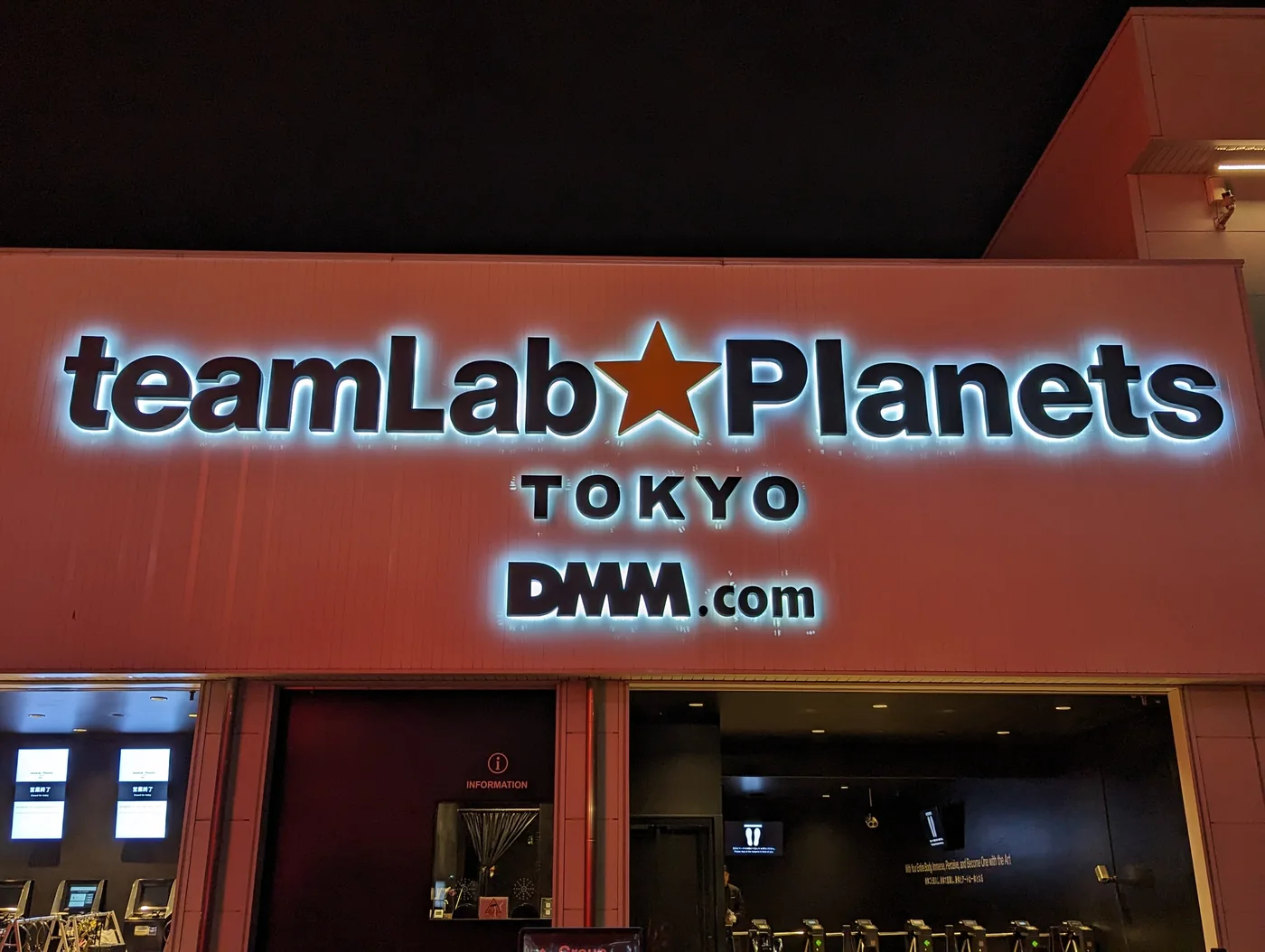
When pairing breakfast with teamLab Planets, keep your timed exhibition slot clear of your breakfast wait window. Take the Yurikamome one stop from Shijo-mae towards Toyosu to Shin-Toyosu Station, leave via the exhibition-side exit, and buy souvenirs afterwards so you are not carrying shopping bags inside. If two of you already hold a timed entry ticket, choose a market restaurant with a clear seating time—or if you are running late, visit the exhibition first and come back to Senkyaku Banrai for lunch instead of rushing mid-meal.
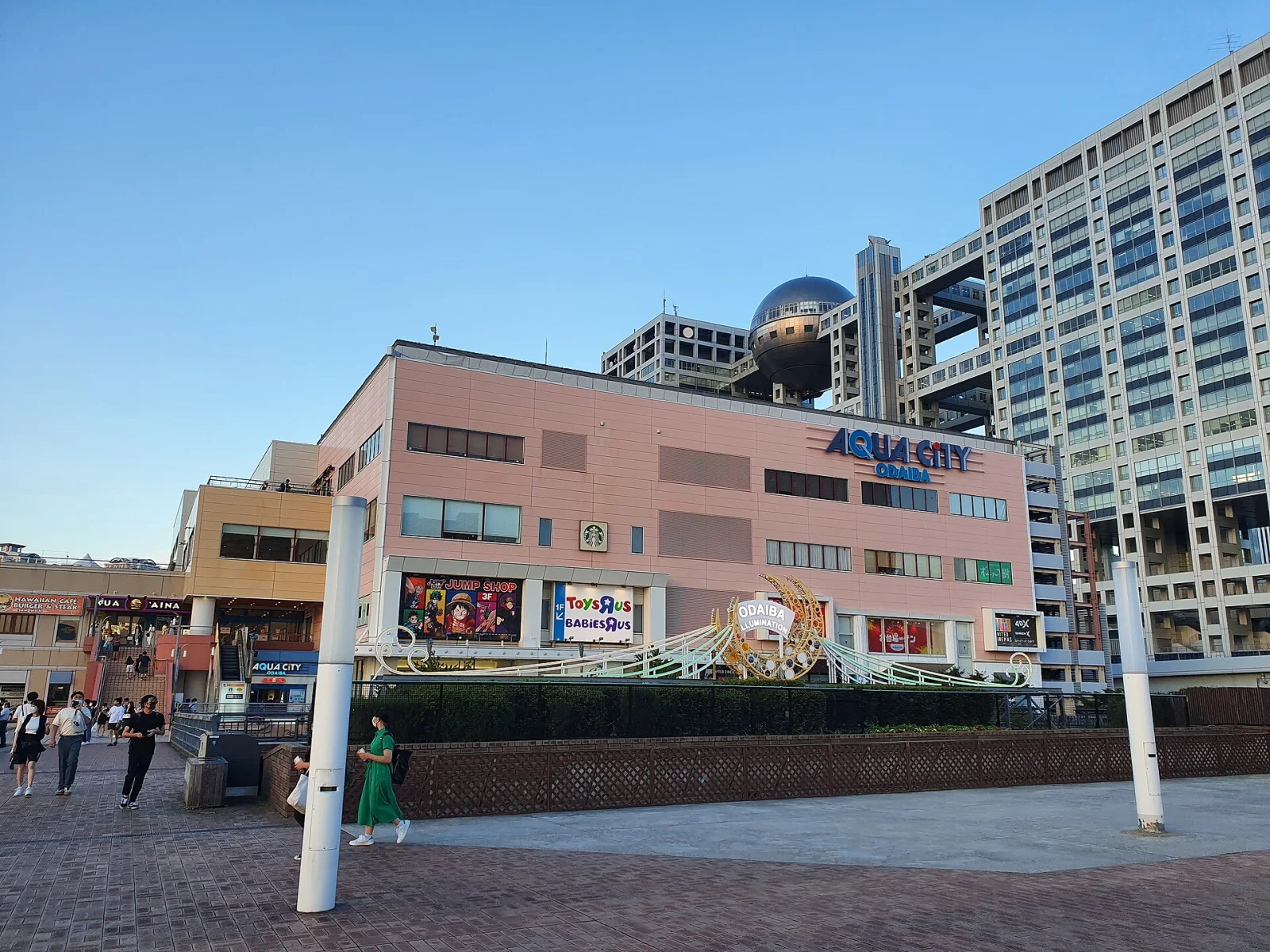
For Odaiba shopping, board the Yurikamome at Shijo-mae towards Shimbashi and alight at Daiba or Odaiba-Kaihinkoen depending on your chosen mall. Because most shopping centres open towards midday, you can stroll along the market waterfront after breakfast before heading over. If you plan to buy chilled foods or takeaway sushi, schedule the mall first and do your market shopping last—or stick to shelf-stable dried goods that travel happily back to your hotel.
A few useful answers
Do I need a reservation just to enter Toyosu Market for sushi?
No. On trading days, the general visitor walkways and restaurant areas are open without booking. Individual restaurants set their own queueing or reservation policies, while close-up tuna auction viewing requires a separate Tokyo Metropolitan Government lottery entry.
Are Sushi Dai and Daiwa Zushi in the same building?
No. Sushi Dai is on 3F of the Fisheries Intermediate Wholesale Market Building in Block 6, whereas Daiwa Zushi is on 1F of the Fruit and Vegetables Building in Block 5. Follow the respective block signs from the pedestrian deck outside the Shijo-mae Station barriers.
Are there any sushi restaurants inside Toyosu Market still taking orders in the afternoon?
Yes. Tsukiji Kagura Sushi Toyosu Market in Block 7 lists last orders at 15:30 and closes at 16:00. For dinner or evening meals, head to the same brand's 2F branch in neighbouring Toyosu Senkyaku Banrai, where last orders are at 21:30.
Can I pay by card at the market restaurants?
Sushi Dai is cash only. Tsukiji Kagura Sushi Toyosu Market lists major credit cards including Visa, Mastercard and JCB, alongside transport IC cards and selected mobile payments.
Can I book Daiwa Zushi online?
Yes, Daiwa Zushi accepts seat-only online reservations for one or two guests via TableCheck. Standard weekday slots carry a ¥400 fee per person, while special Saturday slots cost ¥10,000 per person; food is paid separately at the restaurant.
If I miss the tuna auction lottery, can I still see anything by arriving early?
Yes. General visitors can use the booking-free observation corridor on 2F of the Fisheries Wholesale Market Building in Block 7 to watch the auction floor from behind glass. Auctions happen early on trading mornings; arriving around 08:00 is better suited to going straight for breakfast.
Where can I eat sushi or use a footbath if Toyosu Market is closed?
Toyosu Senkyaku Banrai, right next to the market, remains open on market closure days, with sushi restaurants on 2F and seafood bowls on 3F. The free footbath is on 8F of its spa building.
Official information and references
Sources used in this guide.
- Tokyo Metropolitan Central Wholesale Market | Toyosu Market Opening Hours, Viewing and Dining Rules
- Tokyo Metropolitan Central Wholesale Market | Toyosu Market Floor Guide and Visitor Route Map
- Tokyo Metropolitan Central Wholesale Market | Annual Market Trading and Closure Calendar
- Tokyo Metropolitan Central Wholesale Market | Tuna Auction Close-Up Viewing Lottery Notice and Application Portal
- Tokyo Metropolitan Central Wholesale Market | December 2026 Tuna Auction Viewing and January 2027 Lottery
- Toyosu Market Tourist Association | Market Restaurant Blocks and Opening Hours
- Toyosu Market Tourist Association | Auction Viewing, Public Entrances, Walking Times and Payment Methods
- Tsukiji Kotobuki Ltd | Sushi Dai On-Site Queue Registration, Opening Hours and Payment Policy
- Daiwa Zushi | TableCheck Reservation Time Slots, Fees and Conditions
- Ichiba Zushi | Tuna Menu, Prices and Opening Hours
- Tsukiji Kagura Sushi | Toyosu Market Branch Seating, Last Orders and Payment Methods
- Tsukiji Kagura Sushi | Toyosu Market Branch Set Menus and Prices
- Tsukiji Kagura Sushi | Toyosu Market Branch Takeaway Menu
- Tsukiji Kagura Sushi | Branch Reservation Procedure
- Tsukiji Kagura Sushi | Red-Vinegar Rice, Seared Sushi and Seasoning Policy
- Yurikamome | Shijo-mae Station Timetable and Station Facilities
- Tokyo Metro | Yurakucho Line Route and Transfer Stations
- Tokyo BRT | Shimbashi Departures, Timetables and Routes
- Toyosu Senkyaku Banrai | Floor Guide, Shops and Restaurants
- Toyosu Senkyaku Banrai | Closure-Day Trading and Two Footbath Areas
- Toyosu Senkyaku Banrai | Tsukiji Kagura Sushi Branch Information
- Toyosu Senkyaku Banrai | Sushi Yasuke by Choushimaru Information
- Toyosu Senkyaku Banrai | Sushimasa Information
- Toyosu Senkyaku Banrai | Edo Tsujiya Information
- Tokyo Toyosu Manyo Club | Early-Morning Bath Fees and Day-Visitor Entry
- GO TOKYO Official Travel Guide | Senkyaku Banrai Restaurant and Footbath Hours
- Toyosu Market Commercial Cooperative | Uogashi Yokocho Visitor Guidelines
- teamLab Planets Official Ticketing | Access via Shin-Toyosu Station
- Tsukiji Outer Market | Recommended Visiting Hours for General Visitors
- Tsukiji Outer Market | Tsukiji Uogashi Opening Hours and Entry Rules