How to reach Miyagi Zao Fox Village, who can hold a fox, and what to wear in winter. Full details on Sendai to Shiroishi-Zao and Shiroishi fares, mountain buses, return taxis, family entry rules, and seasonal highlights.
- Region & Focus
- Tohoku
- Reading Scope
- 15 min read · 8 chapters · 6 Q&As
- Official Verification
- 28 official sources checkedUpdated 22 November 2026
- Key Topics
- SeasonsWinterRail travel
Chapter Route Map (tap any stop)
- One adult for every primary-school child or younger
- Step through the gate, keep to the pavement, and yield to foxes
- Spot the ears and tail first, then guess the fox
- Know who can join the fox-holding session
- June brings the summer moult; late autumn brings plush tails
- Pick the right Shiroishi station from Sendai before catching the mountain bus
- Pairing the city bus, taxis, and the winter resort shuttle
- Spend the morning with the foxes, then decide your afternoon in the valley
- Quick Q&A
A ball of orange fur in the snow rolls over and flashes four black paws. Tucked into the hills above Shiroishi in Miyagi Prefecture, Miyagi Zao Fox Village lets more than a hundred foxes roam freely through woodland while visitors stick to paved paths as the animals pad past. If you are travelling with children, count the adults in your party first: every child of primary school age or younger must have a dedicated adult companion. From Sendai, you can ride the Shinkansen to Shiroishi-Zao Station or take a local Tohoku Main Line train to Shiroishi Station, both of which have buses climbing up to the sanctuary. Choose your return bus before you buy your train tickets, and you will have unhurried daylight hours to watch the foxes' sharp ears, quiet footsteps, and bushier-than-expected tails.
One adult for every primary-school child or younger
Before a family of four sets off to see the foxes, count the grown-ups and the children. Two adults with two primary-school pupils works neatly as one-to-one supervision. One adult with two young children, however, breaks the entry rule, even if one of them is still in a baby sling. The sanctuary applies this rule to everyone of primary school age and under, including toddlers and babies, and older siblings in junior high school cannot stand in as the supervising adult. Once inside, hold the hand of the child assigned to you so both adults do not end up watching the same fox while a child wanders a few paces after a passing tail.
Families using a pushchair or buggy must leave it behind and switch to a baby carrier before entering. Visitors who use wheelchairs or walkers may enter alongside a companion to view the animals in designated areas, though the sanctuary bars those mobility aids from the free-roam enclosure because the foxes react nervously to them. The sanctuary notes that wheelchair users themselves receive a concession on admission. Since the highlight is watching foxes cross the woodland paths, agree on how your group will move before stepping through the gate. If you are travelling with elderly relatives or jumpy youngsters, linger near the caged animals by the entrance first to see who feels ready for the open enclosure.
Before your trip, practise walking together on flat pavement at home: one adult holding a child's hand, turning together, stepping aside on the path for oncoming walkers, and asking before pulling forward. Children do not need to understand Japanese at the village as long as they immediately respond to "stay with me" and "stand right beside me". For little ones who still ask to be carried or tend to bolt in unfamiliar surroundings, keeping the agreed distance from an adult matters far more than framing a sharp photograph.
Standard admission is ¥1,500 per person for junior high school students and older, while primary school children and younger enter free. Two adults and two primary school pupils pay ¥3,000 in total at the gate, excluding transport. The sanctuary's ticketing notice specifies cash only on site, so set aside enough yen notes and coins in an accessible pocket before leaving Sendai rather than hunting for a cash machine in the hills. On Japanese map apps, search for "Miyagi Zao Kitsune Mura"; the street address is 11-3 Kawarago, Fukuokahachinomiya, Shiroishi-shi, Miyagi.
The sanctuary is normally closed on Wednesdays, with exceptions during Golden Week in May and the Obon holiday period; check the official opening calendar for exact dates. It has already announced that it will open specially on Wednesday, 30 December 2026. The Shiroishi-Zao Sanroku Loop Line bus follows a separate timetable and never runs on Wednesdays, so if you visit on a special Wednesday opening, arrange a pre-booked taxi or drive yourself. The park stays open in light rain, though typhoons or heavy blizzards may shorten hours; if mountain weather closes in, keep your plans down in Shiroishi town or Sendai.
Last admission is 30 minutes before closing time. Anyone still down in the valley after 15:00 may technically beat the ticket cut-off, only to be rushed back out almost immediately. Treat the fox village as your first time-sensitive stop of the day and push everything else to the afternoon. In winter, you need to plan an even earlier departure if you rely on the bus: the park closes at 16:00, yet the last loop bus leaves the mountain at 15:00.
| Item | Official policy | Planning takeaway |
|---|---|---|
| General admission | ¥1,500 for junior high school students and older; free for primary school and younger | Every primary-school child or younger requires one adult companion |
| Summer hours | 09:00–16:30, last entry 16:00 | Seasonal hours switch according to annual sanctuary notices |
| Winter hours | 09:00–16:00, last entry 15:30 | Winter hours begin on 15 October 2026 |
| Closed days | Normally Wednesdays | Open specially on 30 December 2026; arrange alternative transport |

How to reach Miyagi Zao Fox Village, who can hold a fox, and what to wear in winter. Full details on Sendai to Shiroishi-Zao and Shiroishi fares, mountain buses, return taxis, family entry rules, and seasonal highlights.
Step through the gate, keep to the pavement, and yield to foxes
After buying your tickets, listen carefully to the briefing at the entrance. You can view several animals through fencing near the gate, whereas inside the free-roam zone only the open path separates people from the foxes. Pause with your children in the permitted observation area near the entrance to gauge how large the foxes are and how sharp their ears look before passing through the gate into the main enclosure. The gateway itself is a busy pinch point where visitors are asked not to linger, and photography is prohibited in marked doorway zones. Walk clear of the threshold as a family and wait until you reach a proper stretch of open path before raising a camera.
Stay strictly on the paved walkways. The earth beneath the trees, the low stone walls, and the outdoor wooden platforms belong to the foxes. If you are walking with an eight-year-old, agree at the entrance who holds whose hand, stop still whenever a fox crosses ahead of you, let it pass, and move slowly forward only once the path clears. Foxes also trot up from behind, so glance over your shoulder before taking a step backwards and keep children right at your side. If anyone needs a rest, head to the seating inside the designated feeding building; the sanctuary draws a clear line between benches meant for visitors and structures built for the foxes.
In winter, a curl of red fur sleeping beside the path lets you spot its black nose from a standing position. Never crouch right in front of a fox's face, sit on the ground, or poke a selfie stick towards it for a better angle. Keep your hands tucked close even when a fox trots past your boots, as touching the animals in the free-roam area is strictly forbidden. While looking together as a family, turn it into a quiet game -- one person spots the ears, another spots the tail -- and step out of the flow of foot traffic before pointing. Giving a fox an unobstructed path across the walkway usually reveals far more natural behaviour than trying to follow it.
Do not carry rustling plastic bags into the free-roam enclosure. Keep snacks and crinkly wrappers zipped inside a bag until you are completely back outside. Sanctuary staff warn that foxes recognise the sound of plastic bags and watch closely when visitors reach into coat pockets, sometimes jumping up if they think food is coming out. Have your phone or camera in hand before stepping through the gate. If you need to wipe a runny nose, adjust gloves, or dig out tissues, step back out of the free-roam area first. Tuck away loose scarf ends and anorak drawstrings, and stow dangling bag charms so nothing swings at fox eye level as you walk.
In the centre of the free-roam enclosure stands a covered feeding hut. When feeding sessions are open, buy the sanctuary's official feed and toss it from inside the building as directed by staff. Handing out bread or biscuits along the path teaches foxes to associate passers-by with snacks, making them lunge towards visitors. If your children want to feed the foxes but feel nervous when a pack gathers below, watch one round from the upper platform first -- there will still be plenty of foxes to observe around the grounds afterwards. Save your own packed lunch until you have left the animal zones.
Before entering, give every hat, glove, and mobile phone a secure home. The sanctuary warns that anything dropped on the ground may be snatched by a fox, chewed, or buried in the earth. If something falls off the paved path, notify a member of staff rather than reaching out to grab it yourself. Travelling with bulky suitcases or backpacks? Ask at the ticket counter which items can be left behind the desk, or better yet, leave large bags at your hotel in town so adults keep both hands free for children.
While children watch the foxes, adults need to watch their footing. The sanctuary advises against flip-flops, sandals, or high heels, and warns that flowing skirts and loose cords dangling behind your back attract foxes' attention. Winter outfits add extra layers, so tuck hood toggles and keyrings firmly inside your coat. If you are carrying a toddler in a sling, look ahead at the ground and check behind before turning, while a companion reads the signs and keeps track of the exit. Dividing those small jobs outside the gate makes it far easier to relax and watch a fox swivel its head towards you inside.
Spot the ears and tail first, then guess the fox
The sanctuary's own guide separates red foxes from Arctic foxes. Silver foxes are actually a colour morph of the red fox, named for the pale silver tips catching the light across their dark fur. Standard red foxes also show striking junctions of russet, slate grey, and black across their coats. For children seeing foxes for the first time, pick two individuals that look completely different and compare them from the outline of their ears down to the markings on their legs. Some have dark masks across the whole face yet carry a pale saddle over the back; once your eye adjusts, even the "black ones" reveal several distinct shades.
When you spot a pale bundle of fur, study its silhouette. Compared with the tall, pointed ears of a red fox, an Arctic fox has shorter, rounder ears and a softer, rounder profile to its head. An orange back stands out vividly against fresh snow, whereas silver-grey, white, and cream coats take a moment longer to pick out. If you cannot see the whole animal, do not rush to name it -- point out a single ear, paw, or tail tip to your companion instead. On the way back out, check the identification boards near the entrance to match the markings you remember against the sanctuary's fox guide.
Practise telling long winter fur apart from actual body size. A thick winter tail often curls slightly upwards at the very tip, hinting at a sharper point beneath the fluff. Watch a fox take a step: the leg moves first, and the dense coat sways a fraction of a second later. When a single ear pokes up beside a wooden shelter, ask your child whether it looks pointed or rounded before the rest of the animal appears. Details children discover for themselves stick in their memory far longer than ticking species off an adult's checklist.
As a fox trots along, its tail may sweep low just above the path; when it curls down to nap, that same tail wraps tight around its flanks and hides all four paws. From a single stretch of pavement, wait calmly and watch one fox shift from flat tail to raised brush to a curled-up cushion. If several are snoozing farther out under the trees, see how each one faces a different direction -- or notice whether several flick their ears towards the same distant sound at once.
If your children enjoy sketching or keeping a travel journal, draw a simple blank fox outline on paper before you enter, leaving space for the ears, belly, and four paws. Once you leave the sanctuary, let them colour in what they remember -- perhaps the bright orange one in the snow, or the one tucked behind a log with only its tail showing. Two children looking at the exact same fox often notice different things: one remembers the dark paws, the other the angle of the ears. Comparing their drawings afterwards brings the visit alive far better than filling in a worksheet mid-walk.
On your first circuit, set aside a quiet few minutes solely for foxes that are resting. Moving foxes catch the eye immediately, yet sleeping ones let the whole family see how fur parts in different directions and how compactly their bodies fold onto the cold ground. When a fox keeps its eyes shut, walk quietly past so the next family on the path gets the same calm view. Even very young toddlers who prefer watching from a distance find plenty to spot at the entrance pens, from finding the brightest patch of fur on a fox's face to waiting for one to trot from one side of the fence to the other.
Know who can join the fox-holding session
Holding a fox is a staff-run programme scheduled at 11:00 and 14:00 on open days, restricted strictly to high school students and adults, with places allocated on arrival and no advance bookings. Staff decide on the day whether sessions go ahead or finish early depending on the animals' condition and the weather, and visitors cannot choose a specific fox or spot. Check the noticeboard at the entrance as soon as you arrive; if older teenagers or adults in your group want to take part, ask staff where the queue forms. If you are travelling with an eight-year-old, use that window to watch sleeping foxes along the paths or explore the entrance animal pens.
Spring brings a chance to see fox cubs on display alongside separate seasonal cub-holding announcements. In April 2026, the sanctuary first opened cub viewing and only later posted dates for holding baby foxes, with the keeper diary showing how those activities rotate. When watching cubs, slow down your pace and observe how they stand up, nudge each other, and swivel their heads. If no holding session is listed on the day you visit, simply follow the main woodland circuit and linger wherever the animals are most active.
Whenever a family splits up, at least one adult must stay with each child who requires supervision. If two adults with two primary school children want to take turns holding a fox, check with staff how the waiting area works rather than sending one parent into the free-roam zone with both children alone. Above all, if social media photos inspired your trip, explain to younger children beforehand that seeing foxes up close on foot is the real adventure so expectations match reality at the gate.
The sanctuary also houses rabbits, goats, and other small animals in a separate contact area. If a child feels overwhelmed by foxes trotting right past their boots, a fenced pen makes it much easier to keep a comfortable buffer while still watching how animals move. Where direct interaction is open, staff manage how visitors touch the animals. Following your child's comfort level keeps the visit relaxed and leaves more time for the corners they genuinely enjoy.
Bear in mind the bus timings if you want to hold a fox. The morning loop bus arrives at 10:49, leaving just 11 minutes before the 11:00 session to buy tickets and hear the safety briefing. Anyone determined to make the morning slot is better off taking an earlier taxi up the hill or aiming for the afternoon. The 13:39 afternoon bus gives you 21 minutes before the 14:00 session, though catching the 15:00 return bus afterwards can feel tight, so ask staff roughly when your turn will come before joining the queue. Families focused on watching foxes roam freely can skip the queue altogether and spend the full window along the woodland paths.
June brings the summer moult; late autumn brings plush tails
The woodland changes mood with every season. Spring is the moment to watch for cub viewing announcements, though early spring mornings up in the hills still feel bitingly cold while waiting for a bus. In summer, leafy green shade sets off the foxes' long legs and narrow muzzles. By June 2026, the sanctuary's diary was already noting the seasonal moult, when foxes look rangier and patches of fur along their backs and cheeks grow in uneven tufts. Keep one winter snow photo on your phone and pull it out after leaving the park to show children how dramatically the summer and winter coats differ.
Once temperatures drop, tails and ruffs thicken noticeably, swallowing up the sharp leg lines visible in summer. If you want fluffy winter coats without wading through deep snowdrifts, target late autumn, when foxes tread across fallen leaves and brisk mountain layers are enough to stay warm. In its 8 November 2026 diary entry, the sanctuary noted flurries of snow the day before while autumn foliage still lingered on the slopes -- two seasons sitting side by side. Dress in a windproof outer shell over removable warm layers so you can adjust easily between heated trains and chilly woodland paths.
Against russet autumn leaves along the path, a red fox's orange back can blend straight into the backdrop; after the first snowfall, that exact same coat stands out from far away. Let children take the lead in spotting camouflaged foxes while adults stay planted on the pavement and follow where they point. Even patchy early-winter snow offers sharp contrasts -- dark paws against damp soil beneath the pines, or a white tail tip brushing past a drift. Take time to notice the details of whichever season you land in, and you will start recognising corners of the sanctuary in other travellers' photos later on.
White snow frames every orange flank, grey ear, and black paw in crisp relief. For a winter trip, footwear is the most important item to pack. Wear waterproof closed-toe shoes or snow boots with deep tread that grips slush and packed ice, and make sure children wear proper boots or trainers that enclose the heel. Shorten your stride on wet pavement and compressed snow. Thin-soled canvas shoes chill quickly in the snow and make standing still at the bus stop miserable once damp. Pack spare socks in your daypack so anyone with damp feet can change inside a rest area or once back in town.
Save your warmest gloves for waiting at the bus stop and walking beneath the trees; if you take photos, bring touchscreen-friendly liners or take turns holding the camera so fingers are not exposed for long. If a child walking the circuit complains of stiff fingers or cold toes, head calmly towards the exit. One good photo looking ahead down the path is plenty -- once you warm up, you can still grab hot noodles or explore the castle down in Shiroishi. Knock packed snow off boot treads in the area staff indicate before climbing into a car or bus rather than trying to unlace frozen boots on a kerb.
Drivers should check mountain weather separately from Sendai's forecast. On 20 November 2026, the sanctuary posted a snow notice reminding drivers that winter tyres are essential on the climb up. The drive takes roughly 20 minutes from Shiroishi Interchange on the Tohoku Expressway, ending with a steep mountain stretch, so confirm winter tyres when reserving a hire car in snow season. If your dates are flexible and a blizzard rolls in, keep the morning indoors. In ordinary light rain, a raincoat leaves both hands free to hold a child's hand -- just choose a hem short enough not to brush past passing foxes.
Pick the right Shiroishi station from Sendai before catching the mountain bus
The Tohoku Shinkansen serves Shiroishi-Zao Station. Board a Yamabiko train that stops at Shiroishi-Zao for a quick 13 to 14-minute hop from Sendai. An adult paper base ticket plus unreserved limited express seat costs ¥1,690 one way (¥810 base fare and ¥880 limited express surcharge); families booking reserved seats should check the exact total on the booking screen. Check the stopping pattern carefully before stepping onto the platform, as some faster services towards Tokyo blast straight through without stopping. Saving a single screenshot with both "Shiroishi-Zao Station" and "Kitsune Mura" in Japanese makes matching bus-stop signs effortless on the ground.
JR Tohoku Main Line local trains run instead to Shiroishi Station, taking about 48 minutes from Sendai. An adult one-way ticket costs ¥810 on paper or ¥803 with a contactless IC travel card. Take a train bound for Shiroishi or Fukushima that stops at Shiroishi; several lines south of Sendai share the same opening corridor, so do not board a train marked for Iwanuma or Sendai Airport without checking its final destination. At Shiroishi Station, leave via the West Exit for the bus stop. If you plan to eat Shiroishi umen noodles or stroll to Shiroishi Castle afterwards, getting off at Shiroishi Station on the way back works out most smoothly.
For one primary school child, JR paper child tickets cost half the adult fare -- calculated separately on the base fare and express surcharge, rounded down to the nearest ¥10 (dropping ¥5 remainders). On the local line from Sendai to Shiroishi, a child ticket is ¥400 on paper or ¥401 by IC card; on the Shinkansen to Shiroishi-Zao, an unreserved child ticket totals ¥840. Even though primary school children enter the fox village free of charge, they still pay child fares on trains and the loop bus. Make sure a child tapping through ticket gates uses a dedicated child IC card, as tapping an adult card deducts the full adult fare.
Takeya Kotsu's Shiroishi-Zao Sanroku Loop Line links both stations directly to the fox village. Outbound buses depart Shiroishi-Zao Station first, pick up at Shiroishi Station West Exit, and climb past Kamasaki Onsen and Yajiro Kokeshi Village; inbound buses reverse the order, calling at Shiroishi Station before terminating at Shiroishi-Zao. The flat one-way fare from either station is ¥1,000 for adults (junior high school and above) and ¥500 for primary school pupils. No bookings are taken and boarding is first-come, first-served, so take children to the loo and buy drinks before joining the queue.
Below are the operator's published two outbound and two inbound services. Operating days can vary by month and the bus never runs on Wednesdays, so check the Takeya Kotsu Shiroishi-Zao Sanroku Loop Line timetable and current notices before travelling. If you visit on a special Wednesday opening at the sanctuary, arrange alternative transport up the mountain. Note also that Takeya Kotsu does not allow passengers to ride this loop bus solely between Shiroishi-Zao Station and Shiroishi Station in either direction; use Shiroishi's local inter-station bus or a taxi for that hop instead.
Work backwards from the bus timetable when picking your train. The morning bus reaches the fox village at 10:49 and the first return leaves at 12:10, giving you 81 minutes on site to buy tickets, hear the briefing, explore, and walk back to the stop. The afternoon pair -- arriving 13:39 and departing 15:00 -- gives you the exact same 81-minute window. If you want a longer morning, be ready either to stay until the 15:00 bus or to call a taxi down. Decide how much time you actually want on the mountain before deciding between the Shinkansen and the local train.
| Direction & service | JR Shiroishi-Zao Station | JR Shiroishi Station West Exit | Miyagi Zao Fox Village |
|---|---|---|---|
| Outbound 1 | Dep. 10:15 | Dep. 10:20 | Arr. 10:49 |
| Outbound 2 | Dep. 13:05 | Dep. 13:10 | Arr. 13:39 |
| Inbound 1 | Arr. 12:46 | Arr. 12:39 | Dep. 12:10 |
| Inbound 2 | Arr. 15:36 | Arr. 15:29 | Dep. 15:00 |
Pairing the city bus, taxis, and the winter resort shuttle
From Shiroishi Station, Shiroishi City's community bus ("Castle-kun") also reaches the sanctuary on the Fukuoka Line's Fubo / Fox Village branch, running exclusively on Tuesdays and Fridays (excluding Japanese national holidays and 29 December to 3 January). On the April 2026 timetable, the morning bus leaves Shiroishi Station at 07:58 and arrives at 08:43 -- a 45-minute ride putting you at the gate 17 minutes before opening. A second bus leaves at 13:35 and arrives at 14:20. Standard adult fare is ¥200, while junior high school pupils and younger ride free when showing the required student proof; there is no change machine for high-value notes on board, so drop exact cash or coupons into the fare box beside the driver as you alight.
On a Tuesday or Friday, pairing the morning city bus up for ¥200 per adult with the midday Takeya Kotsu bus back gives budget-minded travellers several unhurried hours with the foxes. In winter, however, it means an early start from Sendai and a chilly wait outside the gate before 09:00. The 14:20 afternoon arrival only makes sense if you have arranged a taxi back down; if the bus runs slightly late, paying and listening to the safety talk could leave your family with barely half an hour before the 15:00 loop bus departs. Save both the Fukuoka Line ("Fubo" branch) and the Loop Line names separately, as their free-age rules, payment methods, and timetables are entirely distinct.
A taxi takes around 20 minutes from either station. Shiroishi Taxi lists an indicative compact-car fare of roughly ¥6,000 from Shiroishi-Zao Station. From JR Shiroishi Station, the 13.2 km mountain run works out to an upper metered estimate of roughly ¥5,600 for a standard saloon under the Tohoku District Transport Bureau distance fares taking effect in July 2026 (¥800 flag-fall for the first 1.2 km, then ¥100 per 254 metres). Traffic lights, slow climbs in winter conditions, pick-up points, and vehicle size all nudge the final meter reading. Both figures are per car rather than per person, so compare them against the total group bus fare rather than a single ticket.
For two adults and two primary school pupils, the Loop Line comes to ¥3,000 each way, or ¥6,000 round trip from Shiroishi-Zao before adding Sendai rail tickets and park entry. Because a taxi costs roughly ¥6,000 for one direction, taking the bus up and a taxi down buys complete flexibility over when you leave without breaking the budget. If you are travelling with several young children and pushchairs or luggage, state the exact headcount, seats needed, and bags when booking so the dispatcher sends a large enough vehicle.
To ride a taxi back down, ask staff at the sanctuary's front desk to call one for you. Let them know upon arrival whether you want to return to Shiroishi-Zao Station or Shiroishi Station, along with your preferred pick-up time and group size. During heavy snow or whenever several groups leave at once, arranging early leaves room for dispatch wait times. If you need to catch a specific Shinkansen straight down the hill, build generous padding into your pick-up time for waiting, the 20-minute descent, and clearing the ticket gates.
Visitors staying in Togatta Onsen can use a separate seasonal service, the Miyagi Zao Sanroku Access Line. Takeya Kotsu schedules it on weekends and Japanese national holidays from 1 November 2026 to 28 March 2027, charging ¥800 for adults and ¥400 for primary school children between Kami no Yu in Togatta Onsen and the fox village. It also serves Zao Cheese and Miyagi Zao resort hotels, neatly tying the foxes into an onsen stay on the Miyagi side. Travellers coming directly from Sendai or either Shiroishi station should stick to the trains and Loop Line detailed in the previous section and avoid mixing up these two similarly named buses.
Spend the morning with the foxes, then decide your afternoon in the valley
On days when the Loop Line runs, you can map out a crisp morning schedule using November 2026 JR times. Catch Yamabiko 132 from Sendai at 09:41 to reach Shiroishi-Zao at 09:55, giving your family 20 minutes to clear the barriers, locate the Sanroku Loop Line stop, and board the 10:15 bus up to the village for 10:49. Taking the 12:10 return bus puts you at Shiroishi Station at 12:39 and Shiroishi-Zao at 12:46 -- hop off first if you want lunch in town, or ride to the terminus to catch the Shinkansen back to Sendai.
In an 81-minute window between buses, spend the first stretch getting your bearings at the entrance and learning the rules, take an unhurried circuit along the paved enclosure paths, and circle back near the exit well ahead of time. If an eight-year-old becomes transfixed by a fox curled in the snow near the entrance, let them linger until it lifts its head rather than rushing every corner. Agree to walk to the bus stop 15 minutes before departure, getting coats zipped, souvenirs bought, and bags packed beforehand. Bringing a dry spare pair of gloves makes waiting outdoors at the winter stop far easier for children.
Plan meals down around Shiroishi Station rather than on the mountain. According to the sanctuary's facilities page, light snacks on site are only sold during Golden Week in May and Obon, so eat breakfast in Sendai on ordinary days and plan lunch before catching a later return bus. If any children get car-sick on winding mountain roads, keep breakfast light and save a proper meal for the descent. Splitting up briefly to eat at Shiroishi Station before regrouping at Shiroishi-Zao? Remember to check local inter-station bus times and leave plenty of walking margin.
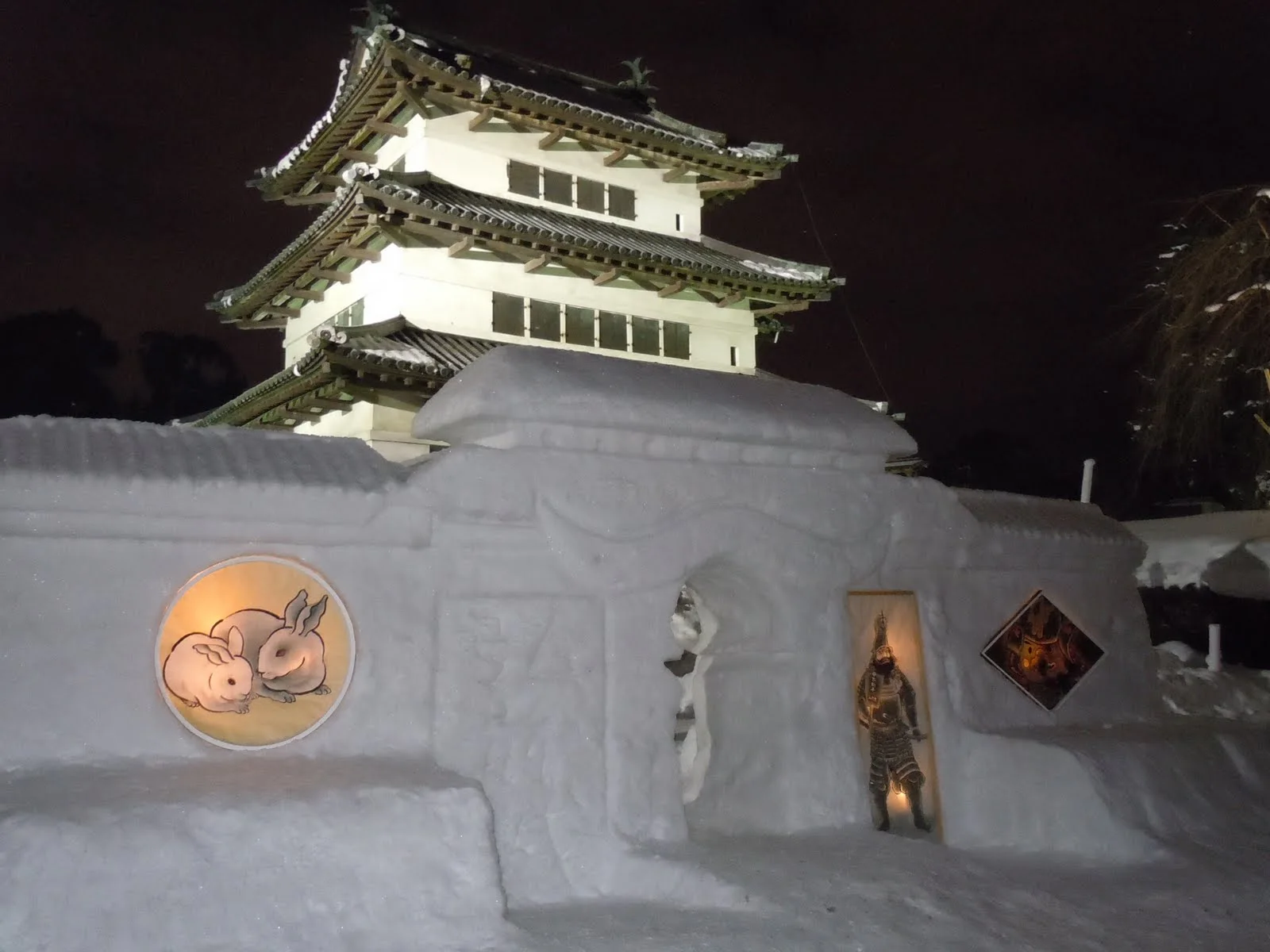
Stepping off at Shiroishi Station around lunchtime is the ideal excuse to seek out a bowl of local Shiroishi umen, short wheat noodles made without oil. Afterwards, spend the rest of the afternoon around Shiroishi Castle and its old castle town. The castle keep is a faithful timber reconstruction based on historical records; after a morning watching foxes in the snow, children usually enjoy switching gears to trace the angled castle walls and count the storeys inside. And if boots are soggy or youngsters nod off on the bus, heading straight back to Sendai after lunch is always a sensible fallback.
For a hands-on craft stop instead, the Loop Line also calls at Yajiro Kokeshi Village, where local tourism guides highlight traditional wood-turned kokeshi doll painting using a spinning lathe to band stripes around the wooden blank. Ring ahead to confirm drop-in painting slots, and plan the leg between the fox village and the kokeshi village carefully. The bus takes 12 minutes between the two: leaving the fox village at 12:10 drops you at Yajiro Kokeshi Village at 12:22, though the next Loop Line bus towards Shiroishi Station does not pass until 15:12. Families eager to see both smoothly in one day can pre-book a taxi for the short hop, or save the kokeshi village for the next morning if staying overnight in Kamasaki Onsen.
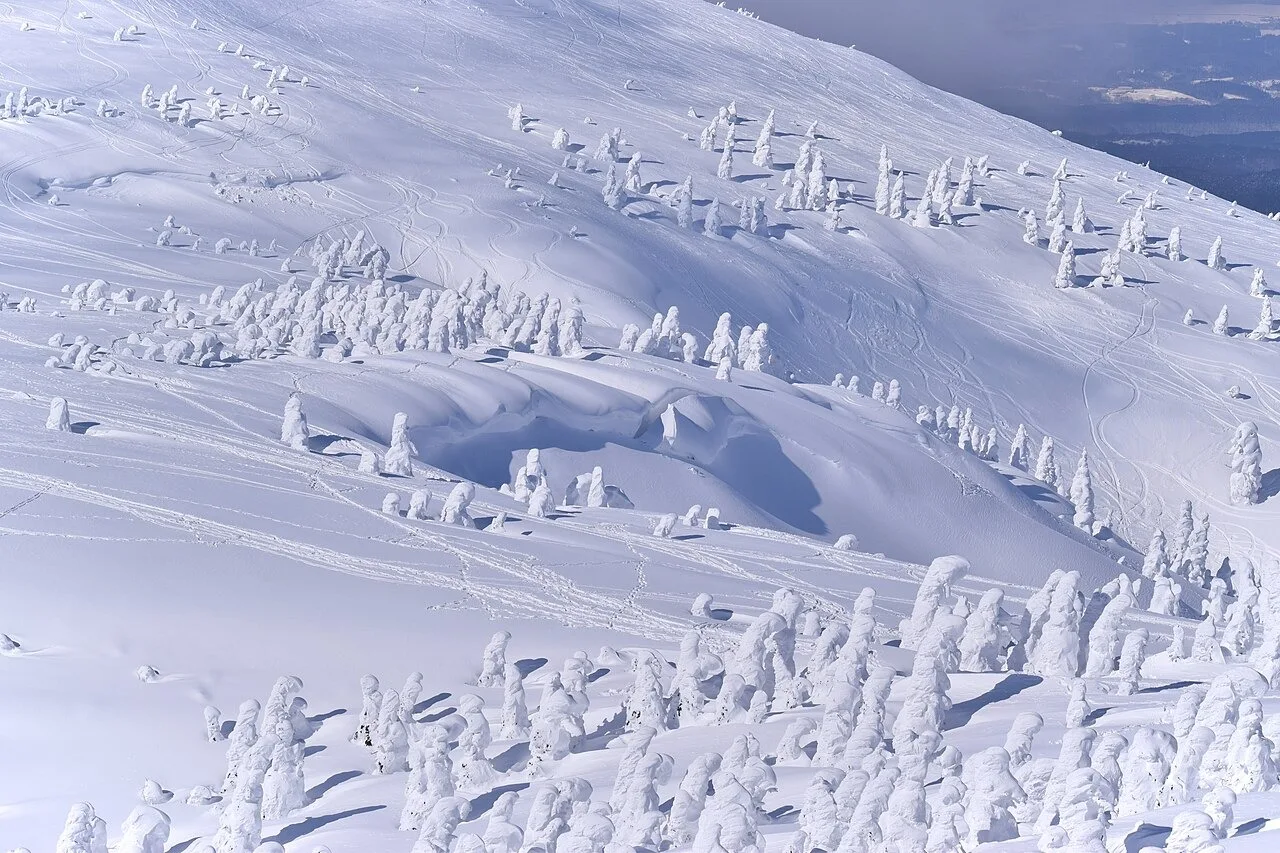
Travellers heading to Matsushima or across to Yamagata should give those destinations their own day; our guide to Sendai and Yamagata onsen and seasonal day trips lays out how the regional routes connect. Remember that Miyagi's fox village sits in Shiroishi, whereas Zao Onsen and the famous snow monsters on the Yamagata side rely on a completely separate transport network. With children in tow, keeping this day centred on the foxes and a warm bowl of umen afterwards works best -- and if you head down early, you still have half an afternoon free to wander Shiroishi town or return to Sendai for a rest.
A few useful answers
Can one adult bring two young children into Miyagi Zao Fox Village?
The sanctuary requires at least one adult for every child of primary school age or younger. Pre-school toddlers and babies count towards this rule, so one adult arriving with two children of primary school age or younger will not be admitted.
Can an eight-year-old hold a fox?
The fox-holding experience is restricted to high school students and adults, with scheduled sessions at 11:00 and 14:00 on open days, allocated first-come, first-served. An eight-year-old can still observe the foxes with an adult in the designated public areas.
Are pushchairs or wheelchairs allowed inside the fox village?
Pushchairs and buggies are not permitted inside; families are asked to use a baby carrier instead. Wheelchair and walker users may enter with a companion to visit the designated viewing areas, though mobility aids are prohibited inside the free-roam enclosure.
Should I travel from Sendai to Shiroishi Station or Shiroishi-Zao Station?
Take the Tohoku Shinkansen Yamabiko to Shiroishi-Zao Station, or a Tohoku Main Line local train to Shiroishi Station. Both stations connect to the Shiroishi-Zao Sanroku Loop Line bus straight to the village for ¥1,000 one way for adults and ¥500 for primary school children.
When is the last Shiroishi-Zao Sanroku Loop Line bus down the mountain?
According to the operator's timetable, the last bus departs the fox village at 15:00, calling at Shiroishi Station before continuing to Shiroishi-Zao Station. If you miss it, staff at the entrance can call a taxi for you.
Do you need snow boots in winter?
Yes. When snow is on the ground, wear waterproof closed-toe shoes or snow boots with deep tread, and put children in sturdy footwear with enclosed heels. During the 2026 winter season the sanctuary closes at 16:00, with last entry at 15:30.
Official information and references
Sources used in this guide.
- Miyagi Zao Fox Village official homepage (admission, hours, entry and mobility-aid rules)
- Miyagi Zao Fox Village official notice (companion rules for primary school and younger, ticket sales)
- Miyagi Zao Fox Village operating calendar (winter hours and 30 December opening)
- Miyagi Zao Fox Village free-roam enclosure entry rules
- Miyagi Zao Fox Village facilities guide
- Miyagi Zao Fox Village fox species directory
- Miyagi Zao Fox Village small-animal zone and fox-holding experience
- Miyagi Zao Fox Village 2026 fox cub viewing announcement
- Miyagi Zao Fox Village 2026 baby fox activity diary
- Miyagi Zao Fox Village 2026 early-summer moult diary
- Miyagi Zao Fox Village 2026 autumn keeper diary
- Miyagi Zao Fox Village November 2026 snow conditions diary
- Miyagi Zao Fox Village access and return taxi dispatch information
- Takeya Kotsu Shiroishi-Zao Sanroku Loop Line and fares
- Takeya Kotsu Shiroishi-Zao Sanroku Loop Line timetable PDF
- Takeya Kotsu winter shuttle between Togatta Onsen and Miyagi Zao Fox Village
- Shiroishi City Bus operating days, fares, and payment guide
- Shiroishi City Bus April 2026 Fukuoka Line timetable
- JR East Sendai Station conventional line and Shinkansen timetables
- Miyagi Prefecture Sendai-to-Shiroishi rail times and Zao foothills public transport guide
- Japan Tourism Agency 2026 transport reference (Sendai to Shiroishi-Zao unreserved Shinkansen surcharge)
- Yahoo! Japan Transit route lookup (Sendai to Shiroishi-Zao fares)
- JR East child fare calculation rules
- Shiroishi Taxi estimated fares from Shiroishi-Zao Station
- Kamasaki Onsen THE YUKAWA driving time guide from Shiroishi Station to Miyagi Zao Fox Village
- Miyagi Prefecture Taxi Association standard taxi fare comparison from Shiroishi Station to Miyagi Zao Fox Village
- Tohoku District Transport Bureau Miyagi regional taxi tariffs effective July 2026
- Shiroishi Tourism Information (Shiroishi Castle and Yajiro Kokeshi Village)